Artwork
Peisaj din Mangalia
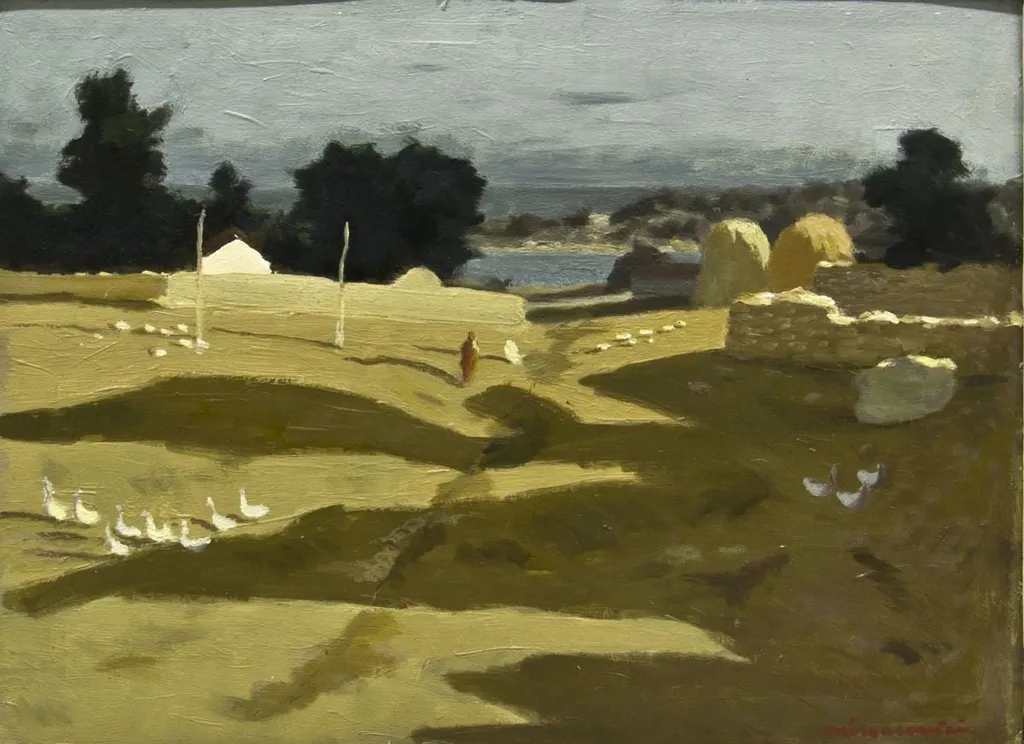
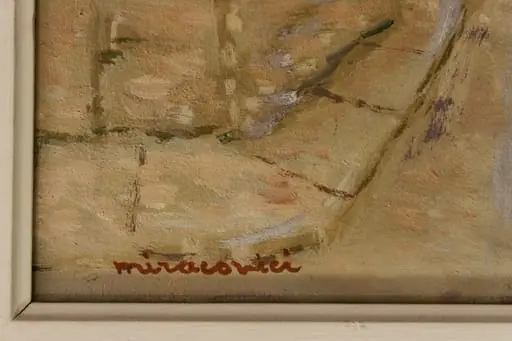
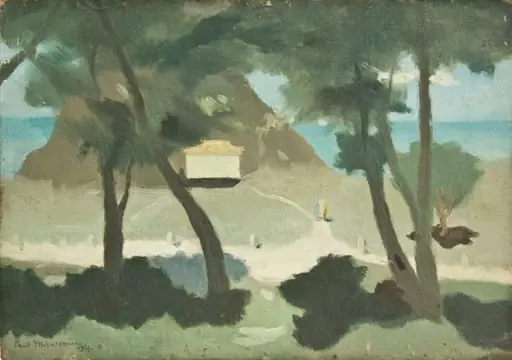
Peisaj din Mangalia is an unspecified painting by Paul Miracovici. It dates from 1933 and is held in the collection of the National Museum of Art of Romania.
About this work
Overview
The artist’s use of texture and muted tones contributes to a contemplative mood, grounding the work in the everyday rhythms of the Black Sea coast.
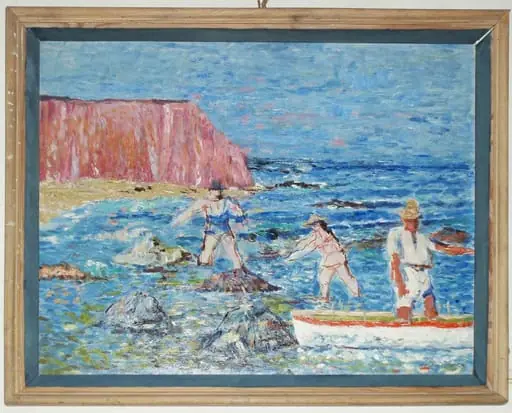
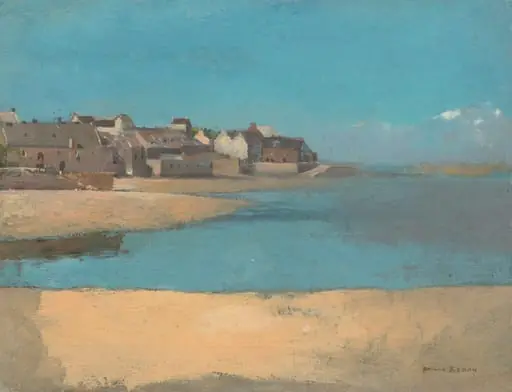
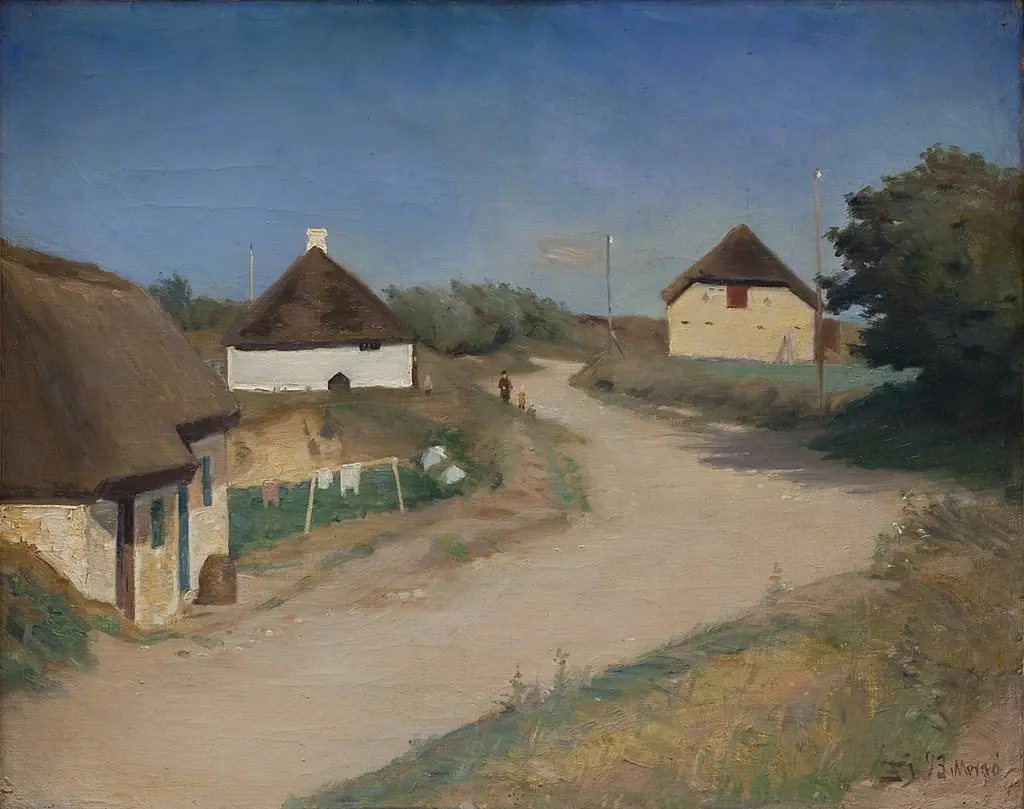
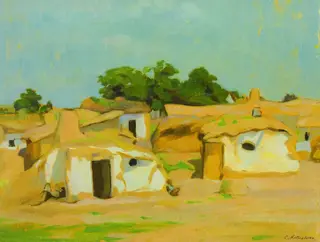
Painted in 1933 by Paul Miracovici, this landscape captures a tranquil stretch of coastline near Mangalia. The composition centers on a solitary figure moving along the shore, framed by subtle natural elements. The scene avoids dramatic action, instead emphasizing stillness and quiet observation.
The artist’s use of texture and muted tones contributes to a contemplative mood, grounding the work in the everyday rhythms of the Black Sea coast.
Subject & Meaning
The lone figure on the beach suggests solitude or introspection, a common theme in interwar Romanian art. The absence of human activity beyond this single presence invites quiet reflection on the relationship between individuals and their environment. The modest buildings and sparse trees imply a modest, lived-in landscape rather than an idealized one, reinforcing a sense of authenticity and quiet endurance.
Technique & Style
Miracovici employs thick, tactile brushwork, particularly in the sand and surf, to create a sense of physical presence. The impasto technique gives the surface a rough, uneven quality that mimics the natural texture of wet and dry sand. Colors are restrained: ochres, grays, and muted blues dominate, avoiding vivid contrast.
This restrained palette and textured application align the work with regional modernist tendencies that valued materiality over idealization.
History & Provenance
Created during a period of growing national interest in Romanian coastal life, the painting reflects Miracovici’s engagement with local landscapes beyond urban centers. While specific ownership history is not widely documented, the work is known to have been part of private collections in Romania before entering institutional holdings. Its survival through mid-century political shifts underscores its quiet significance within regional artistic circles.
Context
In the early 1930s, Romanian artists increasingly turned to everyday scenes of rural and coastal life as alternatives to academic traditions. Miracovici’s focus on Mangalia aligns with this trend, positioning the Black Sea shore as a site of personal and cultural resonance. The painting’s subdued tone contrasts with more heroic or nationalist imagery of the era, offering instead a quiet, unembellished vision of place.
Legacy
Though not widely exhibited outside Romania, the painting remains a representative example of regional modernism in interwar Romanian art. Its emphasis on texture, restraint, and quiet observation influenced later generations of artists interested in landscape as a vehicle for emotional nuance rather than spectacle. It continues to be referenced in studies of Romanian coastal representation and materialist painting practices.
Artist & collection