
Artist
Subject
Farm is a subject in art. The gallery holds 46 works in this subject in art, including works by Albert Bierstadt, Alfred Thompson Bricher and William Sidney Mount.
A farm (also called an agricultural holding) is an area of land that is devoted primarily to agricultural processes with the primary objective of producing food and other crops; it is the basic facility in food production. The name is used for specialized units such as arable farms, vegetable farms, fruit farms, dairy, pig and poultry farms, and land used for the production of natural fiber, biofuel, and other biobased products.
Artist

A farm, also known as an agricultural holding, is an area of land devoted primarily to agricultural processes with the objective of producing food and other crops. As the basic facility in food production, it encompasses the land and its various structures, such as the farmhouse and agricultural buildings. The term applies to specialized units including arable, vegetable, fruit, dairy, pig, and poultry farms, as well as land for natural fiber, biofuel, and other biobased products. In art, the farm recurs as a subject because it represents the foundational human shift from foraging to settled society, serving as the core site of labor, sustenance, and the transformation of the natural landscape.
The iconography of the farm is rooted in its historical and functional duality as both a domestic space and a center of production. Symbolically, it represents humanity's dominion over nature, the rhythms of the seasons, and the dignity or hardship of rural labor. The etymology of the word reflects this intersection of land and labor: it derives from the medieval Latin noun firma and the classical Latin firmus, meaning a fixed agreement or contract. Originally, to farm meant to collect revenue or hold a manor by feudal tenure. Because agriculture was the principal revenue source of manors, the term became synonymous with the practice of cultivation itself. In visual art, the farm thus carries meanings tied to both the specific, contractual exploitation of the land and the universal human condition of subsistence and toil.
The artistic treatment of the farm has shifted alongside the historical evolution of agriculture itself. The Neolithic Revolution roughly 12,000 years ago first established the settled agricultural societies that would become artistic subjects. In early and traditional art, particularly in Europe and Asia, the farm was often depicted as a fortified, self-sufficient unit, sometimes surrounded by water or situated alongside essential resources like rivers and ponds. During the 18th century, the British Agricultural Revolution introduced new mechanized and specialized practices, changing the visual landscape from subsistence plots to larger, more systematically organized estates. By the second half of the 20th century, the Green Revolution and industrialization further transformed the farm's depiction, replacing traditional rural architecture with sprawling metal silos and large-scale operations, a shift that also prompted a counter-movement in art valuing traditional, human-scaled farming.
The cultural afterlife of the farm as an artistic subject continues to evolve as global agriculture transforms. Today, of the approximately 570 million farms in the world, the vast majority are small and family-operated, though traditional family farms in developed regions are increasingly giving way to larger production units and highly mechanized operations. This modern industrialization, characterized by feedlots and monocultures, has generated critical discourse, with terms like Agrarfabrik reflecting negative attitudes toward mass animal husbandry. Conversely, this shift has also spurred a renewed cultural appreciation for traditional, small-scale farming. In art and heritage conservation, former agricultural structures that no longer operate as farms are frequently preserved or repurposed, maintaining the visual and architectural legacy of the rural farm even as its functional role in society changes.
 Lake Lucerne
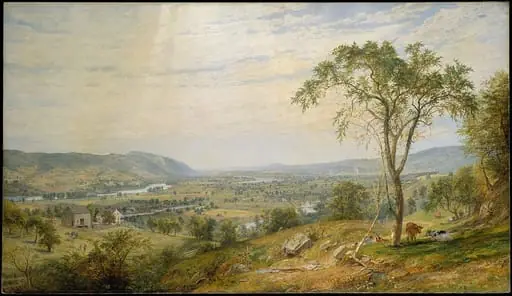 The Valley of Wyoming
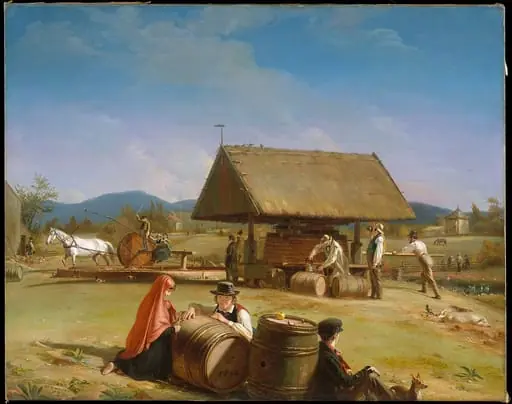 Cider Making
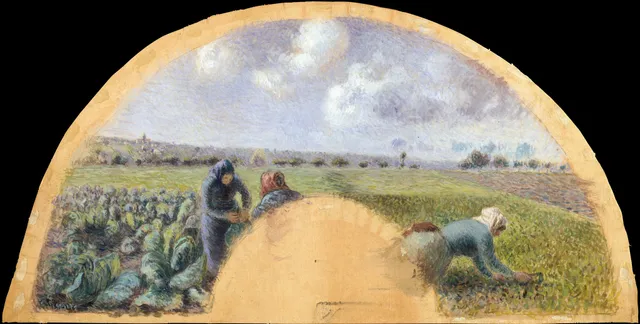
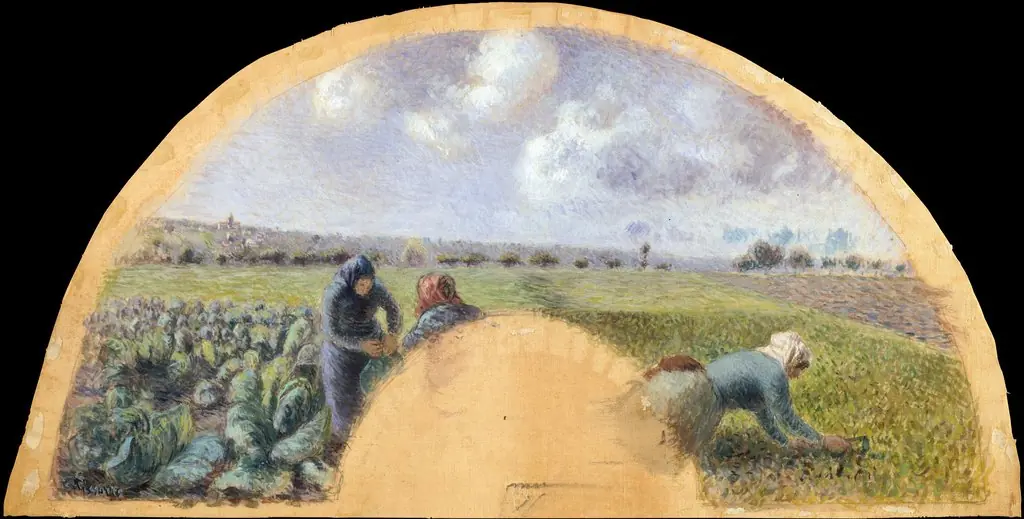 Fan Mount: The Cabbage Gatherers
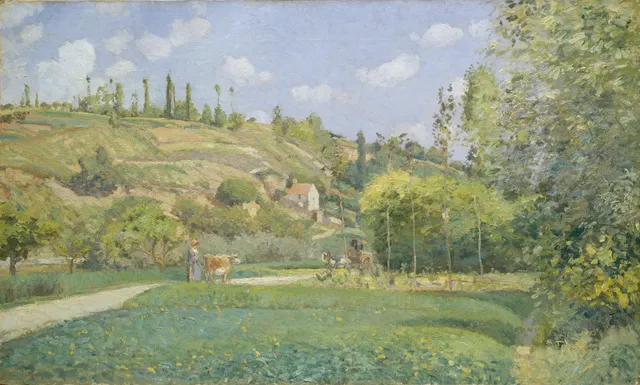
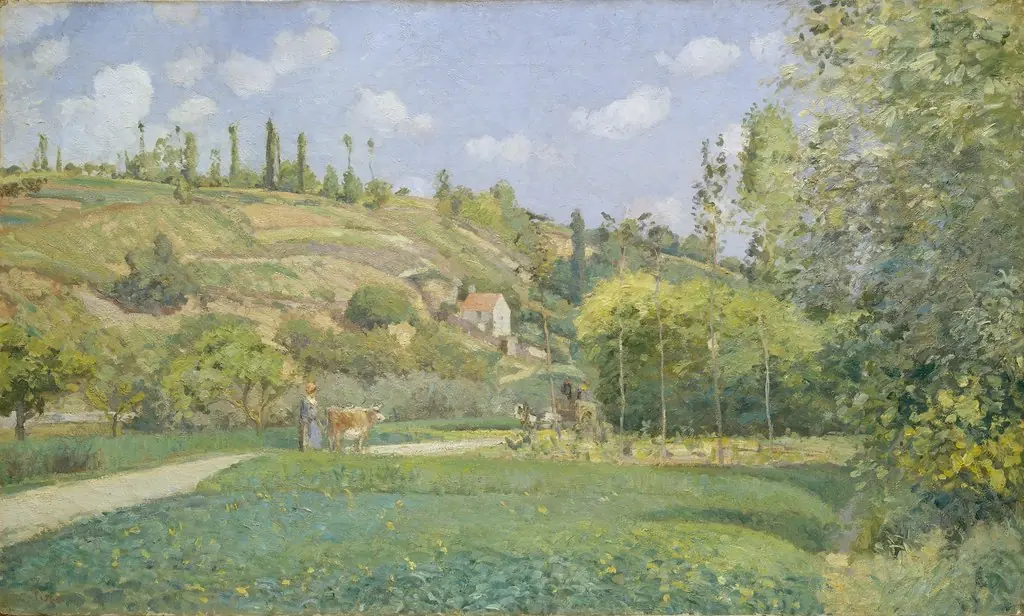 A Cowherd at Valhermeil, Auvers-sur-Oise
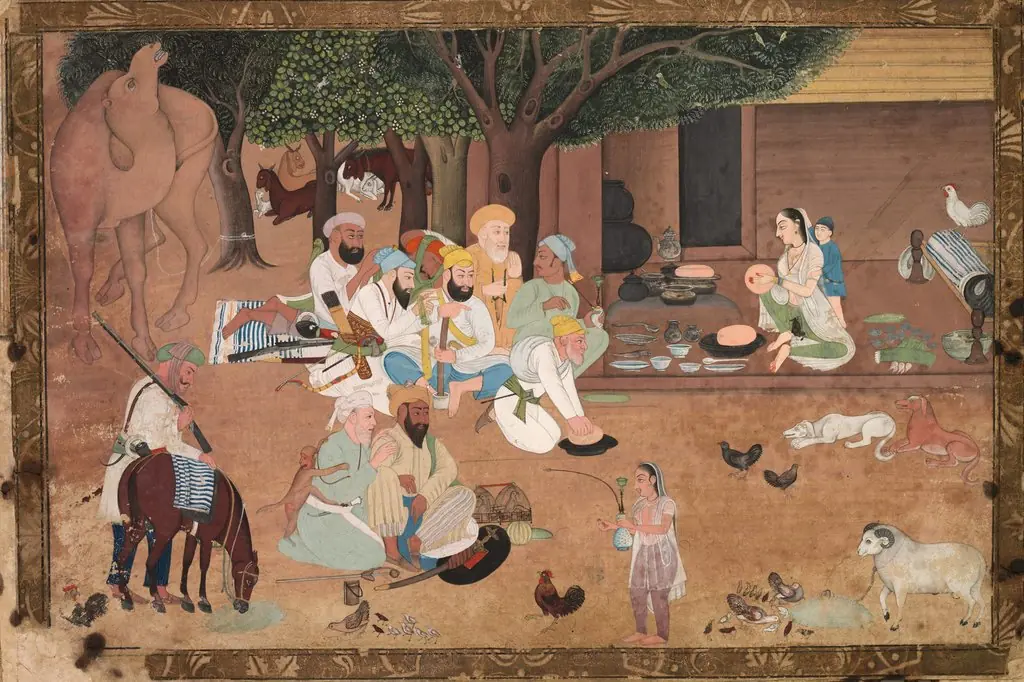 Traveling Warriors Stopping at a Farm
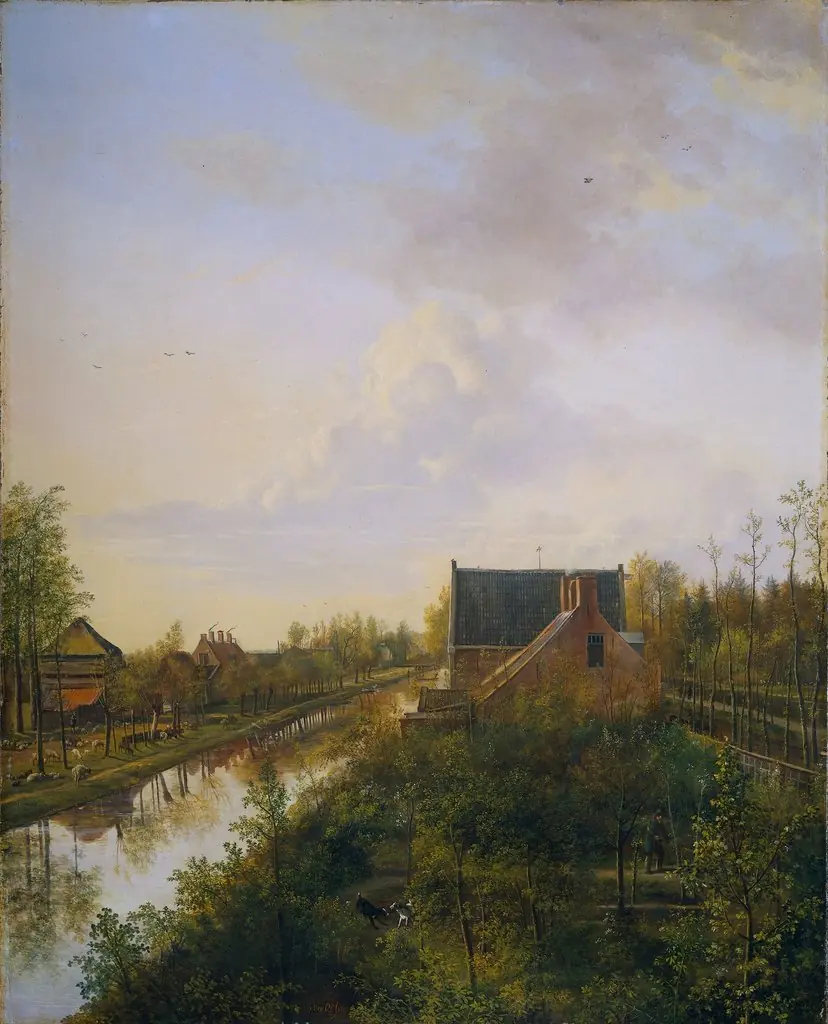 The canal at 's-Graveland
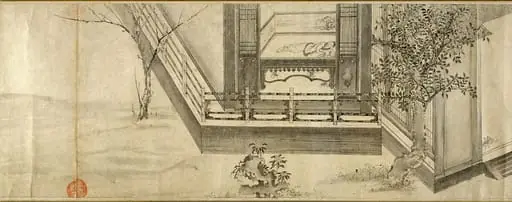 南宋 佚名 傳李公麟 豳風七月圖 卷|Odes of the State of Bin
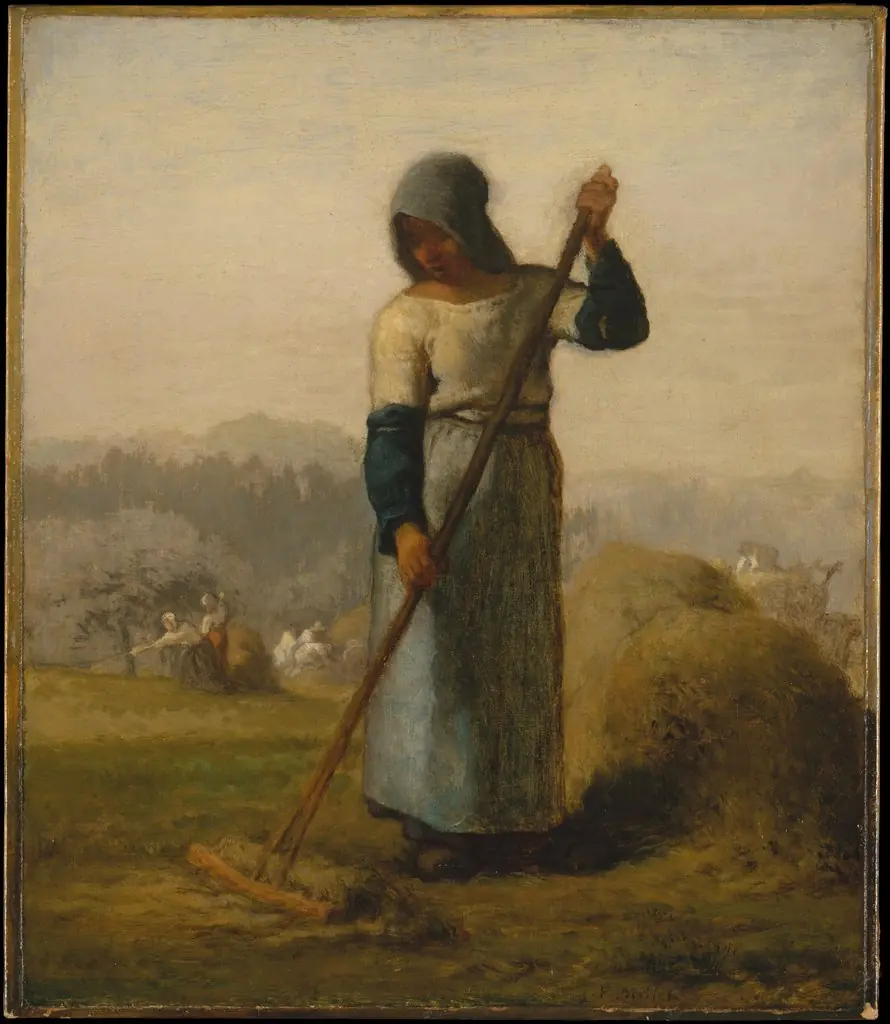 Woman with a Rake
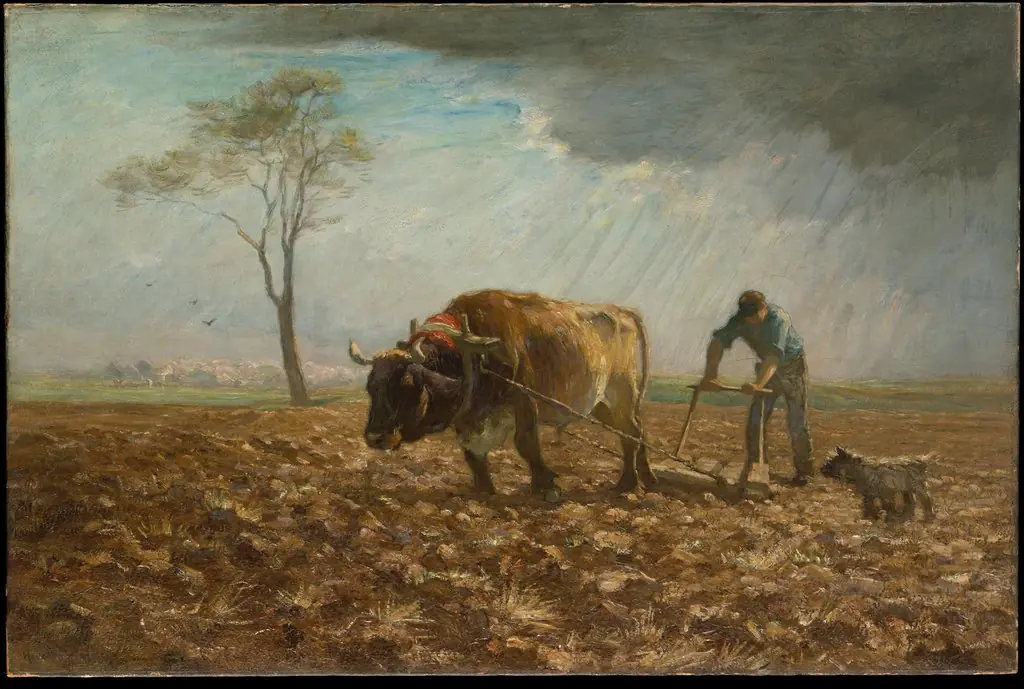 The Harrower
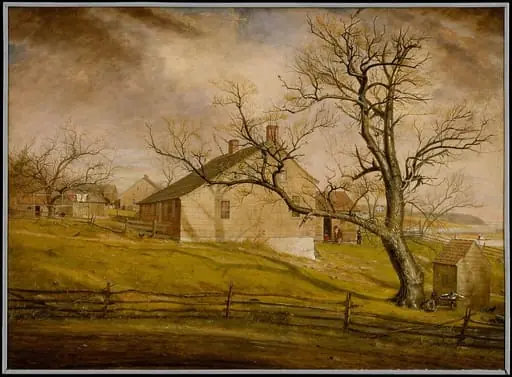 Long Island Farmhouses
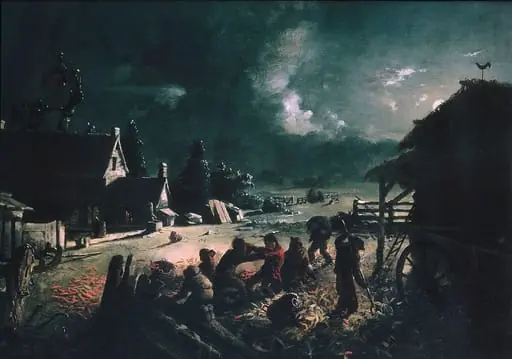 Corn Husking
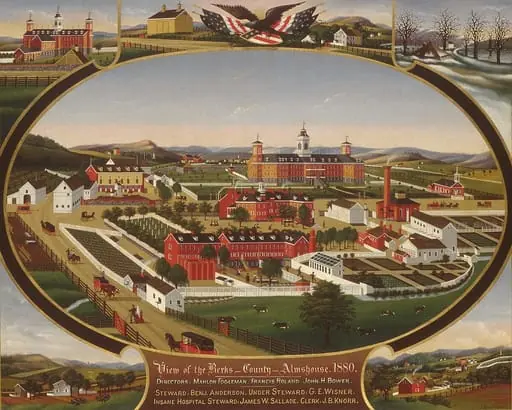 Berks County Almshouse, 1880
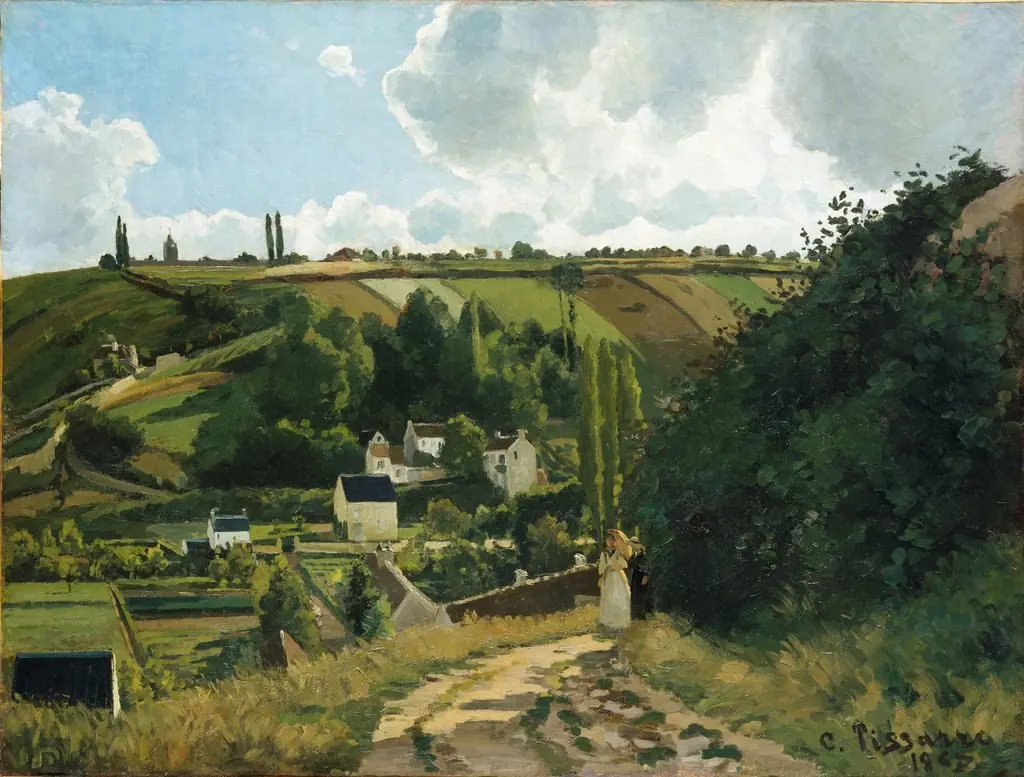 Jalais Hill, Pontoise
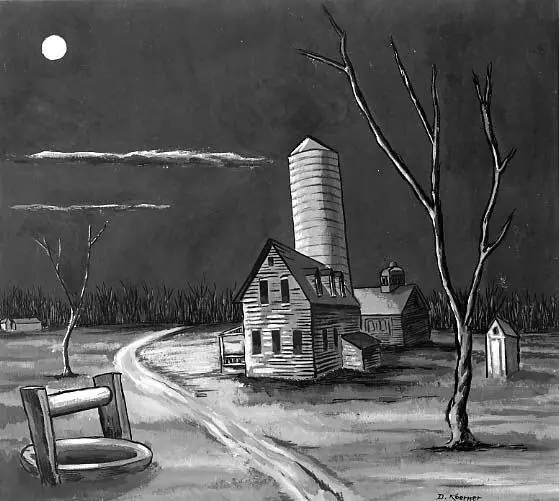 Farm in Moonlight
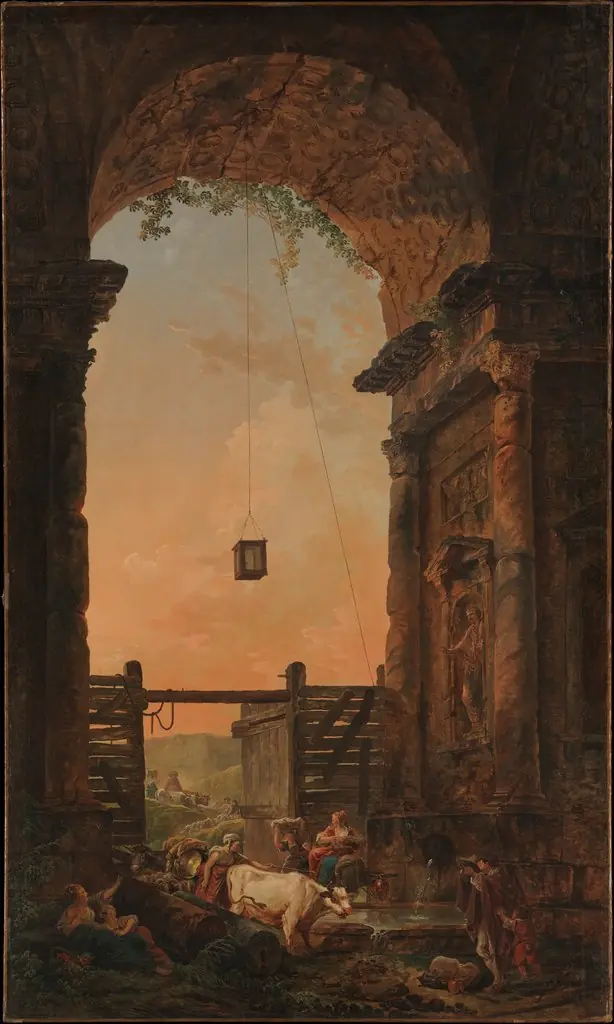 The Return of the Cattle
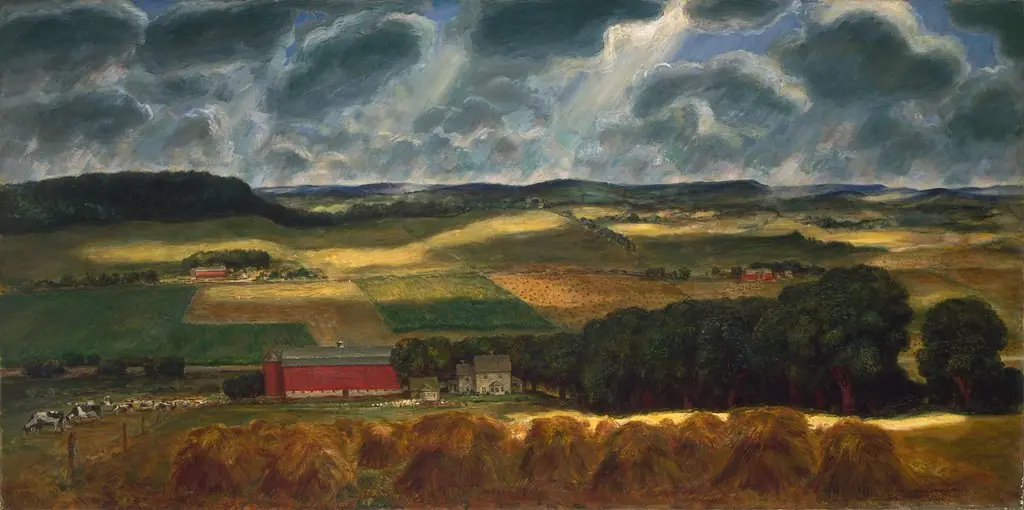 Wisconsin Landscape
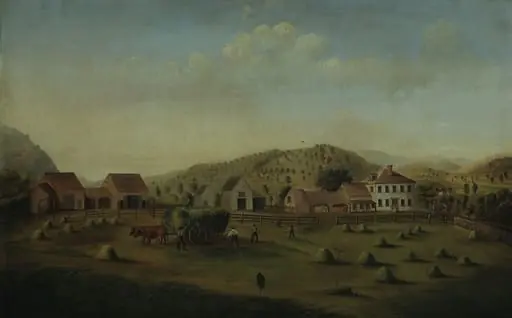 Leete Farm, West Claremont, New Hampshire
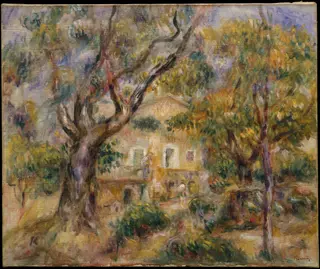 The Farm at Les Collettes, Cagnes
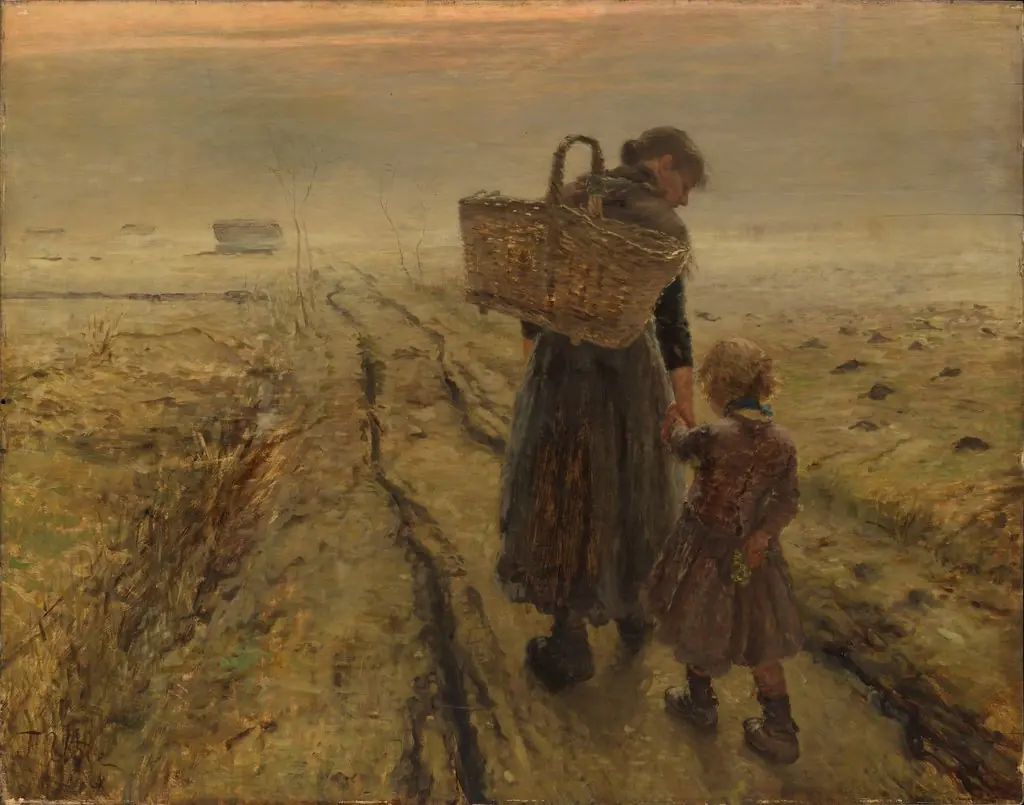 Going Home
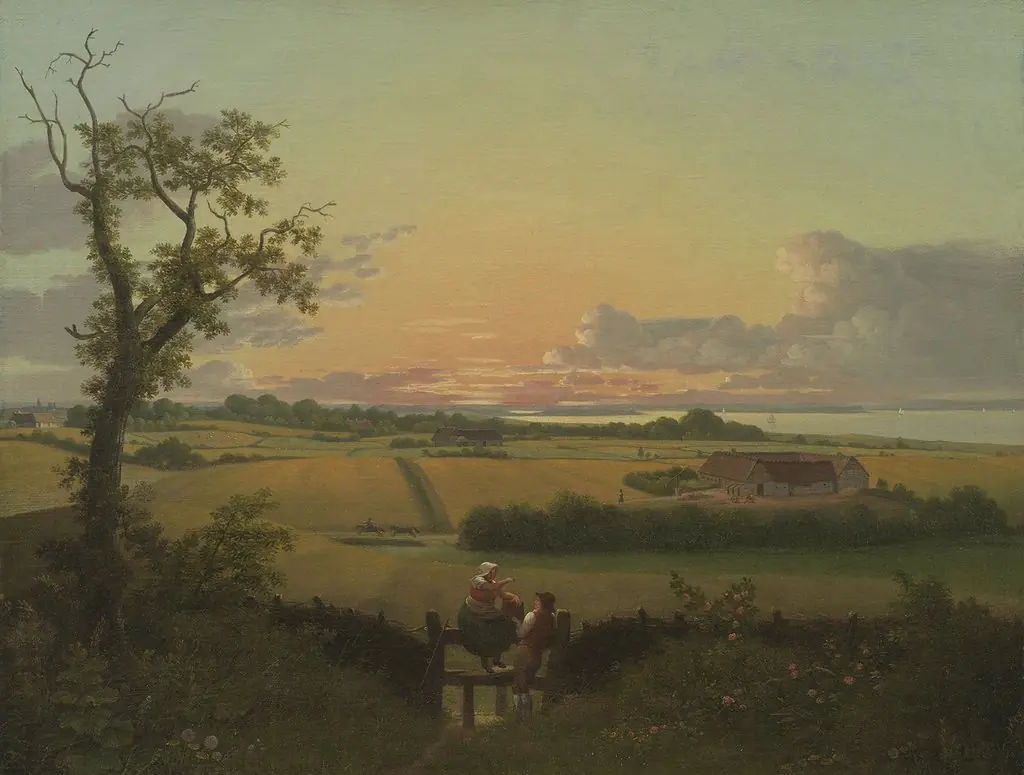 Landscape with a Stile. The Isle of Møn
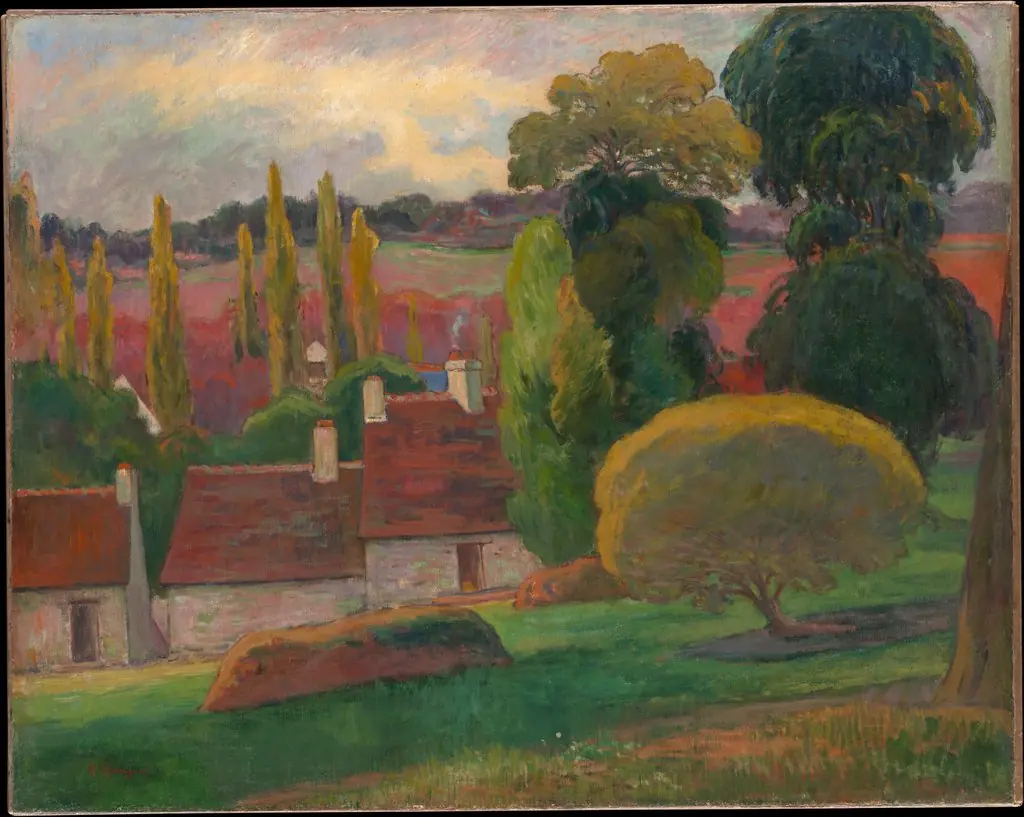 A Farm in Brittany
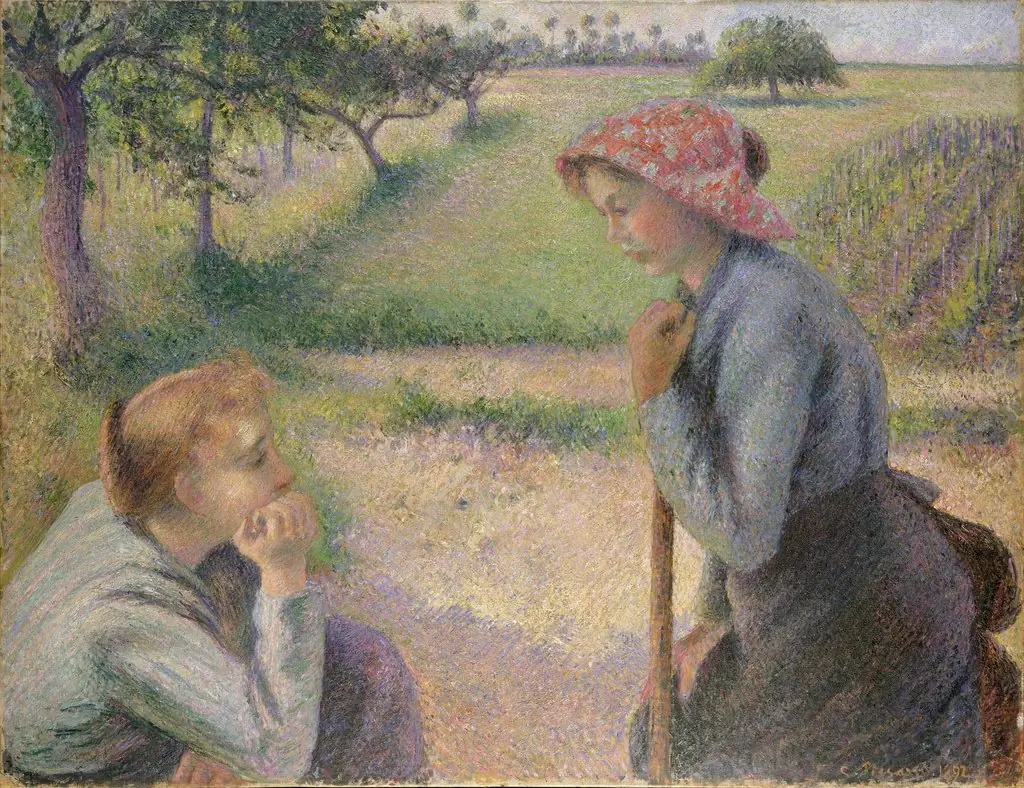 Two Young Peasant Women
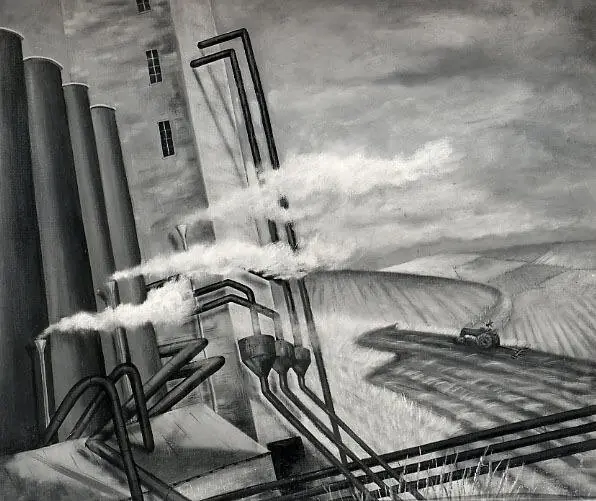 National Defense
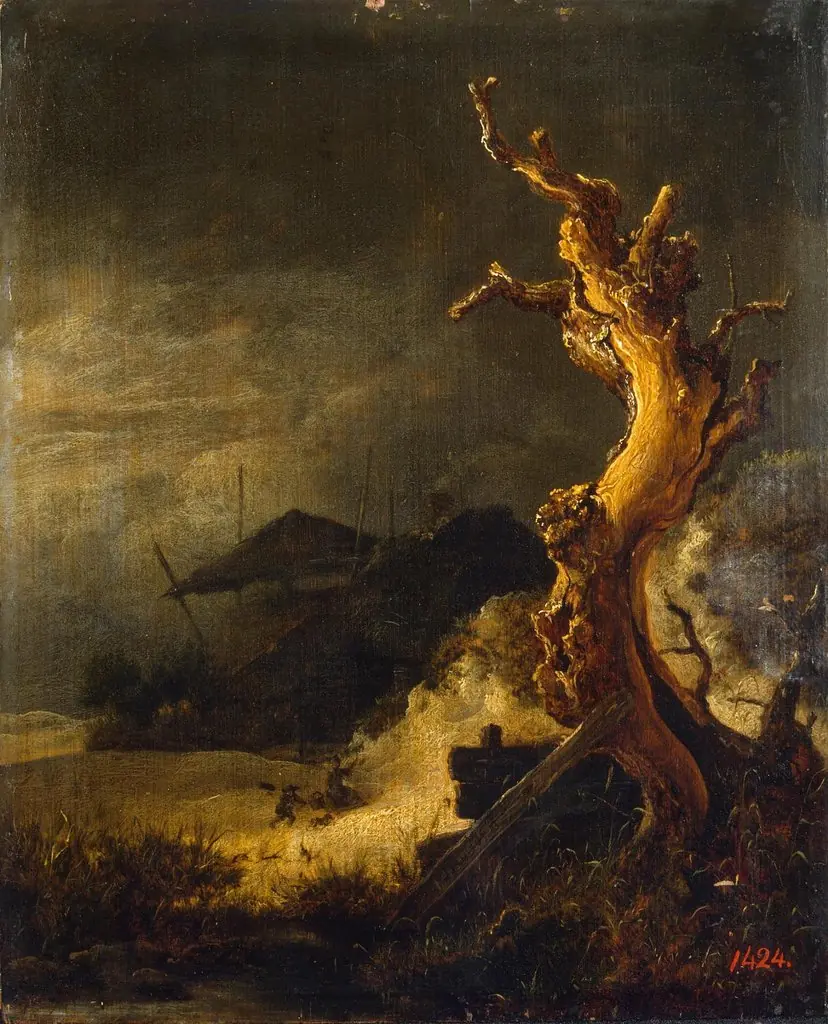 Winter Landscape with a Dead Tree
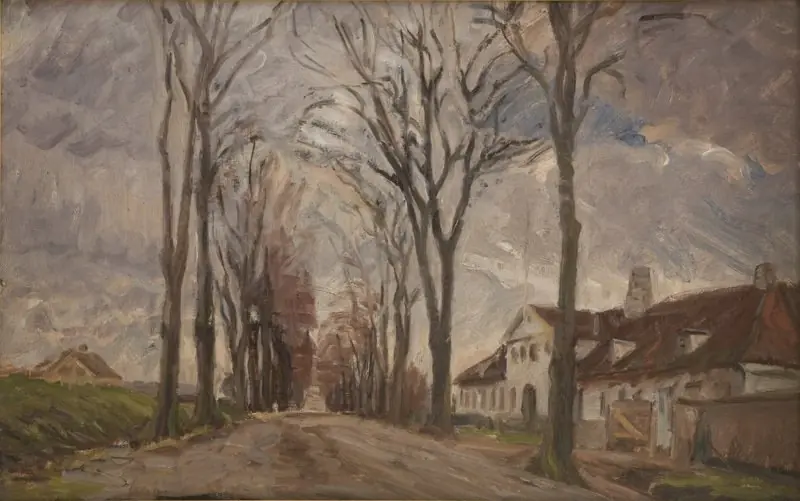 Lyngbyvejen ved Vintappergården
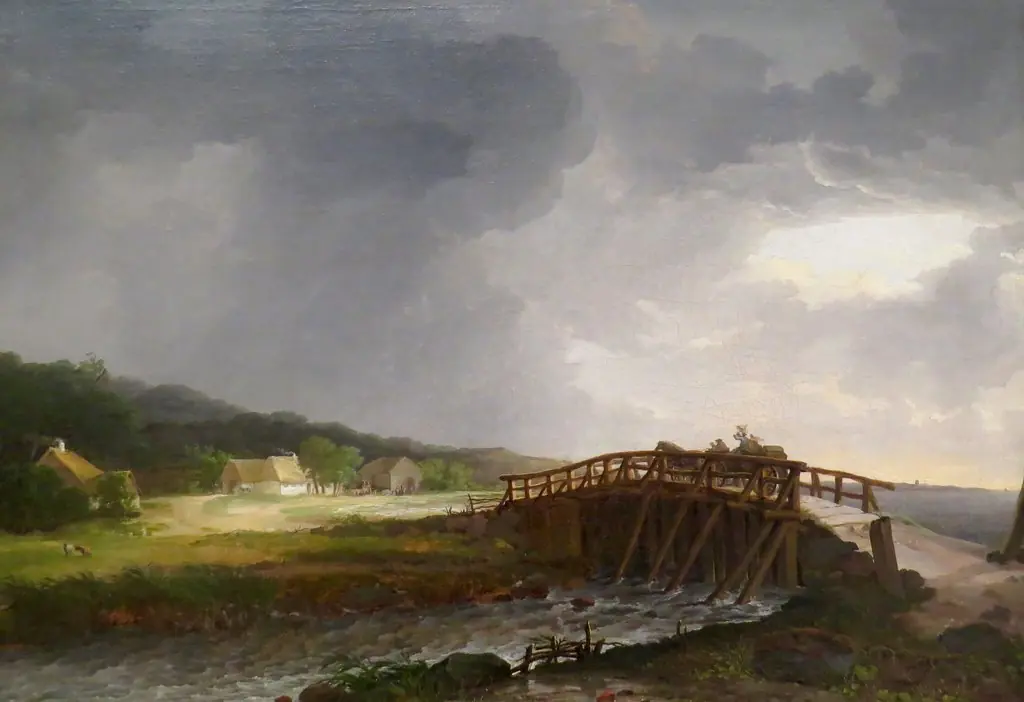 The Bridge across Tryggevælde River with a View of Køge, Zealand
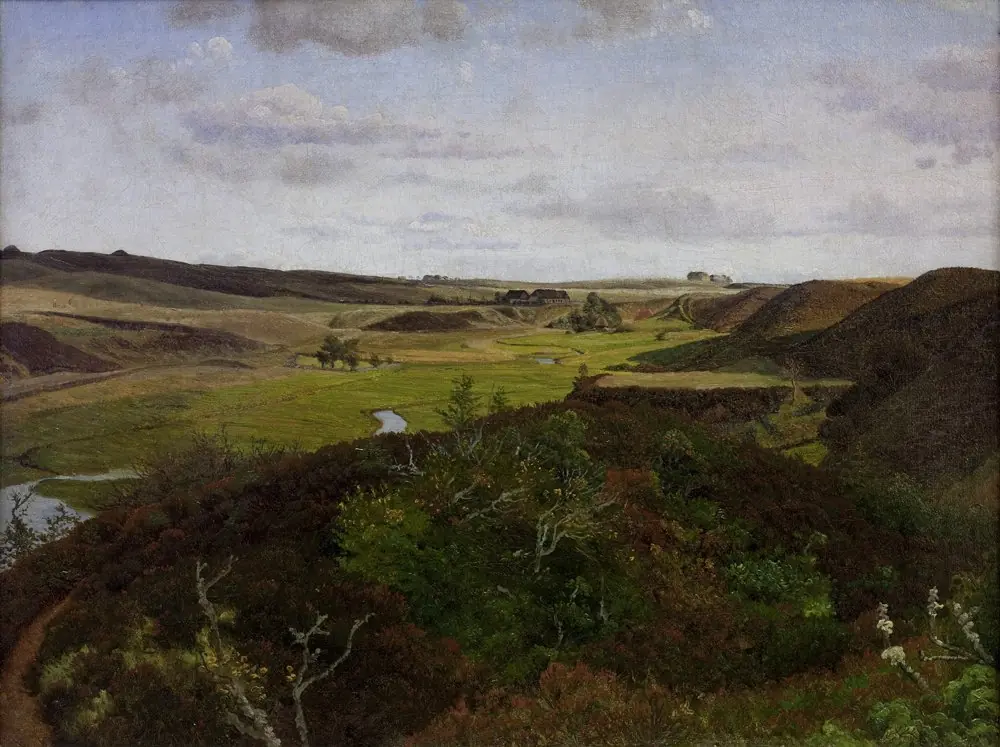 Dollerup Hills near Hald
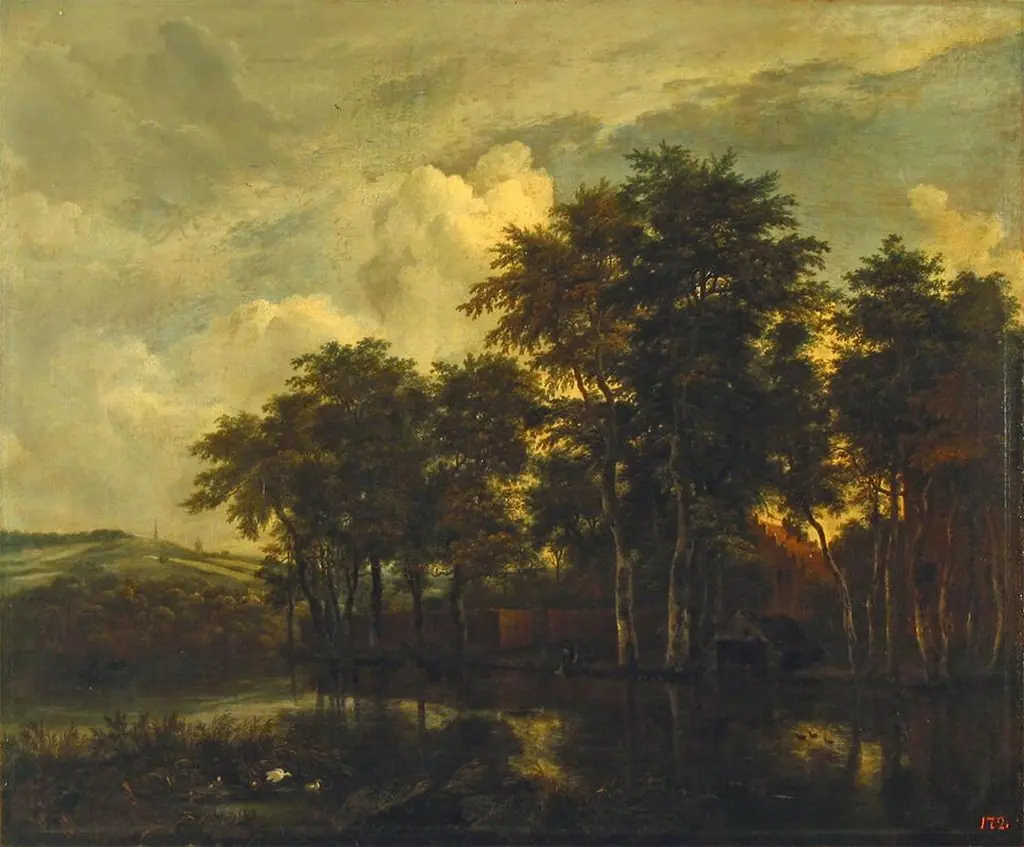 Farm
Farm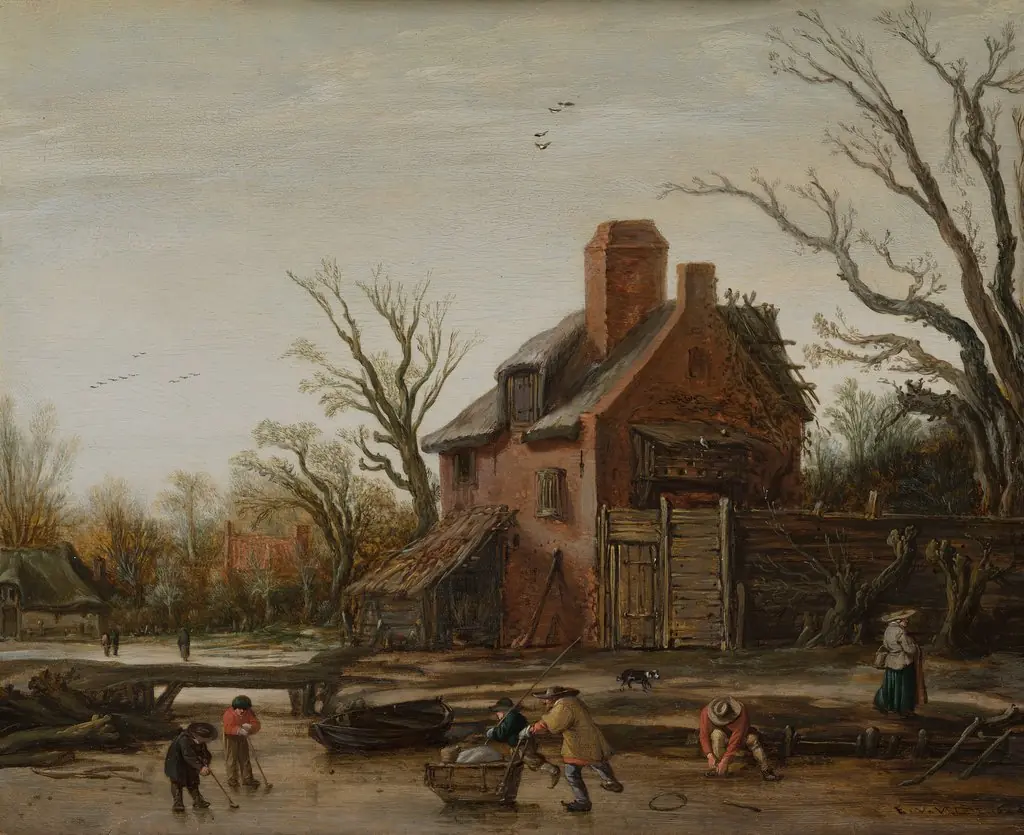 Winter landscape with farmhouse
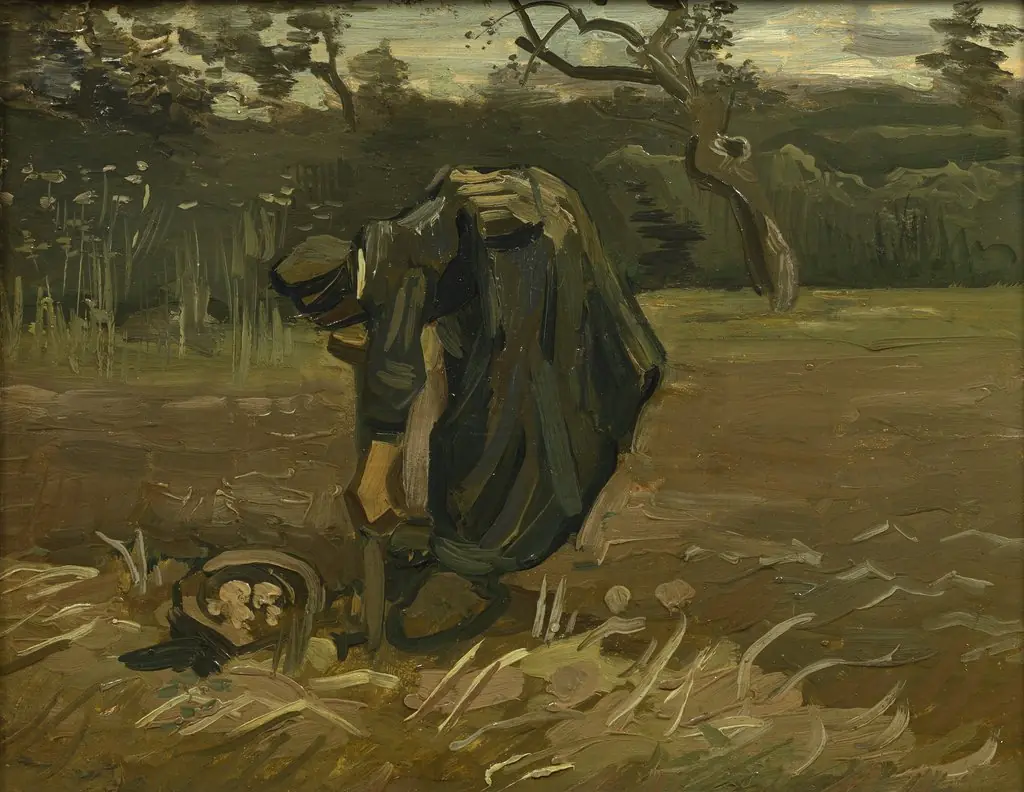 Peasant Woman Digging Up Potatoes
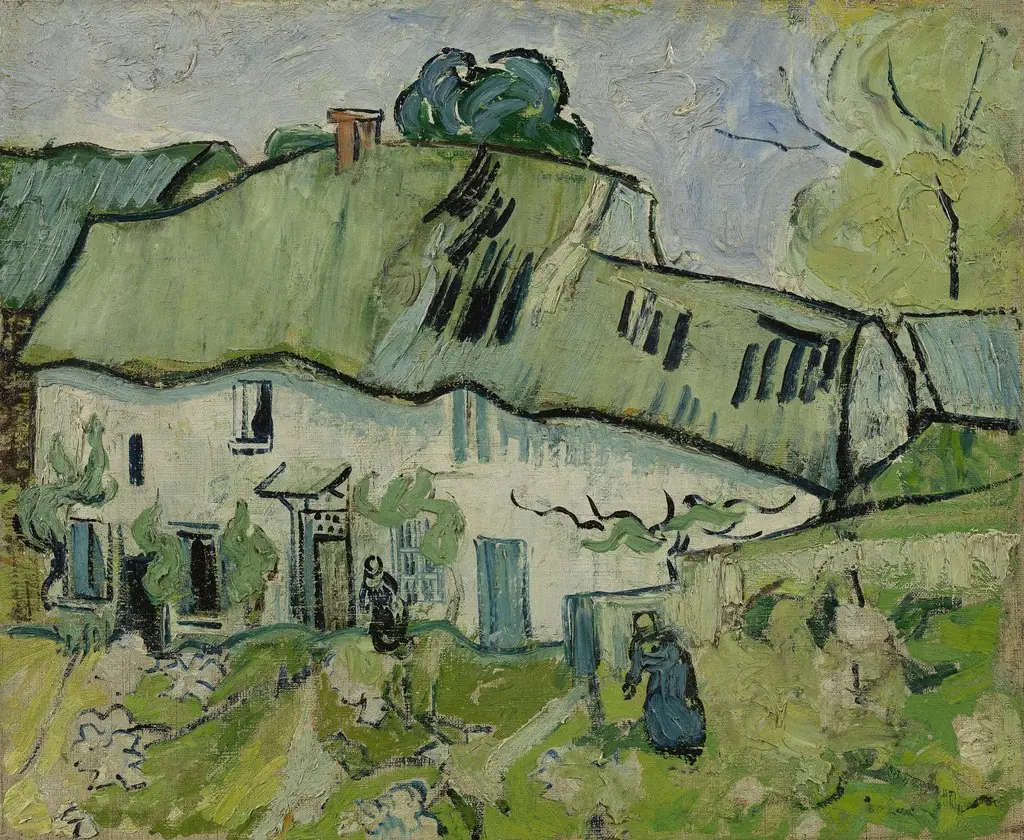 Farmhouse
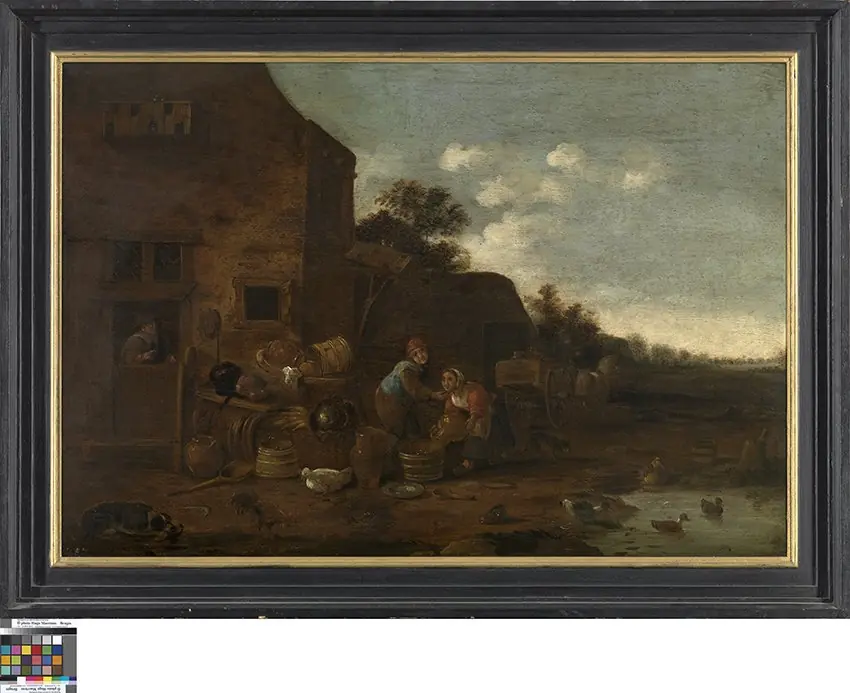 Boerenerf
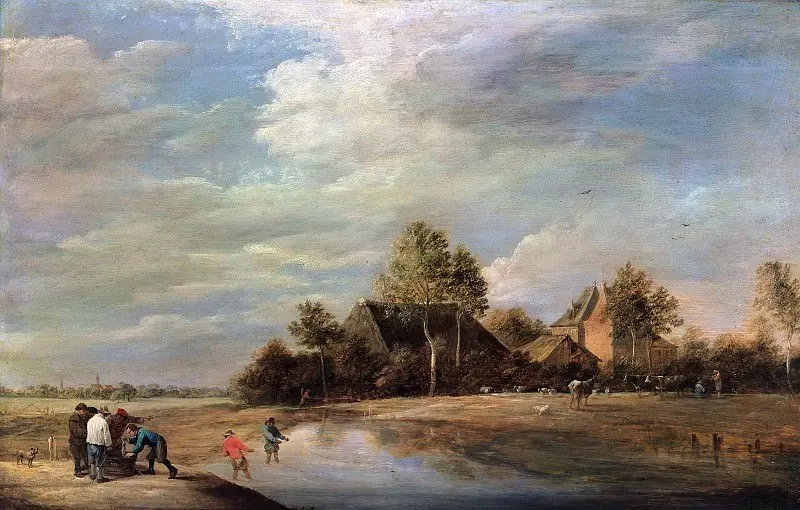 Landscape with Fishermen
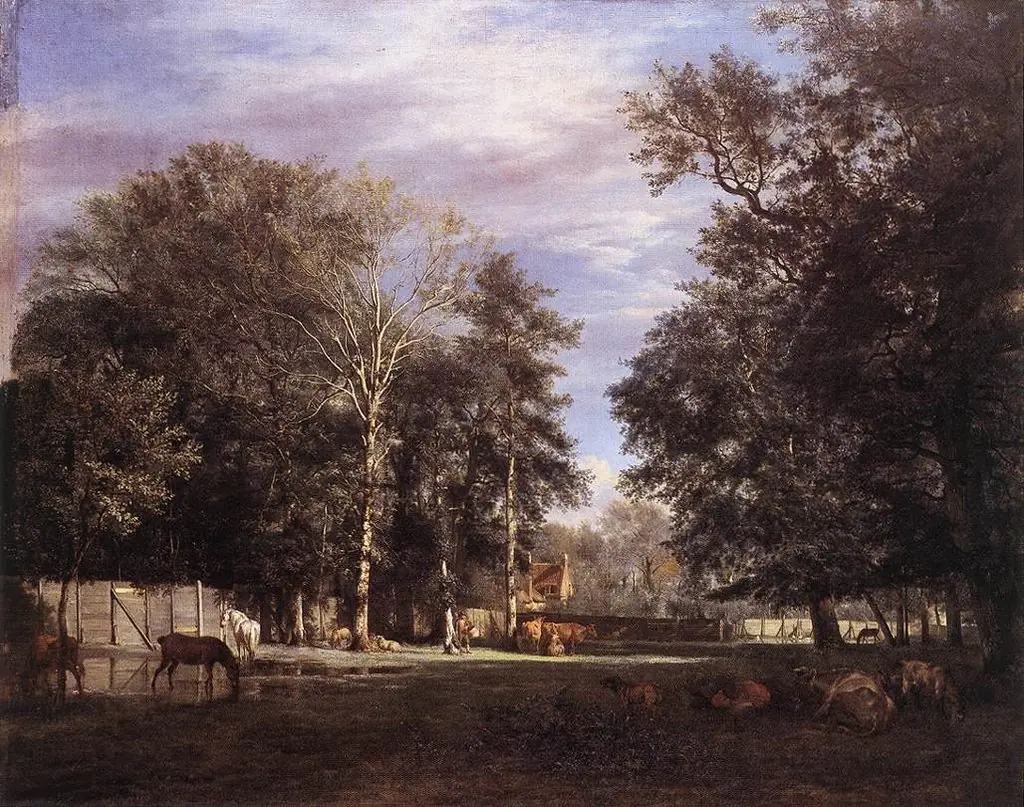 The Farm
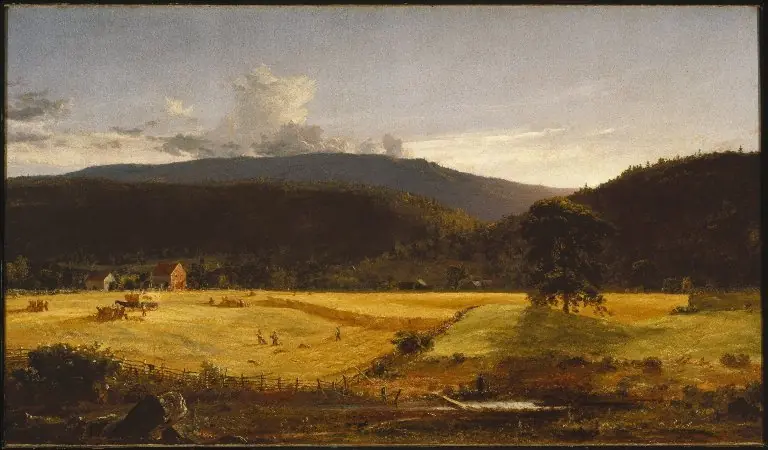 Bareford Mountains, West Milford, New Jersey
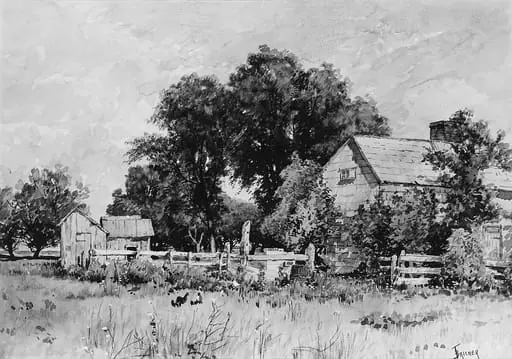 The Farm
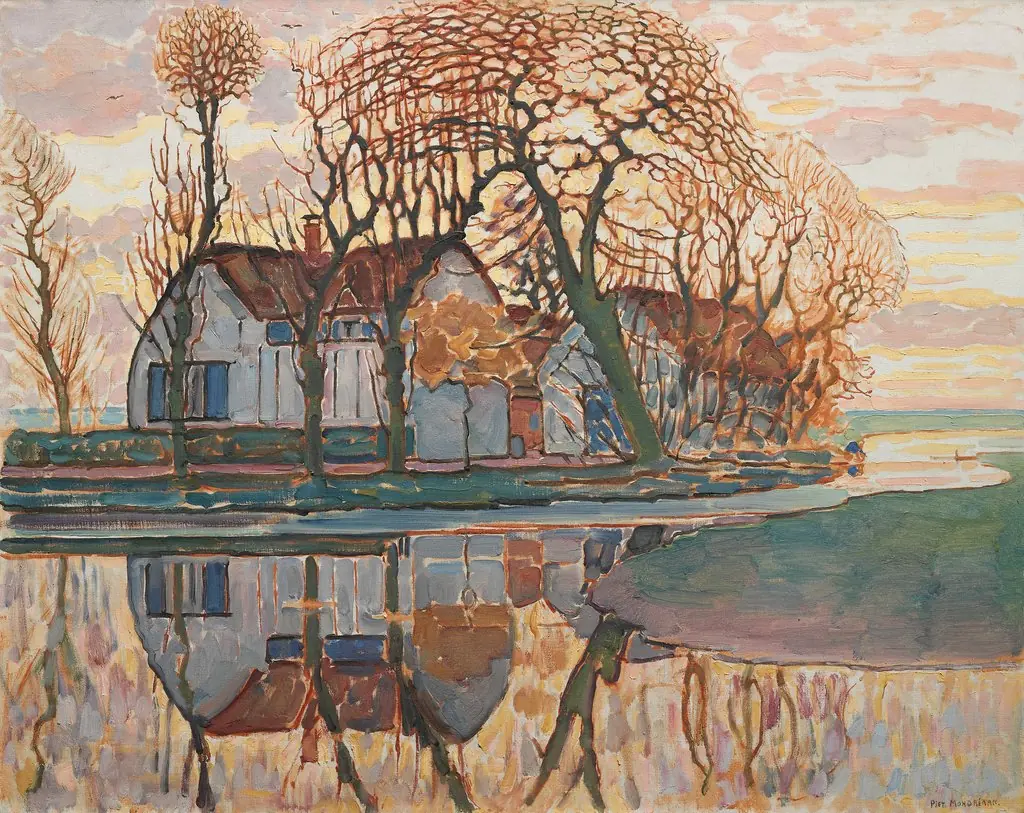 Farm near Duivendrecht
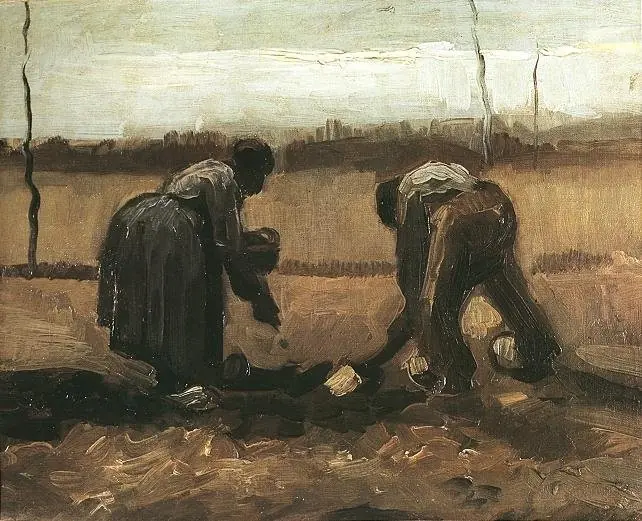 Peasant and Peasant Woman Planting Potatoes
 farm near Carmarthen
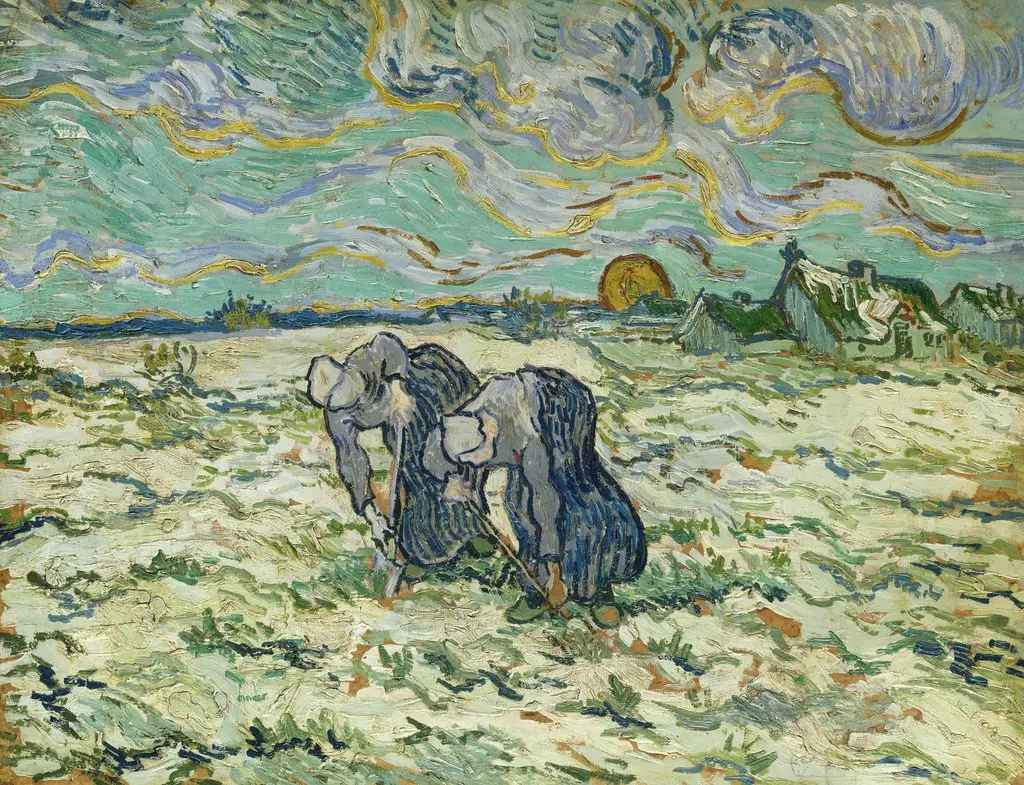 Two Peasant Women Digging in Field with Snow
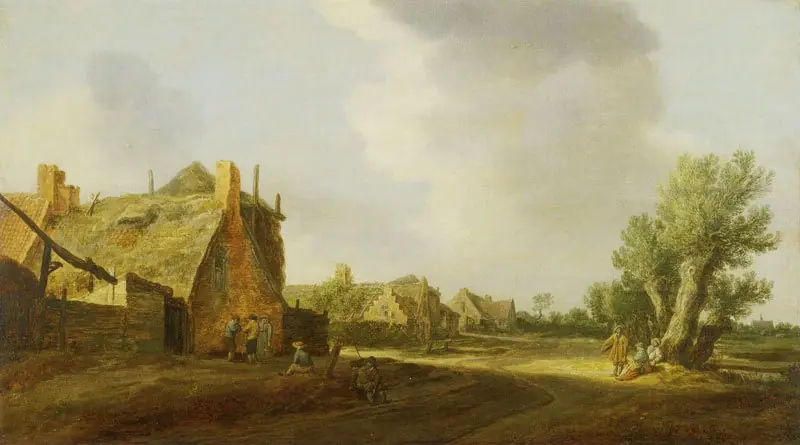 Street in a Village
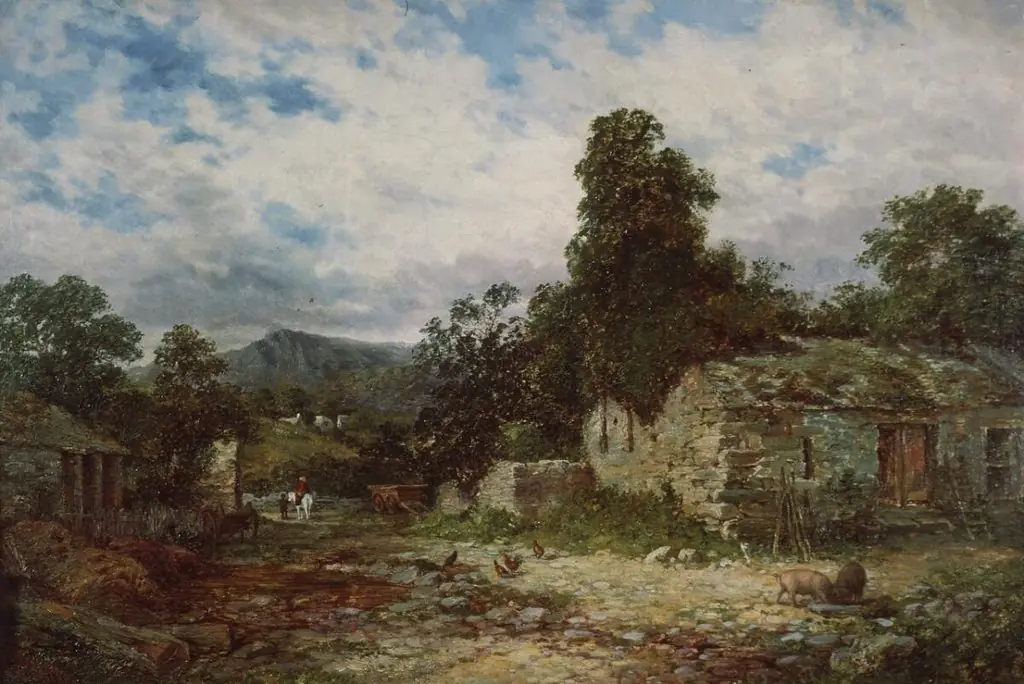 Cymmer Abbey, near Dolgellau
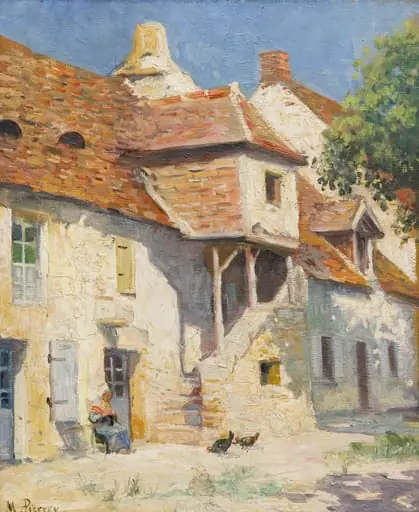 Fermă
Fermă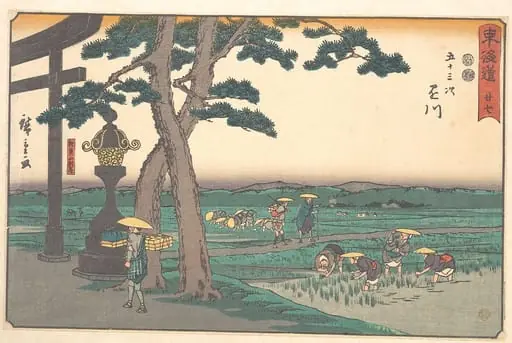 東海道五十三次 懸川 秋葉山別道|Kakegawa
 De pe Dunăre
Farm is a subject in art. A farm (also called an agricultural holding) is an area of land that is devoted primarily to agricultural processes with the primary objective of producing food and other crops; it is the basic facility in food production.
Artifact World Gallery holds 46 public-domain Farm works, all free to view and download.
Key Farm artists in the collection include Albert Bierstadt, Alfred Thompson Bricher and William Sidney Mount.
Farm works in the collection are held by Metropolitan Museum of Art, Statens Museum for Kunst and National Library of Wales.
Your cart is empty
Browse artworks →