Artwork
Portrait of a Gentleman
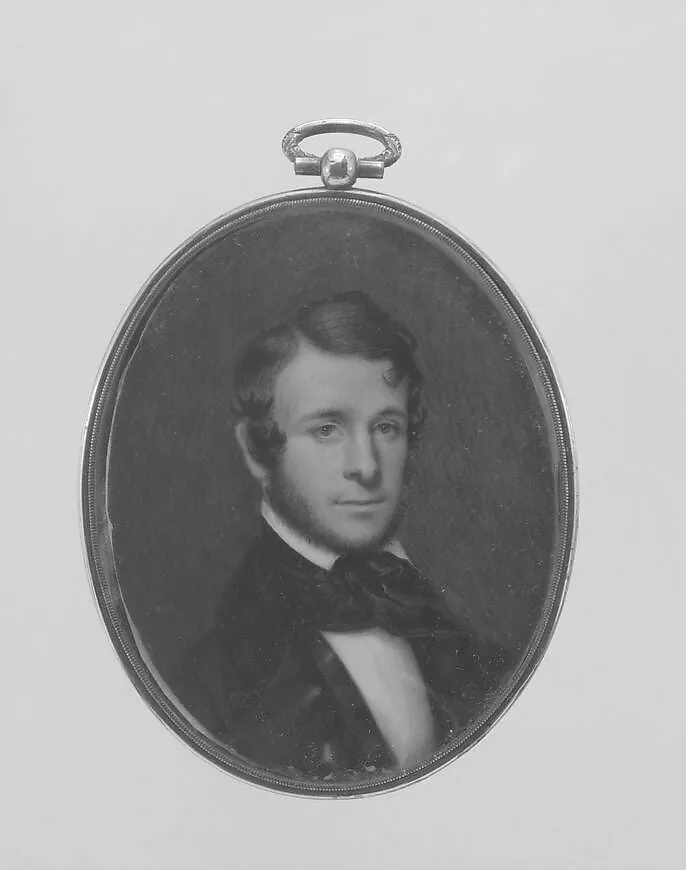
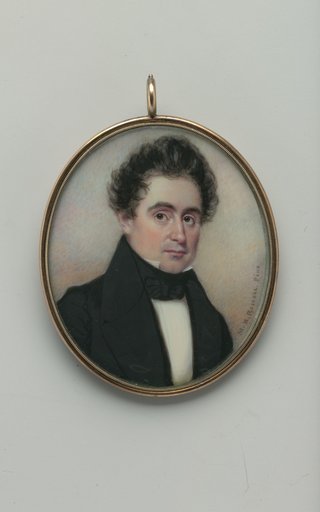
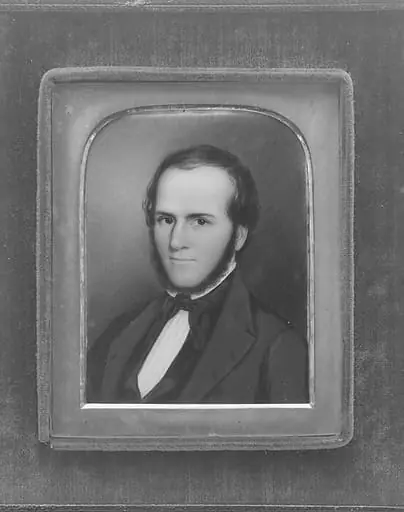
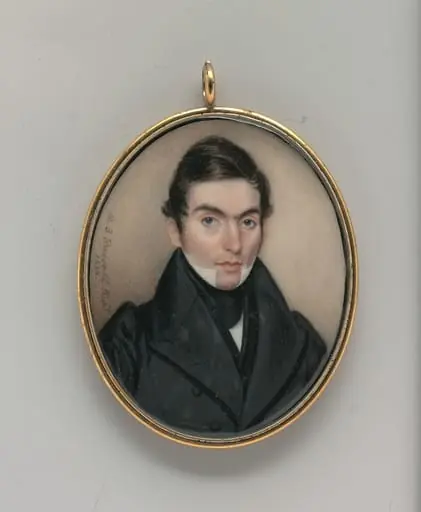
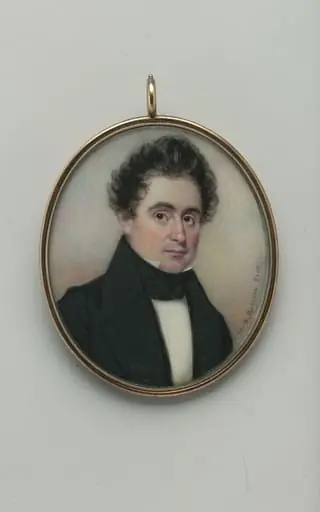
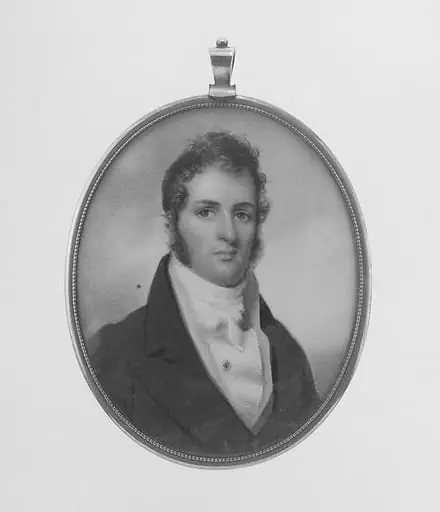
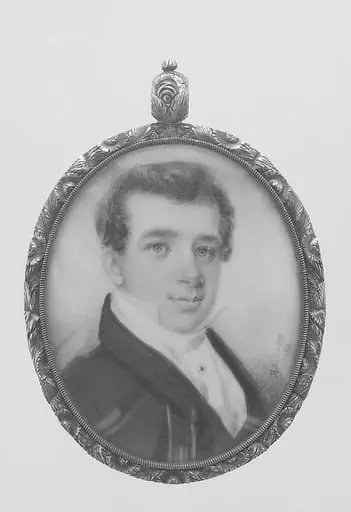
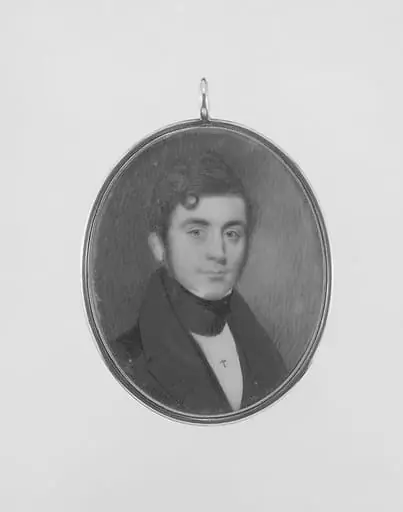
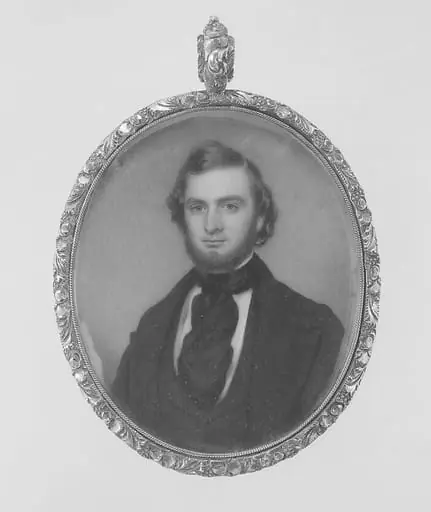
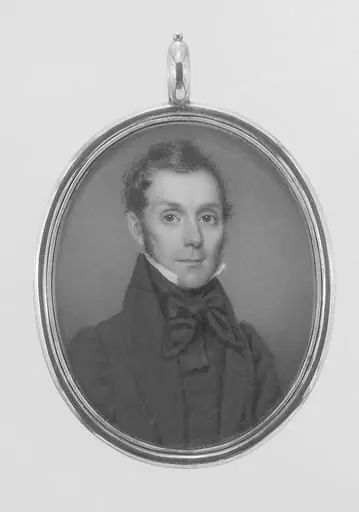
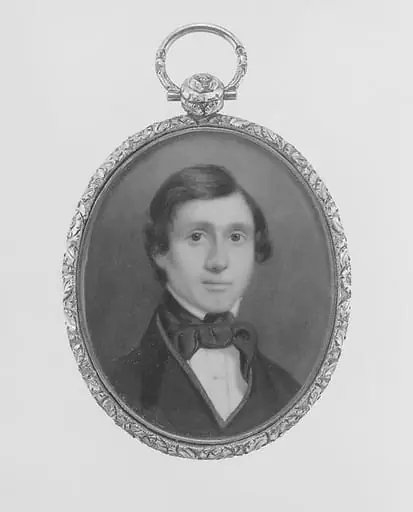
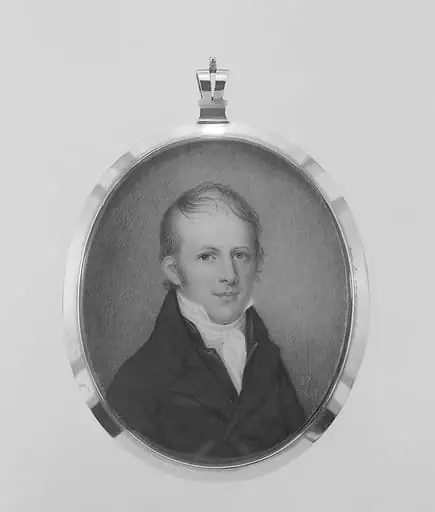
Portrait of a Gentleman is a watercolor painting by the American Folk Art artist Moses B. Russell. It dates from 1847 and is held in the collection of the Metropolitan Museum of Art.
About this work
Technique & Style
Russell, this portrait utilizes watercolor applied to an ivory support, a medium characteristic of miniature painting traditions.
Executed in 1847 by Moses B. Russell, this portrait utilizes watercolor applied to an ivory support, a medium characteristic of miniature painting traditions. The work presents a formal depiction of a male subject, adhering to the conventions of the portrait genre. Physically, the piece is small in scale, measuring approximately 6.9 by 5.4 cm, which aligns with the intimate nature of ivory miniatures intended for close viewing.
While the specific handling of the brushwork and the current conservation state are not detailed in the available records, the classification within The American Wing confirms its status as an example of nineteenth-century American portraiture. The combination of translucent watercolor layers over the smooth, luminous surface of the ivory would typically aim to achieve a delicate rendering of flesh tones and fine details.
History & Provenance
Created in 1847, the Portrait of a Gentleman is a watercolor on ivory miniature executed by the American artist Moses B. Russell. The work, measuring approximately 6.9 × 5.4 cm, depicts a male subject and is classified within the genre of portraiture. The piece is held in the Metropolitan Museum of Art, where it is catalogued under accession number 2006.235.174 within The American Wing.
While the specific circumstances of its original commission are not detailed in the available records, the sources consulted do not record specific exhibition venues or dates beyond its inclusion in the permanent collection.
Overview
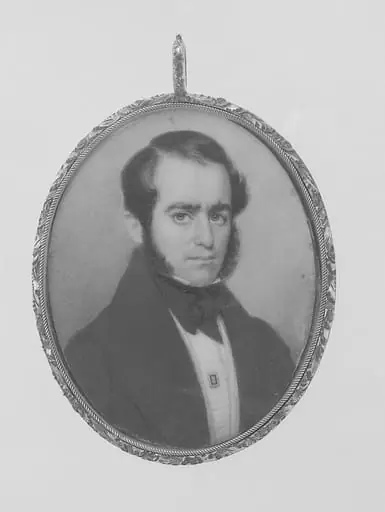
This watercolor miniature, titled Portrait of a Gentleman, was created by Moses B. Russell in 1847. It presents a solitary male figure, rendered with a calm demeanor and direct gaze. The work exemplifies the intimate scale and detailed execution characteristic of portraiture from the mid-19th century, designed for personal contemplation rather than public display.
Context
Miniature portraits like this one served a significant social function in the 19th century. Their small size made them portable, enabling individuals to carry images of family members or loved ones as personal mementos. These intimate objects provided a constant, tangible connection to absent individuals, reflecting a widespread desire for personal keepsakes before the advent of photography.
Artist & collection