Artwork
Portrait of a Gentleman
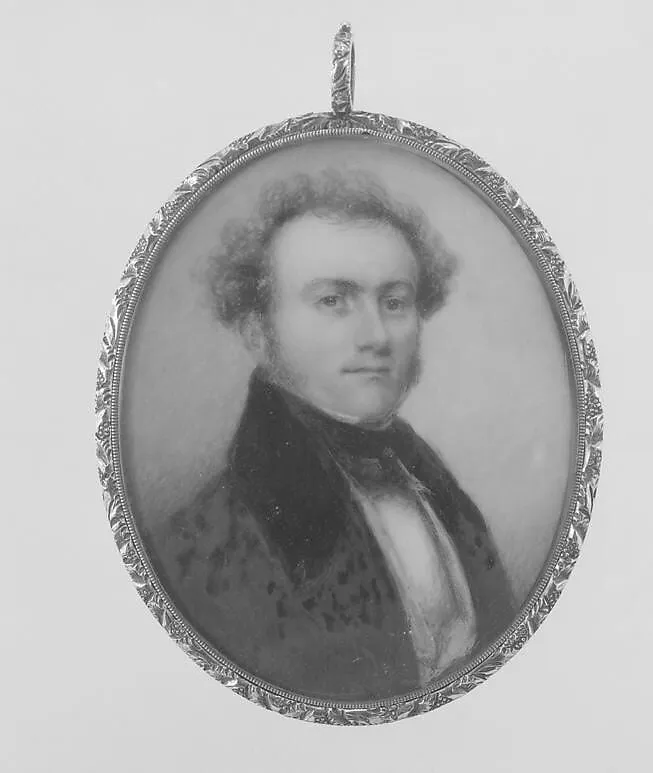
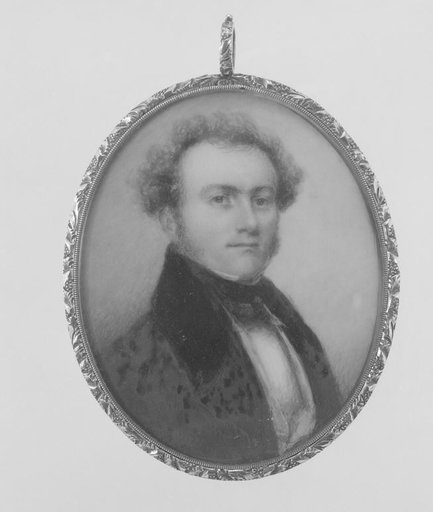
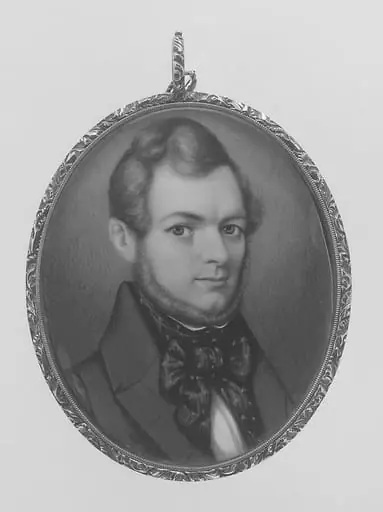
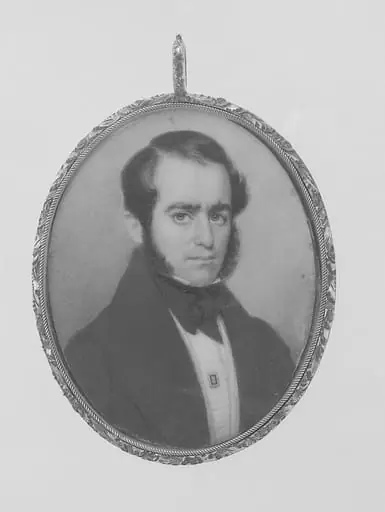
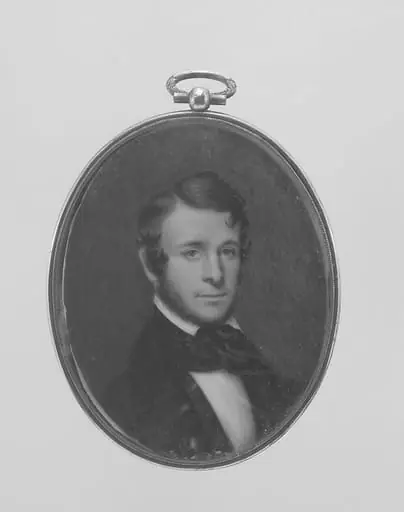
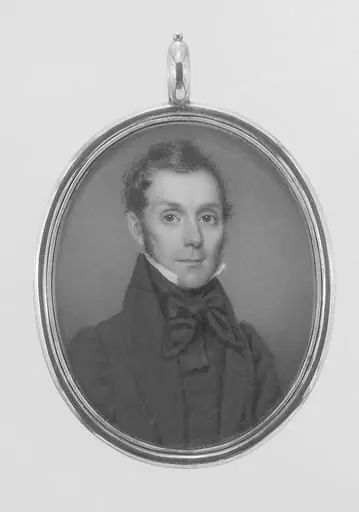
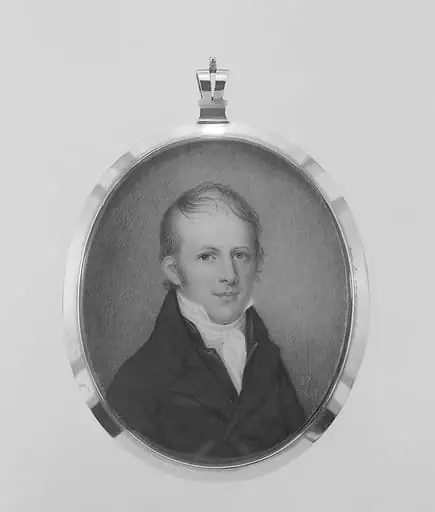
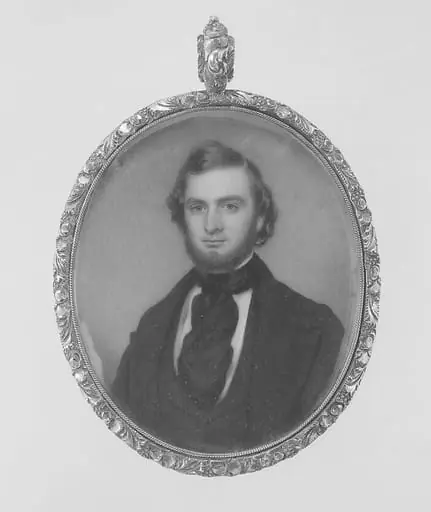
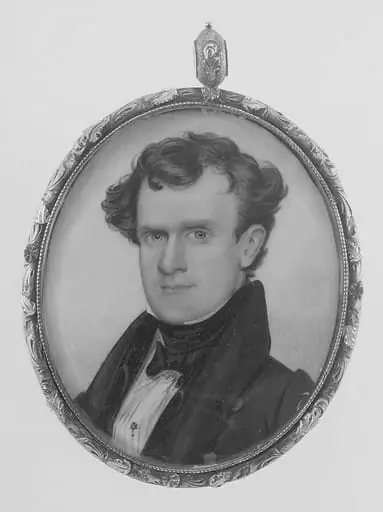
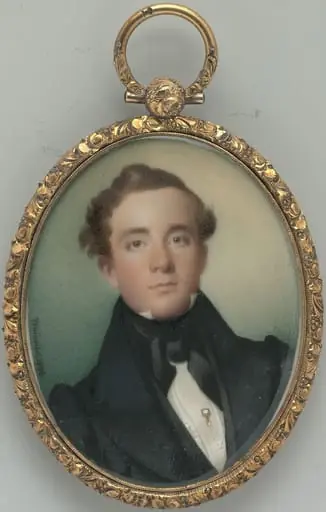
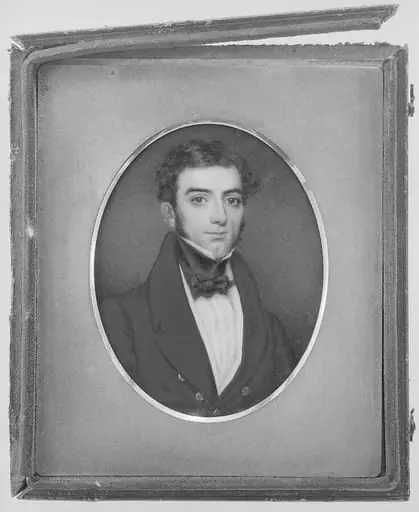
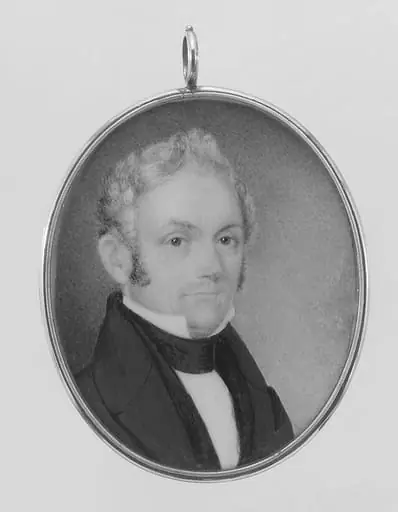
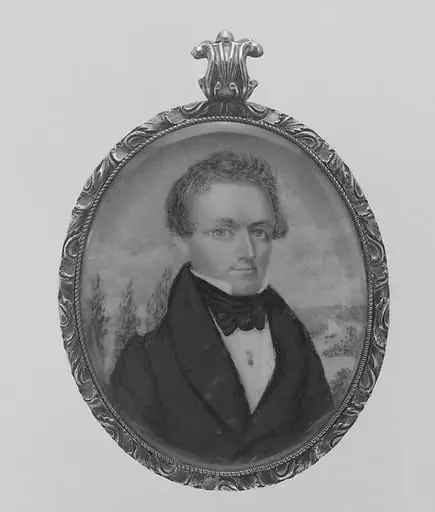
Portrait of a Gentleman is a watercolor painting by the American Folk Art artist William Warner Jr.. It dates from 1836 and is held in the collection of the Metropolitan Museum of Art.
About this work
Subject & Meaning
Executed in watercolor on ivory, the piece is classified within the portrait genre and is housed in the Metropolitan Museum of Art’s American Wing.
The work titled Portrait of a Gentleman, painted by William Warner Jr. in 1836, portrays a male sitter identified as a gentleman, as indicated by the title and described in the catalog entry as depicting a man. Executed in watercolor on ivory, the piece is classified within the portrait genre and is housed in the Metropolitan Museum of Art’s American Wing. As a portrait, it functions to record the sitter’s appearance and convey his social standing, though the sources do not specify additional iconographic symbols or deeper symbolic meaning.
Technique & Style
Executed in 1836 by William Warner Jr., the Portrait of a Gentleman is a miniature work created using watercolor applied to an ivory support. This specific medium and substrate combination was characteristic of the era's portrait miniatures, allowing for delicate rendering on a small scale. The physical dimensions of the piece measure 6.4 units in height and 5.2 units in width, consistent with the intimate format typical of the genre.
Classified within the American Wing of the collection, the artwork depicts a male subject, utilizing the translucent qualities of watercolor on ivory to achieve a refined and detailed representation. The handling of the medium on this durable ivory base defines its formal presentation as a classic example of early 19th-century American portraiture.
History & Provenance
The Portrait of a Gentleman, a watercolor on ivory created by William Warner Jr. in 1836, is held in the collection of the Metropolitan Museum of Art. Within the museum's structure, the work is classified under The American Wing. While the provided records confirm the institution and wing, specific inventory or accession numbers are not detailed in the available sources.
The documentation notes the object's physical dimensions as 6.4 by 5.2 units, consistent with its classification as a portrait of a man. No specific exhibition history or dates of public display are recorded in the current source material, though the work remains part of the museum's permanent holdings.
Overview
Painted in 1836 by the American artist William Warner Jr., this miniature portrait depicts an unidentified gentleman facing the viewer directly. The subject wears a dark coat and a white cravat, his features rendered with soft illumination against a neutral background. Executed in watercolor on ivory, the work exemplifies the technical demands of early 19th-century miniature painting.
Warner employed thin, transparent glazes to build up color and form, a method that allowed for subtle tonal transitions while avoiding visible brushstrokes on the smooth, non-absorbent ivory surface. Measuring smaller than a playing card, the piece reflects the era's tradition of intimate, portable portraiture often used for personal keepsakes. Created during Warner's brief career, which ended with his death in 1848, this work demonstrates his skill in the specialized medium of ivory miniatures, a popular genre in American art before the widespread adoption of photography.
Artist & collection