Artwork
A Displaced Armenian
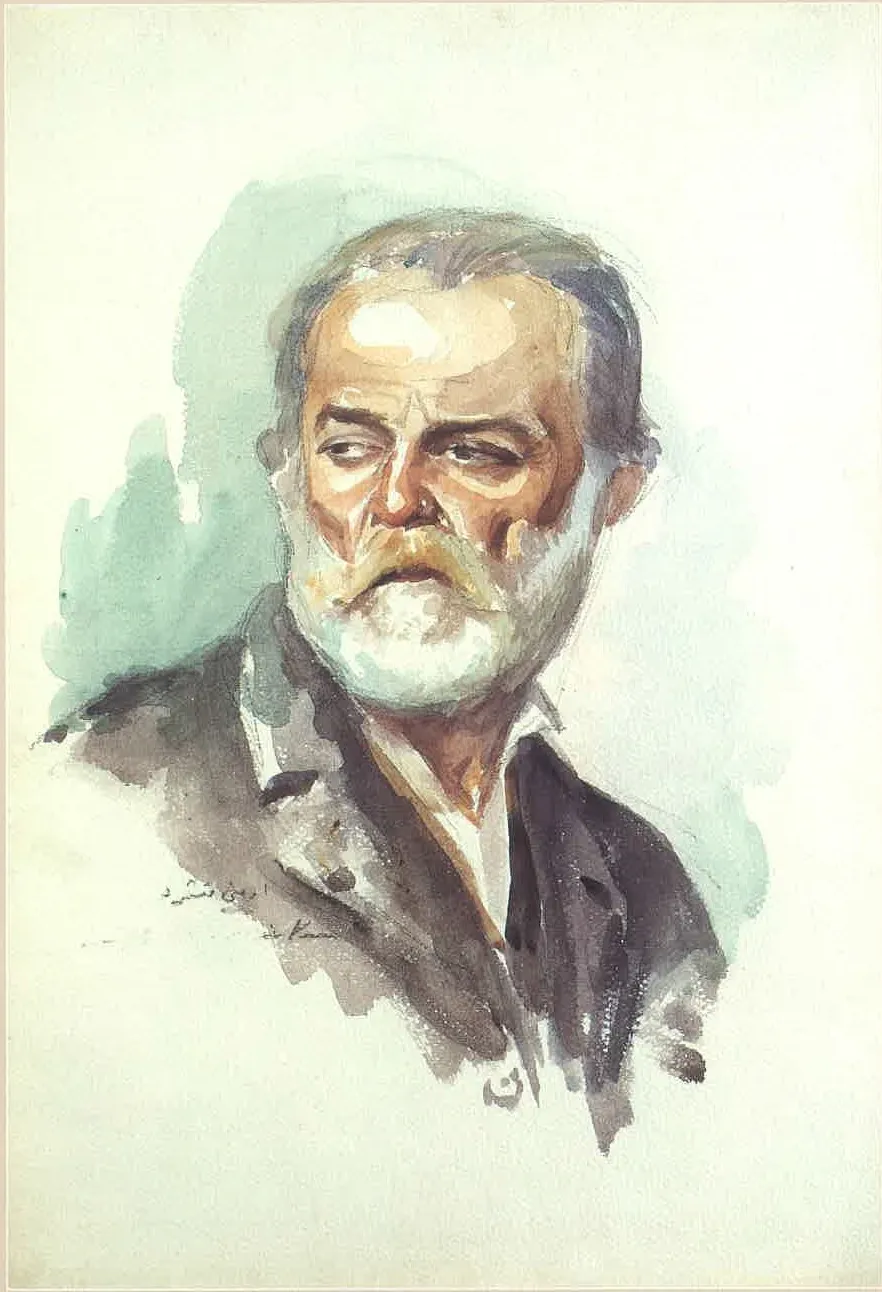
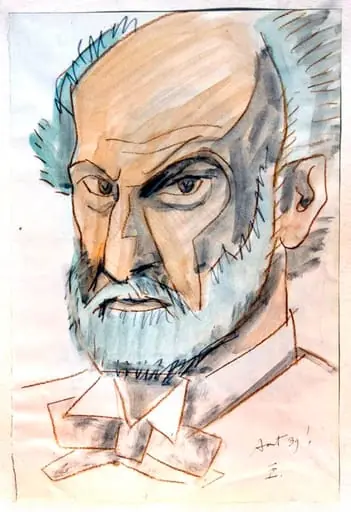
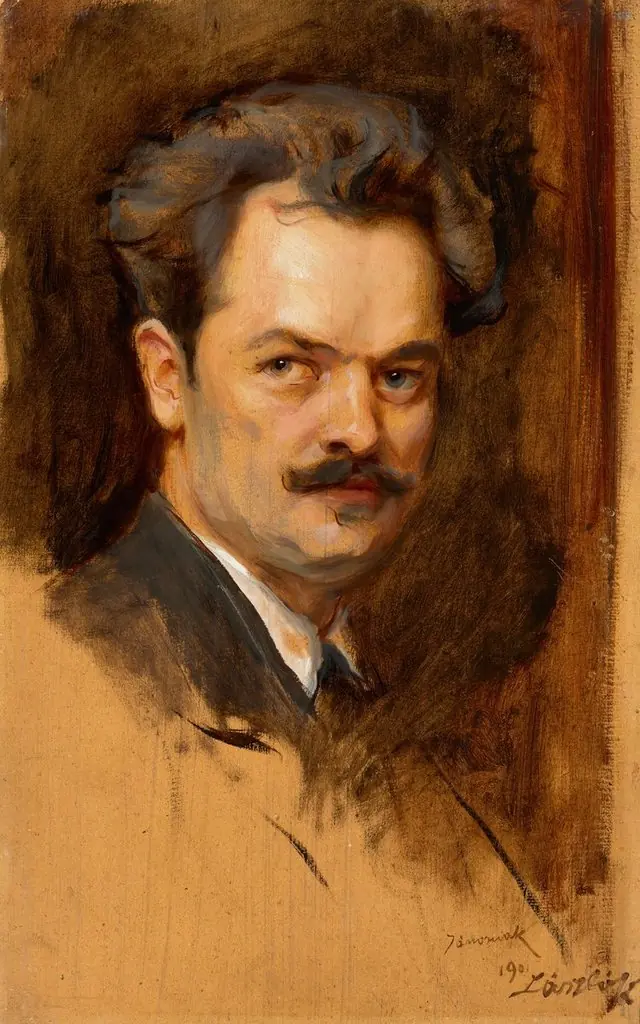
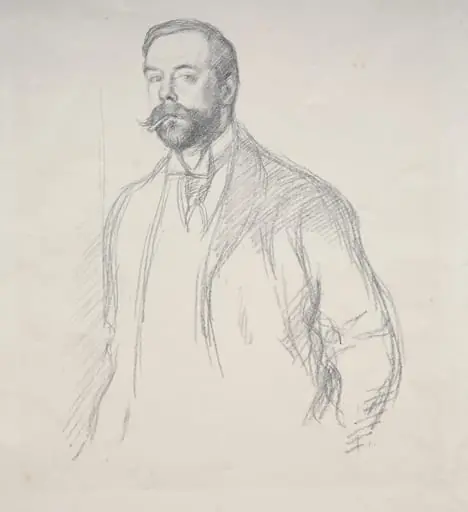
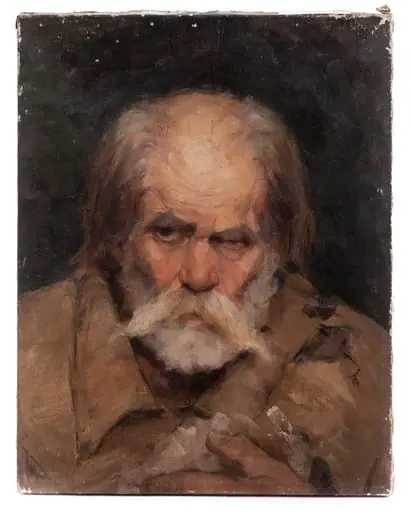
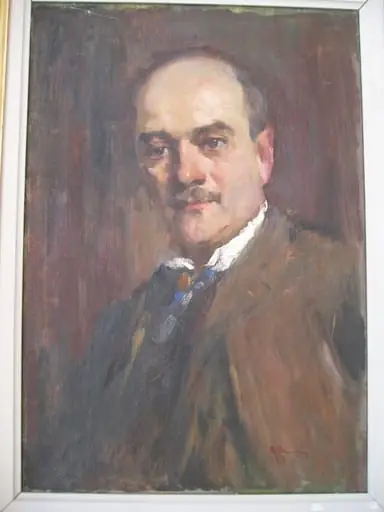
A Displaced Armenian is a watercolor painting by Moustafa Farroukh. It dates from 1939 and is held in the collection of the Sursock Museum.
About this work
Overview
Created around 1939, this watercolor portrait by Moustafa Farroukh captures a displaced Armenian man in mid-20th-century Lebanon.
Created around 1939, this watercolor portrait by Moustafa Farroukh captures a displaced Armenian man in mid-20th-century Lebanon. Executed with precision in a medium known for its translucency, the work belongs to the Sursock Museum’s collection. Farroukh, a central figure in Lebanese modern art, produced this piece during a period of intense creative activity, reflecting his engagement with personal and collective histories of displacement.
Subject & Meaning
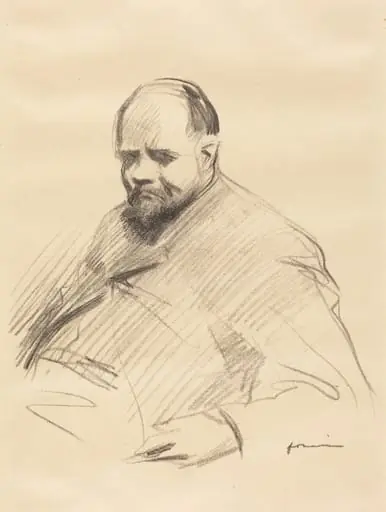
The subject is a bearded man dressed in a formal suit, his gaze directed outward but not at the viewer, suggesting introspection or distance. His attire and facial features convey dignity and resilience, possibly alluding to the Armenian diaspora’s experience after the genocide. The portrait avoids overt symbolism, instead relying on quiet presence to evoke themes of loss, survival, and identity in a foreign land.
Technique & Style
Farroukh employed watercolor with controlled brushwork, layering translucent washes to define the man’s facial structure and fabric textures. The delicacy of the medium enhances the intimacy of the portrait, while the restrained palette, dominated by muted grays, browns, and soft ochres, focuses attention on the subject’s expression. Details like the moustache and suit lapels are rendered with precision, demonstrating mastery over watercolor’s unpredictability.
History & Provenance
The painting entered the Sursock Museum’s collection in the decades following its creation, likely through direct acquisition or donation. Farroukh, active in Beirut’s cultural circles, maintained close ties with local institutions. While specific documentation of the sitter’s identity remains unverified, the work’s persistence in public collections underscores its significance within Lebanon’s modern art canon.
Context
Painted in 1939, the work emerged amid rising nationalism and the lingering trauma of the Armenian genocide, which had displaced hundreds of thousands into Lebanon and Syria. Farroukh, himself of Lebanese-Armenian heritage, was part of a generation of artists documenting the social fabric of a changing region. This portrait reflects a broader cultural moment in which personal identity intersected with collective memory.
Legacy
Farroukh’s body of over two thousand works includes portraits that humanize marginalized communities, and this painting stands as a quiet testament to that commitment. Though less known internationally, his watercolors are studied in Lebanese art education for their technical subtlety and empathetic gaze. The portrait continues to be referenced in discussions of diasporic representation in Levantine modernism.
Artist & collection
Artist
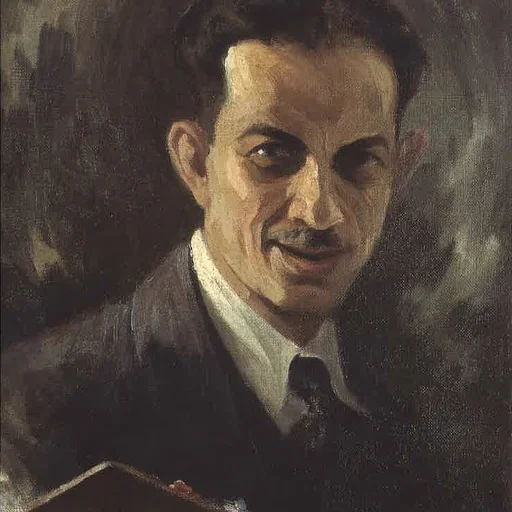
Moustafa Farroukh (Arabic: مصطفى فروخ; 1901 – 1957) was one of Lebanon's most prominent painters of the 20th century.