Artwork
Padre
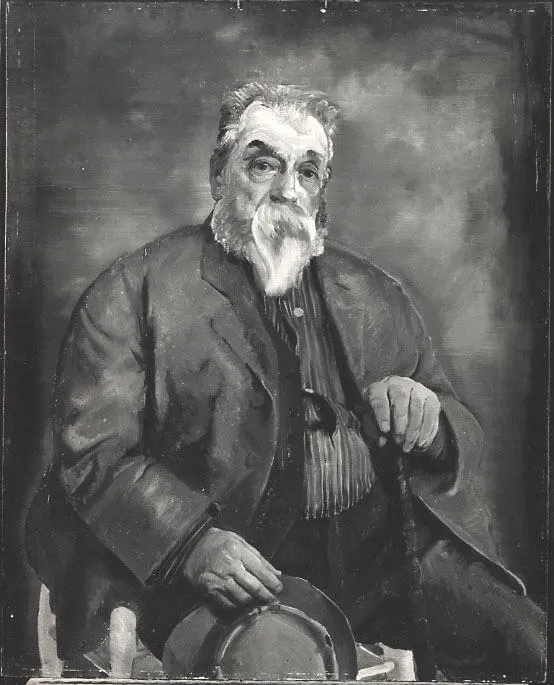
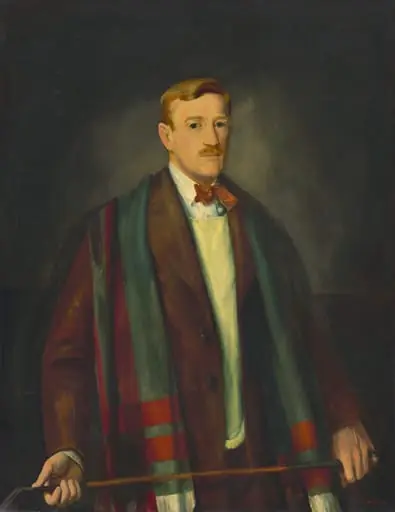
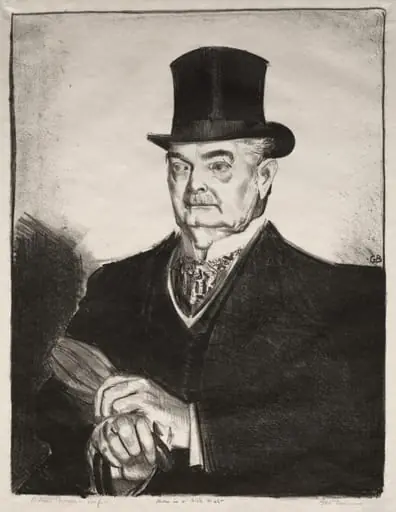
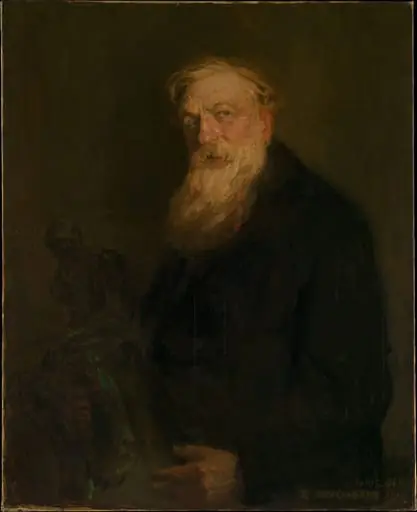
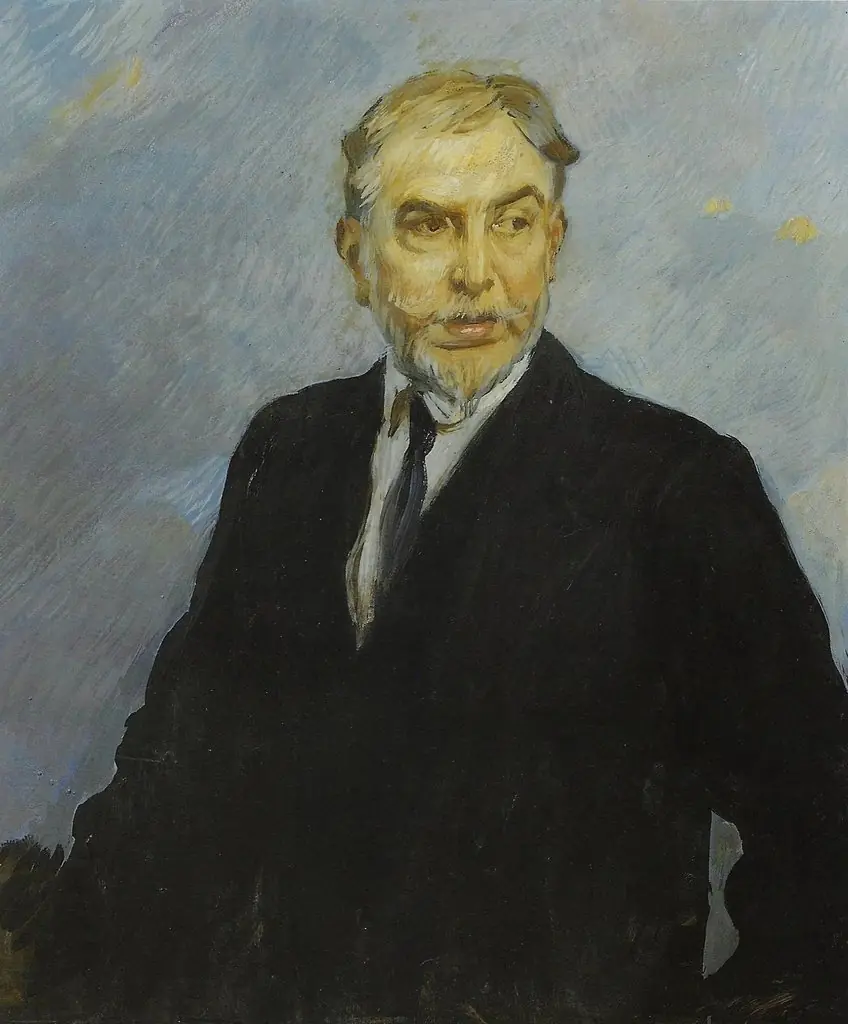
Padre is an unspecified painting by the Ashcan School artist George Bellows. It dates from 1917 and is held in the collection of the Metropolitan Museum of Art.
About this work
Subject & Meaning
The specific identity of the sitter and any deeper symbolic or iconographic meanings associated with the title Padre are not detailed in the available records.
George Bellows' 1917 painting, Padre, is a portrait depicting a single man. As a work classified within the portrait genre, the artwork focuses on the representation of this male figure. The specific identity of the sitter and any deeper symbolic or iconographic meanings associated with the title Padre are not detailed in the available records.
The piece serves primarily as a visual study of the subject, capturing his likeness within the context of early 20th-century portraiture. The Metropolitan Museum of Art holds the work, which measures 101.6 by 81.3 centimeters. While the title suggests a religious or clerical role, the provided documentation restricts the description to the depiction of a man without elaborating on specific religious symbolism or the narrative significance of the subject's identity.
History & Provenance
Padre was painted by George Bellows in 1917, as indicated by the work’s date and its inception recorded as January 1, 1917. The painting entered the collection of the Metropolitan Museum of Art, where it is currently housed; no earlier ownership or commission details are provided in the available sources. The work measures approximately 101.6 cm in height and 81.3 cm in width.
Thus, the known provenance of Padre begins with its creation in 1917 and its present location at the Met.
Padre, a 1917 portrait by George Bellows, is held in the collection of the Metropolitan Museum of Art. The painting, measuring 101.6 by 81.3 cm, is catalogued within the museum's holdings of Bellows's portraits. No specific accession number or detailed exhibition history is recorded in the available sources.
Overview
George Bellows completed Padre in 1917, a painted portrait that exemplifies his realist approach. This work depicts an older man, distinguished by a long white beard and mustache, seated in a chair. The painting is part of the collection at The Metropolitan Museum of Art, representing a facet of Bellows's oeuvre beyond his more typical urban scenes.
Technique & Style
Padre is rendered in a monochromatic palette, emphasizing form and texture through the interplay of light and shadow. Bellows employed stark contrasts between dark tones and illuminated areas to define the subject's facial features and clothing with striking clarity. This method creates a dramatic visual impact, making the figure emerge prominently from the background.
Context
As a prominent figure within the Ash Can School, George Bellows was widely recognized for his dynamic portrayals of New York City life. While often celebrated for his gritty urban landscapes and boxing scenes, Padre demonstrates his versatility in portraiture. This work aligns with the movement's broader commitment to depicting everyday subjects with unvarnished realism.
Artist & collection
Artist
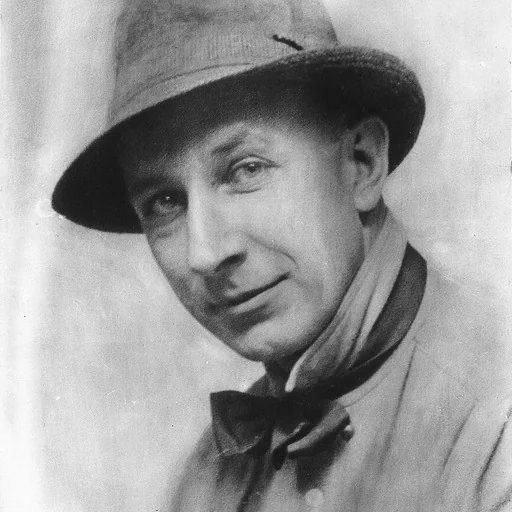
George Wesley Bellows (August 12 or August 19, 1882 – January 8, 1925) was an American realist painter, known for his bold depictions of urban life in New York City.