Artwork
Enthroned Saint Jerome, with Angels
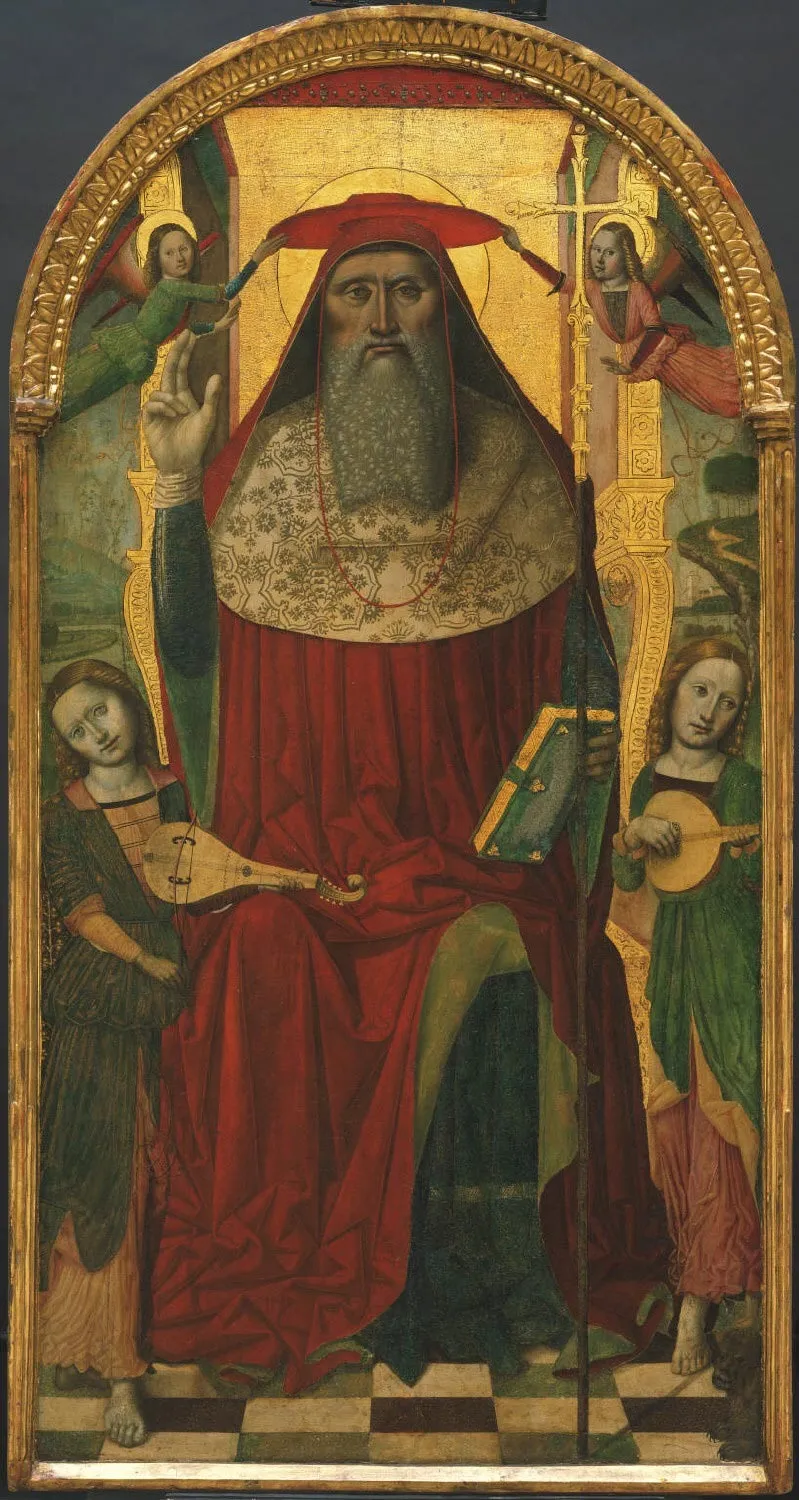
Enthroned Saint Jerome, with Angels is an unspecified painting by the Italo Byzantine artist Niccolò Corso. It dates from 1498 and is held in the collection of the Philadelphia Museum of Art.
About this work
Overview
Painted in 1498 by Niccolò Corso, an artist active in Liguria, this work presents Saint Jerome seated on a throne with two attendant angels.
Painted in 1498 by Niccolò Corso, an artist active in Liguria, this work presents Saint Jerome seated on a throne with two attendant angels. Executed in the Italo-Byzantine tradition, the painting retains the gold-ground backgrounds and formal composition typical of late medieval Italian religious art. It is currently held in the Philadelphia Museum of Art, where it represents a regional variant of devotional imagery from the closing decades of the 15th century.
Subject & Meaning
Saint Jerome, identified by his cardinal’s red robes and scholarly attributes, a book and a staff, is depicted as a contemplative authority, embodying the Church’s reverence for scriptural study. The angels flanking him, each holding a liturgical instrument, suggest divine sanction and the sacred nature of his translation of the Bible. The serene expressions and stillness of the figures reinforce a tone of quiet devotion, aligning with the monastic ideals of the Olivetan order, to which Corso was connected.
Technique & Style
The painting employs a gold-leaf background with fine linear patterning, characteristic of Byzantine-derived aesthetics. Robes are rendered with intricate embroidery in mineral pigments, emphasizing texture without naturalistic depth. While the figures display a certain softness in facial modeling, the overall approach remains stylized, with limited chiaroscuro and no true perspective.
The delicate rendering of angelic wings and serene faces reflects a refined, if conservative, hand rooted in late medieval conventions.
History & Provenance
Niccolò Corso’s documented activity centers on the Olivetan monastery at Quarto near Genoa, where several of his works were likely commissioned for liturgical use. This painting, though unrecorded in monastic inventories, aligns stylistically with his known output. It entered the Philadelphia Museum of Art’s collection in the 20th century, likely through a European dealer or collector, though its exact path from Liguria to Philadelphia remains undocumented.
Context
In late 15th-century Liguria, religious imagery retained Byzantine formalism even as Renaissance naturalism spread elsewhere in Italy. Corso’s work reflects this regional persistence, serving monastic communities that valued spiritual symbolism over humanist innovation. The painting’s emphasis on hierarchy, stillness, and sacred ornamentation speaks to an audience more concerned with theological authority than visual realism.
Legacy
Corso’s oeuvre, though limited in number and largely confined to Liguria, illustrates the endurance of medieval visual language in peripheral Italian regions. This painting stands as a quiet testament to the continuity of devotional art beyond the centers of Renaissance innovation, preserving a mode of sacred representation that persisted well into the age of humanism.
Artist & collection
Artist
Niccolò Corso, also known as Niccolò di Lombarduccio (1446 – circa 1512), was an Italian painter of the Renaissance period, active mainly in Liguria.

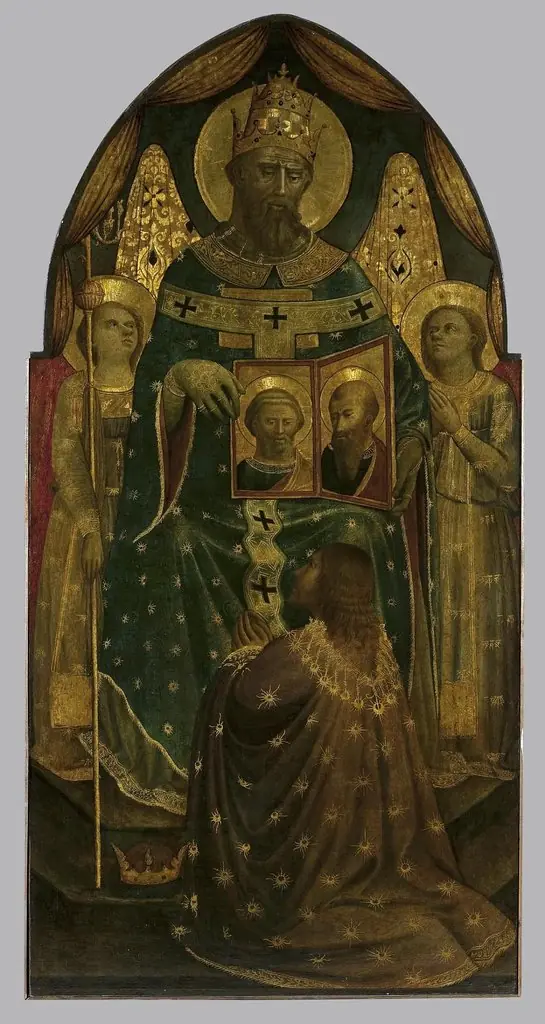 Emperor Constantine in front of Pope Sylvester I Showing Depictions of Sts Peter and Paul (central part of the triptych)
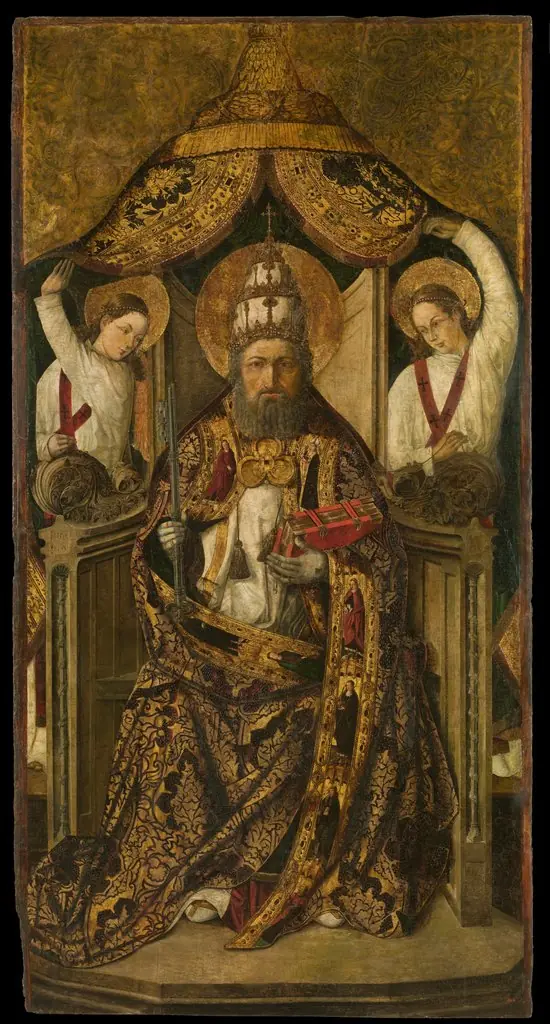 Saint Peter Enthroned
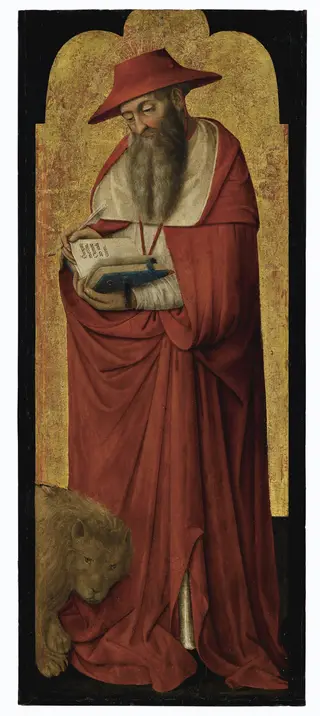 Saint Jerome, part of an altarpiece
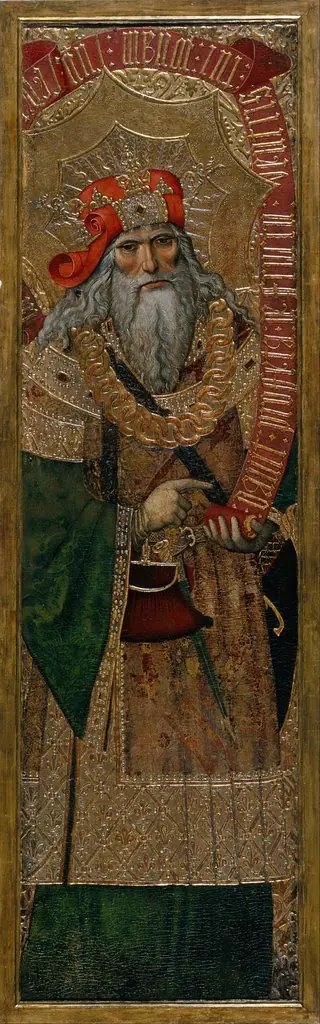 David
David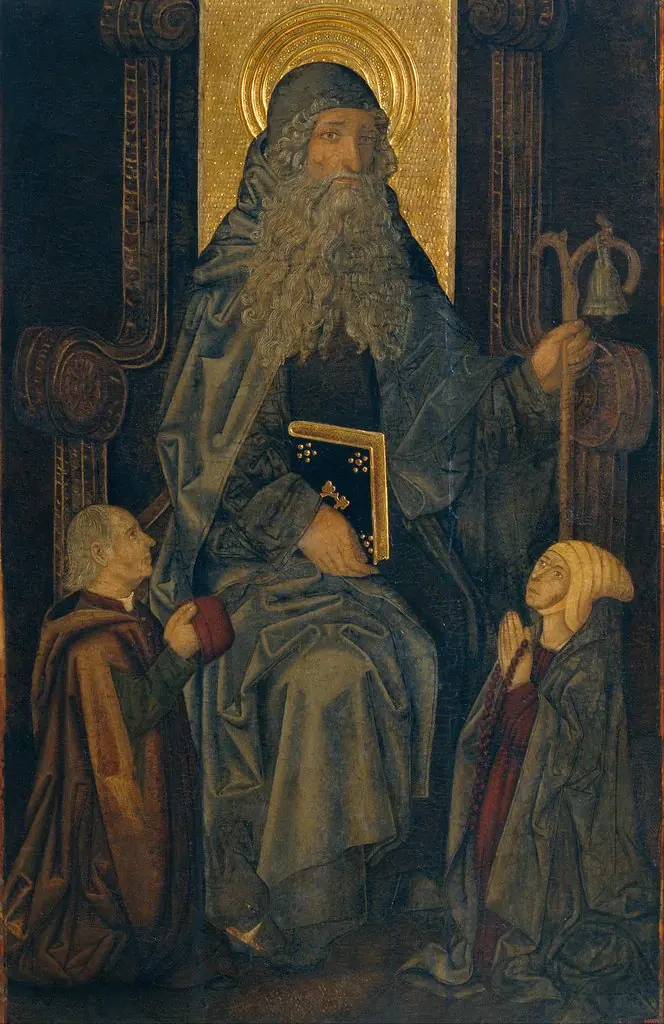 Saint Anthony the Abbot and Donors
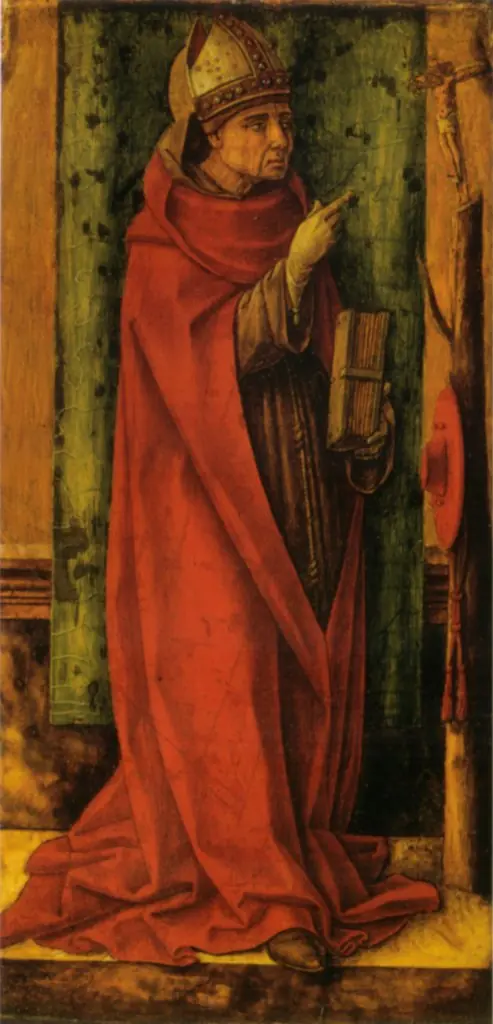 Bonaventure
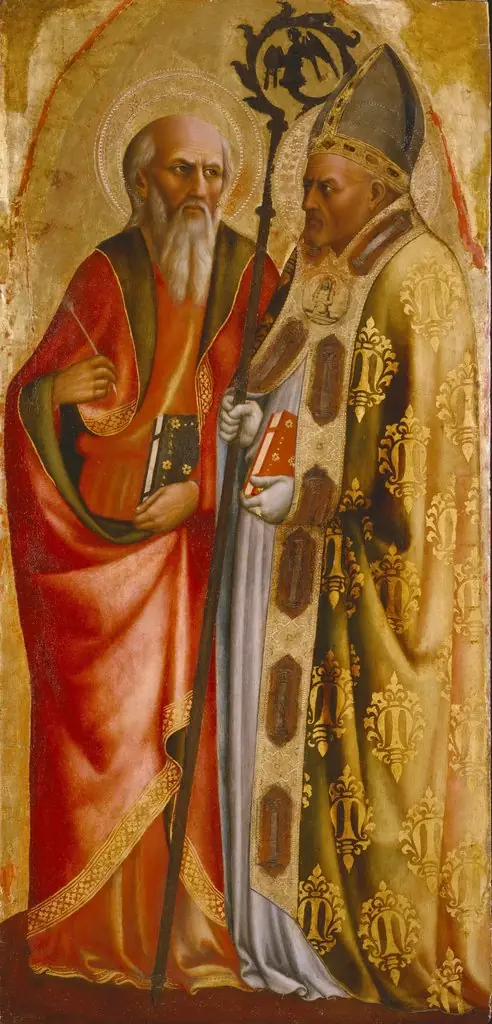 Saints John the Evangelist(?) and Martin of Tours
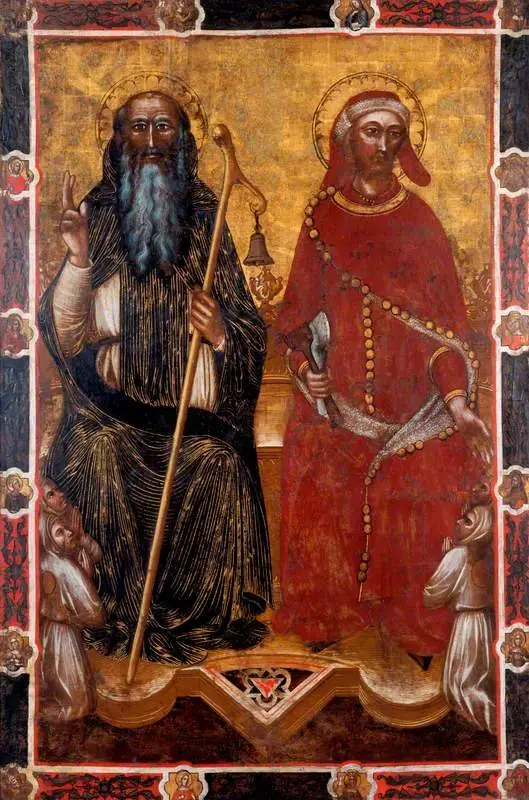 Saint Anthony Abbot and Saint Eligius with Two Pairs of Kneeling Worshippers (one side of a processional banner) (formerly attributed to Barnaba da Modena)
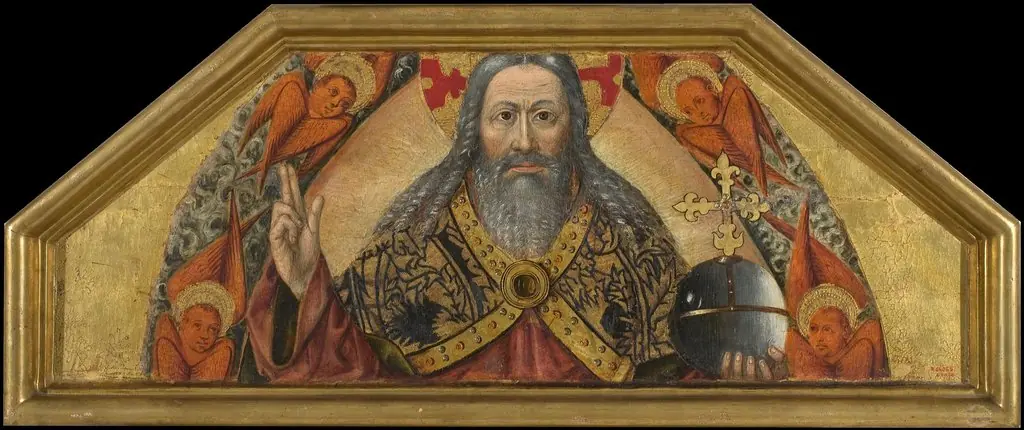 Everlasting Father
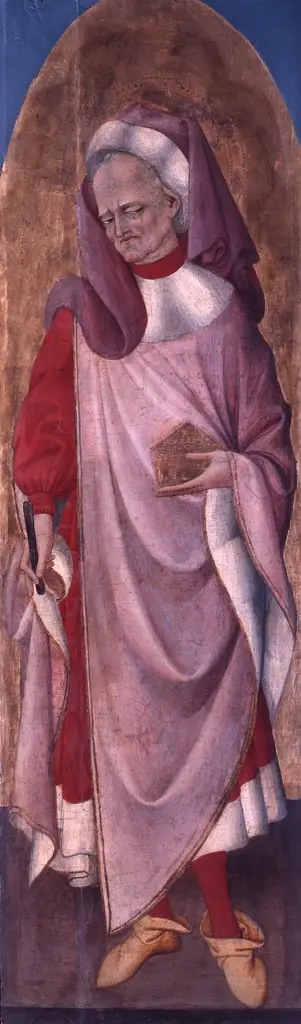 Saint Cosma
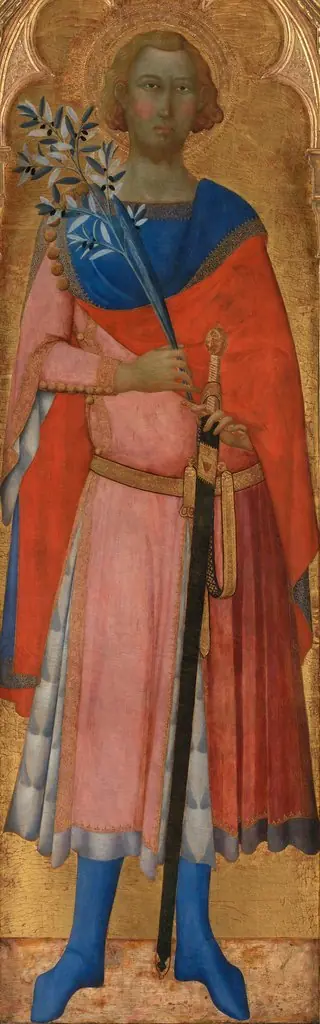 St Victor of Siena
- Saint Paul