
Movement
Italo Byzantine
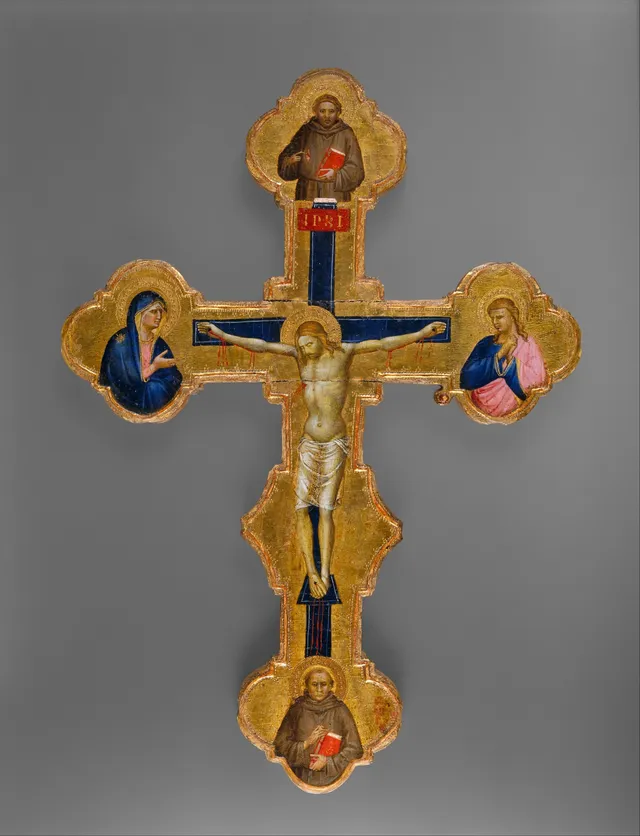
Italo Byzantine is an art movement of the 1100–1300 period. The gallery holds 216 works in this movement, including works by Puccio di Simone, Ugolino di Nerio and Antoniazzo Romano. Browse Italo Byzantine paintings, portraits, pictures and artworks from the world's public-domain museum collections.
Italo-Byzantine — known to contemporaries and later to Giorgio Vasari (1511–74) as the maniera greca, the "Greek manner" — denotes the Byzantine-influenced painting that dominated the Italian peninsula across the twelfth and thirteenth centuries. It arose where Italy's maritime republics met the Eastern Mediterranean: Venice, Pisa, Lucca, and the Tuscan trading towns absorbed icons, mosaics, and craftsmen from the Greek-speaking world. The Fourth Crusade's sack of Constantinople in 1204 accelerated the exchange, flooding Western markets with portable icons that local artists copied and adapted. In doing so they introduced to Western Europe the small, framed devotional panel in tempera on wood — a format with a long future ahead of it.
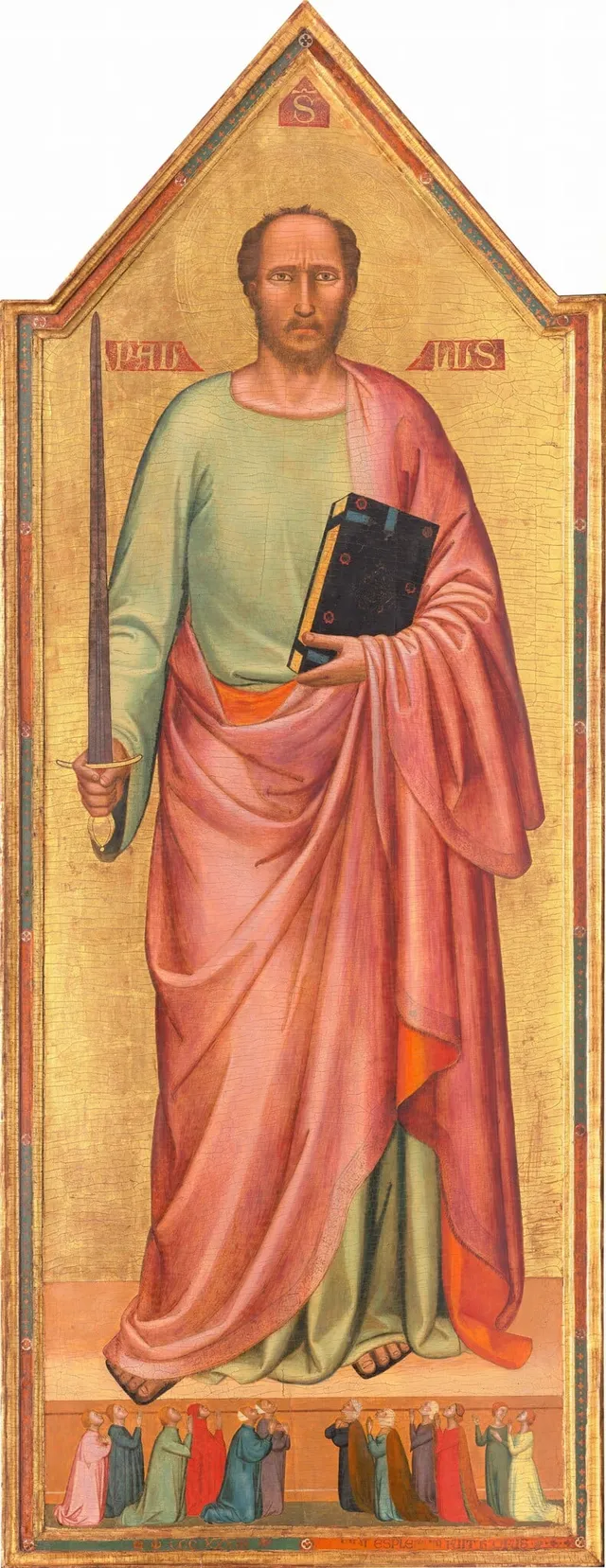
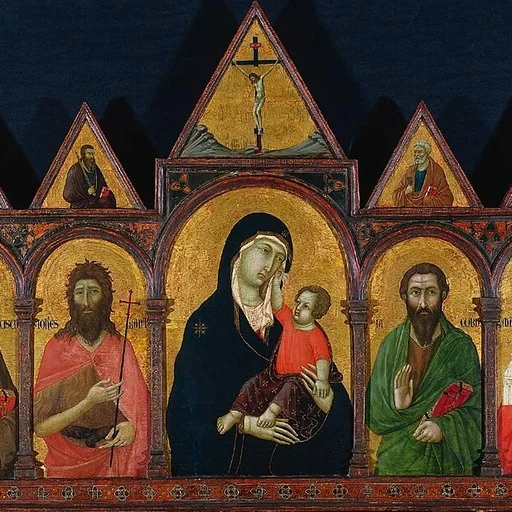
The style is unmistakable. Figures stand against luminous gold grounds, frontal, solemn, and elongated, their volume suppressed in favour of flat, hieratic pattern. Drapery is described not by observed light but by fine golden striations — chrysography — that fold cloth into elegant abstract shapes. Faces follow fixed Byzantine formulae, space is compressed, and scale is governed by hierarchy rather than perspective. The repertoire centred on sacred icon types, above all the enthroned Madonna and Child, along with crucifixes and saints.
The canonical practitioners are largely Tuscan. Berlinghiero of Lucca (active c. 1228–42) represents the early phase; Coppo di Marcovaldo (c. 1225–c. 1276), a Florentine, signed and dated his Madonna del Bordone in 1261 for Santa Maria dei Servi in Siena and pioneered the golden drapery striations that others borrowed. Guido da Siena worked the Sienese side of the tradition. Cimabue (active c. 1270–1303) brought the manner to its summit in the Santa Trinita Maestà (Uffizi) and the Santa Croce Crucifix, even as he and Duccio di Buoninsegna began to loosen its conventions toward weight and depth.
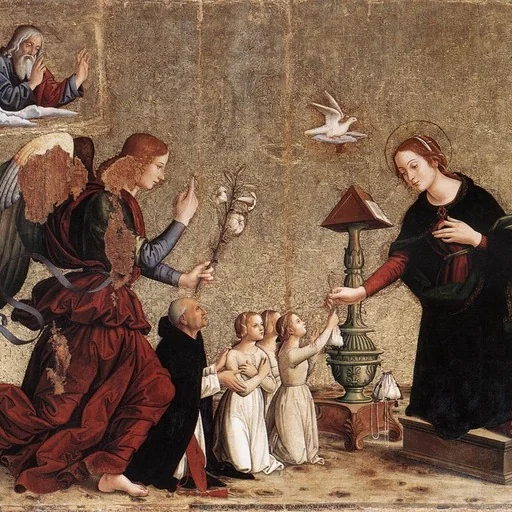
The style's gold-ground vocabulary outlived its dominance, carried into the Trecento by Duccio's Sienese followers — Ugolino di Nerio and Lippo Vanni among them — and revived in fifteenth-century Rome by Antoniazzo Romano. Its decisive successor, however, was Giotto, whose turn toward naturalistic mass and space at the century's close redefined what European painting could be. Italo-Byzantine art thus forms the essential bridge between Byzantine iconography and the Italian Proto-Renaissance.
Key artists
Works
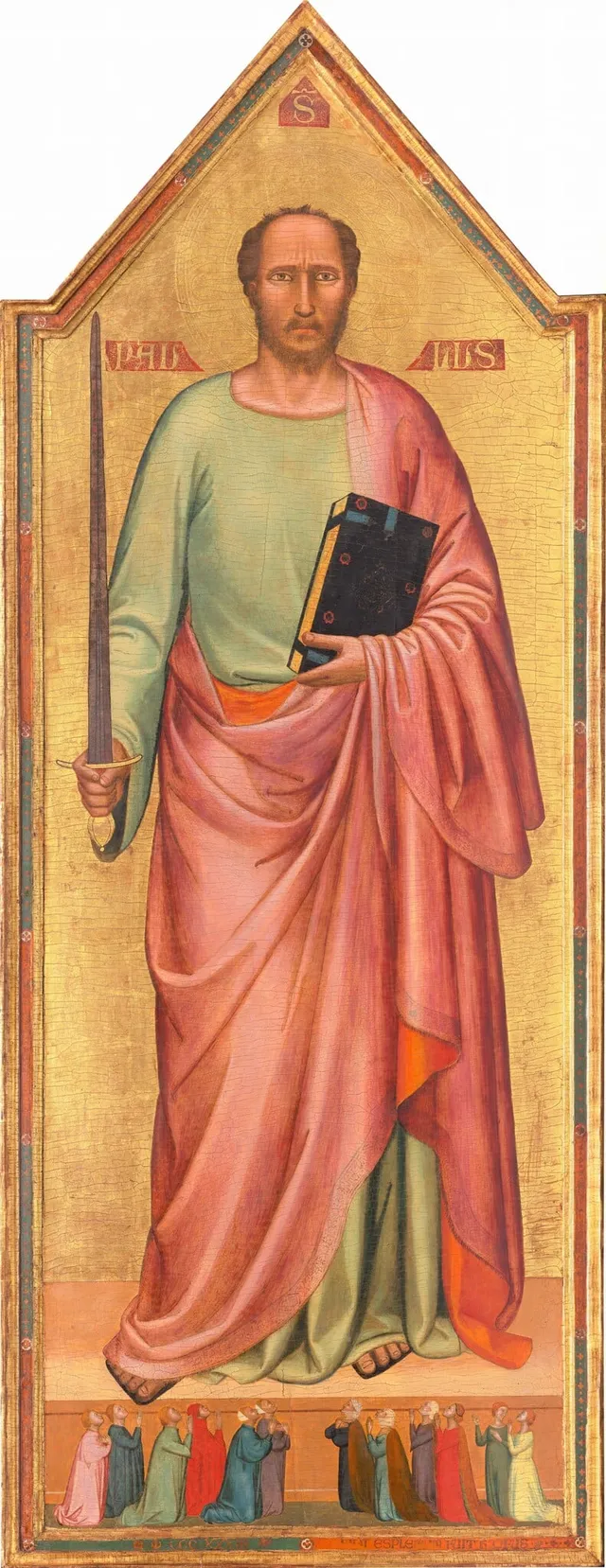
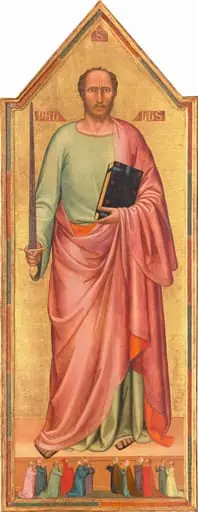 Saint Paul and a Group of Worshippers
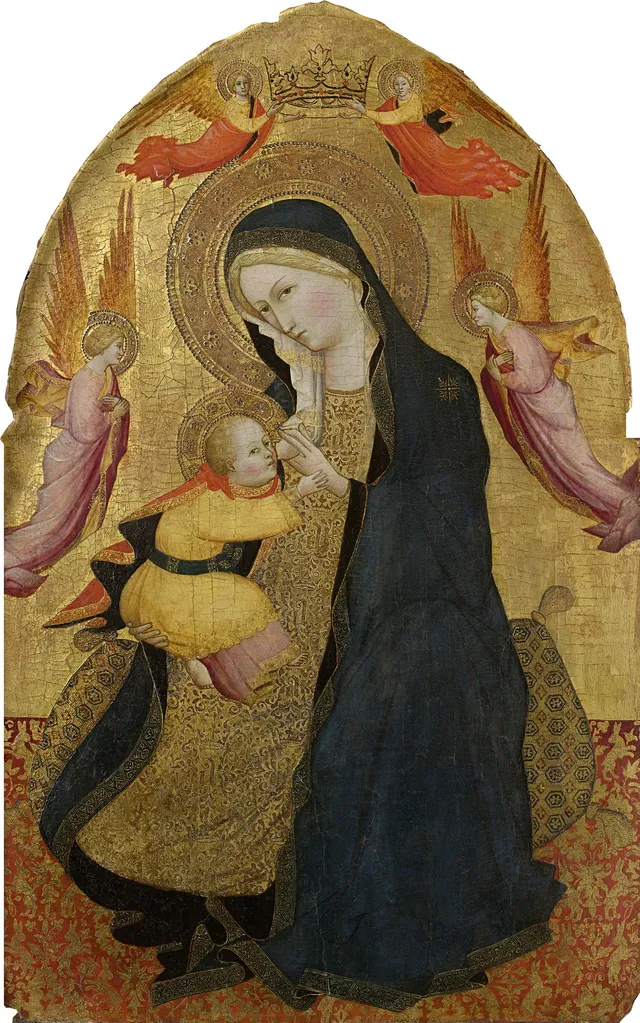
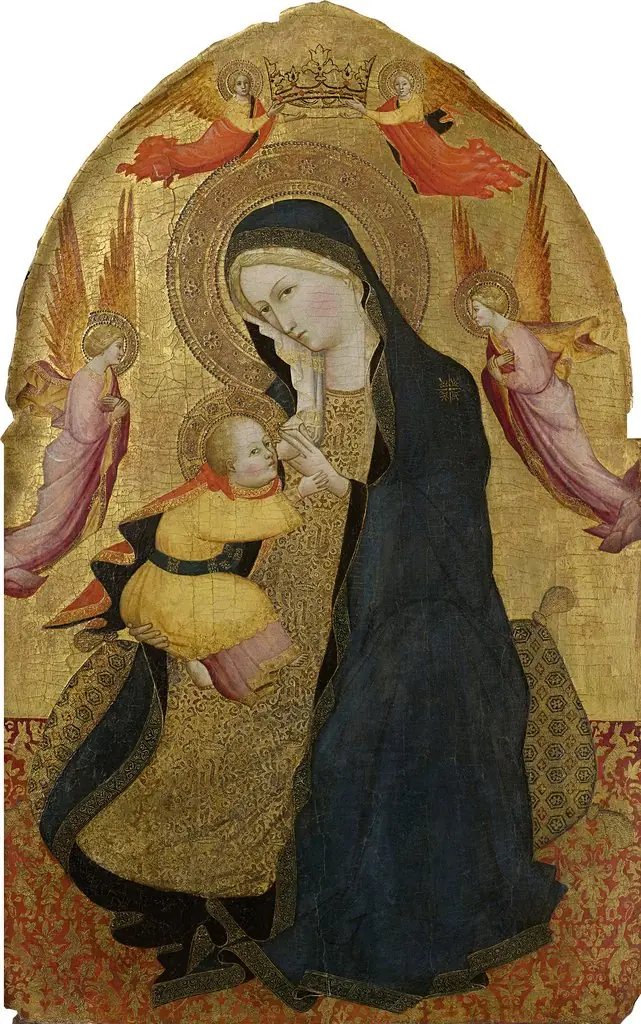 Madonna of Humility (Madonna dell'Umiltà)
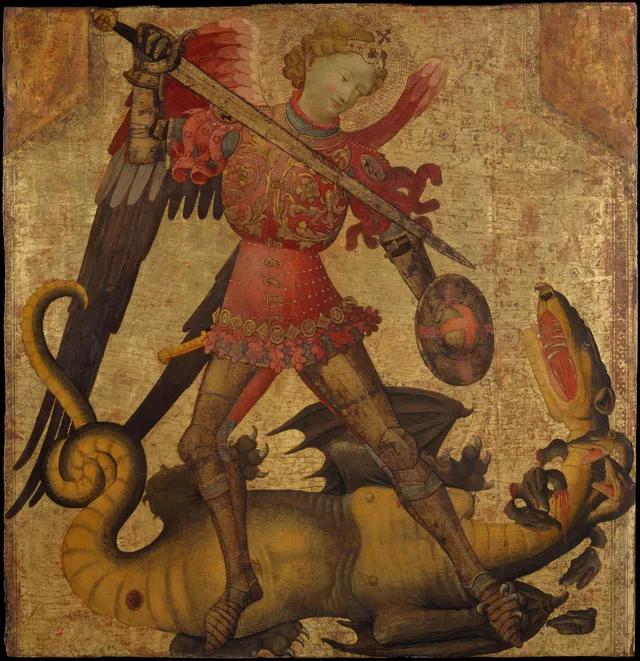
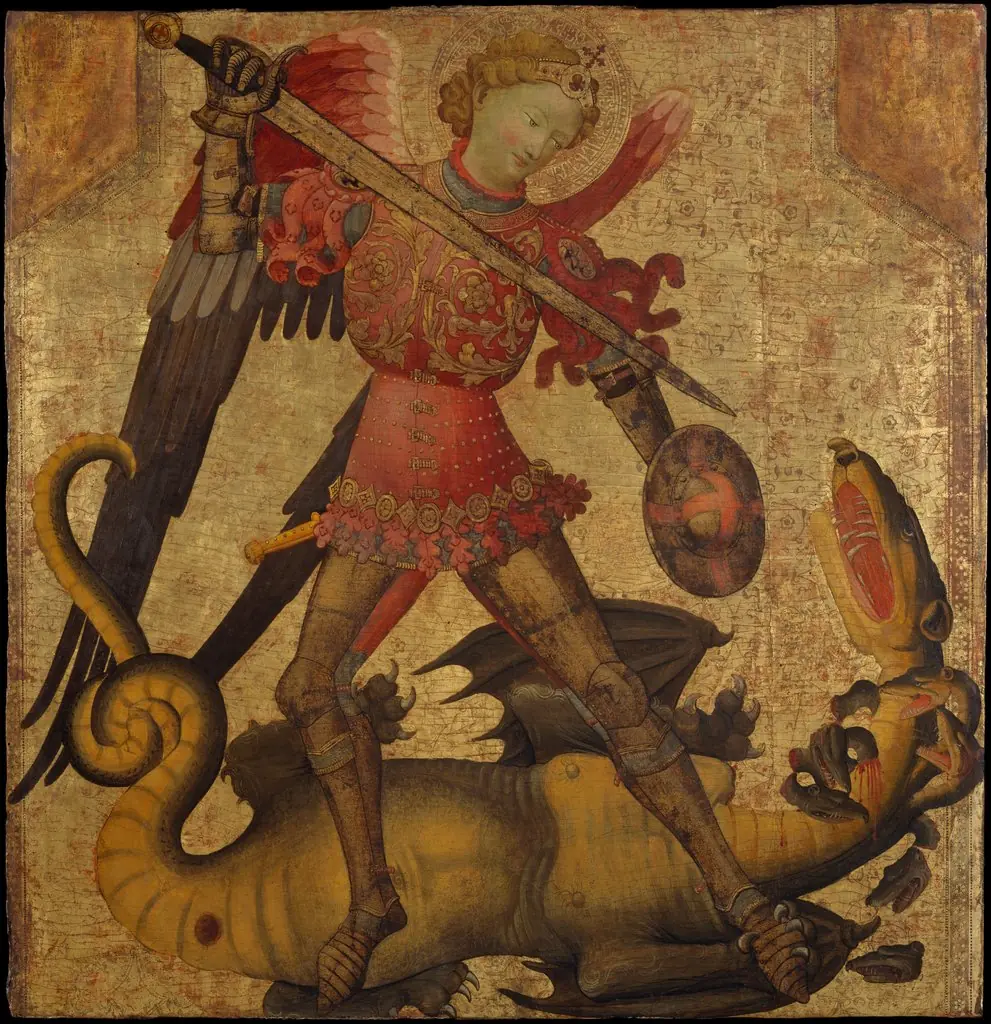 Saint Michael and the Dragon
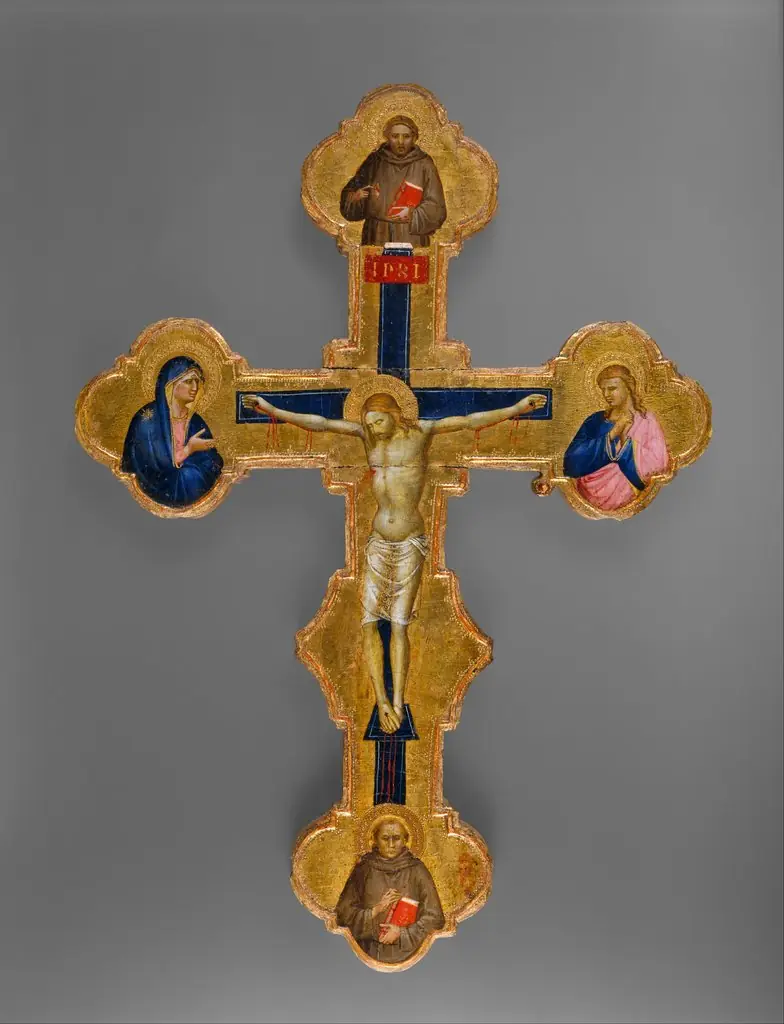 Crucifix
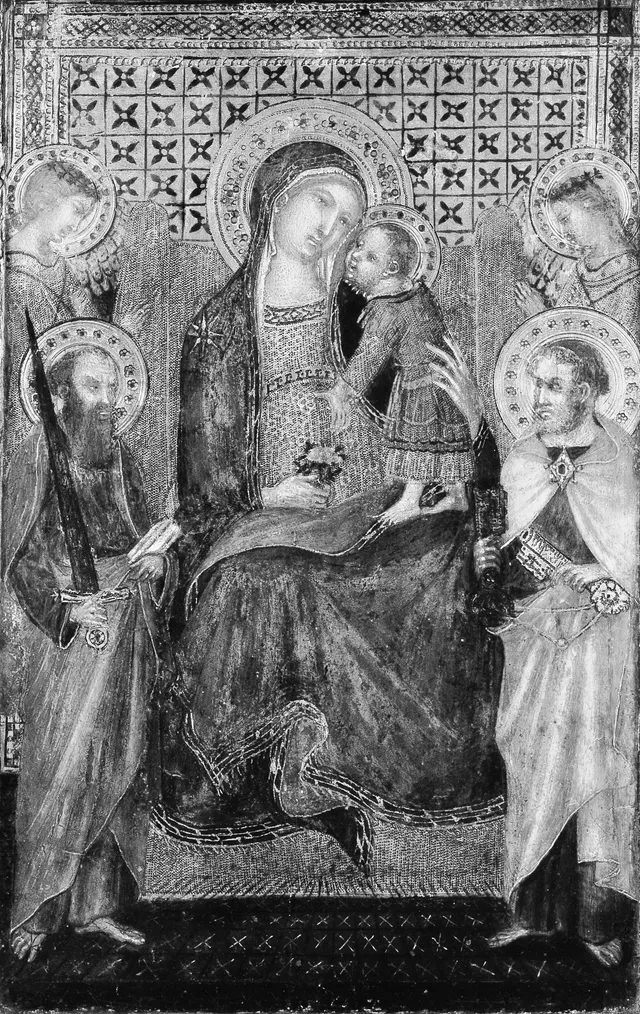
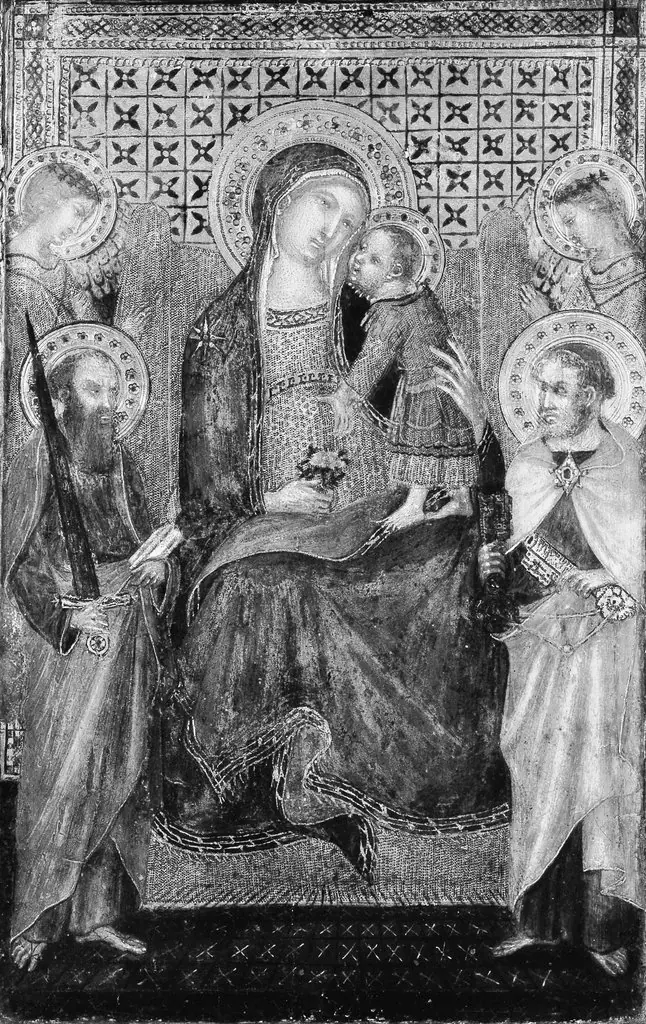 Madonna and Child Enthroned with Saints Peter and Paul and Angels
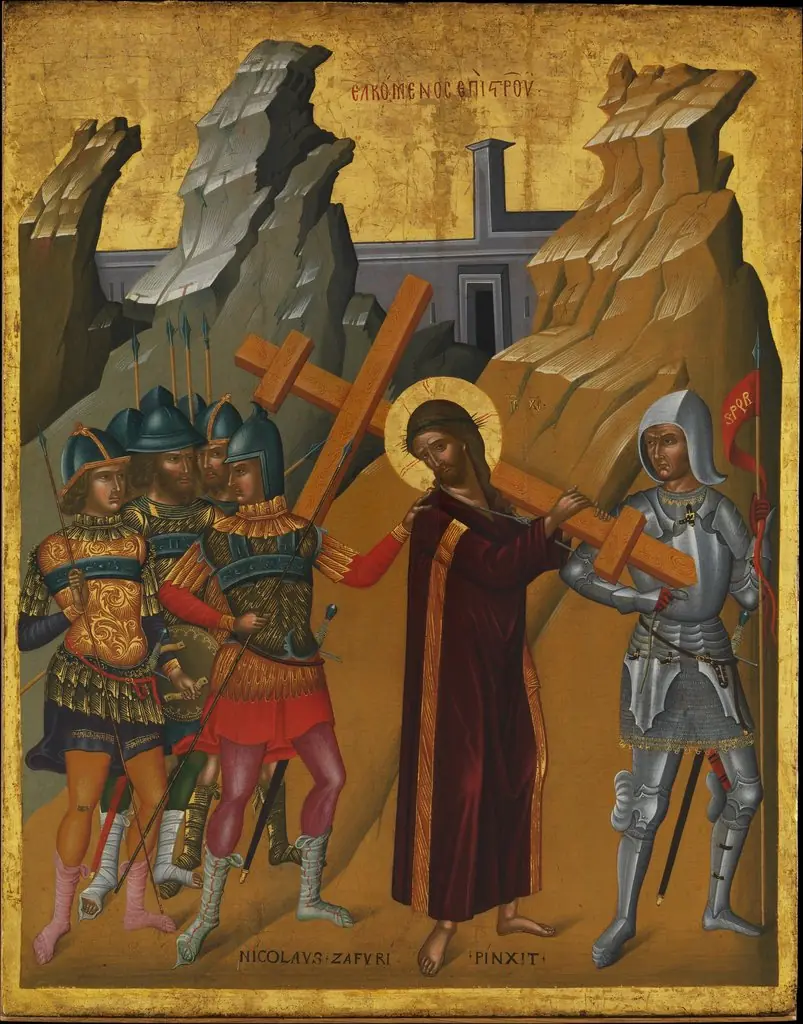 Christ Bearing the Cross
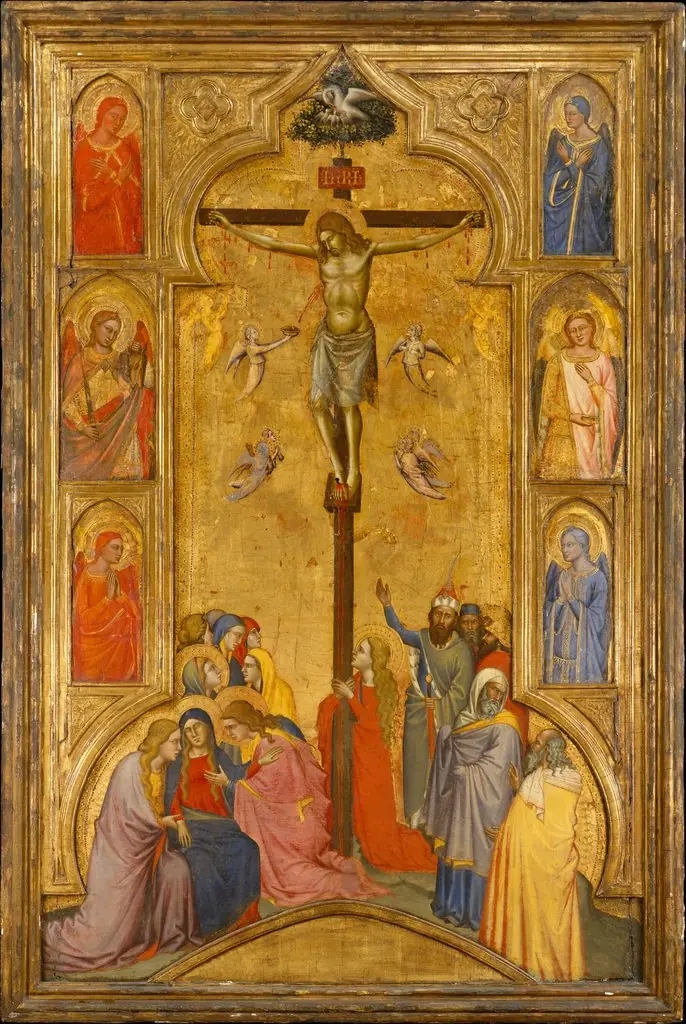 The Crucifixion
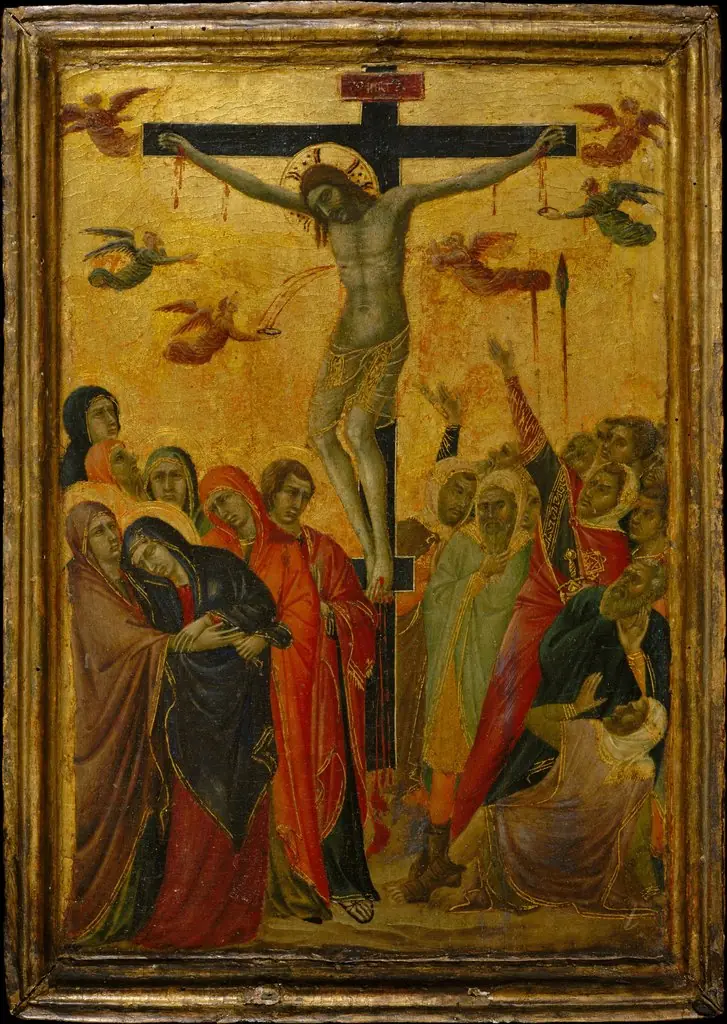 The Crucifixion
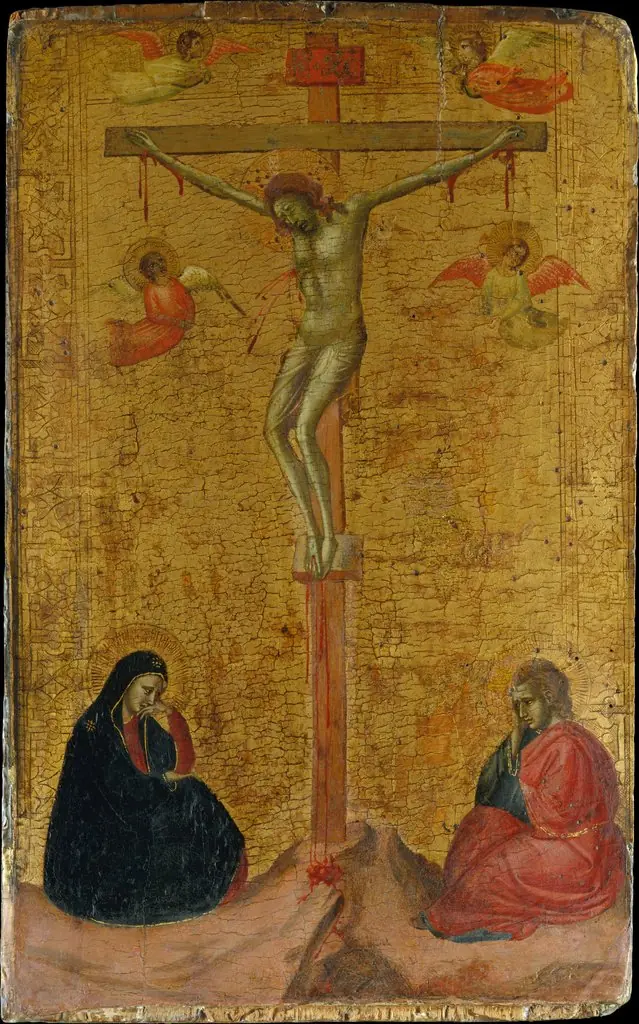 The Crucifixion
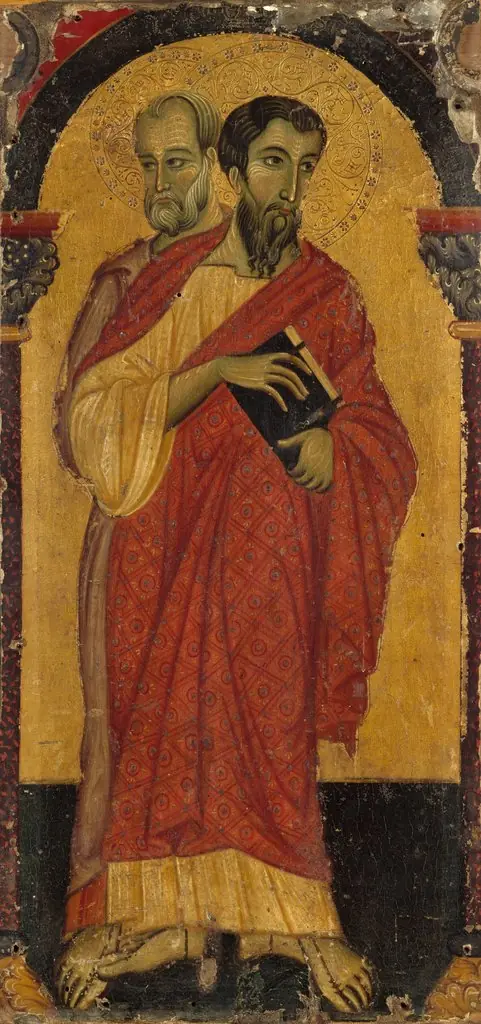 Saints Bartholomew and Simon
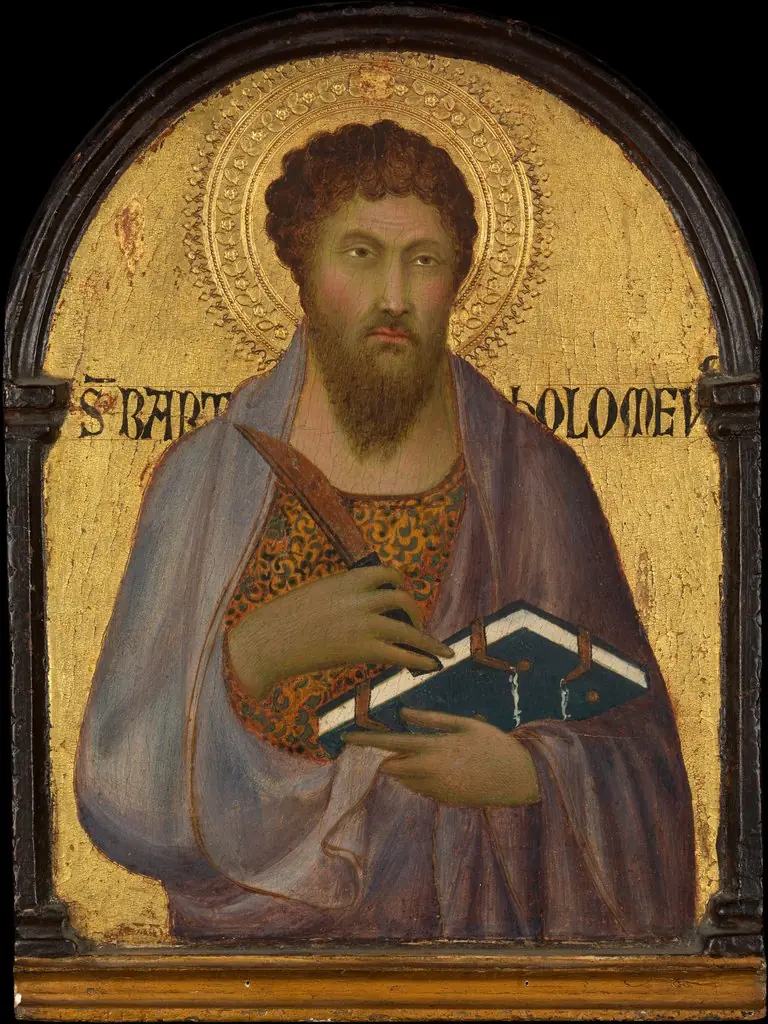 Saint Bartholomew
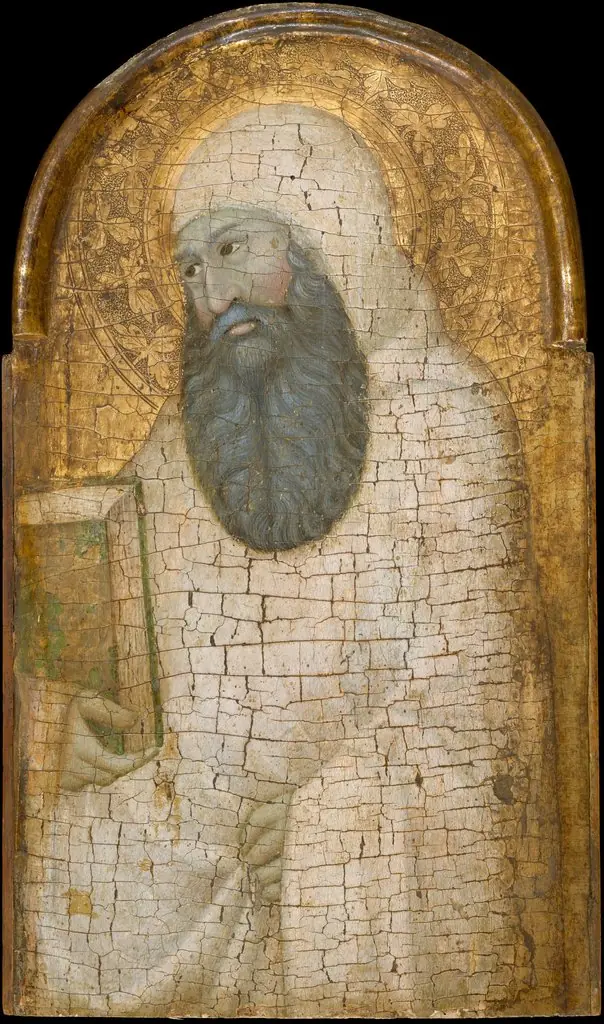 Saint Romuald
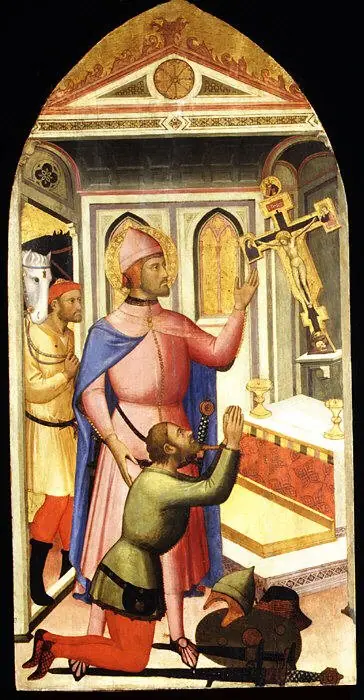 An Episode from the Life of Saint Giovanni Gualberto
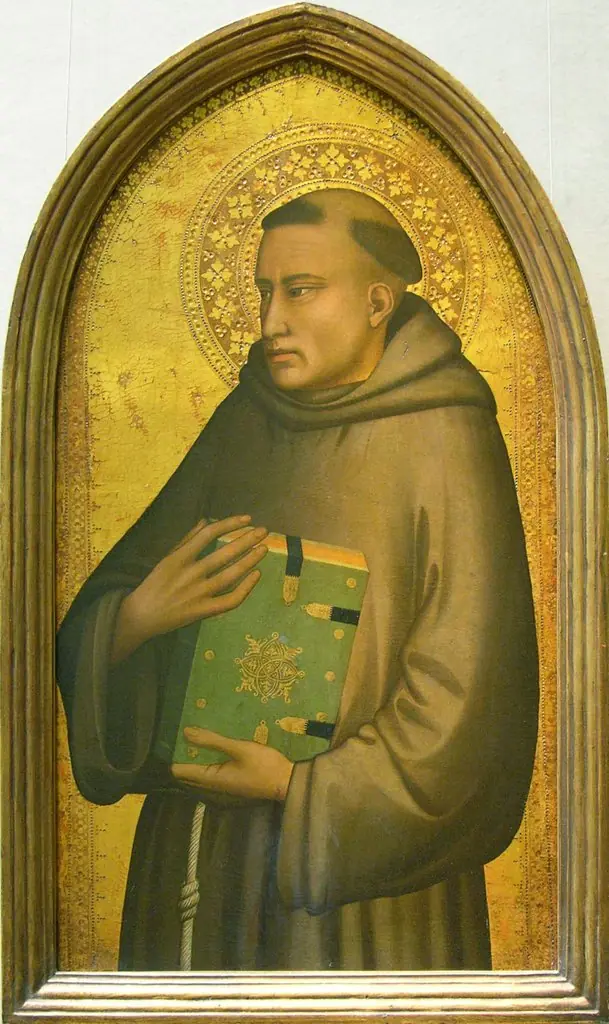 Saint Anthony of Padua
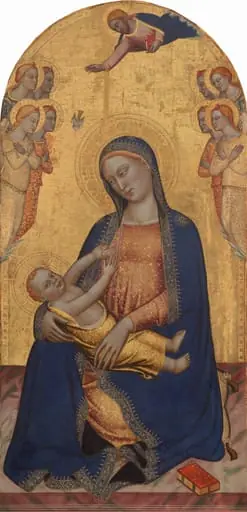 Madonna and Child with God the Father Blessing and Angels
![Saint Mary Magdalene, with an Angel [left panel], by Pietro Lorenzetti, 1340](https://artifactworldgallery.com/img/pietro-lorenzetti--saint-mary-magdalene-with-an-angel-left-panel--c015f106a0790d0d-w320.webp) Saint Mary Magdalene, with an Angel [left panel]
Saint Mary Magdalene, with an Angel [left panel]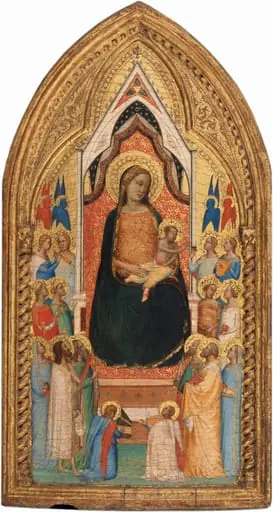 Madonna and Child with Saints and Angels
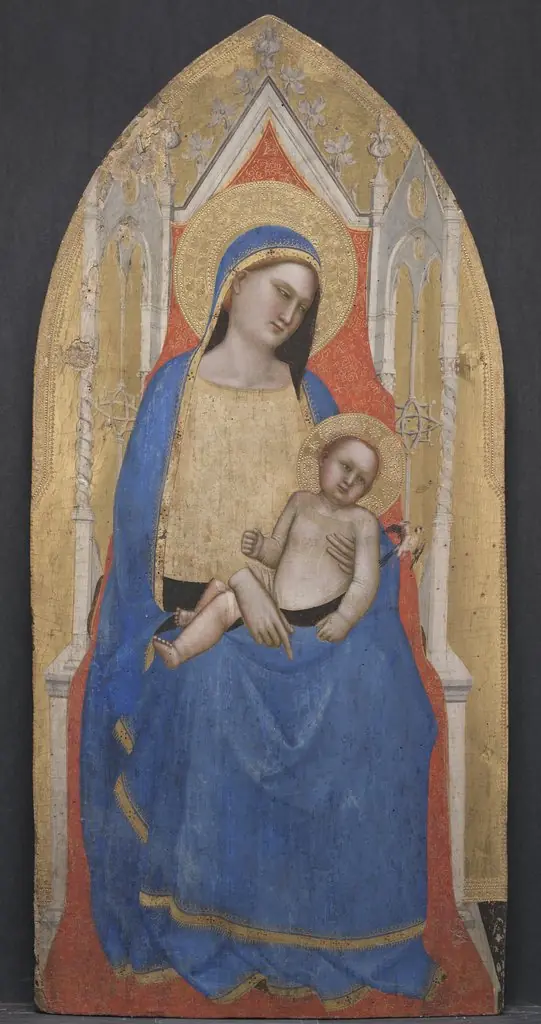 Madonna and Child Enthroned
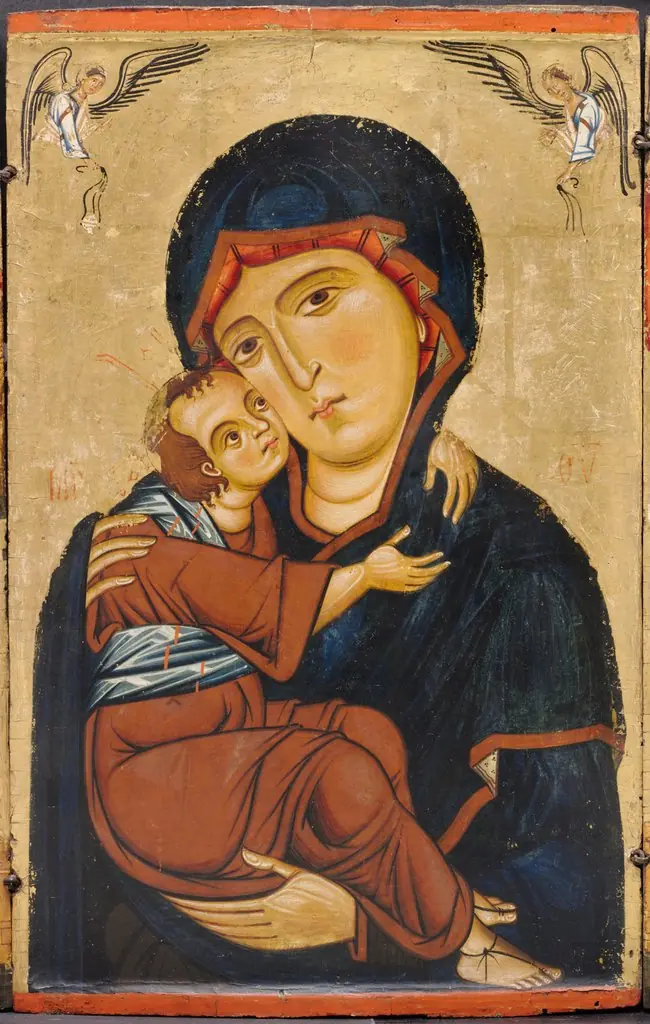 Virgin and Child with Saints
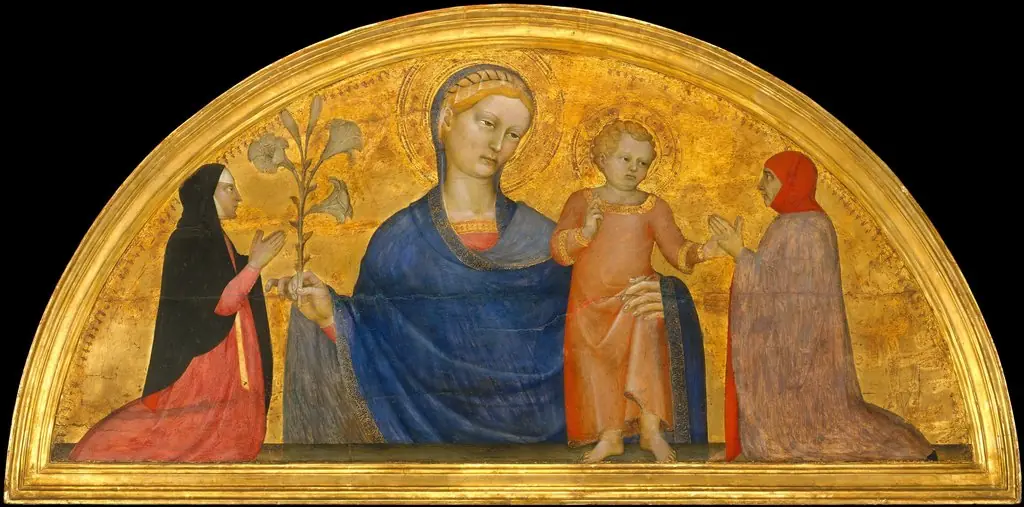 Madonna and Child with Donors
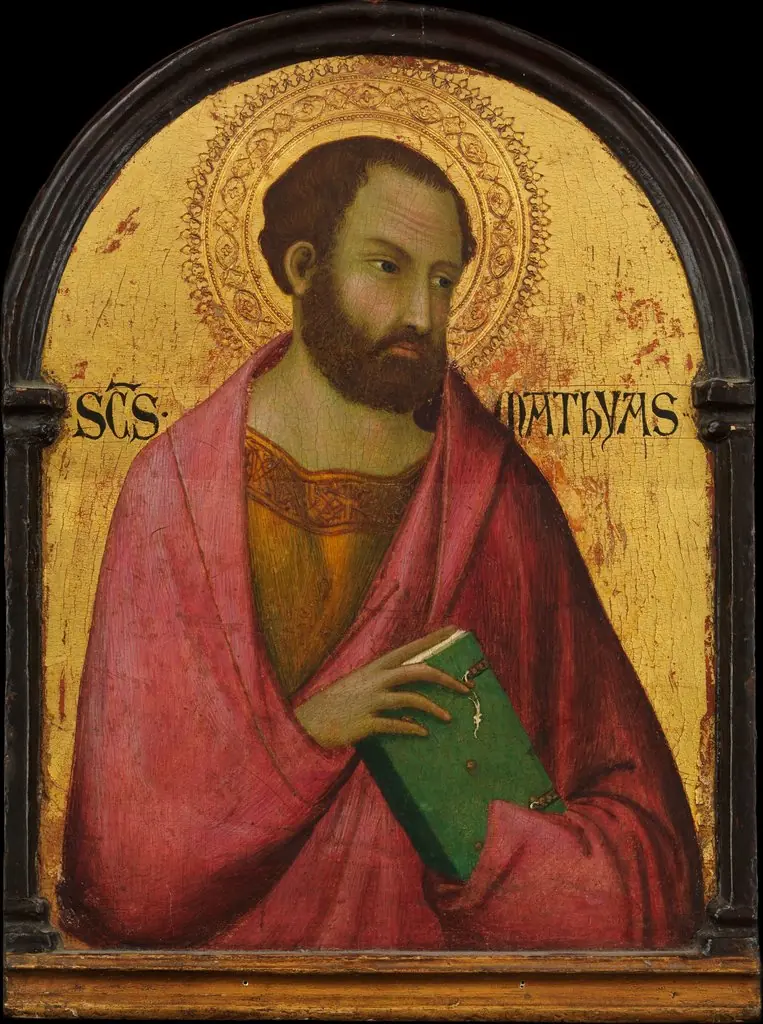 Saint Matthias
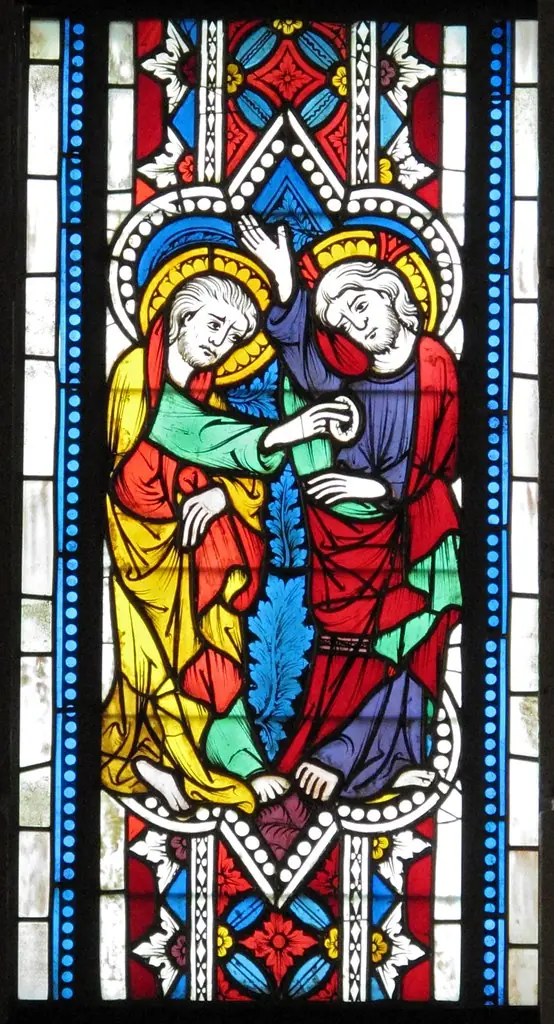 Doubting Thomas
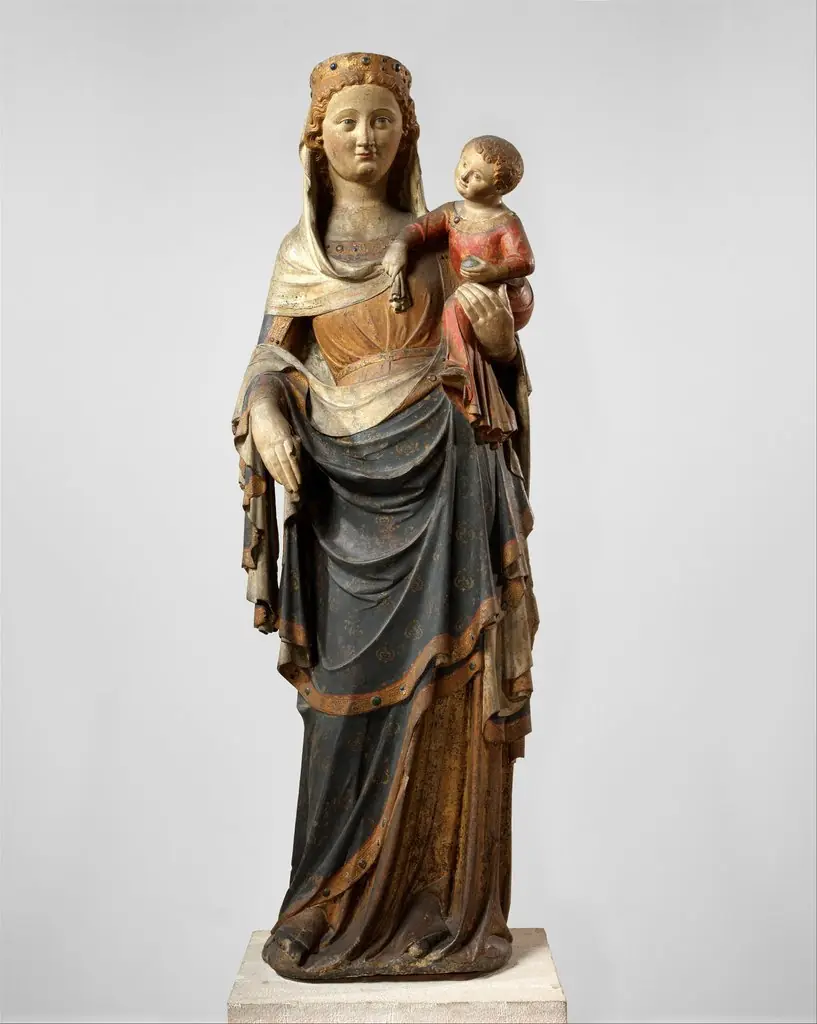 Virgin and Child
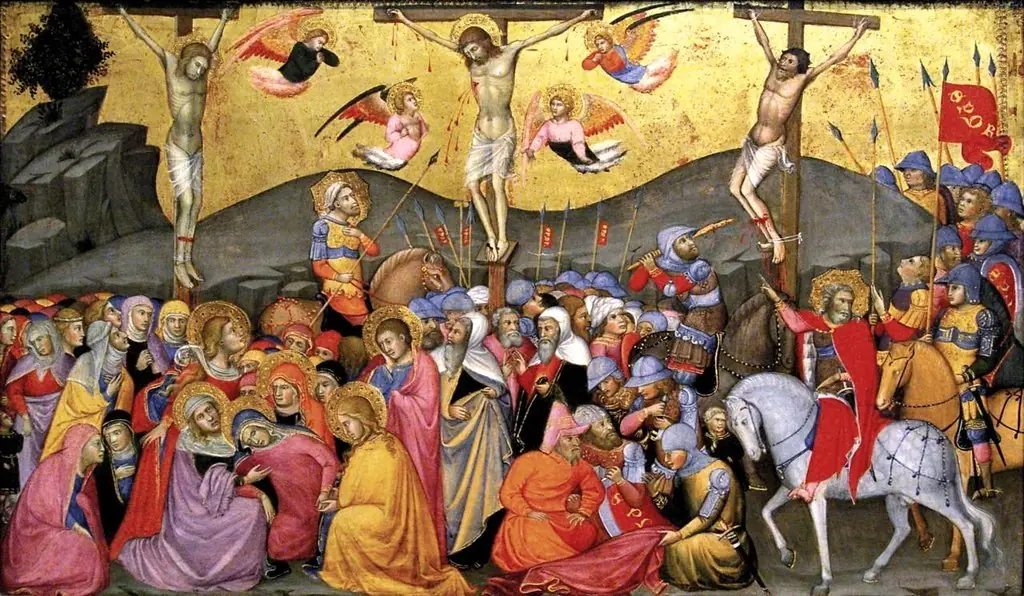 The Crucifixion
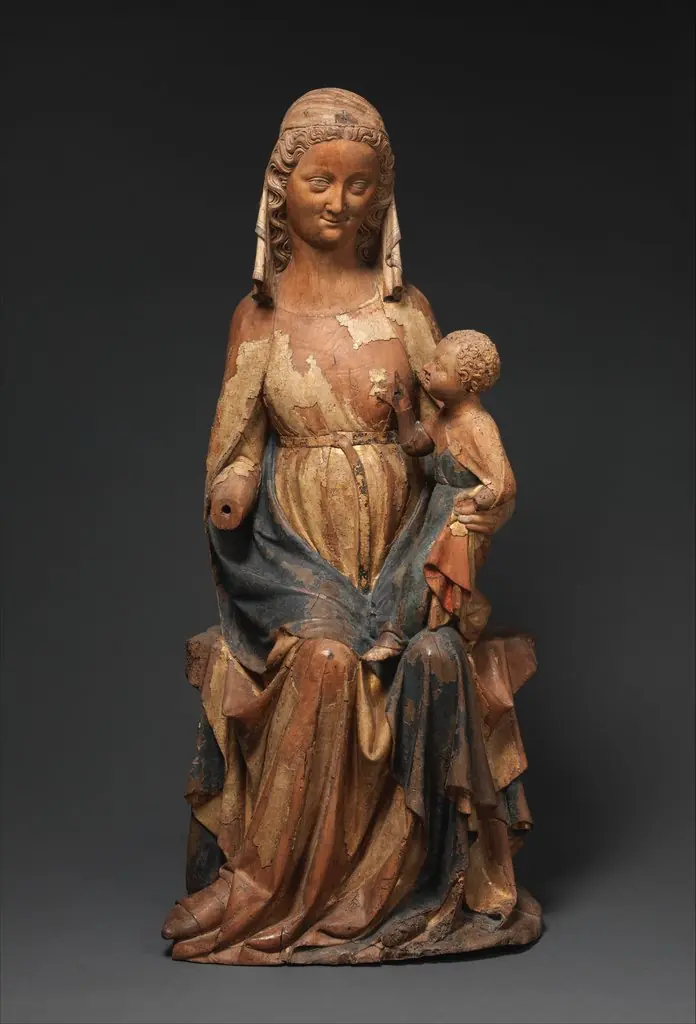 Seated Virgin and Child
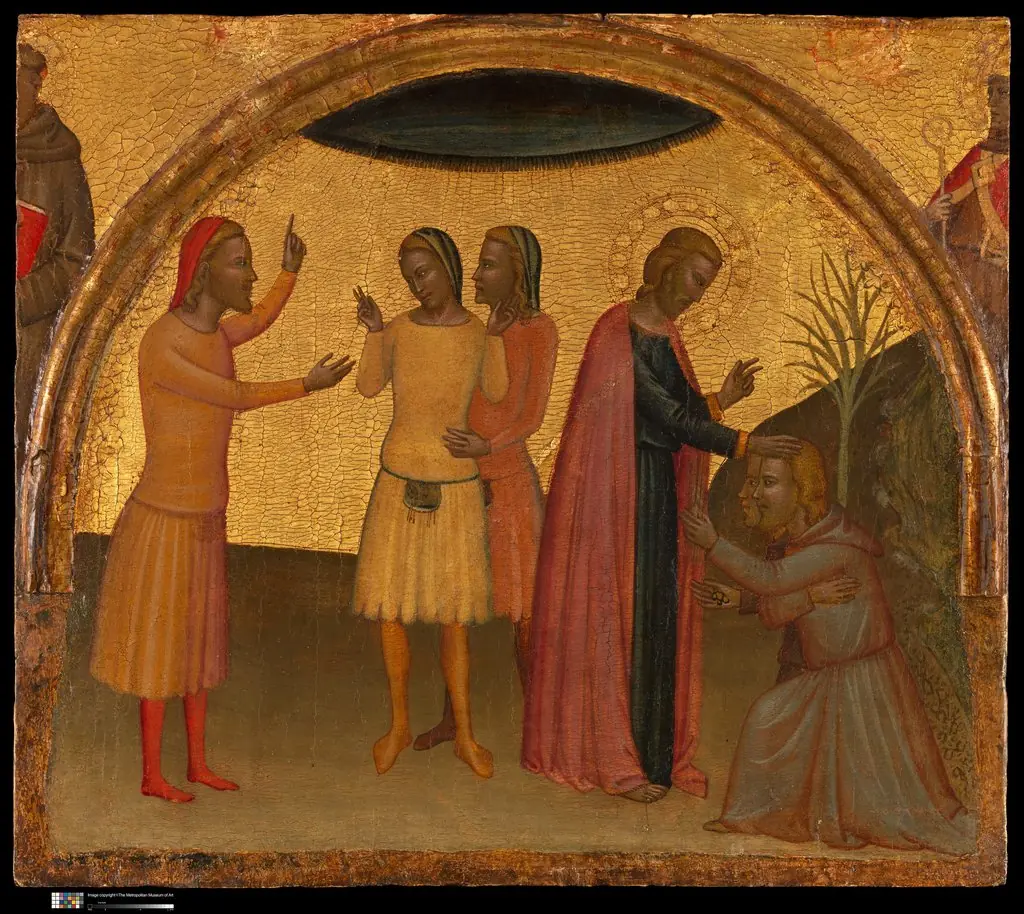 Saint John the Evangelist with Acteus and Eugenius
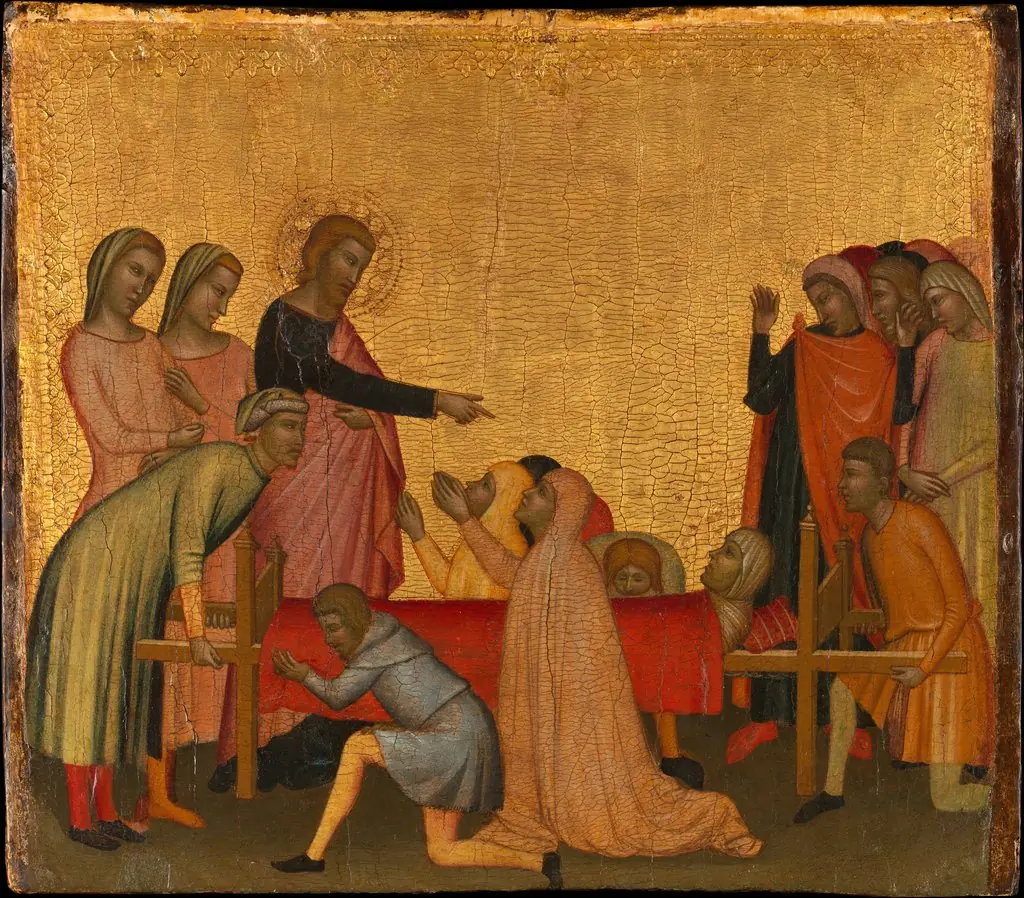 Saint John the Evangelist Raises Satheus to Life
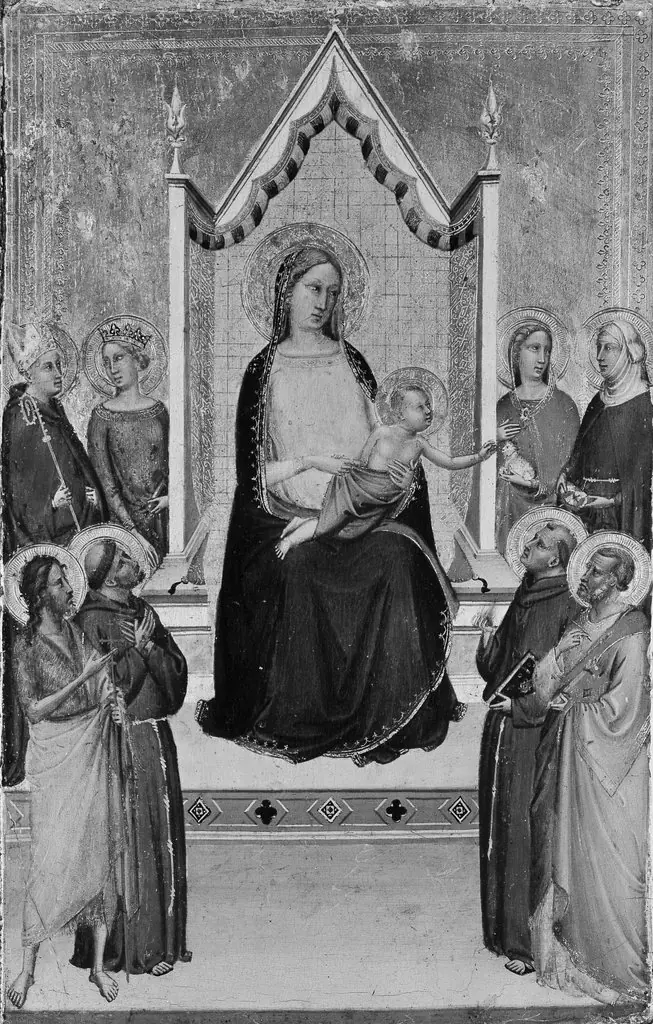 Madonna and Child Enthroned with Saints
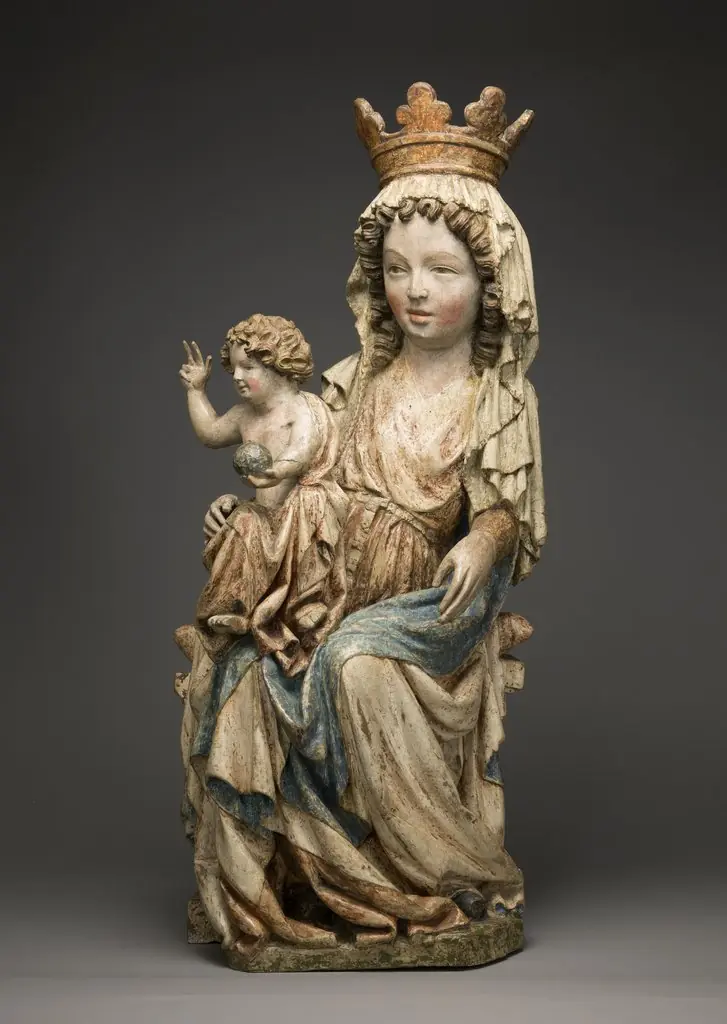 Enthroned Virgin and Child
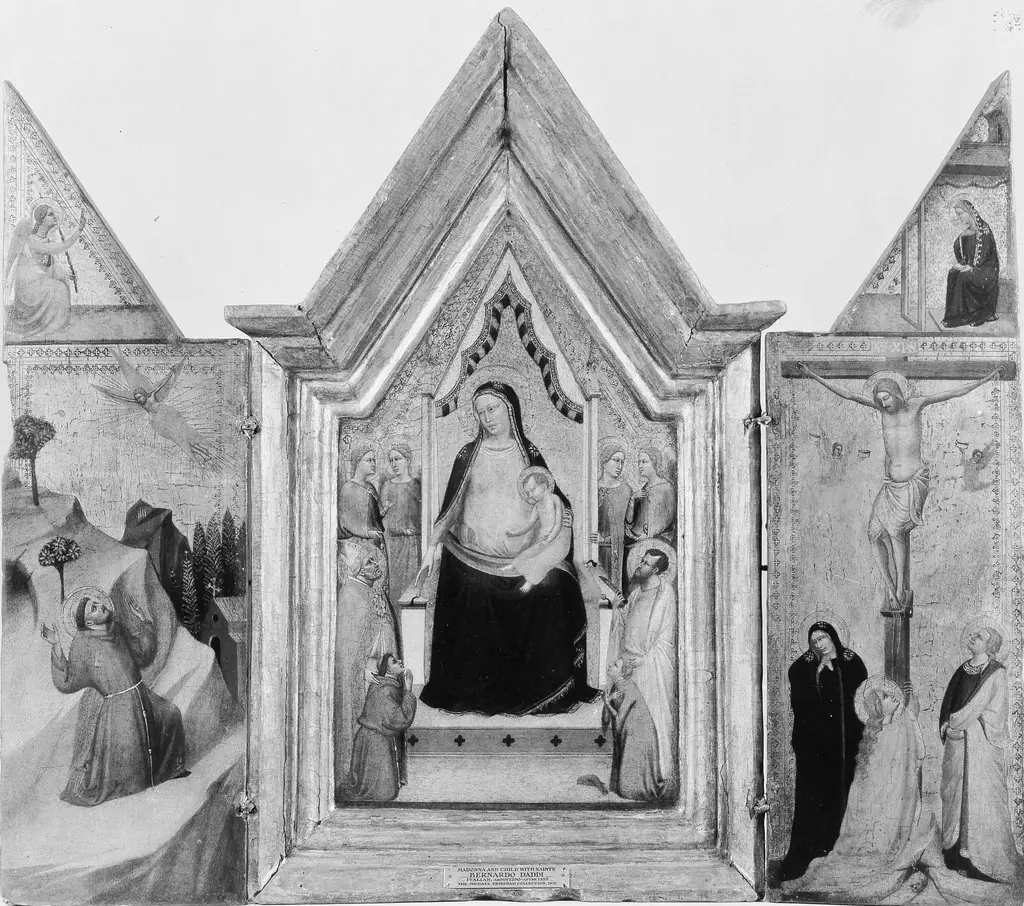 Madonna and Child Enthroned with Saints
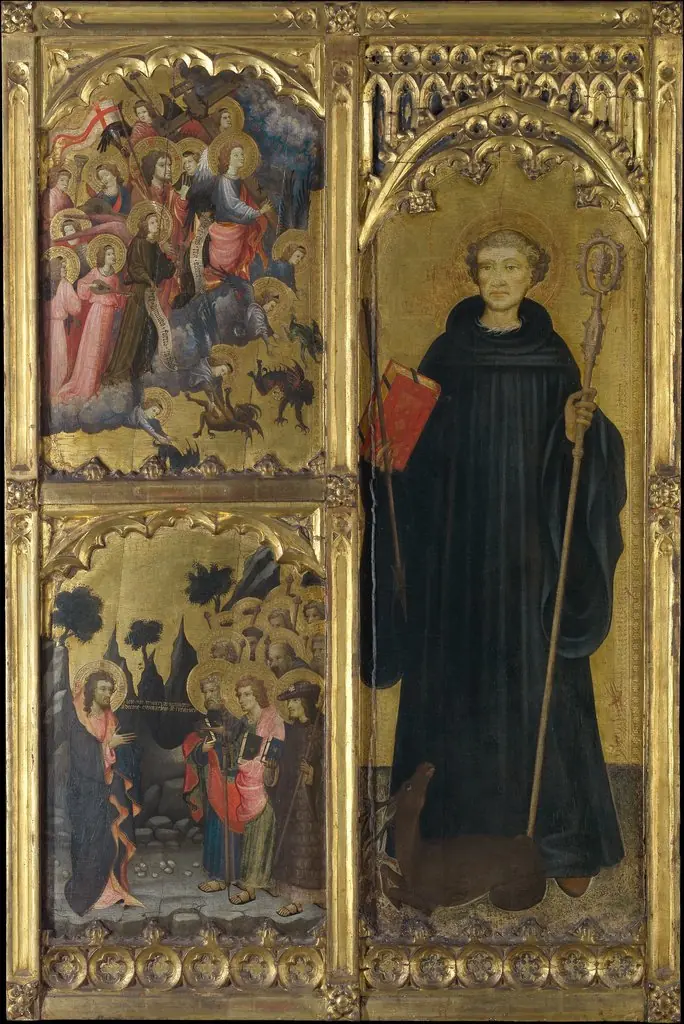 Saint Giles with Christ Triumphant over Satan and the Mission of the Apostles
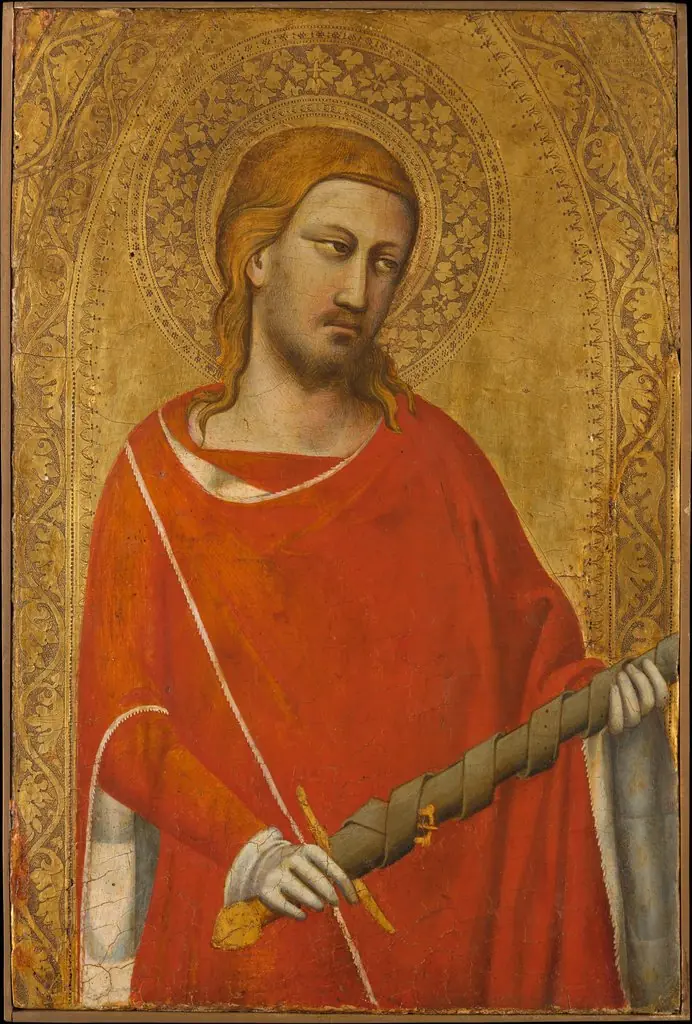 Saint Julian
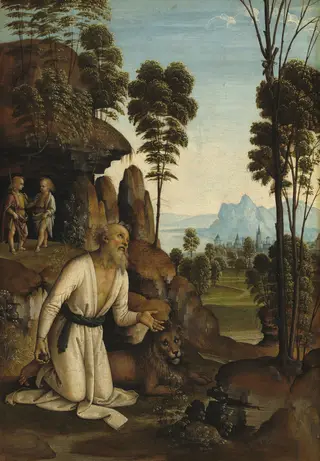 Saint Jerome in the Wilderness
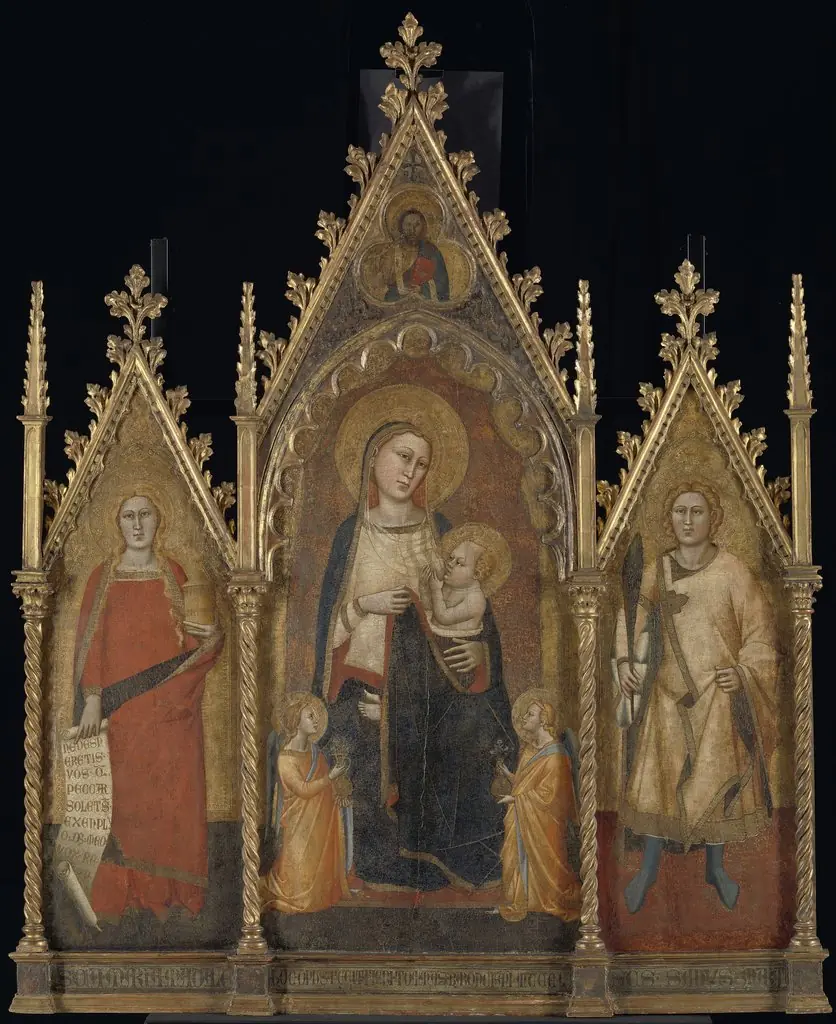 Triptych with the Virgin and Child, and Saints Mary Magdalene and Ansanus
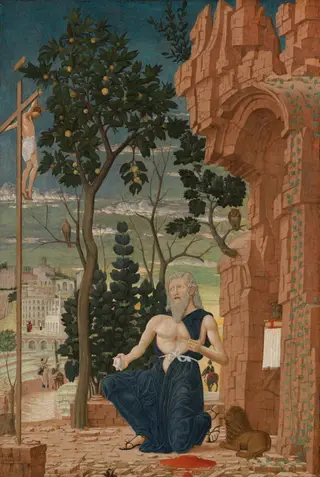 Saint Jerome in the Wilderness
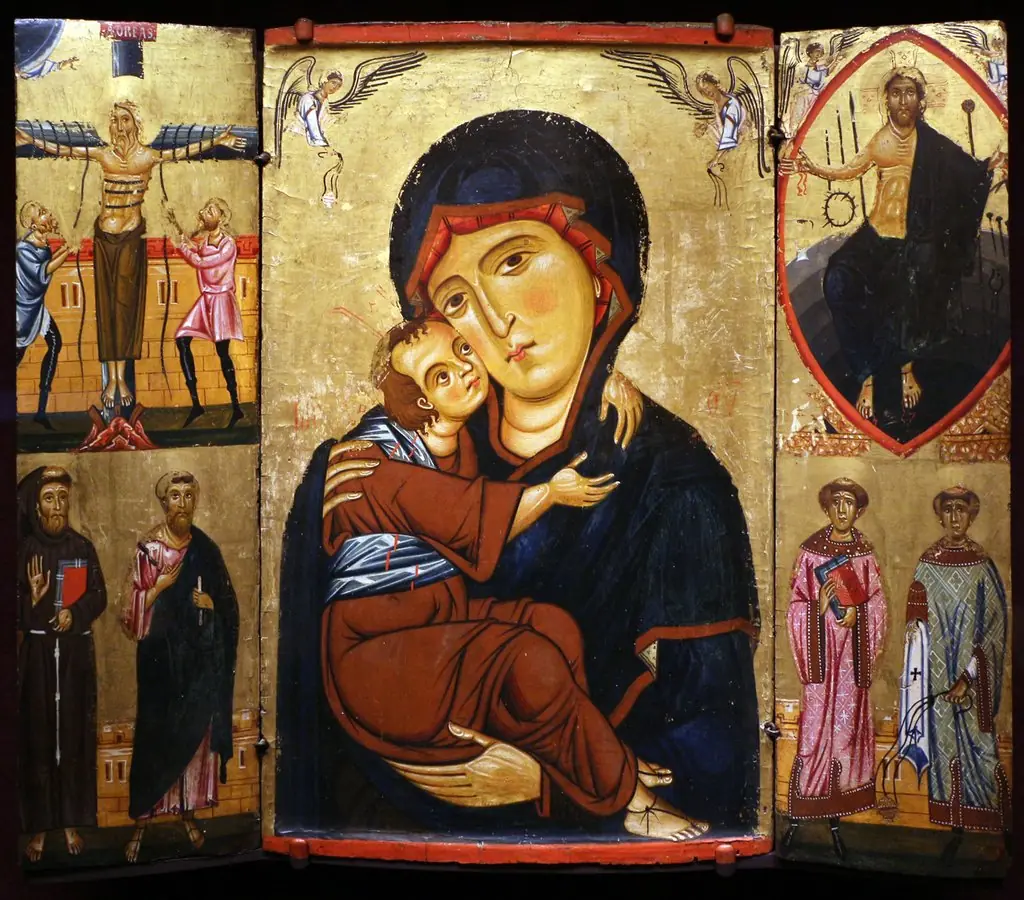 Madonna and Child with Saints
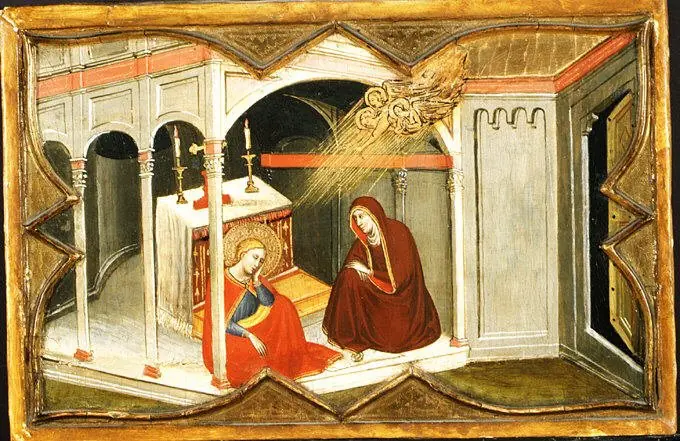 Saint Lucy and Her Mother at the Shrine of Saint Agatha; Saint Lucy Giving Alms; Saint Lucy before Paschasius; Saint Lucy Resisting Efforts to Move Her
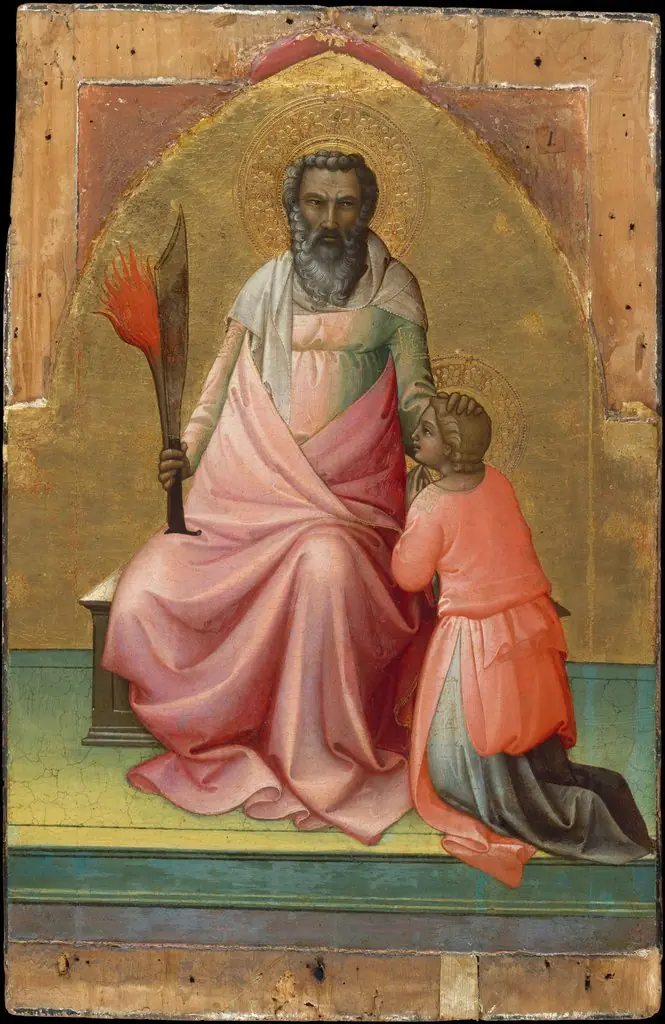 Abraham
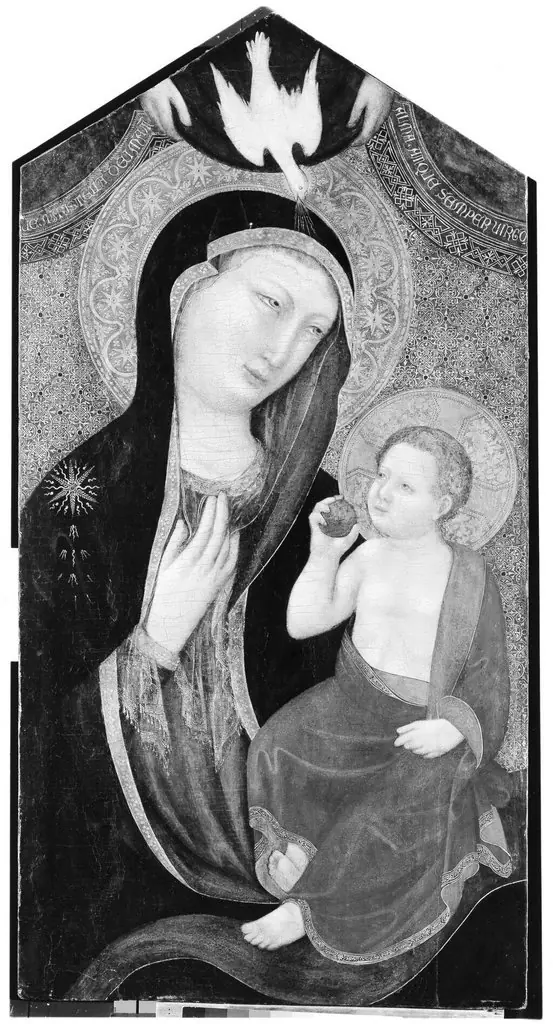 Madonna and Child
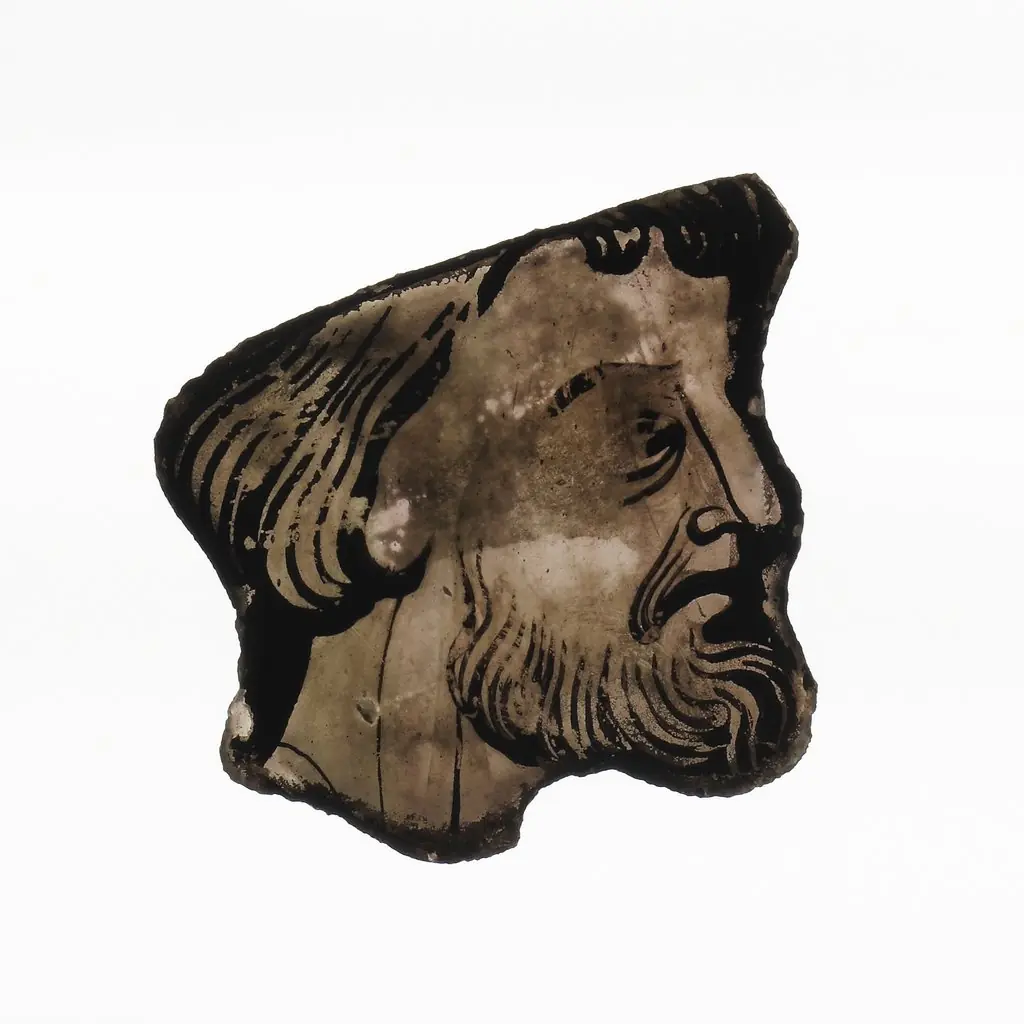 Profile of a Bearded Man
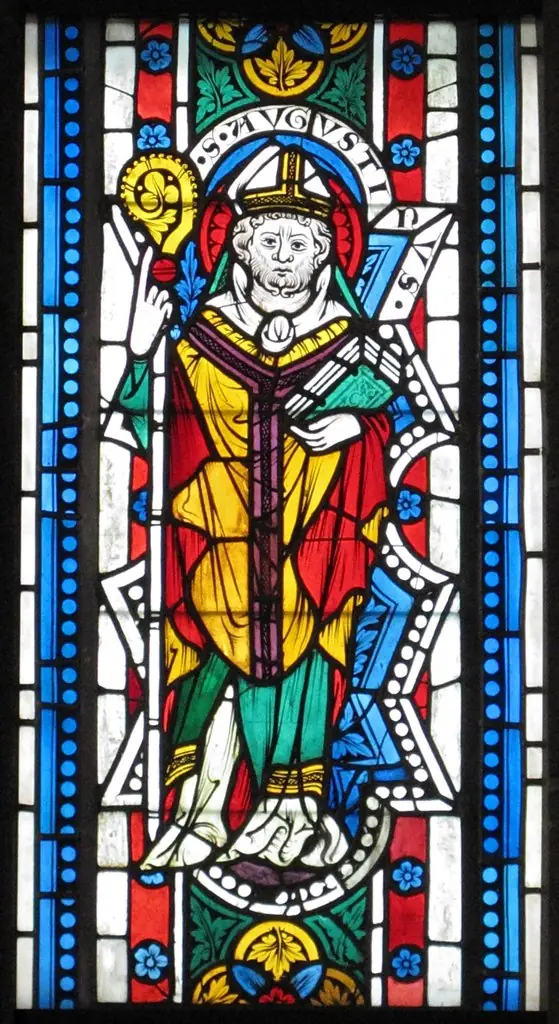 Saint Augustine
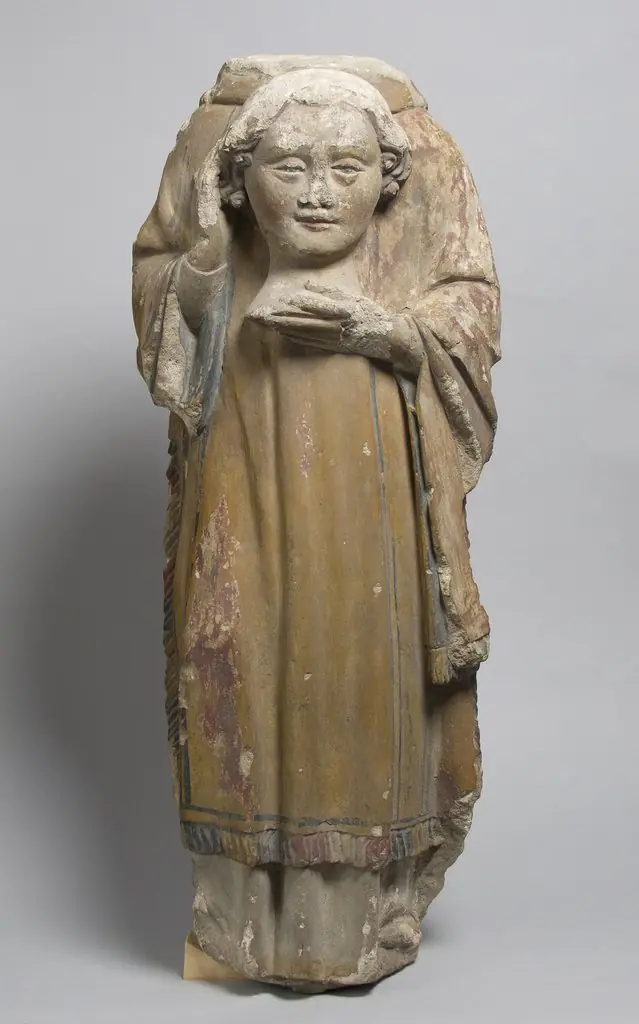 Saint Eleuthere or Saint Rustique
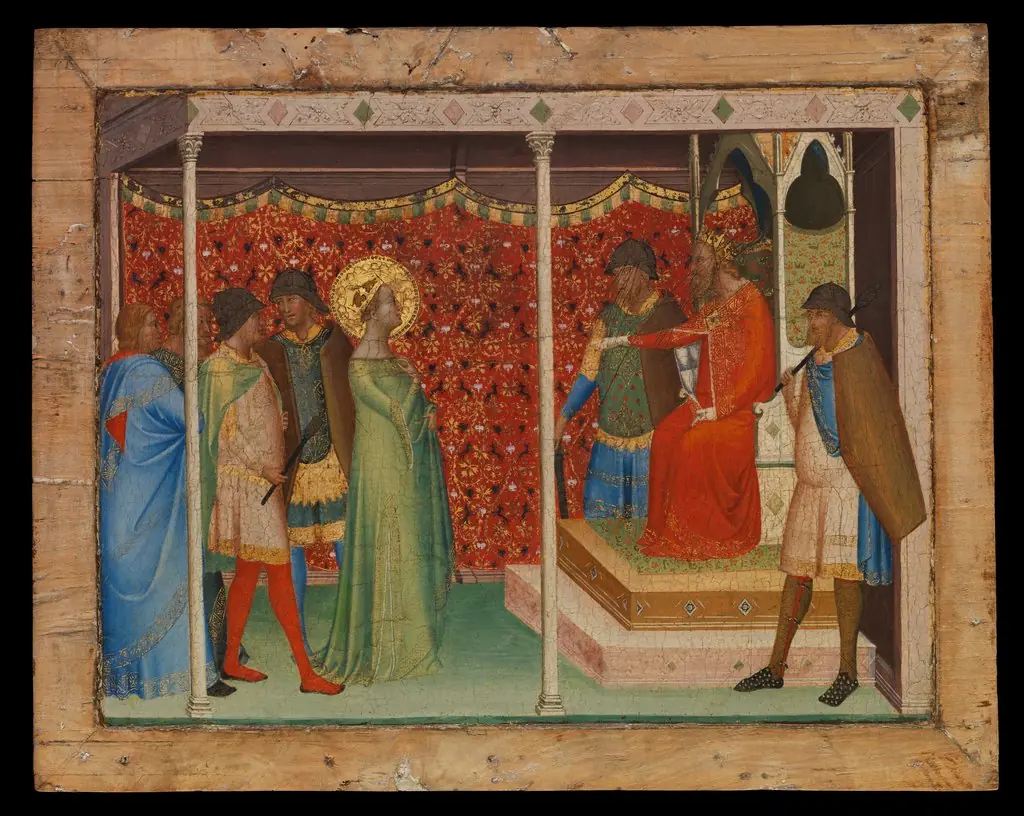 Saint Reparata before the Emperor Decius
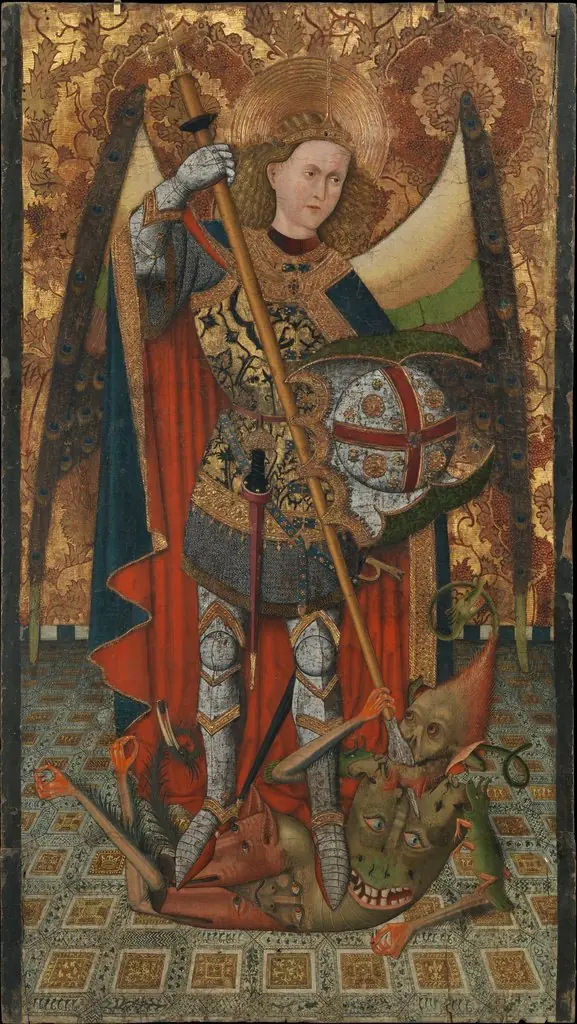 Saint Michael
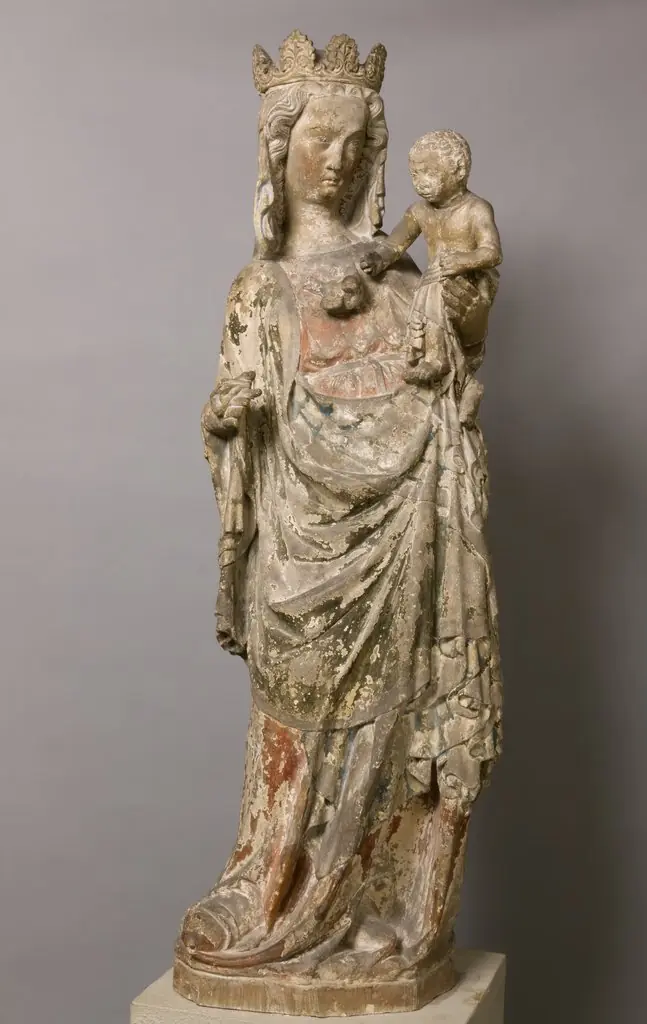 Virgin and Child
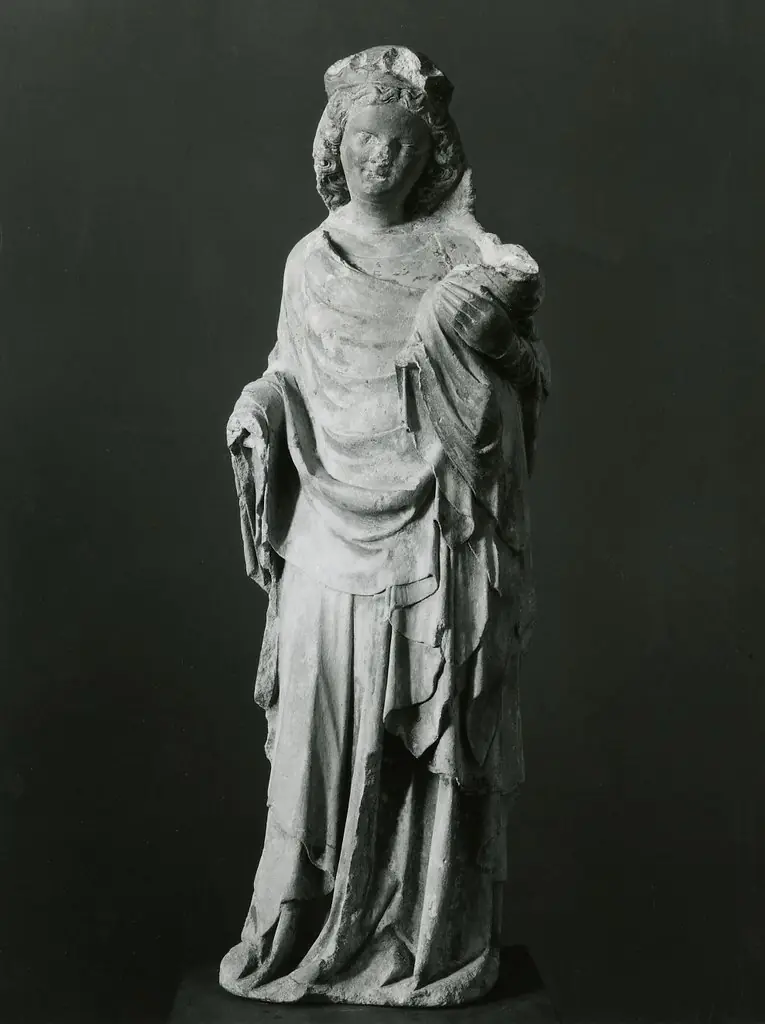 Virgin and Child
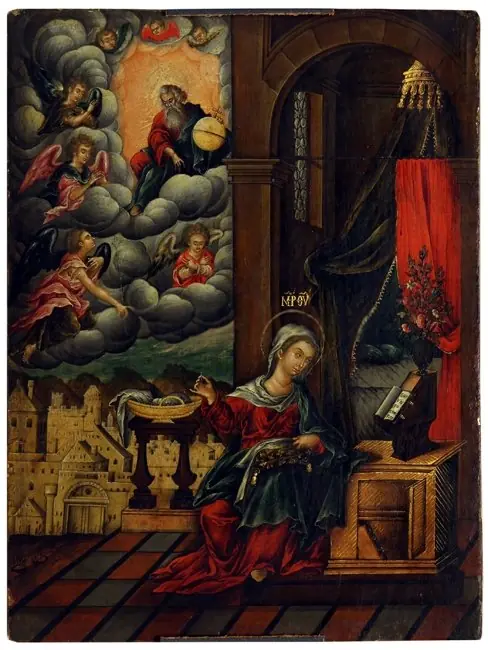 Annunciation (Poulakis)
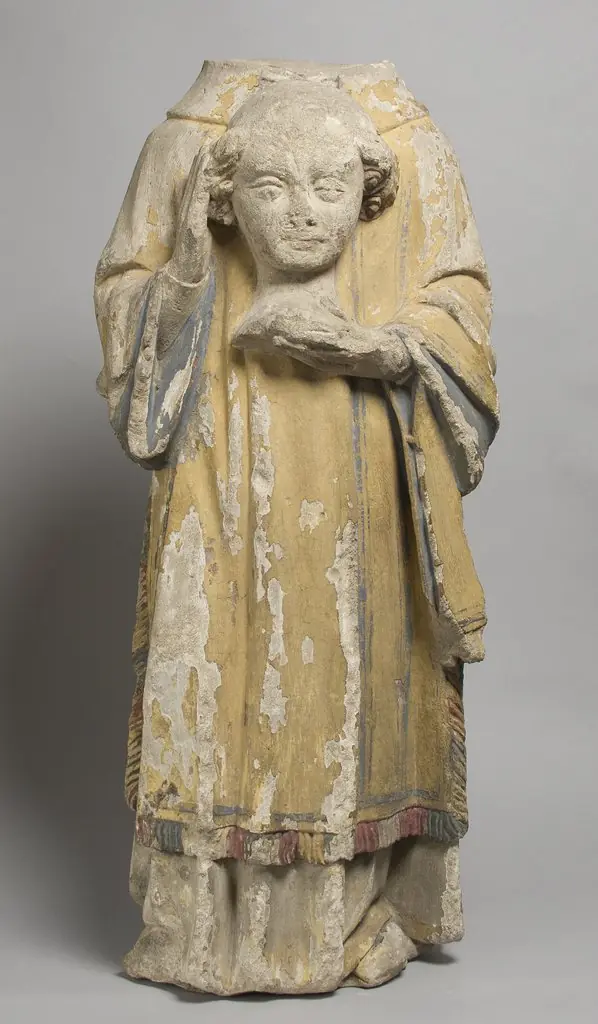 Saint Eleuthere or Saint Rustique
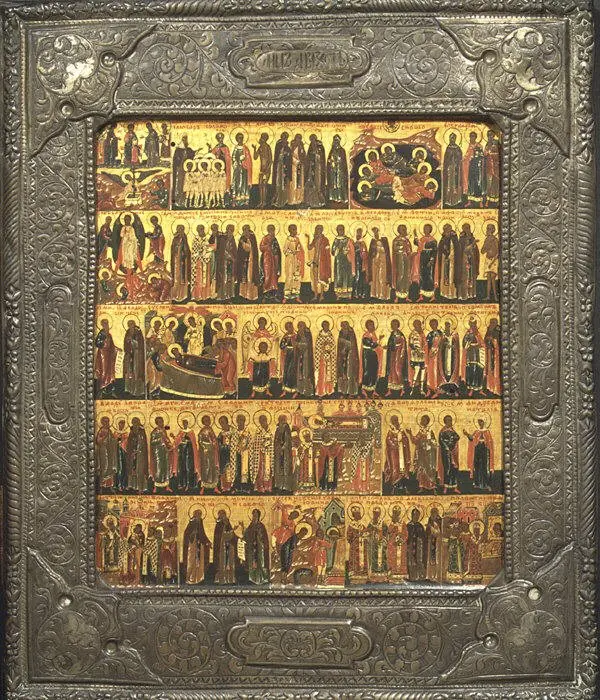 Calendar of Saints and Festivals
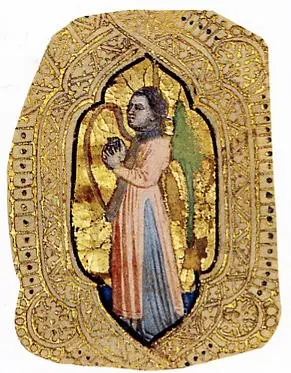 Angel with Harp
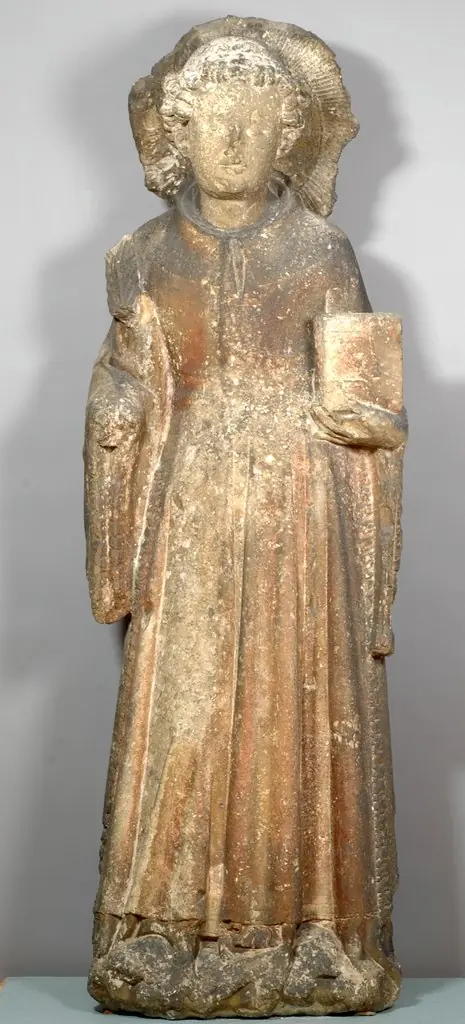 Martyred Deacon Saint
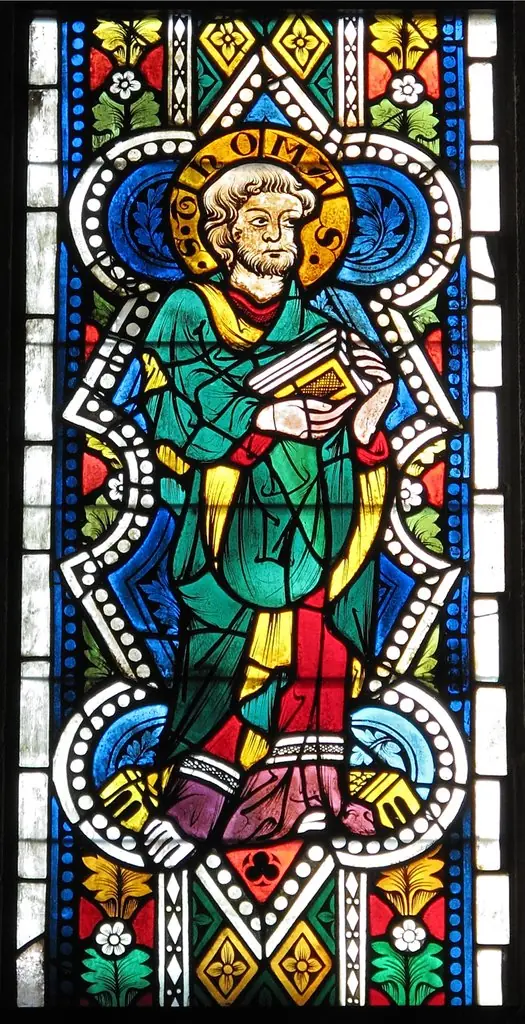 Saint Thomas
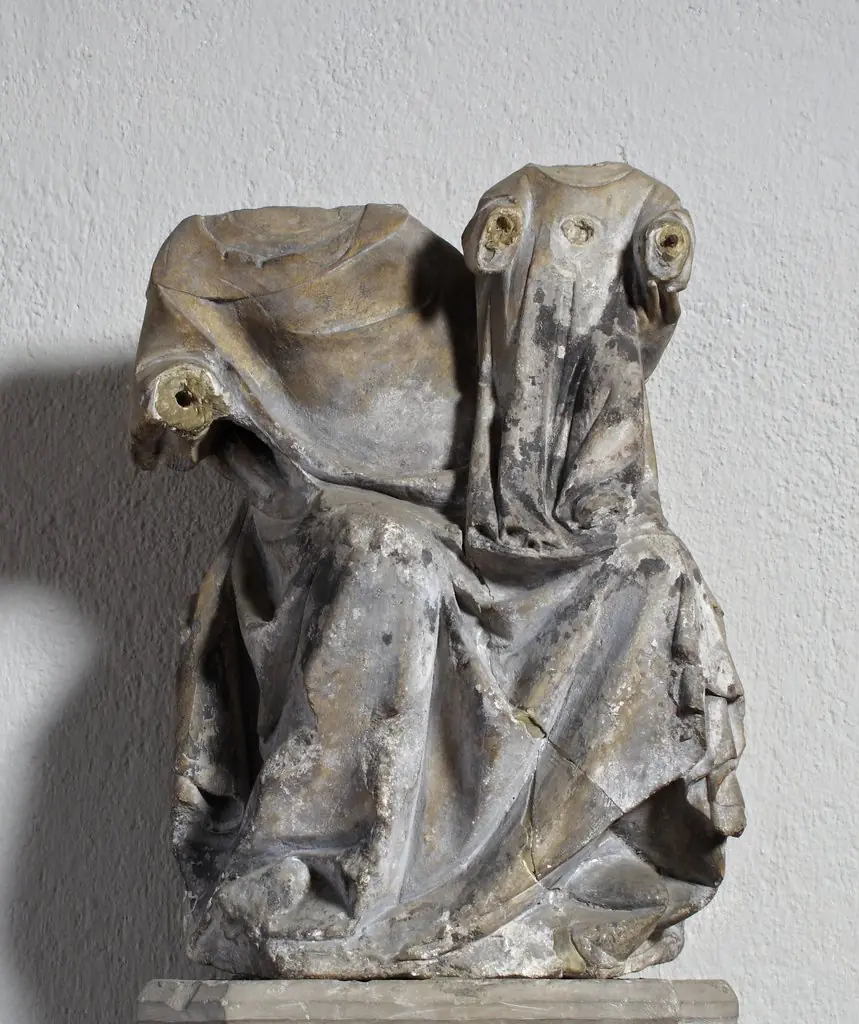 Virgin and Child
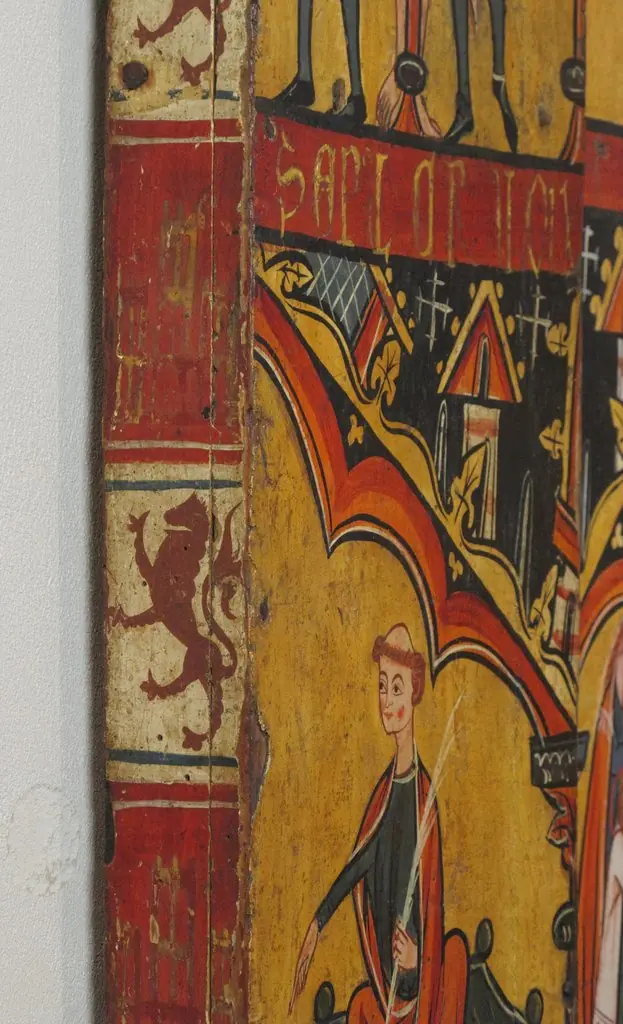 Scenes from the Life of Christ: Disrobing Youths from the Entry into Jerusalem, Flagellation, and Angel at the Sepulchre
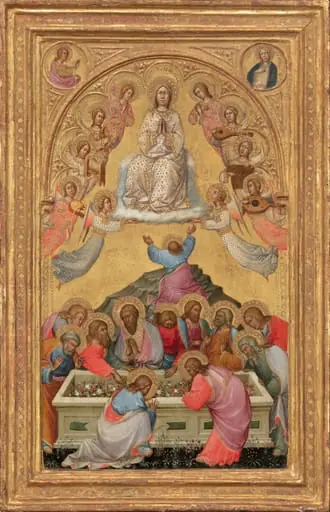 The Assumption of the Virgin with Busts of the Archangel Gabriel and the Virgin of the Annunciation
![Madonna and Child with the Blessing Christ, and Saints Mary Magdalene and Catherine of Alexandria with Angels [entire triptych], by Pietro Lorenzetti, 1340](https://artifactworldgallery.com/img/pietro-lorenzetti--madonna-and-child-with-the-blessing-christ-and-saints-mary-m--f78e415f61769b64-w320.webp) Madonna and Child with the Blessing Christ, and Saints Mary Magdalene and Catherine of Alexandria with Angels [entire triptych]
Madonna and Child with the Blessing Christ, and Saints Mary Magdalene and Catherine of Alexandria with Angels [entire triptych]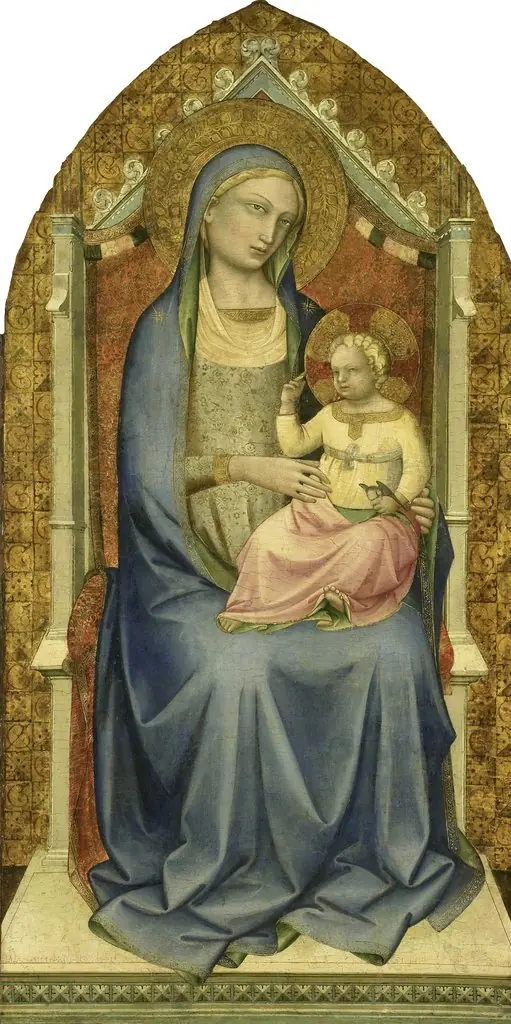 Virgin and Child
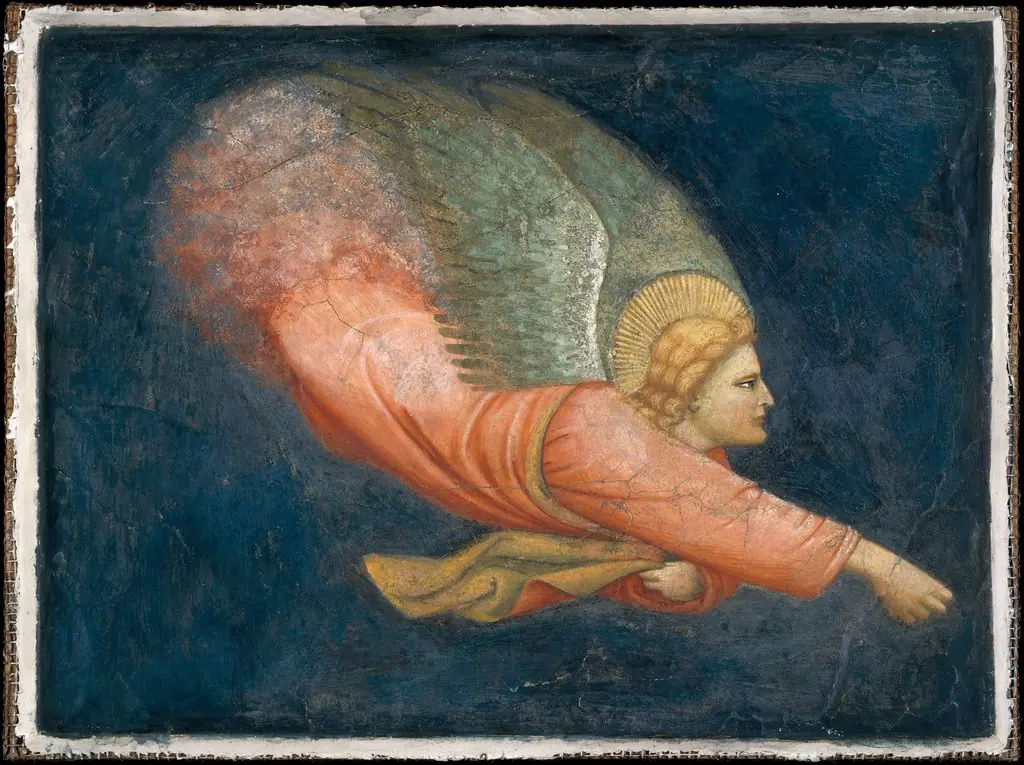 Two Angels
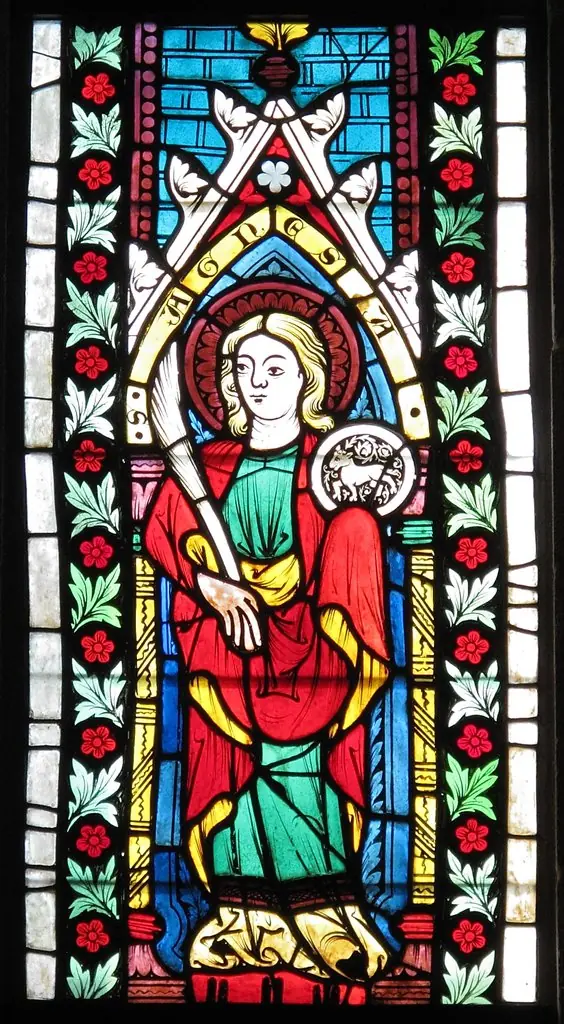 Saint Agnes
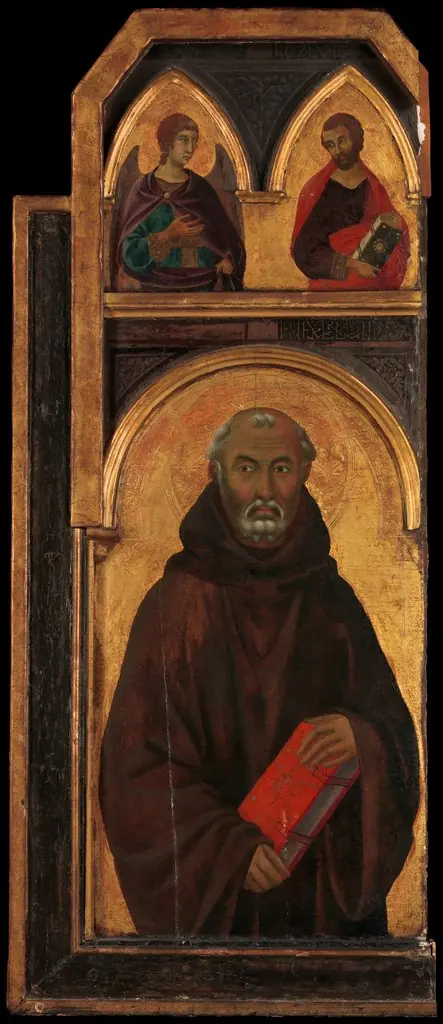 Saint Silvester Gozzolini
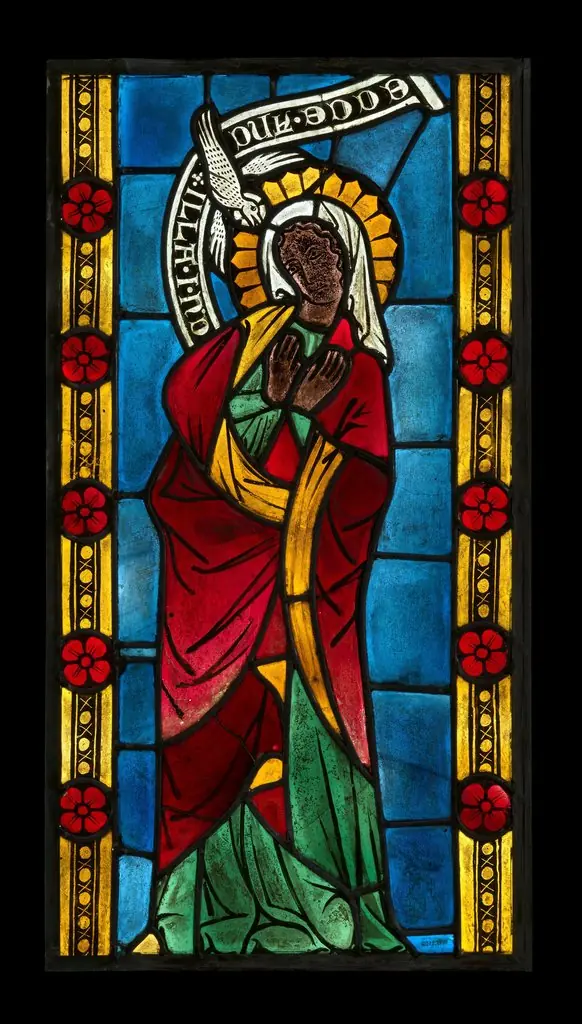 The Standing Virgin
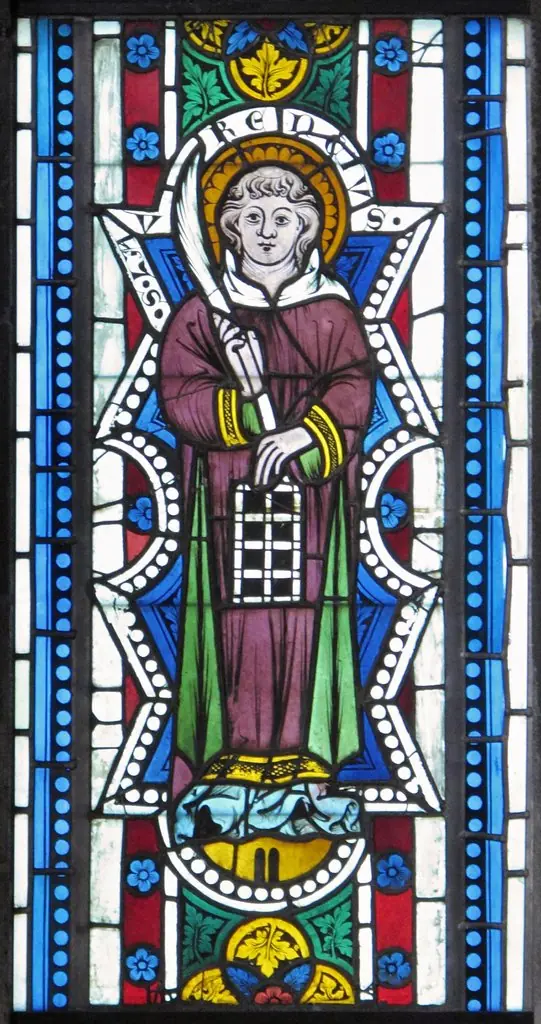 Saint Lawrence
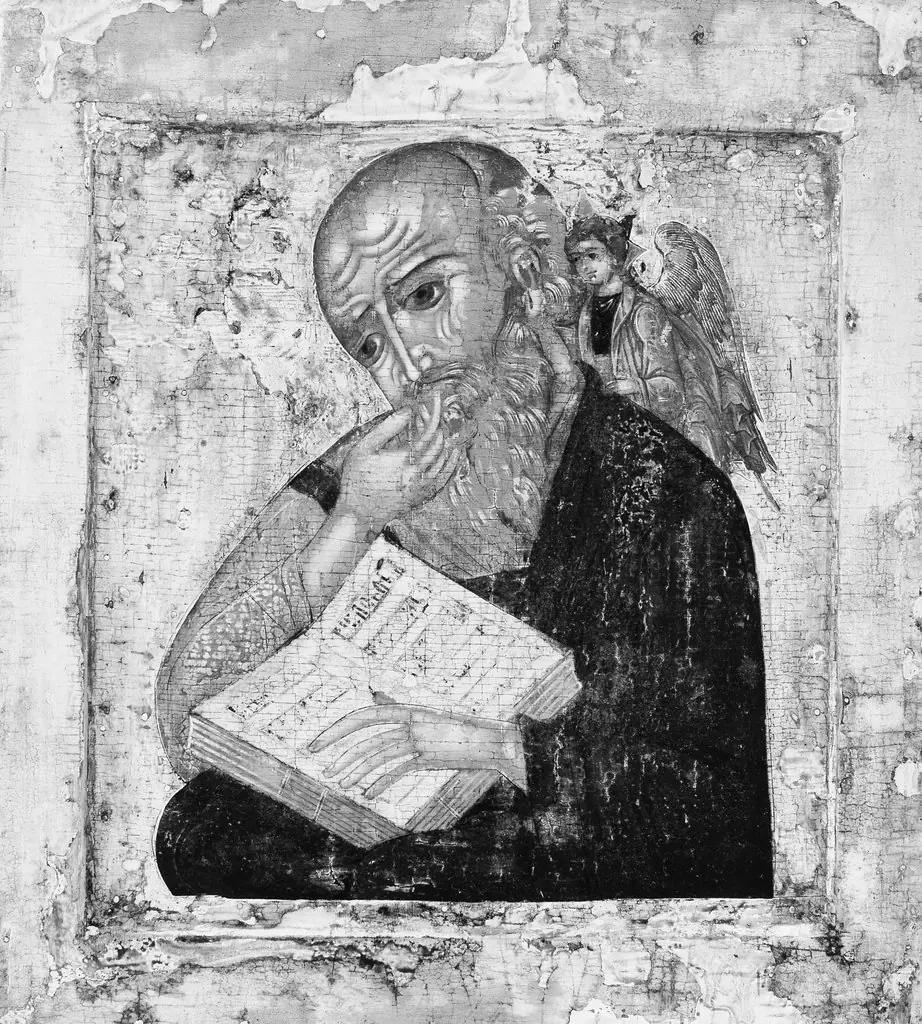 Saint John the Evangelist "in Silence"
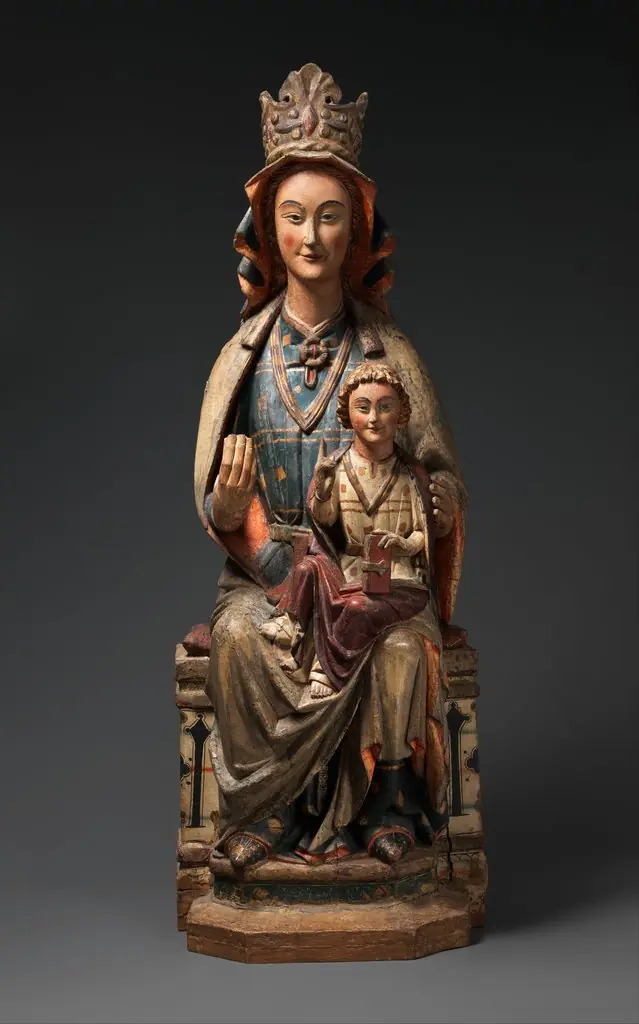 Enthroned Virgin and Child
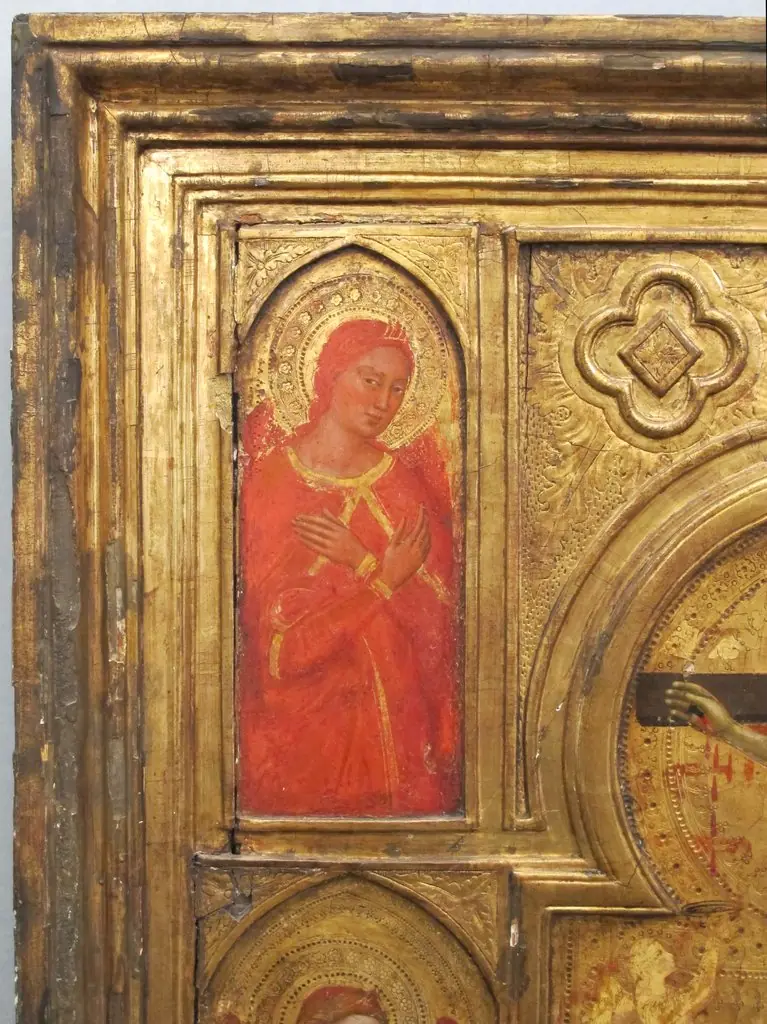 Six Angels
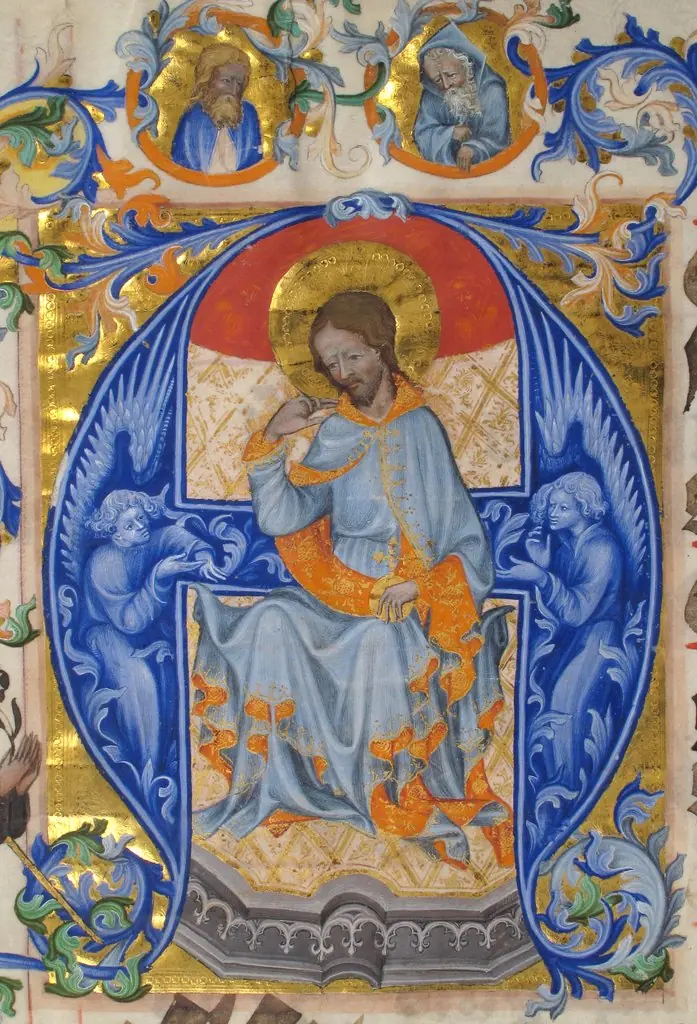 Bifolium with Christ in Majesty in an Initial A, from an Antiphonary
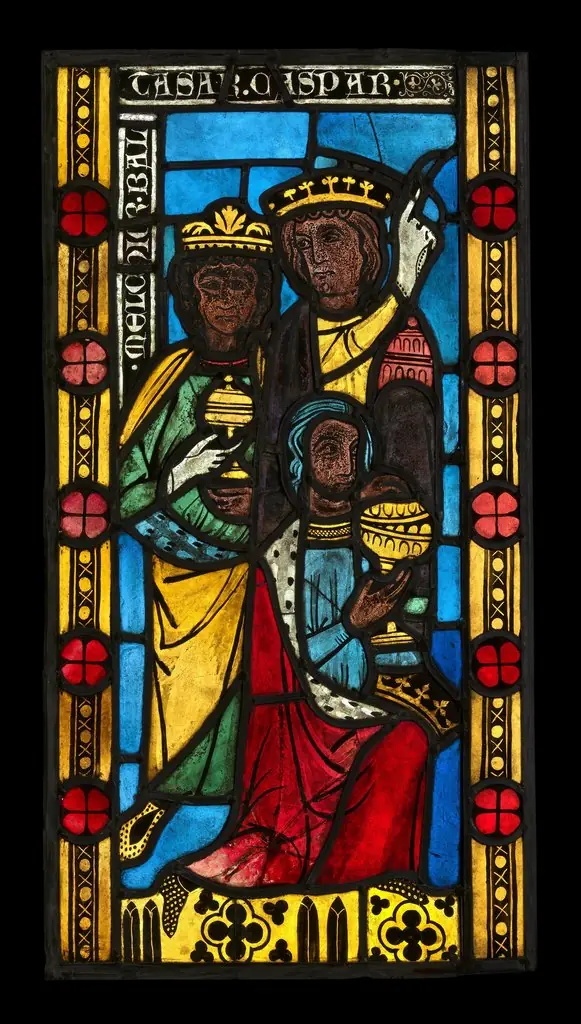 The Adoration of the Magi
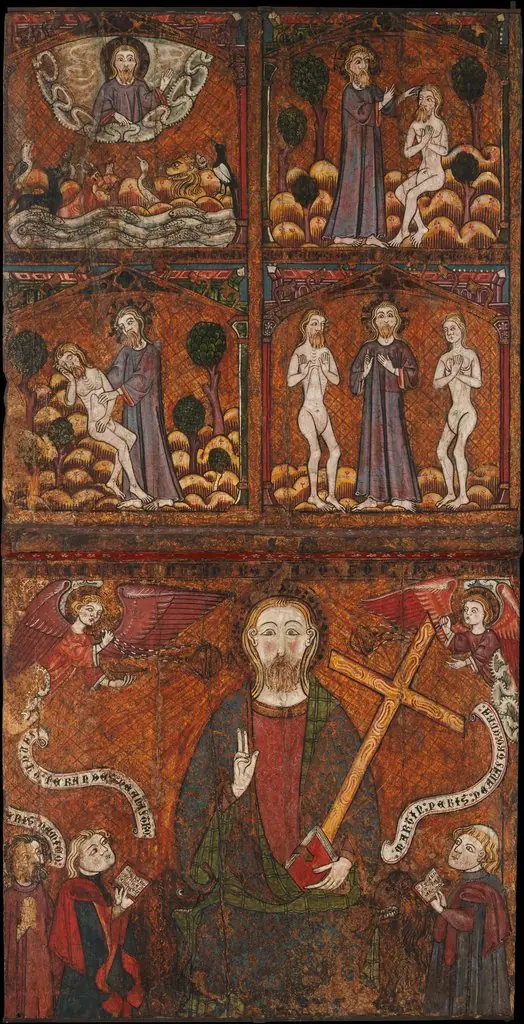 Scenes from the Life of Saint Andrew
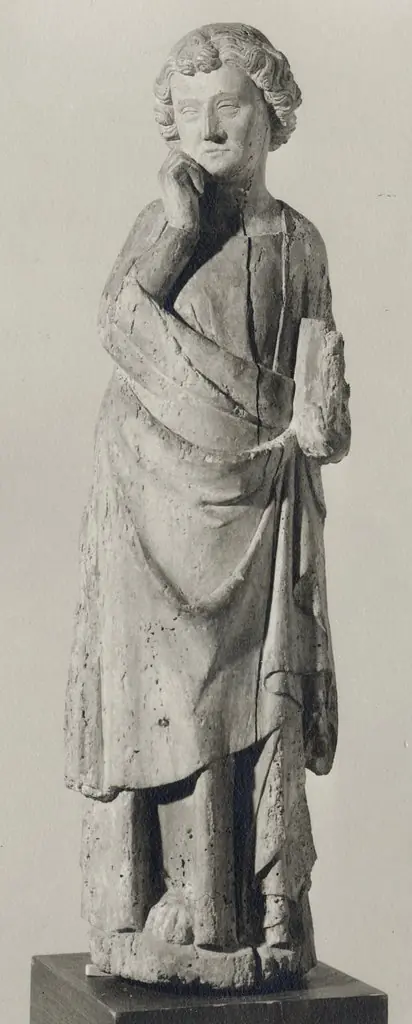 Saint John
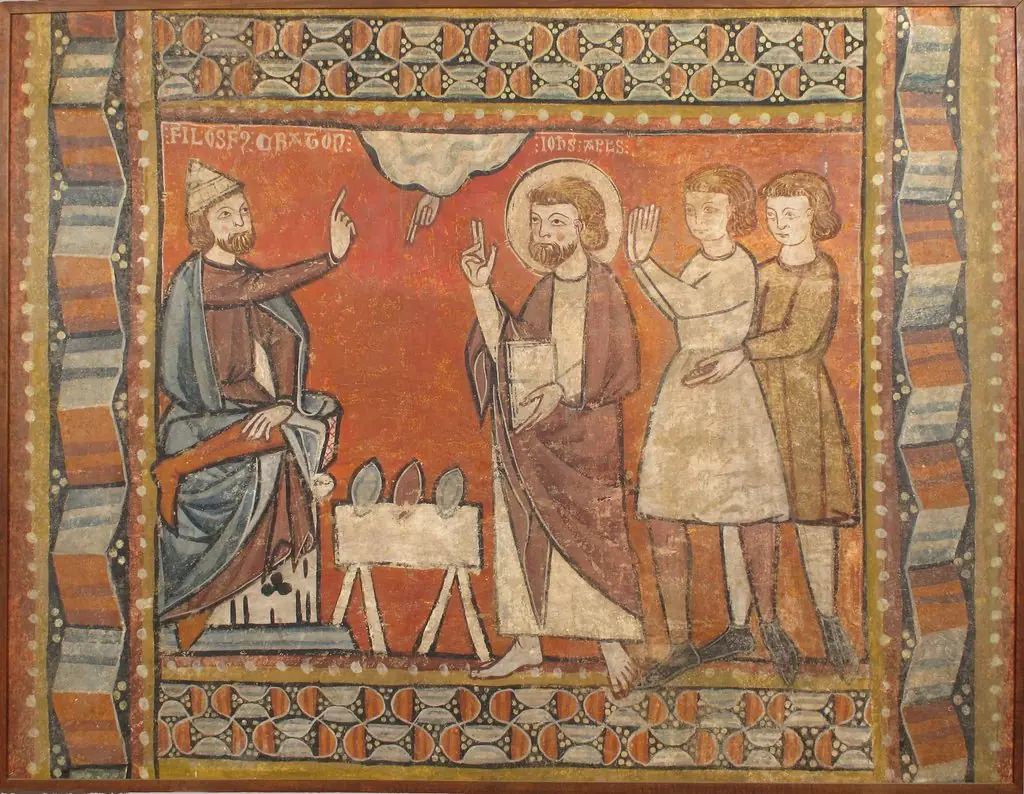 Fresco with Miracle of the Jewels
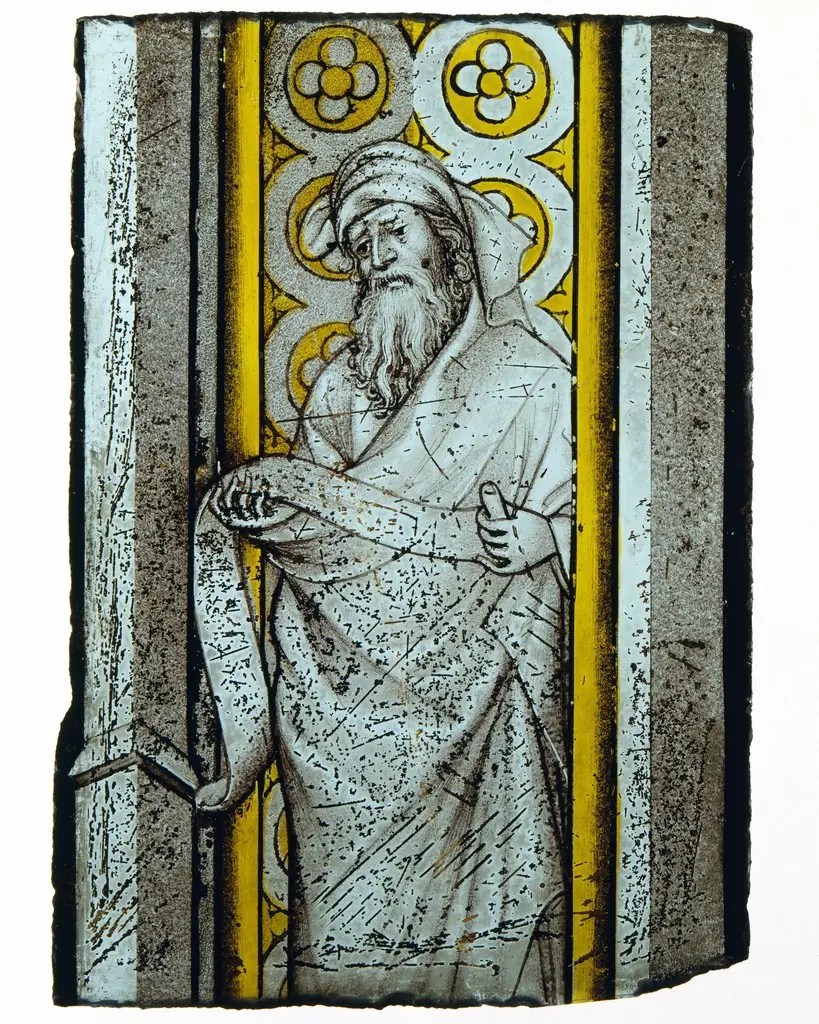 Prophet from a Throne of Solomon
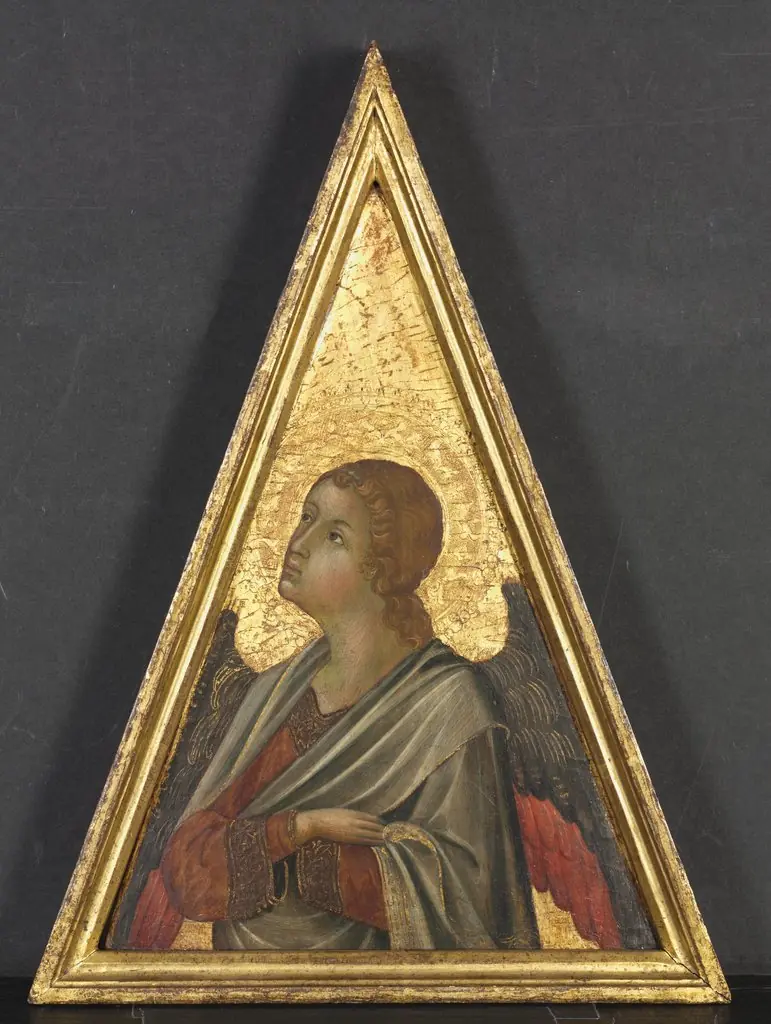 Pinnacle with Angel
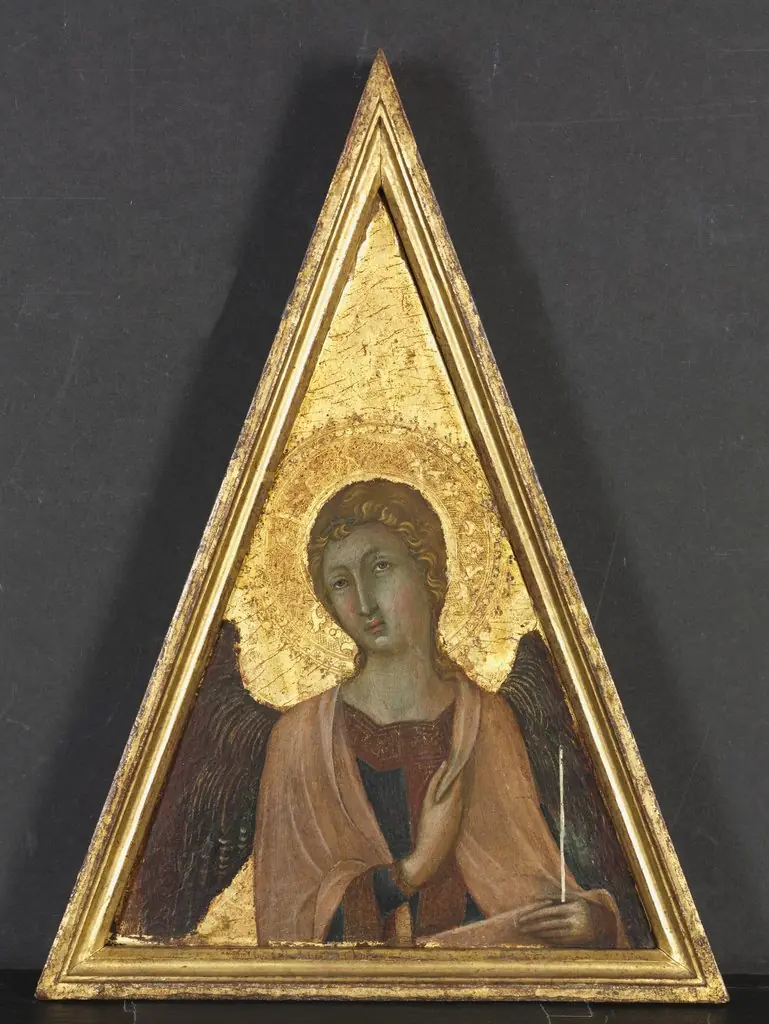 Pinnacle with Angel
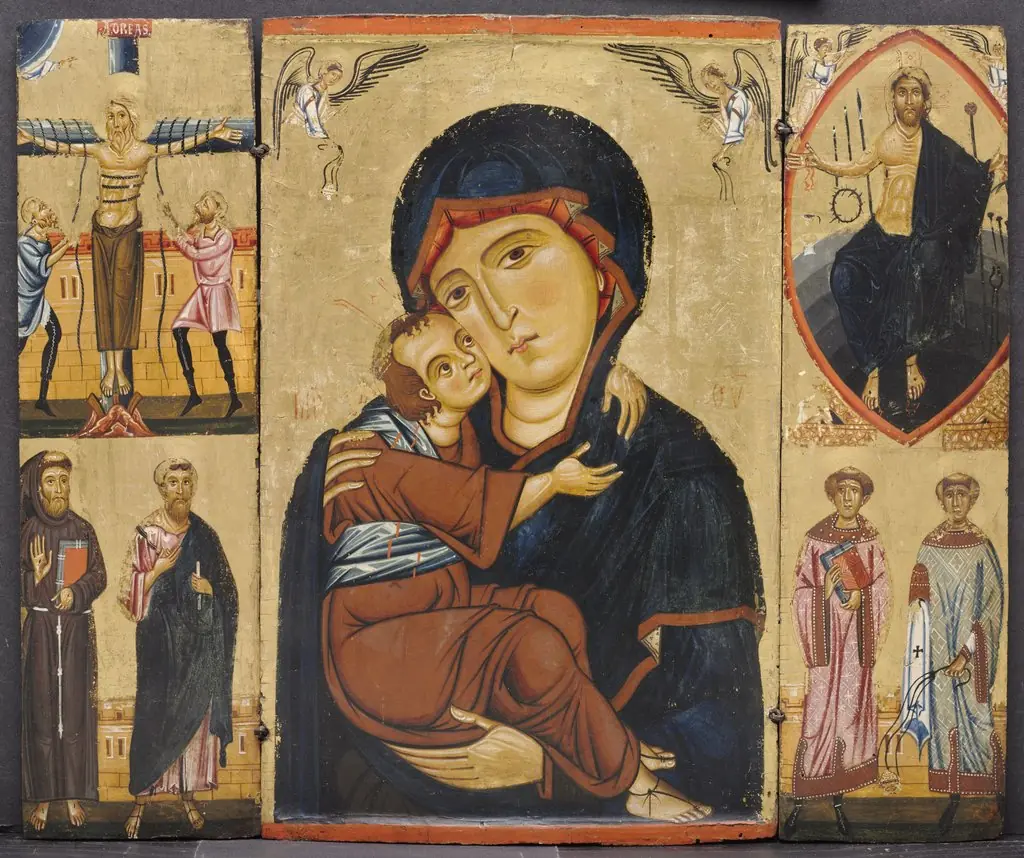 Virgin and Child with Saints
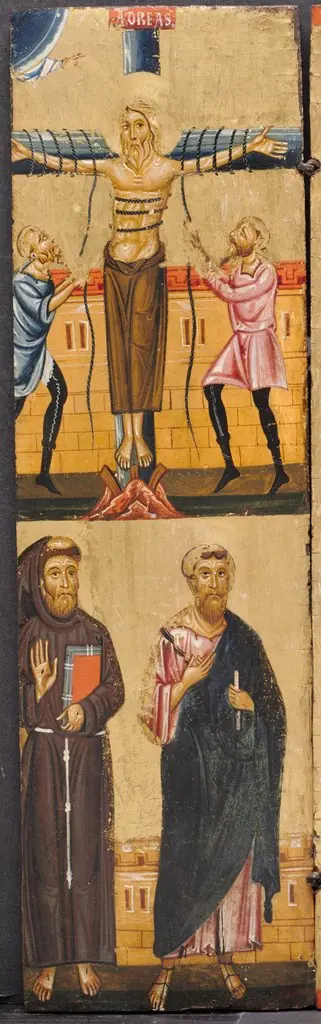 The Crucifixion of St. Andrew, with St. Francis and St. Paul below
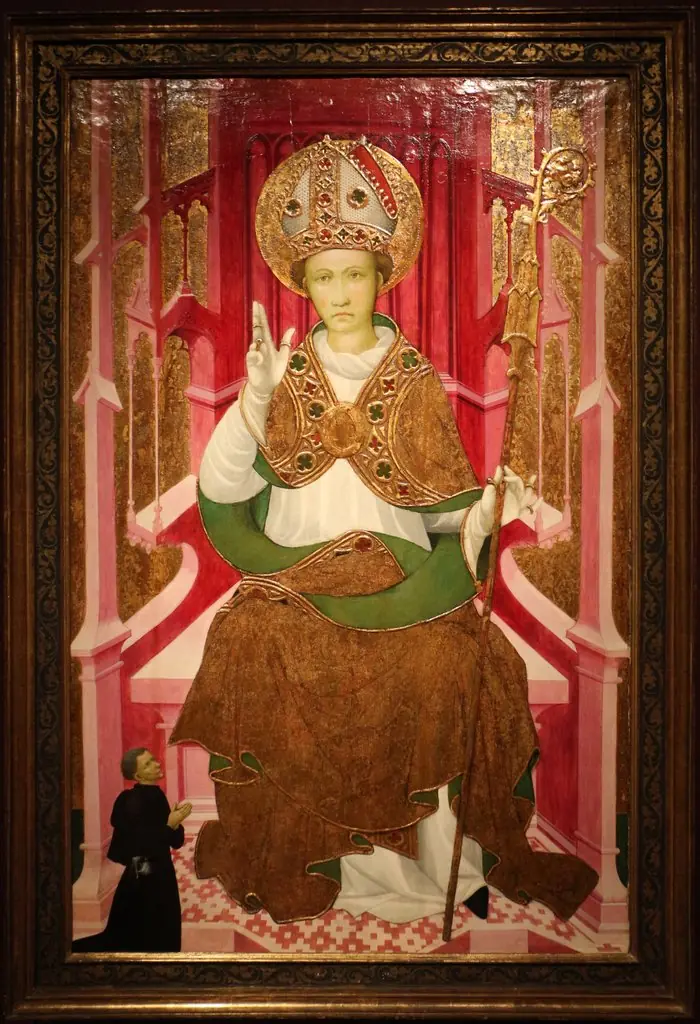 Bishop Saint with Donor
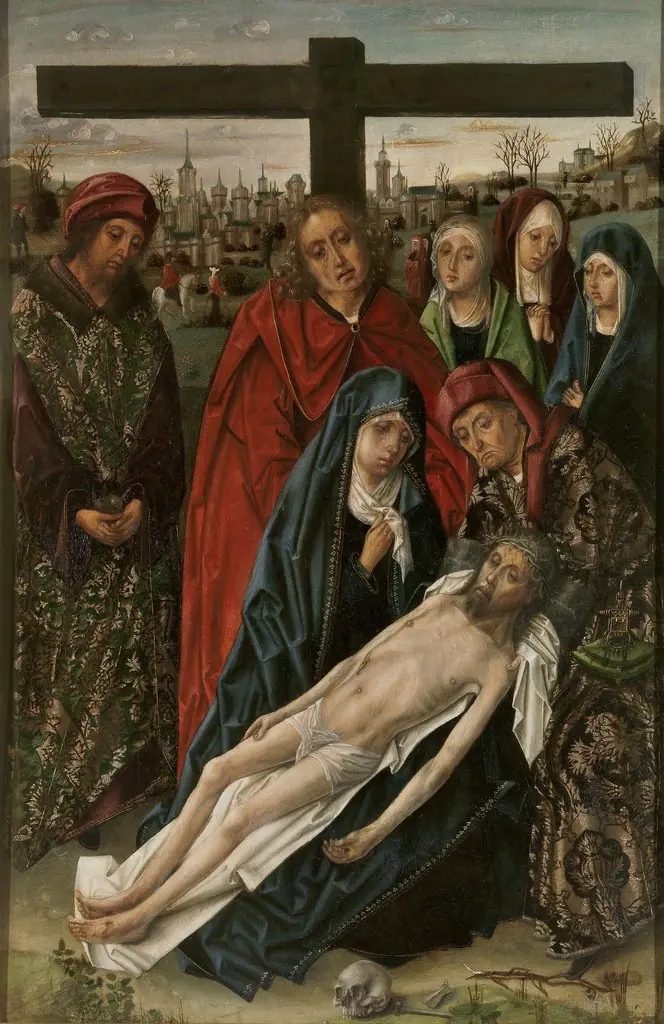 The Lamentation
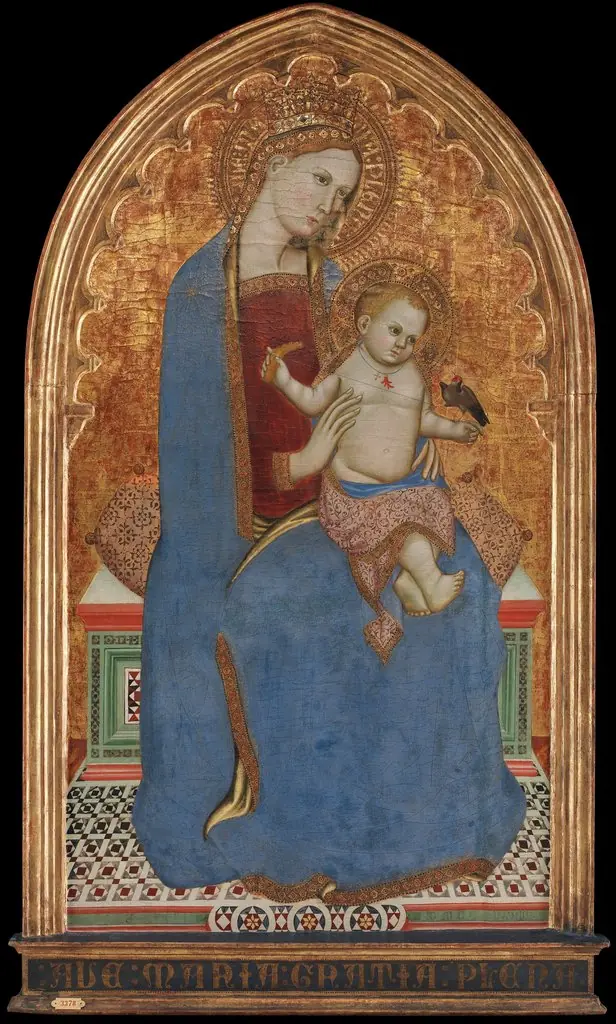 Virgin and Child playing with a Goldfinch and holding a Sheaf of Millet
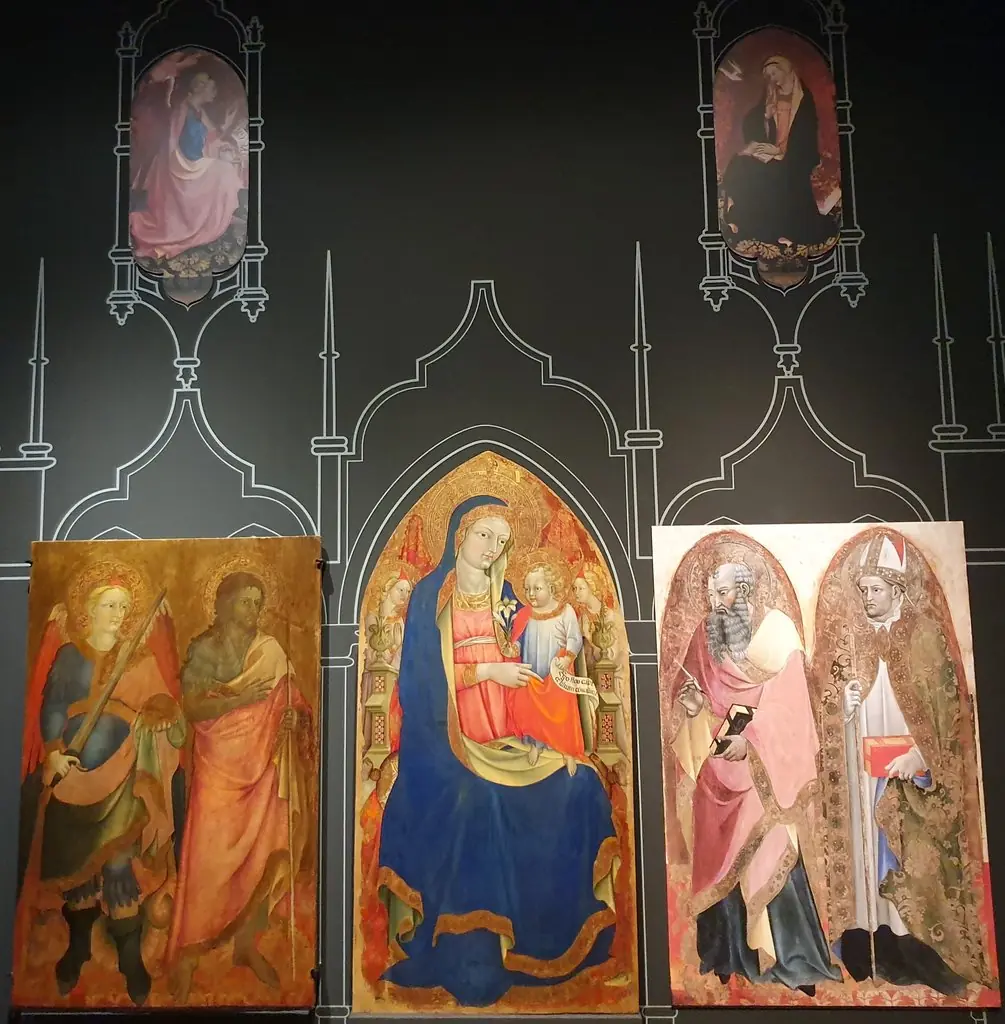 Polyptych of Sant'Agostino, Nicosia
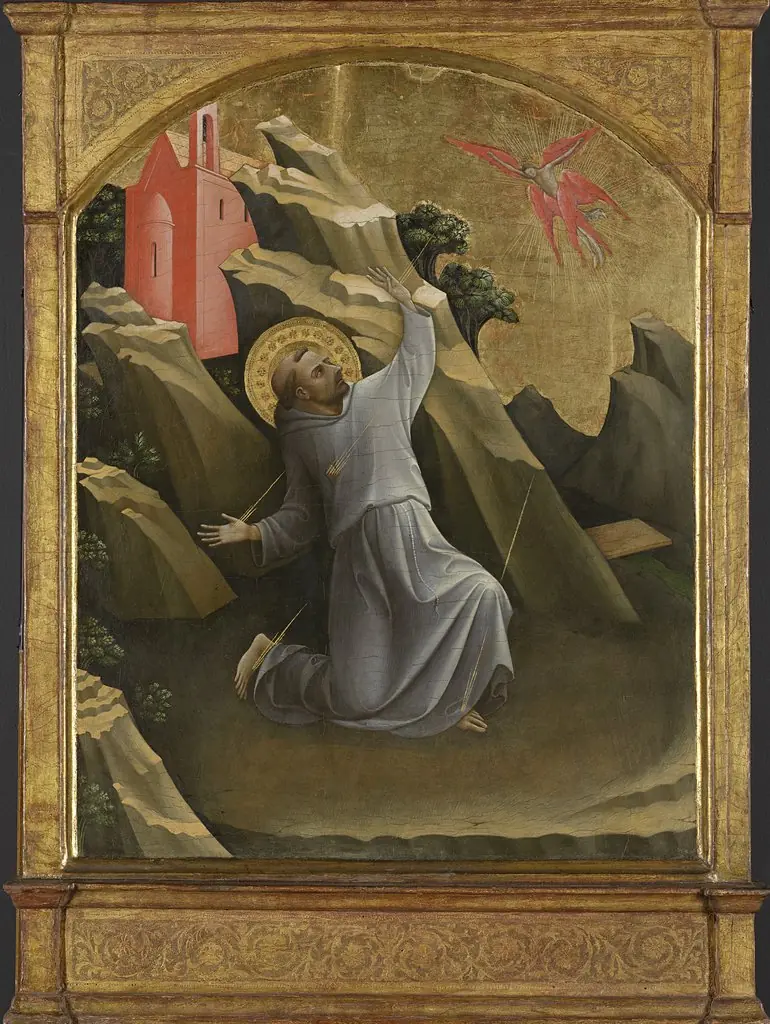 Saint Francis Receiving the Stigmata
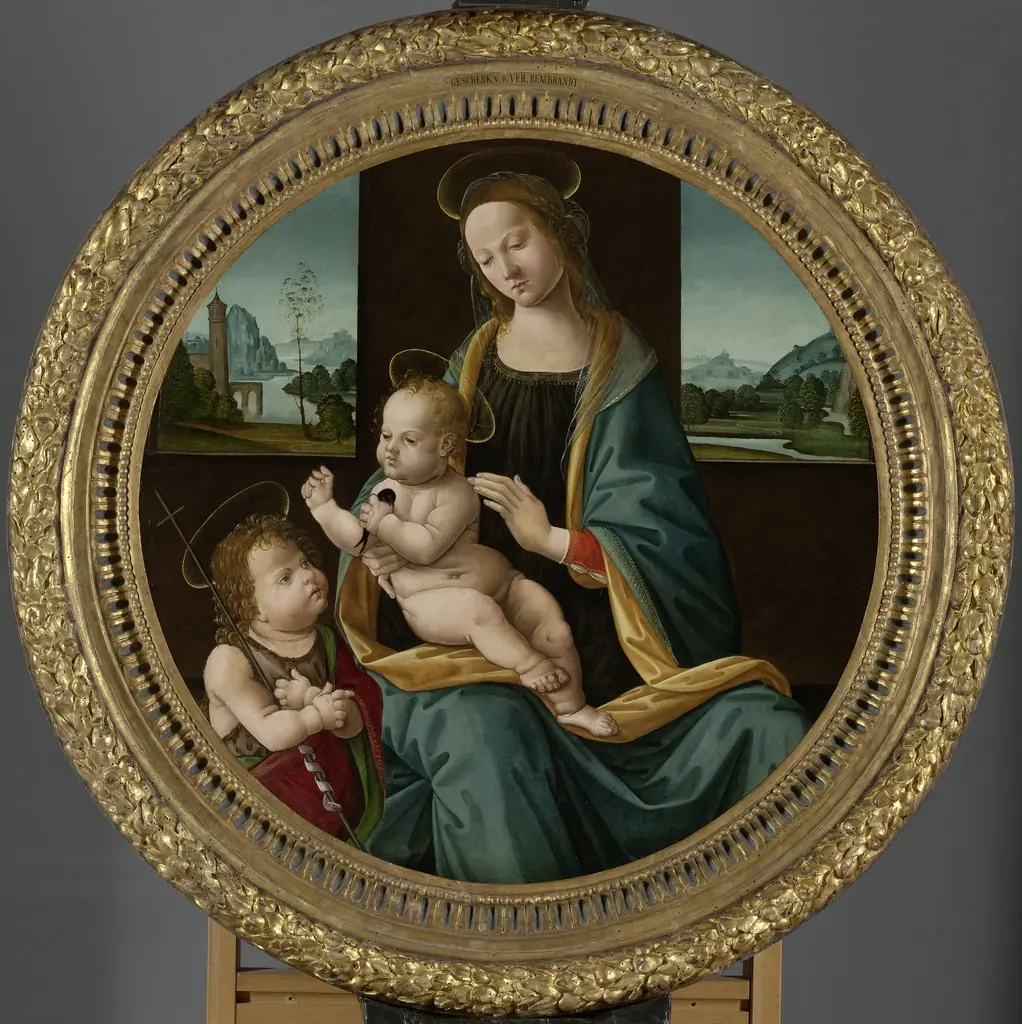 Virgin and Child with the Infant Saint John the Baptist
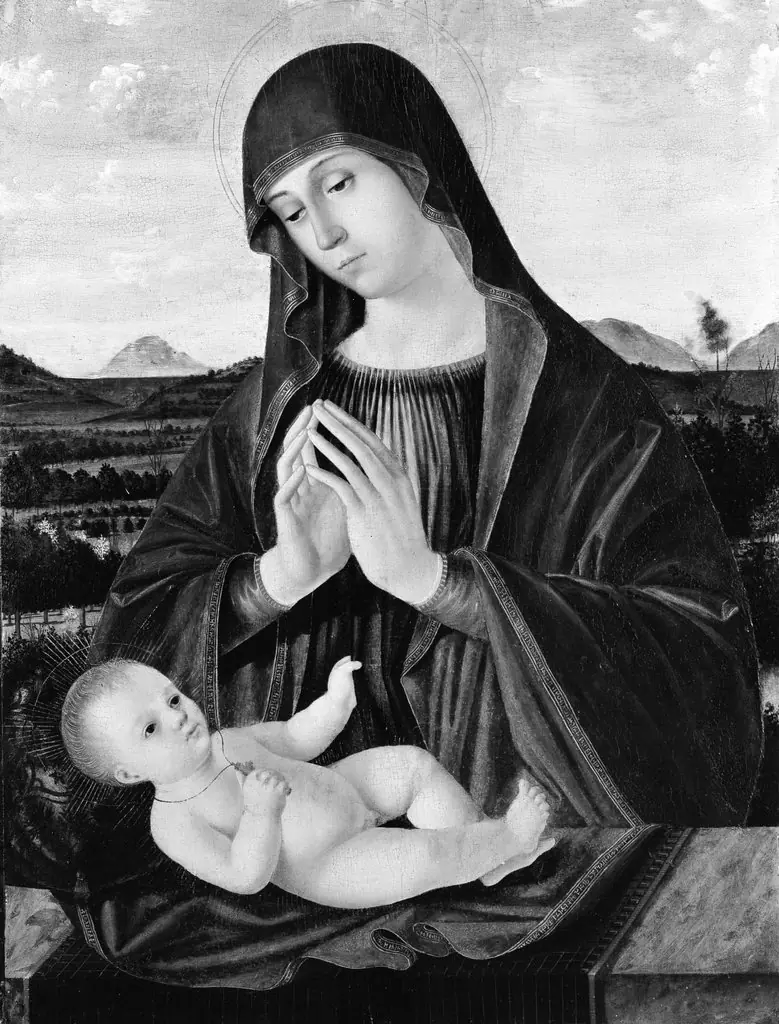 Madonna Adoring the Child
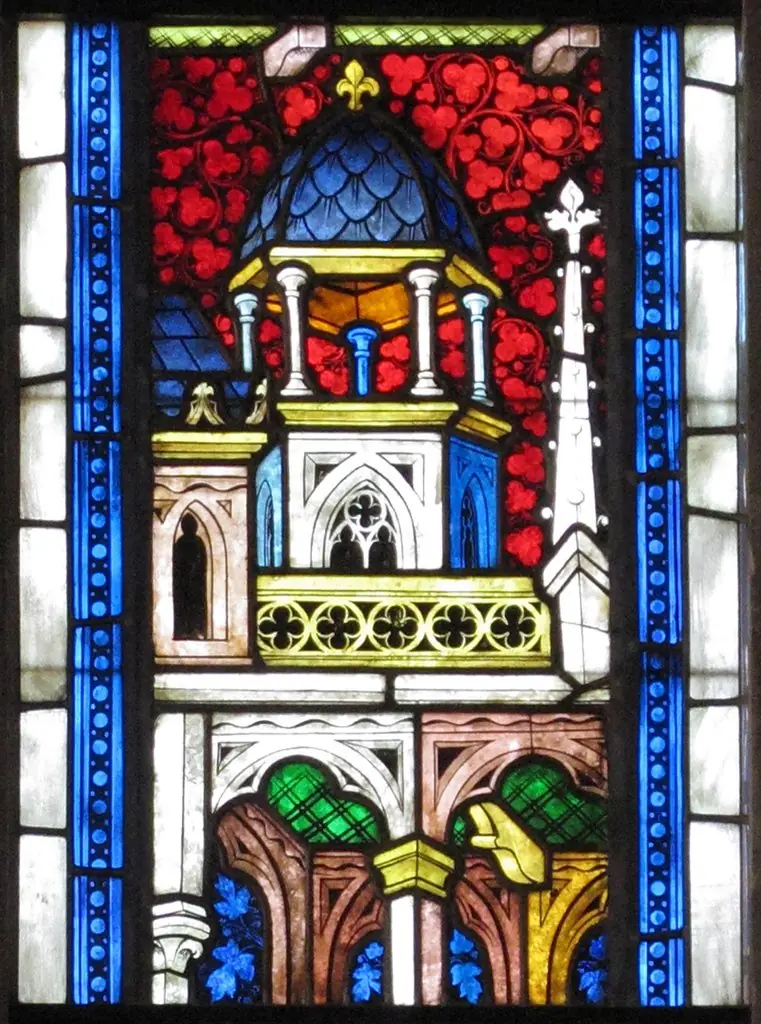 Architectural canopy
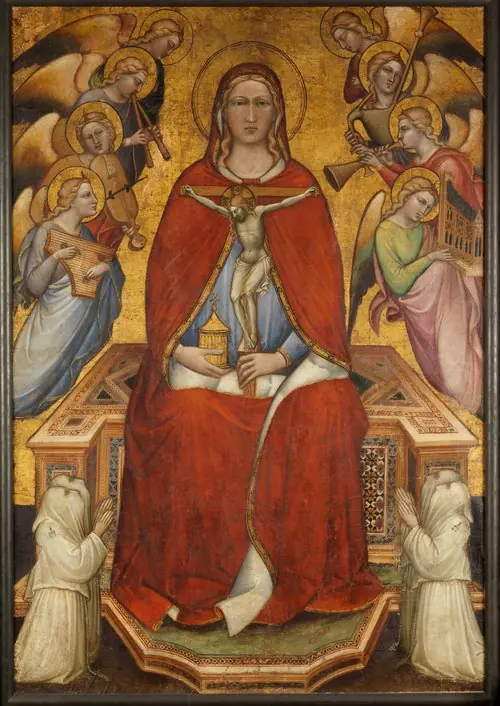 Processional Banner
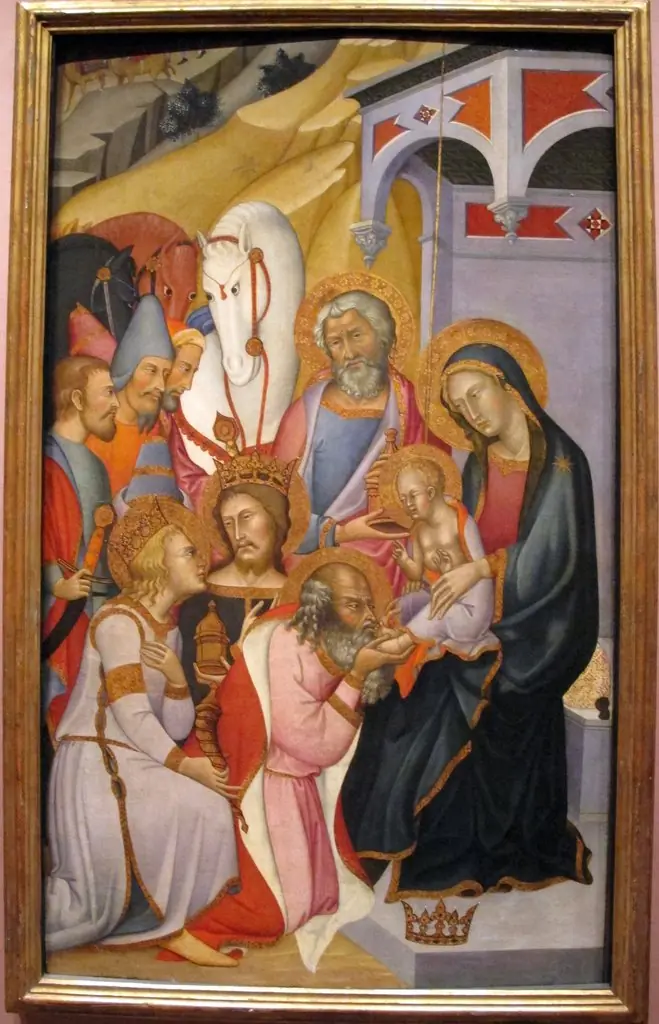 Adoration of the Magi
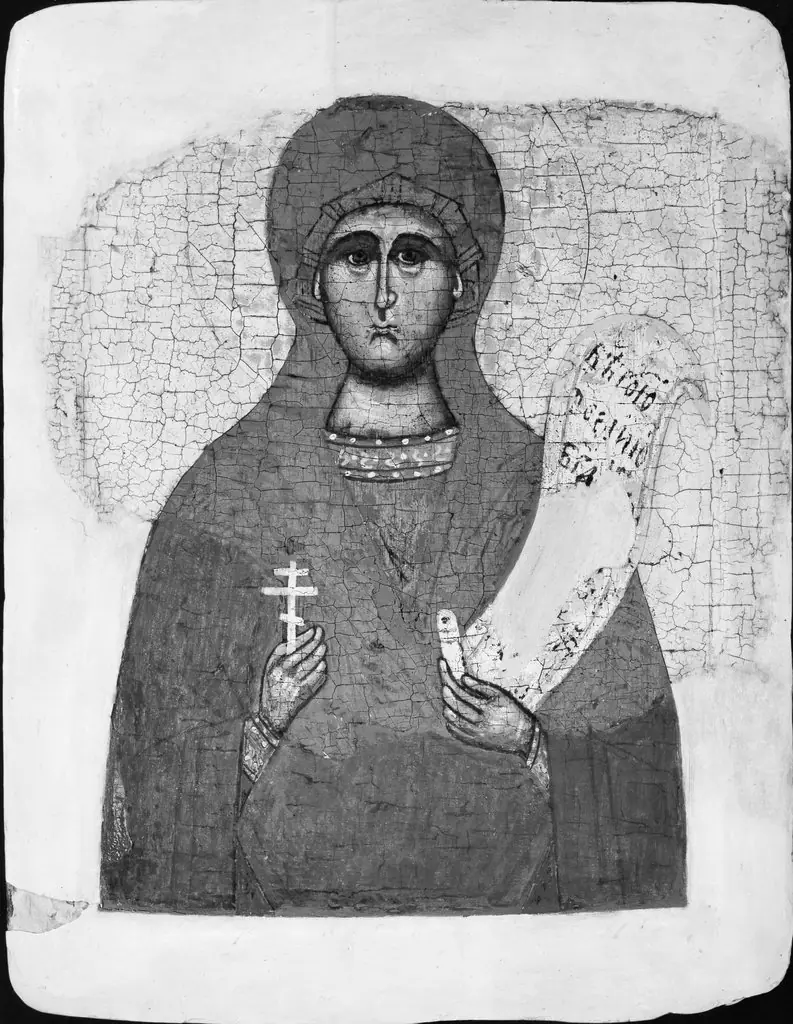 Saint Parasceva
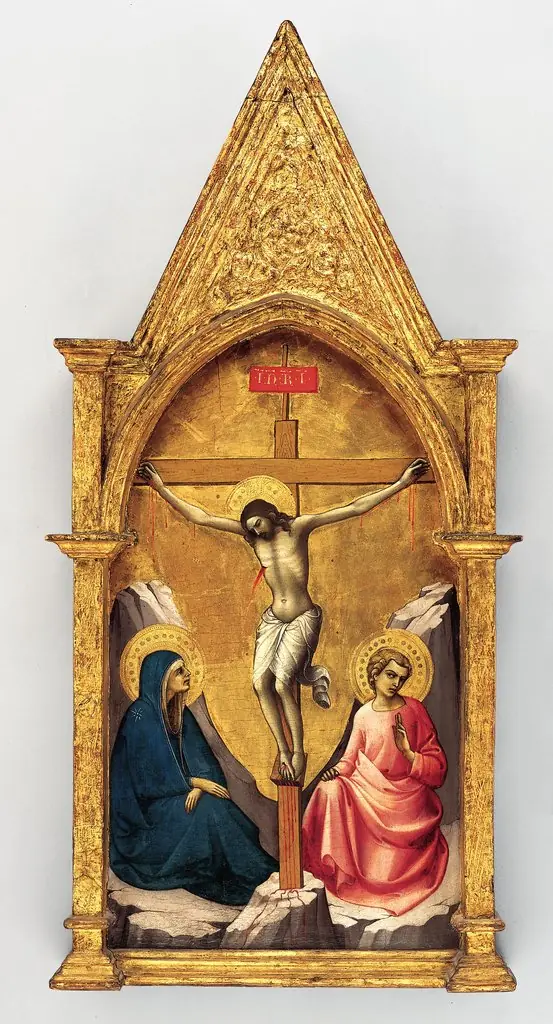 Tabernacle frame
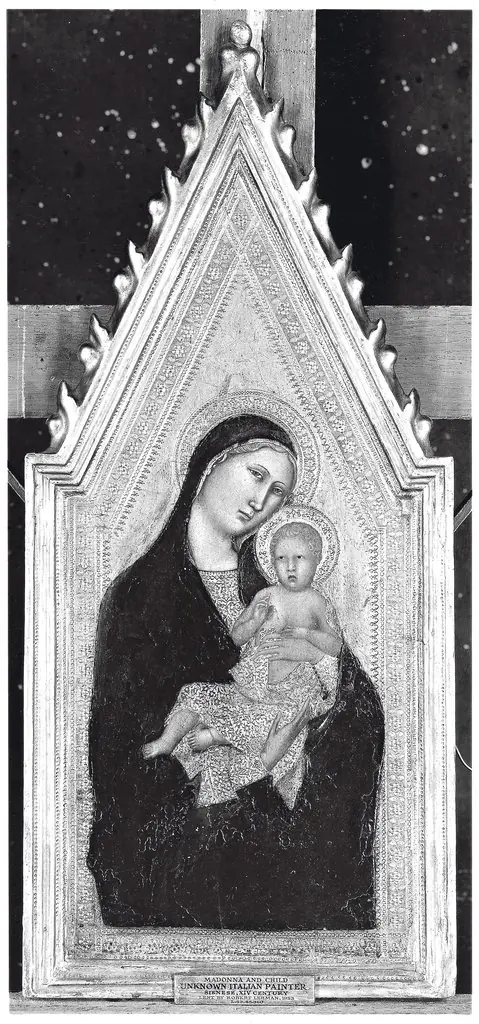 Tabernacle frame
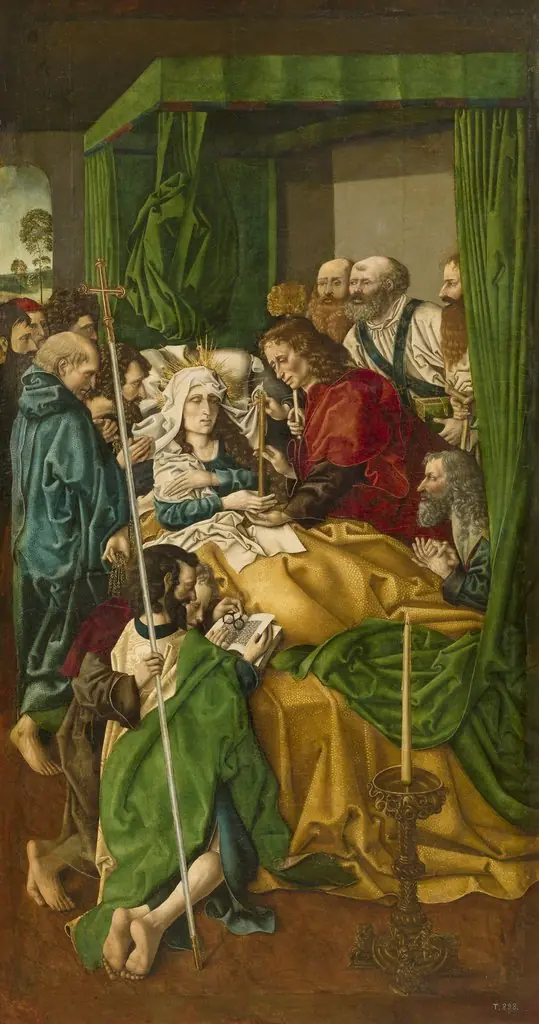 The Death of the Virgin
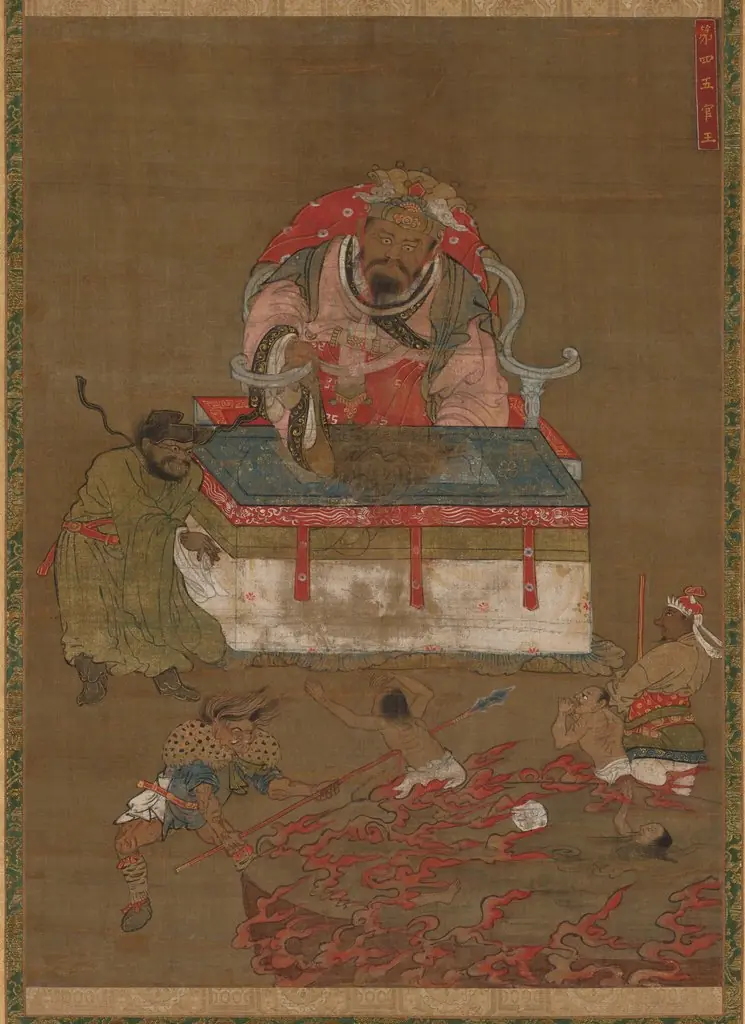 The Fourth King of Hell
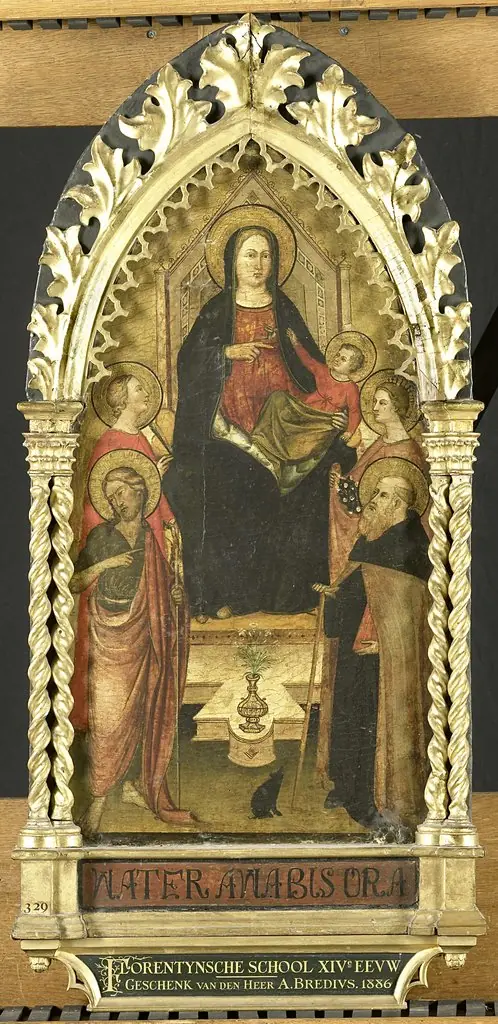 Virgin and Child Enthroned with Four Saints, Saints John the Baptist, Antony Abbot, Elizabeth of Hungary, a female saint
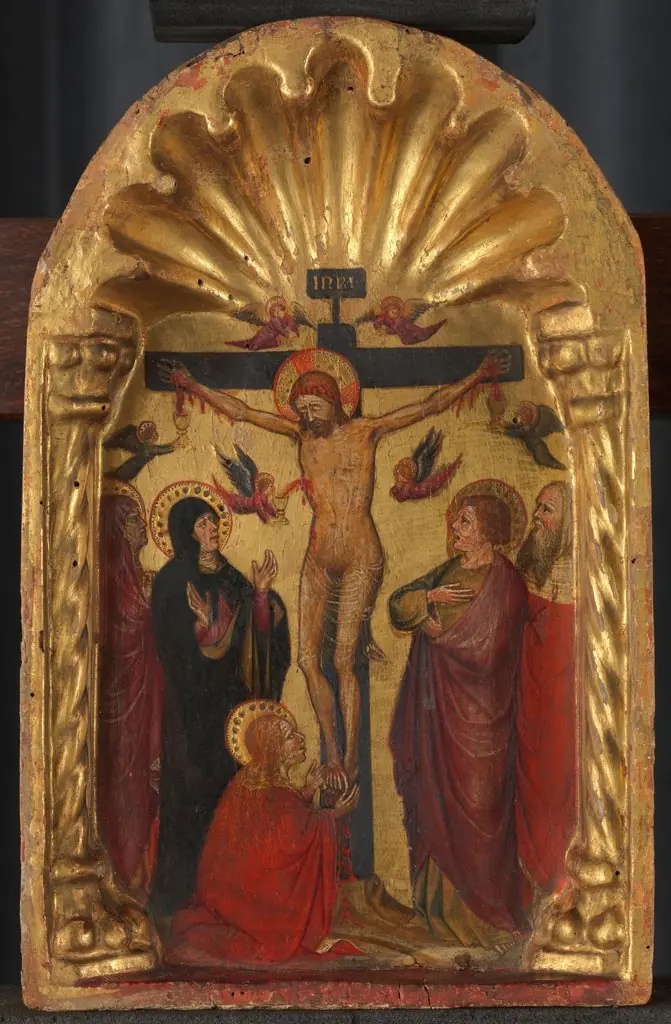 Crucifixion
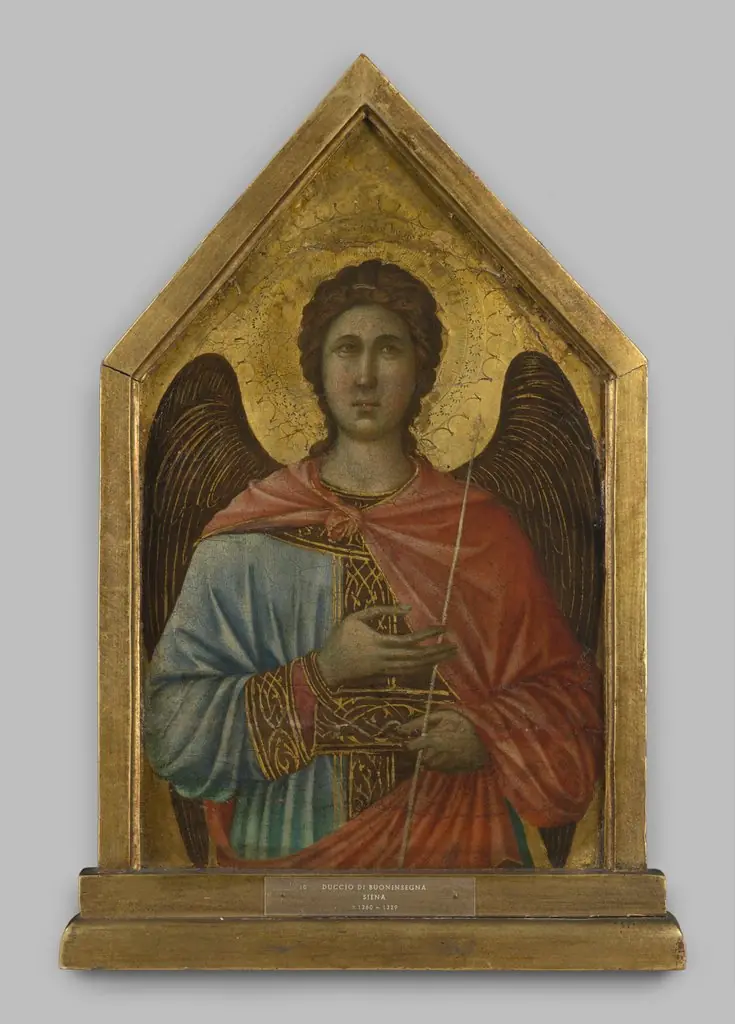 Angel
Angel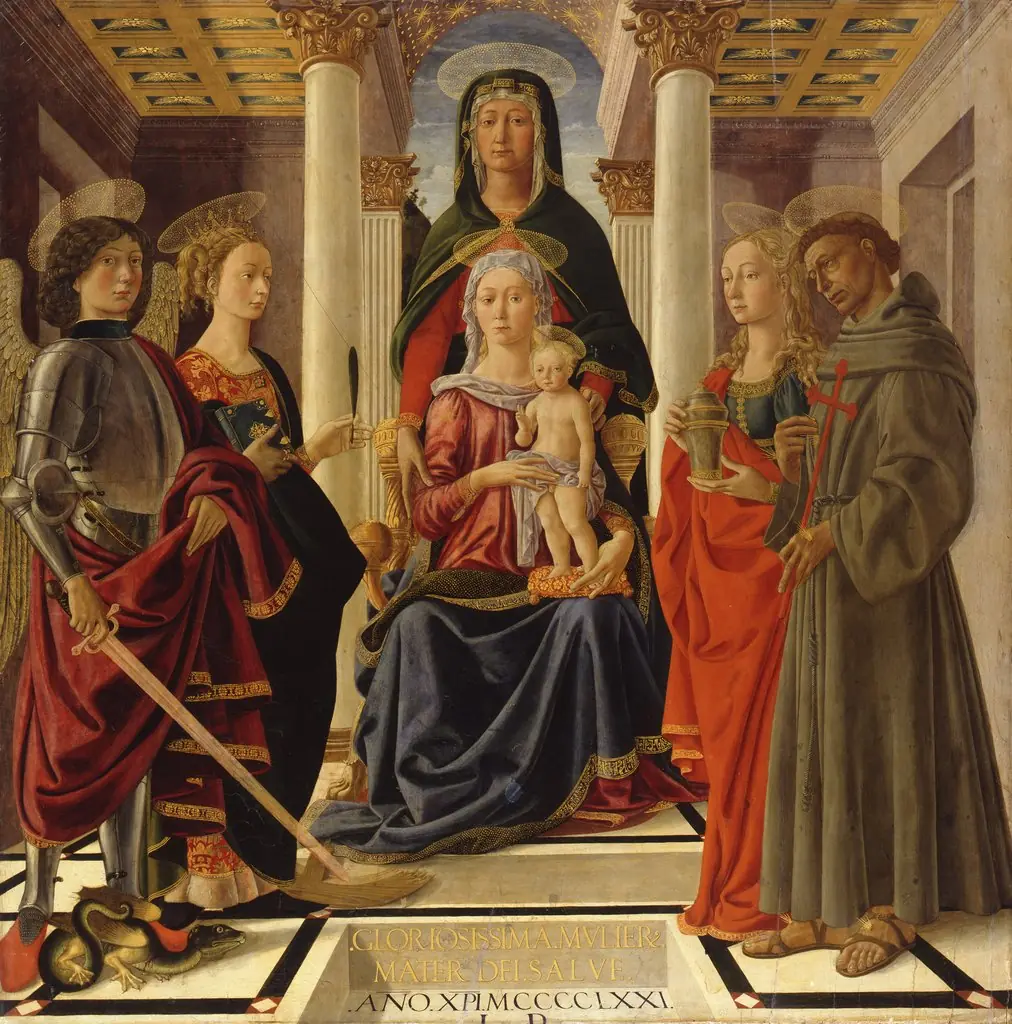 St. Anne Selbdritt with Archangel Michael and Saints
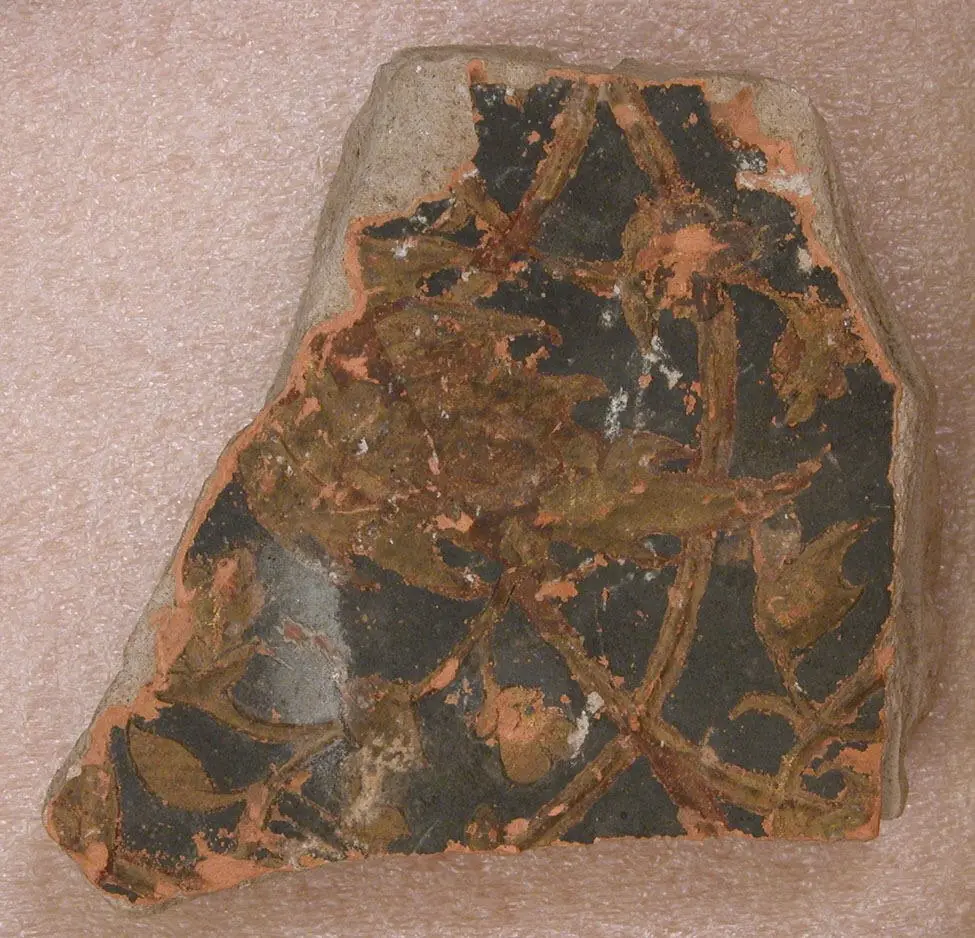 Fragment of a Wall Painting
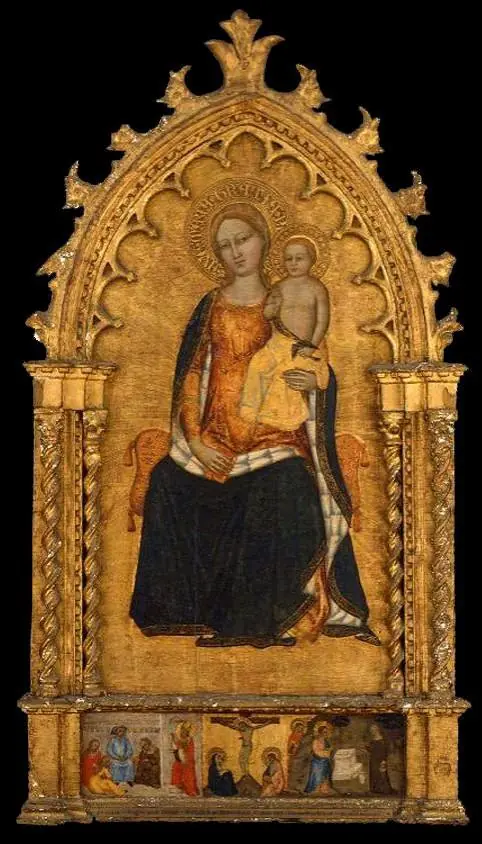 The Virgin and Child; Charity of Saint Nicholas; Crucifixion; Christ and the Samarian Woman
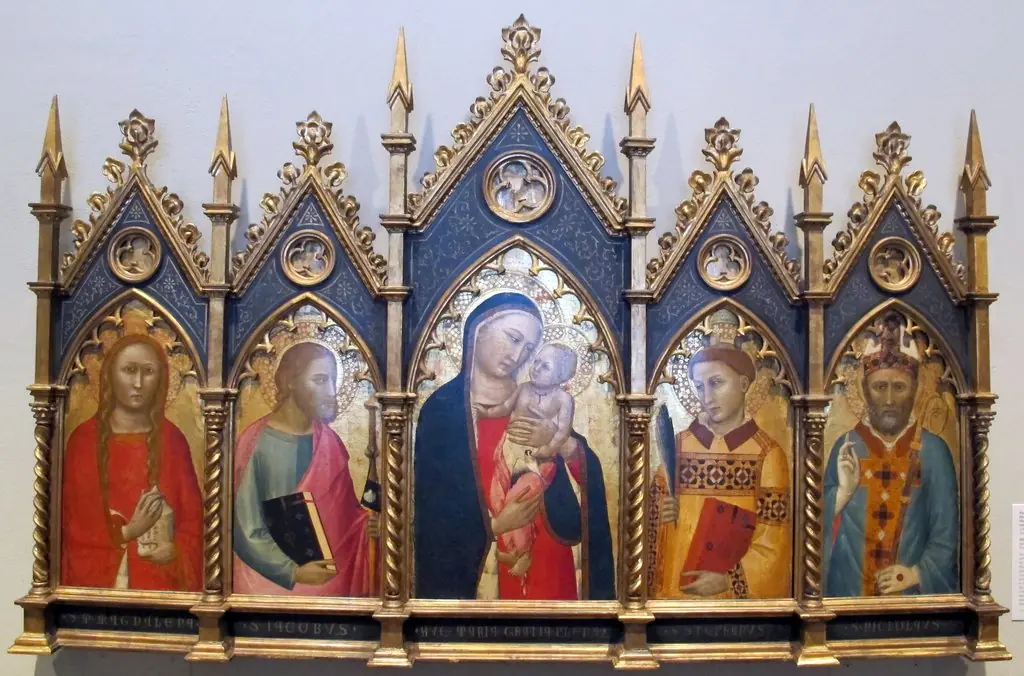 Virgin and Child, with Saints Mary Magdalene, James Major, Stephen, and a Bishop Saint
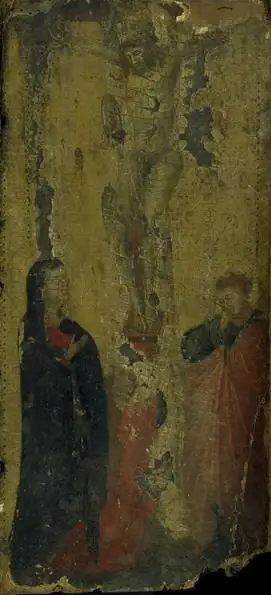 Christ on the Cross
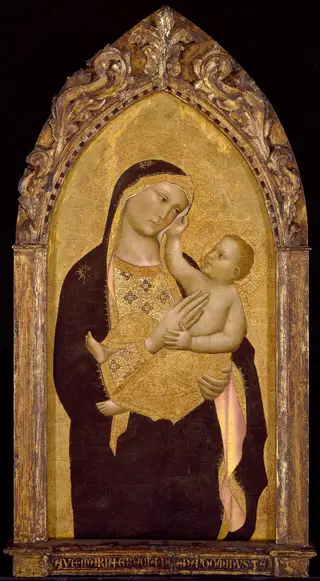 Virgin and Child
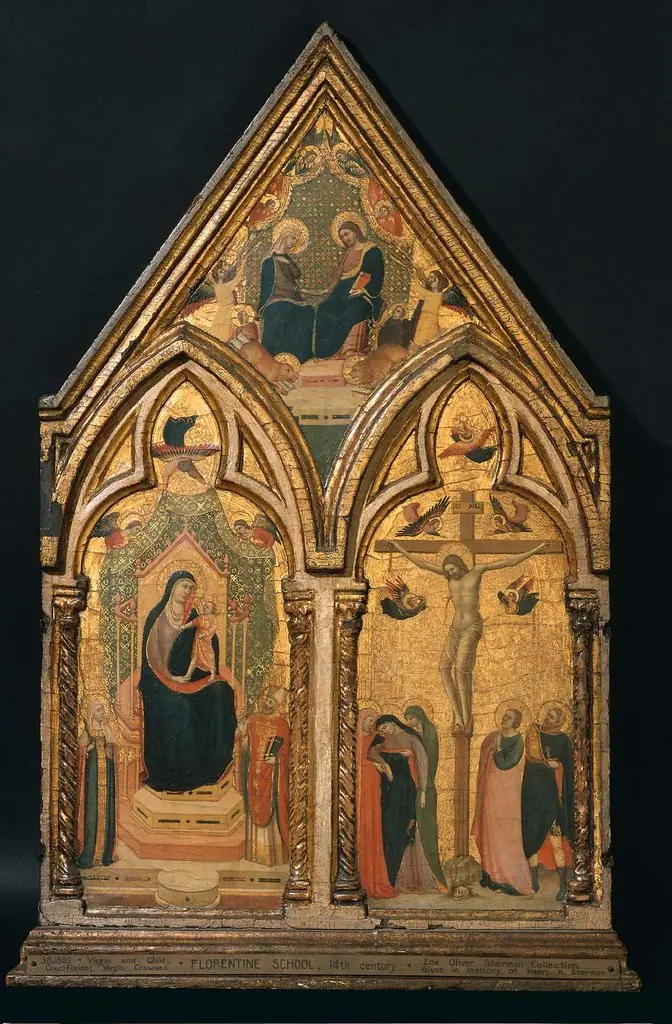 Virgin and Child Enthroned with Saints; Crucifixion; Coronation of the Virgin
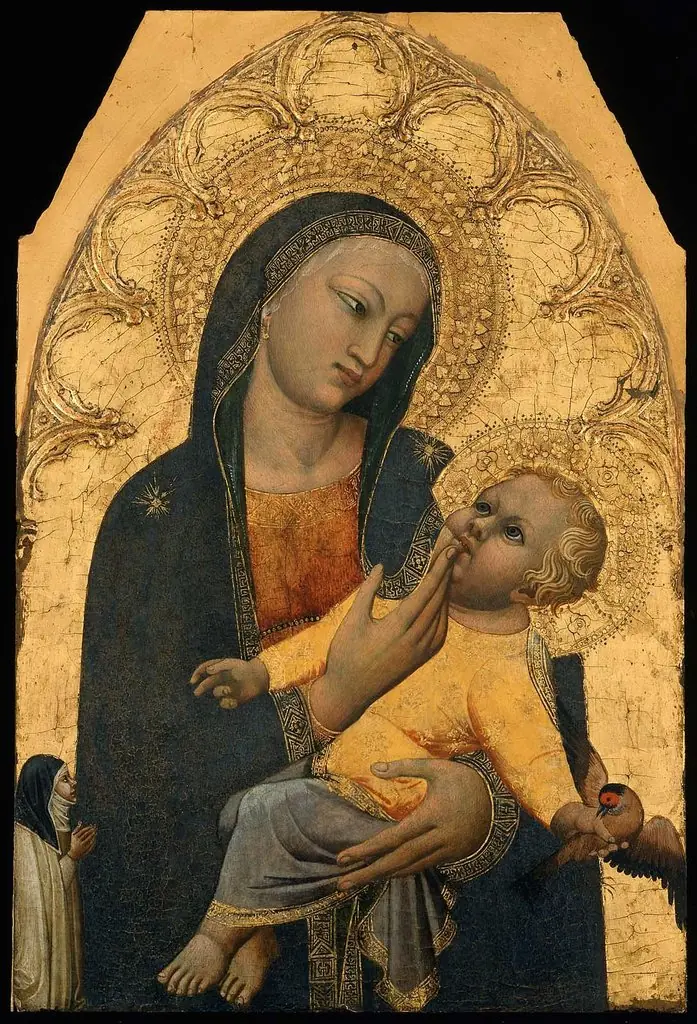 Virgin and Child
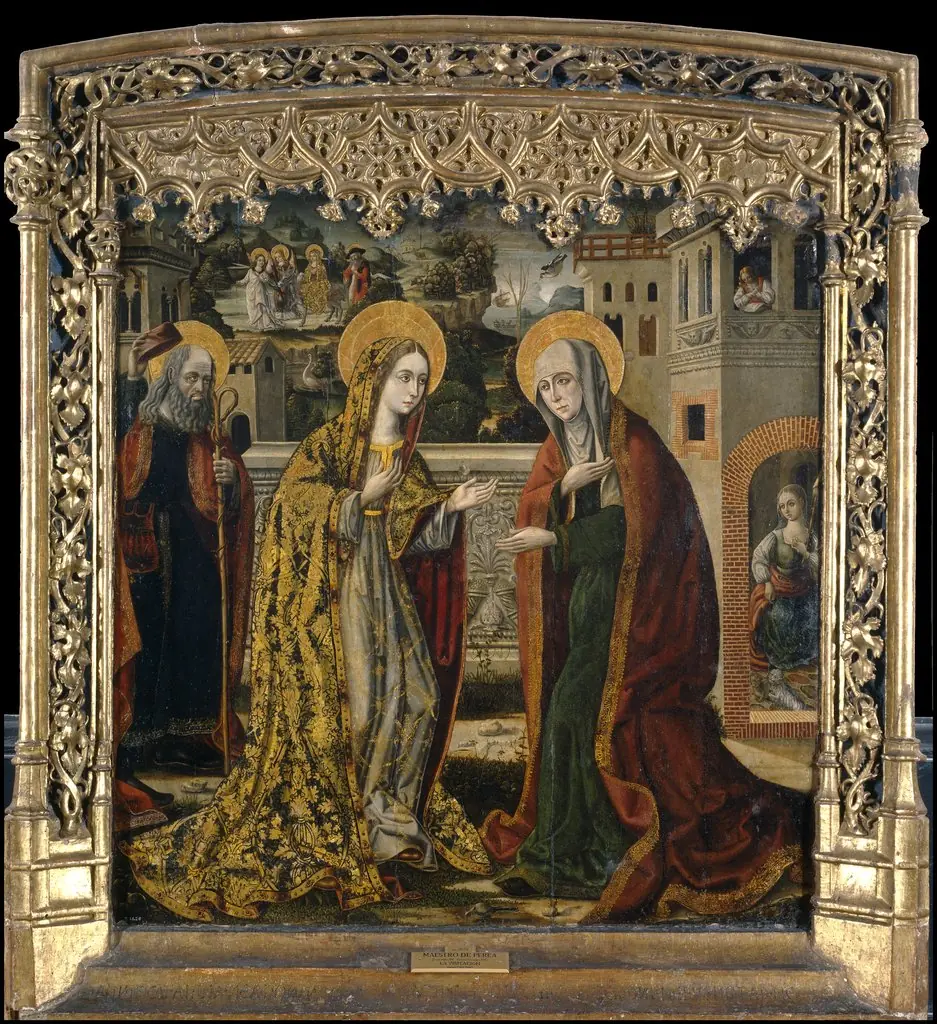 The Visitation
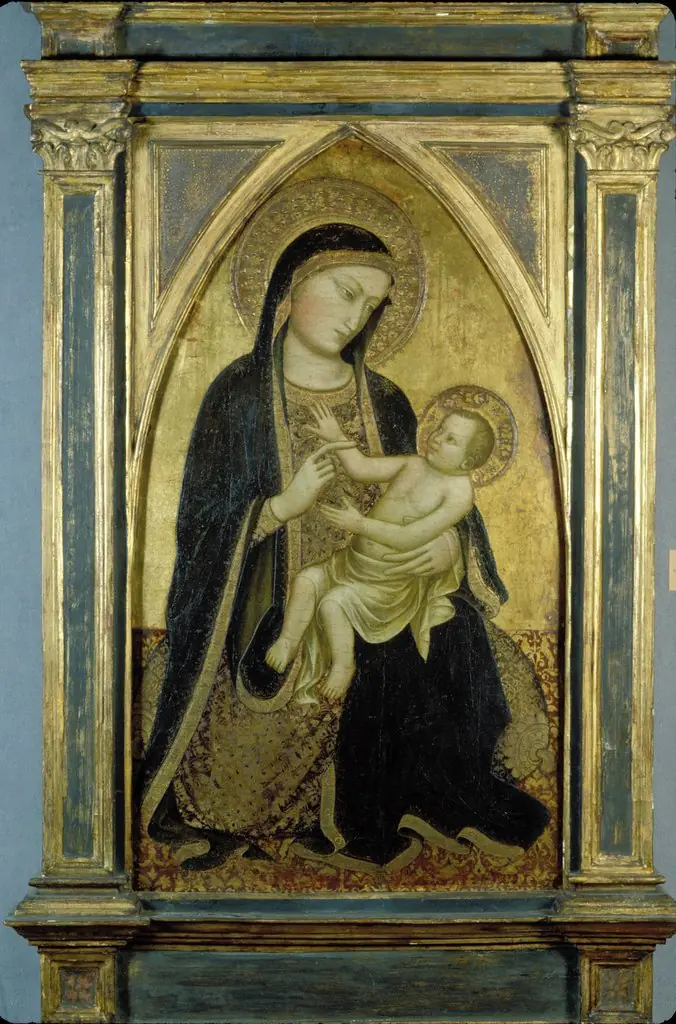 Madonna and Child
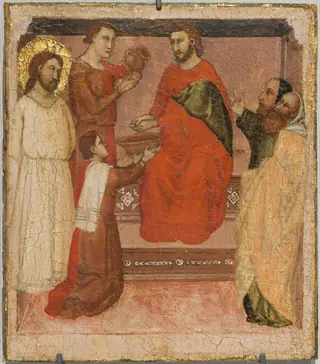 Pilate Washing his Hands
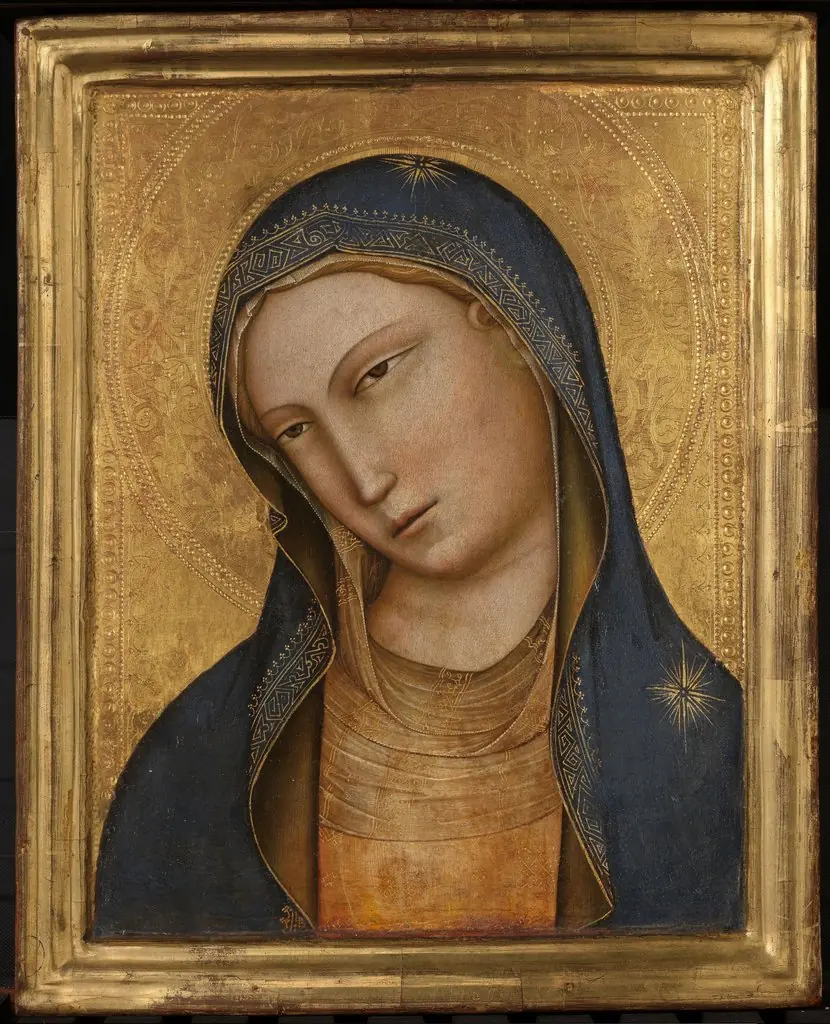 Madonna
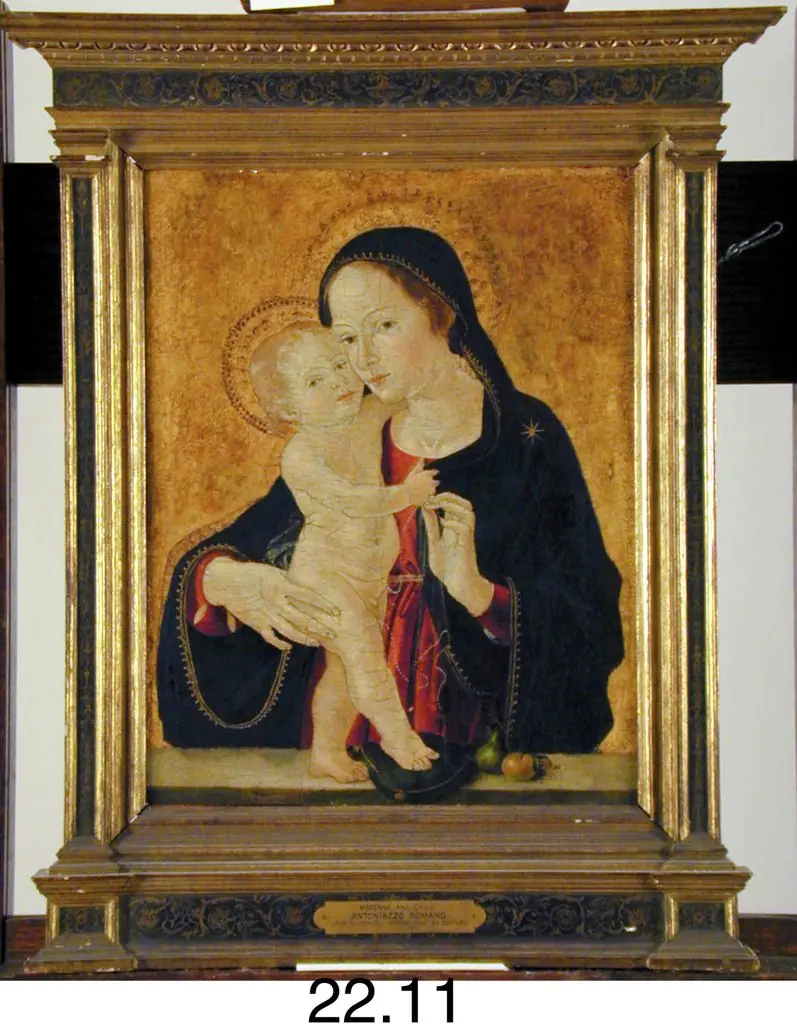 Madonna and Child
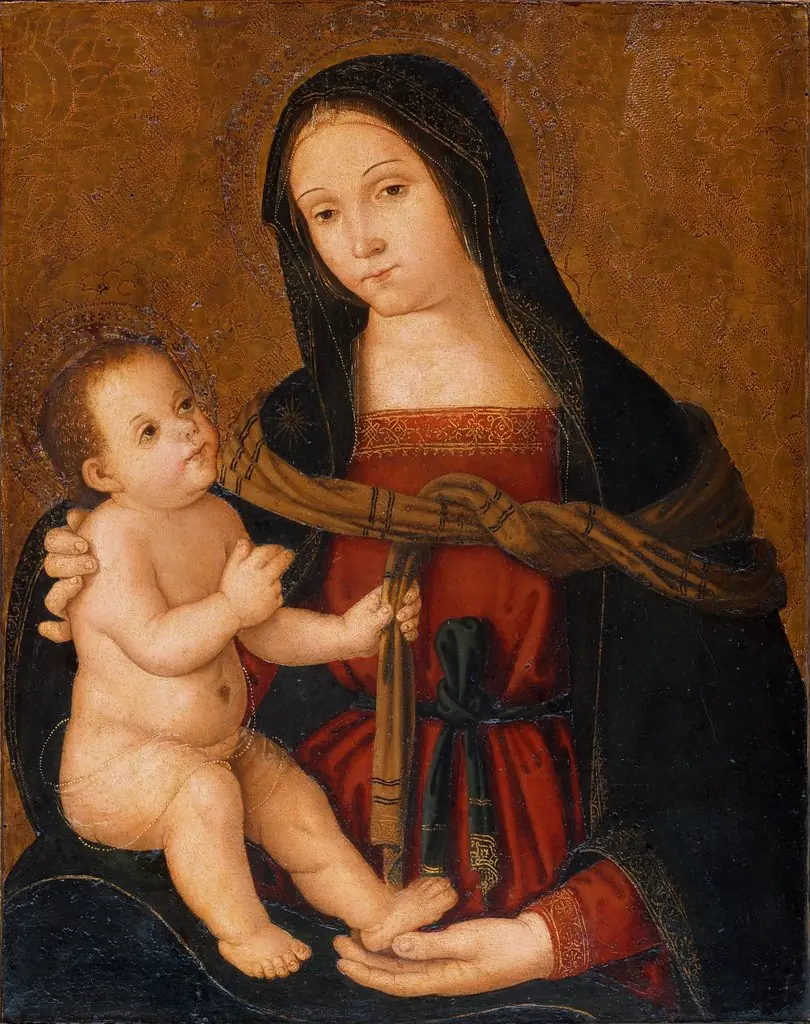 Madonna and Child
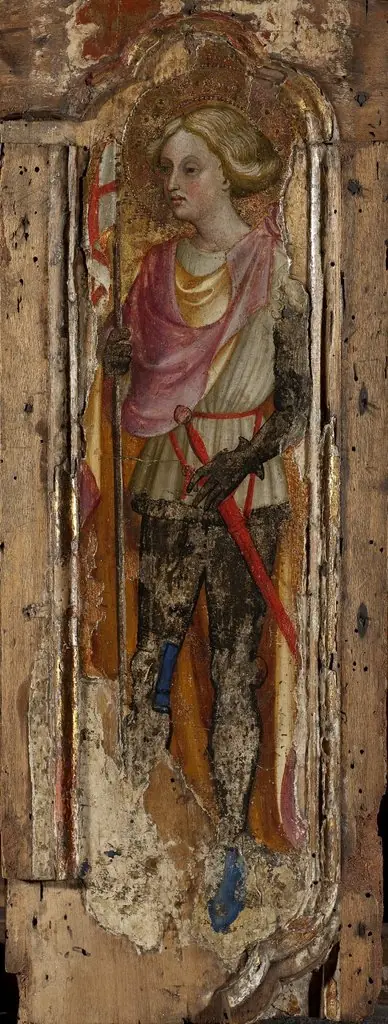 St George
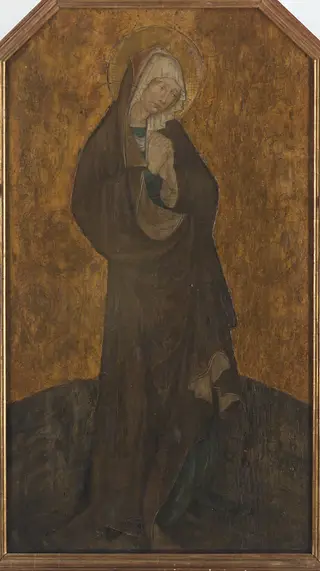 Our Lady of Sorrows
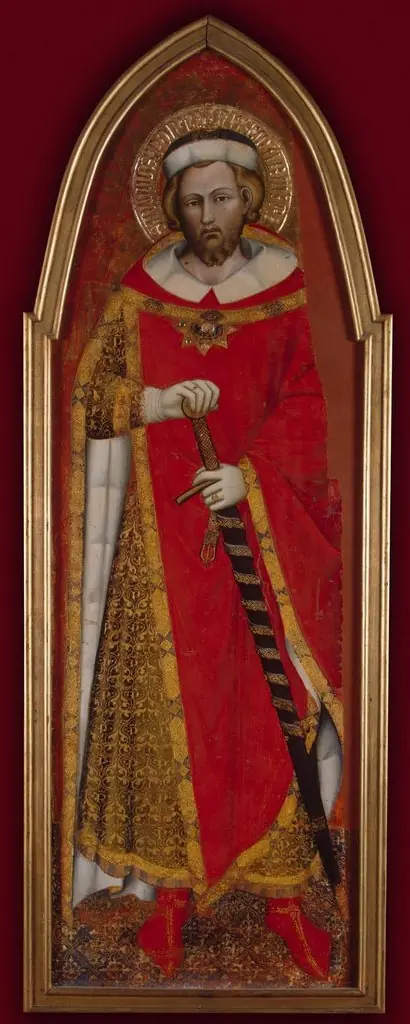 St Pontianus (wing of a polyptych)
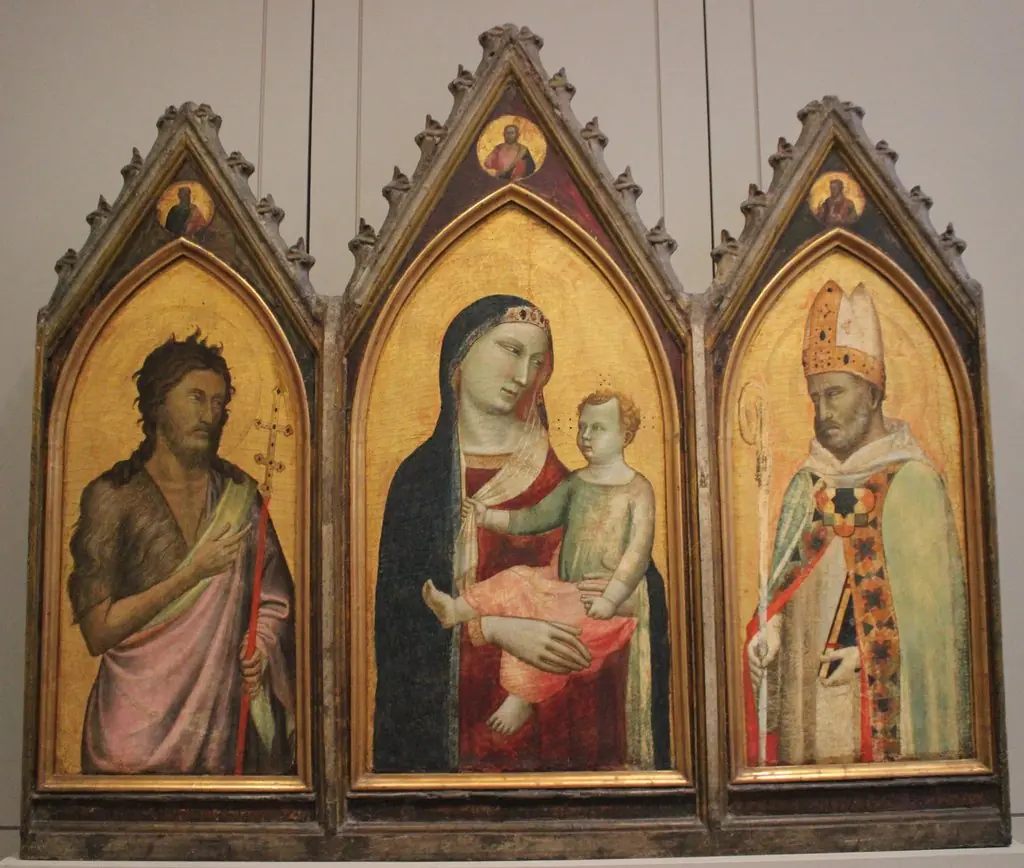 Virgin and Child with Saints John the Baptist and Giles, Two Prophets, and Christ the Redeemer
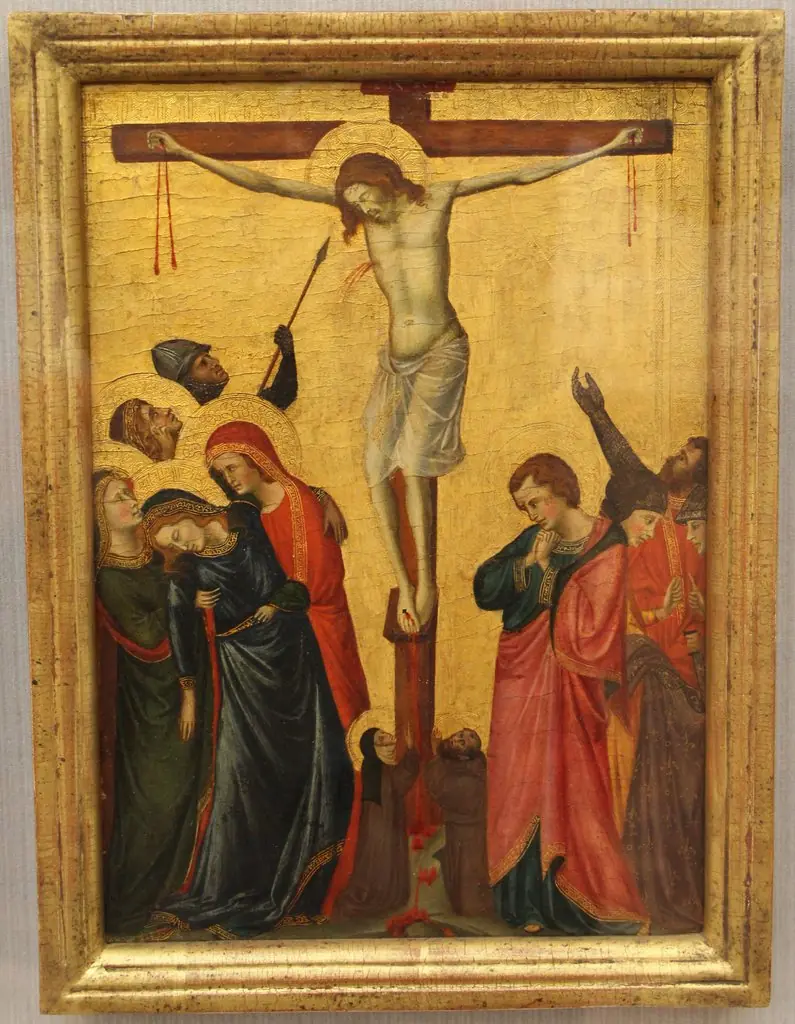 The Crucifixion
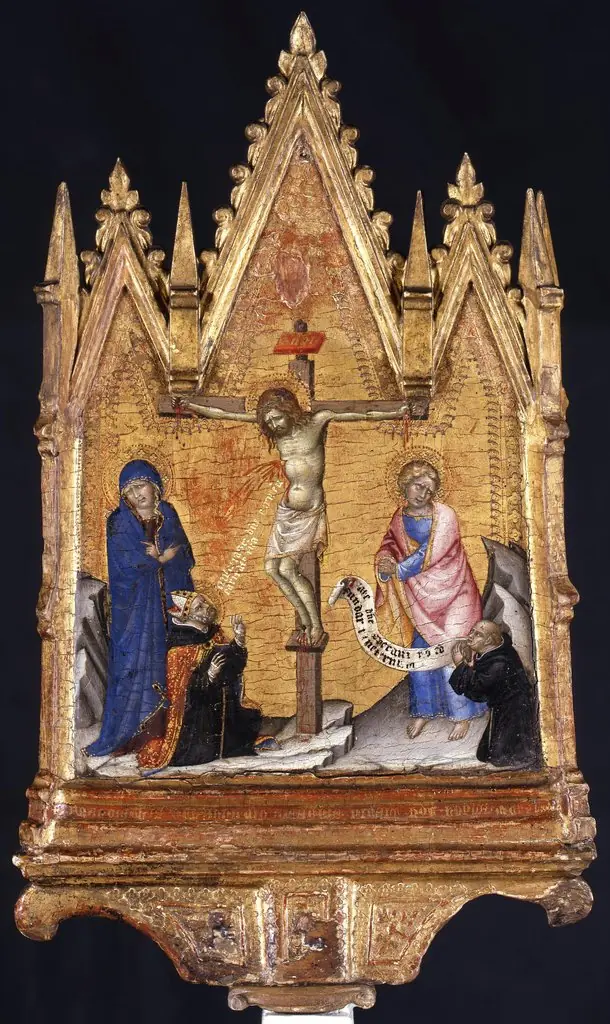 Christ on the Cross between the Virgin and St. John/ Madonna enthroned
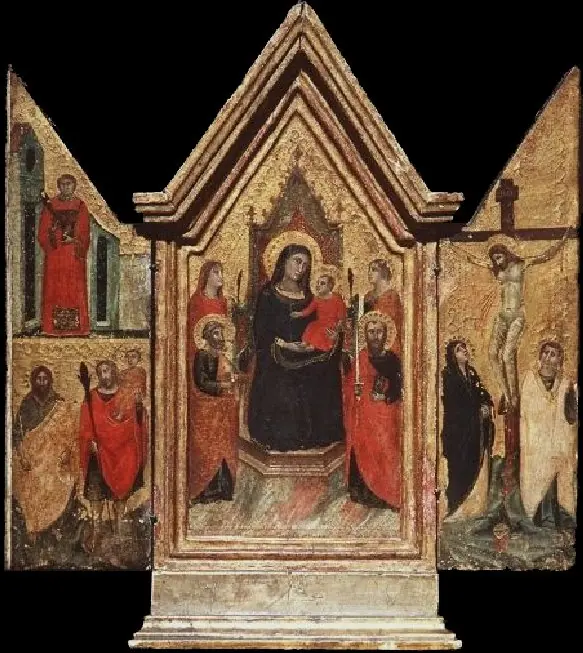 Crucifixion, Madonna, and saints
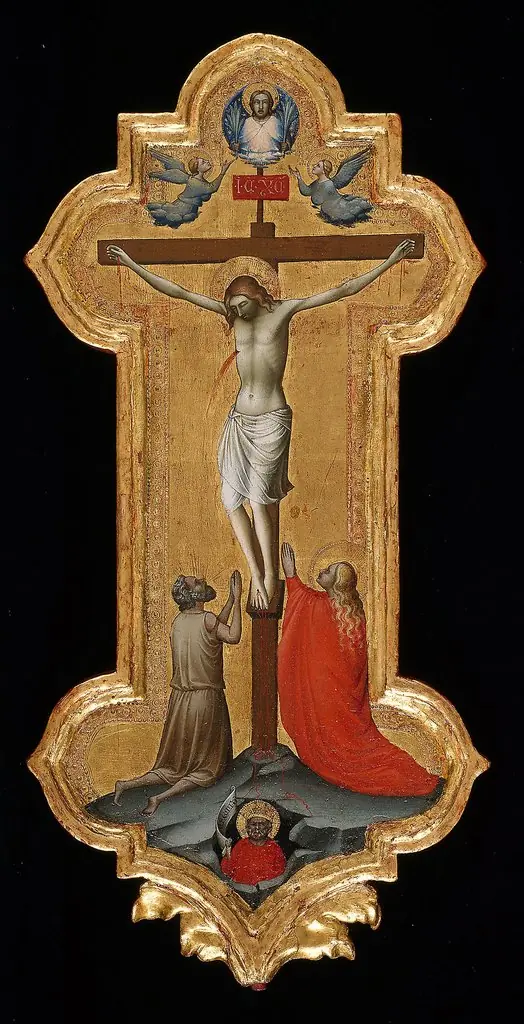 Processional Cross
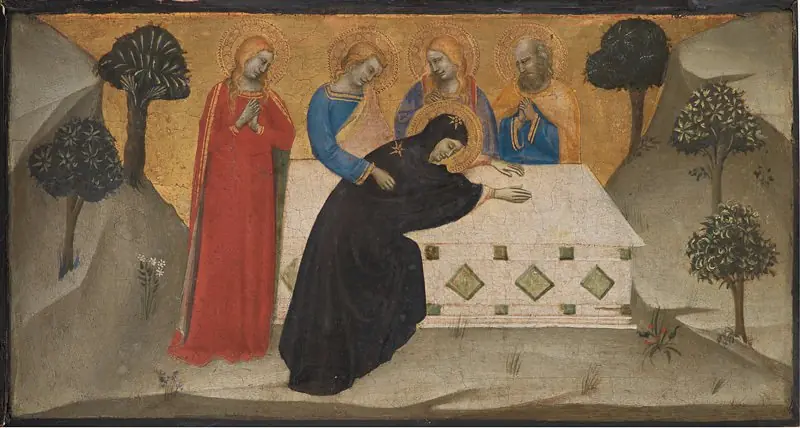 The Virgin Swooning and the Three Maries at the Tomb of Christ
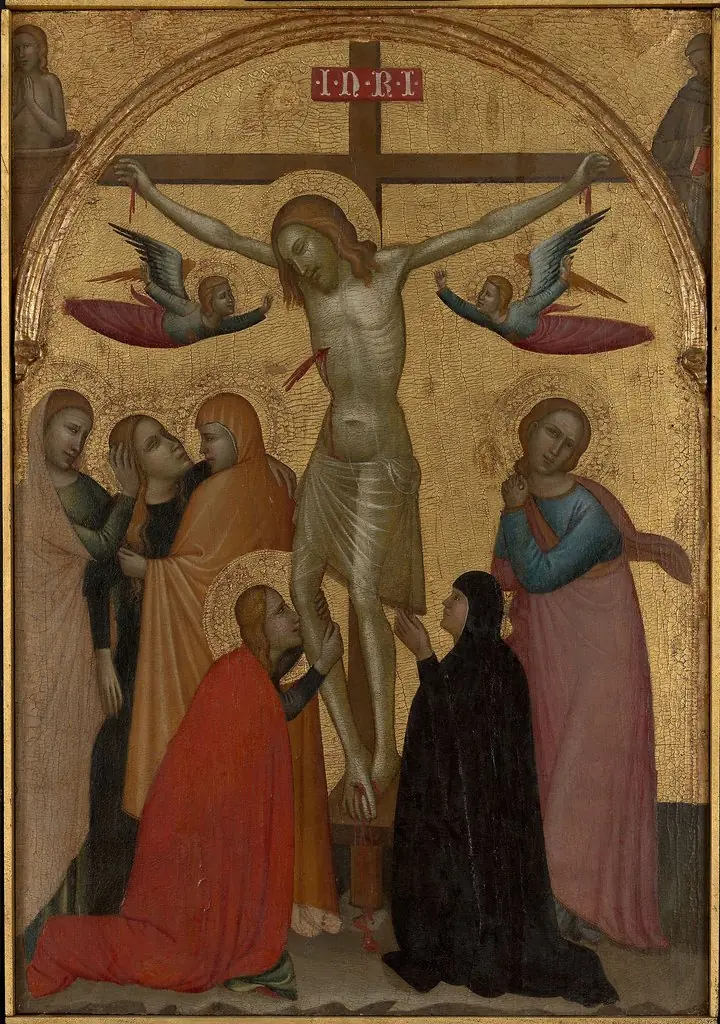 The Crucifixion
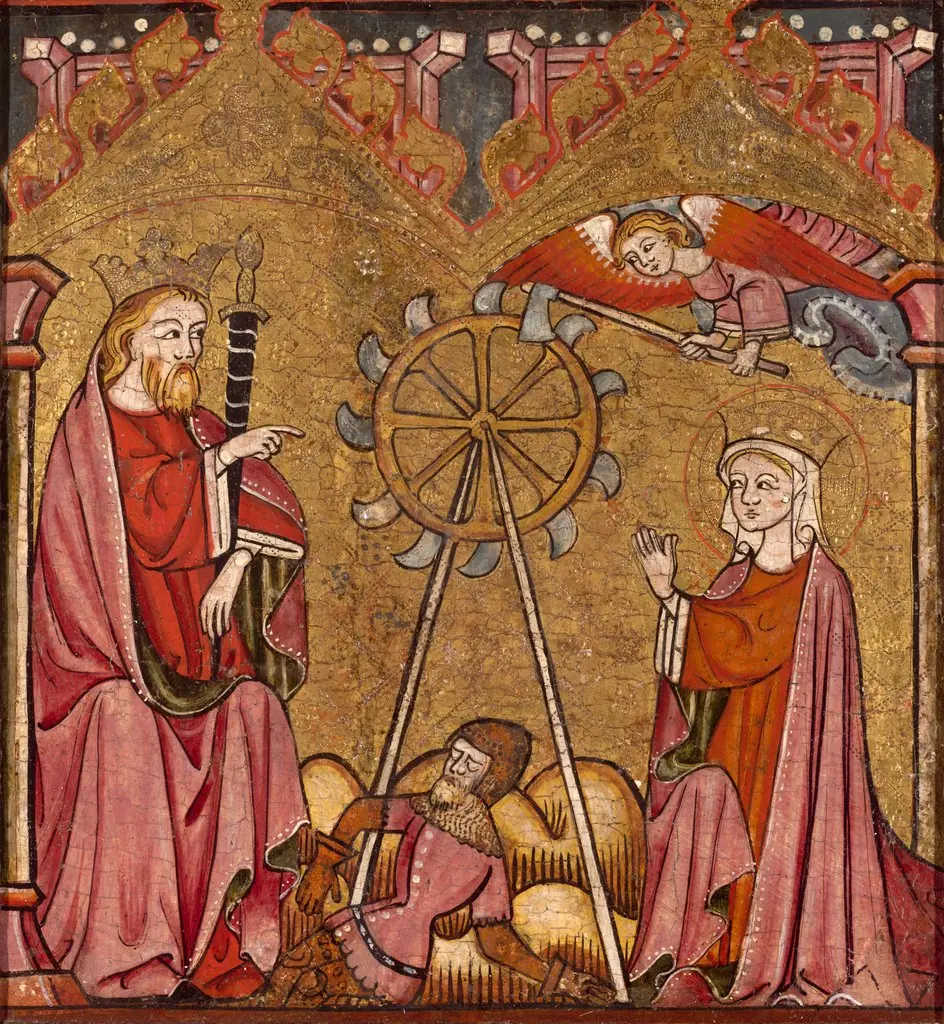 Saint Catherine Delivered from the Wheel
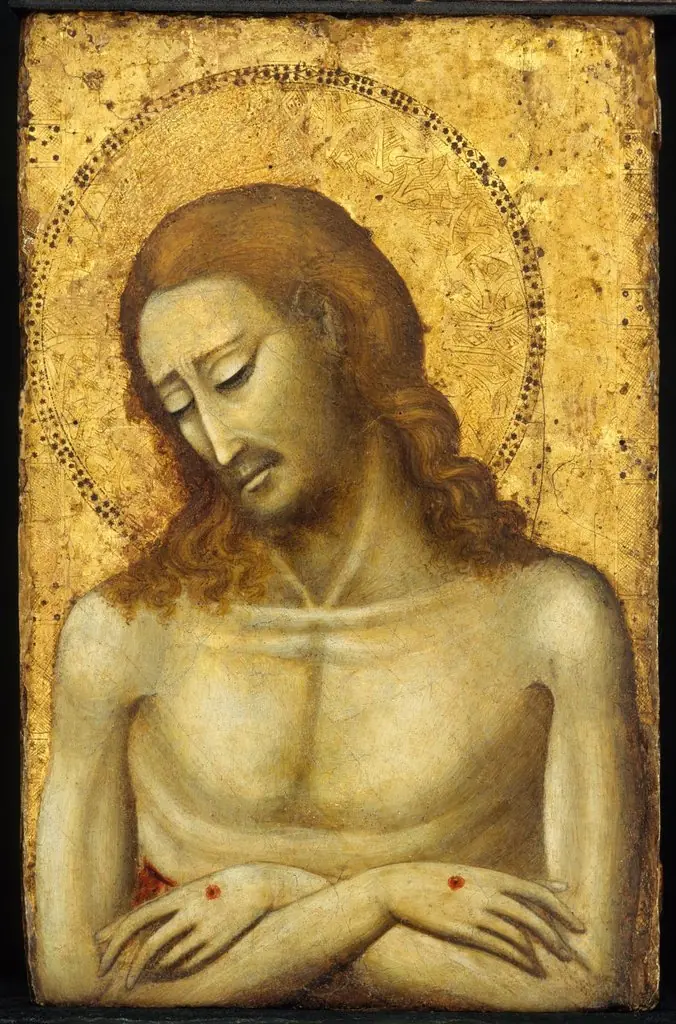 Man of Sorrows
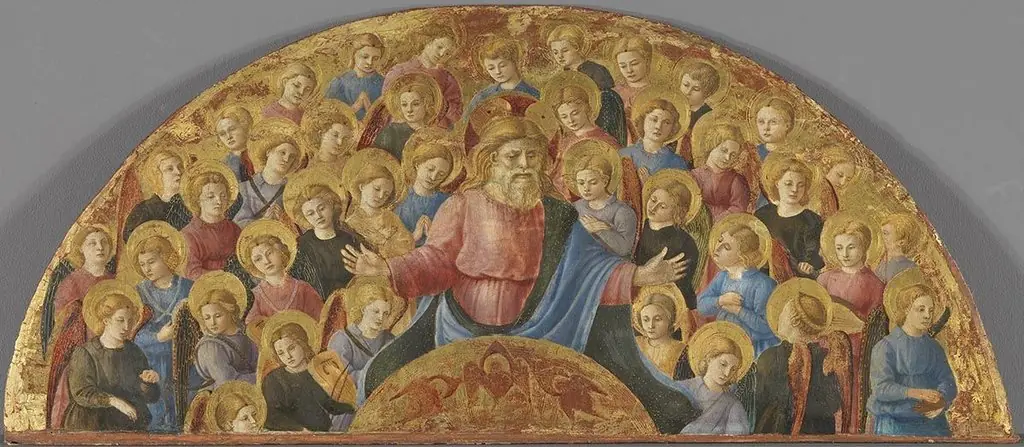 God the Father with angels
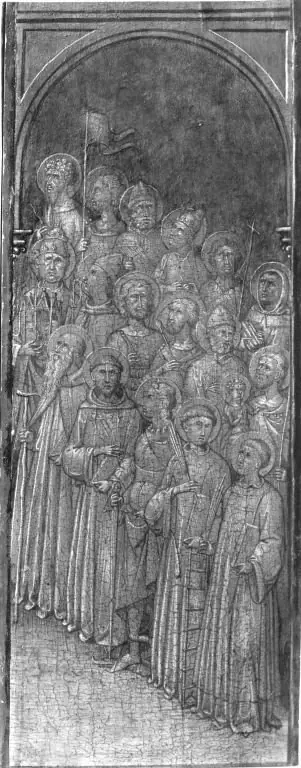 Männliche Heilige (3 Reihen) oben: Maria der Verkündigung; rechter Flügel
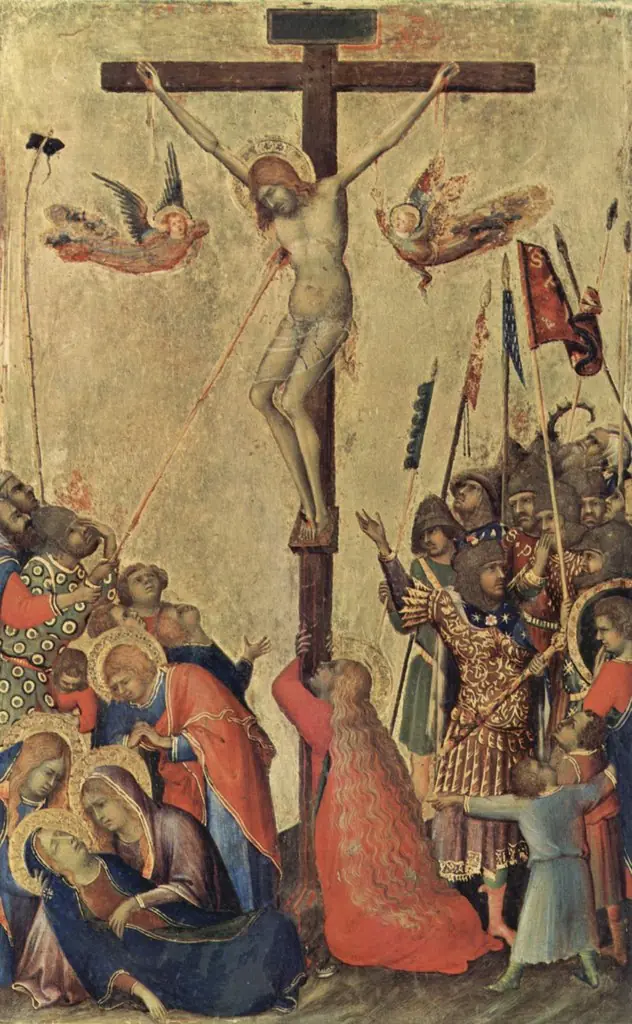 Christ on the Cross
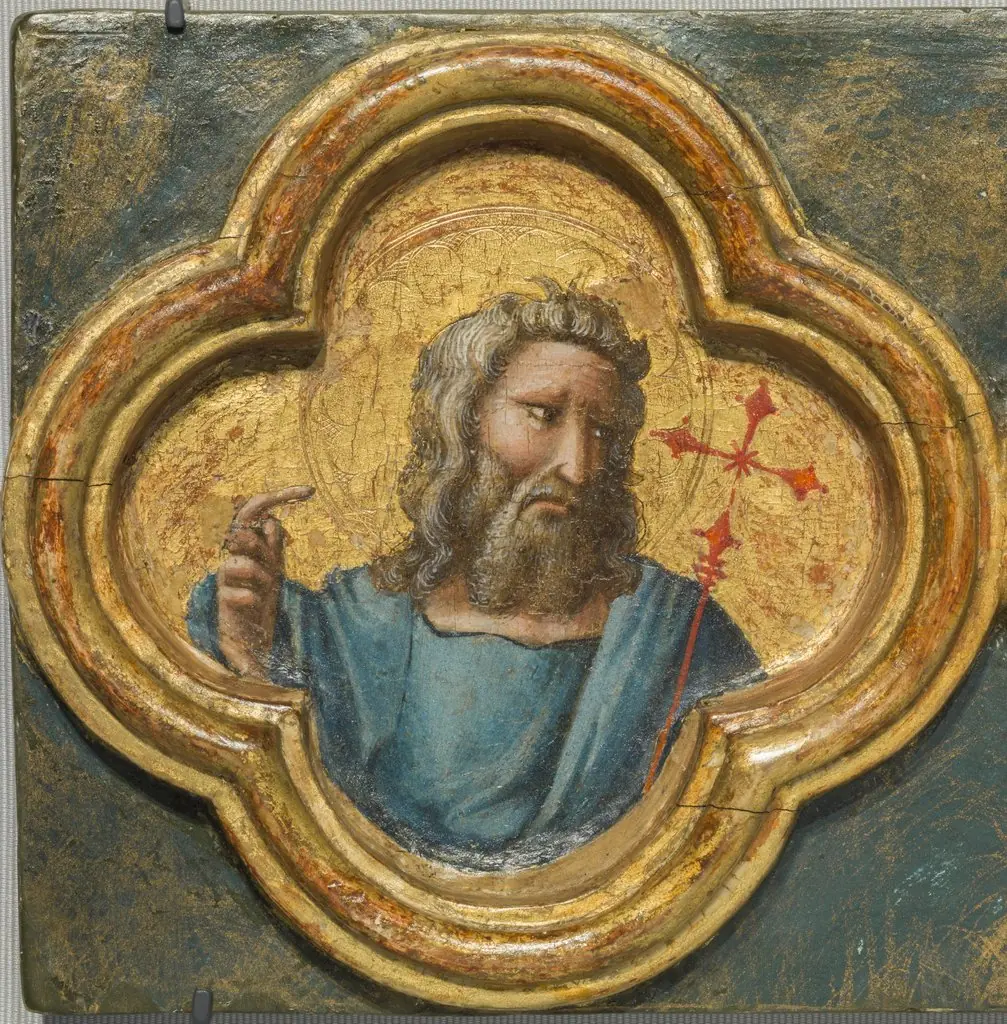 Saint John the Baptist
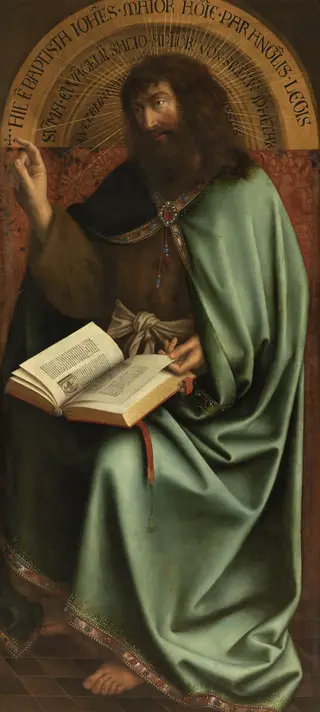 Saint John the Baptist
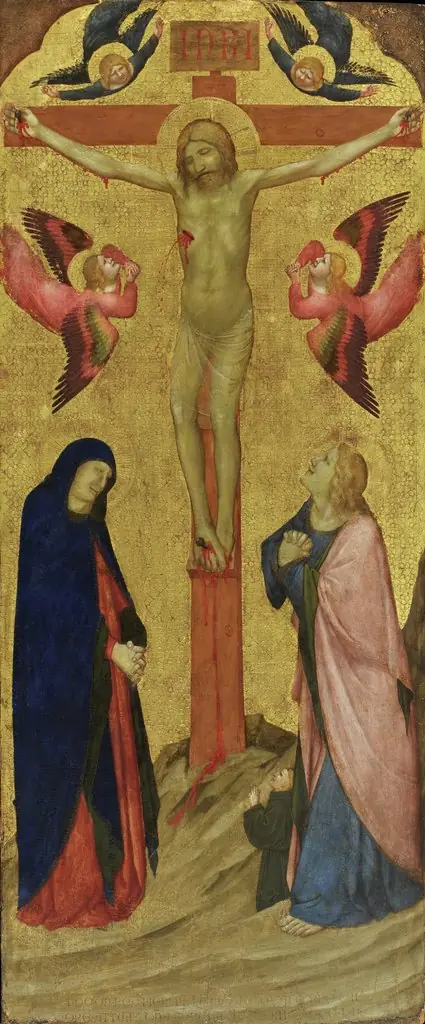 Crucifixion
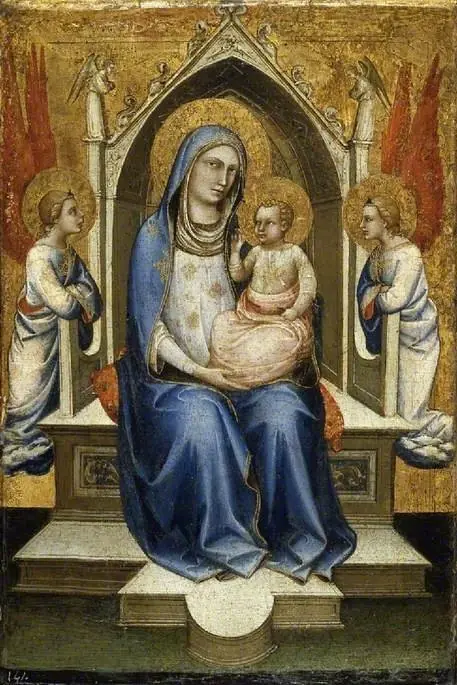 Virgin and Child enthroned
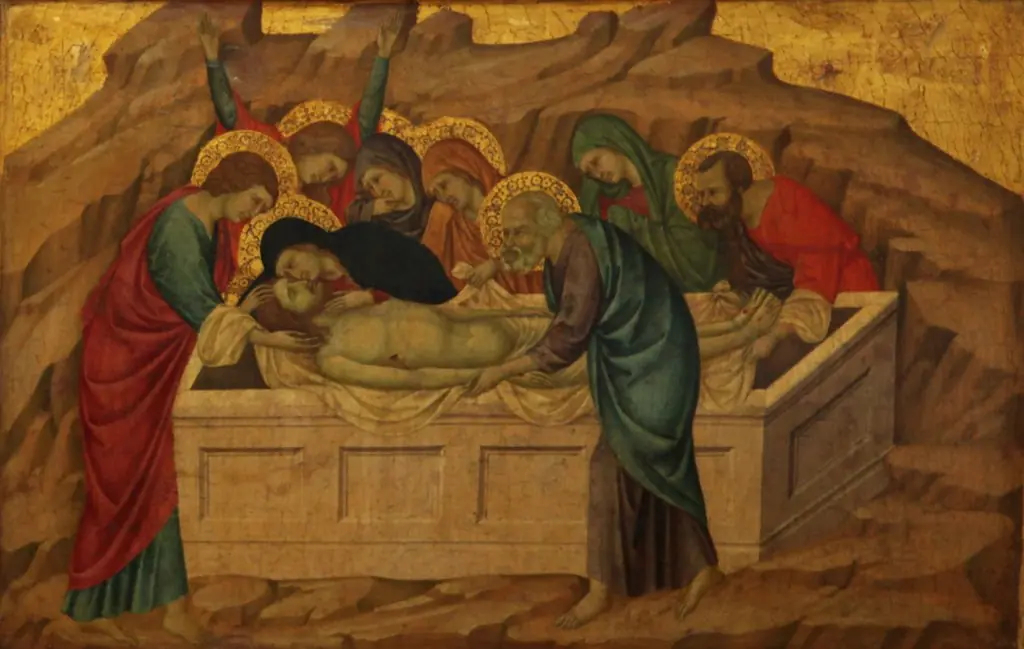 The Entombment of Christ
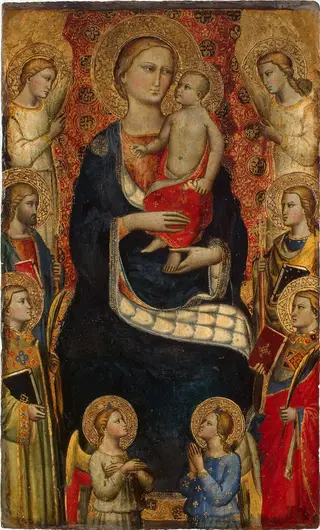 Madonna and Child, Four Saints and Four Angels
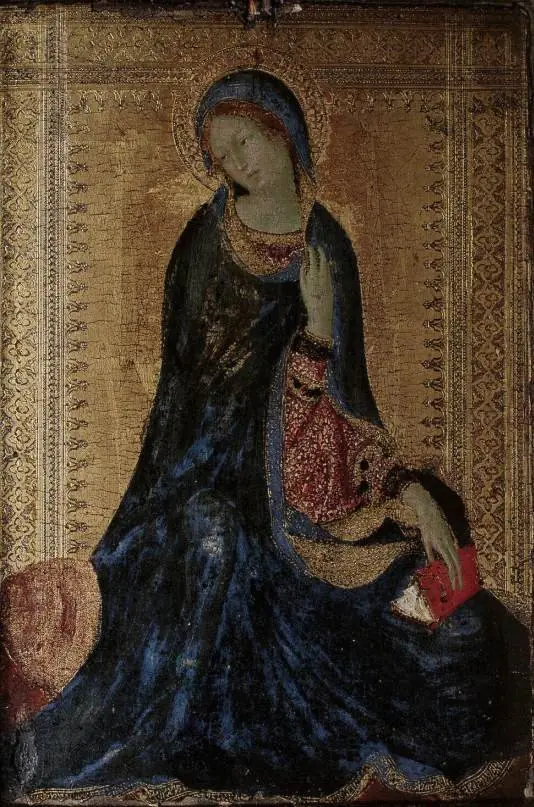 Madonna from the Annunciation Scene
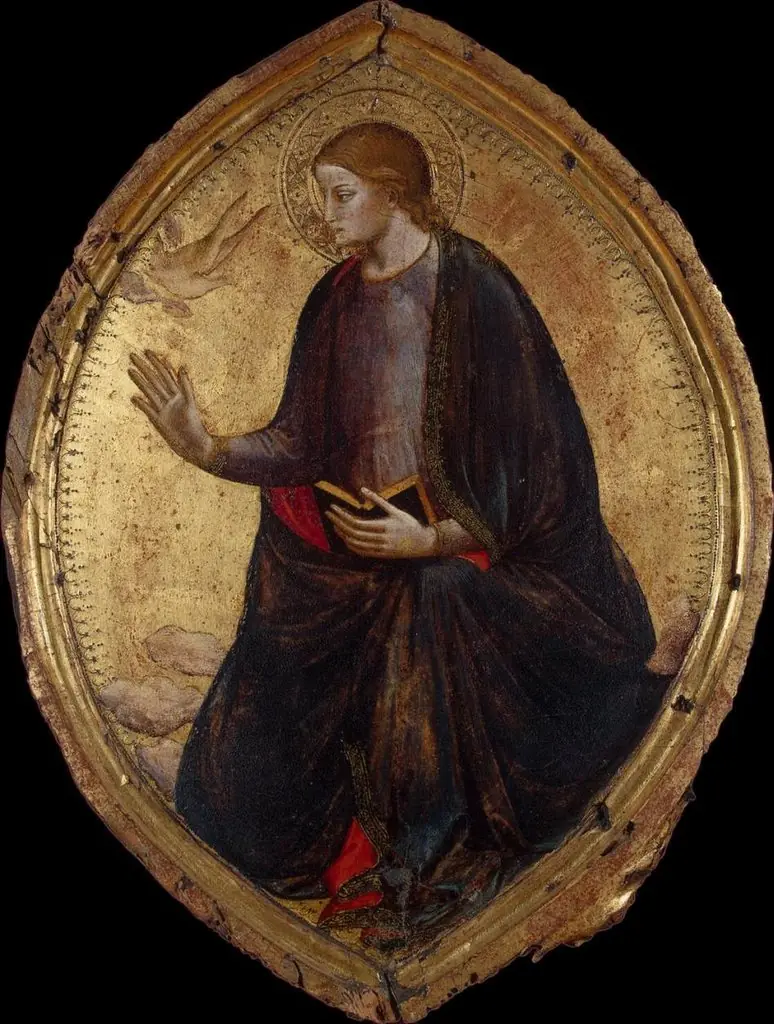 Madonna from the Annunciation Scene
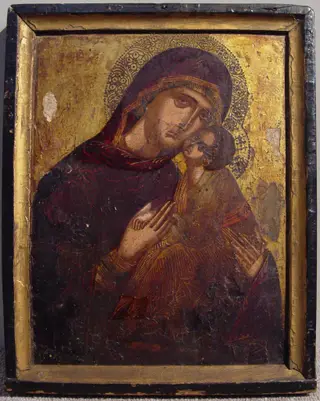 Icon with the Virgin and Child
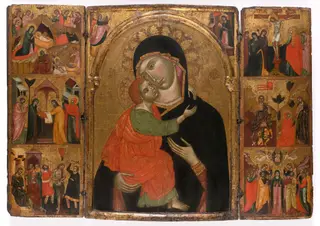 Virgin and Child with Scenes from the Life of Christ
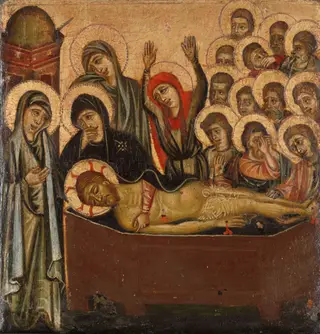 Grablege Christi
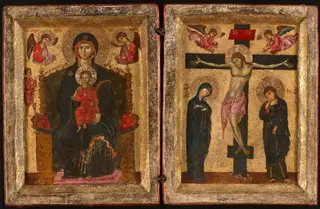 Diptych with the Virgin and Child Enthroned and the Crucifixion
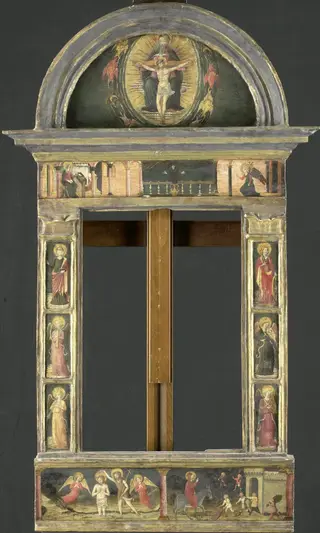 Frame depicting the Annunciation, Baptism of Christ, Entry into Jerusalem, Saints Cecilia and Catherine of Alexandria, Trinity (Gnadenstuhl, Mercy Seat), and four Music-making Angels
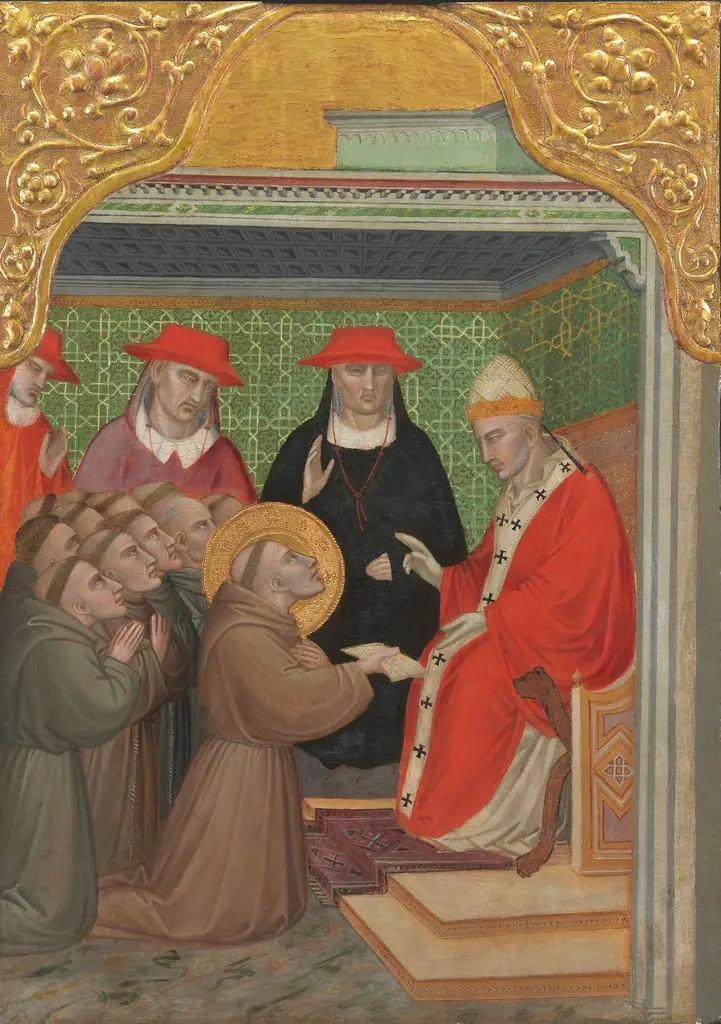 Saint Francis before the Pope (Confirmation of the Franciscan Rule)
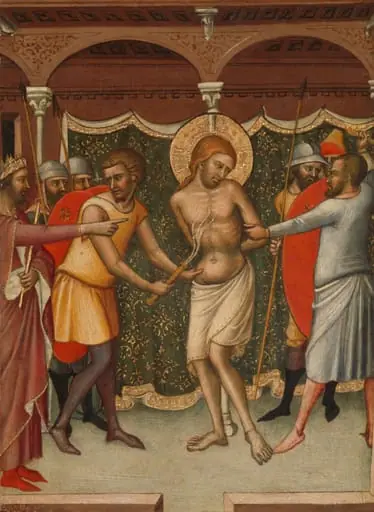 De geseling van Christus
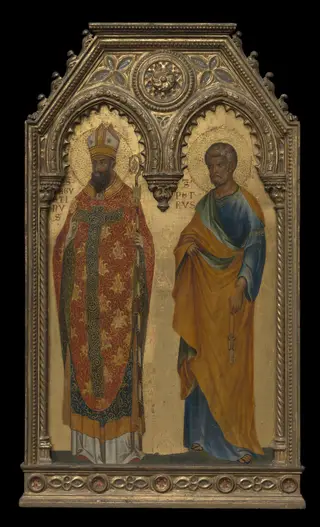 Saints Augustine and Peter
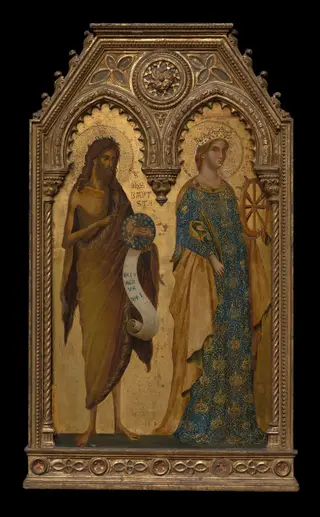 Saints John the Baptist and Catherine of Alexandria
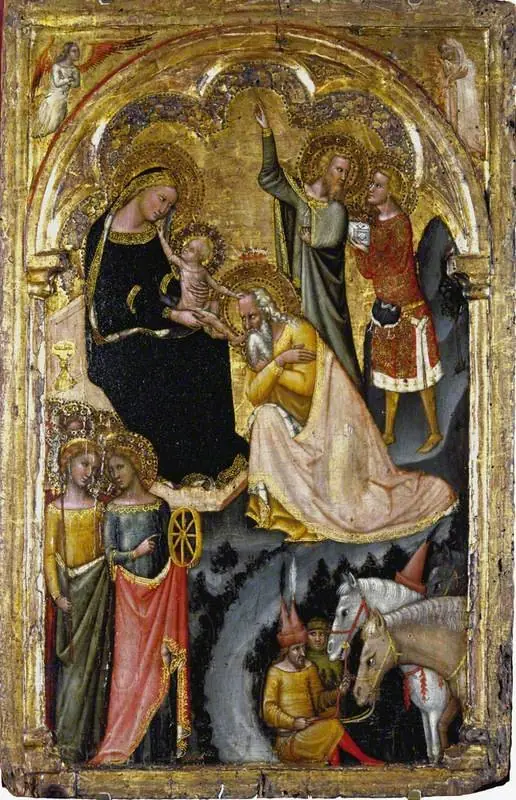 The Adoration of the Magi
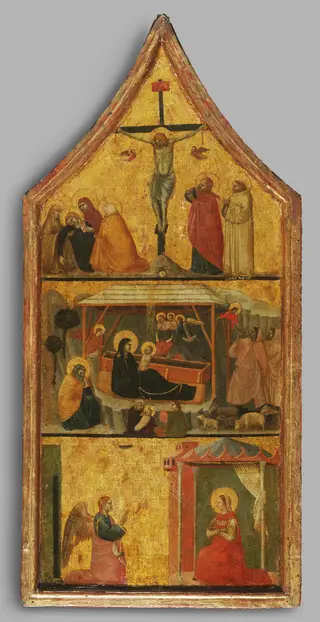 Crucifixion, Nativity, and Annunciation
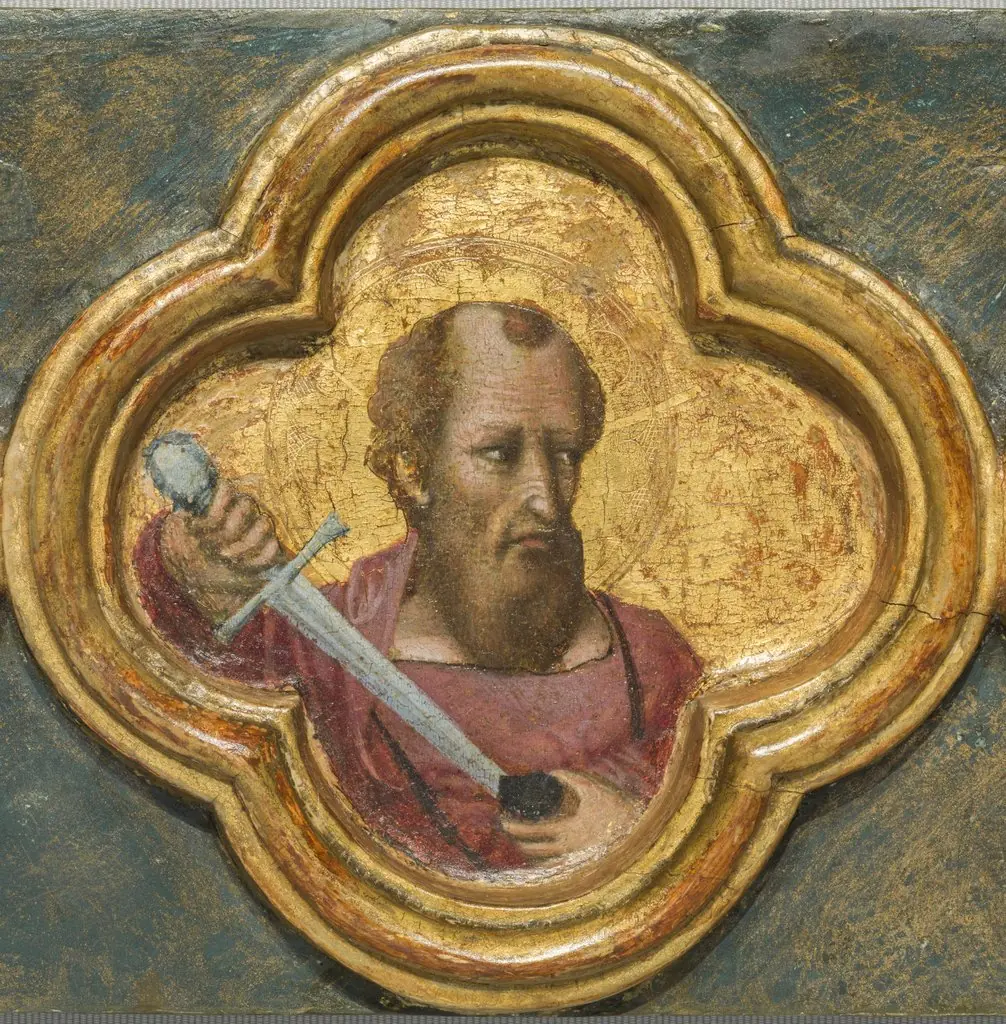 Saint Paul
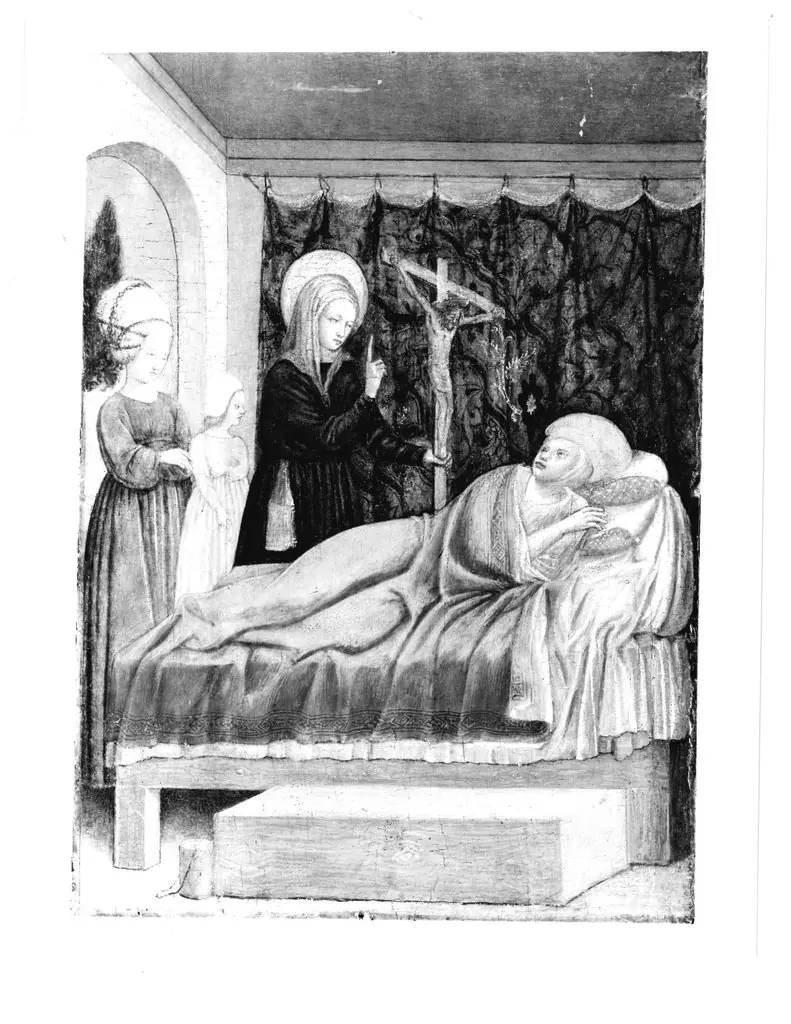 Scene from the Life of a Female Saint
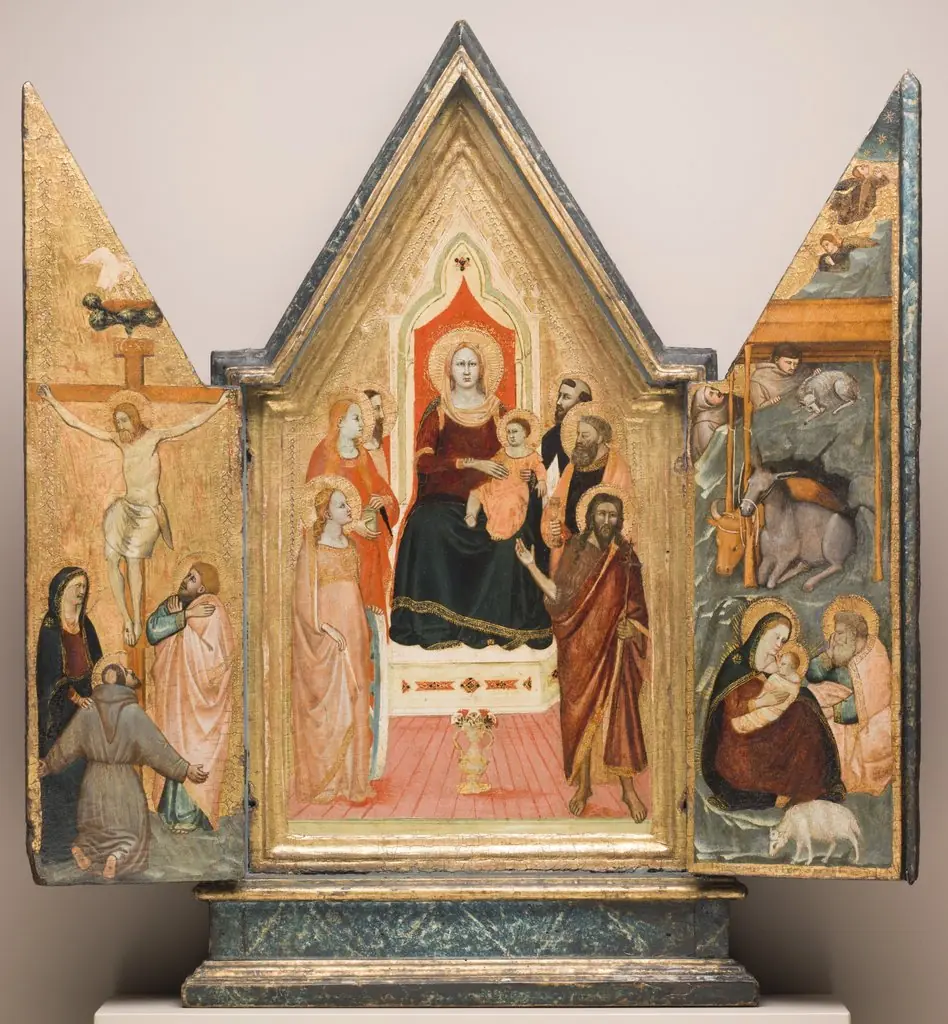 Virgin Enthroned with Saints, Nativity and Crucifixion
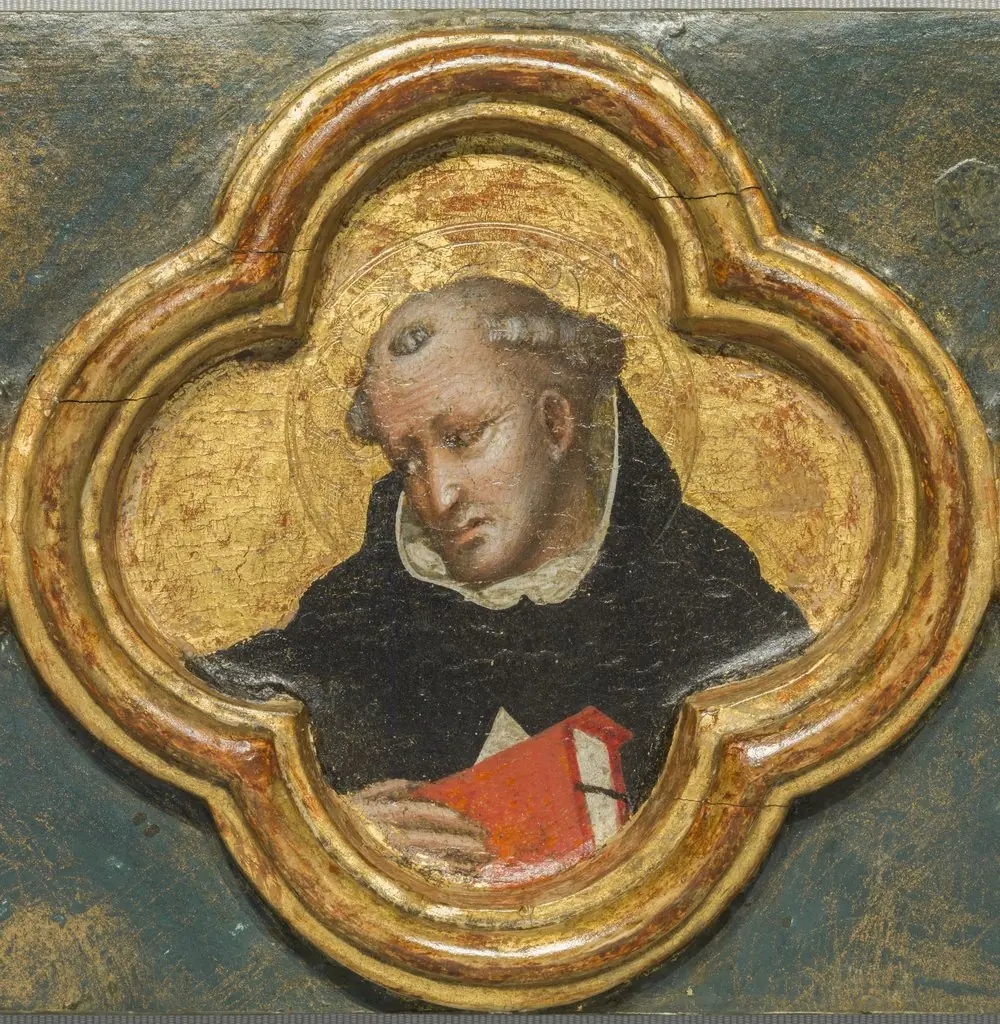 Saint Thomas Aquinas
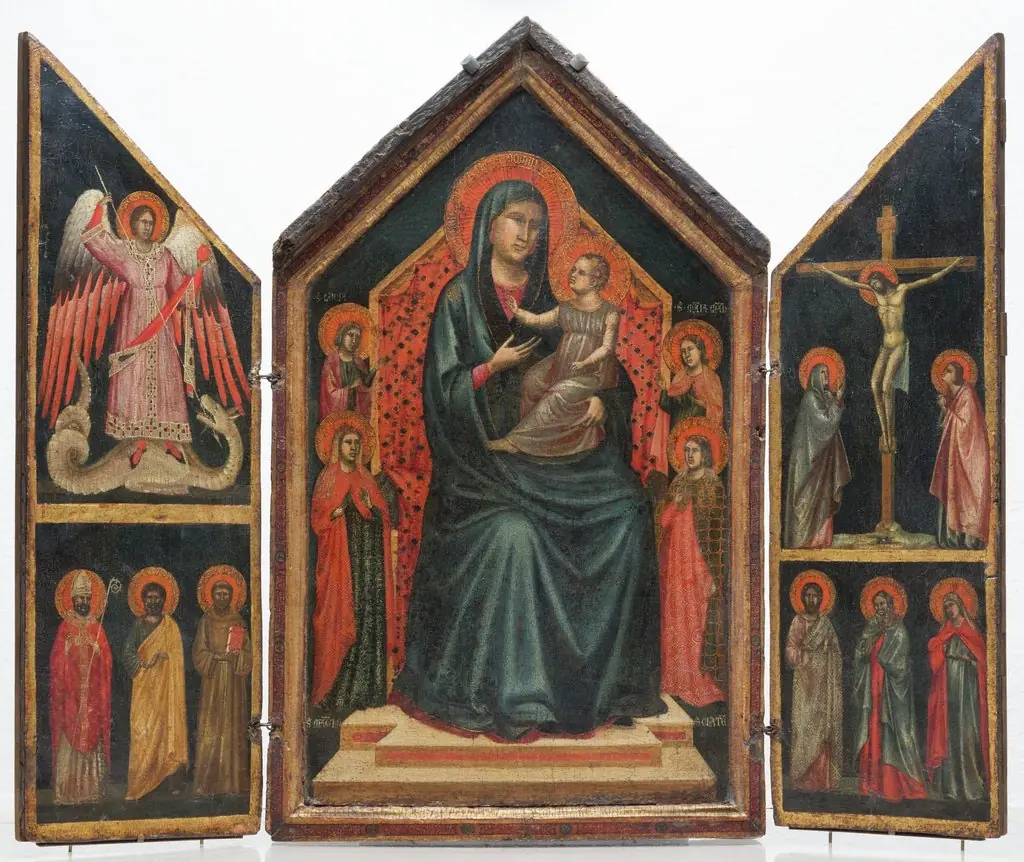 Madonna and Child Enthroned with Saints Lucy, Margaret, Mary Magdalene and Catherine of Alexandria
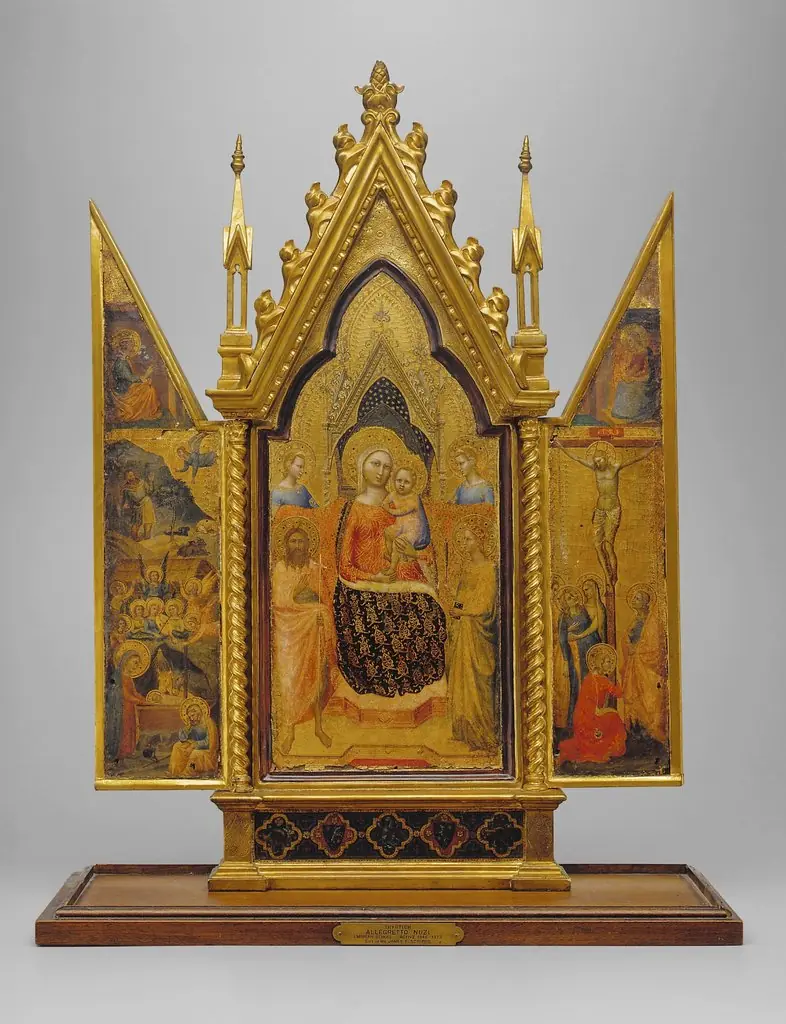 Madonna and Child with Saints, Crucifixion and Nativity
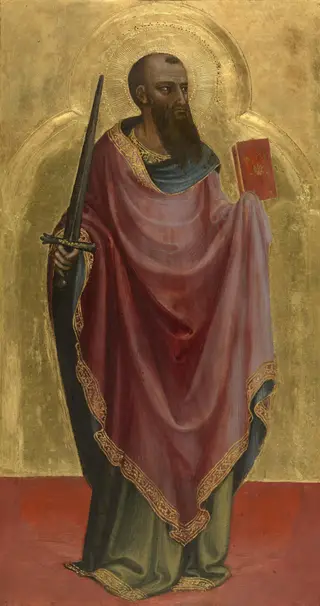 Saint Paul
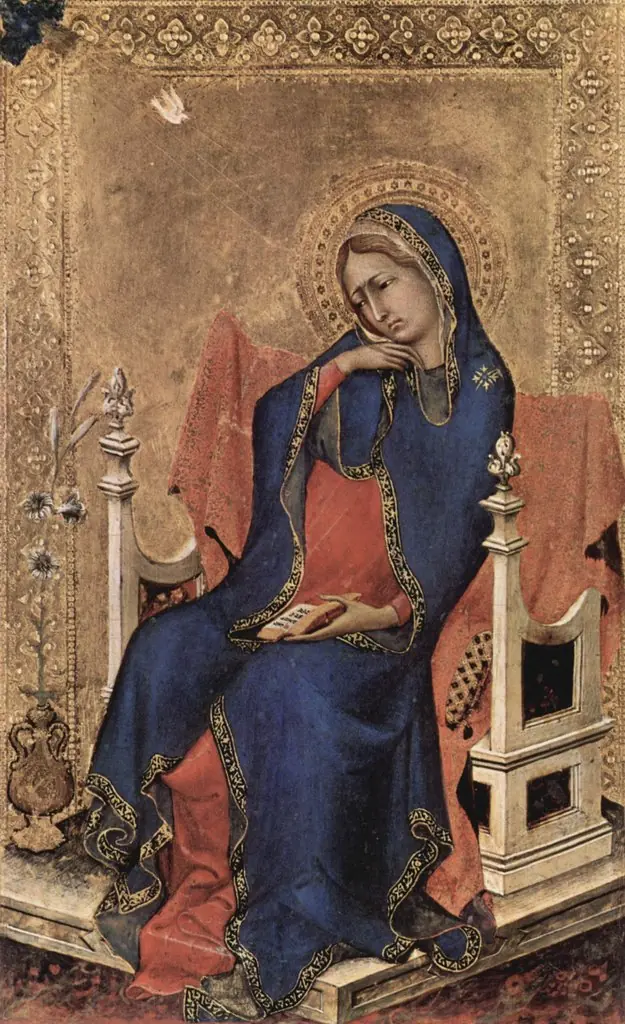 Virgin of the Annunciation
 Madonna with Angels and Saints
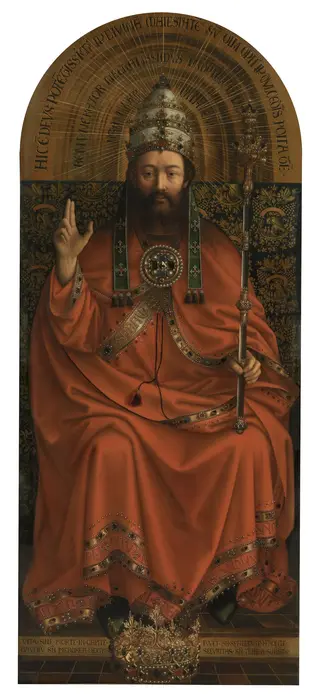 God Almighty
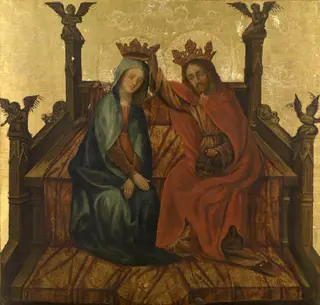 Coronation of Mary
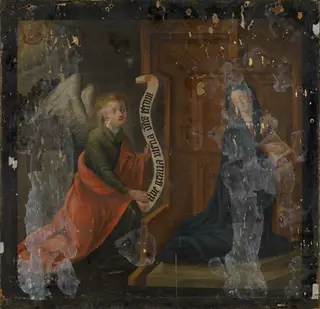 The Annunciation
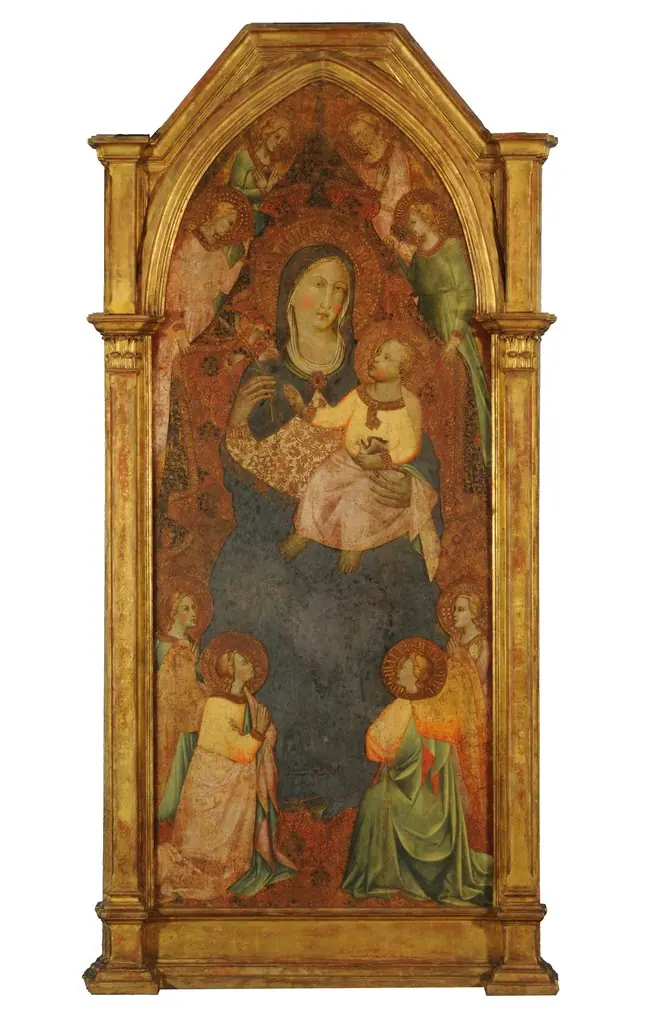 Virgin with child
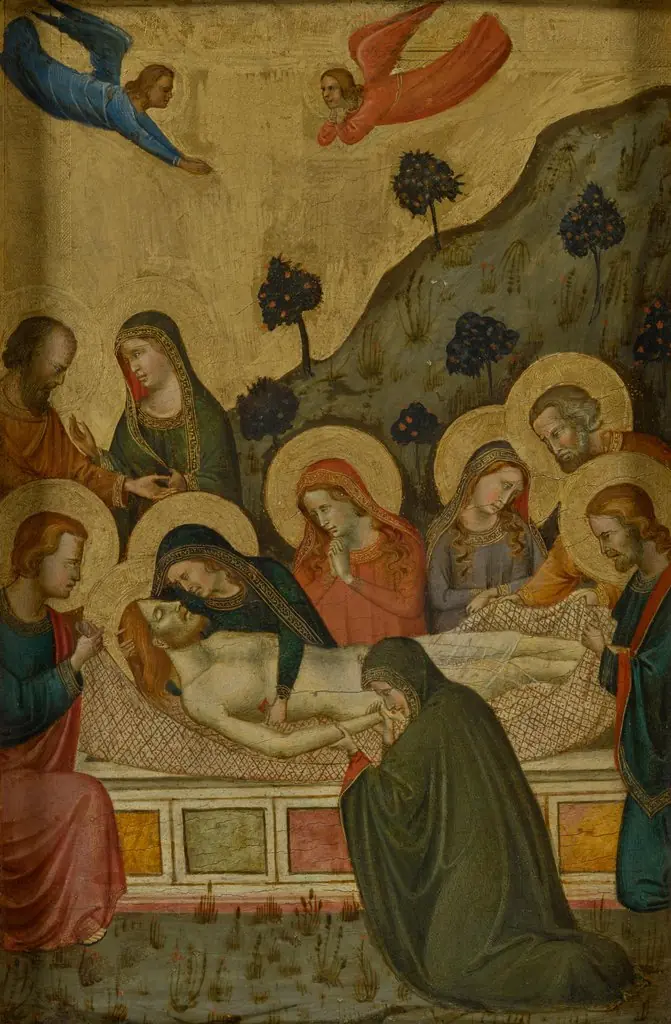 Entombment
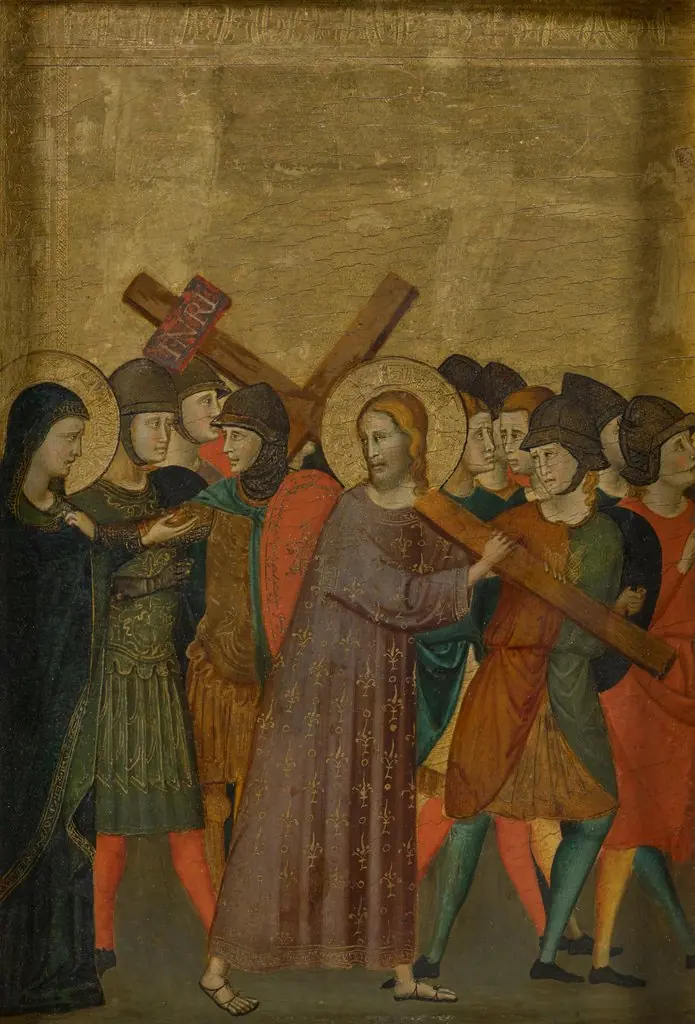 The Carrying of the Cross
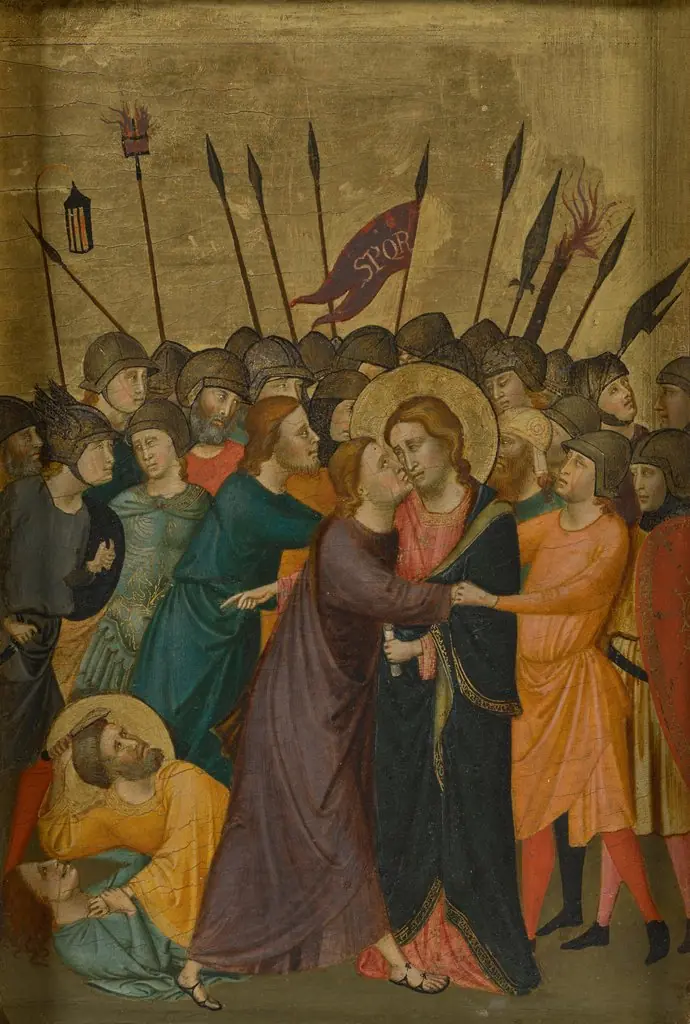 The Arrest of Jesus
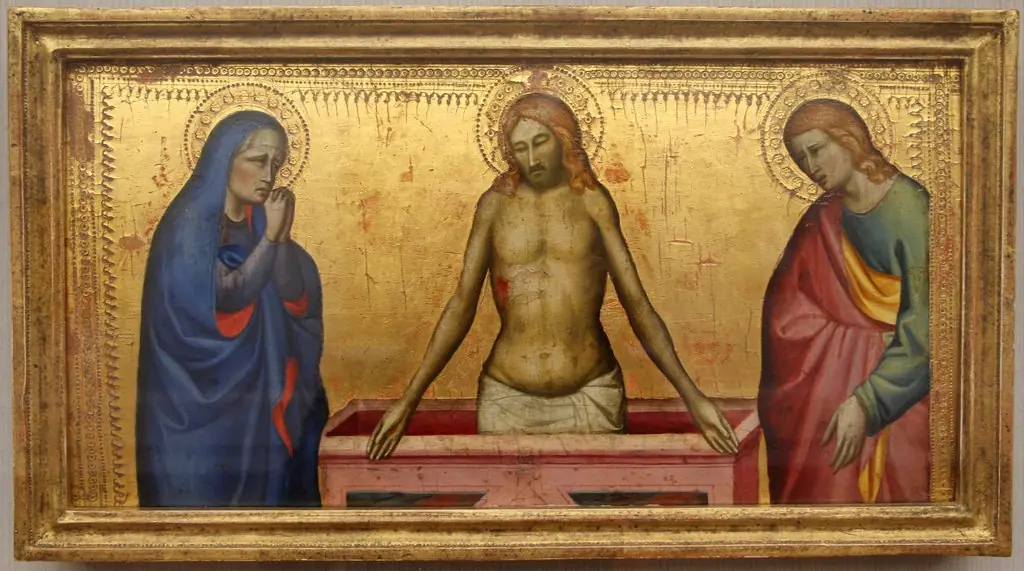 Christ in the tomb
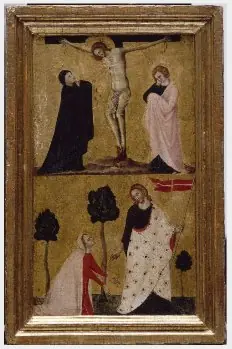 The Crucifixion, Noli Me Tangere
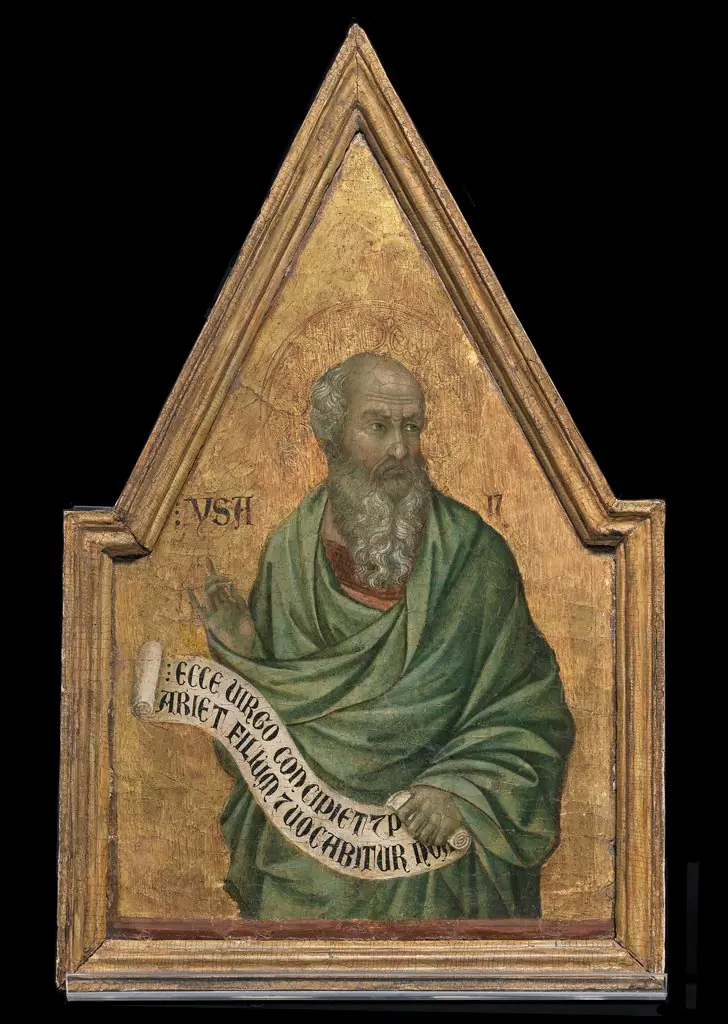 The Prophet Isaiah
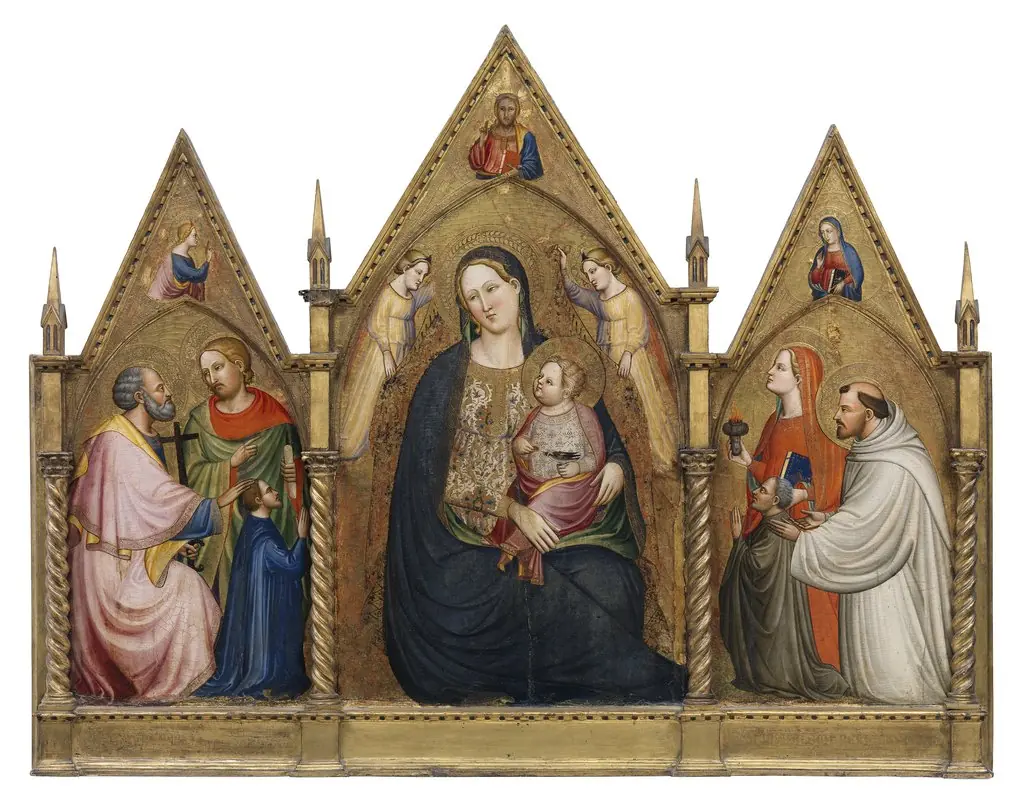 The Virgin and Child with Saints and Donors
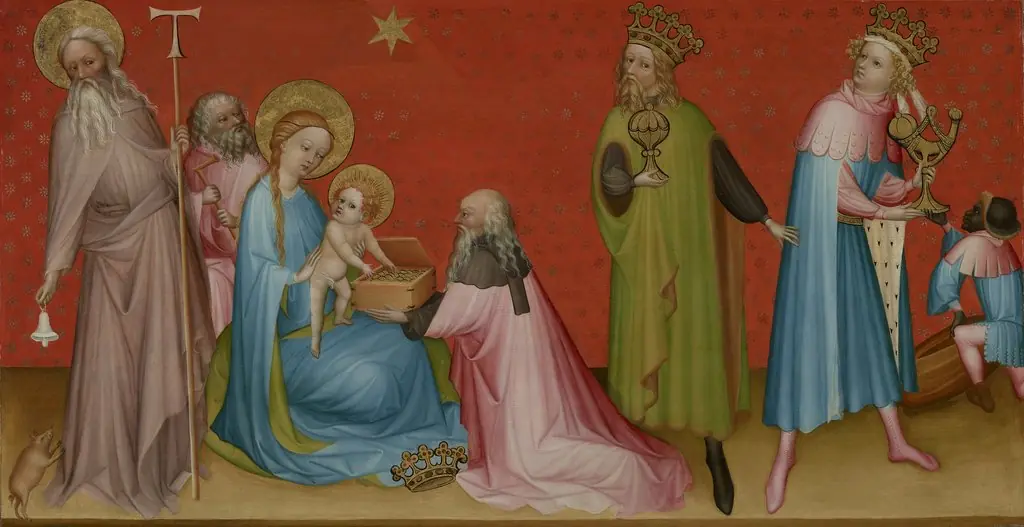 The Adoration of the Magi with Saint Anthony Abbot
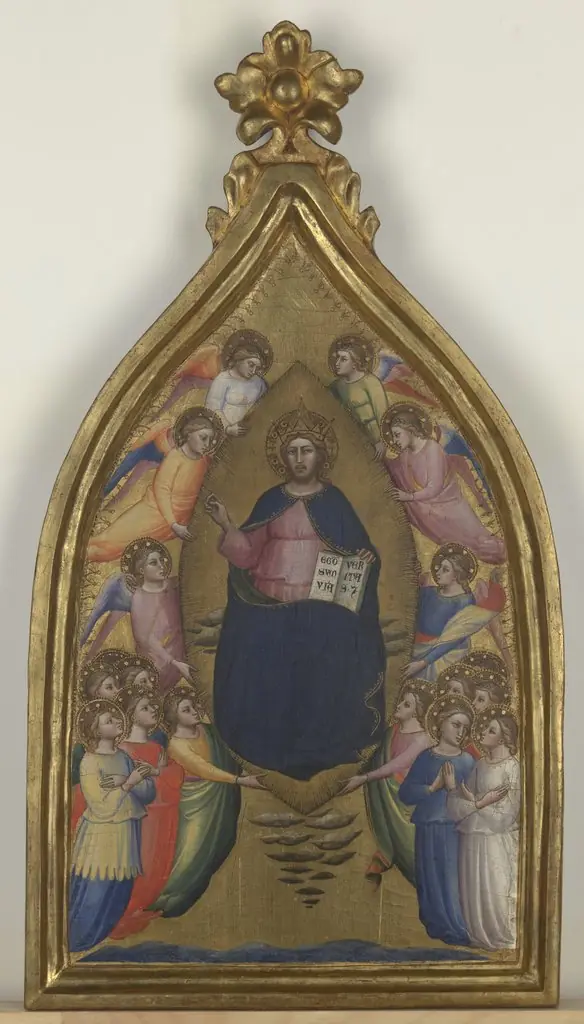 Christ Enthroned Within a Mandorla
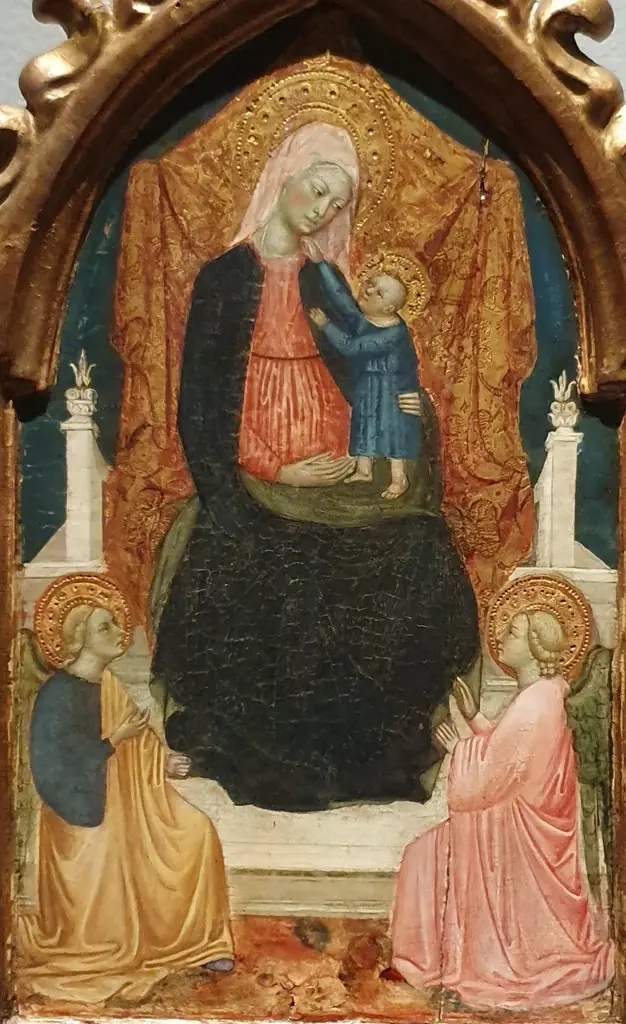 A Virgem em Majestade com o Menino e dois Anjos
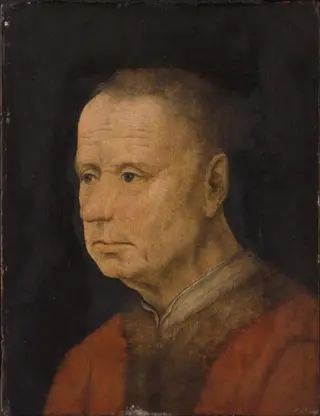 Portrait of a Man
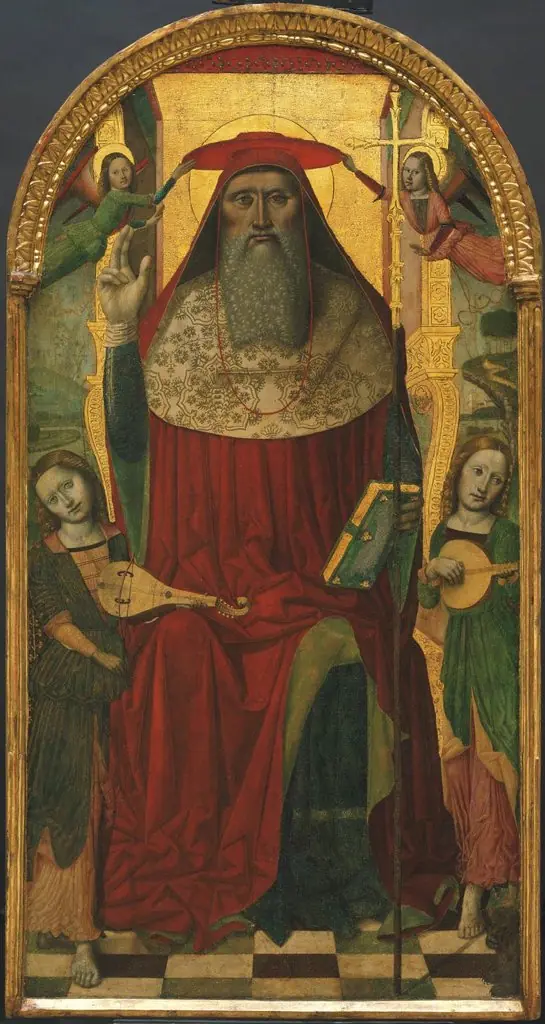 Enthroned Saint Jerome, with Angels
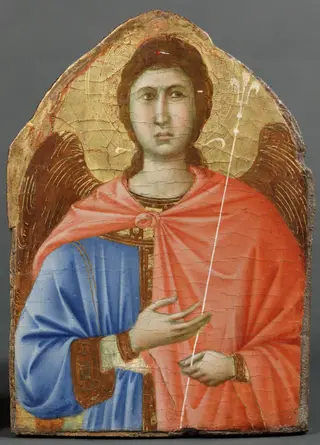 Archangel
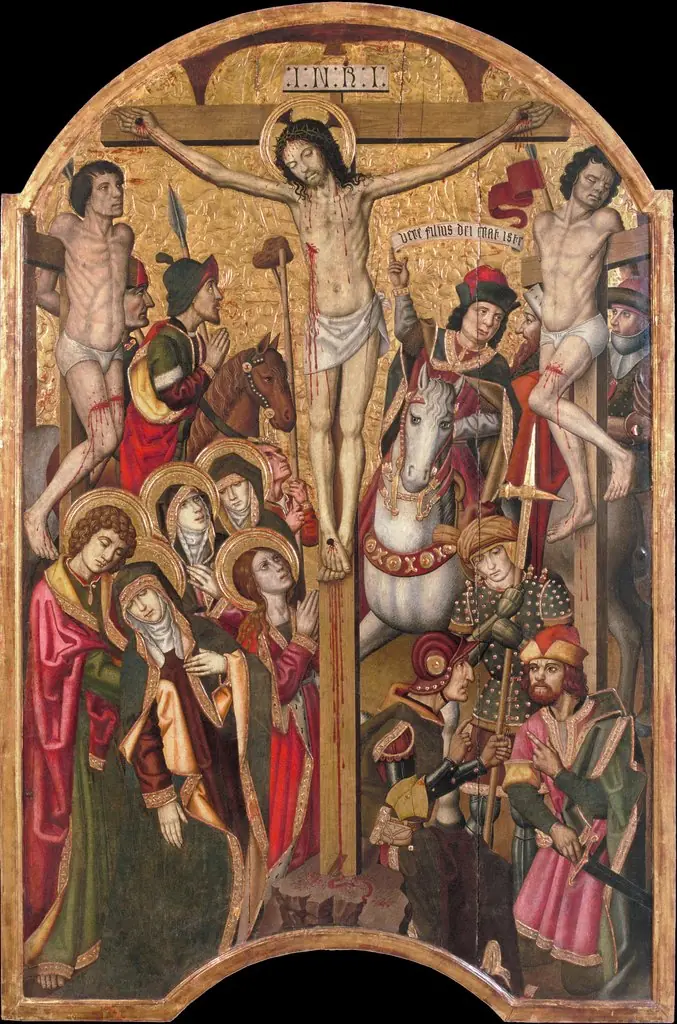 Calvary
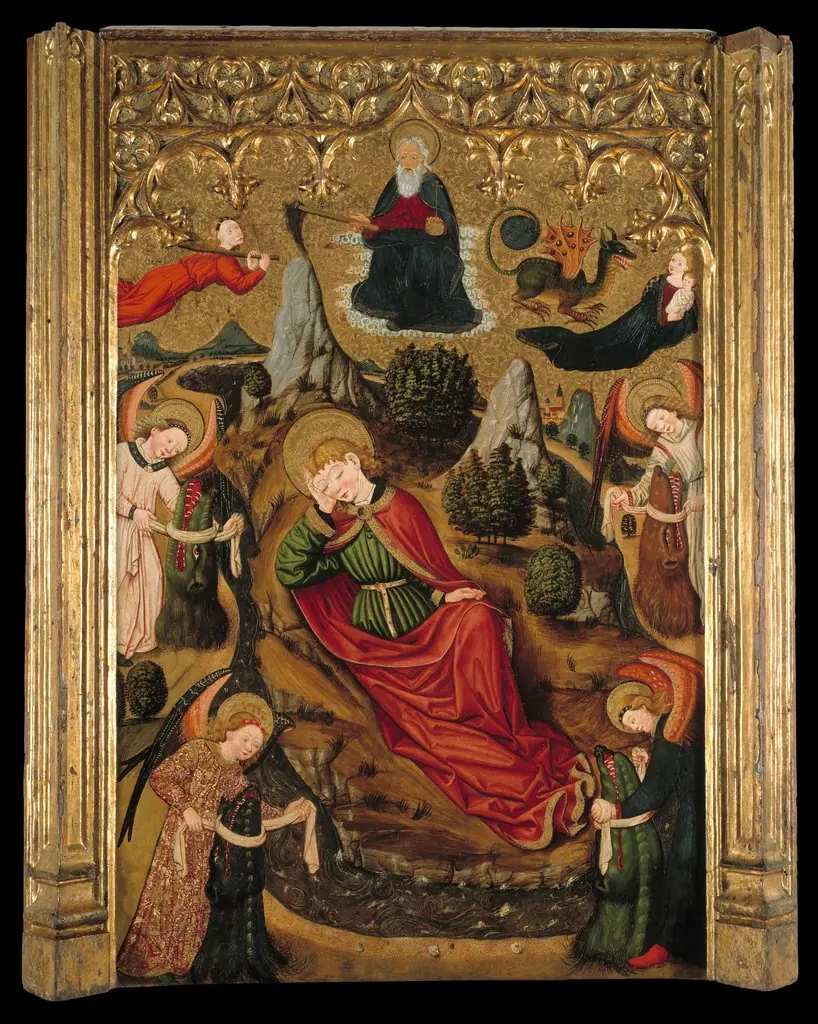 Saint John the Evangelist's Dream at Patmos
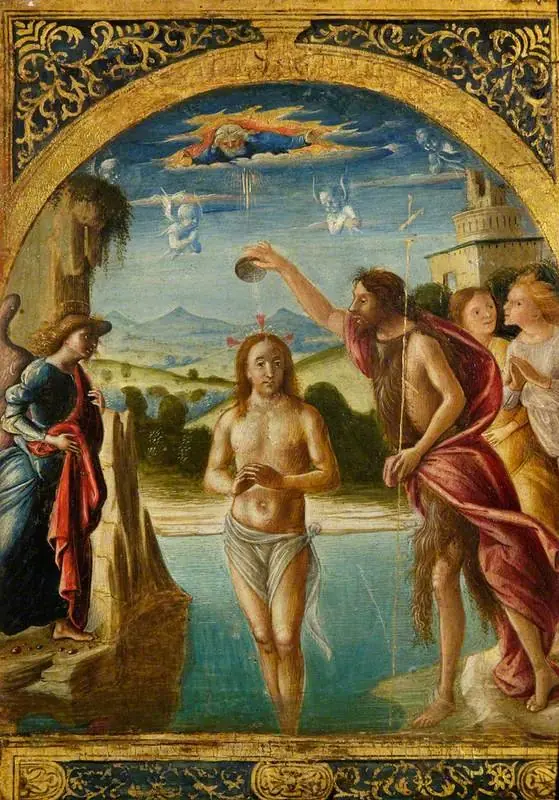 The Baptism of Christ
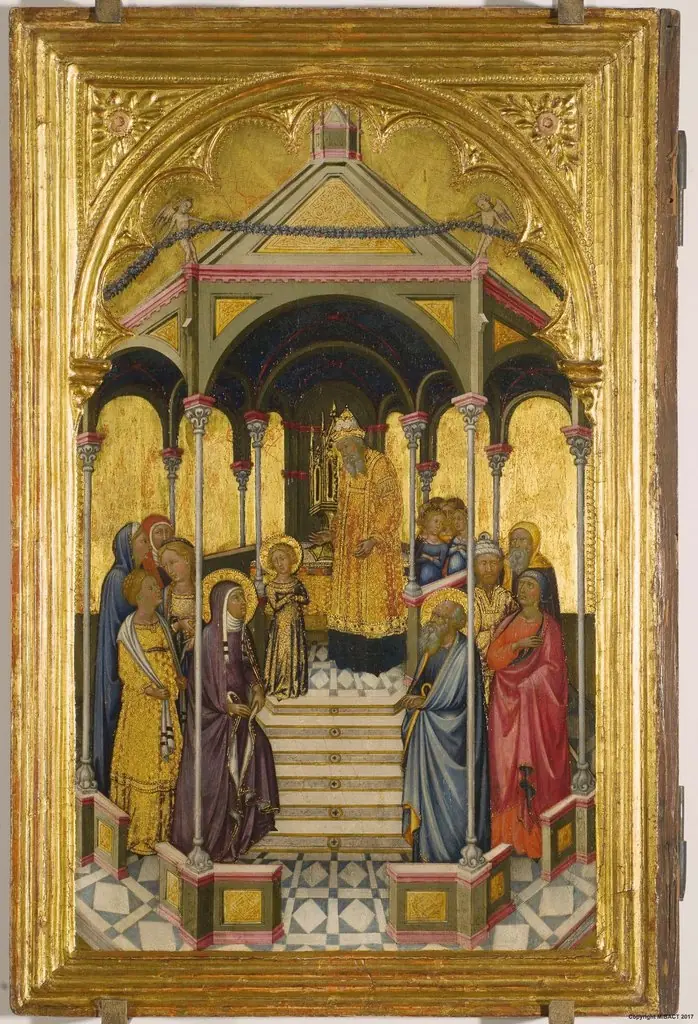 The Presentation of the Virgin at the Temple
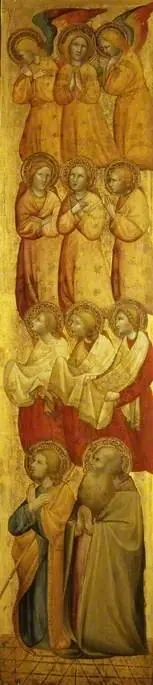 St James and (?) St Andrew with angels
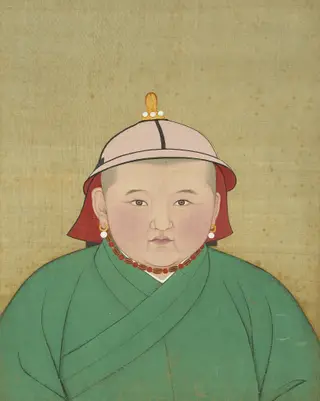 元代帝半身像册-元宁宗皇帝像
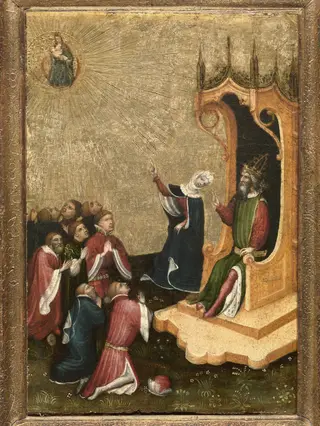 Augustus and the Tiburtine Sibyl
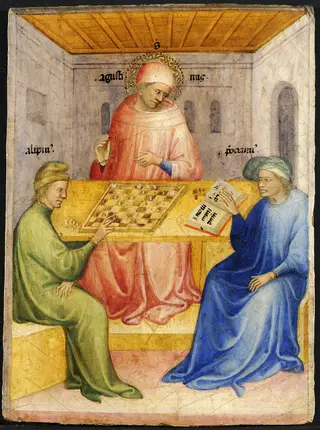 Saint Augustine and Alypius Receiving Ponticianus
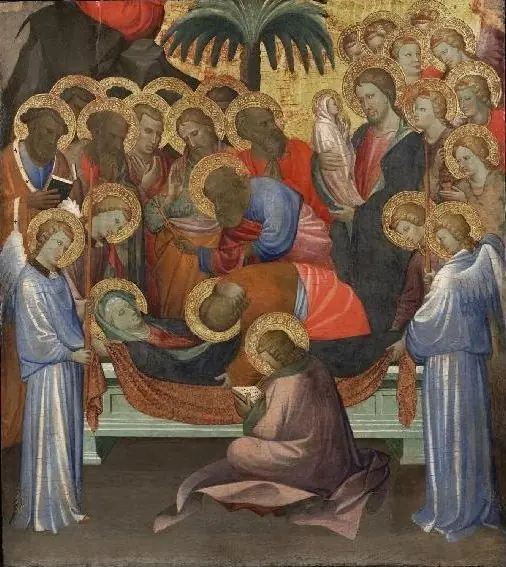 Dormition of the Virgin
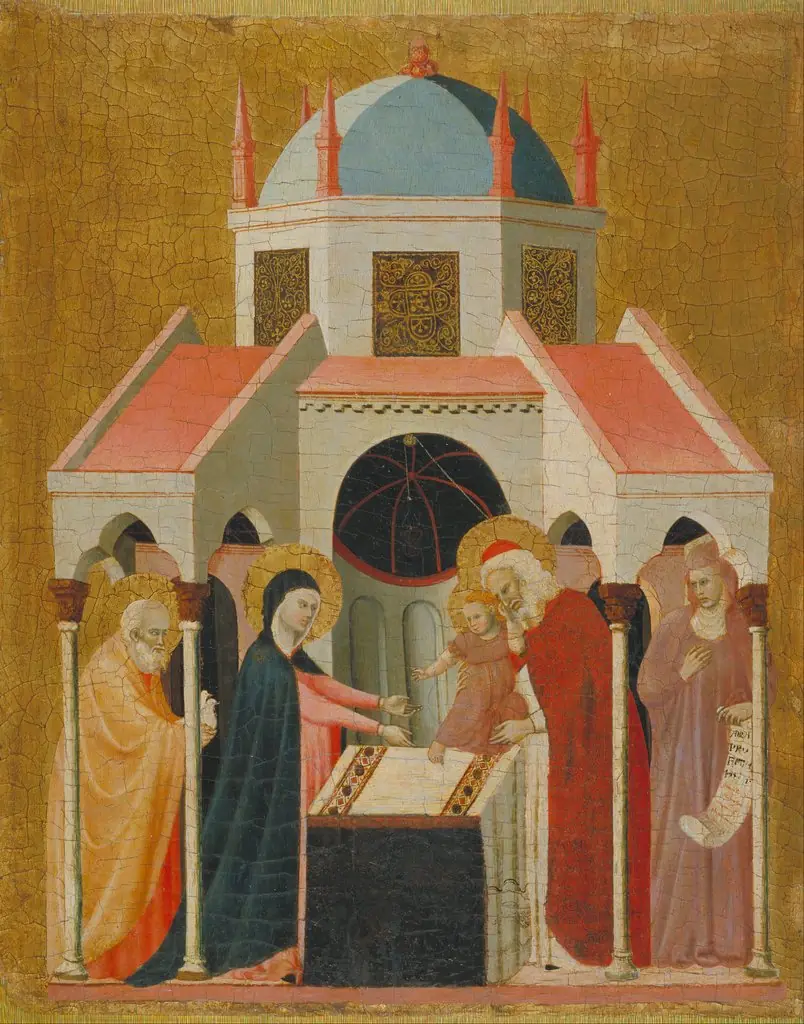 Presentation of Jesus at the Temple
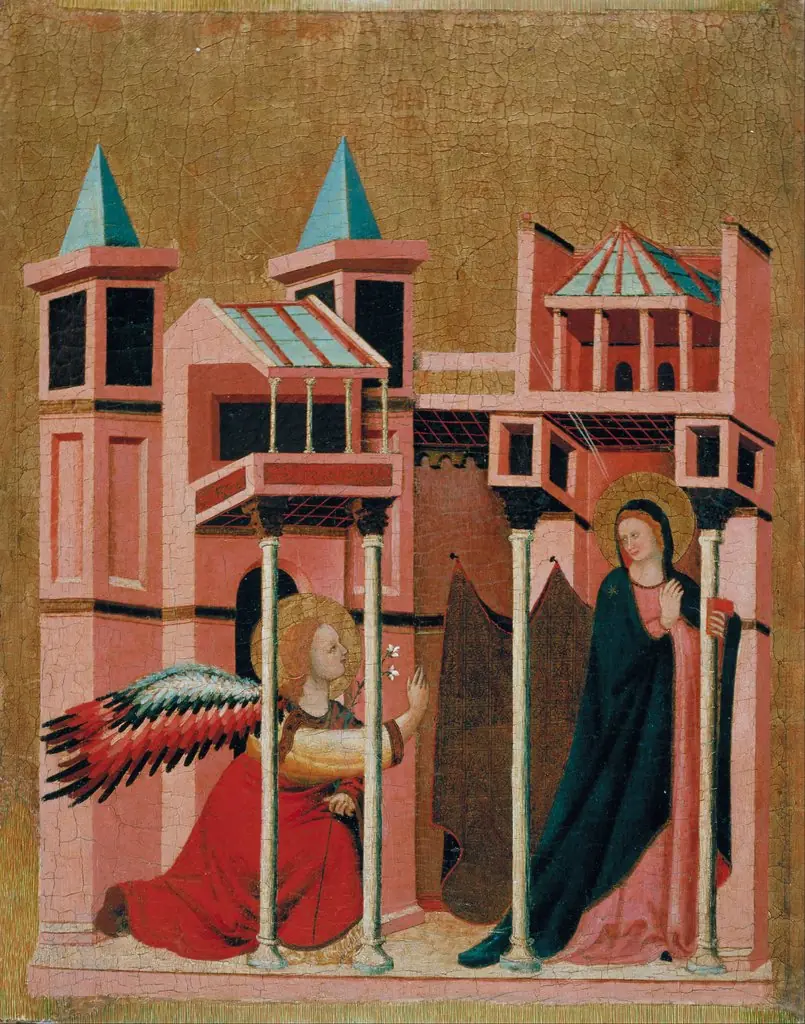 Annunciation
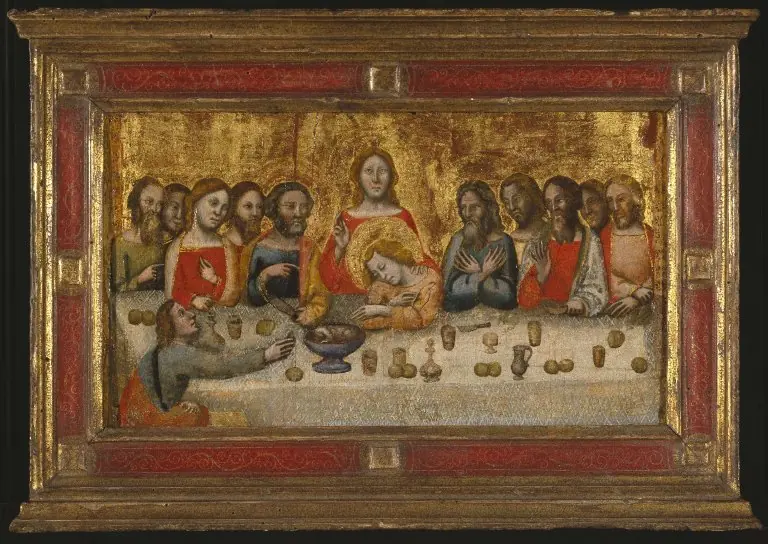 The Last Supper
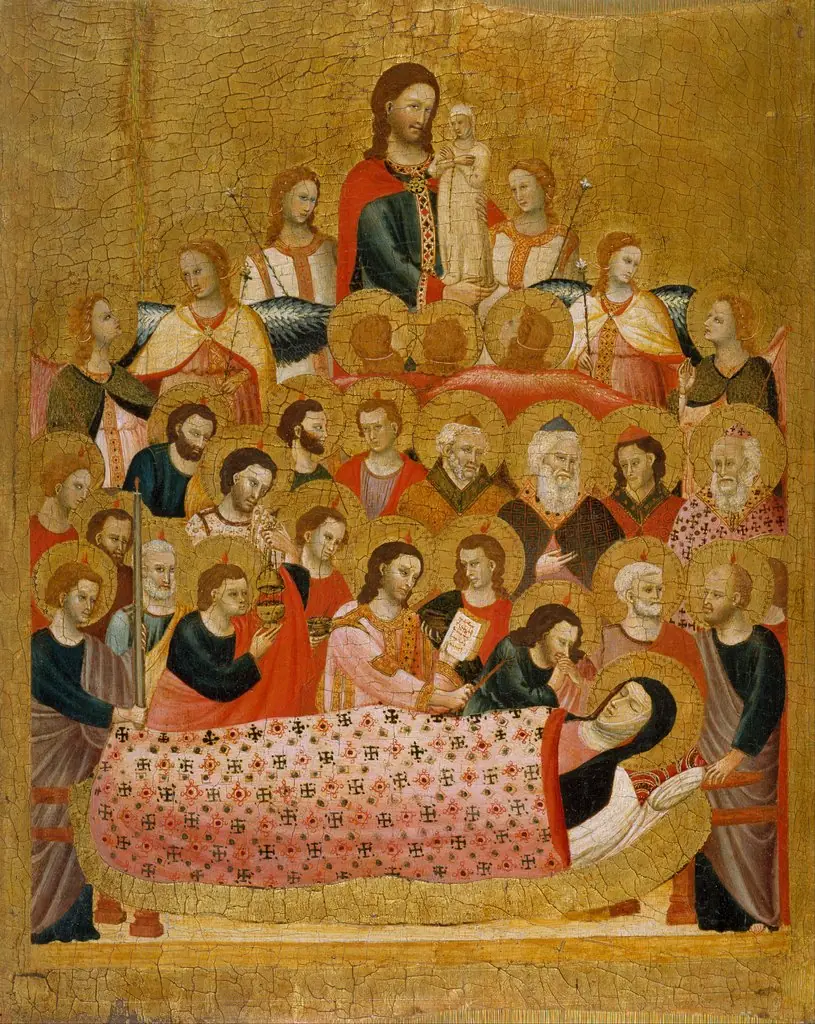 Dormition of the Virgin
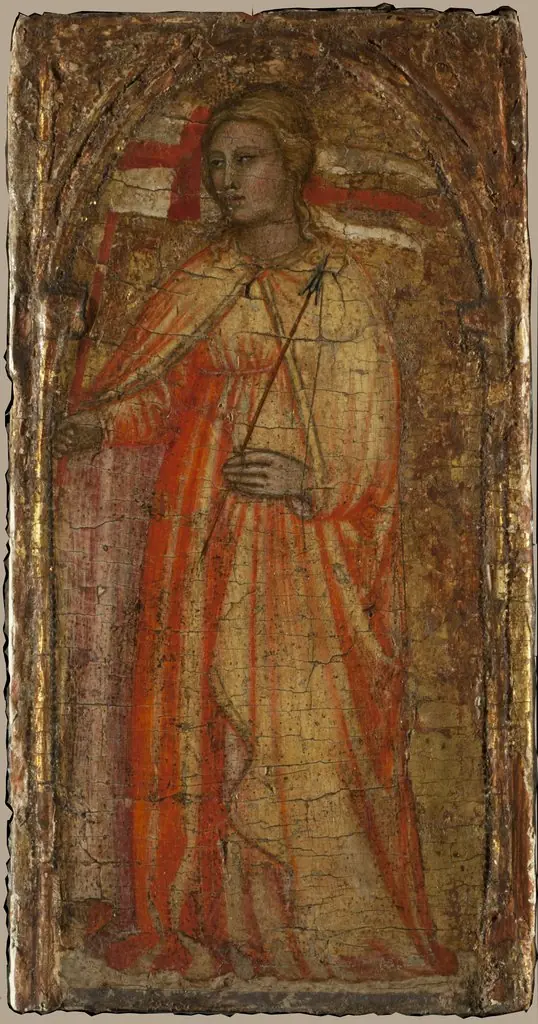 Saint Ursula
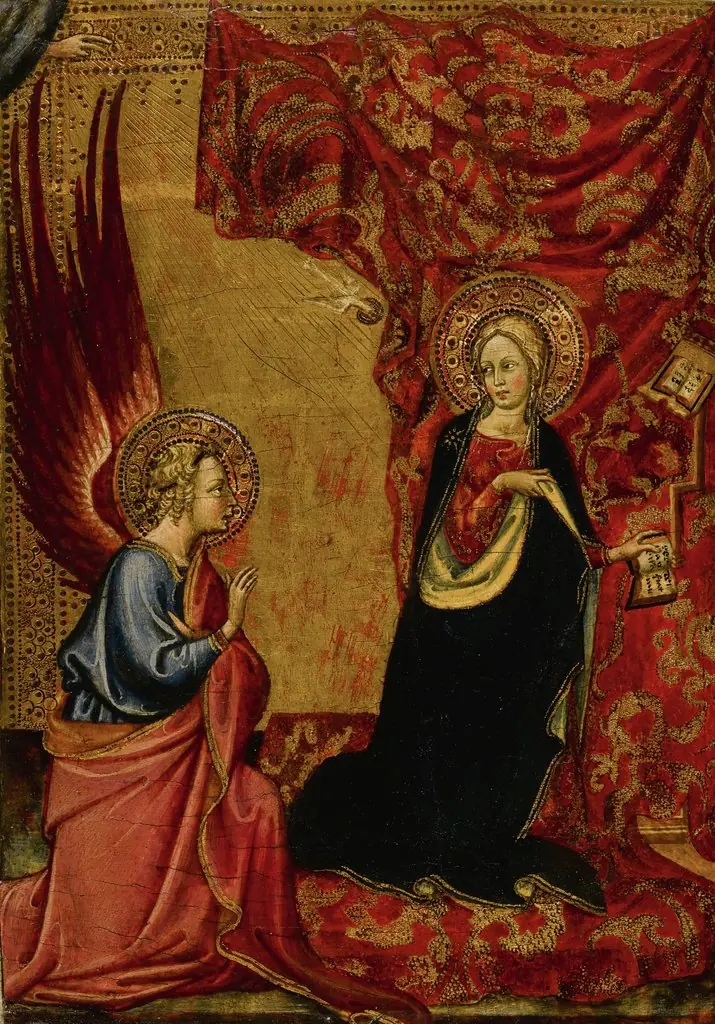 The Annunciation
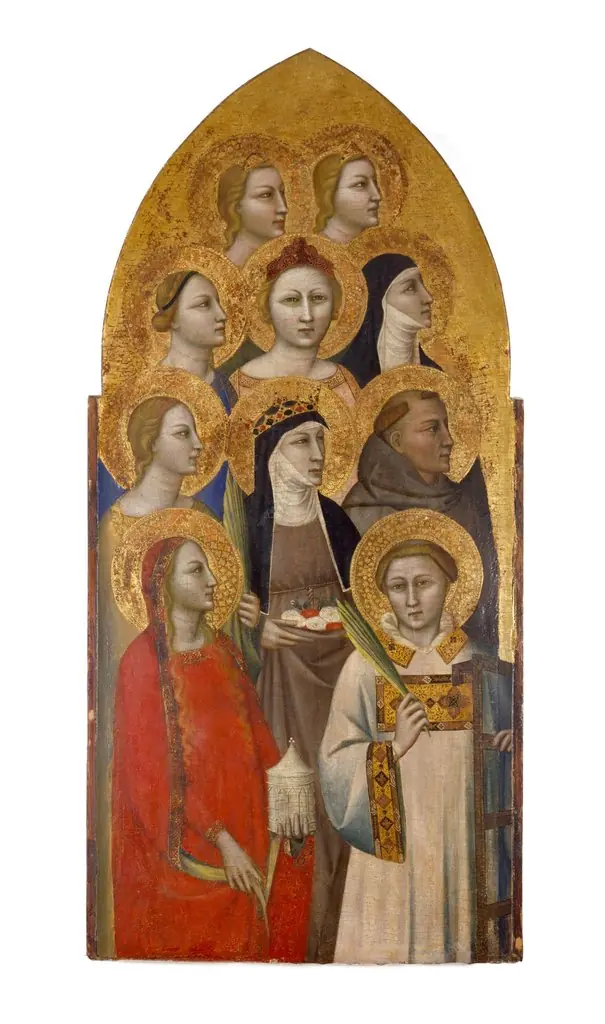 Saints and Angels
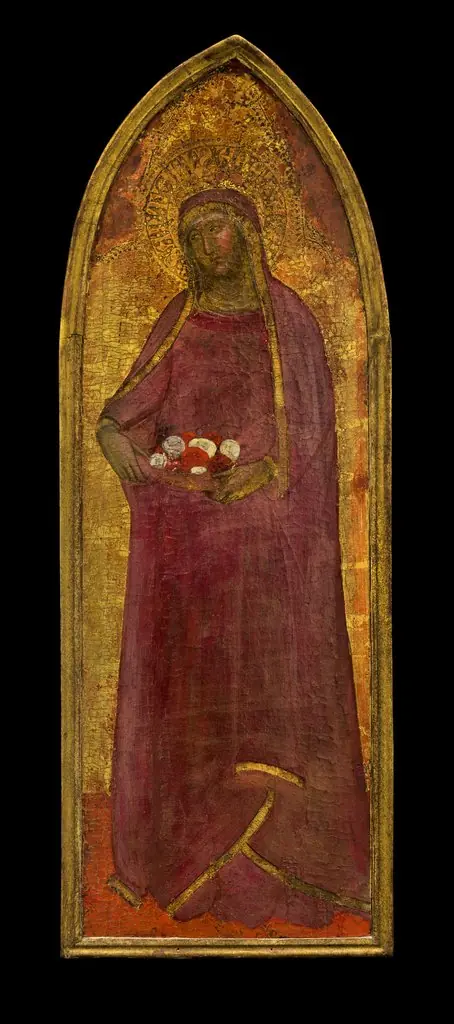 Saint Elizabeth of Hungary
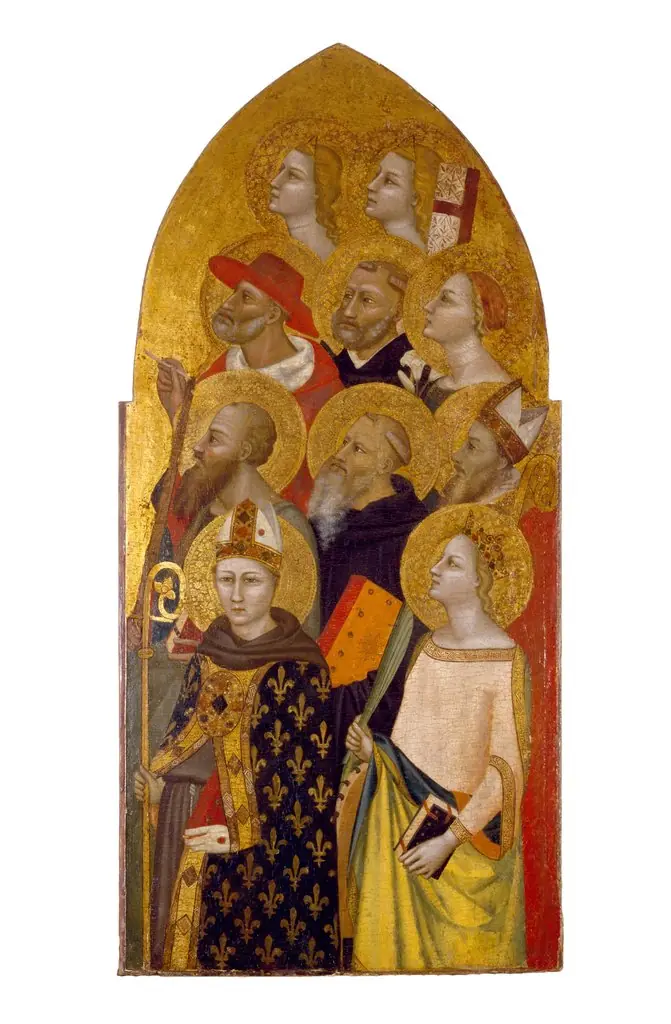 Saints and Angels
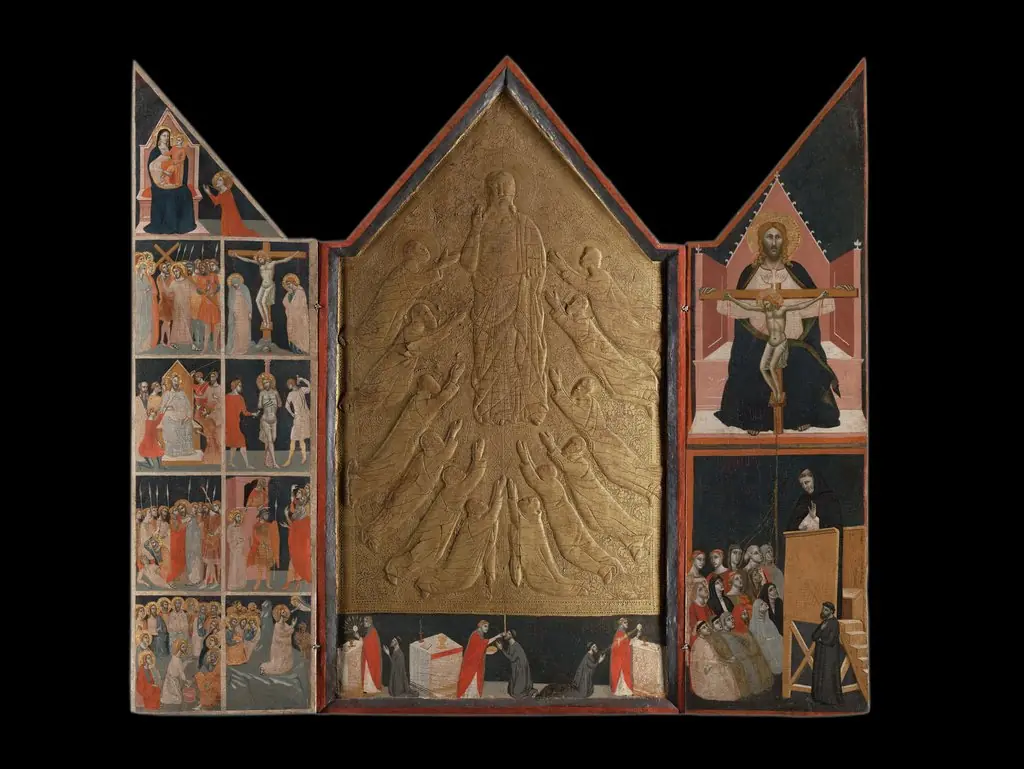 The Chiarito Tabernacle
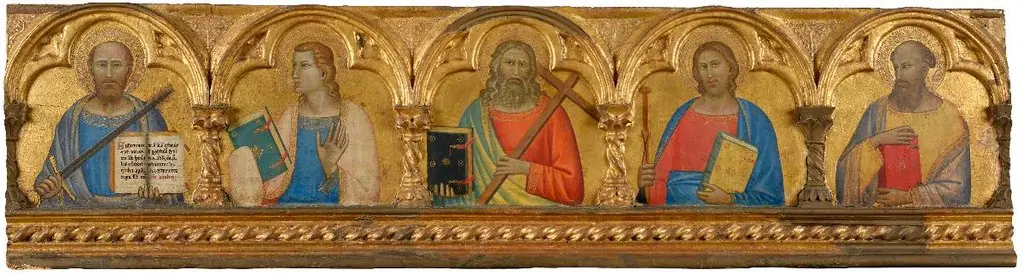 Five apostles
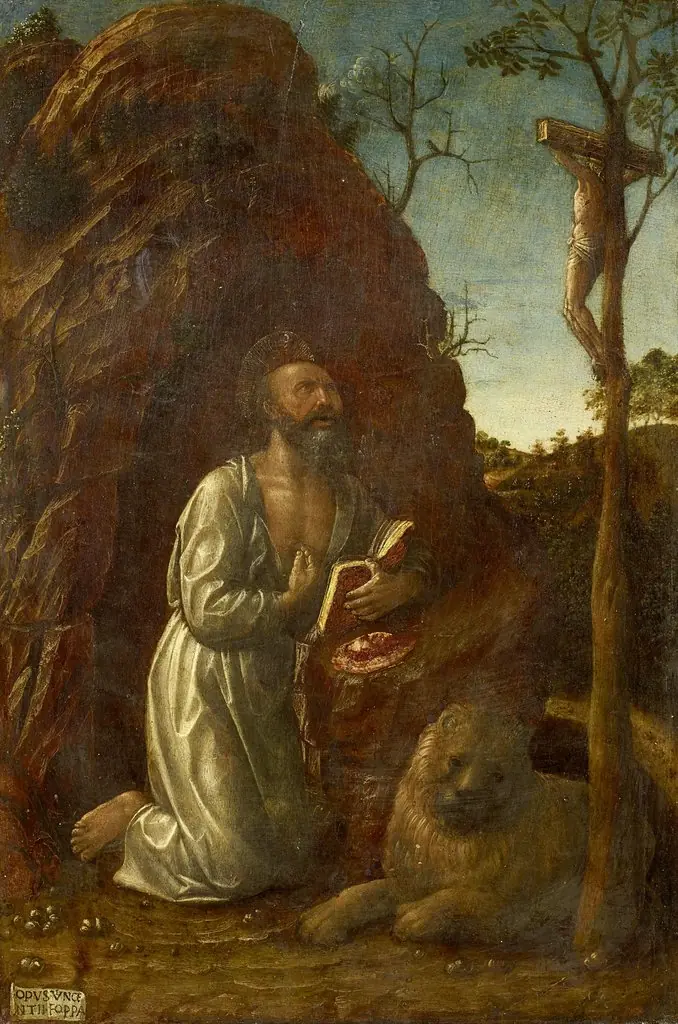 Saint Jerome penitent
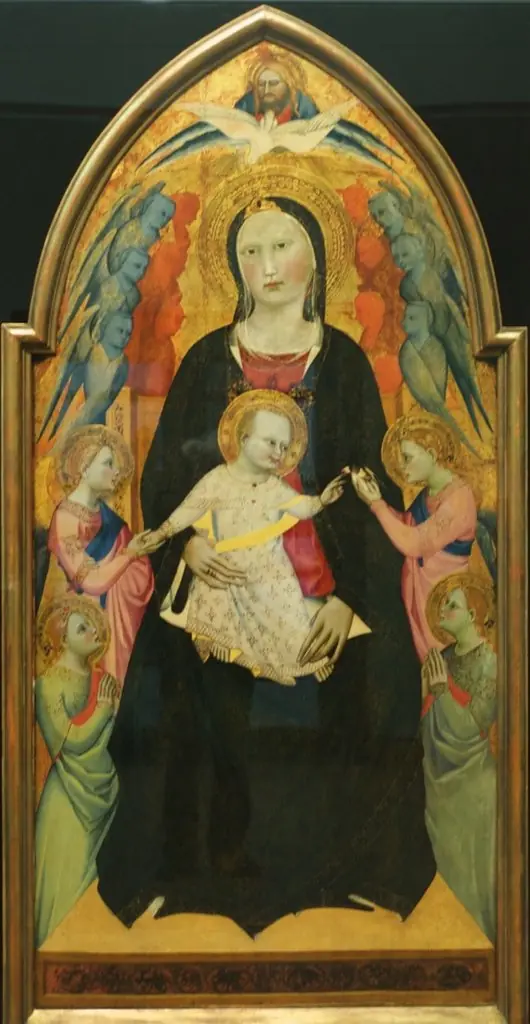 Virgin Mother and Child enthroned surrounded by the Holy Father, the Holy Ghost and Angels
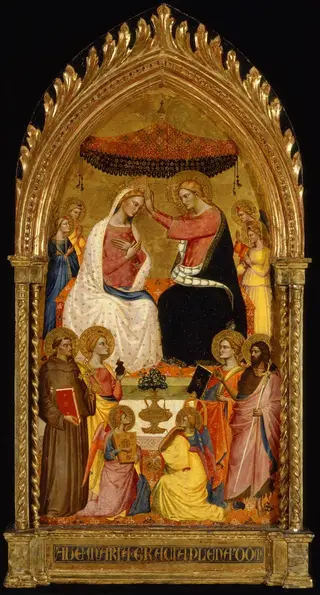 Coronation of Mary
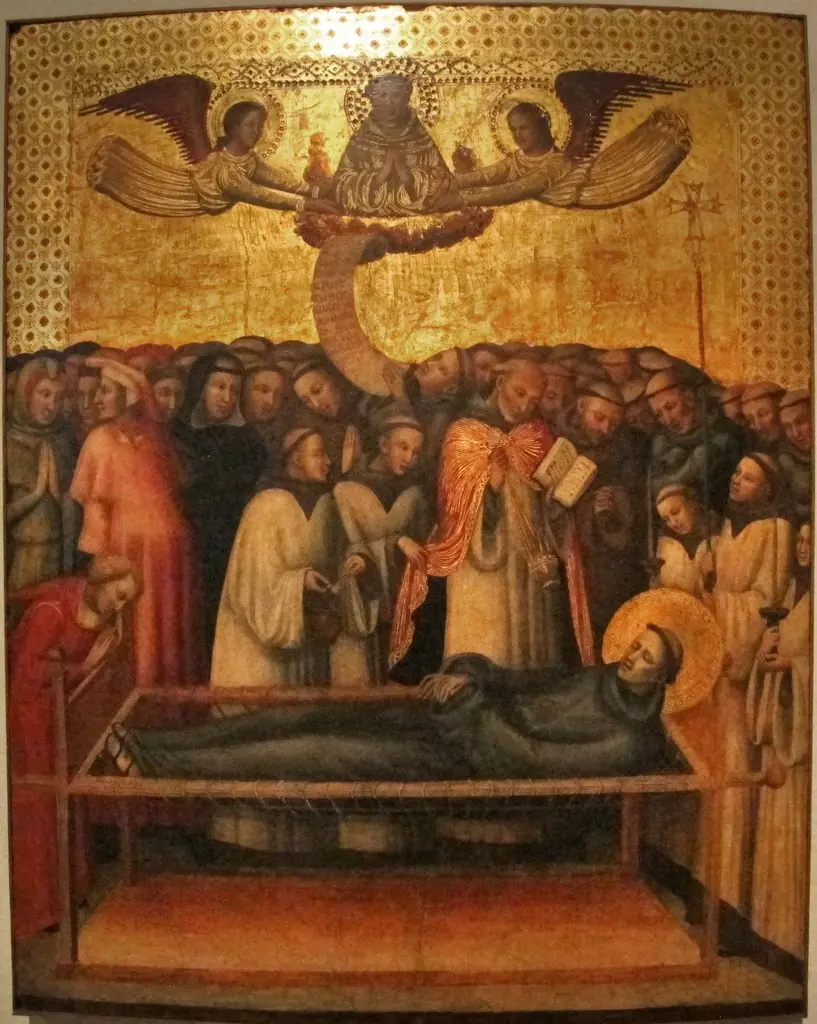 Interment of Saint Francis
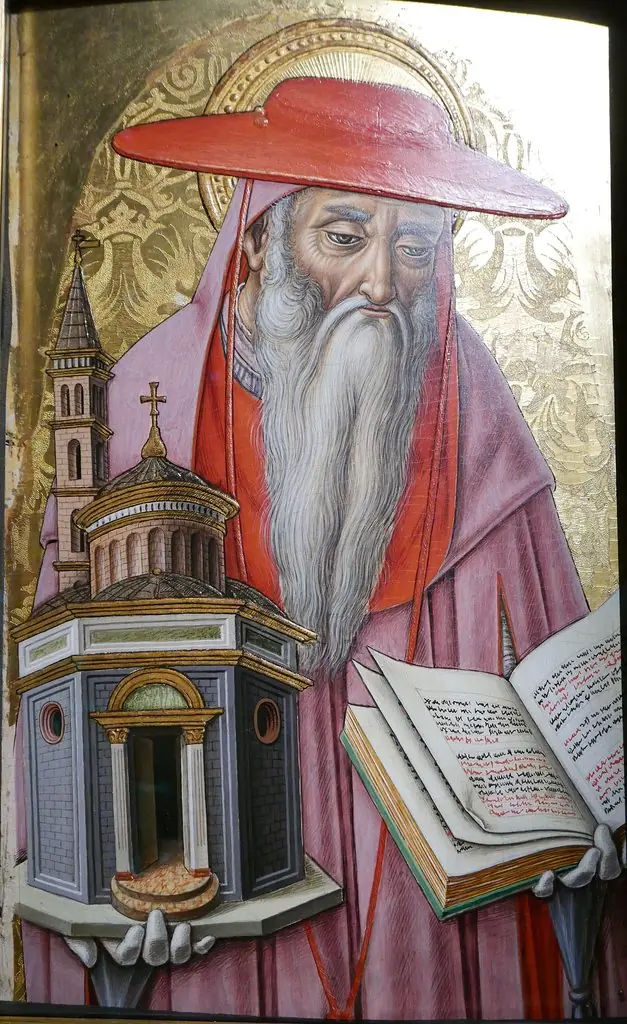 Saint Jerome (panel from an altarpiece)
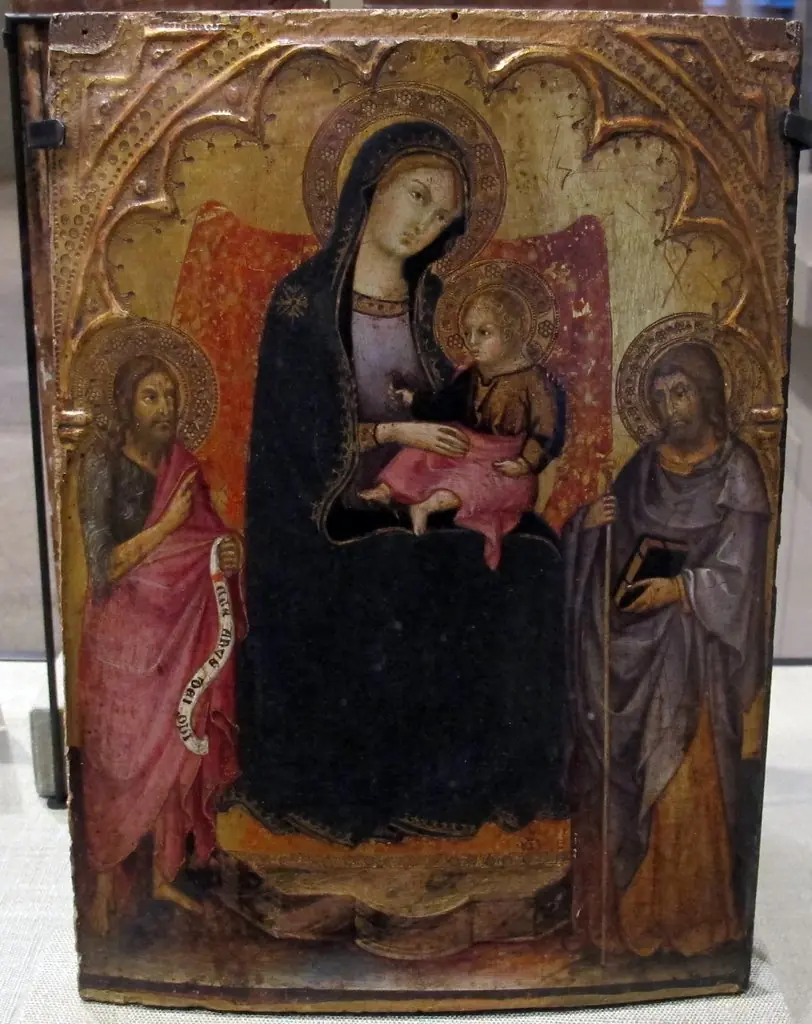 maestà coi santi g.battista e jacopo
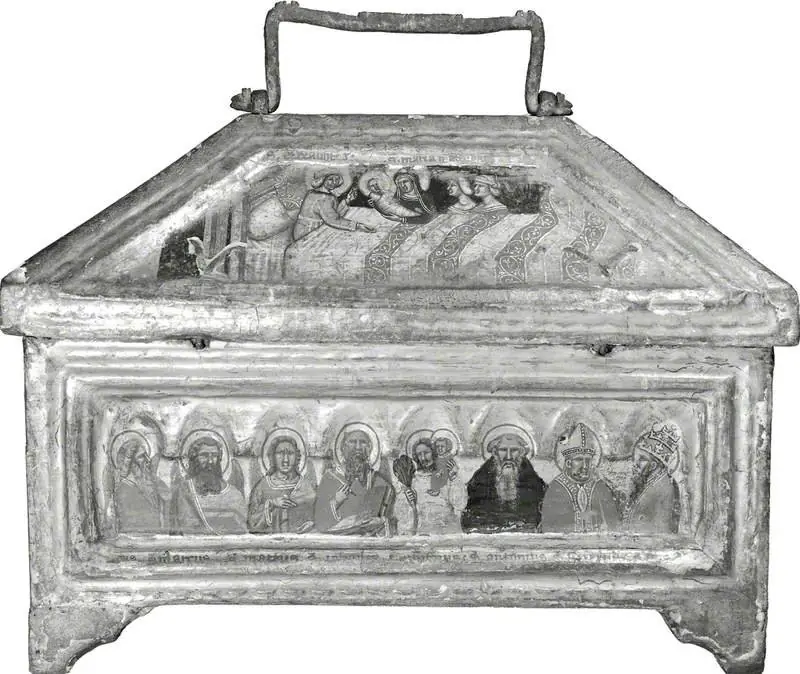 The Virgin and Saint Elizabeth with the Infant Saint John (casket lid, back); The Four Evangelists with Saint Christopher, Saint Anthony Abbot, Saint Liberius (casket, back)
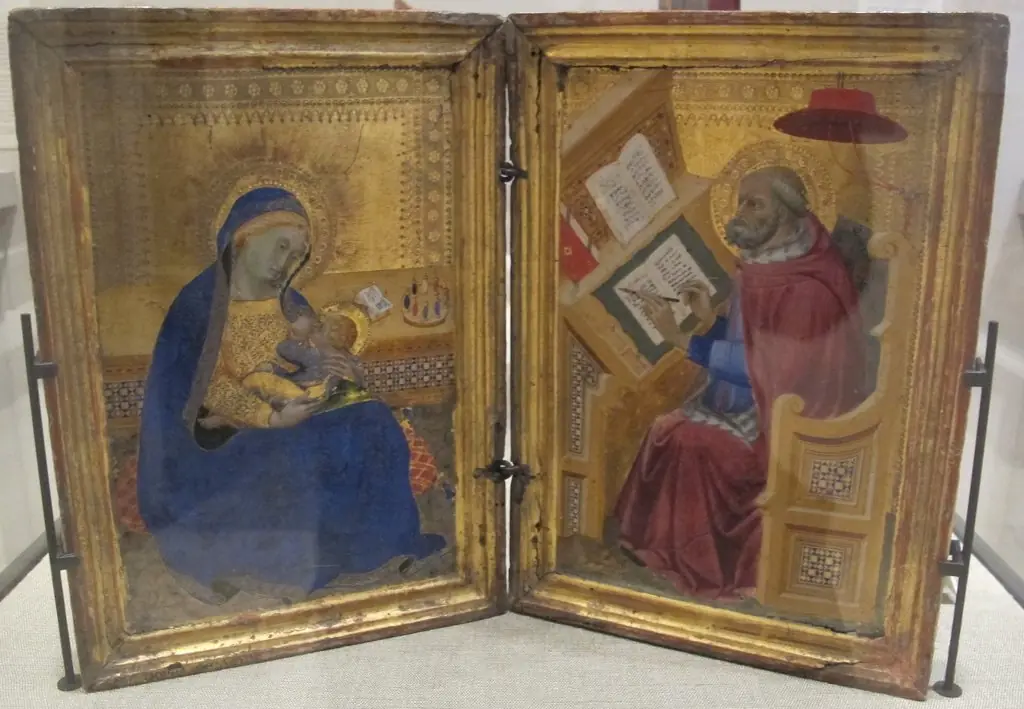 madonna dell'umità e san girolamo nello studio
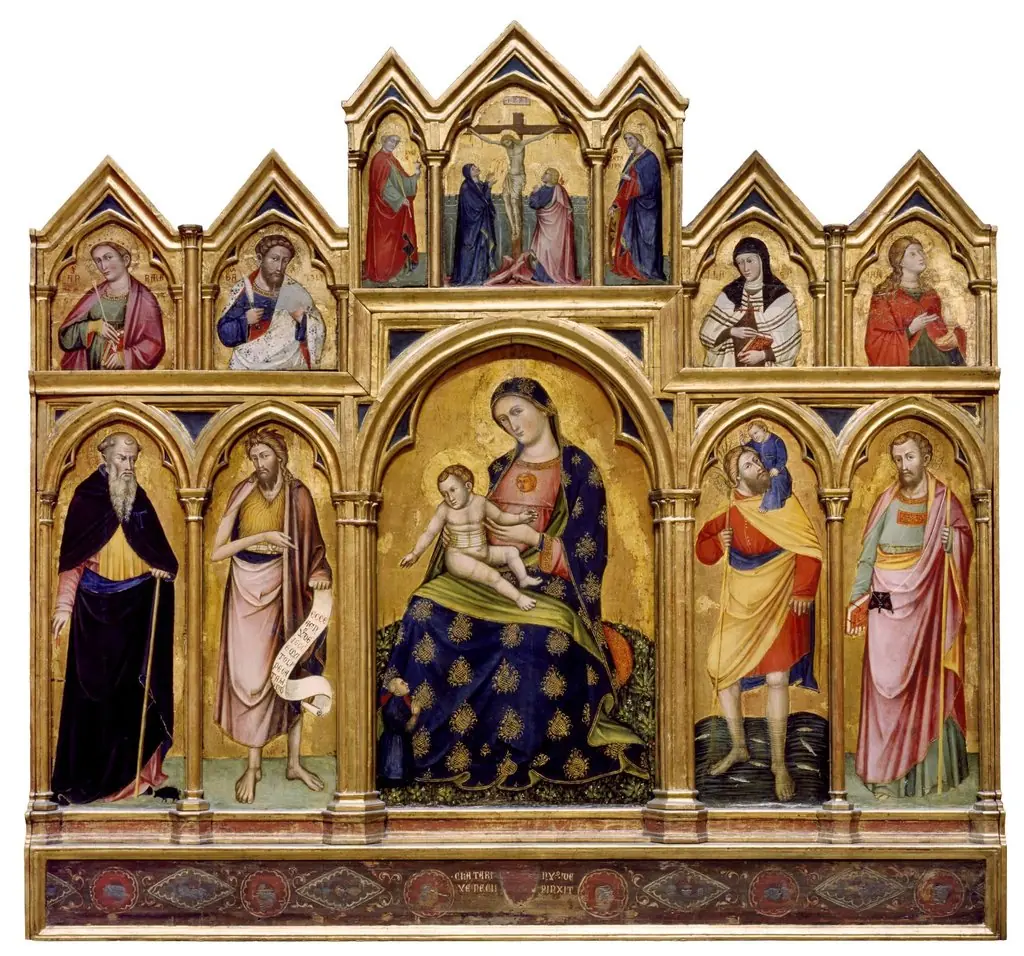 Madonna and Child, Crucifixion and Saints
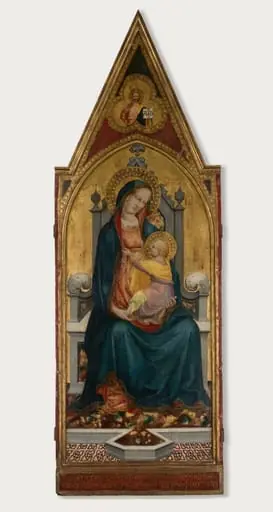 Virgin and Child Enthroned
 元代帝半身像册-元武宗皇帝像
 元代帝半身像册-元仁宗皇帝像
 元代帝半身像册-元文宗皇帝像
Frequently asked questions
What is Italo Byzantine?
Italo Byzantine is an art movement. The Byzantine-influenced style of medieval Italy (12th-13th centuries), with gold grounds, solemn frontal figures, and stylized drapery.
How many Italo Byzantine works does Artifact World Gallery have?
Artifact World Gallery holds 216 public-domain Italo Byzantine works, all free to view and download.
Who are the key Italo Byzantine artists?
Key Italo Byzantine artists in the collection include Puccio di Simone, Ugolino di Nerio and Antoniazzo Romano.
When did Italo Byzantine take place?
Italo Byzantine dates from 1100–1300.
Where can I see Italo Byzantine works?
Italo Byzantine works in the collection are held by Metropolitan Museum of Art, Cleveland Museum of Art and Rijksmuseum.