Artwork
Vanitas
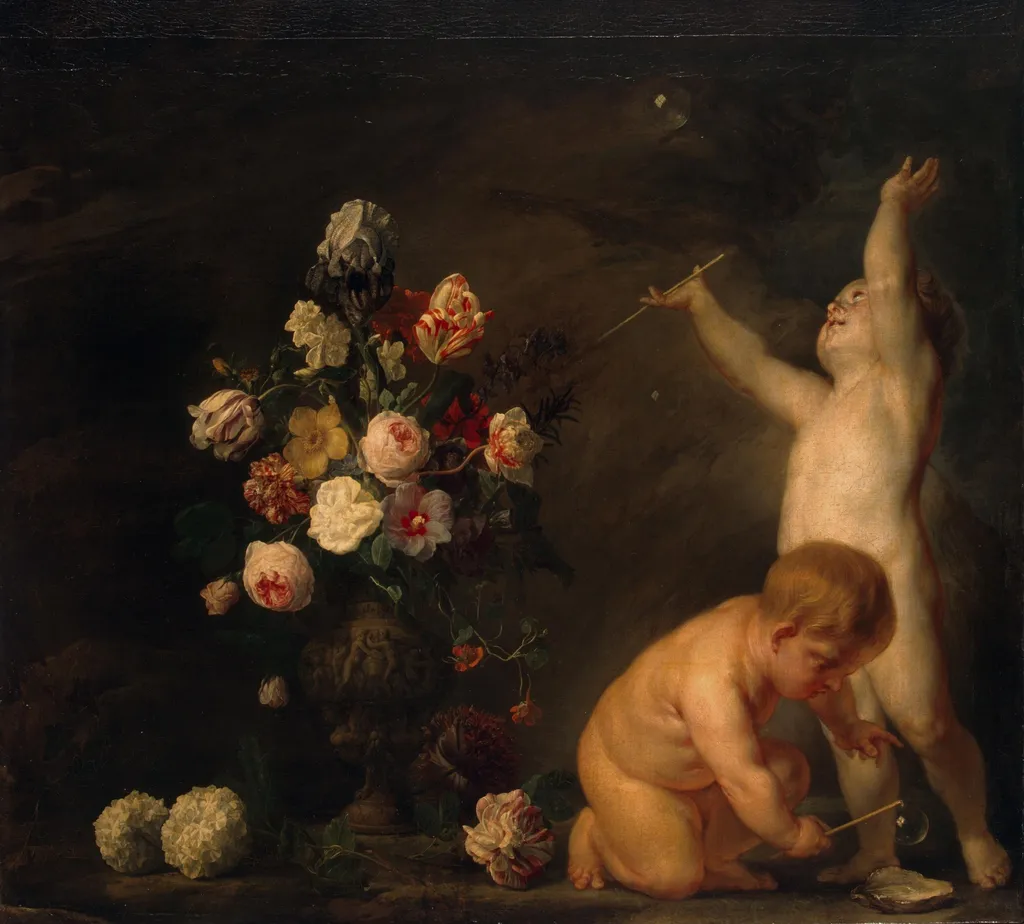
Vanitas is an oil painting by the Dutch Golden Age artist Nicolaes van Verendael. It dates from 1660 and is held in the collection of the Hermitage Museum.
About this work
Subject & Meaning
Originating in Flanders, the work utilizes these visual metaphors to remind viewers of the vanity of worldly pleasures and the brevity of earthly pursuits.
Created in 1660 by Nicolaes van Verendael, possibly with contributions from Caspar Jacob van Opstal I, this oil painting on canvas functions as a vanitas still life. The composition features a floral bouquet arranged in a vase alongside a cherub and a bubble. These specific elements serve as traditional iconography within the genre, where the fragile bubble and the ephemeral nature of cut flowers symbolize the transience of human life and the inevitability of death.
The inclusion of the cherub may allude to the soul or innocence amidst this fleeting existence. Originating in Flanders, the work utilizes these visual metaphors to remind viewers of the vanity of worldly pleasures and the brevity of earthly pursuits.
Technique & Style
Vanitas by Nicolaes van Verendael is an oil painting on canvas created in 1660 in Flanders. The work measures 93 cm in height and 102 cm in width and depicts a bouquet, a vase, a cherub, and a bubble, symbols of transience and mortality. It belongs to the vanitas genre within the broader still life tradition.
The painting was created by van Verendael in collaboration with Caspar Jacob van Opstal I and is part of the Hermitage Museum's collection.
History & Provenance
Vanitas, an oil painting on canvas created in 1660 in Flanders, was executed by Nicolaes van Verendael in collaboration with Caspar Jacob van Opstal I. The work entered the collection of the Hermitage Museum, where it remains on display. Its dimensions are 93 cm in height and 102 cm in width. No further provenance details are documented in the available sources.
Overview
Nicolaes van Verendael’s oil painting Vanitas, executed in 1660, belongs to the still‑life genre that flourished in the Dutch Golden Age. The work is part of the State Hermitage Museum’s collection and exemplifies the period’s preoccupation with the fleeting nature of existence, expressed through a carefully arranged assemblage of symbolic objects.
Own this work as a print
Artist & collection
Artist
Nicolaes van Verendael or Nicolaes van Veerendael (1640 in Antwerp – 1691 in Antwerp) was a Flemish painter active in Antwerp who is mainly known for his flower paintings and vanitas still lifes.

- Cupid in a Tree
 Drie kinderen spelend met een vogelnestje
 Kolme linnunpesällä leikkivää amoriinia
 Allegory of the silversmith's trade
 Cupids in Conspiracy
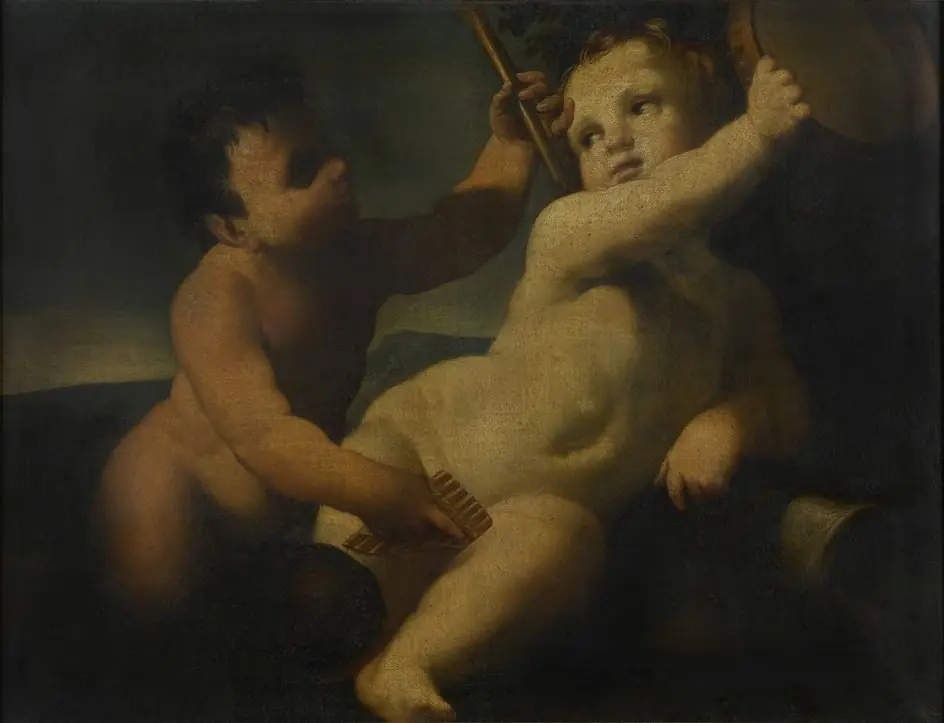 A Putto with a Tambourine and an Infant Satyr with a Panpipe
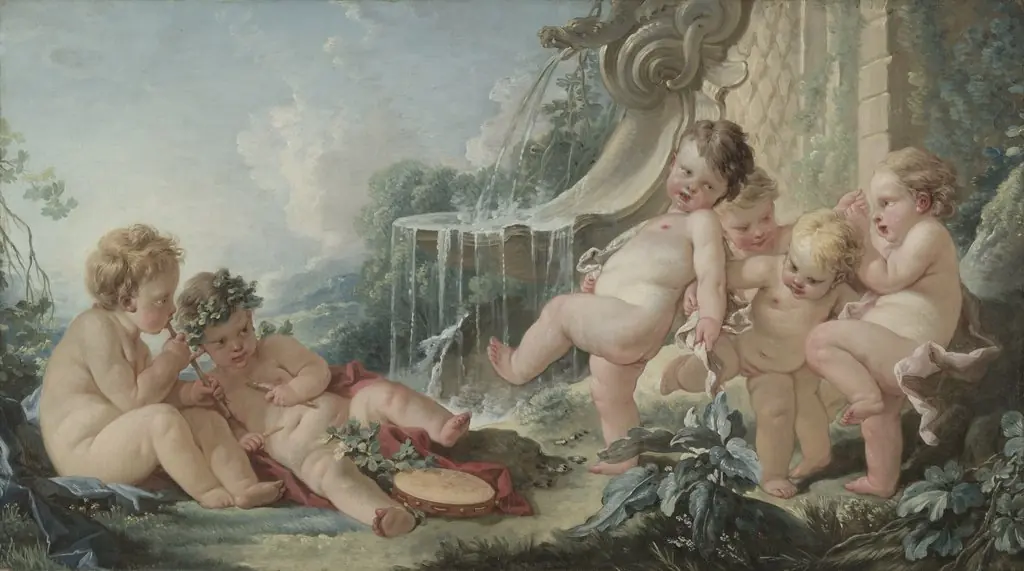 Music and Dance
 Music and Dance
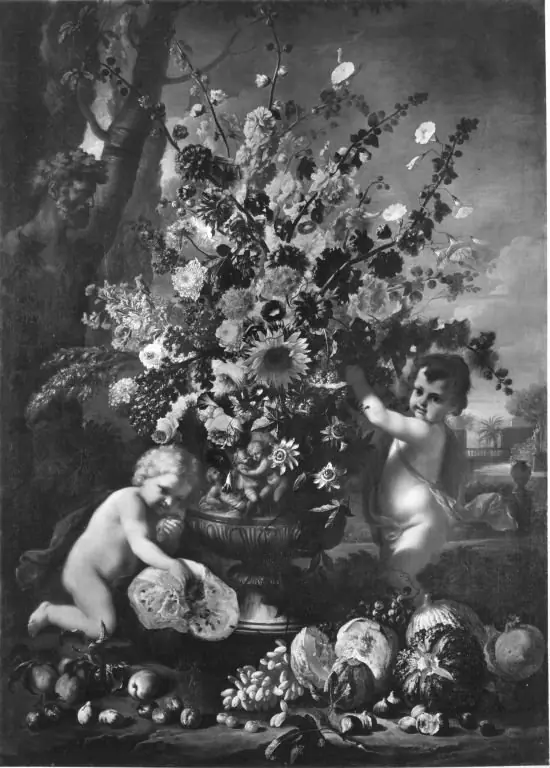 Blumen, Früchte und Kinder am Boden eines Gartens
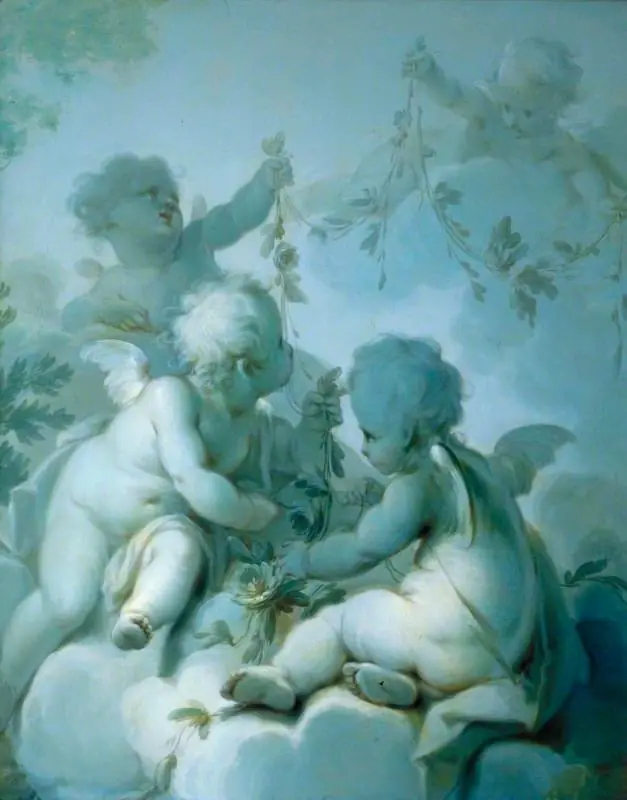 Four Cupids Holding Festoons of Flowers and Foliage
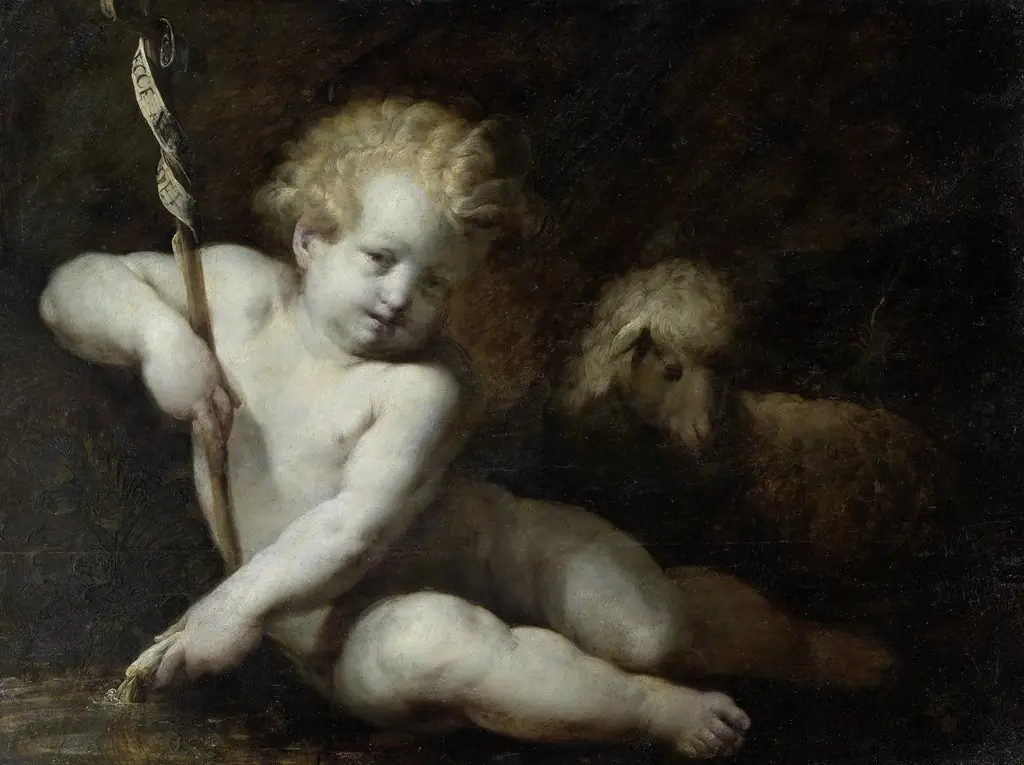 Young St. John
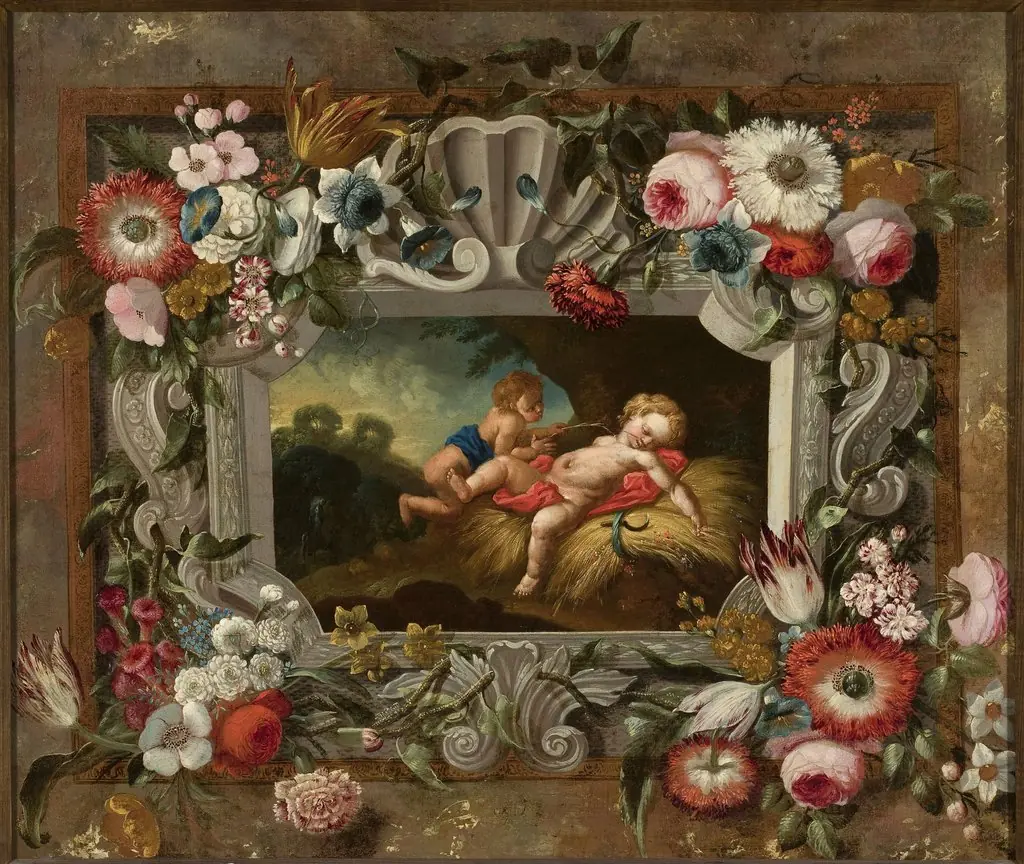 Allegory of summer in a circle of flowers