Artwork
Frederik IV
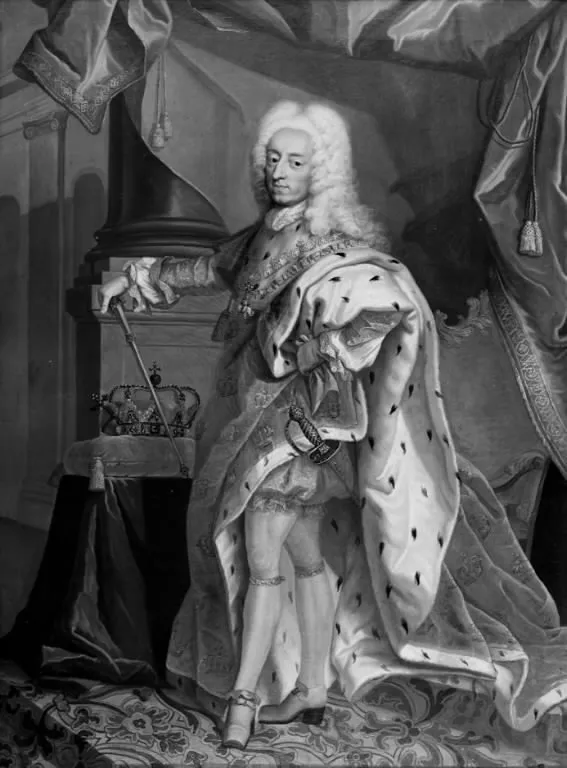
Frederik IV is an oil painting by the Rococo painting artist Nicolai Wichmann. It dates from 1723 and is held in the collection of the Statens Museum for Kunst.
About this work
Subject & Meaning
This artistic borrowing suggests a deliberate effort to align Frederik IV with the power and prestige symbolized by his contemporary counterpart.
The work is a formal portrait depicting Frederik IV of Denmark as its primary subject. Created in 1723 by Nicolai Wichmann, the painting functions as a representation of royal authority and status. The composition's iconography is explicitly derived from earlier portrayals of Louis XIV, utilizing established visual conventions associated with the French monarch to elevate the Danish king's image.
This artistic borrowing suggests a deliberate effort to align Frederik IV with the power and prestige symbolized by his contemporary counterpart.
Technique & Style
The work is an oil painting on canvas, with a support of woven fabric and a medium of oil paint. Measuring 211 cm in height and 156 cm in width, it presents a formal portrait of Frederik IV. The composition is based on the Portrait of Louis XIV, indicating a similar pose and regal presentation typical of early‑18th‑century state portraiture. No details about the artist’s handling or the painting’s current condition are provided in the sources.
History & Provenance
The portrait of Frederik IV was commissioned as a likeness of the Danish monarch and painted by Nicolai Wichmann in 1723. It entered the collection of the Statens Museum for Kunst shortly after its creation and has remained there since its inception. The work measures 2110.0 cm in height and 1560.0 cm in width, reflecting its large-scale format typical of royal portraiture of the period.
The painting is housed in the collection of Statens Museum for Kunst, where it is catalogued under an accession number that identifies it as part of the museum's holdings. Its exhibition record includes displays within the museum's permanent displays and participation in special exhibitions focusing on Danish Baroque portraiture.
Context
Painted in 1723 by Nicolai Wichmann, this oil portrait of Frederick IV of Denmark was created as a state portrait for the royal court. It later entered the collection of the Statens Museum for Kunst, where it remains on display. Scholars have examined its compositional lineage, particularly its adaptation of Hyacinthe Rigaud’s Portrait of Louis XIV, highlighting its role in shaping royal iconography in early 18th-century Denmark. The work’s formal qualities and political symbolism continue to inform studies of Baroque portraiture in Northern Europe.
Legacy
Frederik IV's later influence is anchored in his representation within the broader narrative of European monarchic portraiture. The work, painted by Nicolai Wichmann in 1723, functions as a visual adaptation of the earlier 'Portrait of Louis XIV', establishing a precedent for depicting contemporary rulers in a grand, symbolic manner. Its inclusion in the collection of the Statens Museum for Kunst ensures continued scholarly attention to the dynamics of power and representation in 18th‑century Denmark.
The painting's dimensions of 211 × 156 cm and its medium of oil on canvas underscore the technical ambitions of the period, while its subject's enduring legacy is reflected in subsequent artistic and historical assessments of the era.
Overview
Nicolai Wichmann’s oil portrait, executed in 1723, presents Frederick IV of Denmark in regal attire. The work is part of the collection of Denmark’s National Gallery, Statens Museum for Kunst, and exemplifies early‑18th‑century court portraiture.
Artist & collection

- Frederik IV
 Christian VI
 Christian VI
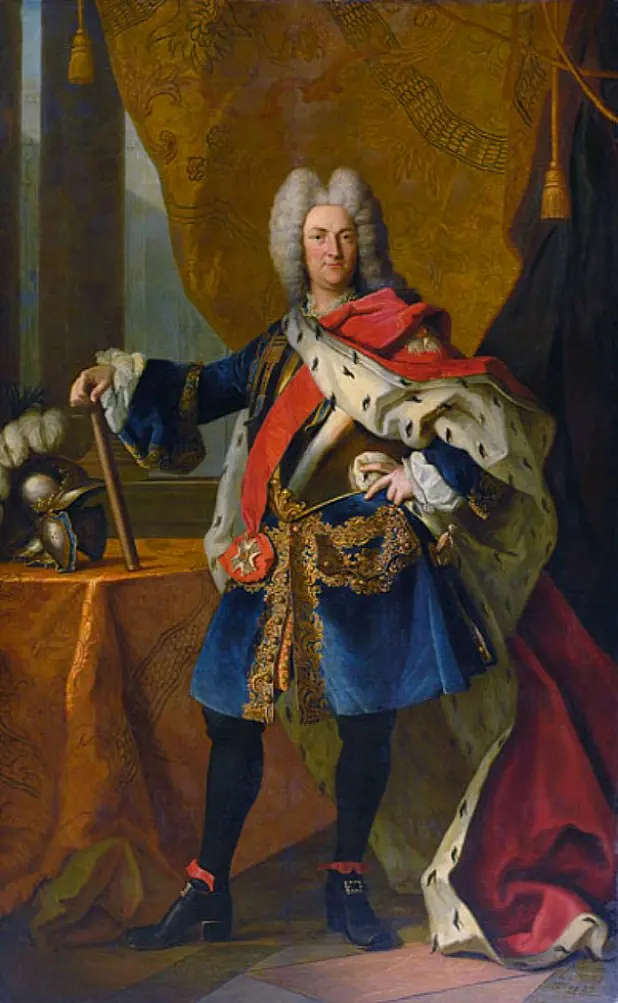 Bildnis des Gustav Samuel Leopold von Zweibrücken-Kleeburg
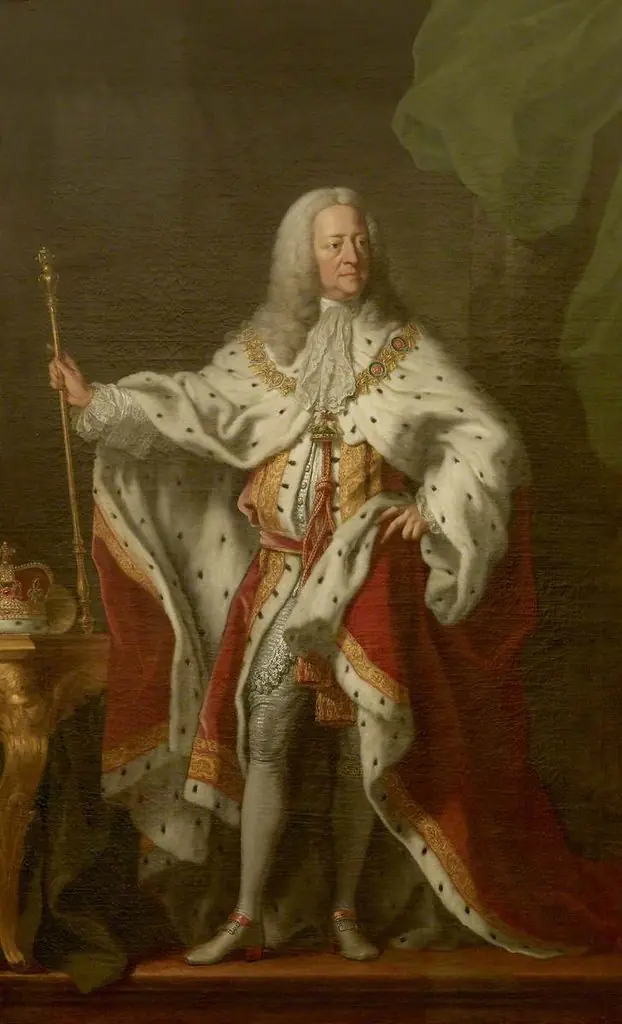 George II (1683–1760)
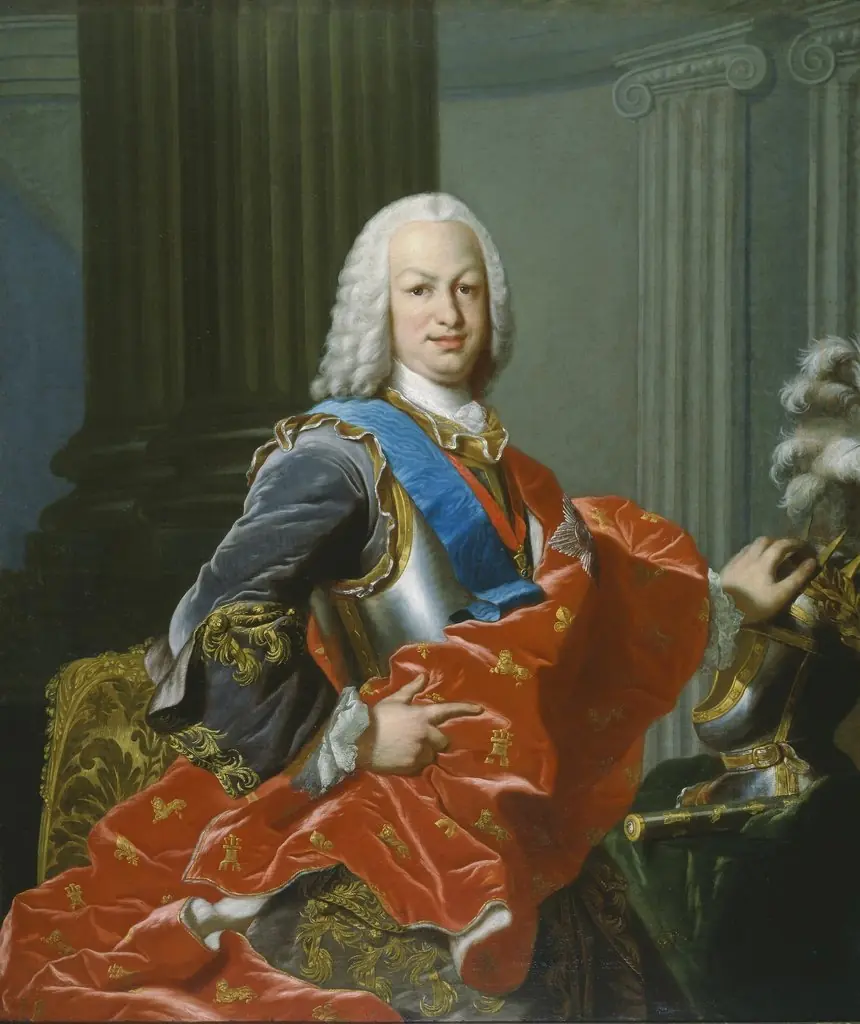 Fernando VI rey de España
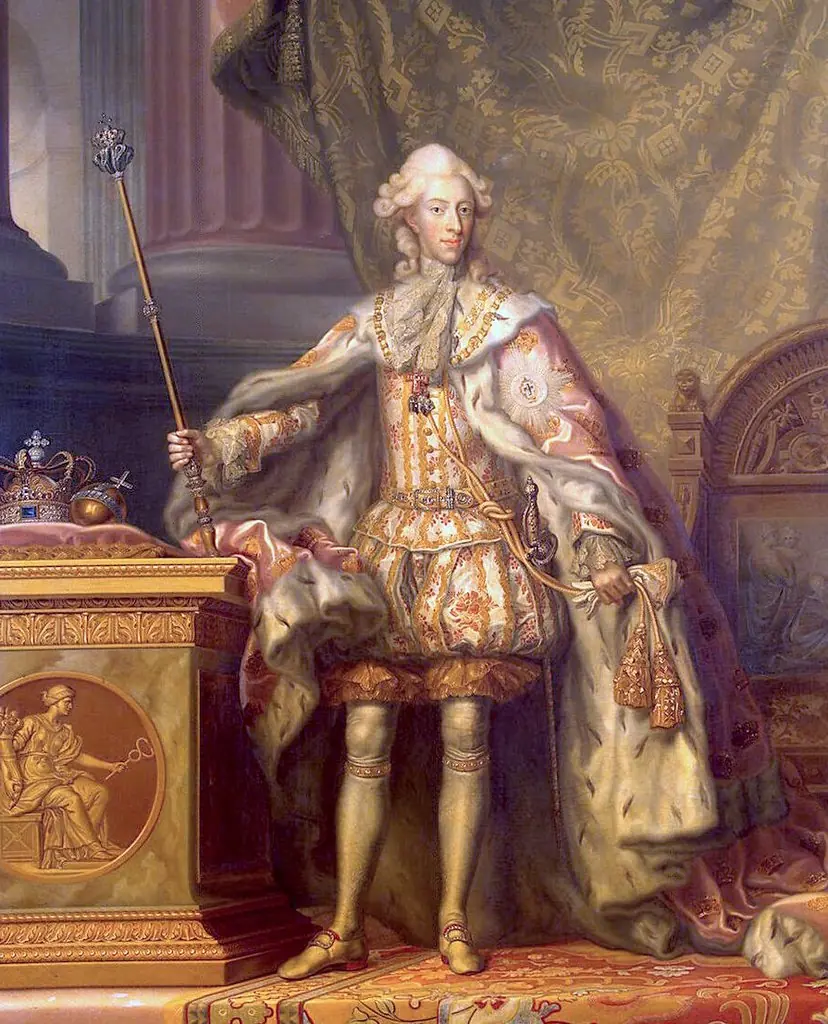 Portrait of Christian VII, King of Denmark
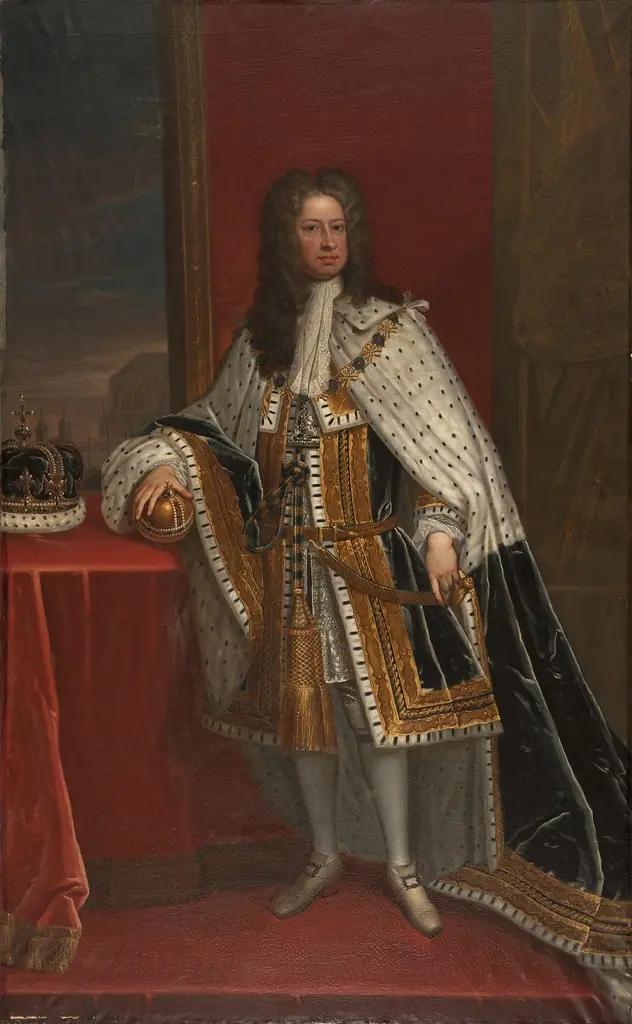 Georg I, 1660-1727, kung av England, kurfurste av Hannover
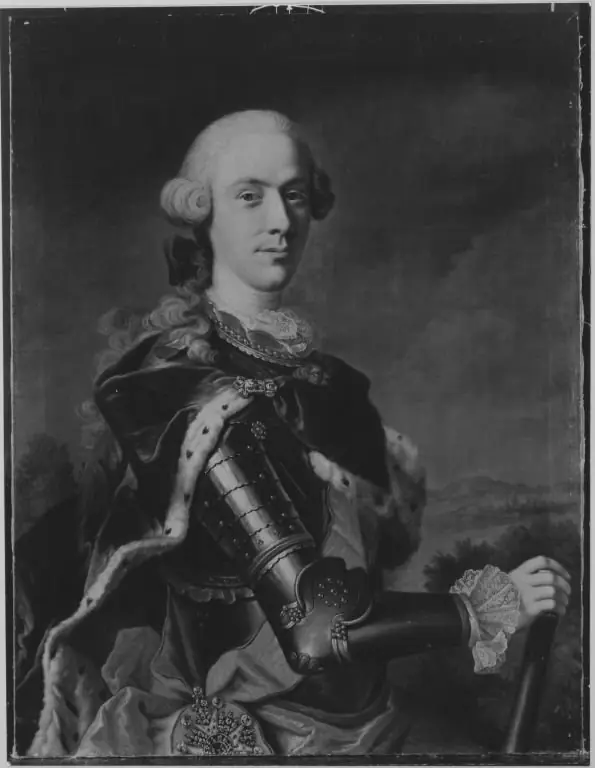 Bildnis von Christian IV., Herzog von Pfalz-Zweibrücken (1722-1775)
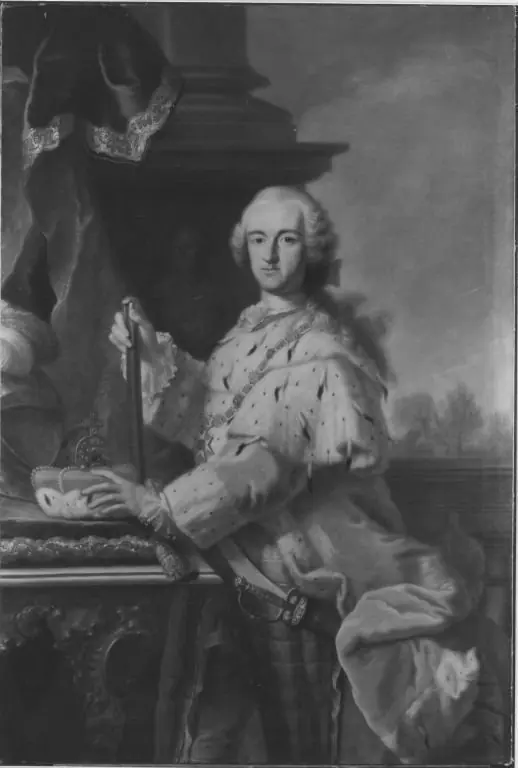 Bildnis des Kurfürsten Karl Theodor von Pfalz-Bayern (Werkstatt)
 Portrait of Frederik, Heir Presumptive
 Portrait of the Emperor Joseph II of Austria