Artwork
Christian VI
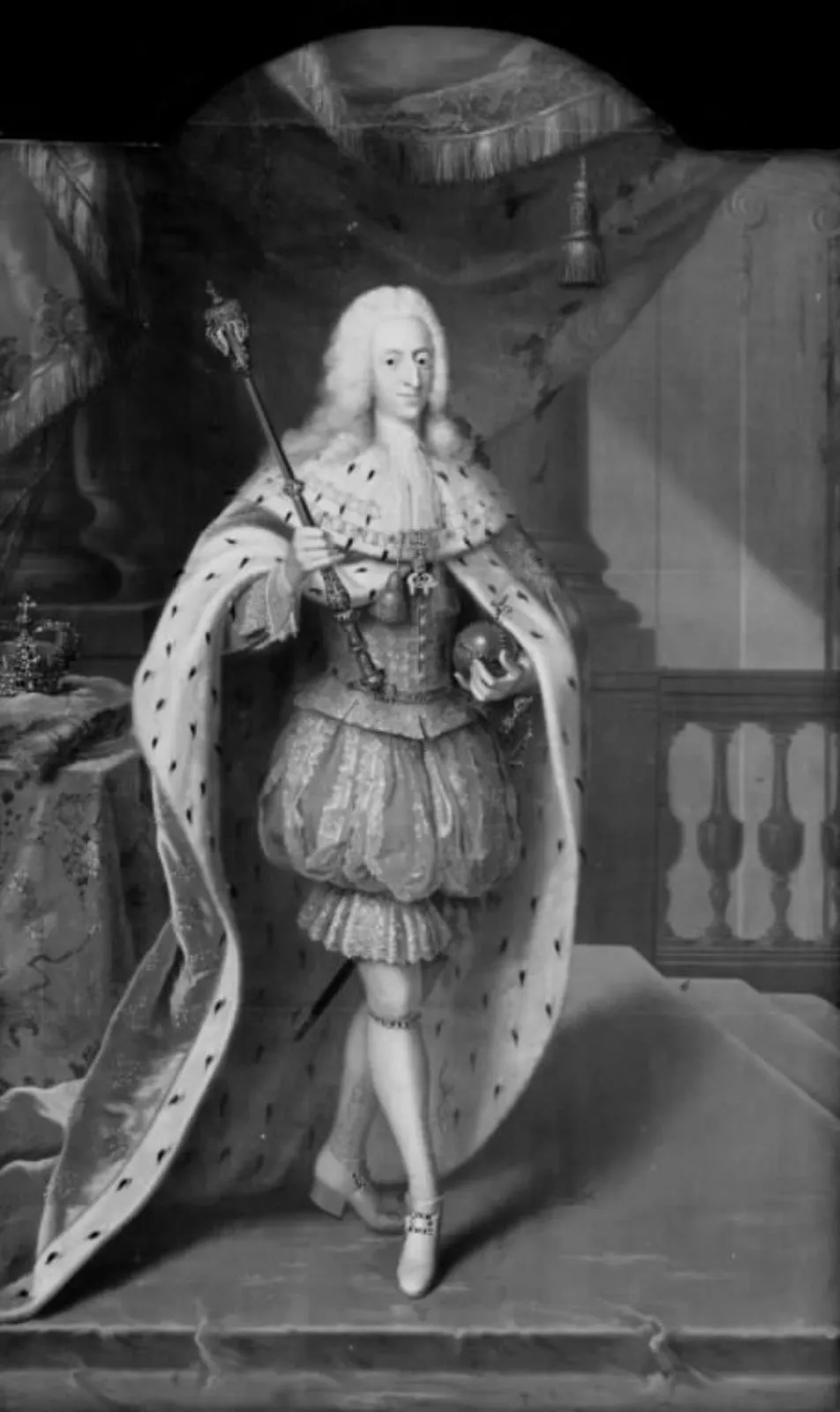
Christian VI is an unspecified painting by the Biedermeier artist Unknown. It dates from 1870 and is held in the collection of the Statens Museum for Kunst.
About this work
Subject & Meaning
Classified within the portrait genre, the work centers on the king as its main subject, presenting him in the formal conventions of royal portraiture.
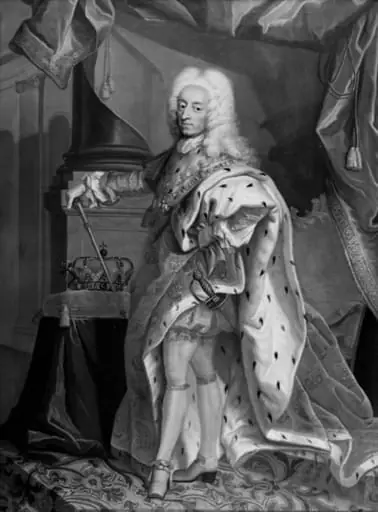
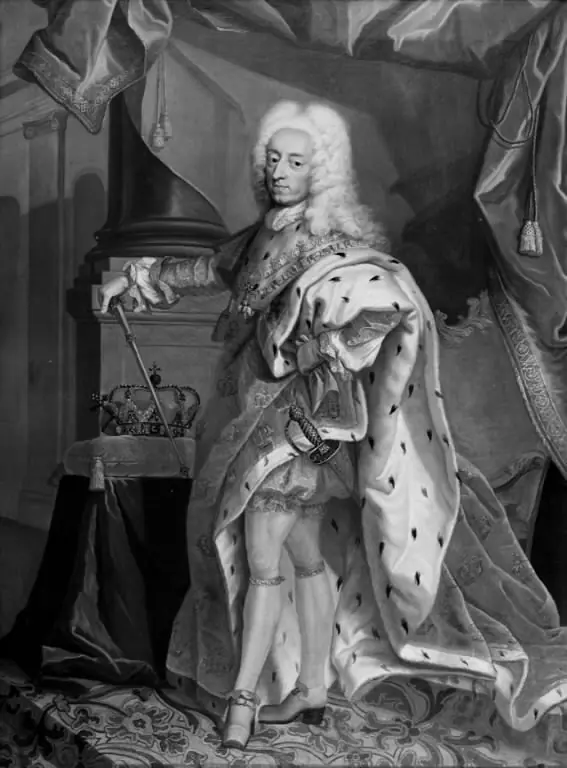
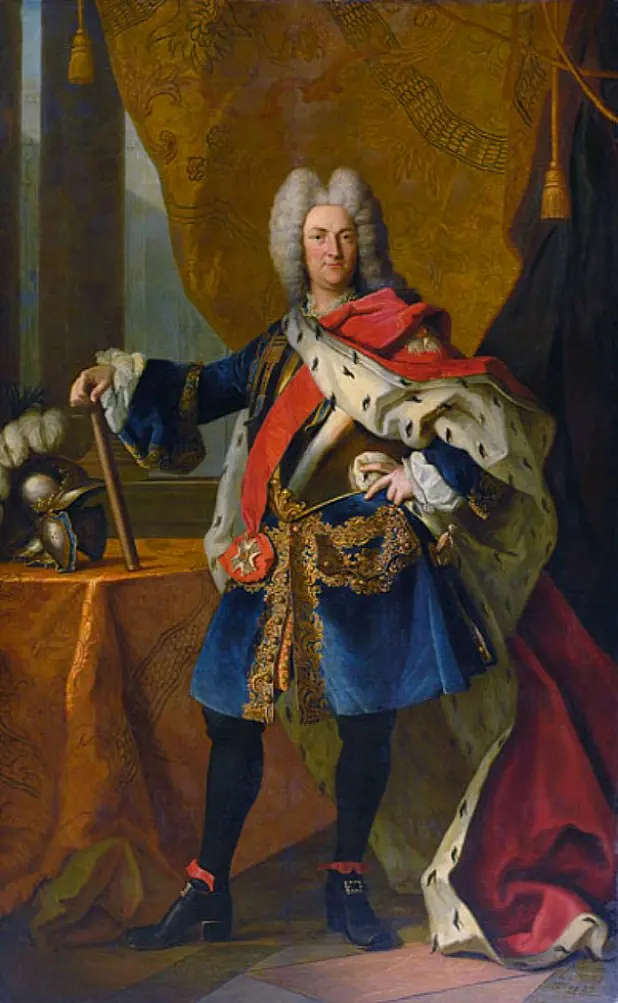
The painting is a portrait depicting Christian VI of Denmark, the 18th-century Danish monarch. Classified within the portrait genre, the work centers on the king as its main subject, presenting him in the formal conventions of royal portraiture. The composition's large vertical format and substantial dimensions emphasize the stature and authority traditionally conveyed in depictions of European sovereigns.
As a 19th-century retrospective portrait produced in 1870, the work represents a later commemorative image of the king rather than a likeness made during his own lifetime, situating Christian VI as a historical figure worthy of formal painted commemoration.
History & Provenance
The painting dates to 1870 and is classified as a portrait of Christian VI of Denmark. It is held in the collection of the Statens Museum for Kunst, where it remains located. No information about a commissioning party, prior ownership chain, or earlier creation history is documented in the available sources.
The painting is held by the Statens Museum for Kunst in Denmark, as recorded in the work's collection and location data. Its inception is dated to 1870, and the canvas measures 2585.0 in height by 1600.0 in width.
No specific inventory or accession number is provided in the available sources, and no exhibition history is documented.
Overview
The work depicts a regal figure clad in elaborate court attire, featuring a voluminous cape fastened with numerous buttons, a feather‑adorned hat, and a sash crossing his chest. He holds a ceremonial baton in one hand while the other rests on his hip, standing before a darkened interior that includes a throne draped with luxurious fabric.
Technique & Style
The painter employs chiaroscuro, contrasting illuminated areas on the figure’s face and costume with the surrounding deep shadows, thereby emphasizing texture and volume. The rendering of the fabrics, particularly the cape’s folds and the sheen of the hat’s feathers, demonstrates meticulous attention to detail within a restrained, baroque visual language.
Context
Created during the eighteenth century, the portrait aligns with contemporary courtly portraiture that sought to legitimize monarchical power through visual grandeur. The dark, richly appointed setting reflects the interior aesthetics of royal palaces of the period, while the stiff, formal stance follows established conventions for sovereign representation.
Artist & collection