Artwork
Thutmose I and His Mother Seniseneb
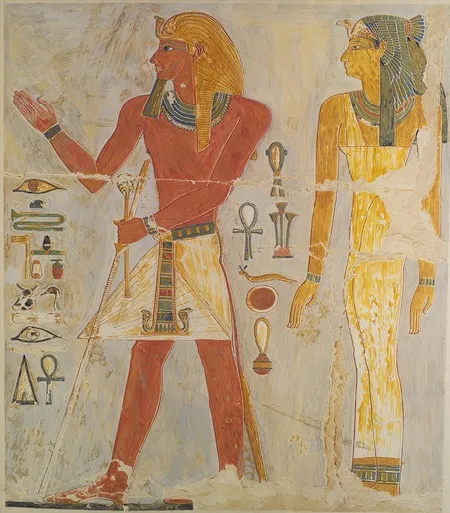
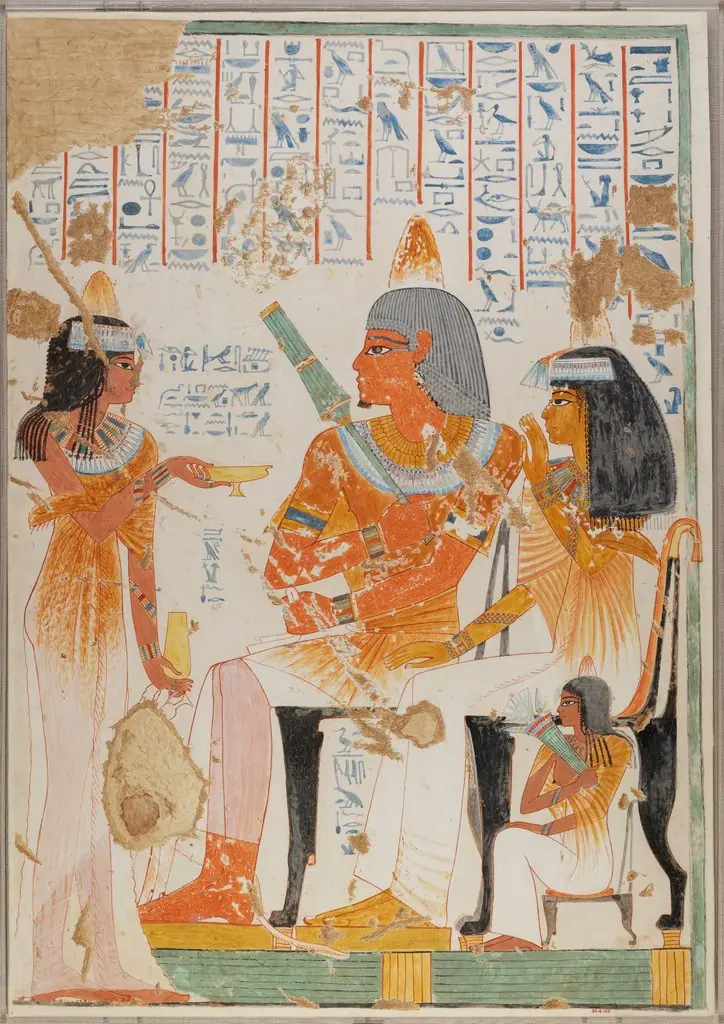
Thutmose I and His Mother Seniseneb is an unspecified painting by Nina M. Davies. It dates from 1931 and is held in the collection of the Metropolitan Museum of Art. Nina M.
About this work
Subject & Meaning
The painting depicts Thutmose I, a pharaoh of the Eighteenth Dynasty, seated beside his mother, Seniseneb, who stands behind him with a protective gesture.
The painting depicts Thutmose I, a pharaoh of the Eighteenth Dynasty, seated beside his mother, Seniseneb, who stands behind him with a protective gesture. The hieroglyphic inscriptions identify both figures, reinforcing their familial and royal relationship. Thutmose I is shown in the conventional pose of a king, holding symbols of authority, while Seniseneb's presence emphasizes her role as a matriarchal figure within the dynastic lineage.
The composition underscores the continuity of power through generations, linking Thutmose I's legitimacy to his maternal ancestry. Such representations in Egyptian art often served to legitimize the ruler's claim to the throne by invoking ancestral ties.
Technique & Style
The work is a painted facsimile created by Nina de Garis Davies, classified as a painting. It depicts the pharaoh Thutmose I alongside his mother, Seniseneb, rendered in a style that incorporates hieroglyphic elements. The piece serves as a reproduction of ancient Egyptian wall art, capturing the figures of the king and his mother within their original iconographic context.
As a facsimile held in the Metropolitan Museum of Art, the medium reflects the artist's technique in replicating the visual qualities of the source material, focusing on the formal representation of the royal subjects and associated inscriptions.
Overview
Nina M. Davies created Thutmose I and His Mother Seniseneb around 1931. This painting is a reproduction of an ancient Egyptian tomb artwork, made as part of her extensive collaboration with her husband, Norman de Garis Davies. The work meticulously depicts the pharaoh Thutmose I standing alongside his mother, Seniseneb, with accompanying hieroglyphic inscriptions. It serves as a visual record of historical Egyptian artistry and royal lineage.
History & Provenance
This painting originated from the significant collaborative efforts of Nina M. Davies and her husband, Norman de Garis Davies. Their joint project involved the systematic documentation and illustration of ancient Egyptian tomb paintings, a crucial endeavor for archaeological study. While Nina was the primary artist for many such reproductions, their collective output was often published under Norman de Garis Davies's name, contributing to a comprehensive visual archive.
Legacy
The meticulous reproductions created by Nina M. Davies and her husband played a vital role in the preservation and dissemination of ancient Egyptian visual culture. By accurately recording fragile tomb paintings, their work offered invaluable access to art and historical information that might otherwise have been lost or remained inaccessible. Their contributions continue to be a foundational resource for Egyptologists and art historians studying the period.
Artist & collection
Artist
The Egyptologists Nina M. Davies (6 January 1881 – 21 April 1965) and Norman de Garis Davies (1865–5 November 1941) were a married couple of illustrators and copyists who worked in the early and mid-twentieth century…

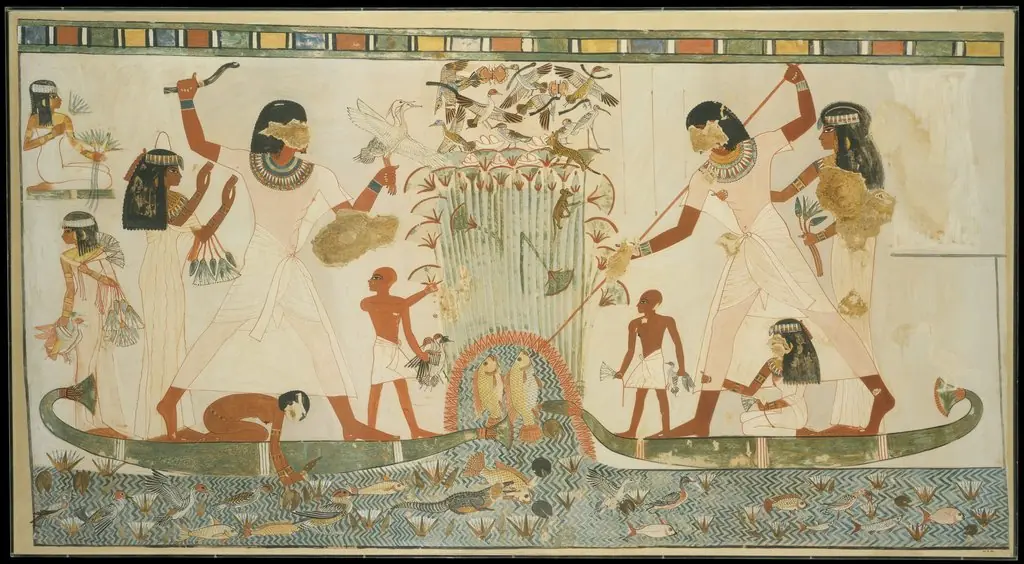 Menna and Family Hunting in the Marshes, Tomb of Menna
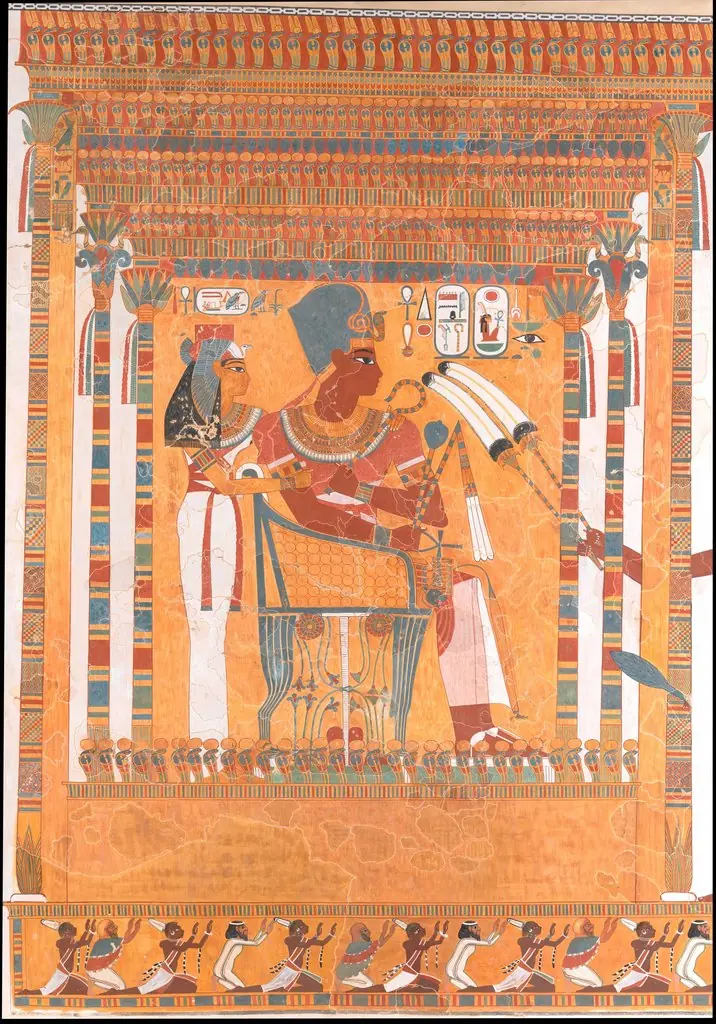 Amenhotep III and his Mother, Mutemwia, in a Kiosk
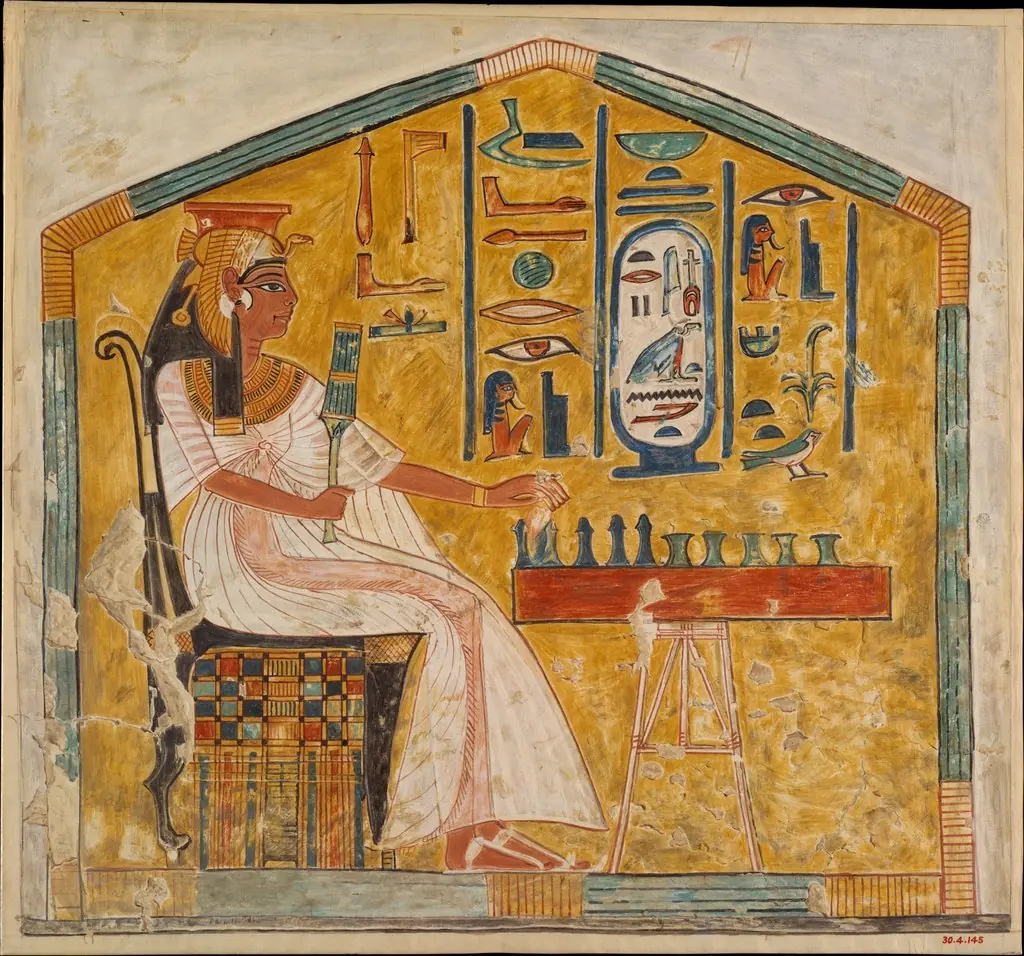 Queen Nefertari Playing Senet
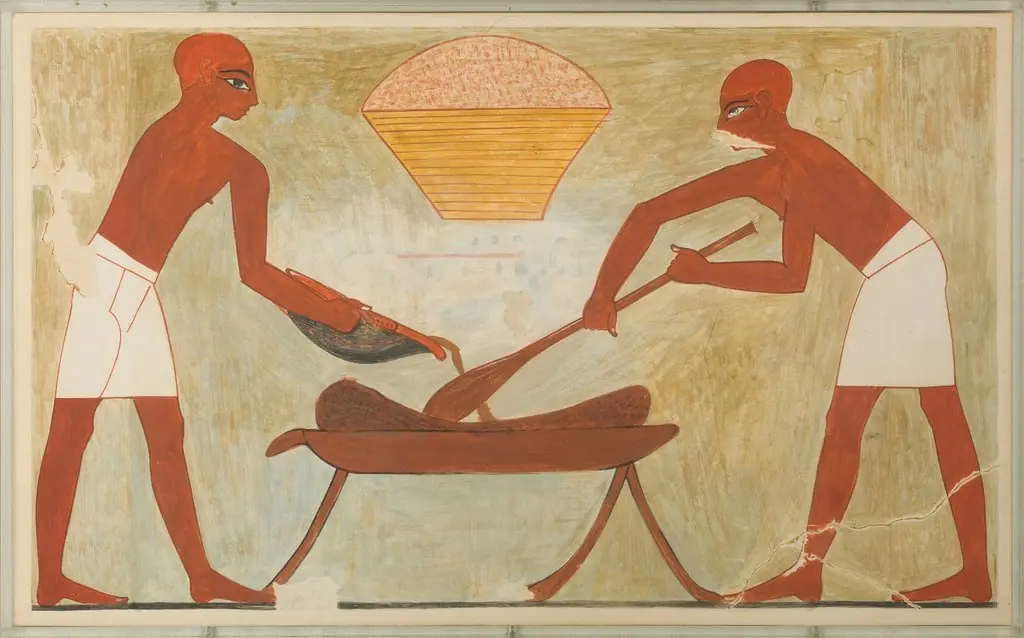 Preparing Dough, Tomb of Rekhmire
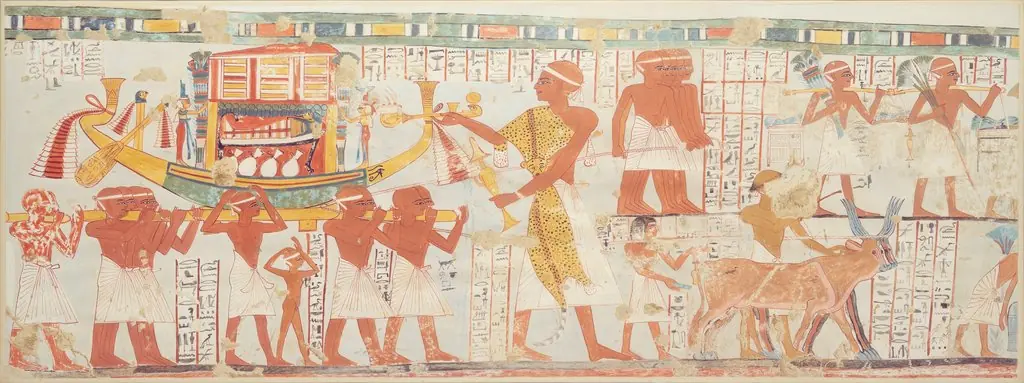 Nakhtamun's Funeral Procession, Tomb of Nakhtamun
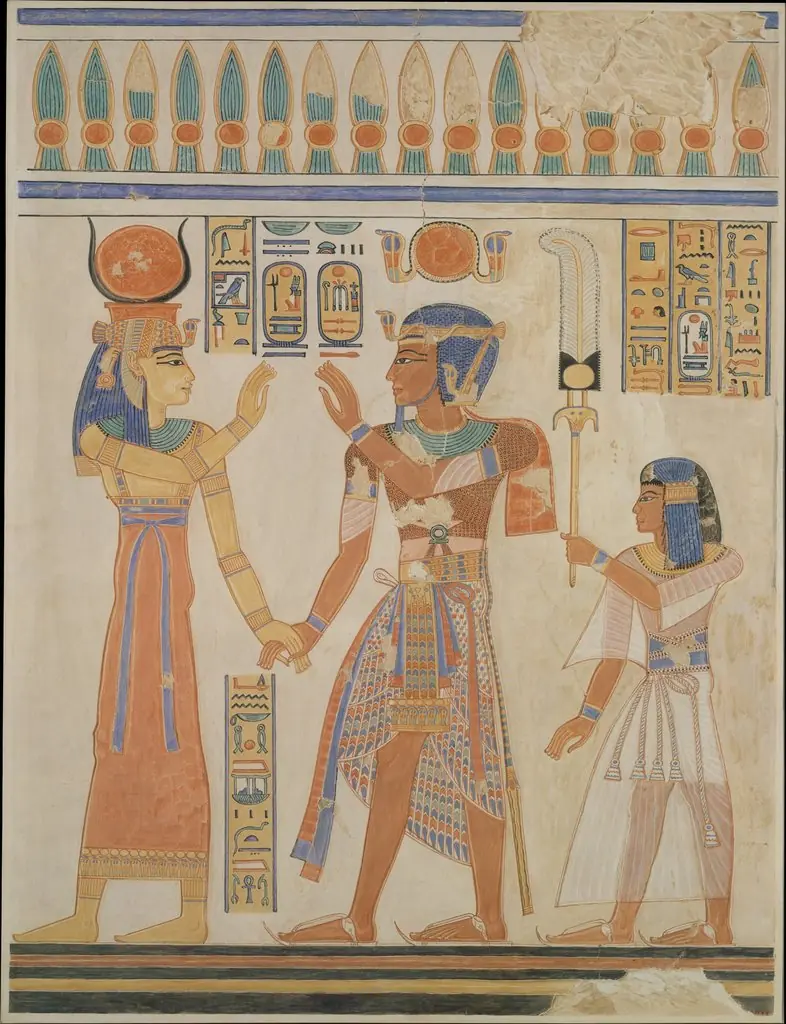 Ramesses III and Prince Amenherkhepeshef before Hathor
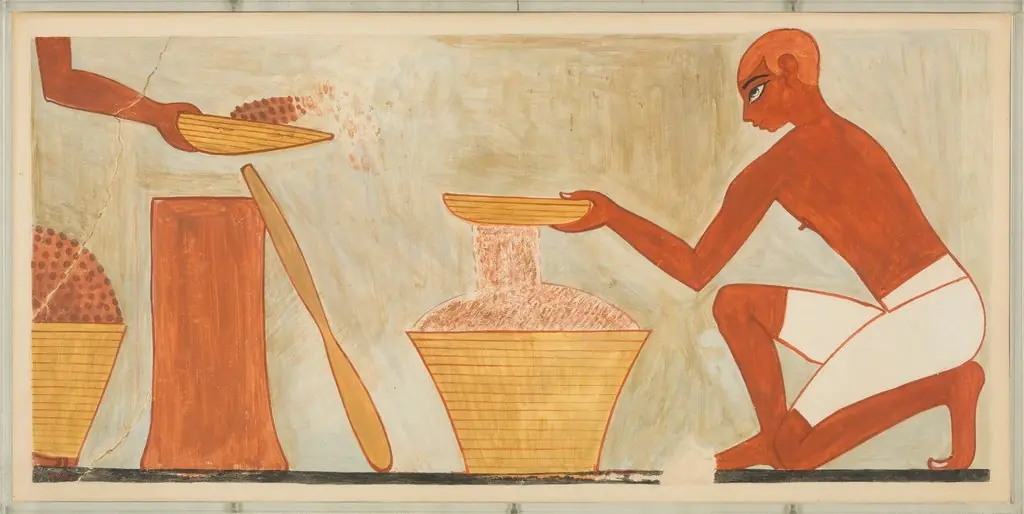 Sifting Meal, Tomb of Rekhmire
 Funeral Procession, Tomb of Pairy