Artwork
Susanna
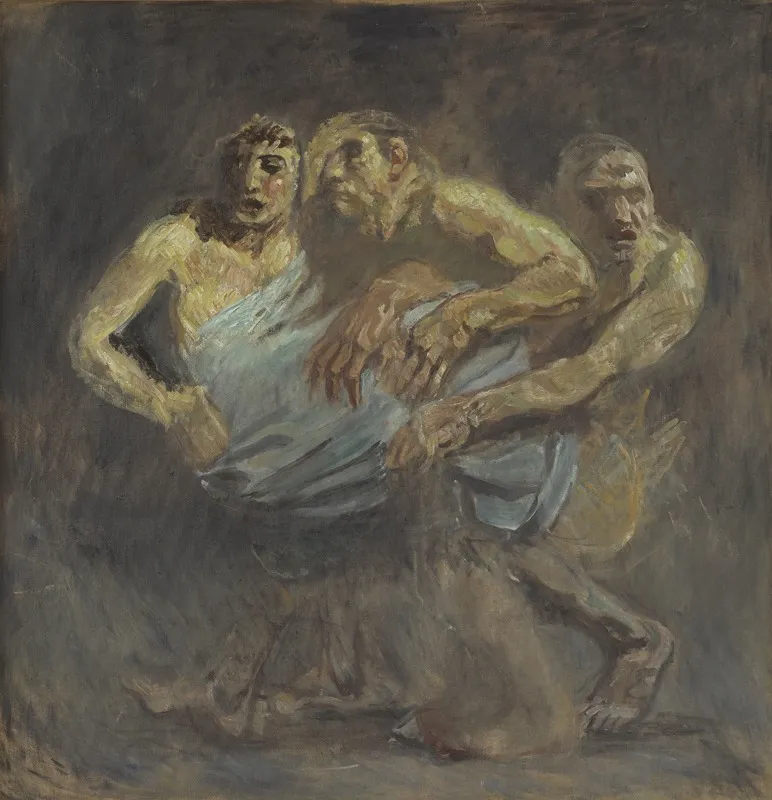
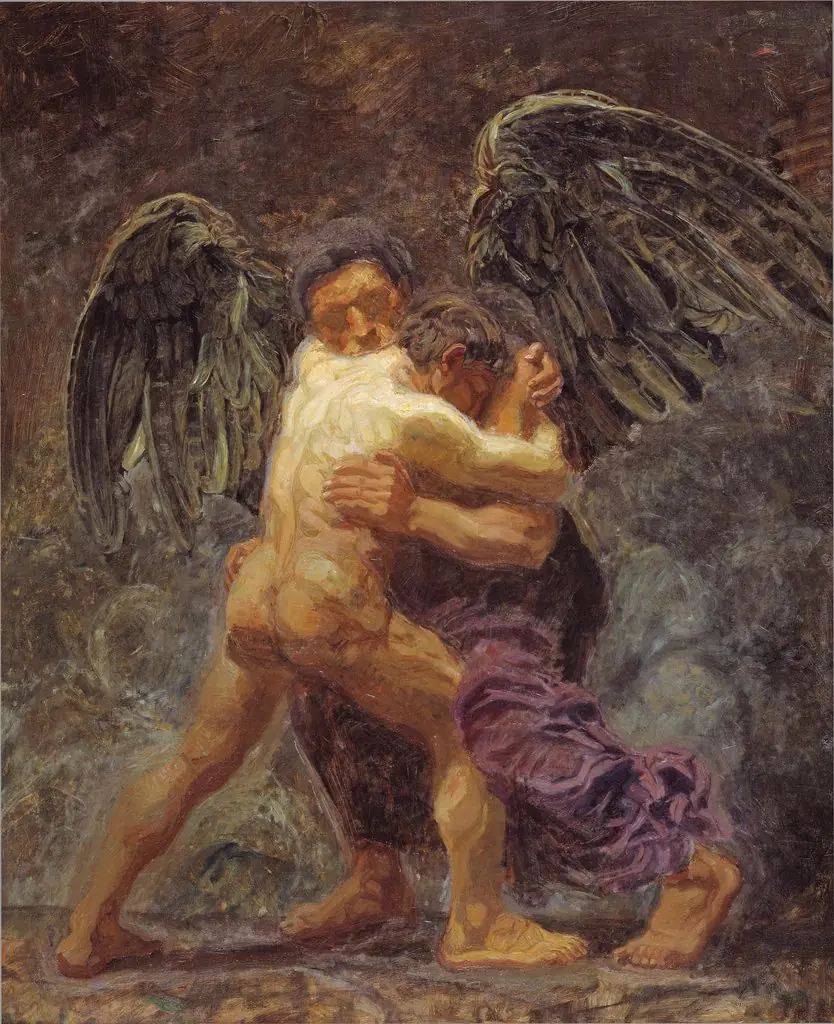
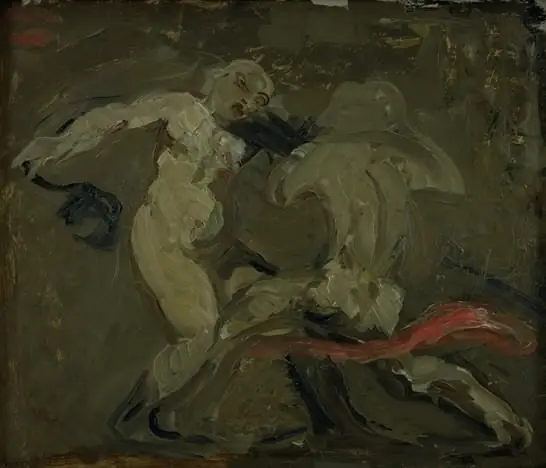
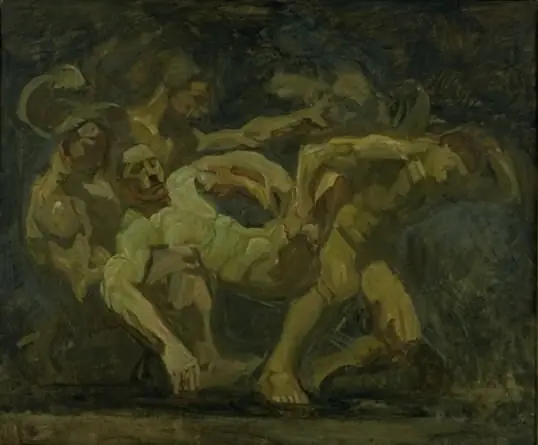
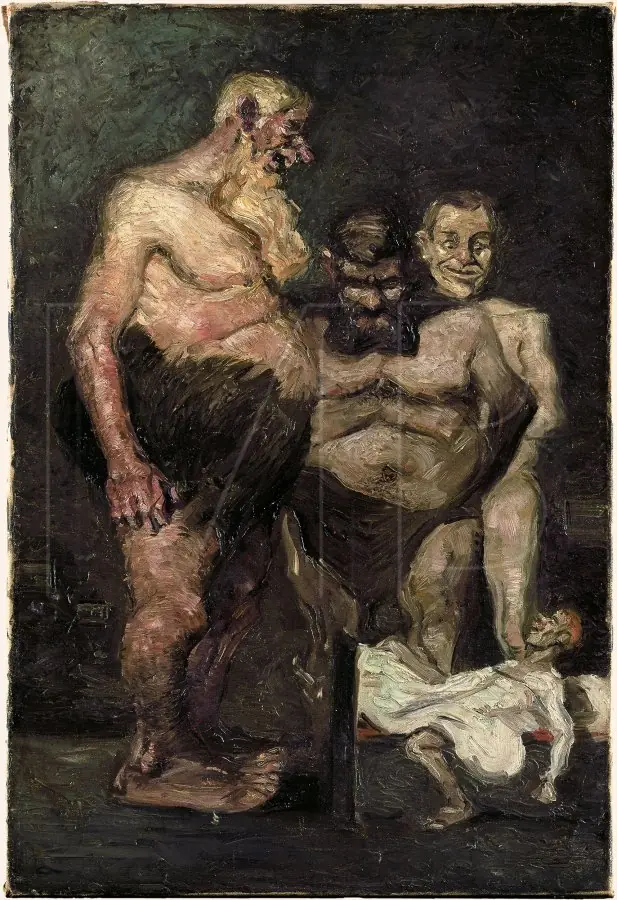
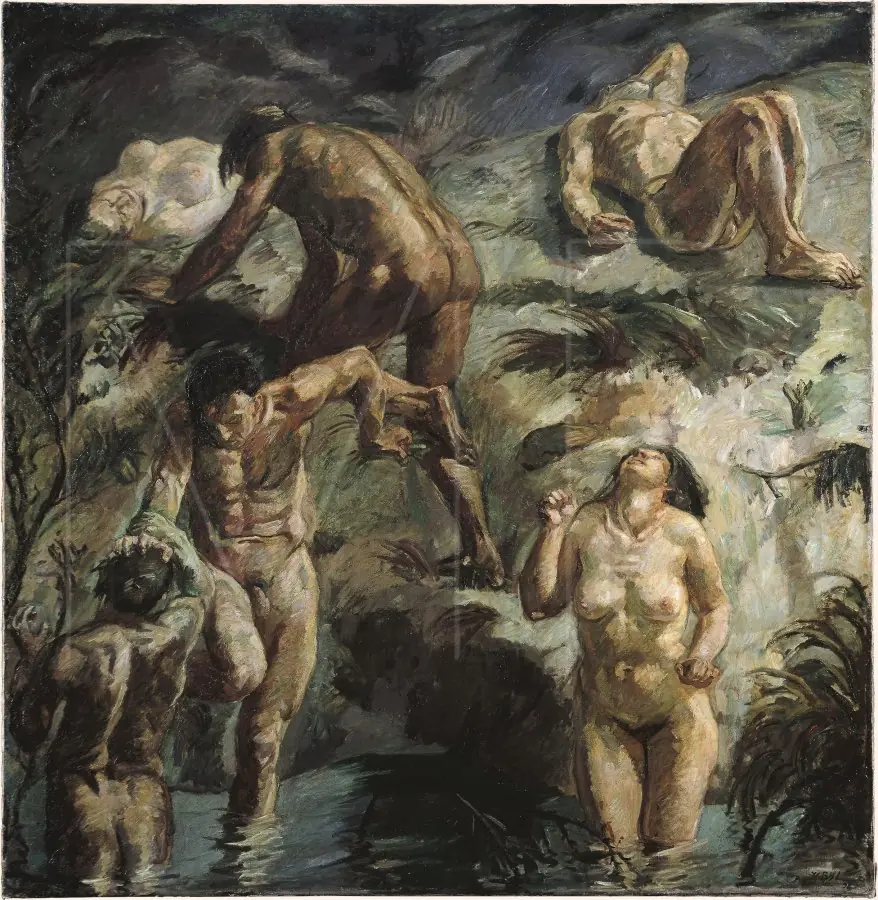
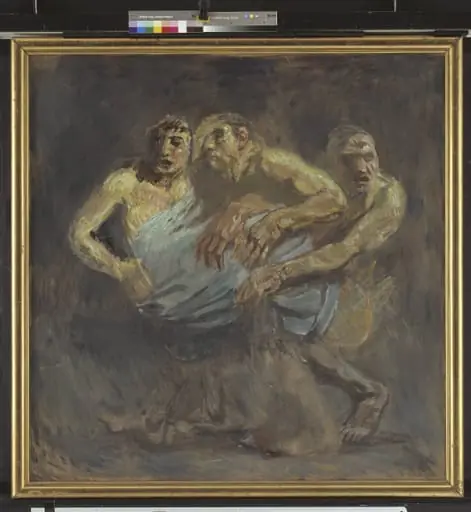
Susanna is an oil painting by the Symbolist artist Oluf Hartmann. It dates from 1909 and is held in the collection of the Statens Museum for Kunst.
About this work
Overview
Oluf Hartmann, a Danish artist trained at the Royal Danish Academy of Fine Arts, completed the oil painting Susanna in 1909.
Oluf Hartmann, a Danish artist trained at the Royal Danish Academy of Fine Arts, completed the oil painting Susanna in 1909. The work is part of the Symbolist tradition, emphasizing mood and inner states over literal narrative. It resides in the collection of Statens Museum for Kunst in Copenhagen, where it reflects Hartmann’s engagement with psychological and spiritual themes through quiet, atmospheric composition.
Subject & Meaning
The figure depicts Susanna, a biblical woman from the Book of Daniel, known for her virtue amid surveillance and false accusation. Hartmann portrays her alone in a natural setting, gazing downward with solemnity. The wind-tossed shawl and flowing dress suggest vulnerability and inner tension, aligning with Symbolist interests in moral isolation and emotional gravity rather than overt drama.
Technique & Style
Hartmann employed oil paint with a restrained palette of muted greens and browns to evoke a somber, introspective tone. He used chiaroscuro to model form through subtle shifts in light and shadow, enhancing the figure’s presence against the diffuse landscape. Brushwork is soft and blended, avoiding sharp edges, which contributes to the painting’s dreamlike stillness and emotional resonance.
History & Provenance
Painted in 1909, Susanna entered the collection of Statens Museum for Kunst shortly after its completion. Hartmann’s association with Danish Symbolism and his academic training lent the work institutional credibility. It has remained in public ownership since, with no documented private ownership or significant exhibition history beyond its inclusion in the museum’s permanent display.
Context
In early 20th-century Denmark, Symbolism offered an alternative to naturalism, favoring introspection and mythic themes. Hartmann’s Susanna reflects this shift, drawing on biblical narrative to explore solitude and moral integrity. The painting aligns with broader European trends where artists turned inward, using nature and quiet figures to convey psychological depth rather than social commentary.
Legacy
Though Hartmann is not widely known outside Denmark, Susanna remains a significant example of Danish Symbolist painting. Its quiet intensity and technical restraint distinguish it within the national canon. The work continues to be studied for its nuanced treatment of female subjectivity and its contribution to the transition from academic tradition to modern psychological expression in Nordic art.
Artist & collection
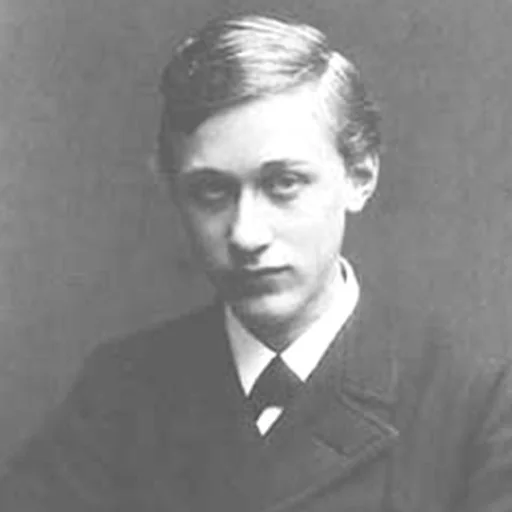
Artist
Oluf Hartmann (16 February 1879 – 16 January 1910) was a Danish painter. Trained at the Royal Danish Academy of Fine Arts in Copenhagen, he showed his works at important exhibitions in the 1900s.