Artwork
Self-Portrait (¿?)
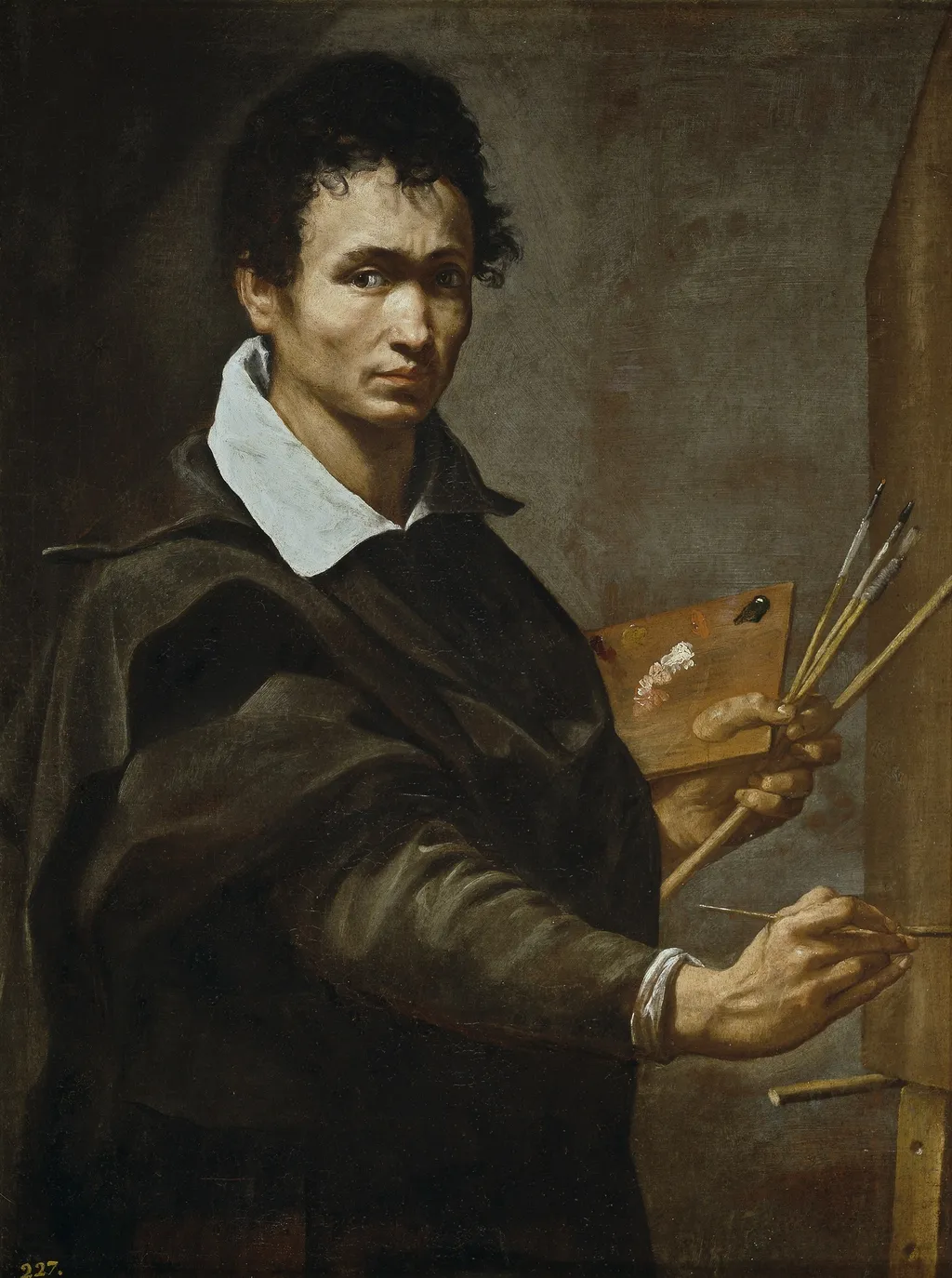
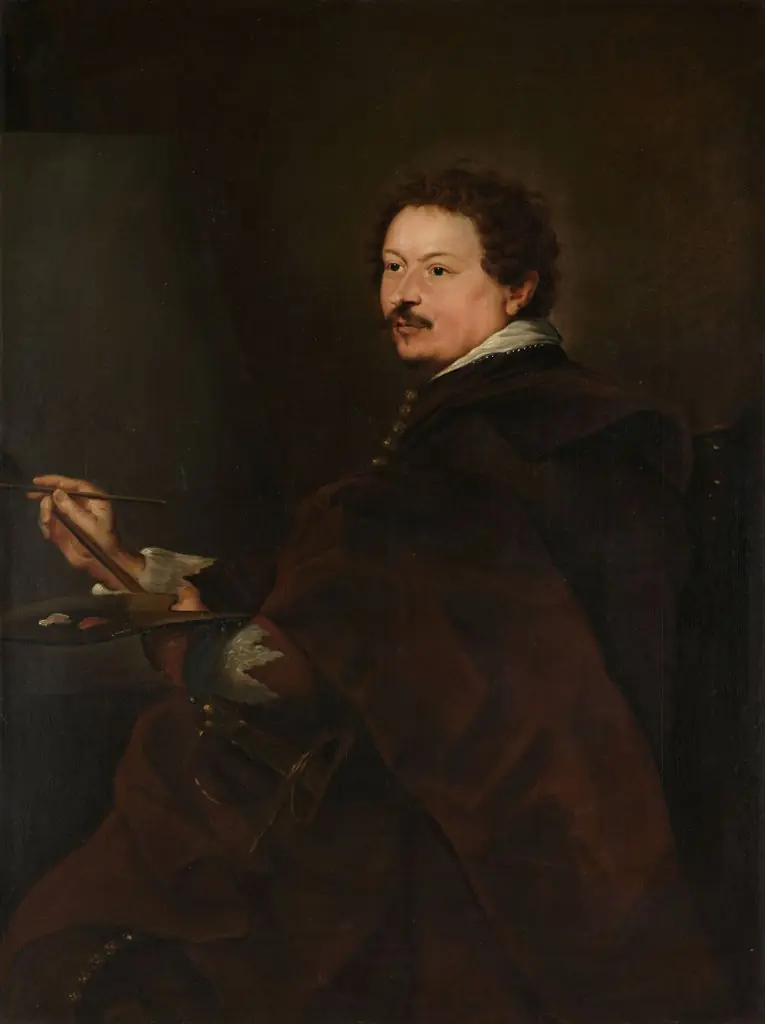
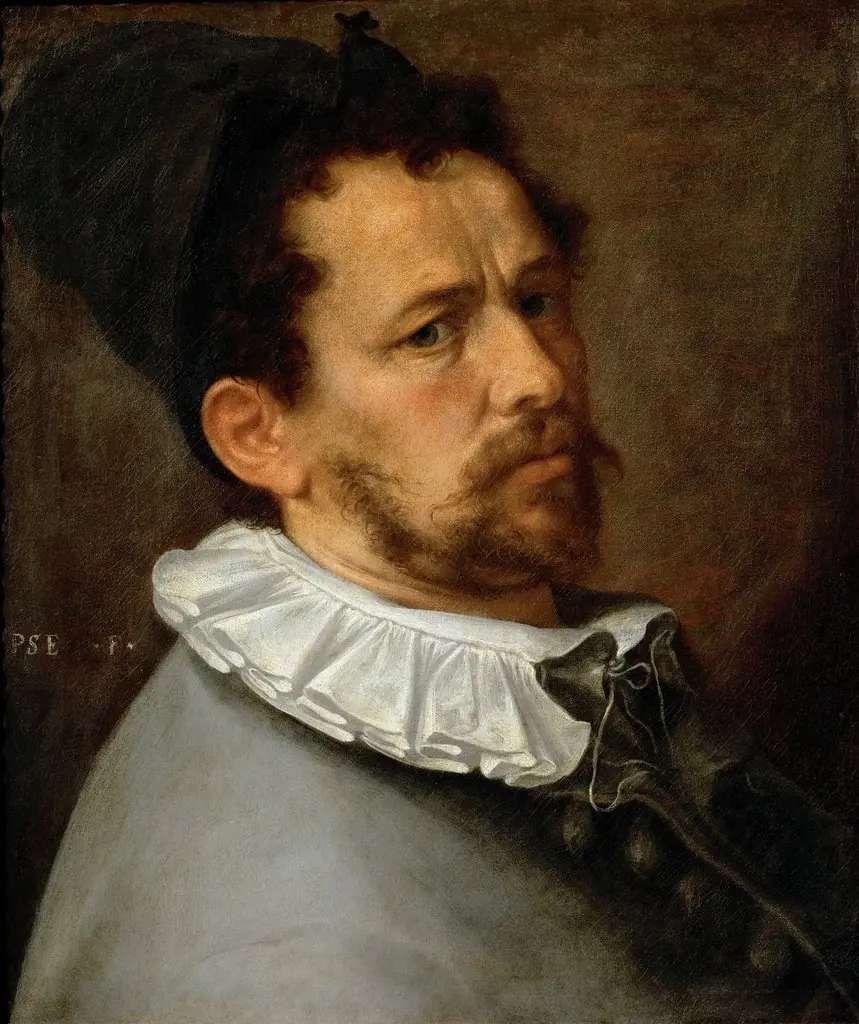
Self-Portrait (¿?) is an oil painting by the Early Baroque Italian artist Orazio Borgianni. It dates from 1600 and is held in the collection of the Museo del Prado.
About this work
Subject & Meaning
These elements serve to identify the figure not merely as a man, but specifically as a practitioner of painting, emphasizing his professional identity.
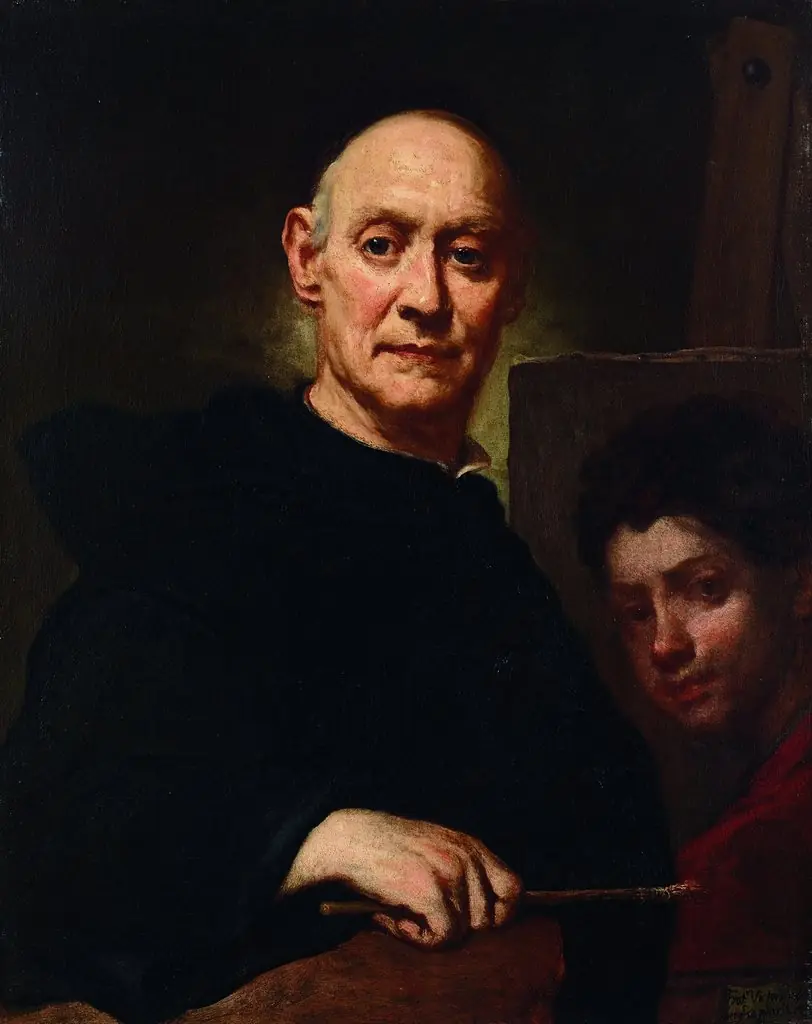
The work functions as a self-portrait, explicitly depicting the Italian painter Orazio Borgianni as its primary subject. The iconography centers on the tools of the artist's trade, featuring Borgianni positioned alongside an easel and a painter's palette. These elements serve to identify the figure not merely as a man, but specifically as a practitioner of painting, emphasizing his professional identity.
By including the apparatus of his studio, the image symbolizes the act of creation and the artist's role within it. The composition represents a direct assertion of Borgianni's presence and skill, typical of the genre where the creator becomes the created.
Technique & Style
Executed in 1600, this self-portrait by Orazio Borgianni is an oil painting on canvas. The work measures 95 cm in height and 71 cm in width. As a portrait, the composition features the artist depicting himself alongside professional tools of his trade, specifically an easel and a palette. These elements serve to identify the sitter's profession within the genre of self-portraiture.
History & Provenance
Attributed to Orazio Borgianni, this oil on canvas self-portrait was created in 1600. The work depicts the artist alongside an easel and palette, establishing its genre as a self-portrait. Currently held in the collection of the Museo del Prado, the painting measures 95 cm in height and 71 cm in width.
No specific details regarding its original commission or intermediate ownership history prior to entering the museum's holdings are provided in the available records.
The painting Self-Portrait (¿?) by Orazio Borgianni is held in the collection of the Museo del Prado, where it is catalogued under the inventory number P00968. It was created in 1600 and has been displayed in exhibitions focused on Baroque portraiture at the museum. The work measures 95 cm in height and 71 cm in width.
Overview
Orazio Borgianni’s self‑portrait, executed in oil around the turn of the 17th century, exemplifies the early Baroque aesthetic that was emerging in Italy. The work presents the artist in a straightforward pose, emphasizing his role as a painter through the inclusion of studio tools. It is part of the Prado Museum’s collection.
Context
Created at a time when Mannerist conventions were giving way to the dramatic realism of the Baroque, the painting illustrates the transitional language of that period. Borgianni’s dual practice as painter and etcher situates him among artists navigating new expressive possibilities in early 1600s Italy.
Own this work as a print
Artist & collection
Artist
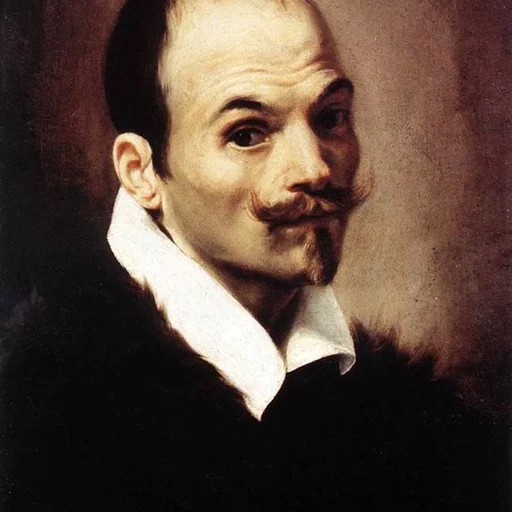
Orazio Borgianni (6 April 1574 – 14 January 1616) was an Italian painter and etcher of the Mannerist and early-Baroque periods.