Artwork
Saltimbanque at Rest
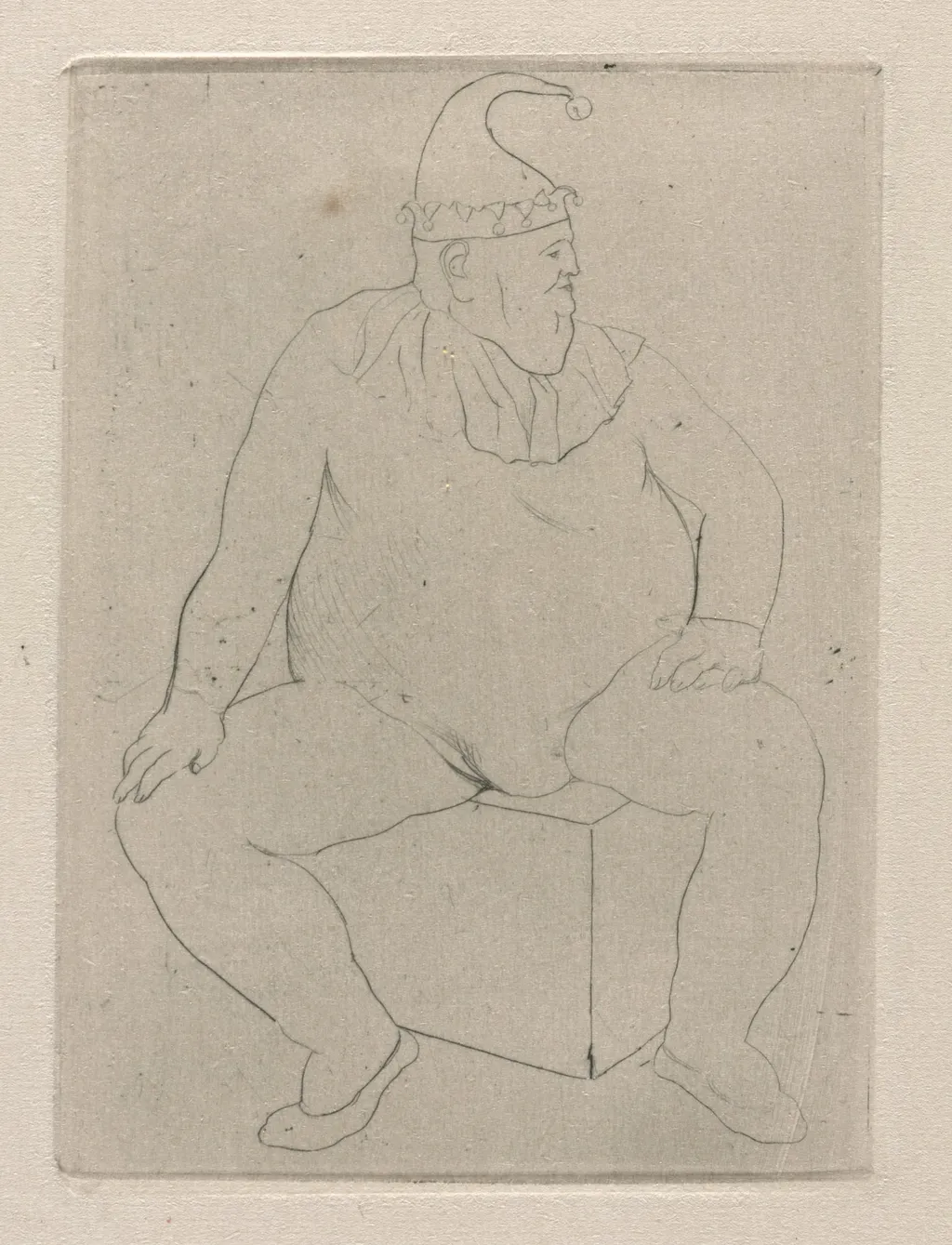
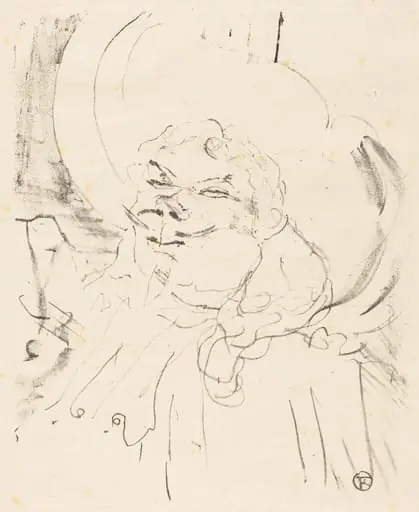
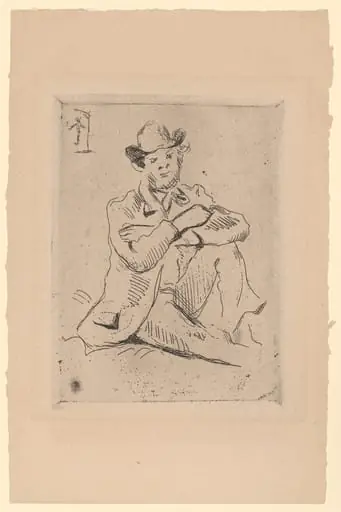
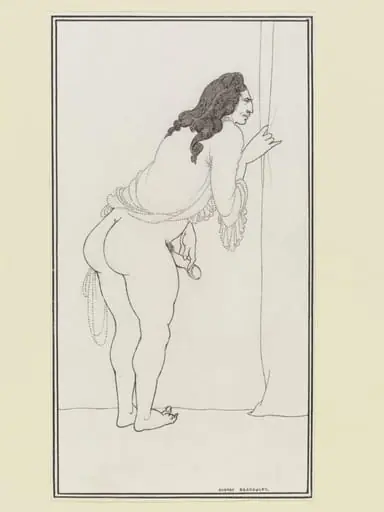
Saltimbanque at Rest is a print by Pablo Picasso. It dates from 1905 and is held in the collection of the Cleveland Museum of Art.
- Accession no.
- 1929.896
- Credit line
- Dudley P. Allen Fund
About this work
Overview
Saltimbanque at Rest, created by Pablo Picasso in 1905, is a print depicting a circus performer in a state of relaxation. This work falls within the early 20th-century output of the artist, known for pioneering Cubism and exploring varied artistic styles.
Subject & Meaning
The subject, a seated, bare-chested saltimbanque (circus performer), conveys a sense of quiet tiredness. The work reflects Picasso’s thematic interest in marginalized figures during this period, capturing a moment of vulnerability and rest.
Technique & Style
Executed with quick, loose lines prioritizing shapes over detailed rendering, the piece resembles a rapid study. The simplicity and expressive lines are characteristic of Picasso’s exploratory approach during the early 20th century.
History & Provenance
Saltimbanque at Rest is part of The Cleveland Museum of Art’s collection, though the specifics of its acquisition and previous ownership are not detailed here.
Context
Created in 1905, this work precedes Picasso’s full embrace of Cubism but shows his growing interest in simplifying forms, a precursor to his more revolutionary works to come.
Legacy
While not a landmark of Cubism, Saltimbanque at Rest contributes to the understanding of Picasso’s transitional period, highlighting his empathy for outsider figures and his evolving artistic technique.
Artist & collection
Artist
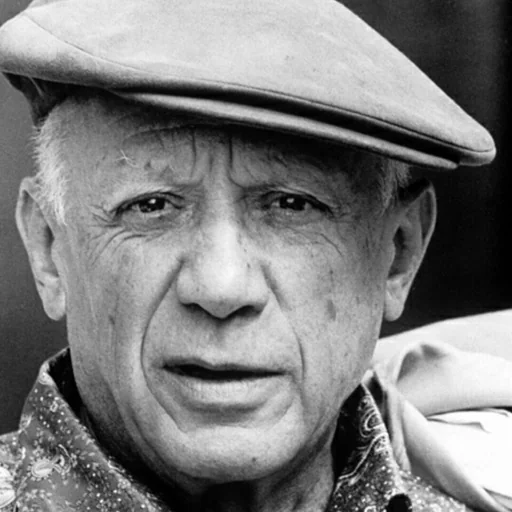
Pablo Ruiz Picasso (25 October 1881 – 8 April 1973) was a Spanish painter and sculptor who spent most of his adult life in France.