Subject
Hat
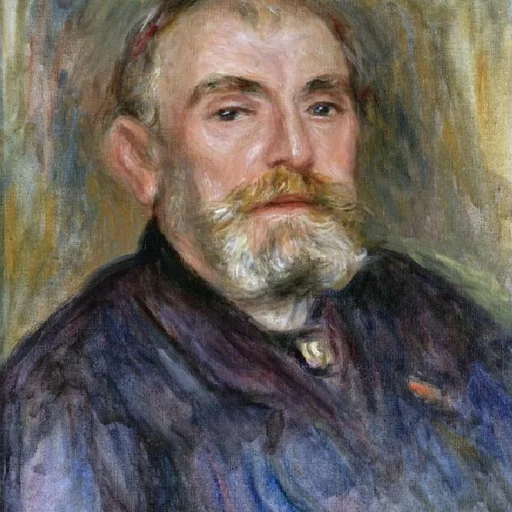
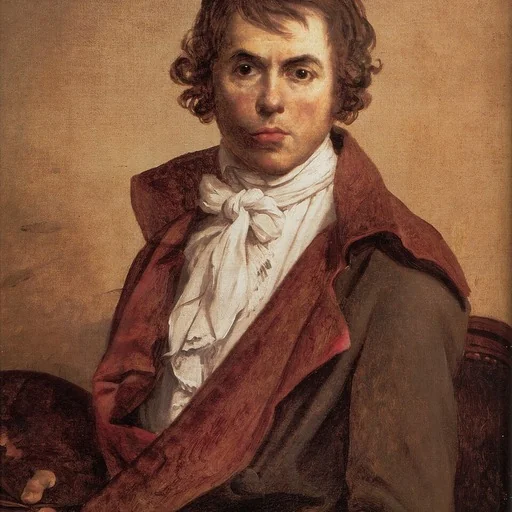
Hat is a subject in art. The gallery holds 200 works in this subject in art, including works by Titian, Thomas Cole and Henry Lerolle.
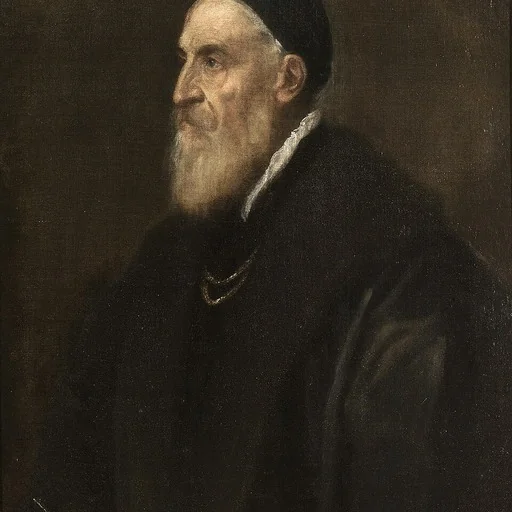
The hat is one of the oldest and most legible signs in the painter's vocabulary. A head covering worn for protection, ceremony, faith, or fashion, it sits at the most expressive point of the human figure—framing the face—and for most of recorded history Western convention held that no respectable person appeared in public bareheaded. Because headwear so precisely encoded rank, trade, region, and belief, artists seized on it as shorthand for identity. A beret, biretta, tricorne, bonnet, or top hat could place a sitter in a class and a century at a glance, which is why portraitists lavished such attention on its shape, material, and tilt.
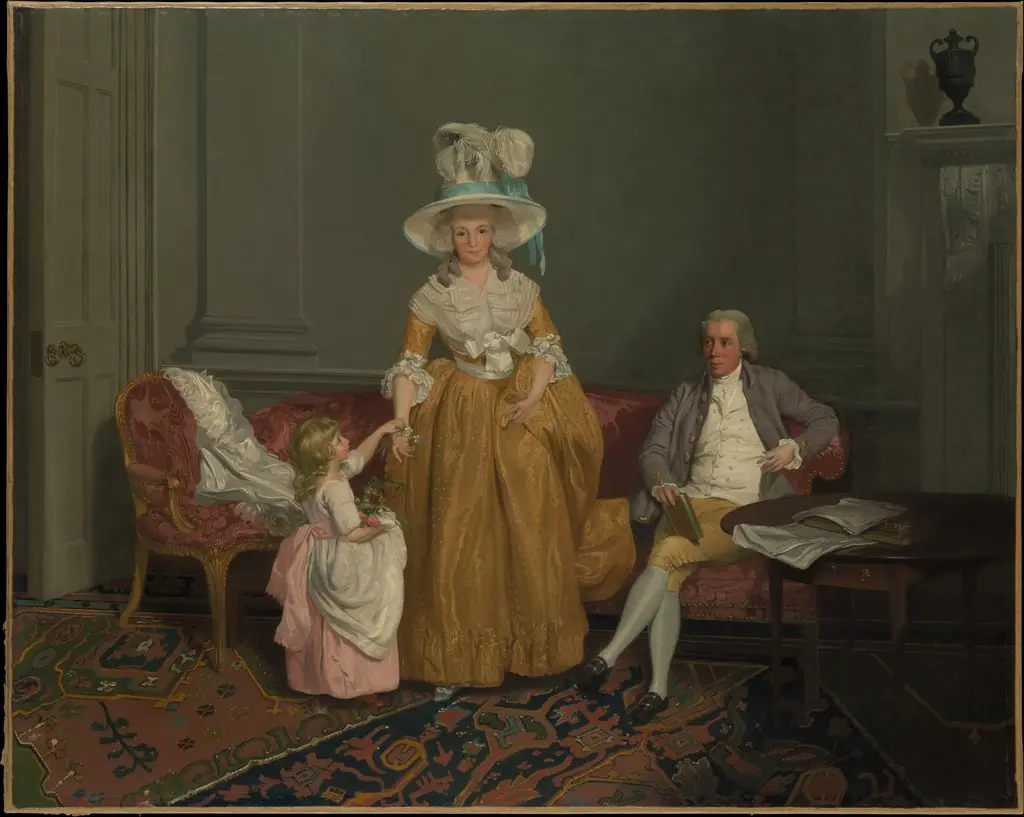
Visually, the hat offered painters a gift: a bold mass of colour and shadow set directly against the brow. Johannes Vermeer's diminutive Girl with the Red Hat (c. 1665–69), among his smallest works, builds its whole theatrical force from a broad, feathery cherry-red beret balanced against a blue wrap. Rembrandt repeatedly used soft caps and plumed hats in his self-portraits to cast himself, an artist, in the dress of a wealthy gentleman, claiming status above his station. Eighteenth-century English portraiture made the wide-brimmed "picture hat" a sensation, and Thomas Gainsborough turned its sweeping silhouette into pure elegance.
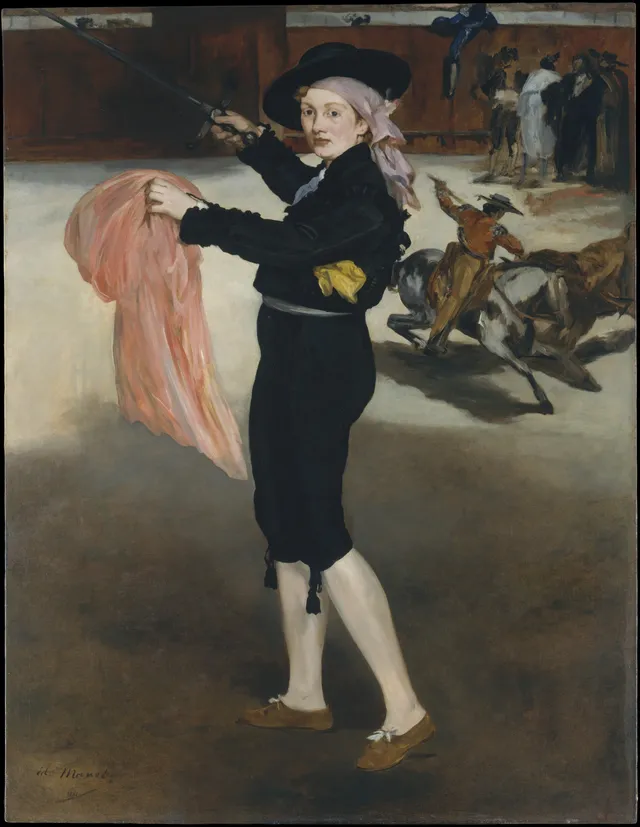
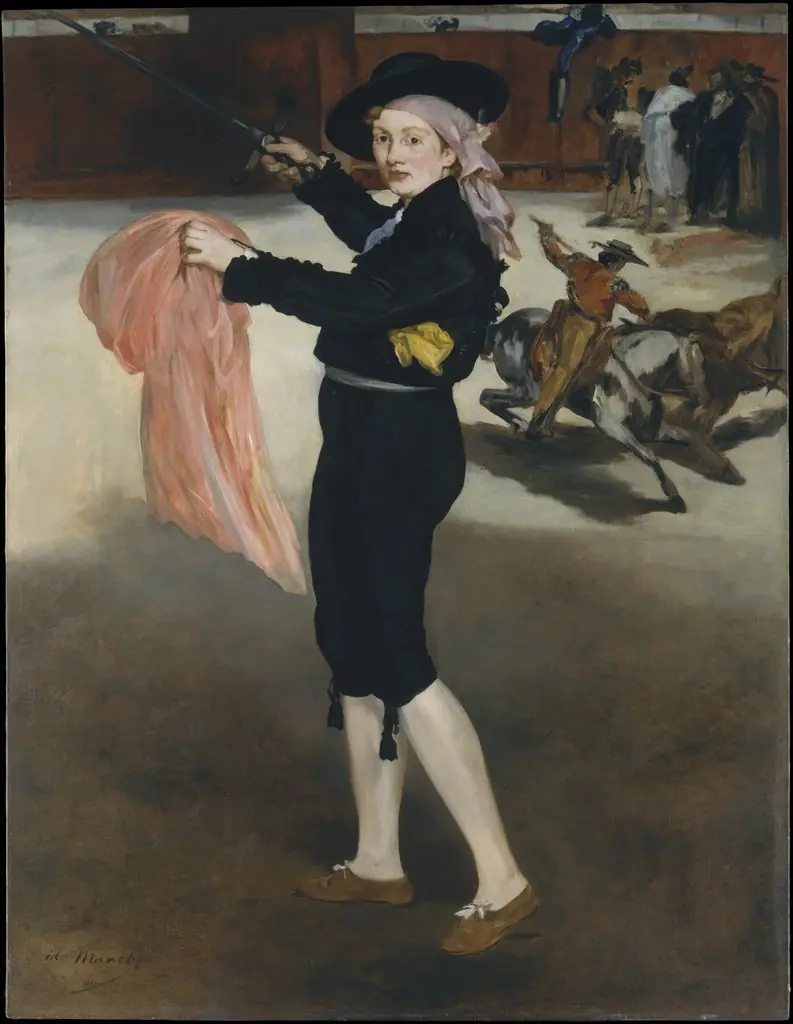
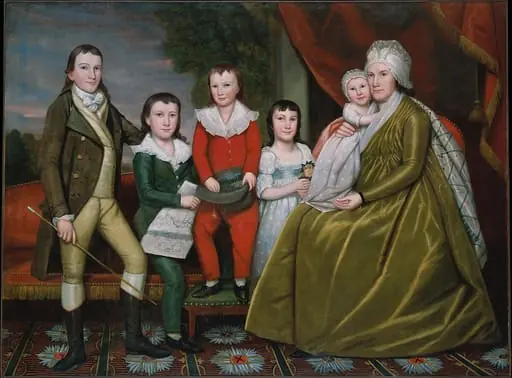
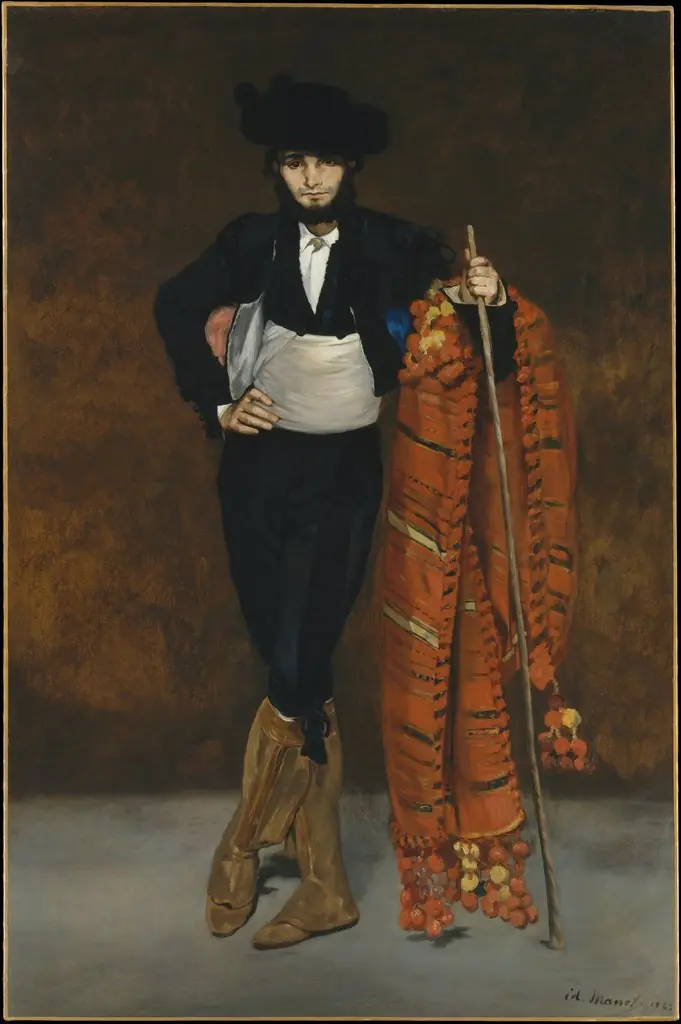
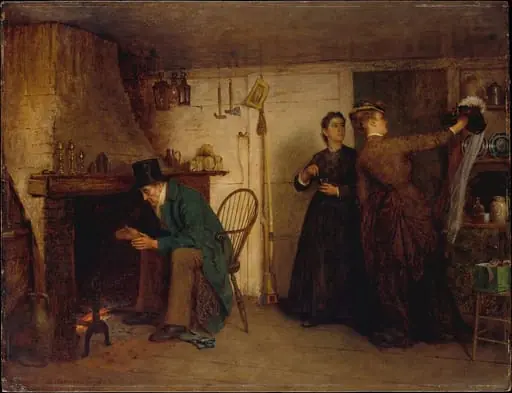
The hat was equally a vehicle for genre and costume drama. Édouard Manet dressed his model Victorine Meurent as a matador in Mademoiselle V… in the Costume of an Espada (1862), the espada's hat completing a Spanish masquerade indebted to Goya. American painters read social ritual in headwear too, from the new finery of Eastman Johnson's The New Bonnet to the colonial respectability stitched into Ralph Earl's family groups.
Hats also carried potent politics. The red Phrygian or liberty cap—descended from the Roman pileus given to freed slaves—became the emblem of revolutionary France, crowning Marianne and Eugène Delacroix's Liberty Leading the People (1830). In the modern era the bowler and top hat, those evolutions of aristocratic headgear, became symbols of bourgeois conformity that René Magritte famously turned uncanny, ensuring the hat's long career as both marker of identity and mask.
Key artists
Overview
A hat is a shaped head covering distinguished by a crown and a brim, though the brim may be partial or absent. Worn for diverse reasons, including weather protection, ceremony, religion, safety, comedy, and fashion, hats frequently shade into the broader category of headgear when they incorporate mechanical features like visors or spikes. Beyond their practical functions, hats serve as prominent markers of social status, professional affiliation, and group identity. Because they sit visibly atop the head, hats operate as immediate visual signifiers, communicating the wearer's rank, nationality, or religious adherence, a quality that has made them a recurring and highly charged motif in art across centuries.
Iconography & meaning
In art and visual culture, the hat carries heavy symbolic weight. Historically, it functioned as a strict indicator of social hierarchy and authority. In the Middle Ages, the Fourth Council of the Lateran in 1215 mandated that Jews wear the Judenhat, typically a yellow, pointed or square hat, marking them as targets for antisemitism and making the hat a forced symbol of otherness. Conversely, the Phrygian cap, worn by freed slaves in ancient Greece and Rome, evolved into an iconic symbol of the struggle for liberty during the American and French Revolutions. Religious iconography relies heavily on hats, such as the mitre worn by Christian bishops or the galero of cardinals, while Christian customs derived from 1 Corinthians 11 dictate that men remove their hats in church as a sign of submission, whereas women must cover their heads to show they are under authority. In heraldry, hats denote rank, such as the red velvet Kürhut of Holy Roman Empire electors or the galero in ecclesiastical arms, where the number of tassels indicates specific clerical rank.
Across movements & periods
The treatment and form of the hat in visual culture have shifted dramatically with social and technological changes. Early depictions, such as a Thebes tomb painting from around 3200 BC, show conical straw hats, while ancient Mesopotamian art features inverted vase shapes. In the Middle Ages, women's head coverings ranged from simple scarves to elaborate hennin, with structured hats for women emerging in the late 16th century. The first half of the 19th century saw women wearing increasingly large bonnets decorated with ribbons and feathers, while the late 19th century introduced wide brims, flat crowns, and the toque. By the 1920s, shorter hairstyles prompted helmet hugging designs. The 1980s saw extravagant styles, and the early 21st century introduced flamboyant creations like trompe l'oeil felt hats and tall headpieces made of human hair, often described as wearable sculpture. Manufacturing innovations also changed its presence in art, as the 1843 invention of the conformator by French hatters M. Allie and M. Maillard allowed for precise head measurements, standardizing the ready to wear hats that populated modern life painting.
Notable depictions
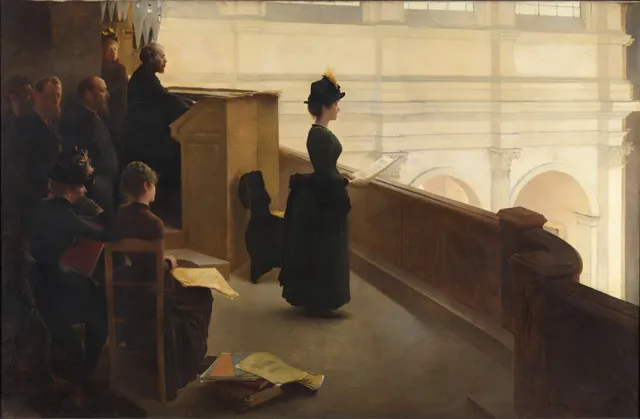
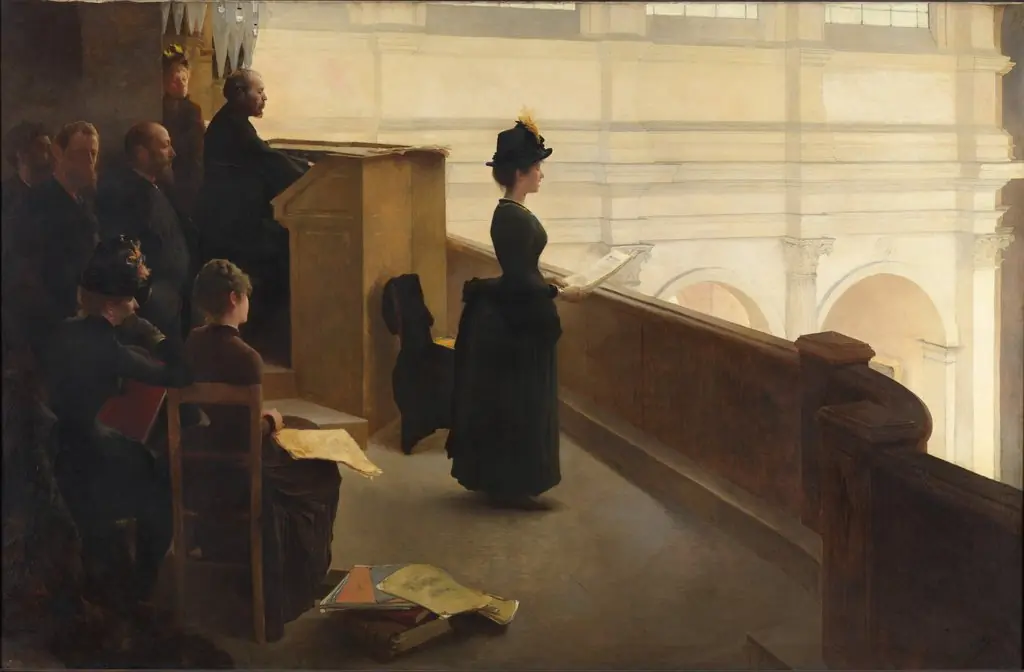
Among the earliest known depictions of a hat is the 27,000 to 30,000 year old Venus of Willendorf figurine, which may show a woman wearing a woven hat. Another ancient depiction is the Theban tomb painting from circa 3200 BC showing a man in a conical straw hat. Archaeological evidence provides further notable examples, such as the bearskin cap with a chin strap worn by the Bronze Age man Otzi around 3250 BC, and the pointed sheepskin and wool cap worn by the Tollund Man, who died around 400 BC. In the context of fine art, specific canonical works in the collection highlight the motif, such as The Organ Rehearsal, Mademoiselle V. . . in the Costume of an Espada, and Garden at Sainte-Adresse, which capture the hat in contexts of music, Spanish costume, and leisurely seaside modernity, respectively.
Legacy
The cultural afterlife of the hat extends beyond everyday dress into highly codified social rituals and contemporary performance. The tradition of wearing hats to horse racing events, established at the Royal Ascot in Britain with its strict dress code, was adopted at events like the Kentucky Derby, where hats remain central. In the Netherlands, Prinsjesdag features a hoedjesparade where female attendees wear statement hats, such as the straw hat wrapped in a farmer's handkerchief worn by Caroline van der Plas in 2022 to express solidarity with protesting farmers. In contemporary fashion, competitive young milliners have redefined the hat as wearable sculpture, with pop stars like Lady Gaga commissioning hats as publicity stunts. The hat also retains a constitutional legacy, as seen in British and Scottish ceremonies where the tricorne hats of barons are still worn by officials like the Queens Remembrancer, and in the Dutch historical use of the keurhoed, a special hat used alongside black and white beans to appoint magistrates in the 17th century.
Works
 The Organ Rehearsal
 Mademoiselle V. . . in the Costume of an Espada
 Mrs. Noah Smith and Her Children
 Young man in Mayo costume
 The Saithwaite Family
 The New Bonnet
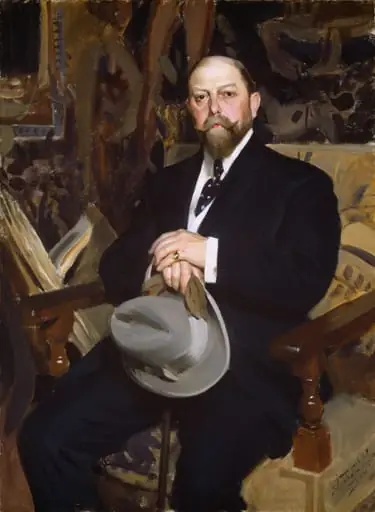 Hugo Reisinger
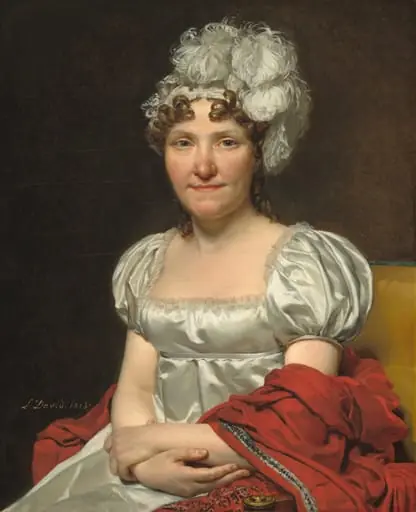 Madame David
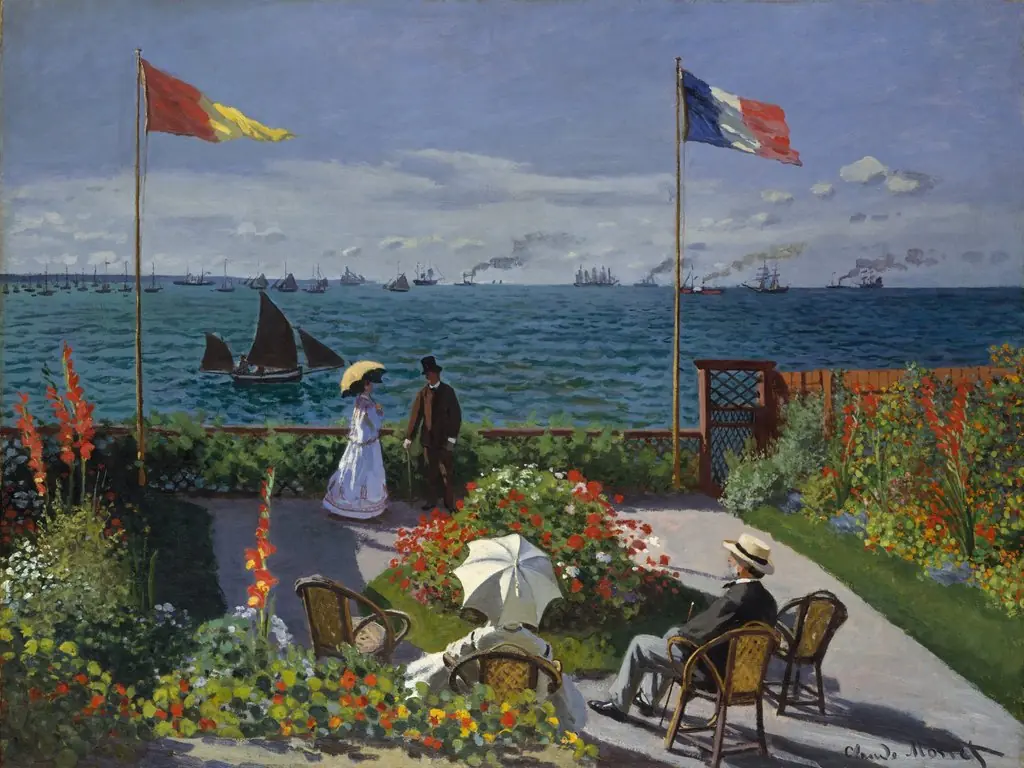 Garden at Sainte-Adresse
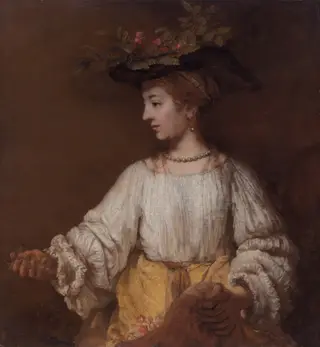 Flora
Flora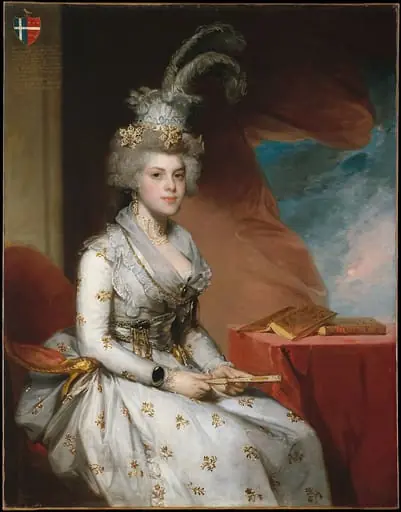 Matilda Stoughton de Jaudenes
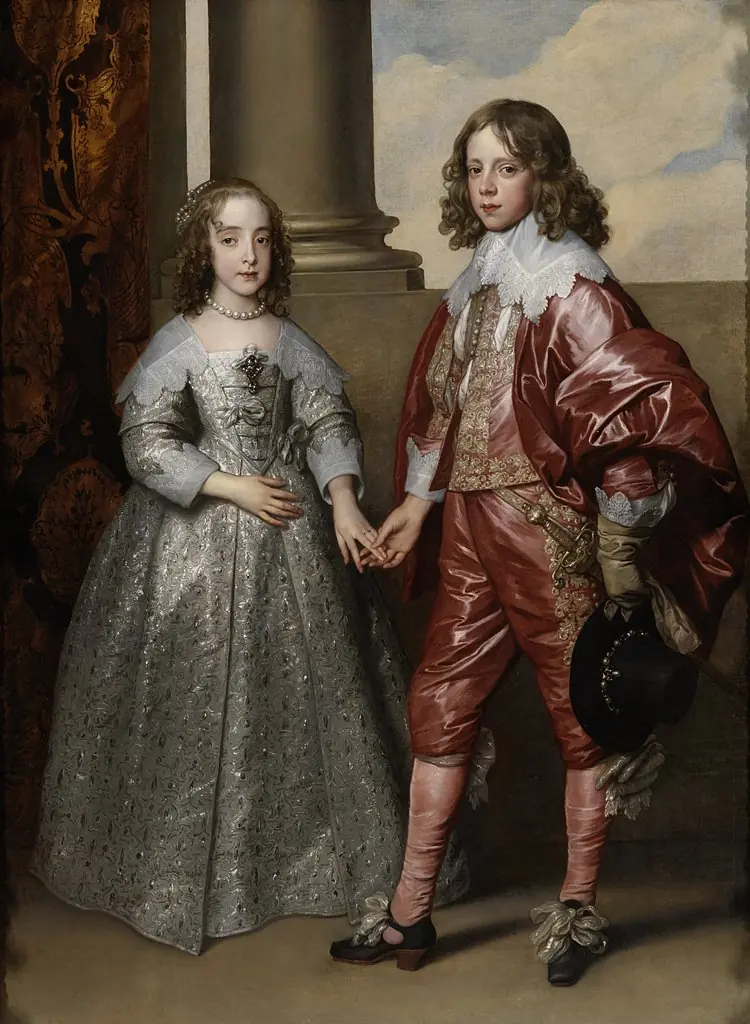 William II, Prince of Orange, and his Bride, Mary Stuart
 1807, Friedland
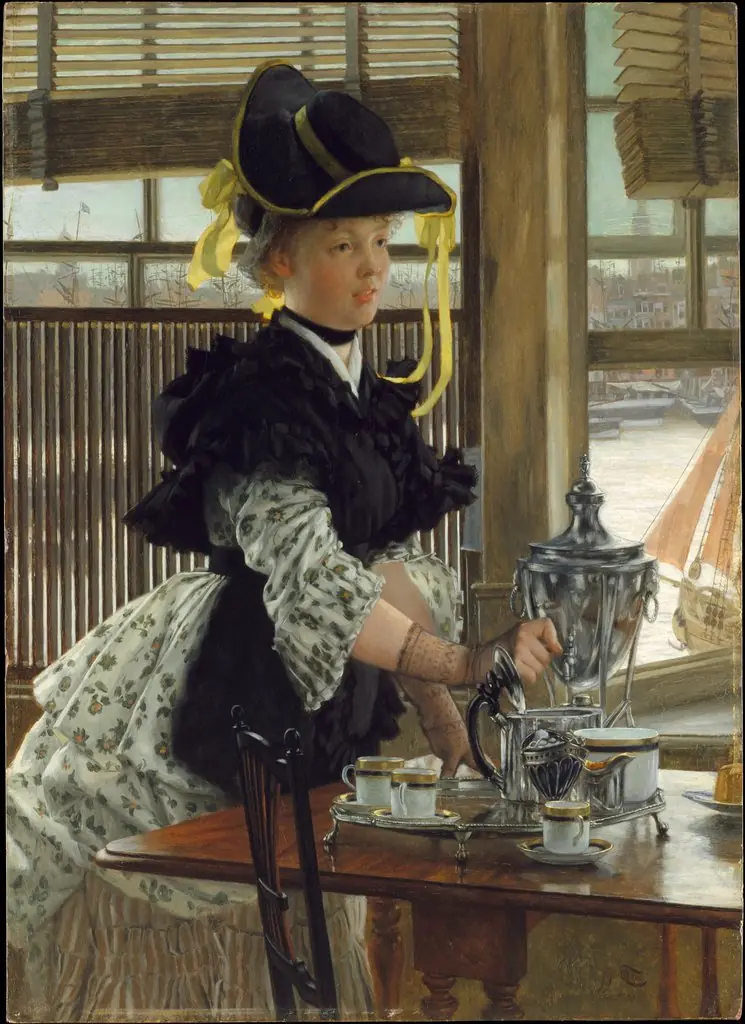 Tea
Tea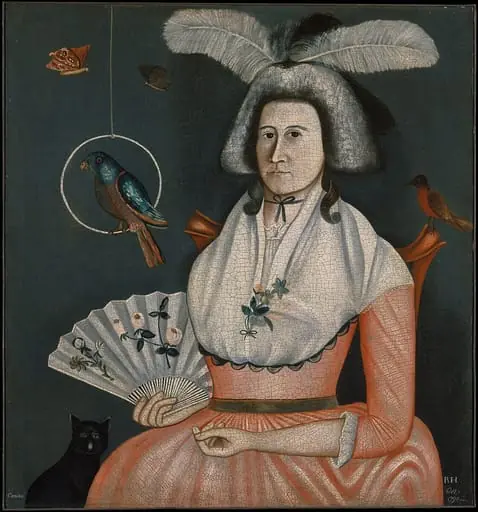 Molly Wales Fobes
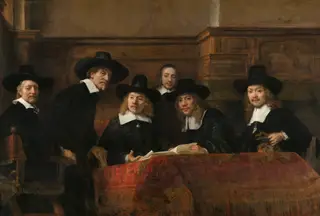 Syndics of the Drapers' Guild
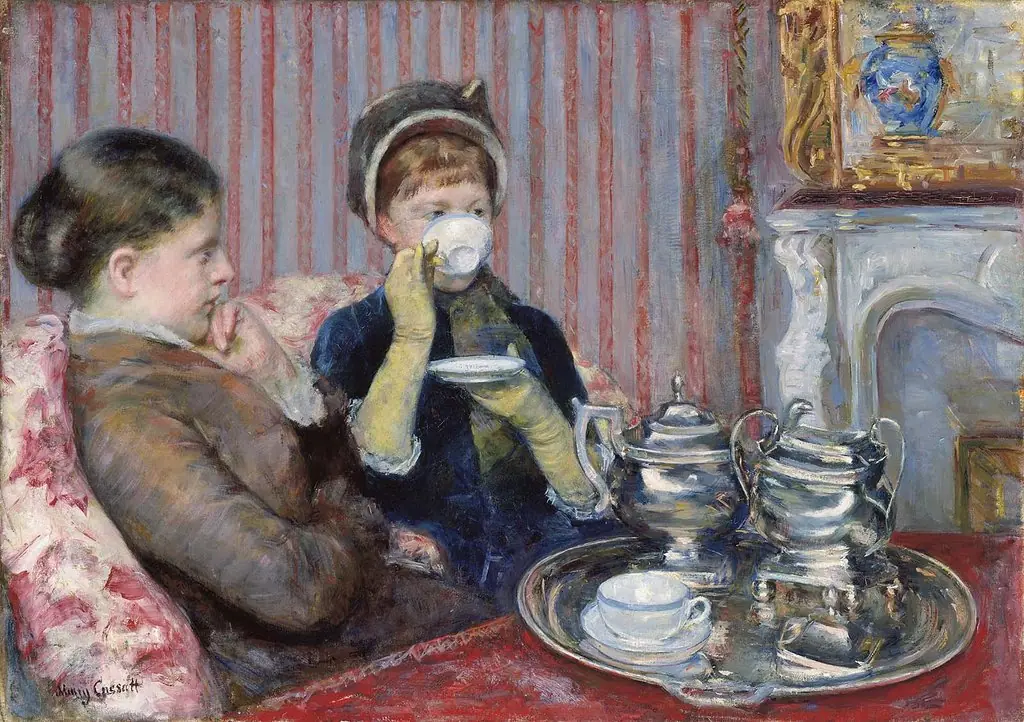 Five O'Clock Tea
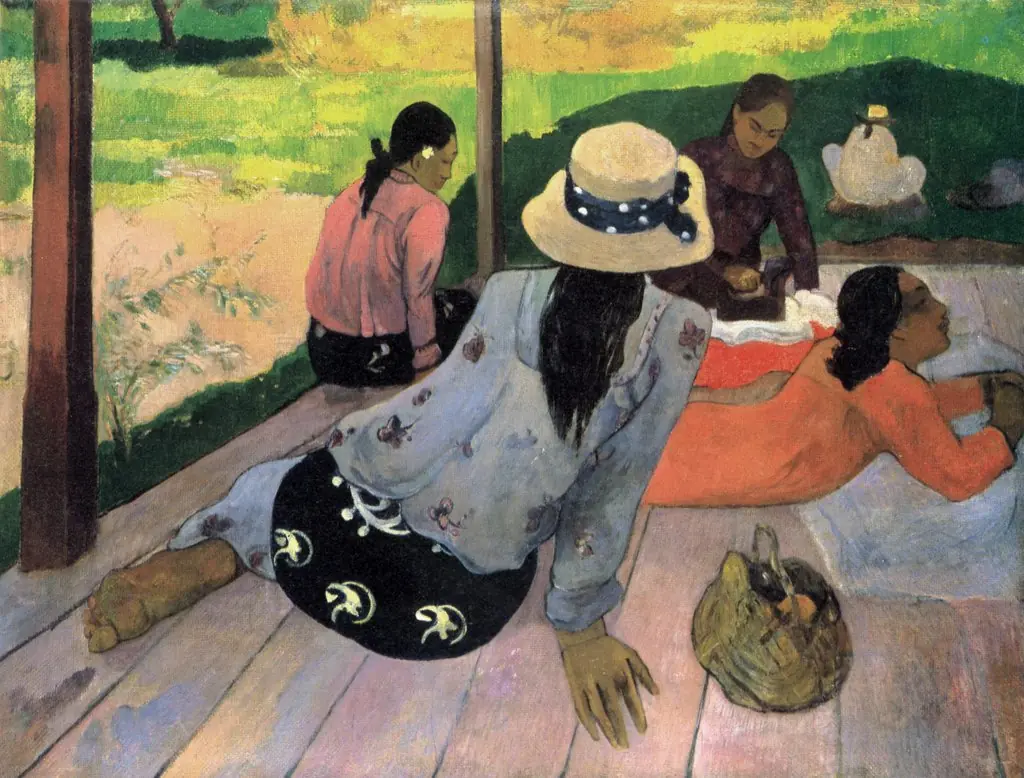 The Siesta
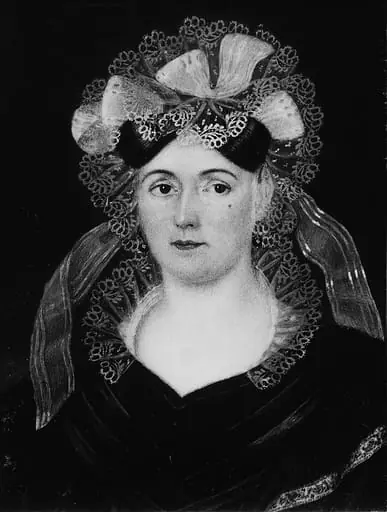 Self portrait
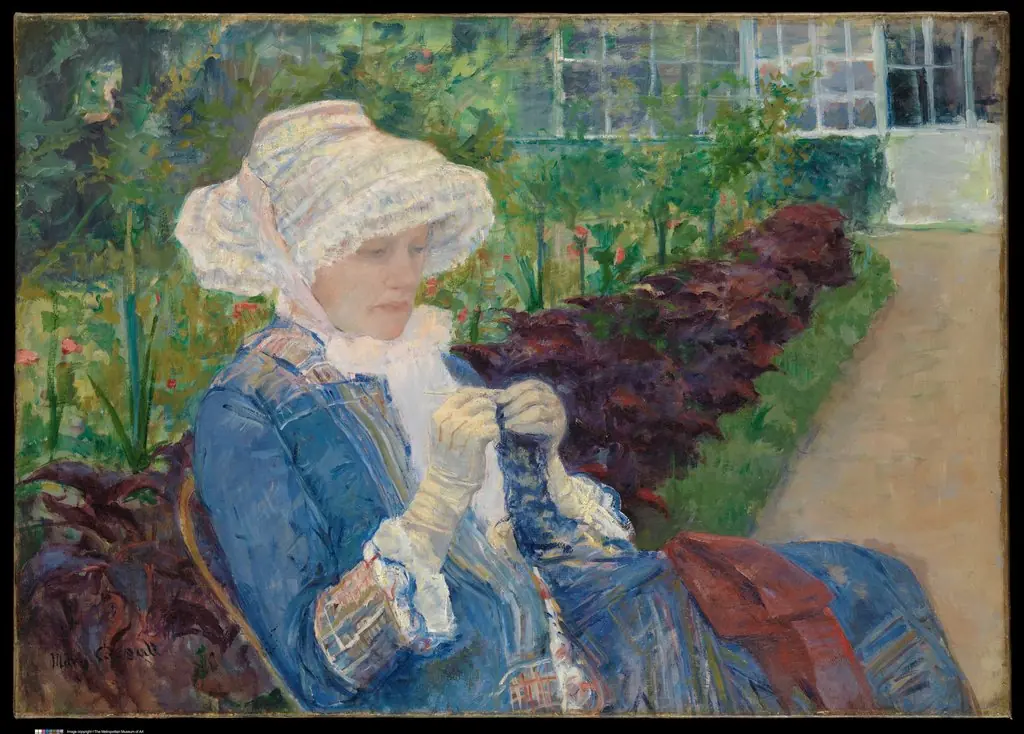 Lydia Crocheting in the Garden at Marly
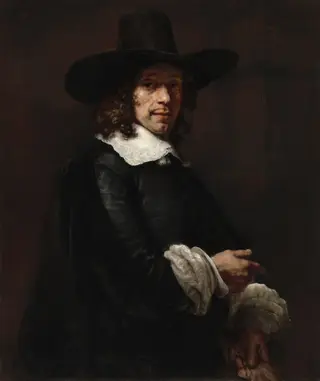 Portrait of a Gentleman with a Tall Hat and Gloves
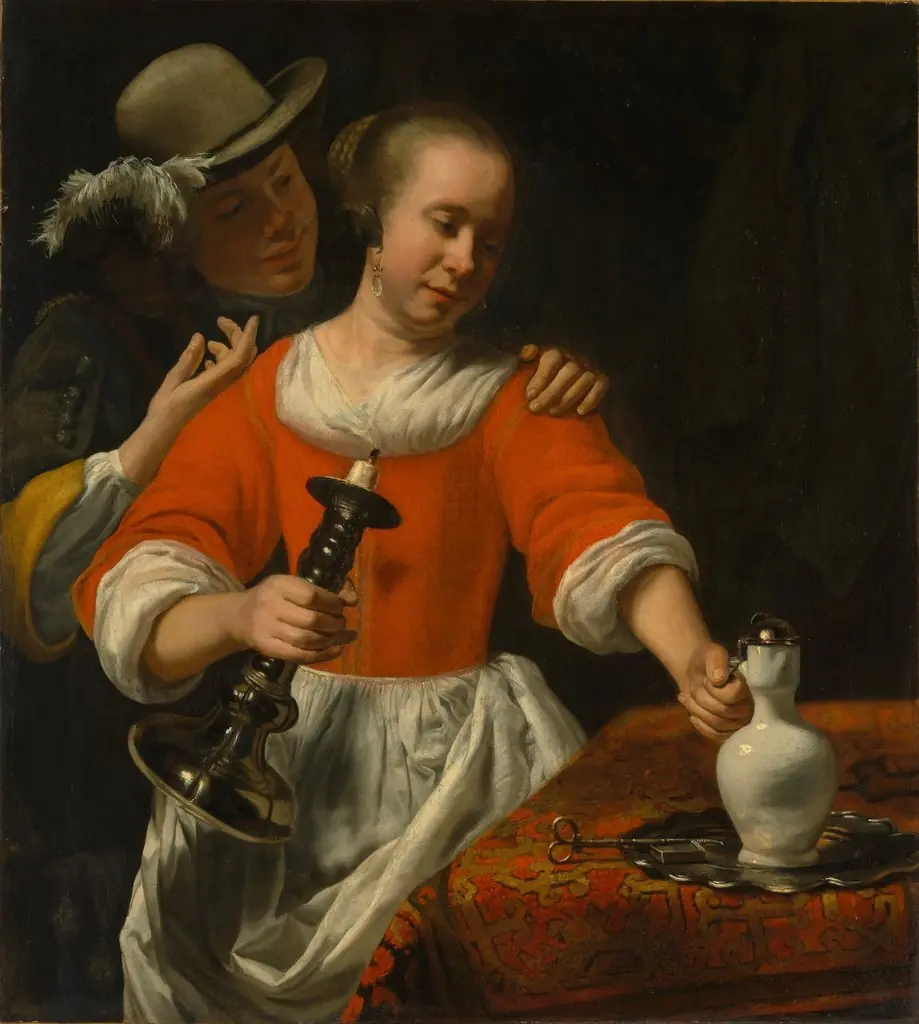 A Young Woman and a Cavalier
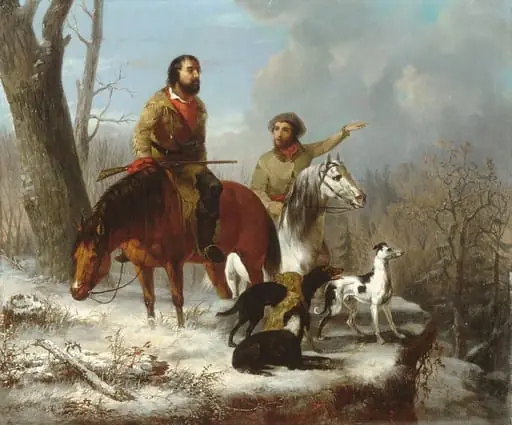 Trappers
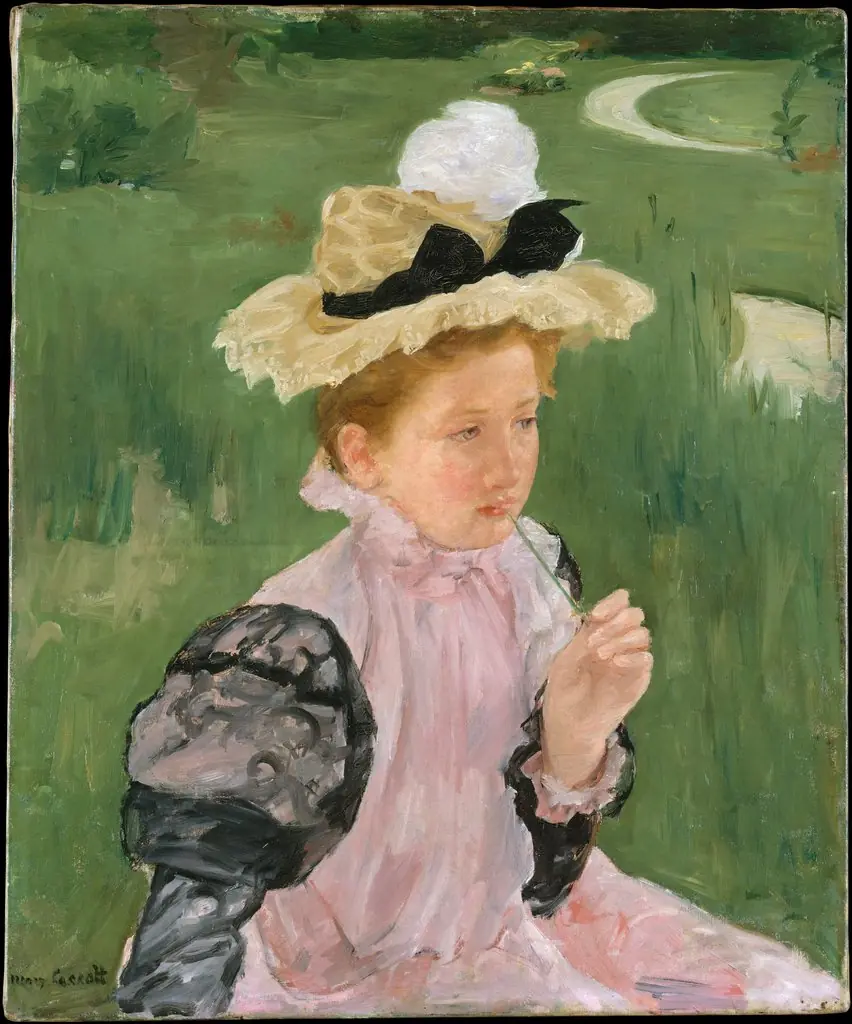 Portrait of a Young Girl
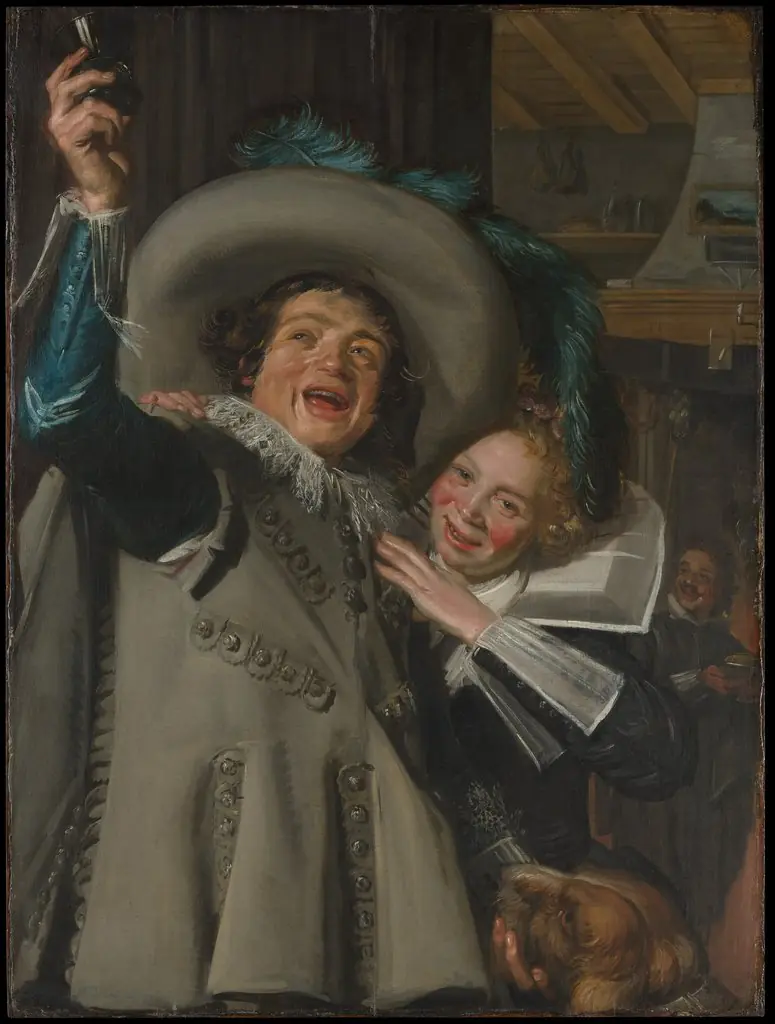 Young Man and Woman in an Inn
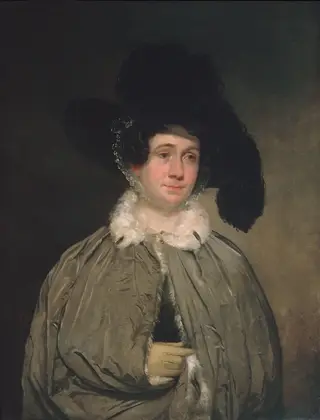 Mrs. Thomas Brewster Coolidge
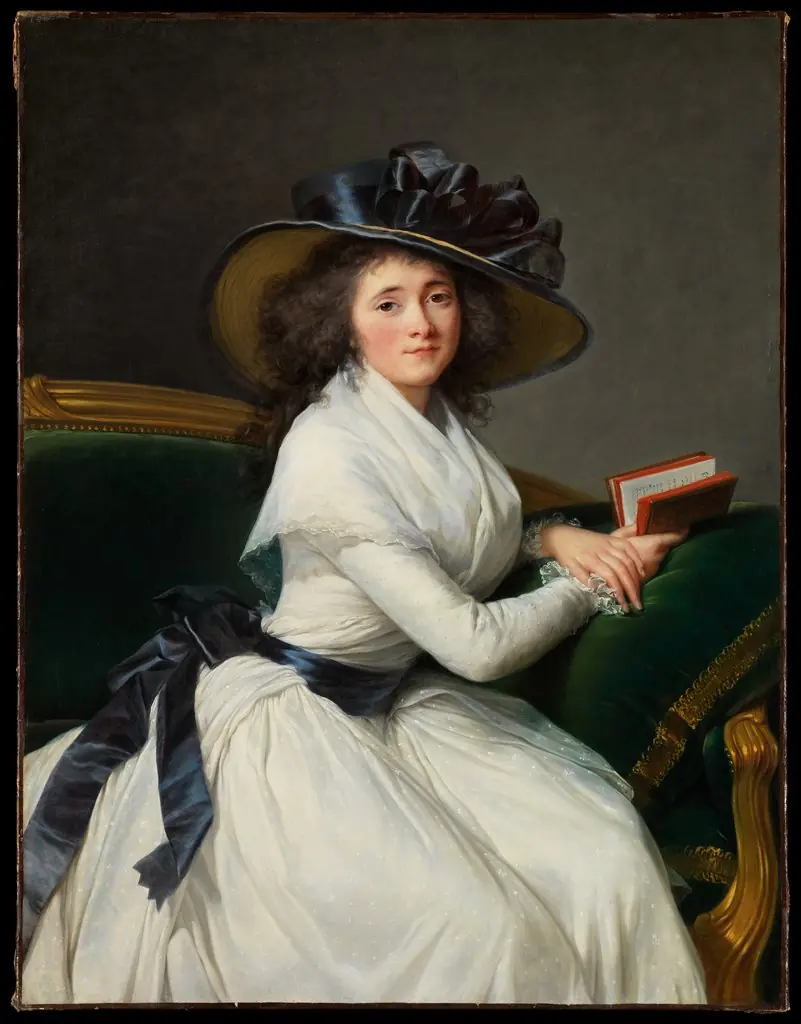 Comtesse de la Châtre (Marie Charlotte Louise Perrette Aglaé Bontemps, 1762–1848)
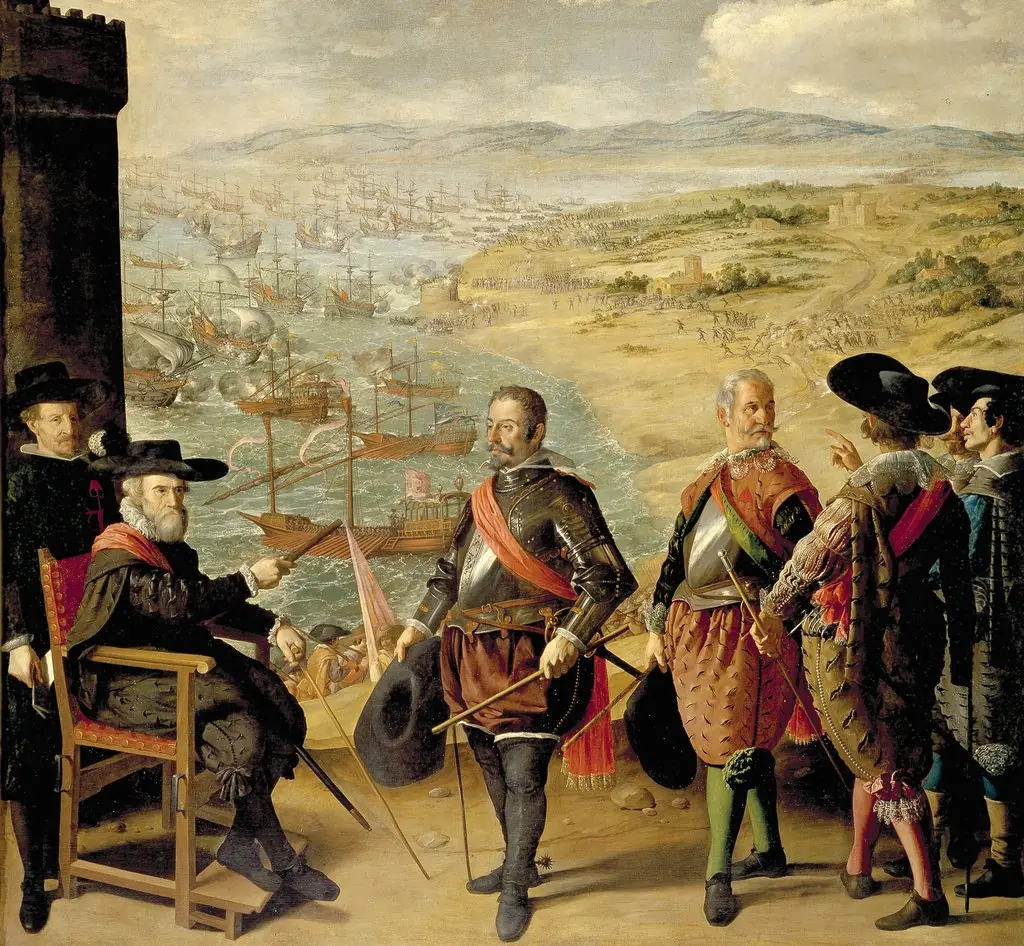 The Defense of Cadiz Against the English
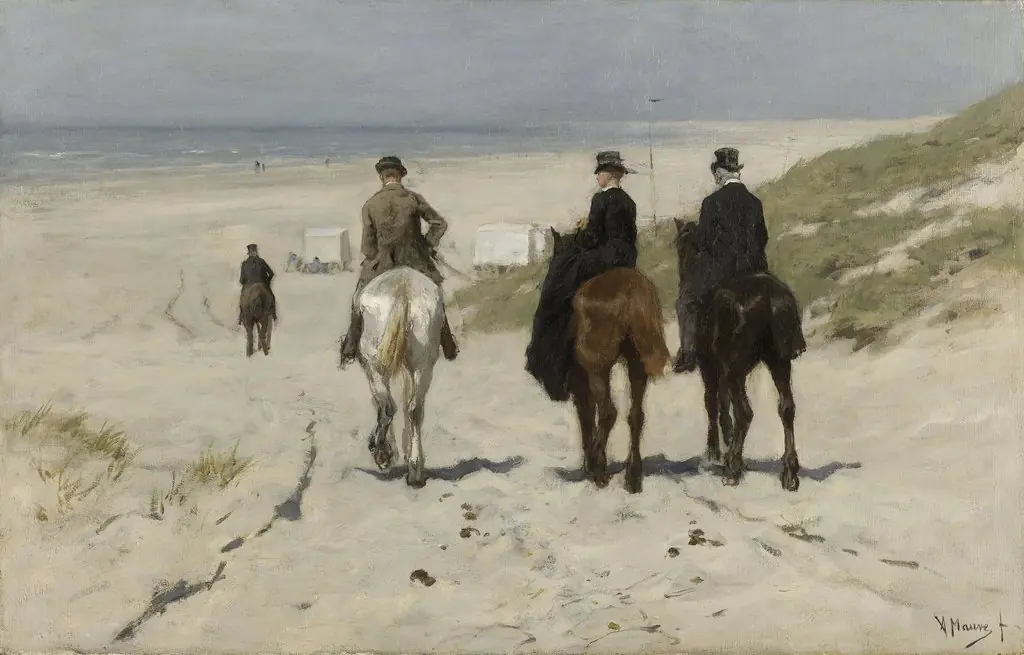 Morning Ride on the Beach
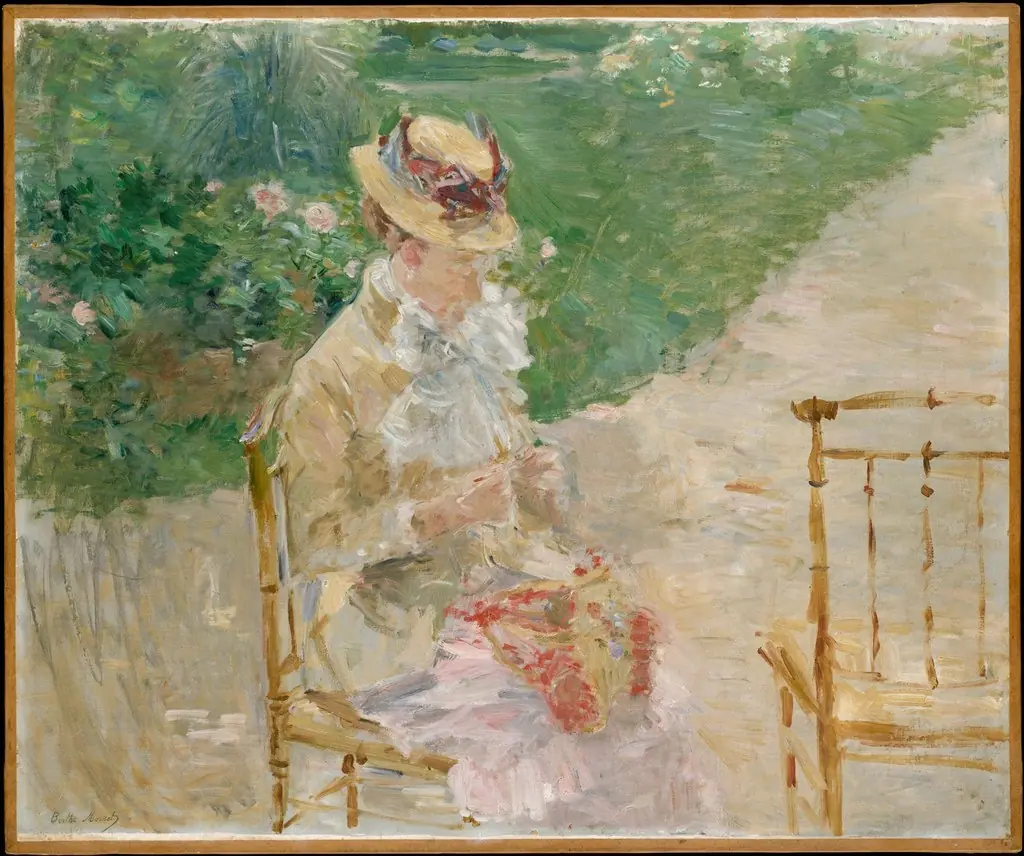 Young Woman Knitting
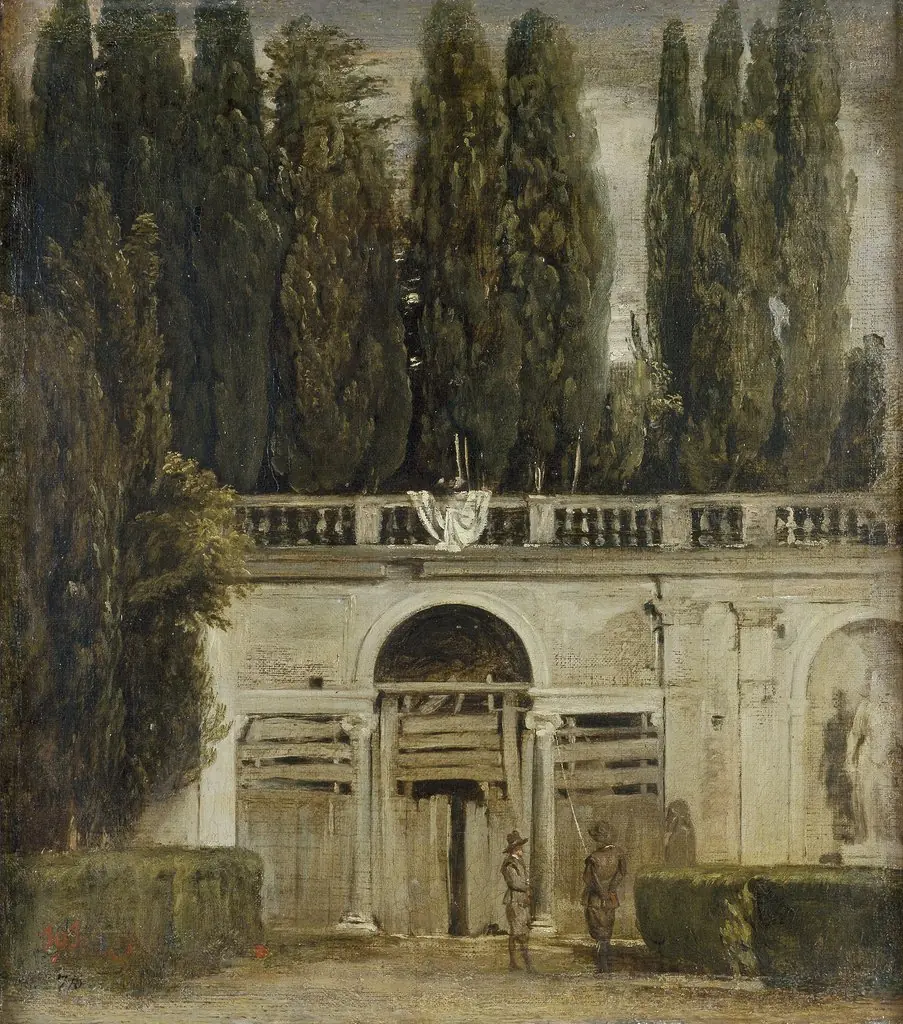 View of the Garden of the Villa Medici
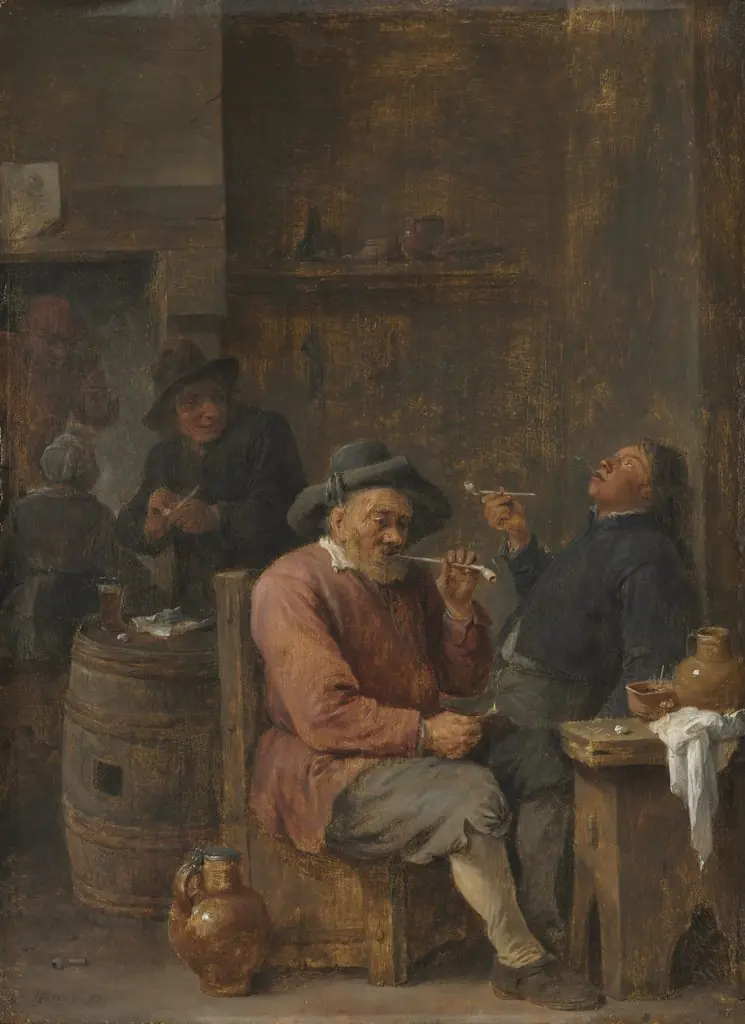 Peasants Smoking in an Inn
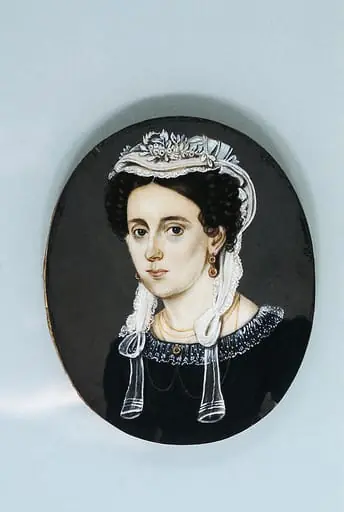 Portrait of a Lady
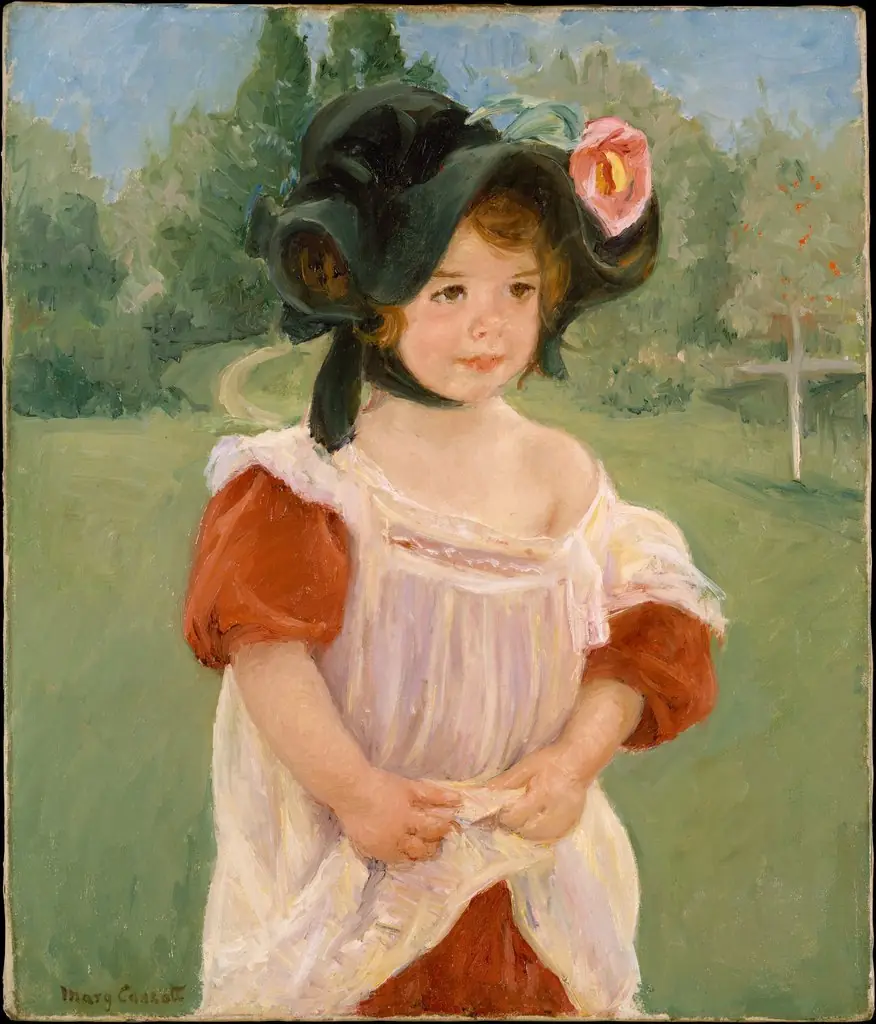 Spring: Margot Standing in a Garden (Fillette dans un jardin)
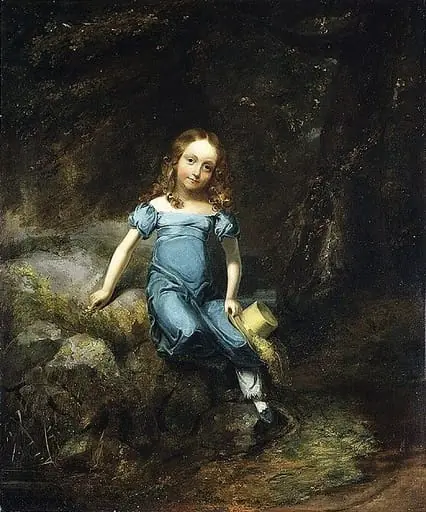 Janet Halleck Drake
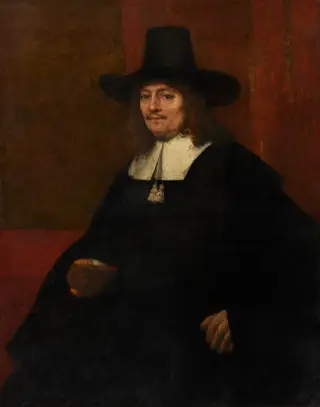 Portrait of a Man in a Tall Hat
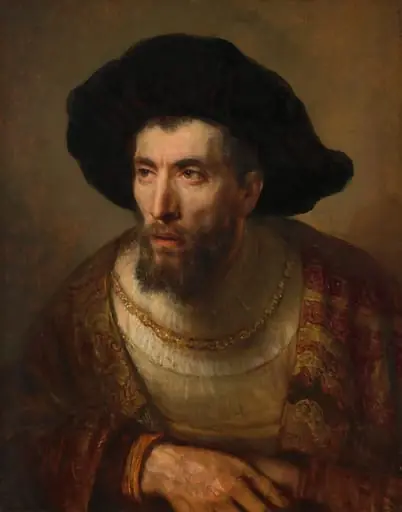 The Philosopher
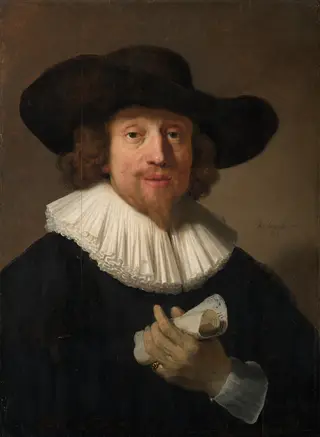 Man with a Sheet of Music
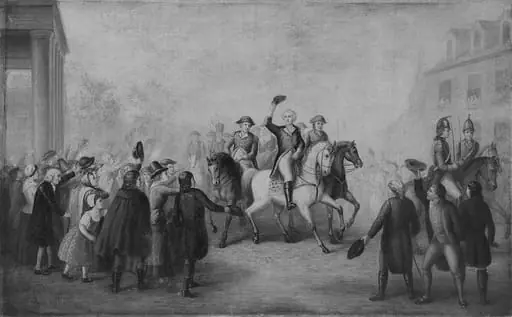 Washington's Triumphal Entry into New York
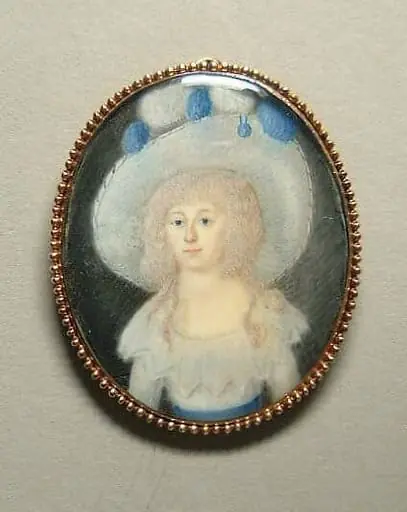 Eliza Champlin
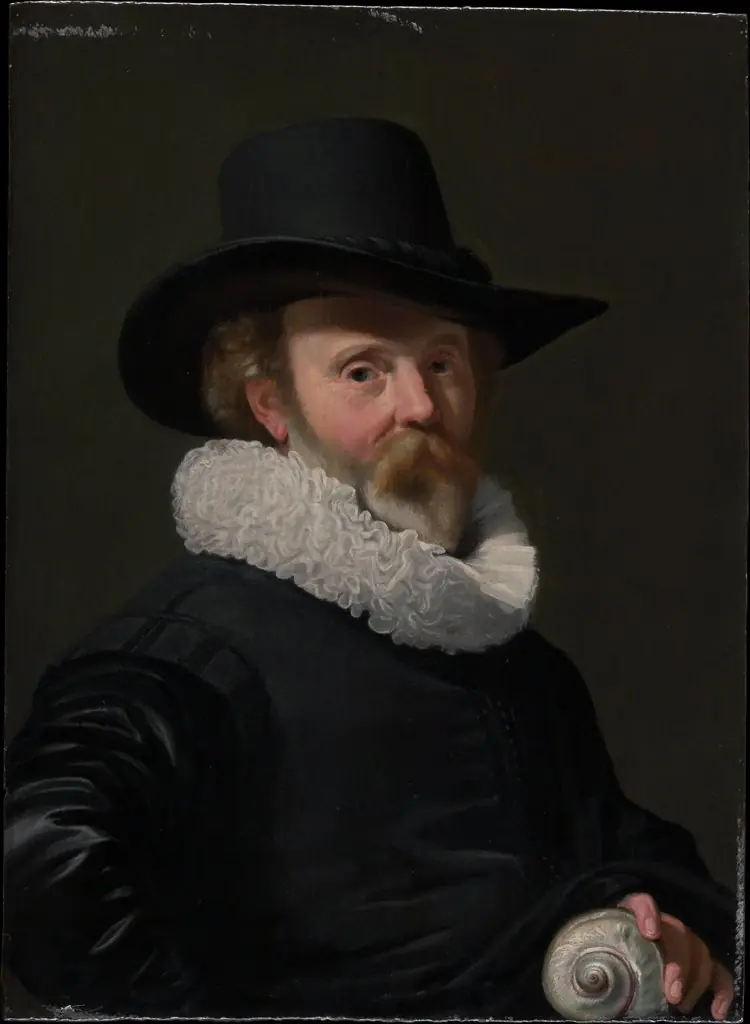 Portrait of a Man with a Shell
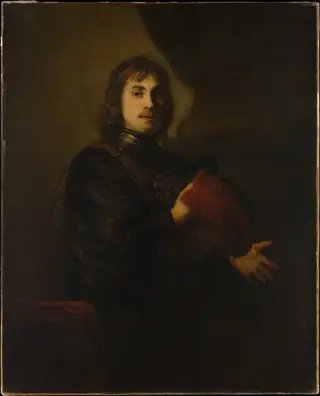 Portrait of a Man with a Breastplate and Plumed Hat
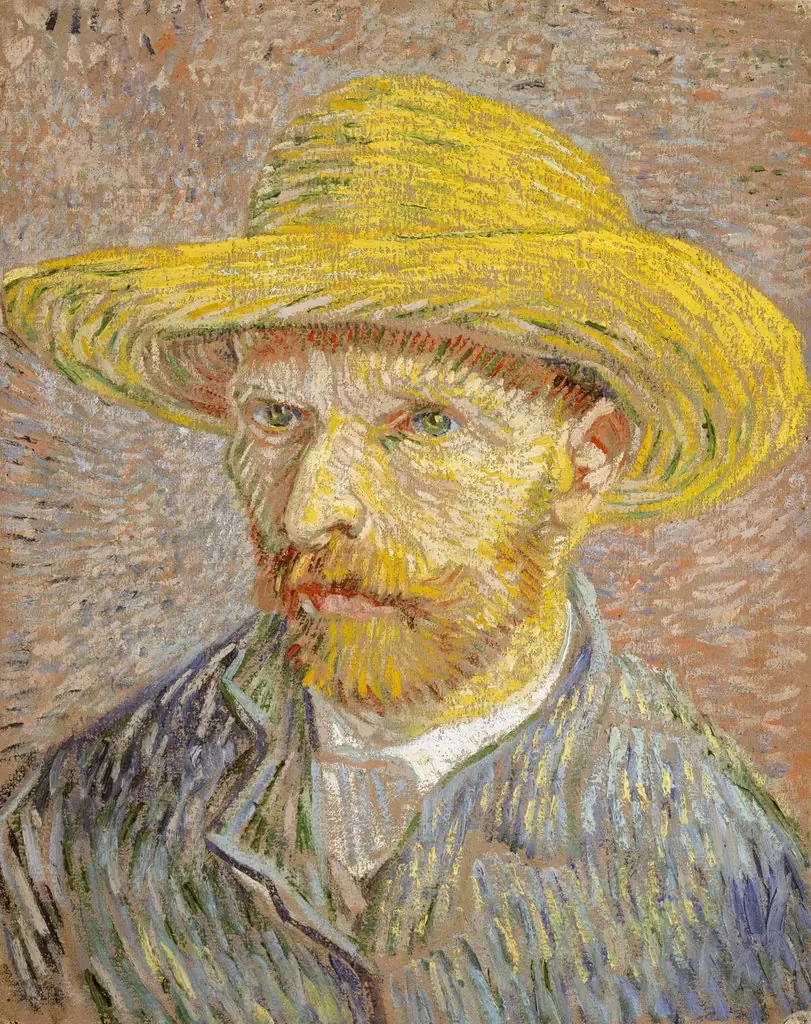 Self-Portrait with a Straw Hat
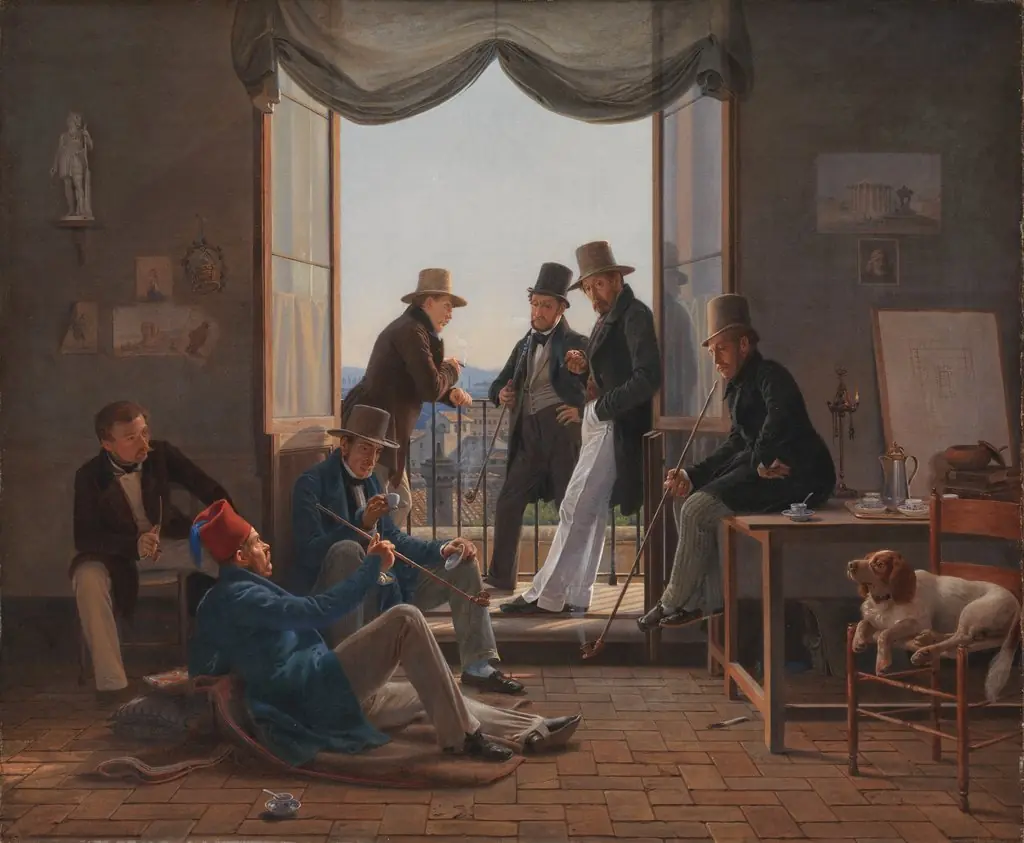 A Group of Danish Artists in Rome
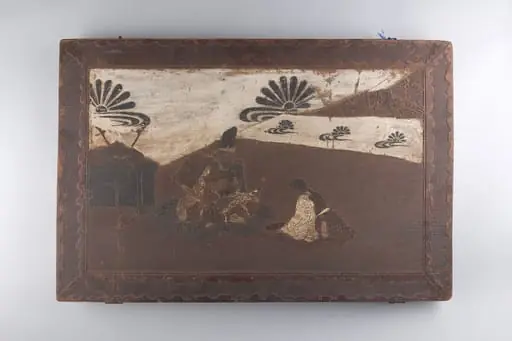 Untitled
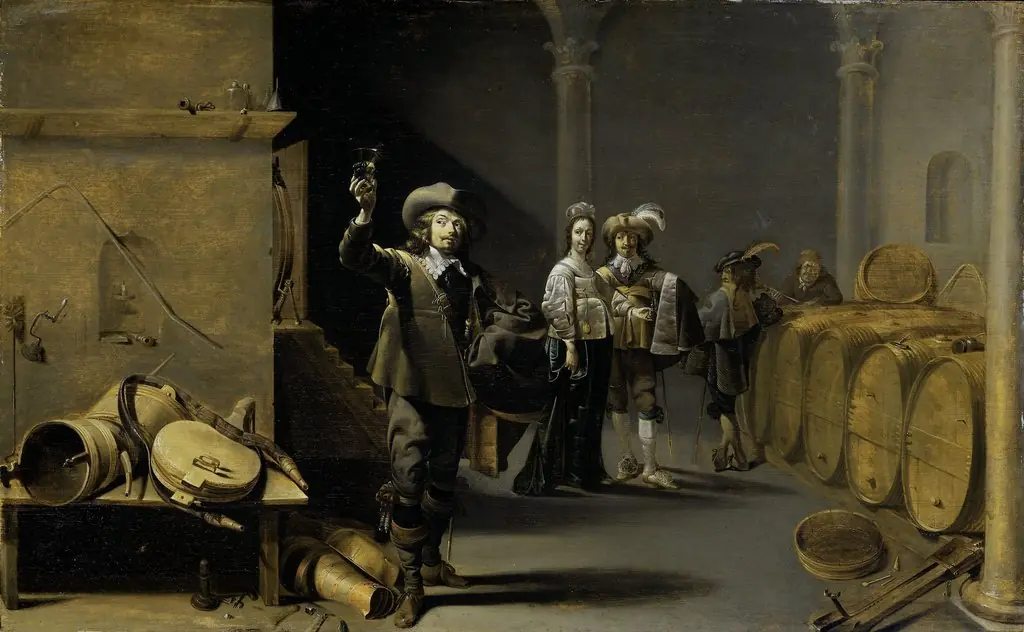 The wine connoisseurs
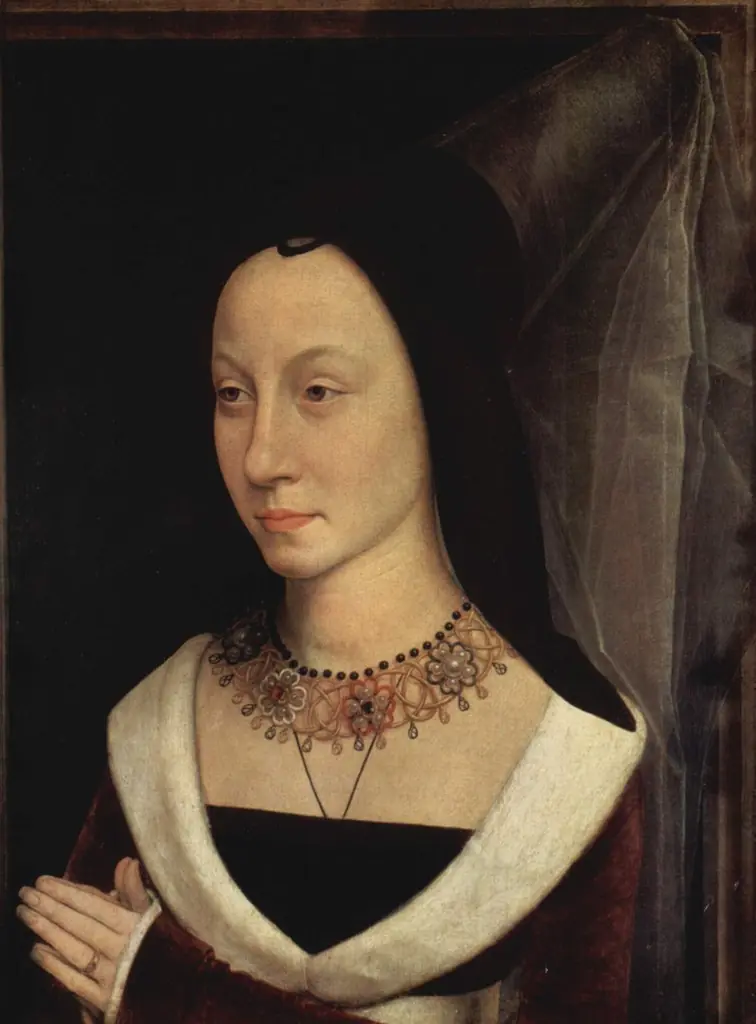 Portrait of Maria Portinari
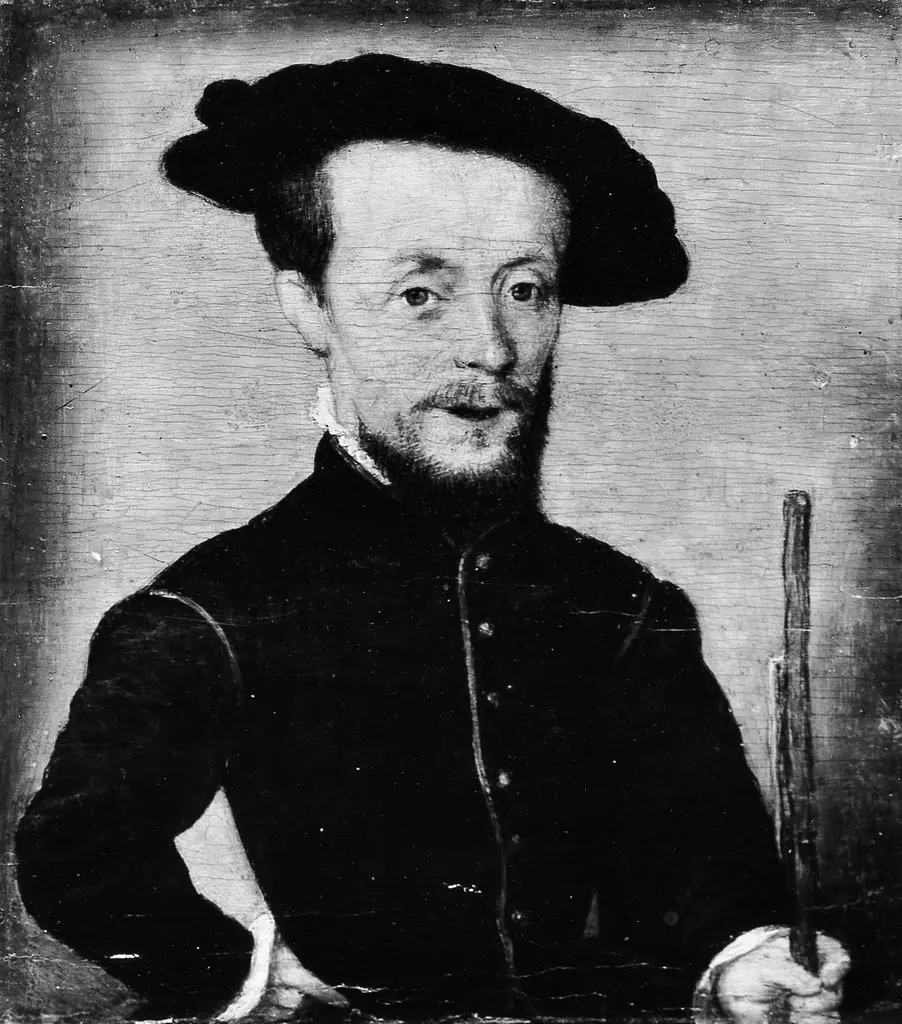 Portrait of a Dwarf
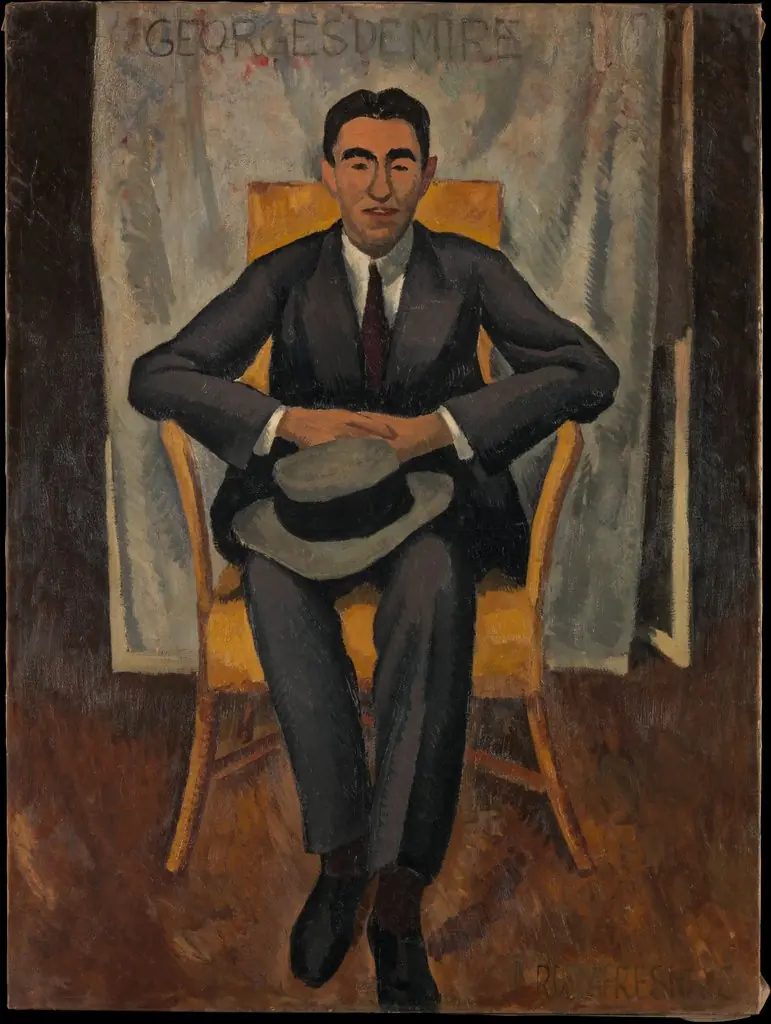 Georges de Miré
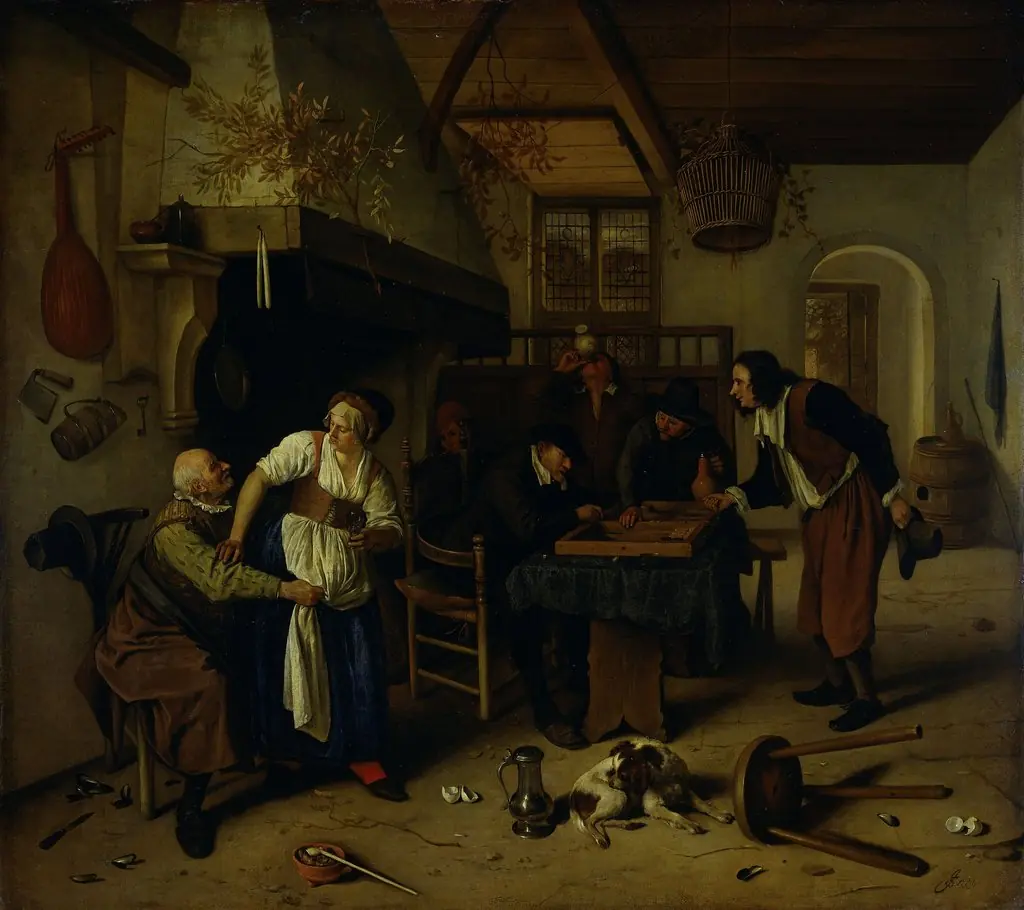 Interior of an inn with an old man amusing himself with the landlady and two men playing backgammon, known as 'Two kinds of games'
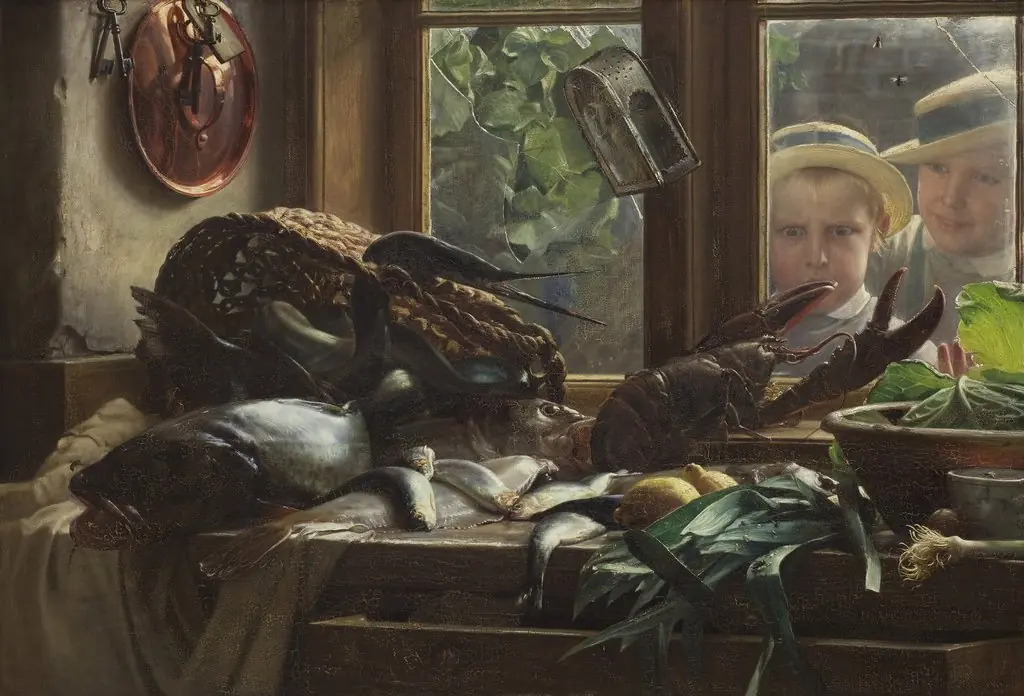 Still Life with Fish
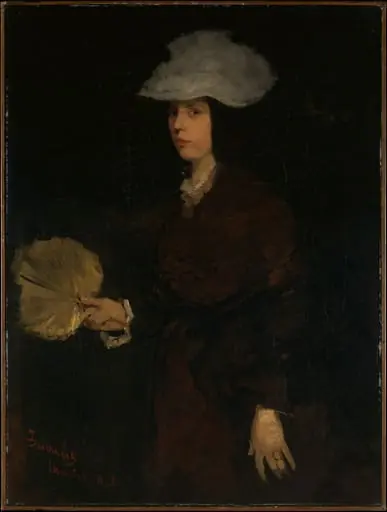 Lady with Fan
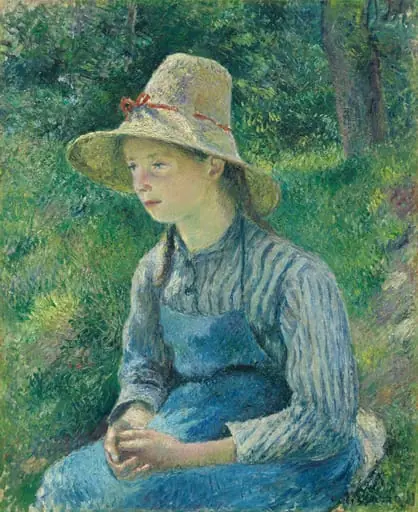 Peasant Girl with a Straw Hat
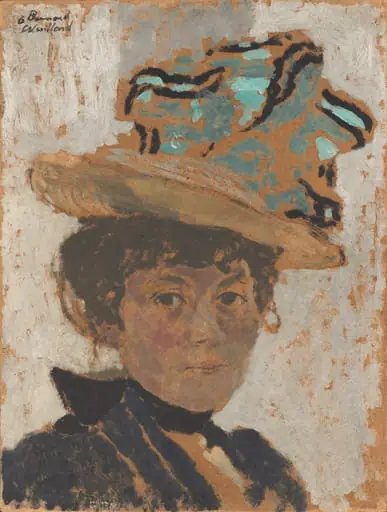 Madame Bonnard
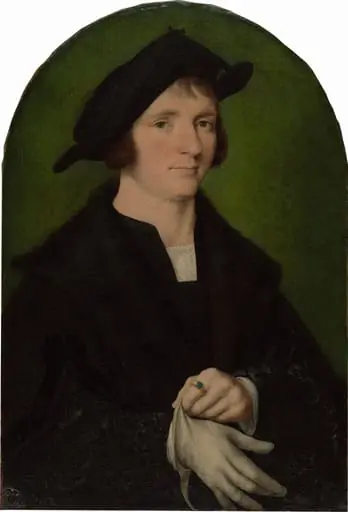 Joris Vezeleer
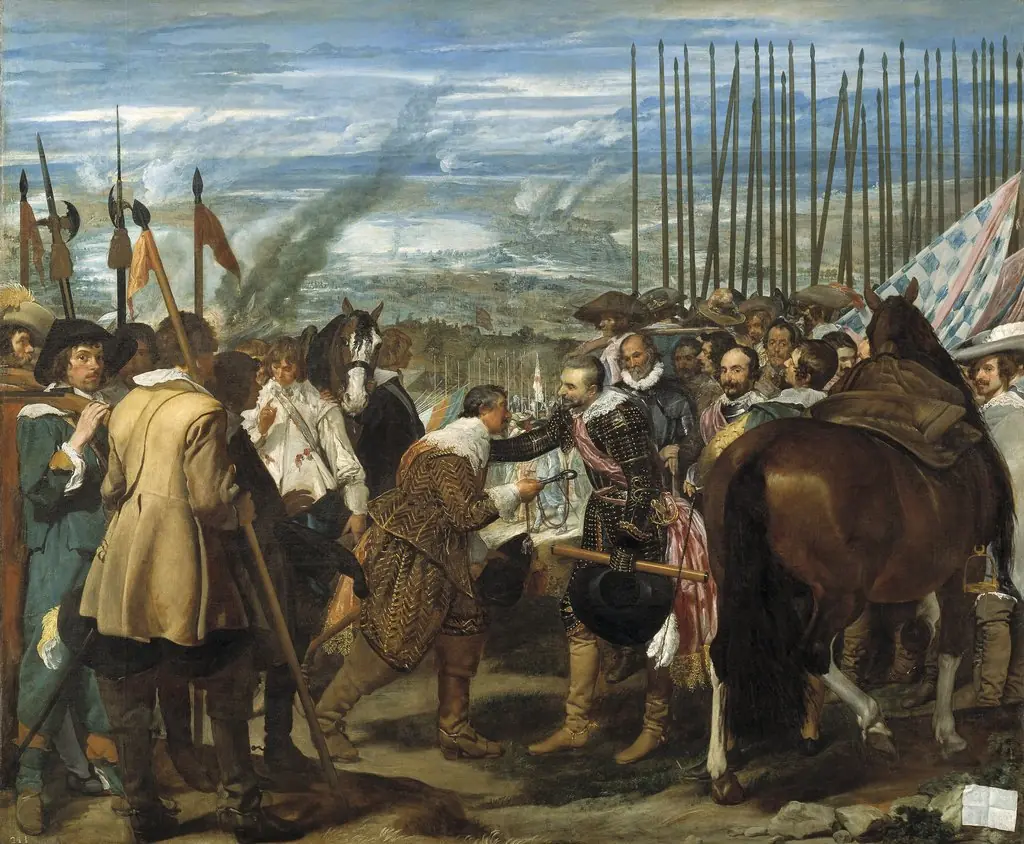 The Surrender of Brea
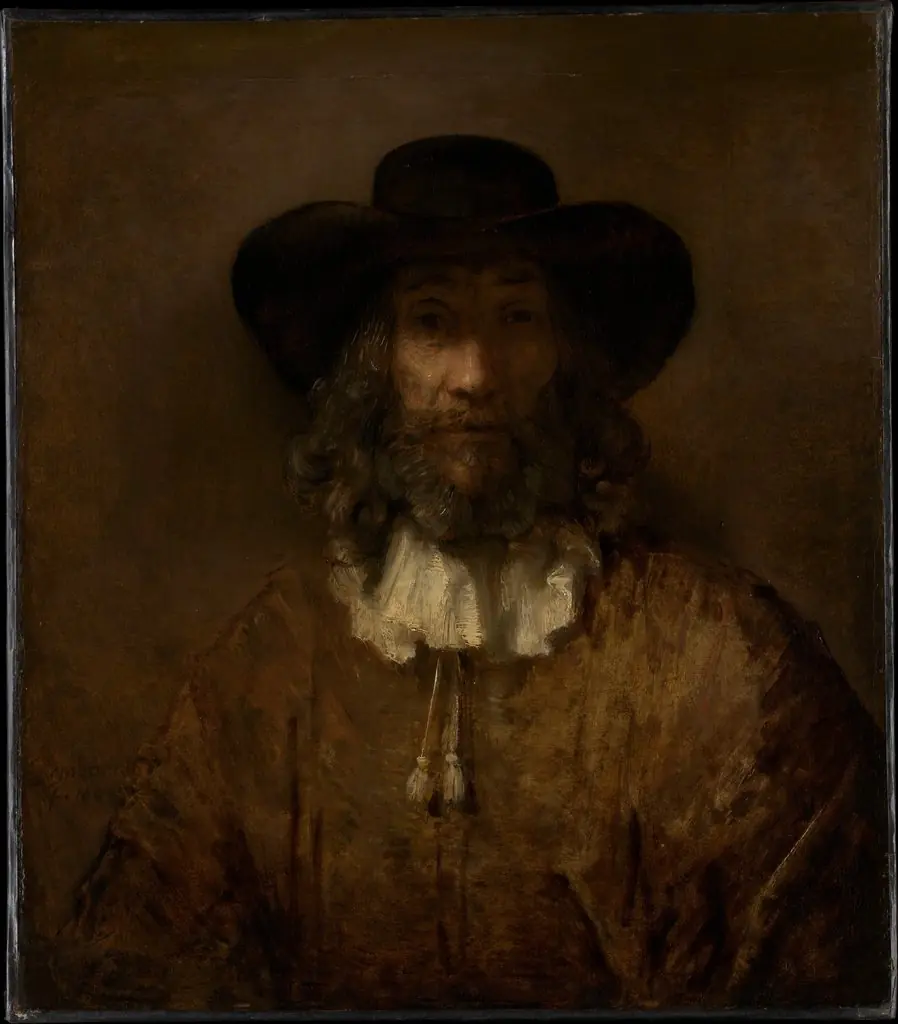 Man with a Beard
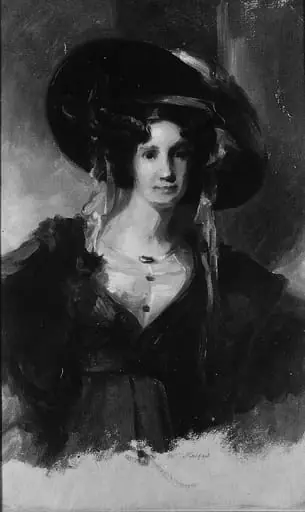 Mrs. Huges
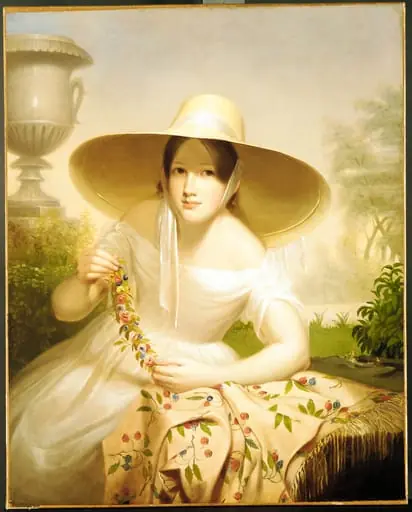 Spring
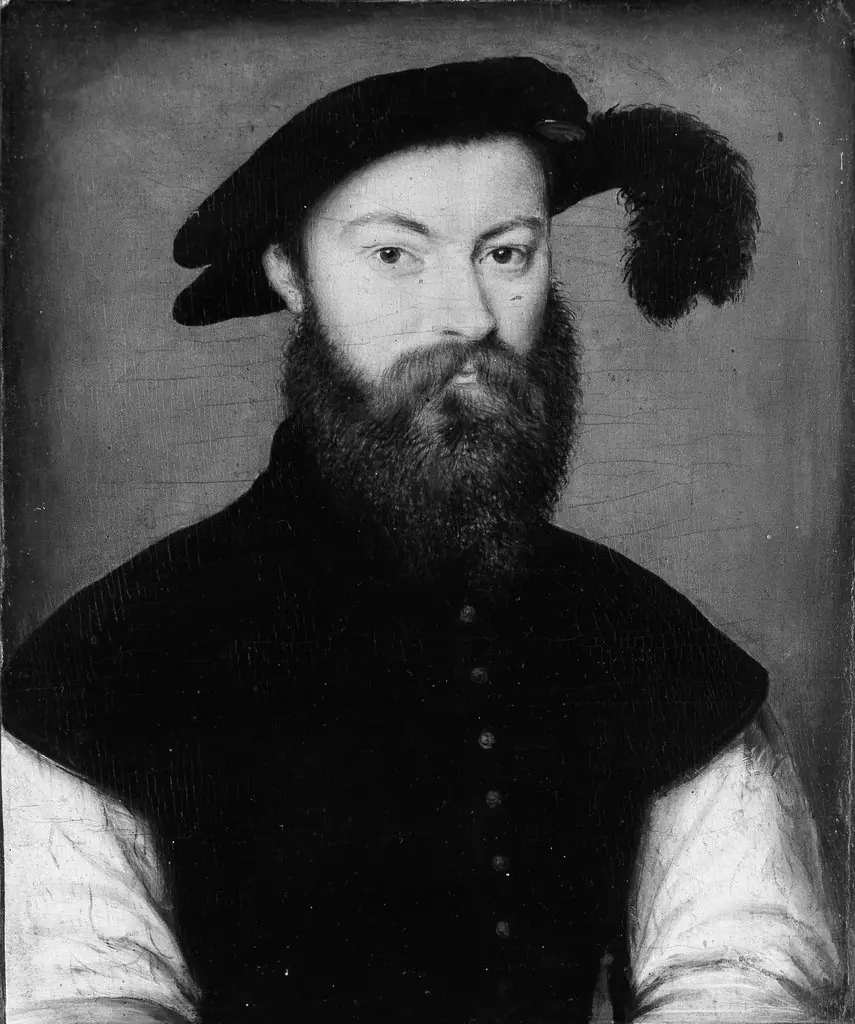 Portrait of a Man with a Black-Plumed Hat
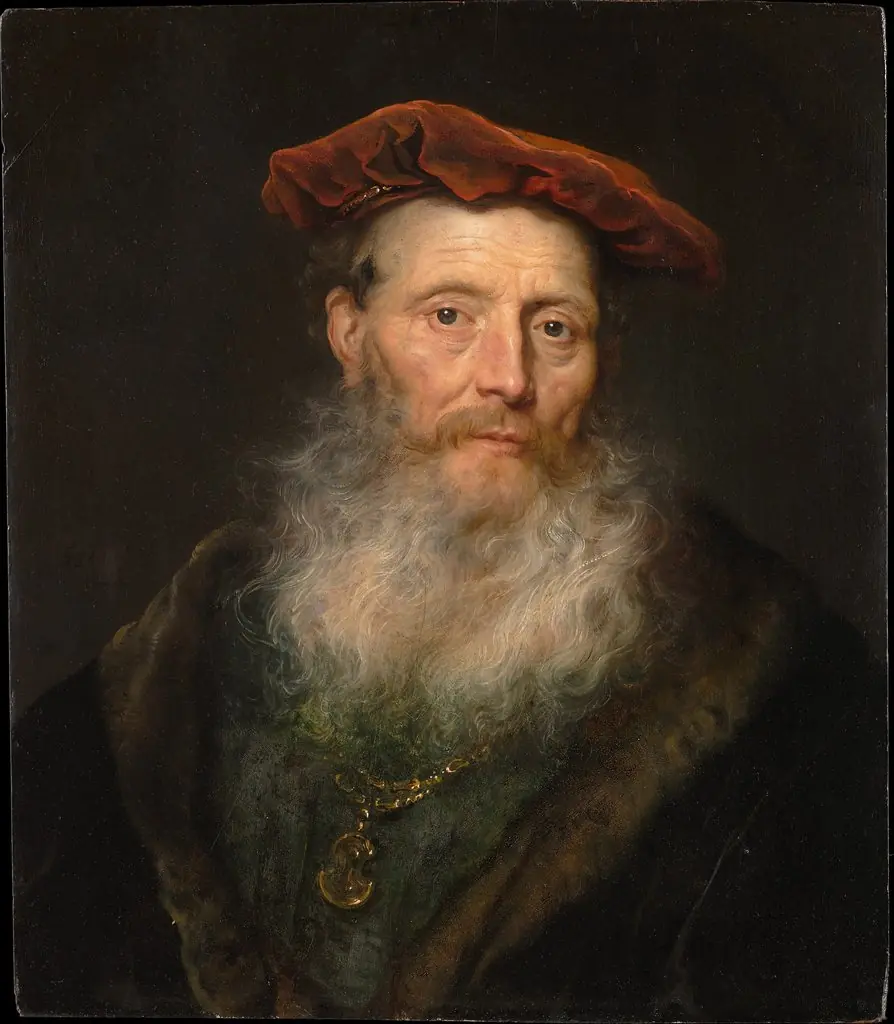 Bearded Man with a Velvet Cap
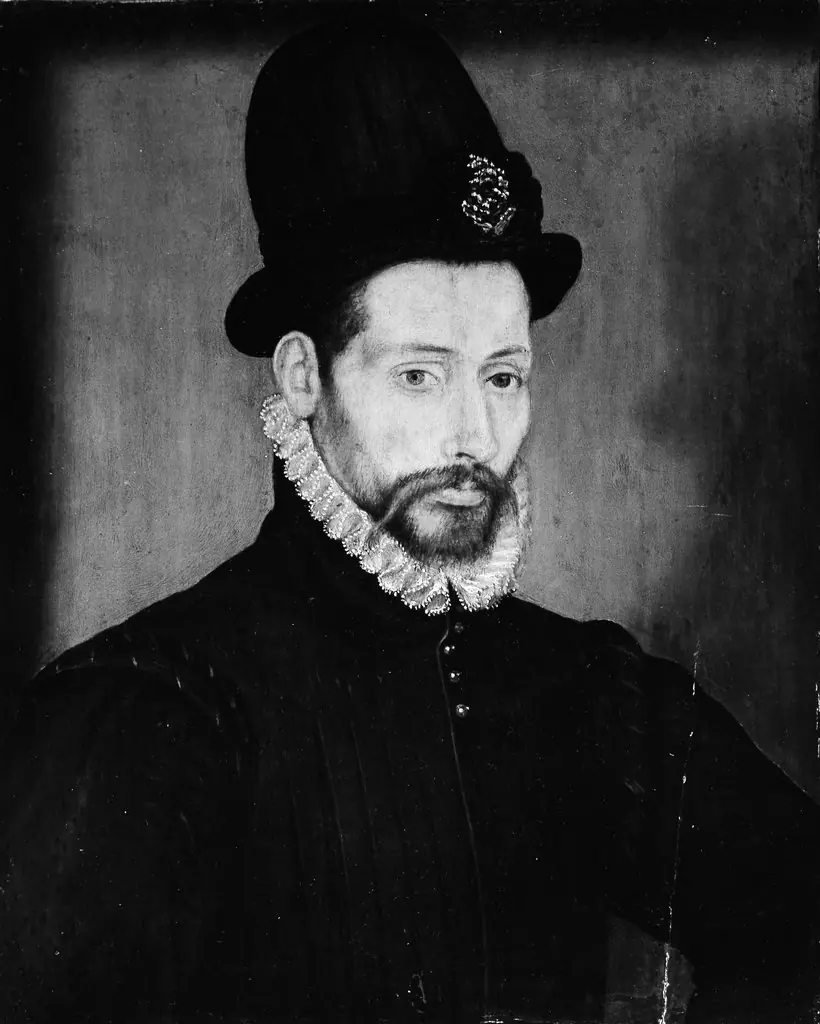 Portrait of a Man with a High Hat
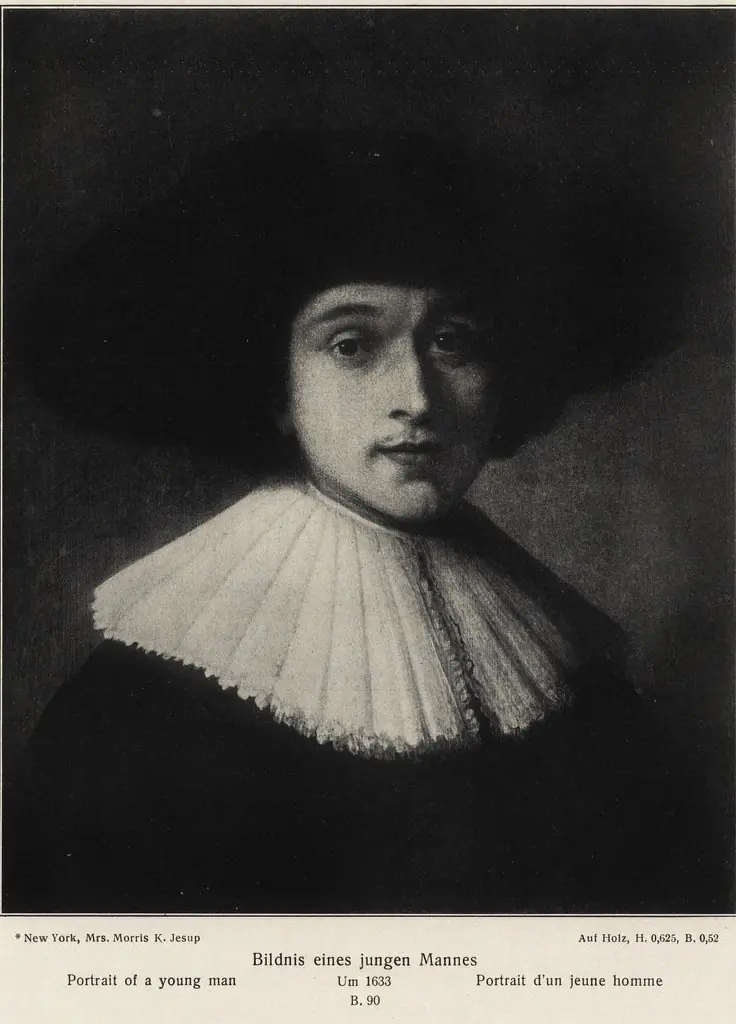 Portrait of a Young Man wrongly called Burgomaster Six
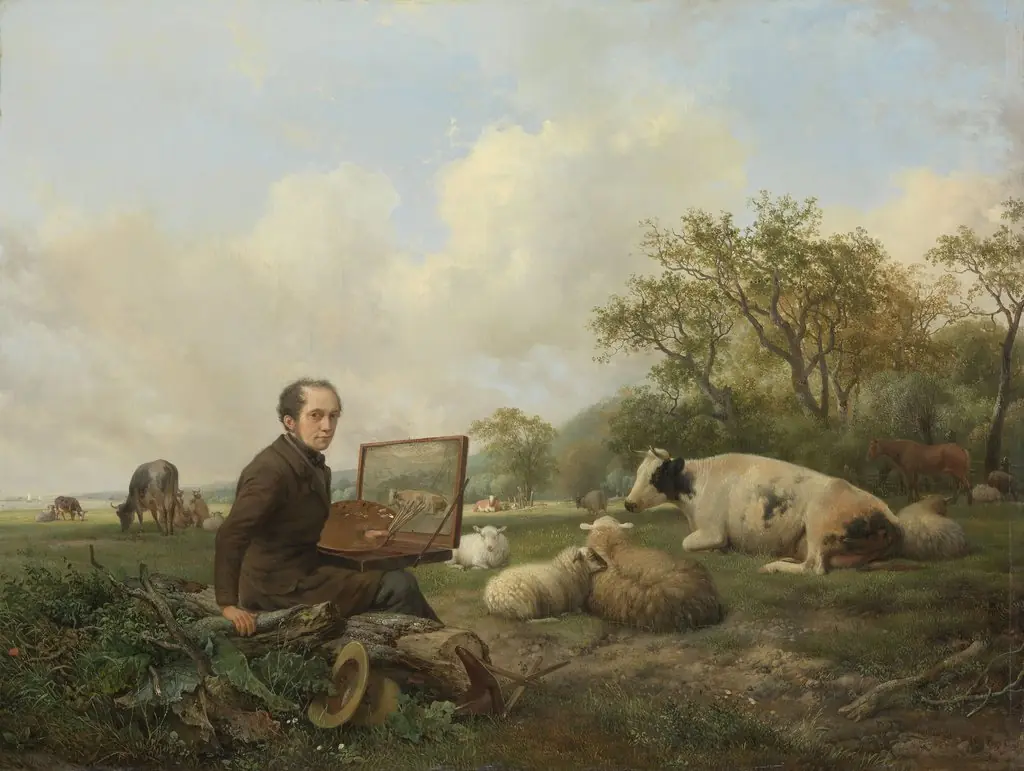 The Artist Painting a Cow in a Meadow
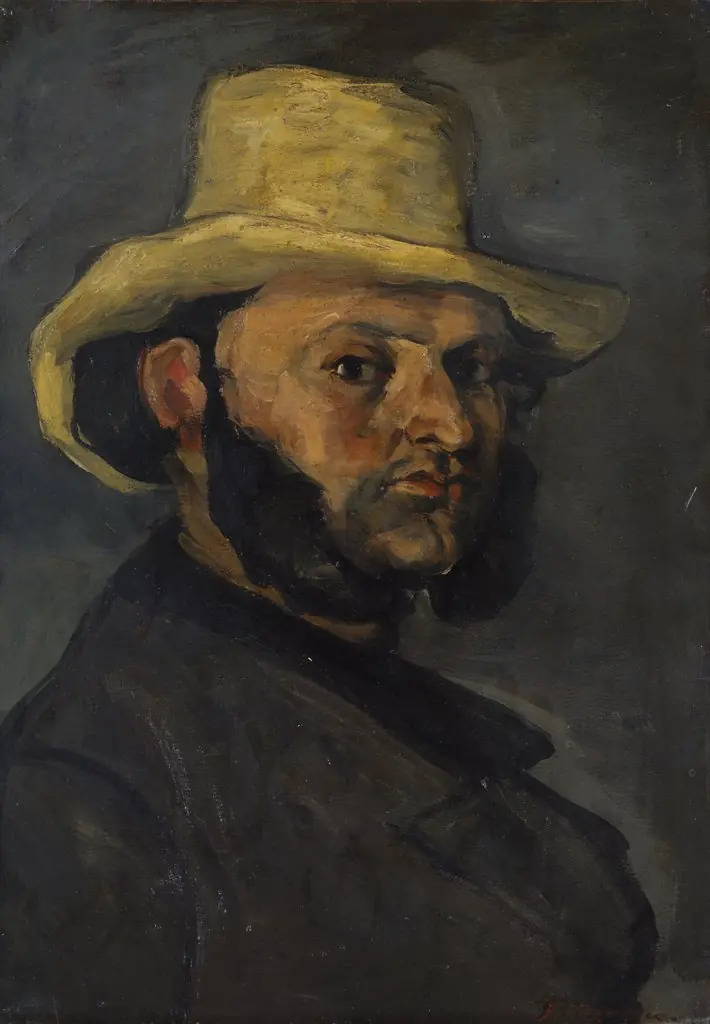 L'Homme au chapeau de paille (Gustave Boyer in a Straw Hat)
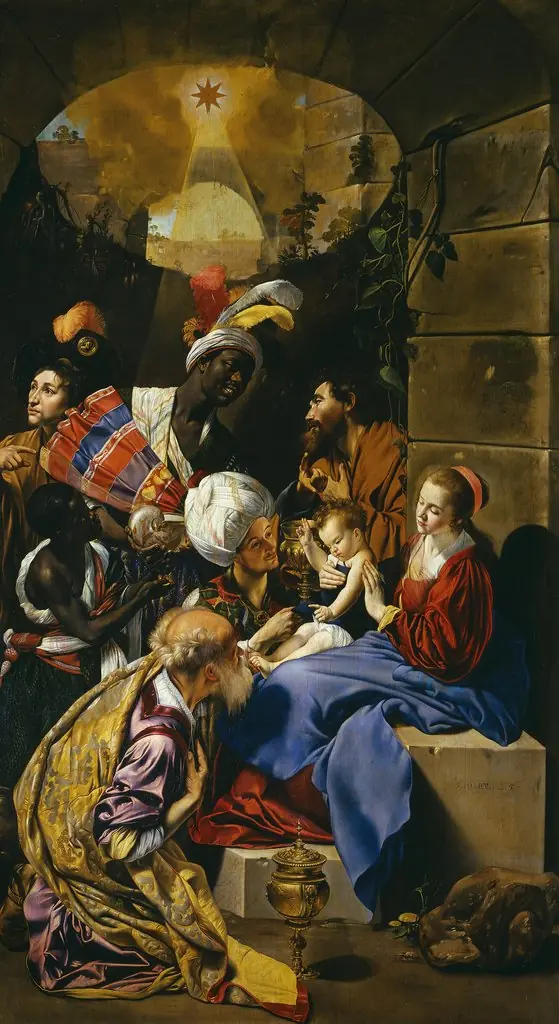 The Adoration of the Magi
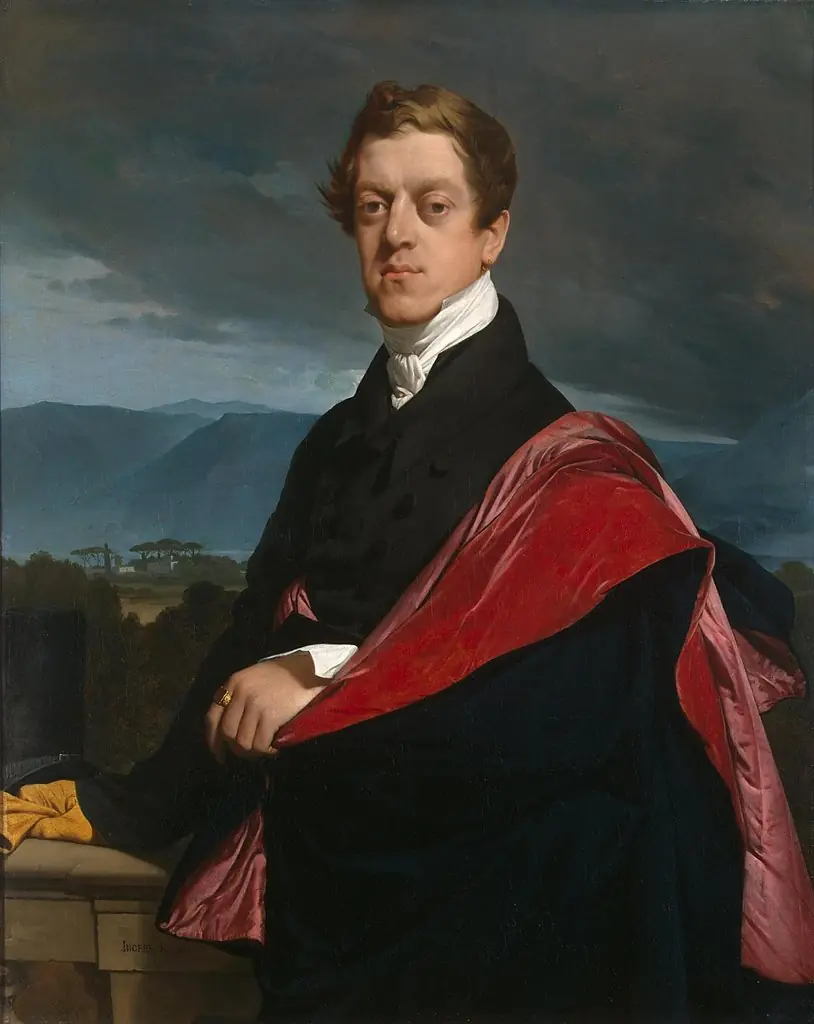 Portrait of Count Nikolay Guryev
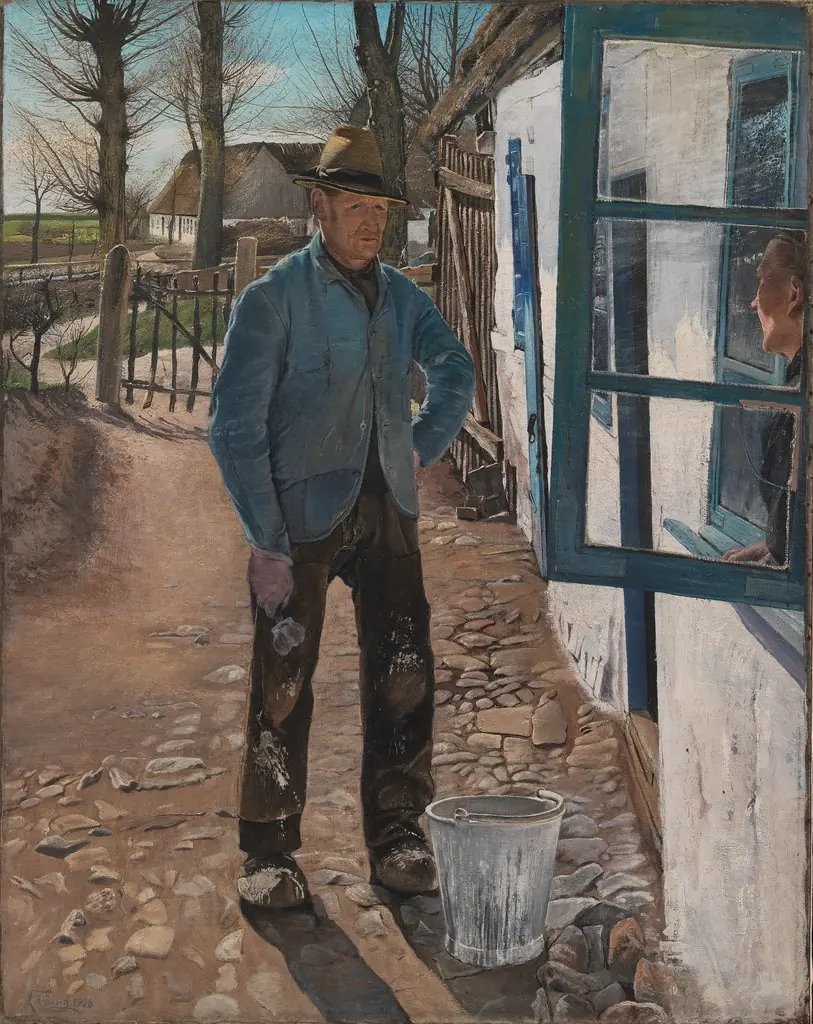 Whitewashing the Old House
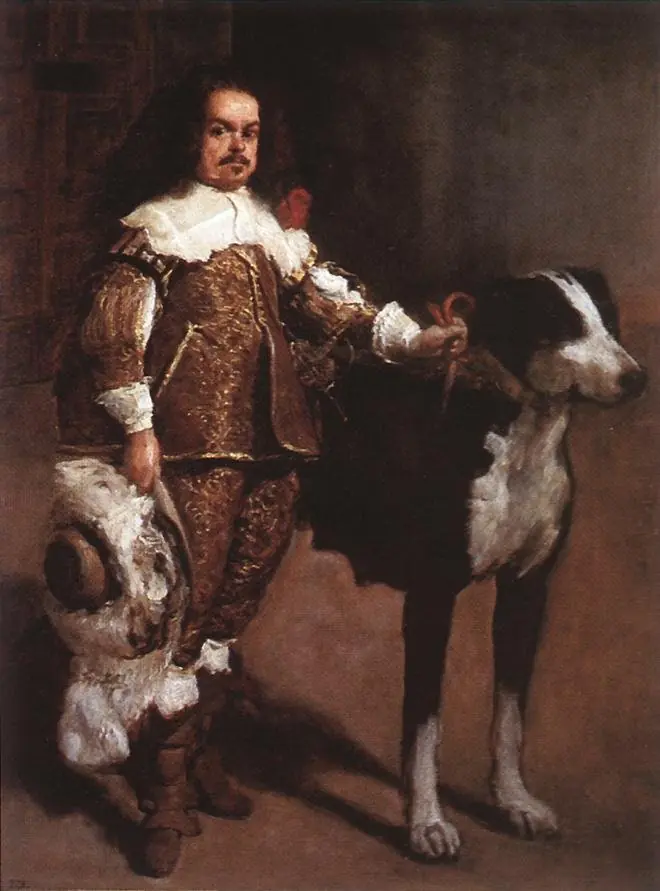 Dwarf with a Dog, formerly denominated Antonio el Inglés
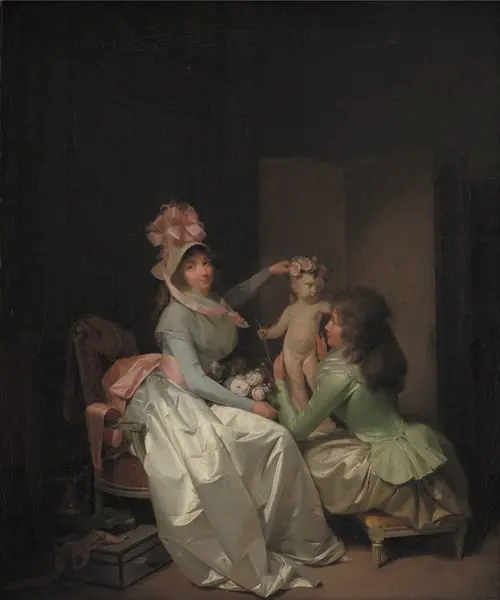 Garlanding the Statuette of Cupid
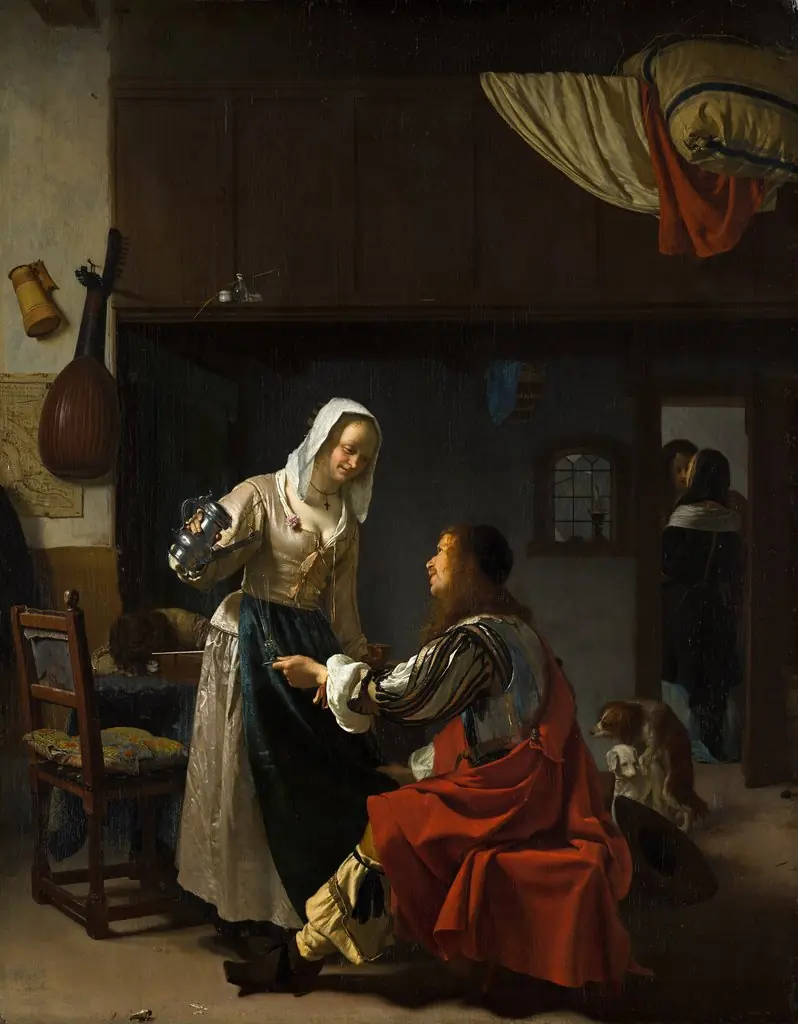 Brothel Scene
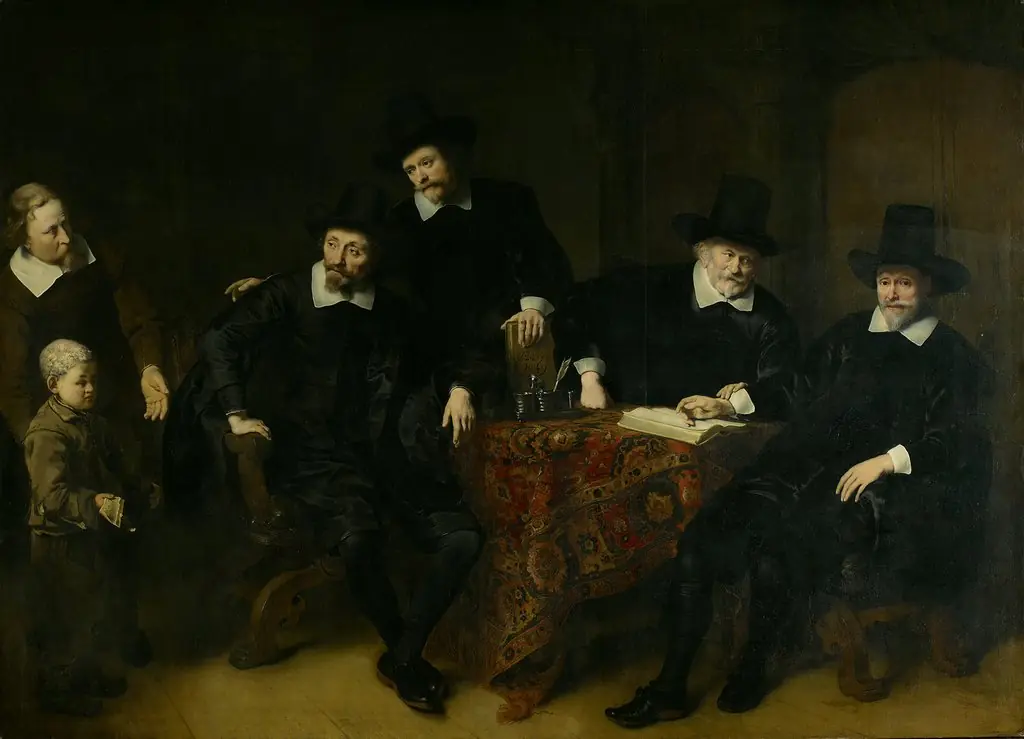 The Regents of the Leper's house in Amsterdam in 1649
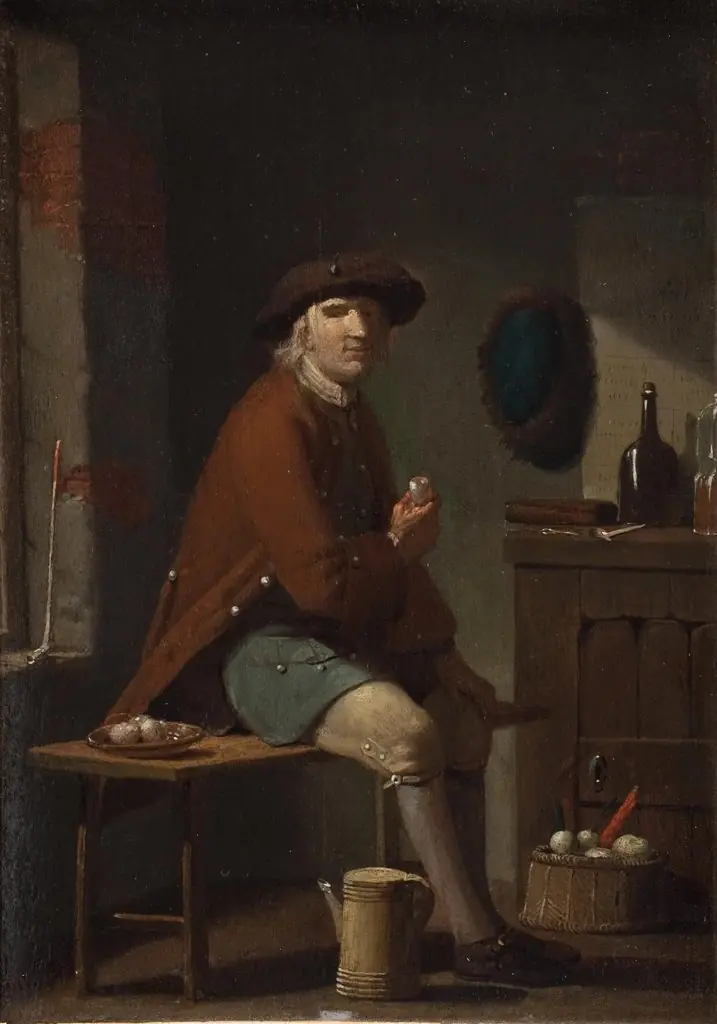 A Man Smoking His Pipe
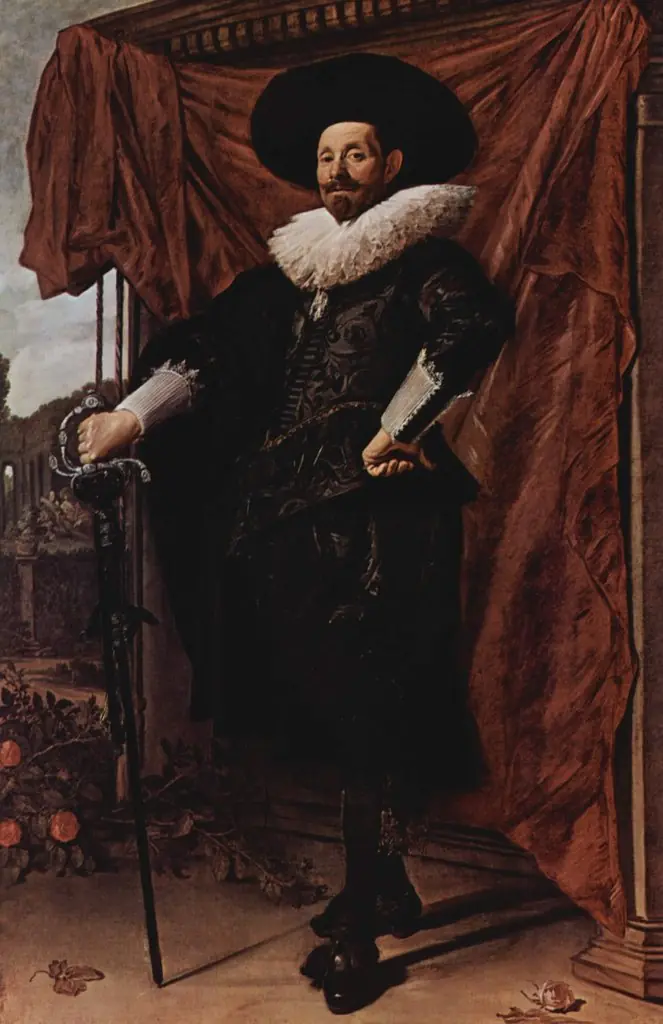 Willem van Heythuysen posing with a sword
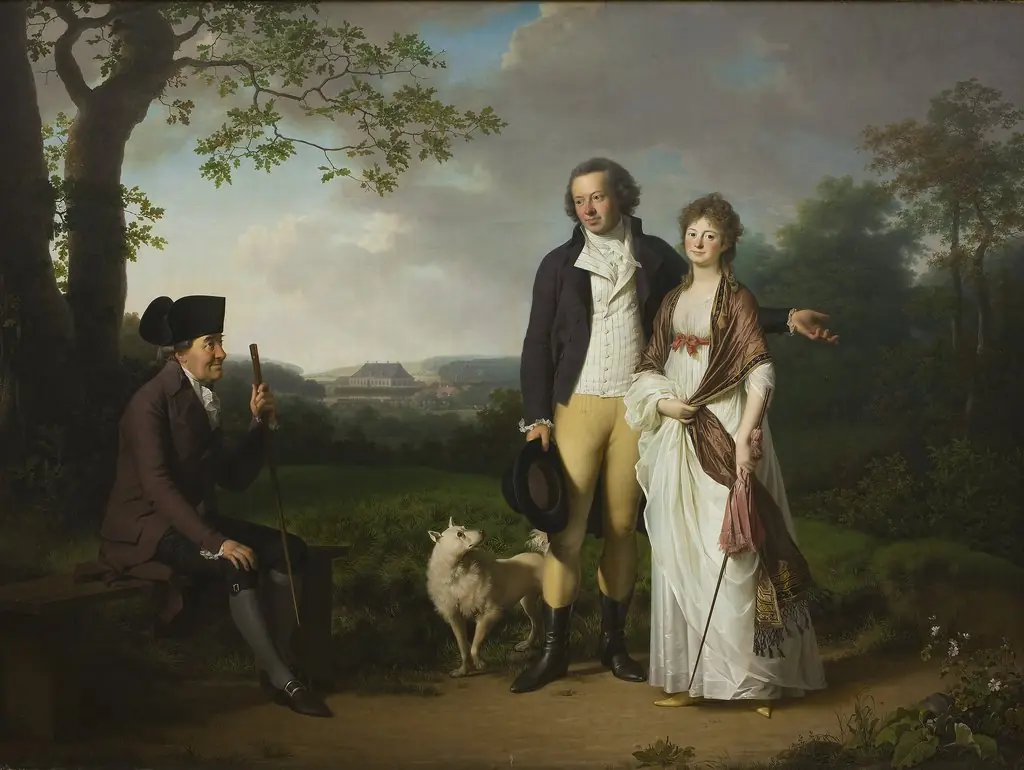 Niels Ryberg with his Son Johan Christian and his Daughter-in-Law Engelke, née Falbe
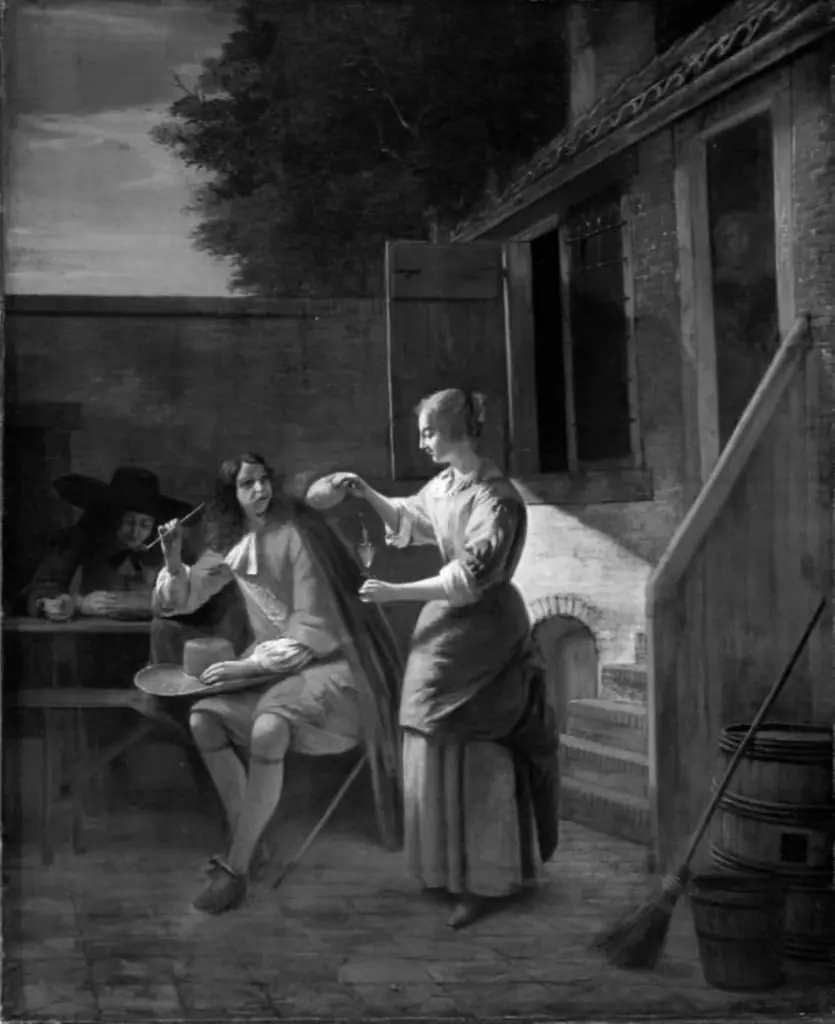 Outside the Tavern
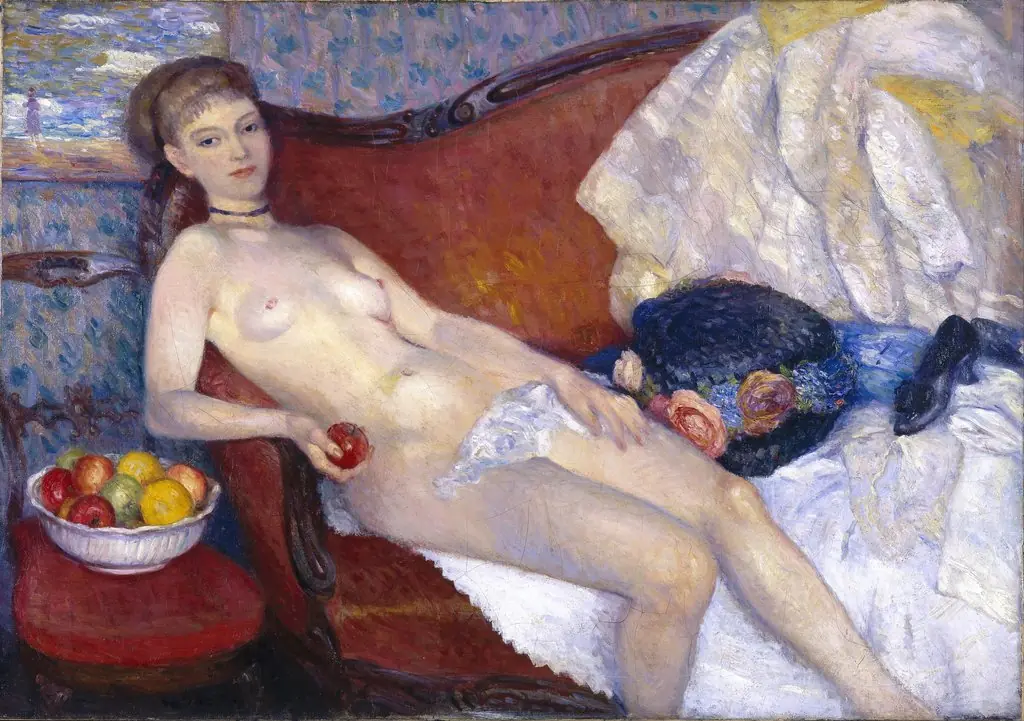 Nude with Apple
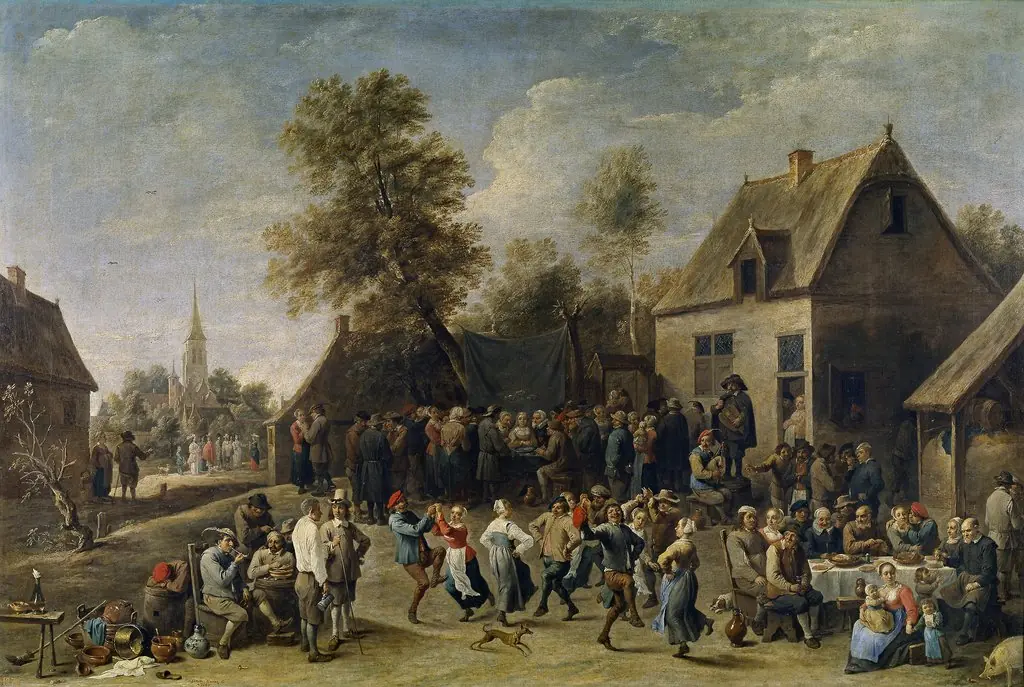 Country Feast
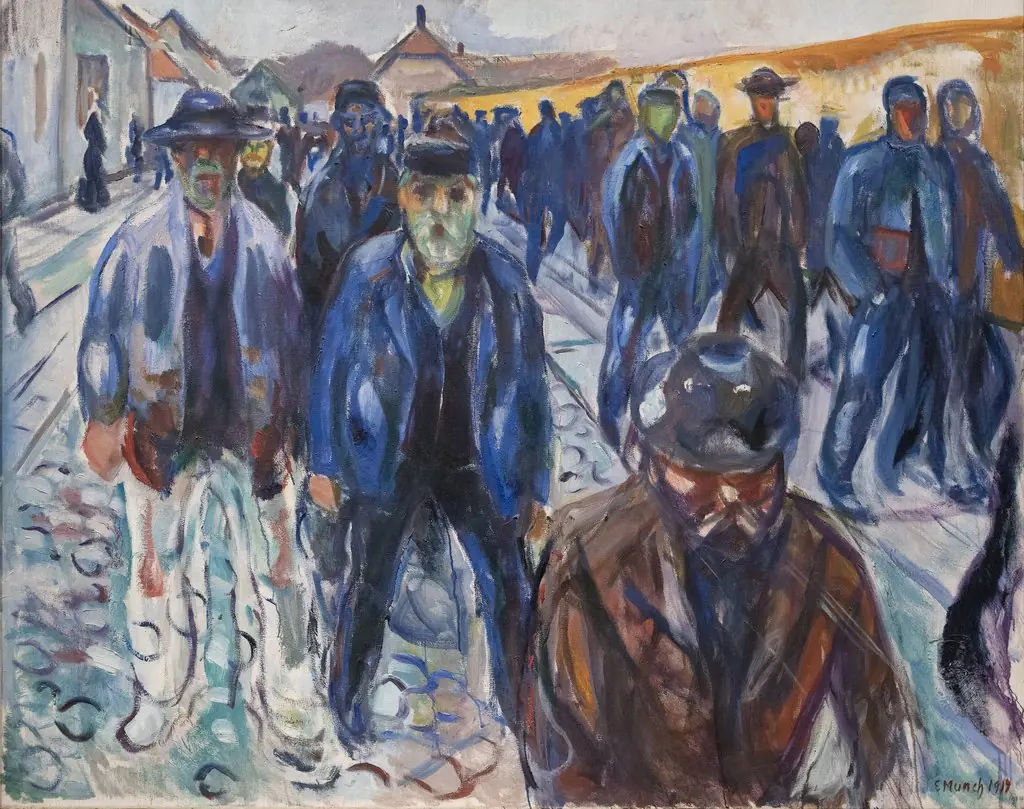 Workers on their Way Home
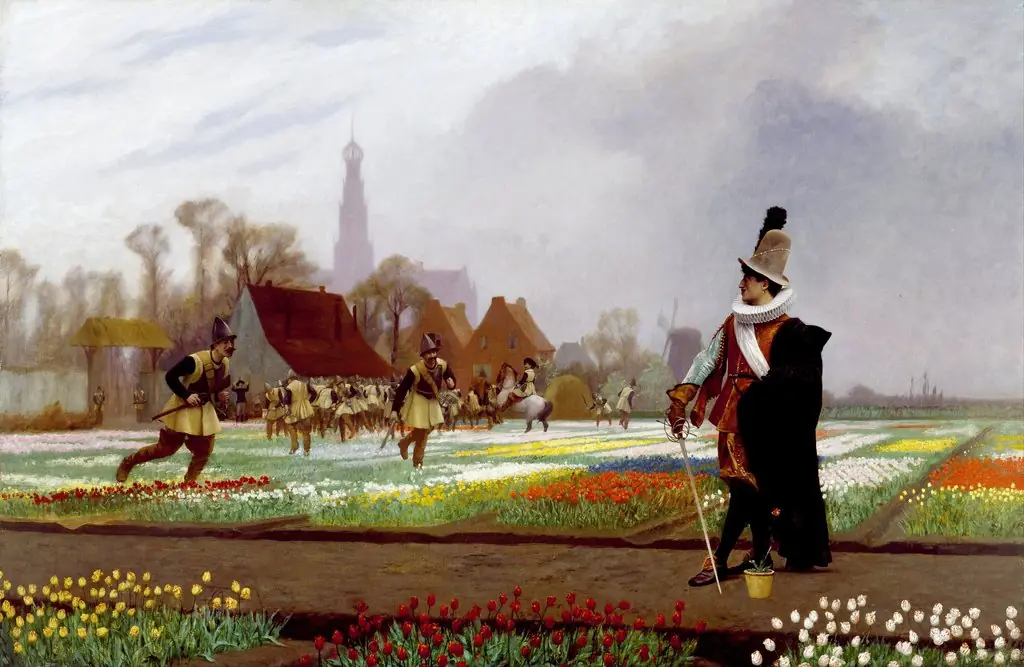 The Tulip Folly
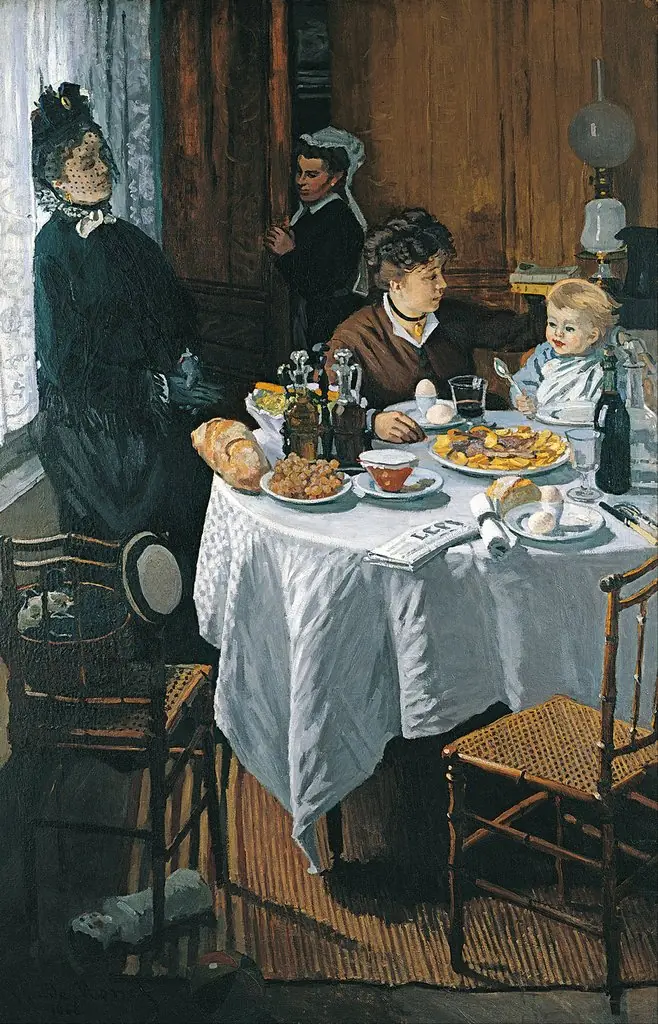 The Luncheon
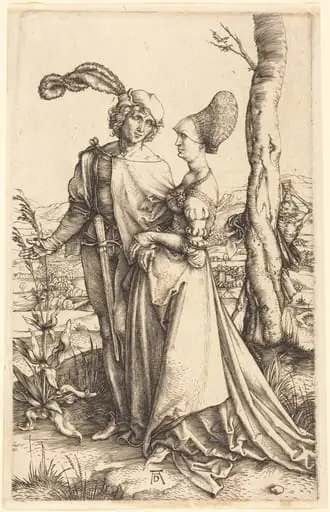 Promenade
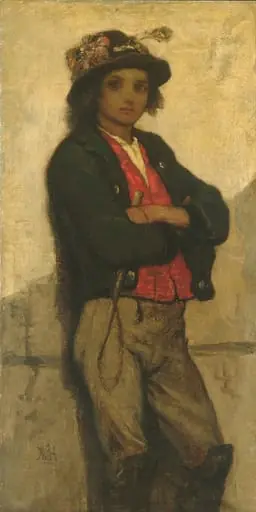 Italian Boy
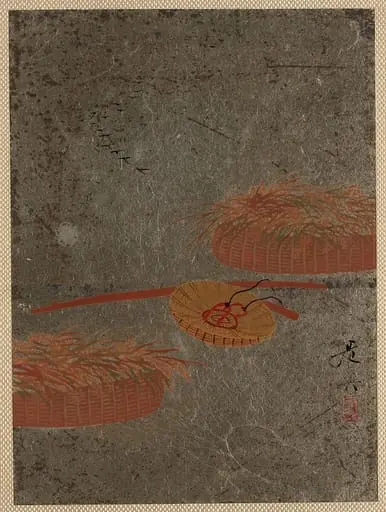 柴田是真筆籠・菅笠図|Flower Baskets and Farmer's Hat
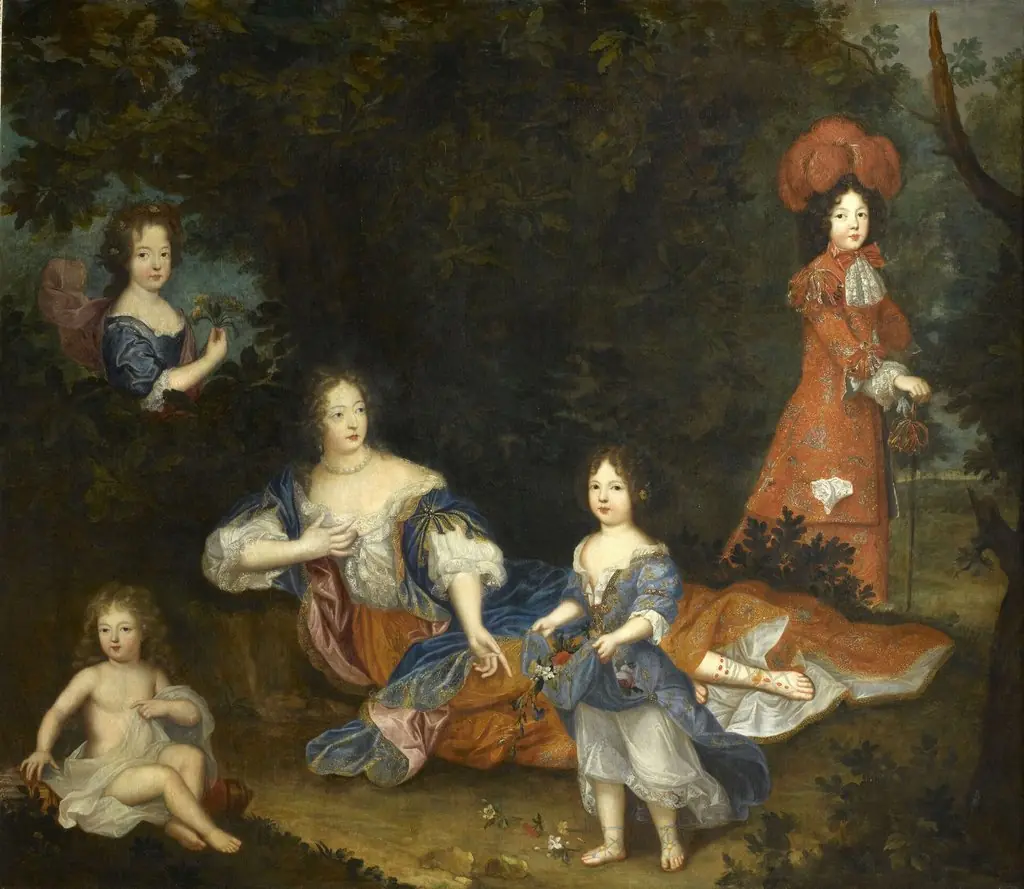 Françoise-Athénaïs de Rochechouart, Marquise de Montespan and her children
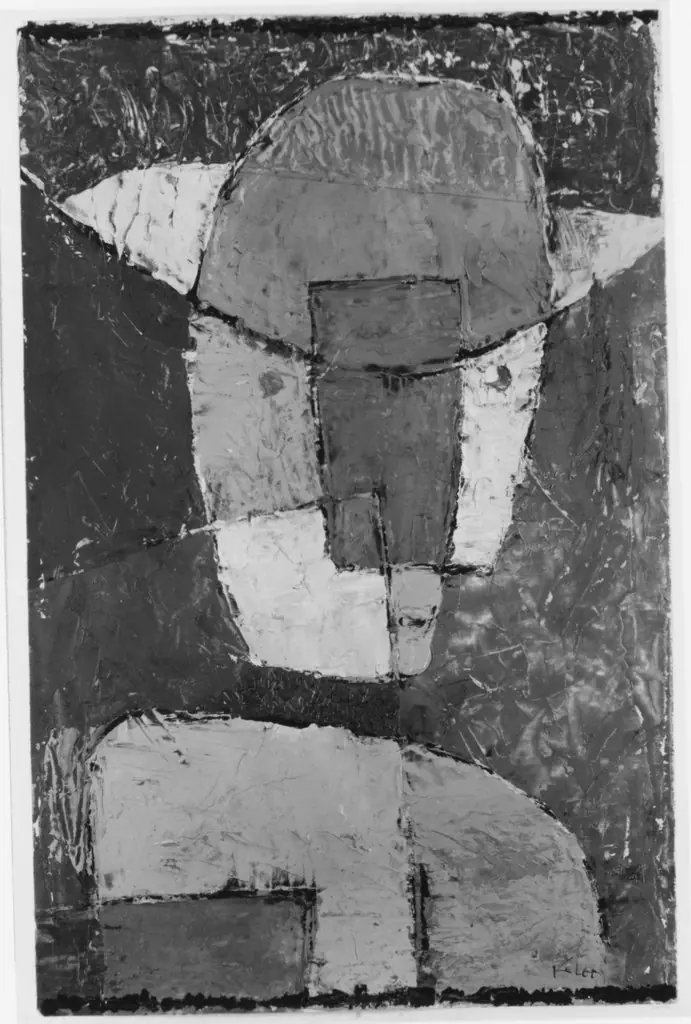 La Kash-Ne
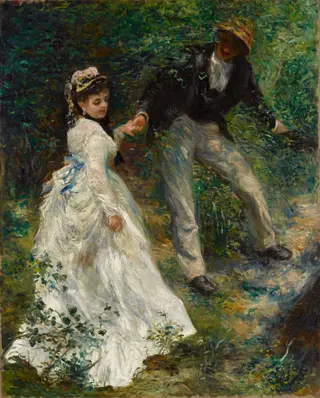 La Promenade
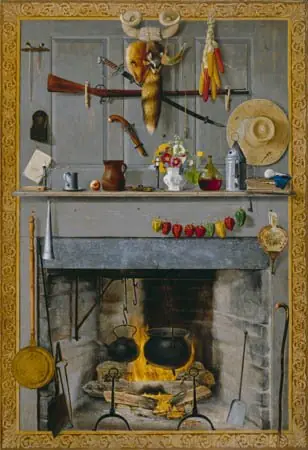 Grandma's Hearthstone
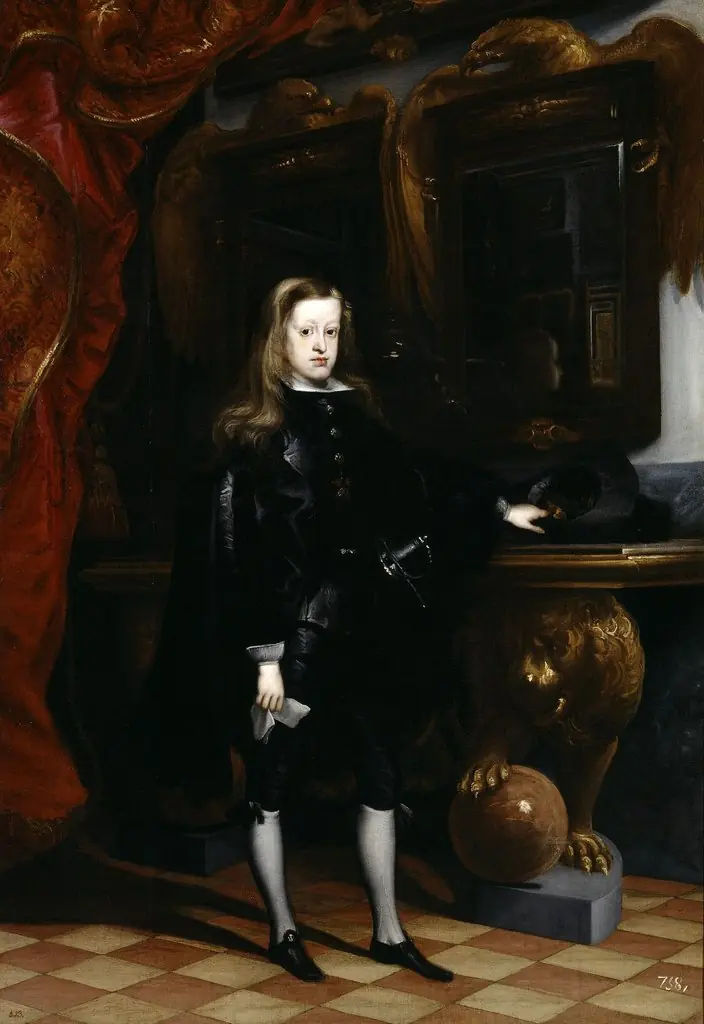 Charles II as a child
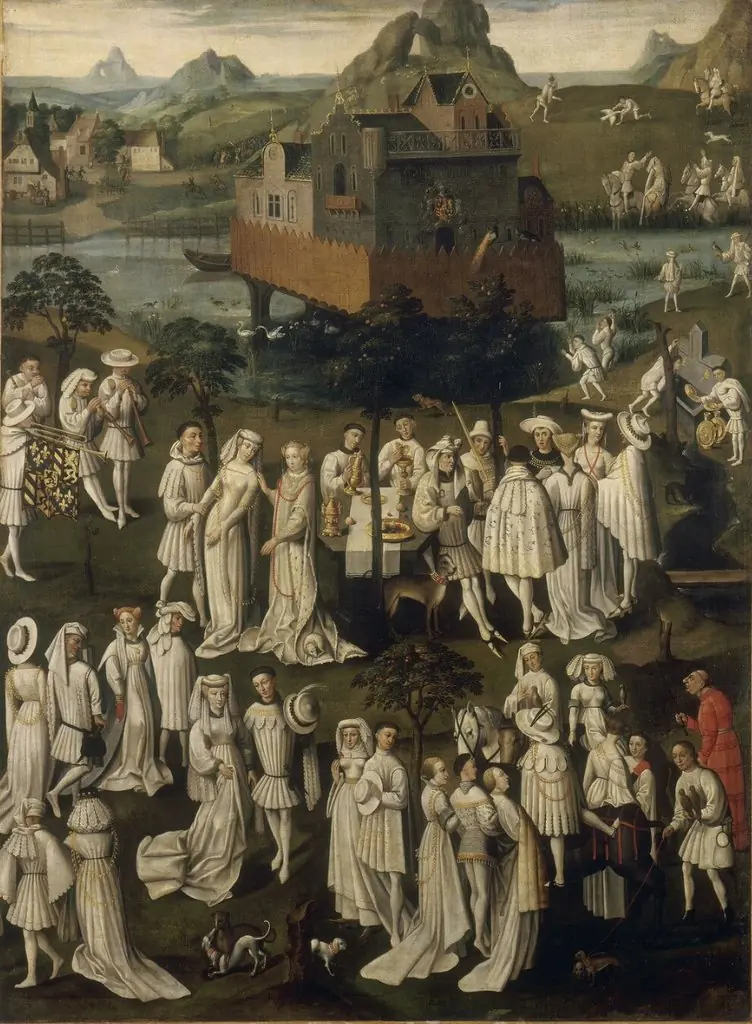 Garden of love at the court of Philippe the Good, Duke of Burgundy
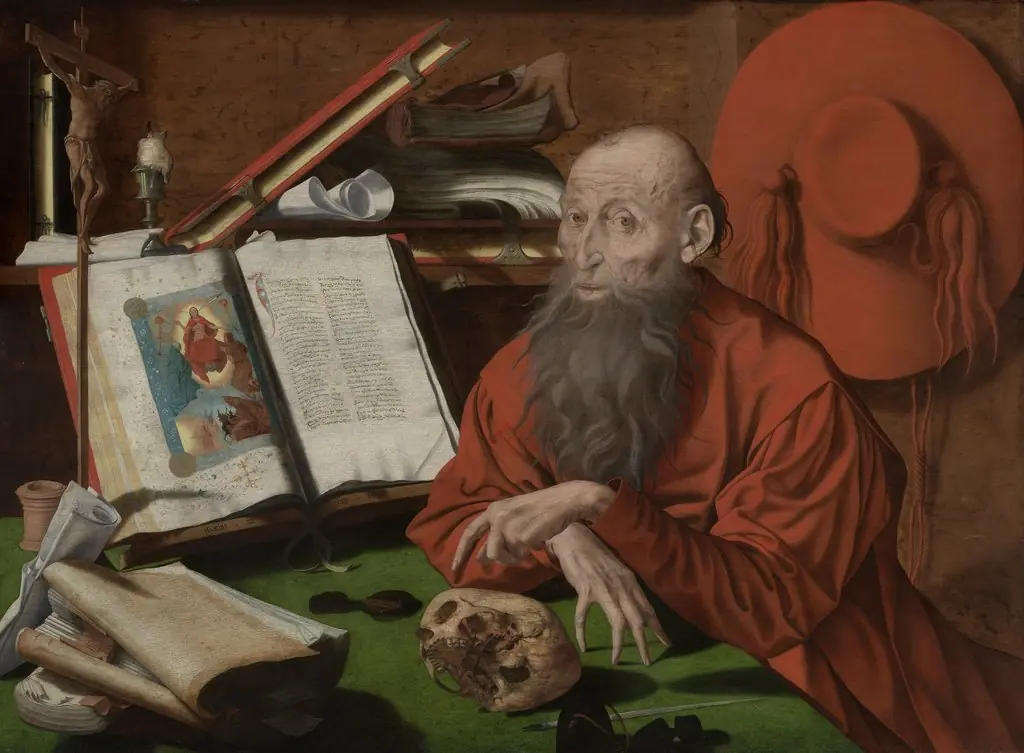 Saint Jerome in His Study
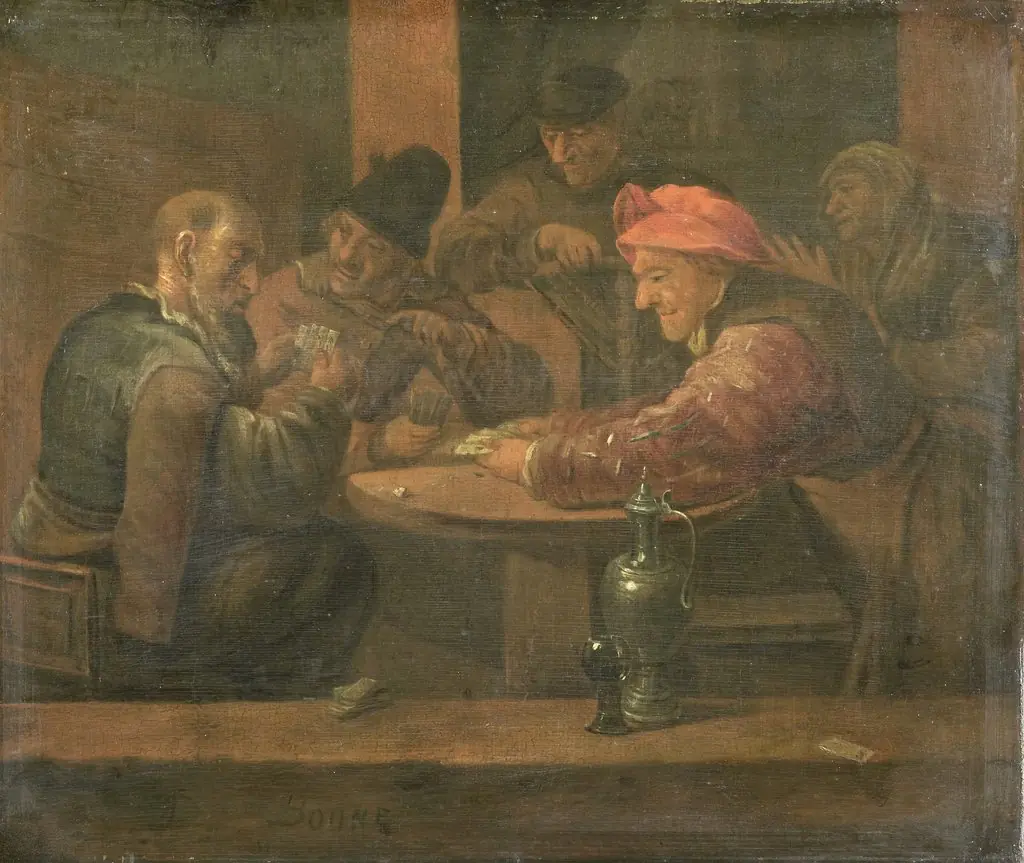 Peasants playing cards
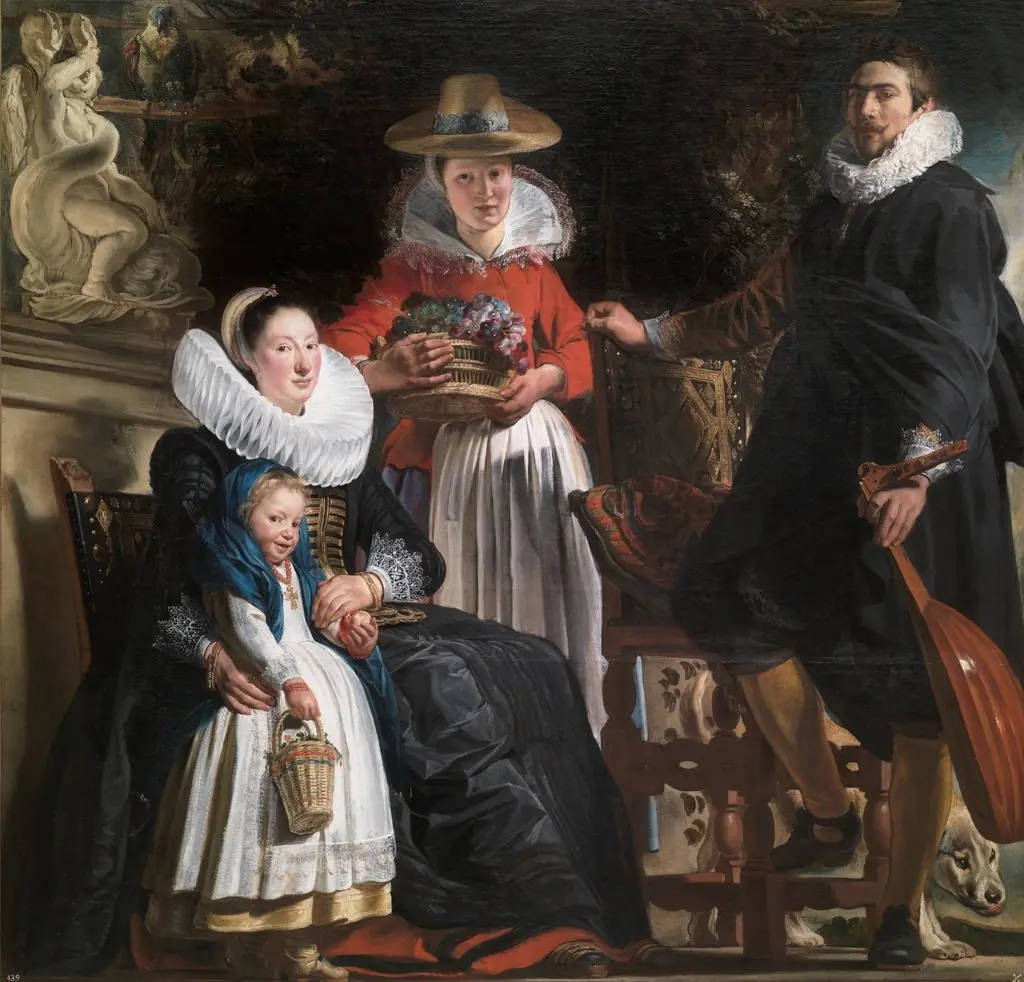 Portrait of the artist with his family
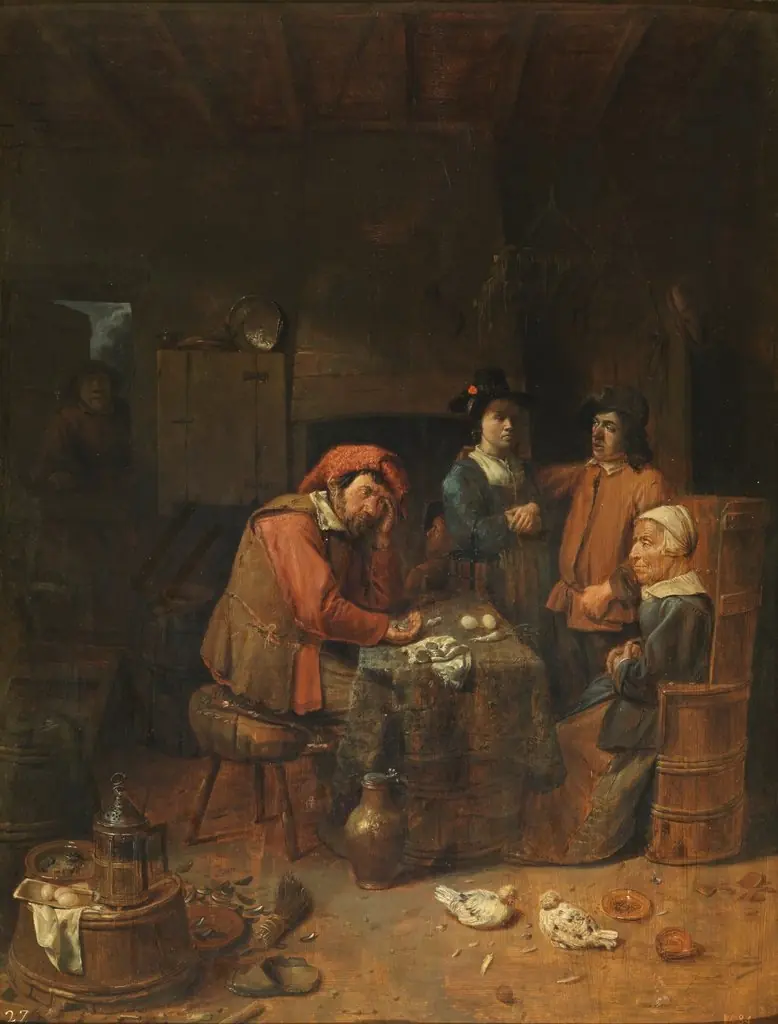 The Wedding Contract
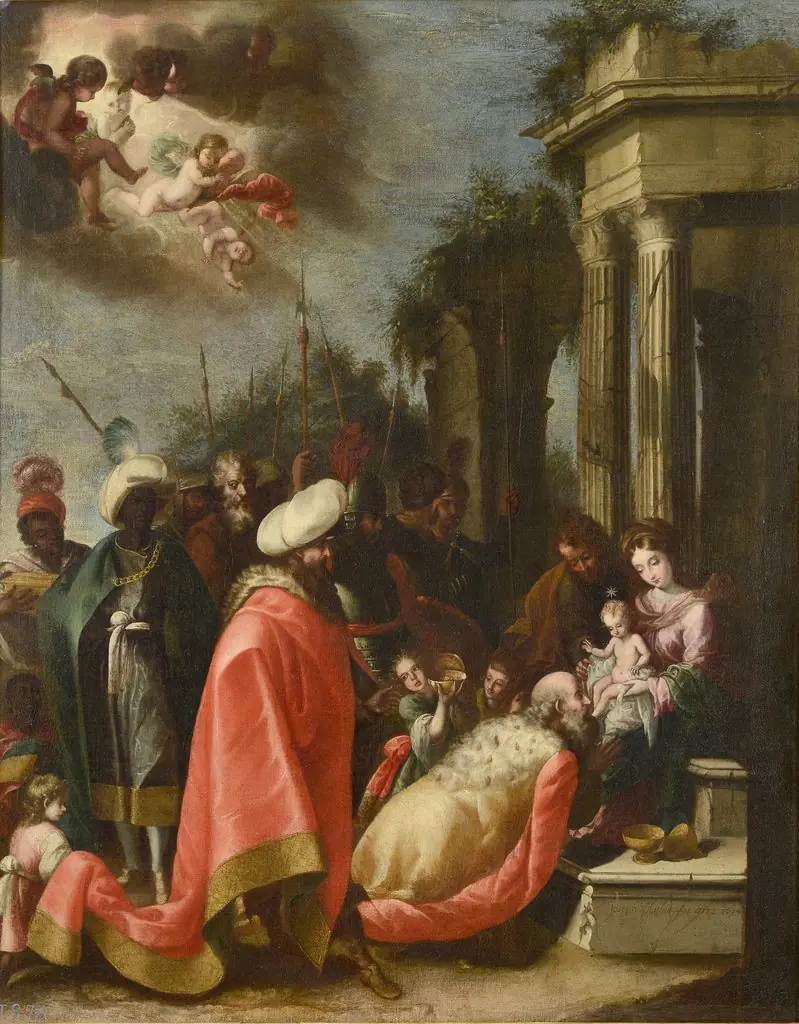 Adoración de los Reyes Magos
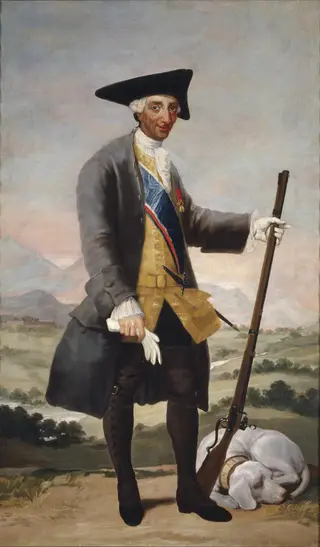 Charles III in Hunting Dress
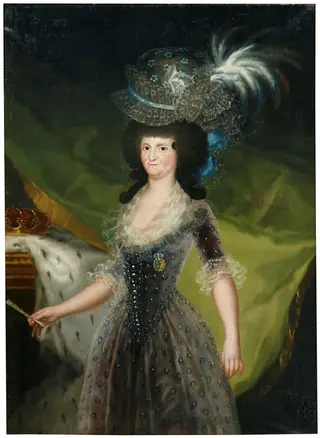 Maria Luisa of Parma, Queen of Spain
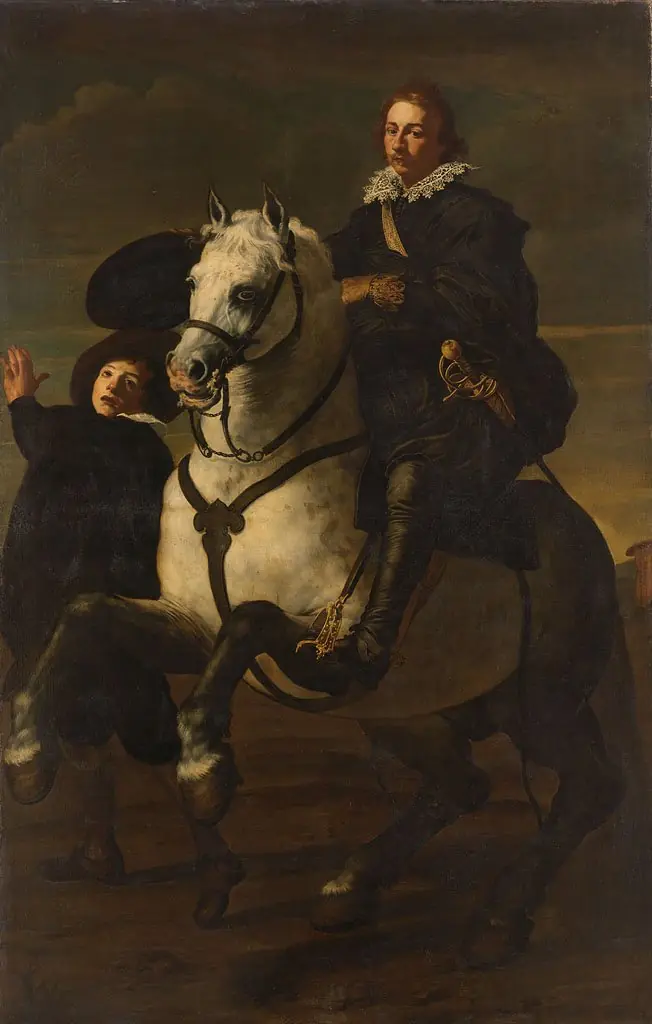 Portrait of a Man on a Horse
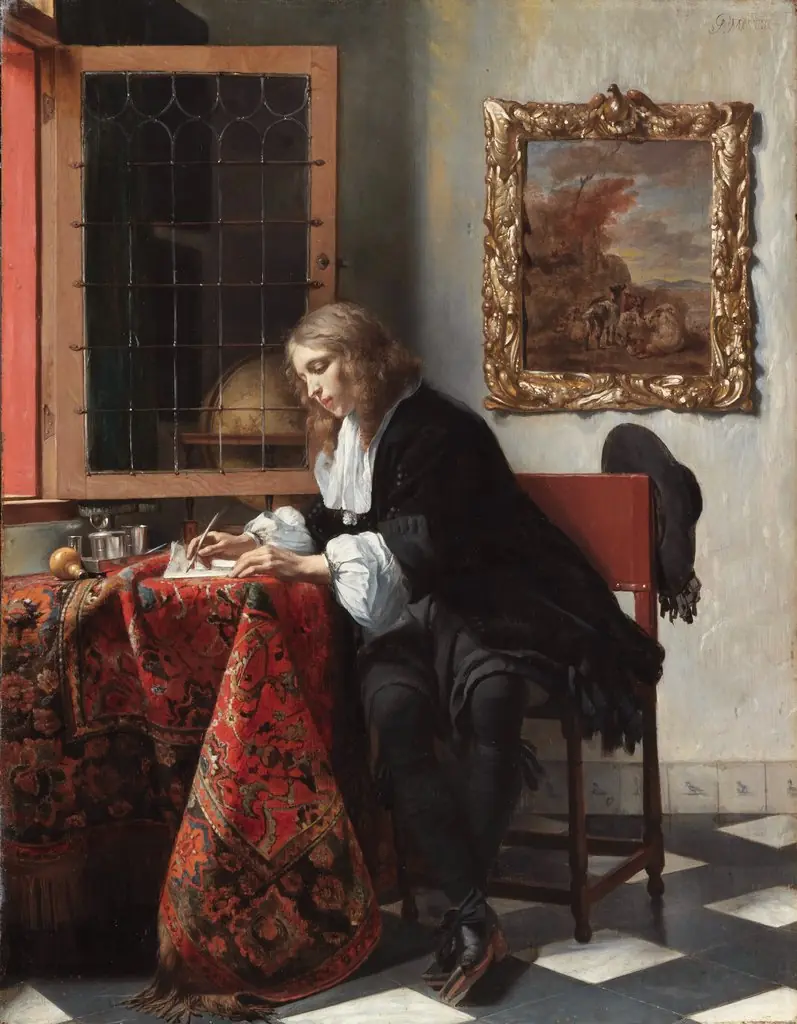 Man Writing a Letter
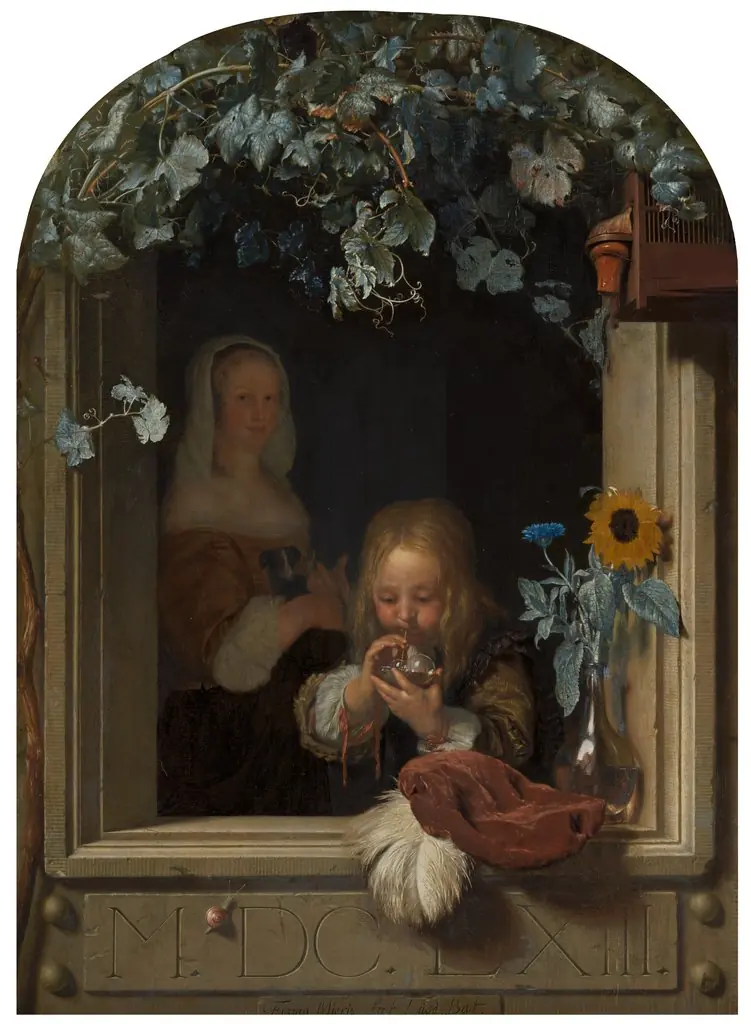 A Boy Blowing Bubbles
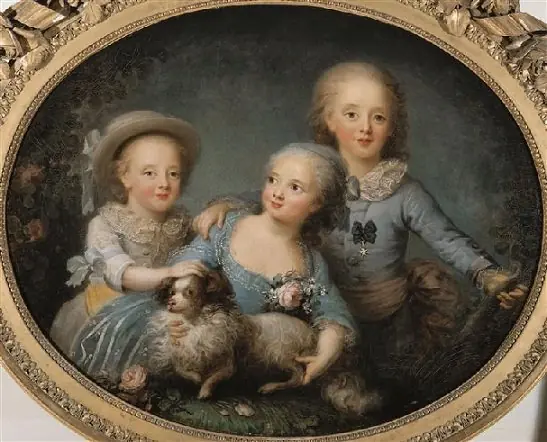 Artois children
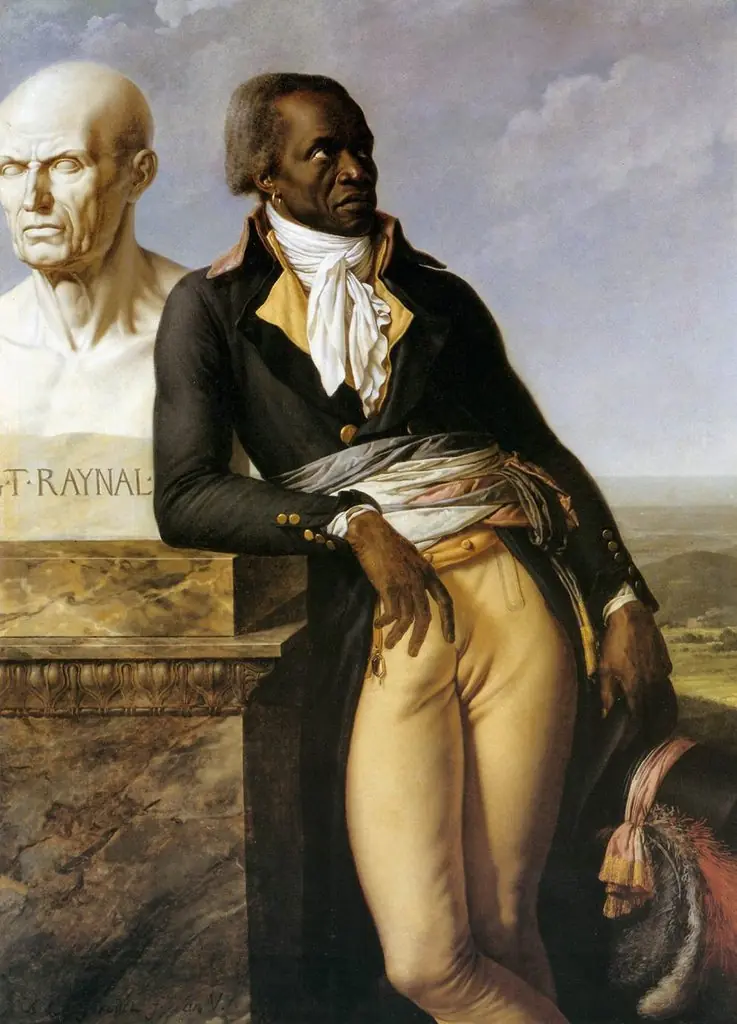 Jean-Baptiste Belley, member of the National Convention
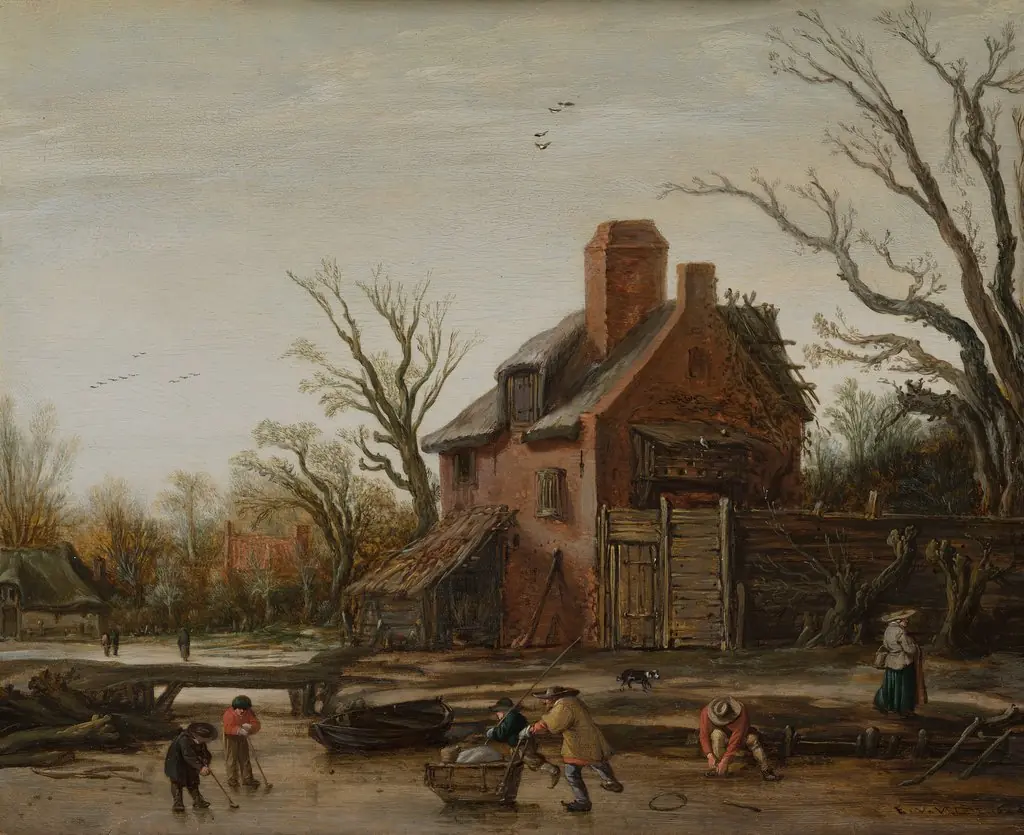 Winter landscape with farmhouse
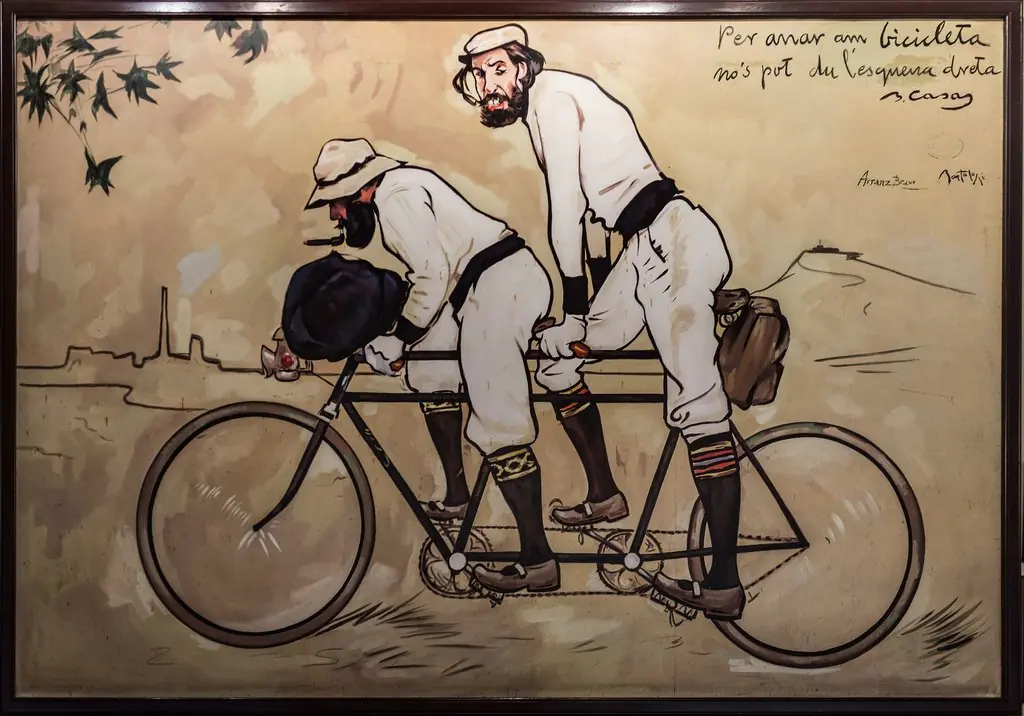 Ramon Casas and Pere Romeu on a Tandem
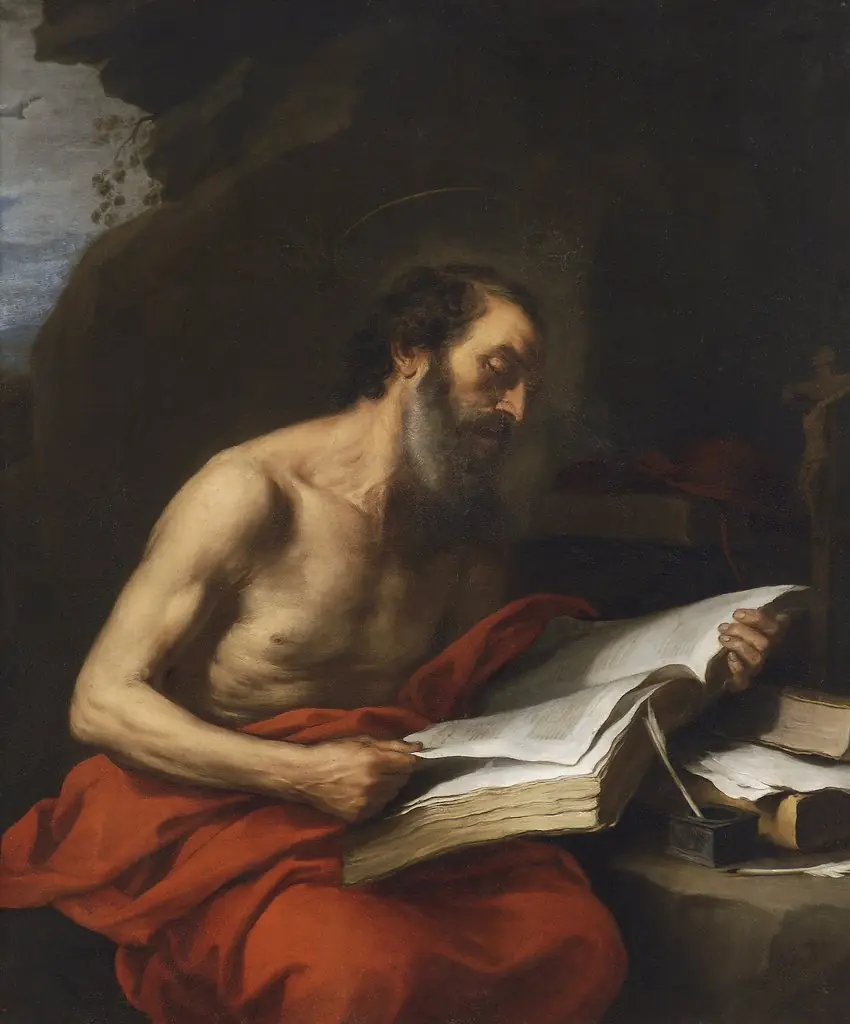 The penitent Saint Jerome
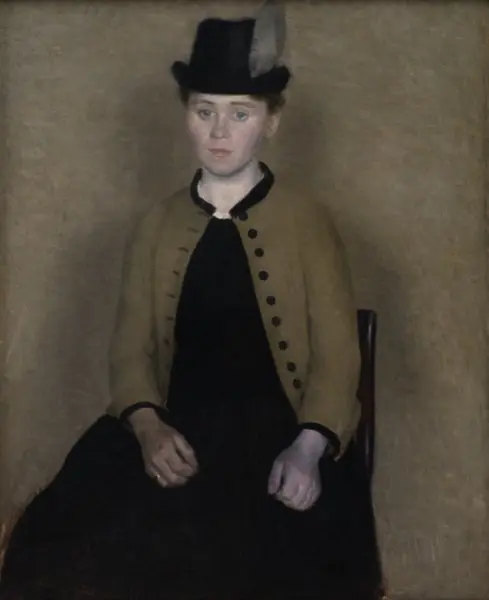 Portræt af Ida Ilsted, senere kunstnerens hustru
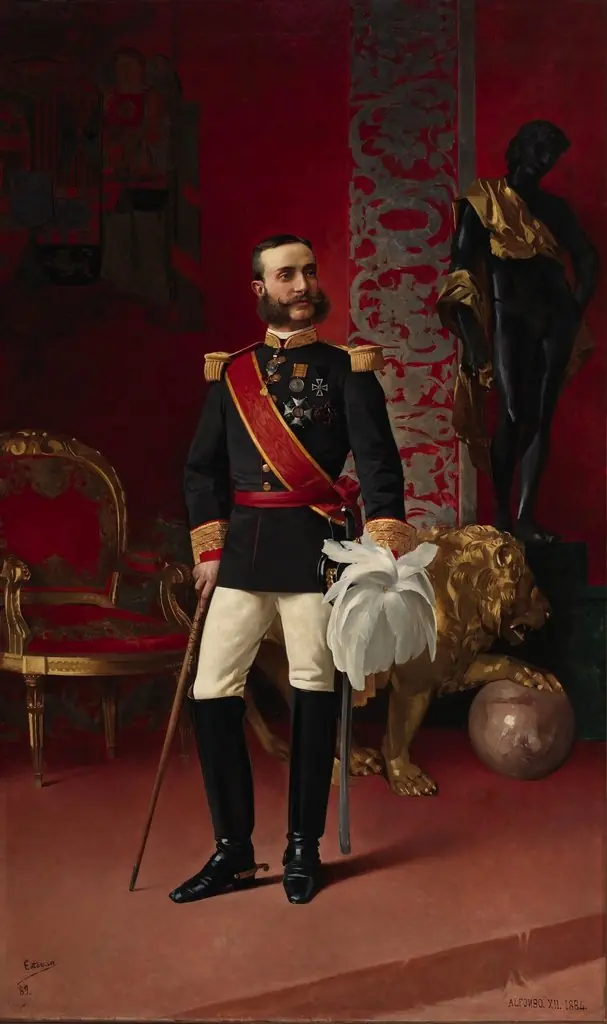 Alfonso XII
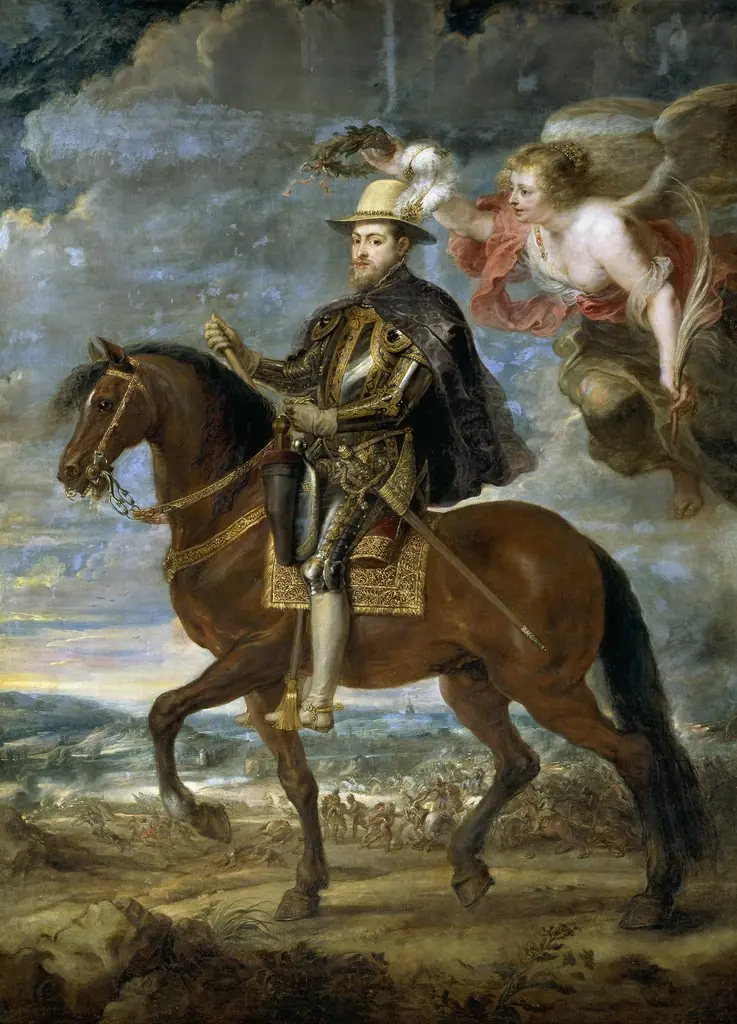 Philip II on Horseback
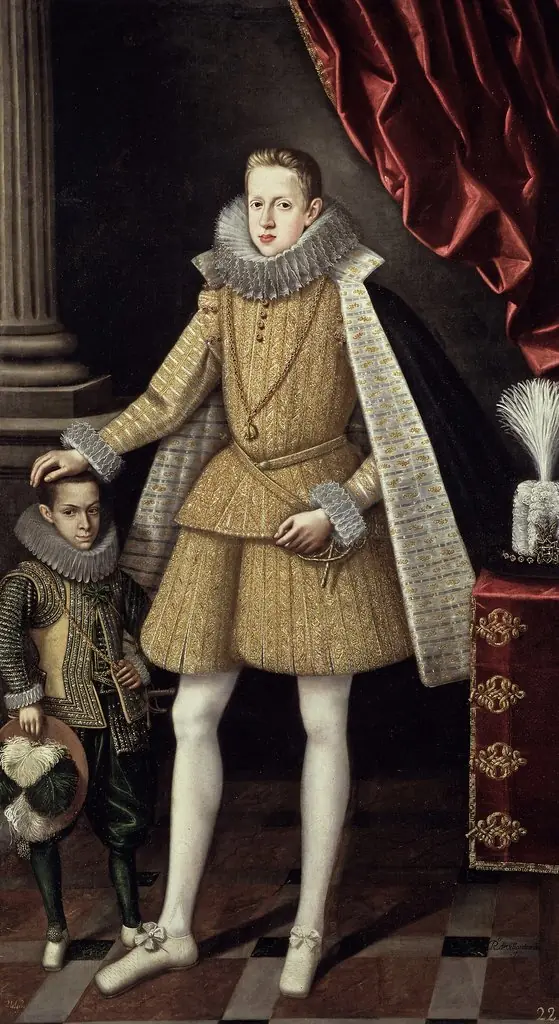 Prince Philip and the Dwarf, Miguel Soplillo
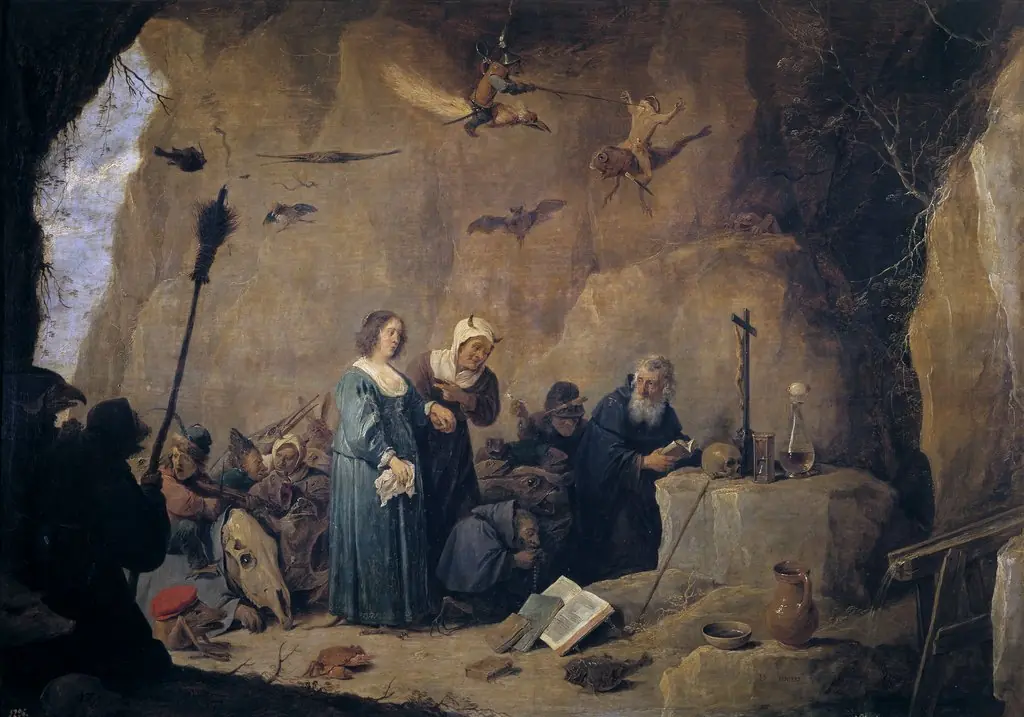 The Temptations of Saint Anthony the Abbot
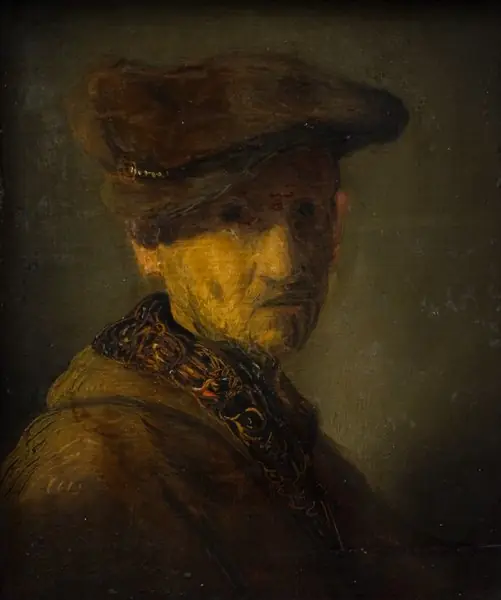 Man with a Hat. (Portrait of Rembrandt's Father)
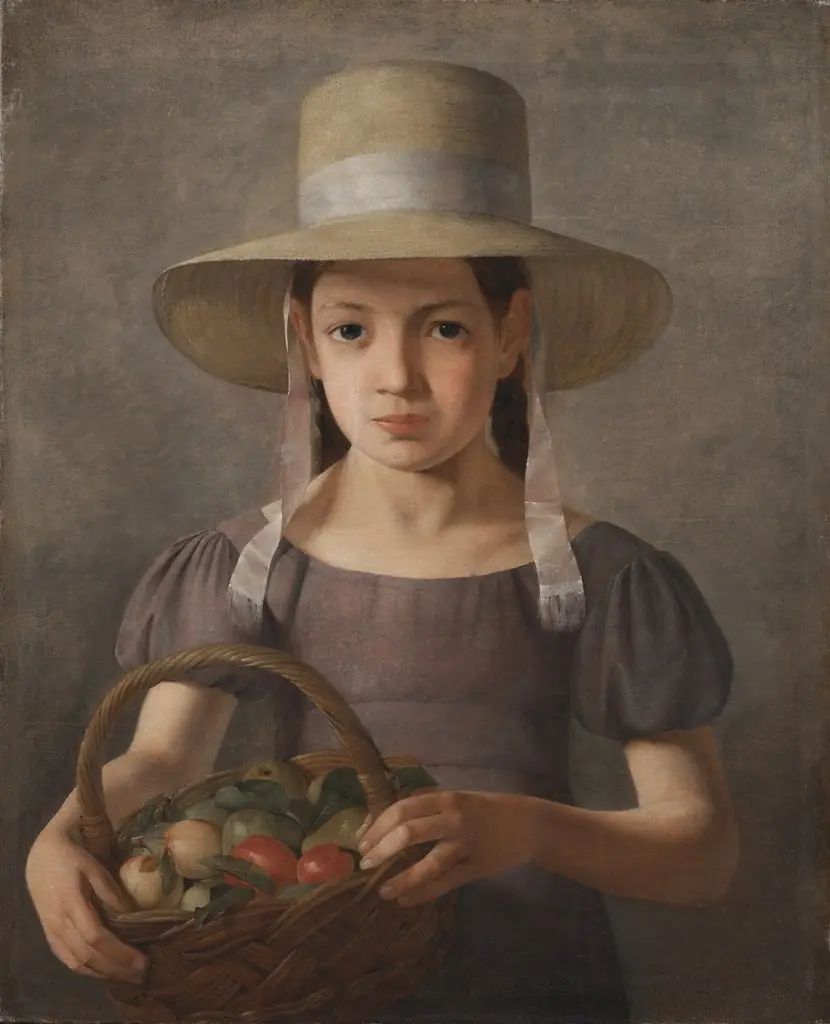 A Girl with Fruits in a Basket
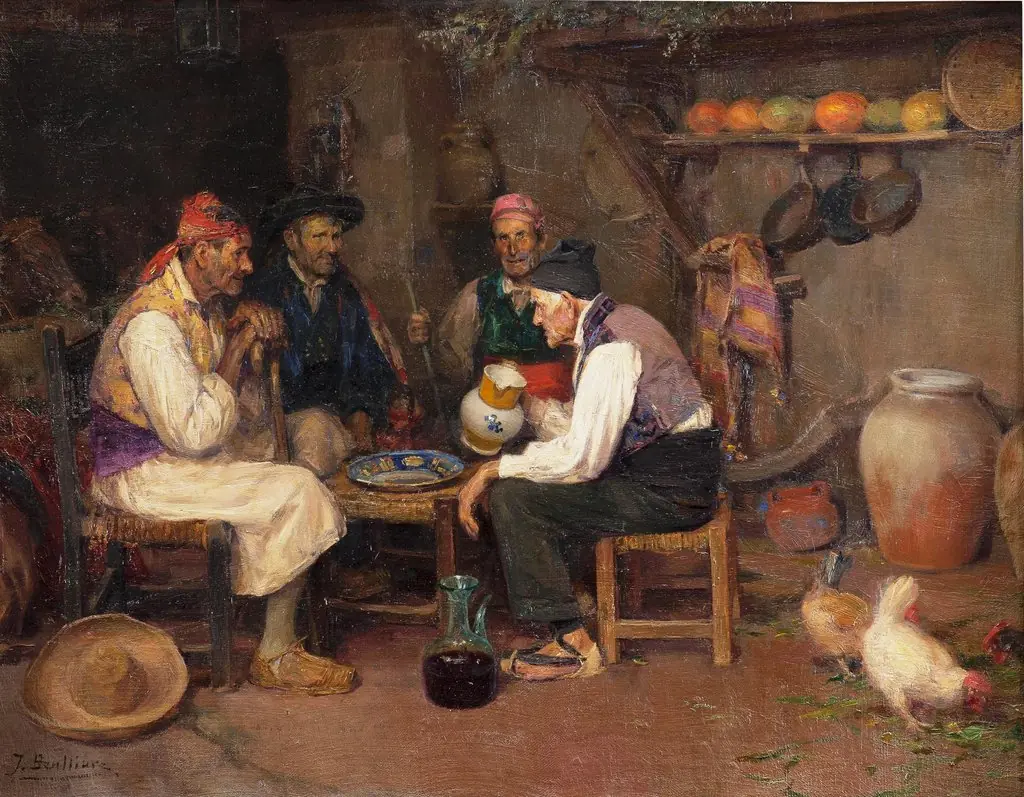 Palique y trago
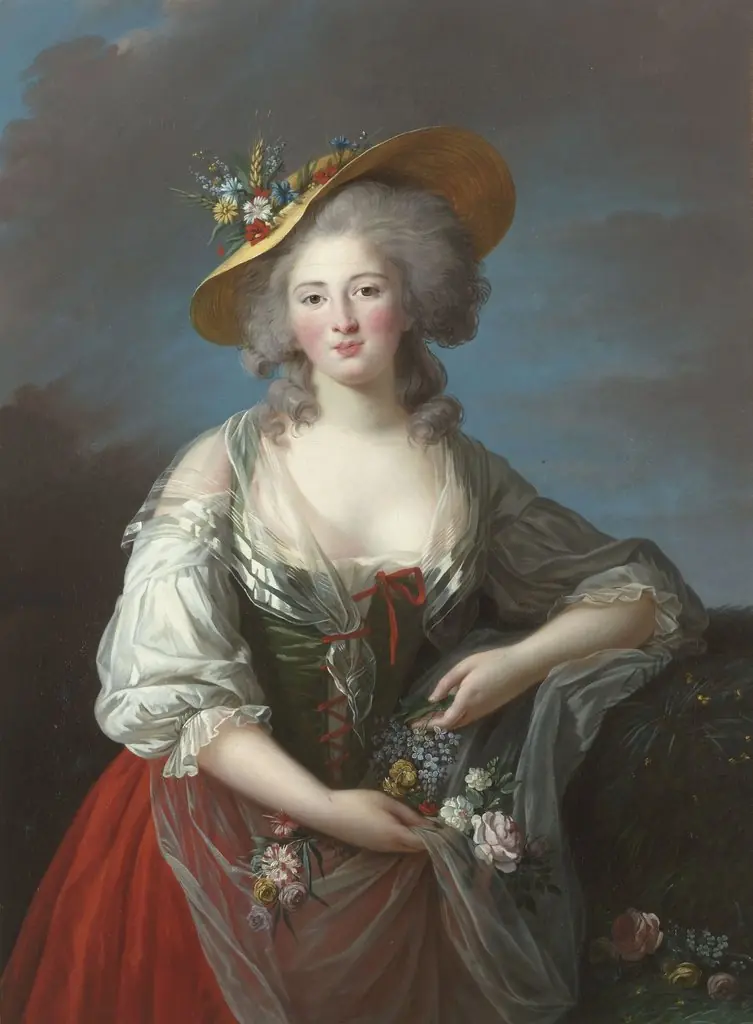 Elisabeth-Philippe-Marie-Hélène de France, dite Madame Elisabeth
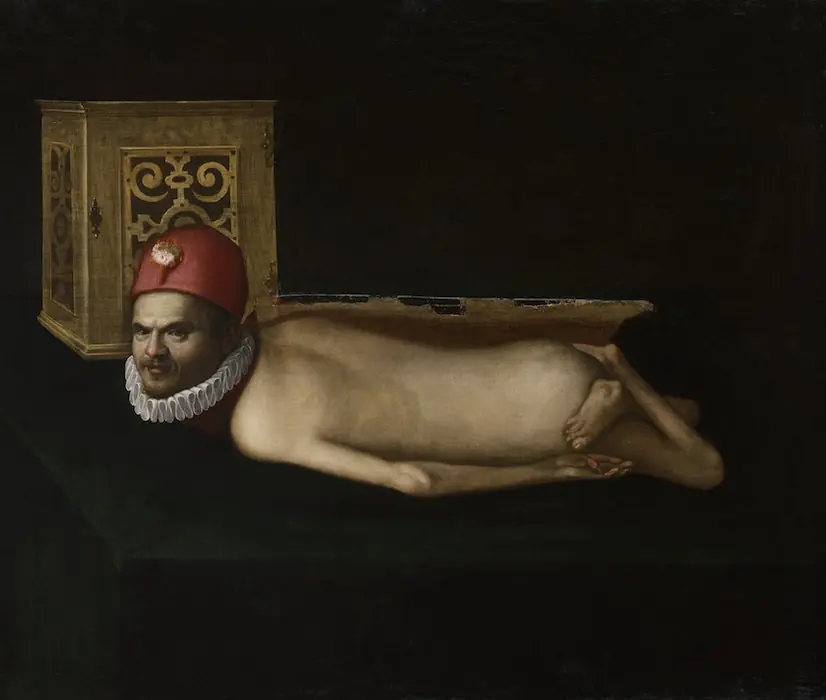 Portrait of a disabled man
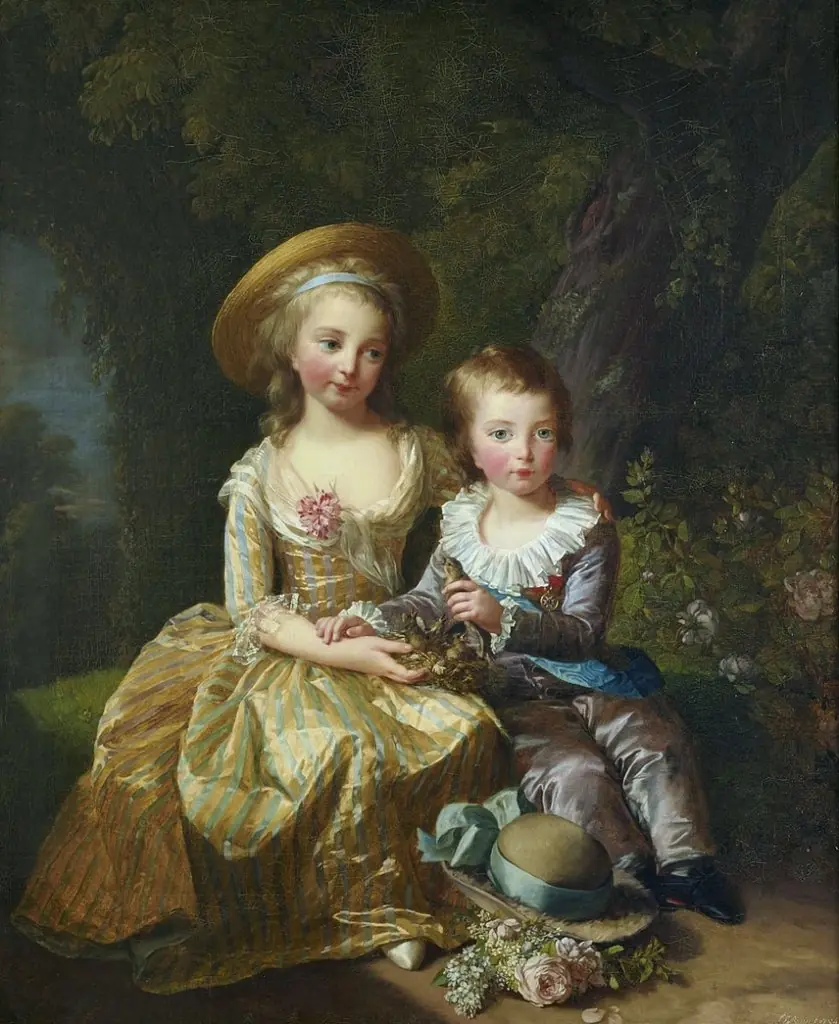 Portrait of Madame Royale and Louis Joseph, Dauphin of France
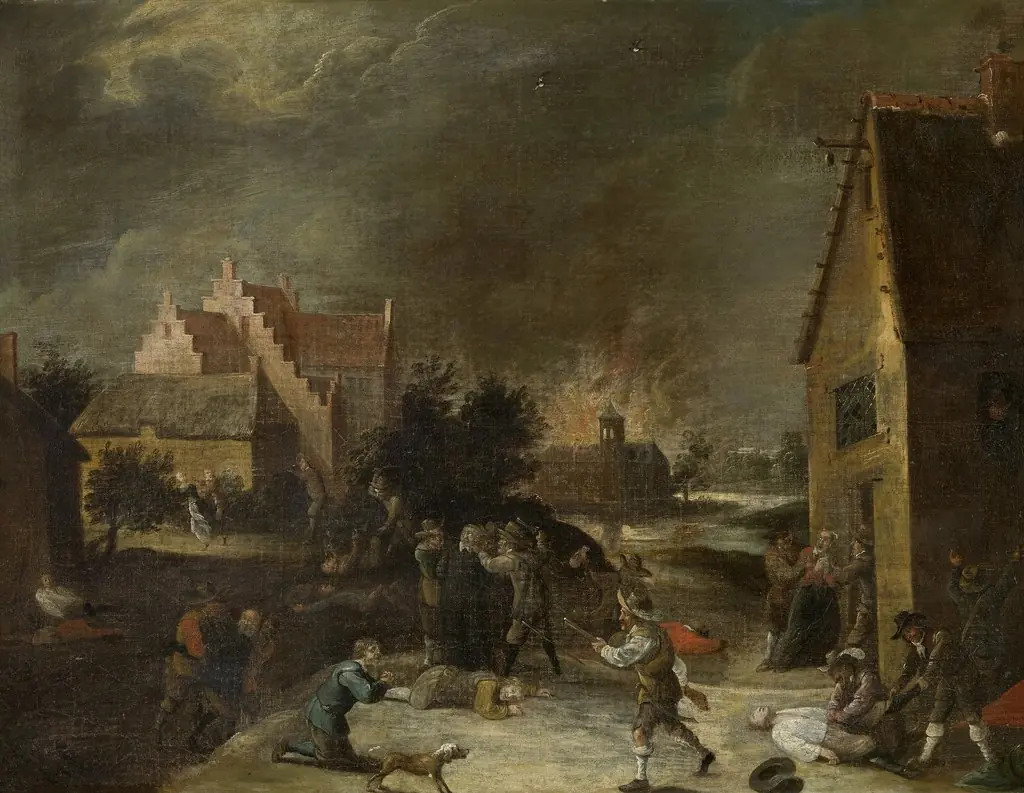 Looting of a village
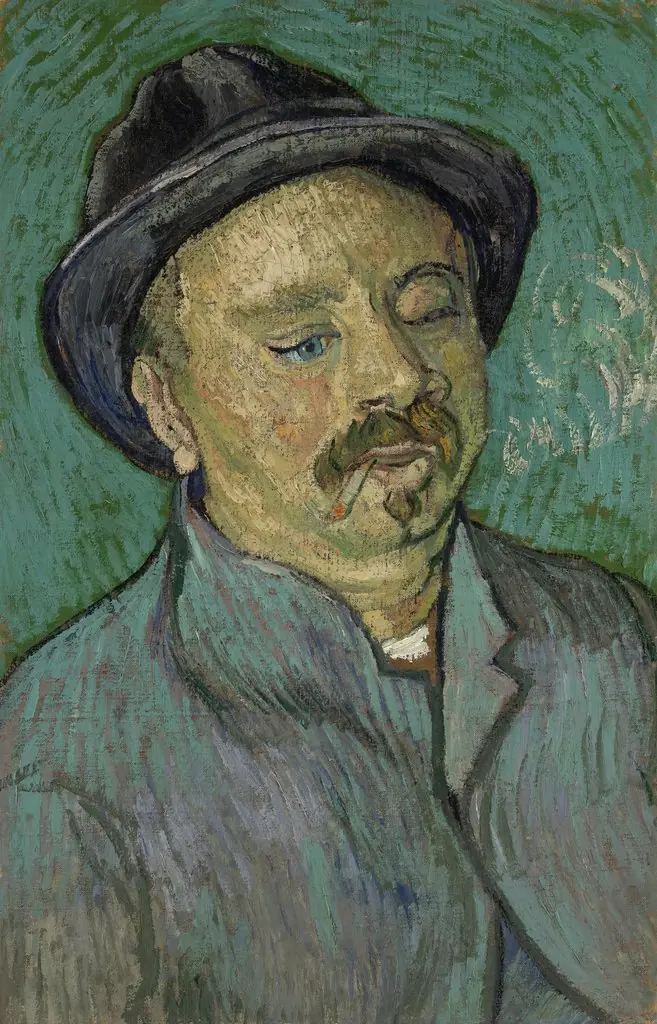 Portrait of a One-Eyed Man
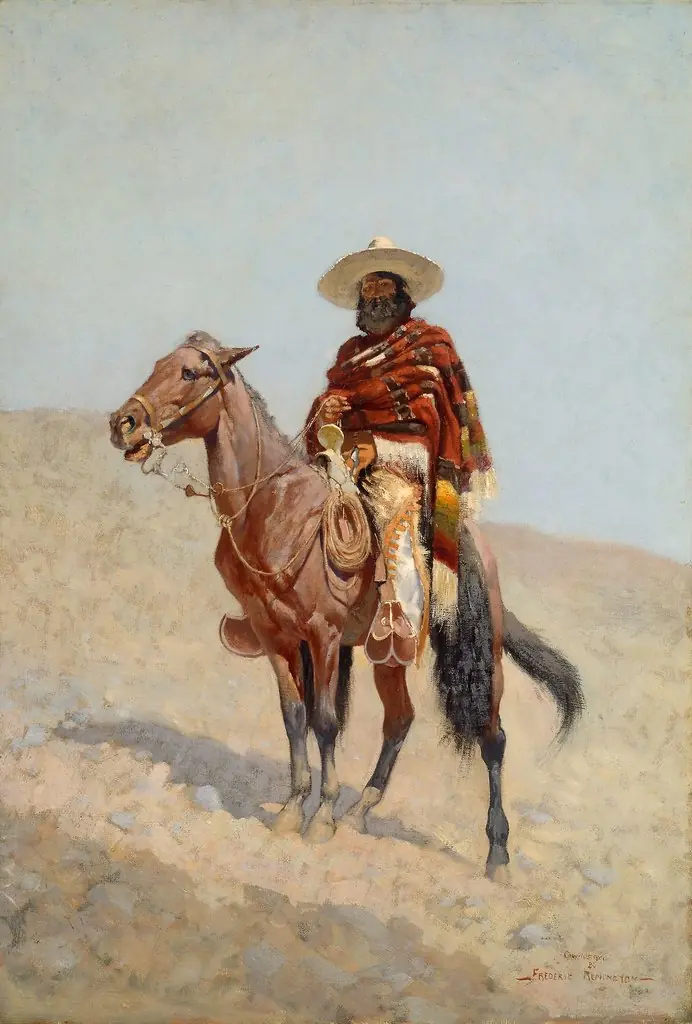 A Mexican Vaquero
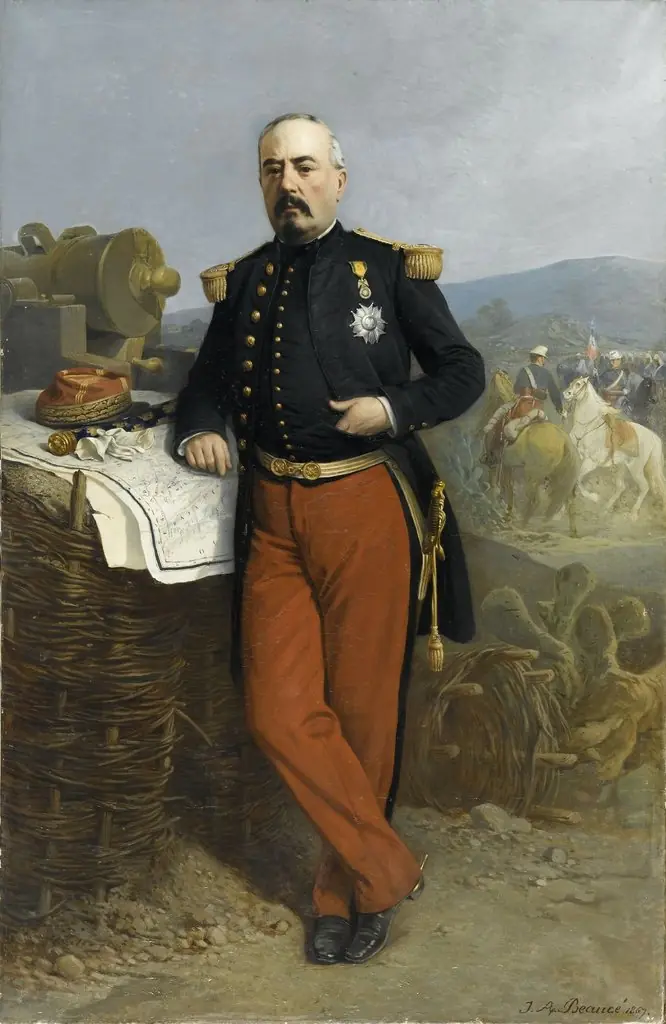 Achille-François Bazaine, Marshal of France
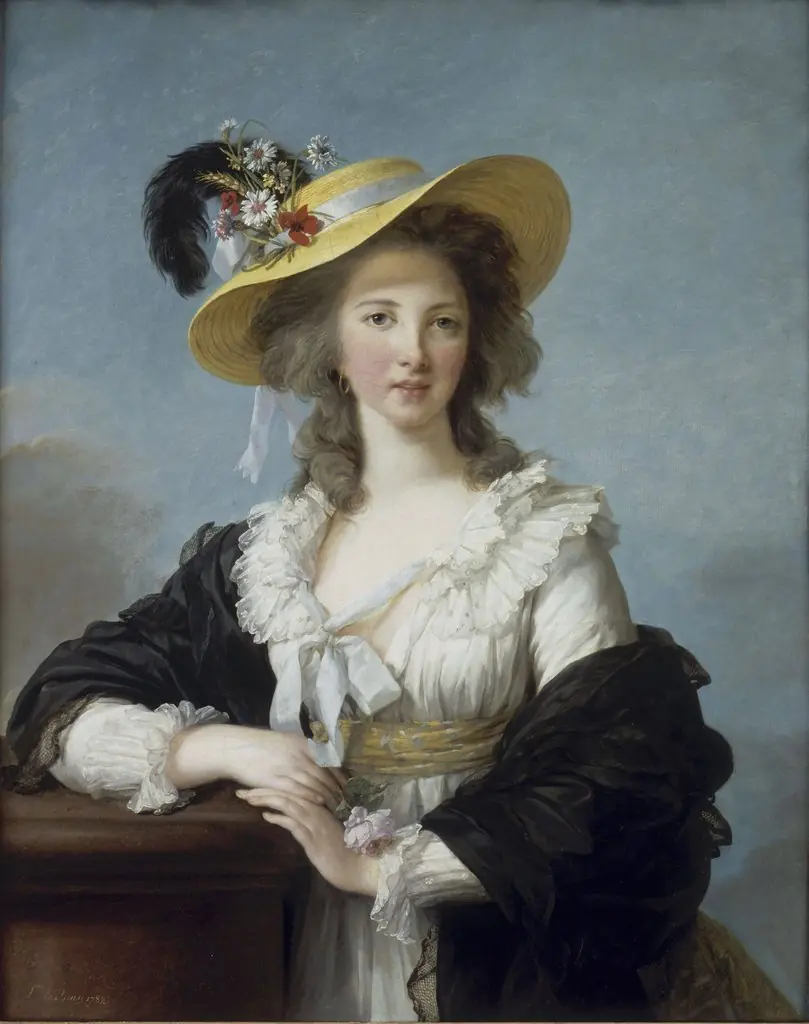 Yolande-Martine-Gabrielle de Polastron, Duchess de Polignac
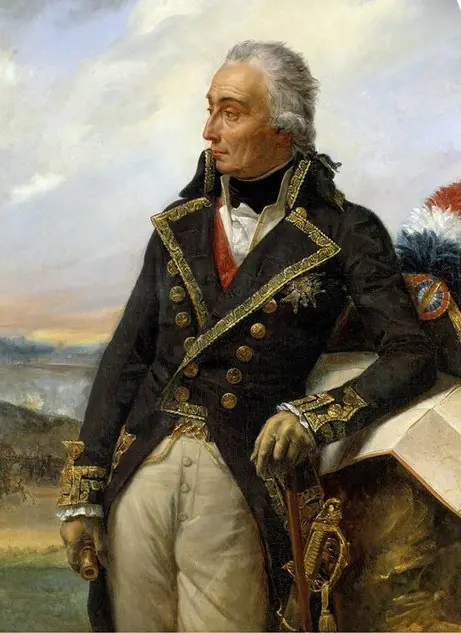 Nicolas, Baron de Luckner, Marshal of France
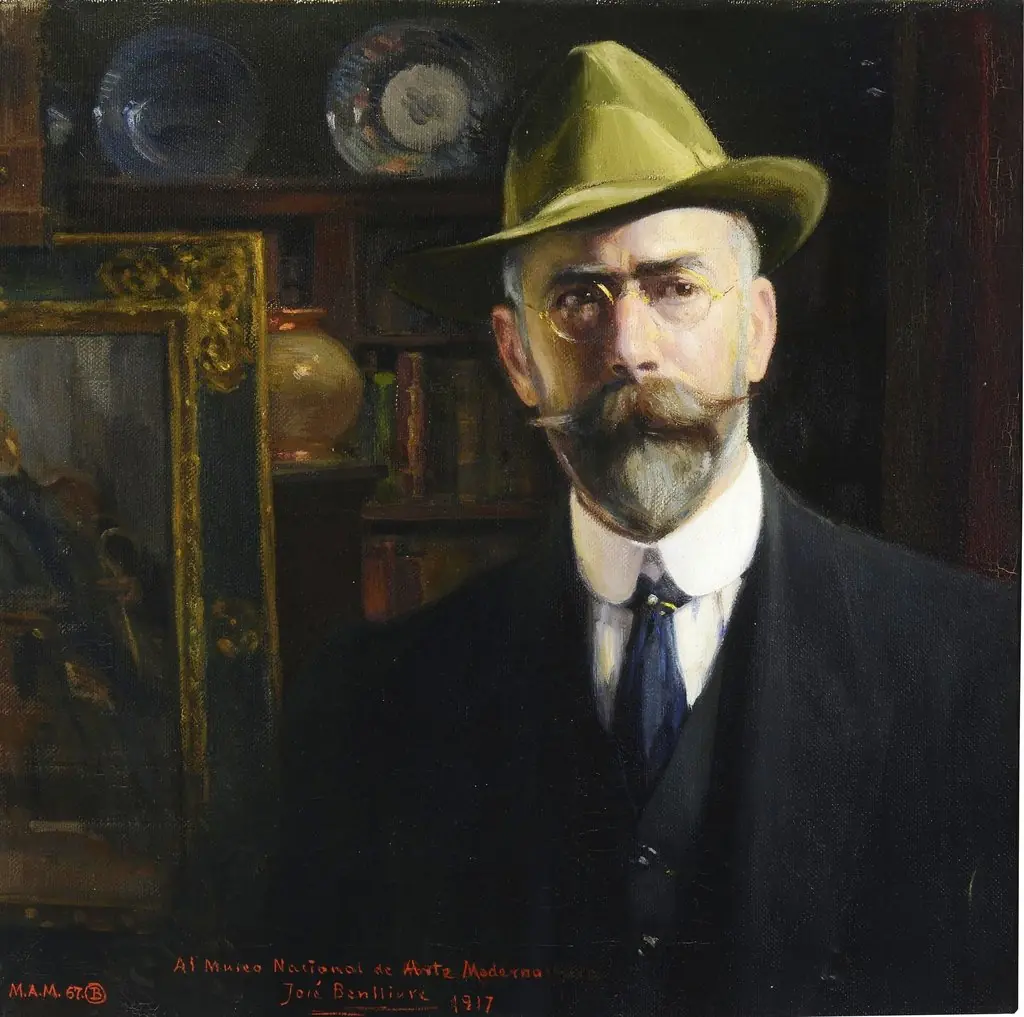 Self-portrait
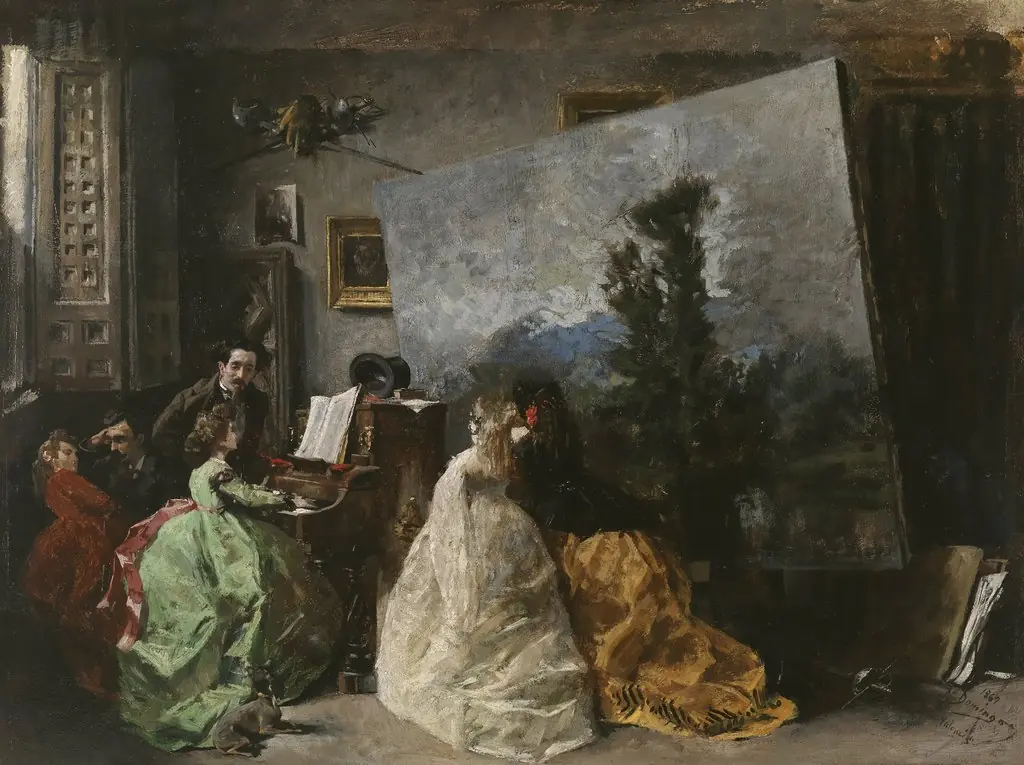 Interior del estudio de Muñoz Degrain en Valencia
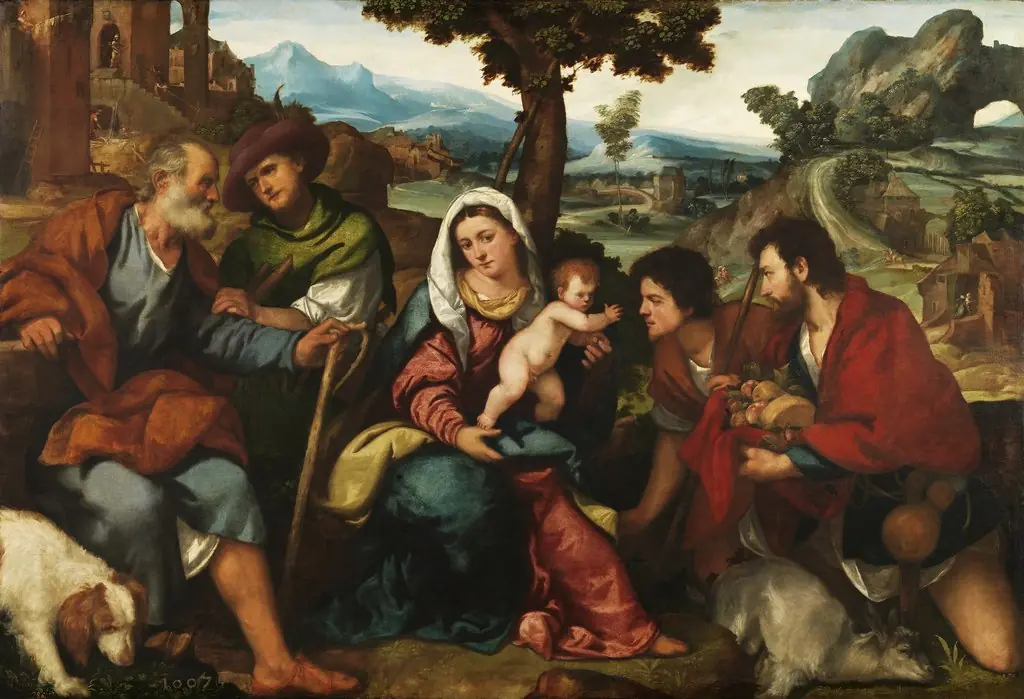 The Adoration of the Shepherds
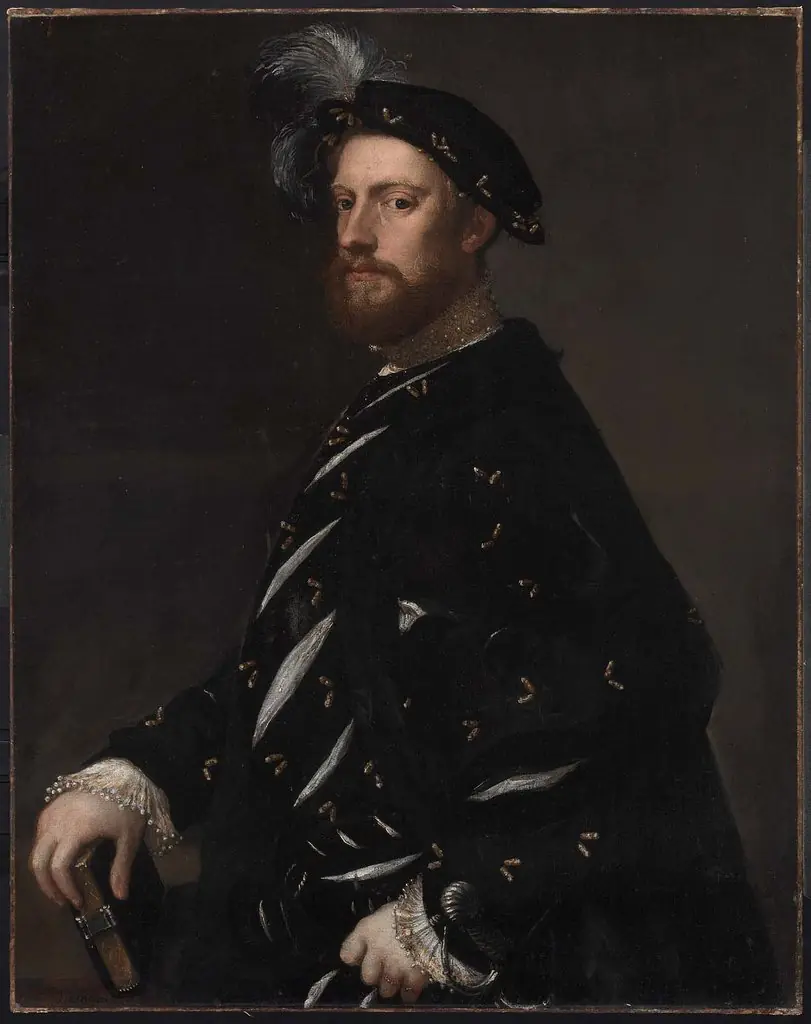 Portrait of a Man Holding a Book
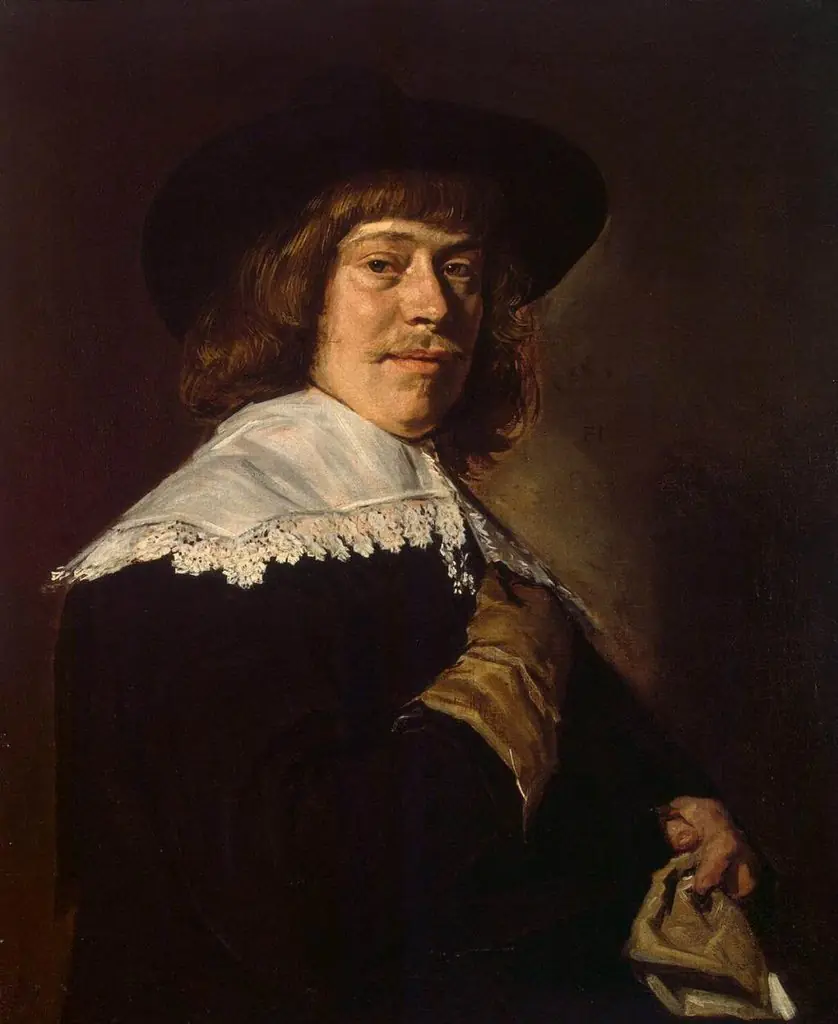 Portrait of a Young Man Holding a Glove
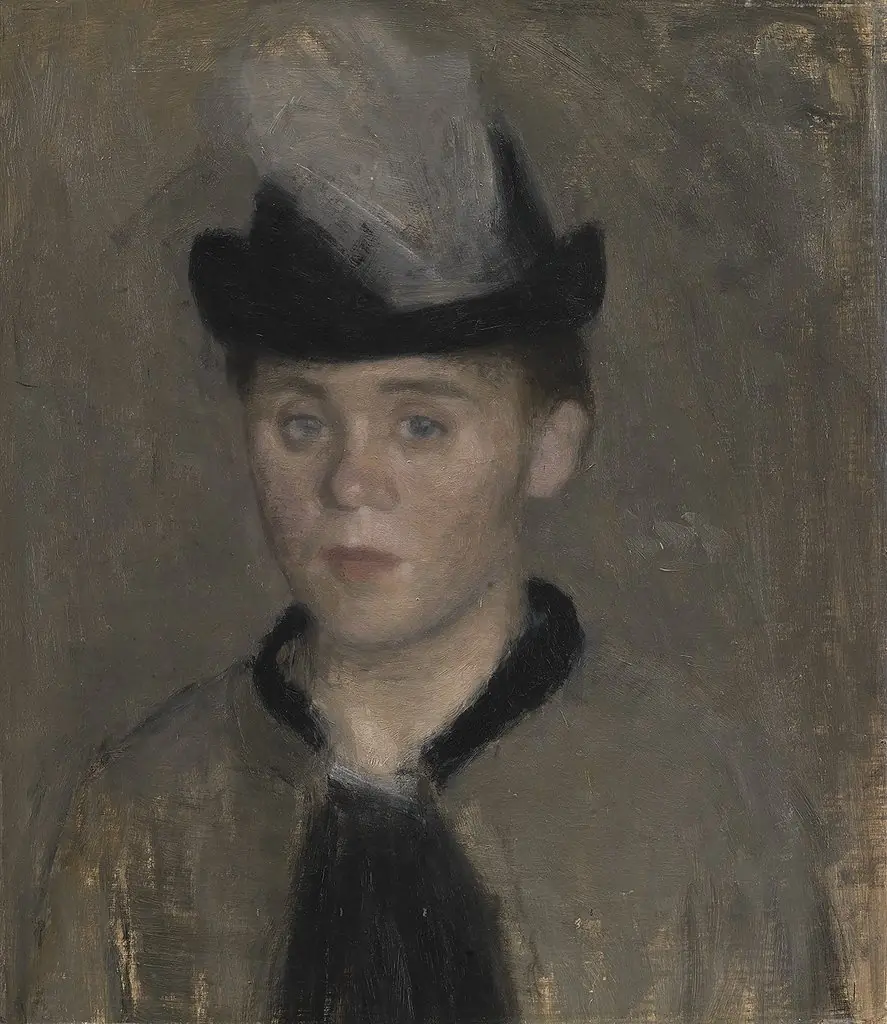 Ida Ilsted, the Artist's Fiancée
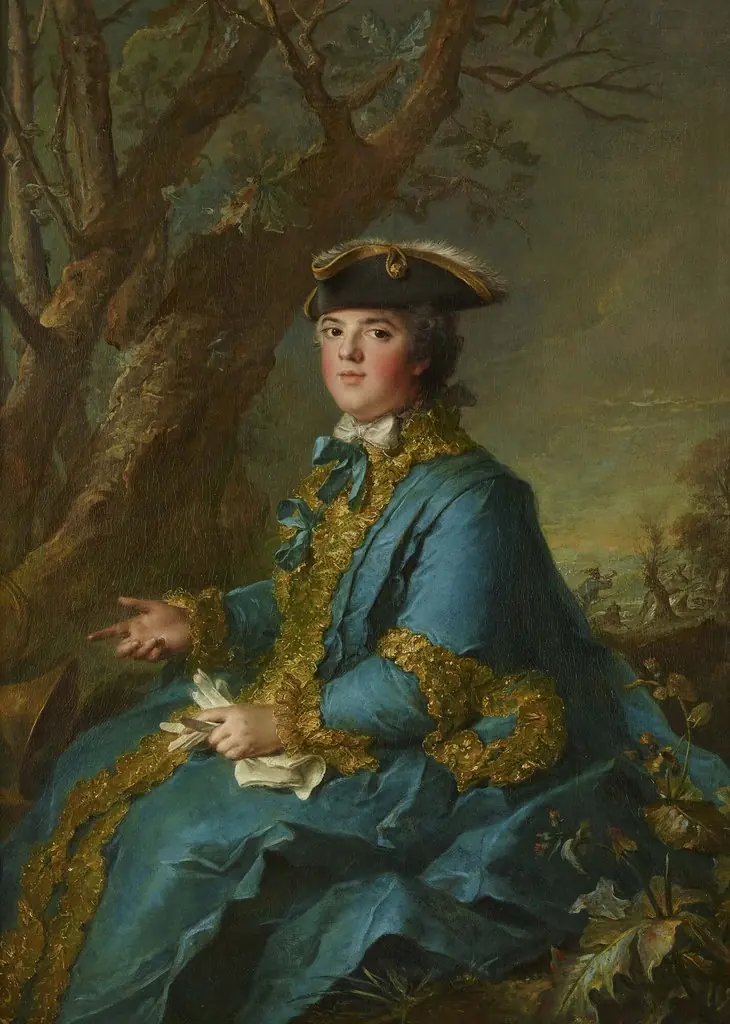 Posthumous portrait of Louise-Élisabeth de France, Duchess of Parma
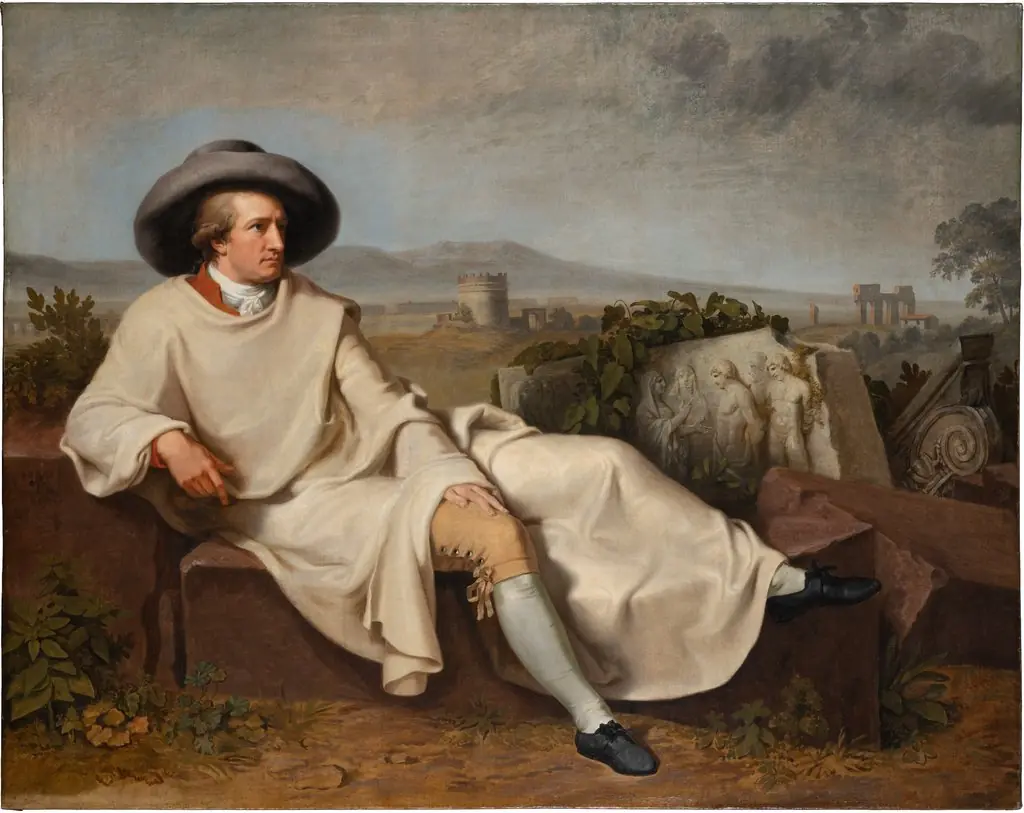 Goethe in the Roman Campagna
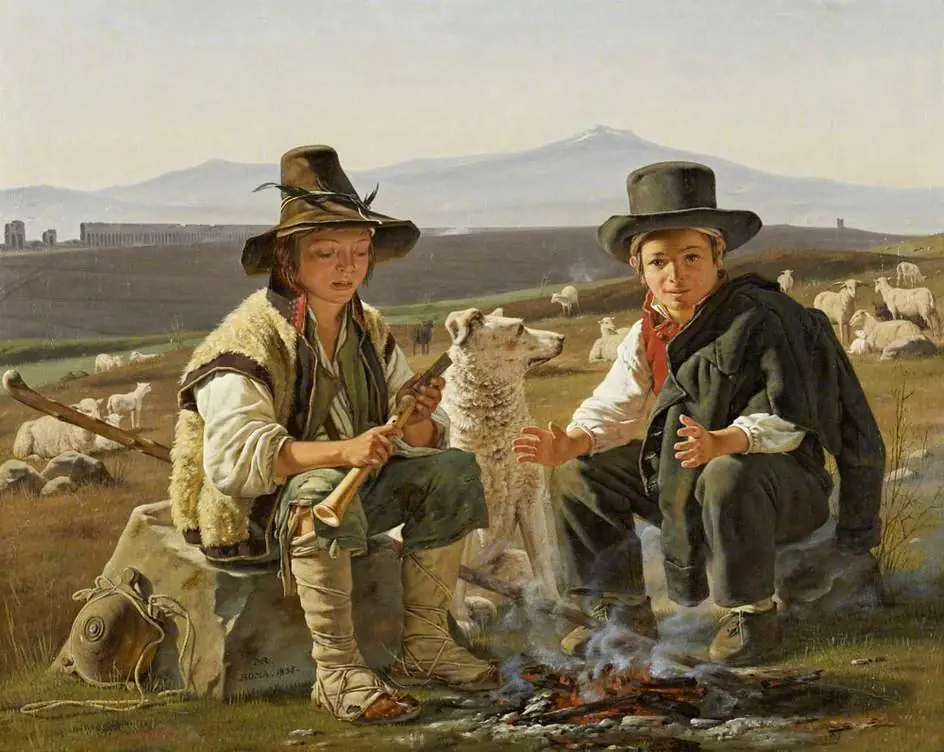 Two Shepherd Boys in the Roman Campagna
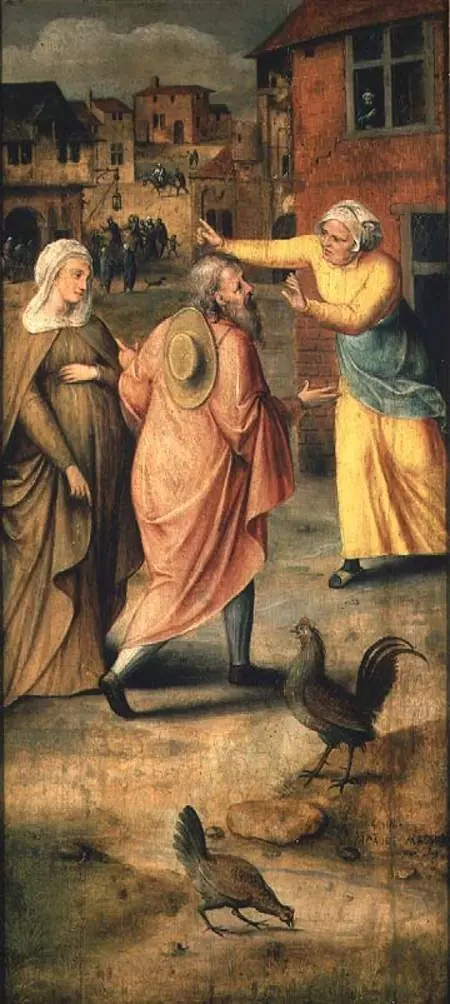 Mary and Joseph find no lodgings in Bethlehem
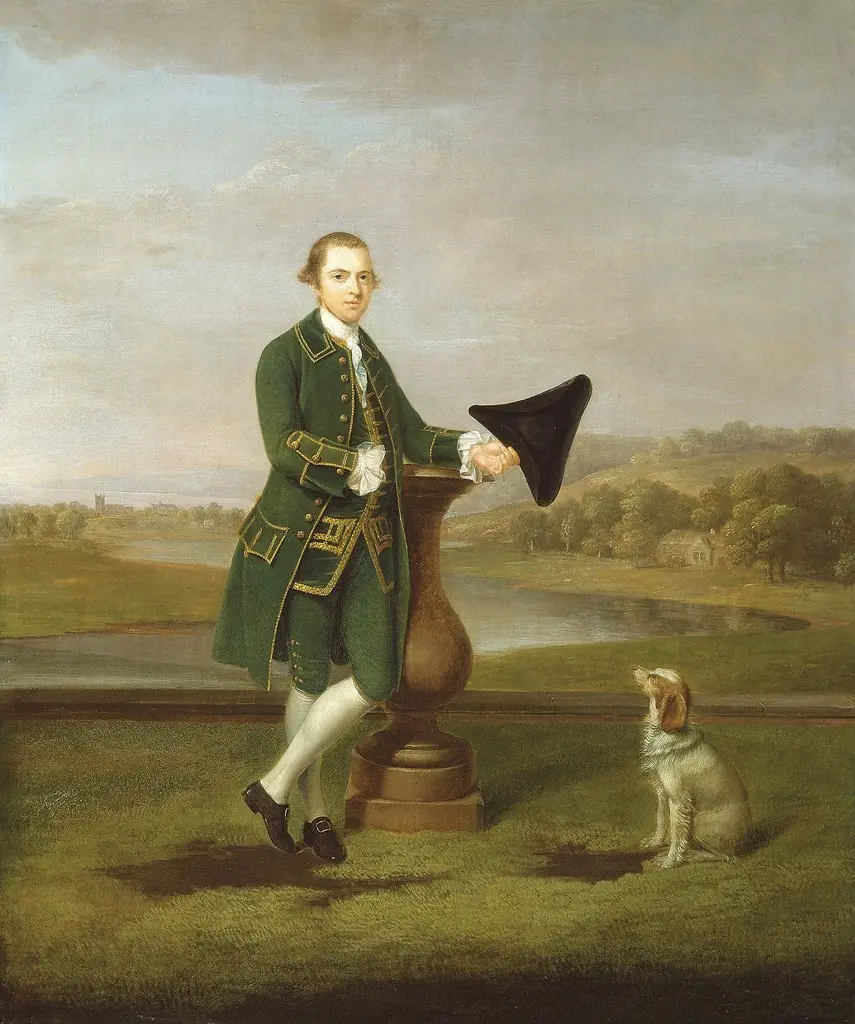 Portrait of a Man
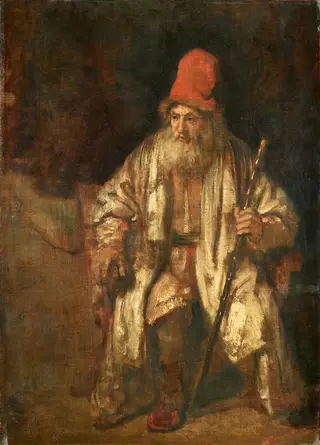 Portrait of a Seated Old Man Wearing a Red Hat
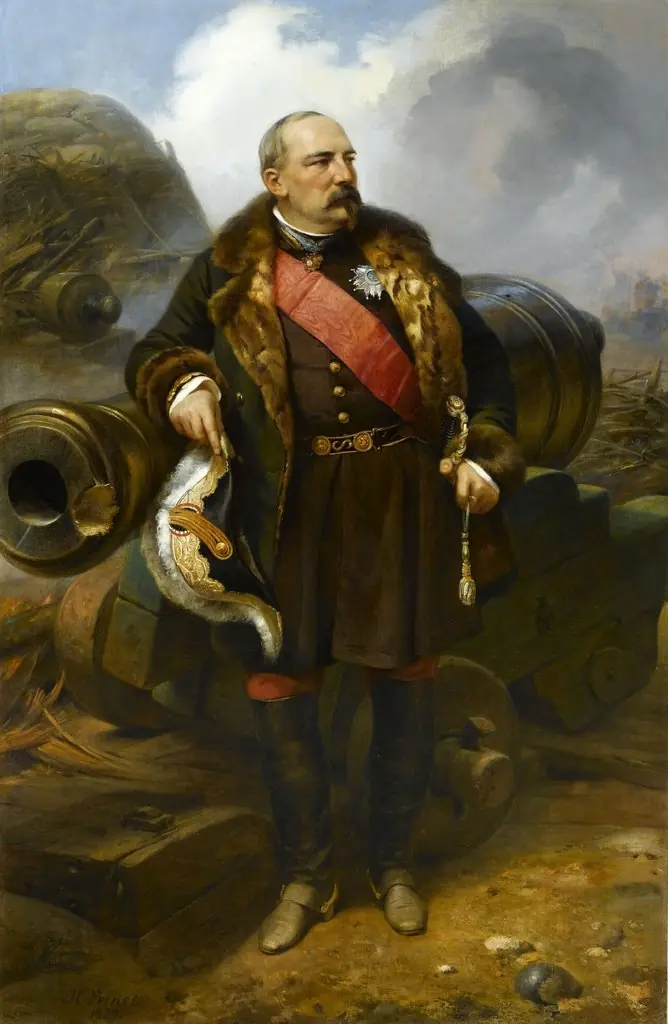 Pierre-Joseph-François Bosquet, Marshal of France (1810-1861)
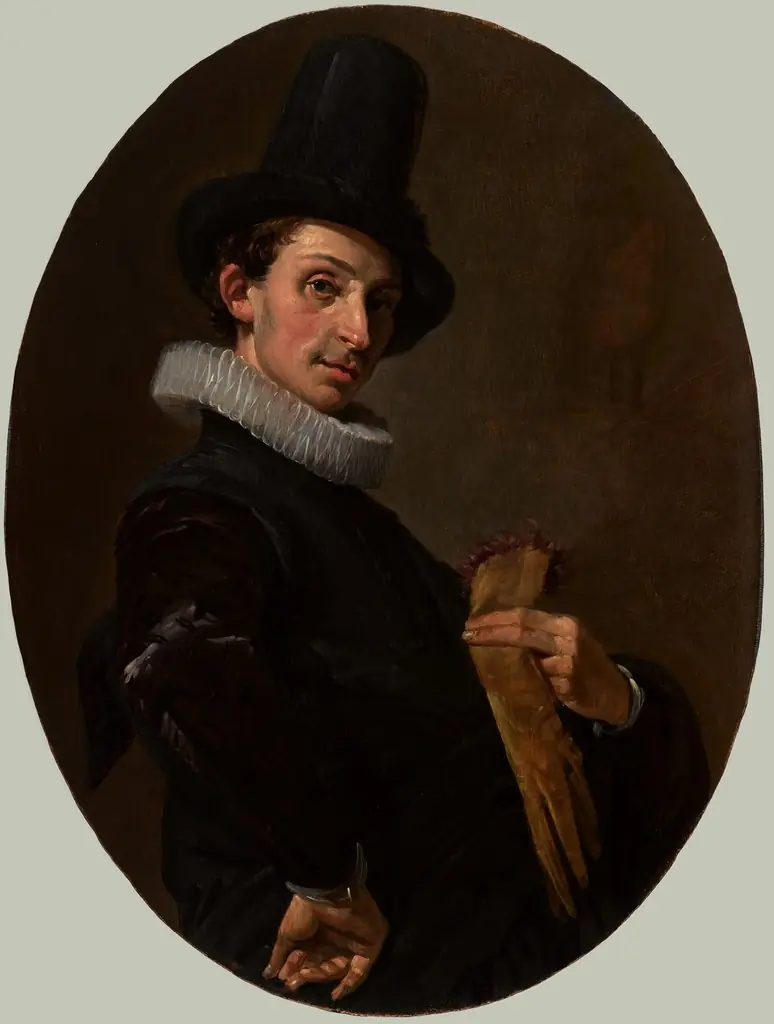 Portrait of a Young Man with gloves
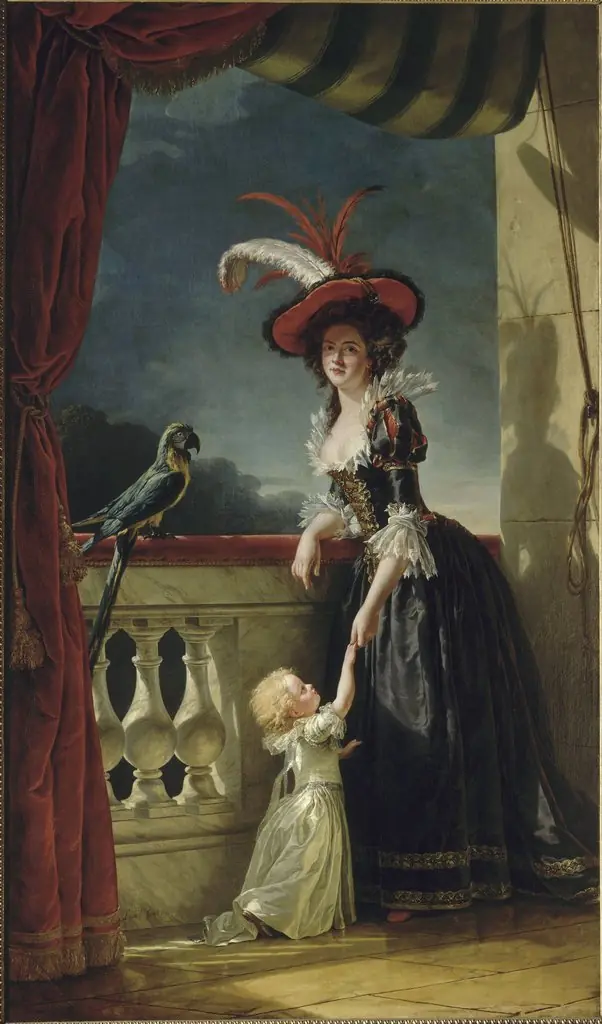 Portrait of Elisabeth of France, Duchess of Parma (1727-1759)
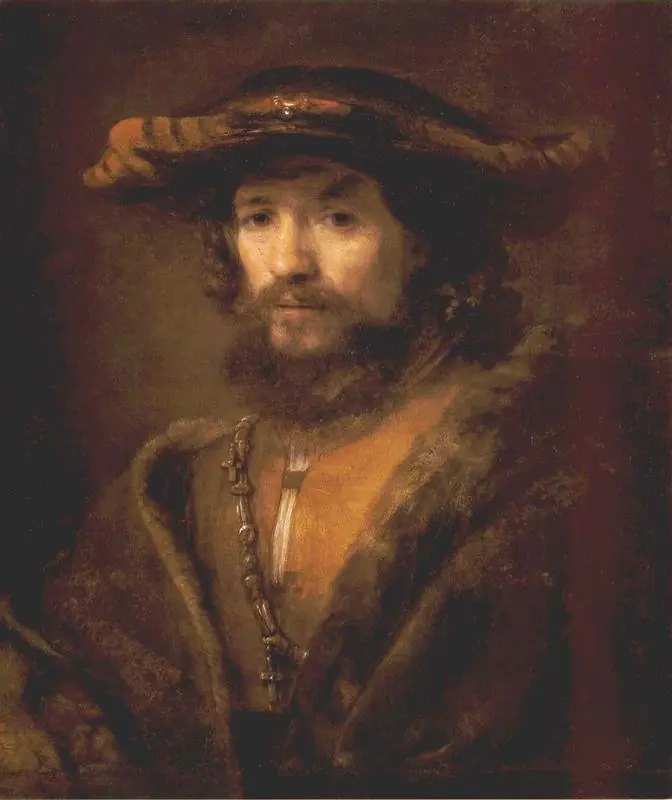 Bust of man wearing a large-brimmed hat
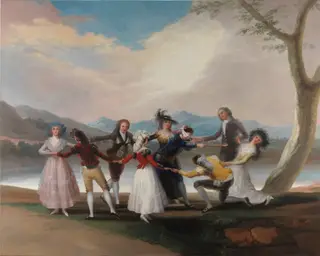 Blind Man's Bluff
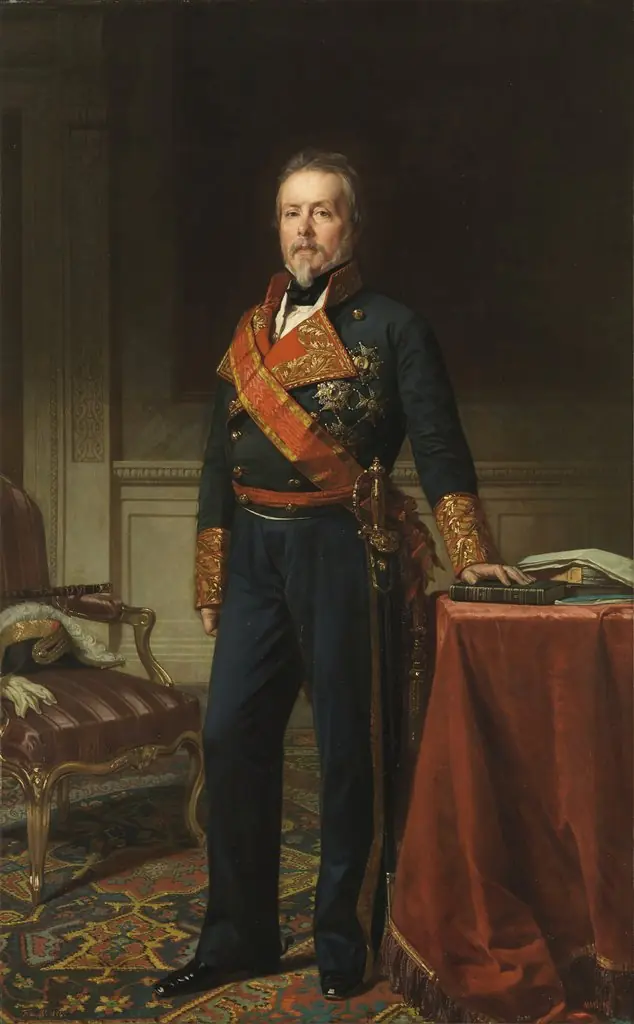 El general Evaristo Fernández San Miguel I duque de San Miguel
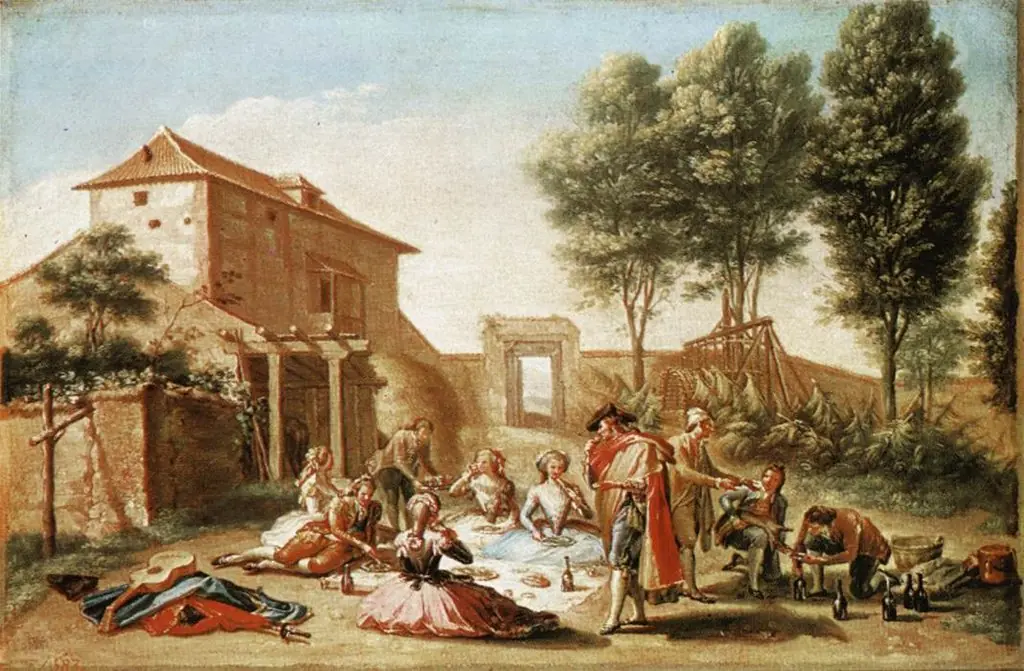 The Country Picnic
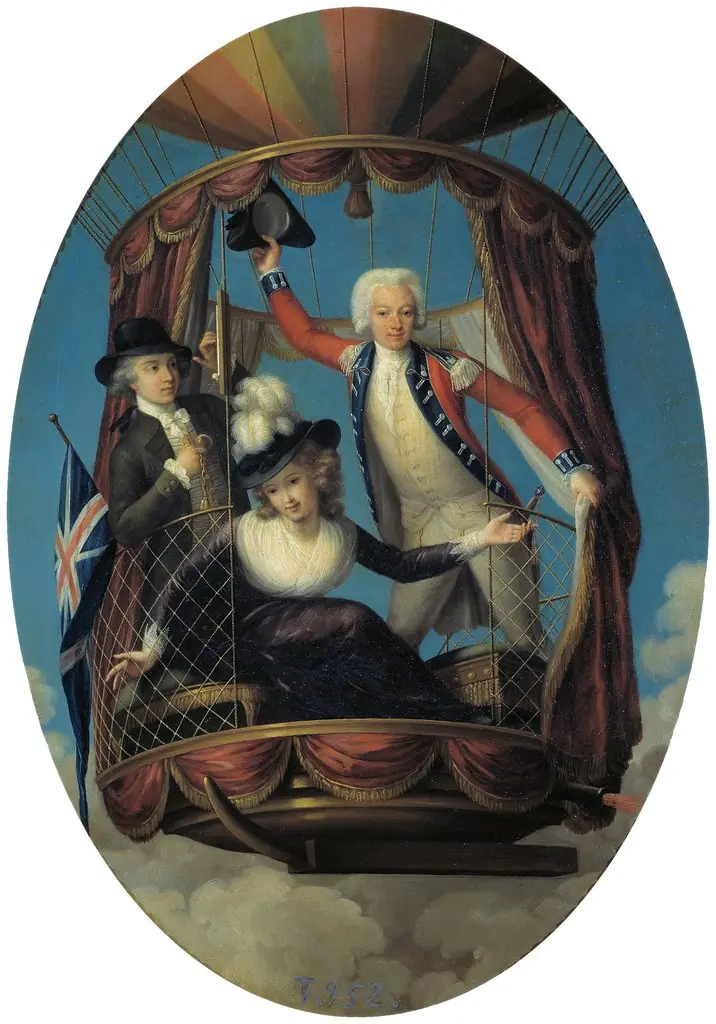 V. Lunardi, Mrs Sage and G. Biggin in a Hot Air Balloon
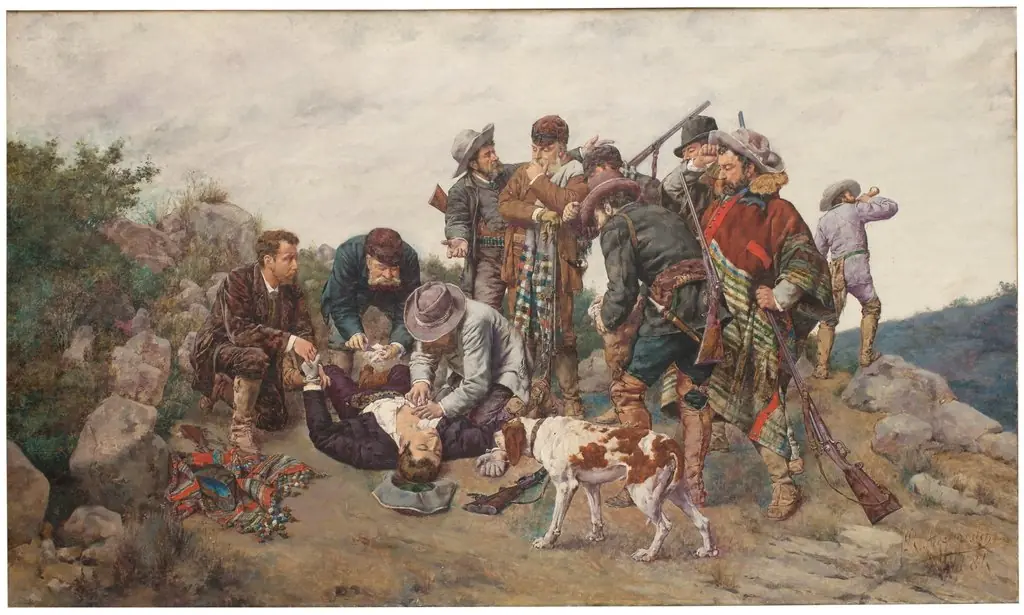 Una desgracia en montería
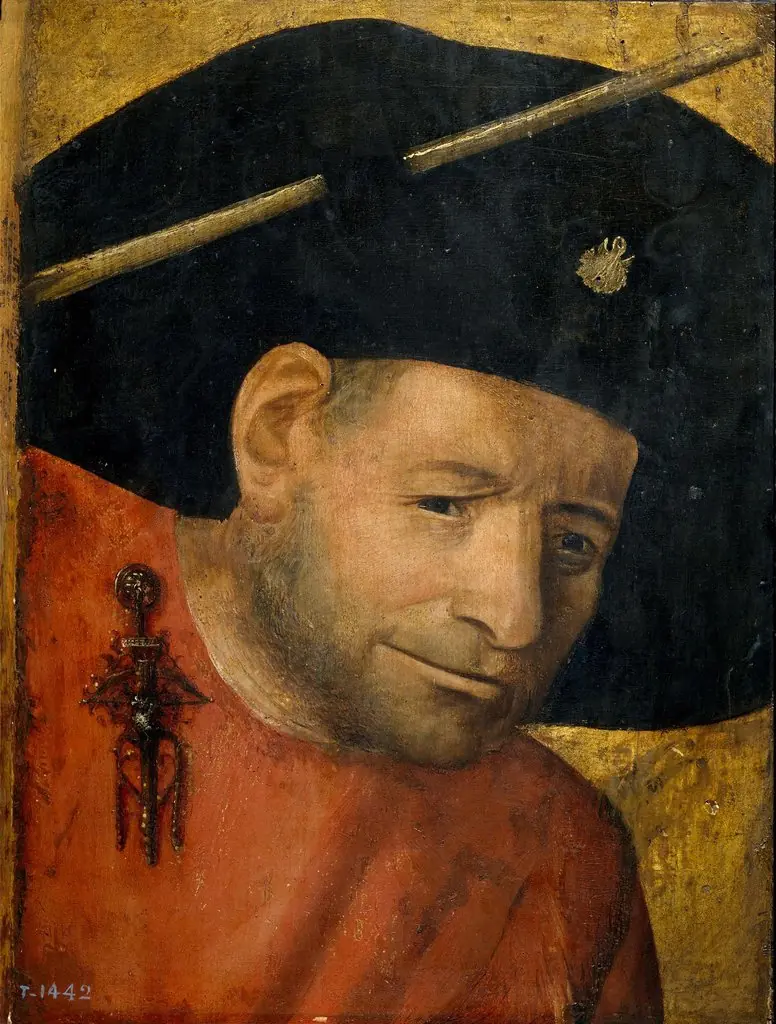 Head of a Halberdier
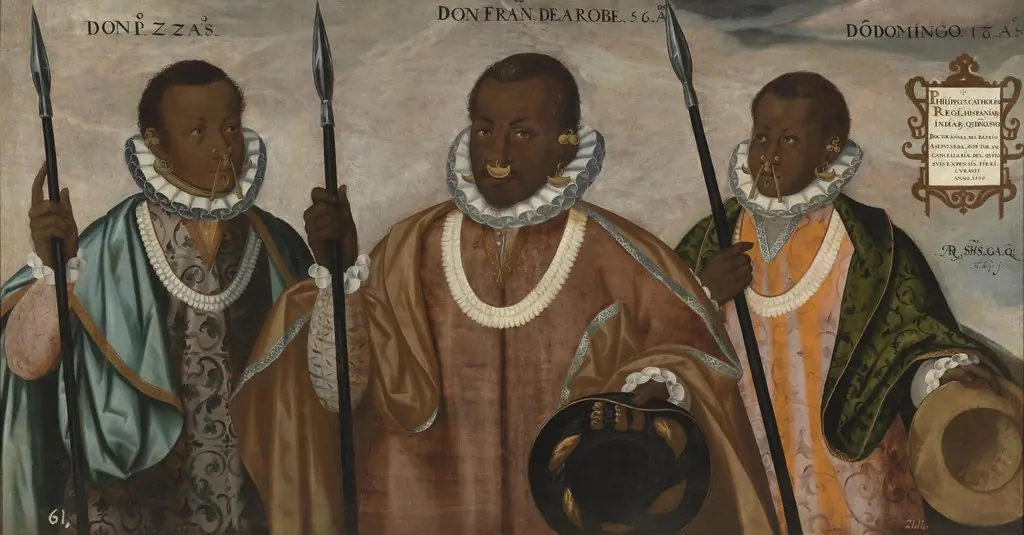 Los mulatos de Esmeraldas
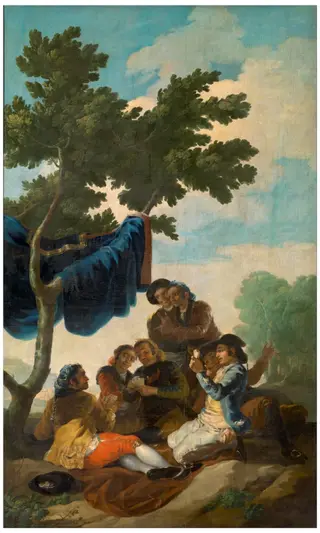 Card Players
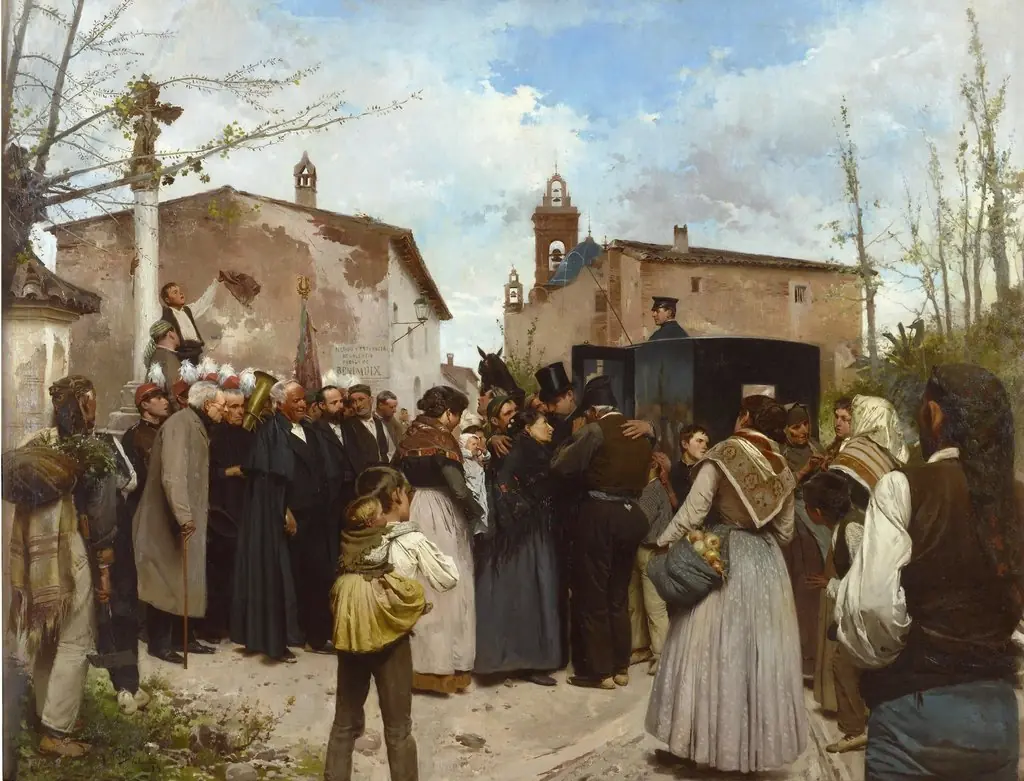 La gloria del pueblo
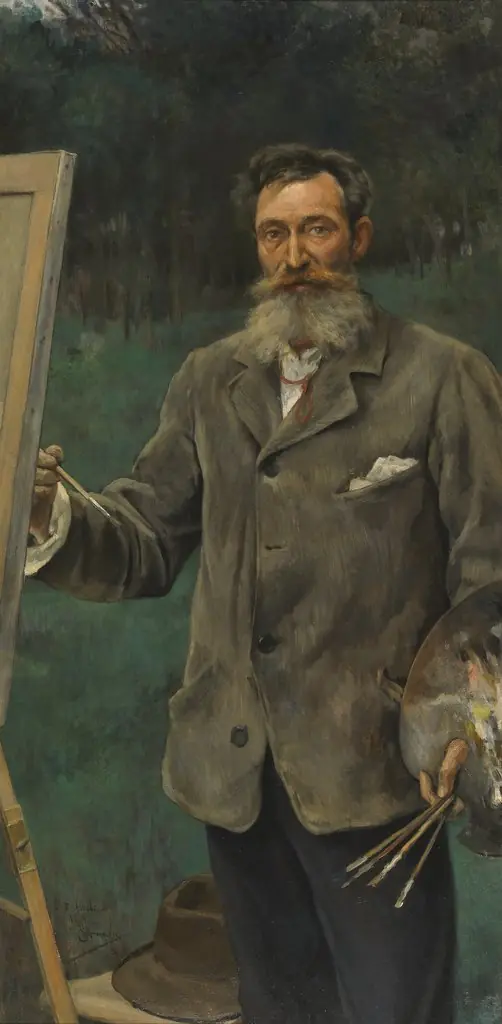 The painter Ricardo Arredondo
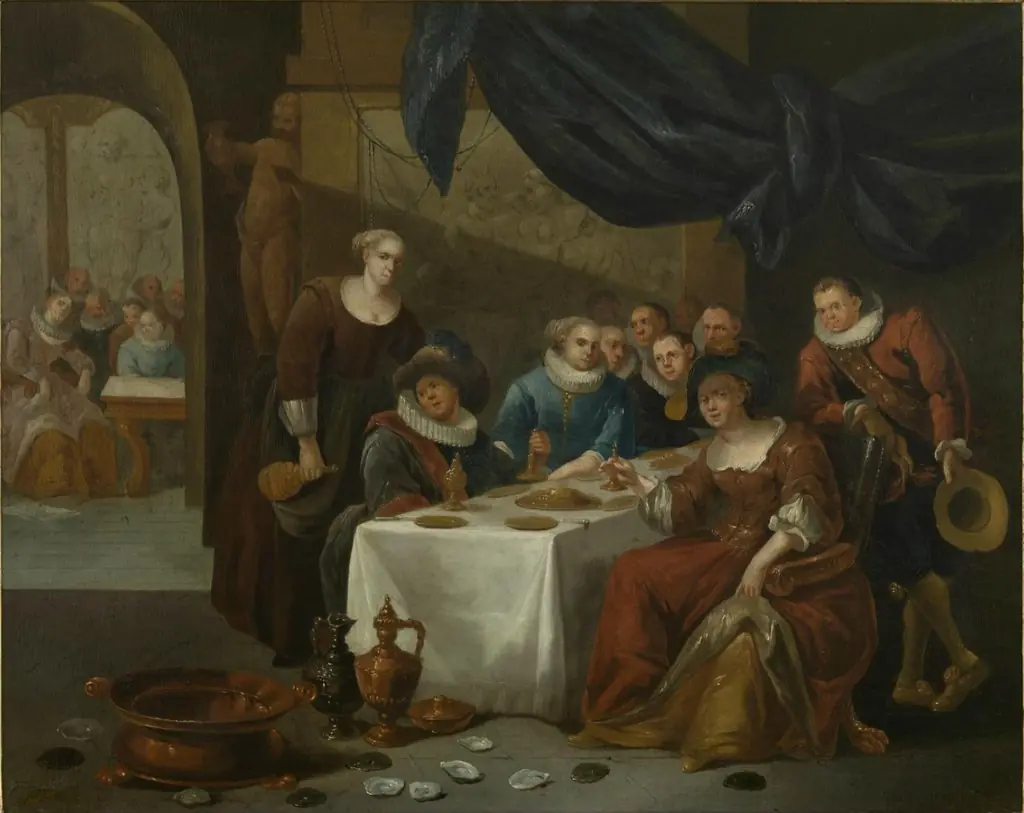 Galant gezelschap
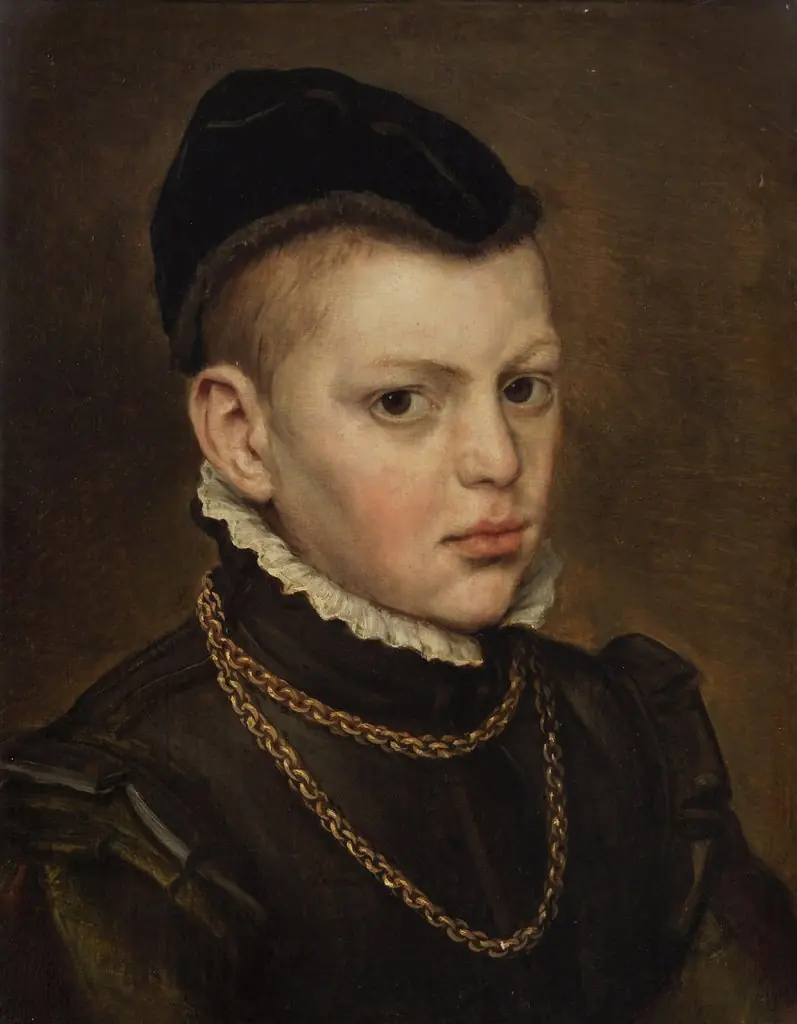 Head of a Boy
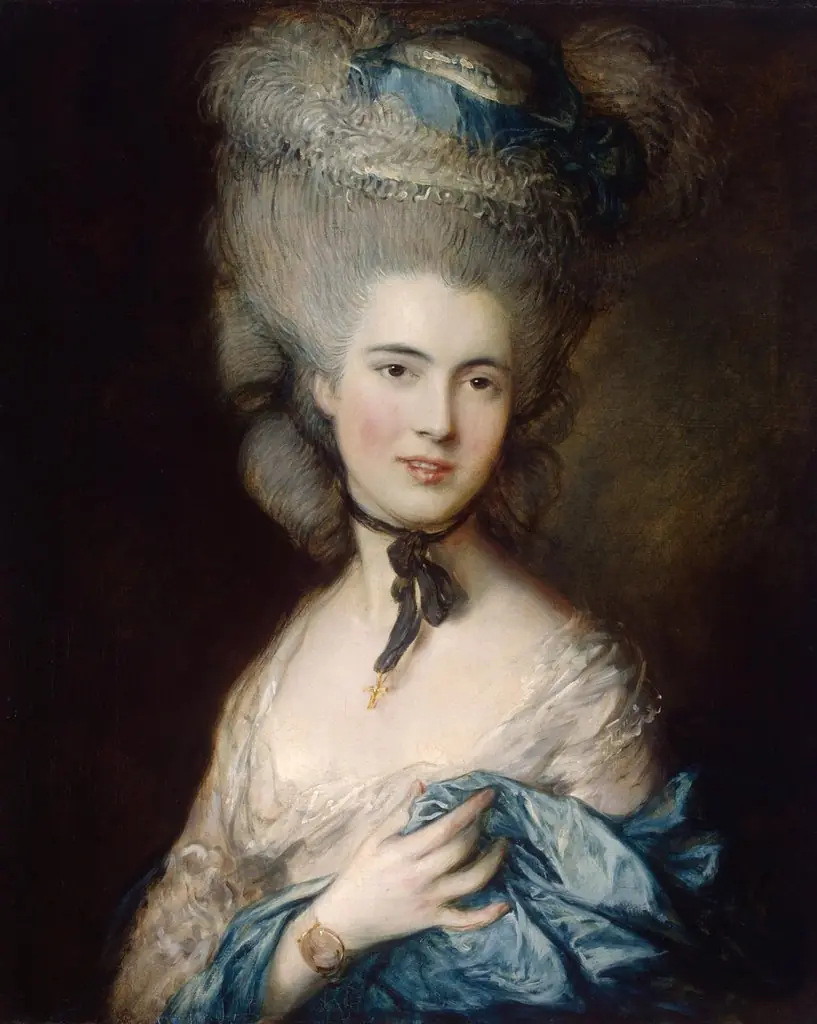 Portrait of a Lady in Blue
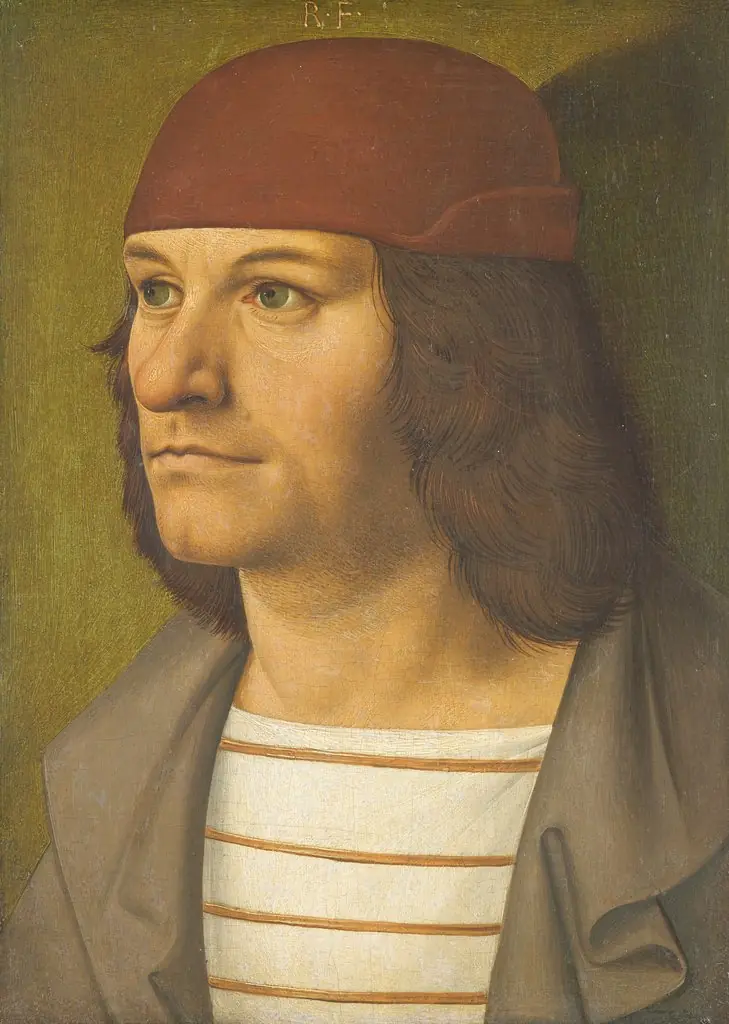 Bildnis des Malers Jobst Seyfrid
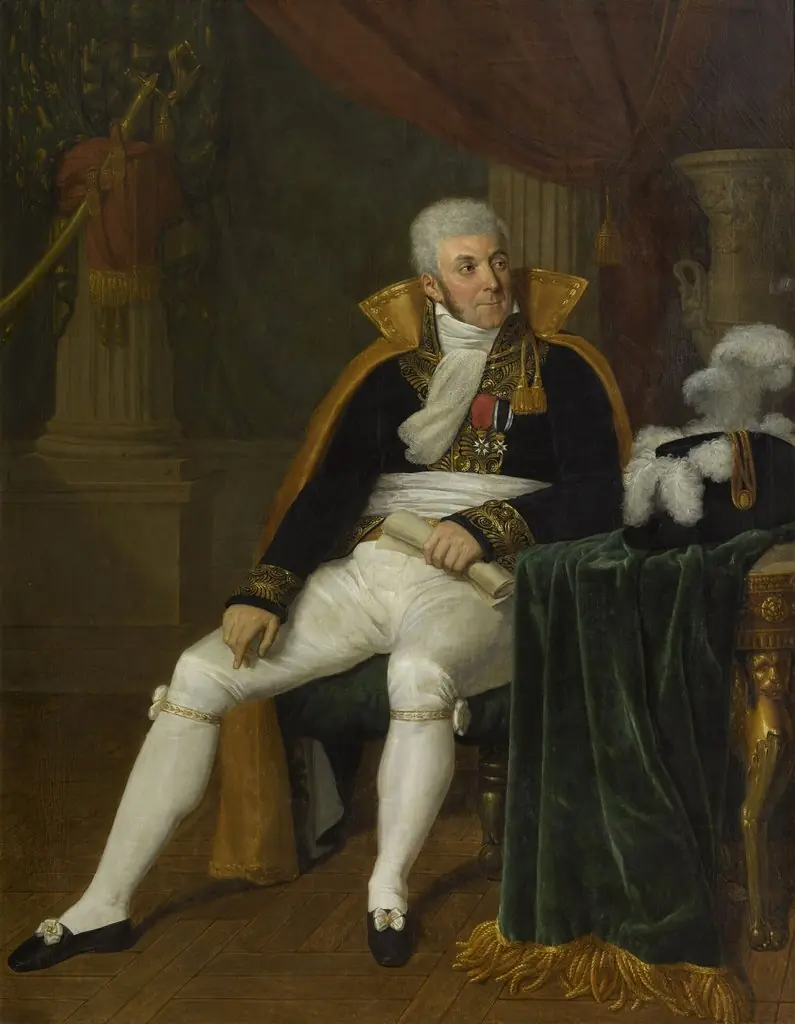 Jérôme, count Soulès, lieutenant-general (1760-1833)
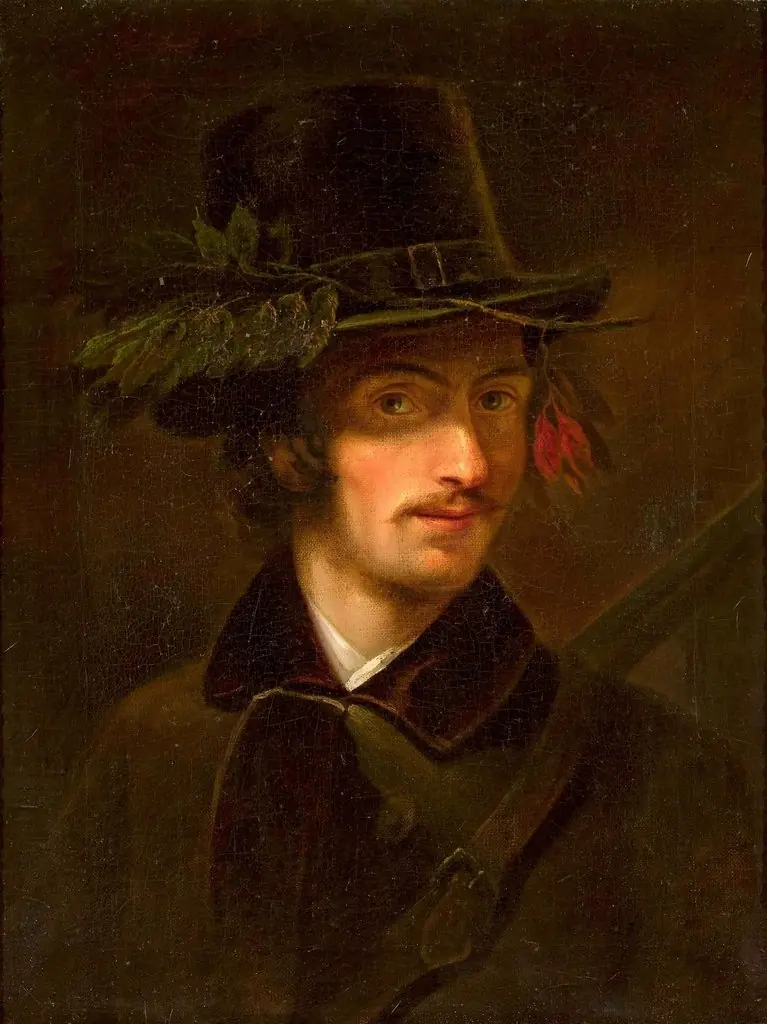 Self-portrait
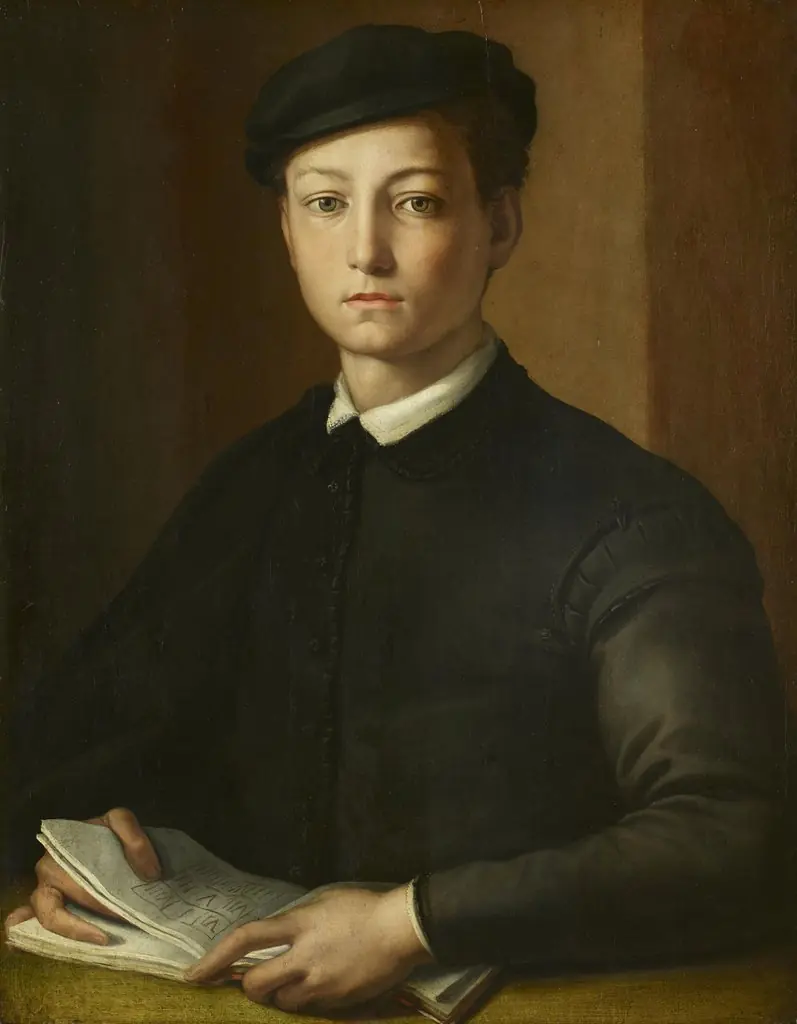 Portrait of a Young Man
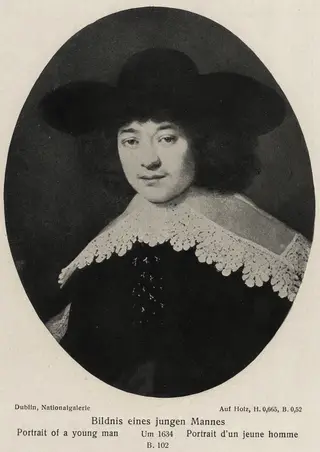 Oval portrait of a man wearing a split-sleeve jacket with flat lace collar and broad-brimmed hat
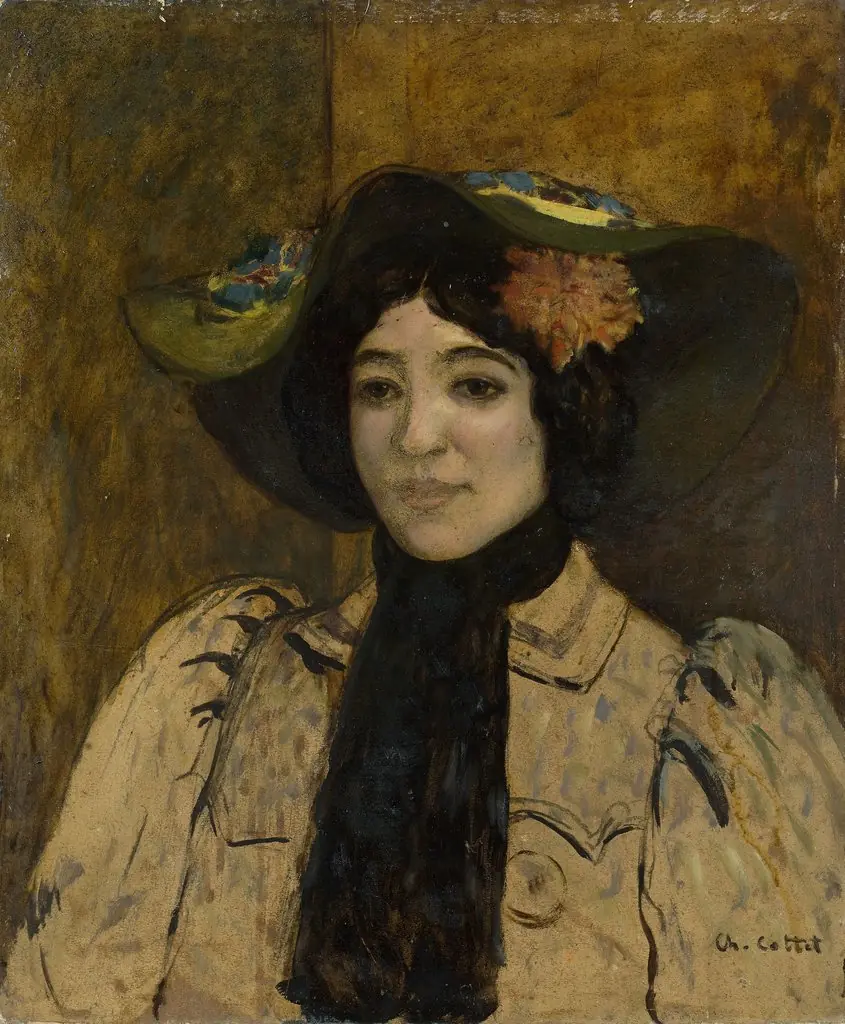 Portrait of a Woman
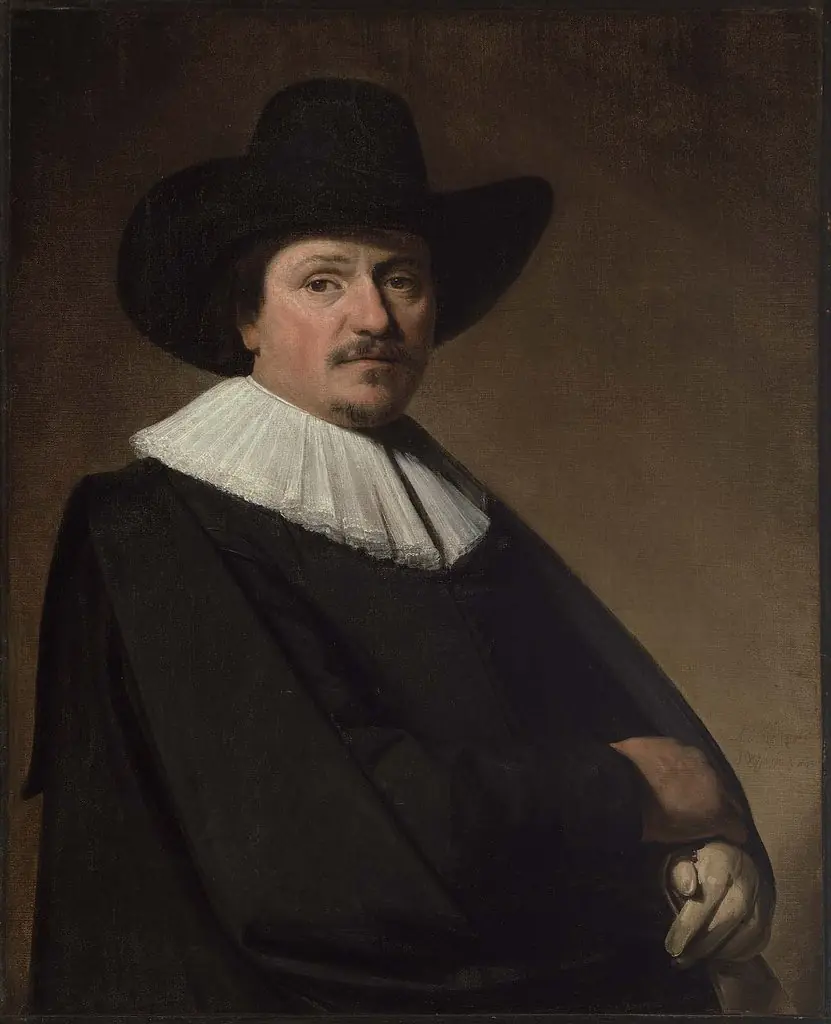 Portrait of a Man in Black
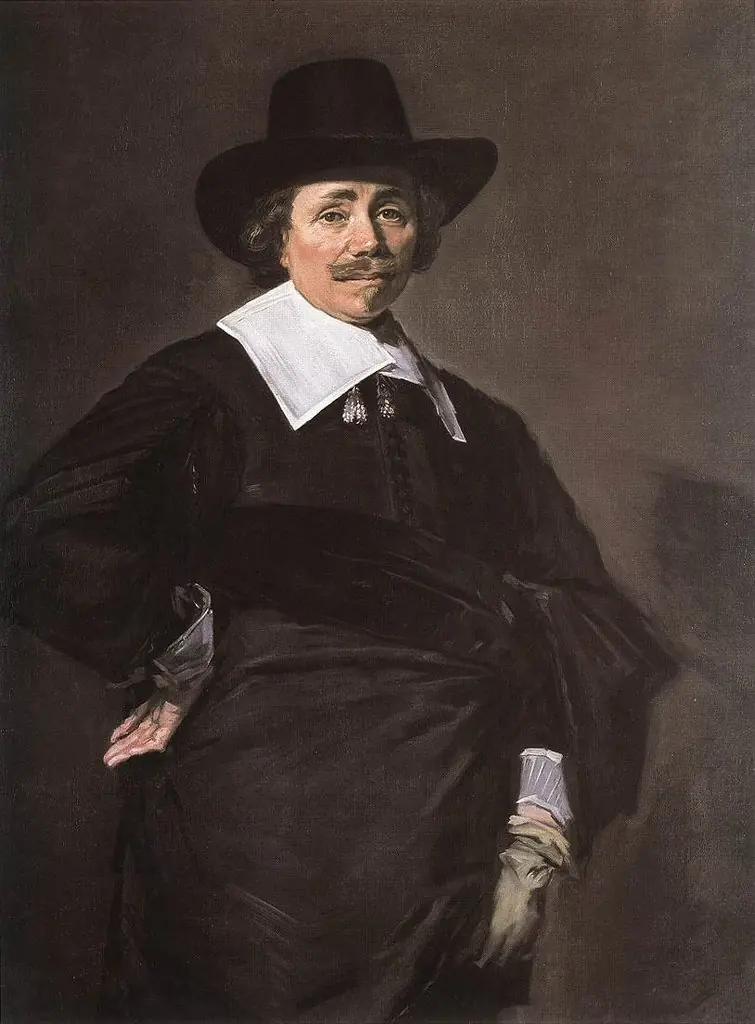 Portrait of a man
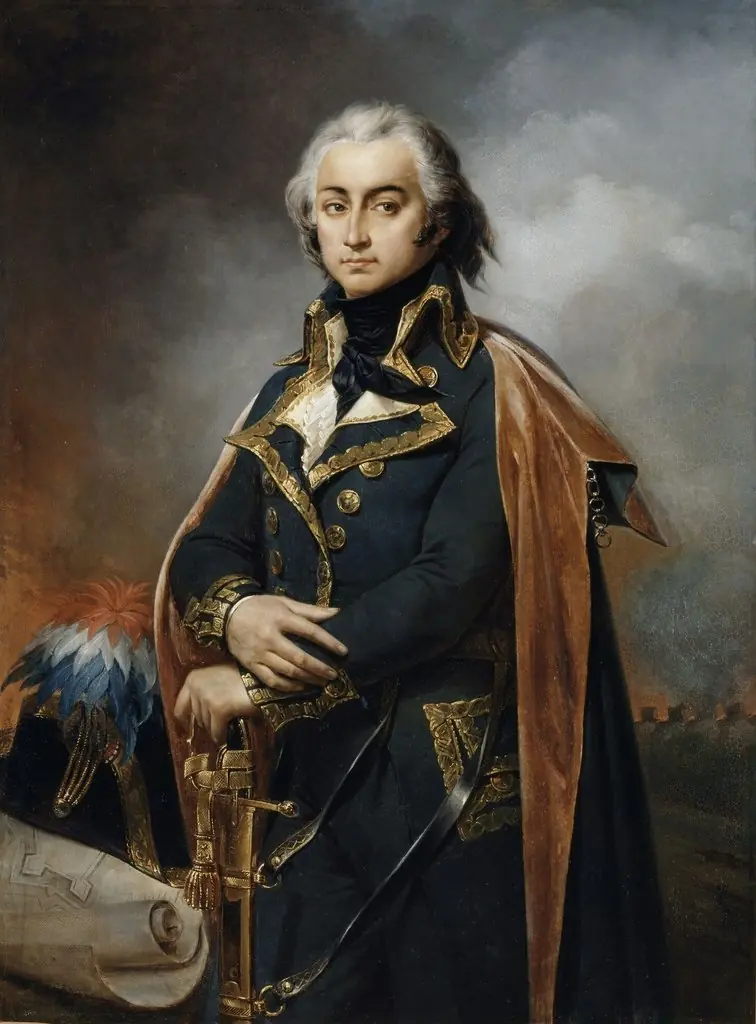 Cyrus-Marie-Adélaïde de Timbrune, Count of Valence, General-in-Chief of the Army of the Ardennes
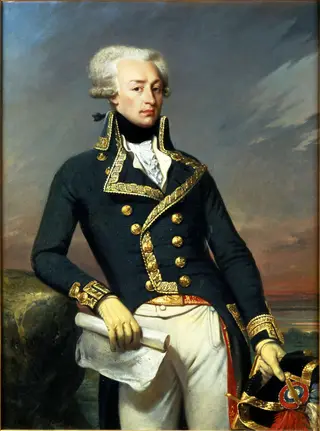 Portrait of Gilbert Motier the Marquis De La Fayette as a Lieutenant General, 1791
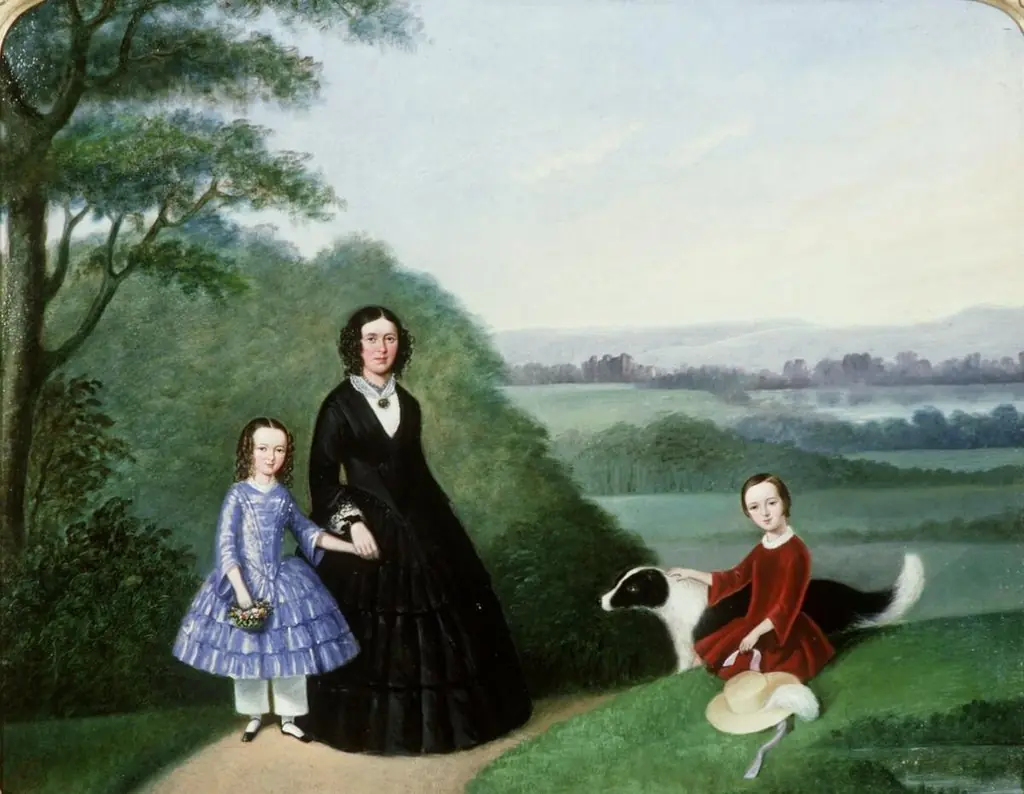 Conversation work
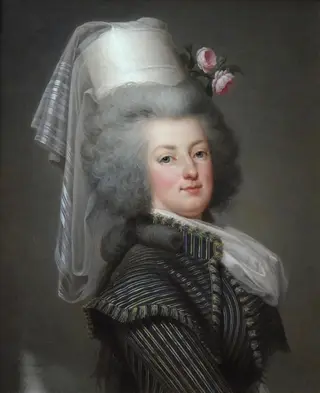 Marie Antoinette of Austria, Queen of France (1755-1793)
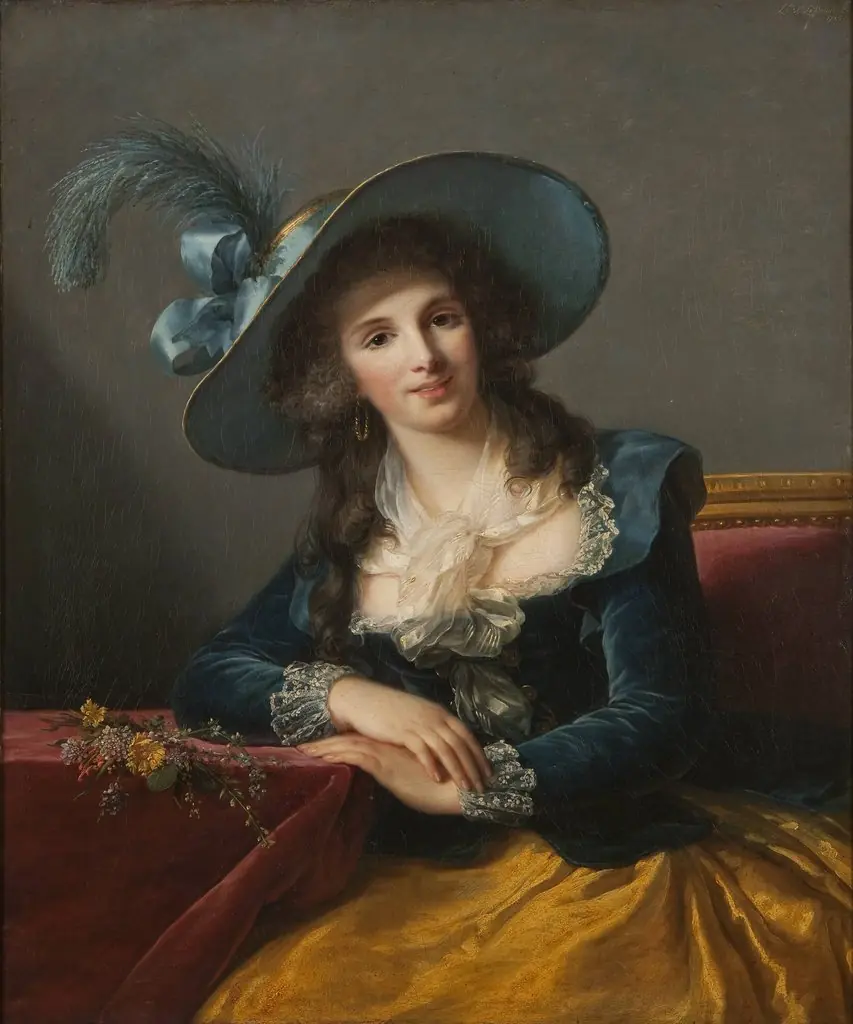 Antoinette-Elisabeth-Marie d'Aguesseau, Countess of Ségur
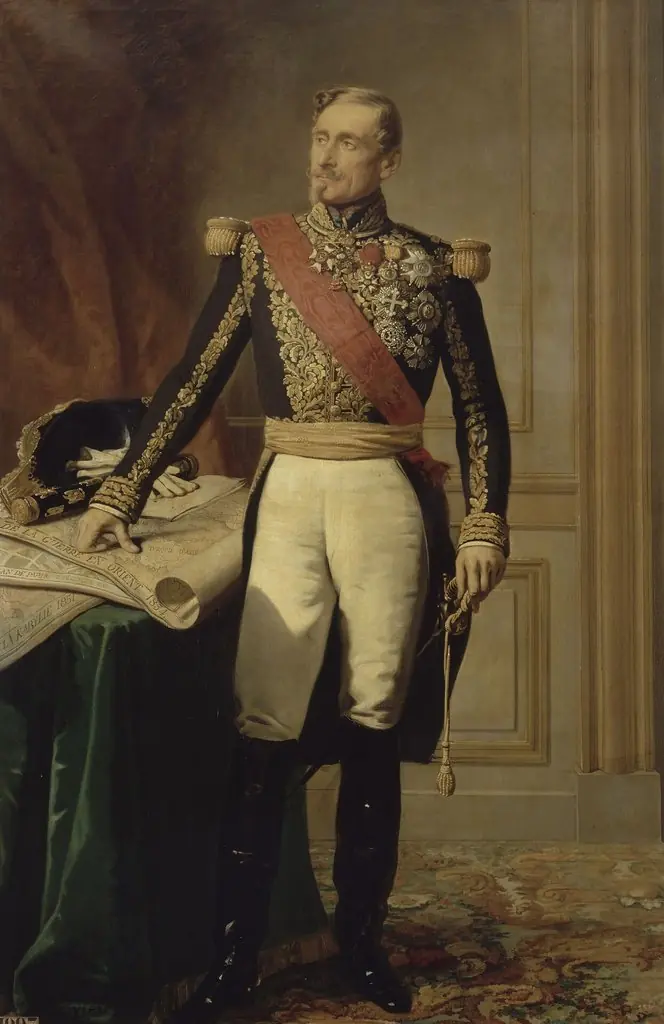 Armand-Jacques Leroy de Saint-Arnaud, Marshal of France
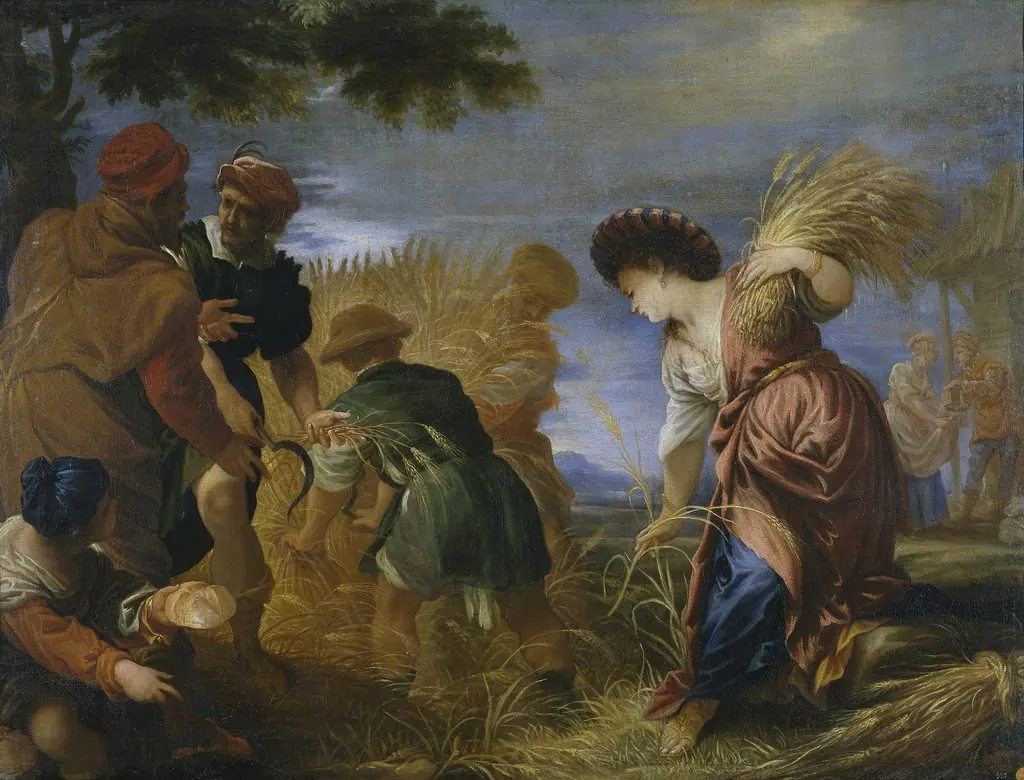 Los segadores de la tierra de promisión
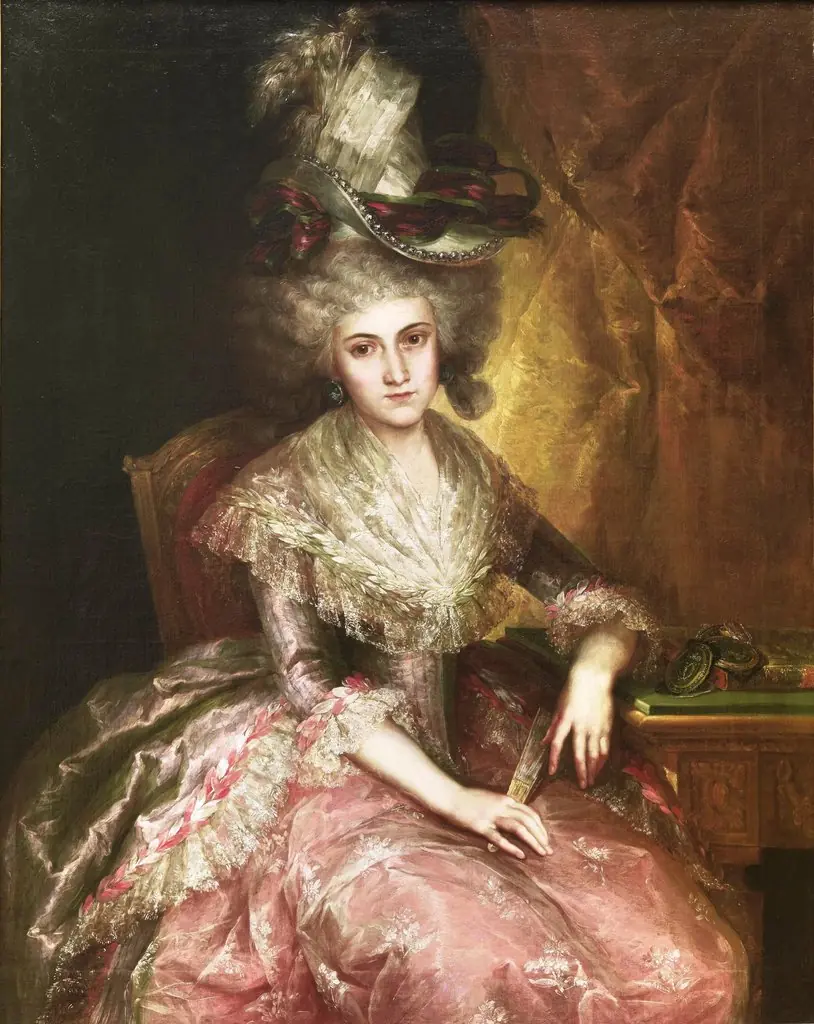 María Pilar de la Cerda y Marín de Resende, Duchess of Nájera
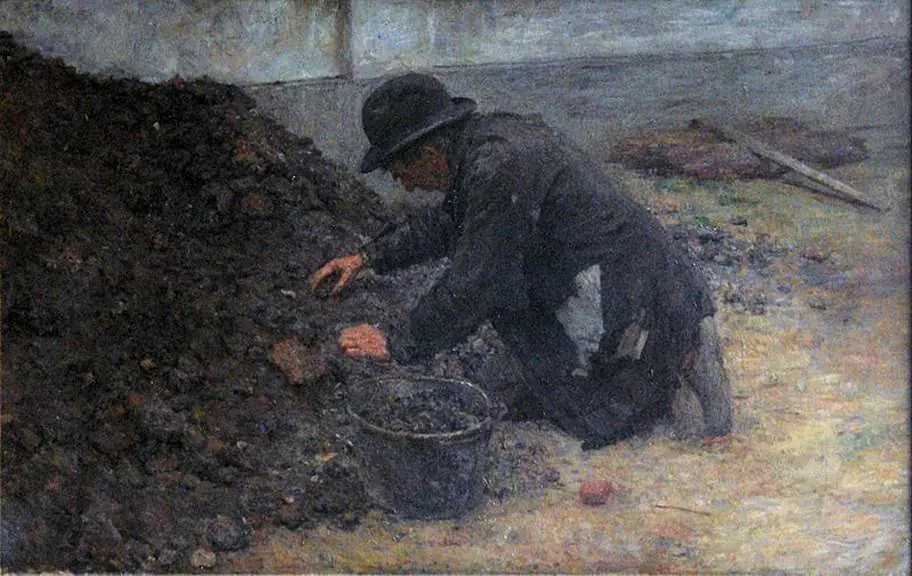 Cinder clearance
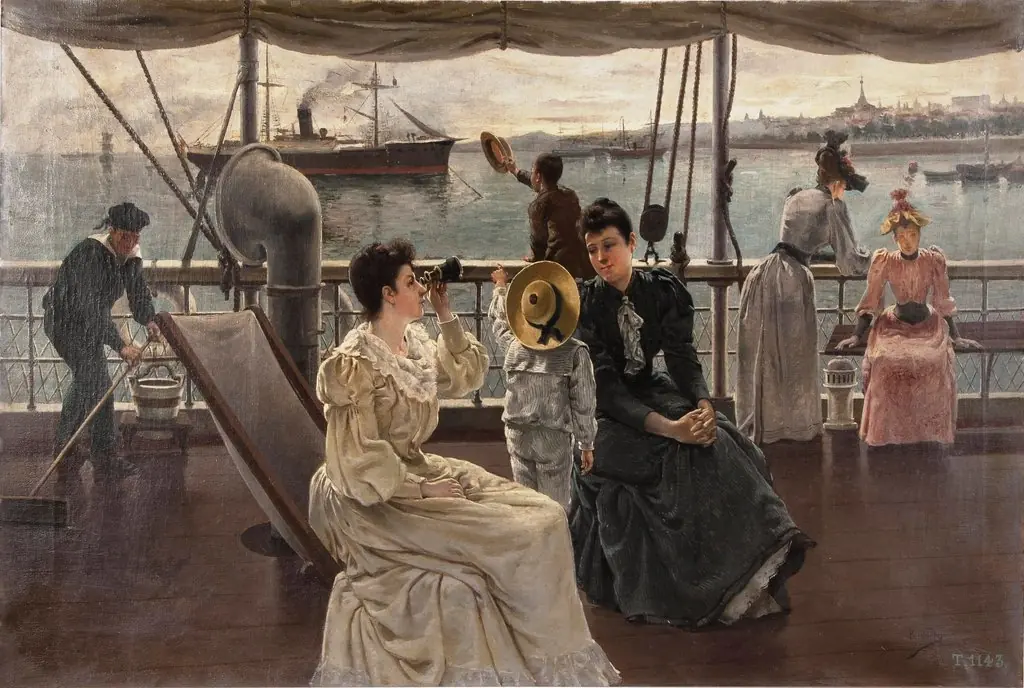 Bajo toldilla
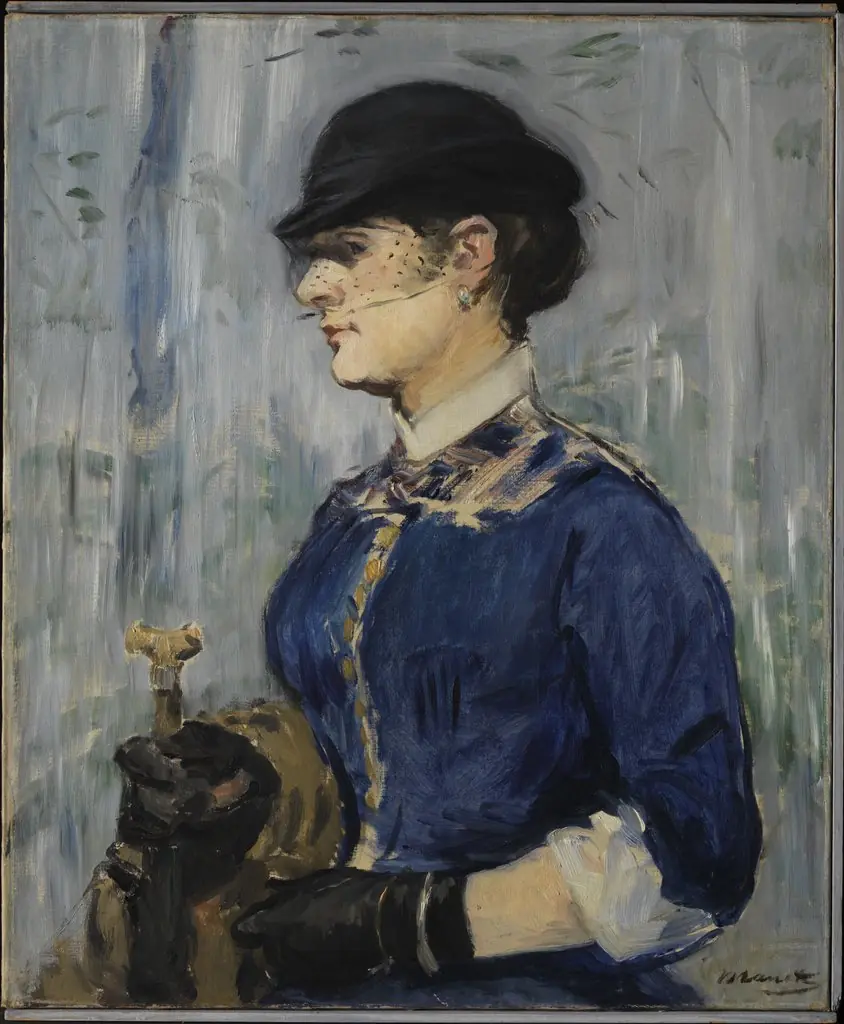 Young Woman in a Round Hat
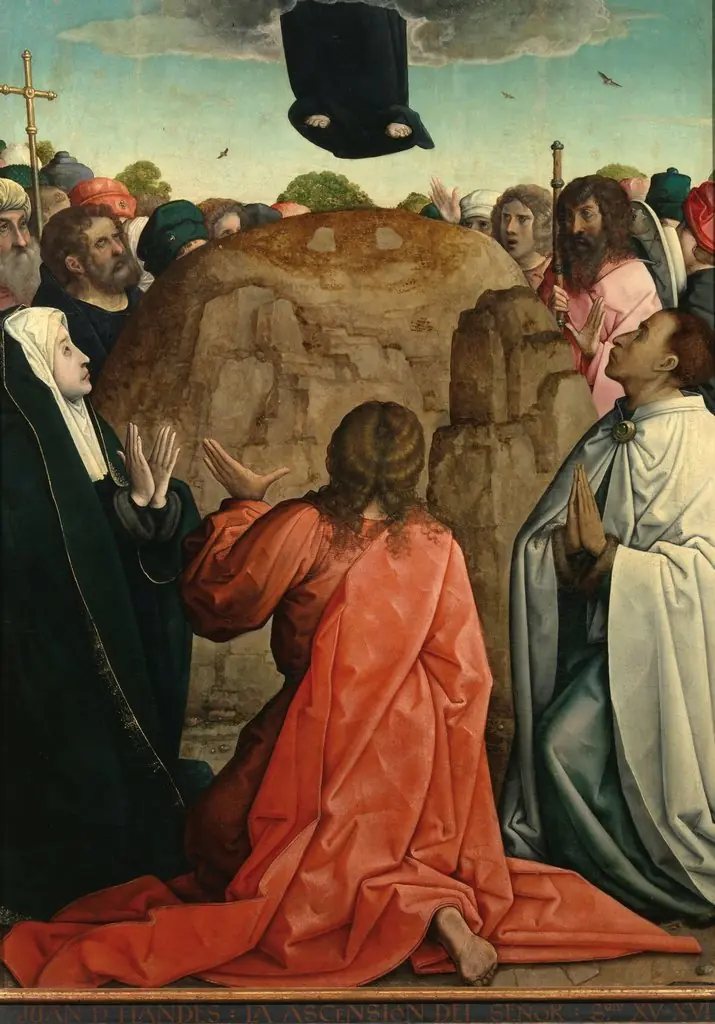 The Ascension
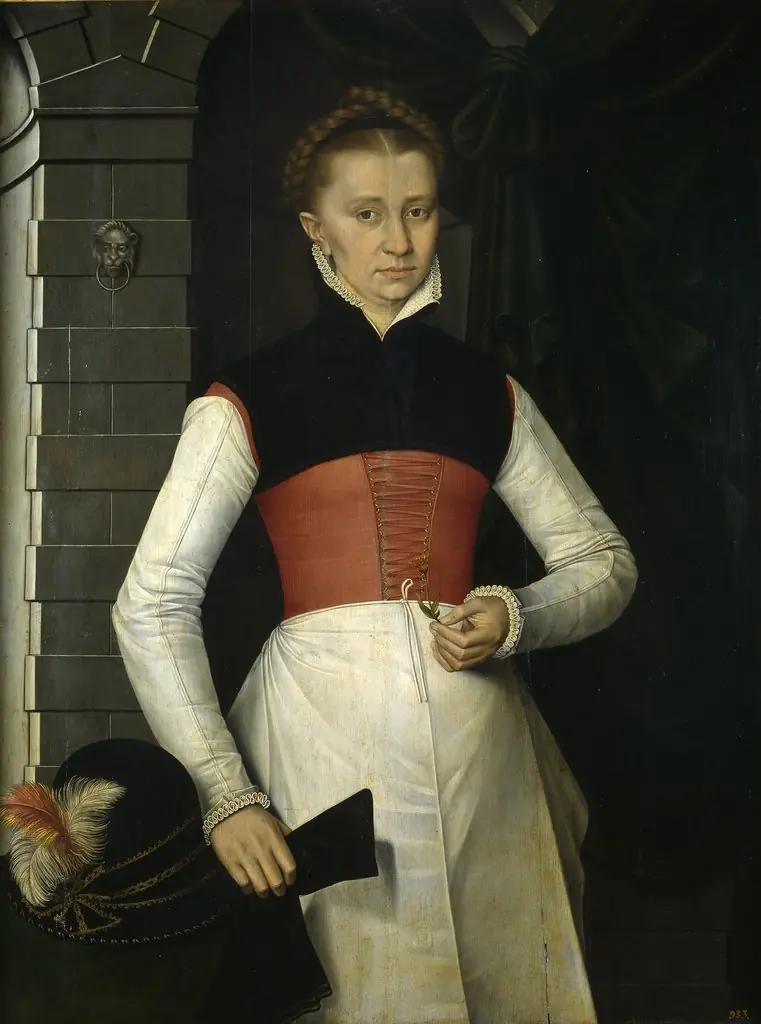 Lady with a Yellow Flower
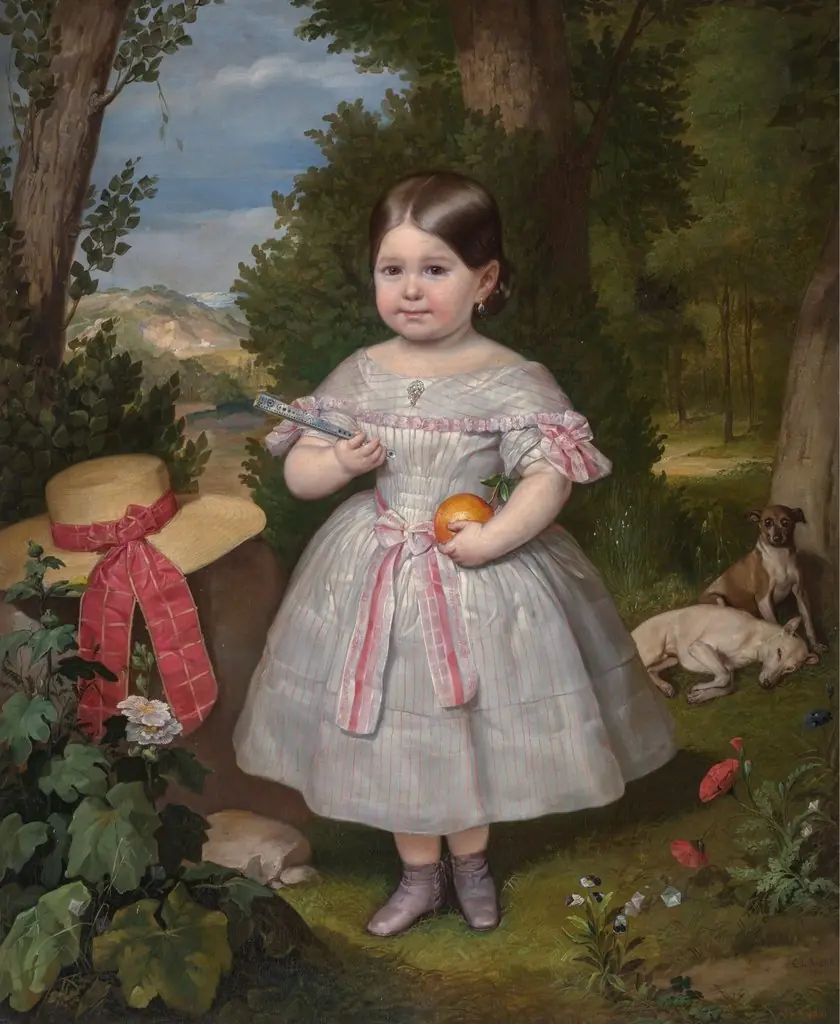 Portrait of a Young Girl in a Landscape
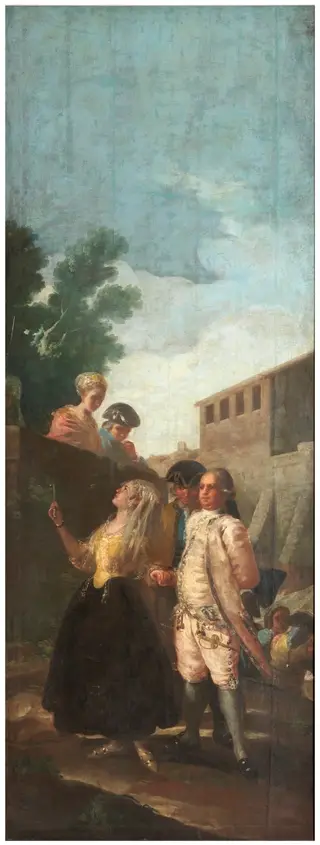 The soldier and the lady
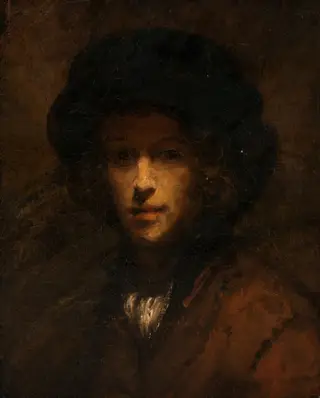 Portrait of Titus (overpaint removed between 1908-1935)
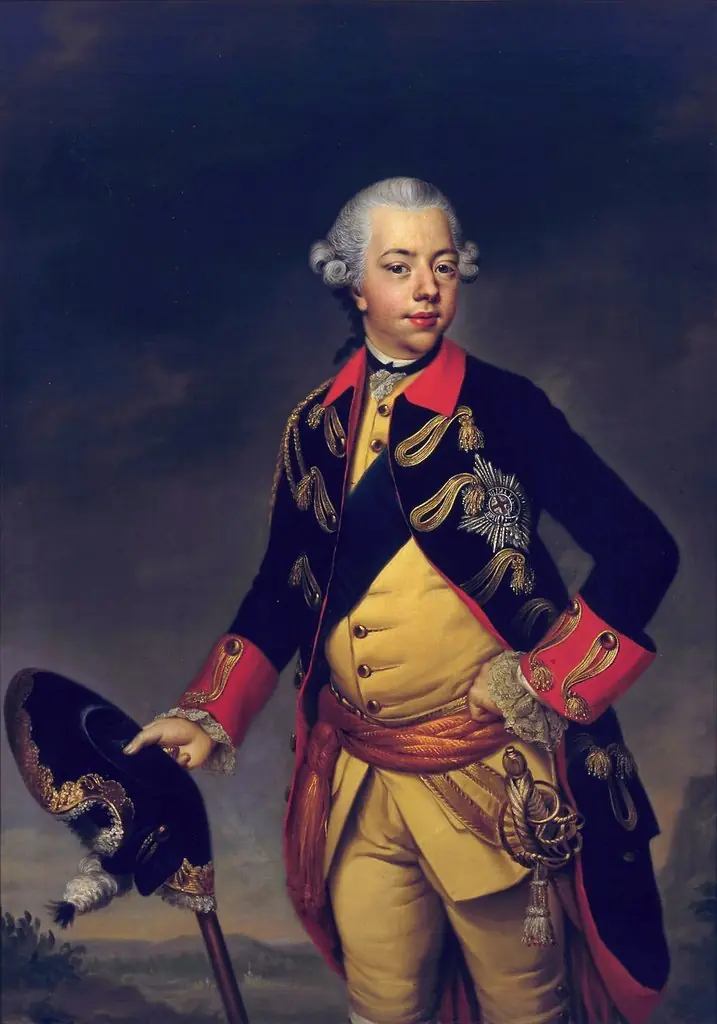 Portrait of Willem V (1748-1806), Prinz von Oranien-Nassau
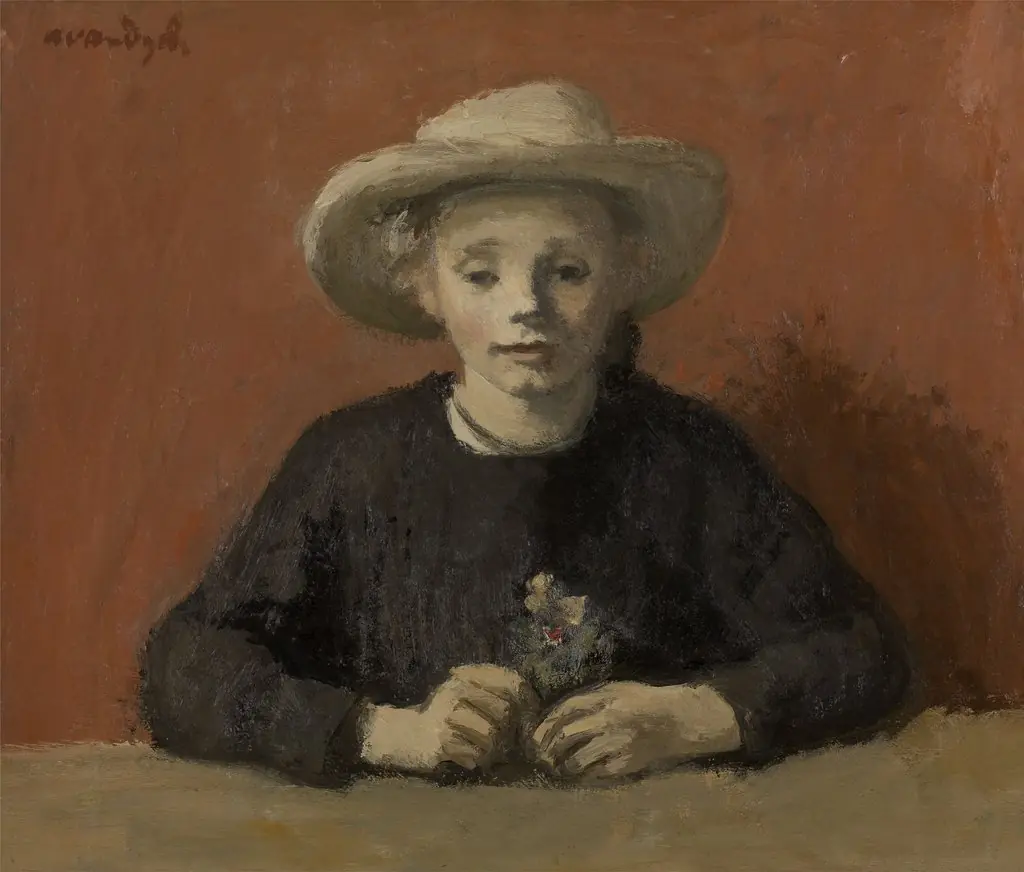 Gusta in a Little Hat
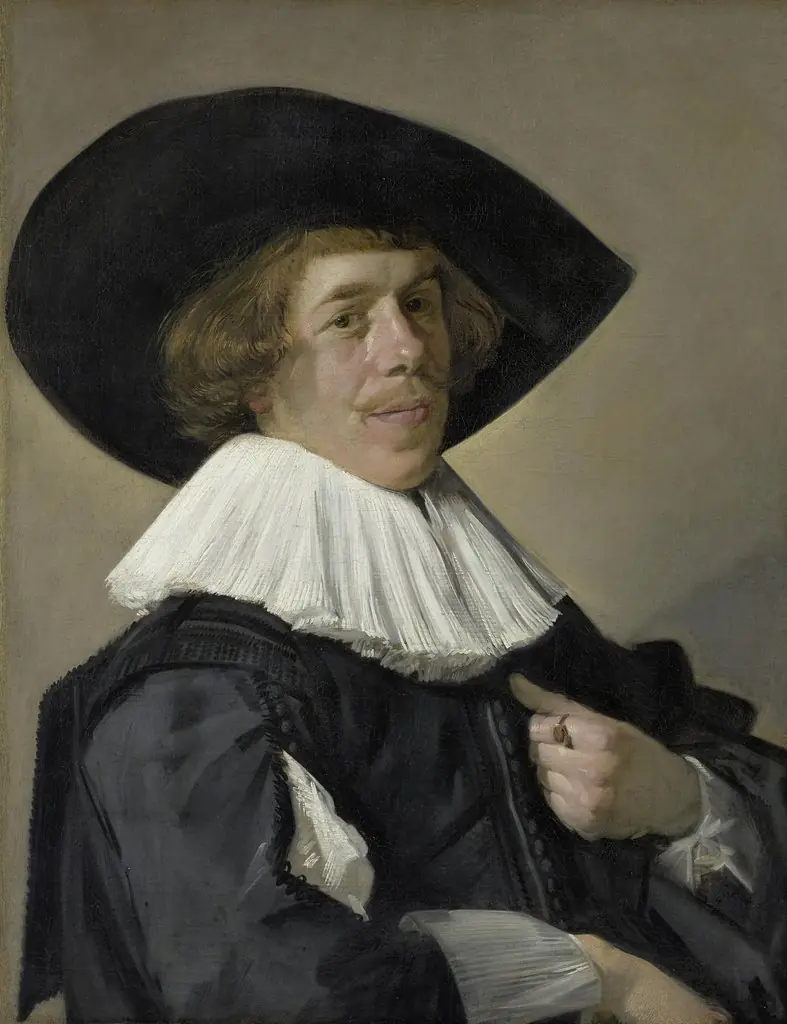 Portrait of a man, probably Jan Miense Molenaer
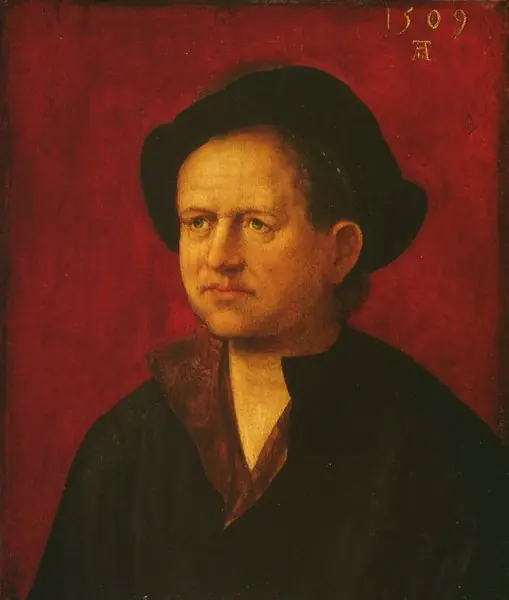 Portrait of Hans Gunder
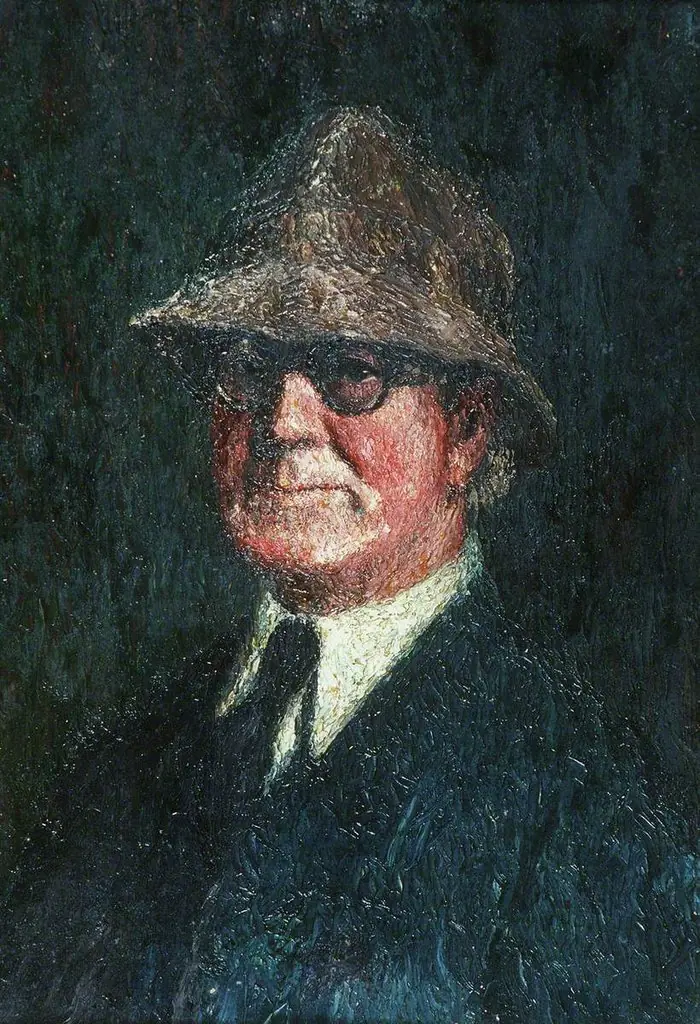 Self Portrait
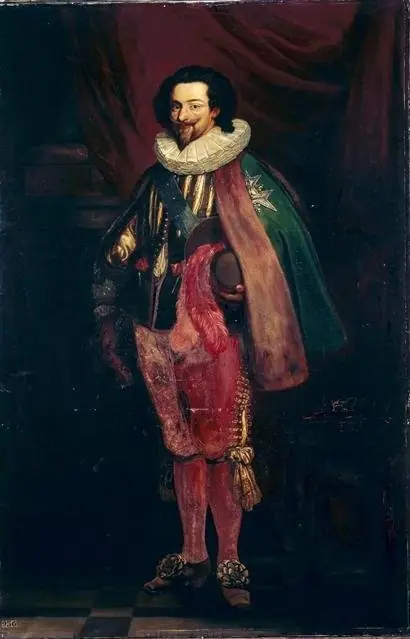 Charles d'Albert, duc de Luynes, connétable de France (1578-1621)
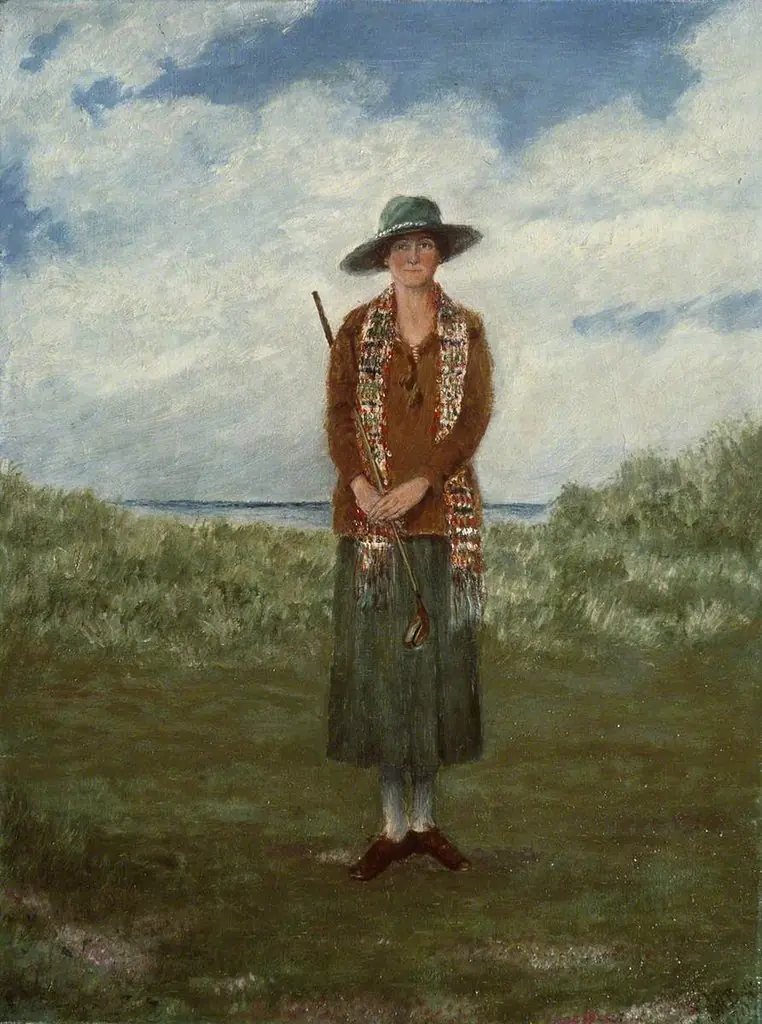 The Mother of Mrs Williams, Bonvieston College
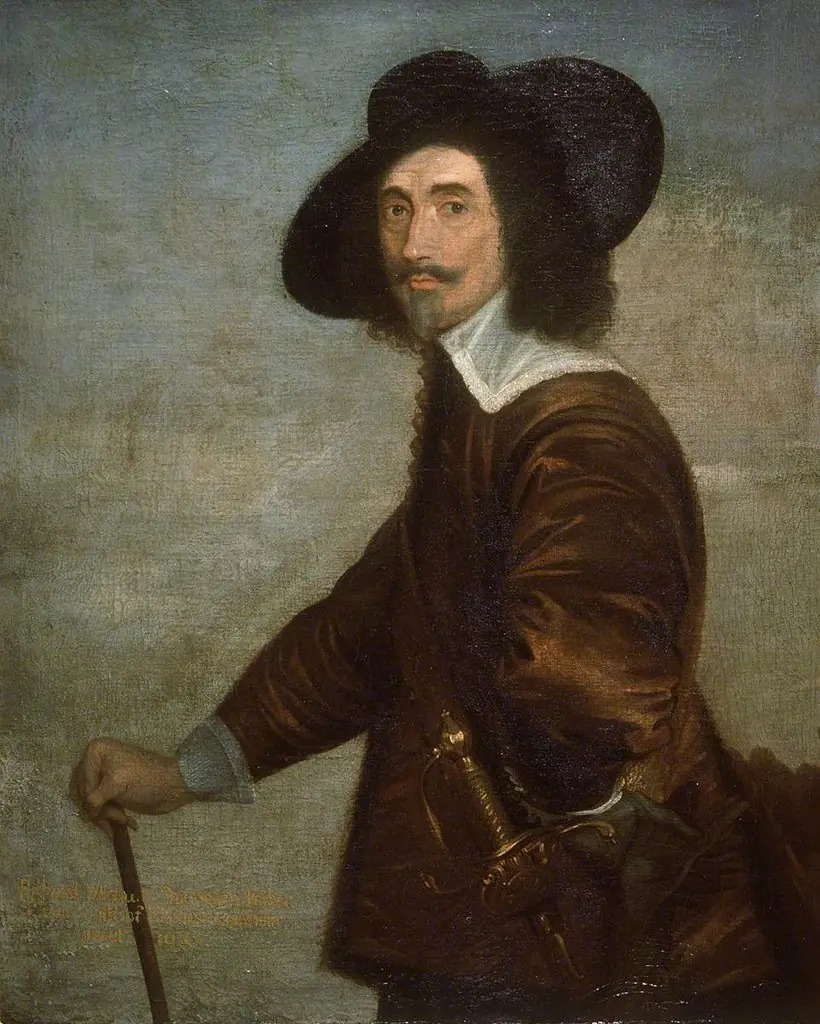 Richard Wenman (1573–1640), 1st Viscount Wenman
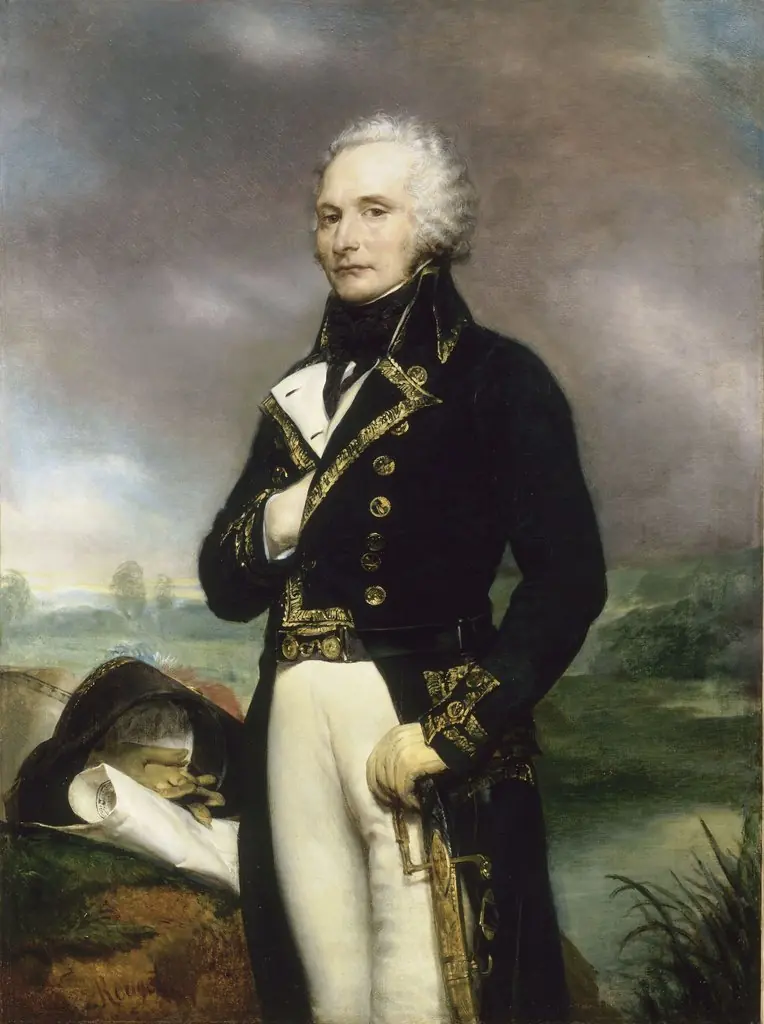 Alexandre-François Marie, viscount of Beauharnais, general-in-chief of the army of the Rhine
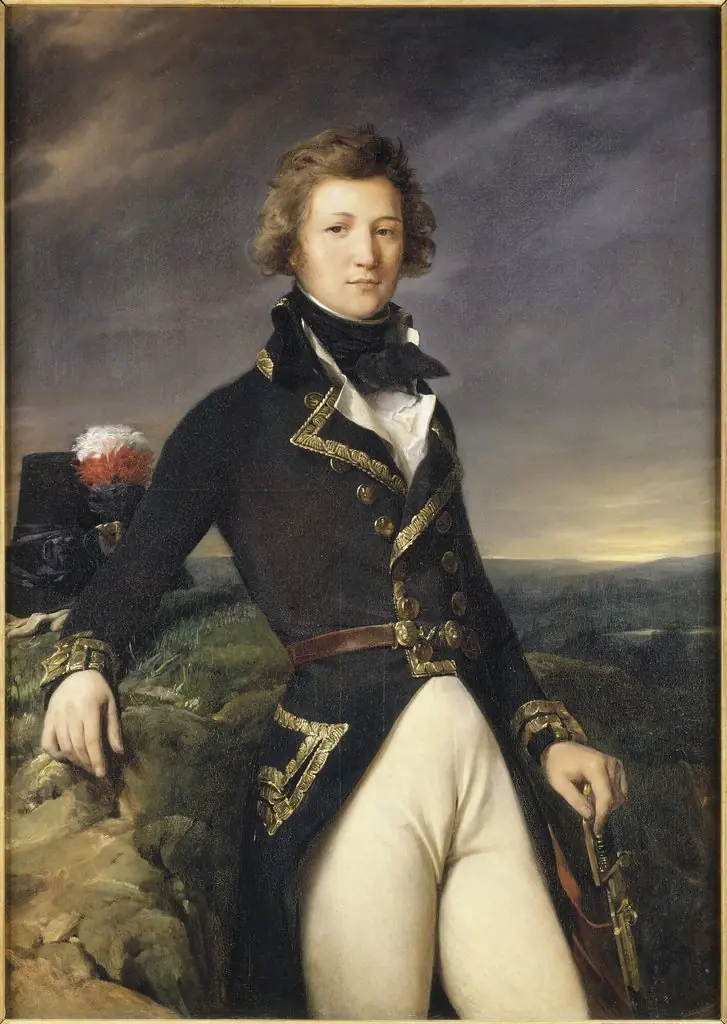 Louis-Philippe d'Orléans, then Duke of Chartres
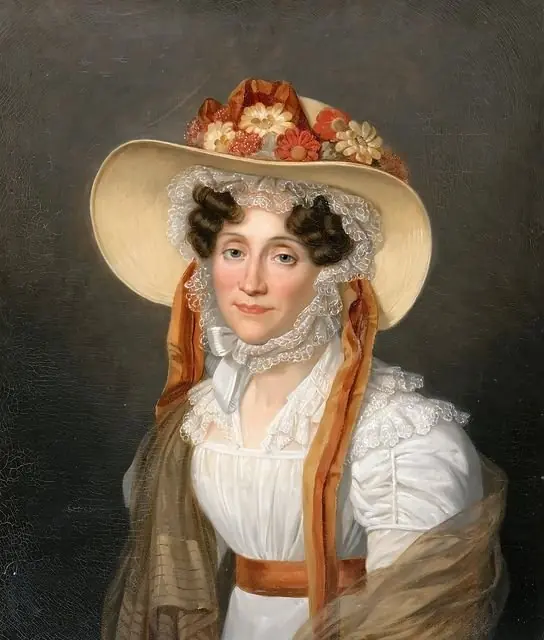 Portrait of Adélaide d'Orléans
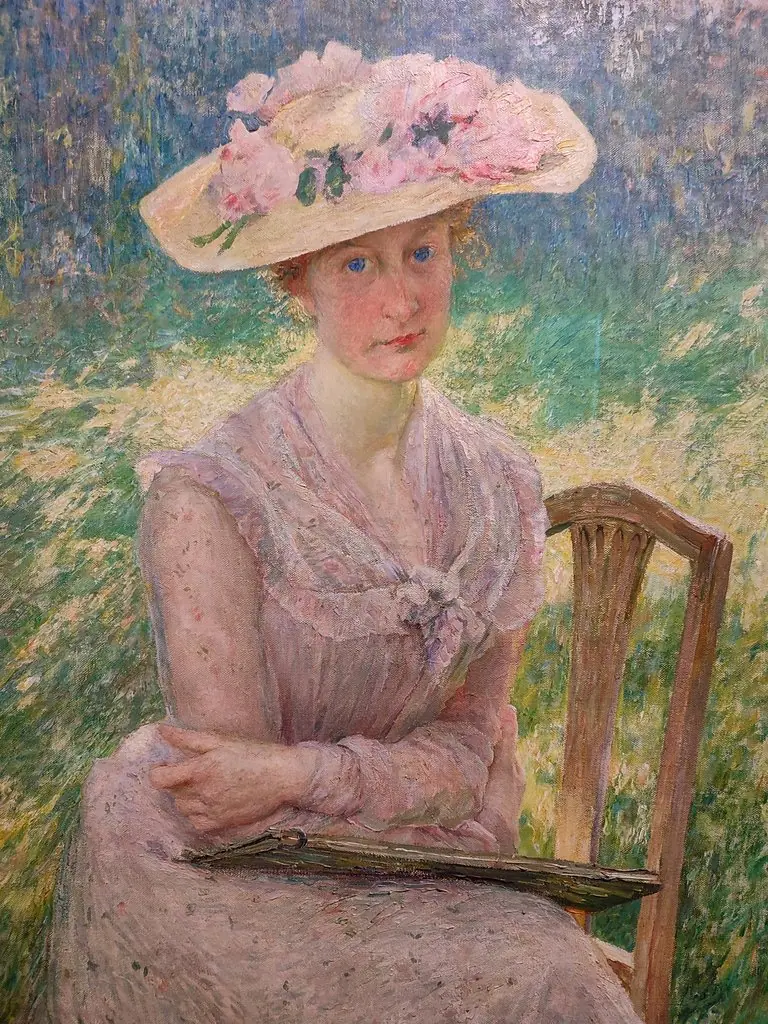 Portrait of Jenny Montigny
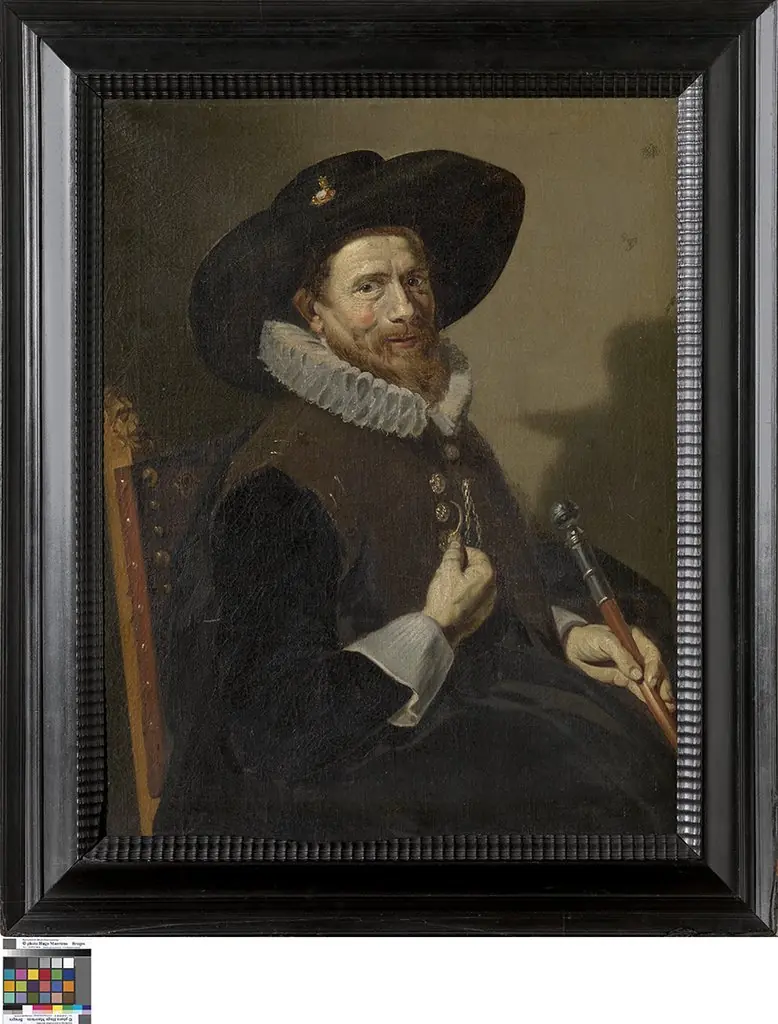 Portret van een man
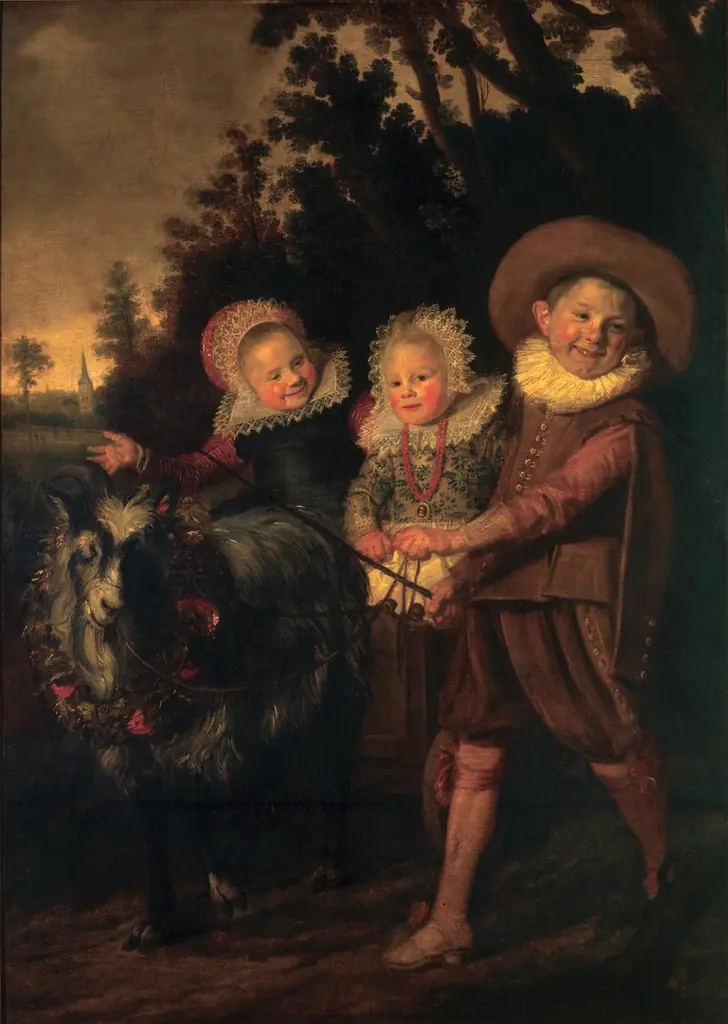 Right half of Gijsbert Claesz. van Campen family portrait
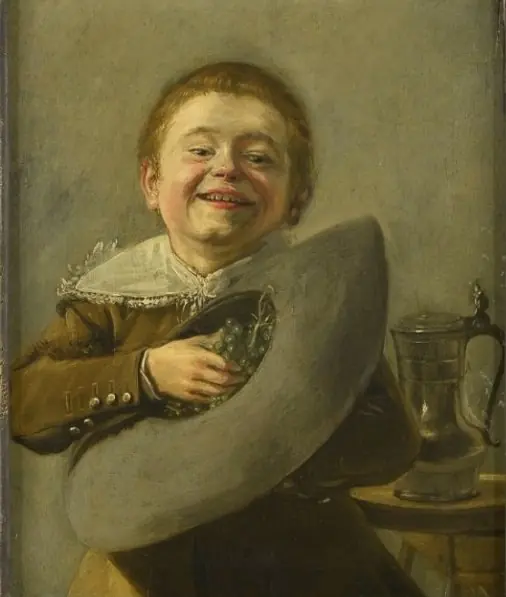 Smiling boy holding grapes in his hat
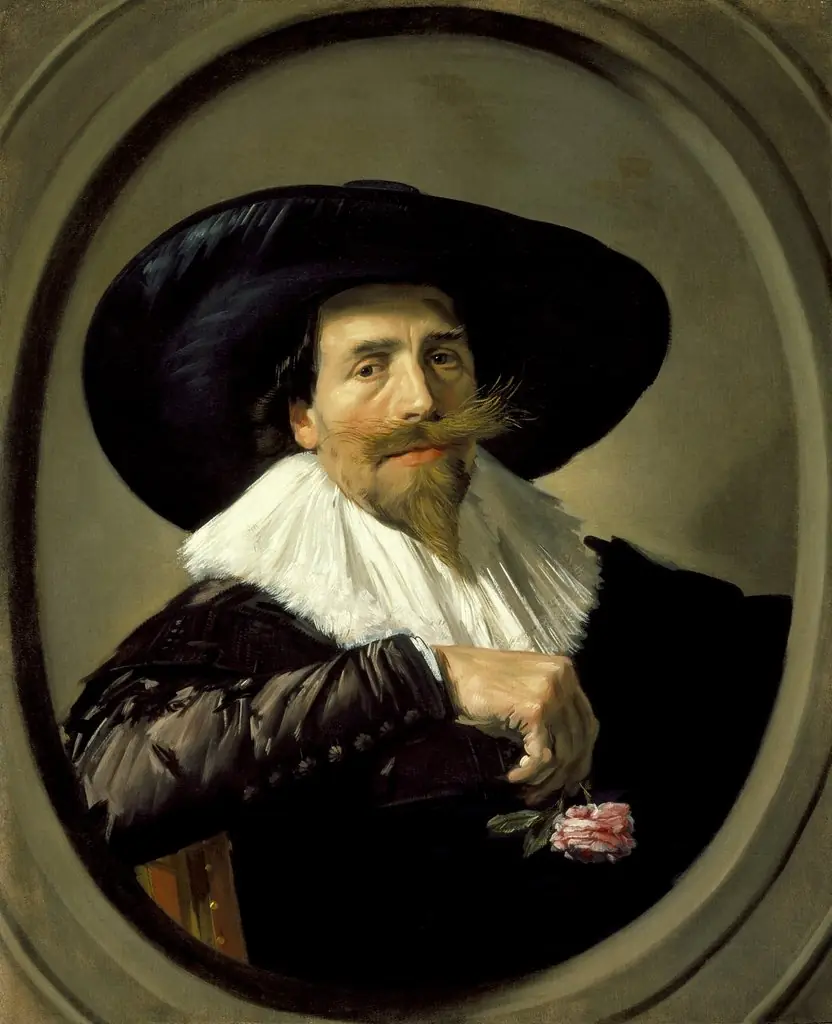 Portrait of Pieter Tjarck
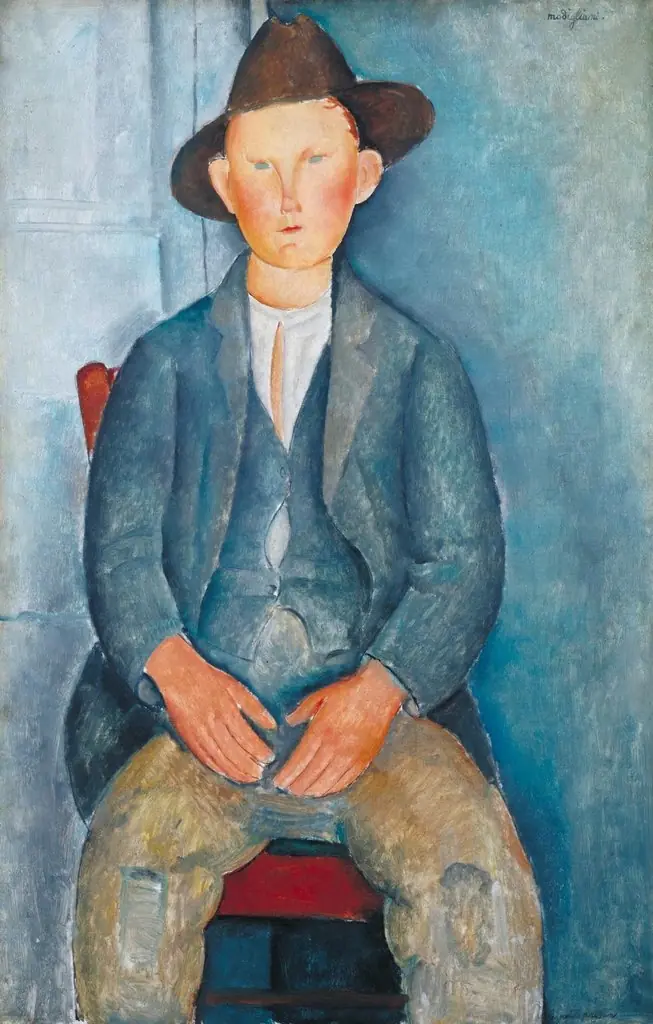 The Little Peasant
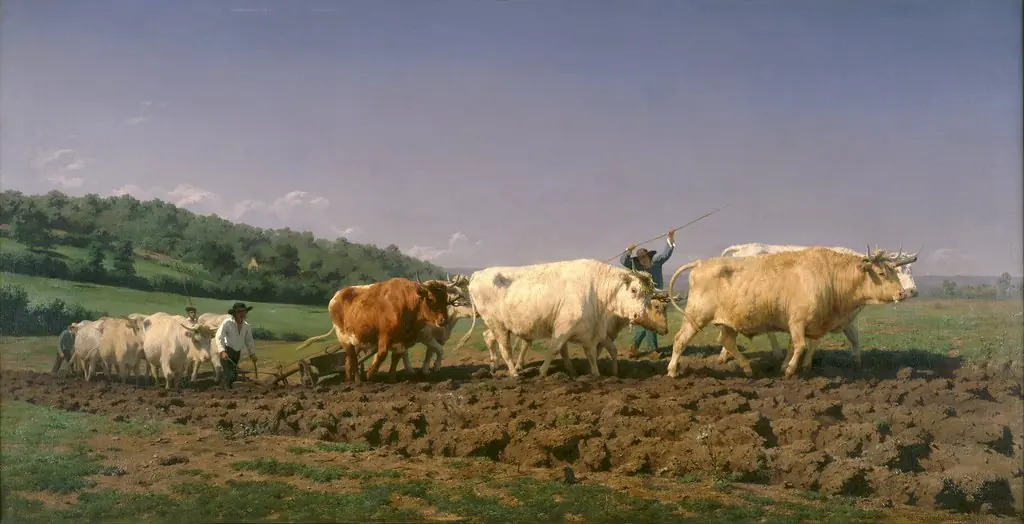 Ploughing in the Nivernais
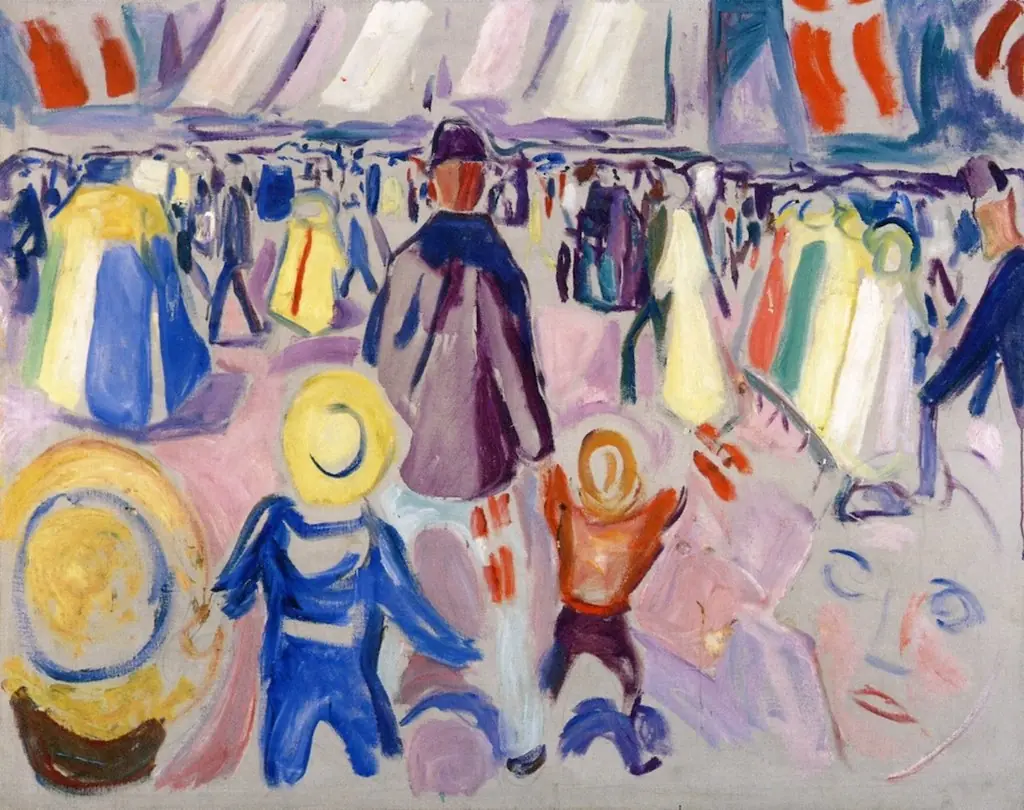 17th of May in a Small, Norwegian Town
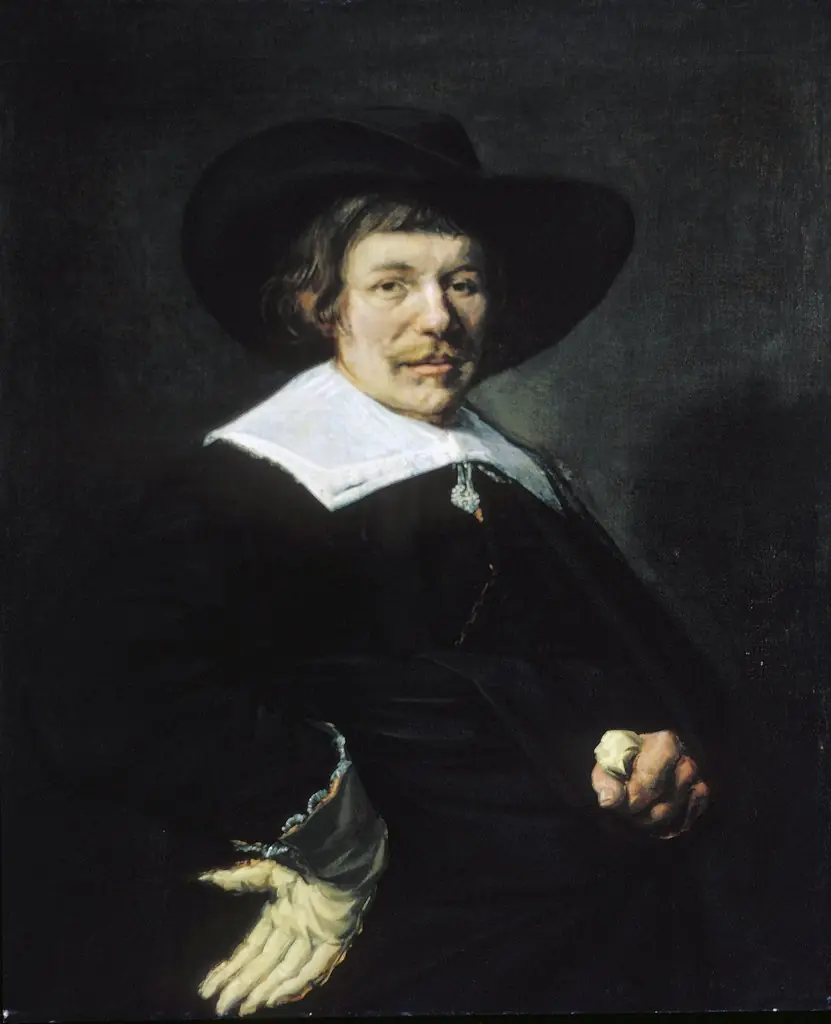 Portrait of a man with tassle collar and floppy hat
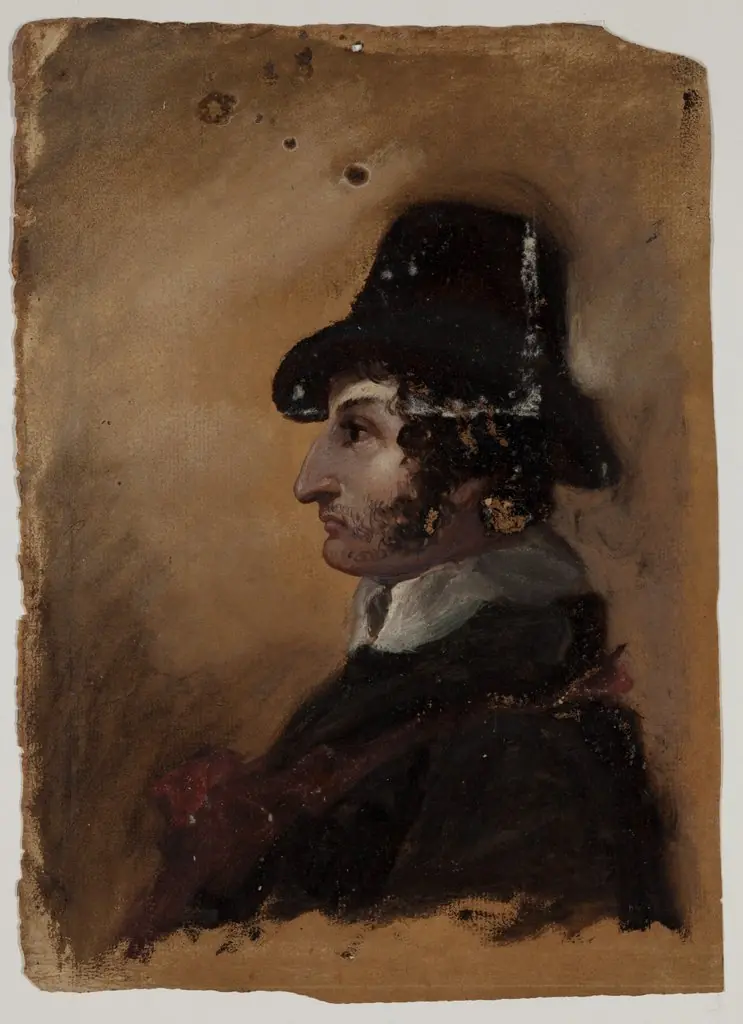 Man in a High Hat
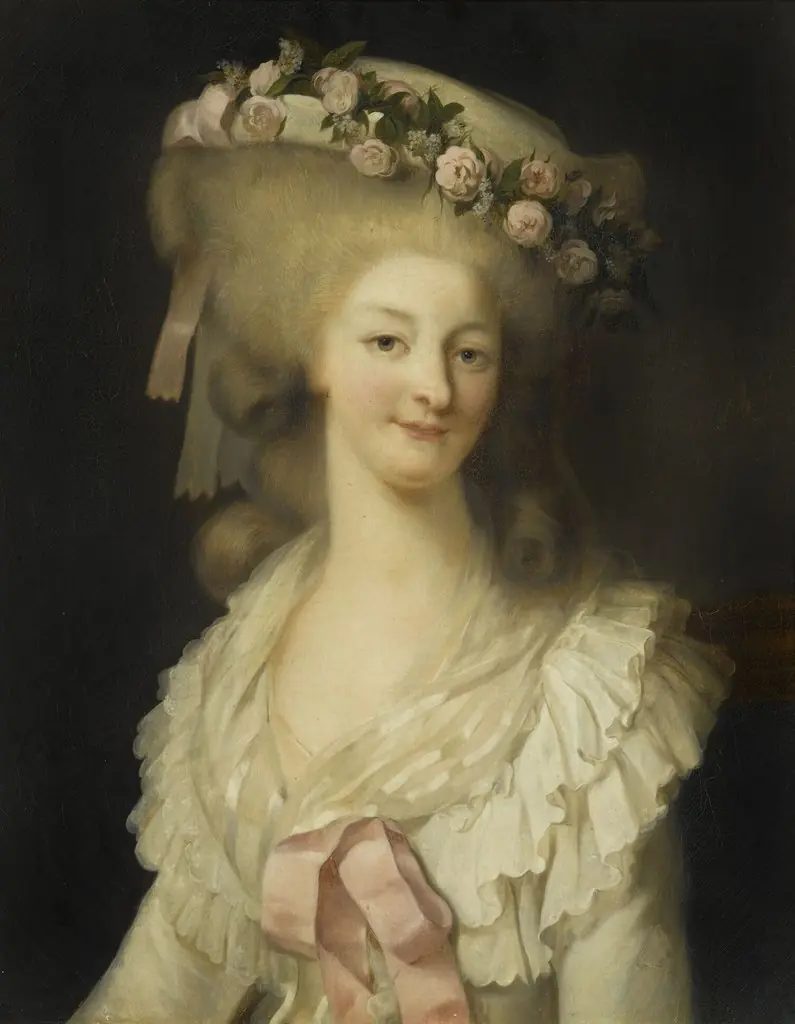 Marie-Thérèse-Louise de Savoie-Carignan, Princess of Lamballe
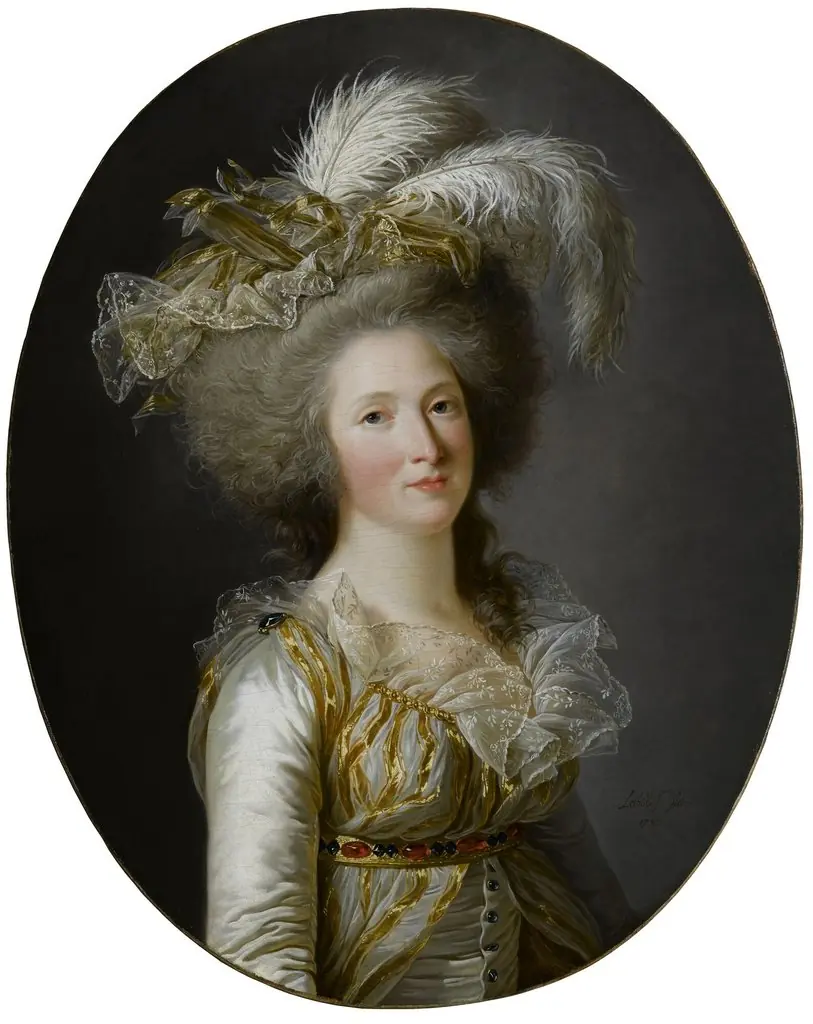 Elisabeth-Philippe-Marie-Hélène of France, known as Madame Elisabeth (1764-1794)
 Margaret Hughes of Plas Bach, Bodorgan
 The Young Housekeeper
Frequently asked questions
What is Hat?
Hat is a subject in art. A hat is a head covering which is worn for various reasons, including protection against weather conditions, ceremonial reasons such as university graduation, religious reasons, comedy, safety, or as a fashion accessory.
How many Hat works does Artifact World Gallery have?
Artifact World Gallery holds 200 public-domain Hat works, all free to view and download.
Who are the key Hat artists?
Key Hat artists in the collection include Titian, Thomas Cole and Henry Lerolle.
Where can I see Hat works?
Hat works in the collection are held by Metropolitan Museum of Art, Museo del Prado and Palace of Versailles.