Artwork
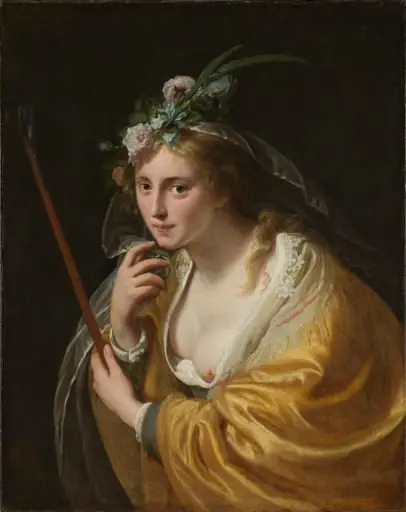
A Shepherdess
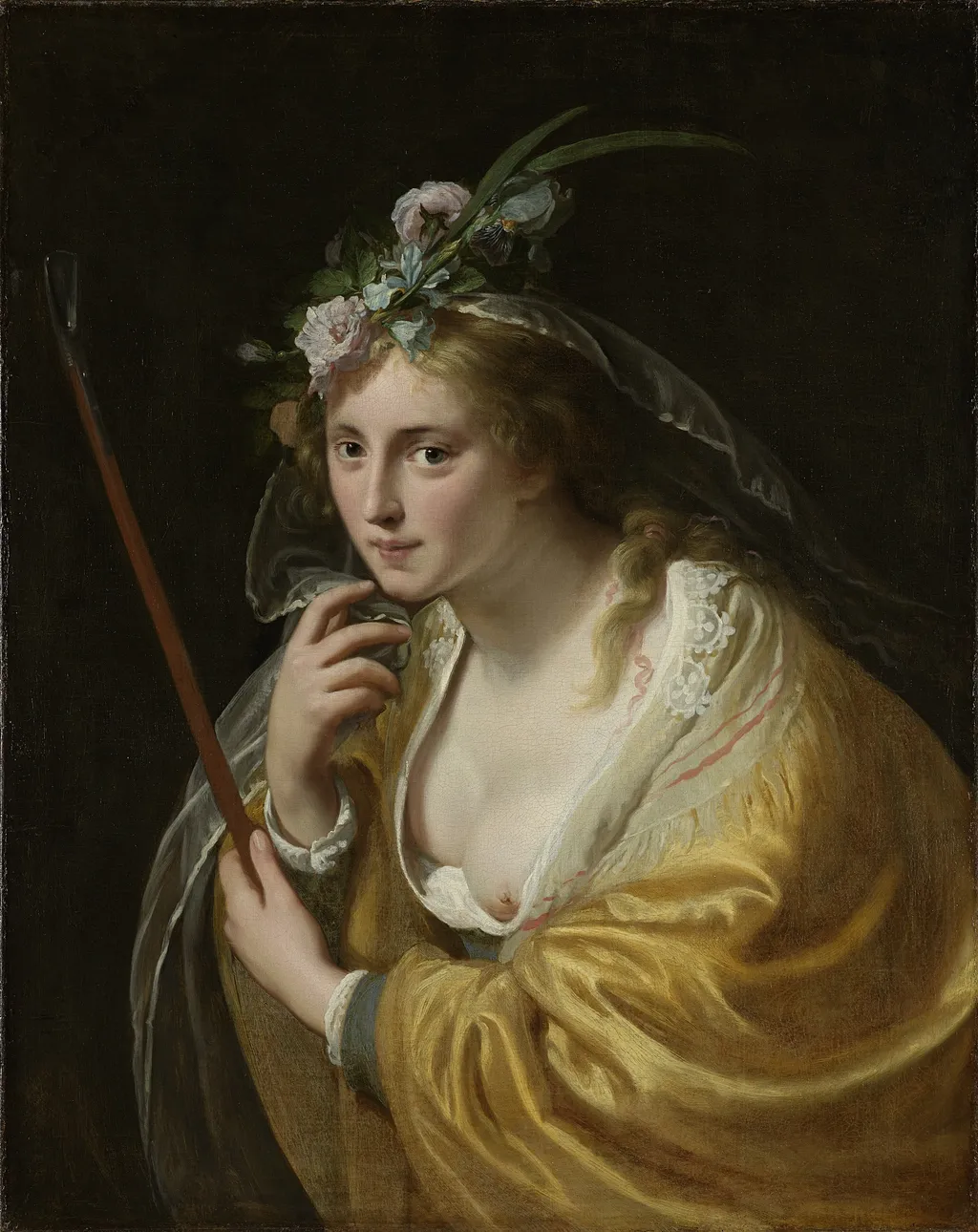
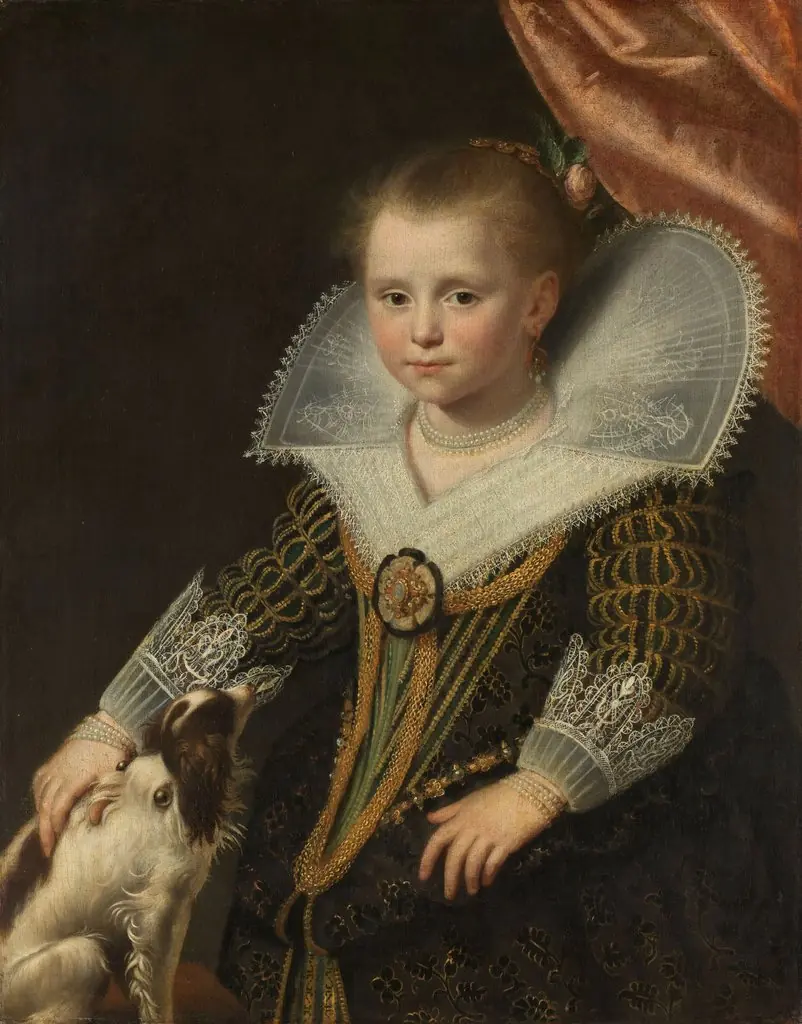
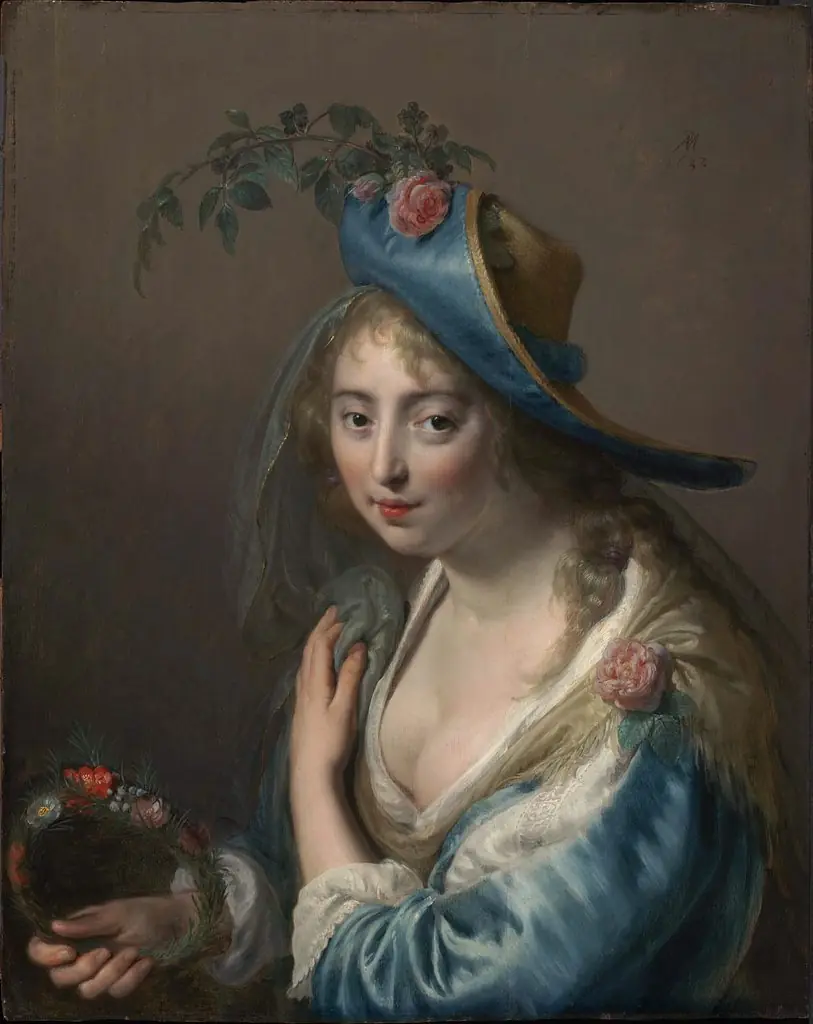
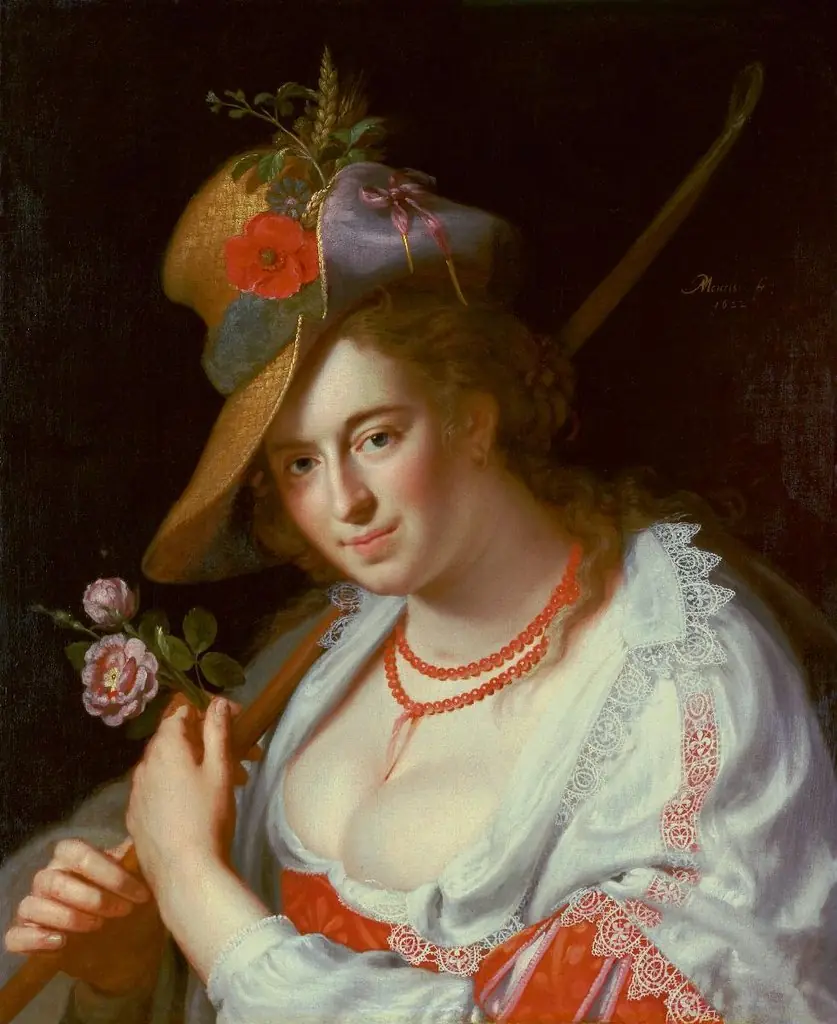
A Shepherdess is an oil painting by the Dutch Golden Age artist Paulus Moreelse. It dates from 1630 and is held in the collection of the Rijksmuseum.
About this work
Subject & Meaning
By casting a woman in this pastoral role, Moreelse connected her to these long-standing associations with natural charm and virtuous simplicity.
Paulus Moreelse's 1630 oil painting depicts a shepherdess, a female pastoral figure rendered as a portrait. According to the Wikidata record, the work explicitly depicts a shepherd and a woman, situating the sitter within the shepherdess tradition popular in Dutch Golden Age art. The portrait genre classification underscores that the shepherdess is an idealized figure rather than a literal rural laborer.
In Dutch seventeenth-century imagery, the shepherdess carried layered symbolic meaning, evoking pastoral innocence, rustic virtue, and an Arcadian ideal of unspoiled nature. Such figures often functioned as allegories of purity, simplicity, and a nostalgic vision of country life, contrasting with the urban sophistication of the sitter's viewers. By casting a woman in this pastoral role, Moreelse connected her to these long-standing associations with natural charm and virtuous simplicity.
Technique & Style
Executed in oil paint on canvas around 1630, the work displays the smooth, enamel-like handling typical of Paulus Moreelse’s Utrecht mannerism, with fine, evenly applied glazes that preserve crisp details and a polished surface. The figure’s costume, lace collar and satin sleeves, receives meticulous attention, while the landscape background is handled more summarily in broader, atmospheric touches. The vertical format and controlled chiaroscuro emphasize the sitter’s poised presence, aligning with contemporary Dutch portrait conventions of the 1620s–30s.
The painting’s dimensions are 81.5 × 64.5 cm, and no condition issues are recorded in the cited sources.
History & Provenance
The painting A Shepherdess was created in 1630 by the Dutch artist Paulus Moreelse. Executed in oil on canvas, the work measures 81.5 cm in height and 64.5 cm in width. The piece is classified as a portrait depicting a woman in the role of a shepherdess.
It is currently held in the collection of the Rijksmuseum, where it remains on display. No specific details regarding its original commission or intermediate ownership history prior to its museum acquisition are provided in the available records.
Paulus Moreelse's oil painting A Shepherdess, created in 1630, is held in the collection of the Rijksmuseum. The work, which depicts a woman and a shepherd on canvas, measures 81.5 cm in height and 64.5 cm in width. The provided sources do not contain specific inventory or accession numbers for this entry, nor do they record any exhibition history for the painting.
Context
Paulus Moreelse painted A Shepherdess in 1630, a small oil on canvas portrait (81.5 cm × 64.5 cm) now held by the Rijksmuseum. The work depicts a young woman in traditional rural dress, holding a staff, embodying contemporary ideals of modest femininity and pastoral virtue. Art historians view it as representative of Dutch Golden Age portraiture that blended genre and character studies, situating Moreelse among painters who elevated the sitter’s social identity through naturalistic detail and subtle psychological presence.
Its reception has been interpreted as reflecting 17th-century civic pride in local burgher aesthetics, while modern scholarship situates it within broader European trends of gendered representation in pastoral scenes.
Overview
Paulus Moreelse’s oil painting titled A Shepherdess was executed around 1630. The work portrays a solitary female figure in a pastoral role and is part of the collection of the Rijksmuseum in Amsterdam. Measuring in a modest format, the canvas presents a quiet, intimate scene rather than a narrative tableau.
Own this work as a print
Artist & collection