Artwork
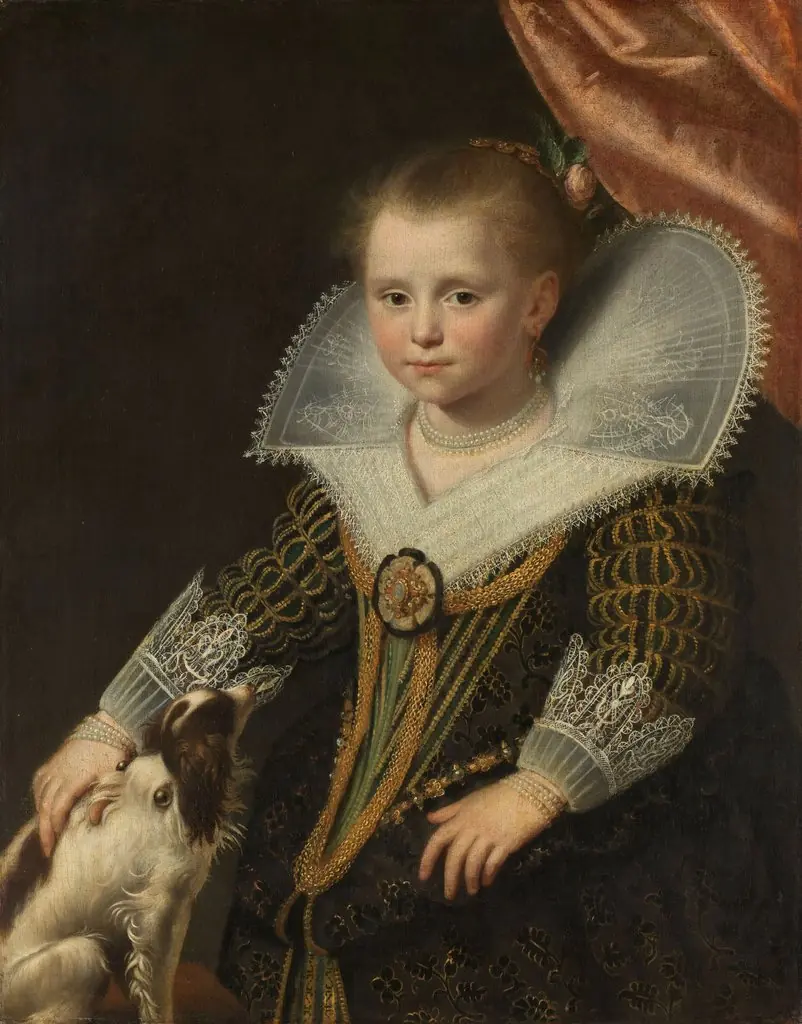
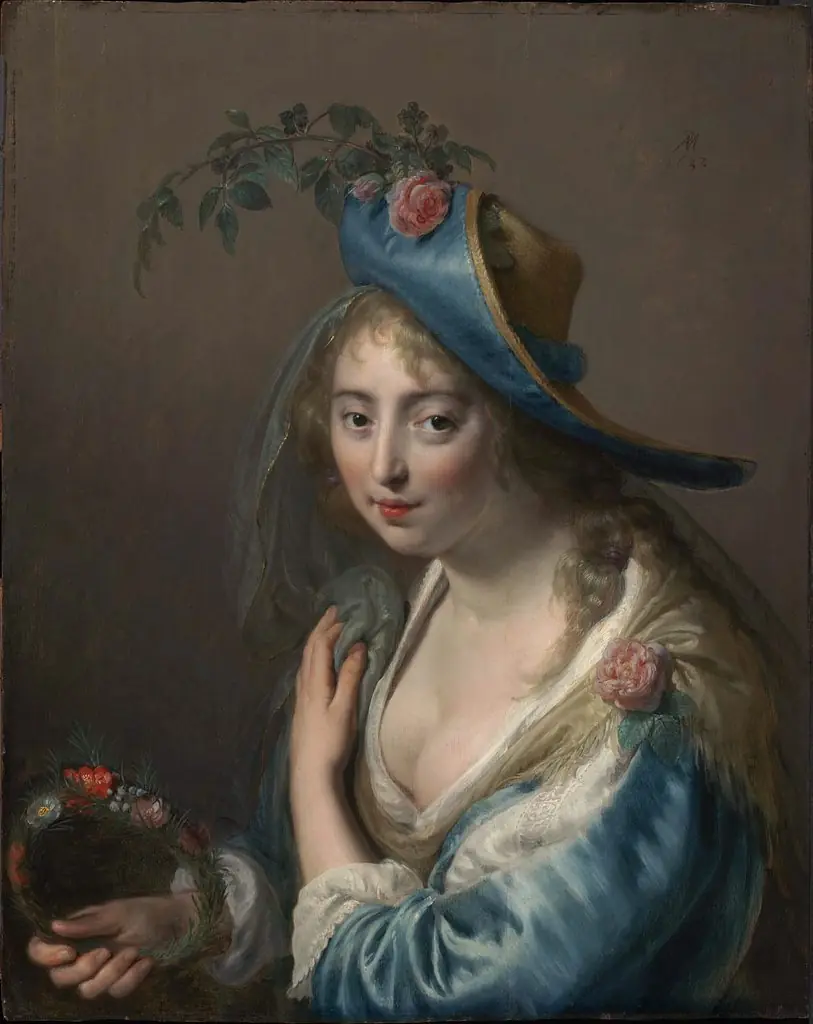
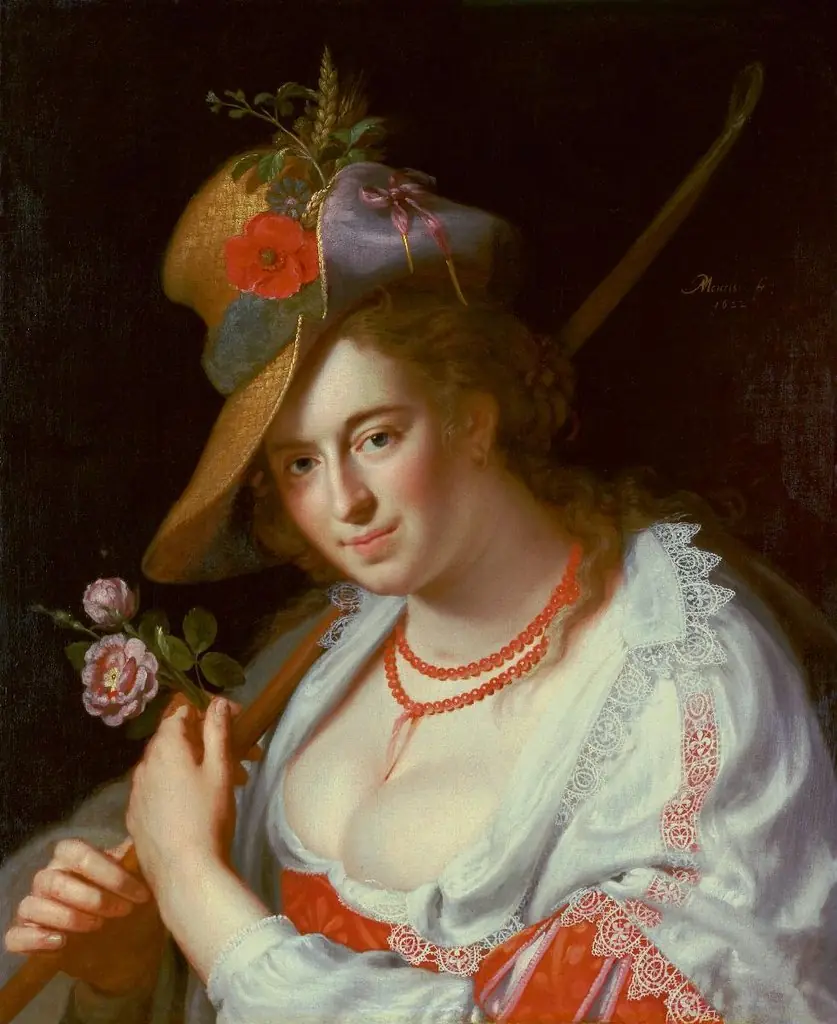
A Shepherdess
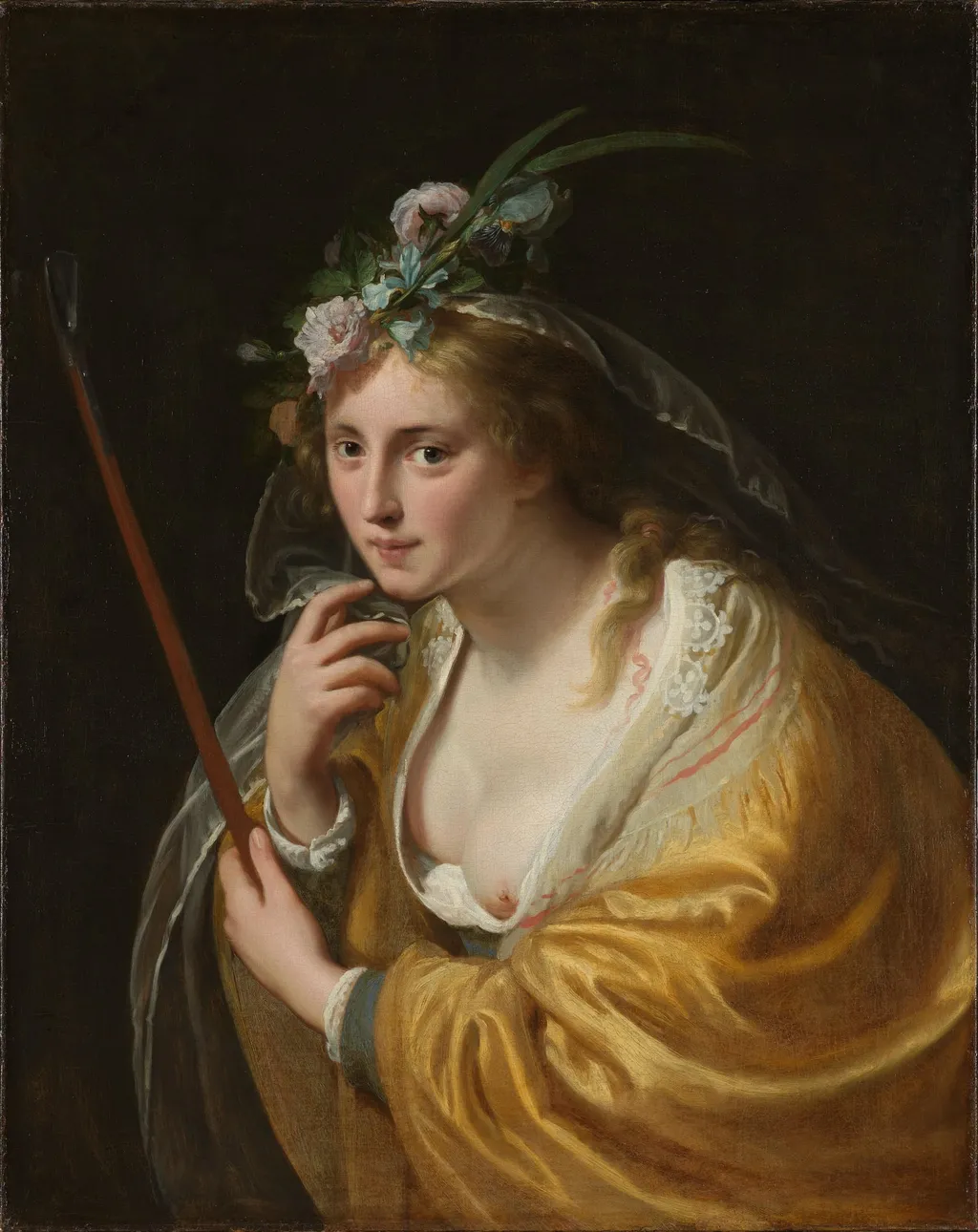
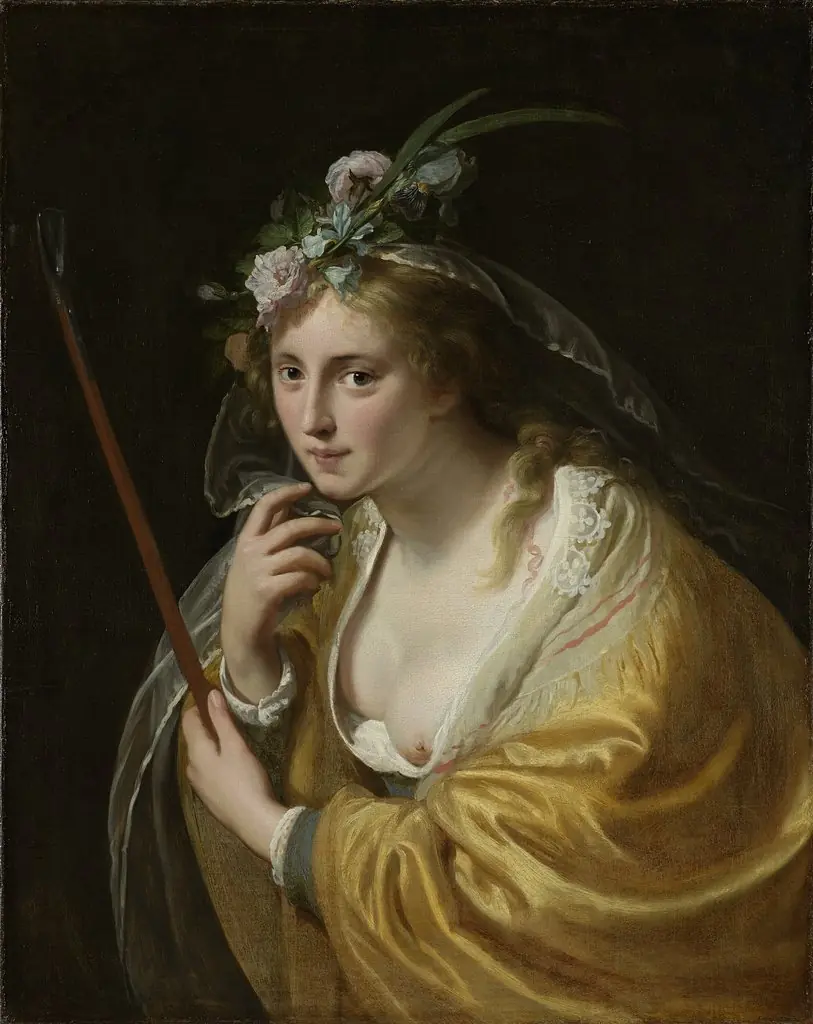
A Shepherdess is an unspecified painting by the Dutch Golden Age artist Paulus Moreelse. It dates from 1630 and is held in the collection of the Rijksmuseum.
About this work
History & Provenance
A Shepherdess is a painting by Paulus Moreelse dated 1630. The work belongs to a series of pastoral scenes of herders and shepherds that Moreelse produced in the 1620s, a genre he explored alongside his portrait commissions. As a portrait painter active in Utrecht, Moreelse combined naturalistic detail with allegorical elements, and this piece reflects his engagement with genre subjects within the broader Dutch portrait tradition.
Context
The painting is nonetheless consistent with the market demand for decorative cabinet pieces noted in biographical accounts of Moreelse's career.
Paulus Moreelse's A Shepherdess (1630) belongs to a late phase of his career when pastoral subjects entered his oeuvre alongside portraiture. Moreelse's Utrecht circle, including Abraham Bloemaert and Joachim Wtewael, cultivated Mannerist figural style and allegorical themes, yet his own pastoral scenes reflect the broader Dutch vogue for Arcadian imagery in the 1620s–30s. The work aligns with contemporaneous interest in idealized rural life as a vehicle for refined elegance rather than ethnographic realism.
Scholarly attention to Moreelse has centered on his portrait practice and civic role; pastoral works like A Shepherdess are less frequently analyzed, reflecting their lower status in assessments of his oeuvre. The painting is nonetheless consistent with the market demand for decorative cabinet pieces noted in biographical accounts of Moreelse's career.
Overview
The painting "A Shepherdess" presents a young woman situated in a pastoral landscape, accompanied by a lamb and distinguished by a rose tucked into her hair. This figure is not a depiction of a real rural worker but rather an idealized inhabitant of Arcadia, a mythical realm of tranquility and simplicity. The artwork reflects a prevalent artistic and literary trend of the 17th century, where painters like Paulus Moreelse explored themes of an imagined, idyllic country life.
Subject & Meaning
The subject of "A Shepherdess" embodies the Arcadian ideal, a concept frequently explored in 17th-century Dutch poetry. These verses romanticized a simple, rustic existence, distinct from the complexities of urban life. The shepherdess, with her composed expression and unblemished appearance, represents this idealized world rather than a realistic portrayal of agricultural labor. Her floral adornment further emphasizes her connection to a poetic, dreamlike setting.
Own this work as a print
Artist & collection