Artwork
Esau selling his birthright
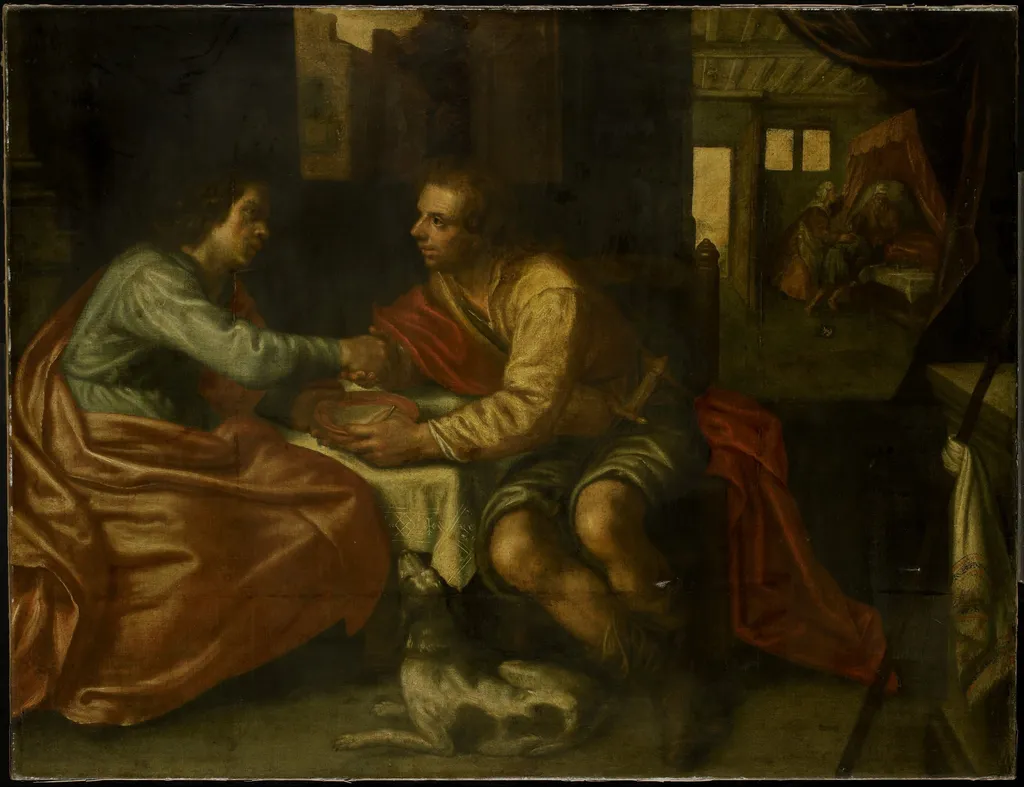
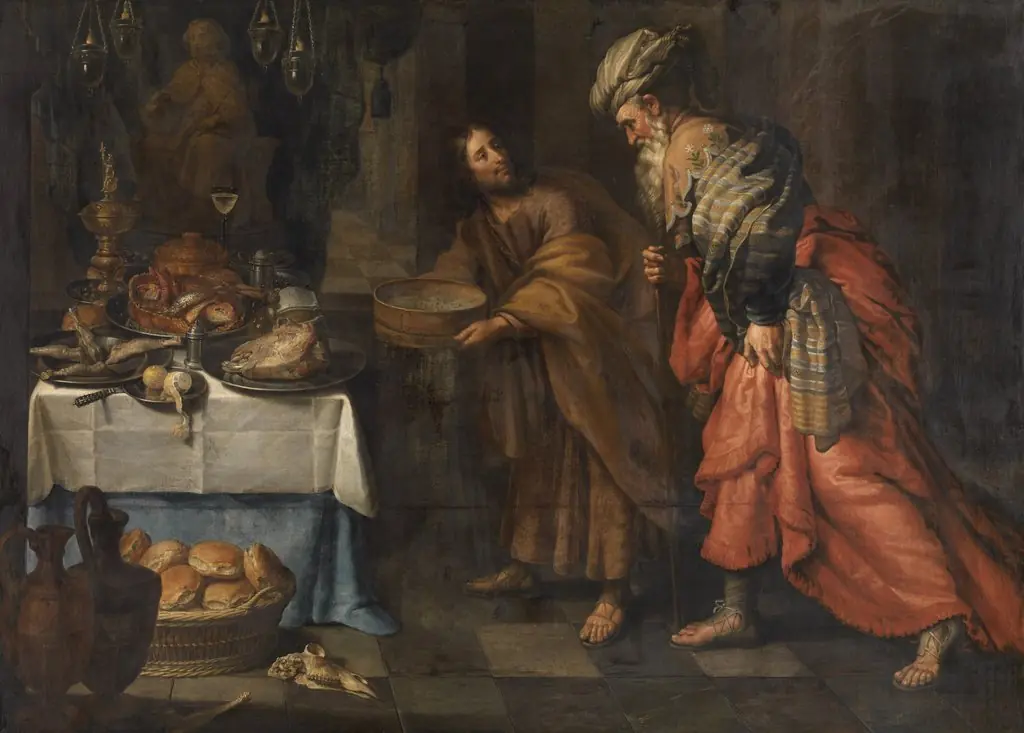
Esau selling his birthright is an oil painting by the Early Baroque Italian artist Paulus Moreelse. It dates from 1609 and is held in the collection of the Rijksmuseum.
About this work
Technique & Style
Stylistically, the painting belongs to the religious genre tradition, consistent with Moreelse's broader production of biblical subjects during this period.
The work is executed in oil paint on canvas, a standard support for early seventeenth-century Dutch painting. Its dimensions are recorded as 124 cm in height by 160.7 cm in width, giving the composition a distinctly horizontal orientation suited to a multi-figure narrative scene.
Stylistically, the painting belongs to the religious genre tradition, consistent with Moreelse's broader production of biblical subjects during this period. The 1609 date places it within the early phase of his career, when he was working in Utrecht and engaging with history painting conventions derived from late Mannerist and emerging Haarlem classicist models.
History & Provenance
The painting Esau selling his birthright was created by Paulus Moreelse in 1609 as an oil on canvas work. It entered the collection of the Rijksmuseum, where it remains on display. The work measures 160.7 cm in width and 124 cm in height and is classified as a religious painting.
Paulus Moreelse's painting Esau selling his birthright, created in 1609, is held in the collection of the Rijksmuseum in Amsterdam. The work is executed in oil on canvas and measures 124 cm in height by 160.7 cm in width. While the artwork is confirmed to be part of the museum's permanent holdings, the provided sources do not list a specific inventory or accession number for the piece.
Additionally, the available documentation contains no record of the painting's exhibition history, detailing neither past nor future public presentations.
Context
Paulus Moreelse's 1609 oil painting depicting Esau selling his birthright is housed in the Rijksmuseum collection. The work measures 124 cm in height by 160.7 cm in width and exemplifies religious art of the period. Moreelse, a prominent Utrecht-based painter active in the early 17th century, frequently engaged with biblical narratives, situating this piece within his broader religious thematic output and the Dutch Golden Age's devotional painting tradition.
Scholarly attention focuses on the artwork's compositional treatment of the biblical transaction, reflecting early Baroque tendencies toward narrative immediacy. Its placement within the Rijksmuseum's religious art holdings underscores institutional recognition of its significance within Moreelse's oeuvre and the wider discourse on biblical storytelling in Dutch painting circa 1600-1610.
Overview
Paulus Moreelse’s oil on canvas, dated 1609, portrays the biblical episode of Esau relinquishing his birthright. The work is part of the Rijksmuseum’s collection and presents two seated figures in a modest interior, illuminated by a single window that casts strong contrasts across the scene.
Subject & Meaning
The central figure, identified as Esau, holds a bowl and spoon, suggesting the moment he trades his inheritance for a meal. Opposite him, a younger man, traditionally understood as Jacob, receives the transaction. The composition underscores themes of impulsivity, familial rivalry, and the moral consequences of short‑sighted decisions.
Own this work as a print
Artist & collection

- Die Ehebrecherin vor Jesus
 The Calling of Saint Matthew
 Christ with Martha and Mary
 Christ with Mary and Martha
 Judith with the Head of Holofernes
 Christ in Emmaus
 Finding of Moses
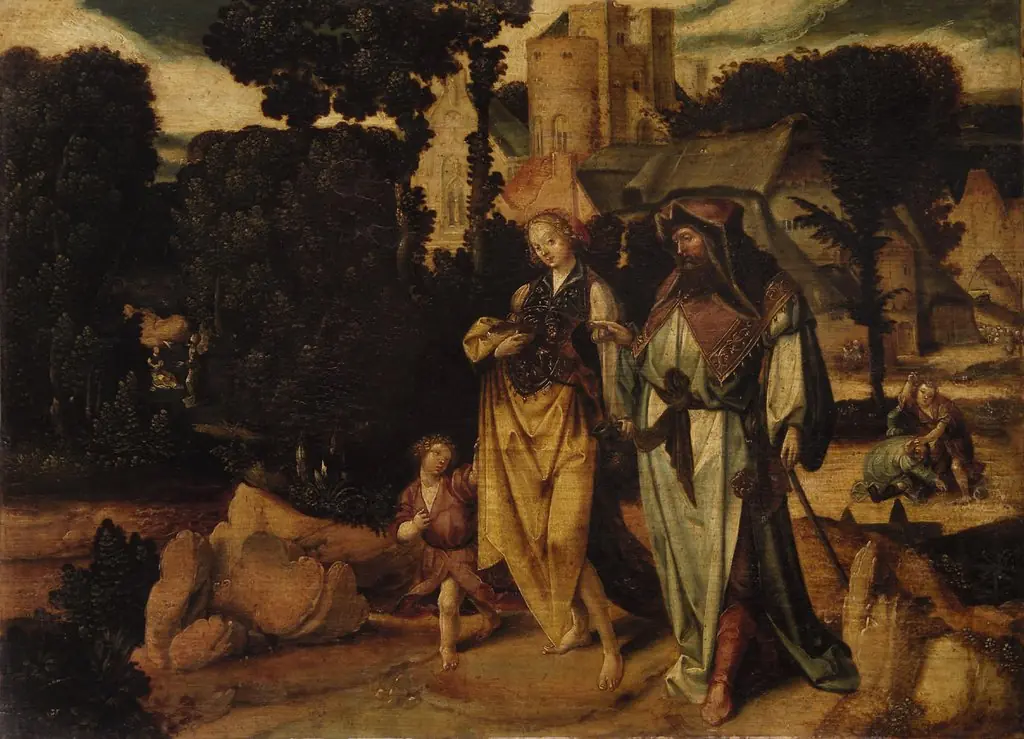 Rejection of Hagar
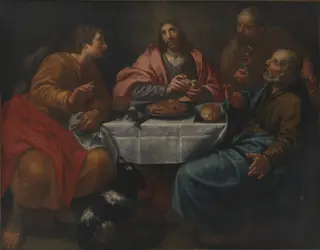 Christ in Emmaus
 Holy Virgin with Child
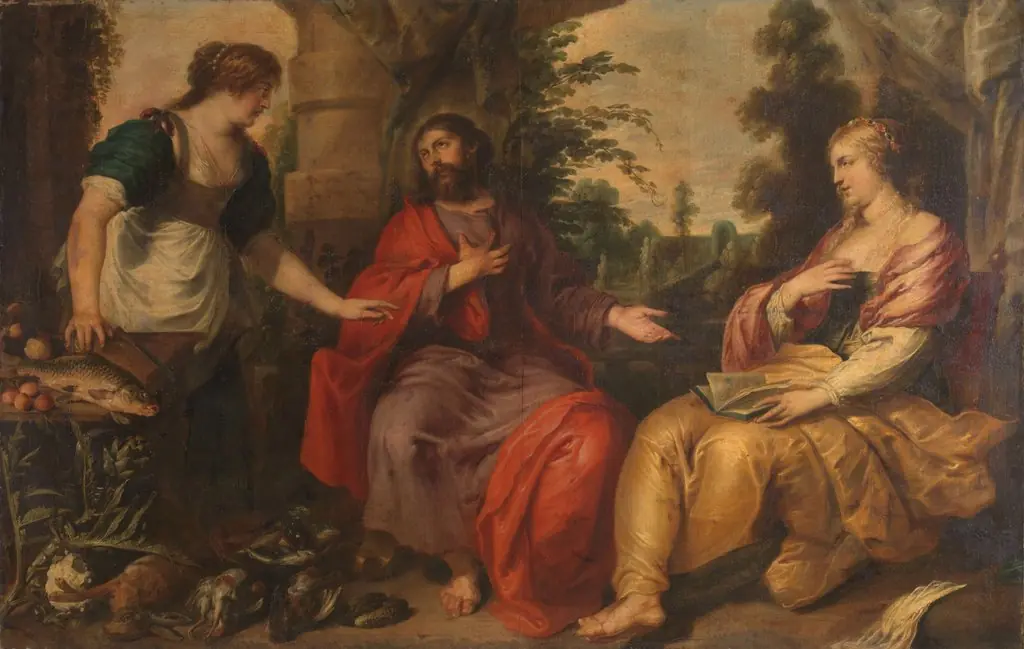 Christ in the house of Martha and Mary
 Daniël décrouvant l'imposture des prêtres de Baäl