Artwork
Fruit Still Life with Chinese Export Basket
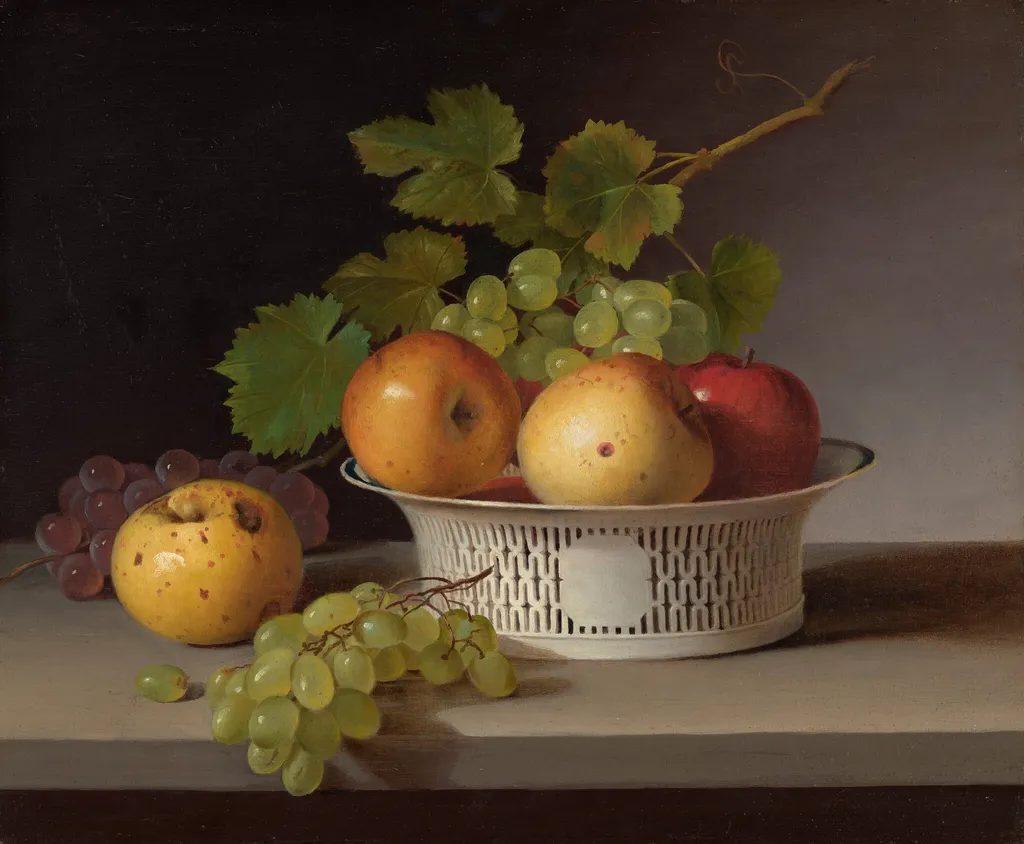
Fruit Still Life with Chinese Export Basket is an oil painting by the American Folk Art artist James Peale. It dates from 1824 and is held in the collection of the National Gallery of Art.
- Inscription
- Inscribed:across center reverse: Painted by James Peale Sen / 1824.
About this work
Technique & Style
Executed in 1824, this still life by James Peale utilizes oil paint applied to a wood panel support.
Executed in 1824, this still life by James Peale utilizes oil paint applied to a wood panel support. The work measures 37.8 by 45.6 centimeters. As a representative example of the artist's late career output, the composition focuses on the depiction of fruit arranged within a Chinese export basket, adhering to the conventions of the still-life genre.
The selection of a rigid panel rather than canvas suggests a preference for a smooth surface suitable for the detailed rendering of textures typical of Peale's approach to naturalistic subjects. The piece is currently held in the collection of the National Gallery of Art in Washington, D.C.
History & Provenance
James Peale executed this oil-on-panel still life in 1824. The work's documented ownership history begins in a private collection in New Jersey. By 1987, the painting was held by Frank S. Schwartz & Son in Philadelphia.
On February 1, 1988, the gallery sold the piece to the Jeanne Rowe Mathison Family Trust. Two years later, in 1990, the trust donated the artwork to the National Gallery of Art in Washington, D.C. This final transfer was structured as a gift facilitated by purchase funds contributed by Mr. and Mrs. Thomas M. Evans.
Context
James Peale's Fruit Still Life with Chinese Export Basket (1824) exemplifies early American still‑life painting and reflects the artist’s transition from portraiture to genre works within the broader Federal‑era art market. The composition combines domestic fruit with a Chinese export basket, underscoring contemporary trans‑Pacific trade influences and the growing appetite for exotic motifs among elite patrons. Scholars have highlighted the piece as a pivotal example of Peale’s contribution to the development of American still‑life, situating it alongside contemporaneous works that blend local produce with imported objects.
The painting entered the National Gallery of Art in 1990 after a documented provenance that traces its ownership from a New Jersey private collection through Frank S. Schwartz & Son to the Jeanne Rowe Mathison Family Trust.
Overview
Fruit Still Life with Chinese Export Basket, painted by James Peale in 1824, is an oil-on-wood work that exemplifies the artist's mastery of the American still-life tradition. The composition centers on a wooden table supporting a woven Chinese export basket filled with ripe grapes, peaches, and plums. Peale employs a precise, detailed technique to render the varied textures of the fruit skins and the basket's weave, utilizing strong directional light to create luminous highlights and deep shadows that emphasize volume and freshness.
Created during the height of Peale's career, this piece reflects his shift from miniature portraiture to independent still-life painting, a genre he helped establish in the United States. The inclusion of the imported basket alongside domestic fruit alludes to early 19th-century trade networks and the growing American appetite for exotic goods. As a member of the prominent Peale family of artists, James Peale contributed significantly to the nation's visual culture, and this work stands as a testament to his ability to elevate everyday objects into subjects of careful observation and aesthetic appreciation.
Subject & Meaning
The composition features an assortment of grapes, peaches, and plums, carefully arranged within a woven Chinese export basket. This specific container highlights the increasing presence of international trade goods in American households during the early 19th century. The inclusion of such an item transforms a simple fruit arrangement into a subtle commentary on expanding global connections and consumer culture.
Legacy
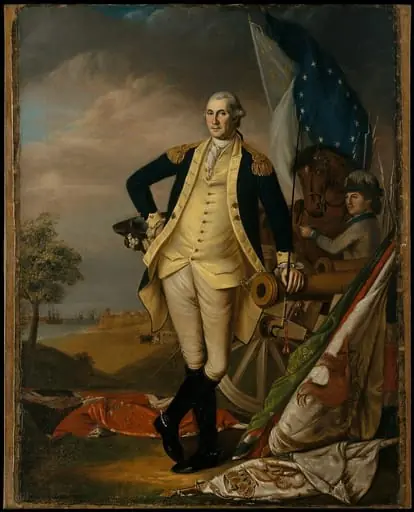
The artistic lineage of the Peale family extended to various genres, including still life painting. James Peale's approach to this subject matter can be seen in conversation with his relatives' works. Similar still life compositions by his brother, Charles Willson Peale, are exhibited in collections such as the National Gallery of Art in Washington, allowing for comparative study of their respective styles.
Own this work as a print
Artist & collection

Artist
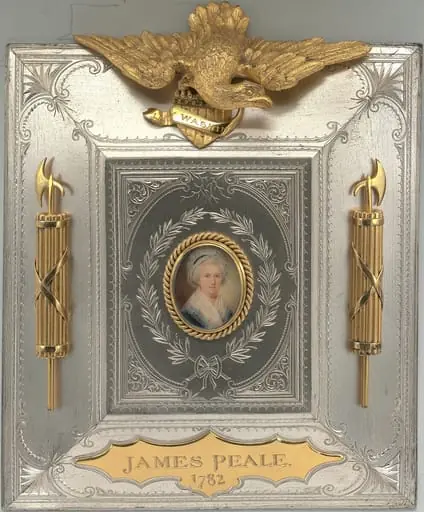
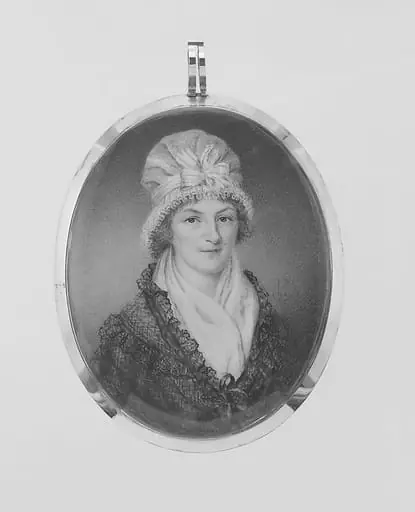
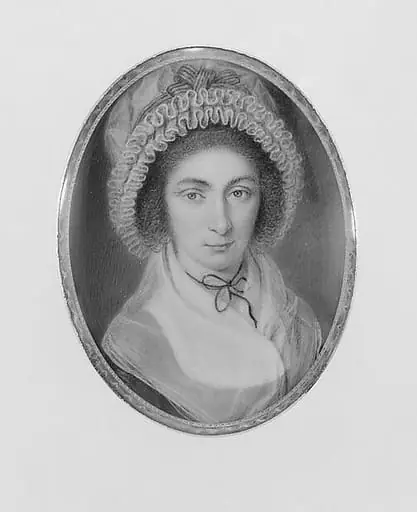
James Peale (1749 – May 24, 1831) was an American painter, best known for his miniature and still life paintings, and a younger brother of noted painter Charles Willson Peale.