Artwork
Omai A Beach
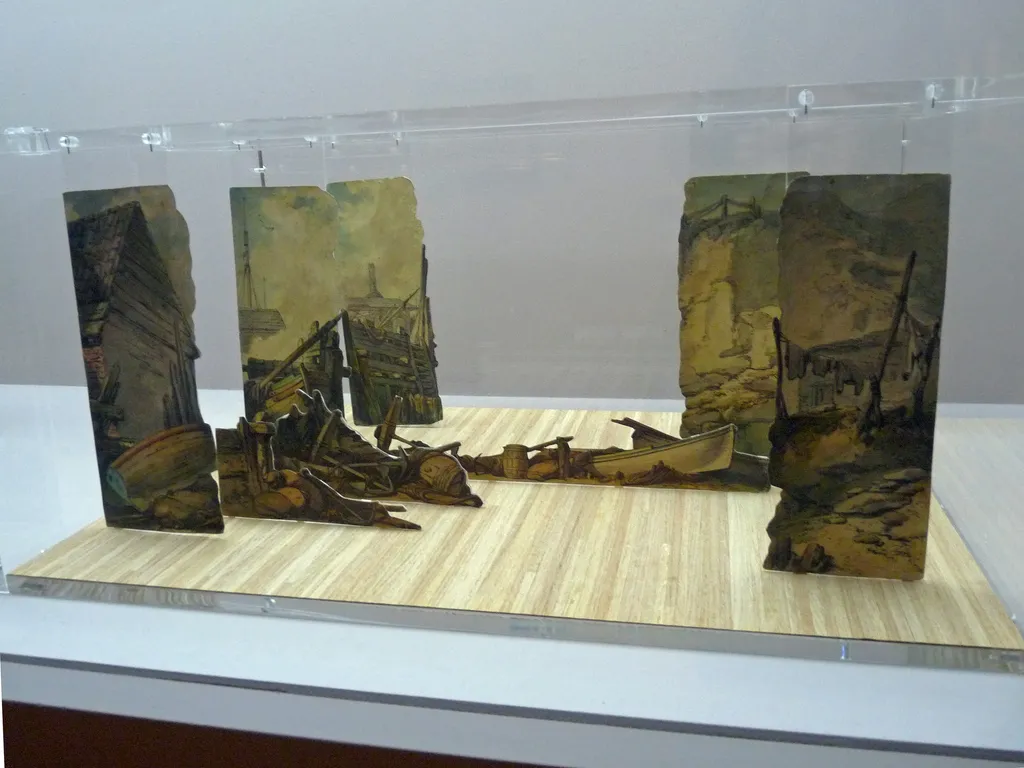
Omai A Beach is an ink painting by the Rococo painting artist Philip James de Loutherbourg. It dates from 1793 and is held in the collection of the Victoria and Albert Museum.
About this work
Overview
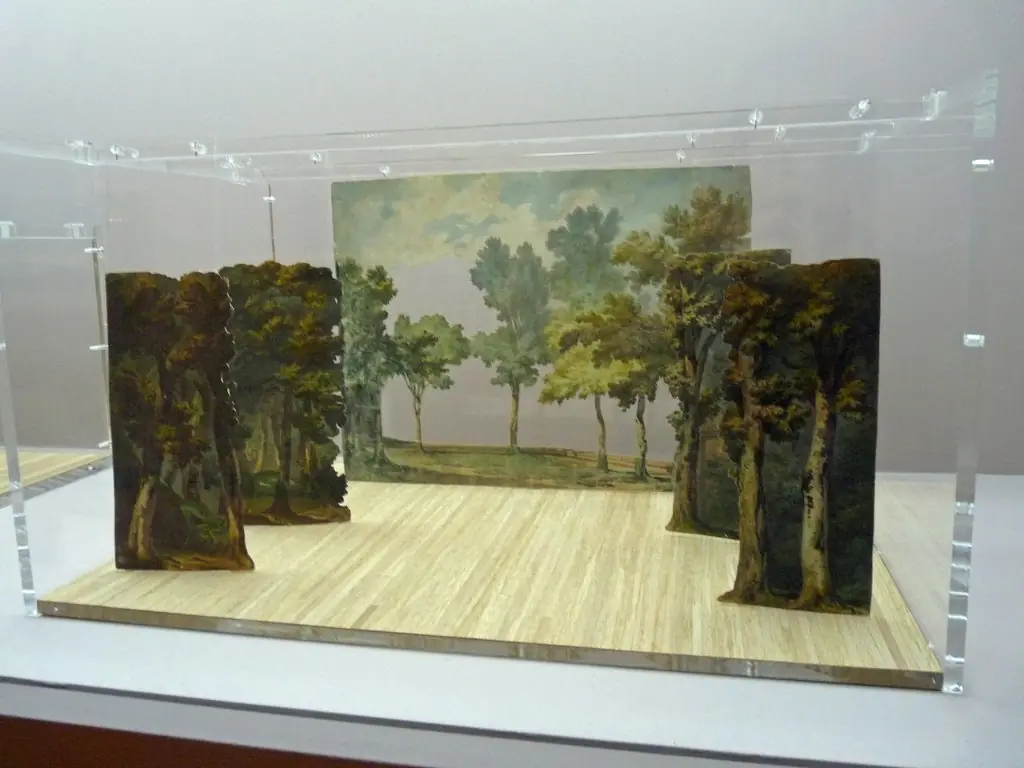
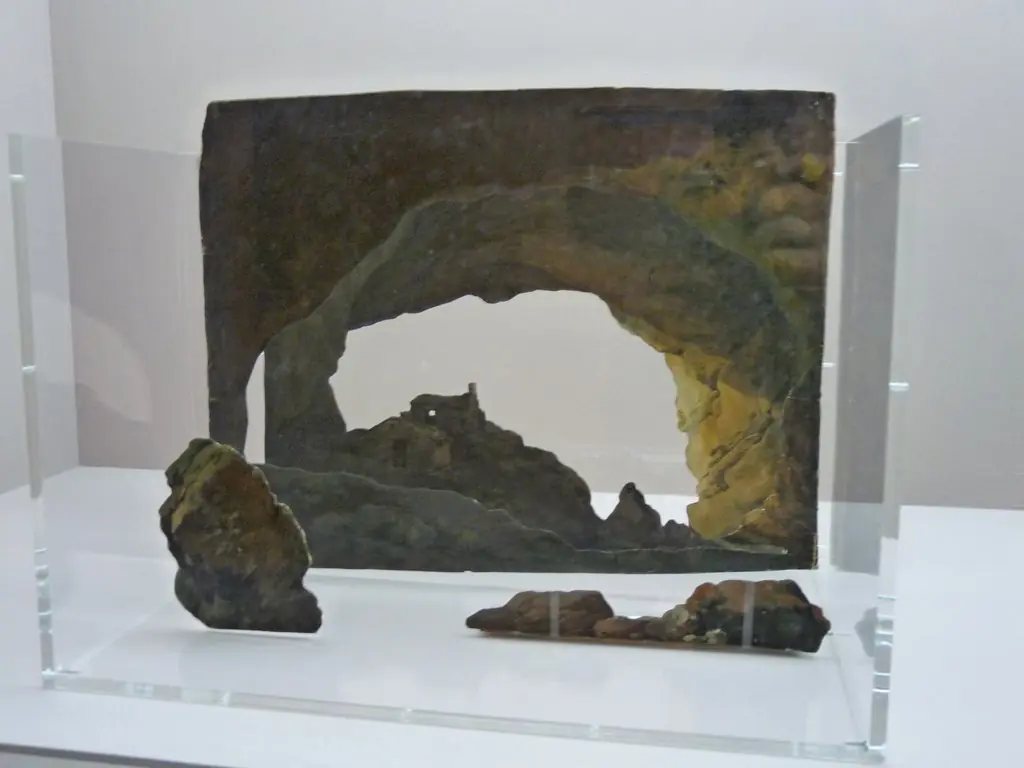
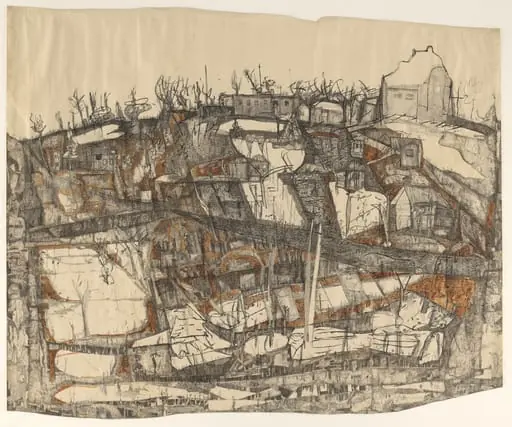
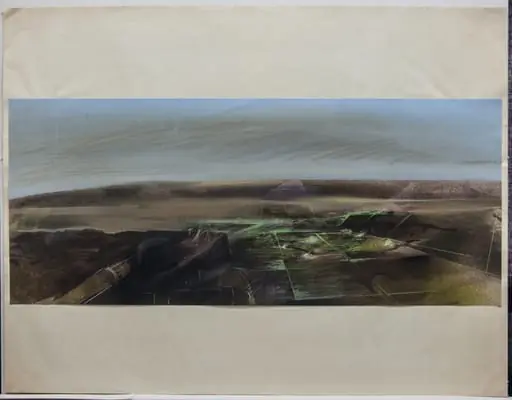
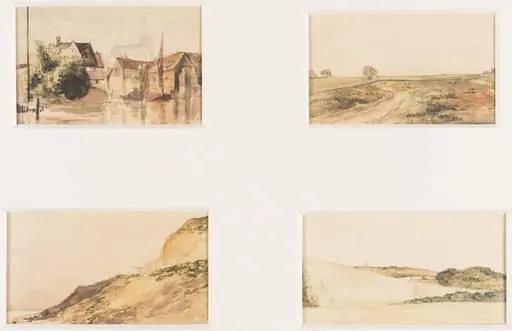
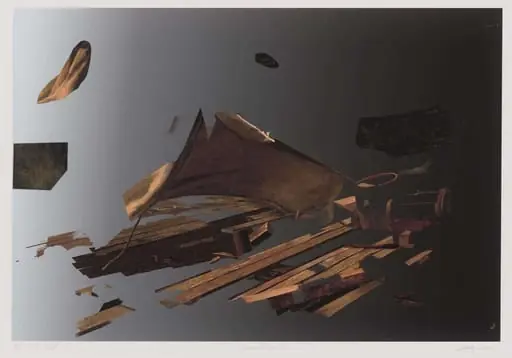
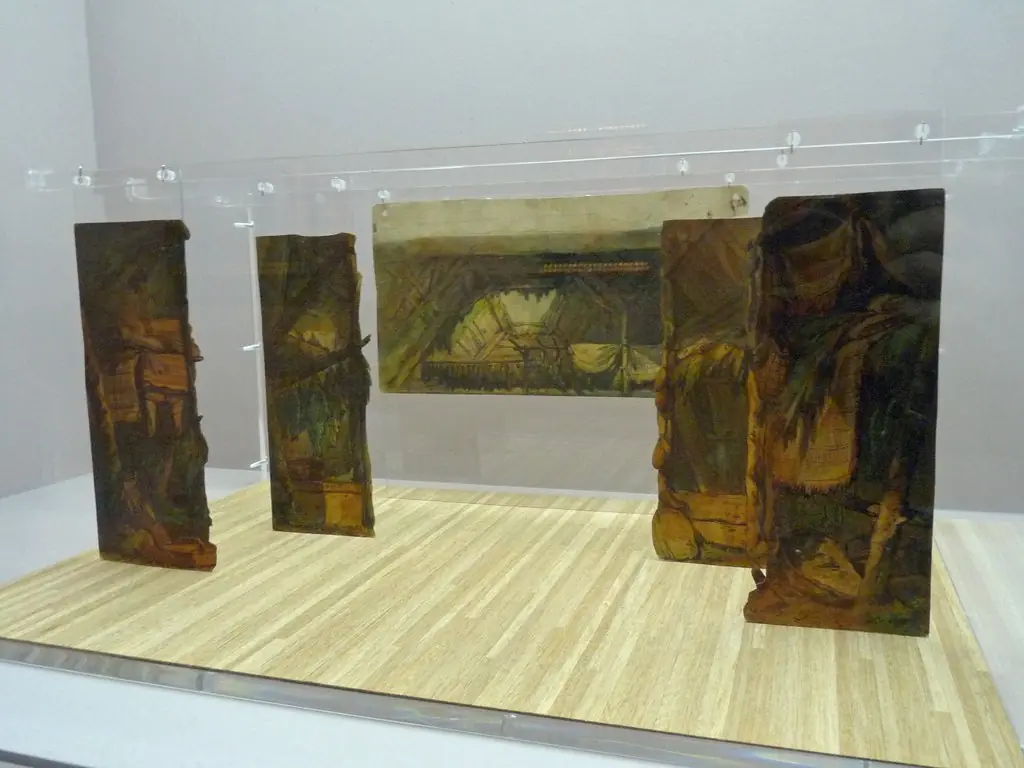
Created in 1793, Omai A Beach is an ink drawing by Philip James de Loutherbourg, a French‑born artist who spent his career in Britain. The work belongs to the Victoria and Albert Museum’s collection and presents a coastal landscape divided into several adjoining panels that together form a panoramic view of a beach, shoreline vessels and distant cliffs.
Subject & Meaning
The composition portrays a tranquil seaside setting populated by a handful of figures and small boats, suggesting a leisurely moment on the shore. Architectural elements appear on a rocky promontory in the background, hinting at a settlement beyond the water. The title references Omai, an 18th‑century Polynesian visitor to Europe, though the drawing does not depict him directly.
Technique & Style
Executed entirely in ink, the piece relies on dense cross‑hatching and fine line work to model light, shadow and texture across water, sand and rock.
Executed entirely in ink, the piece relies on dense cross‑hatching and fine line work to model light, shadow and texture across water, sand and rock. The division into multiple sheets creates a segmented visual rhythm, a device occasionally used by de Loutherbourg to explore expansive scenes within a limited format. The overall aesthetic aligns with late Rococo sensibilities, favoring elegance and decorative detail.
History & Provenance
After its completion, the drawing entered the collection of the Victoria and Albert Museum, where it remains on view. De Loutherbourg’s reputation at the time rested on his naval paintings and elaborate theatrical set designs, and this work reflects his interest in maritime subjects beyond his larger oil canvases.
Context
Beyond his painting practice, de Loutherbourg invented the Eidophusikon, a mechanical theatre that simulated natural phenomena, and he maintained a fascination with occult ideas. These interdisciplinary pursuits informed his approach to visual effects, evident in the atmospheric rendering of water and sky in Omai A Beach.
Own this work as a print
Artist & collection
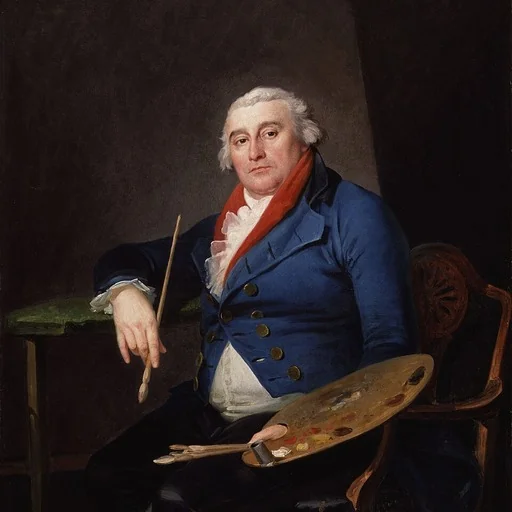
Artist
Philip James de Loutherbourg, RA (born Philippe Jacques de Loutherbourg; 31 October 1740 – 11 March 1812) was a French-born British painter who became known for his large naval works, his elaborate set designs for…