Artwork
Omai Hut at Kamchatka
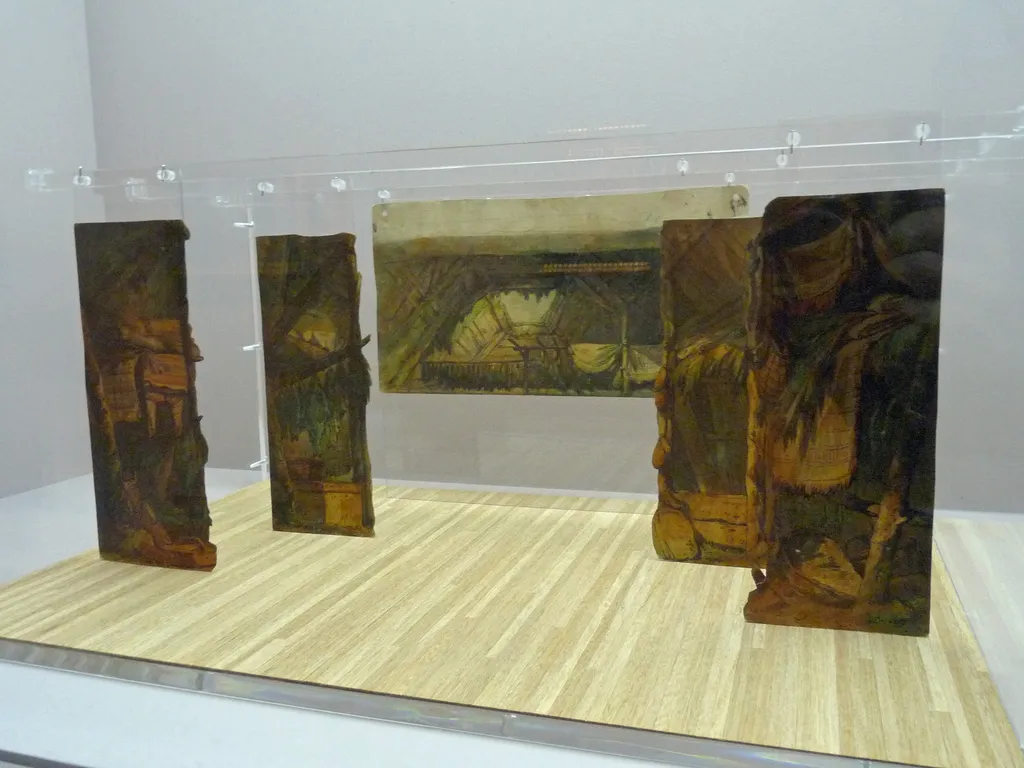
Omai Hut at Kamchatka is an ink painting by the Rococo painting artist Philip James de Loutherbourg. It dates from 1793 and is held in the collection of the Victoria and Albert Museum.
About this work
Overview
Though best known for maritime scenes and stage designs, de Loutherbourg produced this work during a period of broader interest in distant cultures.
Created in 1793 by Philip James de Loutherbourg, this ink drawing depicts a solitary hut in the Kamchatka region. Though best known for maritime scenes and stage designs, de Loutherbourg produced this work during a period of broader interest in distant cultures. Executed with fine ink lines, the piece is part of the Victoria and Albert Museum’s collection and reflects his engagement with ethnographic imagery beyond his theatrical pursuits.
Subject & Meaning
The drawing portrays a modest, thatched dwelling nestled among dense vegetation, likely representing an indigenous structure in far eastern Siberia. It does not depict people, emphasizing isolation and the quiet presence of human habitation in a remote landscape. The absence of figures invites contemplation of cultural difference and the limits of European observation in uncharted territories during the late 18th century.
Technique & Style
Rendered entirely in ink, the work employs cross-hatching to suggest texture in the hut’s thatch and the surrounding foliage. Delicate linework defines form without color, relying on tonal variation for depth. The composition is restrained, with the hut centered against a sparse background, reflecting a draftsmanship more aligned with topographical illustration than romanticized landscape tradition.
History & Provenance
The drawing entered the Victoria and Albert Museum’s collection as part of de Loutherbourg’s broader artistic legacy. Its origins trace to his interest in global exploration, possibly linked to accounts from Pacific voyages circulating in Britain. Unlike his theatrical inventions, this piece was not widely exhibited in his lifetime and remained a private study, later preserved as a record of his observational practice.
Context
In the 1790s, European fascination with distant lands intensified following Cook’s Pacific expeditions. De Loutherbourg, though never traveling to Kamchatka, drew from published narratives and ethnographic sketches. This work aligns with a trend of European artists translating foreign architecture into intimate, contemplative drawings, more curious than colonial in tone, reflecting a moment of quiet inquiry amid imperial expansion.
Legacy
Though not among de Loutherbourg’s most celebrated works, the drawing offers insight into his intellectual range beyond spectacle and stagecraft. It stands as a quiet example of how artists engaged with ethnographic material during a time of expanding global knowledge. Its preservation in a major museum underscores its value as a document of 18th-century visual curiosity rather than artistic grandeur.
Own this work as a print
Artist & collection
Artist
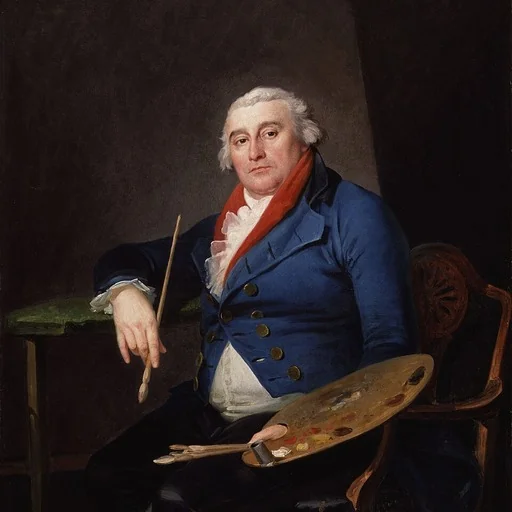
Philip James de Loutherbourg, RA (born Philippe Jacques de Loutherbourg; 31 October 1740 – 11 March 1812) was a French-born British painter who became known for his large naval works, his elaborate set designs for…

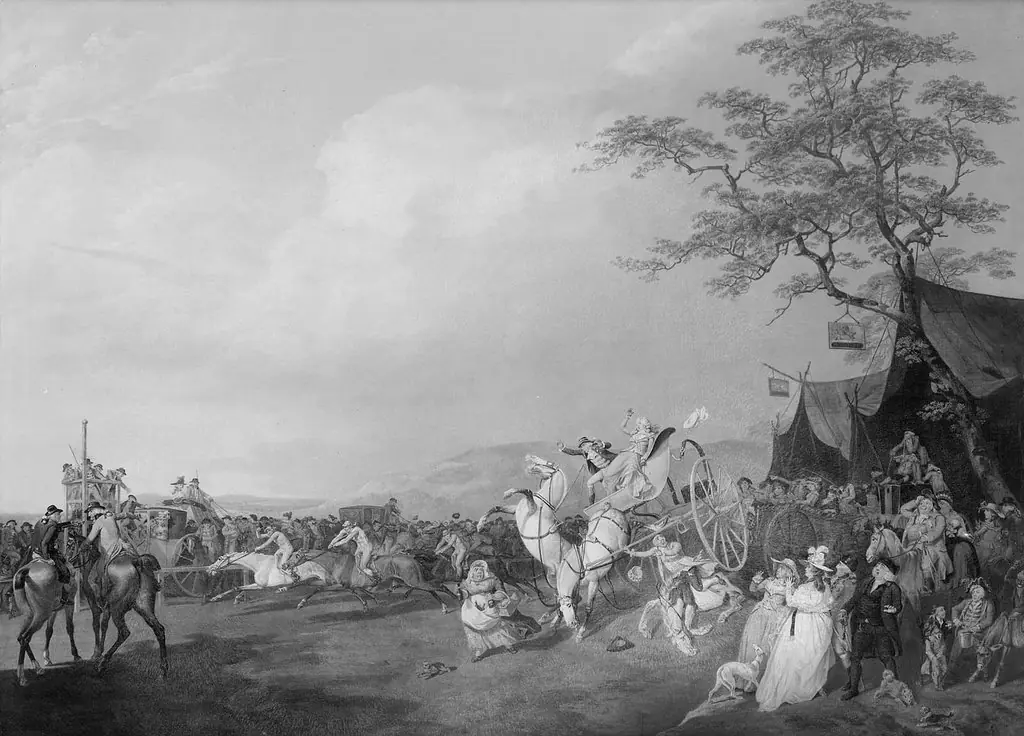
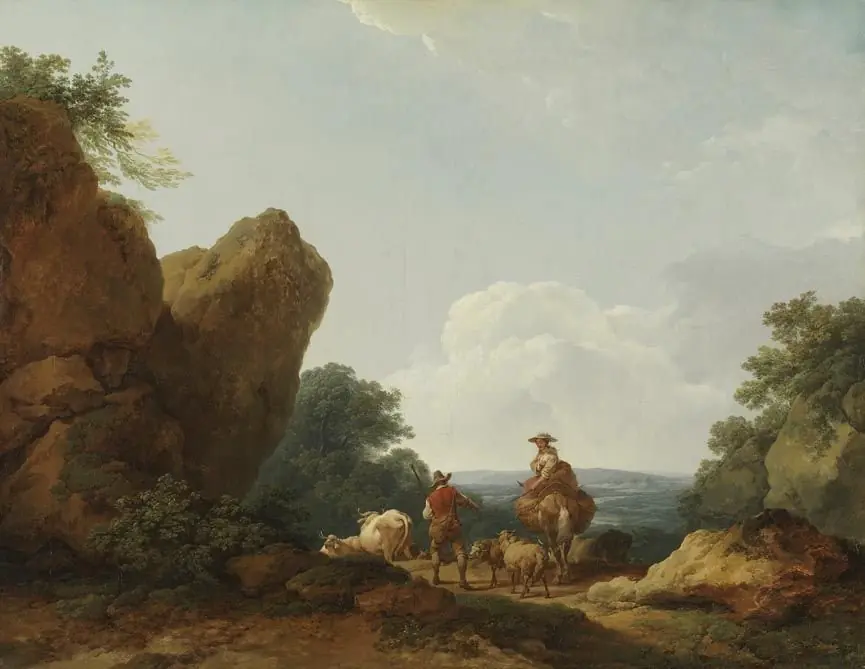
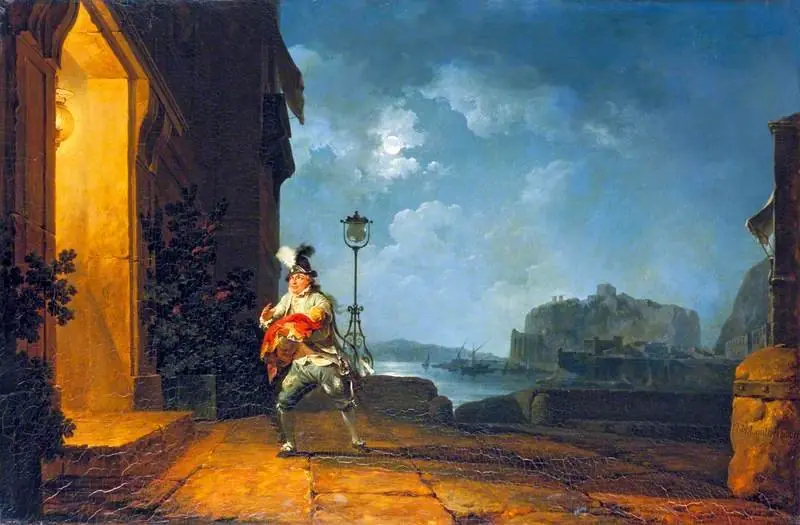
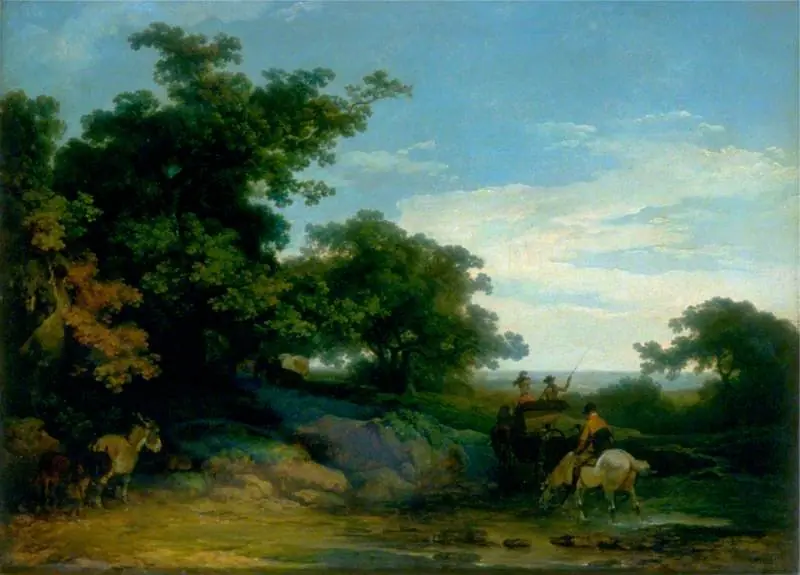
- Omai A Beach
 Omai Kensington Gardens
 Untitled
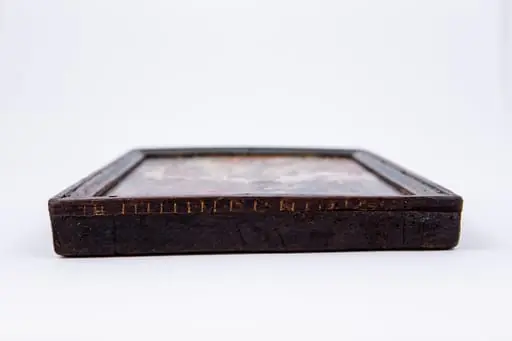 Icoana Schimbarea la Față reprezintă pentru teologia ortodoxă punctul-cheie în privința privirii și vederii Chipului Lui Dumnezeu. Compoziția iconografică Îl înfățișează pe Hristos stând nemișcat, învăluit în Slava și Pacea, izvorâte din El Însuși. Iisus Hristos este străjuit de Sfântul Mare Proroc Ilie Tesviteanul în stânga și de Profetul Moise, în dreapta. Mântuitorul Iisus Hristos între cei doi Moise și Ilie formează un cerc perfect, ce se află sub vălul de lumină necreată, Lumina Sfântului Duh. În registrul inferior, în contrast cu nemișcarea registrului superior, se remarcă dinamismul celor trei martori ai Schimbării la Față a Mântuitorului Iisus Hristos: Petru, Iacob și Ioan. Veșmintele sunt realizate în combinație de gri cu roșu, gri cu albastru, gri cu galben-ocru. Mandorlele de nouri albi rotunzi, pufoși despart și unesc registrele. Mântuitorul Iisus Hristos este deasupra vârfului Muntelui Tabor al Galileii. Cromatica este picturală și armonioasă: alb, galben, auriu, ocru, albastru bleu-ciel, brun, cafeniu, negru. Icoana este semnată - semnătură indescifrabilă și datată 20 oct 1831. Inscripția din româno-chirilică se traduce: Schimbarea la Față.
 Untitled
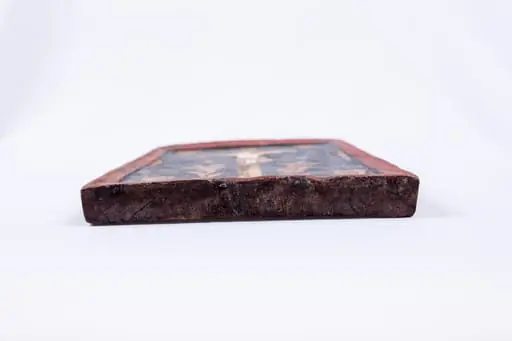 Mântuitorul Iisus Hristos, fiind răstignit pe Cruce, are în dreapta și în stânga două lujere înalte, elemente fitomorfice, înlocuind pe ucenicul cel iubit, care a stat lipit de pieptul Învățătorului, la Cina cea de Taină, mai precis, pe Sfântul Apostol și Evanghelist Ioan Teologul, Evanghelistul Iubirii și pe Maica Domnului Îndurerată, Jalnică și Plângătoare. În registrul superior, îndepărtat sunt simbolurile astrale: soarele, deasupra lujerului și florii Maicii Domnului, lujerului și florii Sfântului Ioan. Fondul icoanei este negru. Cromatica este armonioasă, dar foarte săracă: roșu vermillon, ocru, crem, bej, alb, negru. Inscripția din româno-chirilică se traduce IC XC Iisus Hristos.
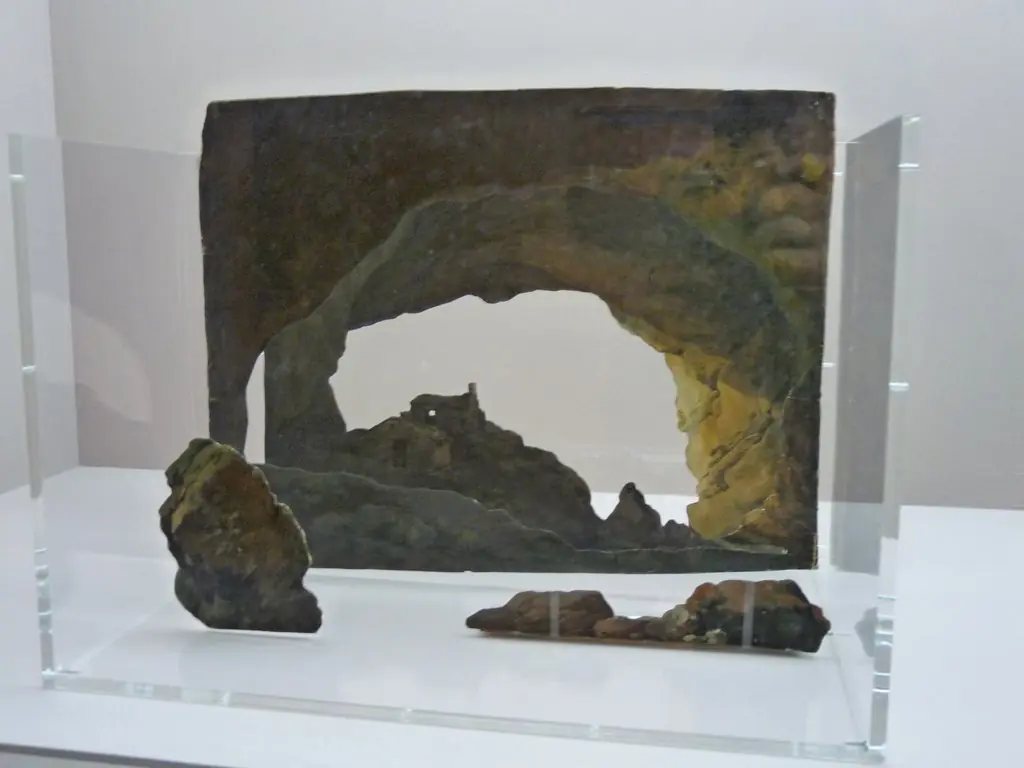 A peek into Peak Cavern
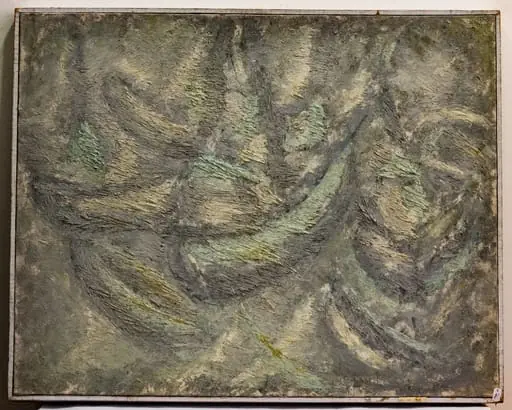 Compoziție
 Portret de femeie
 Peisaj
 Vestitorii primăverii
 Popina