Artwork
The Stag Hunt (1659)
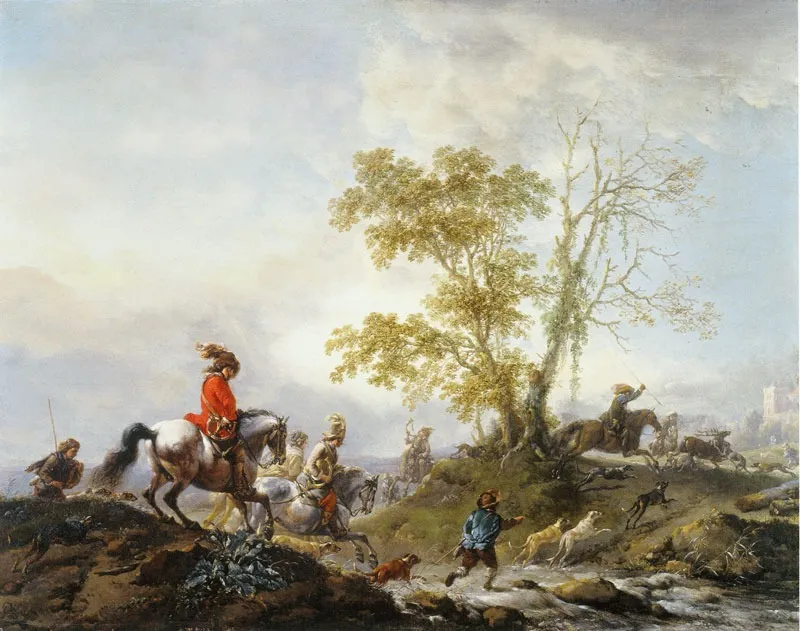
The Stag Hunt (1659) is an oil painting by the Dutch Golden Age artist Philips Wouwerman. It dates from 1659 and is held in the collection of the Museum of Fine Arts Boston.
About this work
Subject & Meaning
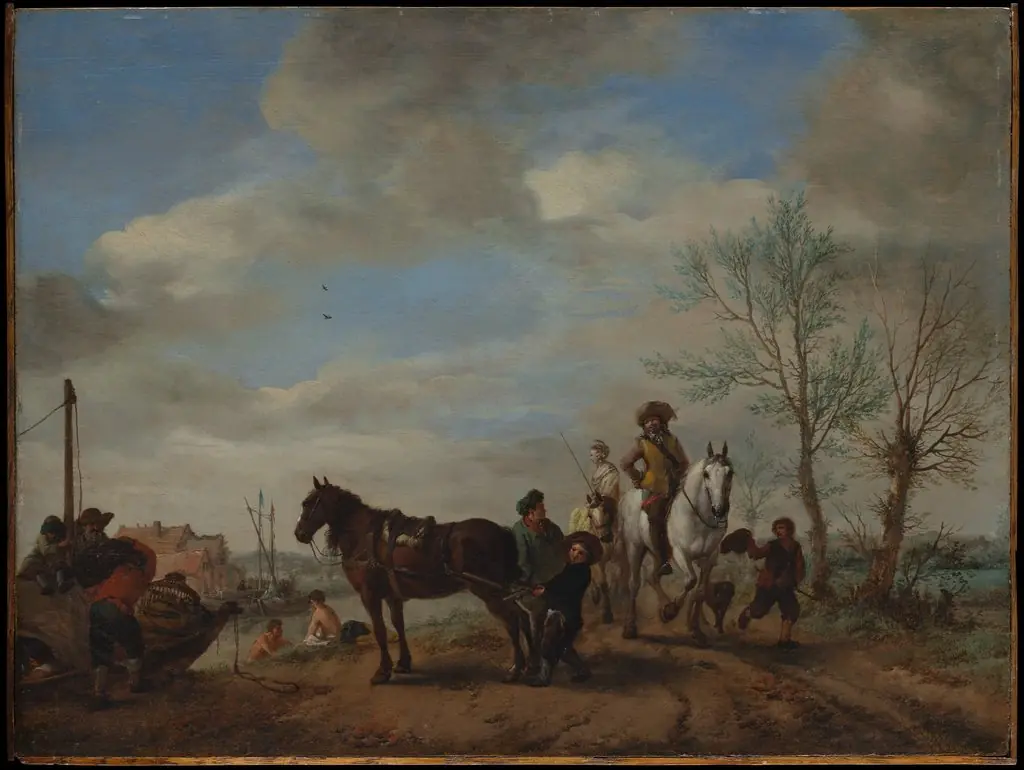
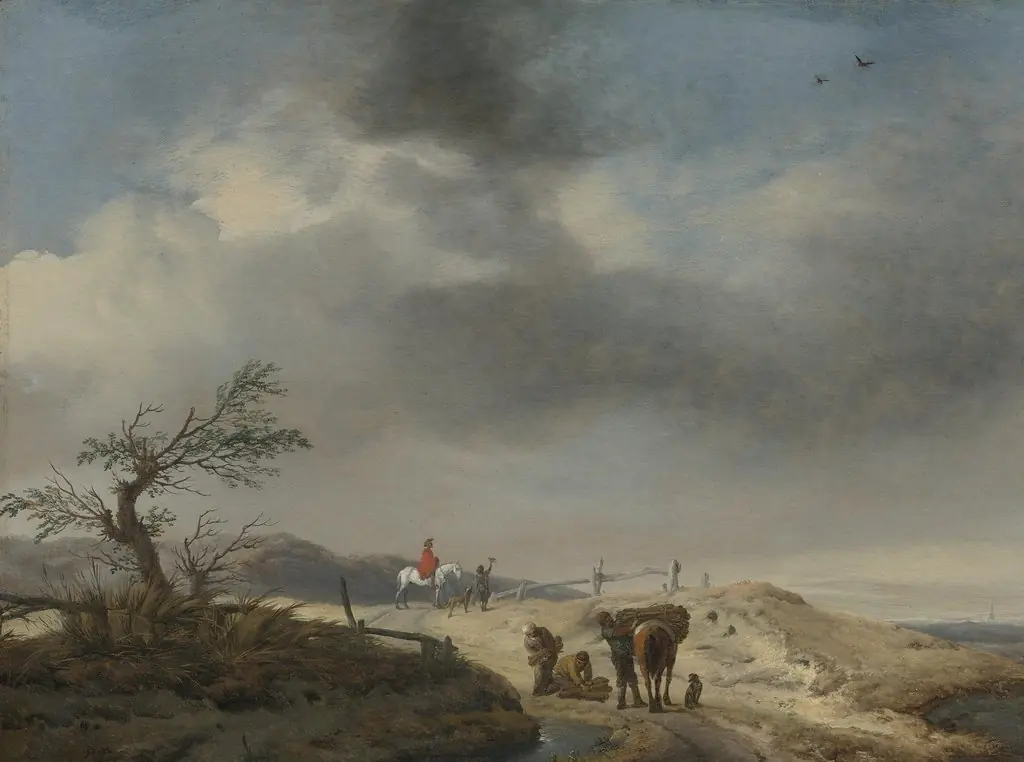
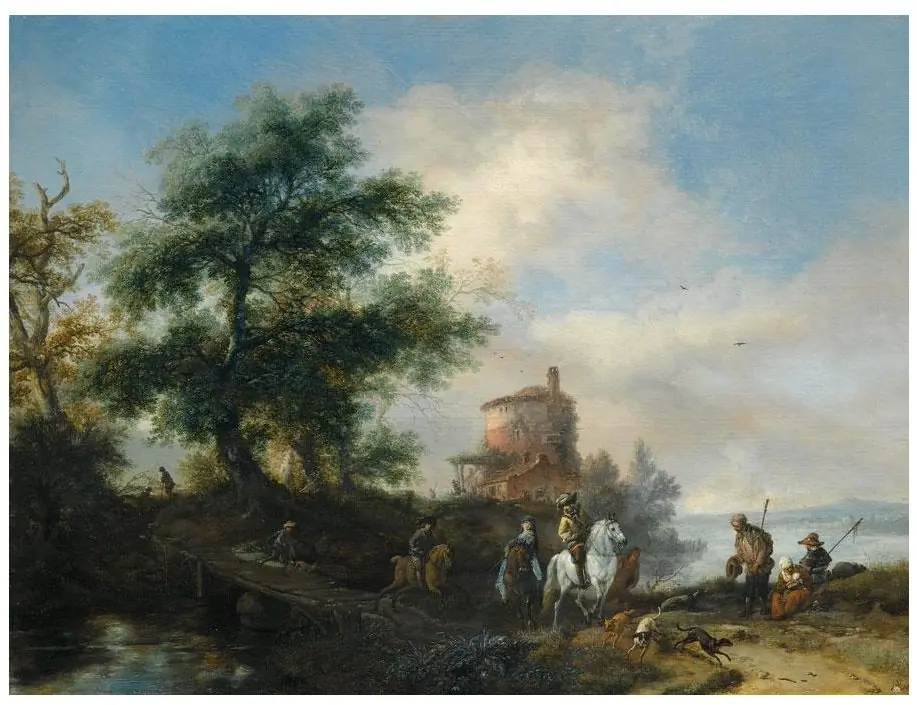
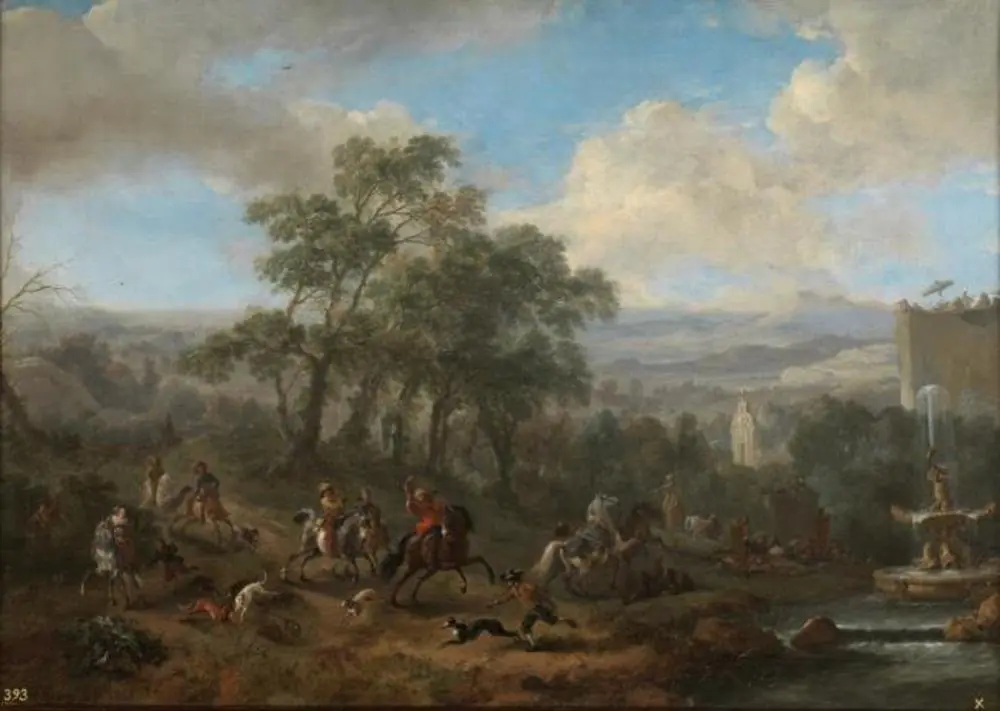
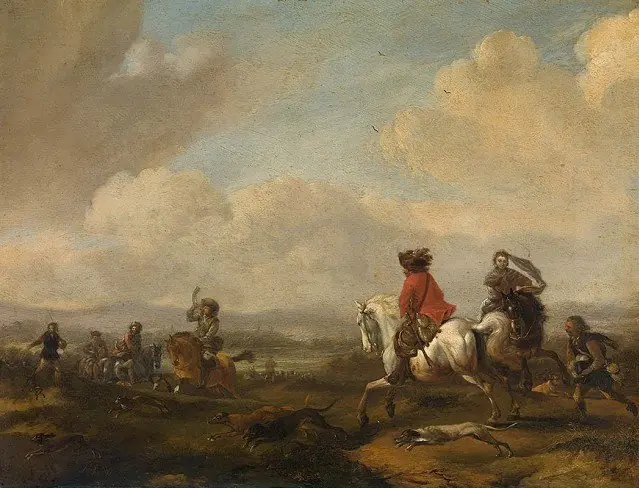
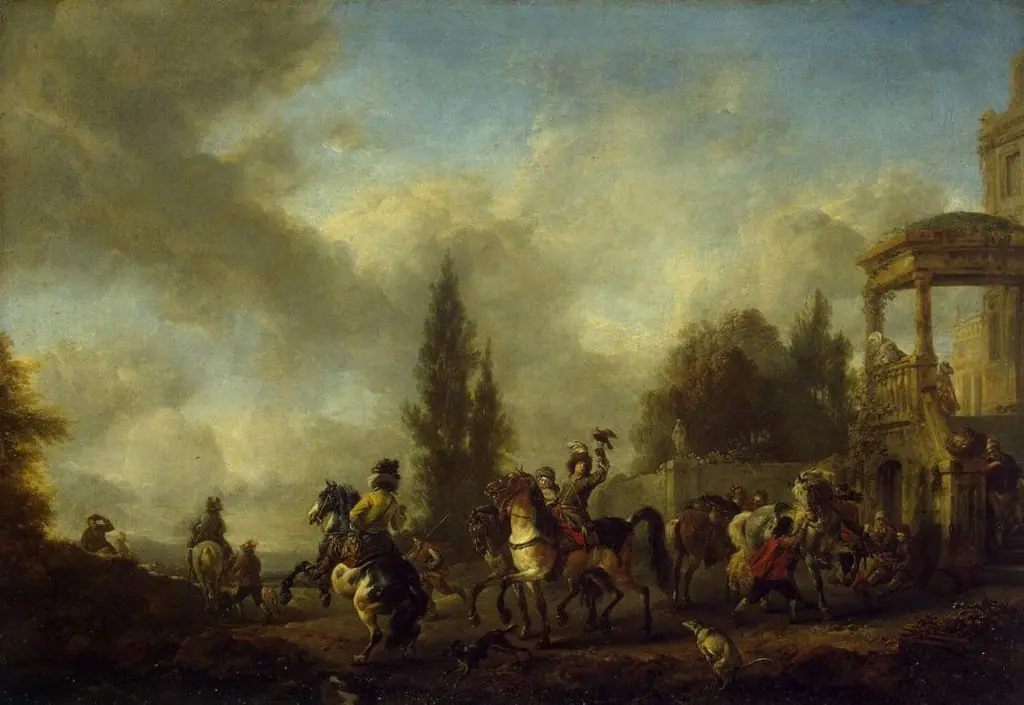
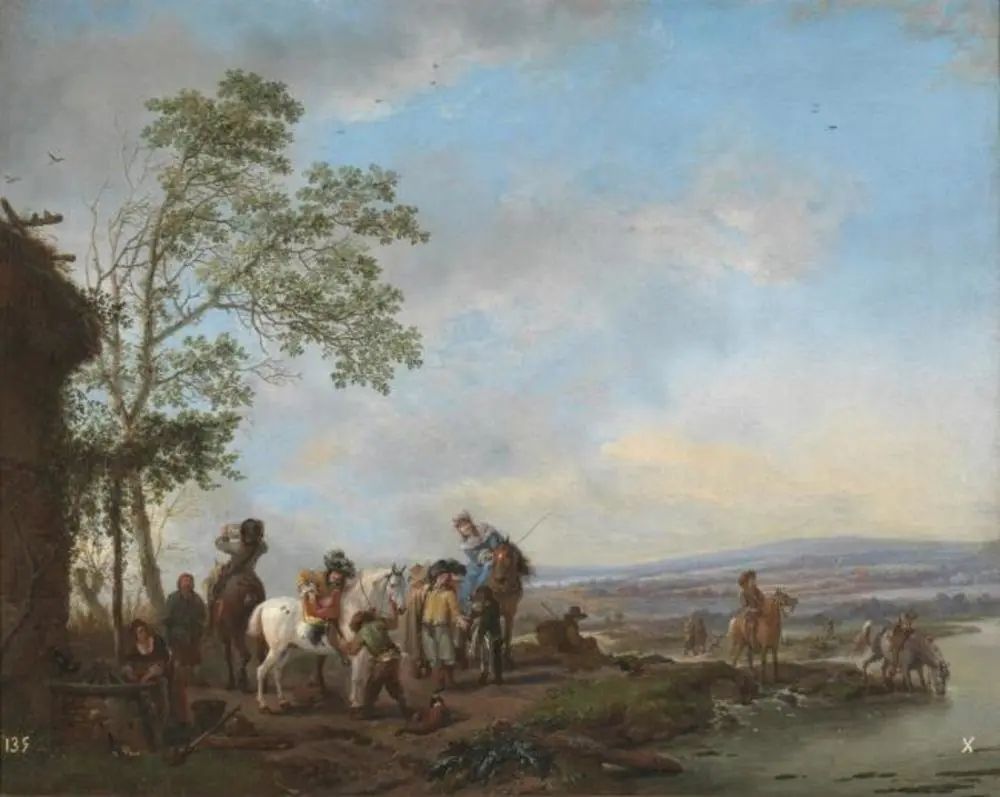
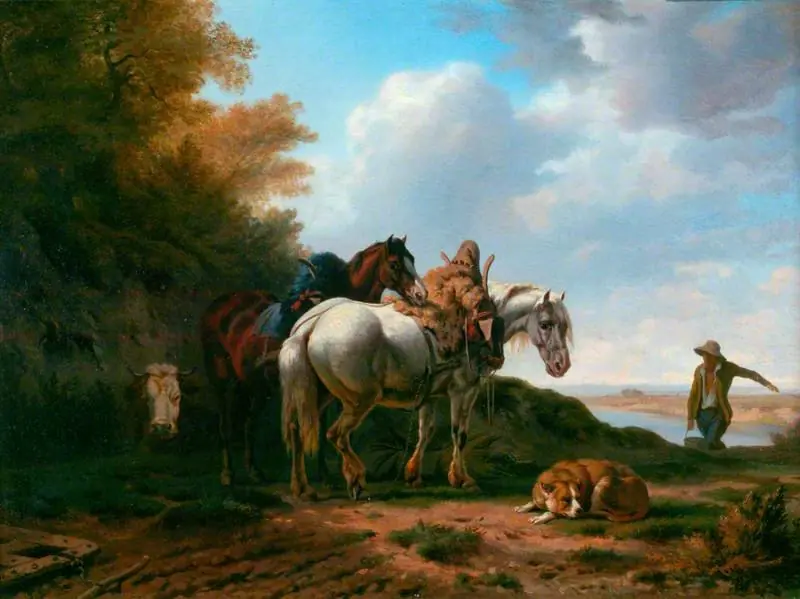
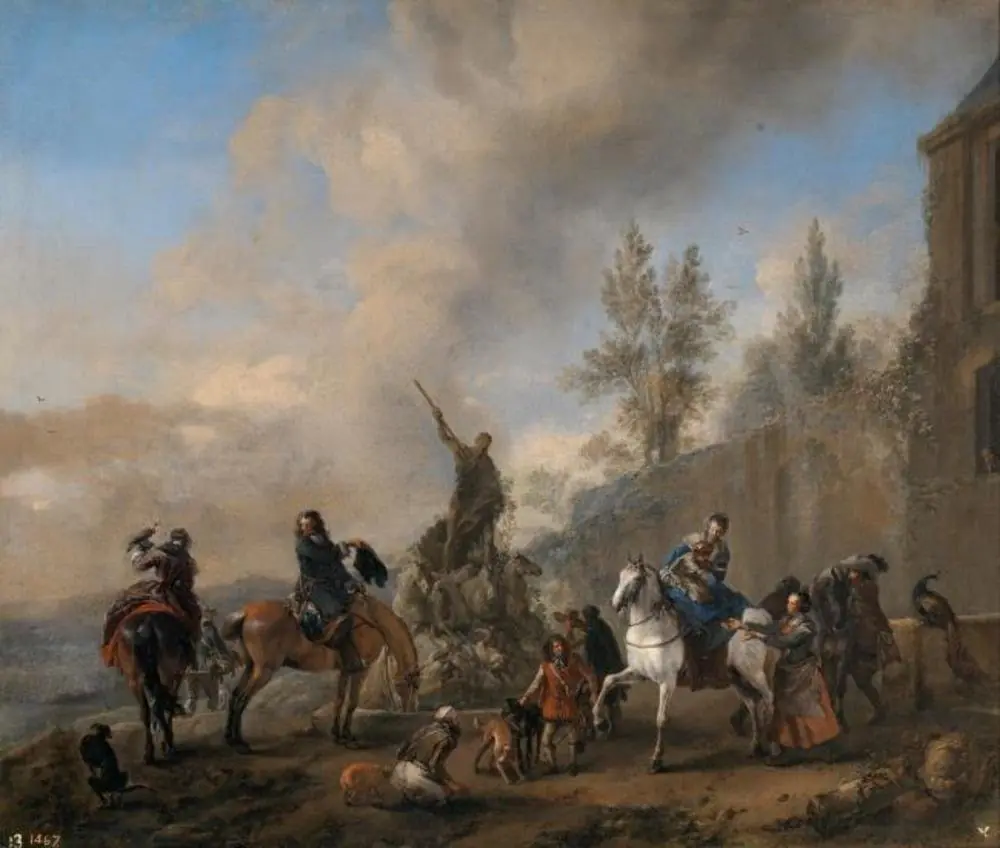
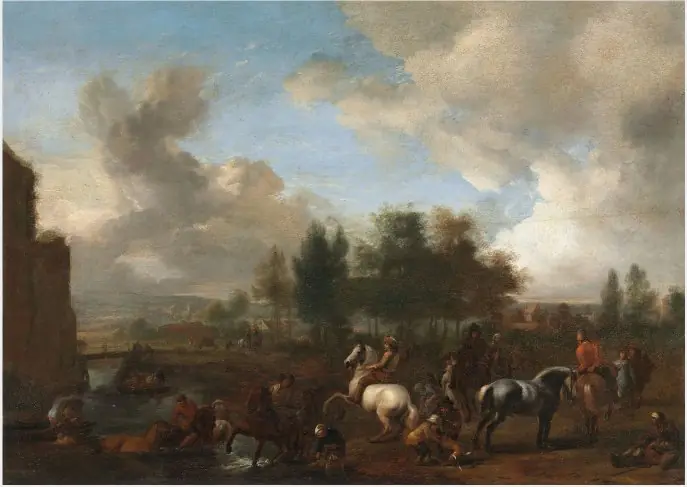
The painting portrays a hunting scene with a rider on horseback accompanied by a dog, reflecting the popular genre of Dutch field sports in the mid-17th century. The dynamic composition and depiction of a stag hunt symbolize aristocratic pastimes and the pursuit of honor, aligning with the cultural values of the Dutch elite. The work has been associated with the Schönborn family collections and is held in institutions such as the Museum of Fine Arts Boston and Yale University Art Gallery, underscoring its historical provenance and significance.
Technique & Style
The surface retains its original handling, showing minimal abrasion and stable varnish layers, which contribute to an overall good condition.
The Stag Hunt (1659) is an oil painting on canvas executed in Haarlem. Its composition centers on a hunter and horse in dynamic motion, reflecting the baroque emphasis on movement and chiaroscuro. The work belongs to the landscape and genre painting traditions, combining realistic detail with a lyrical treatment of the countryside.
The surface retains its original handling, showing minimal abrasion and stable varnish layers, which contribute to an overall good condition. Formal qualities include a restrained palette, balanced spatial depth, and a meticulous rendering of animal anatomy that underscores the artist’s skill in depicting motion and texture.
History & Provenance
Philips Wouwerman painted The Stag Hunt in 1659 in Haarlem. The work depicts a hunting scene with men and horses.
The painting's ownership traces through several generations of the Schönborn family. It was held by Lothair Francis of Schönborn, followed by Frederick Charles of Schönborn, then Arthur Graf von Schönborn, Hugo Damian Erwein von Schönborn-Wiesentheid, Franz Erwein von Schonborn-Wiesentheid, and Clemens von Schönborn-Wiesentheid.
The painting is now divided among three institutions: the Yale University Art Gallery, the Museum of Fine Arts Boston (specifically the Rose-Marie and Eijk van Otterloo Collection), and Schloss Weißenstein.
The painting is jointly held by the Yale University Art Gallery and the Museum of Fine Arts, Boston, as part of the Rose-Marie and Eijk van Otterloo Collection.
It was previously in the collection of the Schönborn family before passing through successive aristocratic owners, including Lothair Francis of Schönborn and Arthur Graf von Schönborn. The work was later owned by Hugo Damian Erwein von Schönborn-Wiesentheid and Franz Erwein von Schönborn-Wiesentheid before entering the holdings of Clemens von Schönborn-Wiesentheid.
Overview
Created in 1659, this oil on canvas by Philips Wouwerman depicts a hunting expedition set within a rugged, wooded landscape. The composition centers on a group of mounted riders pursuing a stag, accompanied by footmen and hunting dogs. The sky is clear with gentle clouds, and the terrain rises into rolling hills dotted with trees and rock formations, conveying a sense of open countryside.
Artist & collection
Artist
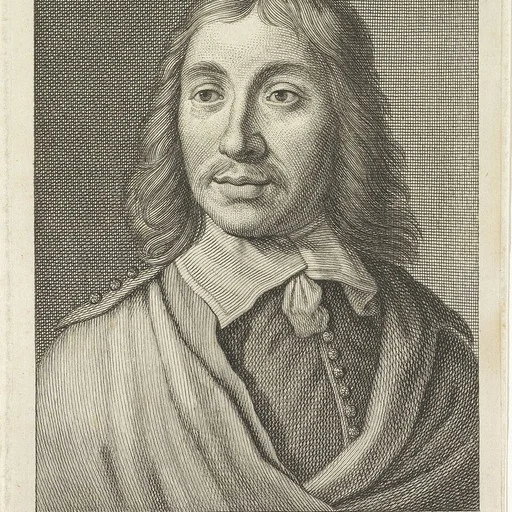
Philips Wouwerman (also Wouwermans) (24 May 1619 (baptized) – 19 May 1668) was a Dutch painter of hunting, landscape and battle scenes. He became prolific during the Dutch Golden Age and joined the Haarlem Guild of St. Luke.