Artwork
Jean-Etienne-Marie, Count Portalis, Minister of Worship (1749-1807)
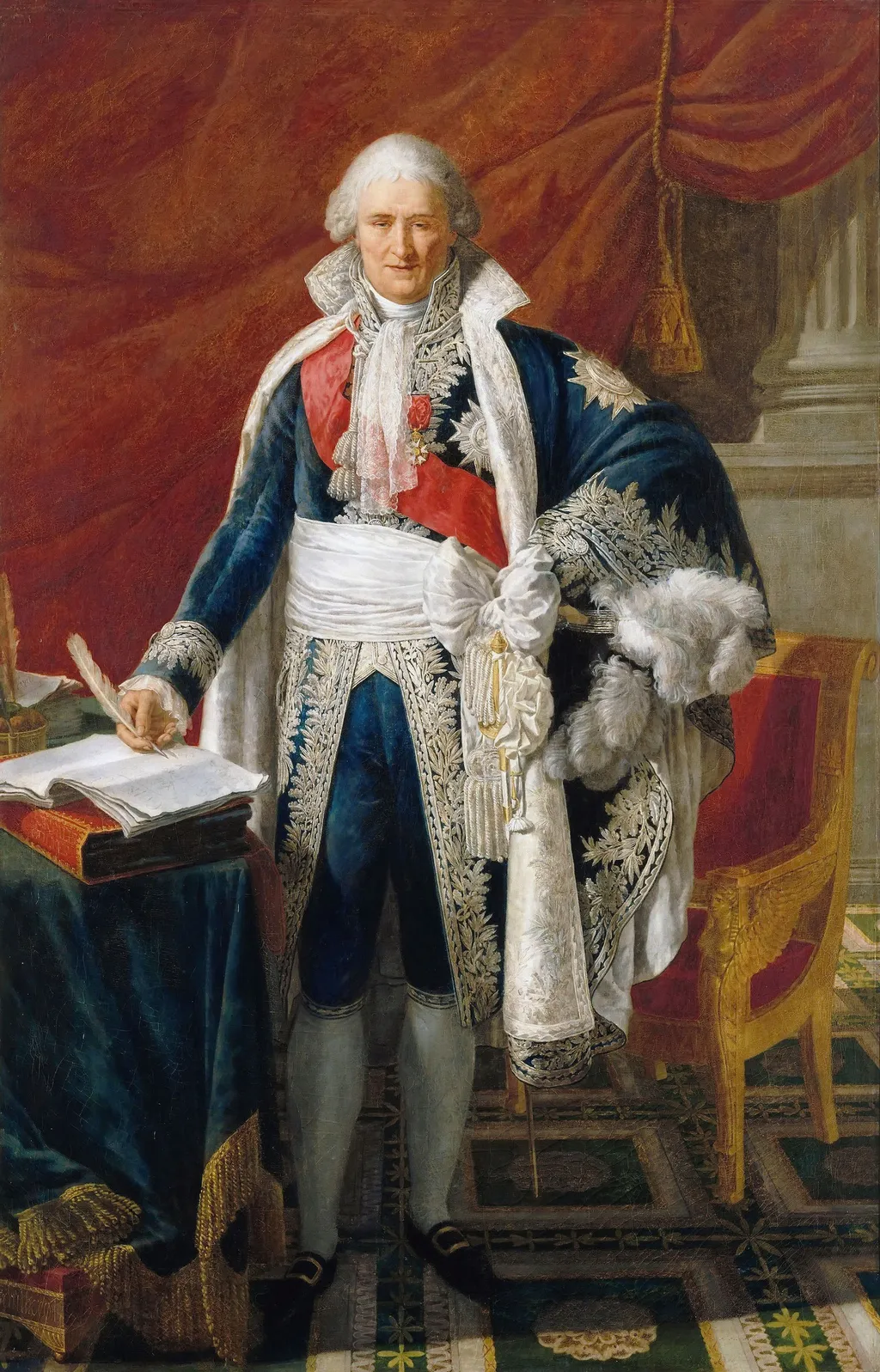
Jean-Etienne-Marie, Count Portalis, Minister of Worship (1749-1807) is an oil painting by the Biedermeier artist Pierre-Claude Gautherot. It dates from 1806 and is held in the collection of the Palace of Versailles.
About this work
Overview
Jean-Etienne-Marie, Count Portalis, Minister of Worship (1749-1807) is a full-length portrait painted in 1806 by the French artist Pierre-Claude Gautherot.
Jean-Etienne-Marie, Count Portalis, Minister of Worship (1749-1807) is a full-length portrait painted in 1806 by the French artist Pierre-Claude Gautherot. Executed in oil on canvas, the artwork measures 216 by 139 centimeters. It resides in the Museum of the History of France at the Palace of Versailles, bearing the inventory numbers MV 4729, INV 4706, and AC 1730. The painting commemorates a central architect of the Napoleonic Code and the Concordat, capturing the statesman at the height of his imperial influence shortly before his death.
Subject & Meaning
The portrait depicts Jean-Etienne-Marie Portalis standing centrally, his body turned slightly to the left. He is dressed in an elaborate dark blue coat with extensive gold and silver embroidery, a red sash across his chest, a white sash around his waist, and a white lace cravat, signifying his high office and the Grand Eagle of the Legion of Honour. His left hand tucks into a white fur-trimmed cape draped over his arm, while his right hand holds a quill pen over an open book on a draped table covered in dark blue-green cloth with gold fringe. Additional papers and a small container rest on the table. The quill, book, and papers serve as iconographic references to his role as the primary drafter of the Civil Code and the Preliminary Discourse presented to the Tribunate. Behind him, deep red drapery with gold tassels and a fluted stone column establish the formal setting of state power, while a gilded chair with red upholstery and a geometric patterned carpet in green, gold, and cream complete the scene.
History & Provenance
Created in 1806, the painting was produced during the final year of Portalis's life, while he served as Minister of Religious Affairs. The work is held by the Museum of the History of France at the Palace of Versailles, operating under the Réunion des musées nationaux. Its institutional provenance is tracked through the inventory numbers MV 4729, INV 4706, and AC 1730. Specific details regarding its original commission or its exhibition history prior to entering the Versailles collection are not documented in the available records.
Context
Pierre-Claude Gautherot, born in Paris in 1769 and active until his death in 1825, painted this portrait during the First French Empire. The work fits within a broader tradition of official portraiture designed to legitimize and celebrate the Napoleonic state apparatus. Portalis was a crucial figure in this regime, appointed by Bonaparte to the commission drafting the Civil Code in 1800 alongside Francois Denis Tronchet, Felix-Julien-Jean Bigot de Preameneu, and Jacques de Maleville. Portalis drafted the Preliminary Discourse and key articles on marriage and inheritance. He also negotiated the Concordat of 1801 with the papacy. Elevated to Minister of Cults in 1804, Portalis became nearly blind before his death in 1807, following an unsuccessful cataract operation. Napoleon granted him a state funeral and interred his remains in the Pantheon.
Legacy
The portrait preserves the visual memory of a jurist whose legislative work extended far beyond the borders of the First Empire. The Civil Code, promulgated in 1804 and renamed the Napoleonic Code in 1807, became the foundational legal framework for much of Europe, South America, and parts of the Middle East and Asia. Portalis is commemorated physically in France through a statue outside the Aix-en-Provence courthouse, a marble representation by Joseph Osbach in the Court of Cassation, a bust in the Council of State, and streets named after him in Paris and Aix. In 1973, the French Postal Service further cemented his historical recognition by issuing a stamp featuring his image alongside Napoleon Bonaparte.
Own this work as a print
Artist & collection
Artist
Pierre-Claude Gautherot (1769–1825), usually referred to as either Claude Gautherot or Pierre Gautherot, was a French artist.

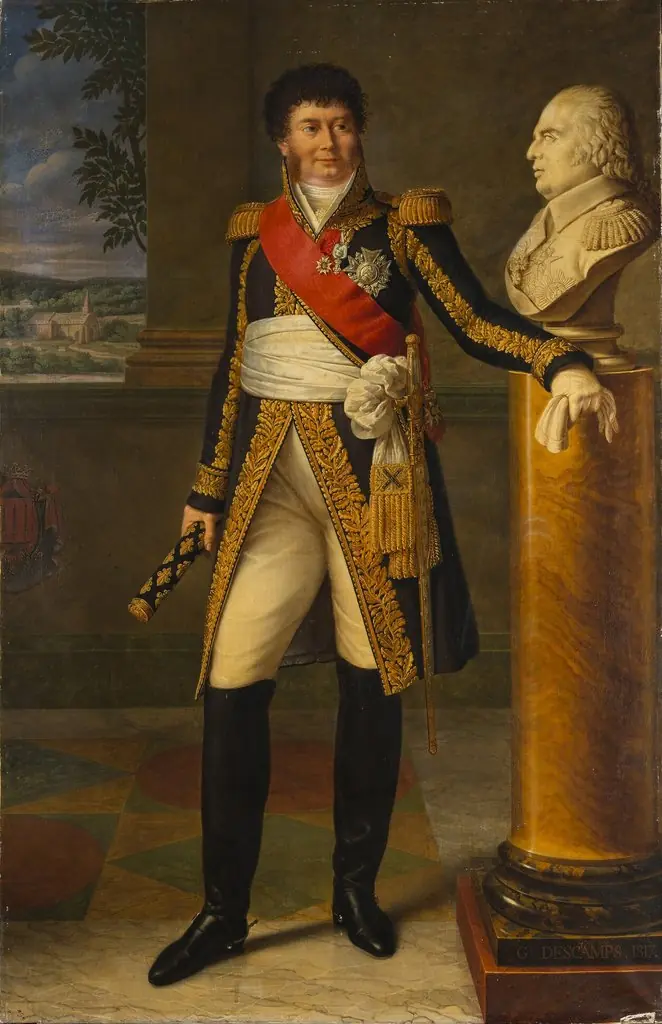 Henri-Jacques-Guillaume Clarke, Count of Hunebourg, Duke of Feltre, Marshal of France (1765-1818)
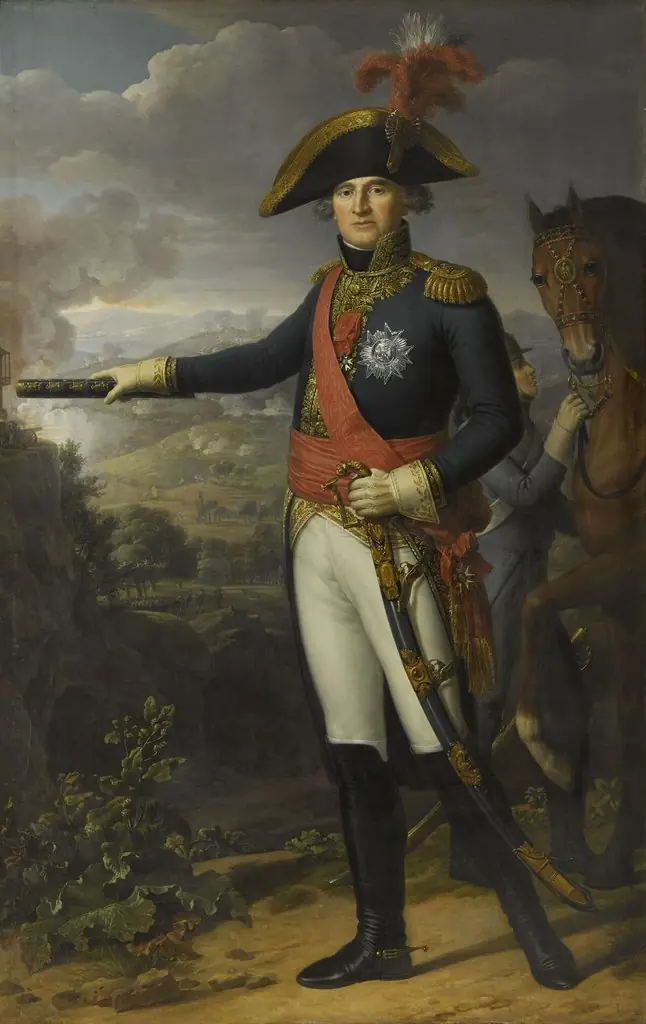 Jean Mathieu Philibert Serurier (1742-1819)
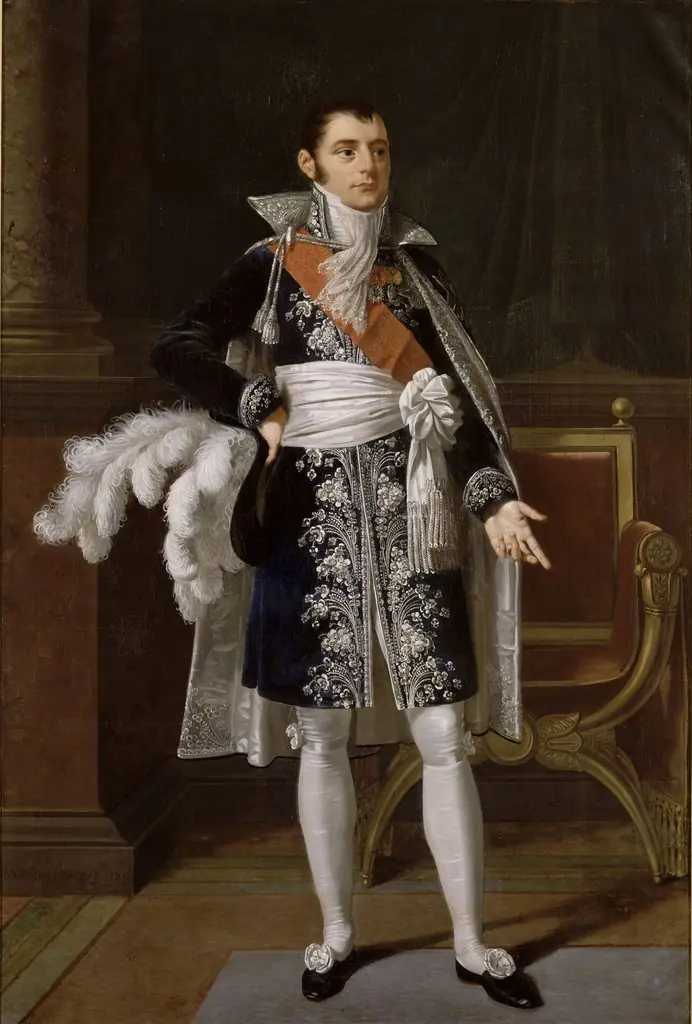 Portrait of Anne-Jean-Marie-René Savary, Duke of Rovigo (1774-1833)
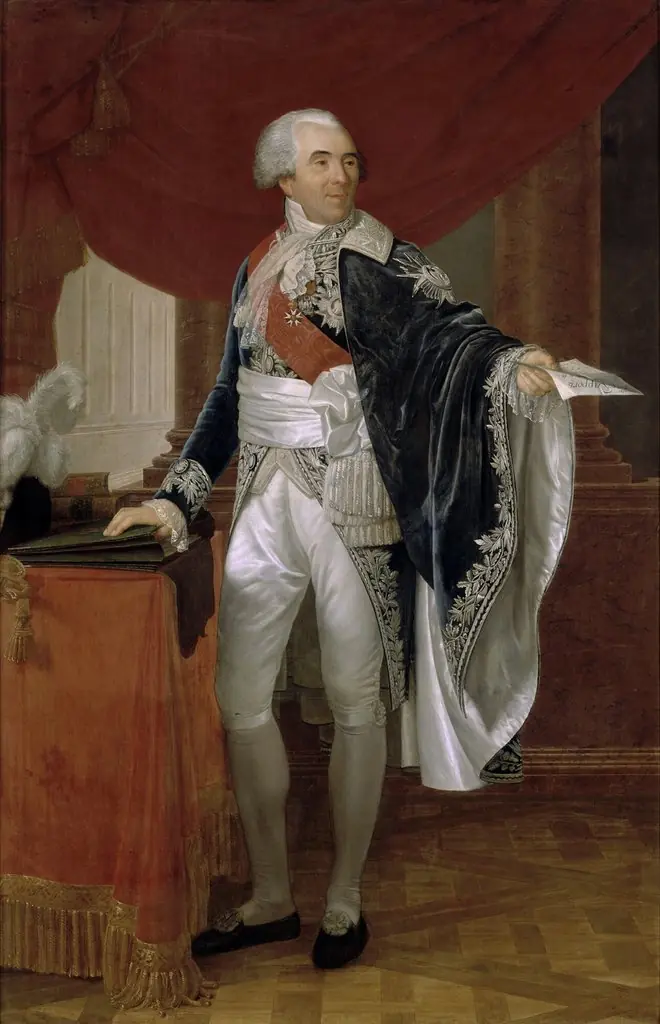 Jean-Gérard Lacués, count of Cessac (1752-1841)
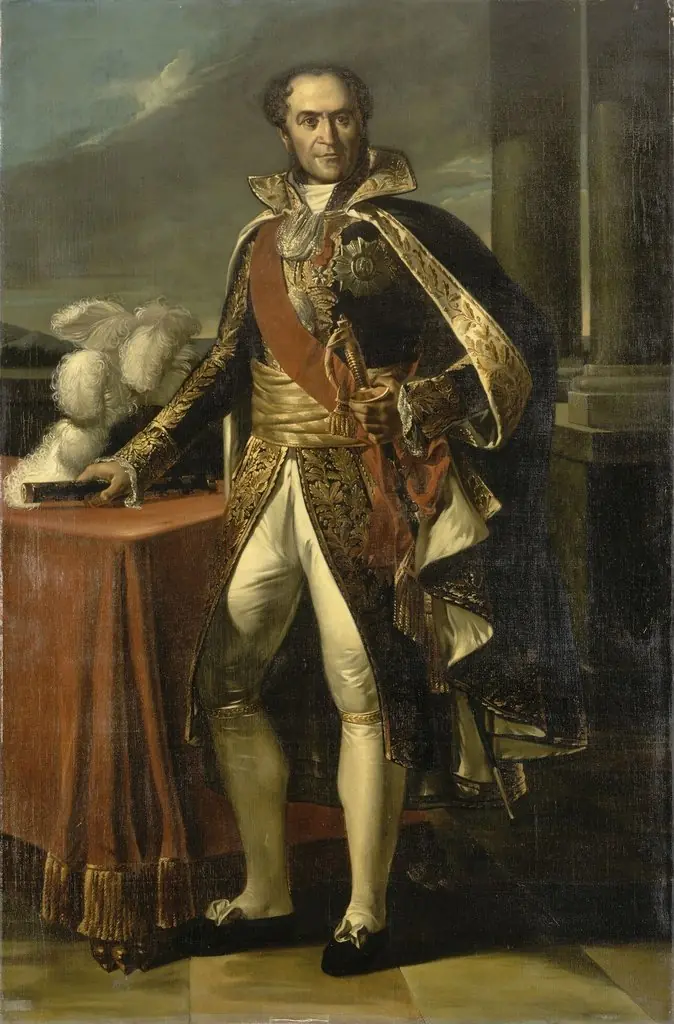 Guillaume-Marie-Anne, maréchal Brune
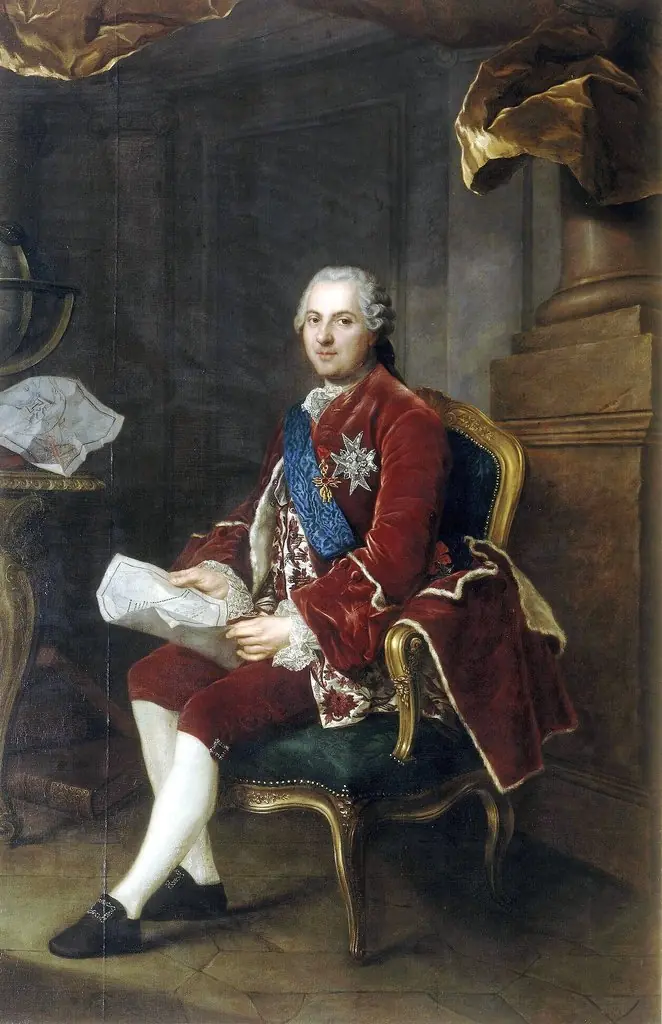 Louis, Dauphin of France
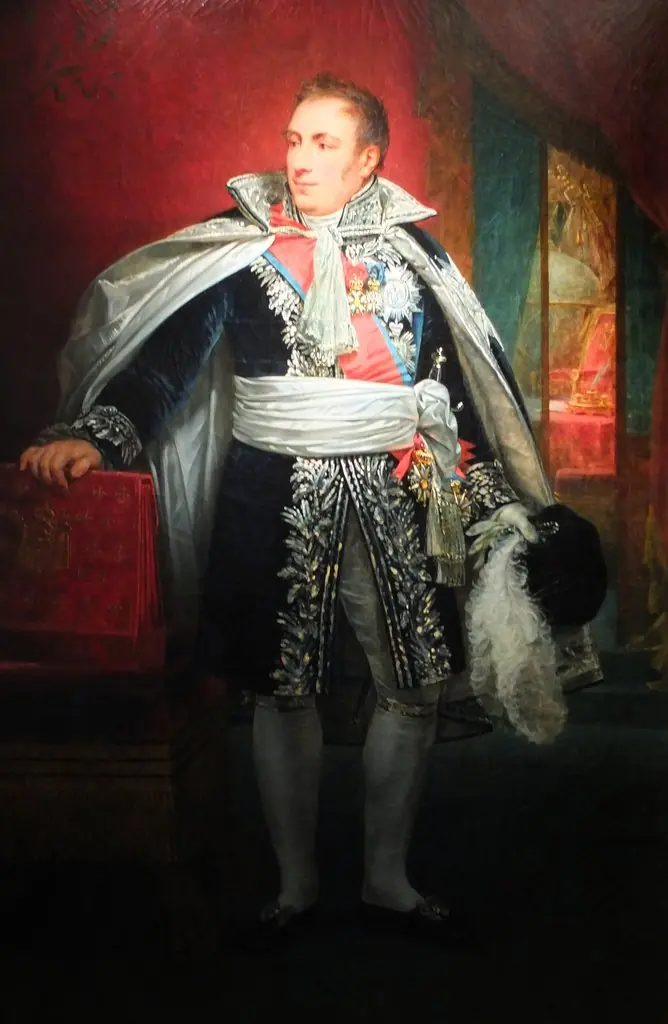 Pierre-Antoine-Noël-Bruno, count Daru (1767-1829)
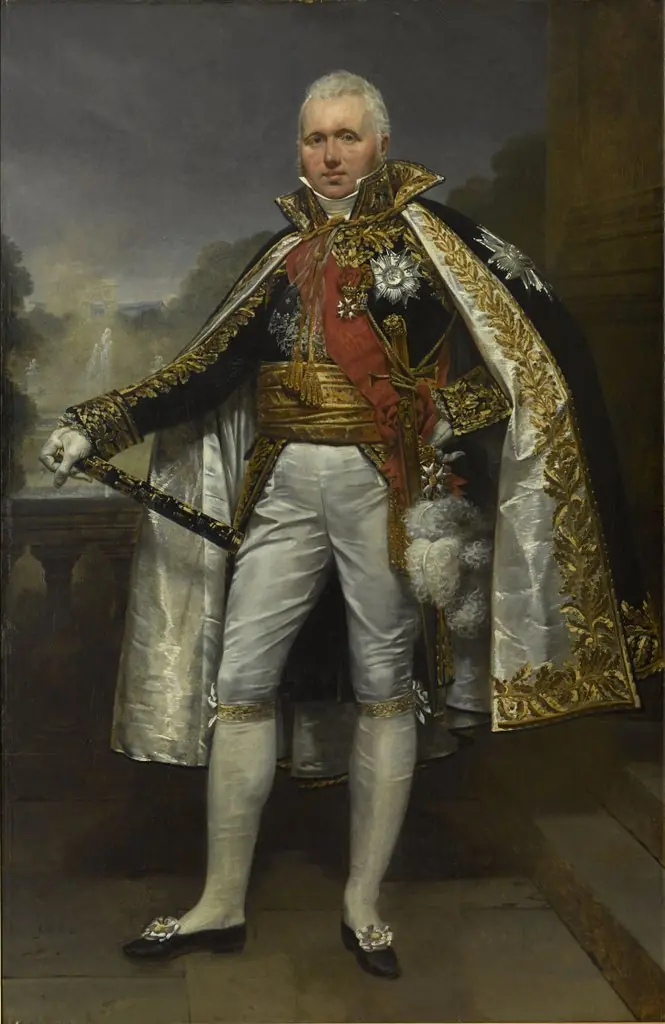 Claude-Victor Perrin, Duke of Bellune, Marshal of France
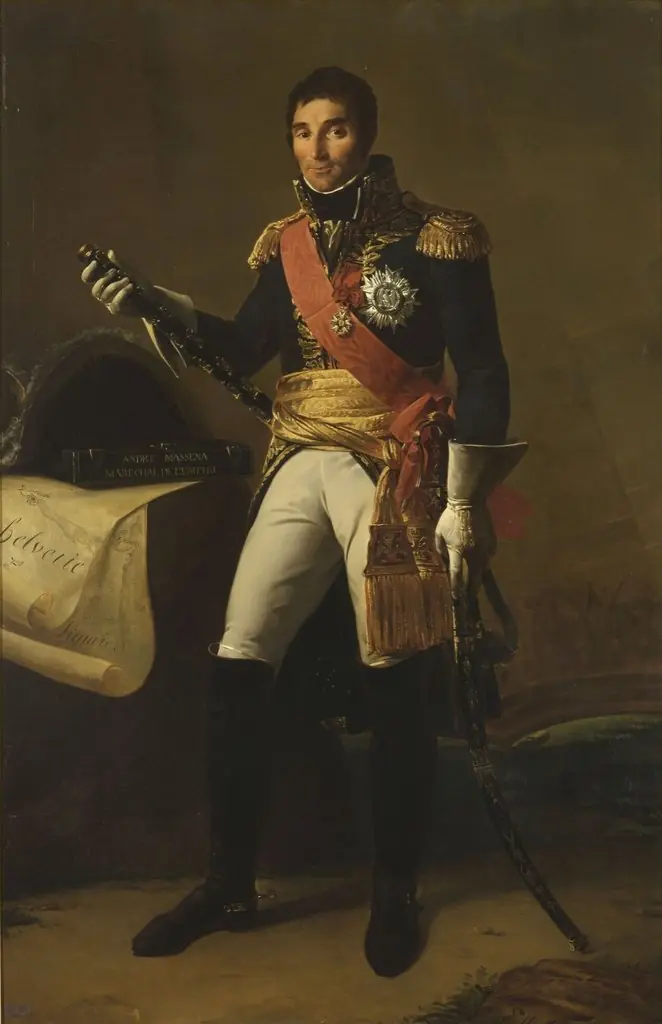 Le maréchal André Masséna (1758-1817), duc de Rivoli et prince d'Essling.