Artwork
Kitchen Scene
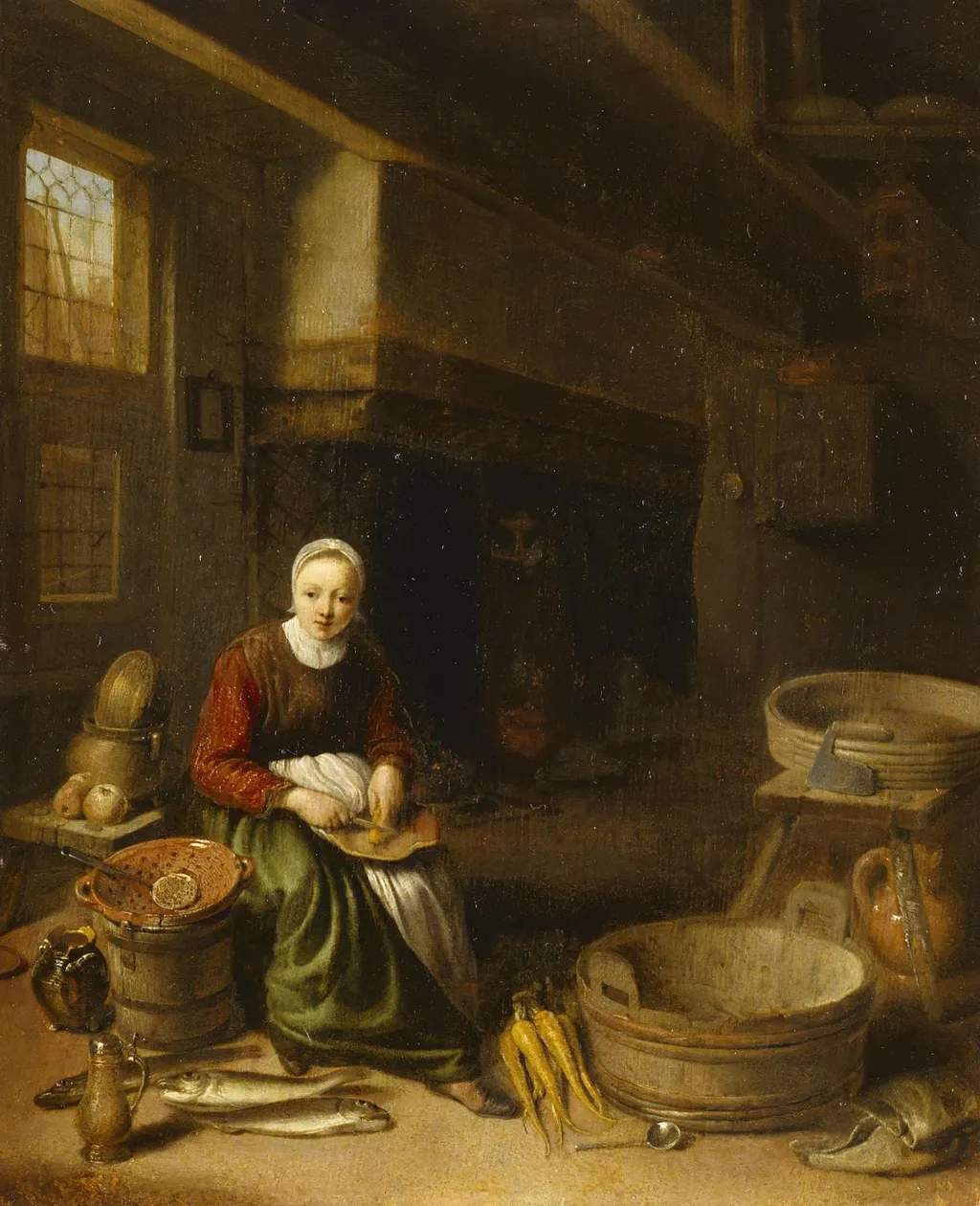
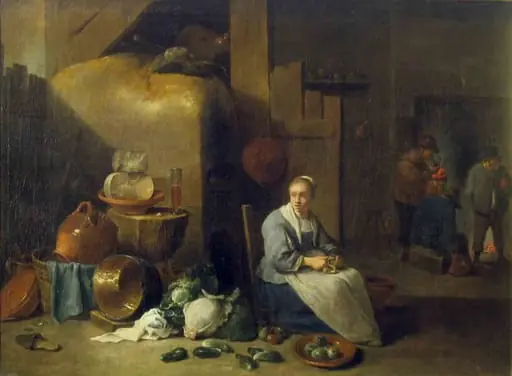
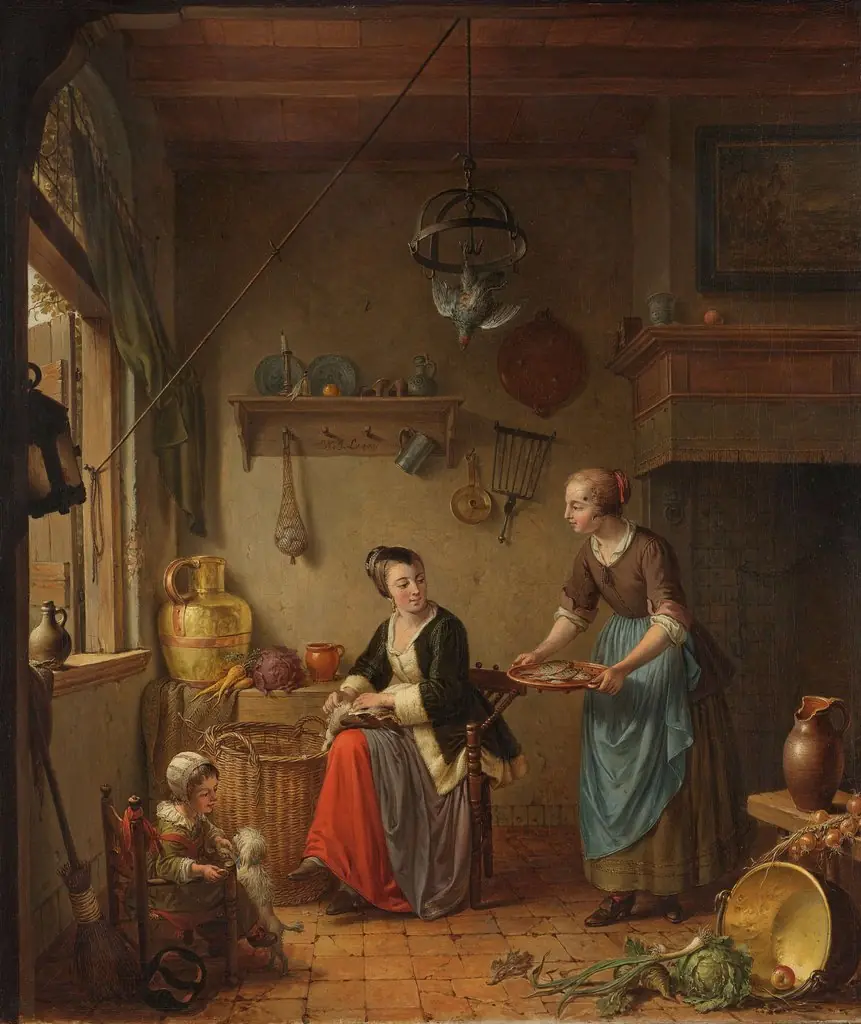
Kitchen Scene is an oil painting by the Dutch Golden Age artist Pieter Cornelisz. van Slingelandt. It dates from 1648 and is held in the collection of the Hermitage Museum. Pieter Cornelisz.
About this work
Subject & Meaning
A carrot rests on the table beside a fish, and a lit fireplace provides warm illumination, emphasizing the everyday activity of cooking.
The painting shows a domestic interior in which a woman stands at a hearth preparing a modest meal. A carrot rests on the table beside a fish, and a lit fireplace provides warm illumination, emphasizing the everyday activity of cooking. The composition functions as a genre scene that records the routine responsibilities of a household manager, while the carefully arranged food items and domestic details serve as visual symbols of nourishment and domestic order.
Executed in oil on panel in 1648, the work exemplifies Dutch middle‑class domestic life and was later owned by Heinrich von Brühl before entering the Hermitage Museum collection.
Technique & Style
Kitchen Scene is executed in oil paint on panel, a support characteristic of Dutch cabinet paintings of the period. The composition is rendered on a small scale, measuring 25.5 cm in height by 20.5 cm in width, a format suited to close viewing and meticulous finish. The work belongs to the genre painting tradition, depicting a domestic interior with a woman engaged in cooking activities around a fireplace, alongside attributes such as carrots and fish as food.
The painting is dated 1648 and is held in the collection of the Hermitage Museum, having previously been owned by Heinrich von Brühl. Attribution is shared among Pieter Cornelisz. van Slingelandt, Pieter Jacobsz Duyfhuysen, and Egbert van der Poel, reflecting the collaborative and sometimes contested authorship of such finely detailed Dutch genre scenes.
History & Provenance
Kitchen Scene was painted by the Dutch artist Pieter Cornelisz. van Slingelandt in 1648, executed in oil on panel during a period when the Netherlands was a major center of genre painting. The work is held in the collection of the Hermitage Museum, where it is currently located. Prior to entering that collection, the painting was owned by Heinrich von Brühl, the eighteenth-century Saxon statesman and art collector whose holdings were later dispersed into imperial Russian collections.
The sources do not record details of a specific commission, the circumstances of the initial sale, or intermediate owners between the artist and von Brühl, leaving gaps in the early provenance chain.
The painting Kitchen Scene is held in the collection of the Hermitage Museum. Created in 1648 by Pieter Cornelisz. van Slingelandt, the work was previously owned by Heinrich von Brühl. The provided sources confirm its location at the Hermitage but do not list a specific inventory number or detail any public exhibition history for the piece.
Overview
Pieter Cornelisz. van Slingelandt's Kitchen Scene, an oil painting from 1648, offers a glimpse into 17th-century Dutch domestic life. The work portrays a woman engrossed in food preparation within a simple kitchen interior. As a notable member of the Leiden fijnschilders, van Slingelandt rendered the scene with the characteristic fine detail and careful observation of everyday activities that defined his artistic group during the Dutch Golden Age.
Context
Pieter Cornelisz. van Slingelandt received his artistic training from Gerard Dou, a prominent figure in the Leiden school of painting. This tutelage significantly influenced van Slingelandt's development as a fijnschilder, a term referring to artists known for their exceptionally fine brushwork and detailed depictions. The Leiden fijnschilders specialized in small-scale, highly finished works that often depicted domestic scenes, portraits, or still lifes, appealing to the refined tastes of their patrons.
Own this work as a print
Artist & collection
Artist
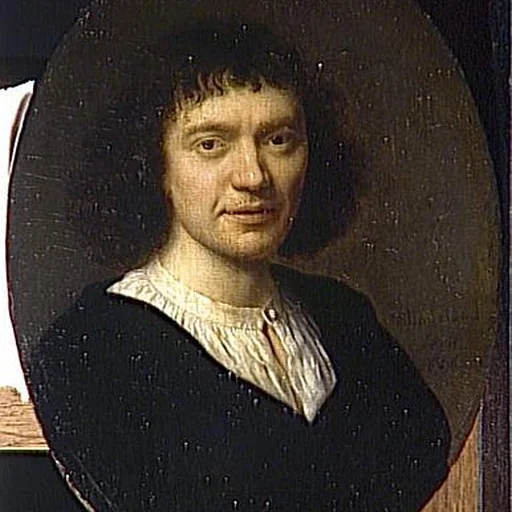
Pieter Cornelisz. van Slingelandt
Pieter Cornelisz van Slingelandt (20 October 1640 – 7 November 1691) was a Dutch Golden Age portrait painter who had been a pupil of Gerard Dou and is known as one of Leiden's fijnschilders.

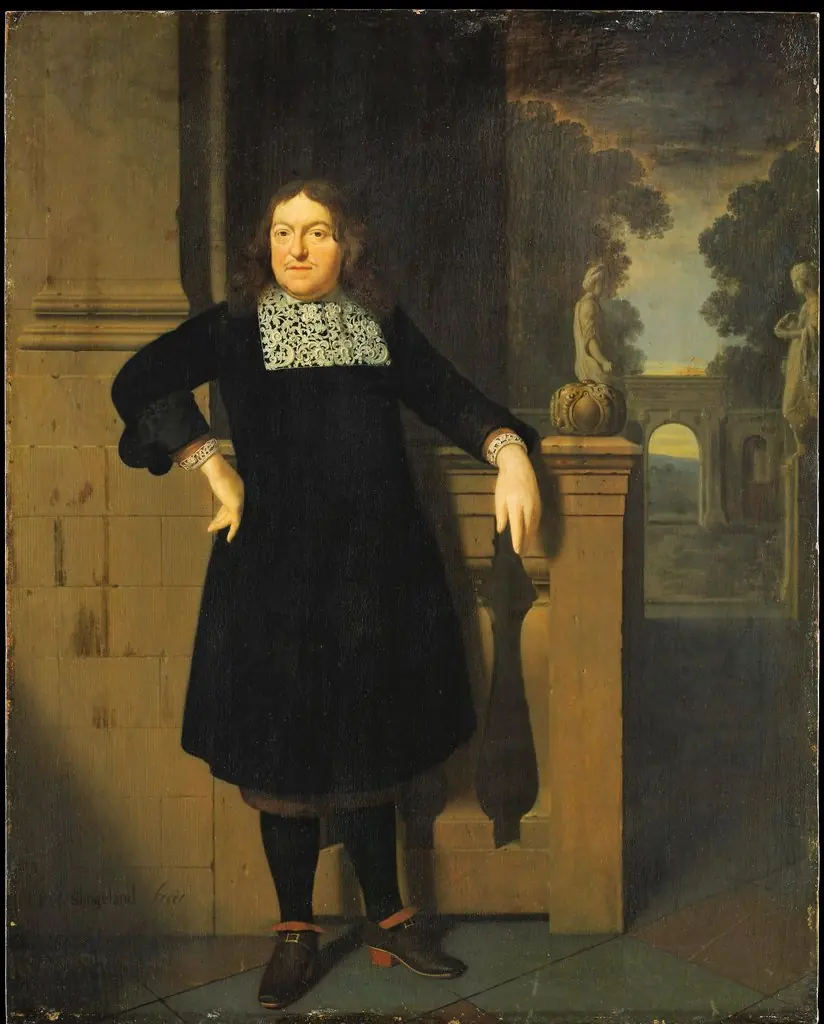 Portrait of Johan Hulshout (1623–1687)
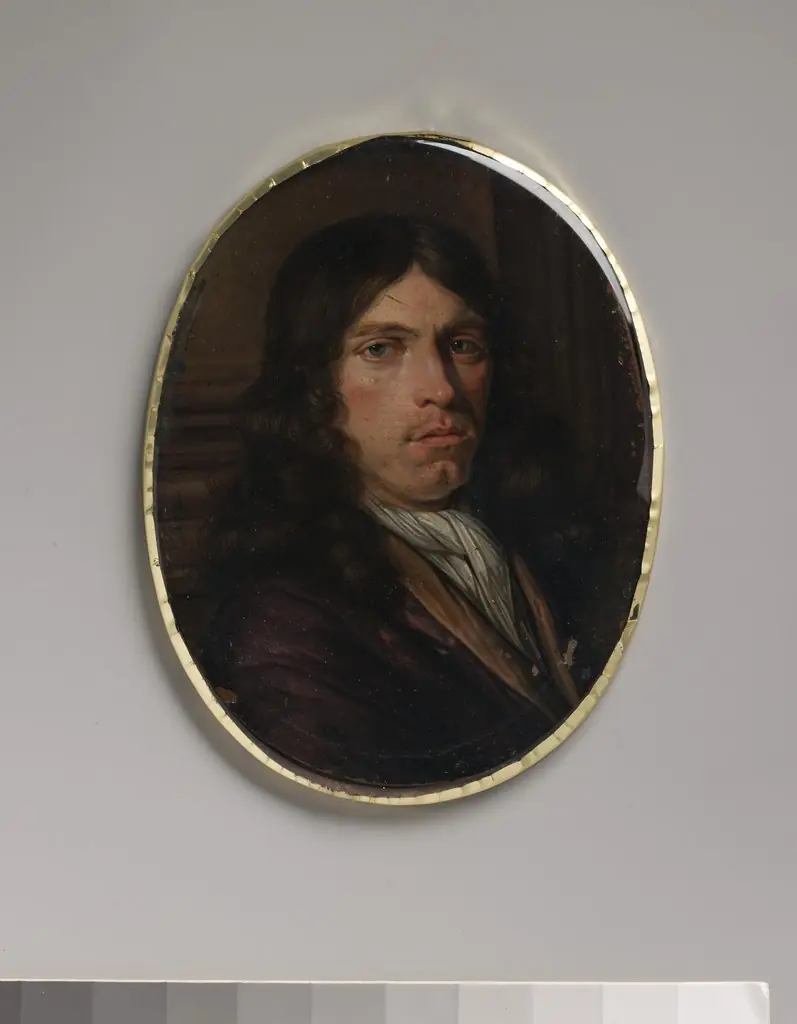 Portrait of a Man
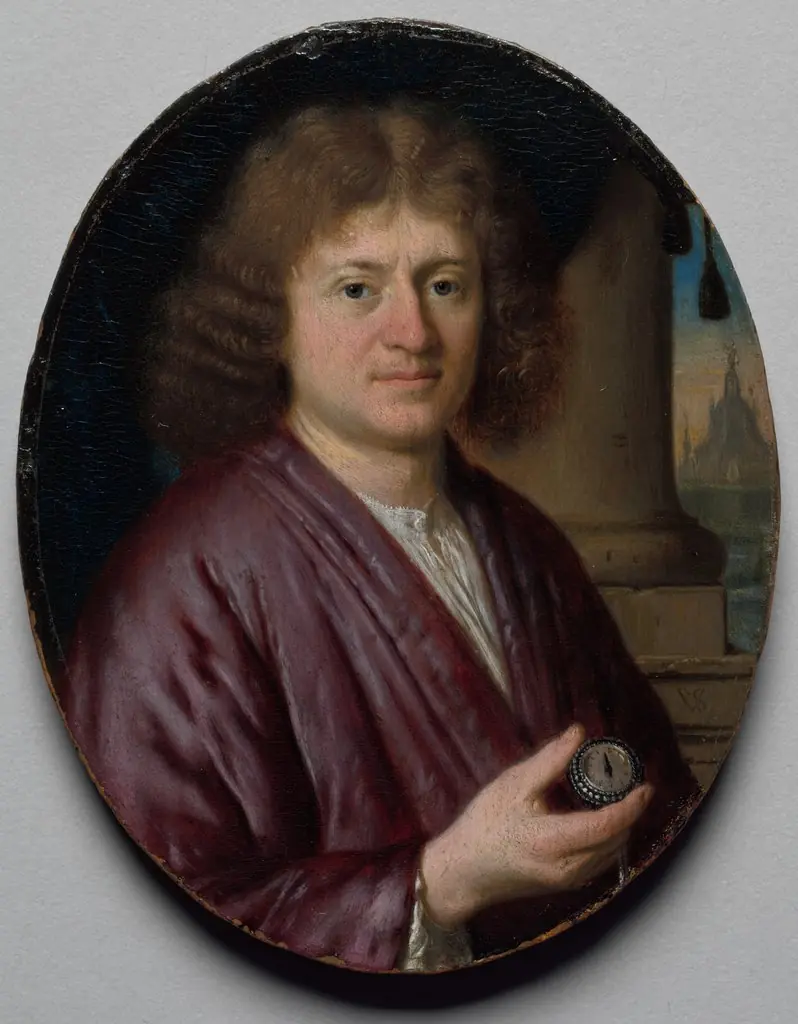 Portrait of a Man Holding a Watch
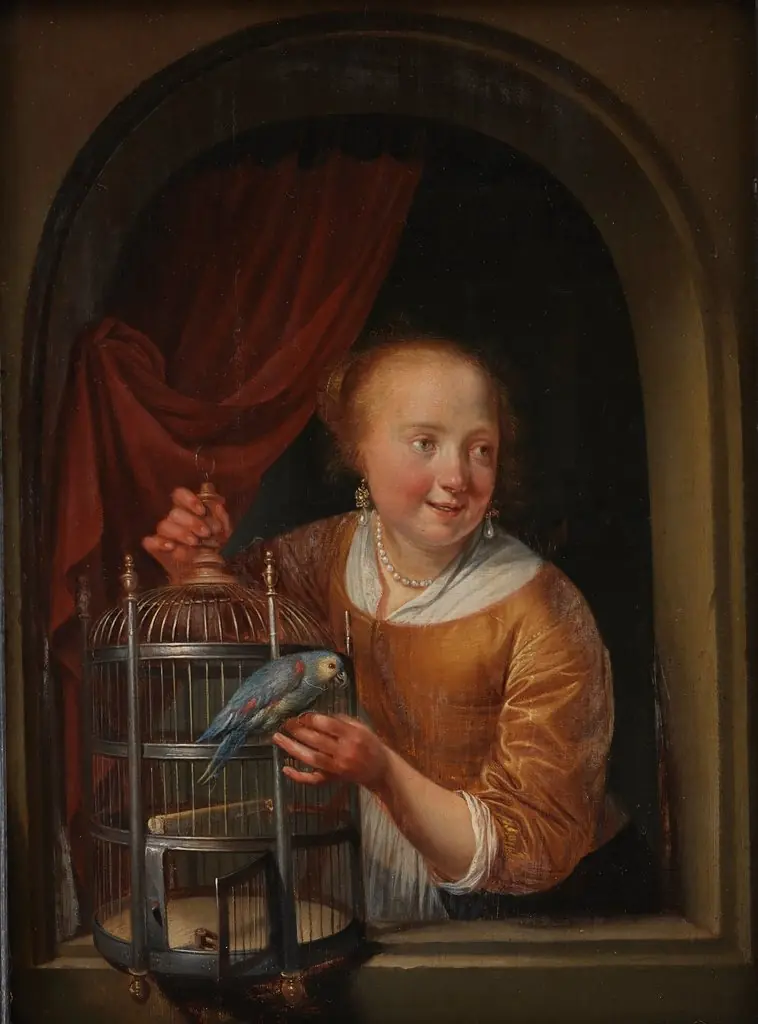 Girl with a Parrot
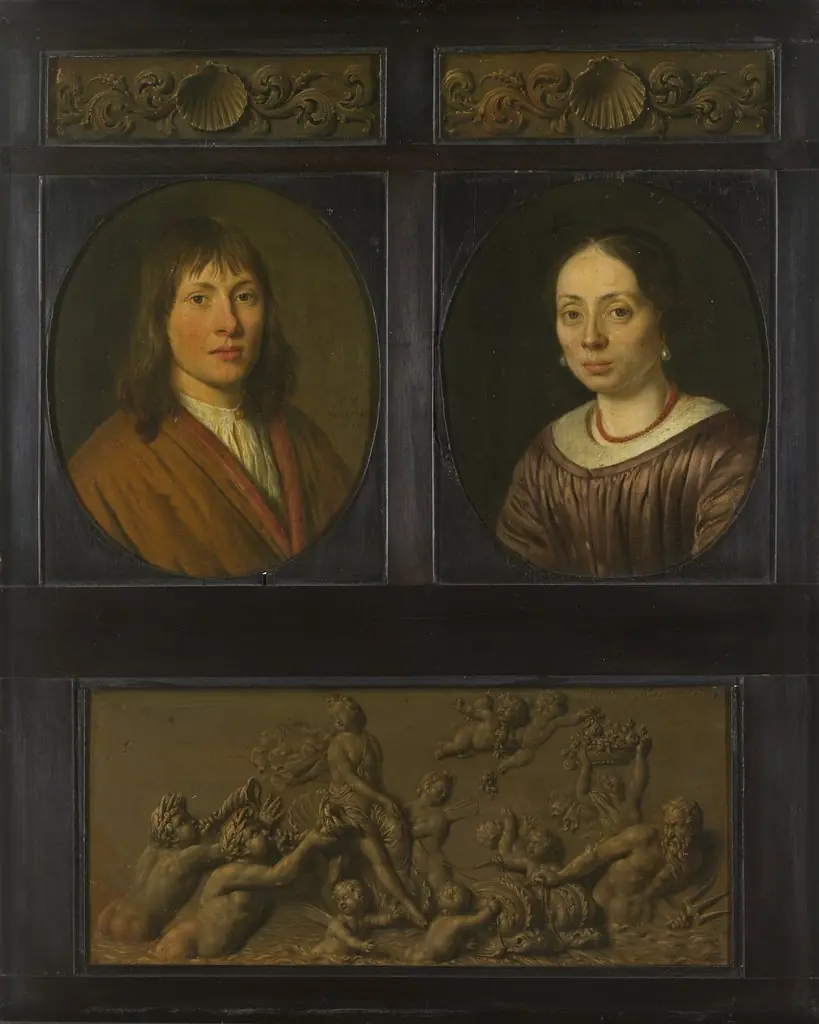 Portraits of a Man and a Woman framed with two ornamental frieze miniatures with shell motif and a Triumph of Amphitrite
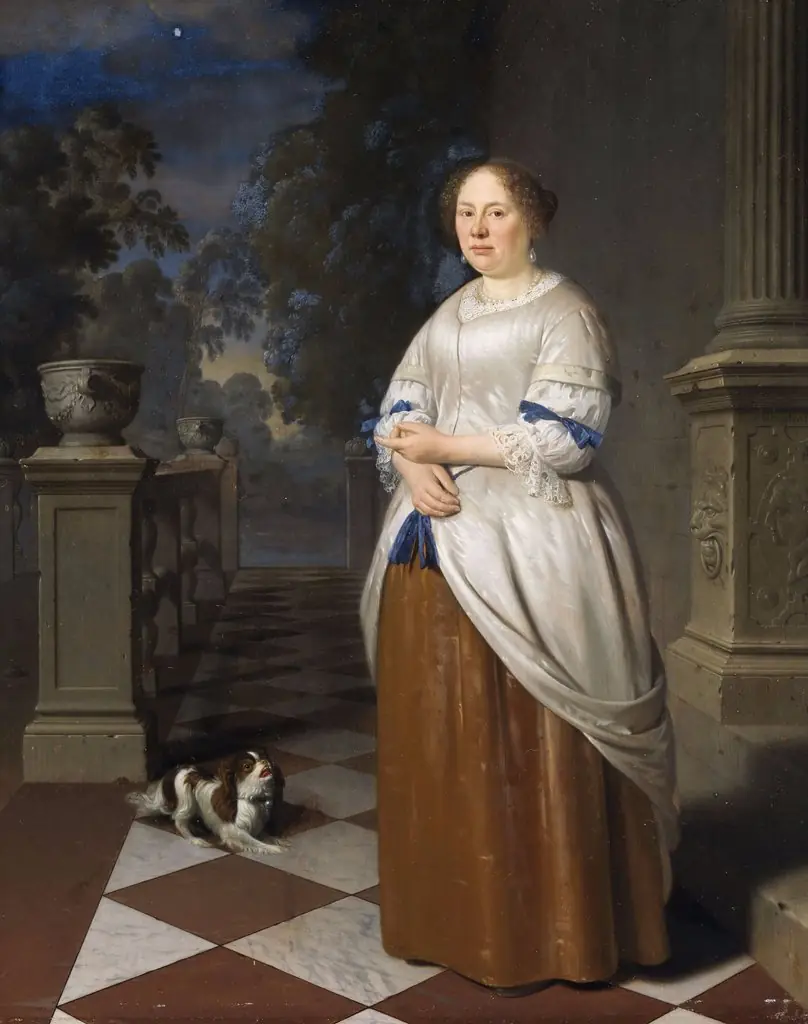 Portrait of Anna Splinter, wife of Johan Hulshout (1623–1687)
 Johan van Musschenbroek and His Wife