Artwork
Portrait of a Man
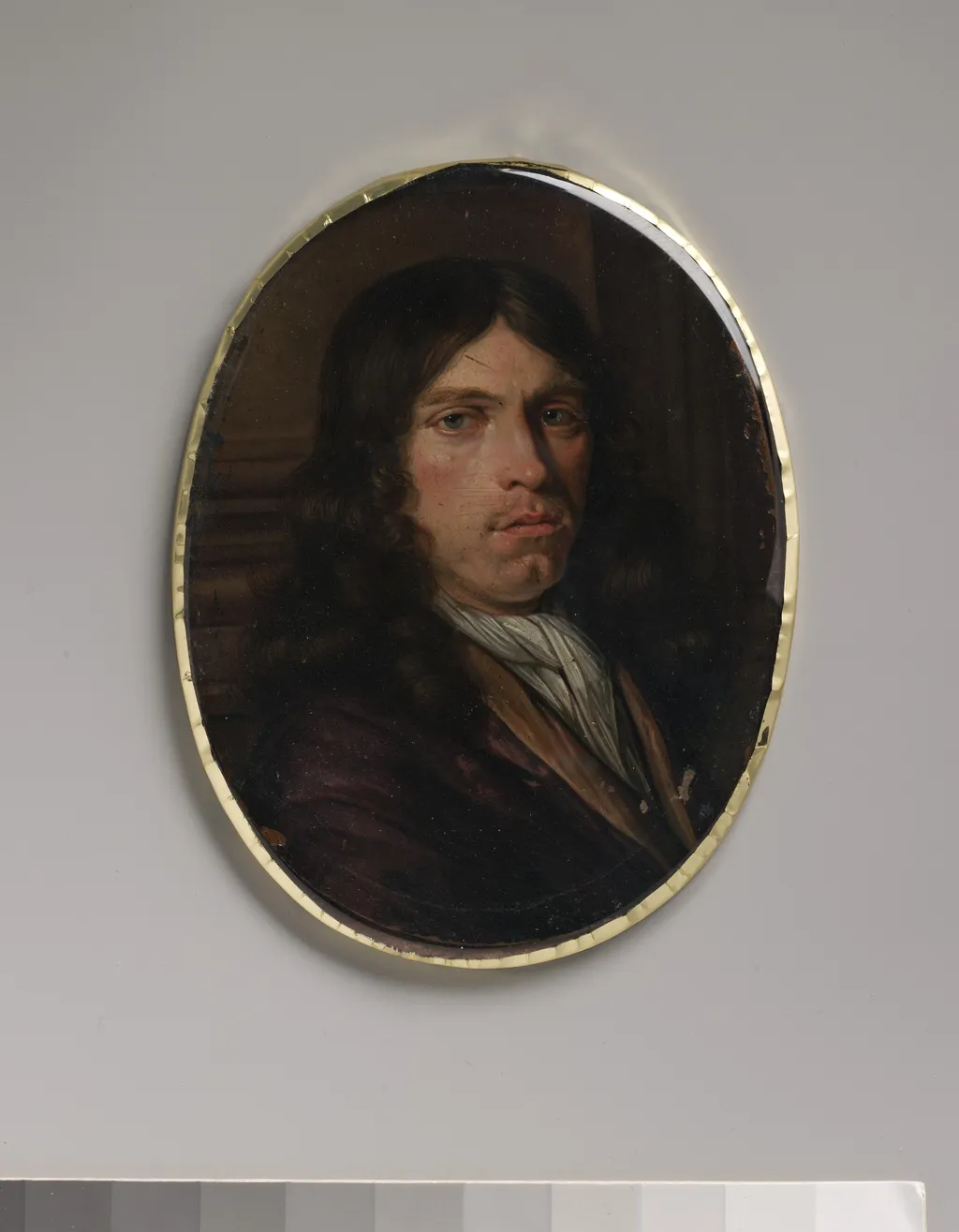
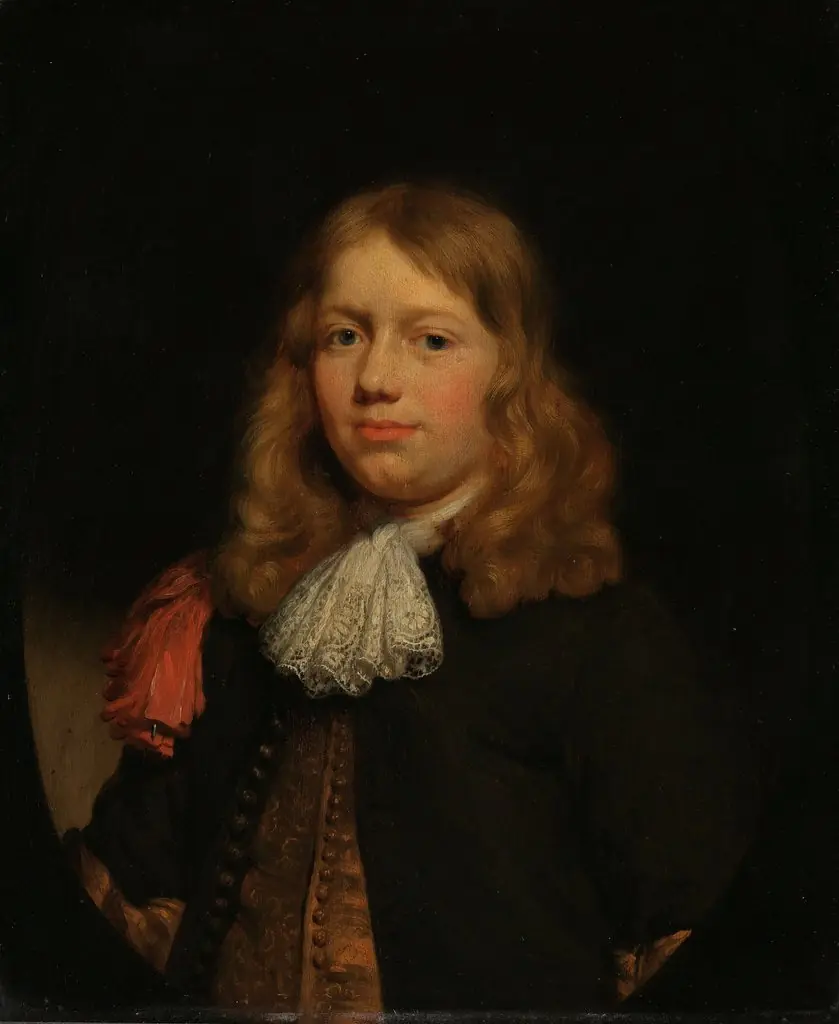
Portrait of a Man is an oil painting by the Dutch Golden Age artist Pieter Cornelisz. van Slingelandt. It dates from 1690 and is held in the collection of the Metropolitan Museum of Art. Pieter Cornelisz.
About this work
The artist's use of chiaroscuro, a technique that emphasizes contrasts between light and dark, adds depth and dimension to the portrait.
This portrait depicts a man with long, dark hair and a serious expression. He wears a dark jacket over a white cravat, which is visible at the neck.
The subject's attire and hairstyle suggest a formal or professional setting, possibly from the 17th or 18th century. The painting is rendered on copper, a medium that allows for fine details and textures.
The artist's use of chiaroscuro, a technique that emphasizes contrasts between light and dark, adds depth and dimension to the portrait. To learn more about this style, explore the technique of chiaroscuro.
Technique & Style
The painting is executed in oil on copper, a support often chosen for its smooth surface and durability. The handling is refined, with meticulous attention to delicate facial features and the play of light across the sitter's face and costume. Stylistically, the work aligns with Dutch portraiture of the late seventeenth century, emphasizing naturalism and quiet dignity.
The copper support measures 8.6 cm in height by 6.4 cm in width, and the composition focuses tightly on the sitter's head and shoulders, framed by a dark background that heightens the luminosity of the face.
History & Provenance
Created in 1690, the Portrait of a Man is an oil painting on copper by Pieter Cornelisz. van Slingelandt. The work depicts a male subject and measures 8.6 cm in height by 6.4 cm in width. It is held by the Metropolitan Museum of Art and was previously owned by Rupert L. Joseph. There is no documented exhibition history for this work in the available sources.
Overview
Pieter Cornelisz. van Slingelandt, a Dutch Golden Age painter and student of Gerard Dou, completed Portrait of a Man in 1690. This work, rendered on copper, exemplifies the refined approach of the Leiden fijnschilders, a group known for their meticulous detail. The painting is currently housed in The Metropolitan Museum of Art, representing a significant period in Dutch art history.
Subject & Meaning
The painting presents a man with a solemn demeanor and long, dark hair. He is depicted wearing a dark jacket, complemented by a white cravat visible at his neck. His formal attire and composed expression suggest a professional or distinguished status, reflecting the conventions of portraiture during the late 17th century. The artist captures a sense of quiet dignity in the sitter.
Context
Created during the Dutch Golden Age, this portrait belongs to a period when meticulous craftsmanship was highly valued. Van Slingelandt was part of the Leiden fijnschilders, a school of artists celebrated for their highly finished and detailed works. This artistic environment fostered a demand for paintings that demonstrated exceptional technical skill, a characteristic clearly visible in this copper panel.
Own this work as a print
Artist & collection
Artist
Pieter Cornelisz. van Slingelandt
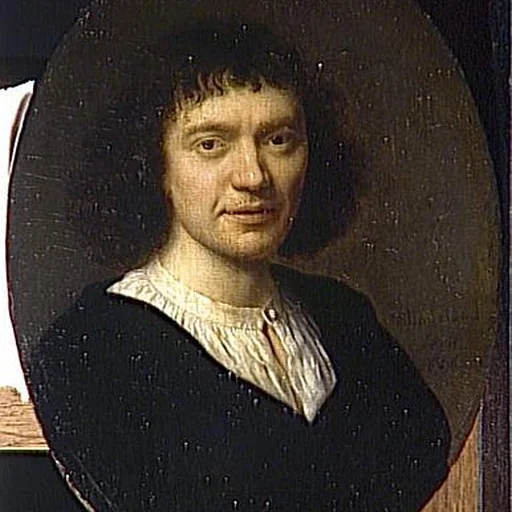
Pieter Cornelisz van Slingelandt (20 October 1640 – 7 November 1691) was a Dutch Golden Age portrait painter who had been a pupil of Gerard Dou and is known as one of Leiden's fijnschilders.

 Portrait of Johan Hulshout (1623–1687)
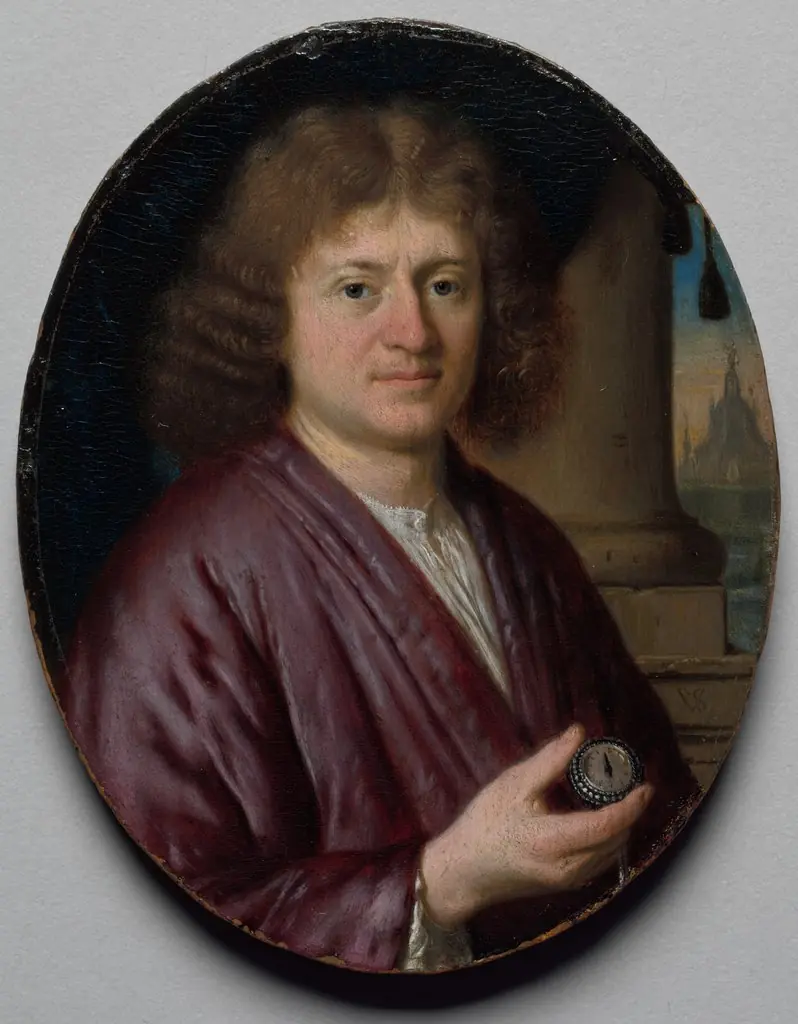 Portrait of a Man Holding a Watch
 Kitchen Scene
 Girl with a Parrot
 Portraits of a Man and a Woman framed with two ornamental frieze miniatures with shell motif and a Triumph of Amphitrite
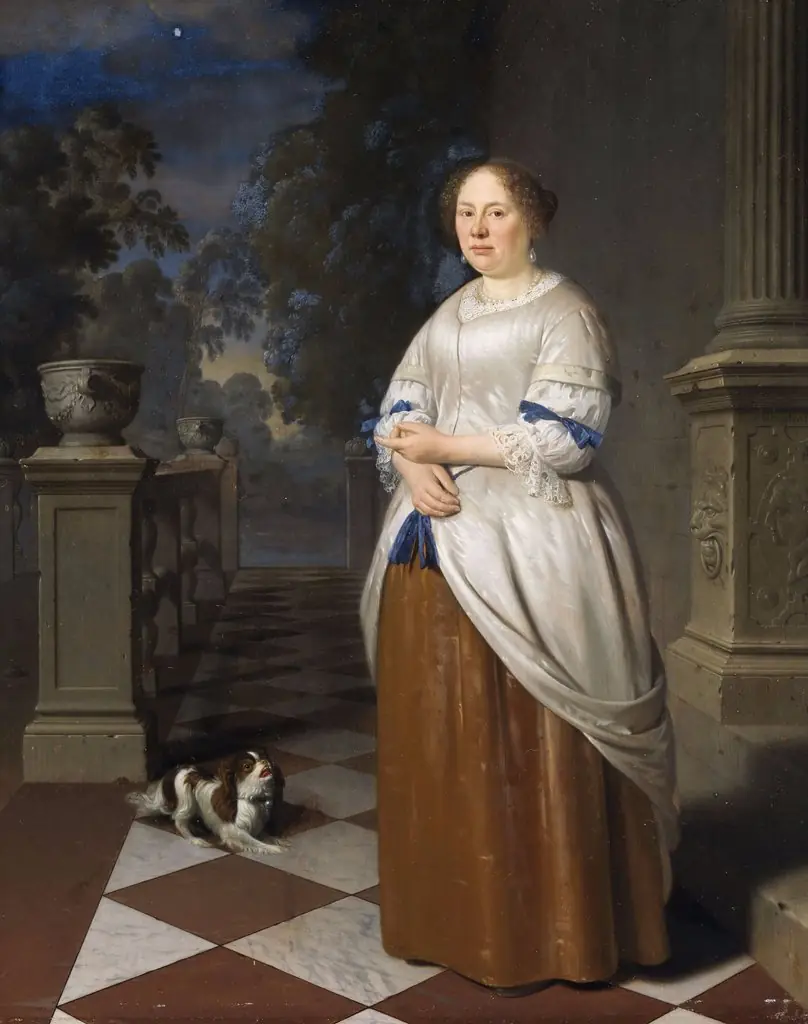 Portrait of Anna Splinter, wife of Johan Hulshout (1623–1687)
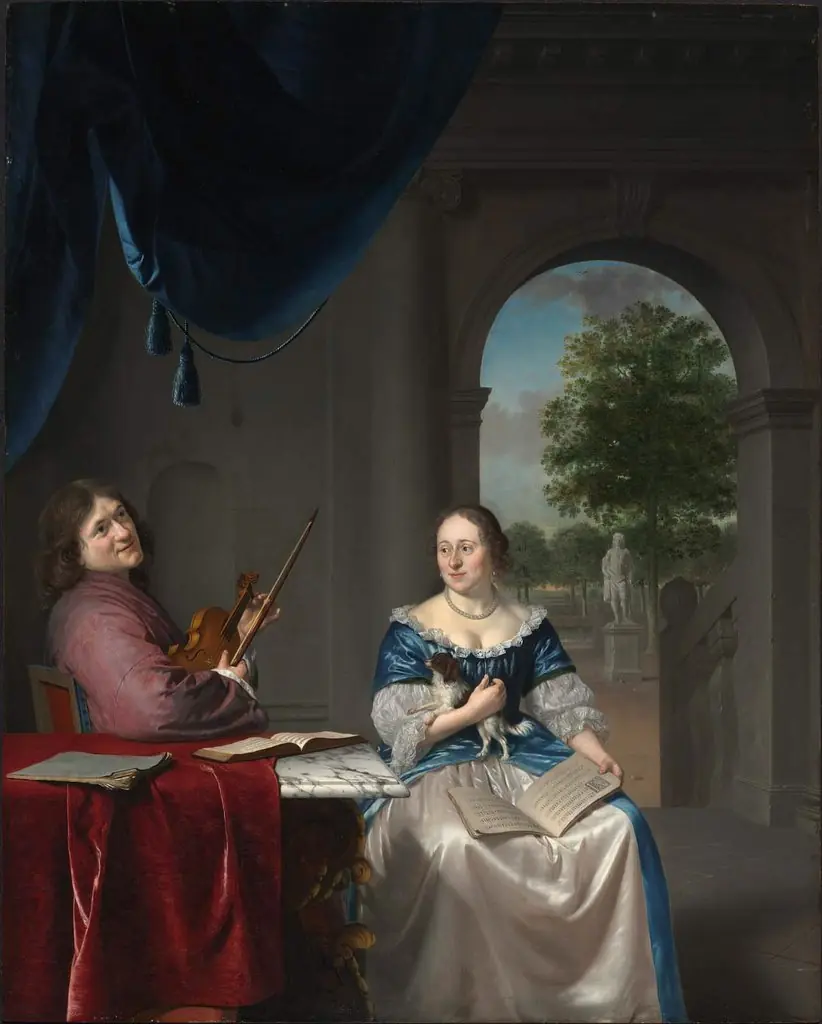 Johan van Musschenbroek and His Wife
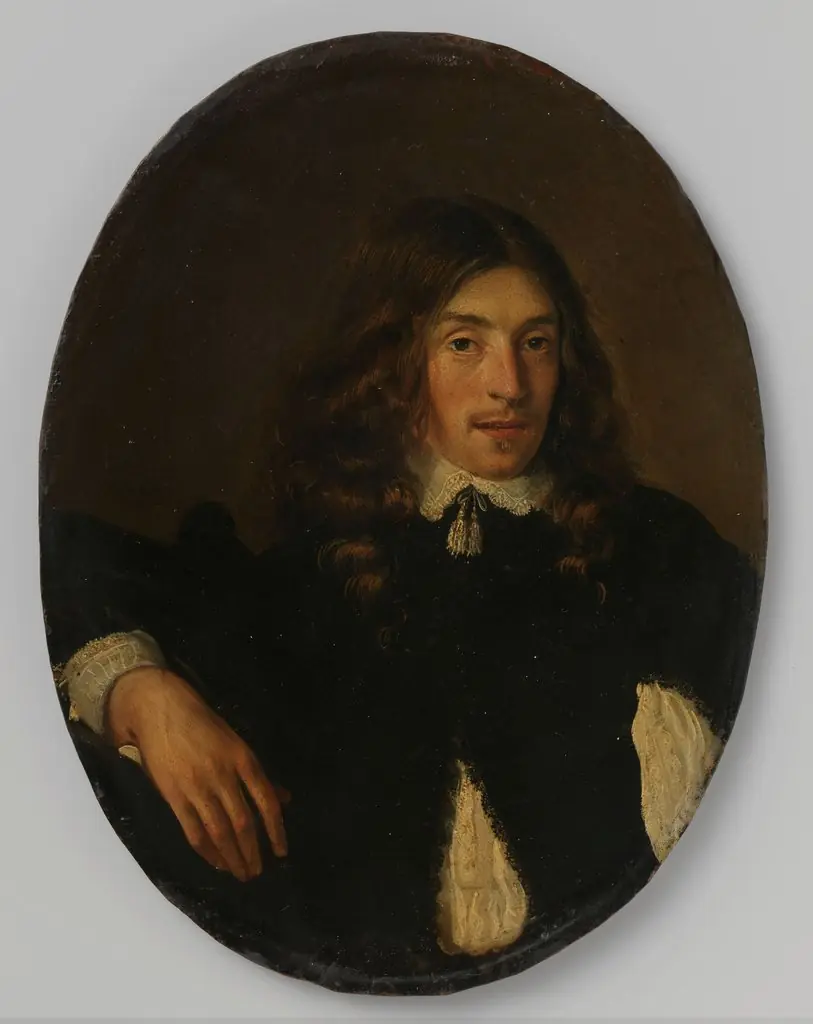 Portrait of a young man
 Portrait of a Young Man
 Portrait of a Painter
 Portrait of a Painter
 Portrait of Frederik Hendrik van Oranje-Nassau (1584-1647)
 Dionijs Wijnands (1628-73). Amsterdam merchant
 Portrait of a Man, Said to Be Philip Wharton (1613–1696), Fourth Baron Wharton
 Portrait of a Man, perhaps a Self Portrait
 Portret van een officier
 Portrait of a man
 Portrait of a young man
- Portrait of a Man