Artwork
David with the Head of Goliath
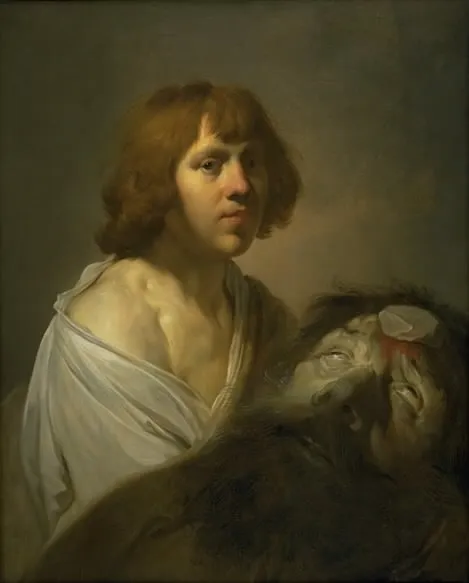
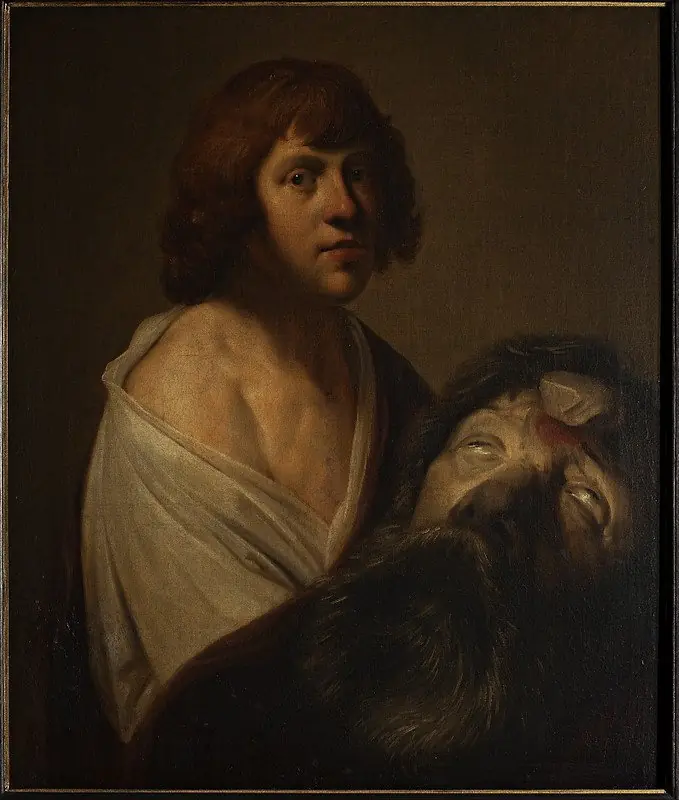
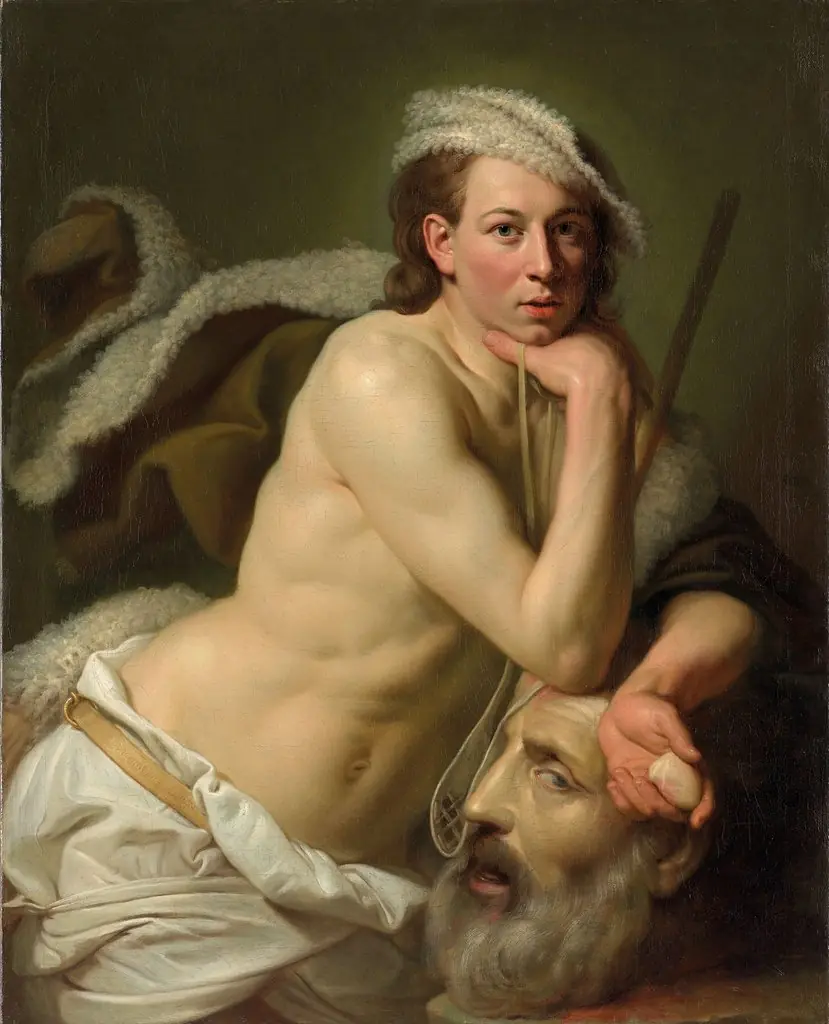
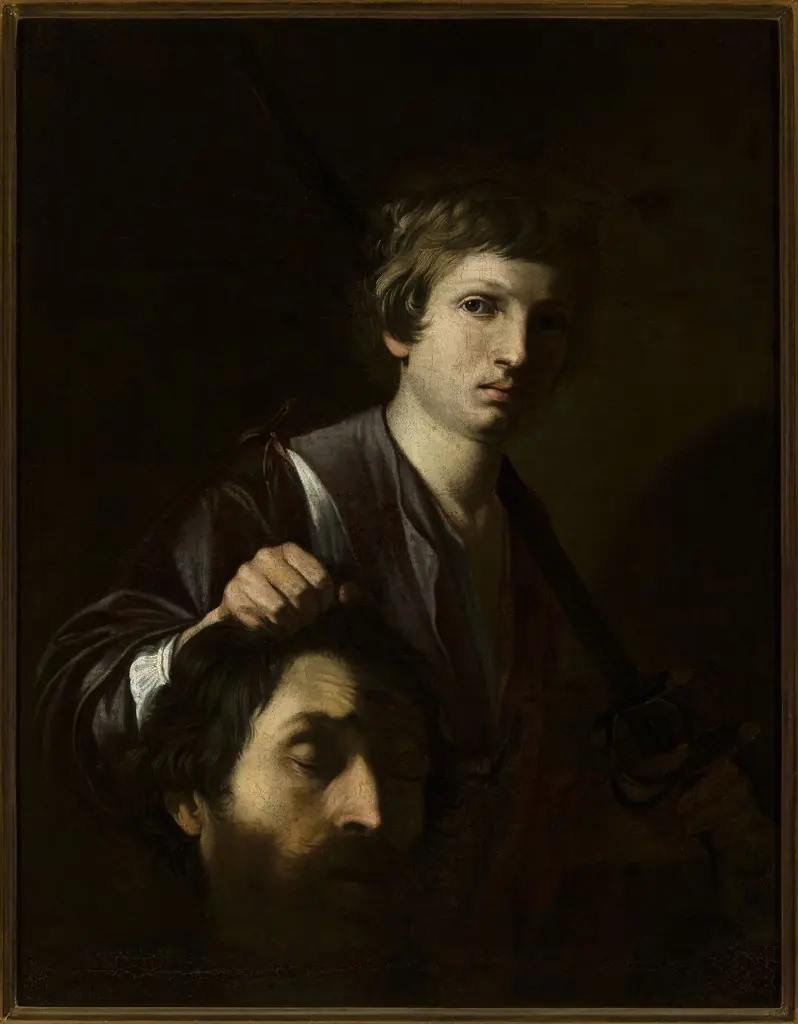
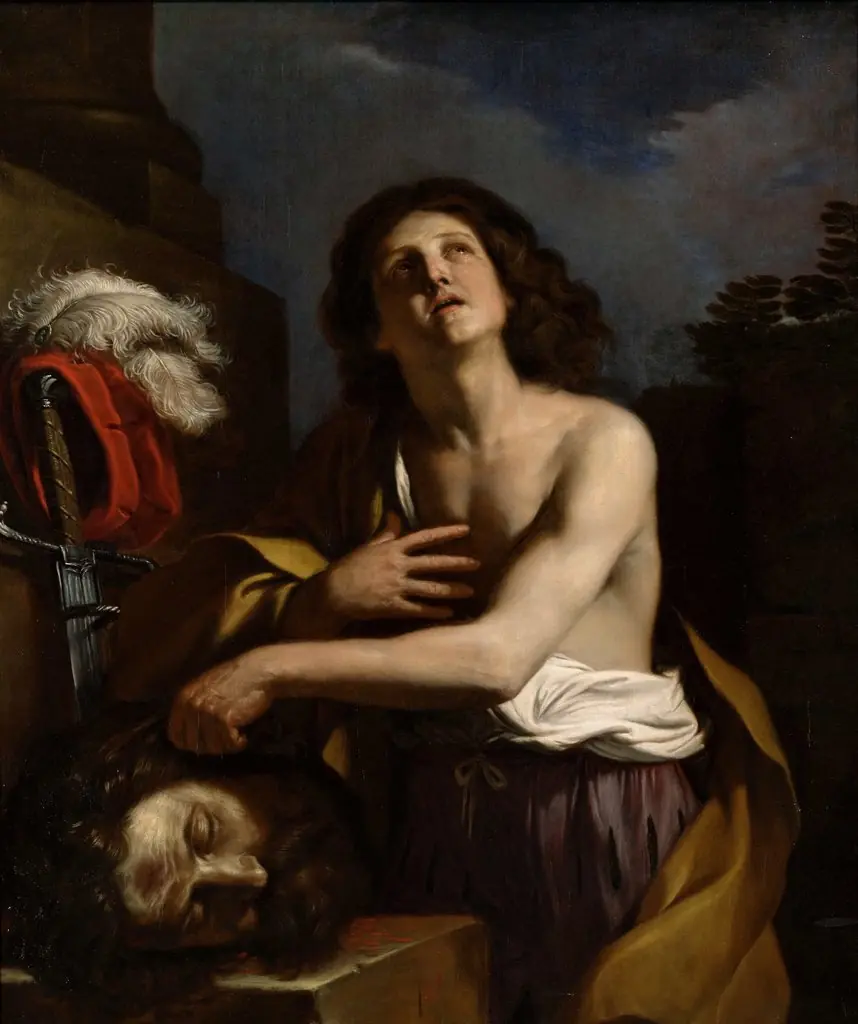
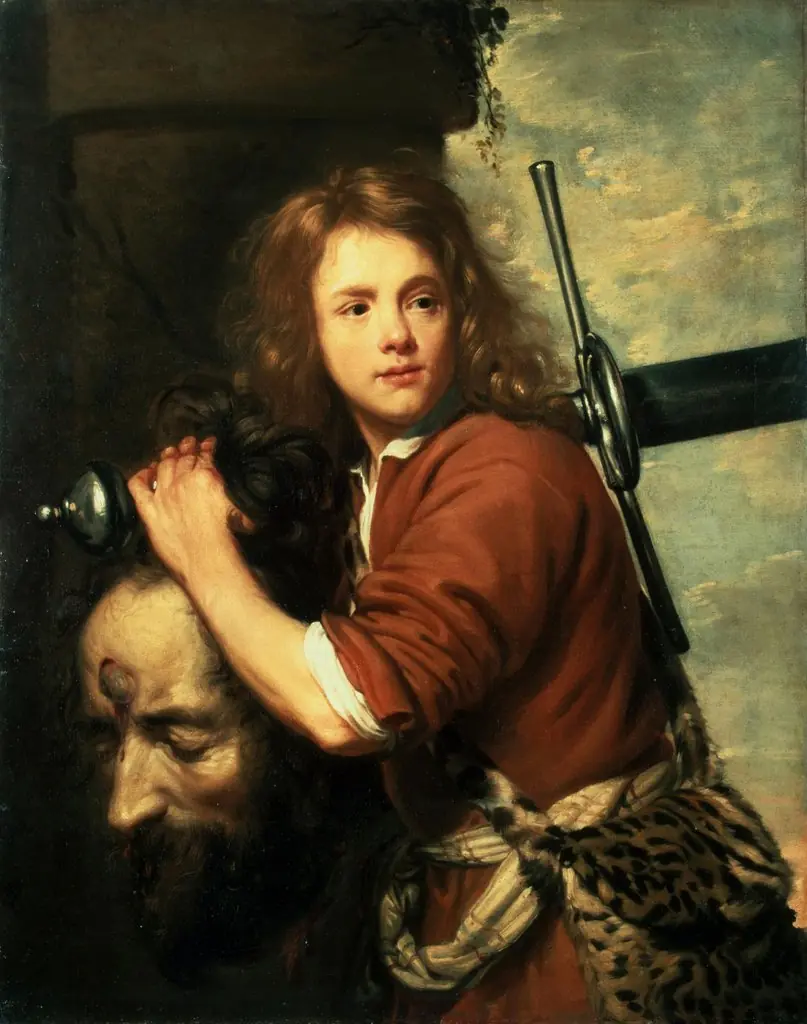
David with the Head of Goliath is an oil painting by the Dutch Golden Age artist Pieter de Grebber. It dates from 1637 and is held in the collection of the Statens Museum for Kunst.
About this work
Subject & Meaning
This specific iconography highlights the moment of victory where the giant's own weapon is turned against him, symbolizing the power of faith over brute force.
Pieter de Grebber's 1637 painting depicts the biblical narrative of David and Goliath, focusing on the aftermath of the duel. The composition centers on the young hero David holding the severed head of the defeated giant Goliath. As a work of religious art, the piece illustrates the scriptural account of the Israelite shepherd overcoming the Philistine champion through divine favor rather than military might.
The inclusion of the beheaded head serves as the primary visual evidence of David's triumph and the fulfillment of the prophecy regarding the deliverance of his people. This specific iconography highlights the moment of victory where the giant's own weapon is turned against him, symbolizing the power of faith over brute force.
Technique & Style
Pieter de Grebber painted David with the Head of Goliath in 1637 using oil paint on canvas. The work measures 82 cm in height by 95.5 cm in width and depicts the biblical scene of David holding the severed head of Goliath. Executed in a religious genre, the composition emphasizes dramatic chiaroscuro and intense emotional realism characteristic of Dutch Golden Age painting.
The surface handling reveals careful layering of translucent glazes to model flesh and fabric, contributing to a tactile presence. The condition remains stable with no noted structural damage, though minor craquelure is present across the canvas weave. Formal qualities include a tightly cropped composition, stark lighting that isolates the figures, and a restrained palette that heightens the psychological tension of the moment.
History & Provenance
The painting David with the Head of Goliath was created by Pieter de Grebber in 1637. Executed in oil on canvas, the work depicts the biblical figures David and the beheaded head of Goliath. The specific inception date is recorded as January 1, 1637. Currently, the artwork is held in the collection of the Statens Museum for Kunst.
The work is held by Statens Museum for Kunst, with accession number not specified in the sources. It was created by Pieter de Grebber in 1637 as an oil painting on canvas, measuring 82 cm in height and 95.5 cm in width. The painting has been part of the museum's collection since at least its inception date of January 1, 1637, and has been exhibited within the museum's galleries dedicated to religious art.
Overview
Pieter de Grebber’s oil on canvas, dated 1637, presents a biblical tableau now in the collection of Denmark’s Statens Museum for Kunst. The work captures a moment from the Old Testament narrative, focusing on the youthful hero after his triumph.
Context
The scene derives from the biblical account of David’s defeat of Goliath, a motif frequently revisited in European art to symbolize divine favor and moral victory. De Grebber’s rendition aligns with contemporary Dutch interpretations that stress humility and piety over heroic grandeur.
Artist & collection