Artwork
The Lamentation
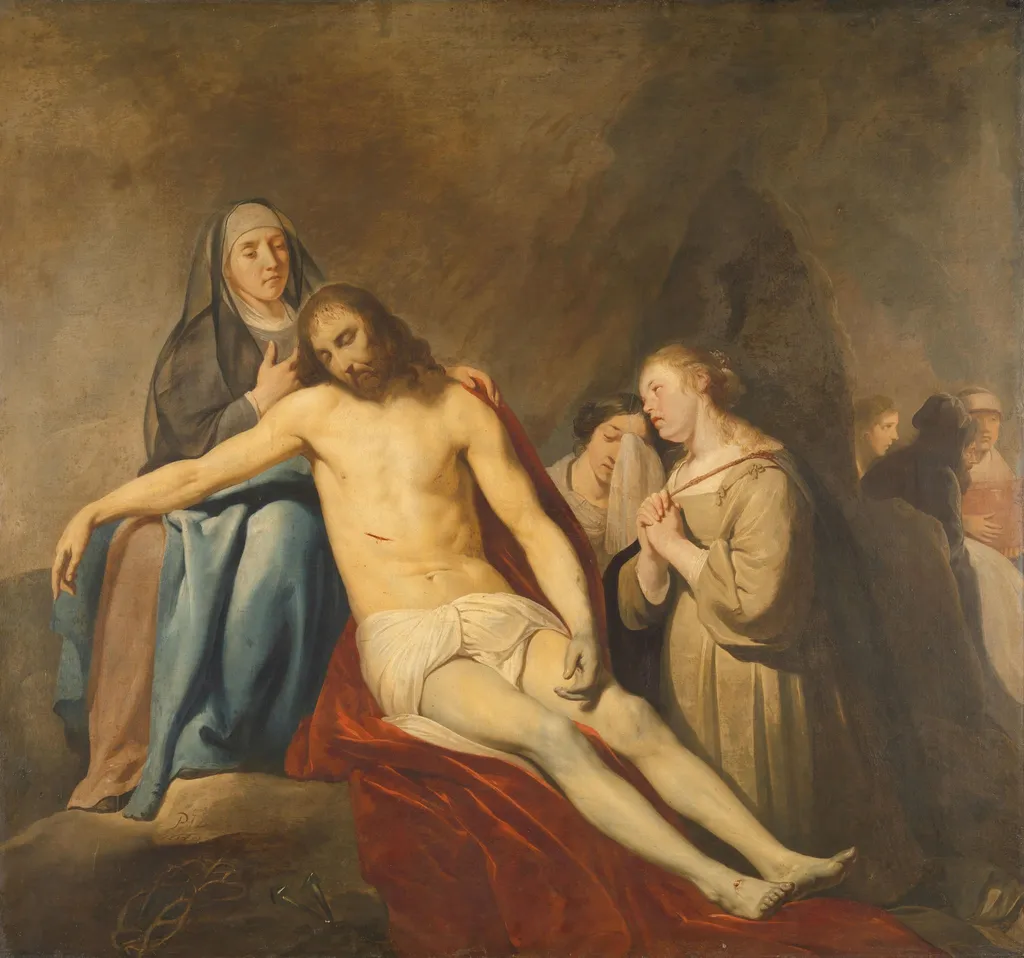
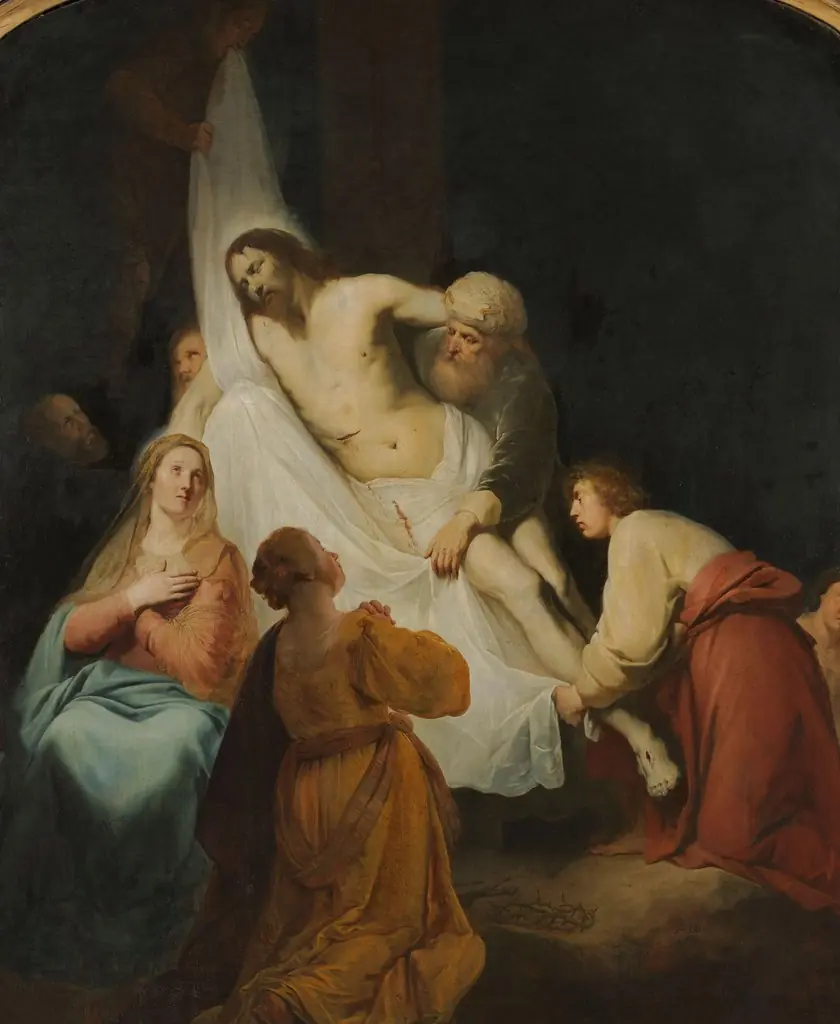
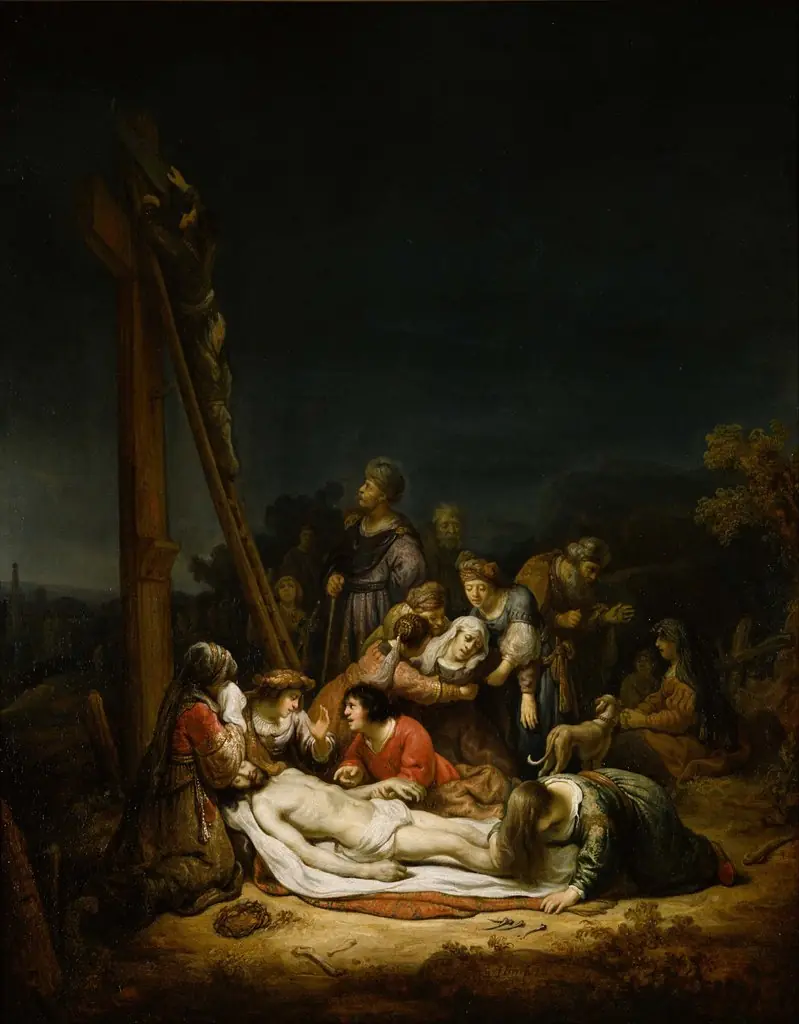
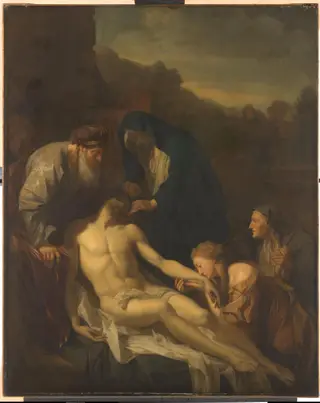
The Lamentation is an unspecified painting by the Baroque artist Pieter de Grebber. It dates from 1640 and is held in the collection of the Rijksmuseum. The work depicts a somber gathering of women surrounding the lifeless body of Jesus, whose form lies on the ground.
About this work
Technique & Style
The Lamentation is an oil painting on canvas created in 1640 by Pieter de Grebber, a Dutch Golden Age history painter active in Haarlem.
The Lamentation is an oil painting on canvas created in 1640 by Pieter de Grebber, a Dutch Golden Age history painter active in Haarlem. Executed in the Baroque style, the work exemplifies his personal synthesis of Utrecht Caravaggist chiaroscuro, Rubensian compositional dynamism, and Rembrandtesque tonal restraint, resulting in a well-organized clarity and restrained palette of light tints characteristic of Haarlem classicism. The painting is on canvas support and was handled as part of a devotional image, reflecting the artist's documented practice of producing religious works for both public churches and hidden Catholic spaces.
Its stylistic qualities include a disciplined spatial arrangement and a polished surface finish consistent with de Grebber's theoretical articulation of eleven rules for classicist painters in his 1649 treatise.
Context
Pieter de Grebber is recognized as a pioneer of Haarlem classicism, a movement he helped establish alongside Salomon de Bray. His artistic approach synthesized diverse influences, including Utrecht Caravaggism, the color and composition of Peter Paul Rubens, and the work of Rembrandt, to create a personal style defined by organizational clarity and light tints. De Grebber formalized his theoretical views in a 1649 treatise outlining eleven rules for history painters, reinforcing the genre's high status within the artistic hierarchy.
As a leading figure of the Dutch Golden Age, he secured prestigious commissions from Stadholder Frederik Hendrik for royal residences and produced altarpieces for both Flemish churches and hidden Catholic congregations in the Republic.
Overview
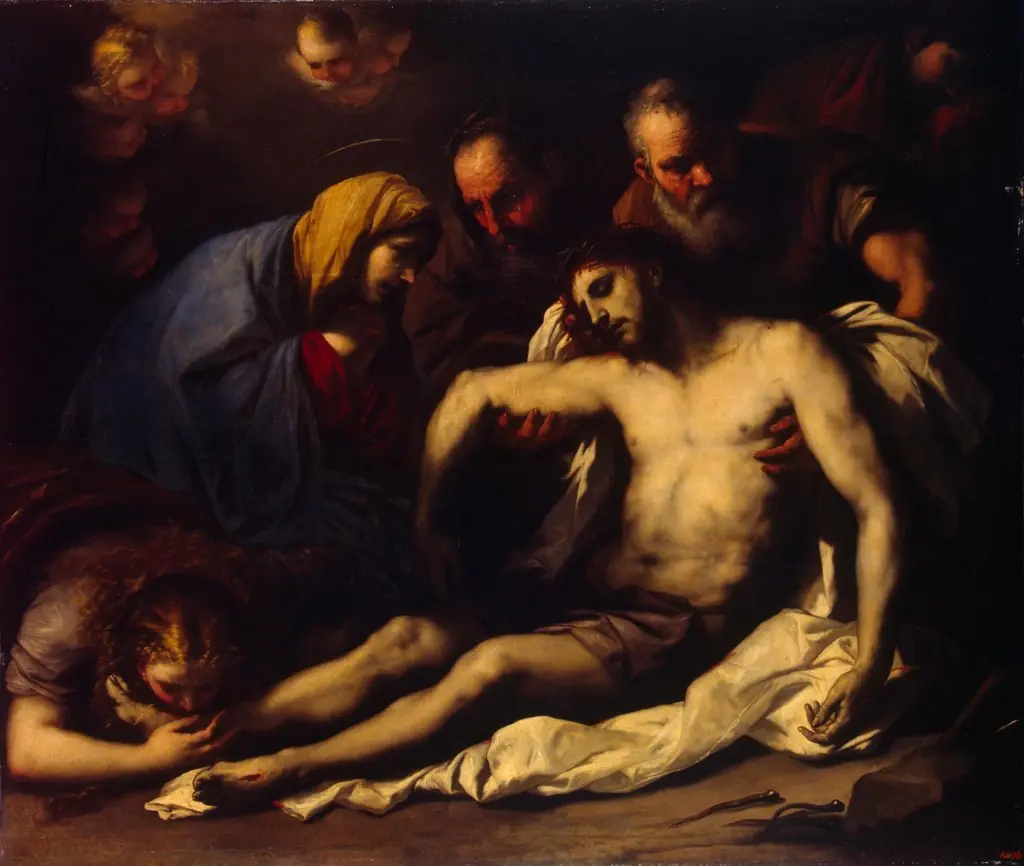
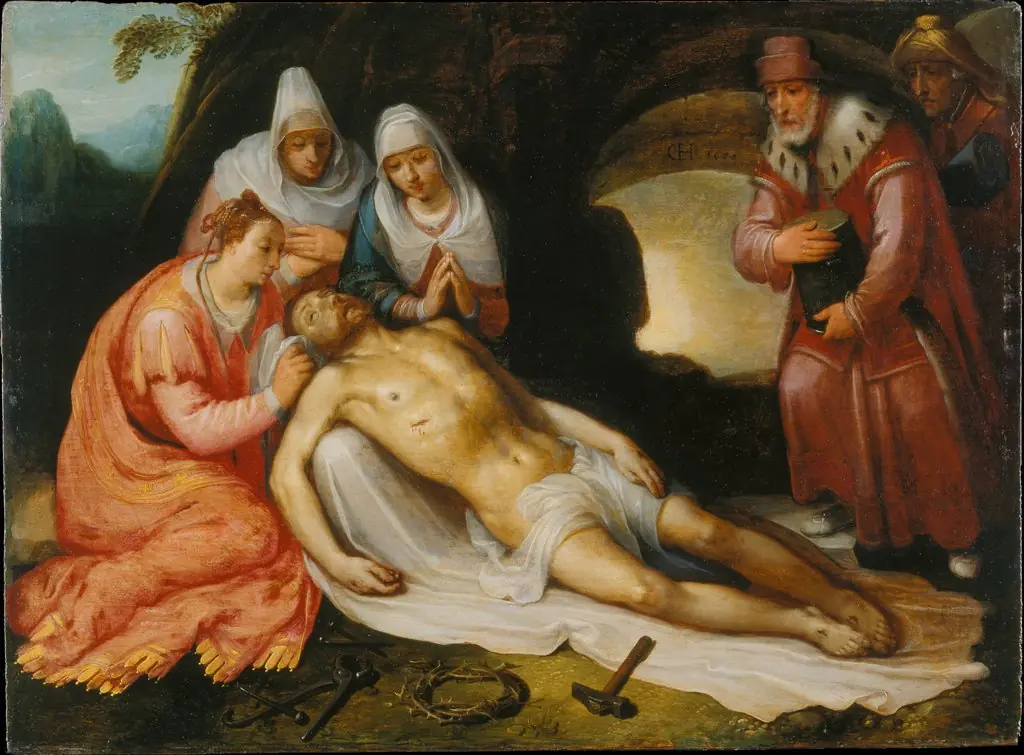
The work depicts a somber gathering of women surrounding the lifeless body of Jesus, whose form lies on the ground. Their expressions convey deep anguish, with clasped hands gripping his limbs. The composition is enveloped in darkness, punctuated only by a concealed source of light that highlights select figures, intensifying the emotional atmosphere.
Subject & Meaning
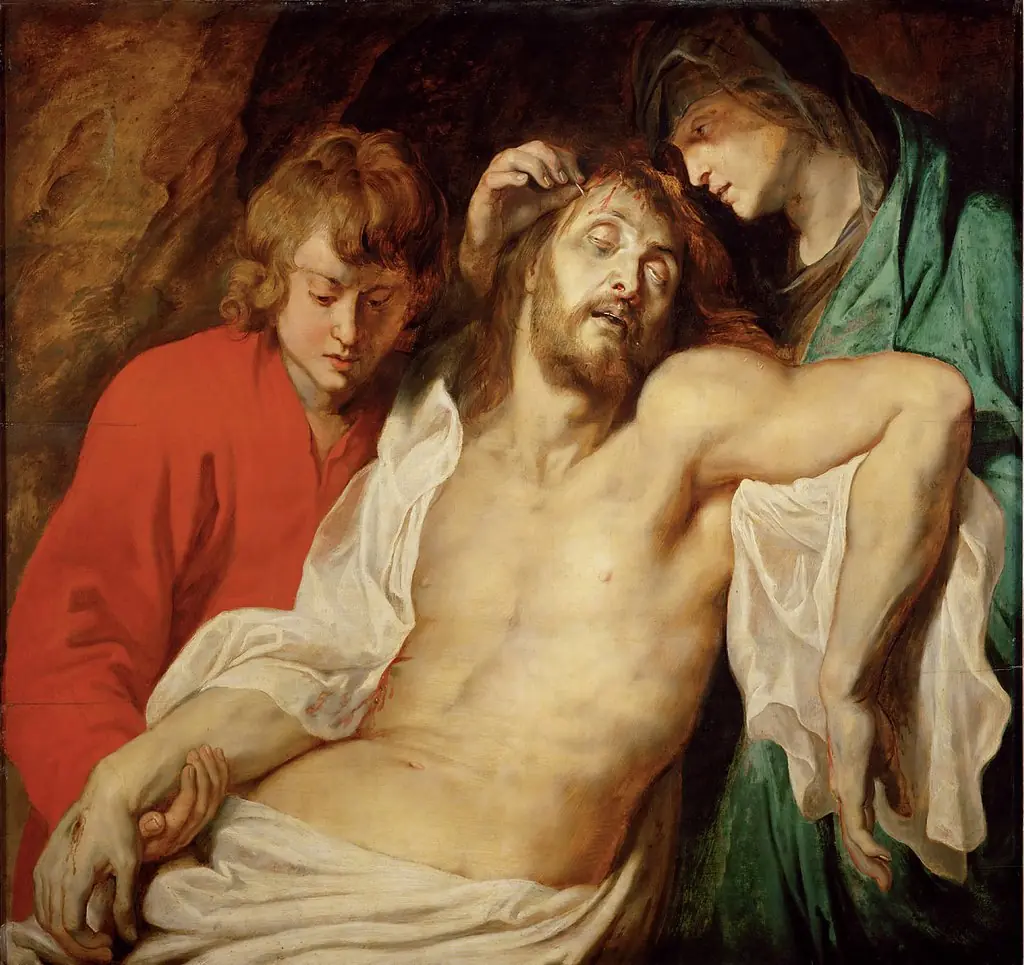
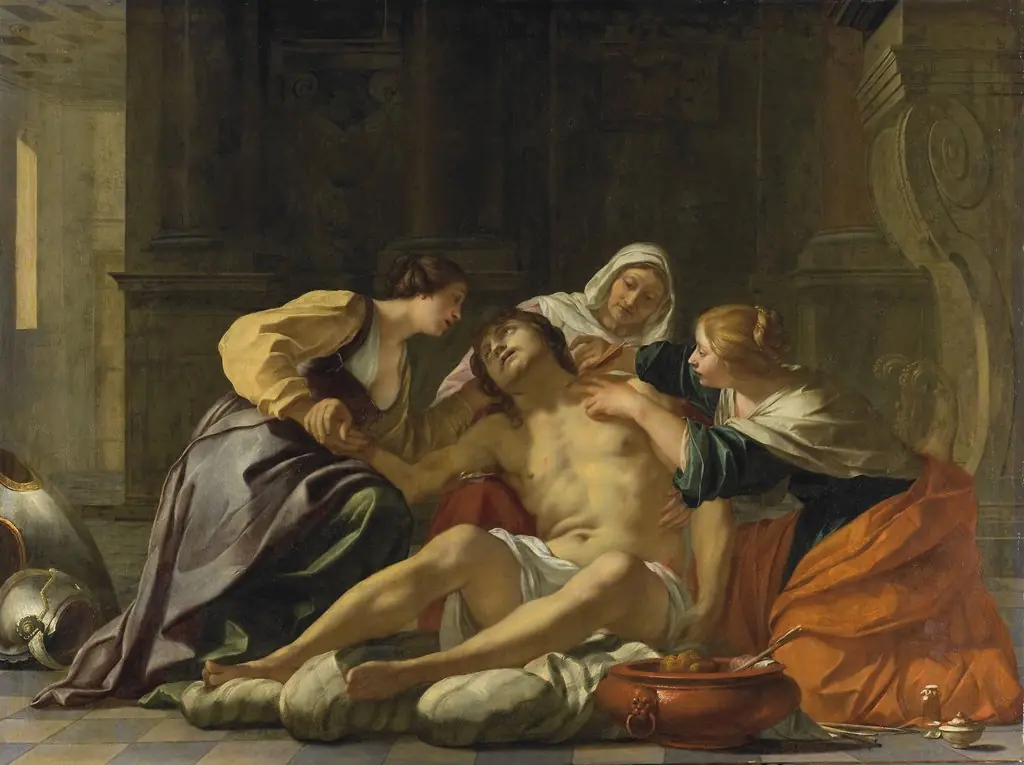
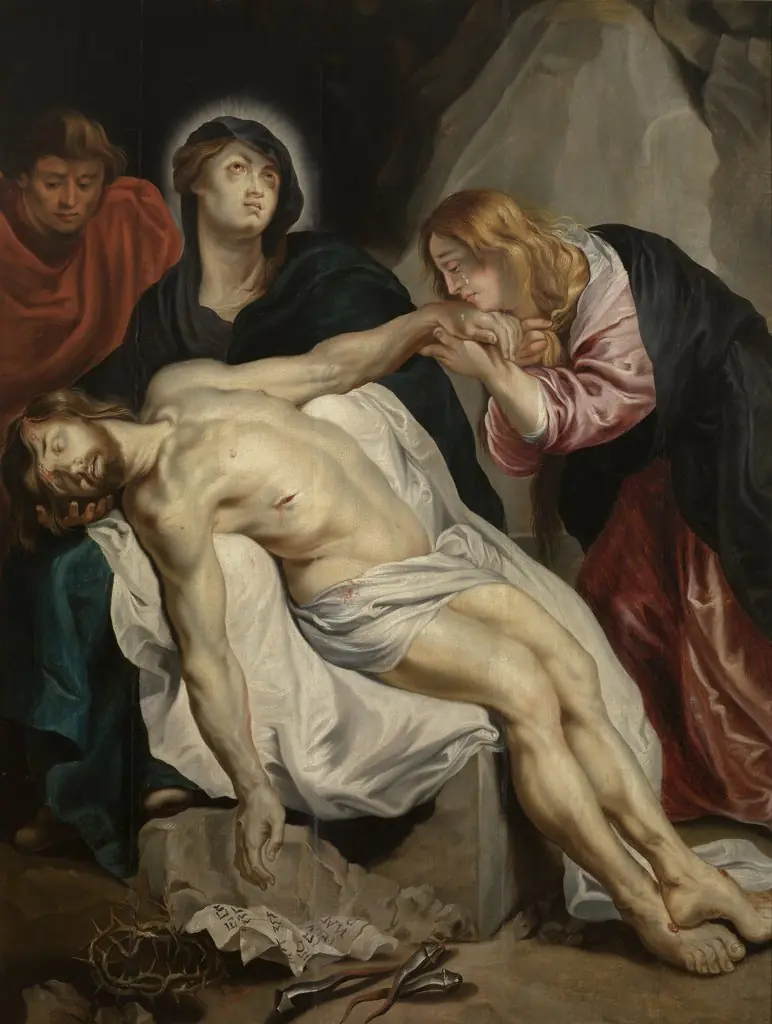
The scene illustrates the biblical episode of Christ’s lamentation, focusing on the holy women who mourn his death. Their grief is rendered through twisted faces and desperate gestures, emphasizing the human response to divine sacrifice. The painting invites contemplation of sorrow, compassion, and the spiritual significance of the Passion narrative.
History & Provenance
The creator of the work remains unidentified, though stylistic analysis situates the piece among contemporaneous Baroque productions. Its attribution to an unknown hand reflects the common practice of workshop or anonymous output for church commissions, and it has been catalogued alongside similar lamentation scenes from the same epoch.
Own this work as a print
Artist & collection