Artwork
Breaking of the Ice on the Karnemelksloot near Naarden, January 1814
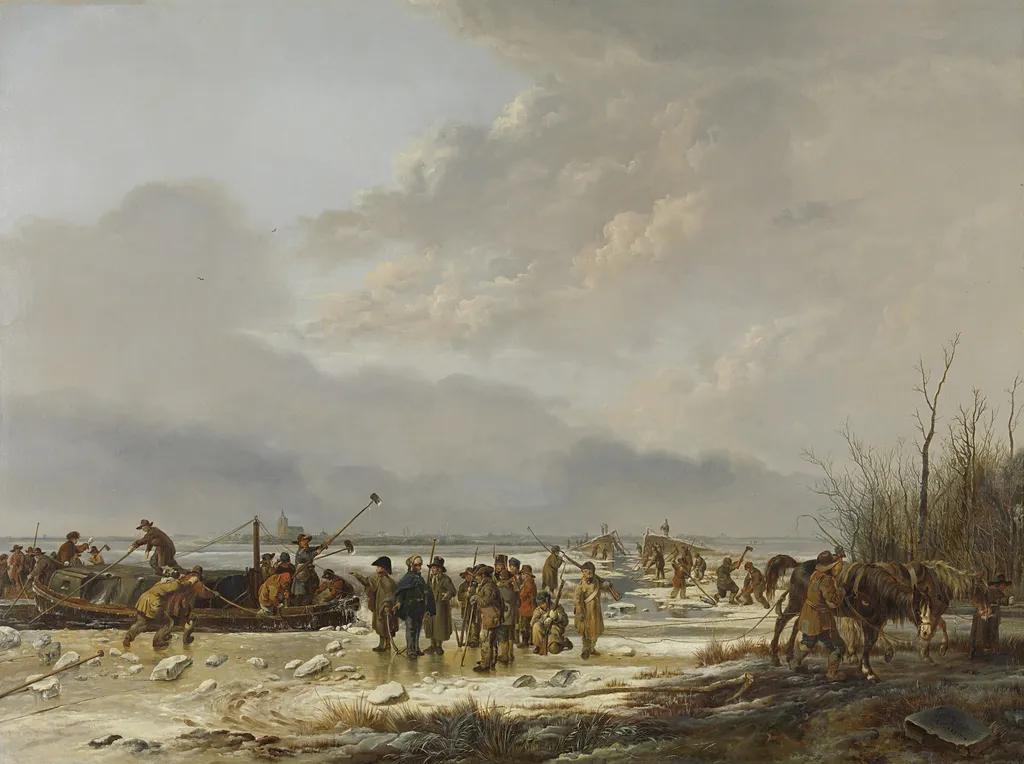
Breaking of the Ice on the Karnemelksloot near Naarden, January 1814 is an oil painting by Pieter Gerardus van Os. It dates from 1814 and is held in the collection of the Rijksmuseum.
About this work
Subject & Meaning
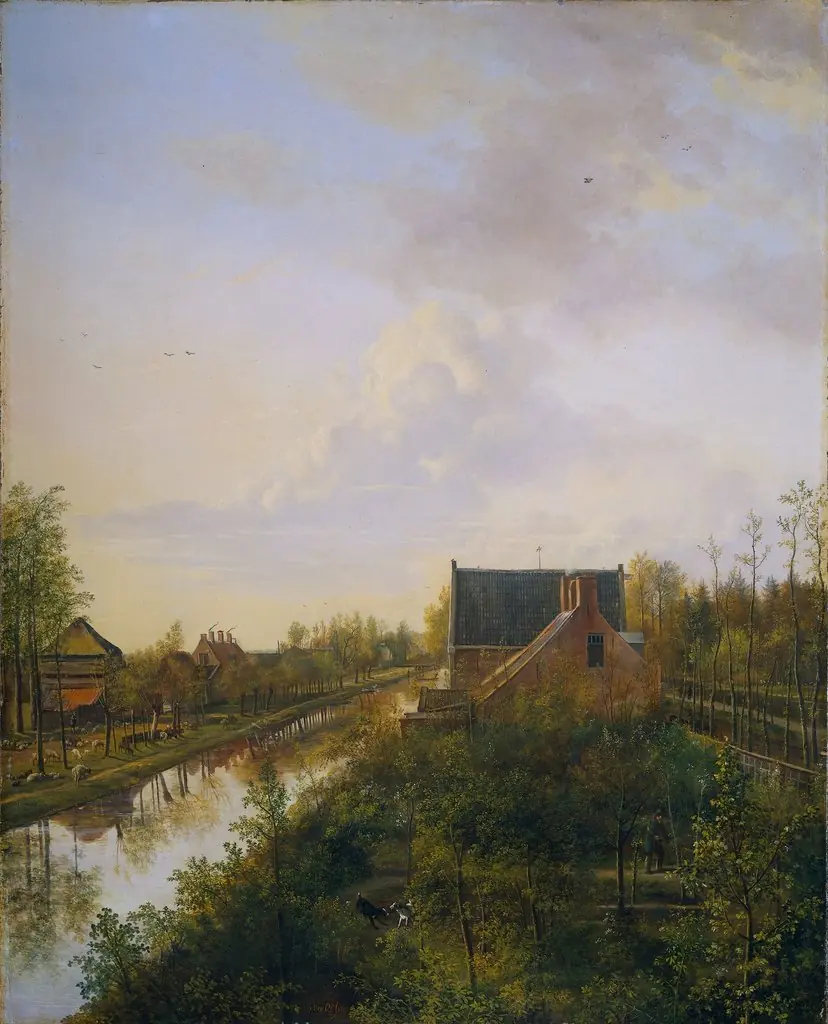
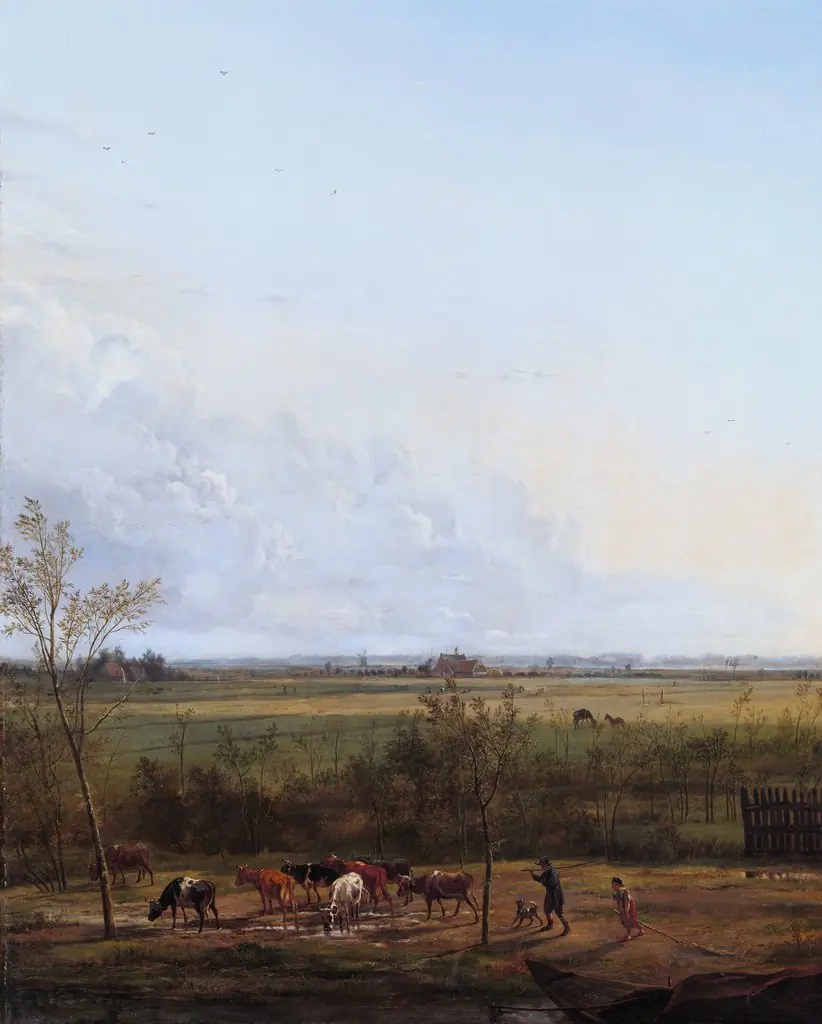
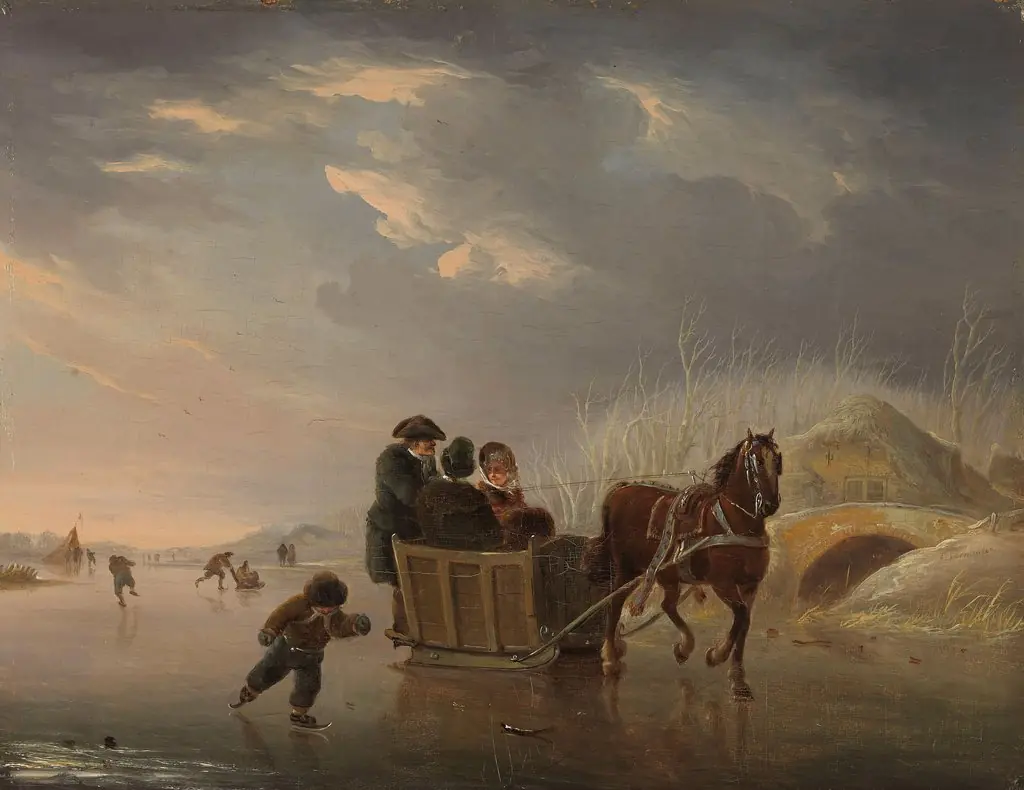
The painting depicts a winter scene on the Karnemelksloot waterway near Naarden, specifically capturing the breaking of ice in January 1814.
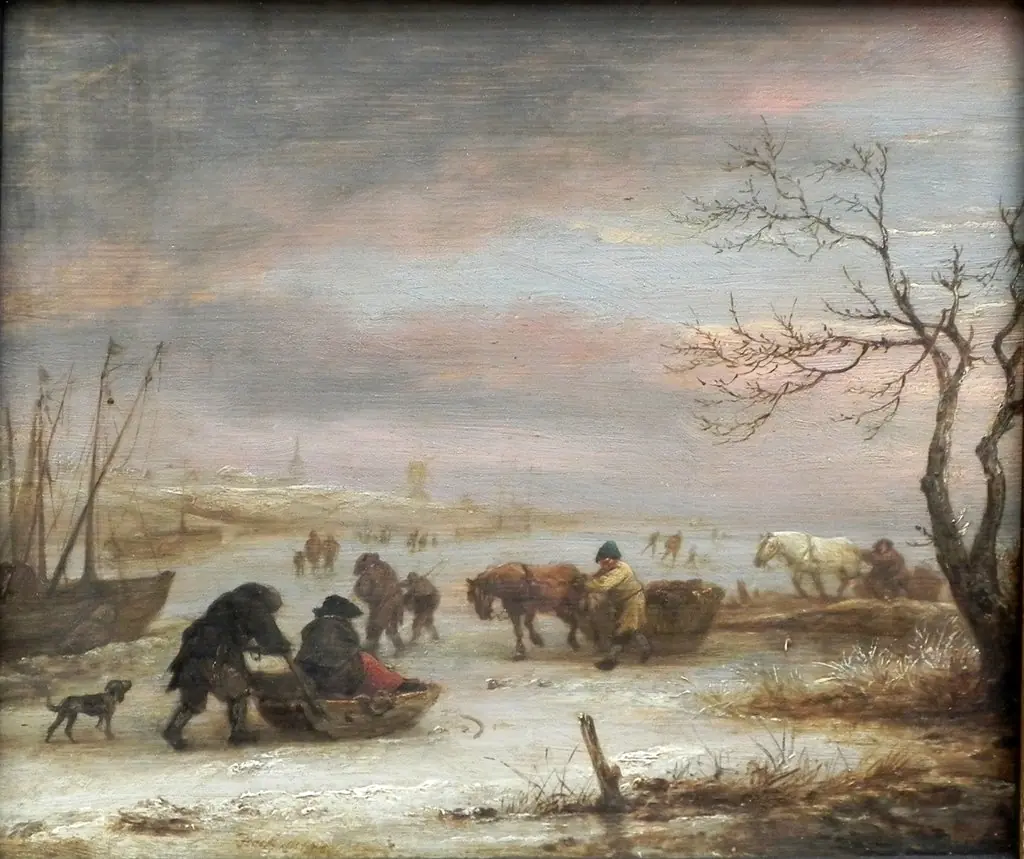
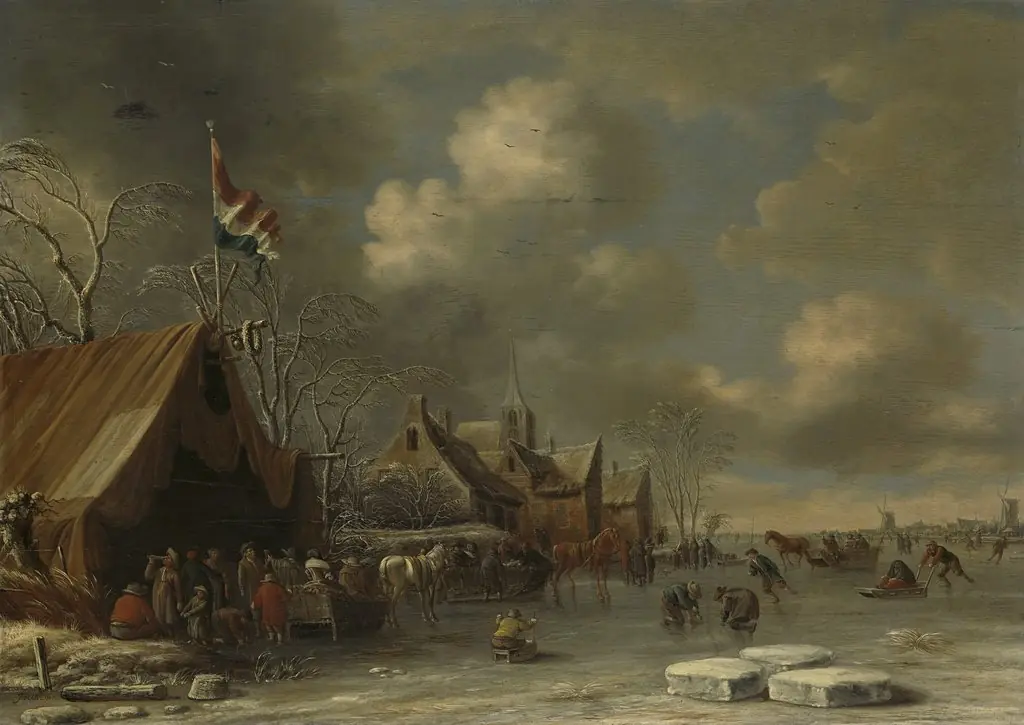
The painting depicts a winter scene on the Karnemelksloot waterway near Naarden, specifically capturing the breaking of ice in January 1814. The composition features horses, a boat, and soldiers navigating the frozen or partially thawed canal. These elements combine to illustrate the physical challenges of transportation and military movement during a severe winter.
The presence of soldiers alongside civilian transport suggests a representation of daily life continuing amidst the logistical difficulties imposed by the weather conditions of that specific month.
Technique & Style
The work is an oil painting on canvas, employing traditional oil paint to render a winter scene with precise detail. Van Os captures the moment of ice breaking with a focus on atmospheric effects and dynamic movement, using a naturalistic palette that emphasizes the cold light and textured surface of the frozen river. The composition balances narrative clarity with formal restraint, featuring a horse, boat, and soldier as central figures.
The canvas measures ninety‑nine centimeters in height and one hundred thirty‑one centimeters in width, reflecting the scale typical of early nineteenth‑century Dutch landscapes. The surface shows careful handling of brushwork, contributing to a cohesive visual field that underscores the painting’s formal balance and stylistic coherence.
History & Provenance
The painting Breaking of the Ice on the Karnemelksloot near Naarden, January 1814 was created in 1814 by Pieter Gerardus van Os, as indicated by its title and date.
By the time of its cataloguing, the work entered the collection of Rijksmuseum, Villa Welgelegen. As of the recorded data, it remains part of the Rijksmuseum’s holdings, where it is located today.
The painting is held by the Rijksmuseum, Amsterdam, where it is recorded with a height of 99 cm and width of 131 cm.
It has been exhibited at the museum’s Villa Welgelegen location as part of the permanent collection holdings of Pieter Gerardus van Os’s works.
Context
The painting Breaking of the Ice on the Karnemelksloot near Naarden, January 1814 by Pieter Gerardus van Os was created during the Netherlands' post-Napoleonic period, reflecting the nation's emerging identity through winter landscapes that combined topographical precision with Romantic atmosphere. Executed in oil on canvas in 1814, the work measures 99 by 131 centimeters and depicts a horse, boat, and soldier on the frozen canal near Naarden, blending documentary detail with emotional resonance. Its inclusion in the Rijksmuseum collection underscores its significance as part of van Os' broader contribution to Dutch landscape painting, a genre that evolved from 17th-century traditions into early 19th-century nationalistic expression.
Scholarship highlights its technical mastery and historical context within the artist's prolific output and the Romantic movement's influence on Dutch art.
Overview
Pieter Gerardus van Os painted Breaking of the Ice on the Karnemelksloot near Naarden in early 1814. Executed in oil on canvas, the work records a winter scene on a Dutch waterway where locals labor to clear ice. The composition is now part of the Rijksmuseum’s collection.
Own this work as a print
Artist & collection
Artist
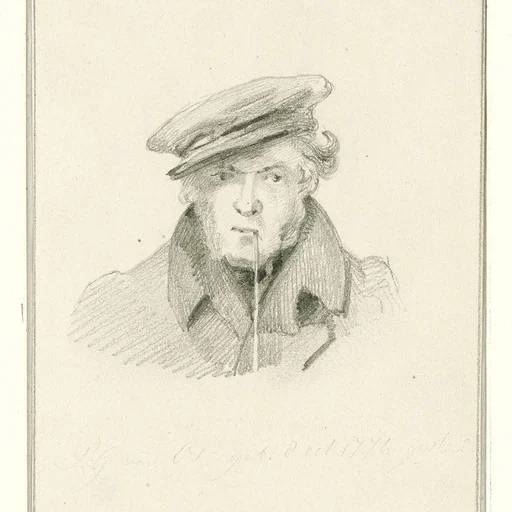
Pieter Gerardus van Os (8 October 1776 – 28 March 1839) was a Dutch painter and engraver and a member of the renowned Van Os family of artists.