Artwork
Landscape. Arcques-la-Bataille
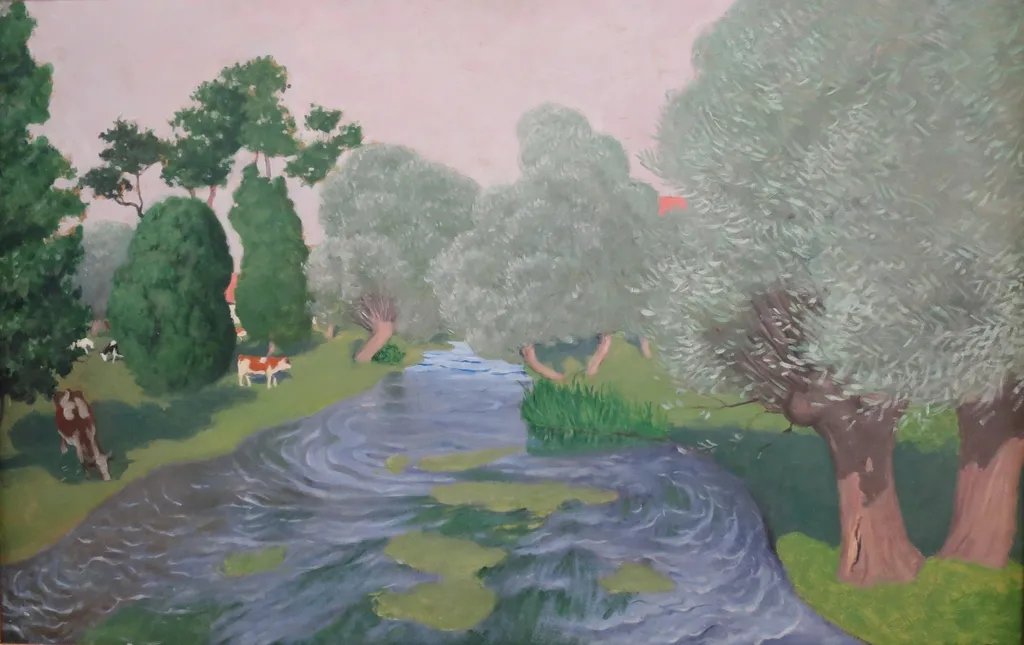
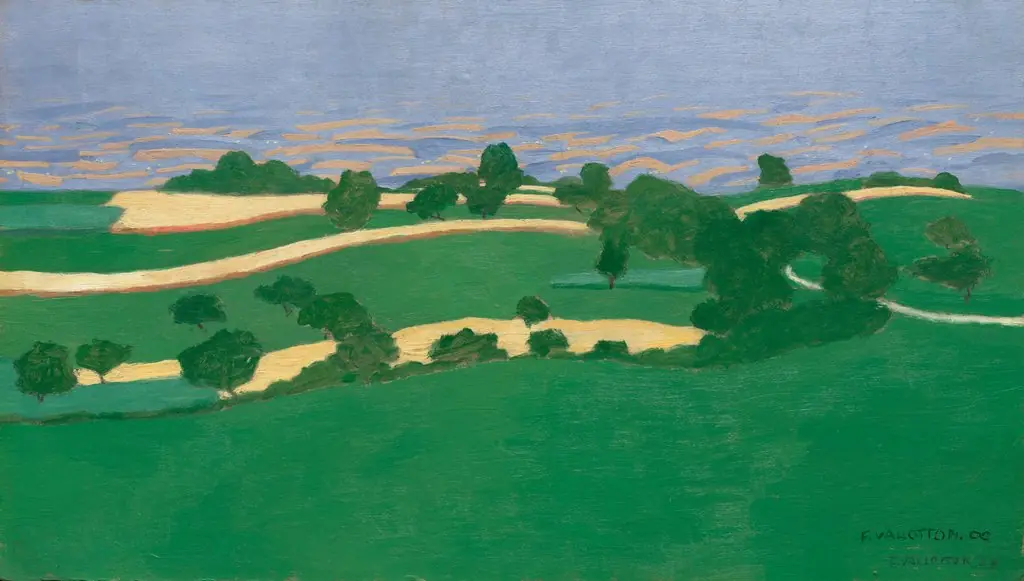
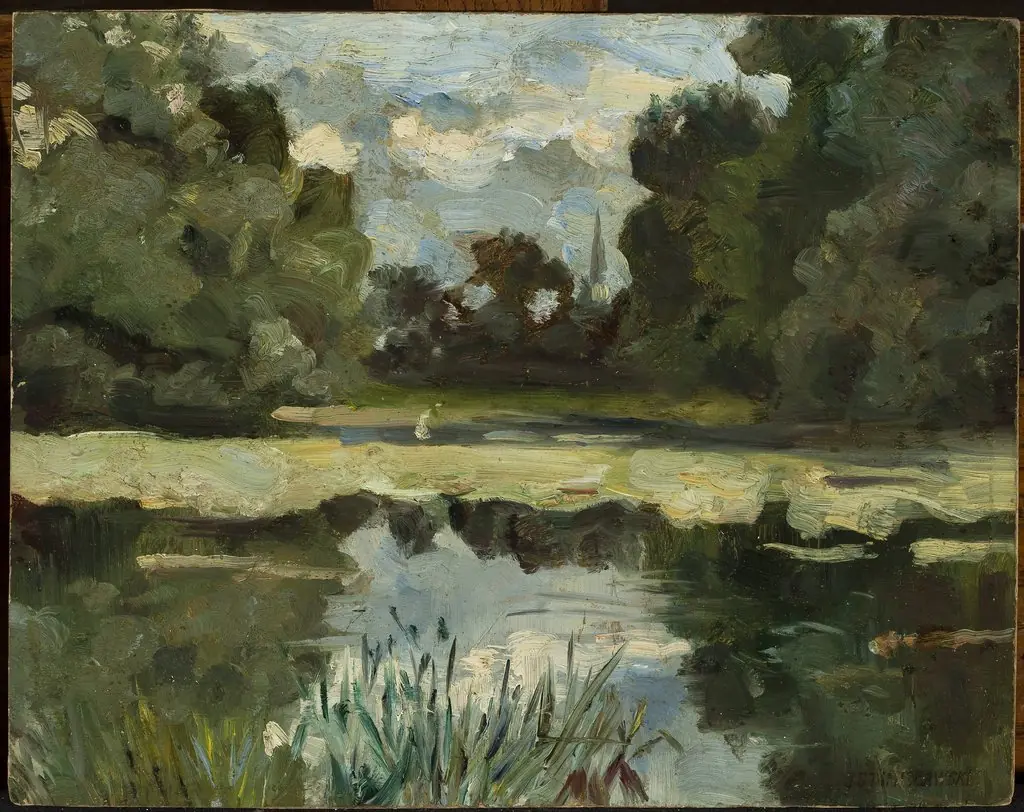
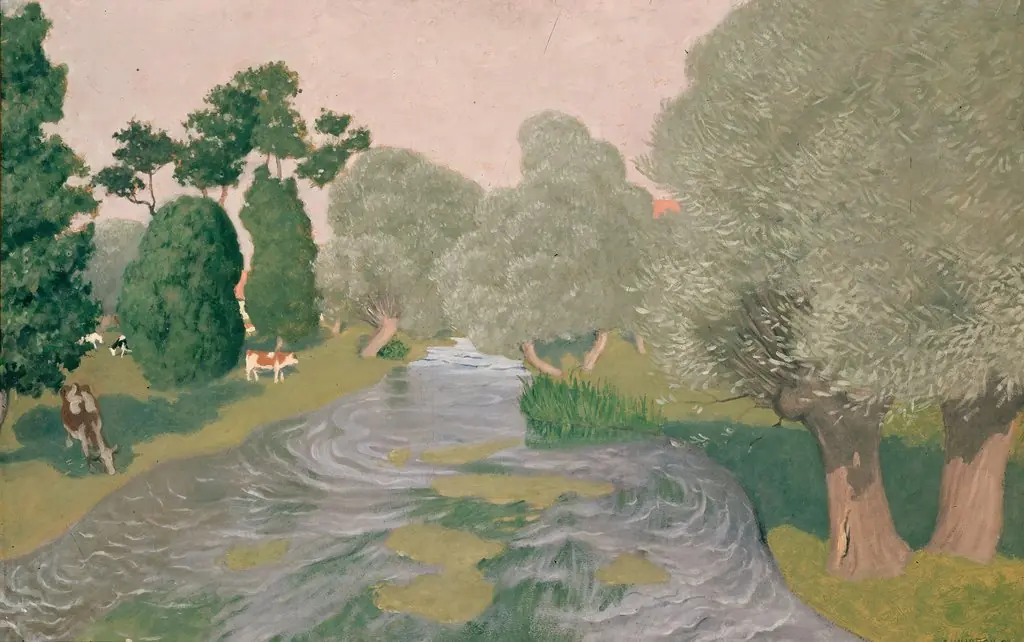
Landscape. Arcques-la-Bataille is an unspecified painting by the Impressionist artist Félix Vallotton. It dates from 1903 and is held in the collection of the Hermitage Museum.
About this work
Subject & Meaning
The work is part of the Hermitage Museum’s collection, highlighting its significance within Russian holdings of French modernism.
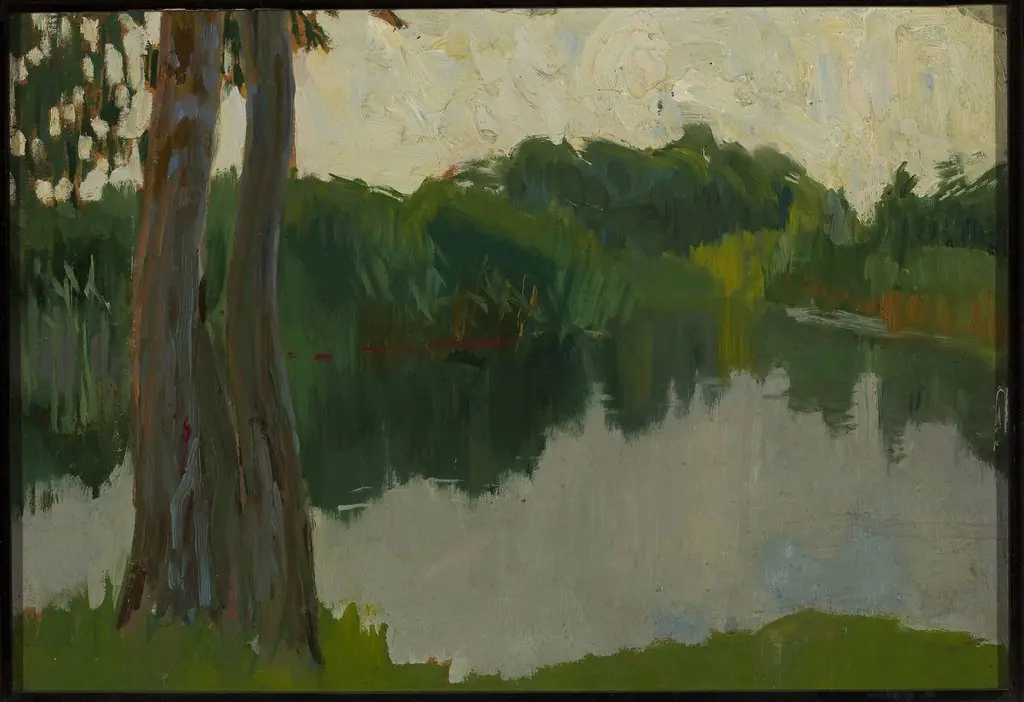
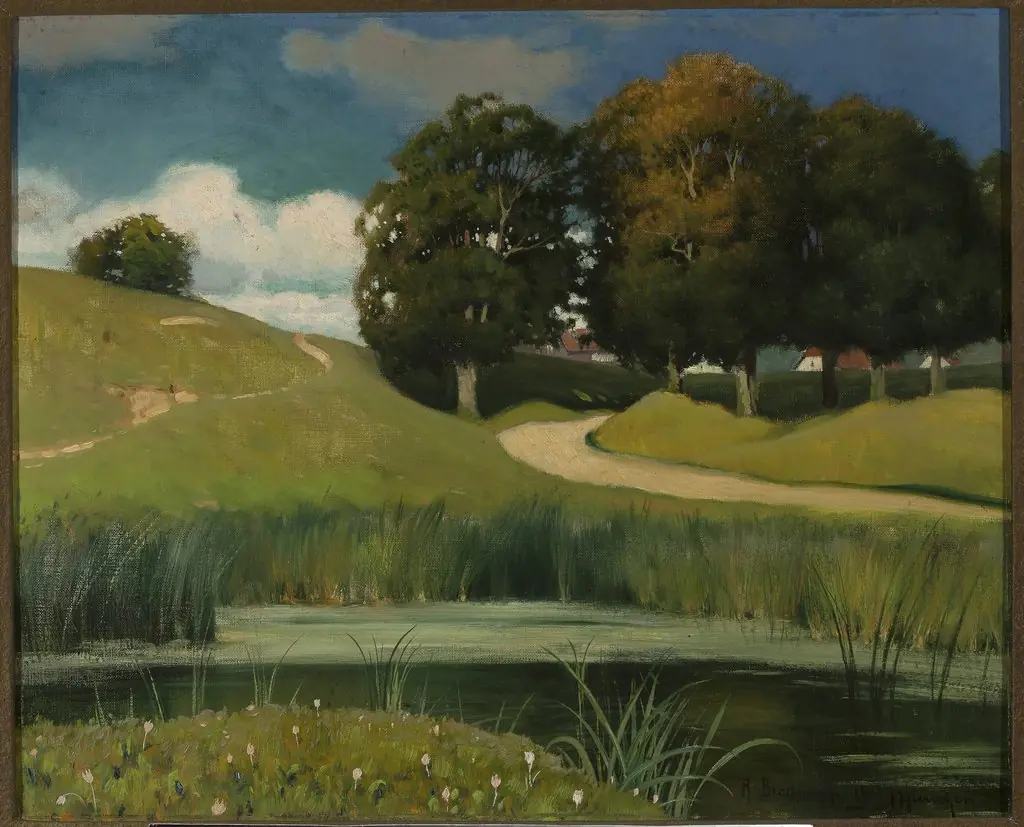
The painting shows the village of Arques-la-Bataille with its riverbank, a white willow tree, a cow and a Salix alba, typical rural elements of the French countryside that Vallotton used to convey the quiet order of provincial life.
The scene carries a symbolic weight of stability and continuity, reflecting the early 20th-century interest in the enduring rhythms of nature alongside industrial change.
The composition emphasizes geometric balance and a restrained palette, underscoring the artist’s move toward a modern, almost architectural approach to landscape.
The work is part of the Hermitage Museum’s collection, highlighting its significance within Russian holdings of French modernism.
The painting was created in 1903, aligning with Vallotton’s mature period when he explored the interplay between light, form and symbolic narrative in landscape.
The depiction of the river and willow tree evokes themes of renewal and the passage of time, resonating with contemporary philosophical ideas about nature’s constancy.
History & Provenance
Félix Vallotton painted Landscape. Arcques-la-Bataille in 1903, depicting Arques-la-Bataille with a river, white willow, cow, and tree. The work is classified as a landscape painting and is held in the Hermitage Museum collection.
The painting's creation history is documented through its depiction of specific local elements characteristic of the Arques-la-Bataille site. Its date of 1903 aligns with Vallotton's later landscape period and is recorded in the artwork's metadata.
The Hermitage Museum is listed as the current location and institutional owner, indicating the work's provenance path to museum custody.
No commission details, ownership transfers, or exhibition history are provided in the available sources.
Félix Vallotton's 1903 painting, Landscape. Arcques-la-Bataille, is held in the collection of the Hermitage Museum. The work is categorized as a landscape painting depicting the town of Arques-la-Bataille, featuring elements such as a river, willow trees, and a cow.
While the museum location is confirmed, the provided sources do not specify a unique inventory or accession number for this piece. Additionally, the available documentation does not record any specific exhibition history for the artwork.
Legacy
The painting's presence in the Hermitage Museum has contributed to its recognition within Russian art historical discourse, where it is frequently cited in studies of early 20th-century French landscape traditions. Its depiction of Arques-la-Bataille reflects Vallotton's fascination with rural Normandy, a motif that influenced contemporaries exploring regional realism. The work's compositional balance and treatment of light informed later interpretations of pastoral scenes in European modernism.
Overview
Félix Vallotton’s 1903 oil painting titled Landscape. Arcques-la-Bataille portrays a tranquil rural scene near the French village of Arques-la-Bataille. The composition centers on a gently curving river flanked by verdant banks, with a solitary cow and a stand of white willow trees punctuating the horizon. The work is part of the collection of the State Hermitage Museum in St. Petersburg.
Technique & Style
Vallotton employs loose, almost swirling brushwork for the tree trunks and foliage, creating a sense of movement within the still scene. A restrained palette of muted greens, soft blues, and earthy browns avoids stark contrasts, allowing the light to glide across the water’s surface and the grass to appear gently illuminated.
Own this work as a print
Artist & collection

Artist
Félix Édouard Vallotton (French: ; December 28, 1865 – December 29, 1925) was a Swiss and French painter and printmaker associated with the group of artists known as Les Nabis.