Artwork
Achilles among the Daughters of Lycomedes
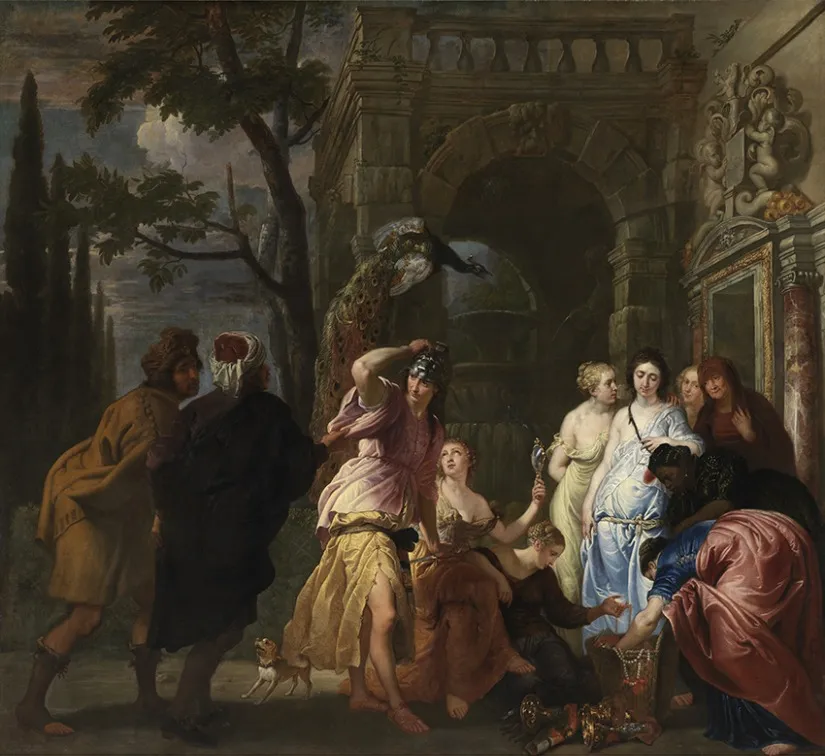
Achilles among the Daughters of Lycomedes is an oil painting by the Flemish Baroque painting artist Erasmus Quellinus II. It dates from 1643 and is held in the collection of the Groeningemuseum.
About this work
Subject & Meaning
The narrative centers on the moment his disguise is revealed, featuring key figures such as Achilles, Odysseus, and Diomedes within the composition.
The painting illustrates the mythological episode of Achilles on Skyros, where the hero conceals himself among the daughters of King Lycomedes to avoid joining the Trojan War. The narrative centers on the moment his disguise is revealed, featuring key figures such as Achilles, Odysseus, and Diomedes within the composition. Iconographic elements include a dog, a basket, and a peafowl, which populate the scene alongside a tree, adding texture to the royal setting.
As a work of mythological painting, the piece dramatizes the tension between Achilles' hidden identity and the cunning strategy employed by Odysseus to expose the warrior.
Technique & Style
Executed in oil paint on canvas in 1643, the work presents a densely packed figural composition in which the disguised Achilles is identified by Odysseus and Diomedes through the display of armor and weapons amid the daughters of King Lycomedes on Skyros.
The handling combines smooth modeling of flesh and drapery with sharper accents on metallic surfaces and patterned textiles, while a muted yet luminous palette organizes the scene through localized color rather than broad chiaroscuro. Formal qualities include a shallow, stage-like space compressed by vertical accents such as the standing figures at left and the central column, which focus attention on the moment of revelation.
The canvas support measures 220 cm in height by 240 cm in width, consistent with mid-seventeenth-century Flemish pictorial formats for history subjects.
History & Provenance
The painting was created by Erasmus Quellinus II in 1643, as indicated by the date inscribed on the work and corroborated by the Groeningemuseum’s records.
By the late 20th century, the painting entered the collection of the Groeningemuseum in Bruges, part of the Flemish Art Collection. It remains in the museum’s holdings, where it is identified as a key mythological work by Quellinus.
The work is held at the Groeningemuseum, part of the Groeningemuseum collection within the Groeningemuseum collection. Its inventory number is not specified in the provided sources. The painting was exhibited in the exhibition "Groeningemuseum: Mythological Paintings" in 1991, as referenced in the Groeningemuseum's 1991 catalogue. It was also featured in the 2005 exhibition "Flemish Masters: 15th–17th Century" at the same institution.
Context
Erasmus Quellinus II painted Achilles among the Daughters of Lycomedes in 1643, a mythological composition depicting Achilles disguised as a woman among the daughters of Lycomedes, alongside figures such as Diomedes, Odysseus, a tree, dog, basket, and peafowl. Executed in oil paint on canvas, the work measures 220 cm in height and 240 cm in width and is housed in the Groeningemuseum as part of the Vlaamse Kunstcollectie. Scholarship situates the painting within the artist's mature period and his engagement with Baroque interpretations of classical narratives, reflecting broader 17th-century trends in mythological storytelling through dynamic composition and chiaroscuro.
The work is recognized as a significant example of Flemish Baroque art and contributes to understanding Quellinus' thematic focus on mythological subjects within the context of his broader oeuvre.
Overview
Achilles among the Daughters of Lycomedes is a 1643 oil painting by Erasmus Quellinus II, a Flemish artist associated with Peter Paul Rubens. It is a representative work of the Flemish Baroque style and is housed in the Groeningemuseum.
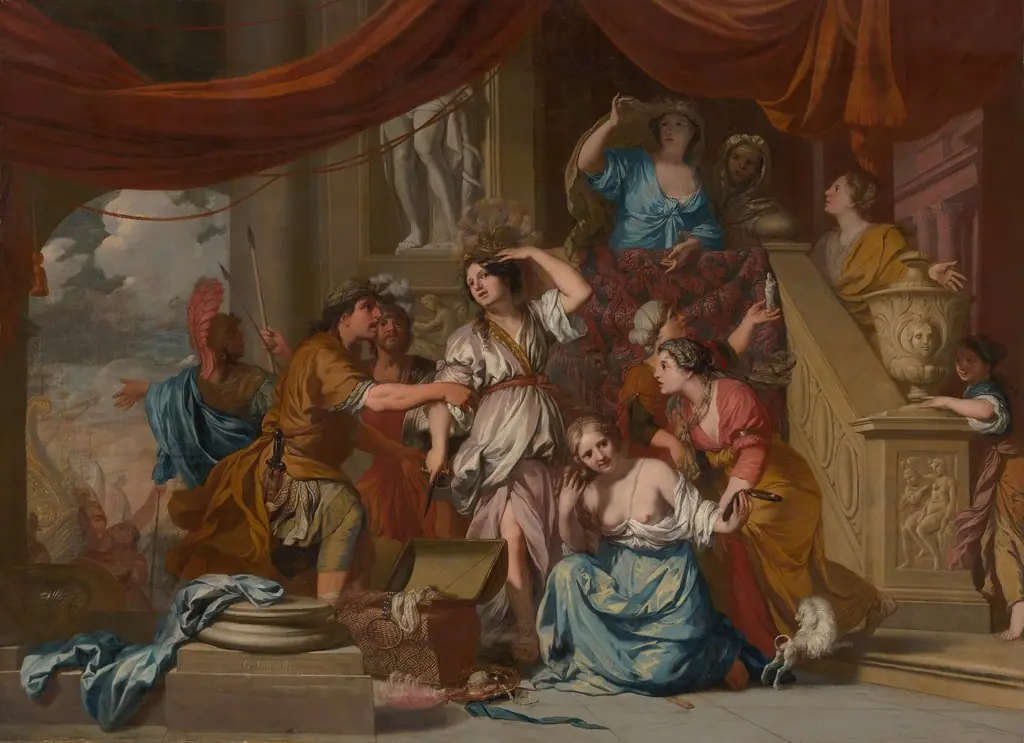
Artist & collection
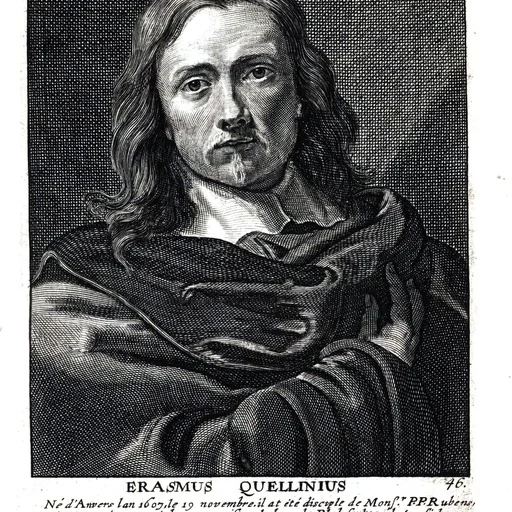
Artist
Erasmus Quellinus the Younger or Erasmus Quellinus II (November 19, 1607 – November 11, 1678) was a Flemish painter, engraver, draughtsman and tapestry designer who worked in various genres including history, portrait, allegorical, battle…

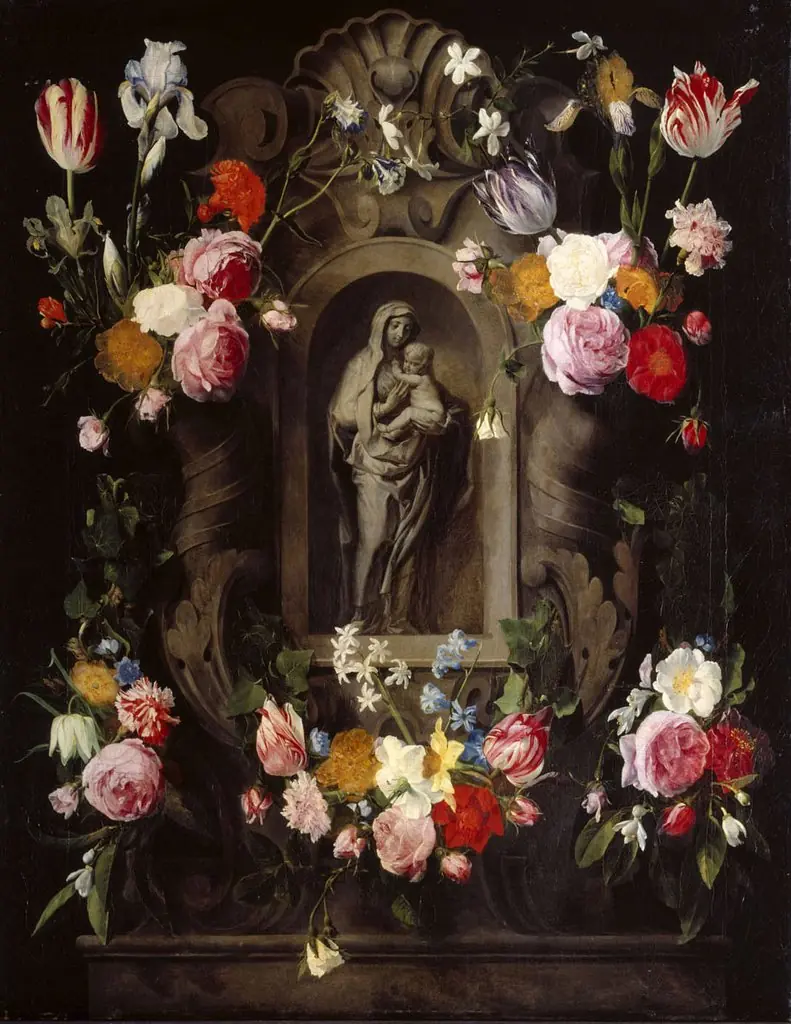 Madonna & Child Statuette in a Niche surrounded by a Garland of Flowers
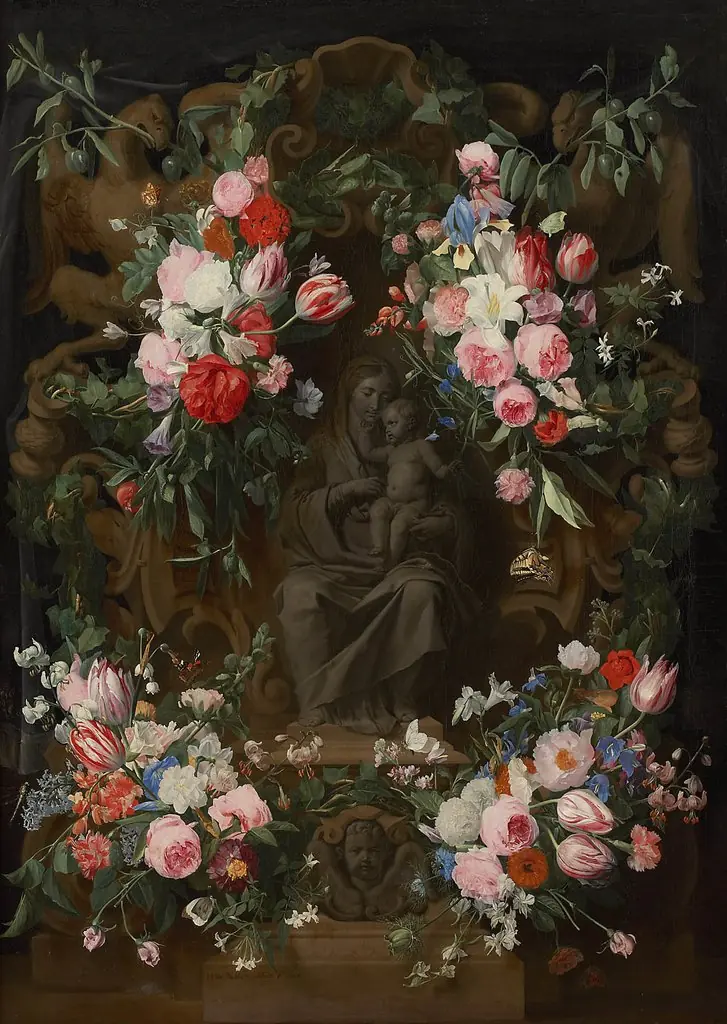 Seated Maria in a Flower Garland
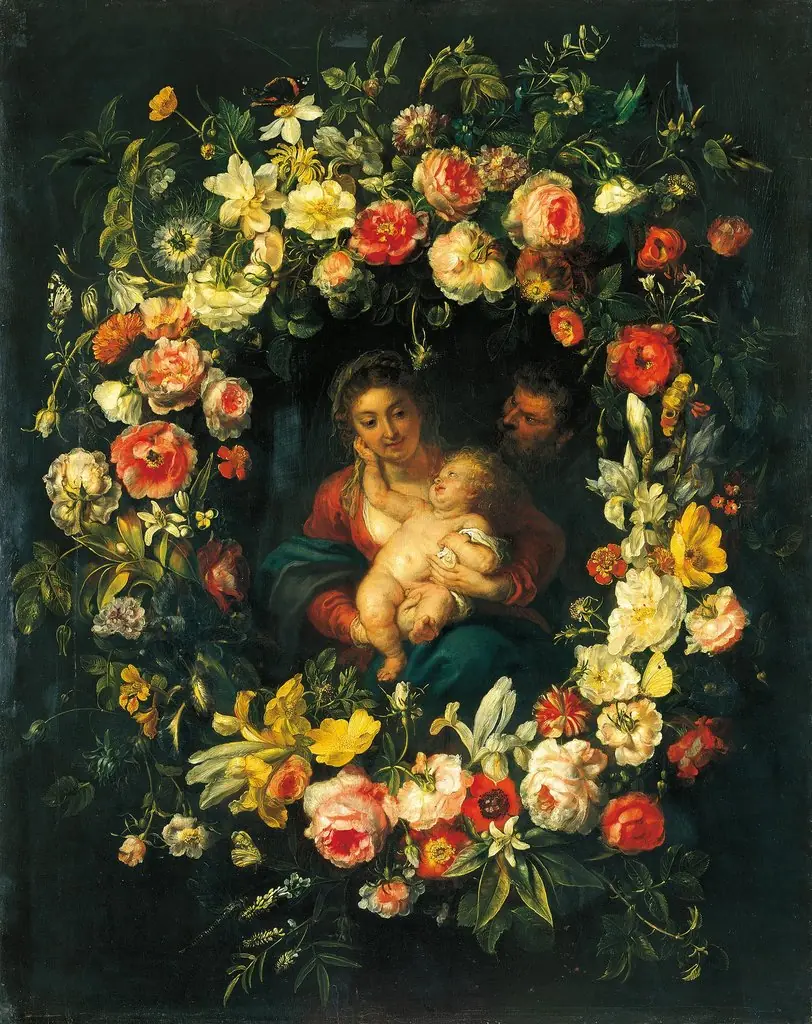 Holy Family in a Wreath of Flowers
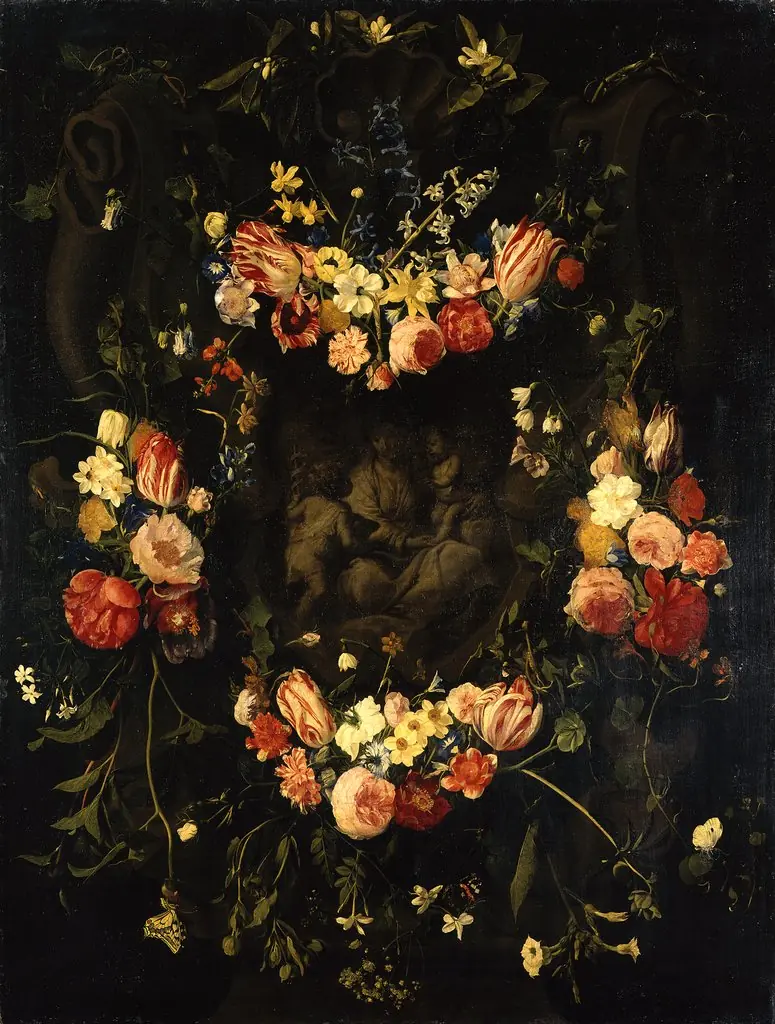 Cartouche addorned with flowergarlands surrounding a depiction of the Holy Family with the infant Saint John the Baptist
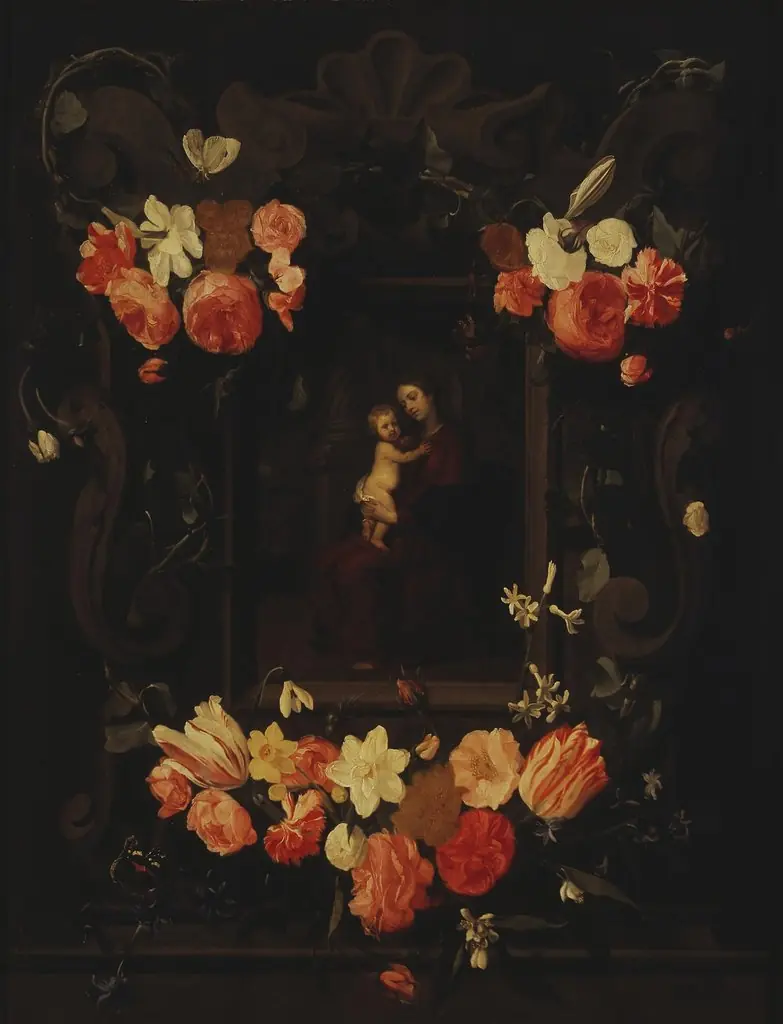 Madonna and Child Framed a Garland of Flowers
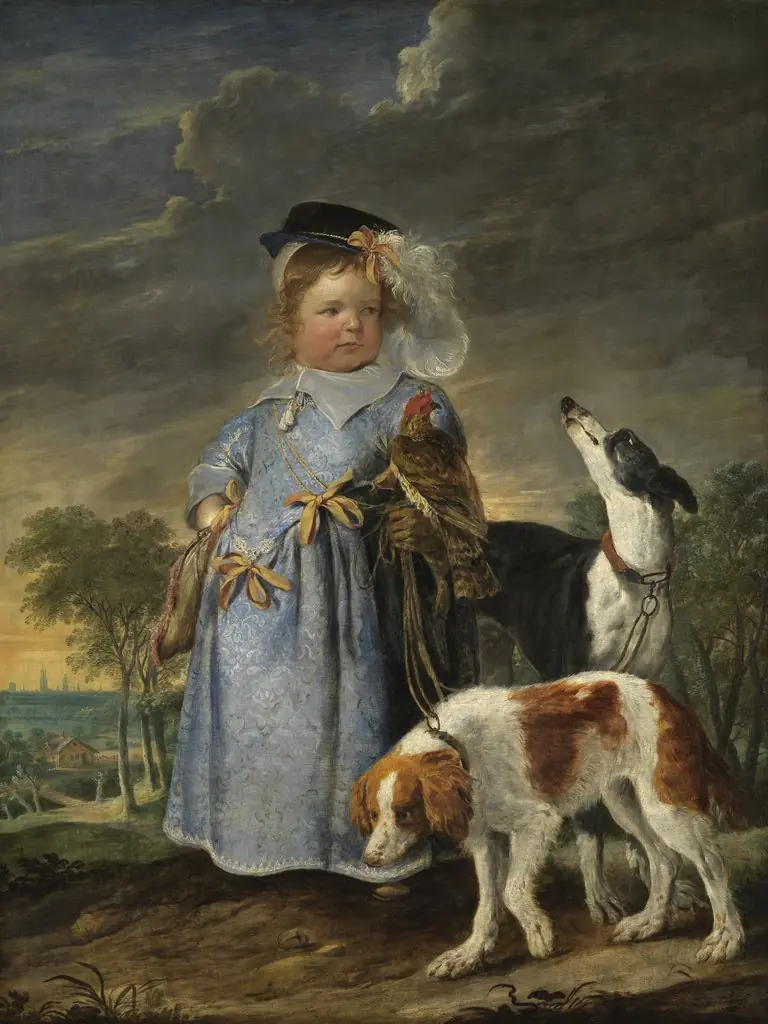 Portrait of a Boy
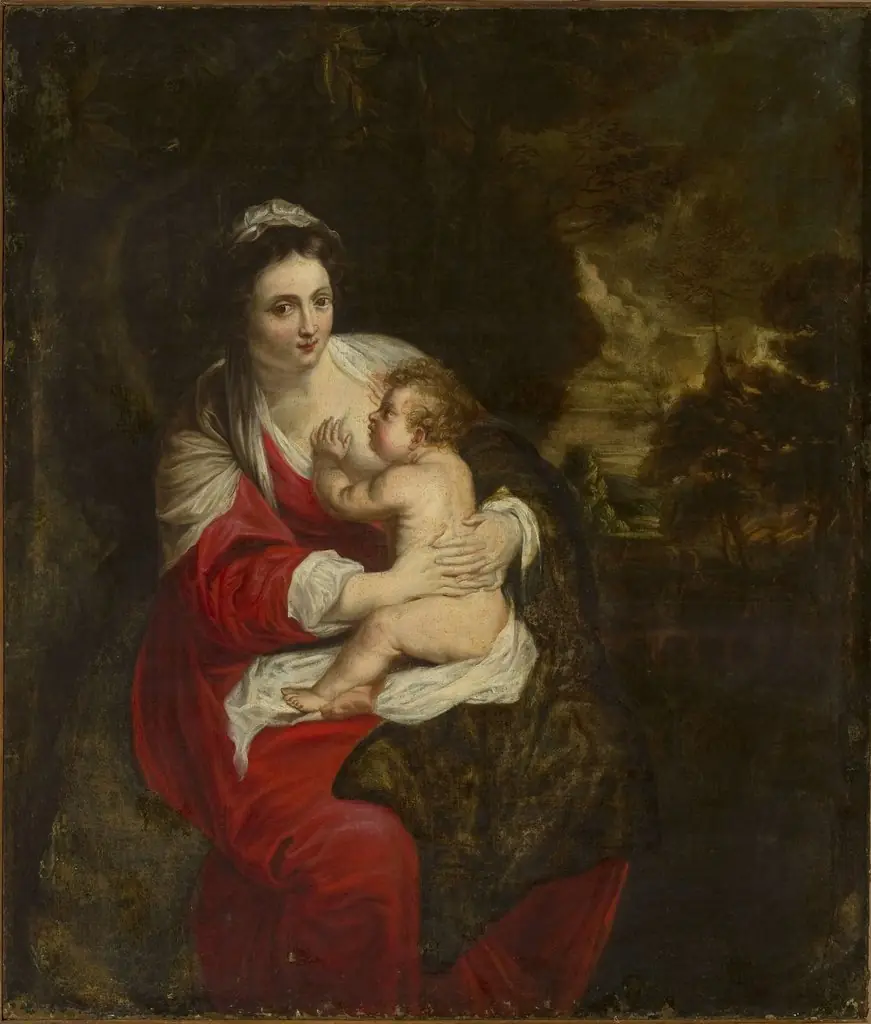 Madonna with Child Jesus
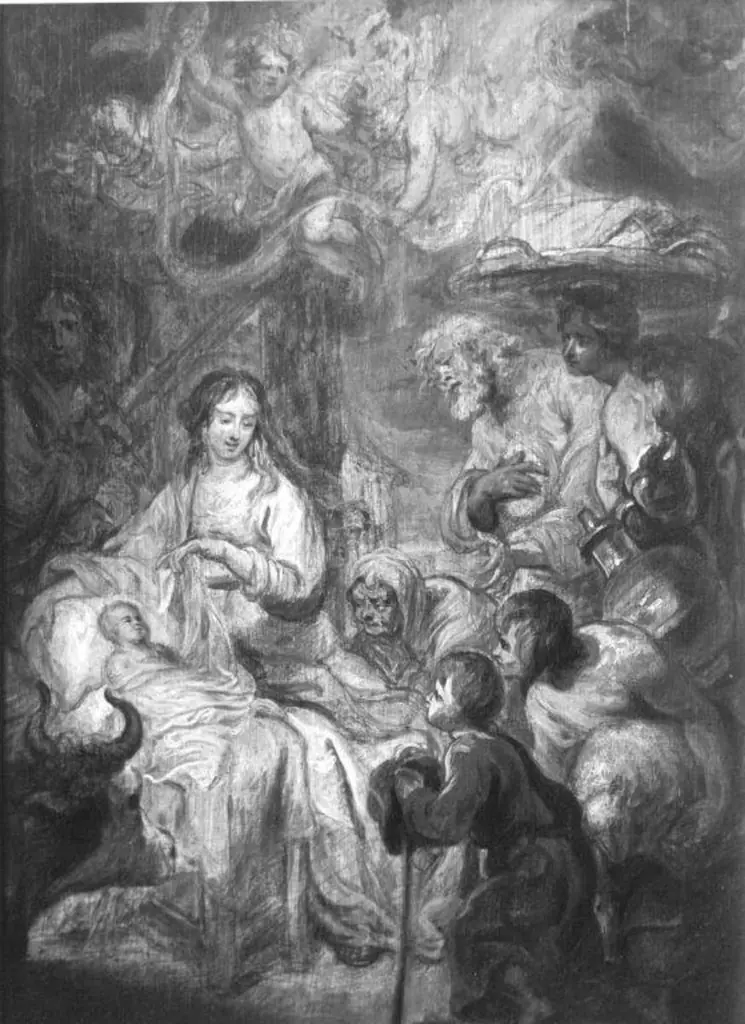 Anbetung der Hirten
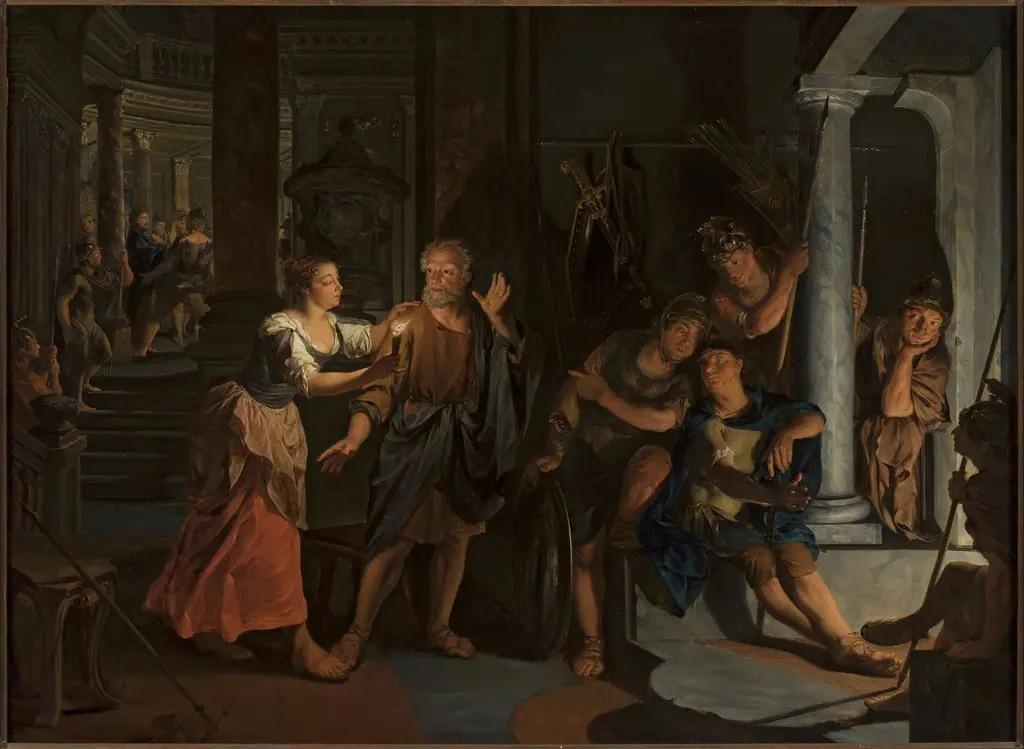 Denial of Saint Peter (Matthew 26:69-75; Mark 14:66-72; Luke 21:54-63; John 17:15-25).
 Moses trampling on the Pharaoh’s crown
 The Death of Cleopatra
 Preciosa
 The Marriage of Alexander the Great and Roxane of Bactria
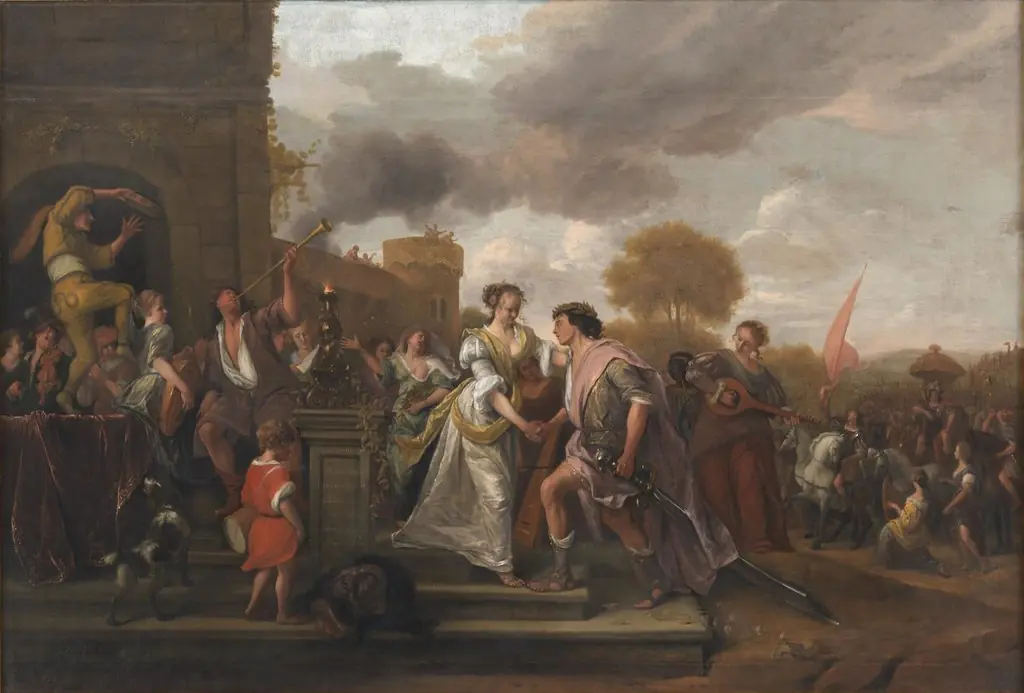 David Returning Victorious after Defeating Goliath and the Philistines
 David Returning Victorious after Defeating Goliath and the Philistines
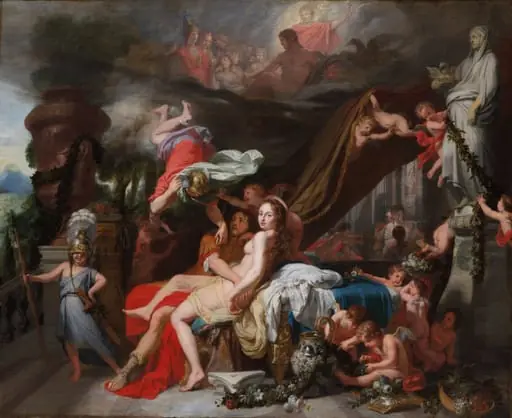 Hermes Ordering Calypso to Release Odysseus
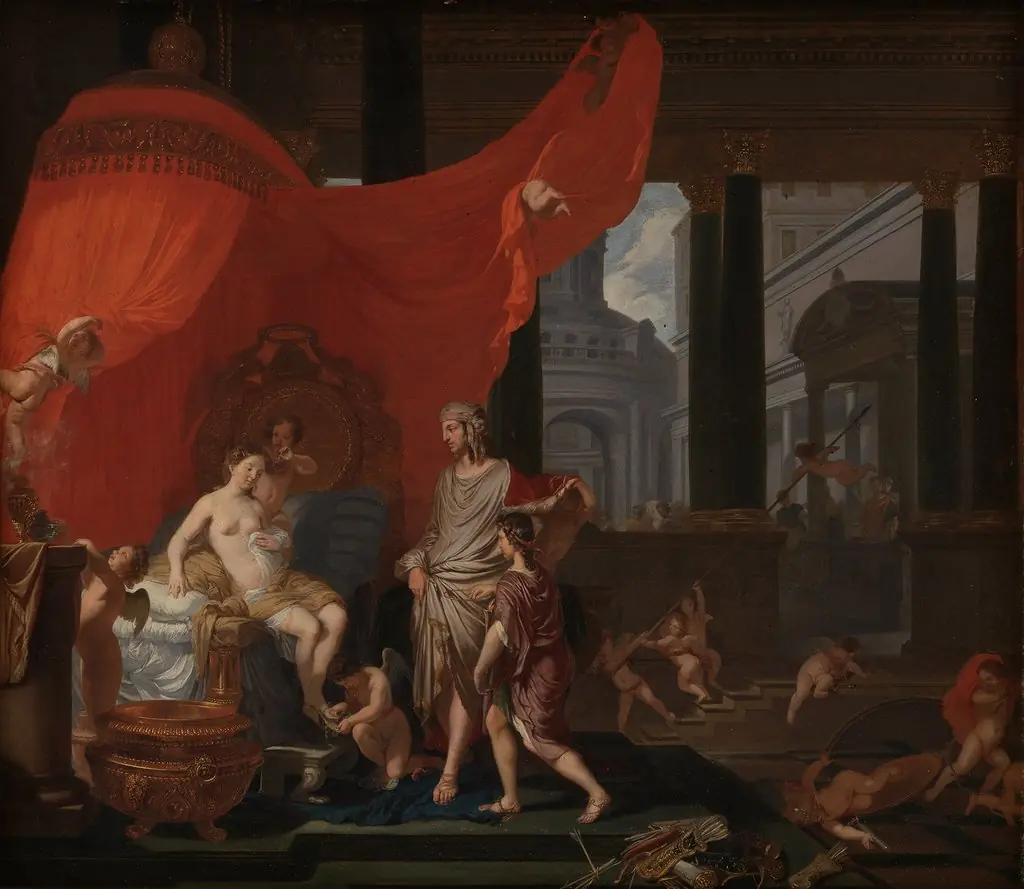 The Wedding of Alexander and Roxana