Artwork
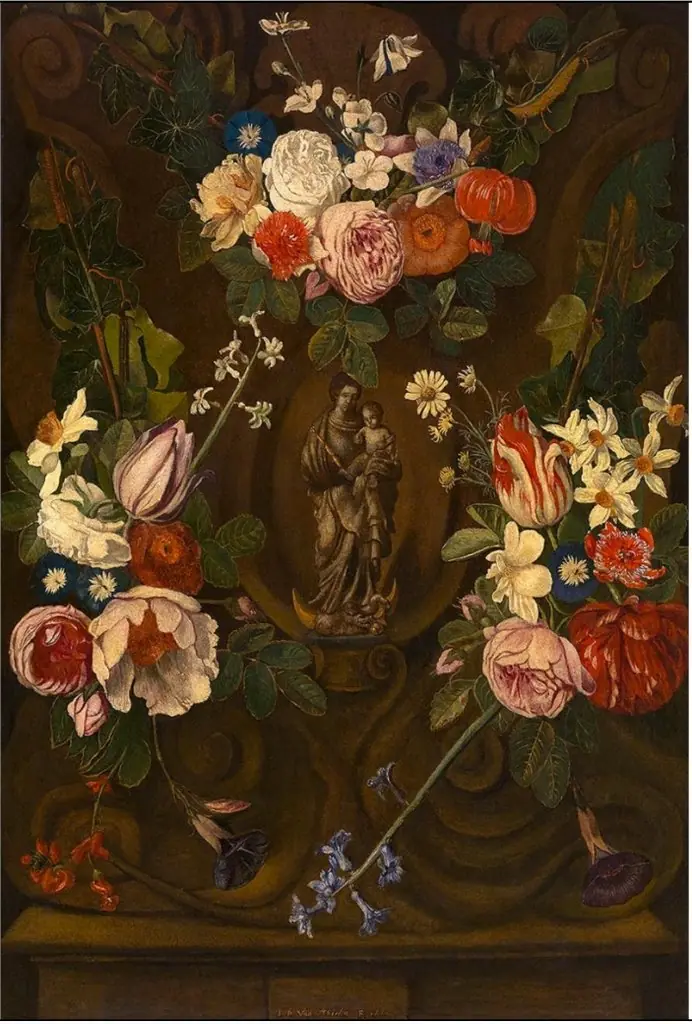
Madonna and Child Framed a Garland of Flowers
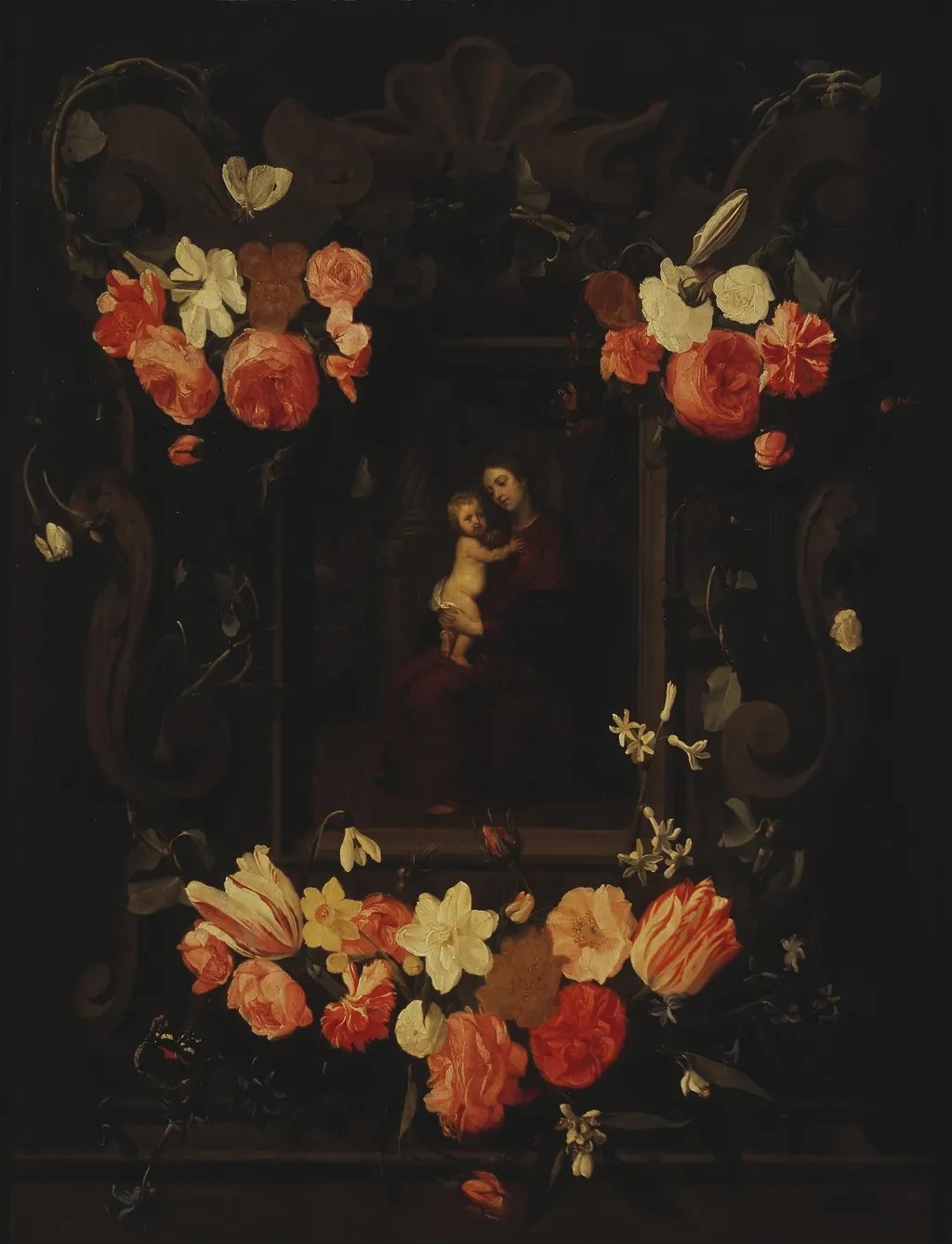
Madonna and Child Framed a Garland of Flowers is an oil painting by the Flemish Baroque painting artist Erasmus Quellinus II. It dates from 1644 and is held in the collection of the Hermitage Museum.
About this work
Subject & Meaning
The title indicates that the holy figures are framed by a garland of flowers, a motif with its own symbolic resonance.
The painting depicts the Madonna and Child, with the Virgin Mary shown holding or attending to the infant Christ. As a religious work, it belongs to the long devotional tradition of Marian imagery, in which the Madonna and Child serve as a focus for veneration and a symbol of maternal love, divine incarnation, and salvation. Erasmus Quellinus II rendered the sacred figures on a copper support, a refined surface often chosen for intimate, jewel-like devotional pieces intended for close, private contemplation.
The title indicates that the holy figures are framed by a garland of flowers, a motif with its own symbolic resonance. Floral garlands surrounding sacred figures evoke the beauty of creation offered in homage to the divine, while individual blooms traditionally carry meanings such as purity, the Passion, or resurrection, lending the tender mother-and-child scene an added layer of spiritual allegory.
Technique & Style
Executed in 1644 by Erasmus Quellinus II, this religious painting depicts the Madonna and Child surrounded by a floral garland. The work is an oil painting applied to a copper support, a medium choice characteristic of Flemish artistry from this period that allows for fine detail and a luminous surface quality. The composition measures 88 cm in height and 67.5 cm in width.
Currently held in the collection of the Hermitage Museum, the piece exemplifies the integration of figure painting with still-life elements, a genre popular in mid-seventeenth-century Flanders.
History & Provenance
Madonna and Child Framed a Garland of Flowers is an oil painting on copper created in 1644 by Erasmus Quellinus II in Flanders. The work depicts the Virgin Mary with the Christ Child and was originally part of the Hermitage Museum's collection, which has held it since its creation as recorded in 1644.
The painting entered the Hermitage Museum's holdings shortly after its execution, remaining there continuously as documented in museum records. Its provenance is straightforward, with no documented changes in ownership prior to its acquisition by the Hermitage, where it has been displayed in the museum's European art galleries.
The work is held in the Hermitage Museum collection. Its accession number is not specified in the sources. It was exhibited in the museum's display of religious art, as indicated by the genre classification. The painting was created in 1644 in Flanders.
Overview
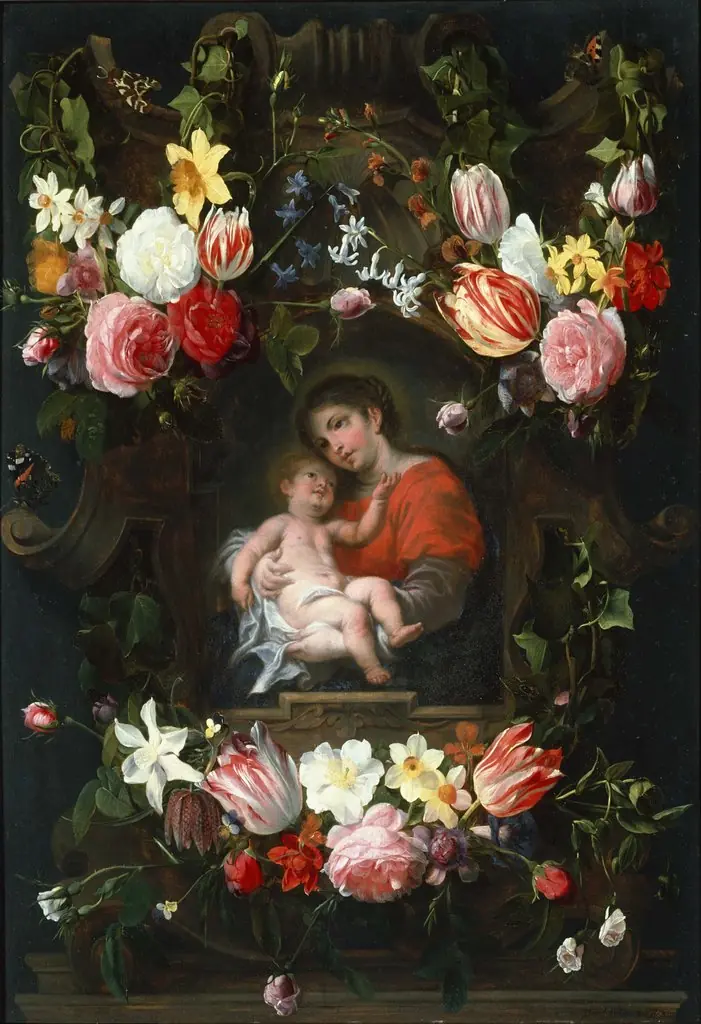
Created in 1644 by the Flemish artist Erasmus Quellinus II, this small copper painting presents a devotional scene of the Virgin Mary and the infant Christ. The figures are enclosed within a dark, window‑like opening, while a vivid garland of flowers, red roses, yellow tulips, white daisies, overflows the borders, giving the composition a lively, ornamental quality.
Own this work as a print
Artist & collection
Artist
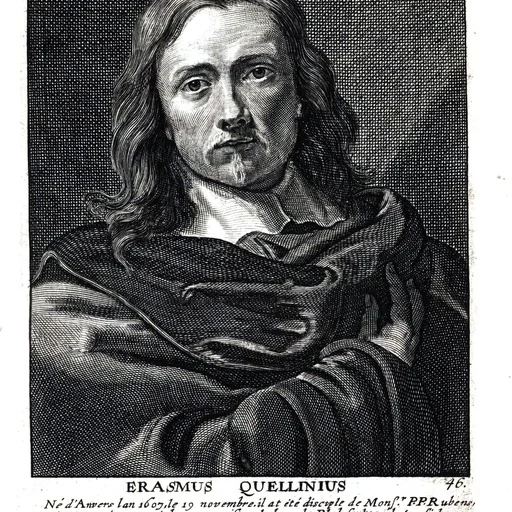
Erasmus Quellinus the Younger or Erasmus Quellinus II (November 19, 1607 – November 11, 1678) was a Flemish painter, engraver, draughtsman and tapestry designer who worked in various genres including history, portrait, allegorical, battle…

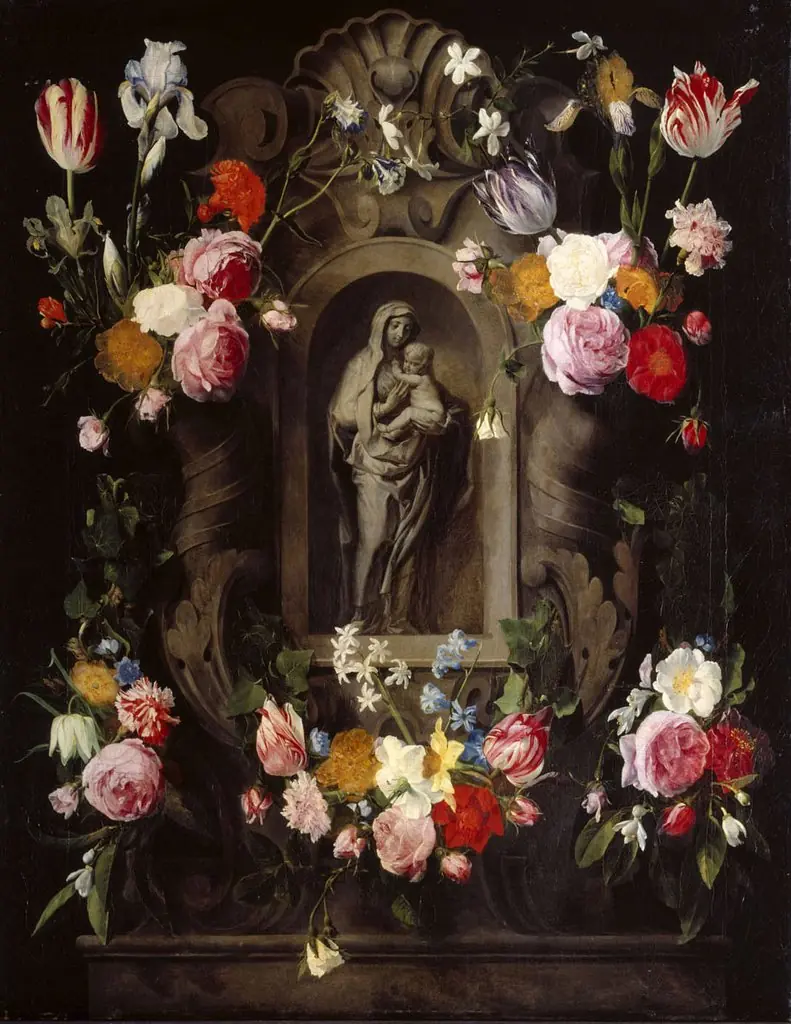 Madonna & Child Statuette in a Niche surrounded by a Garland of Flowers
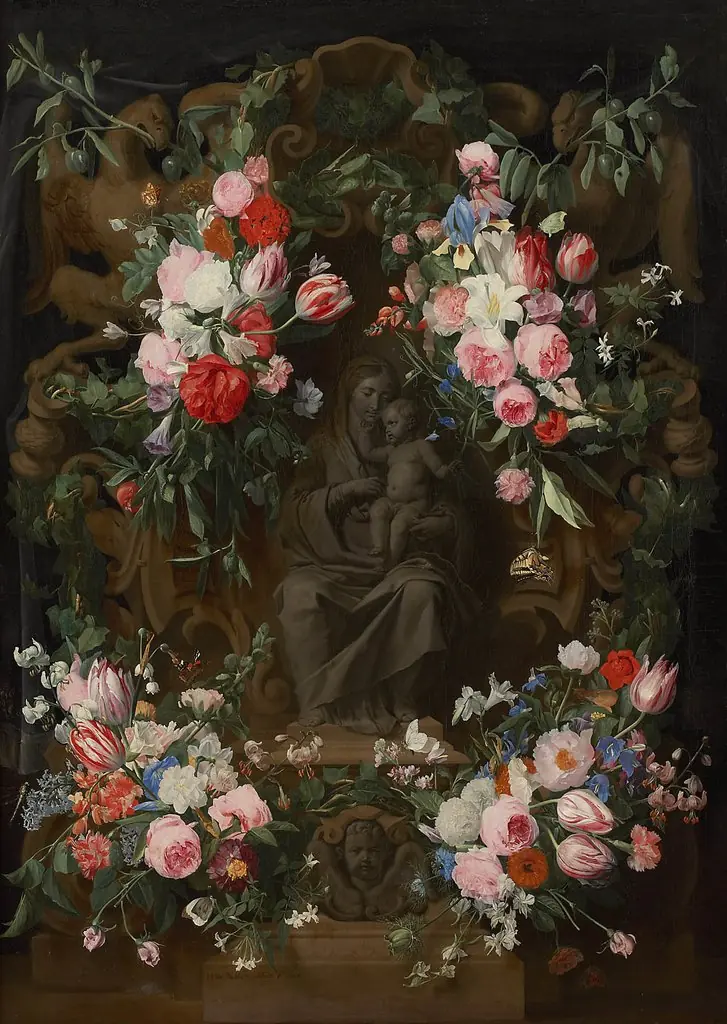 Seated Maria in a Flower Garland
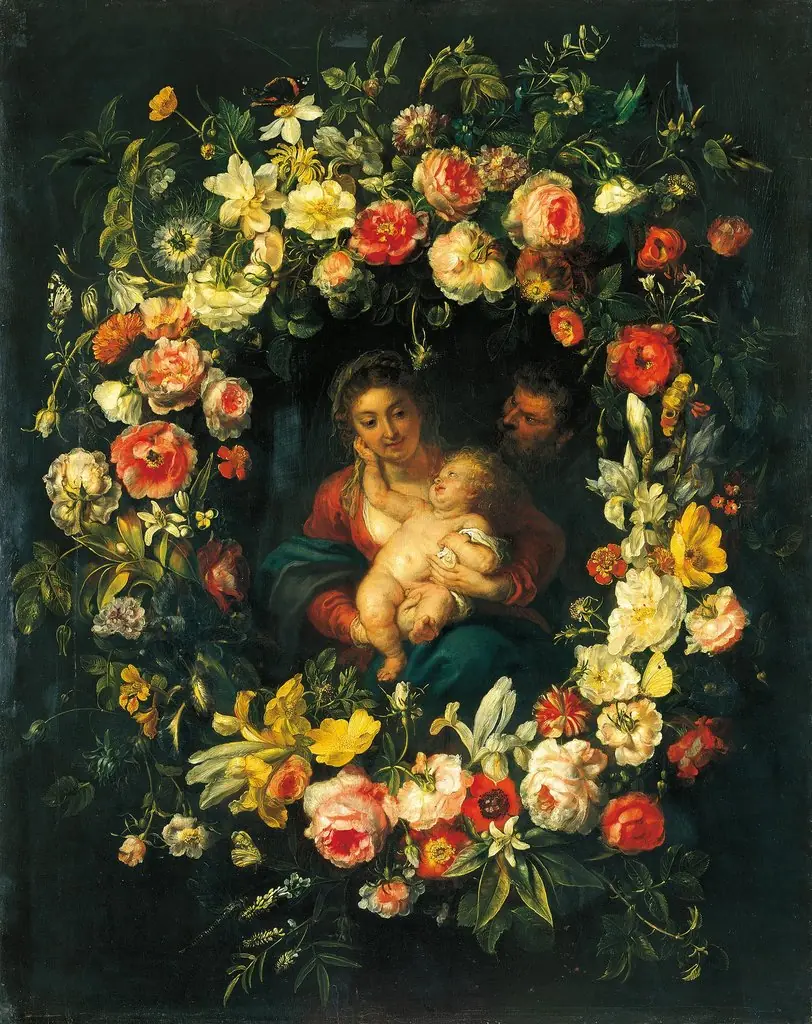 Holy Family in a Wreath of Flowers
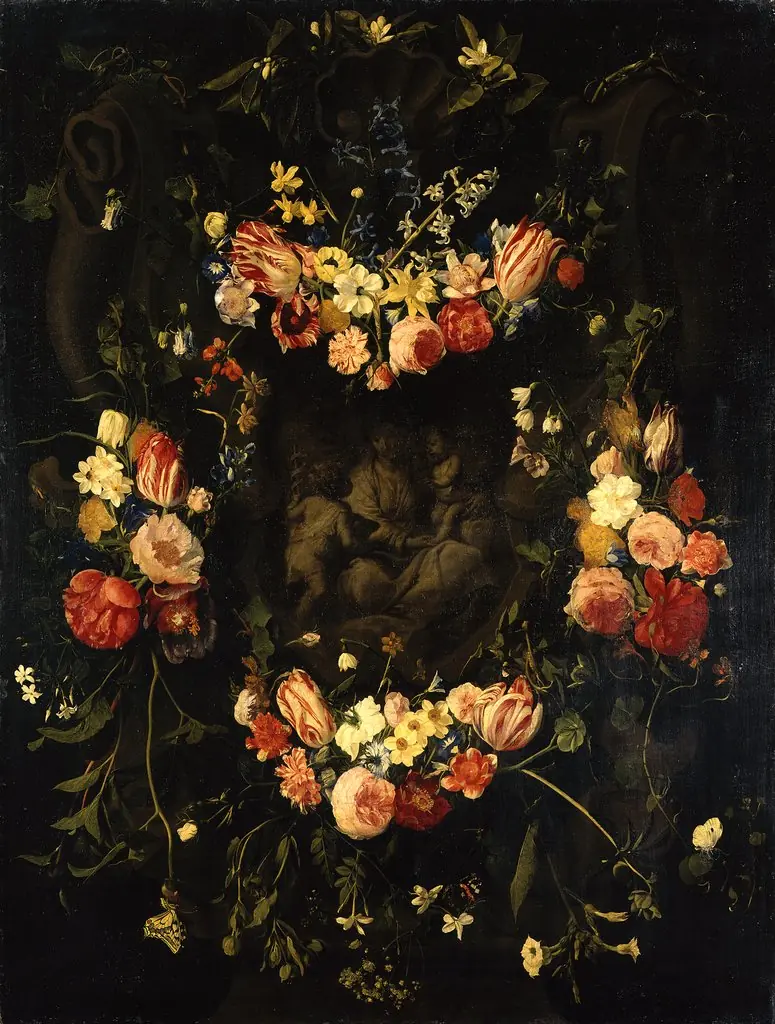 Cartouche addorned with flowergarlands surrounding a depiction of the Holy Family with the infant Saint John the Baptist
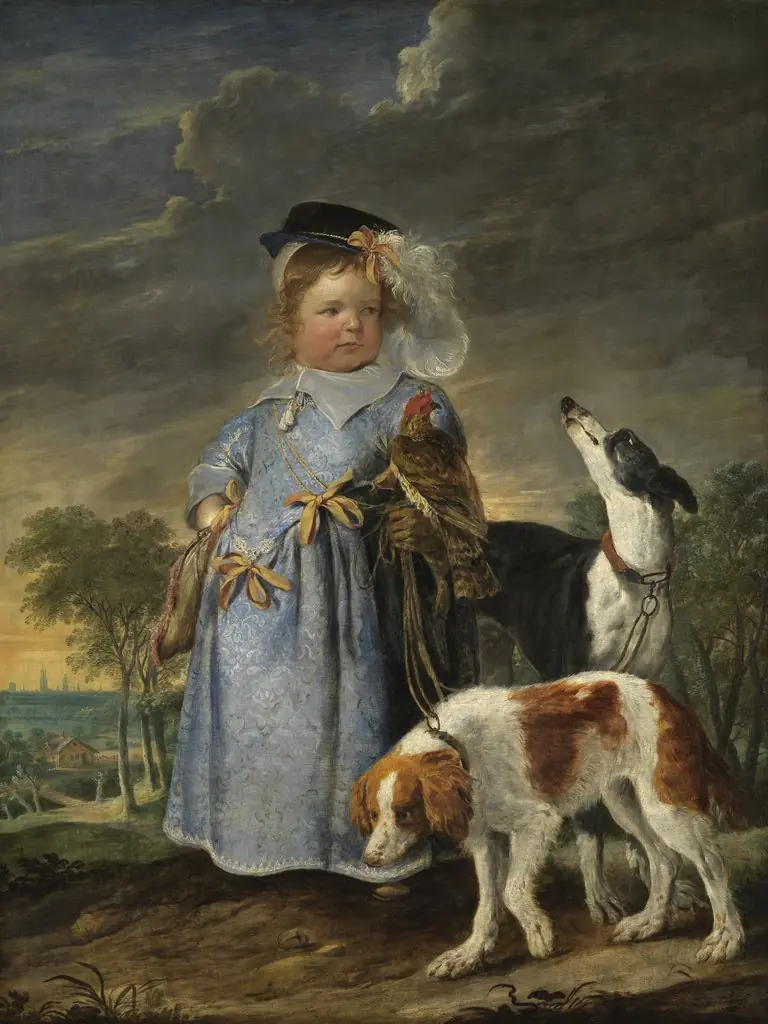 Portrait of a Boy
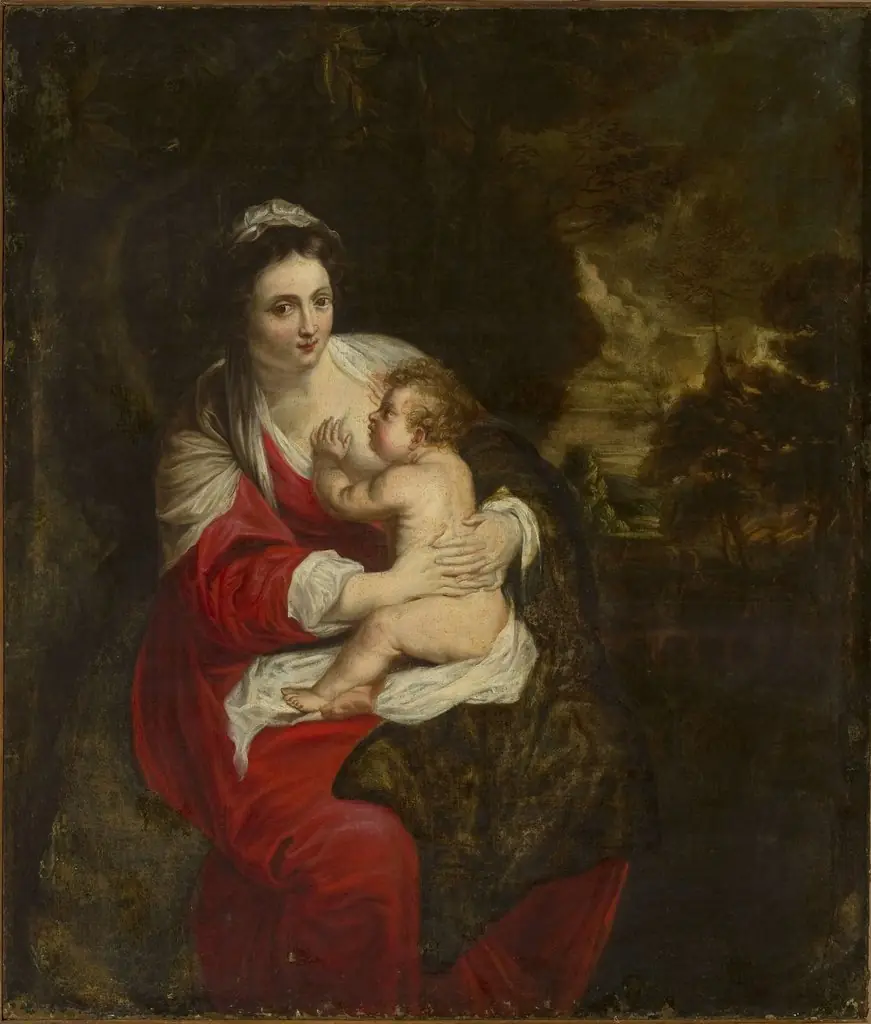 Madonna with Child Jesus
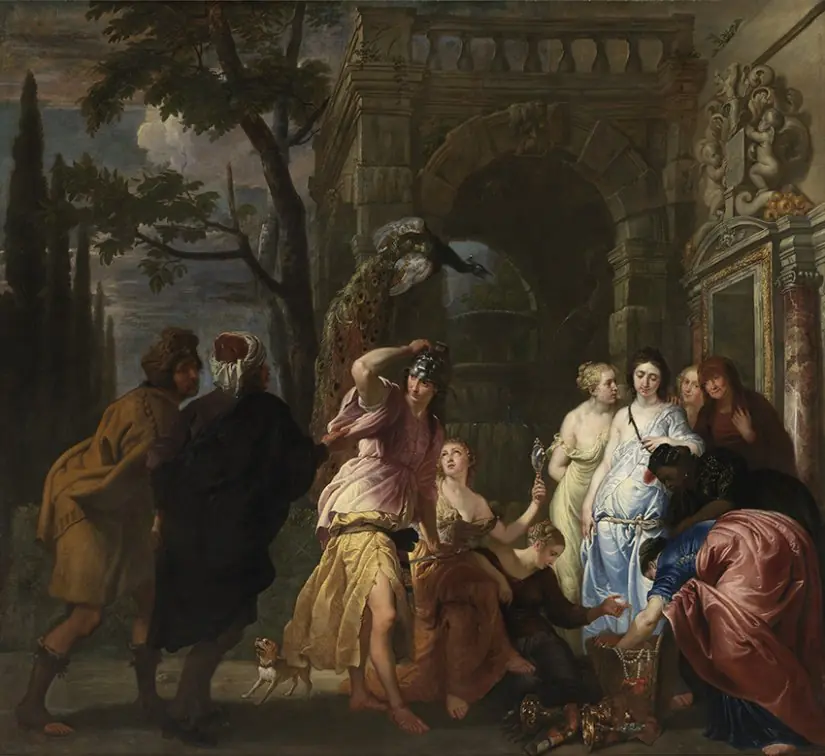 Achilles among the Daughters of Lycomedes
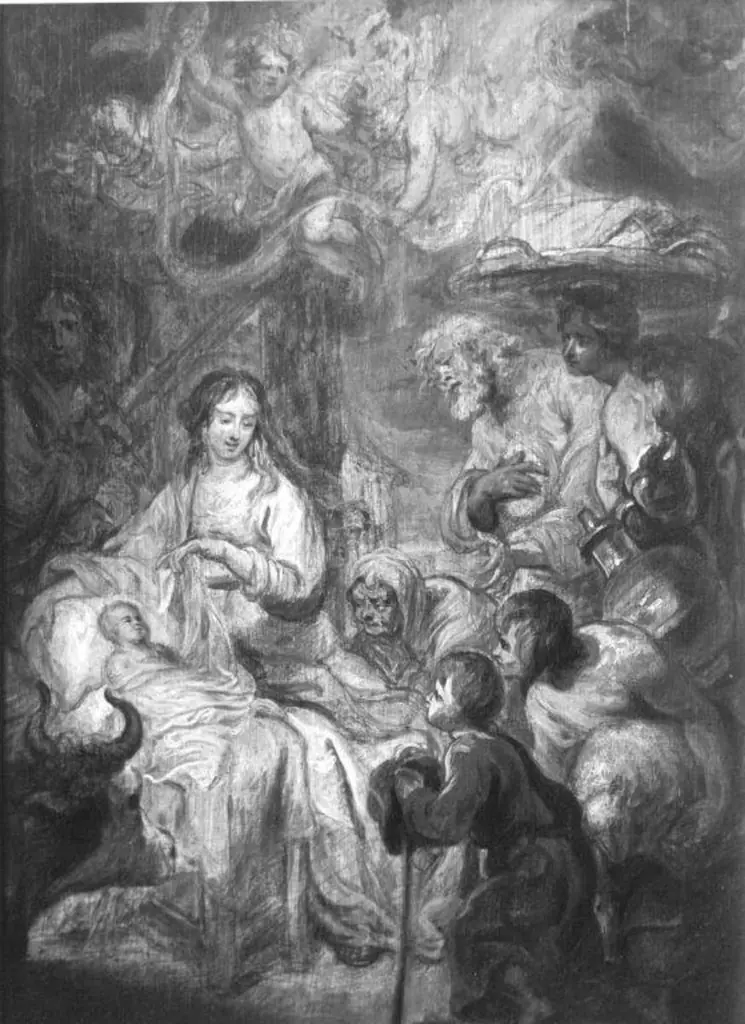 Anbetung der Hirten
- Garland of Flowers with Madonna and Child
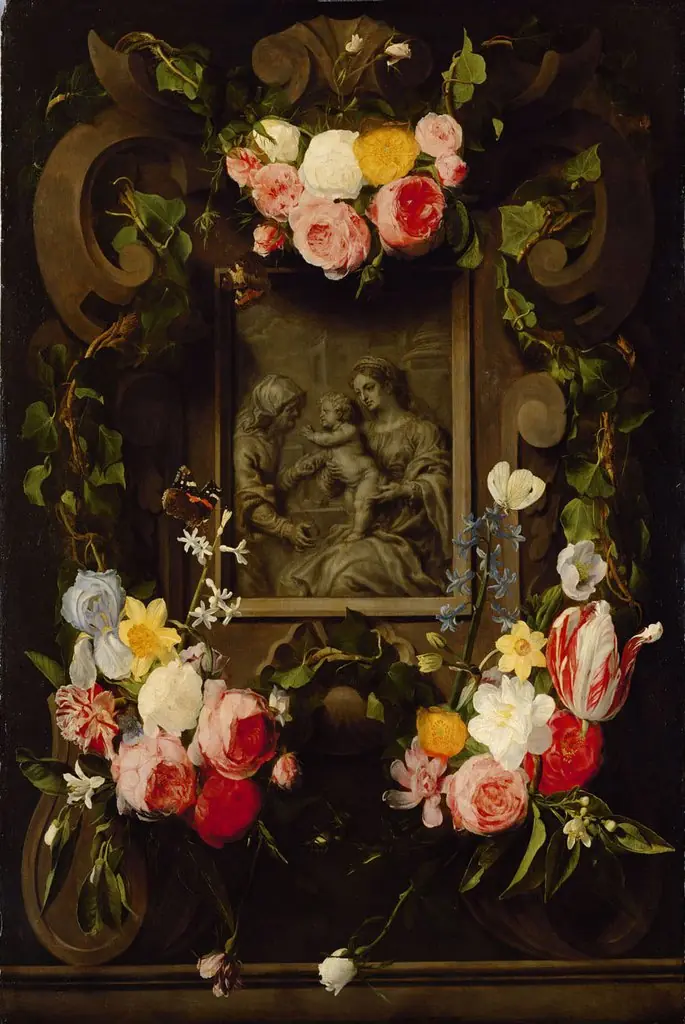 Madonna and Child with St Anna in a Flower Garland
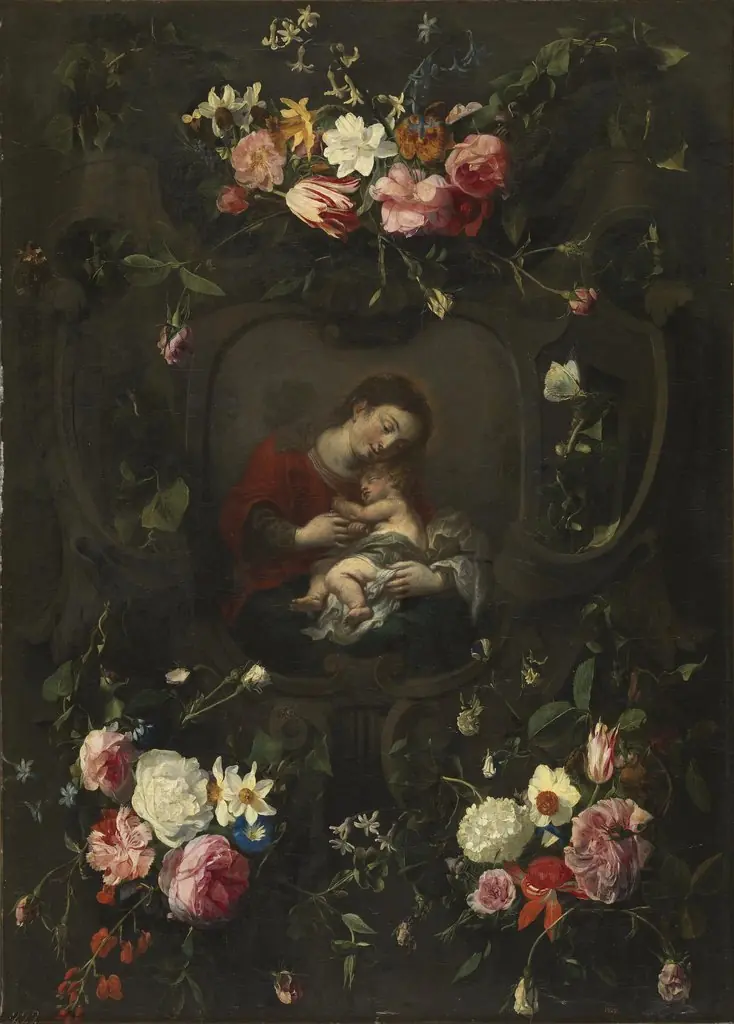 Flower garland around a Madonna and Child
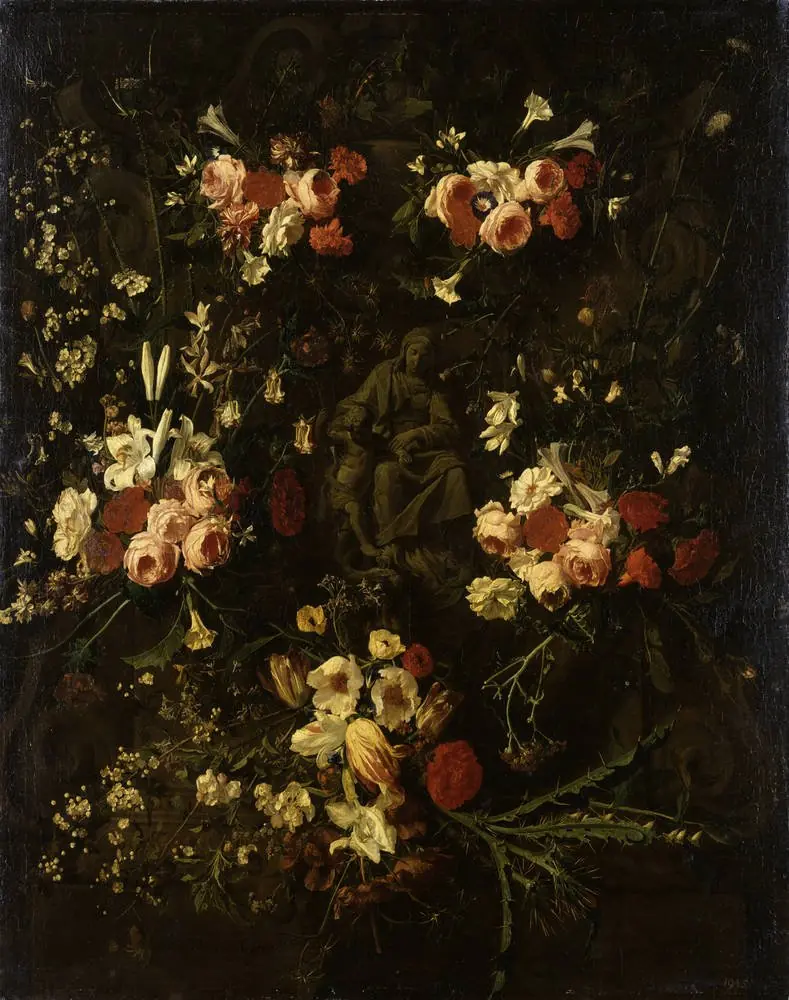 Flower garland cartouche around the Madonna and Child
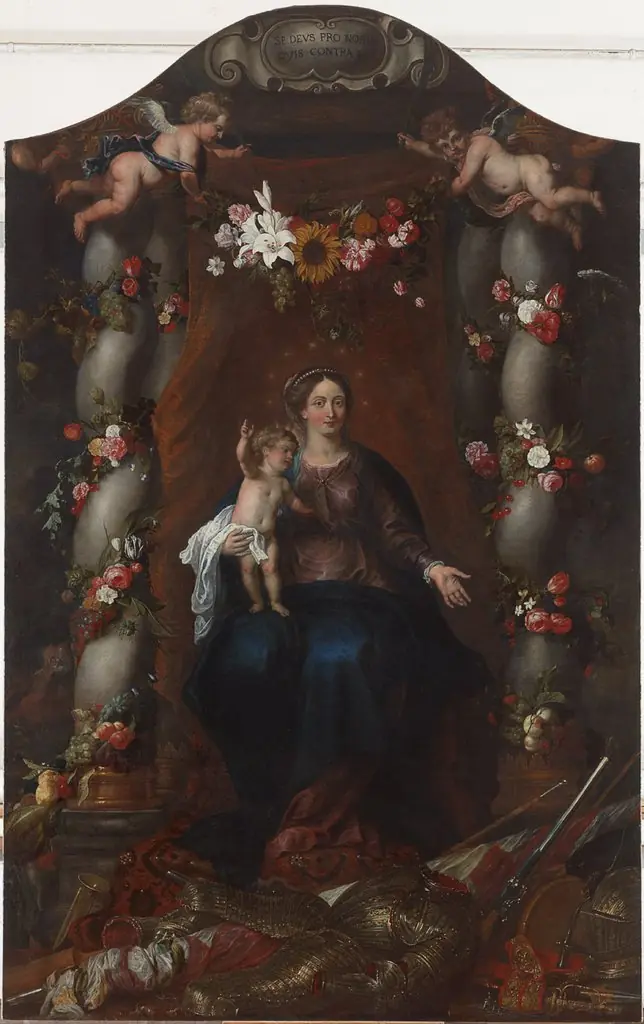 Madonna and Child Enthroned in a Fruit & Flower Garland
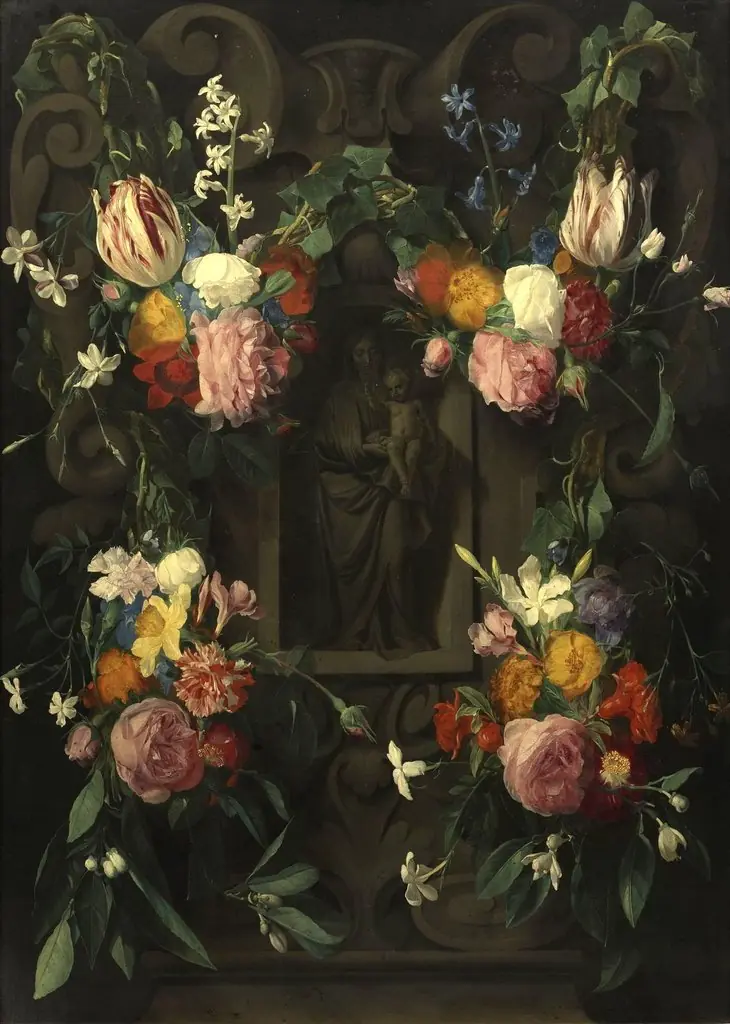 Flower Garland with the Virgin and Child
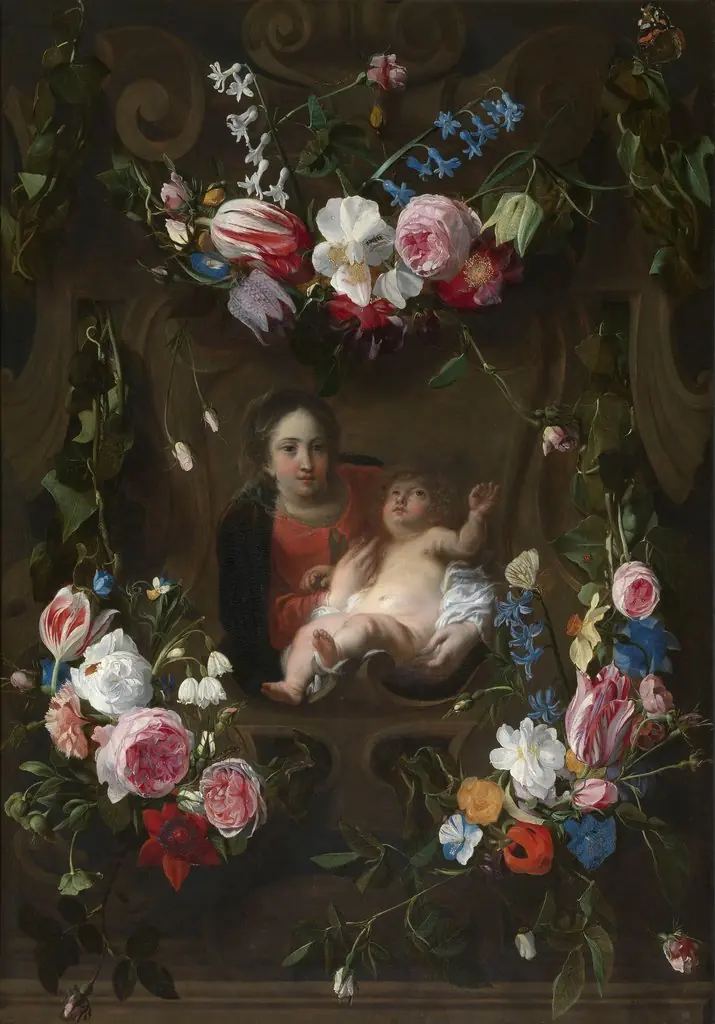 Madonna Surrounded by a Garland of Flowers
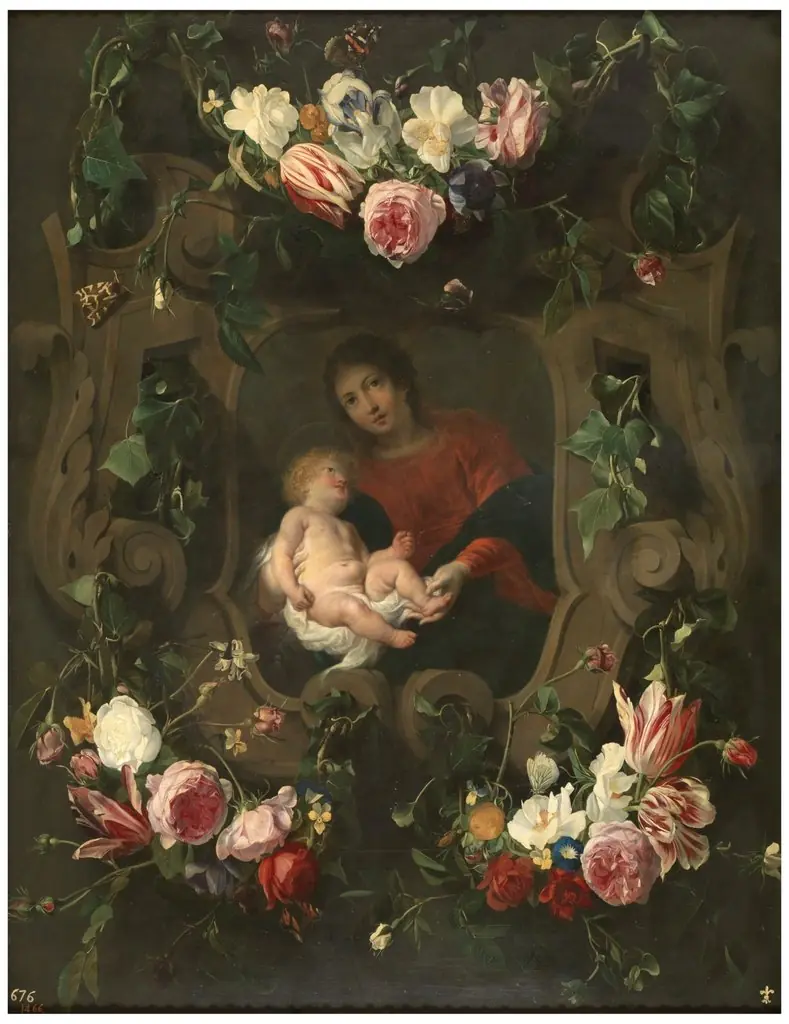 Flower garland around the Virgin and Child
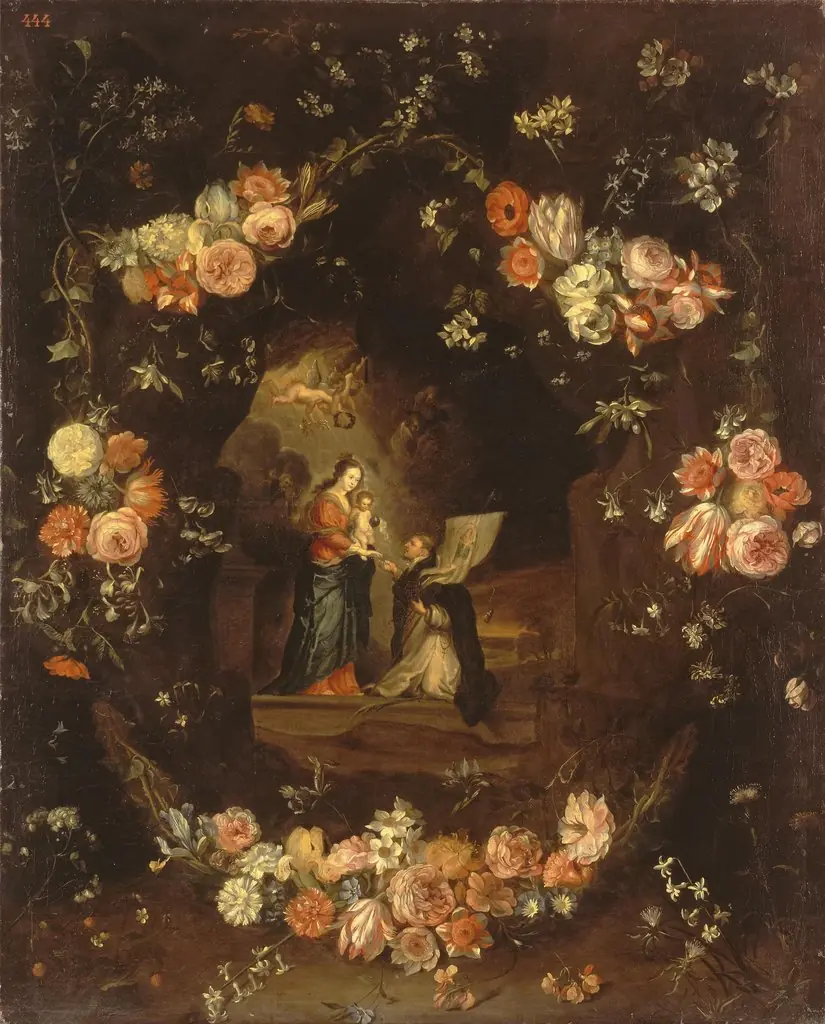 Madonna with the Child and St Ildephonsus Framed with a Garland of Flowers
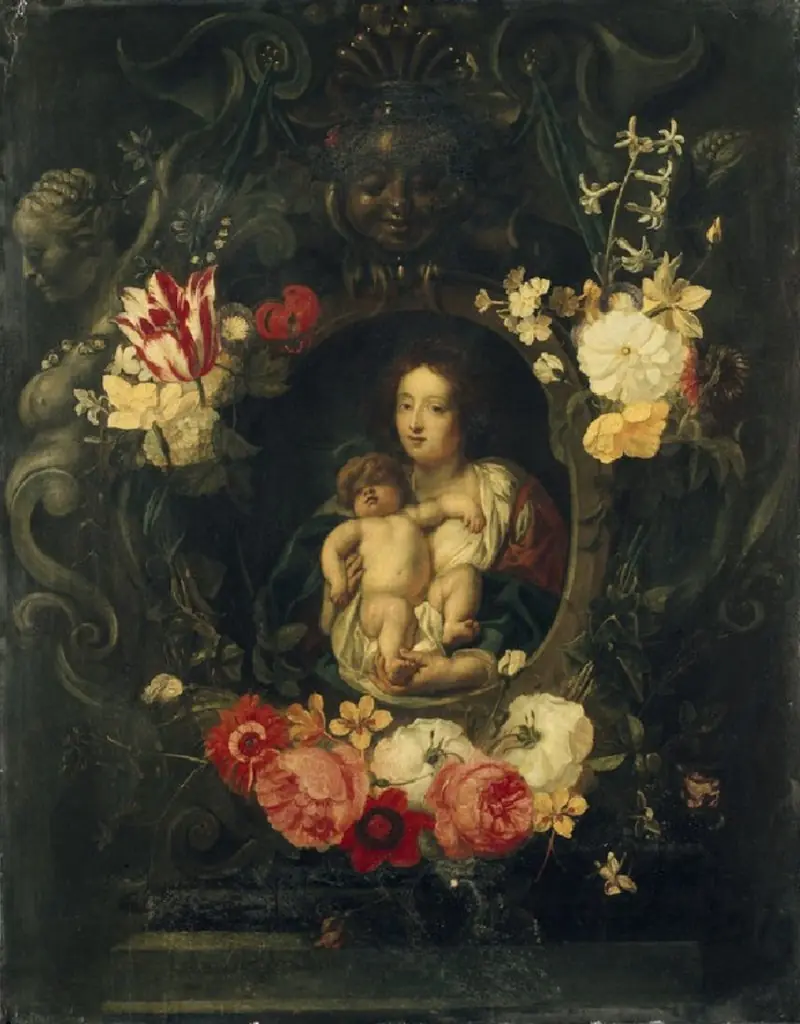 A Garland of Flowers surrounding a Medallion of the Virgin and Child
 Madonna in a flower garland