Artwork
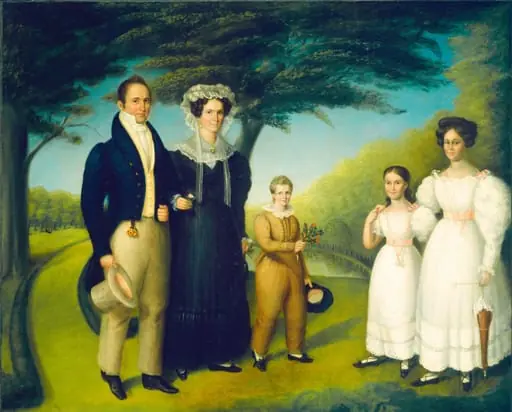
Portrait of the Baud family in their country house in Voorburg
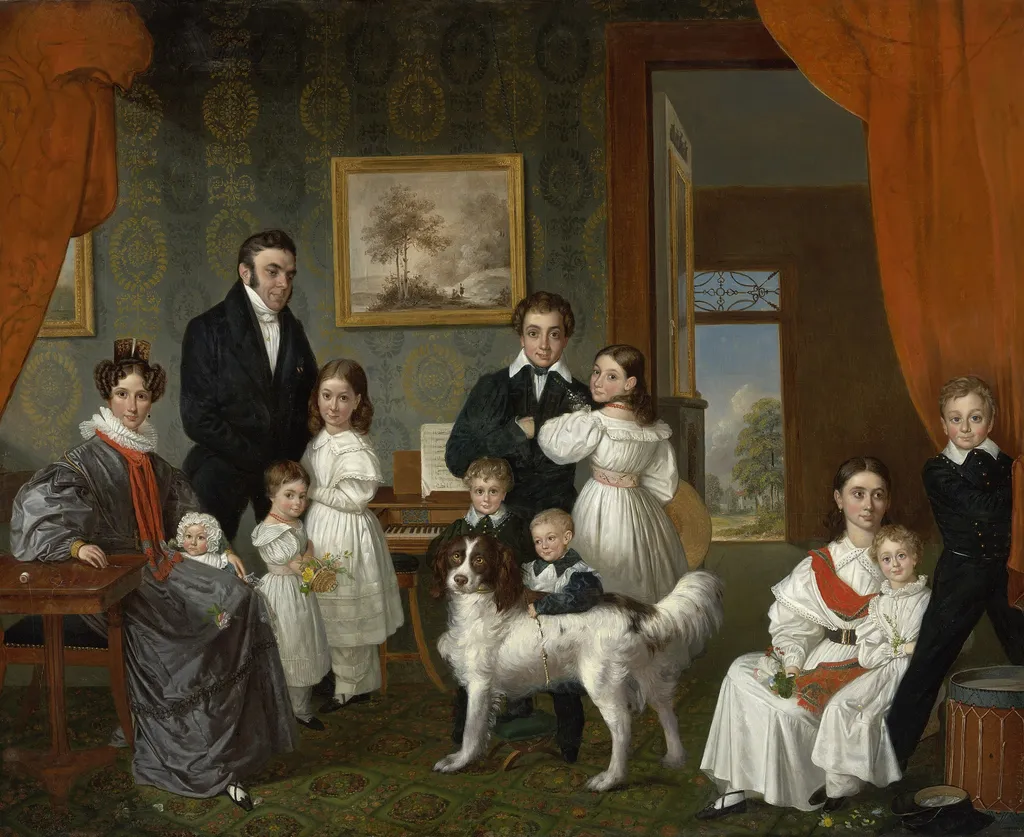
Portrait of the Baud family in their country house in Voorburg is an oil painting by Raden Saleh. It dates from 1831 and is held in the collection of the Rijksmuseum.
About this work
Technique & Style
The stylistic approach combines realistic characterization with a softened palette, characteristic of Raden Saleh's early portraiture.
The work is an oil painting executed on canvas, reflecting the portrait genre typical of early 19th-century Dutch art. Its formal composition presents the Baud family within an interior setting that blends domestic intimacy with a modest, cultivated ambience, while the handling of light emphasizes the textures of clothing and furnishings. The stylistic approach combines realistic characterization with a softened palette, characteristic of Raden Saleh's early portraiture.
The painting measures 105 cm in height and 125 cm in width, confirming its scale as a full-length portrait.
The surface condition appears stable, with no noted alterations to the original oil medium or support.
History & Provenance
The work titled Portrait of the Baud family in their country house in Voorburg was created by Raden Saleh in 1831 and is executed in oil paint on canvas. It entered the collection of the Rijksmuseum, where it remains on display.
Overview
Portrait of the Baud family in their country house in Voorburg is an 1831 oil painting by Raden Saleh, a pivotal figure in Indonesian art and a proponent of European Romanticism. The work depicts a family of nine, including two adults, six children, and a dog, within the opulent interior of their Voorburg, Netherlands residence.
Subject & Meaning
The painting captures a serene family scene, emphasizing harmony and prosperity. The central placement of the dog suggests its symbolic role as a unifying family element. The mother, holding a baby, and the father, standing in a dark suit, embody parental roles amidst their elegantly dressed children, conveying a sense of family unity and comfort.
Context
This work reflects Raden Saleh's unique position as an Arab-Javanese artist immersed in European Romanticism. It bridges cultural influences, showcasing European stylistic elements applied to a Dutch family portrait, while also representing the artist's connection to the colonial era.
Legacy
As one of Raden Saleh's notable works, Portrait of the Baud family contributes to his legacy as Indonesia's first 'modern' artist, influencing subsequent generations of artists in both Indonesia and Europe.
Own this work as a print
Artist & collection
Artist
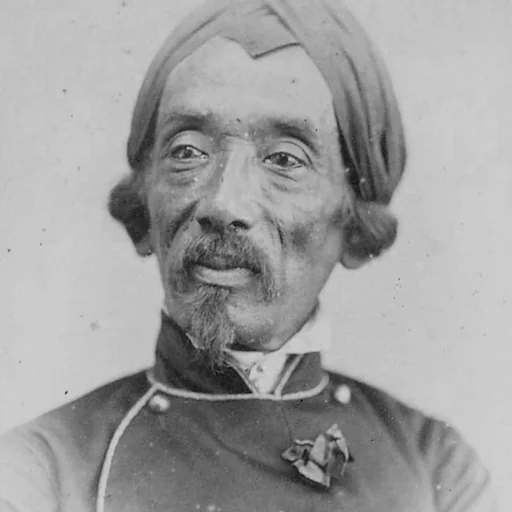
Raden Saleh Sjarif Boestaman (Javanese: ꦫꦢꦺꦤ꧀ꦱꦭꦺꦃꦯ꦳ꦫꦶꦥ꦳꧀ꦨꦸꦱ꧀ꦠꦩꦤ꧀, EYD: Raden Saleh Syarif Bustaman; Arabic: رادين صالح شريف بوستامن, DIN: Rādīn Ṣāliḥ Šarīf Būstāman; c.

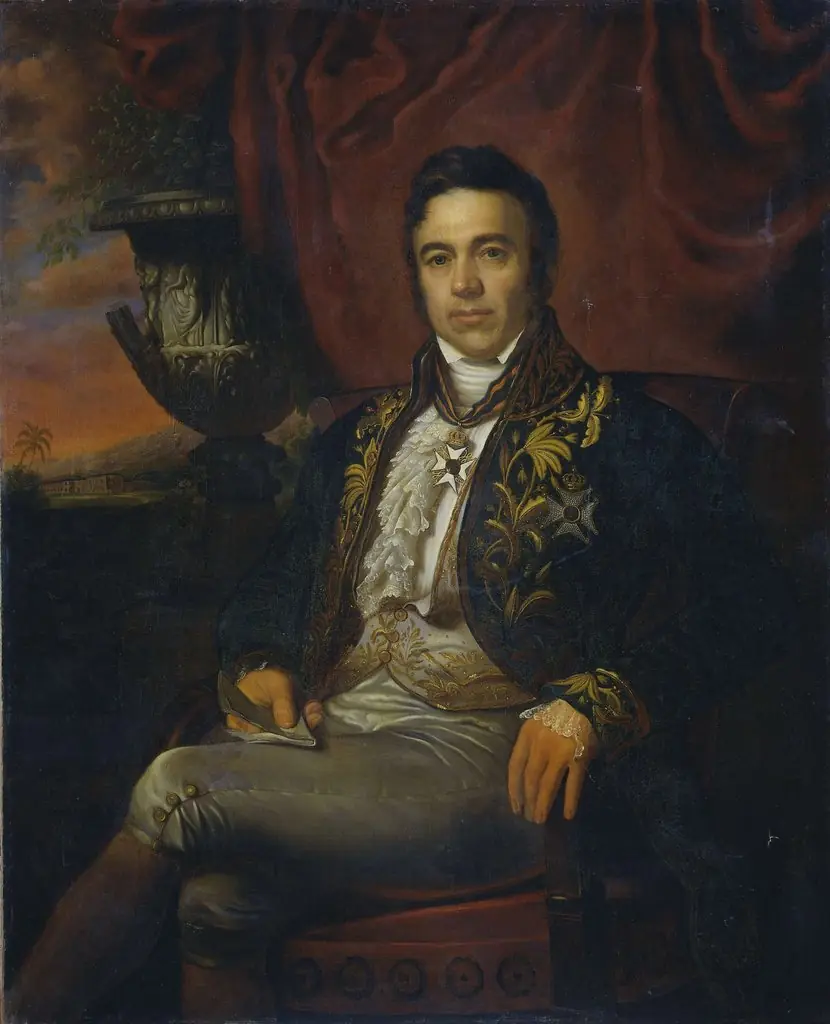 Portrait of Jean Chrétien Baud (1789-1859), Gouverneur-generaal ad interim (1833-35)
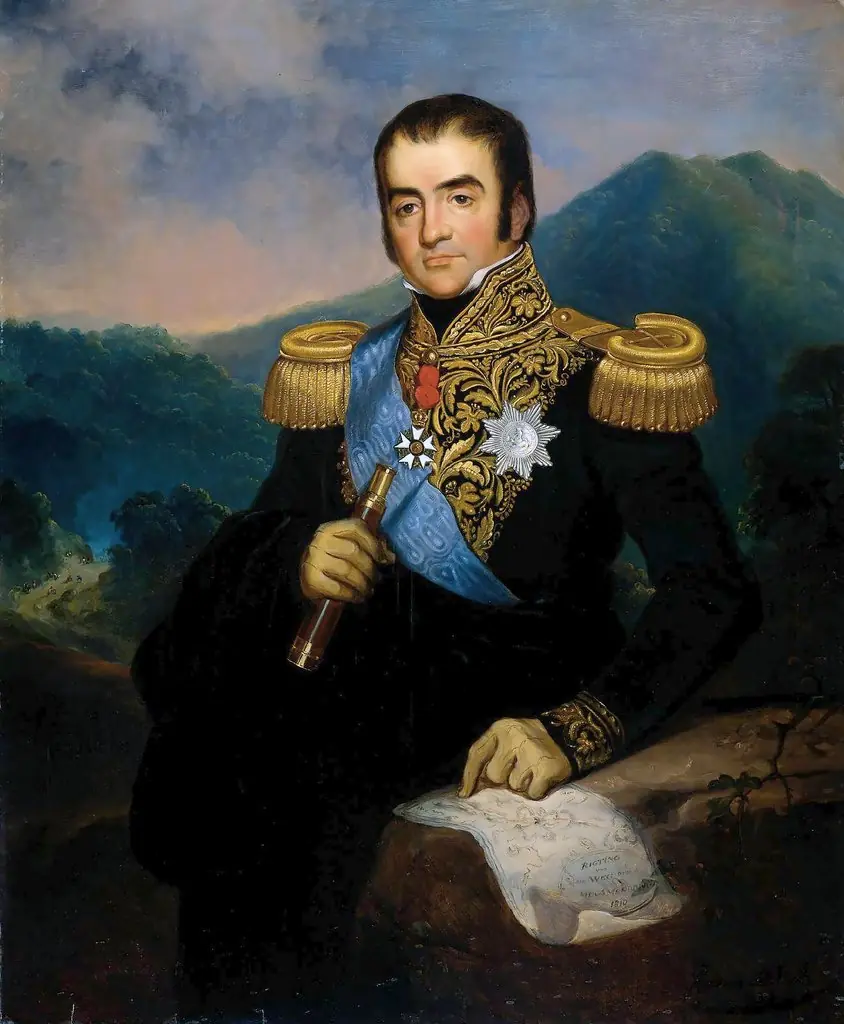 Posthumous portrait of Herman Willem Daendels (1762-1818). Gouverneur-generaal (1808-10)
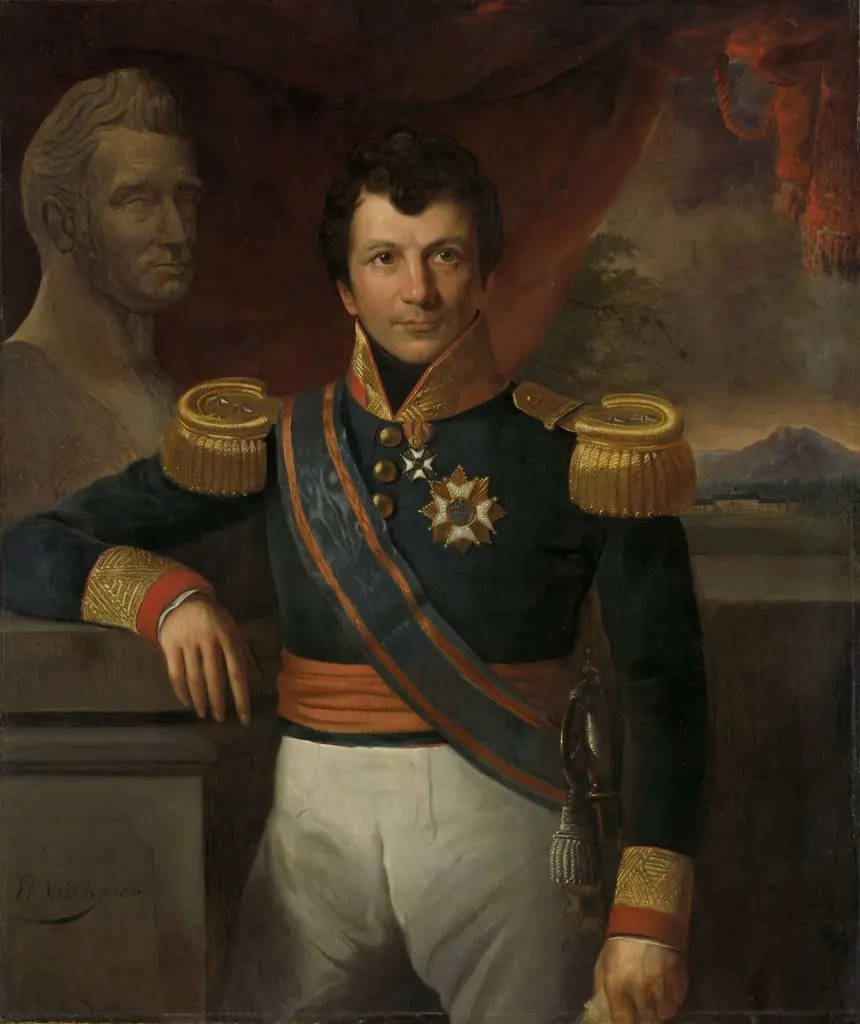 Portrait of Johannes Graaf van den Bosch (1780-1844), Gouverneur-generaal (1830-33)
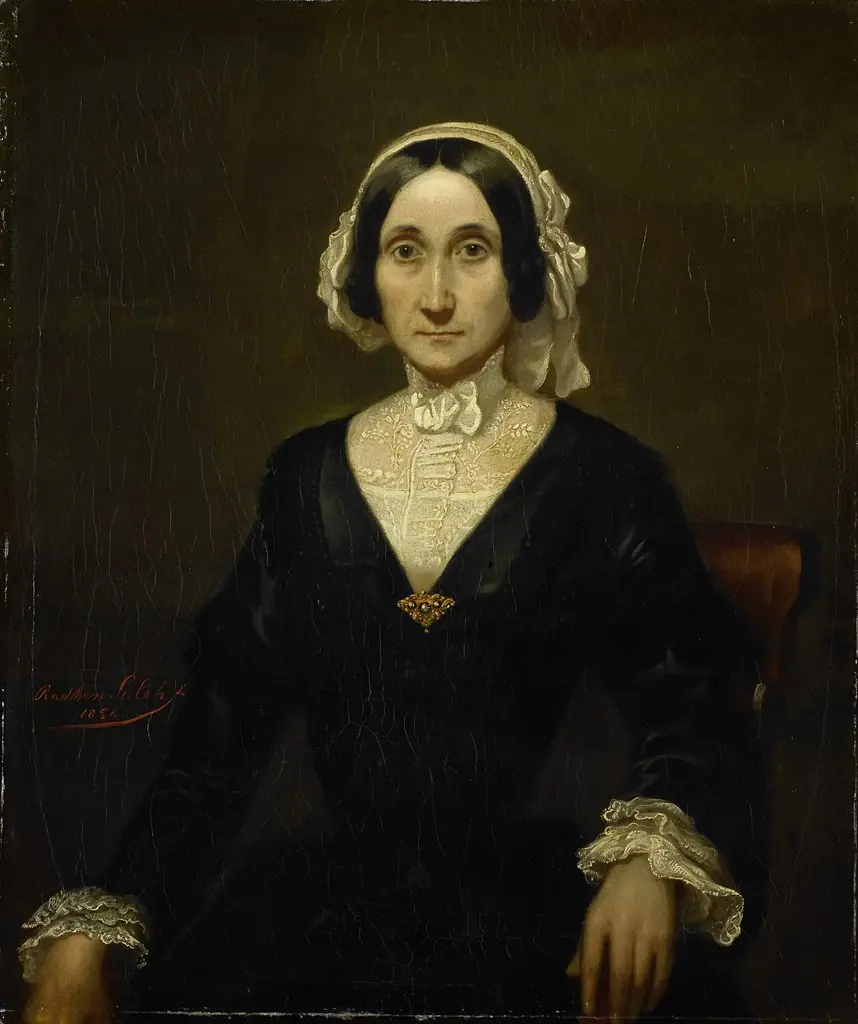 Portrait of Mrs. W.J.S. van Alphen, baroness of Reede van Oudtshoorn
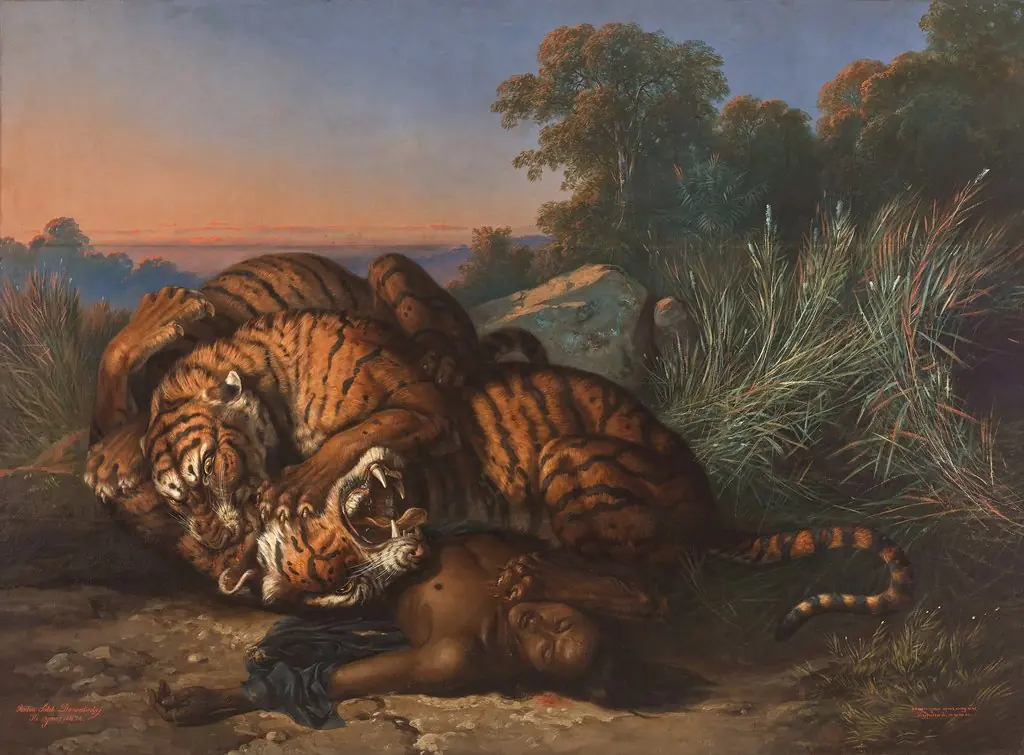 Tigers Fighting over a Dead Javanese
- Portrait of the Family of the 1st Viscount of Santarém
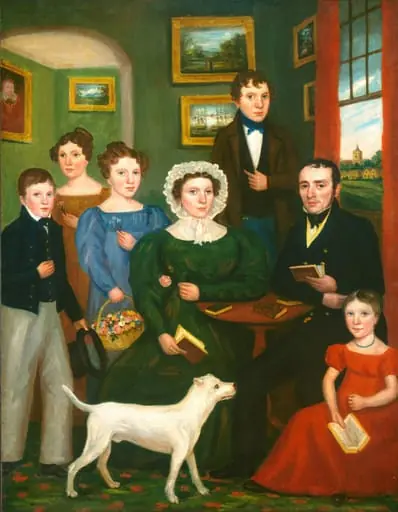 Portrait of an Unknown Family with a Terrier
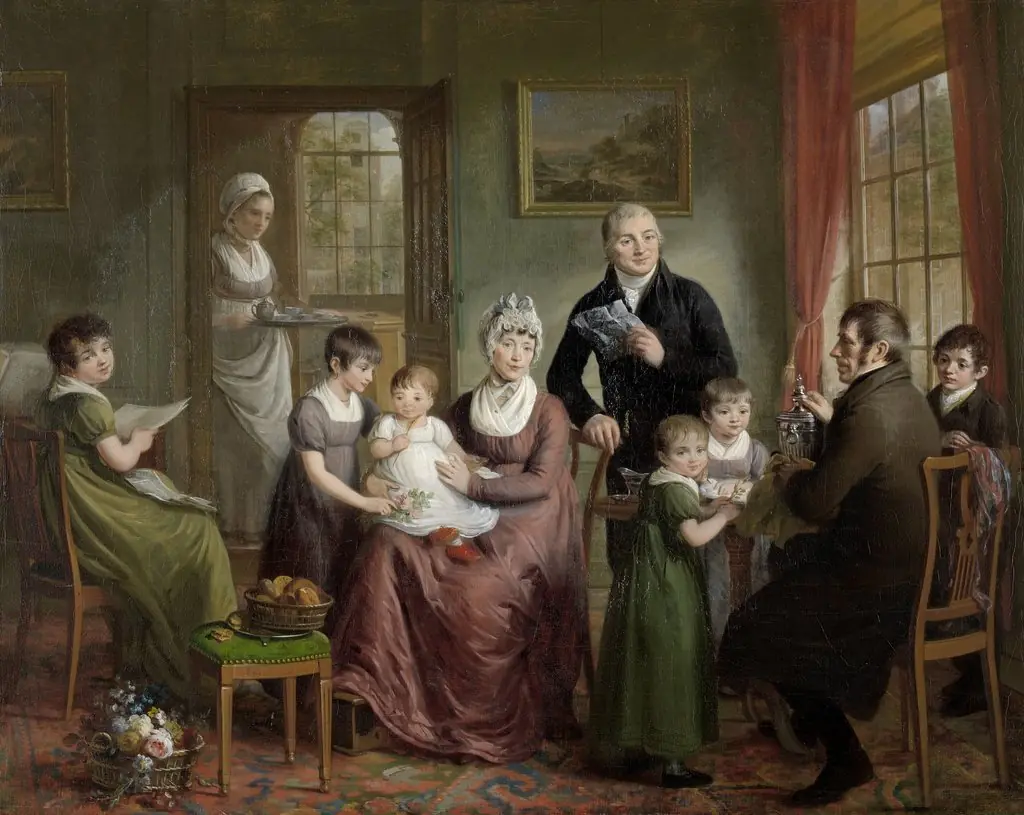 Portrait of the Family of Adrianus Bonebakker with Dirk L. Bennewitz
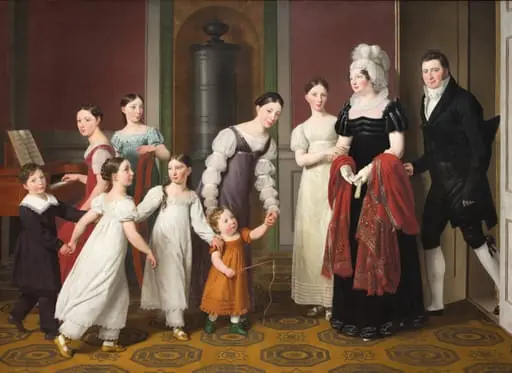 The Nathanson Family
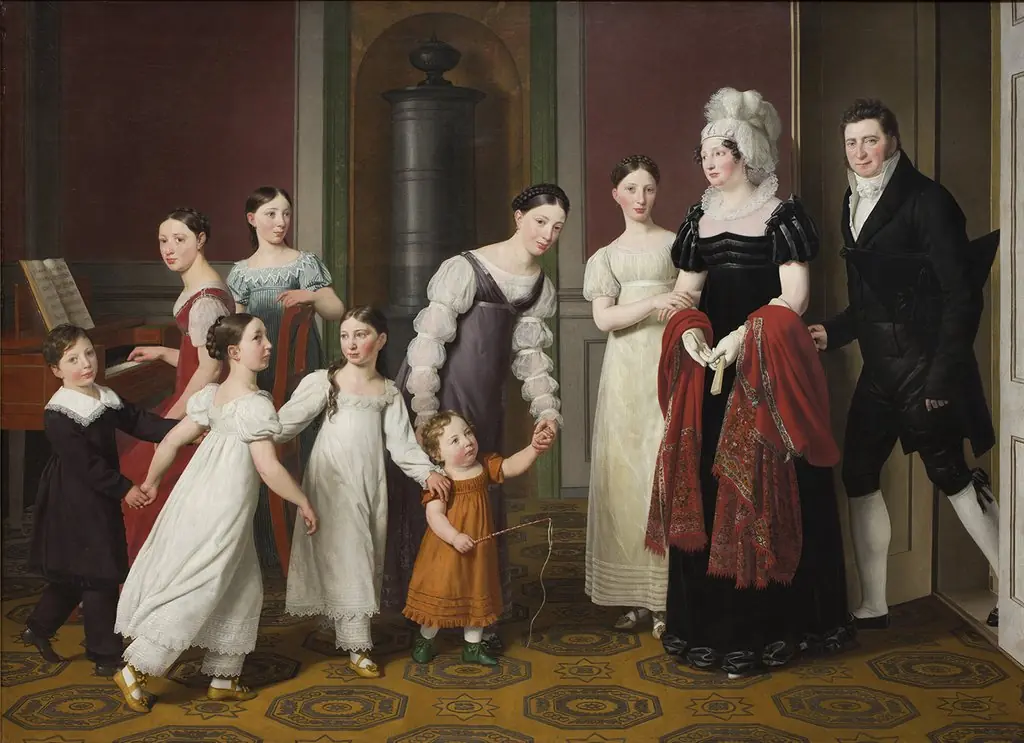 Familien Nathanson
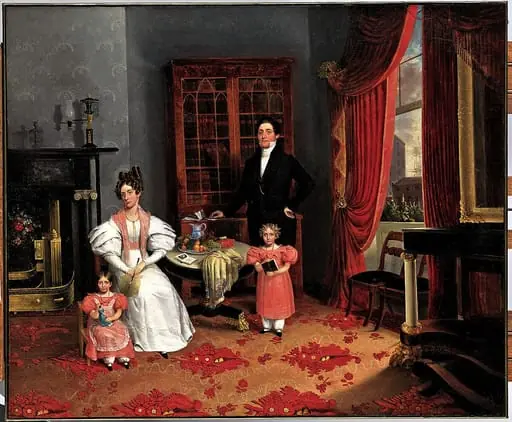 The Family of John Q. Aymar
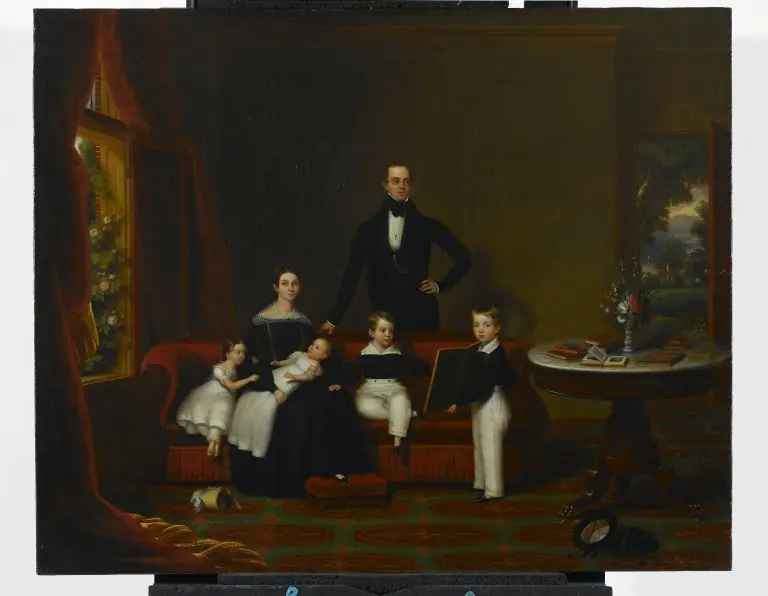 Family Group
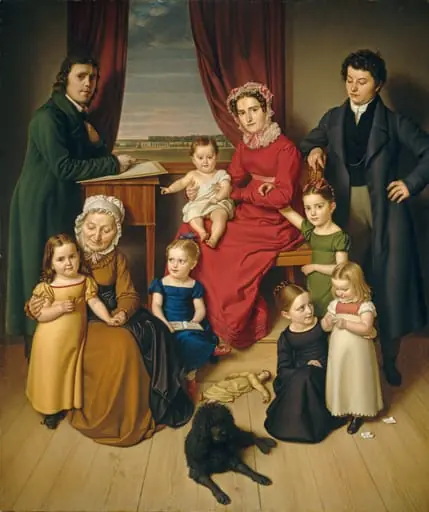 An Artist and His Family
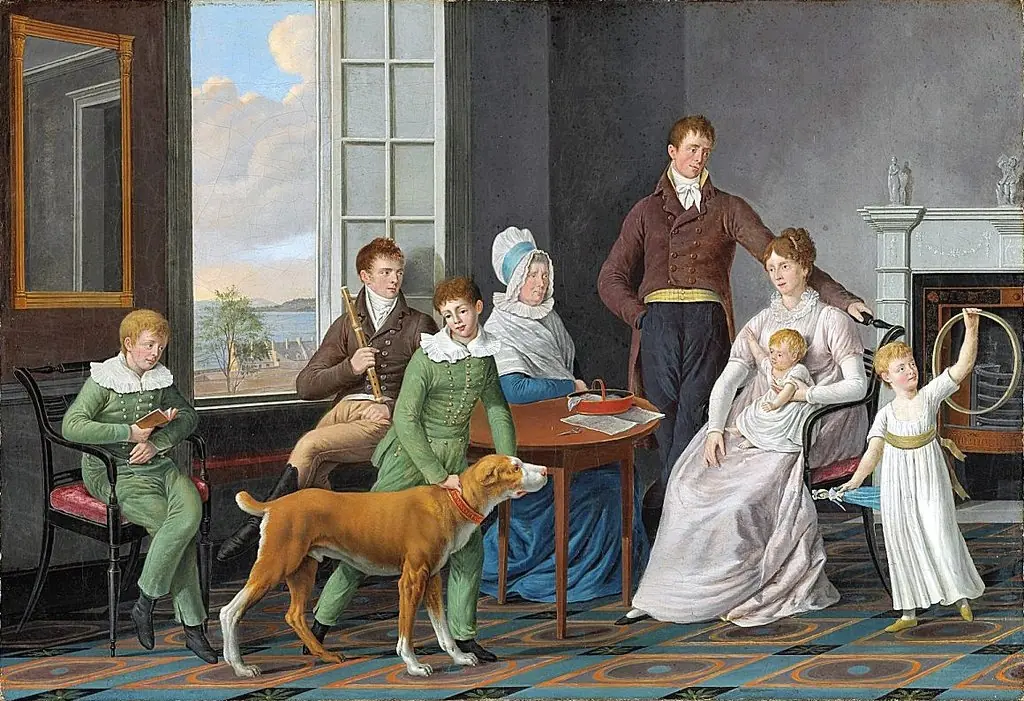 The Woolsey Family
 Dr. John Safford and Family