Artwork
Untitled
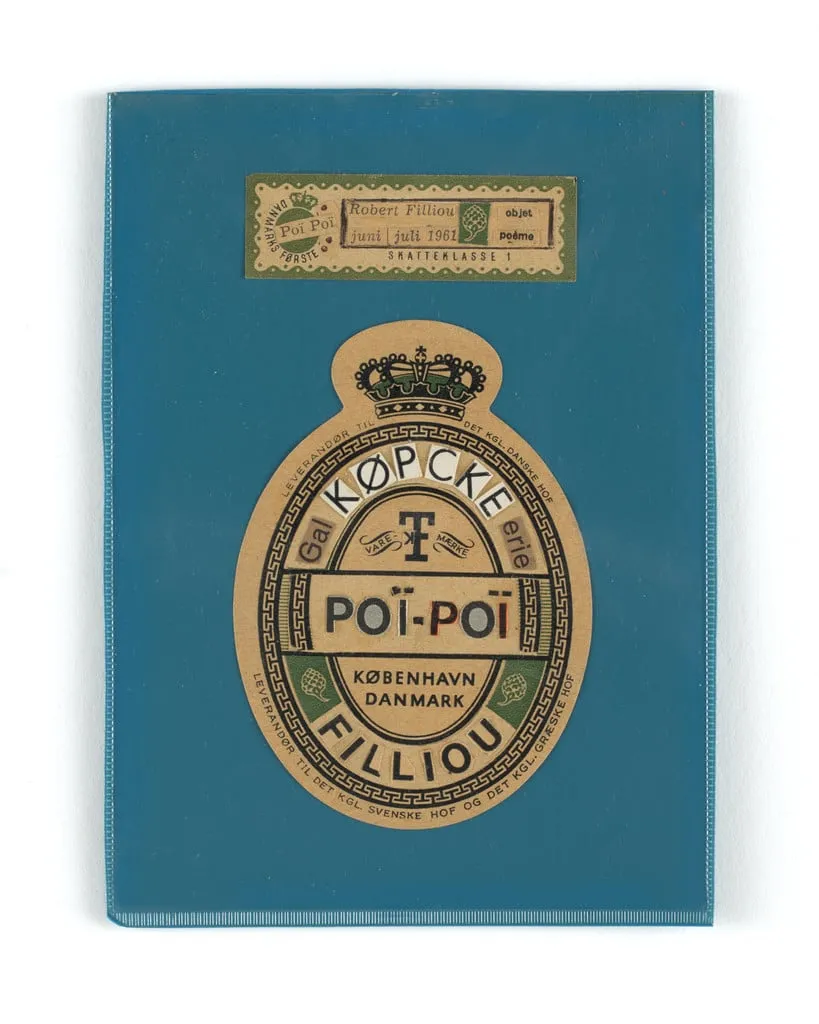
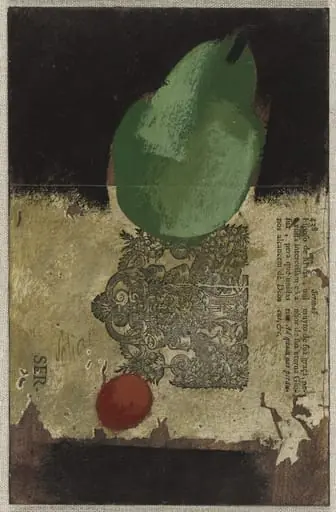
Untitled is an ink drawing by Robert Filliou Arthur Köpcke. It dates from 1961 and is held in the collection of the Museum of Modern Art. Created in 1961, this work is a drawing composed of cut-and-pasted printed paper elements combined with ink on colored paper.
About this work
Overview
Created in 1961, this work is a drawing composed of cut-and-pasted printed paper elements combined with ink on colored paper.
Created in 1961, this work is a drawing composed of cut-and-pasted printed paper elements combined with ink on colored paper. It is attributed to Robert Filliou and Arthur Köpcke, reflecting their collaborative approach during the early 1960s. The piece resides in the collection of The Museum of Modern Art in New York, where it is cataloged as part of a broader exploration of experimental drawing practices.
Subject & Meaning
The work avoids representational imagery, instead presenting abstract arrangements of textual and graphic fragments. Its meaning emerges from the juxtaposition of found printed materials and hand-applied ink, suggesting a meditation on communication, repetition, and the materiality of printed culture. No singular narrative is intended; the piece invites open-ended interpretation through its fragmented composition.
Technique & Style
The artist(s) assembled the composition using mechanical printed sources, cut and repositioned by hand, then enhanced with ink. The use of colored paper as a ground introduces subtle chromatic contrast, while the irregular edges and layered textures emphasize the handmade quality of an otherwise mass-produced aesthetic. The method aligns with contemporaneous practices in mail art and Fluxus-related experimentation.
History & Provenance
The work was produced in 1961 during a period of active collaboration between Filliou and Köpcke. It entered The Museum of Modern Art’s collection through acquisition, likely as part of the institution’s broader interest in postwar experimental art. No earlier exhibition or ownership history is publicly documented prior to its inclusion in the museum’s holdings.
Context
Created in the early 1960s, the piece reflects the influence of Fluxus and Dadaist strategies, particularly the use of collage and found materials to challenge traditional artistic hierarchies. It emerged alongside a wave of artist-led publications and postal exchanges that prioritized process over permanence. This work aligns with a broader movement seeking to dissolve boundaries between art and everyday life.
Legacy
Though not widely exhibited, the work contributes to the understanding of collaborative, anti-commercial practices in postwar European and American art. It remains a quiet example of how artists used simple materials to question authorship, originality, and the role of the art object. Its presence in MoMA’s collection affirms its significance within the history of experimental drawing.
Artist & collection

- Fecioara cu Pruncul (Hodighitria)
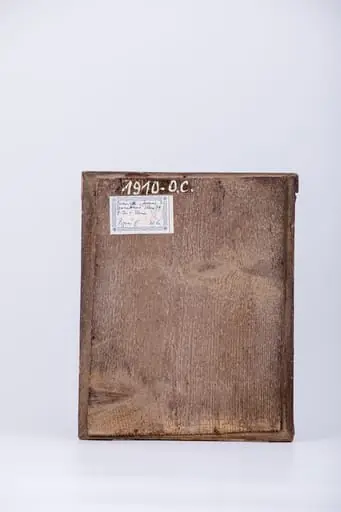 Mântuitorul Iisus Hristos, fiind răstignit pe Cruce, are în stânga pe Sfântul Împărat Constantin cel Mare, în locul uceniculuil cel iubit, care a stat lipit de pieptul Învățătorului, la Cina cea de Taină, mai precis, în locul Sfântului Apostol și Evanghelist Ioan Teologul, Evanghelistul Iubirii și în dreapta pe Sfânta Împărăteasă Elena, mama Sfântului Constantin, în locul Maicii Domnului Îndurerate, Jalnică și Plângătoare. Veșmintele Sfinților Împărați sunt sacosuri albastre cobalt și mantii roșii vermillon. Mântuitorul Iisus Hristos Răstignit pe Cruce are o țesătură verde-gri-antracit în jurul mijlocului și a coapselor. Fondul icoanei este cerul albastru bleu-ciel senin și în registrul inferior, în spatele Crucii este un spațiu galben-chihlimbar, prefigurând Lumina Învierii Domnului Iisus Hristos. Întreaga tematică iconografică este încadrată de un chenar decorativ fitomorf, format dintr-o ghirlandă de bujori și trandafiri, 4 ruje. Cromatica este armonioasă: roșu vermillon, albastru ceruleum, cobalt și bleu-ciel, gri antracit, verde forest, galben chihlimbar alb, negru. Inscripția din româno-chirilică se traduce Constantin cu Elena. Icoana este mai rară, datorită abordării tematicii iconografice. Icoana este din Nordul Transilvaniei, Nicula.
 Fecioara cu Pruncul (Eleusa)
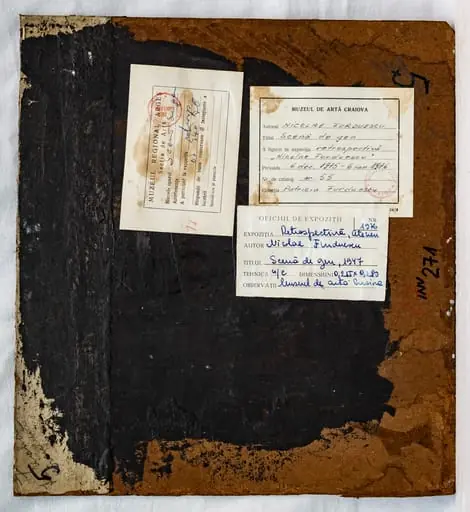 Scenă de gen
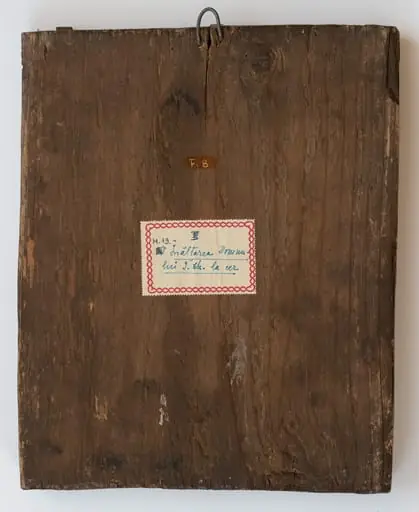 Înălțarea Domnului
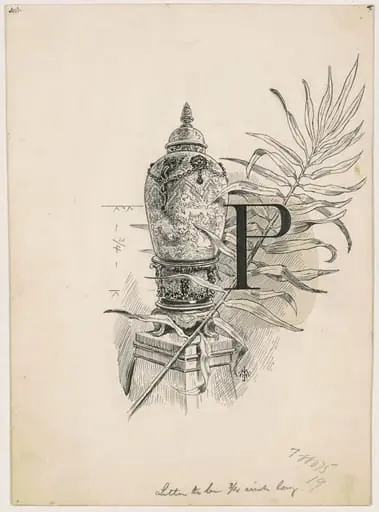 Porcelains and Glass
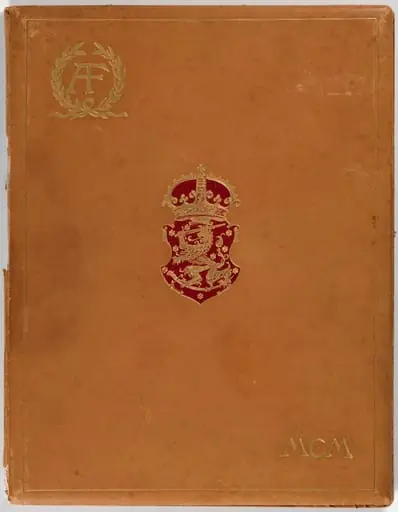 Adressi Anatole Francelle
 Untitled
 Untitled
 Landscapes
 Dacă-i vorba de fler
 Landscapes