Subject
Crown
Crown is a subject in art. The gallery holds 183 works in this subject in art, including works by Titian, Paolo Veronese and Lorenzo Lotto.
The crown is among the oldest and most charged emblems in art, signifying sovereignty, divine favour, victory and sanctity across more than two millennia. Its visual vocabulary descends from antiquity, where the corona—a wreath of bay laurel sacred to Apollo—was awarded to victors at the Pythian Games and to generals during a Roman triumph. Under Augustus the laurel became an exclusive imperial prerogative, and the golden wreaths worn by Roman emperors furnished one of the chief models for the jewelled diadems of medieval kings. From the outset, then, the crown encoded a double meaning: earthly power on one hand, transcendent honour on the other.
Christian art seized on this ambiguity and turned it inside out. The Crown of Thorns, plaited by Roman soldiers to mock Christ as 'King of the Jews' (recounted in Matthew, Mark and John), became the supreme paradox of Passion imagery—an instrument of humiliation reread as the sign of a heavenly kingship, treated by painters from the Northern Renaissance to Caravaggio in the early 1600s. Parallel to it stands the martyr's crown, the reward of those who triumph through suffering. Lorenzo Lotto's 'Saint Catherine' shows the princess-saint with her crown, palm and wheel, the regalia of noble birth fused with the emblem of victory over death.
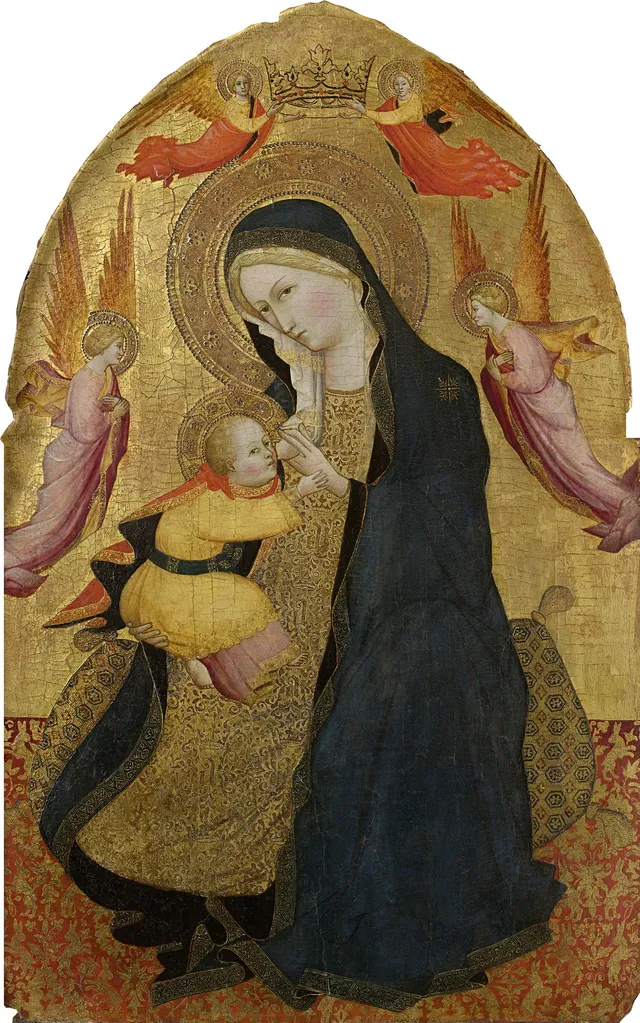
The crown's most exalted subject is the Coronation of the Virgin. Rooted in the proclamation of Mary as Theotokos at the Council of Ephesus (431) and appearing early in the Benedictional of St Æthelwold (963–984), the theme became one of the commonest subjects of 13th- to 15th-century Italian panel painting, treated by Fra Angelico, Gentile da Fabriano and, later, Velázquez. Gerard David's 'Virgin and Child with Four Angels', Gherardo Starnina's 'Madonna of Humility' and the anonymous Upper Rhenish 'Paradiesgärtlein' all crown the Virgin as Queen of Heaven within an enclosed paradise garden.
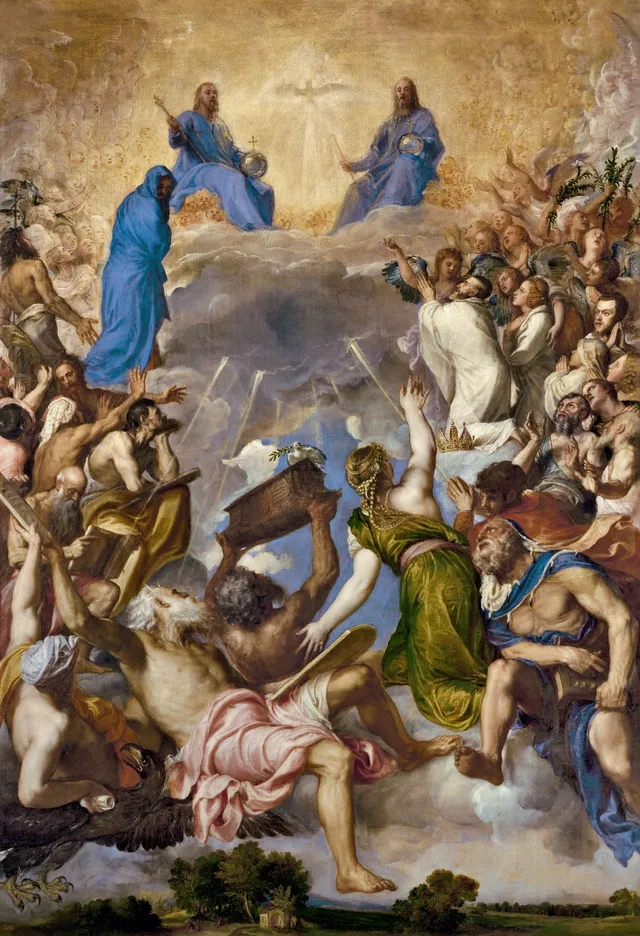
The crown likewise marks secular and tragic majesty: the diadem of the dying queen in Guido Cagnacci's 'The Death of Cleopatra', and, conversely, its renunciation in Titian's 'La Gloria', where Charles V kneels stripped of regalia before the Trinity. From laurel to thorns to gold, the crown has remained art's most economical shorthand for who—or what—holds ultimate authority.
Key artists
Iconography & meaning
The iconography of the crown encompasses multiple, sometimes overlapping registers of meaning. In its earliest forms, crowns served as rewards of prowess: athletes, poets, and warriors in Classical antiquity received wreaths of various designs, while tribal chiefs wore distinctive helmets. The transition from martial or athletic prize to regal insignia was gradual. In the earliest English coronation ritual, dating back more than a thousand years, the king was invested with a helmet rather than a crown, as visible on the great seal of Edward the Confessor. By the medieval period, the crown had become firmly associated with sacred kingship, its arches and finials evolving to signify divine sanction. The addition of arches rising from the rim and crossing at the center, supporting a ball and cross or fleur-de-lis, transformed the crown into an architectural microcosm of cosmic order. The practice of grounding arches on surrounding ornaments rather than the rim itself began in the 17th century, producing the flattened or depressed center later interpreted as bearing royal or imperial significance. Beyond monarchy, the crown carries profound religious resonance. The crown of thorns represents Christ's sacrifice and martyrdom, while in Hinduism and Buddhism crowns signify spiritual enlightenment and the highest level of consciousness. In African cultures, crowns denote tribal leadership and heritage. This semantic range, victory and virtue, sovereignty and suffering, divinity and death, allows the crown to function as a remarkably flexible symbol across artistic traditions.
Notable depictions
Several works in and beyond the collection stand as particularly significant deployments of the crown motif. The Coronation Regalia of the United Kingdom, housed at the Tower of London, represent the most historically complete working set of royal regalia in Europe. St Edward's Crown, made for Charles II's coronation in 1661 to replace medieval regalia destroyed during the English Civil War, is a solid gold frame weighing 2.23kg, adorned with semi-precious stones, and used only at the moment of crowning itself. The Imperial State Crown, created for George VI in 1937, contains 2,868 diamonds, 17 sapphires, 11 emeralds, 269 pearls, and 4 rubies, including the Black Prince's Ruby, the Stuart Sapphire, and the Cullinan II diamond. The Sovereign's Sceptre with Cross, transformed in 1910 by the addition of the 530.2-carat Cullinan I, the largest clear cut diamond in the world, completes this triad of regal objects. In the realm of painting, Jean-Michel Basquiat's Red Kings (1981) marks the first appearance of his crown motif, with a five-pointed crown above his own likeness and a four-pointed variant above a skull representing Pablo Picasso. This work establishes the crown as a vehicle for artistic self-fashioning and art-historical dialogue. Basquiat's later simplification to a three-pointed version, possibly signifying Warhol or functioning as a more legible logo, demonstrates the motif's evolution within a single artist's practice. The French Crown Jewels in the Louvre, including pieces that once adorned Empress Marie Louise, preserve another national narrative of imperial splendor and its eventual dispersal.
Legacy
The crown's afterlife in visual culture extends far beyond its origins in regal or religious ceremony. As a symbol, it has proven extraordinarily resilient, capable of signifying both the apex of hierarchical power and its subversion. The Crown Jewels of the United Kingdom continue to function as working regalia, most recently at the coronation of Charles III in May 2023, while simultaneously serving as tourist attractions drawing approximately 2.8 million visitors annually to the Tower of London. This dual existence, ceremonial instrument and public spectacle, underscores the crown's persistent negotiation between sacred authority and popular fascination. In contemporary art and popular culture, the crown has been thoroughly democratized and commercialized. Basquiat's crown has become, as Nick Curtis observed, a proxy forStores the artist's signature, proliferating across fashion, street art, and digital media. Keith Haring's tribute, A Pile of Crowns for Jean-Michel Basquiat, explicitly acknowledged this legacy, using the motif to commemorate rather than to crown. The crown's appearance on t-shirts, tattoos, and social media icons completes a trajectory from exclusive regalia to mass-cultural commodity, even as it retains residual associations with aspiration, achievement, and resistance. The collection's 205 works, spanning from medieval devotional panels to modern appropriations, thus document not merely the crown's visual history but its ongoing capacity to generate meaning at the intersection of power, identity, and desire.
Works
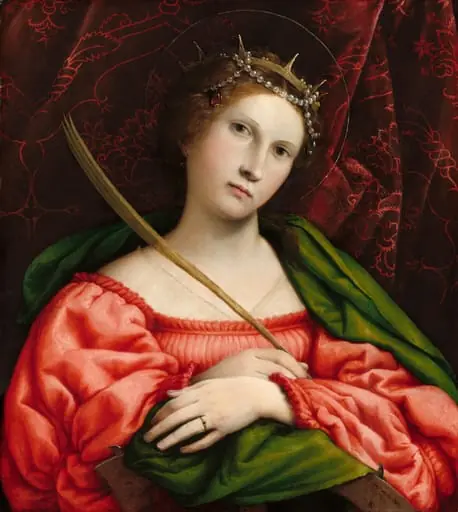 Saint Catherine
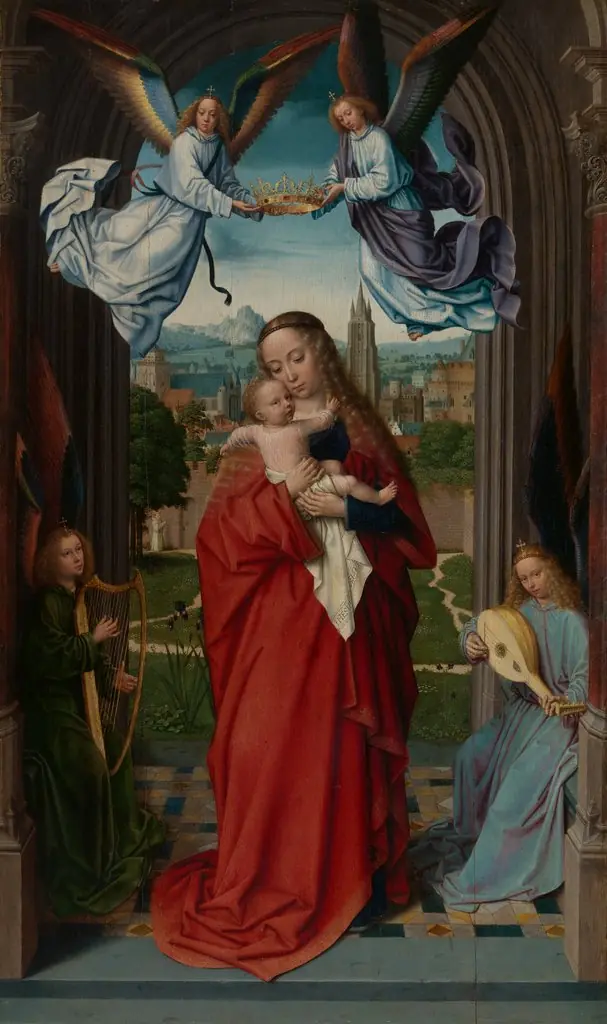 Virgin and Child with Four Angels
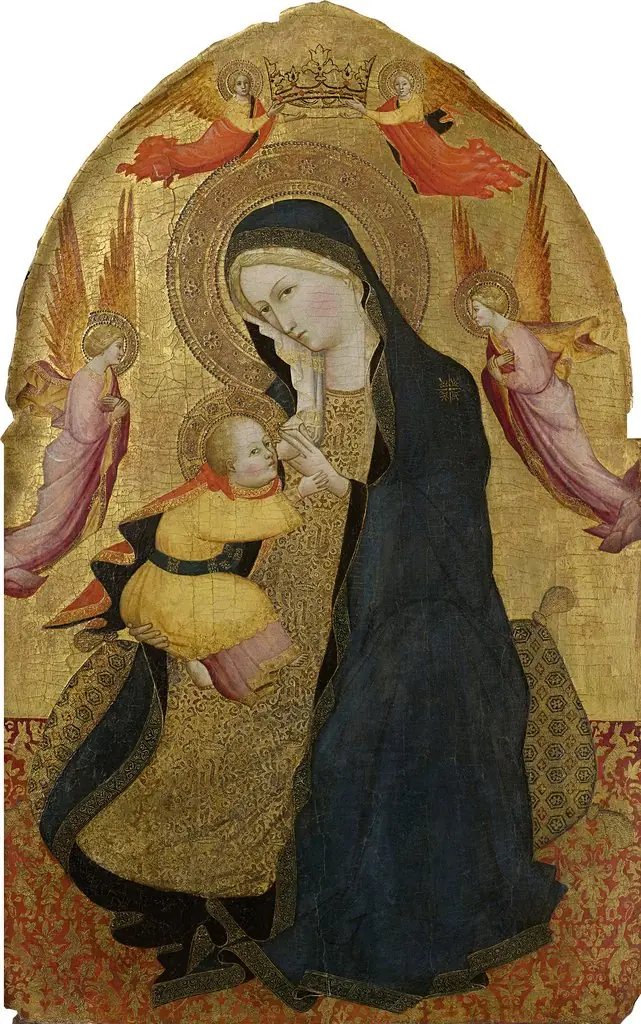 Madonna of Humility (Madonna dell'Umiltà)
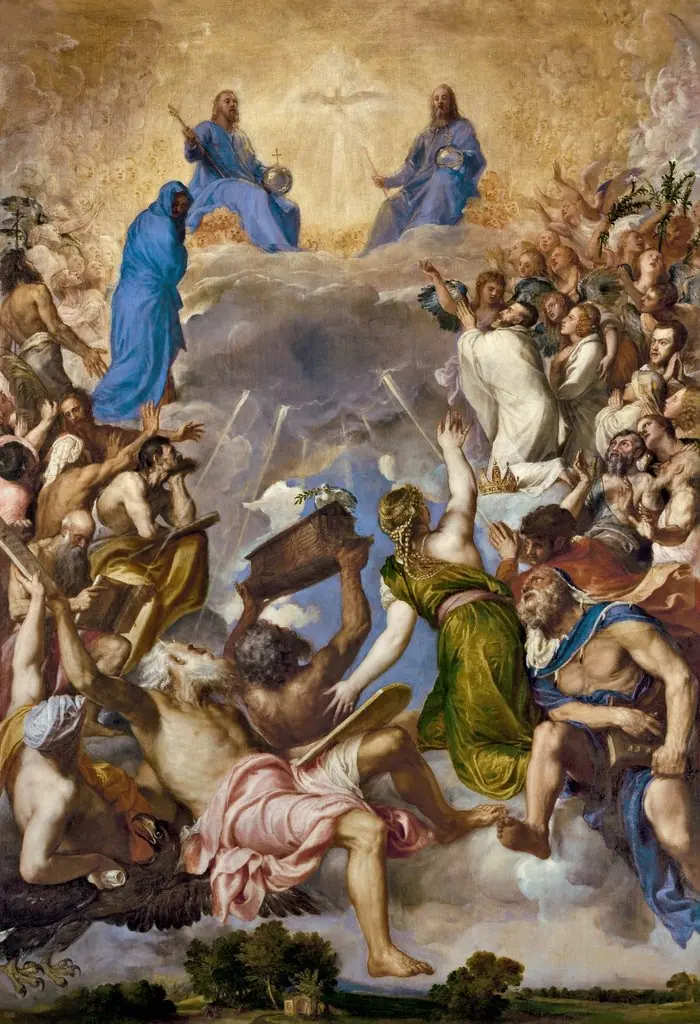 La Gloria
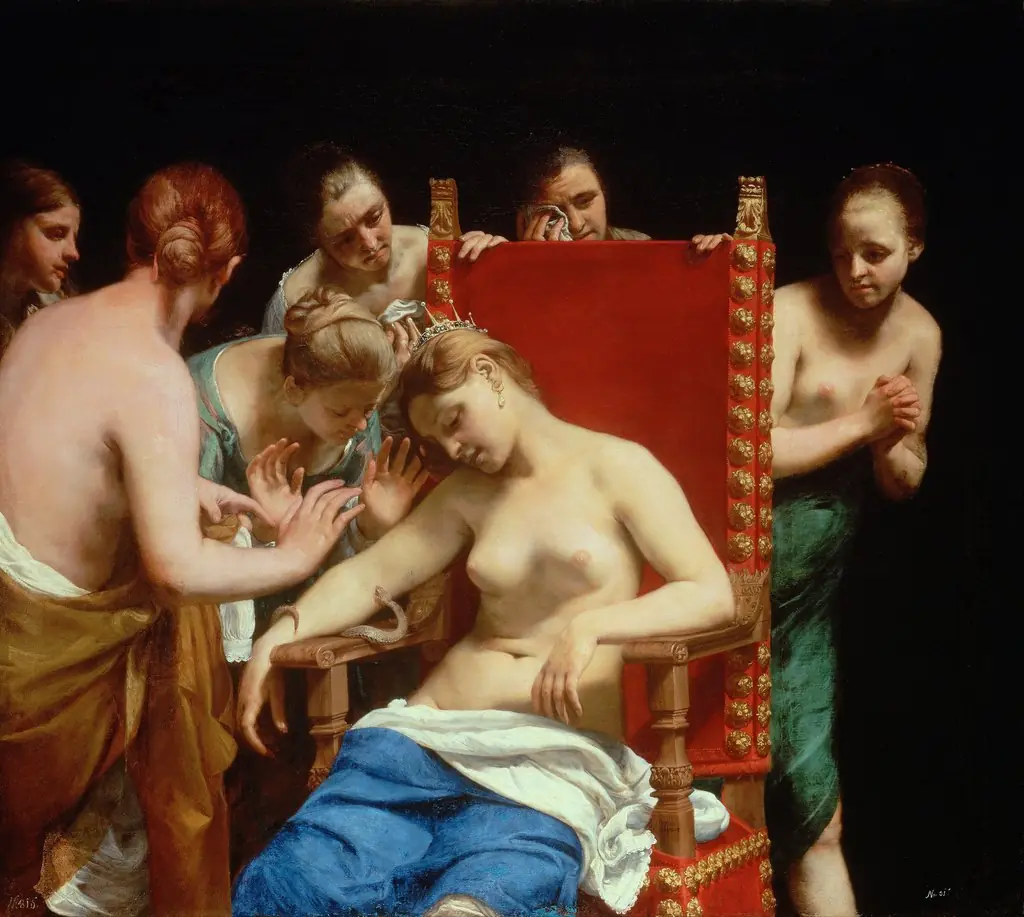 The Death of Cleopatra
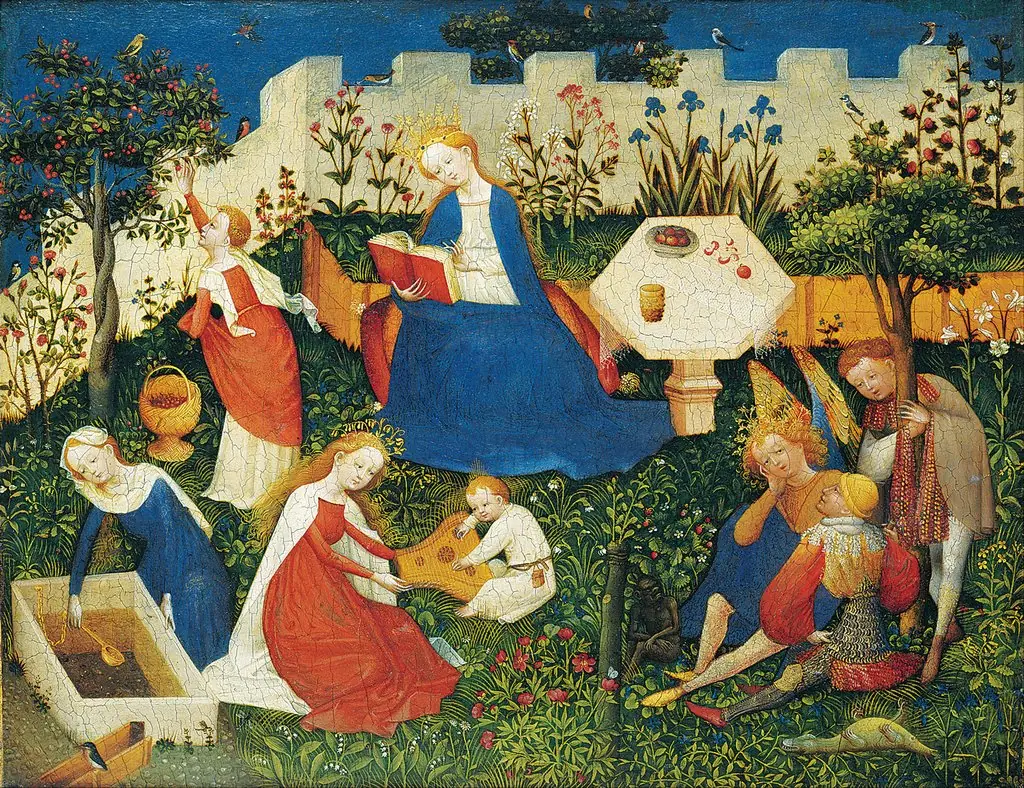 Paradiesgärtlein
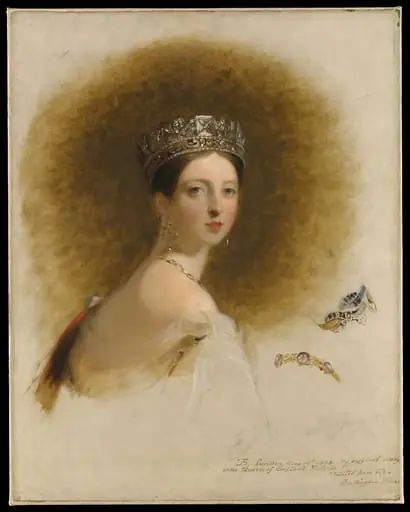 Queen Victoria
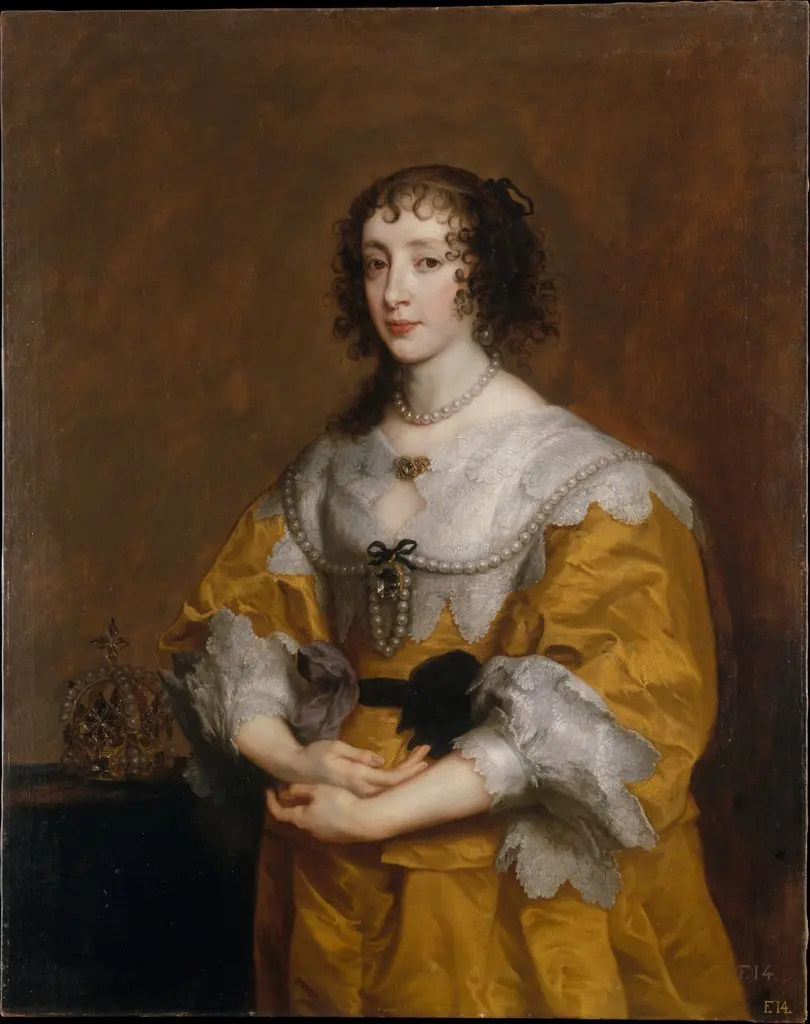 Queen Henrietta Maria
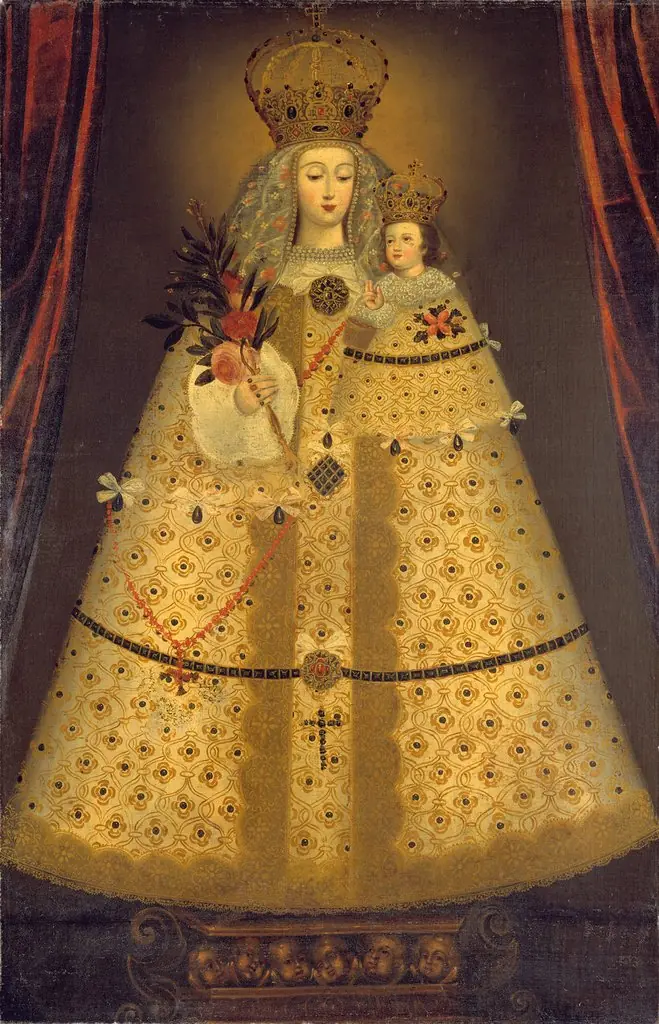 Virgin of the Rosary of Guápulo
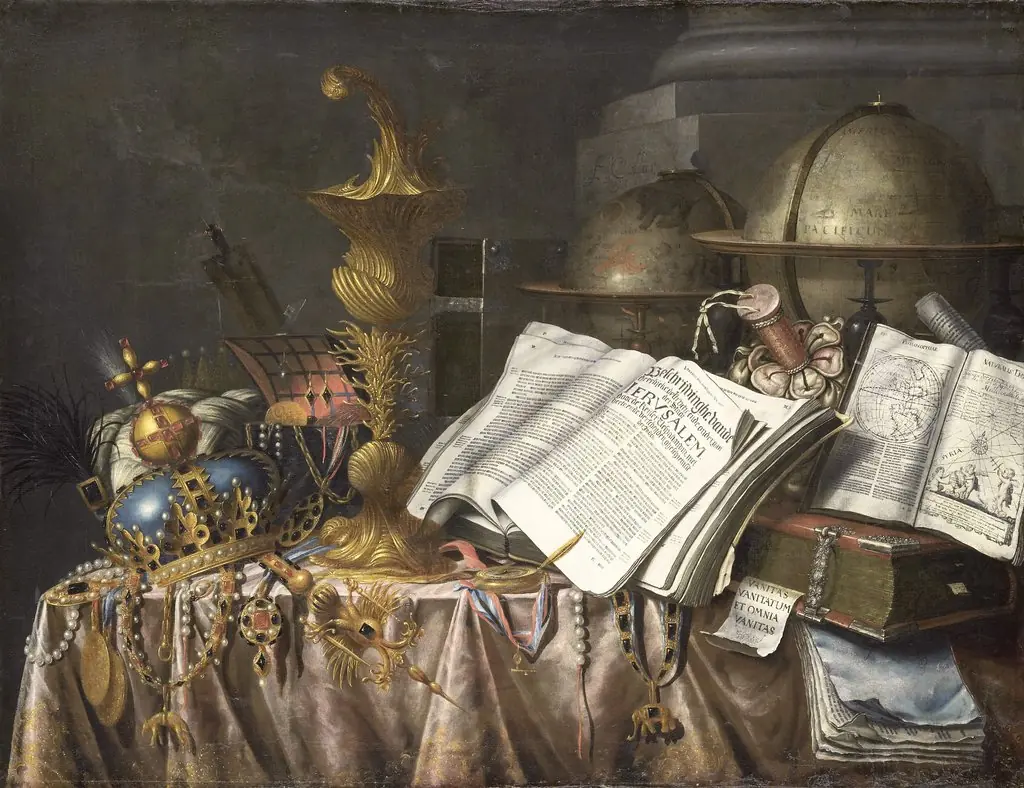 Vanitas still life
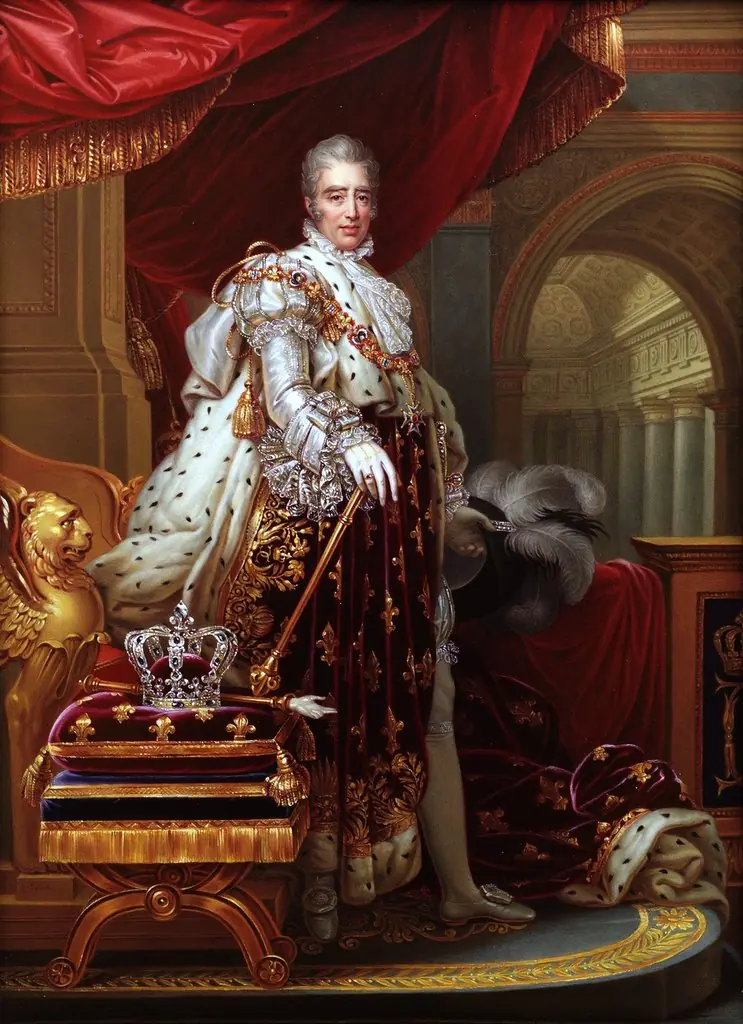 Charles X (1757–1836), King of France, after Gérard
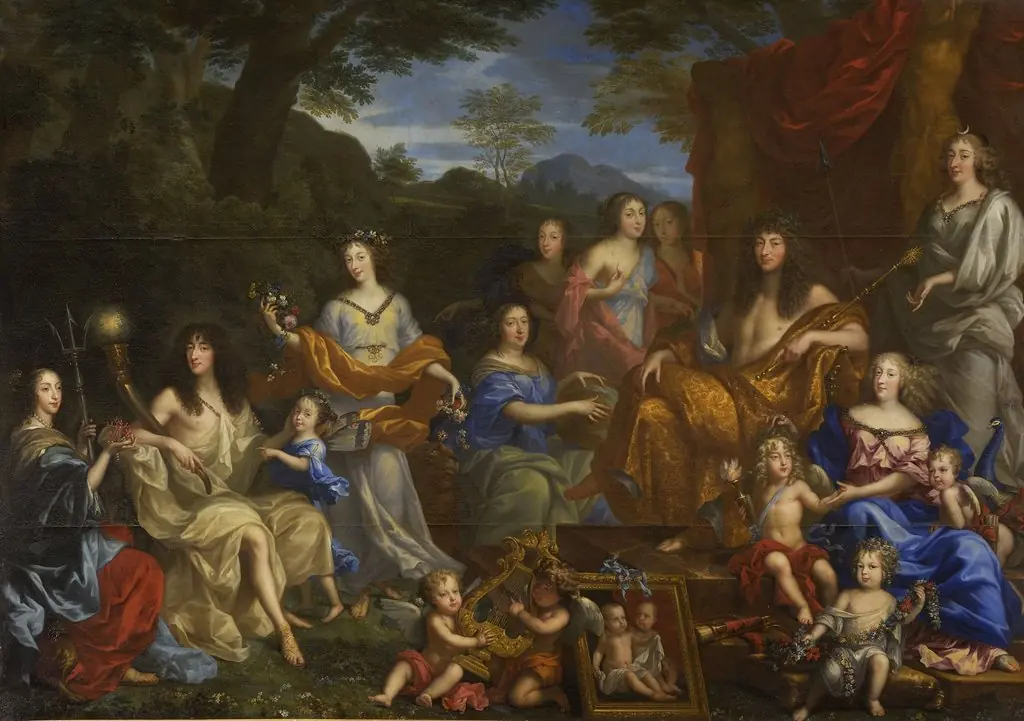 Mythological portrait of Louis XIV and the royal family
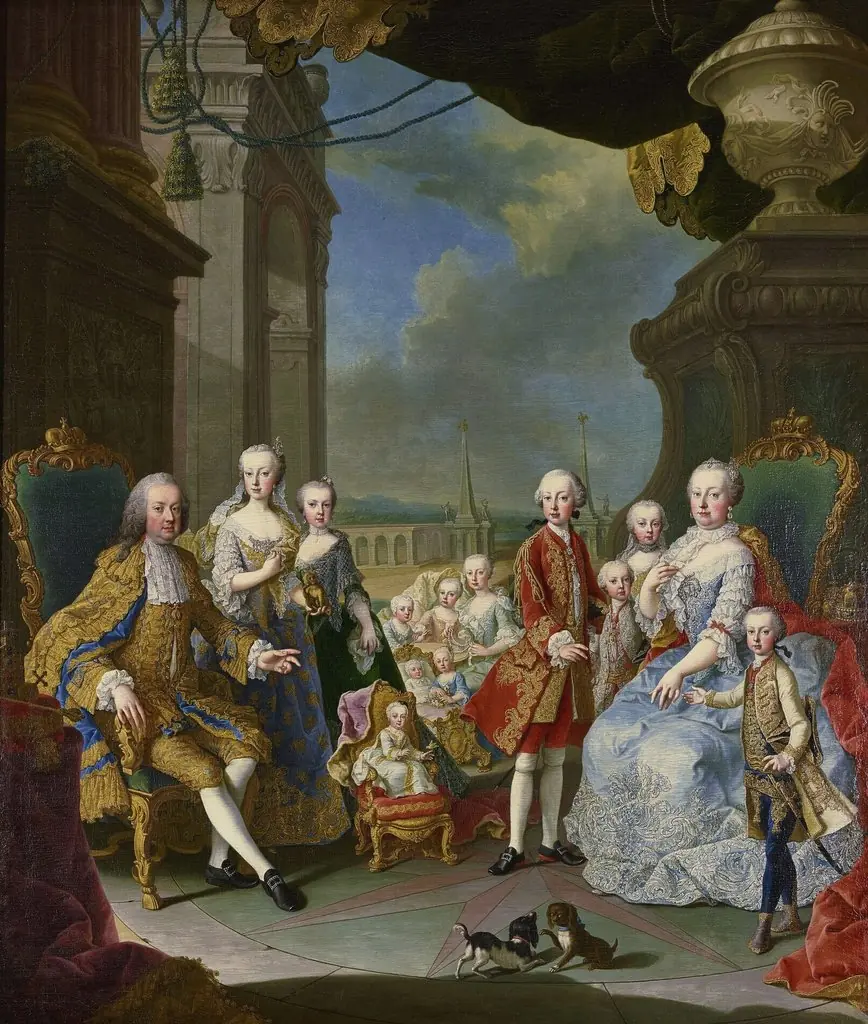 The Imperial family in 1756
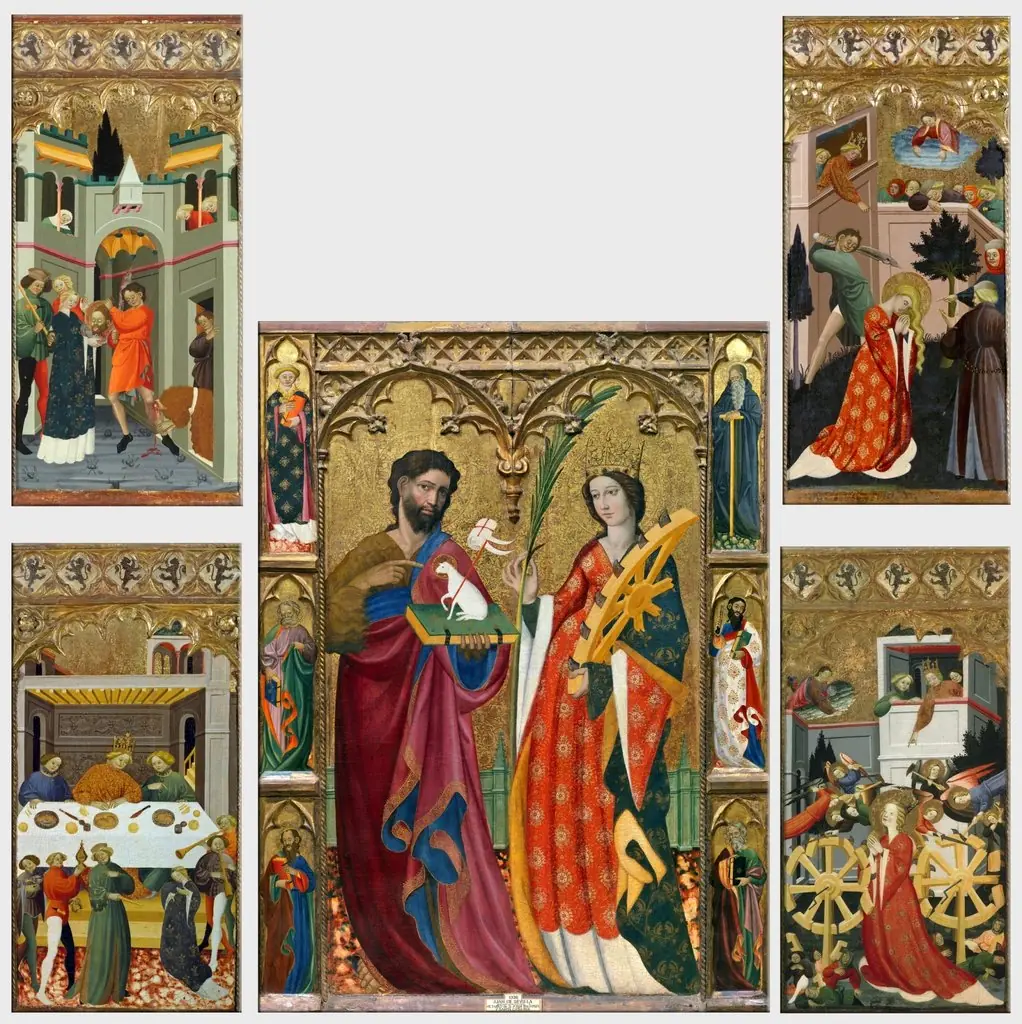 Saint John the Baptist and Saint Catherine Altar Piece
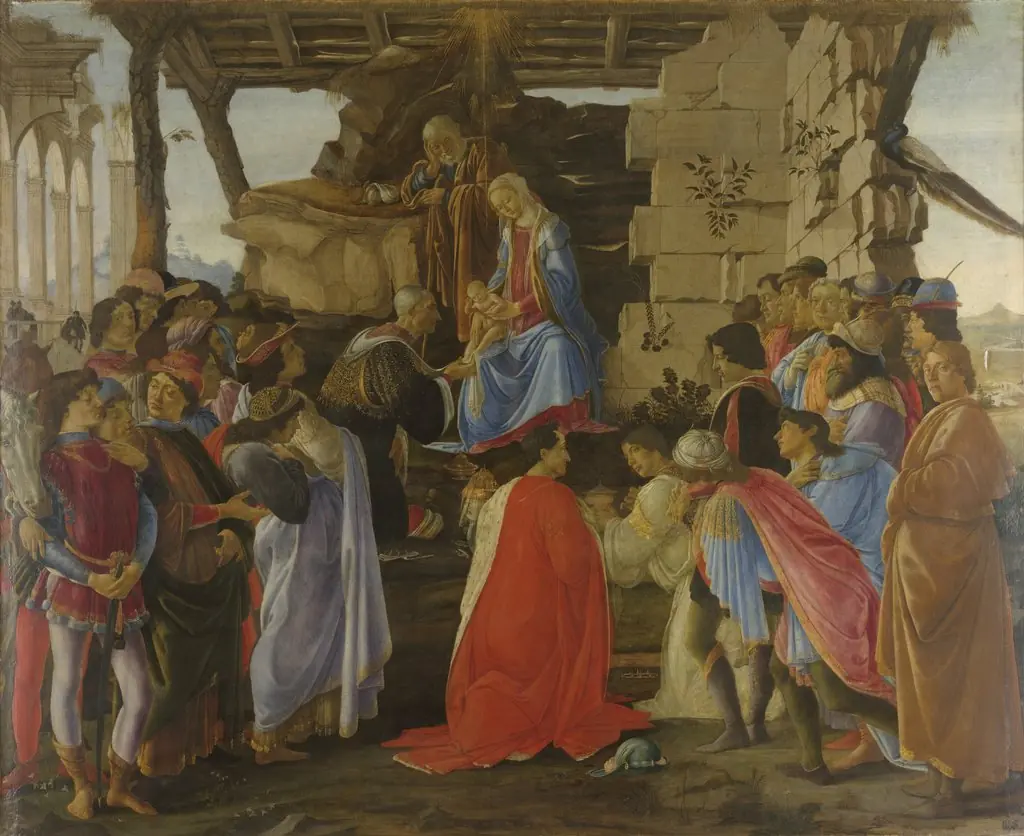 Adoration of the Magi
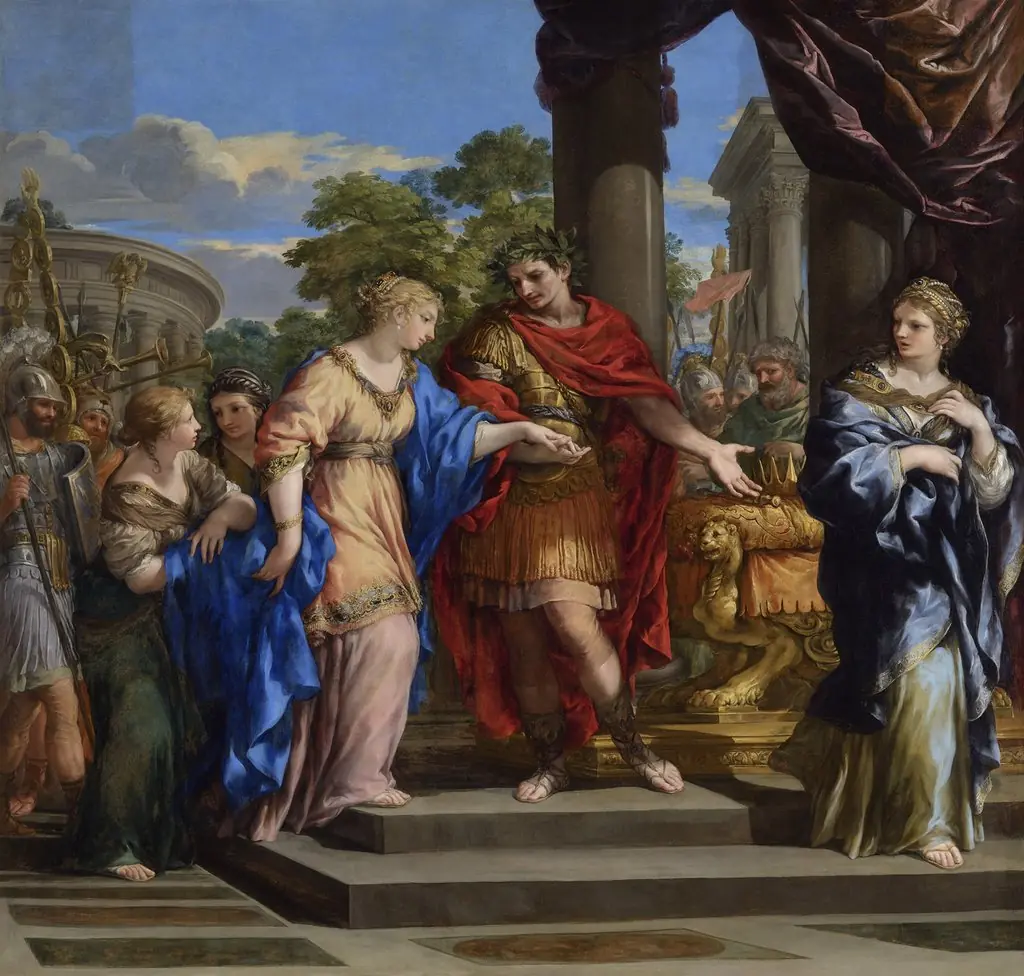 Caesar Giving Cleopatra the Throne of Egypt
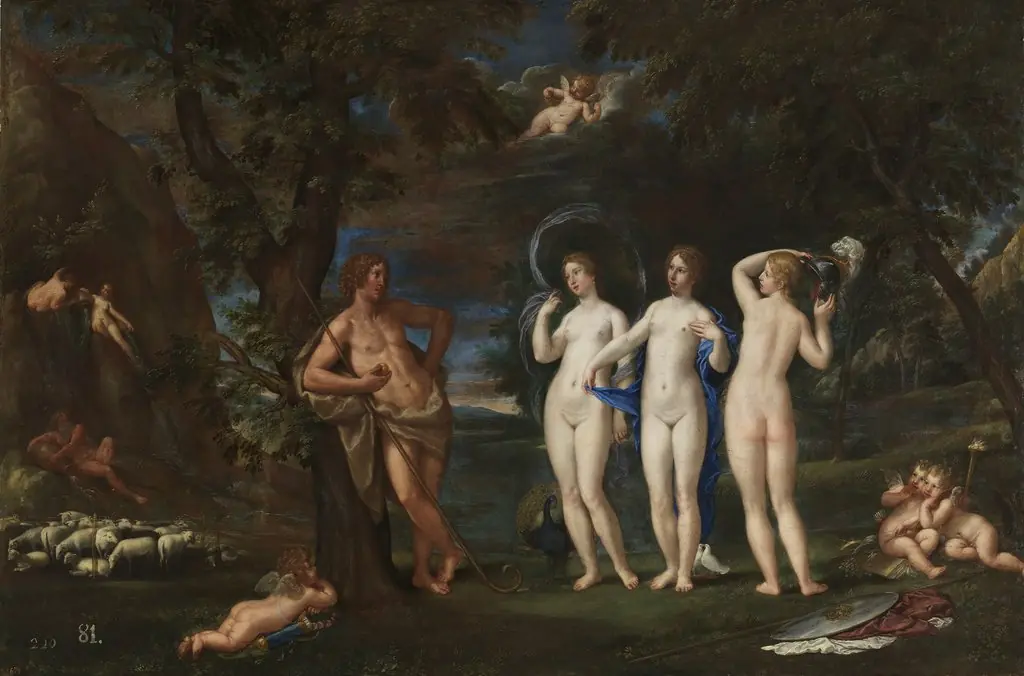 The judgement of Paris
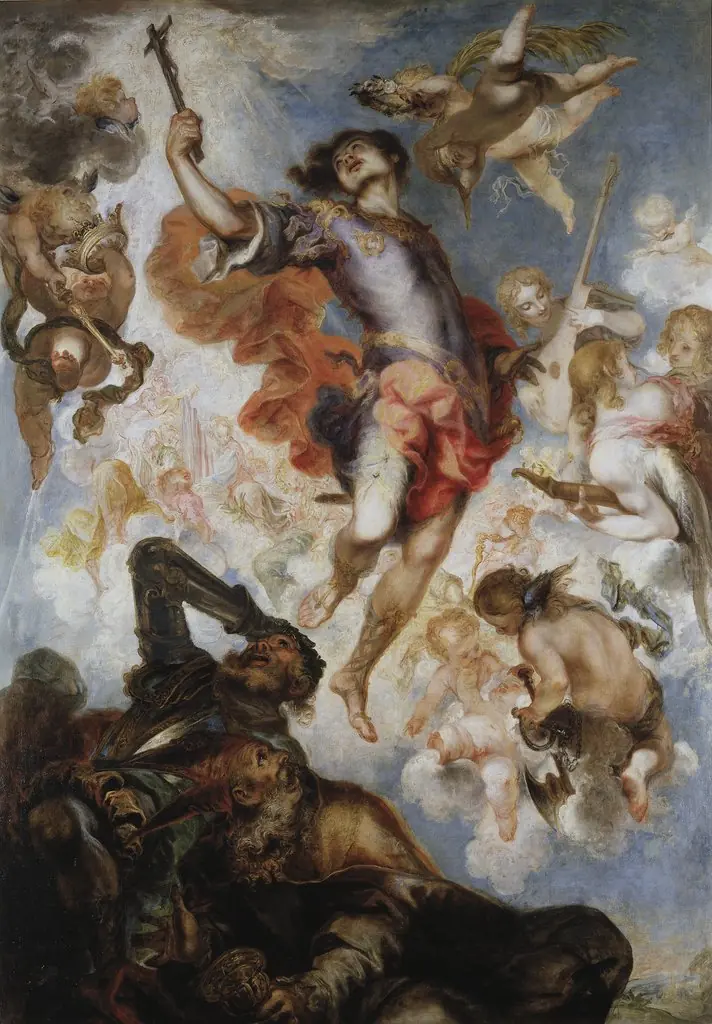 The Triumph of Saint Hermenegildo
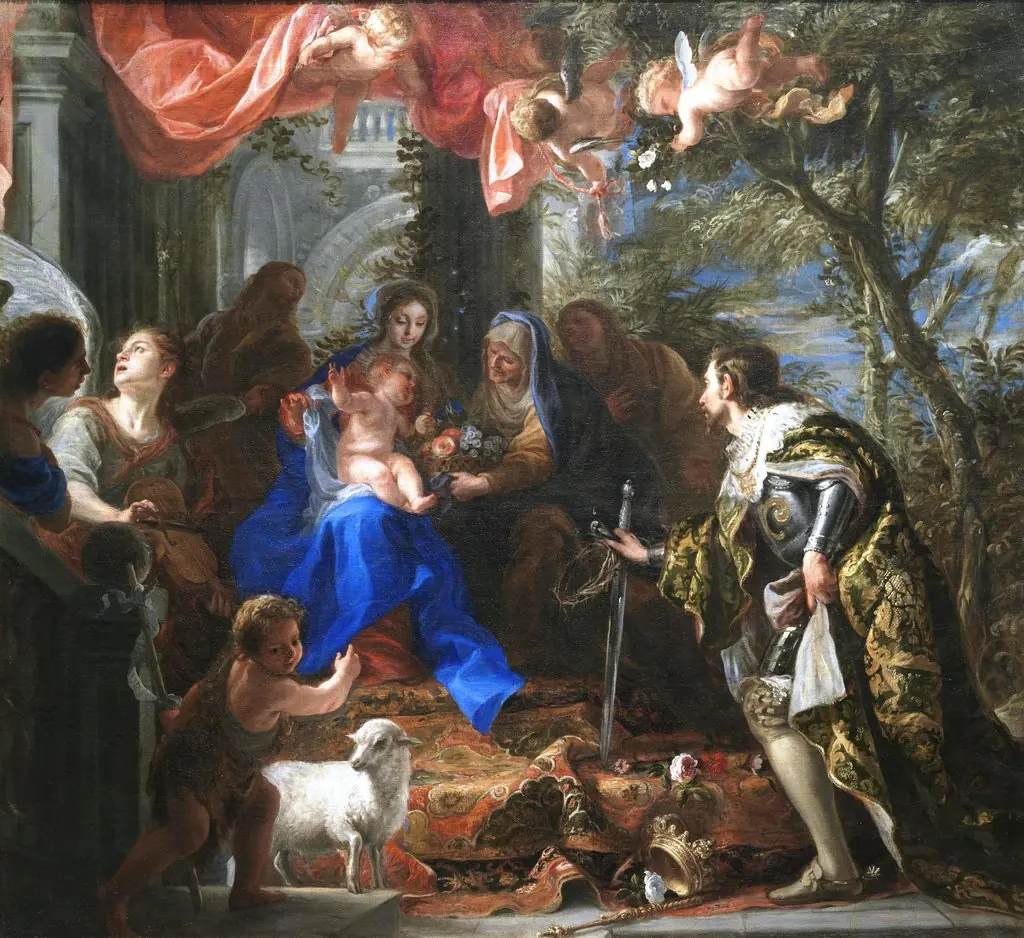 The Virgin and Child adored by Saint Louis, King of France
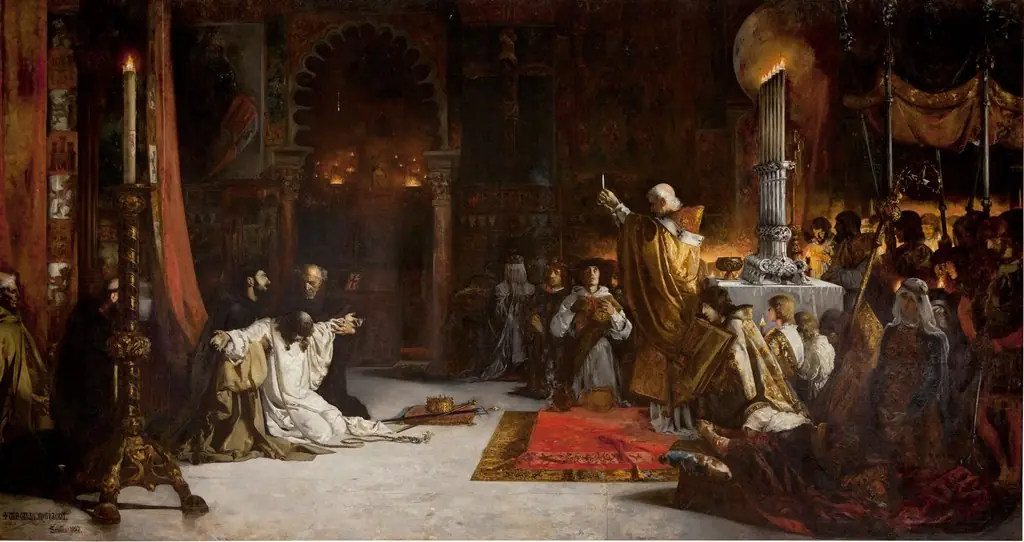 Las postrimerías de Fernando III el Santo
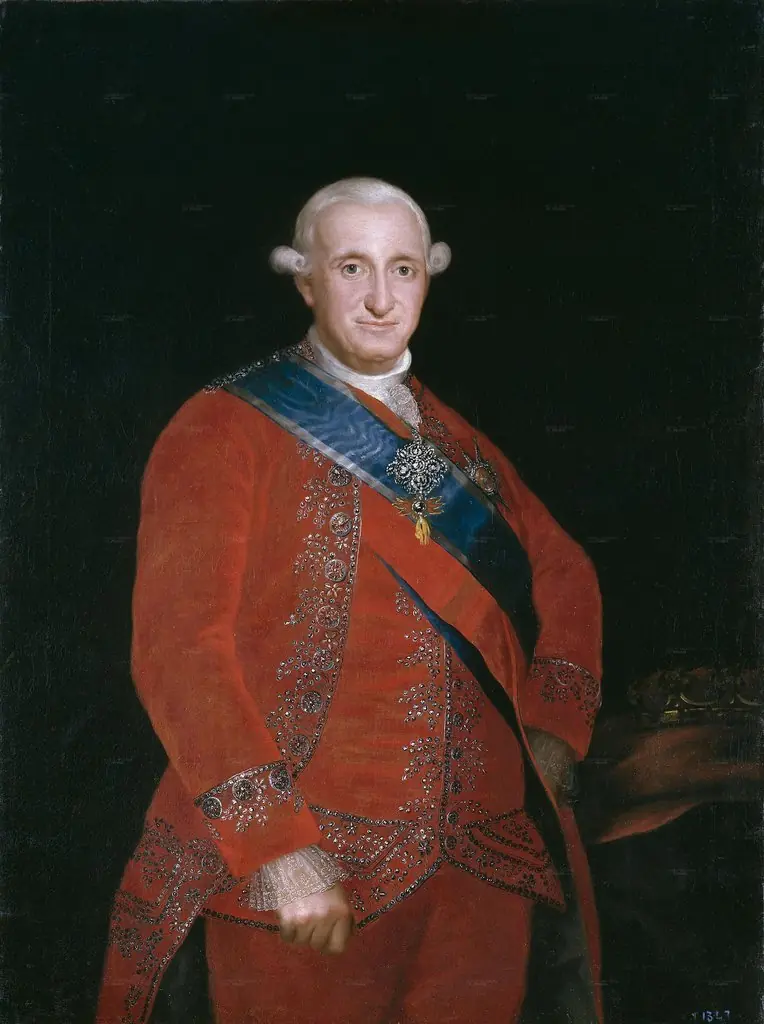 Charles IV, King of Spain
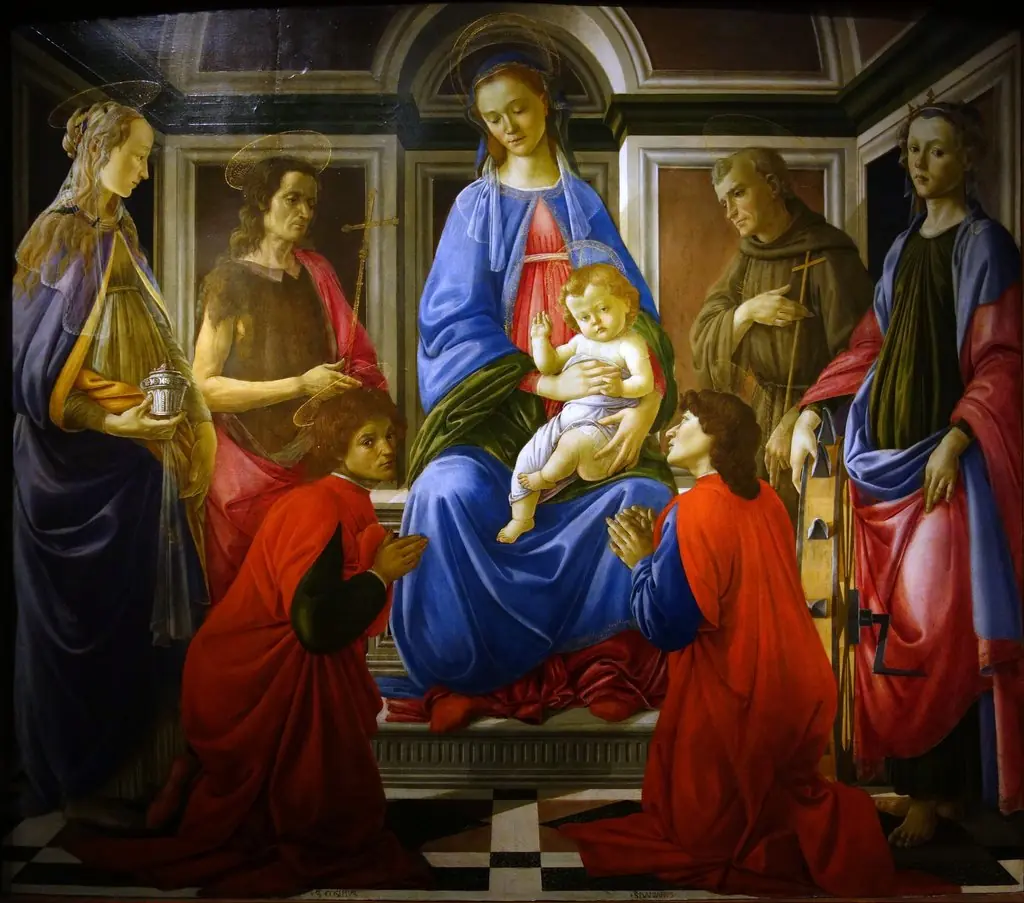 Sant'Ambrogio Altarpiece
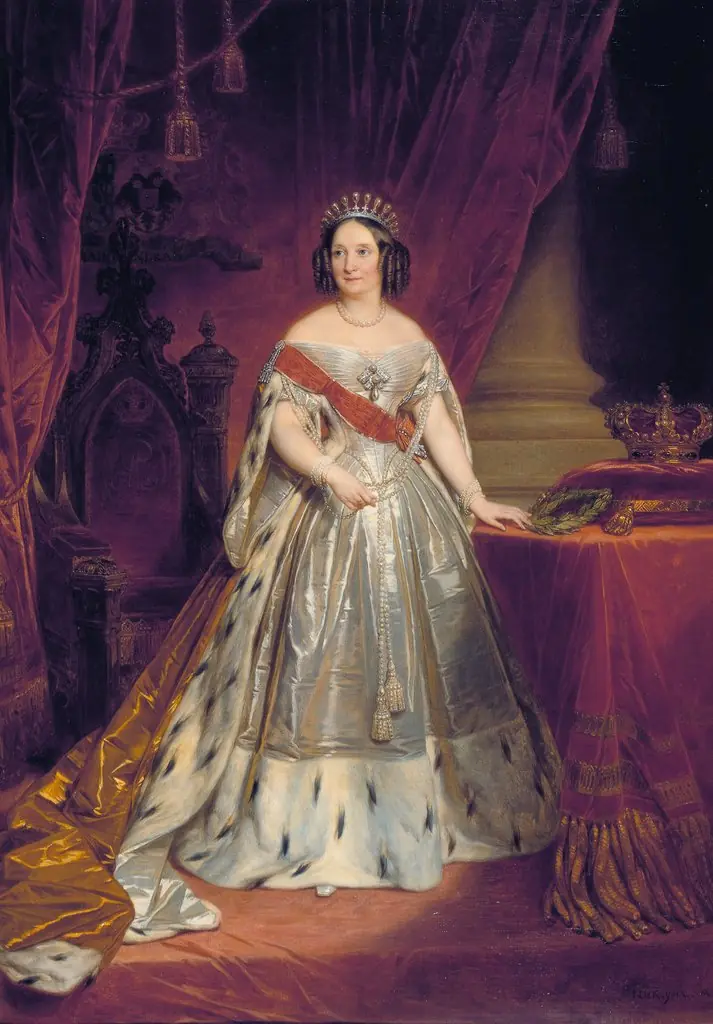 Portrait of Grand Princess Anna Pavlovna
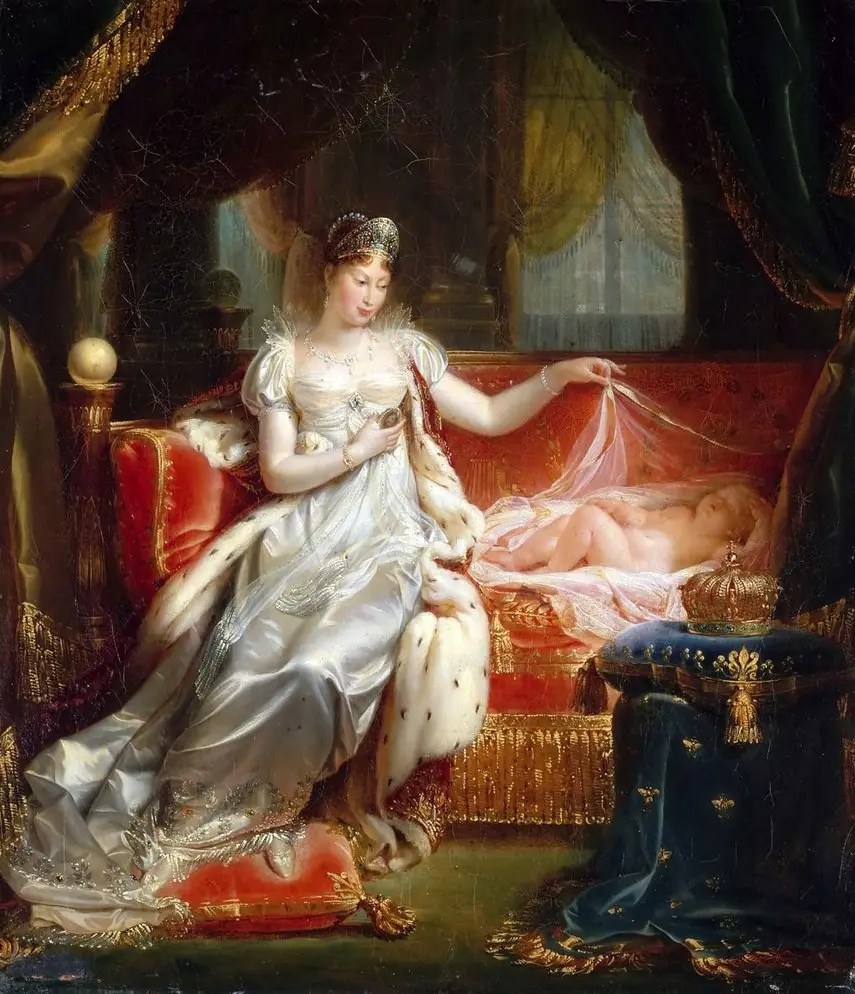 The Empress Marie-Louise watching over the sleep of the King of Rome
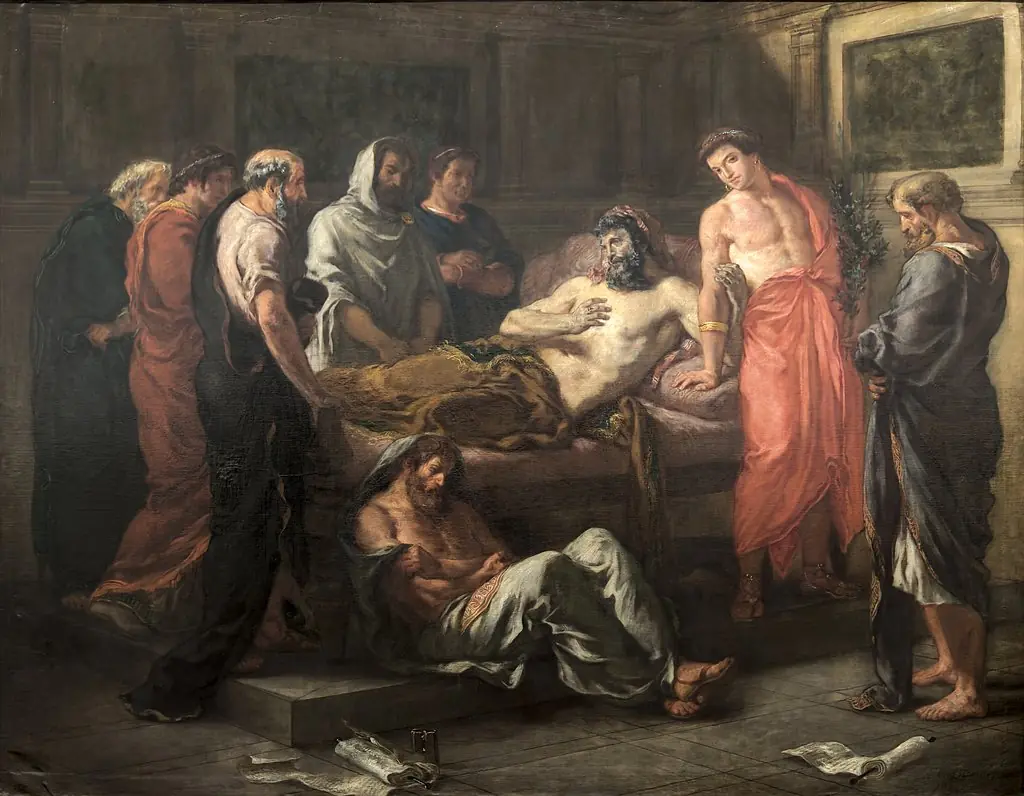 Last Words of the Emperor Marcus Aurelius
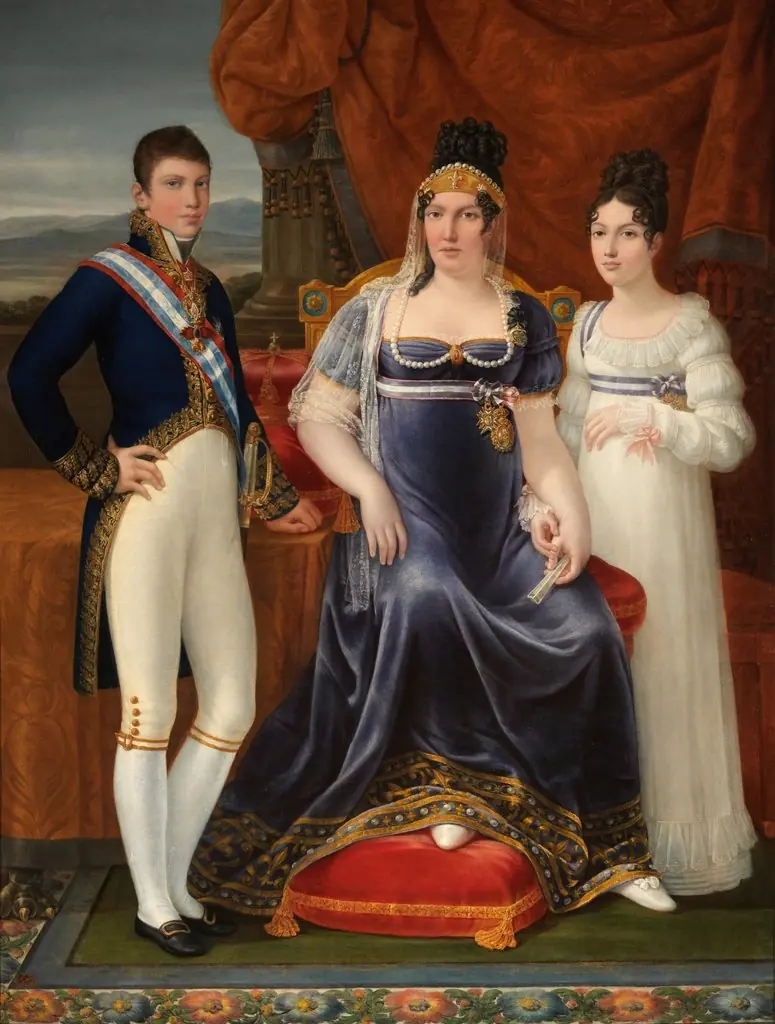 The Queen of Etruria and her Children
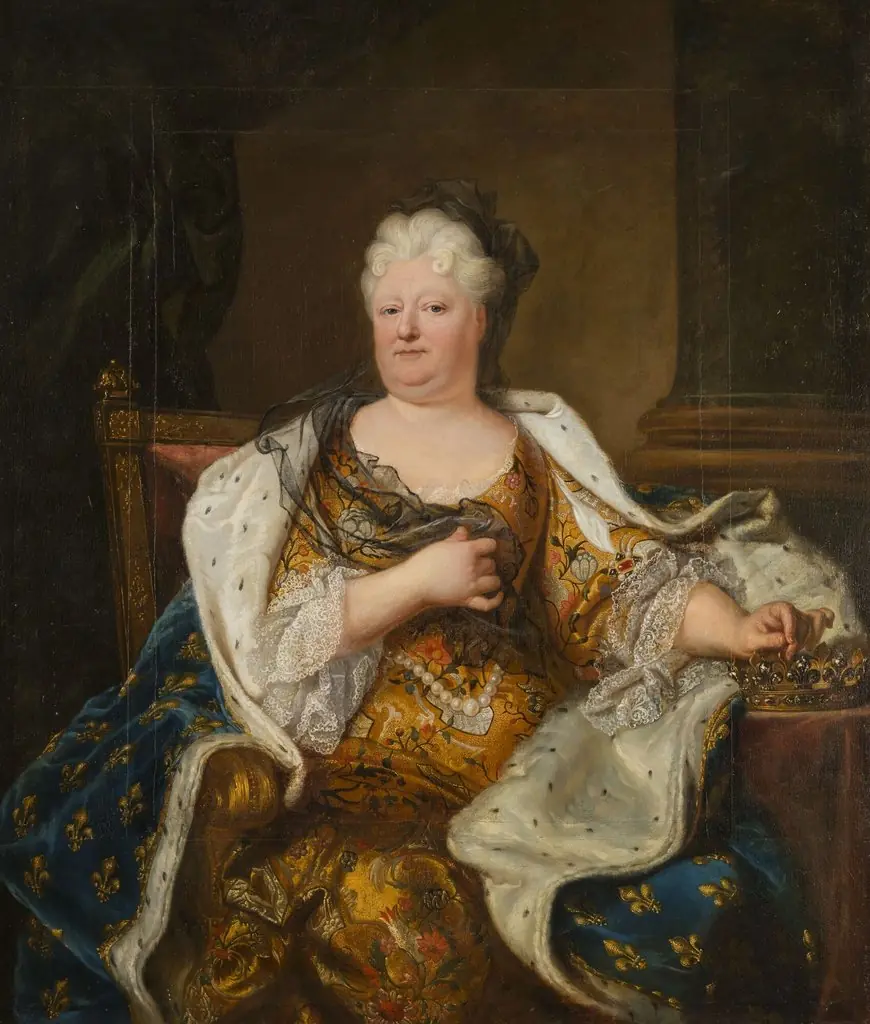 Elizabeth Charlotte, Princess Palatine
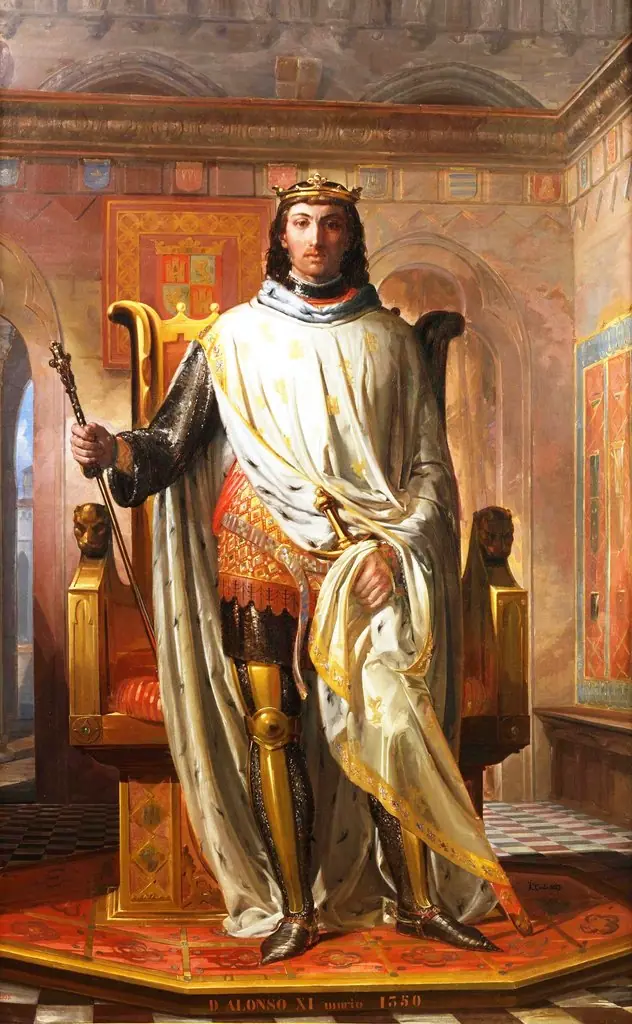 Alfonso XI
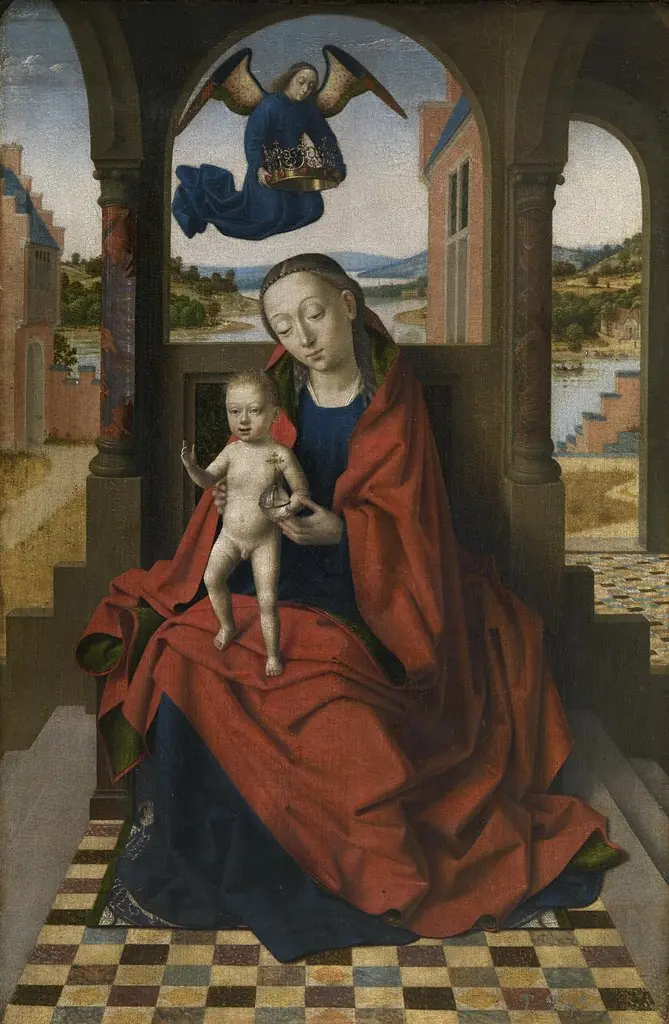 The Virgin and the Child
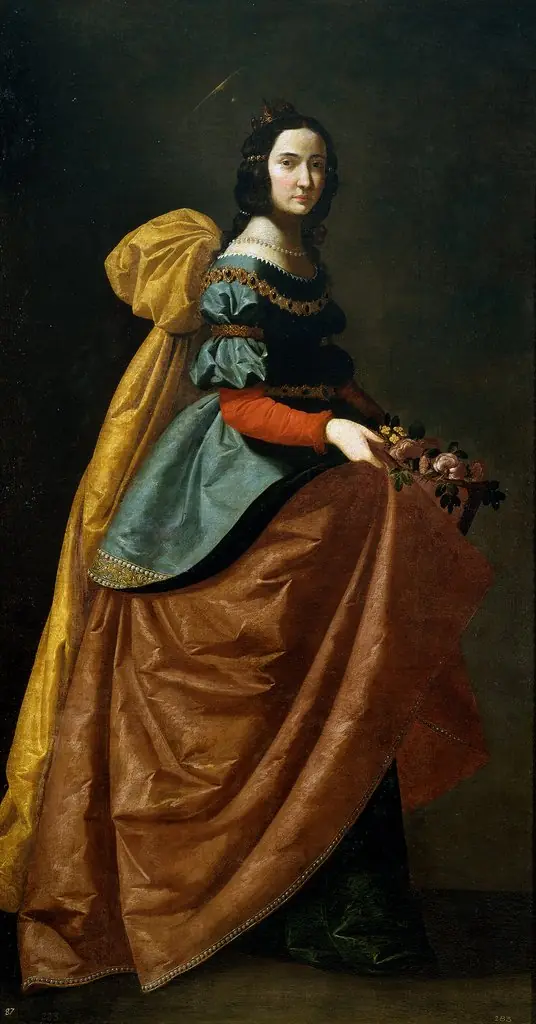 Saint Elizabeth of Portugal
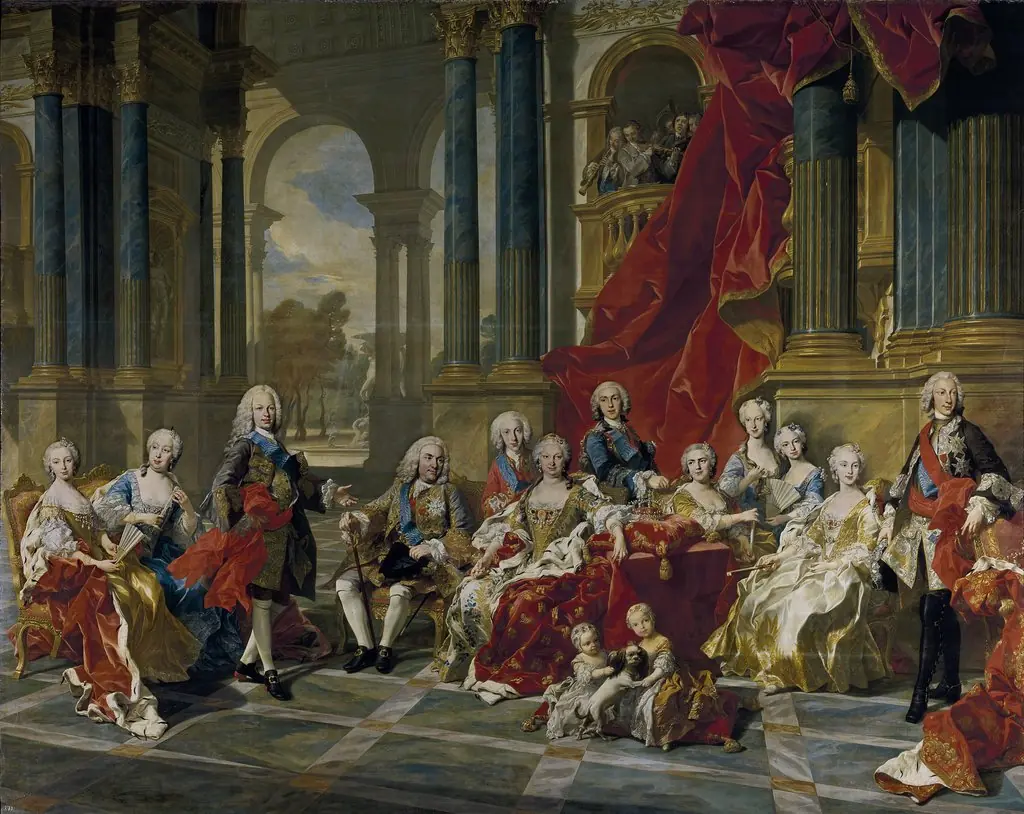 The Family of Philip V
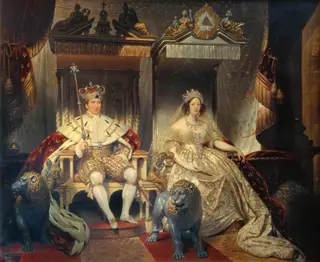 Christian VIII (1786-1848) and Queen Caroline Amalie (1796-1881) in Coronation Robes
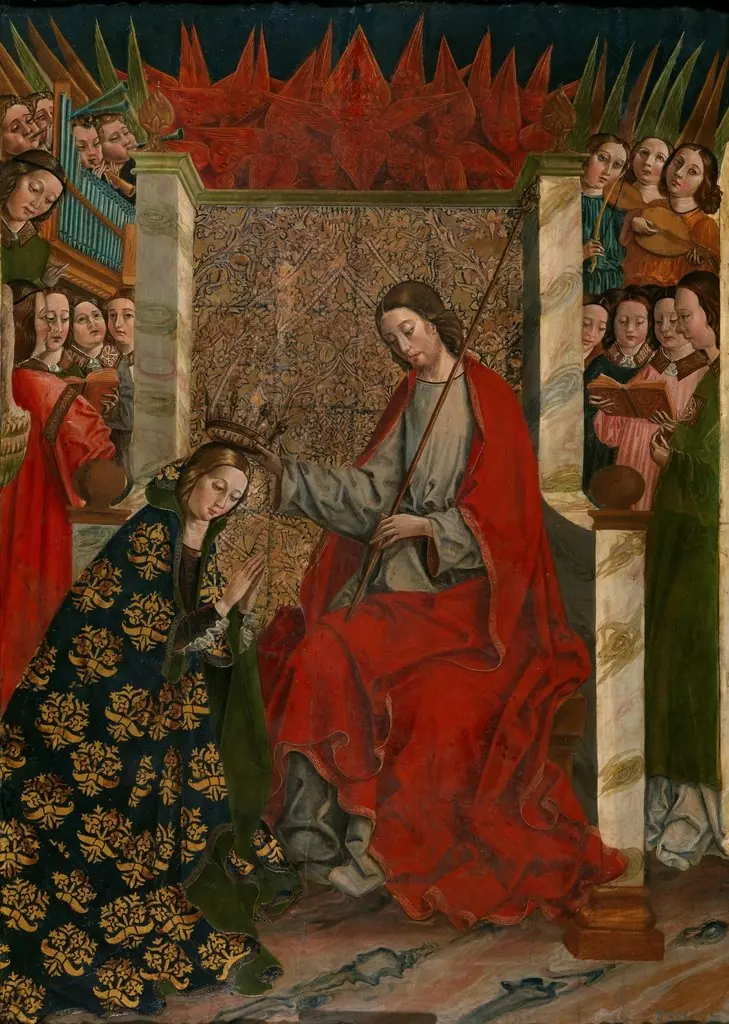 The Coronation of the Virgin
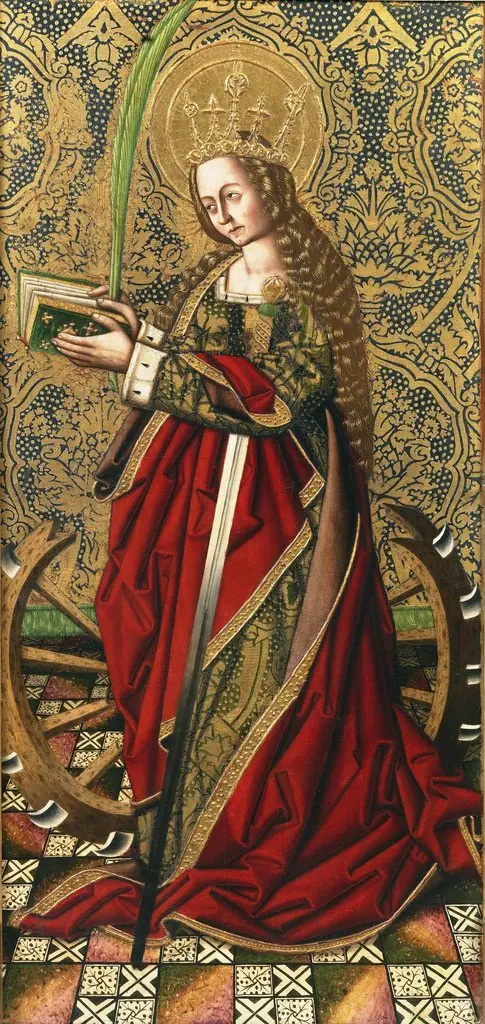 Saint Catherine
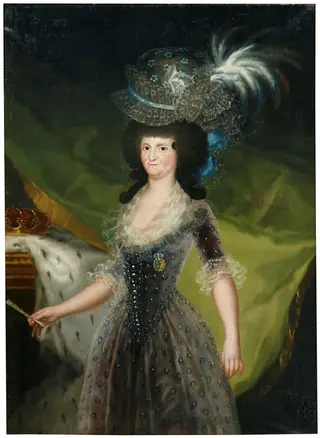 Maria Luisa of Parma, Queen of Spain
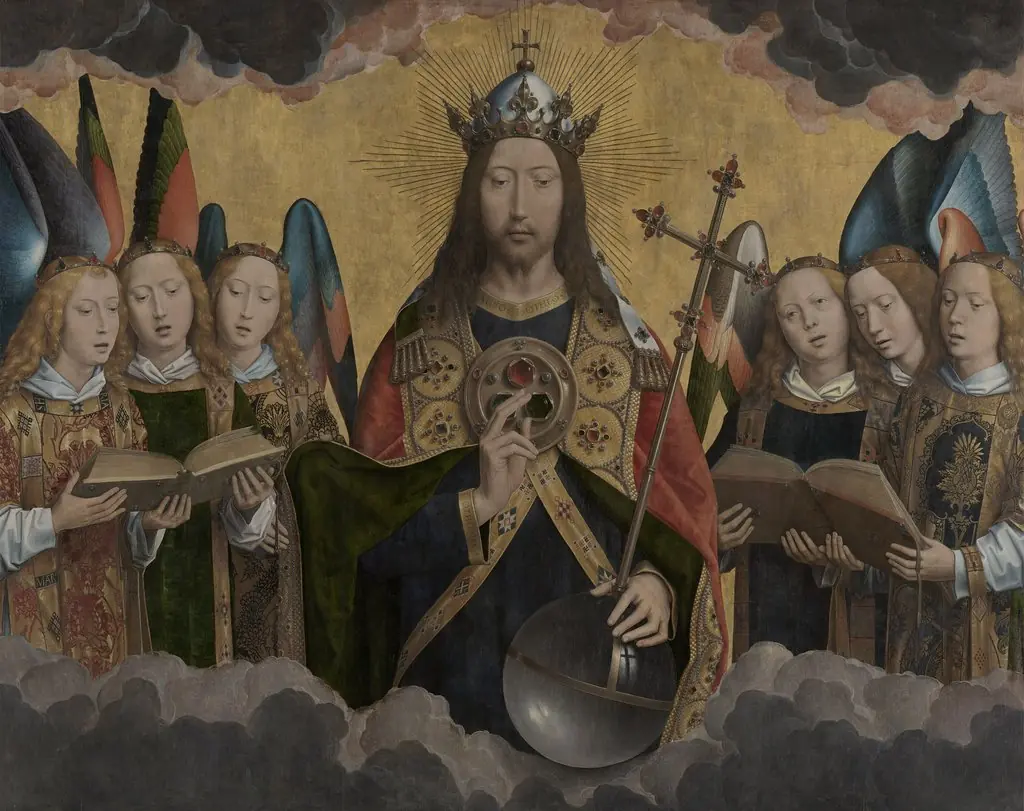 Christ with Singing Angels
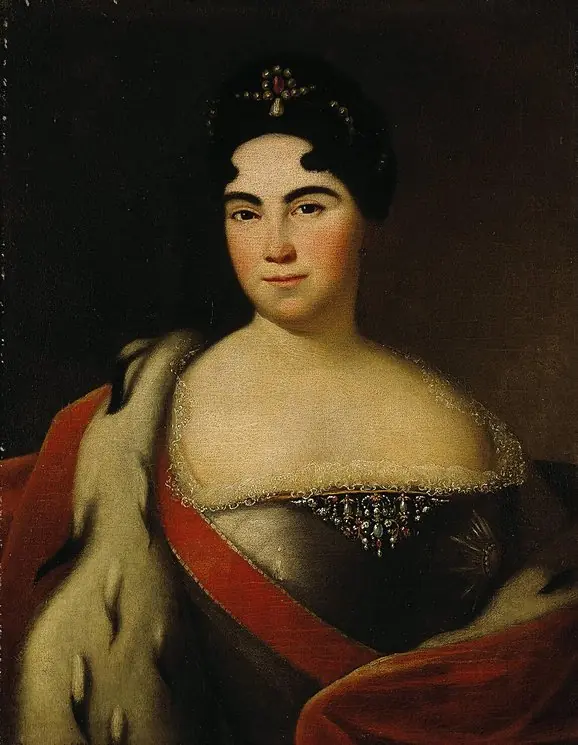 Portrait of Catherine I
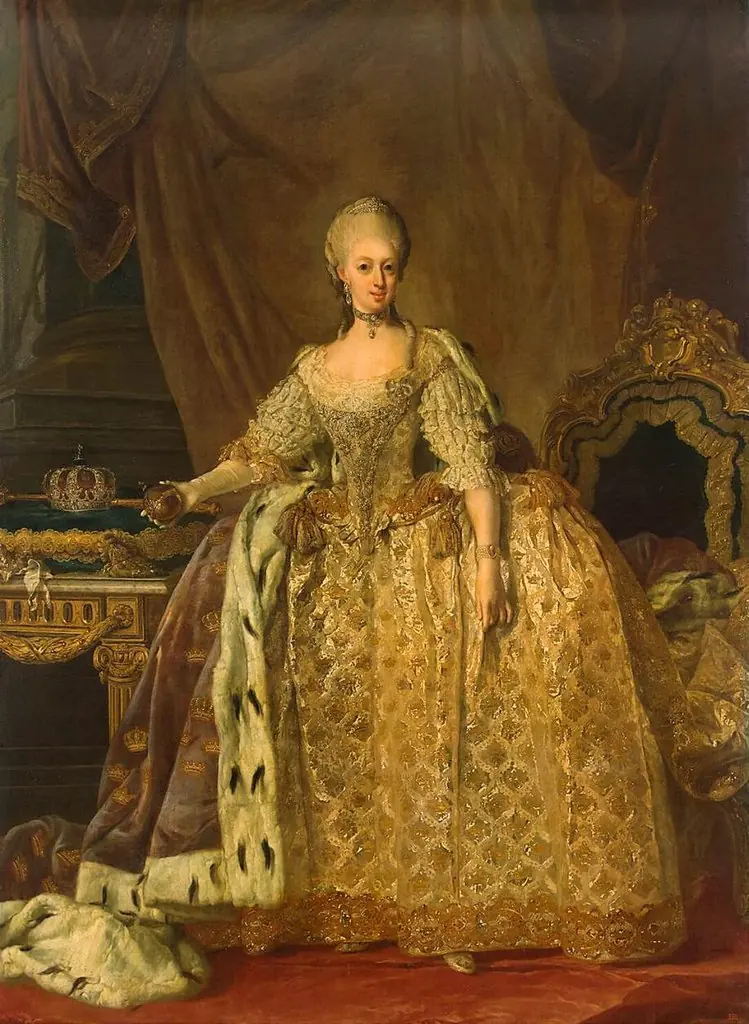 Portrait of Queen Sophie-Magdalene
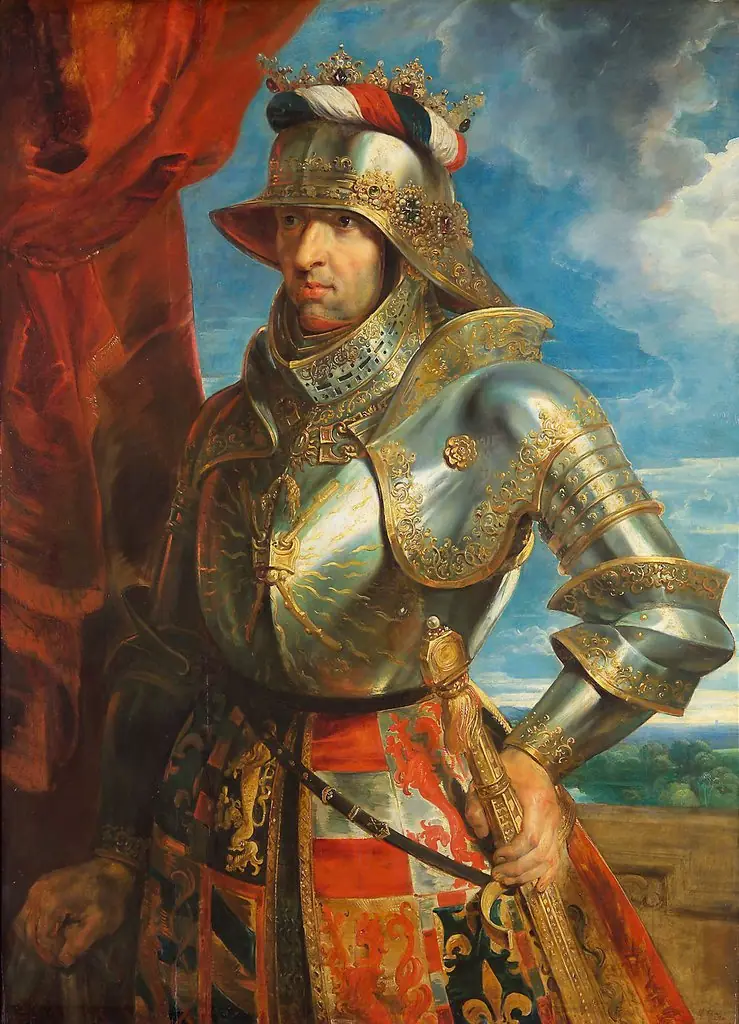 Philip the Handsome
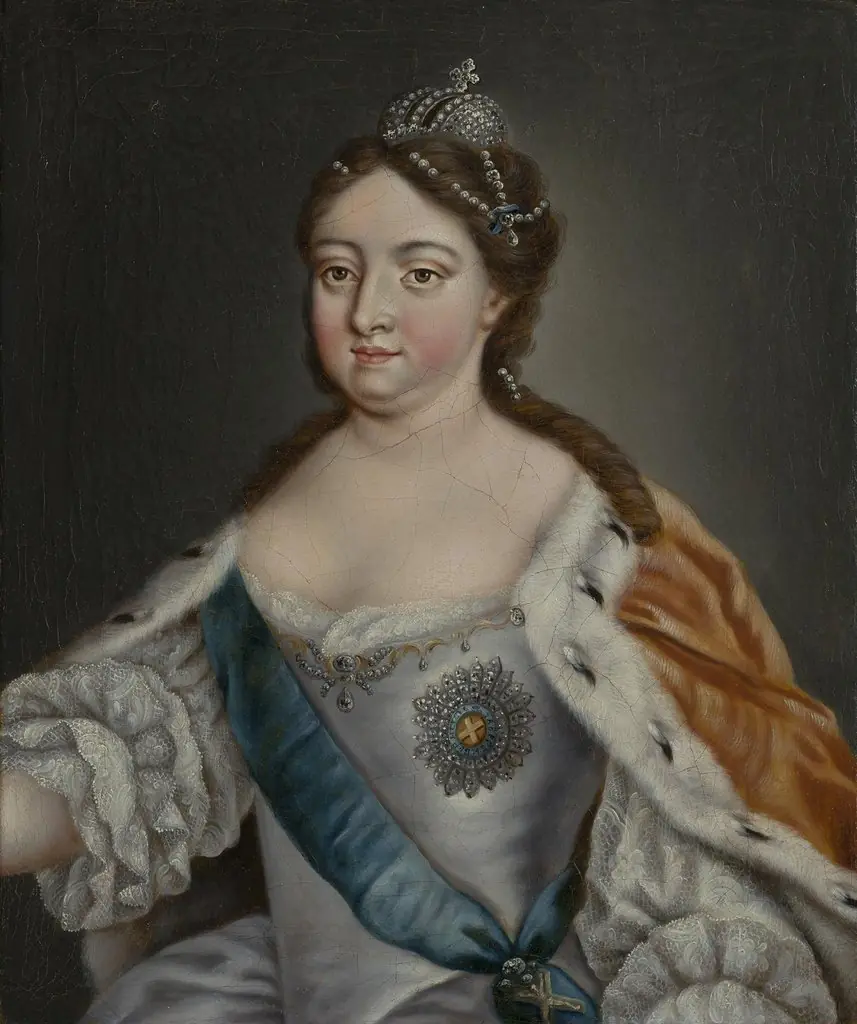 Portrait of Empress Anna Ioannovna
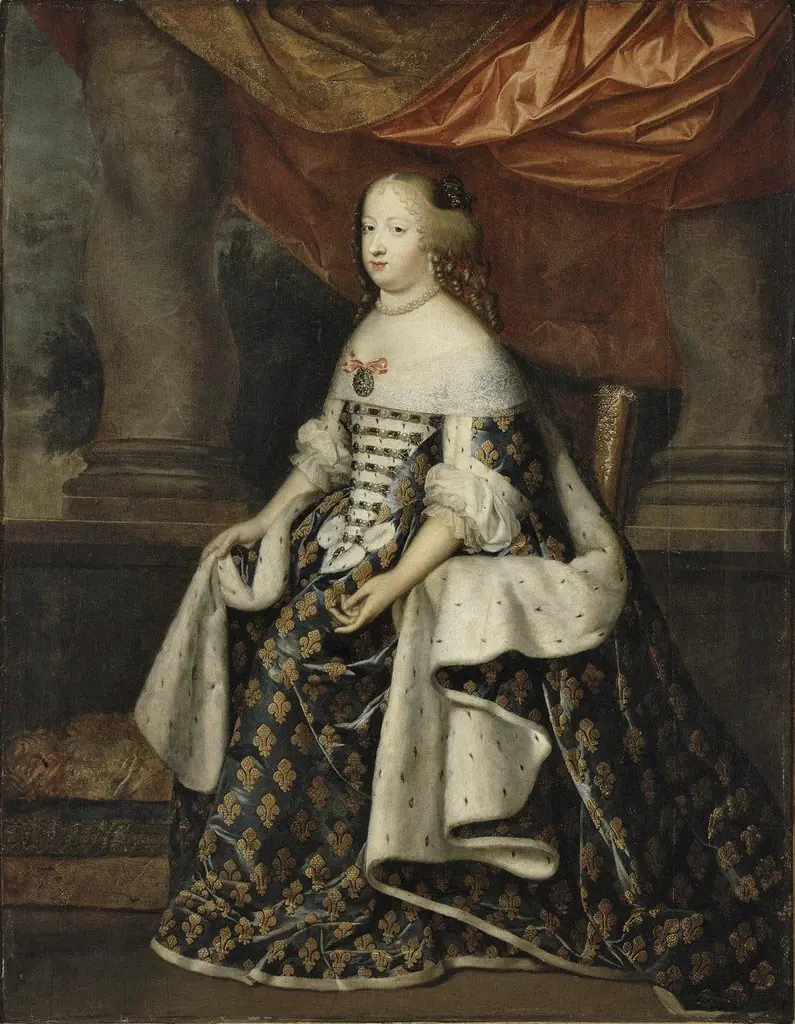 Marie Thérèse of Austria in Royal Costume
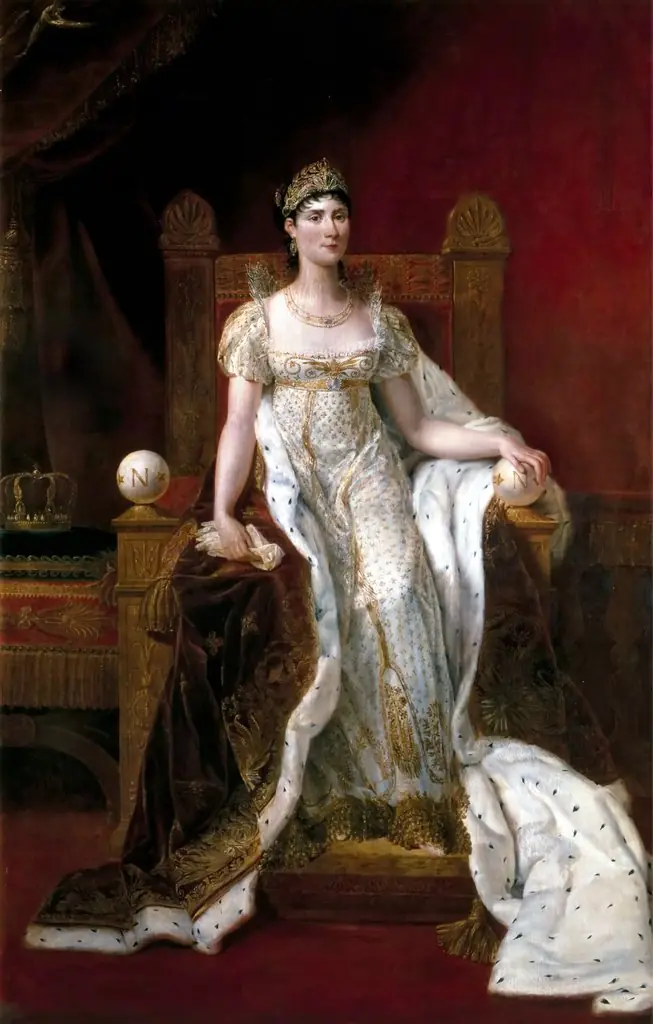 Joséphine, Empress of the French
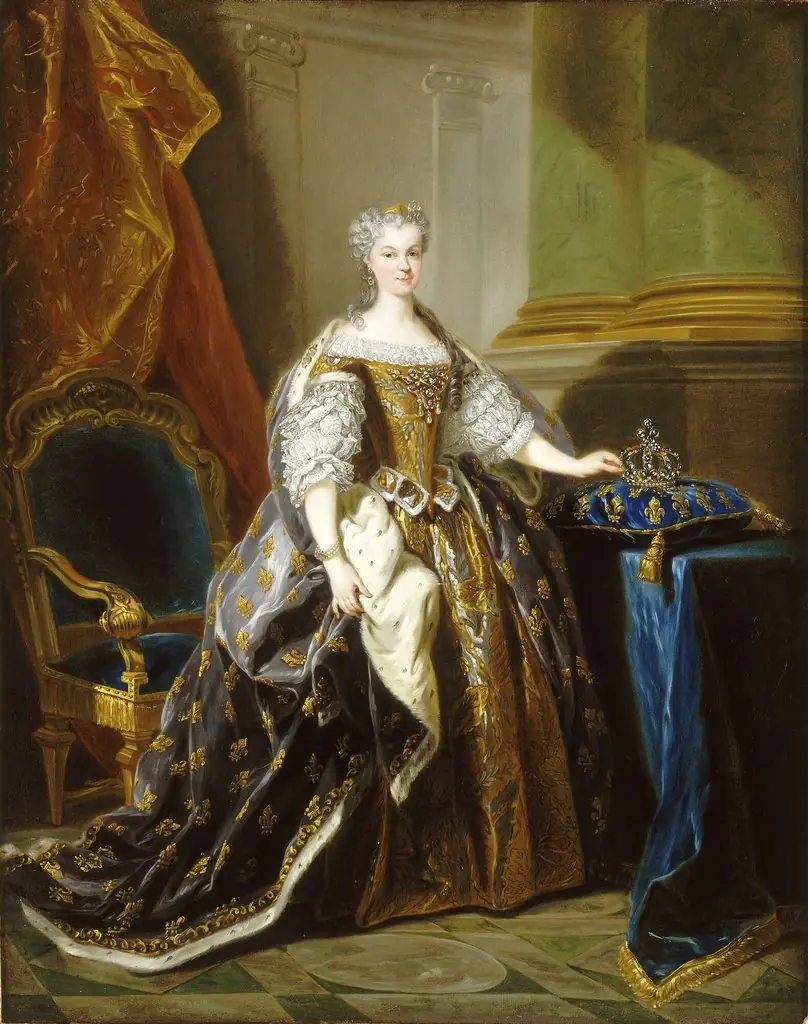 Portrait of Marie Leszczyńka.
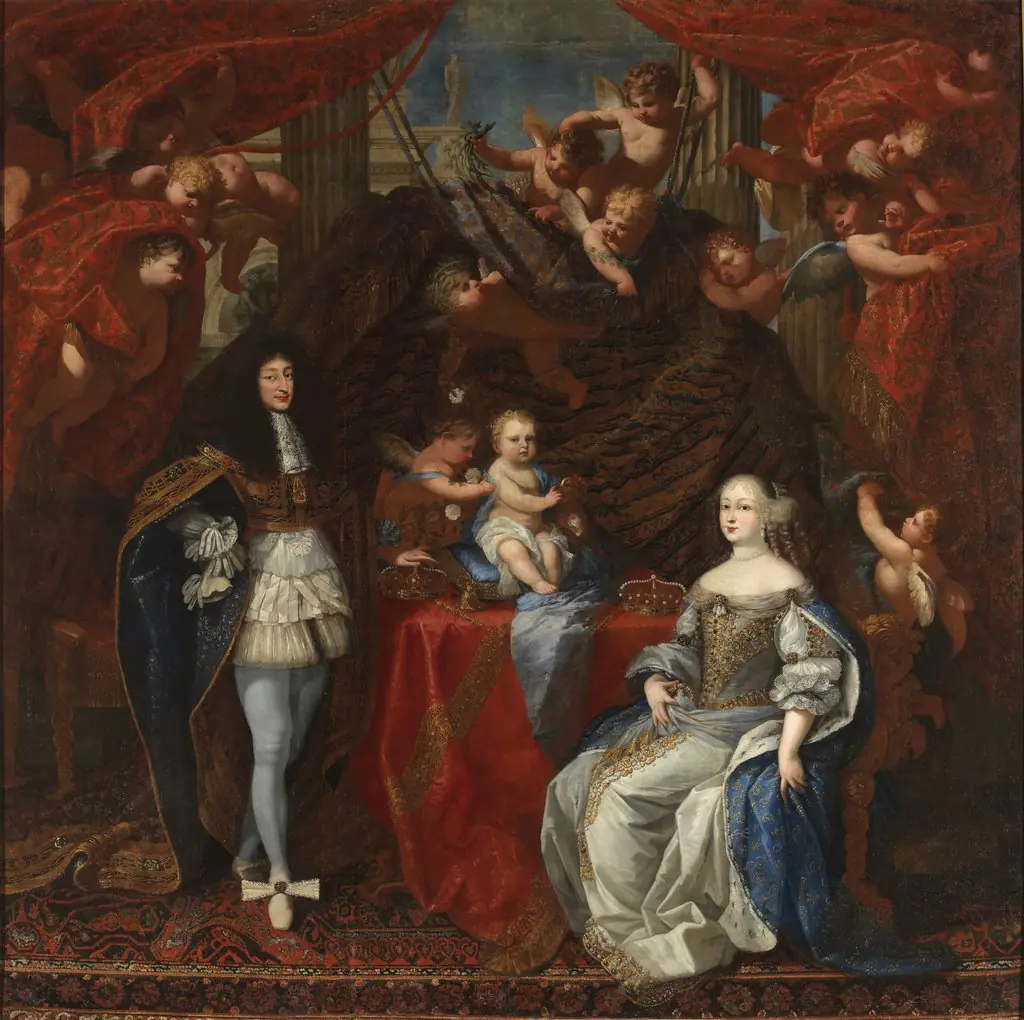 Charles Emmanuel II, Duke of Savoy, and his family
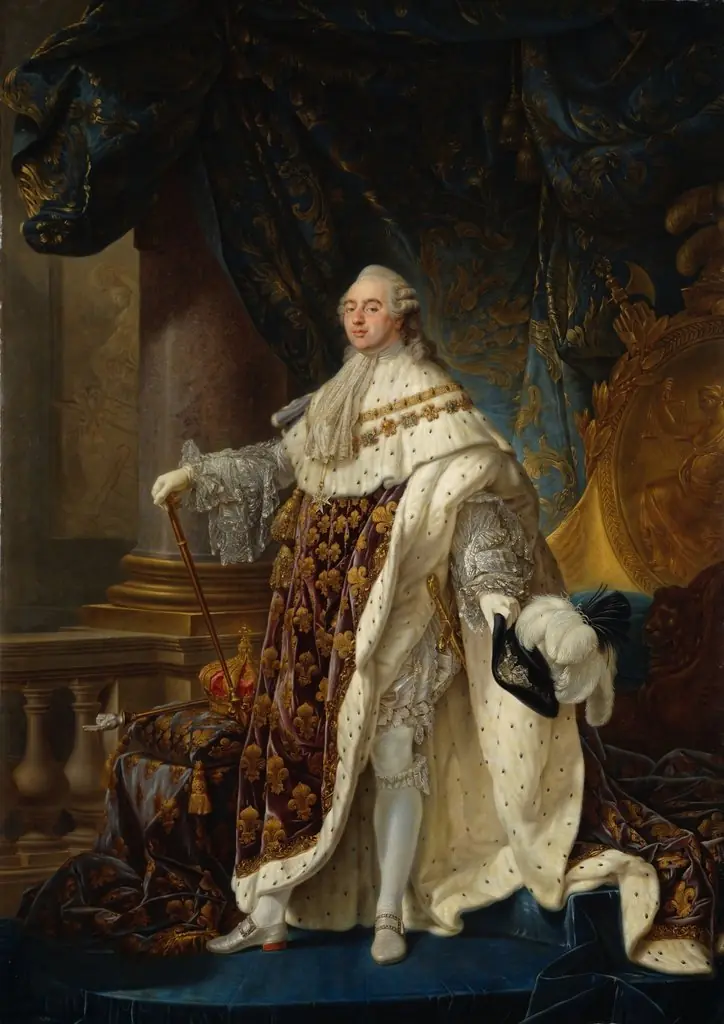 Louis XVI
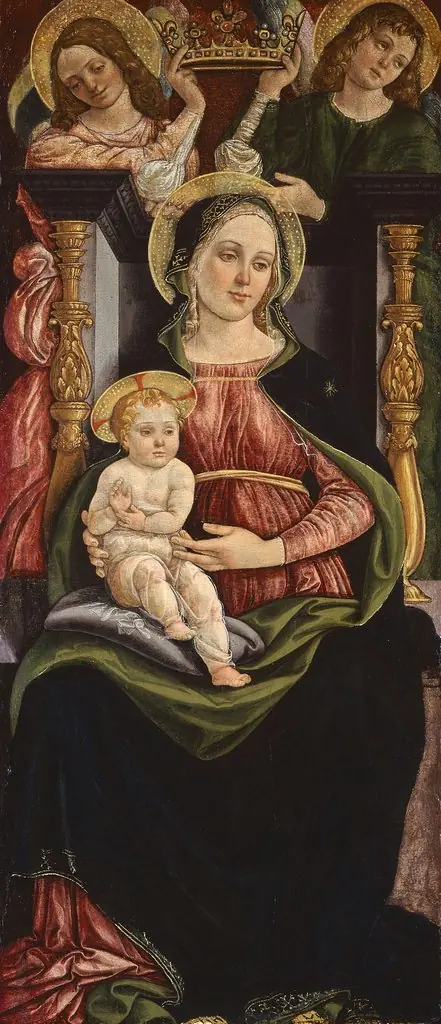 Virgin and Child Enthroned with Two Angels Holding a Crown
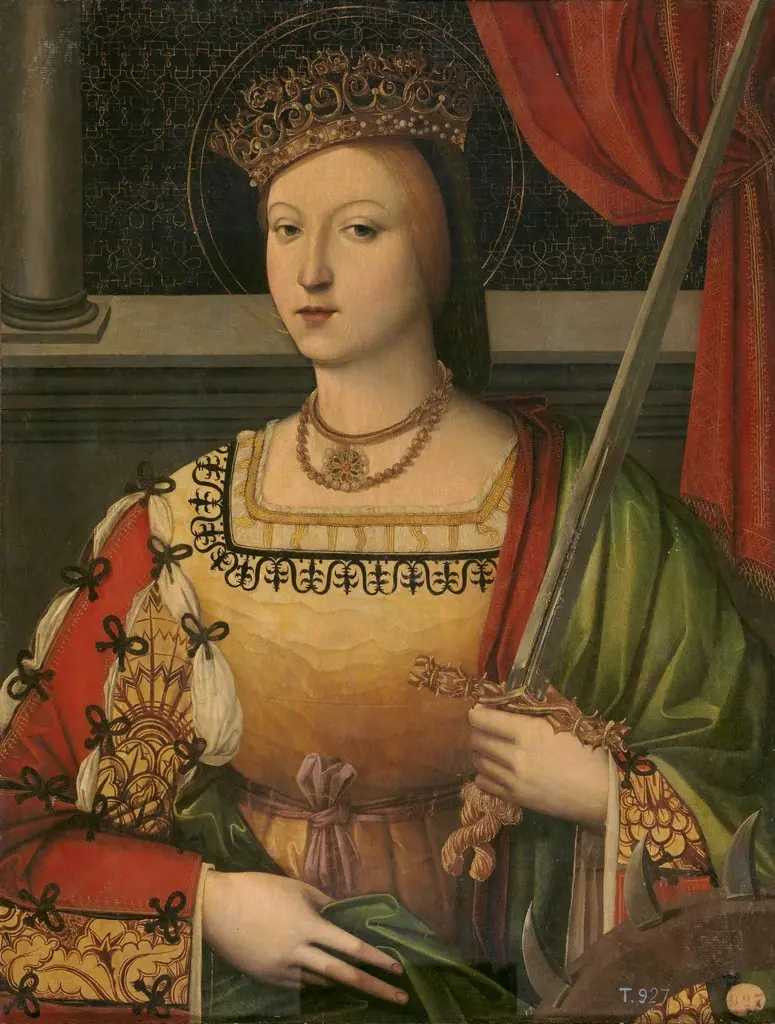 Catalina de Austria reina de Portugal como Santa Catalina
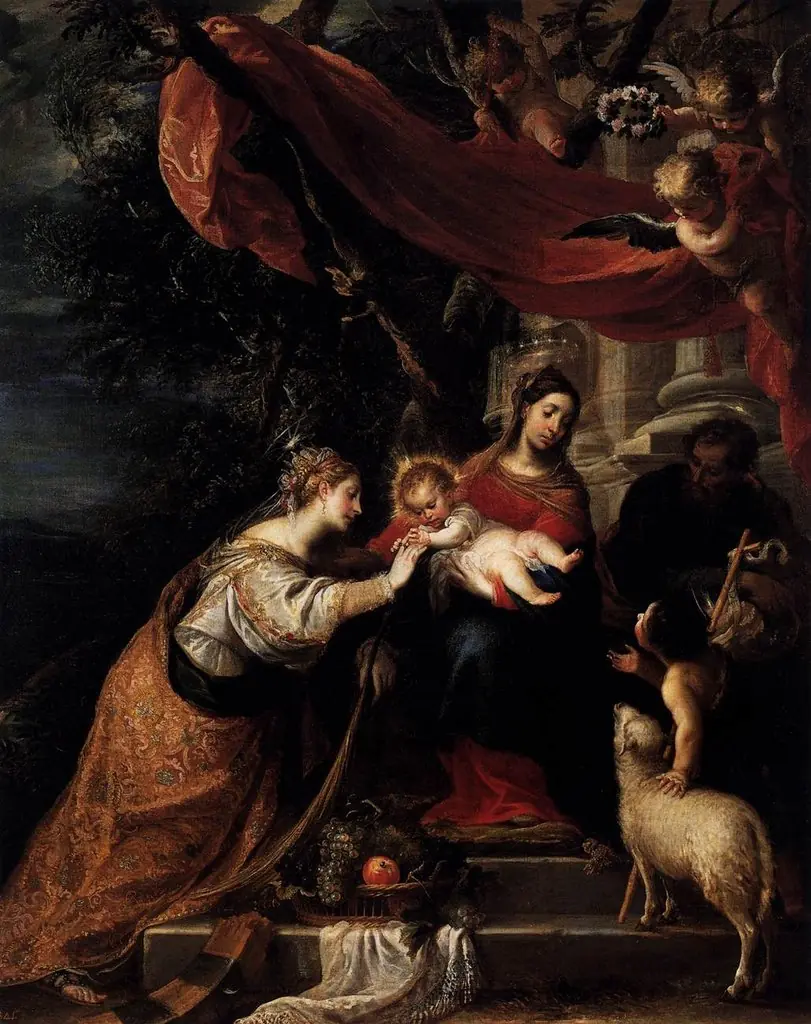 The Mystic Marriage of Saint Catherine
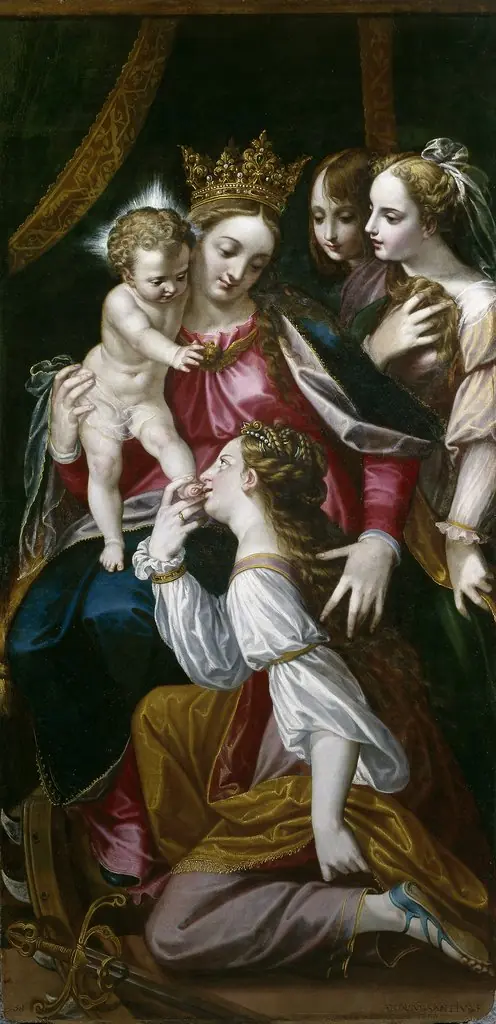 The Mystic Marriage of Saint Catherine
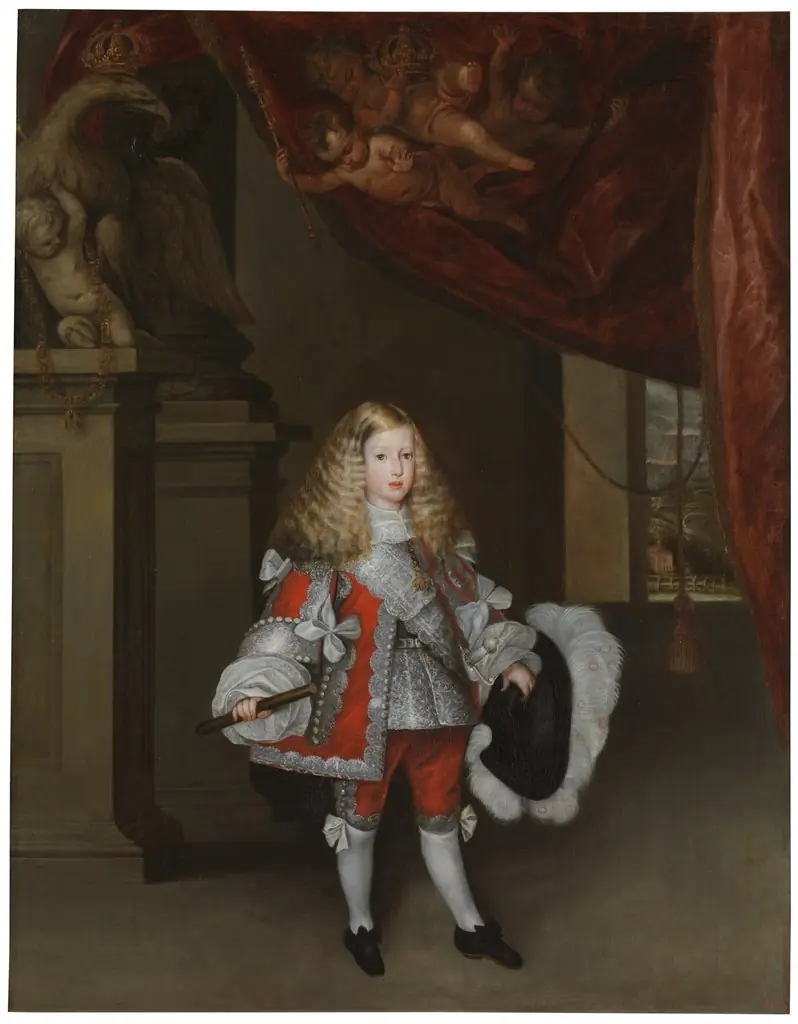 Charles II as a Child
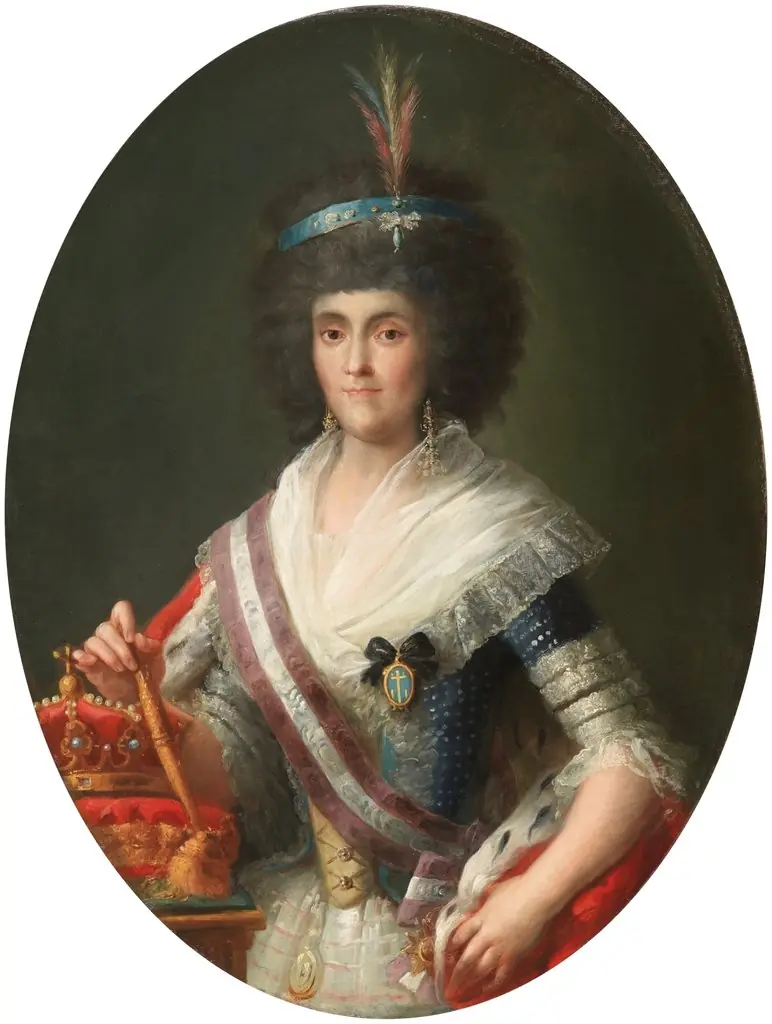 María Luisa de Parma, Queen of Spain
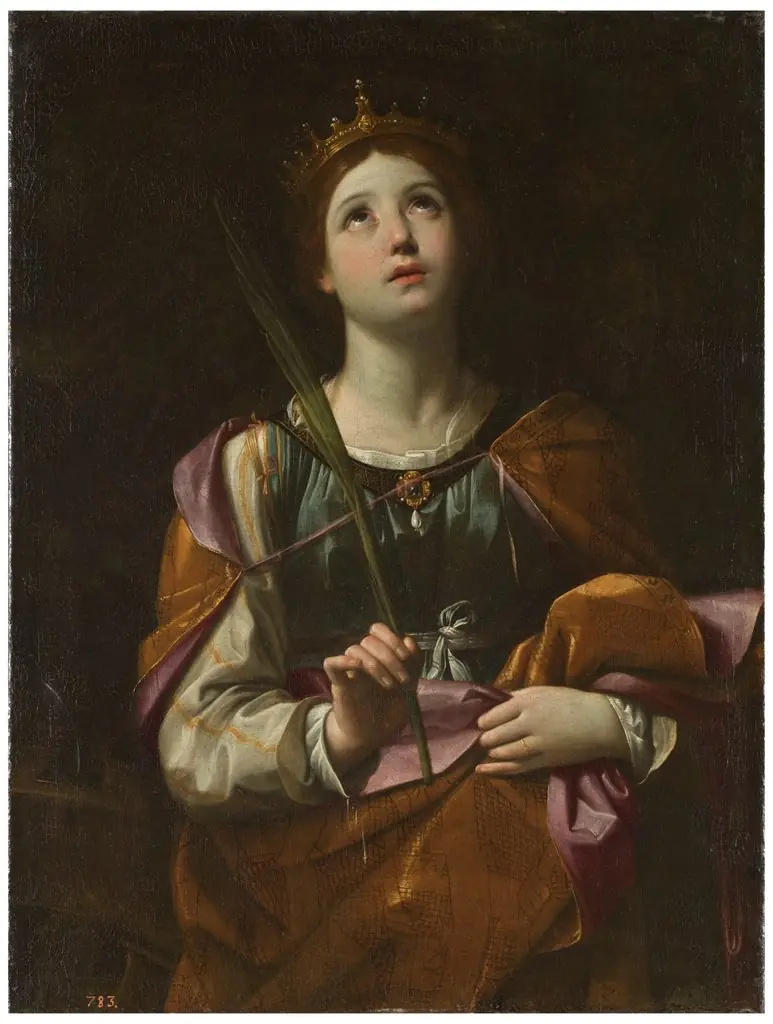 Saint Catherine
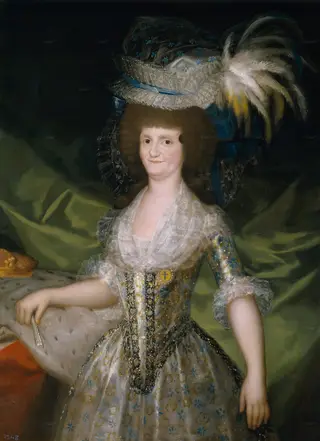 Queen of Spain Maria Louisa, née Bourbon-Parma
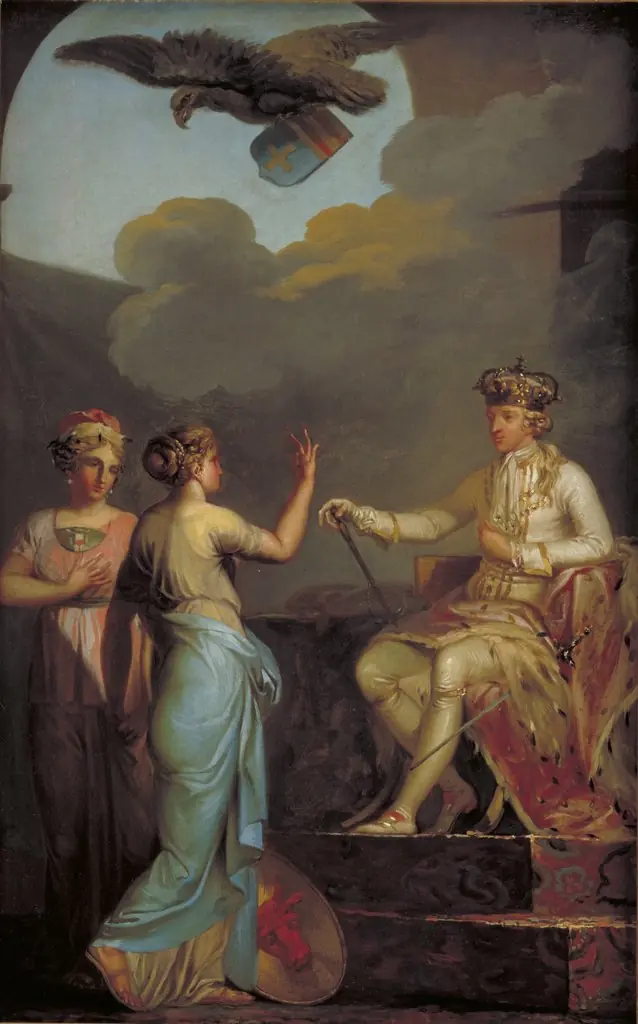 Christian VII Uniting the Ducal with the Royal Part of Holstein in 1767
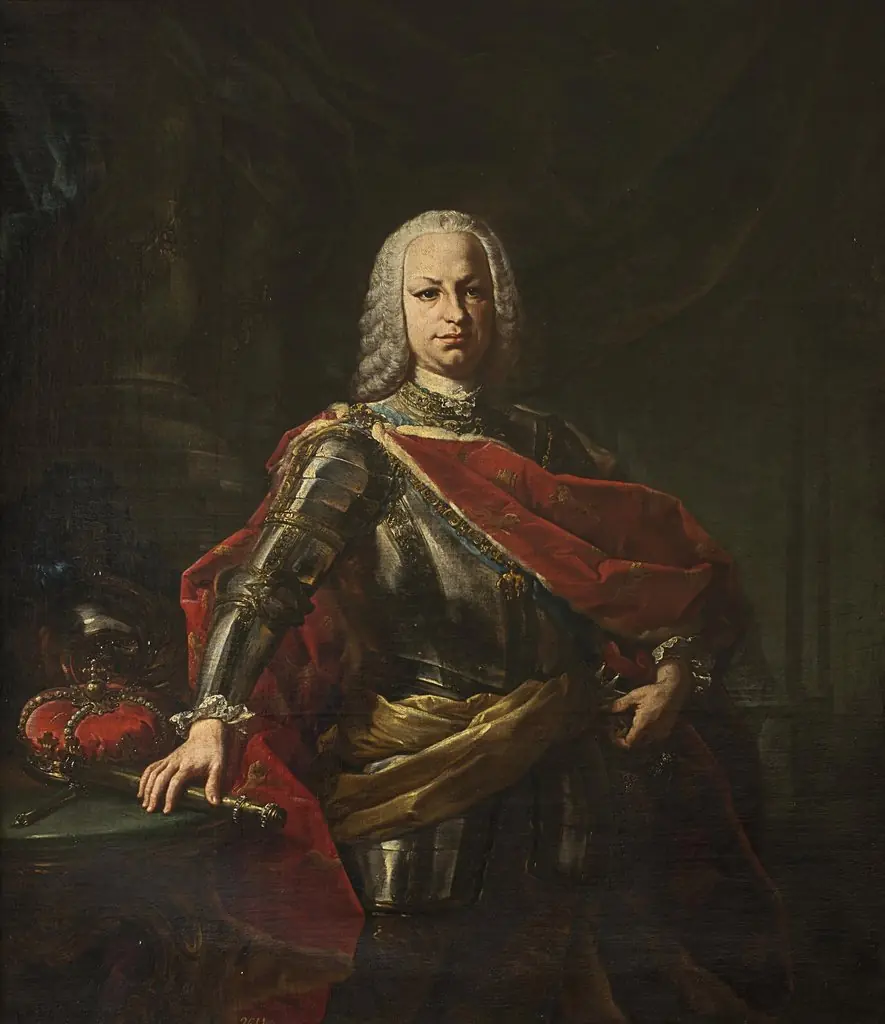 Fernando VI rey de España
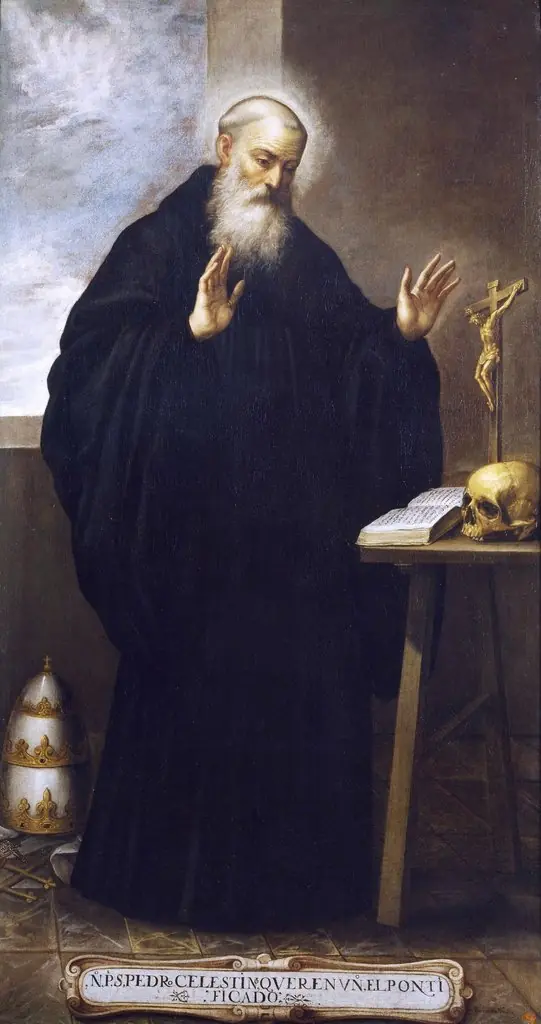 San Pedro Celestino papa
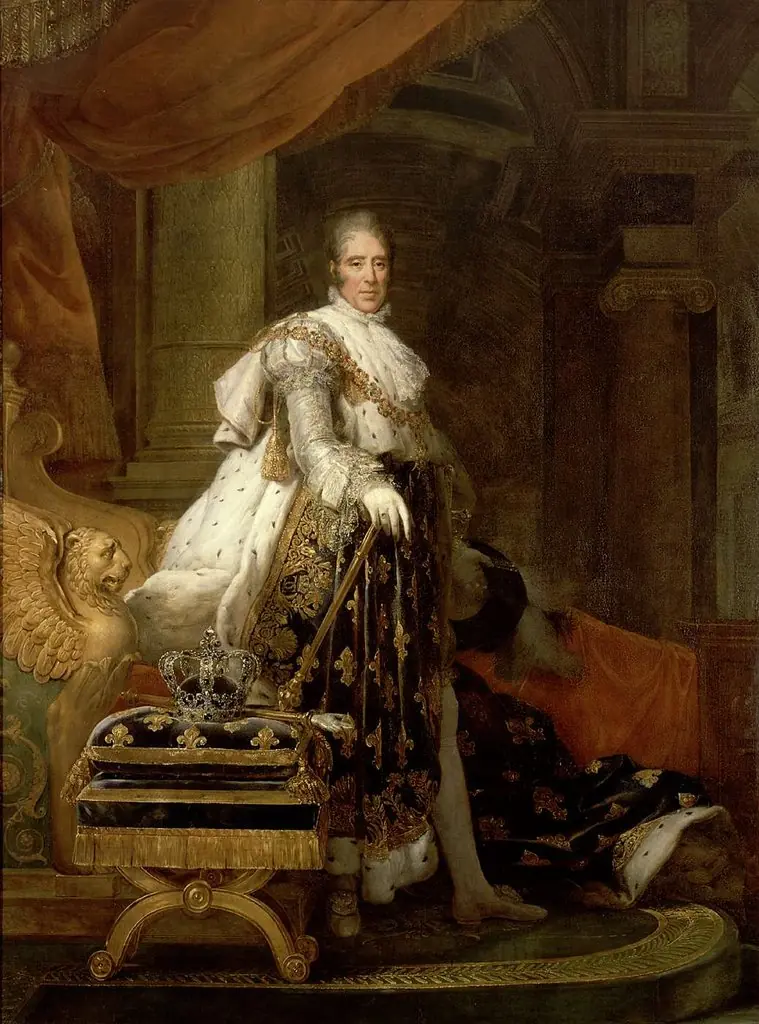 Charles X of France
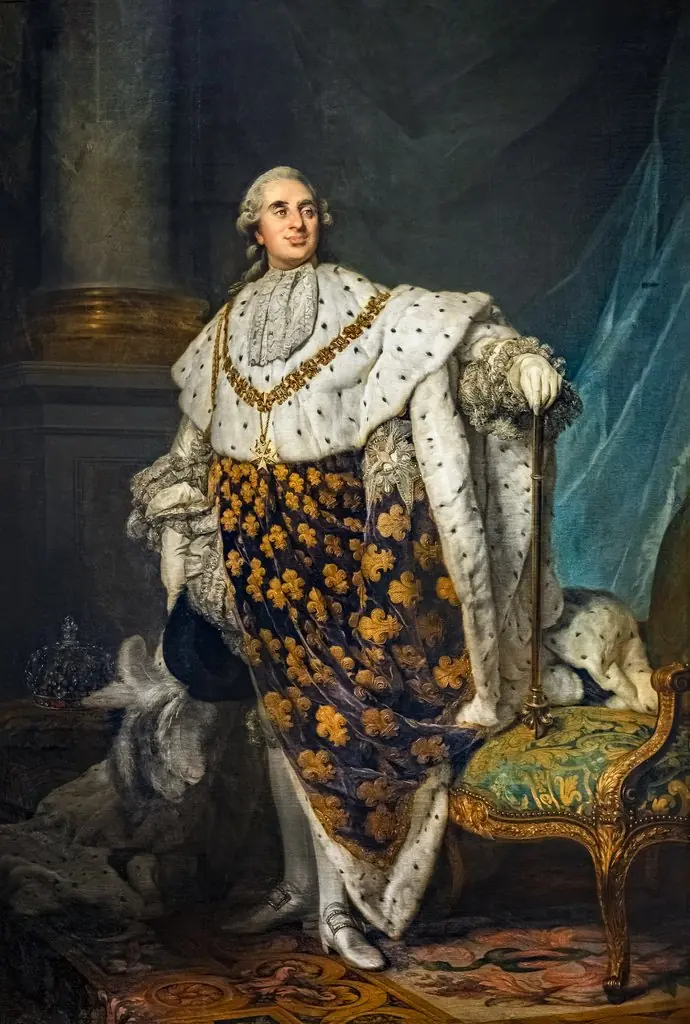 Louis XVI in Coronation Robes
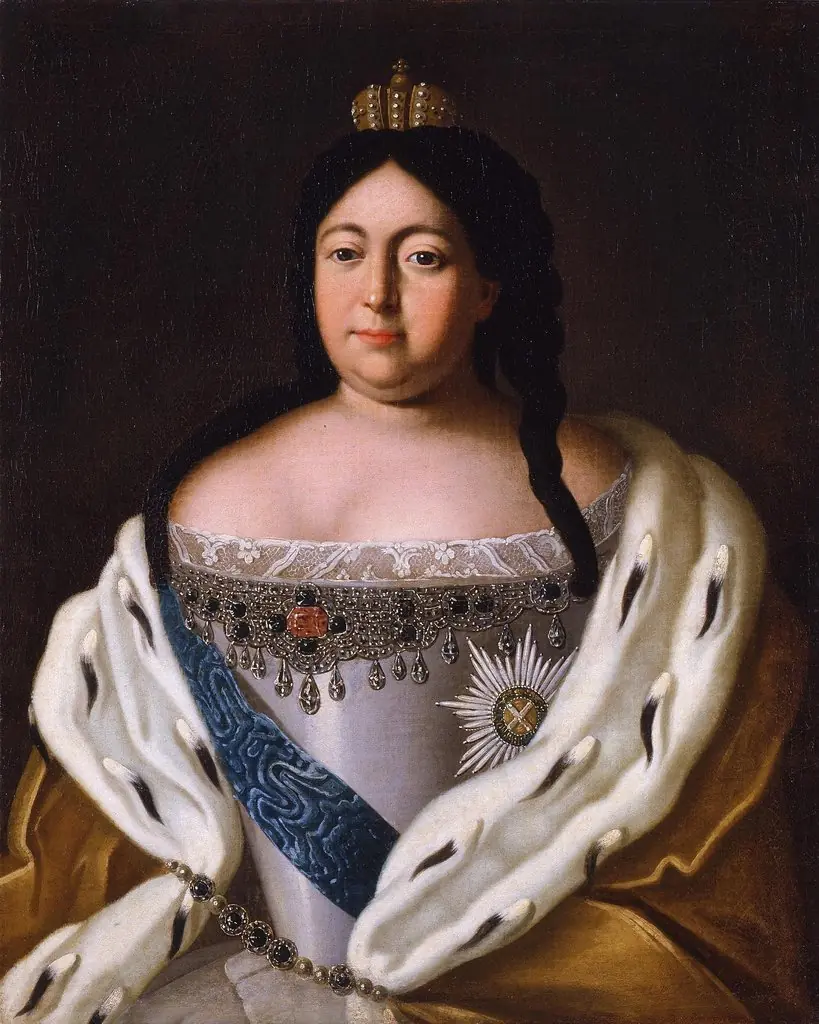 Portrait of Anna Ioannovna
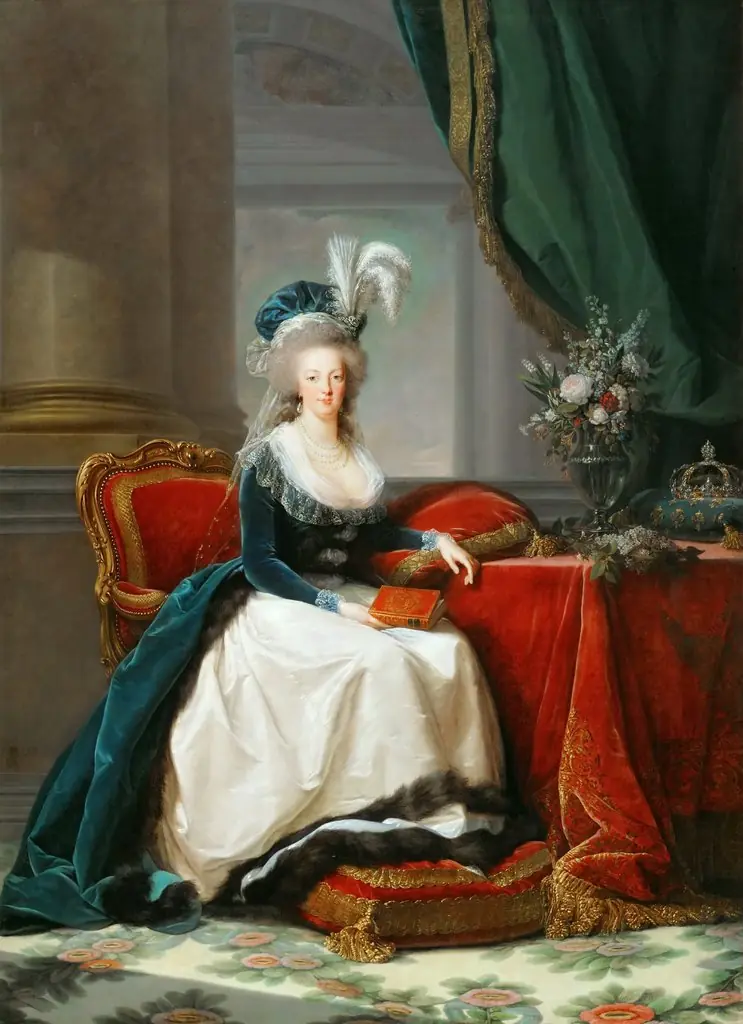 Marie-Antoinette seated, in blue coat and white dress, holding a book in her hand
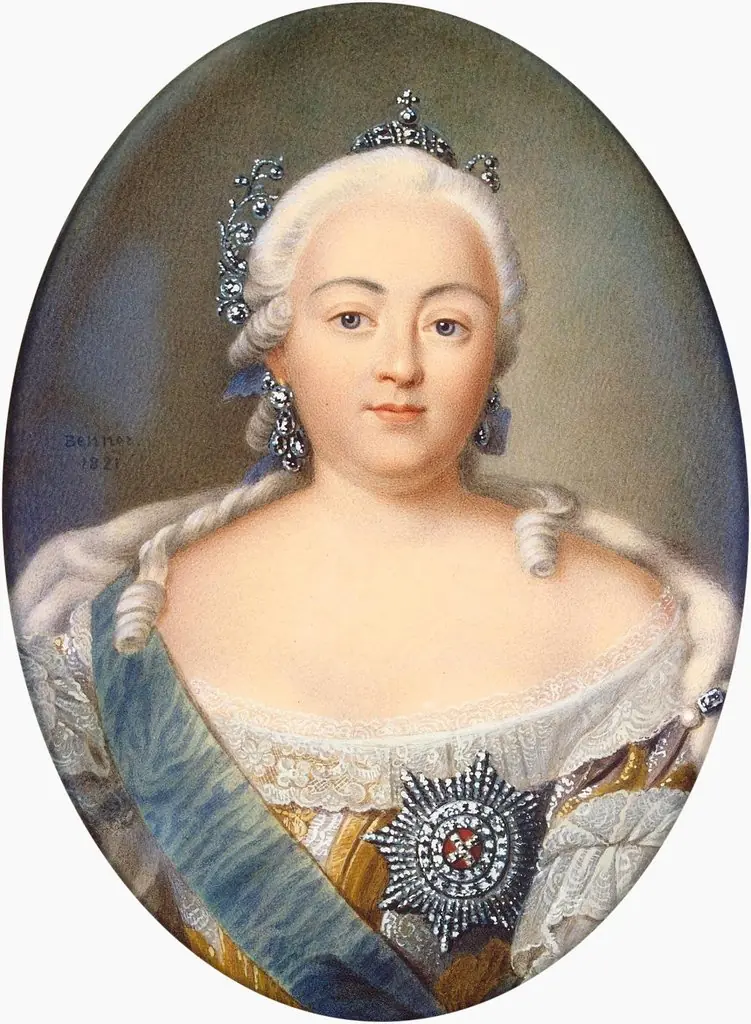 Portrait of Elizabeth of Russia
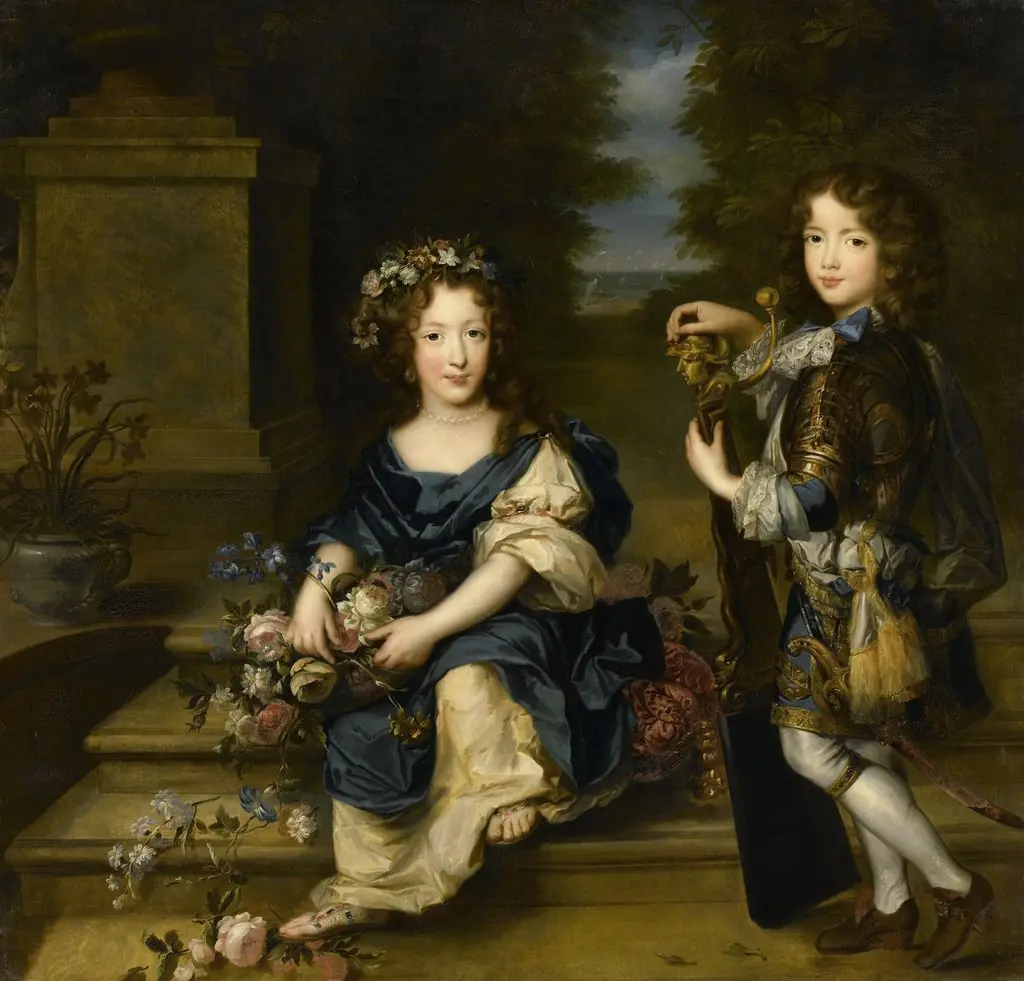 Anne-Marie de Bourbon, future princess of Conti and Louis de Bourbon, count of Vermandois
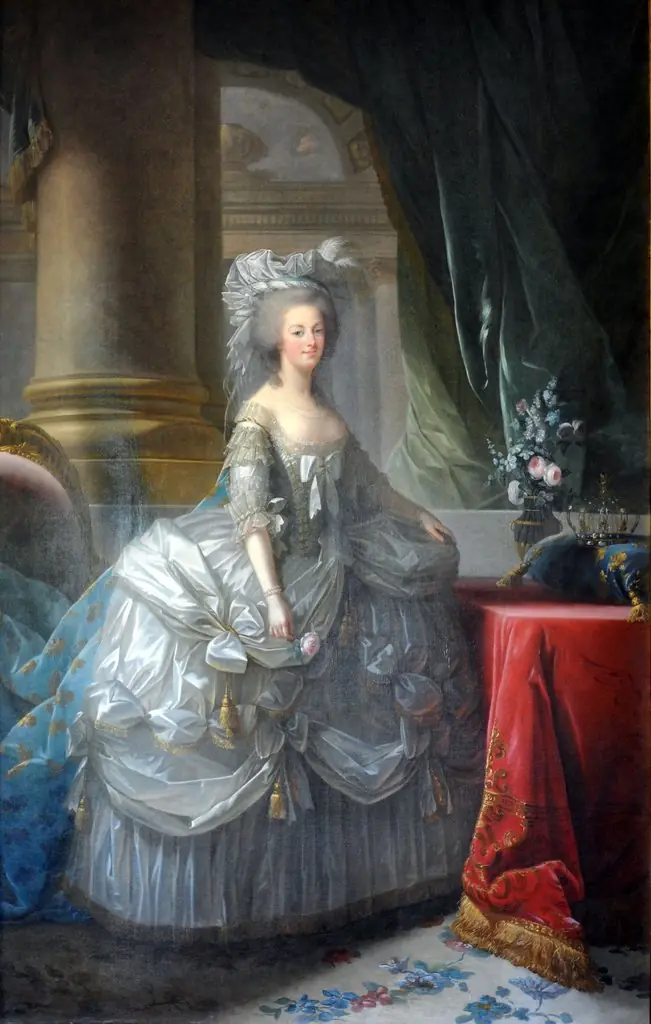 Marie Antoinette in Court Dress
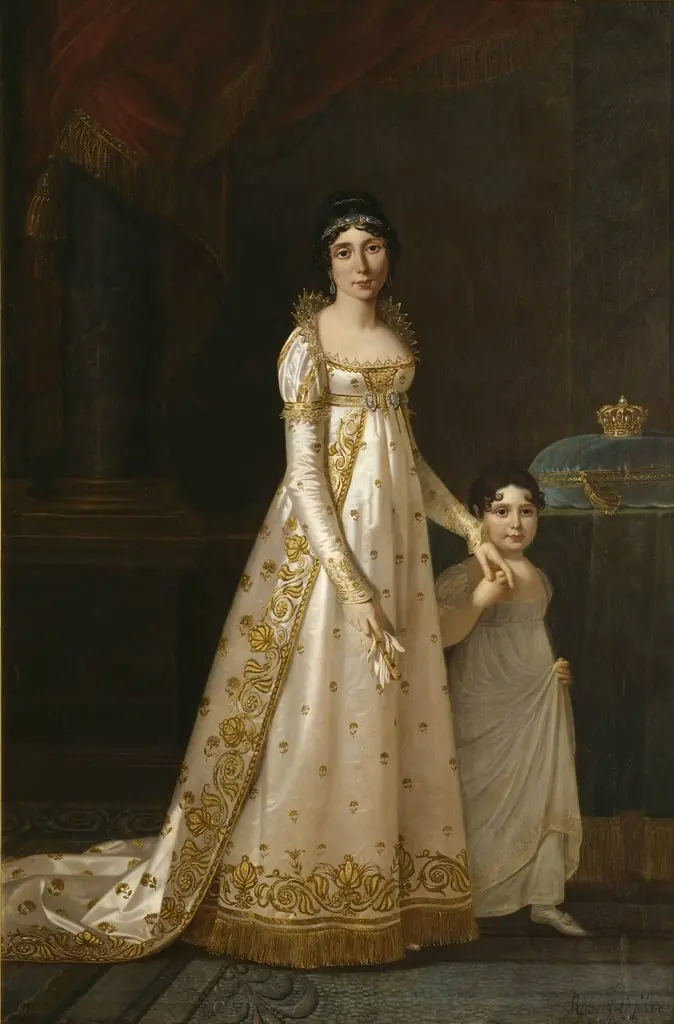 Marie-Julie Clary, Queen of Naples (1777-1845)
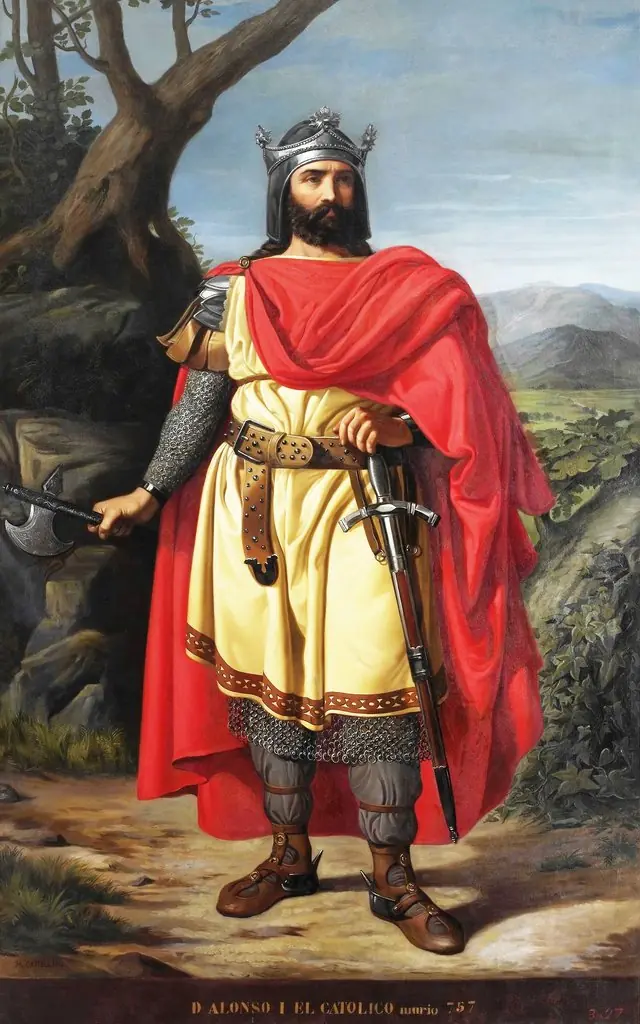 Alfonso I
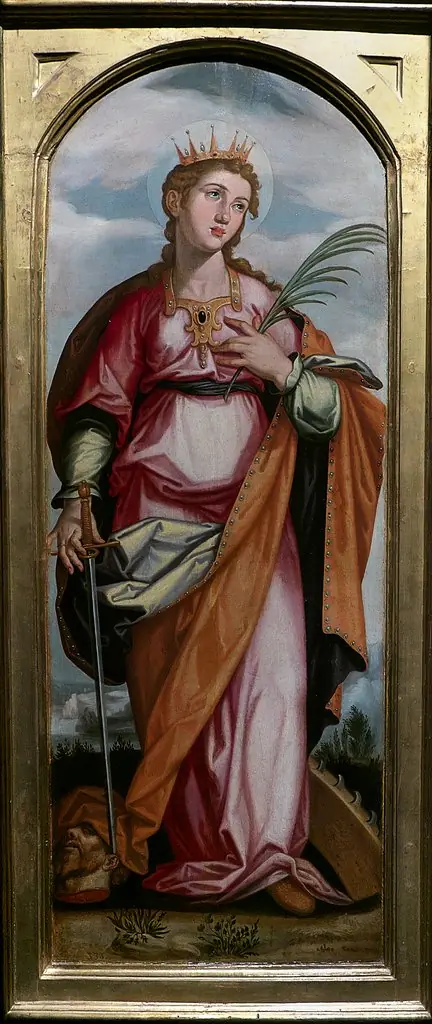 Santa Catalina
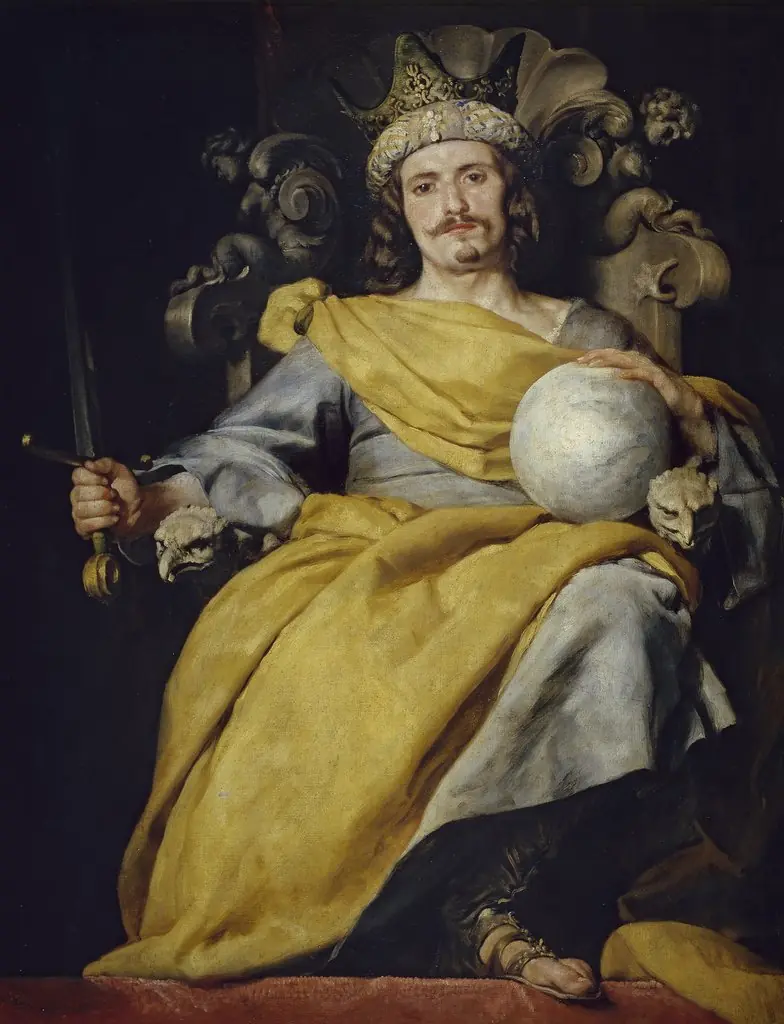 A king of Spain
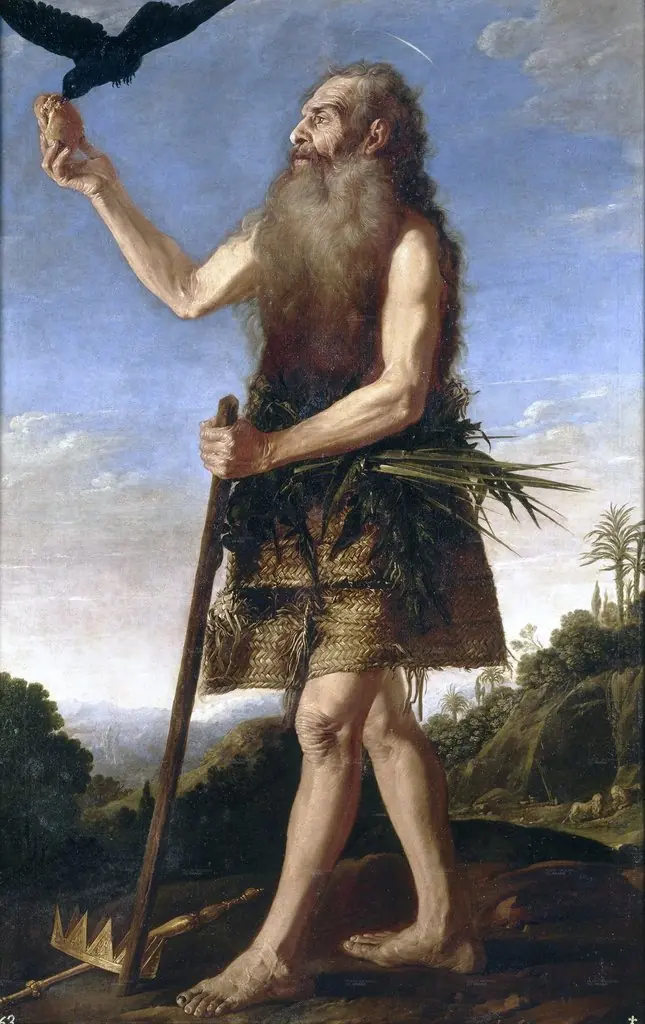 Saint Onuphrius
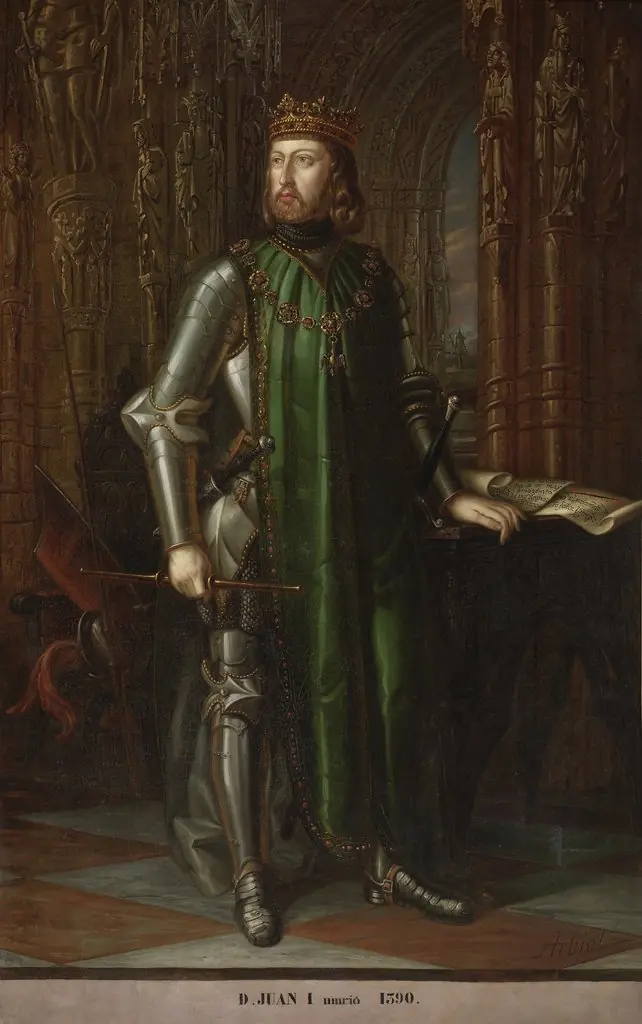 Portrait of John I of Castile
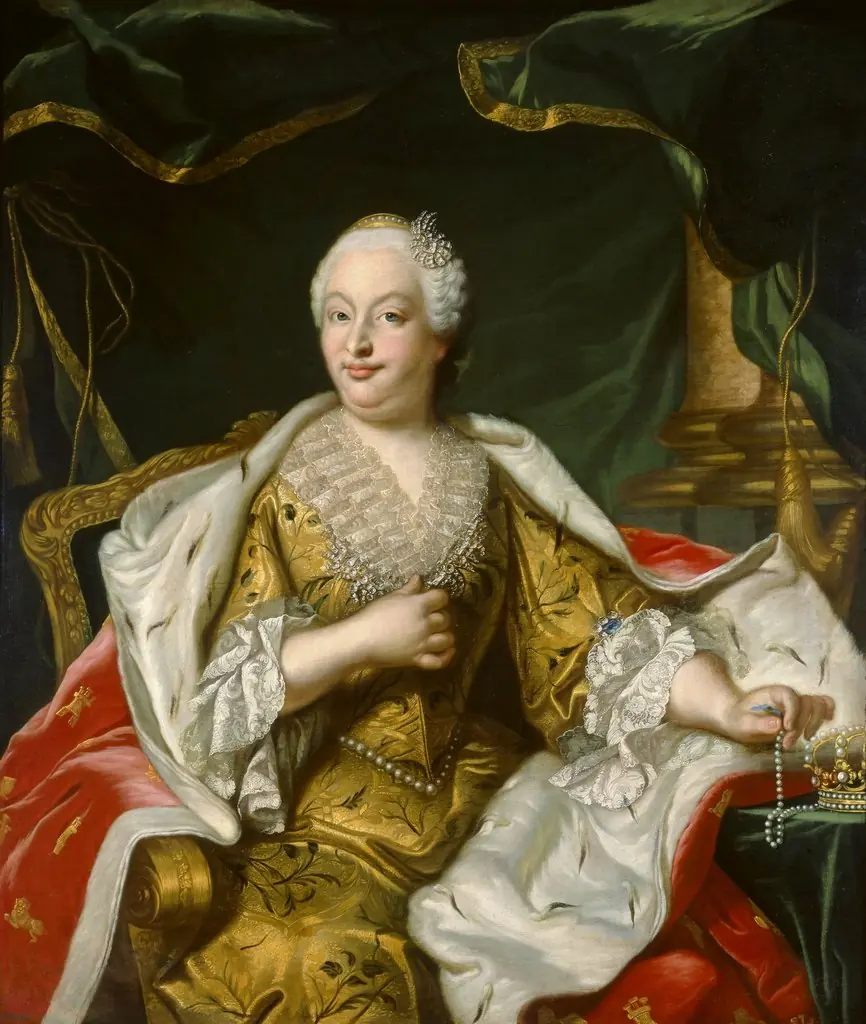 Bárbara de Braganza reina de España
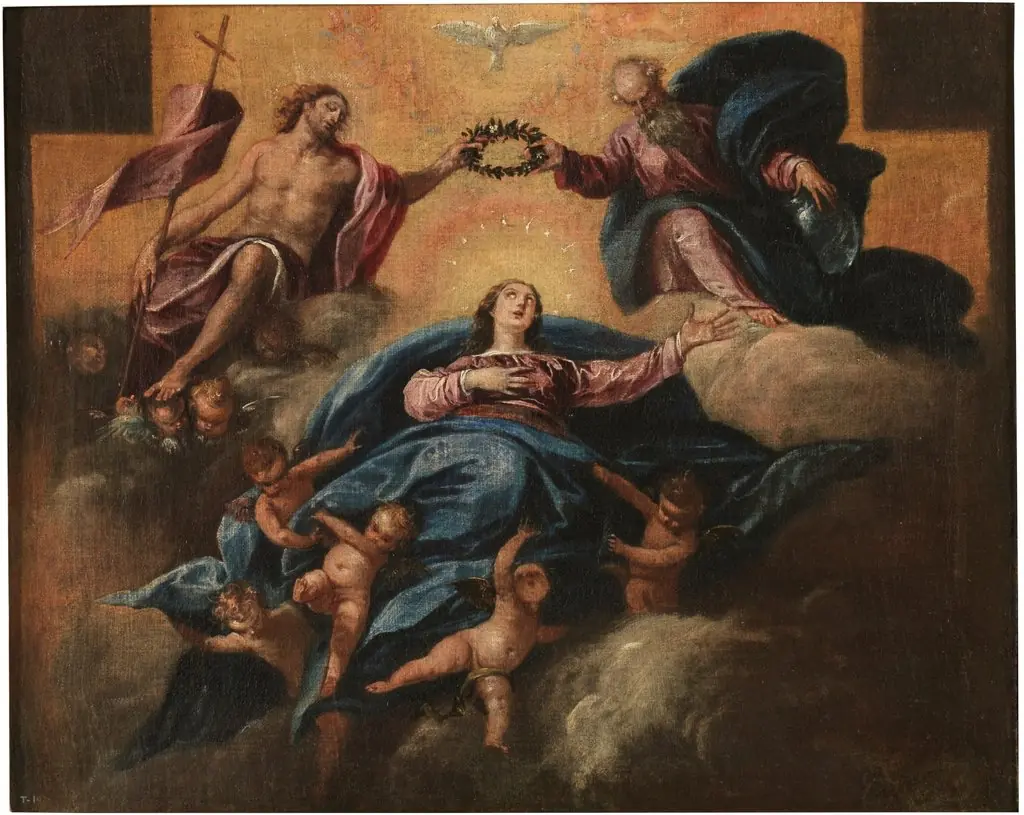 The Coronation of the Virgin
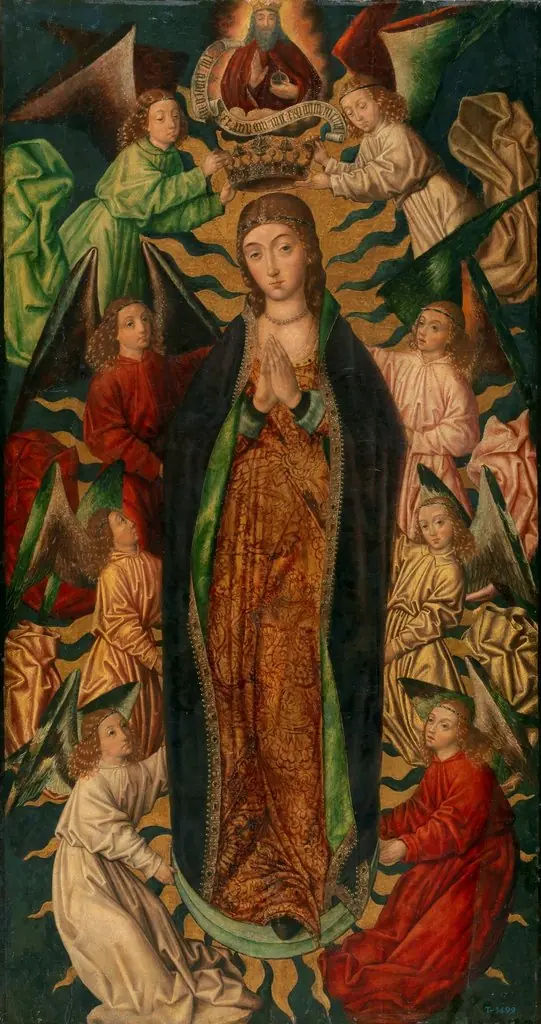 The Assumption and Coronation of the Virgin
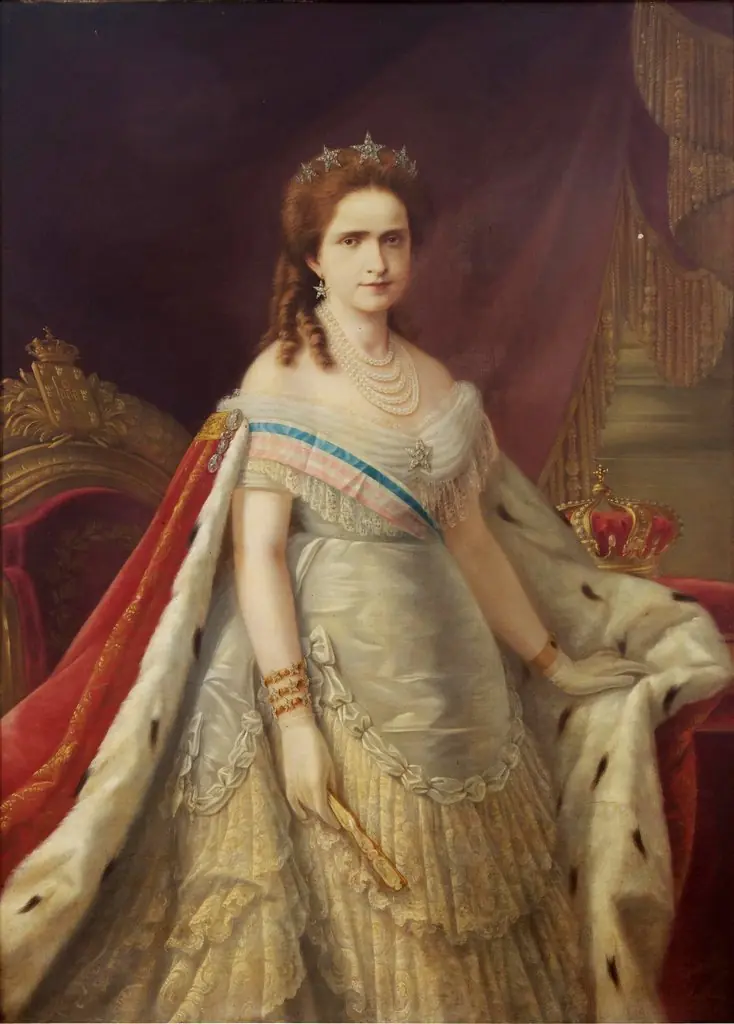 María Pía de Saboya reina de Portugal
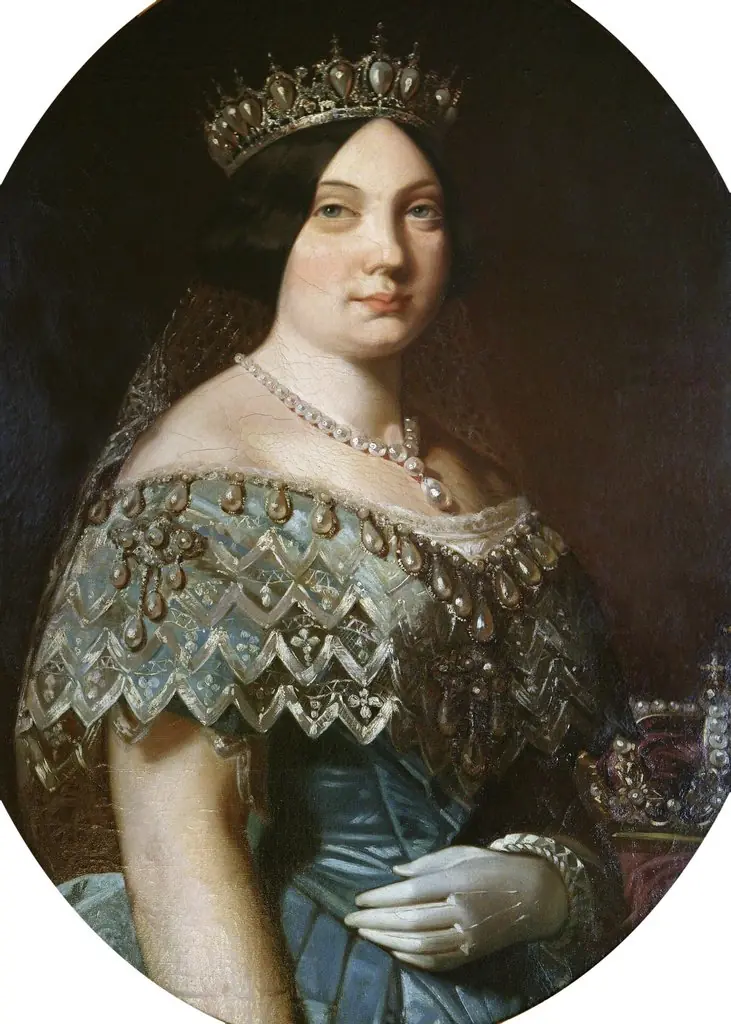 Isabel II
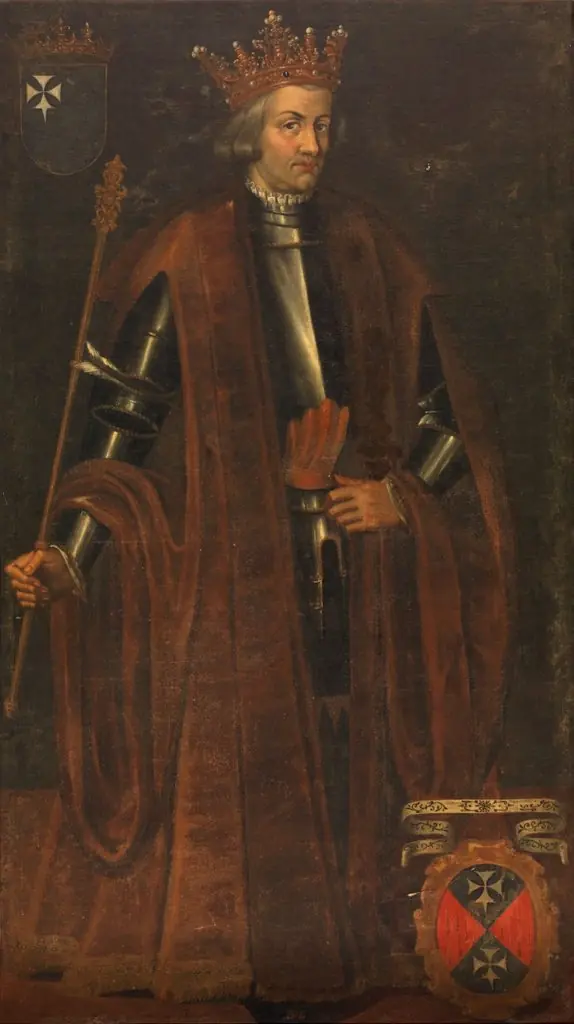 Alfonso IV El Benigno
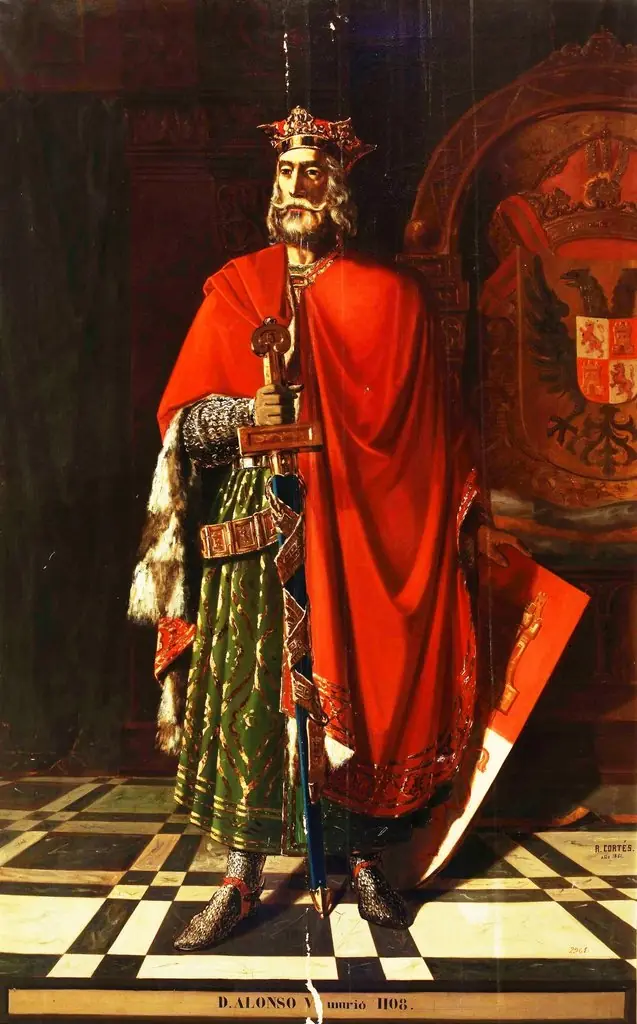 Alfonso VI
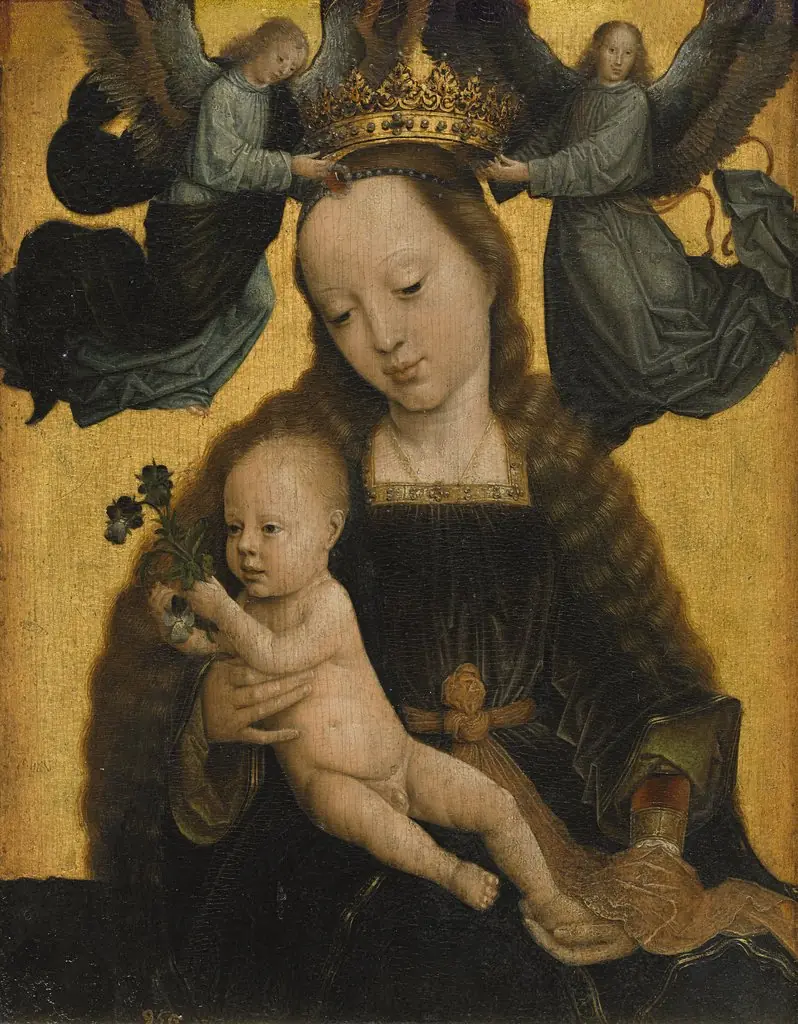 The Virgin and Child crowned by two Angels
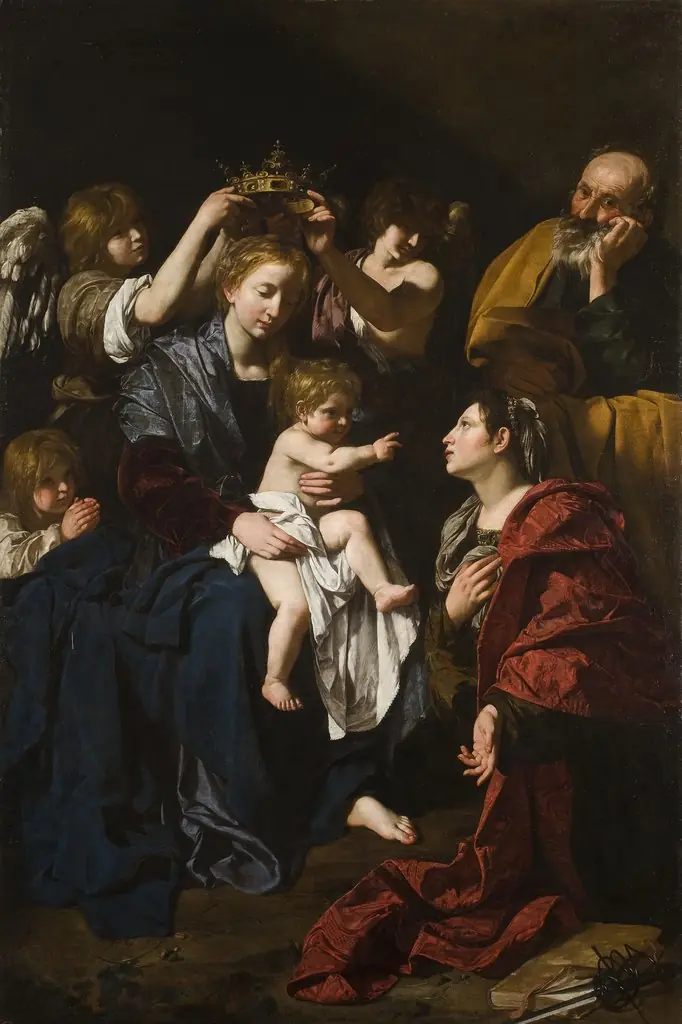 The Holy Family with Saint Catherine
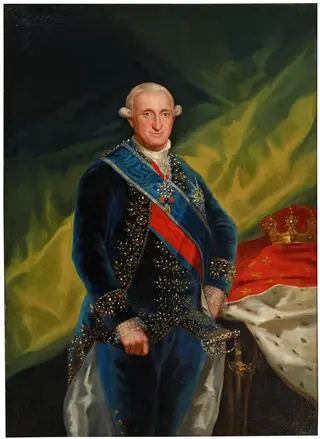 Portrait of King Charles IV
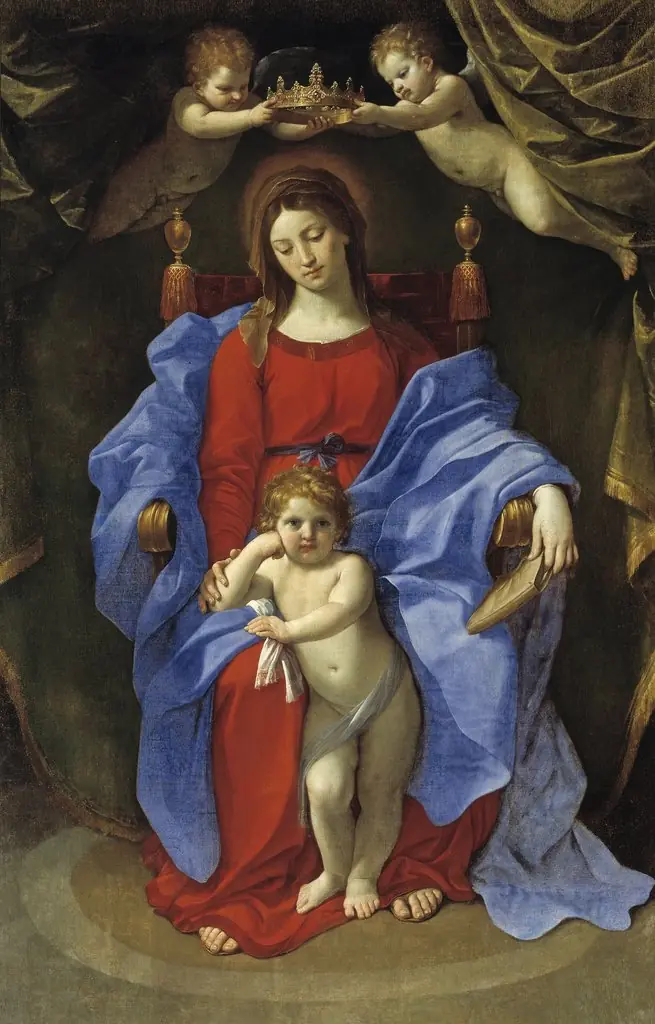 The Virgin of the Chair
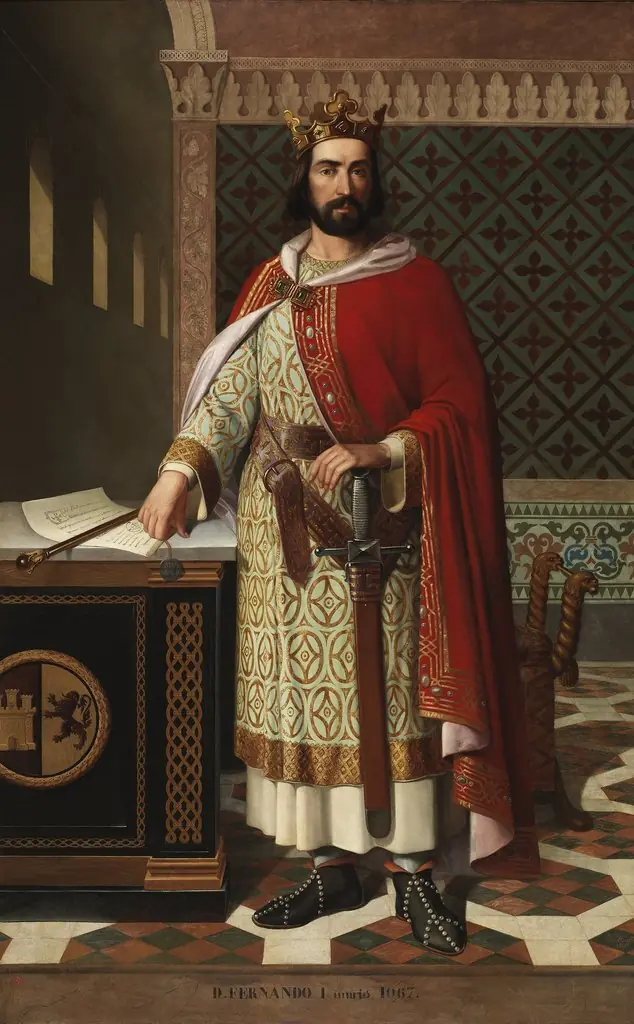 Fernando I rey de León
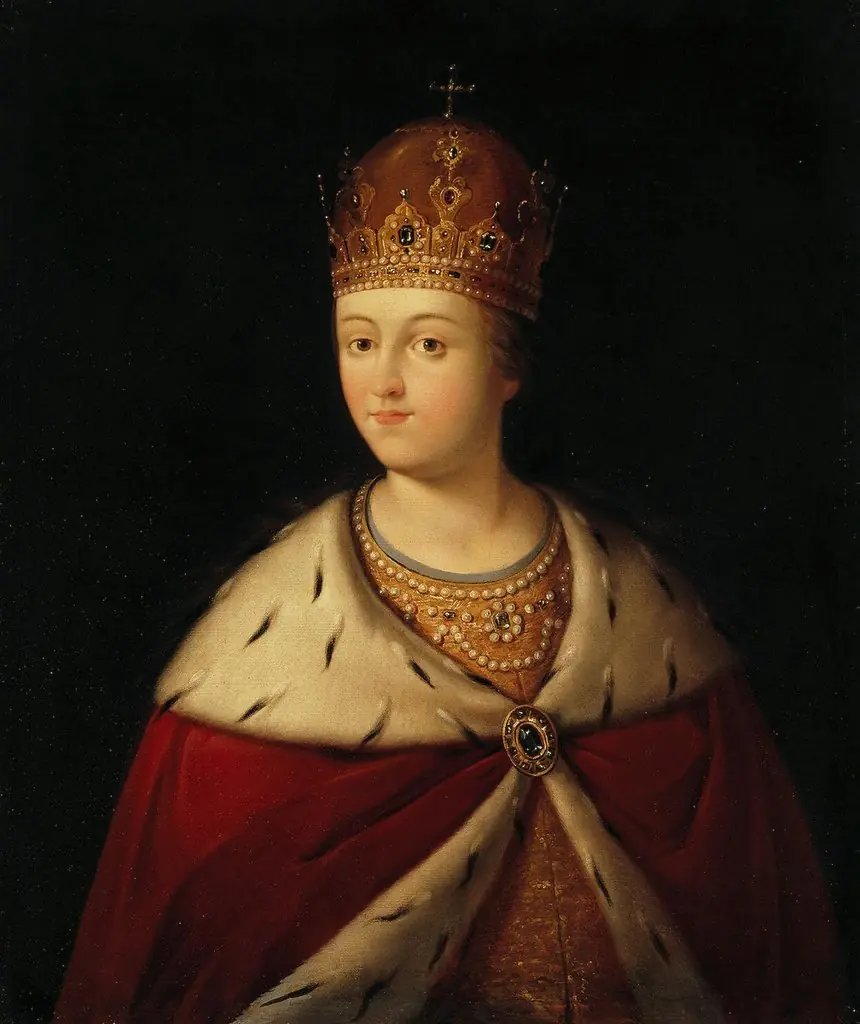 Portrait of Tsarevna Sophia (1657-1704), the Regent of the Russian Empire from 1682 tell 1689
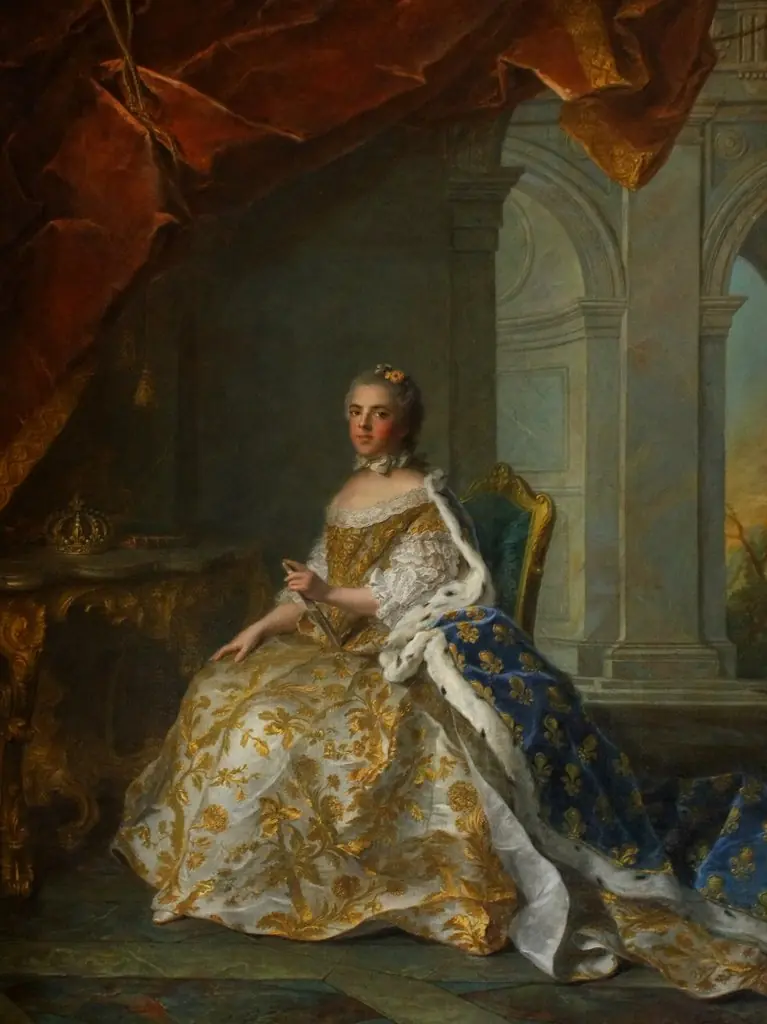 Posthumous portrait of Louise Elisabeth of France (1727-1759), Duchess of Parma, in court dress
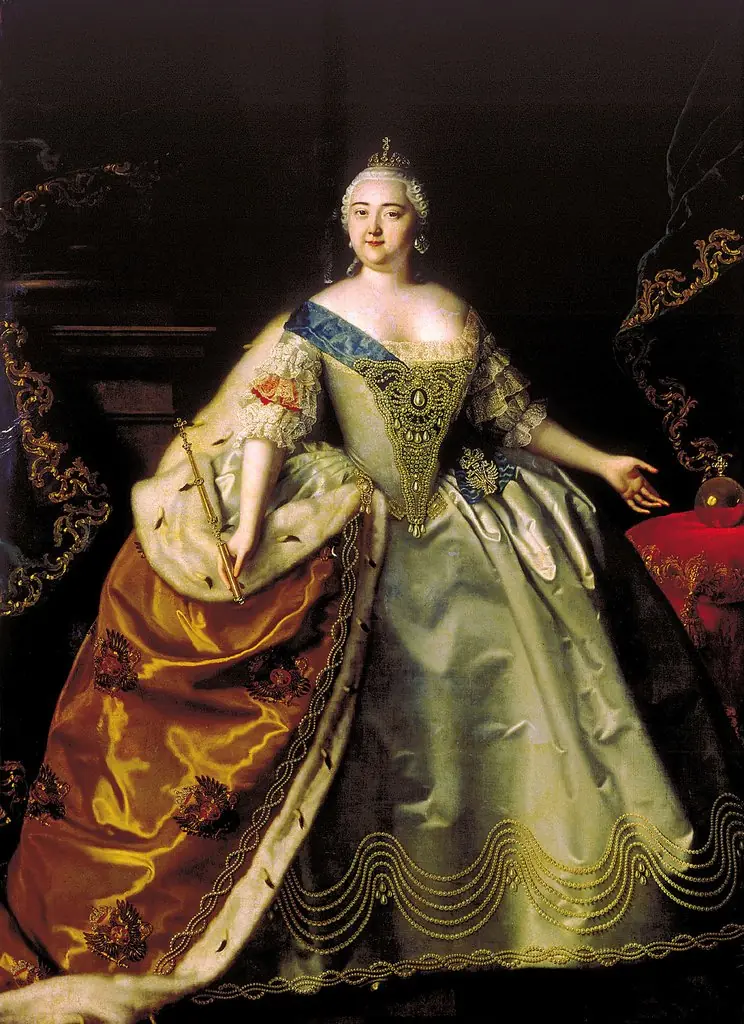 Portrait of Elizabeth of Russia
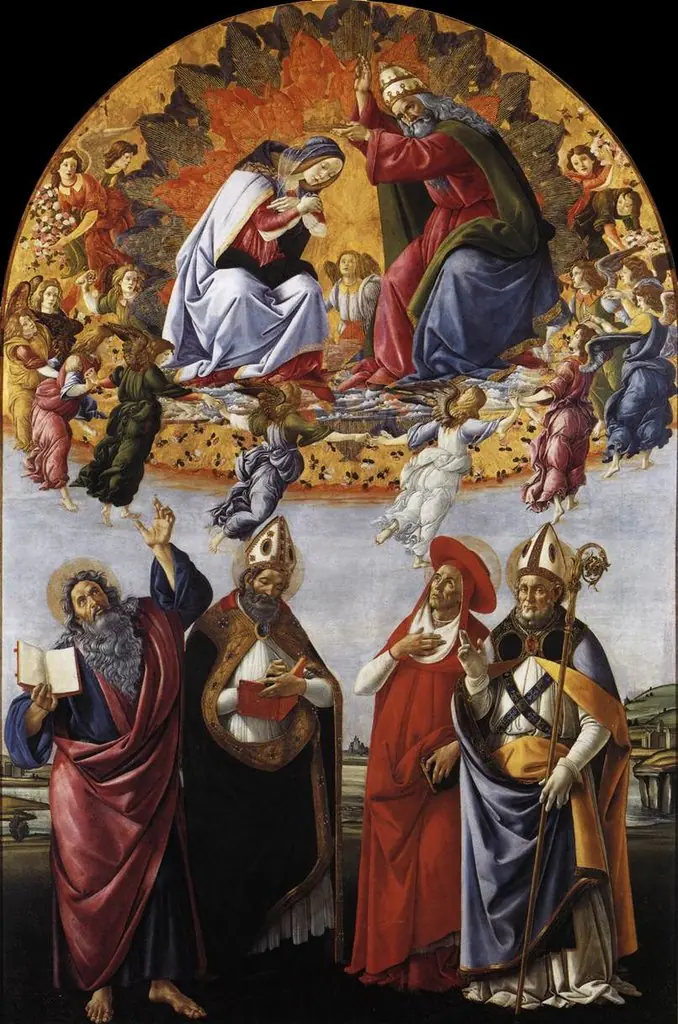 Coronation of the Virgin
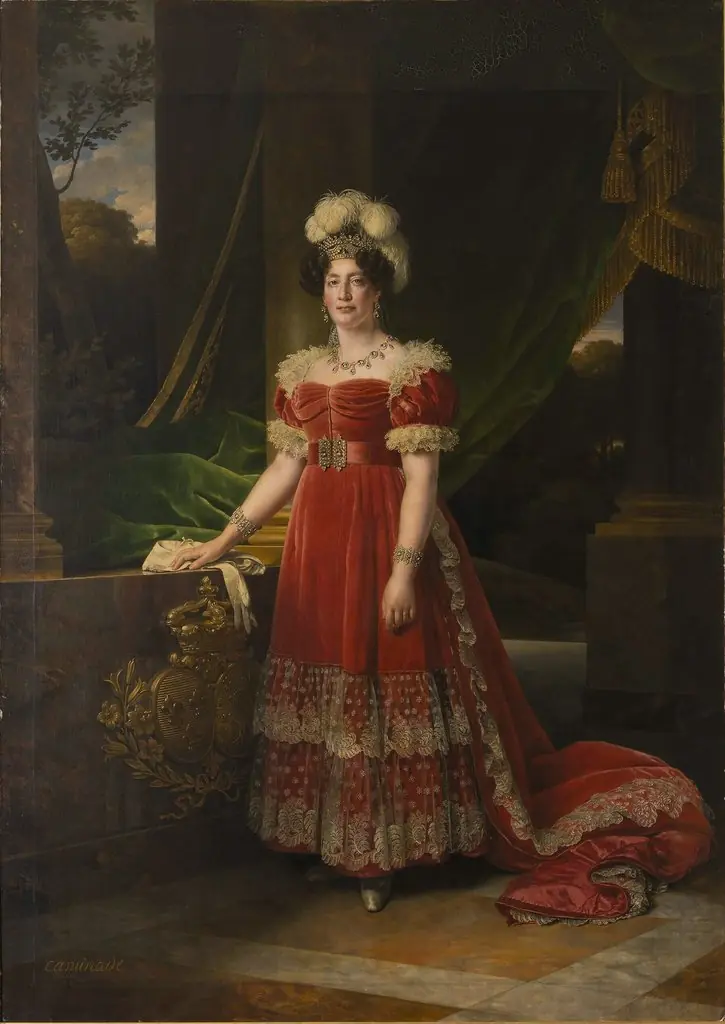 Portrait of Marie Thérèse of France, Duchess of Angoulême (1778-1851)
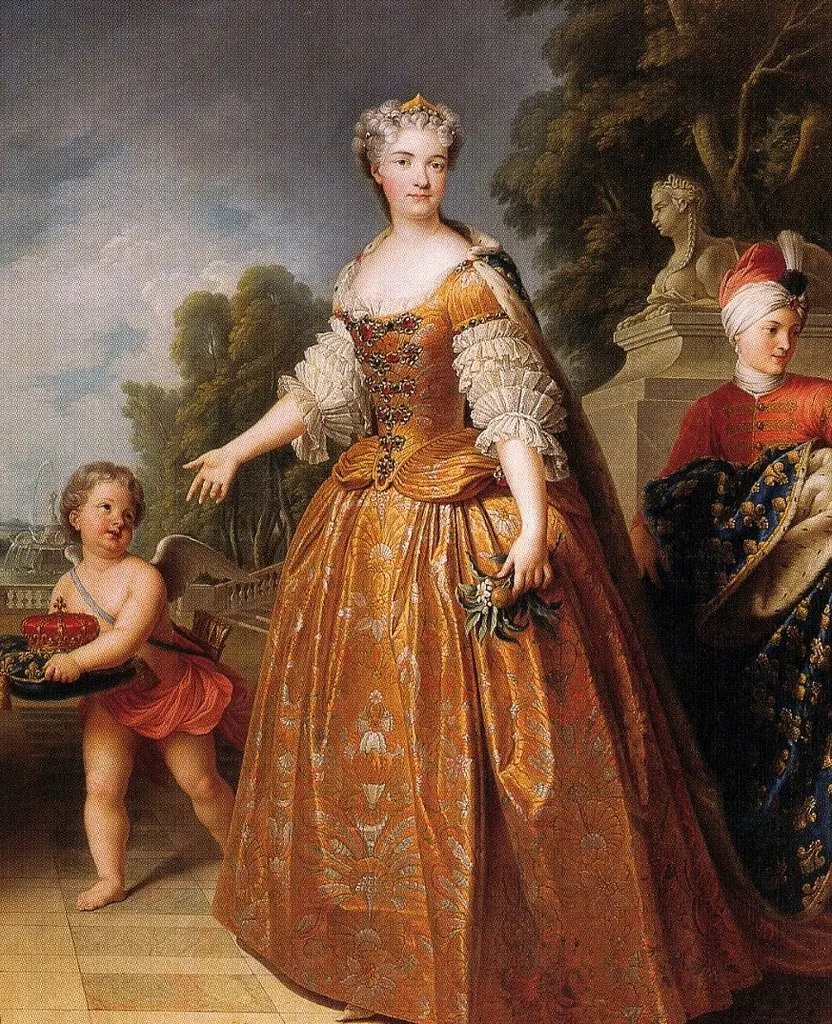 Marie Leszczyńska with page boy and putti
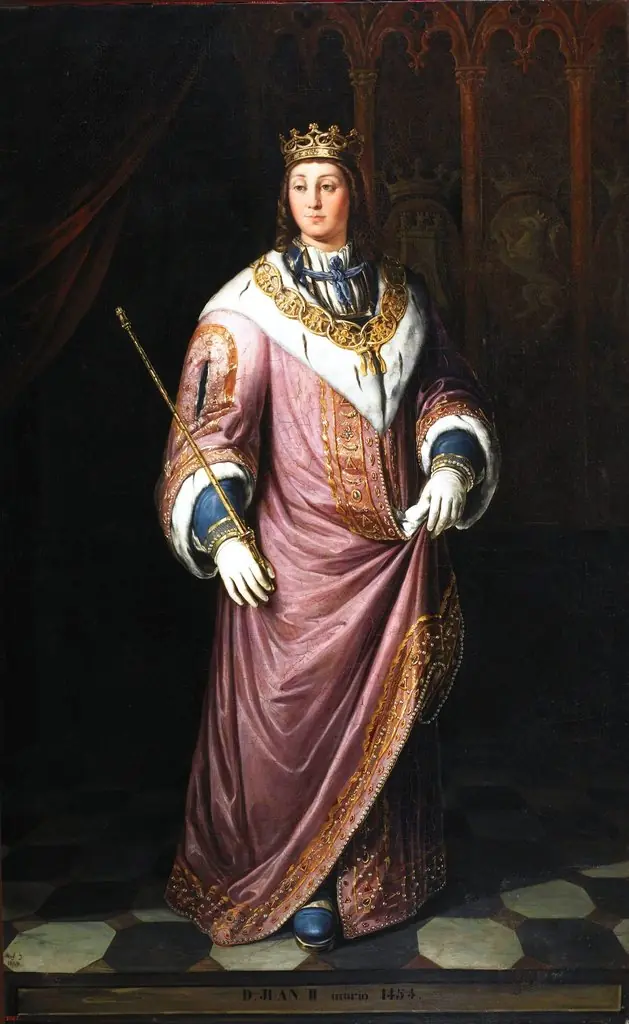 Juan II de Castilla
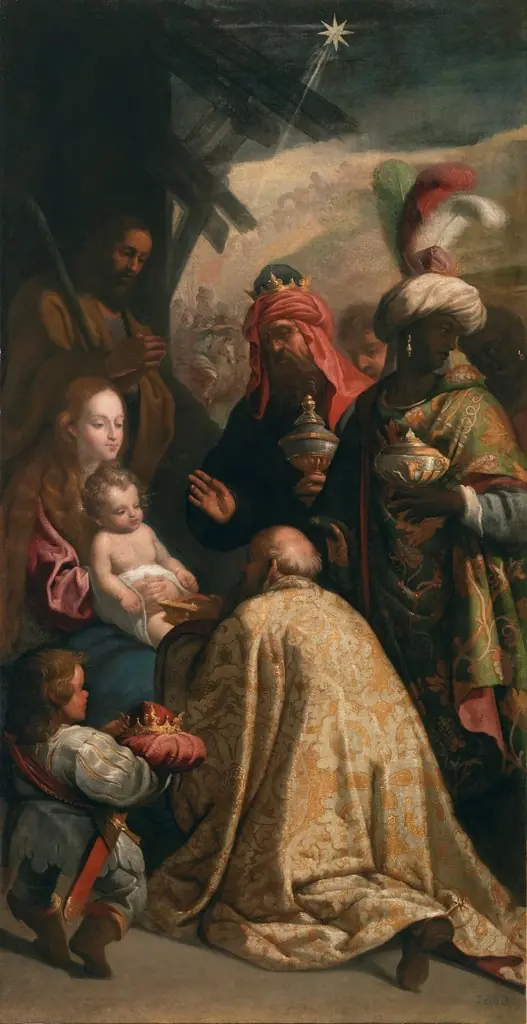 The Adoration of the Magi
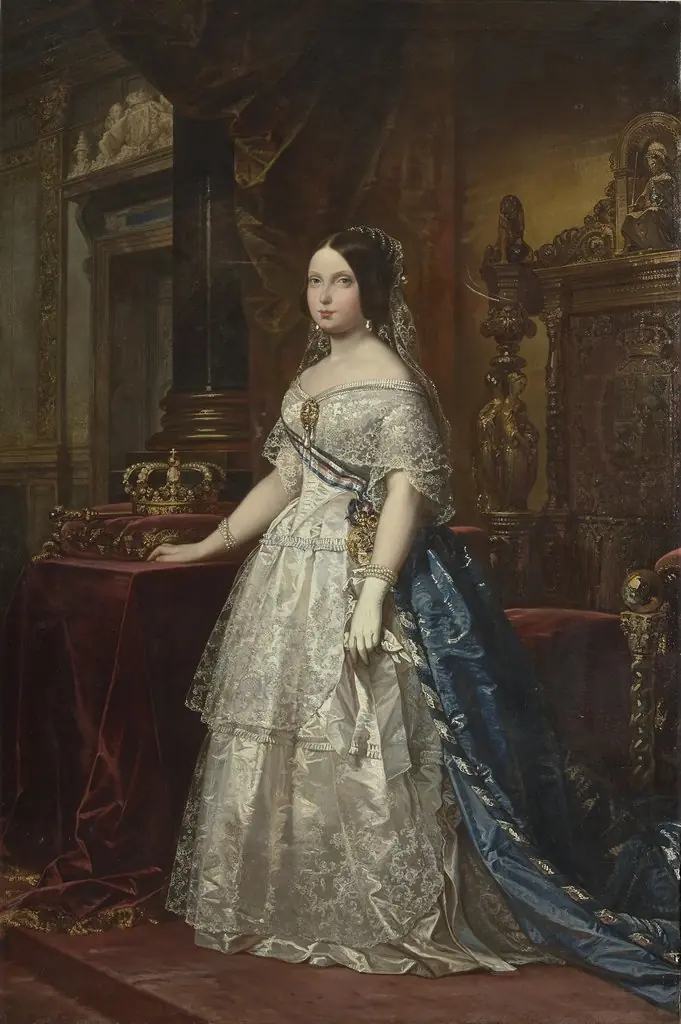 Isabel II
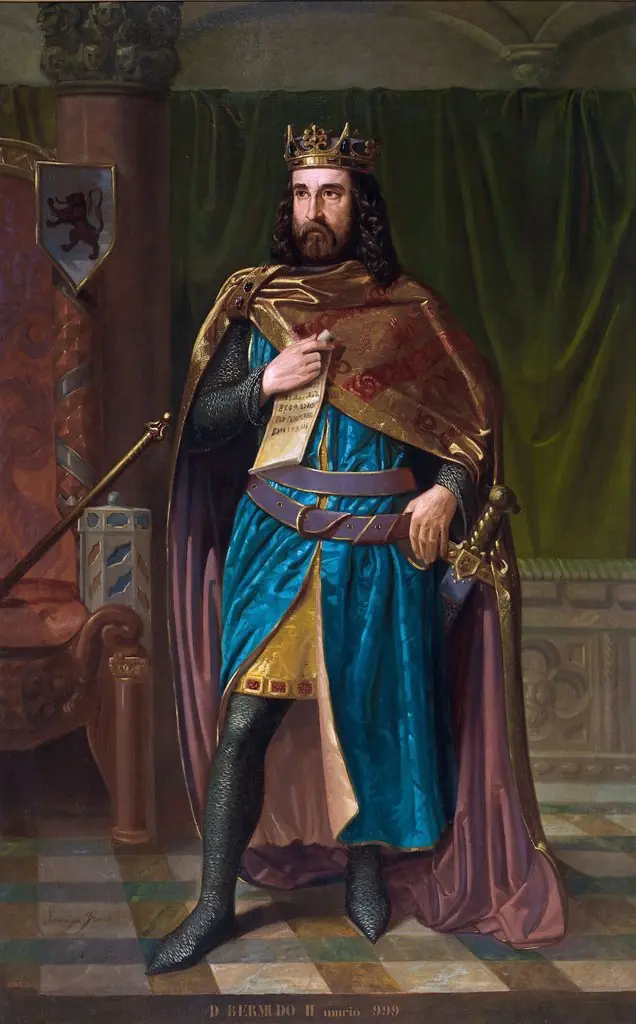 Bermudo II
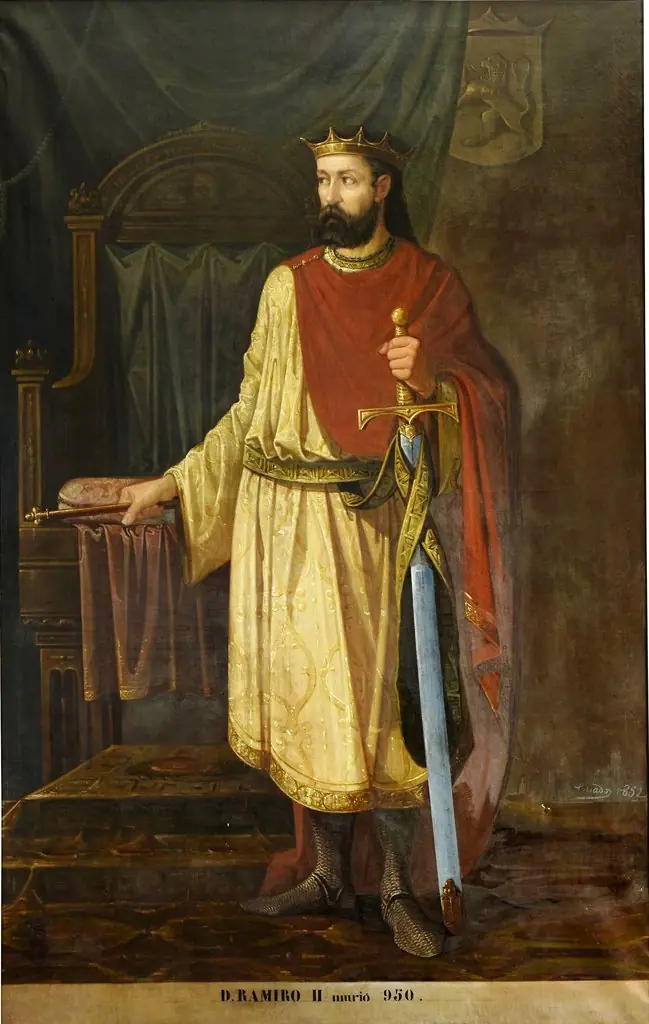 Ramiro II
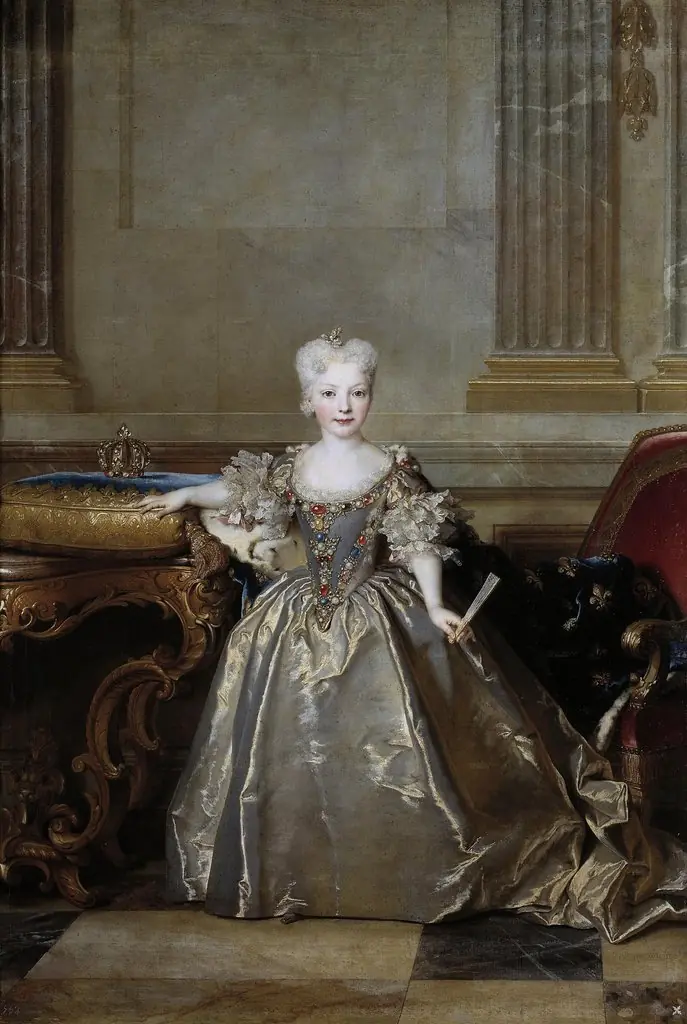 María Ana Victoria de Borbón y Farnesio
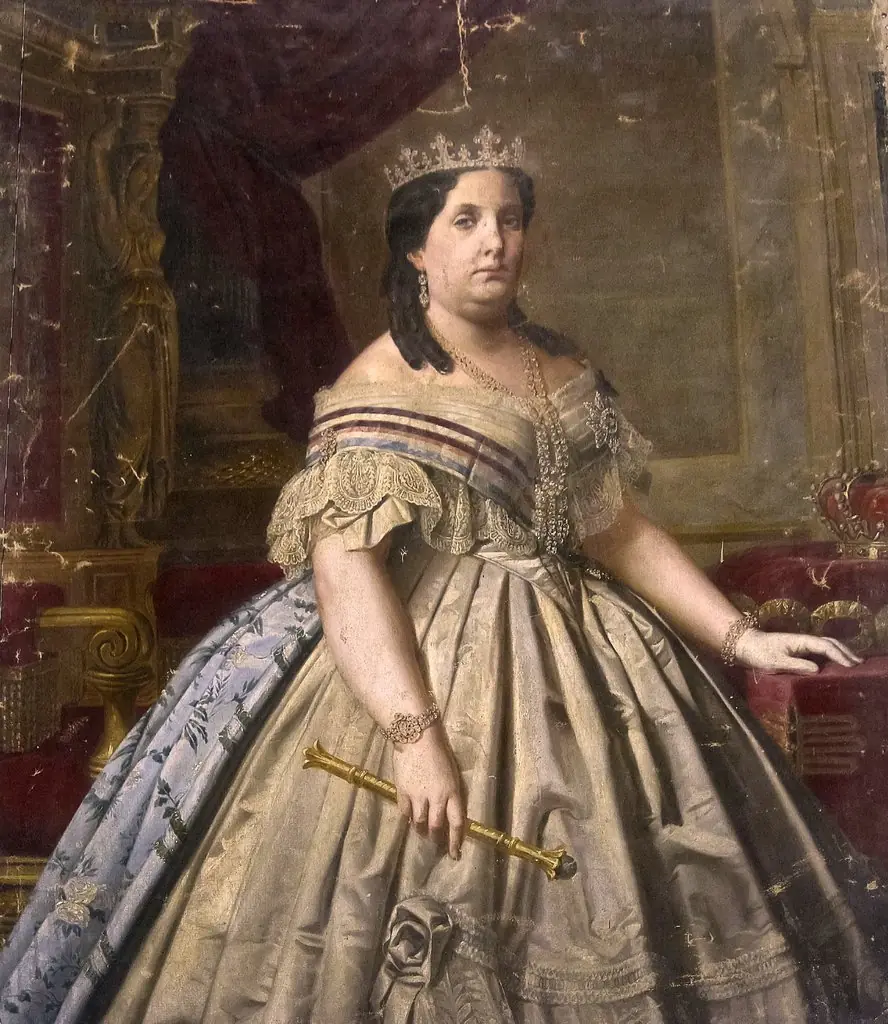 Isabel II reina de España
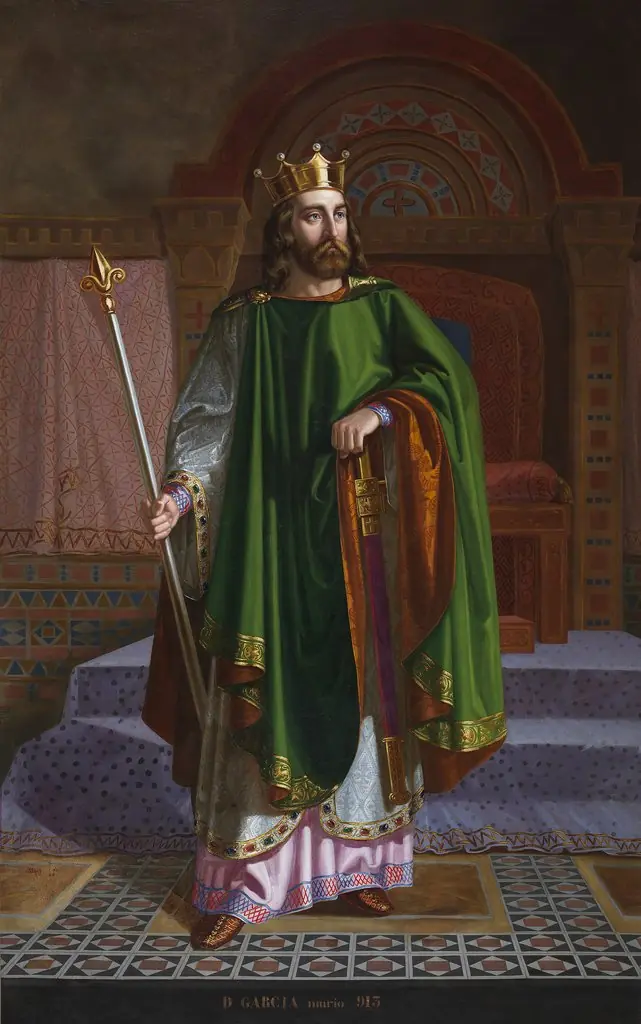 García I, rey de León
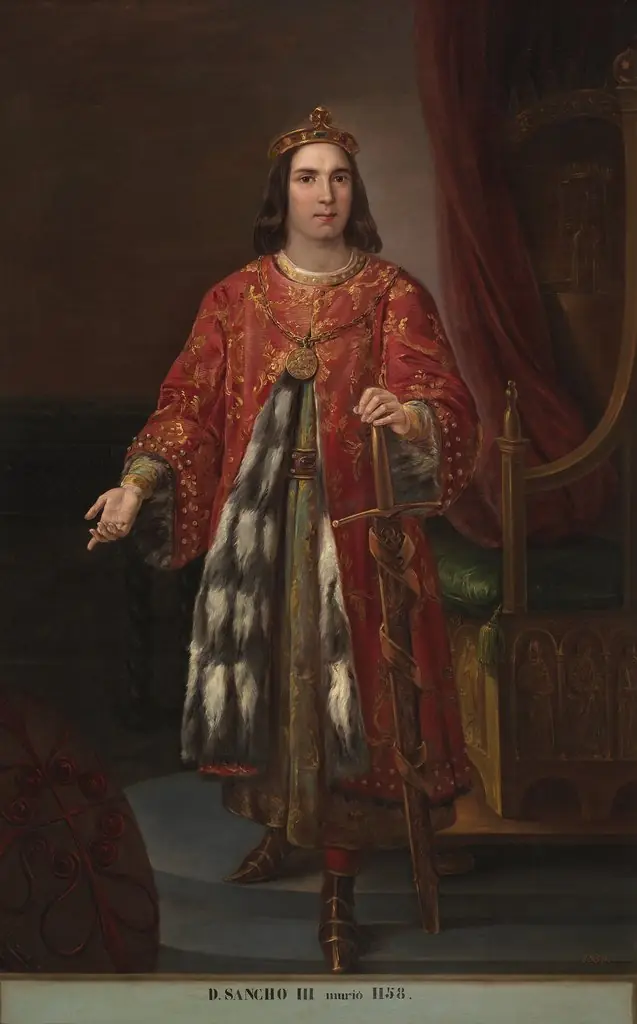 Sancho III
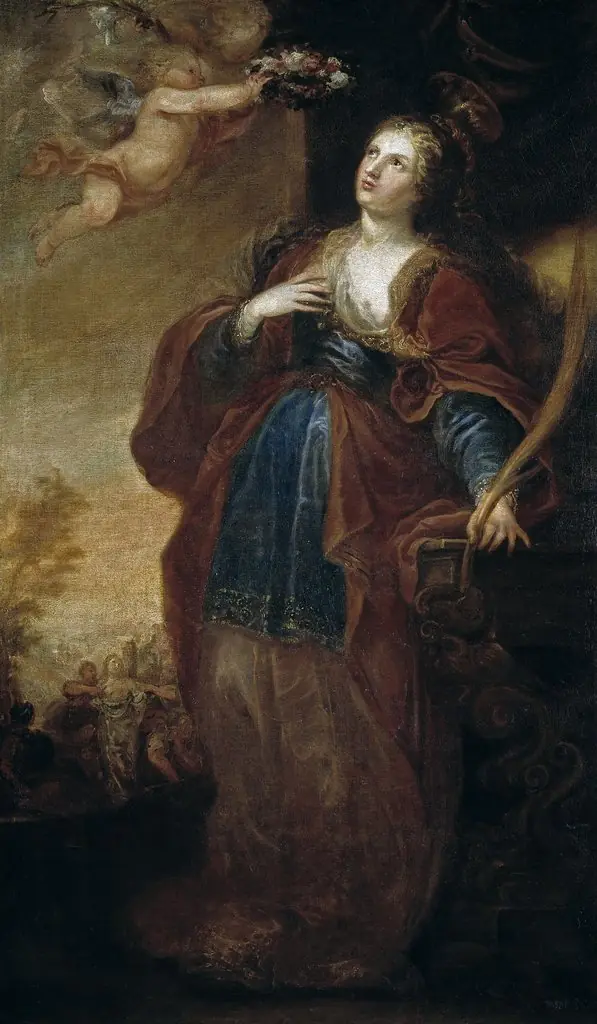 Santa Águeda
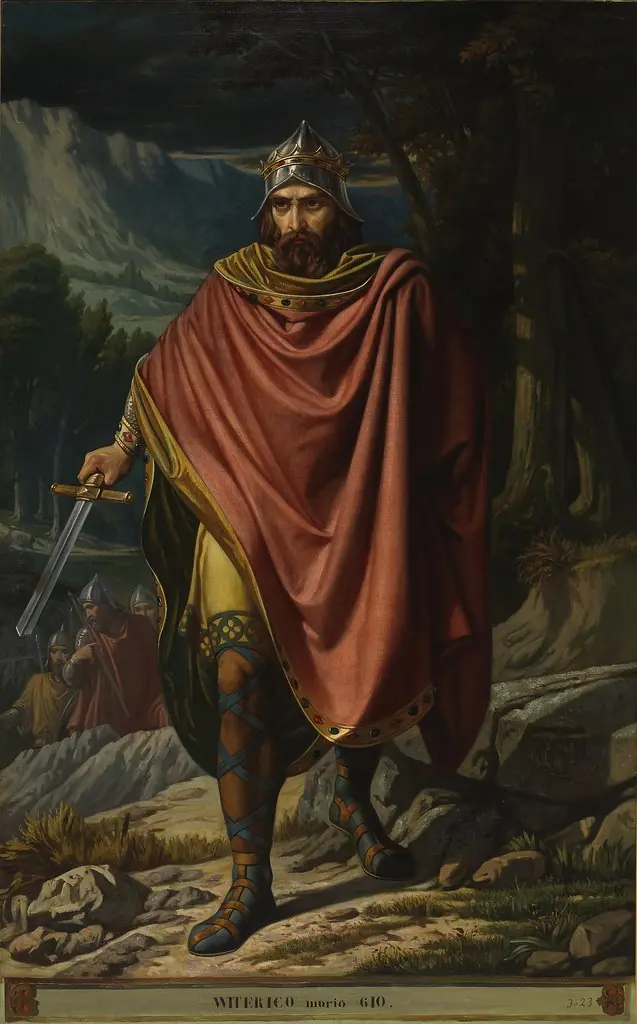 Witerico
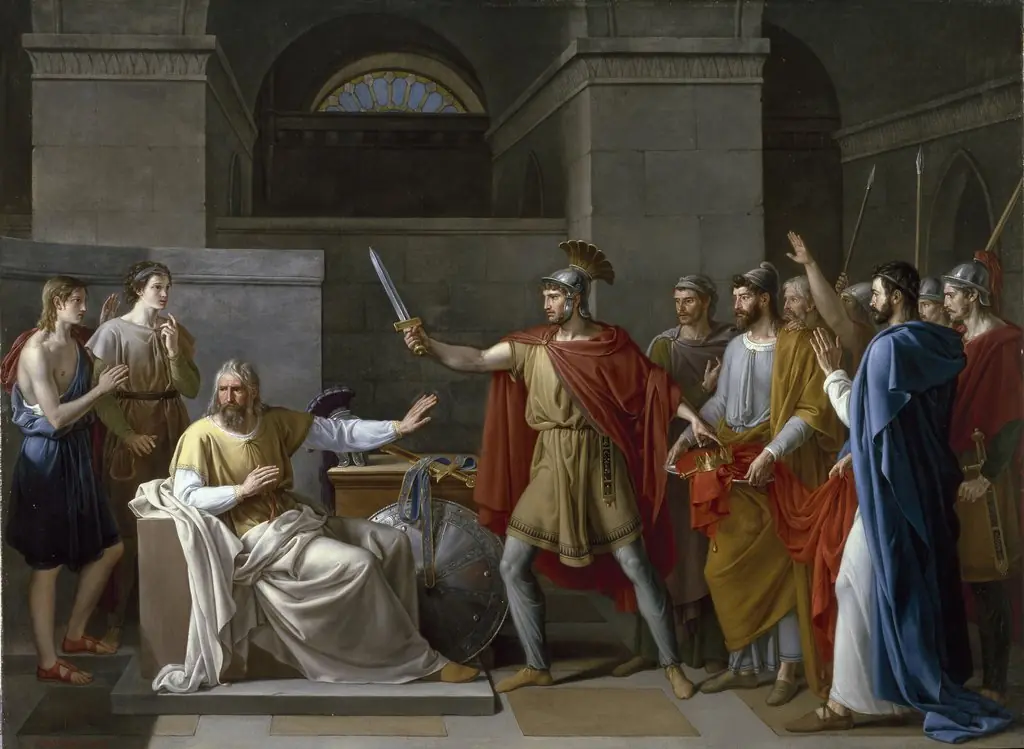 Wamba renouncing the Crown
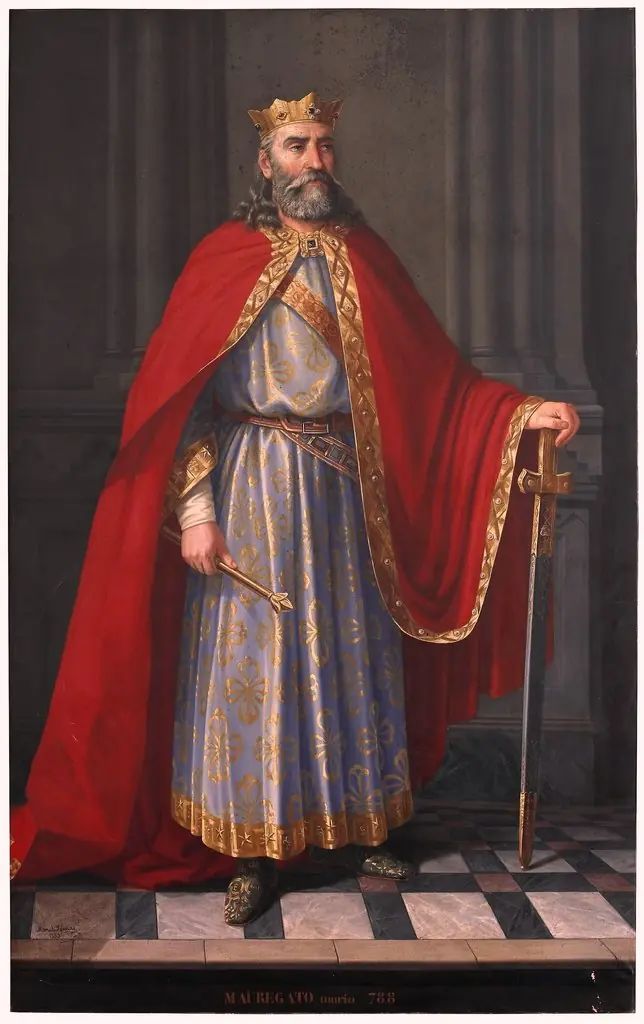 Mauregato
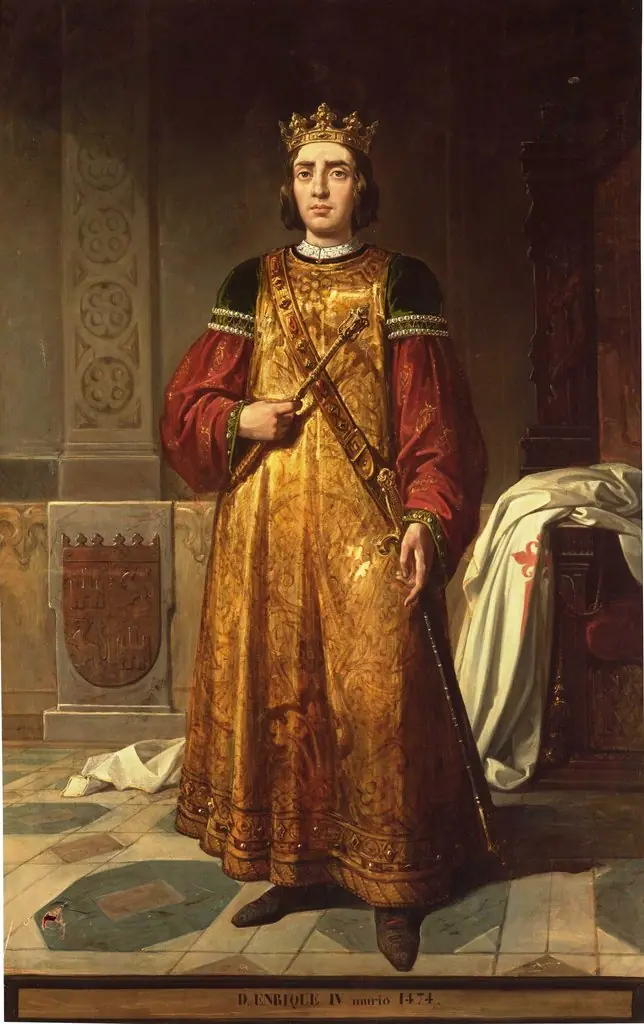 Enrique IV
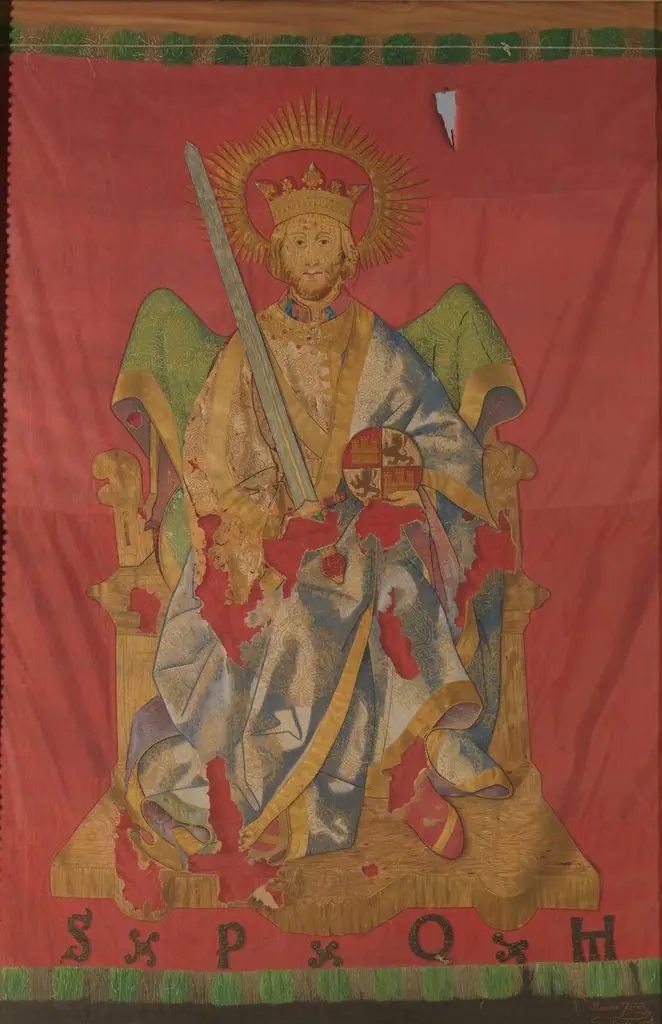 Pendón de Fernando III el Santo
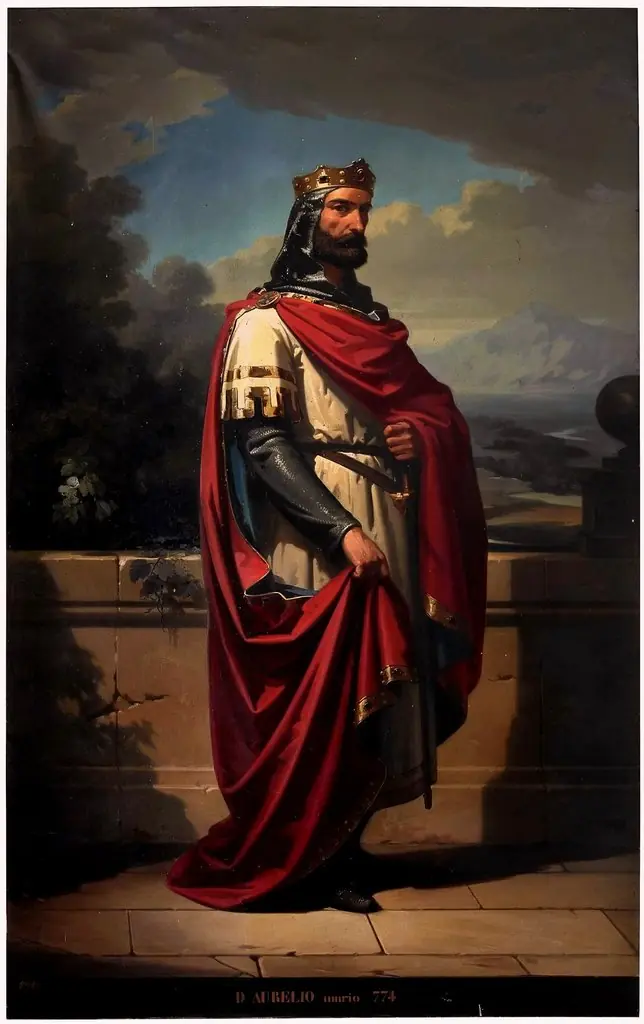 Aurelio
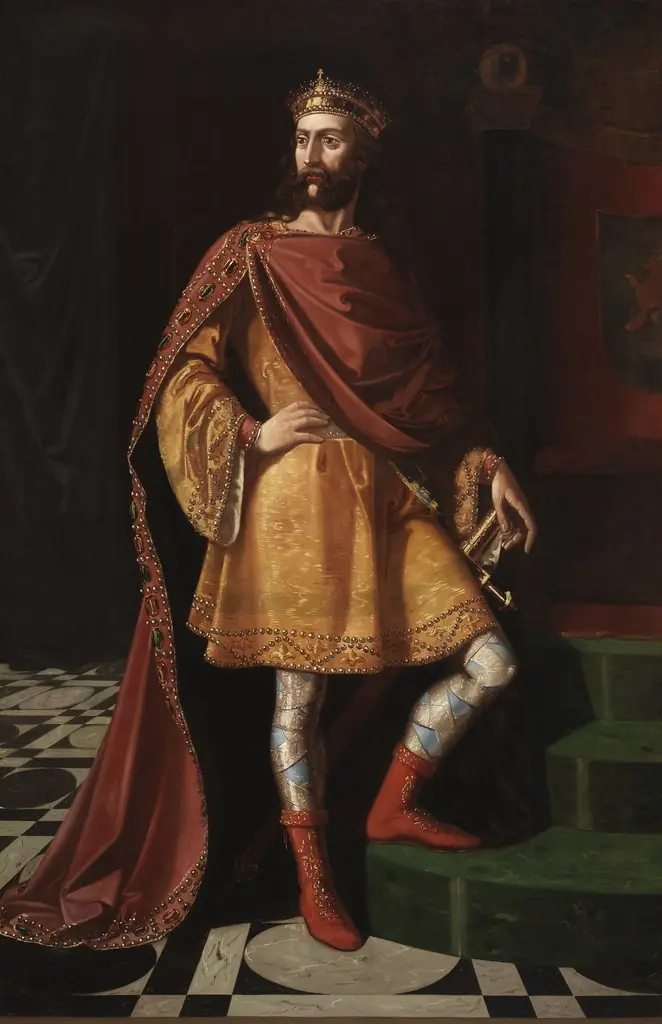 Ervigio
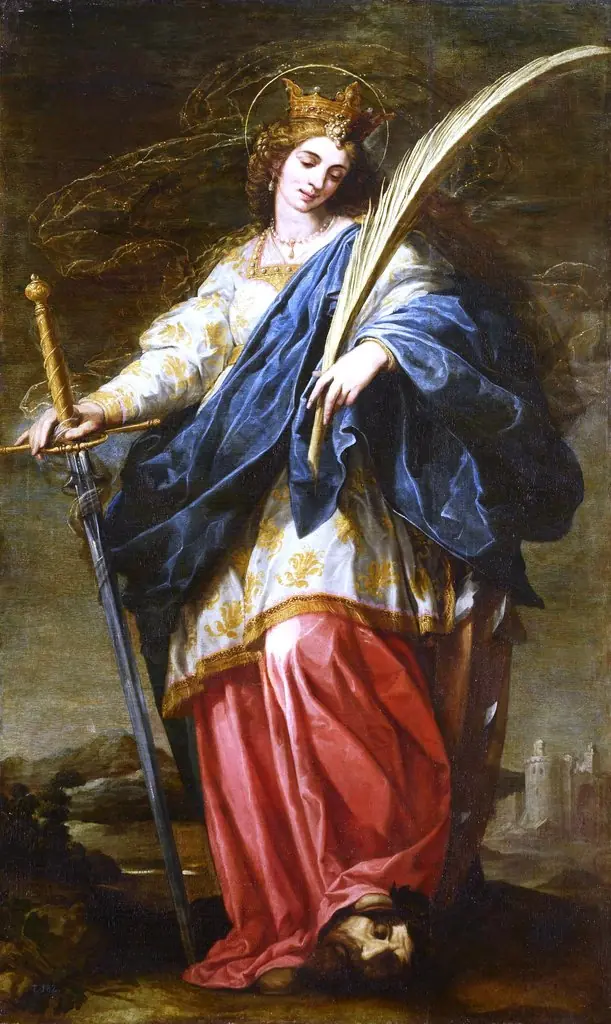 Santa Catalina
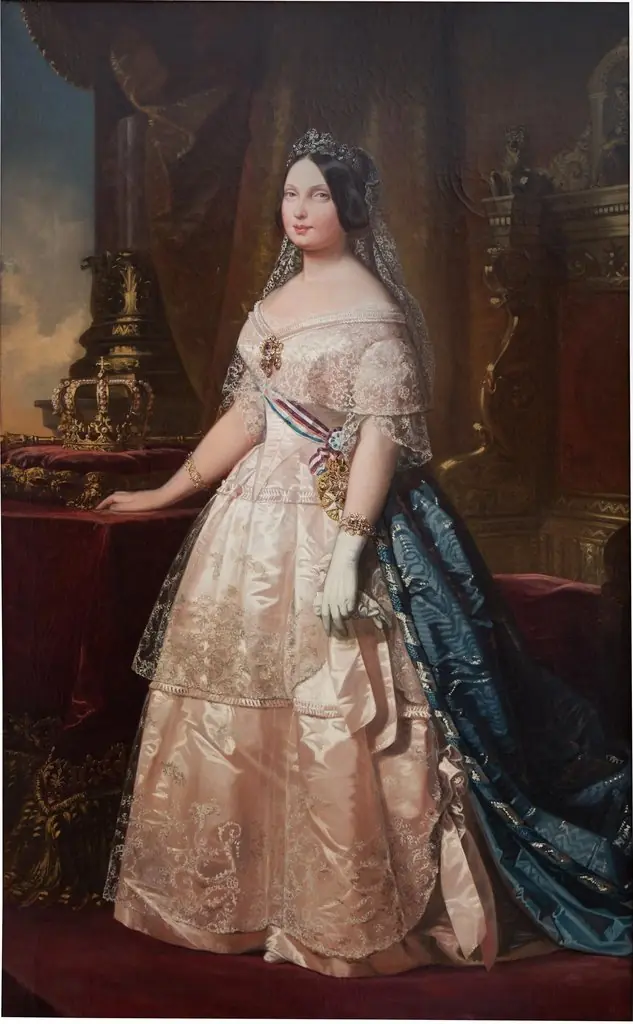 Isabel II
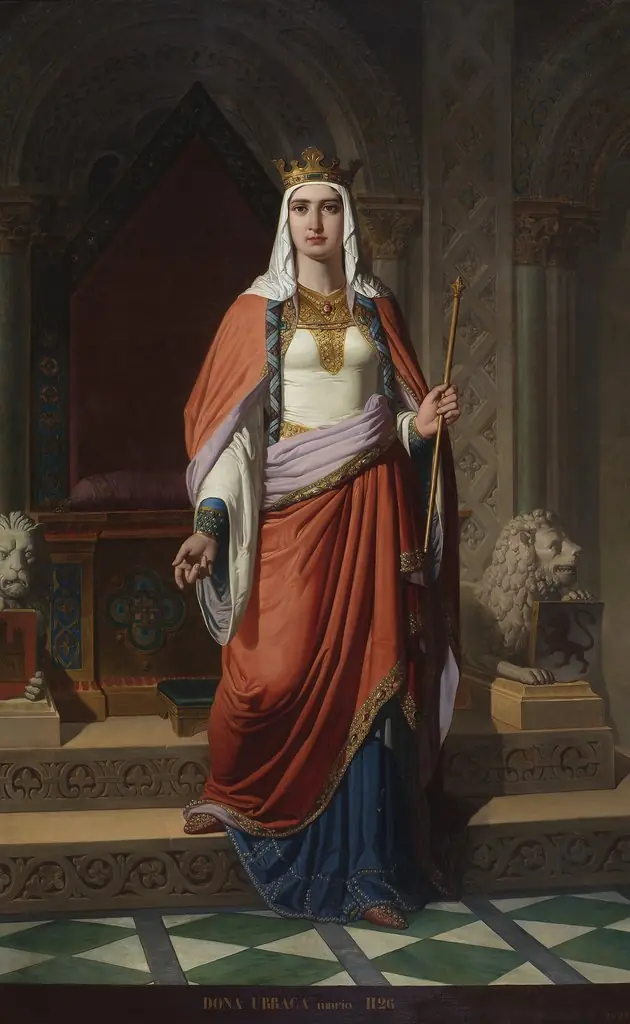 Doña Urraca
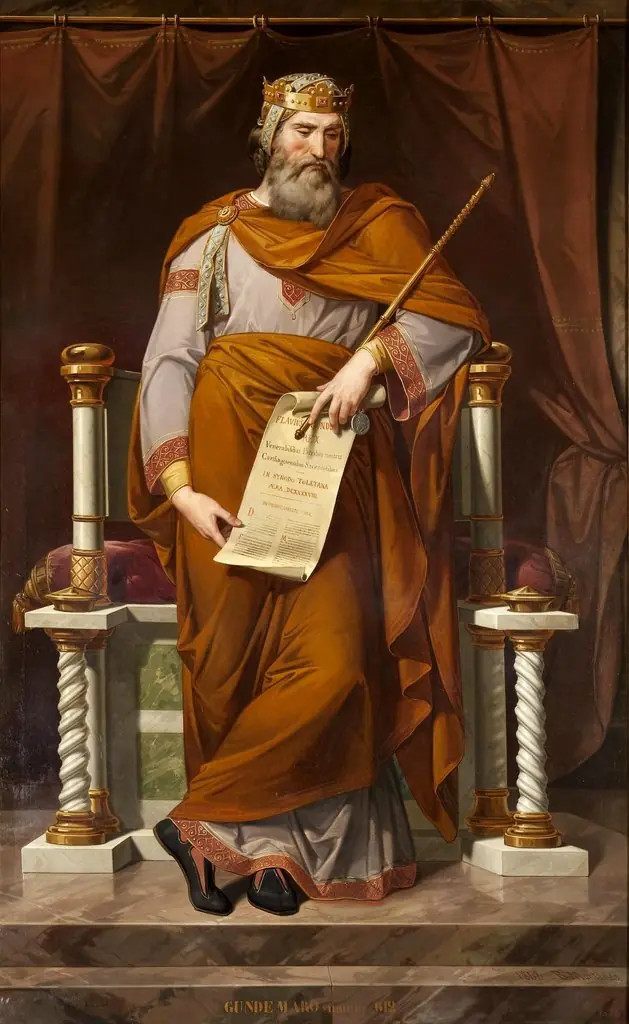 Gundemaro
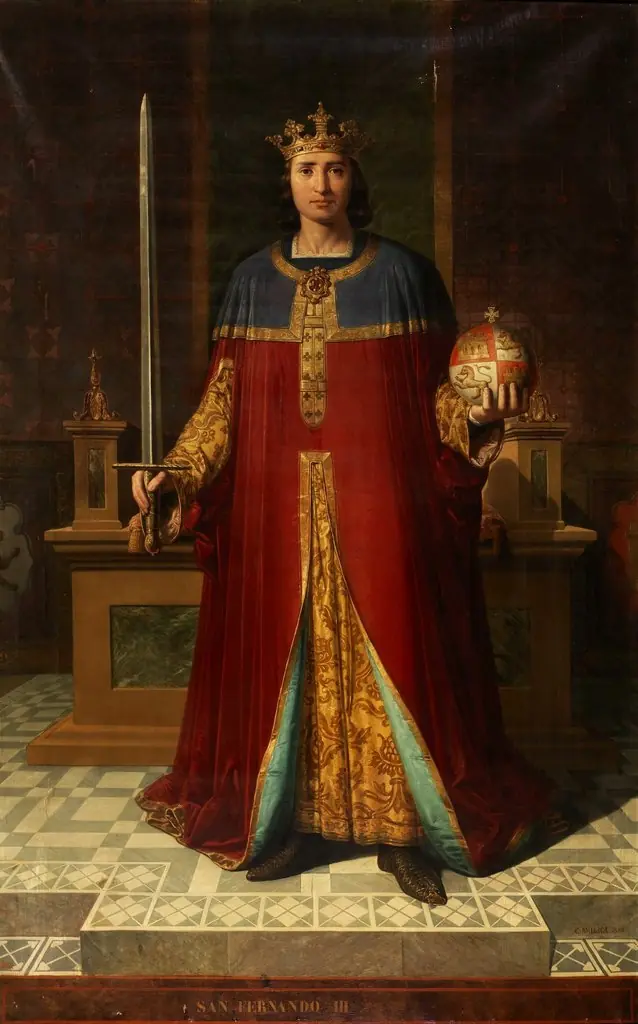 Fernando III El Santo
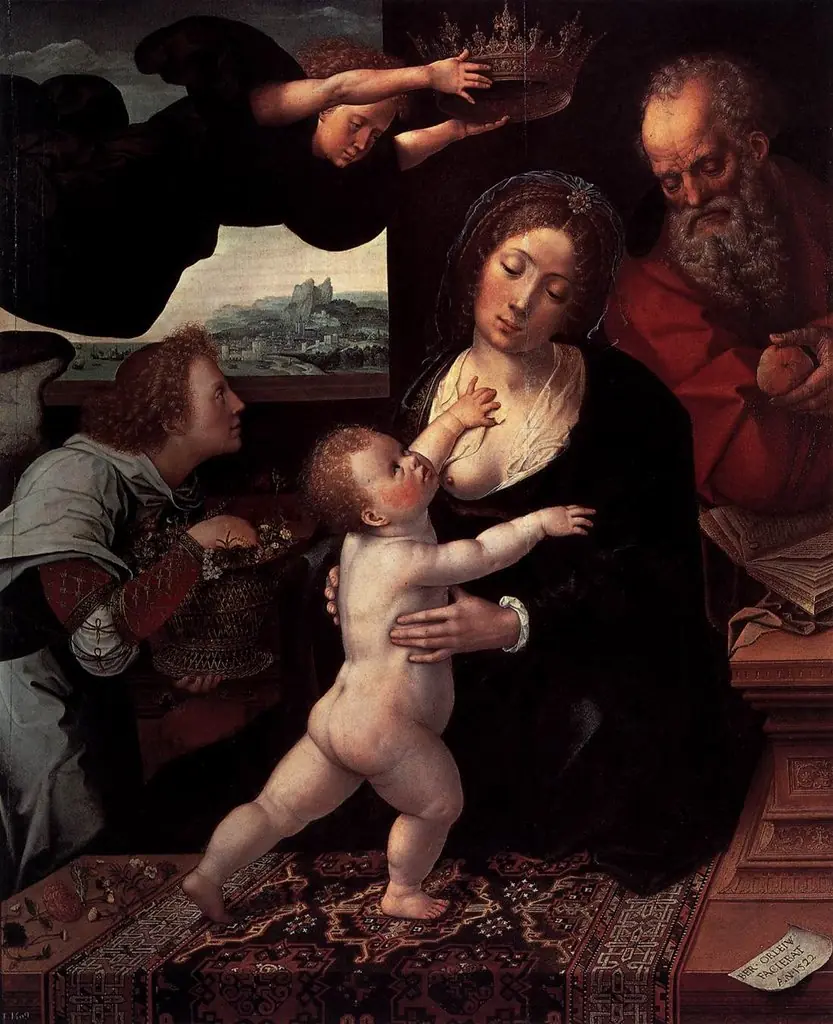 The Holy Family
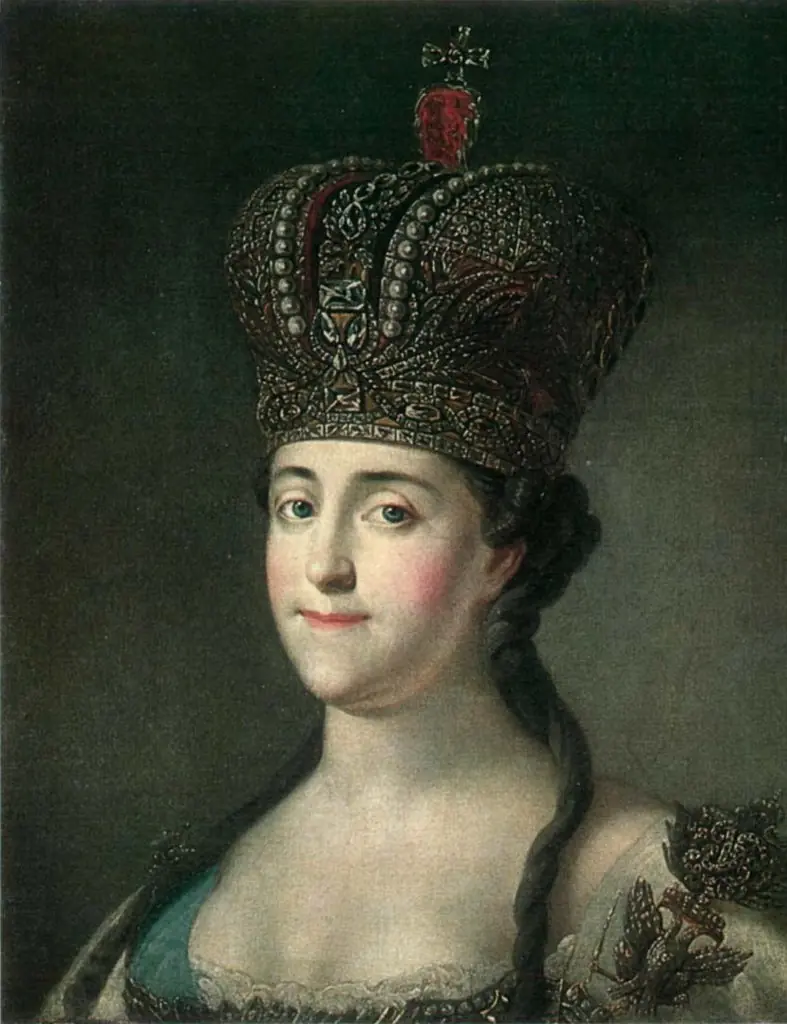 Portrait of Empress Catherine II
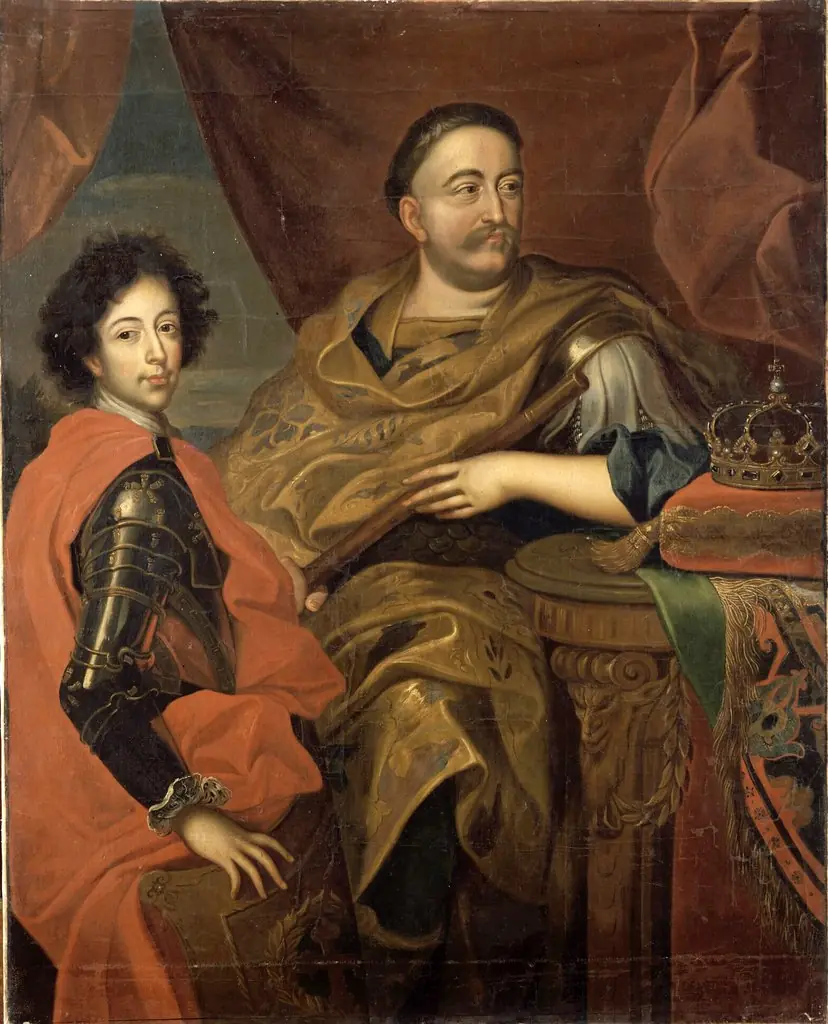 John III Sobieski, King of Poland (1624-1696) with one of his children
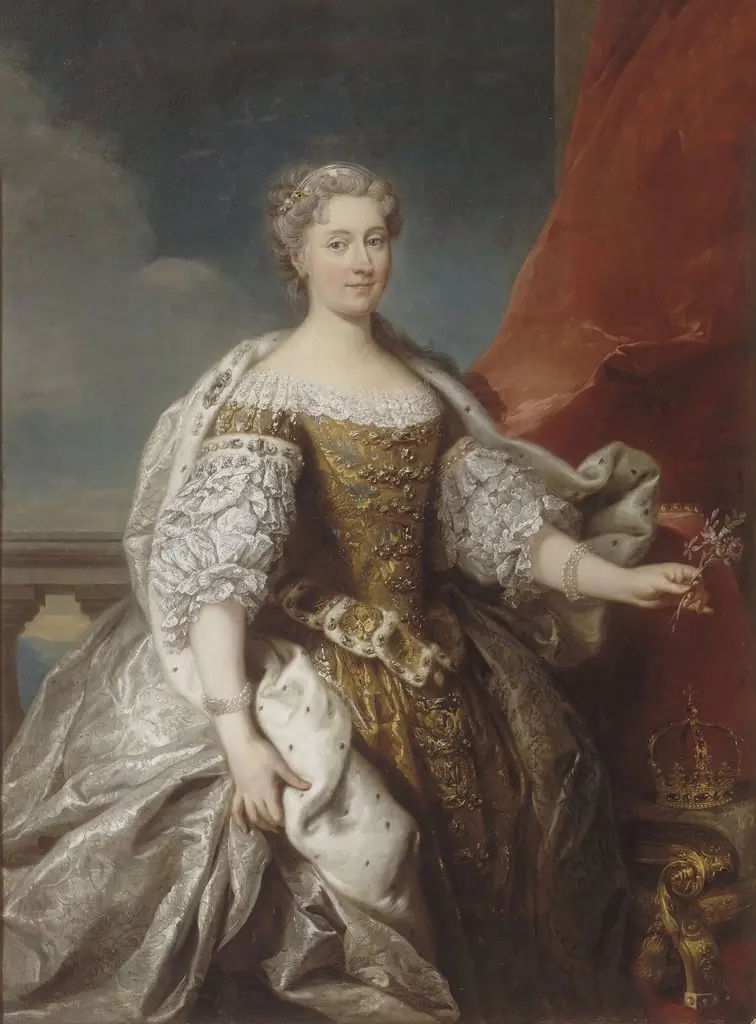 Catherine Opalińska, Queen of Poland
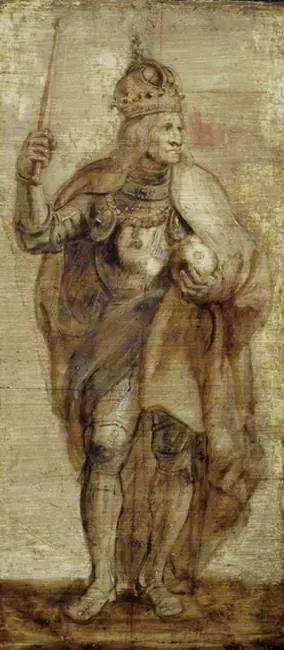 The Emperor Maximilian I
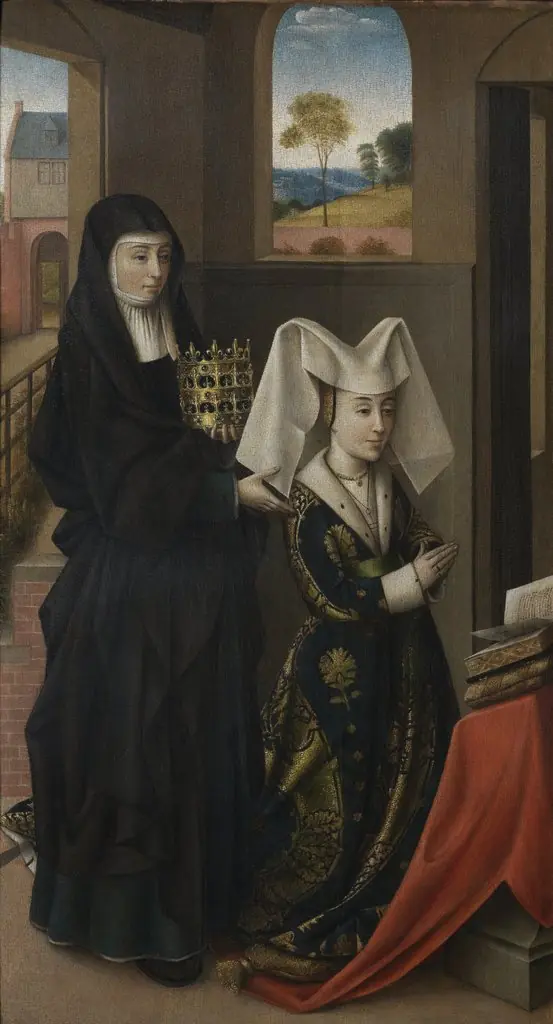 Isabella of Portugal with Saint Elisabeth
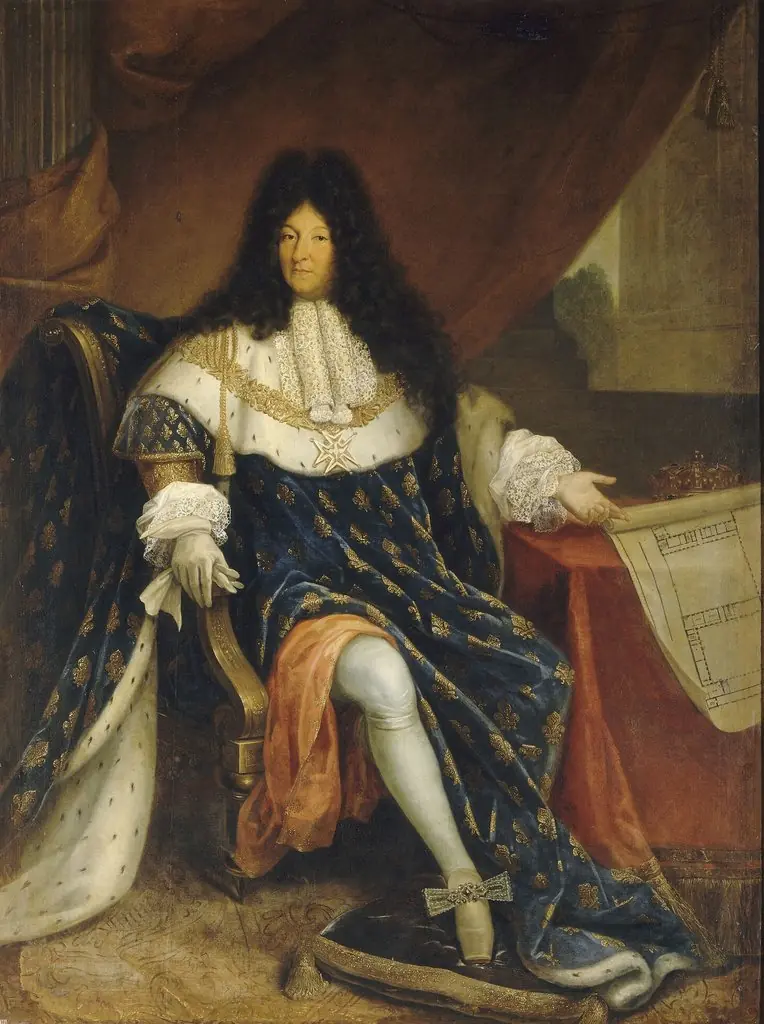 Louis XIV holding the plan of the royal house of Saint-Cyr
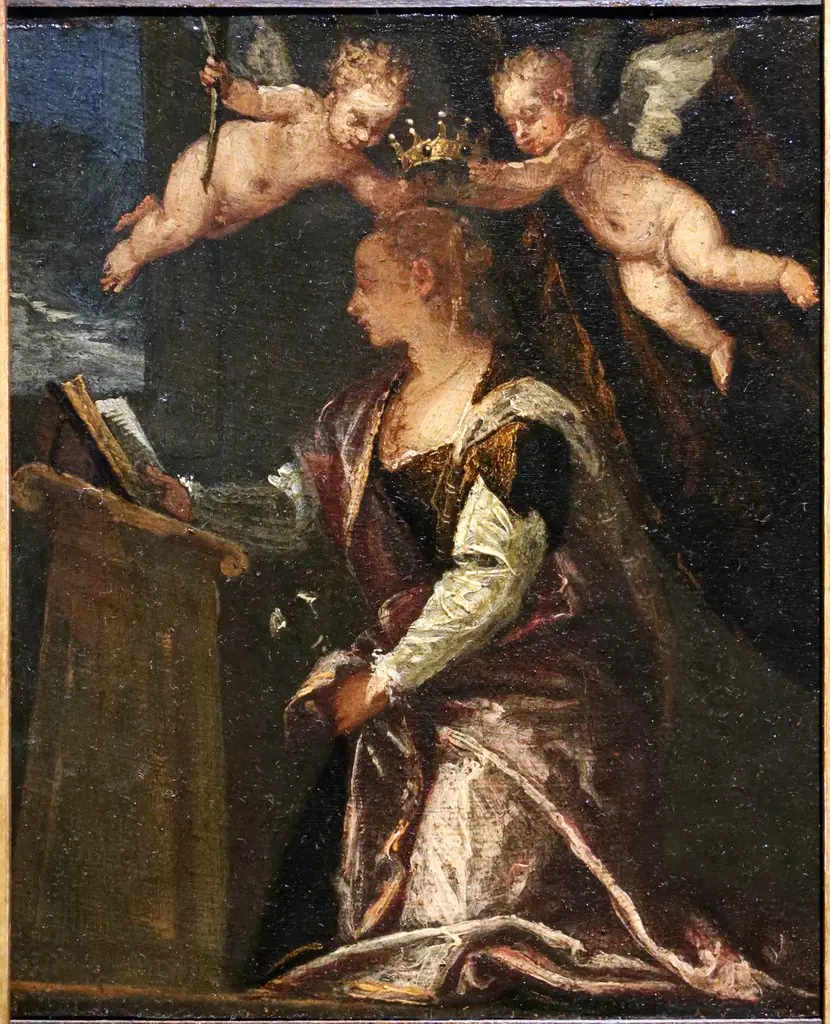 Saint Agatha crowned by Angels
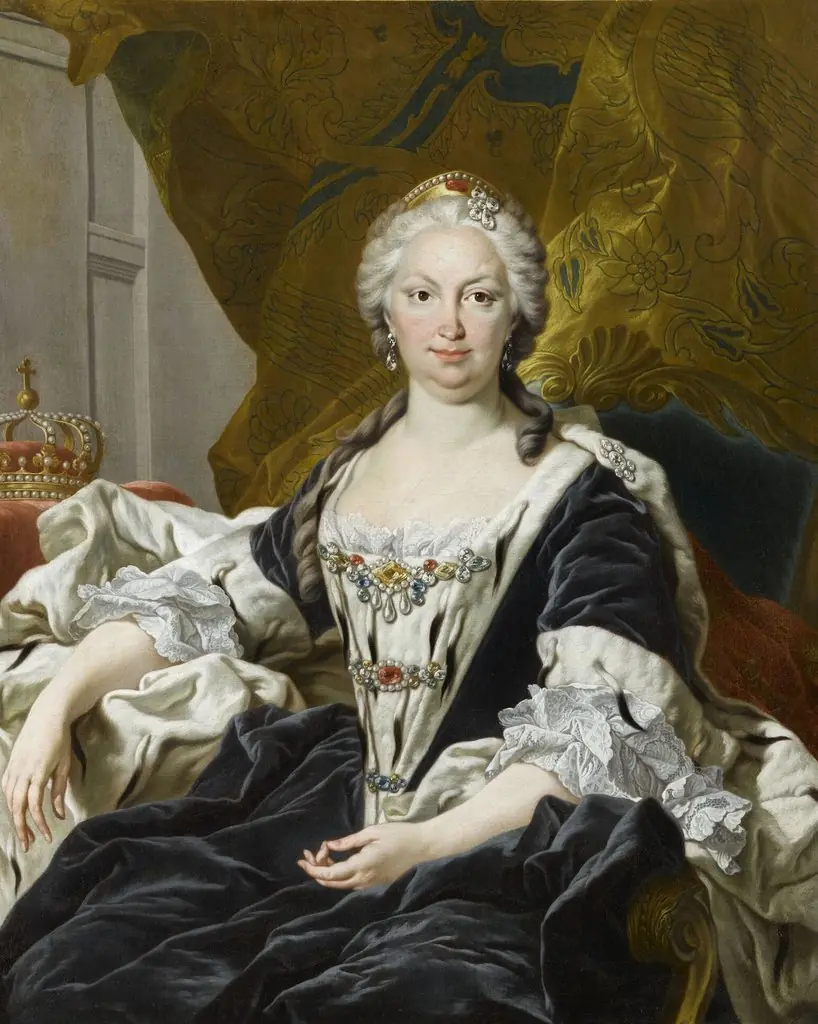 Elisabeth Farnese, Queen of Spain (1692-1766)
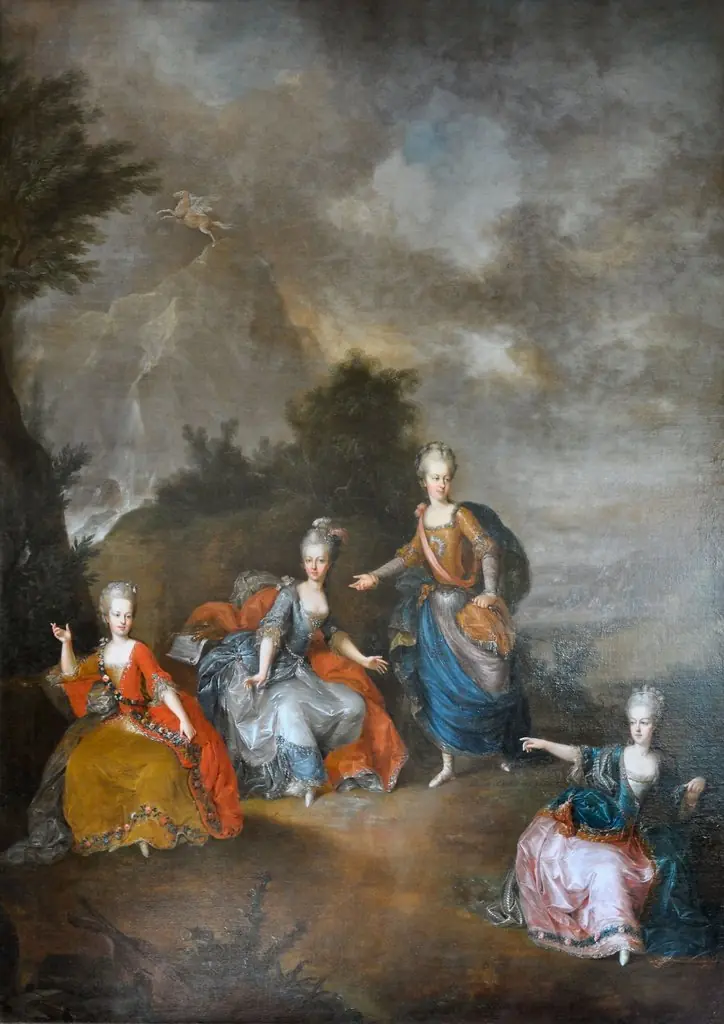 Representation in Schönbrunn by the Archduchesses of Austria of the entertainment Il Parnasso confuso, January 24, 1765
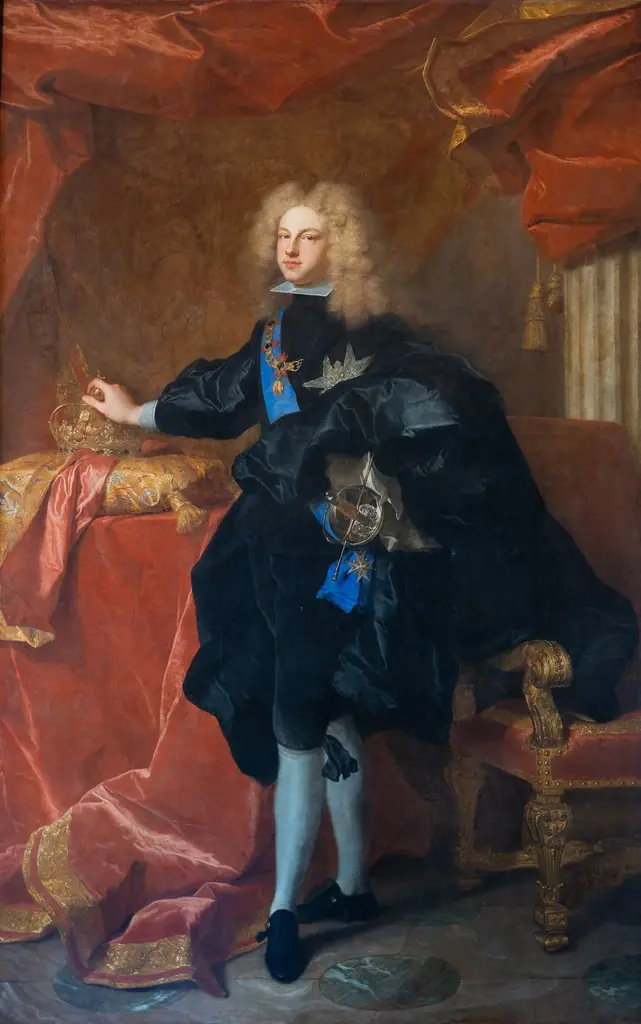 Portrait of Philip V, King of Spain
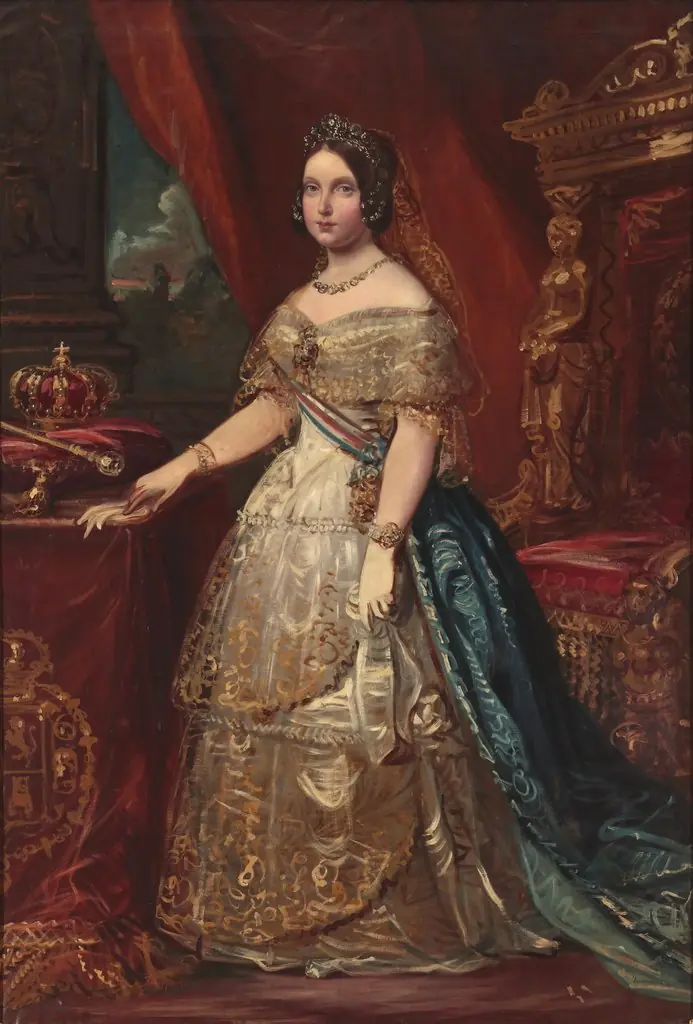 Isabel II
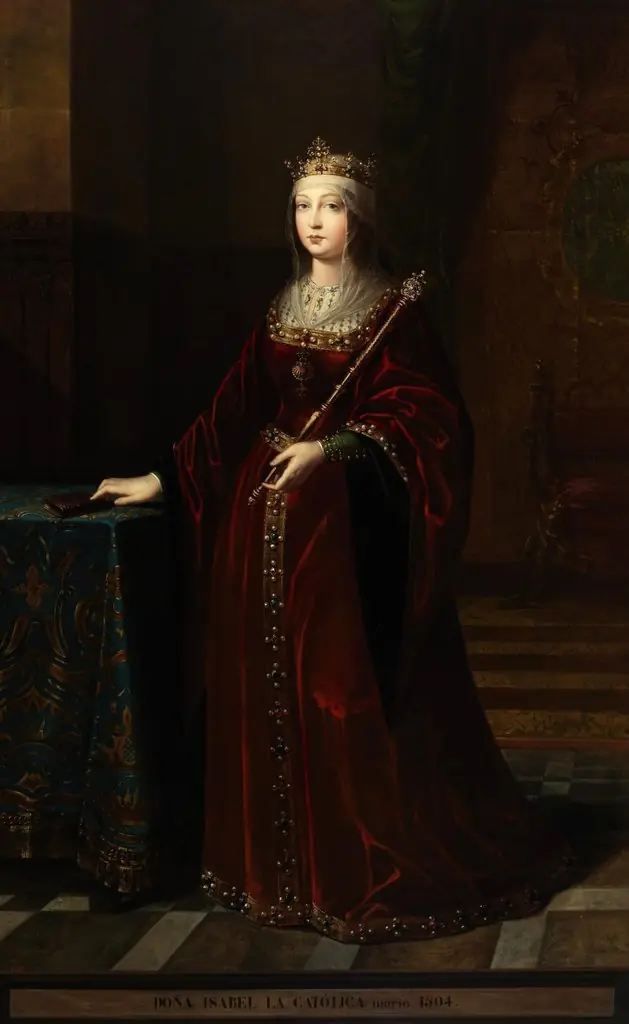 Isabel la Católica, de Luis de Madrazo
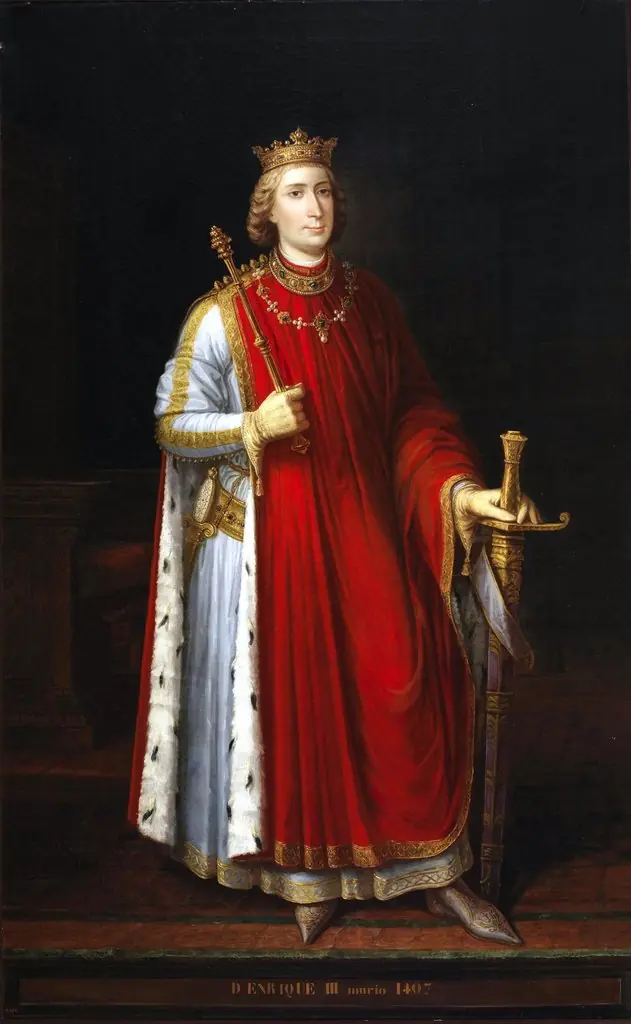 Enrique III el Doliente
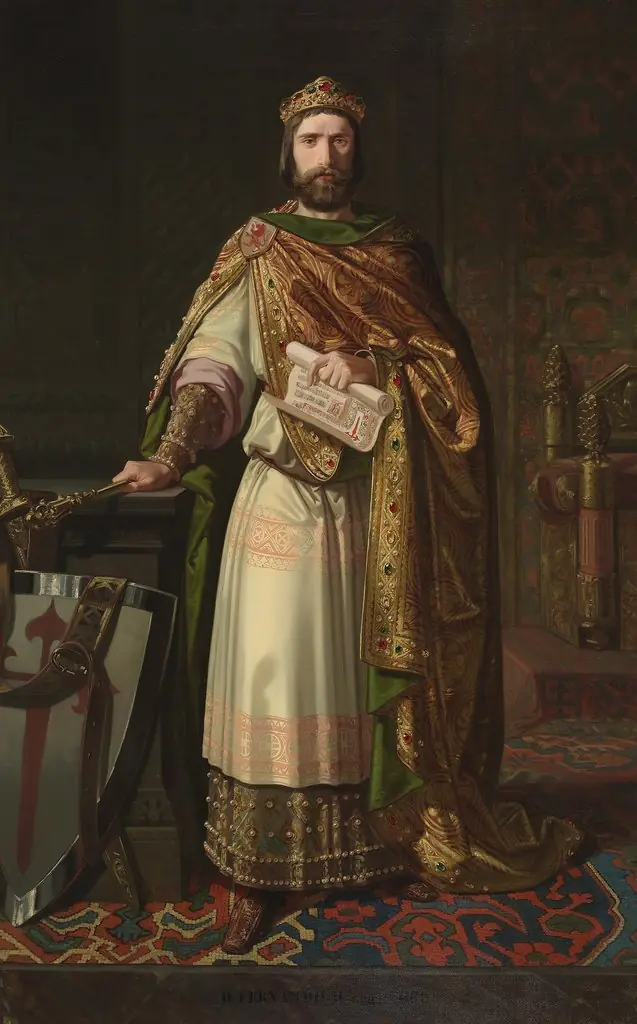 Fernando II rey de León
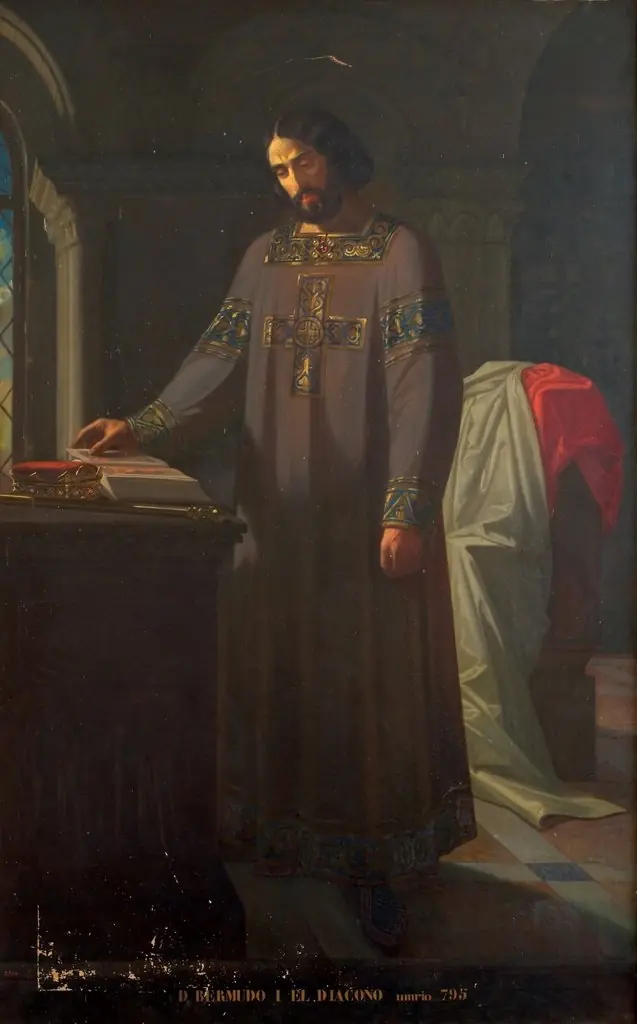 Bermudo I el Diácono rey de Asturias
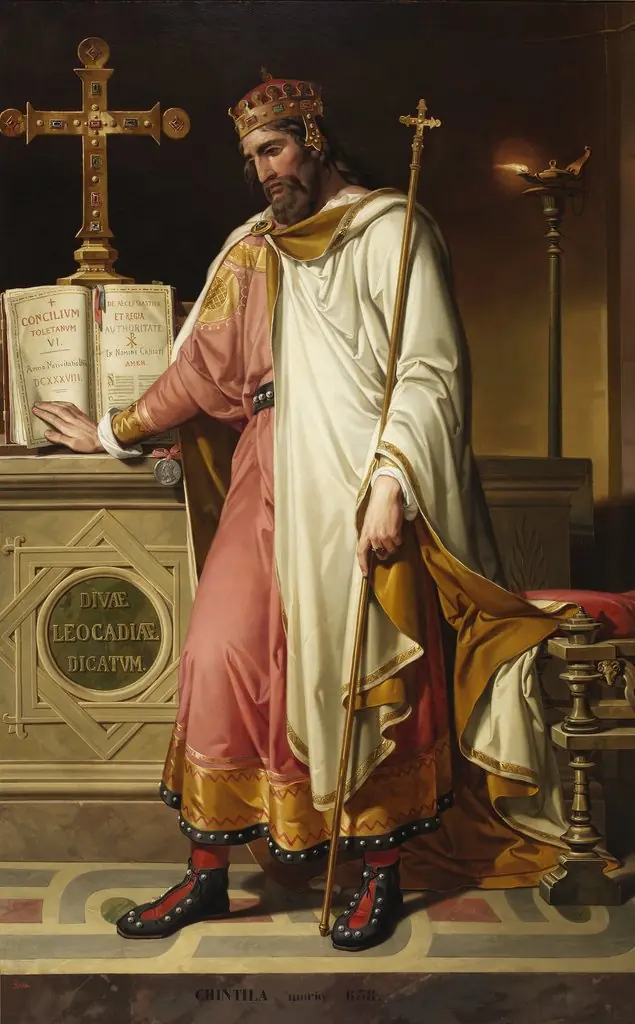 Chintila, rey godo
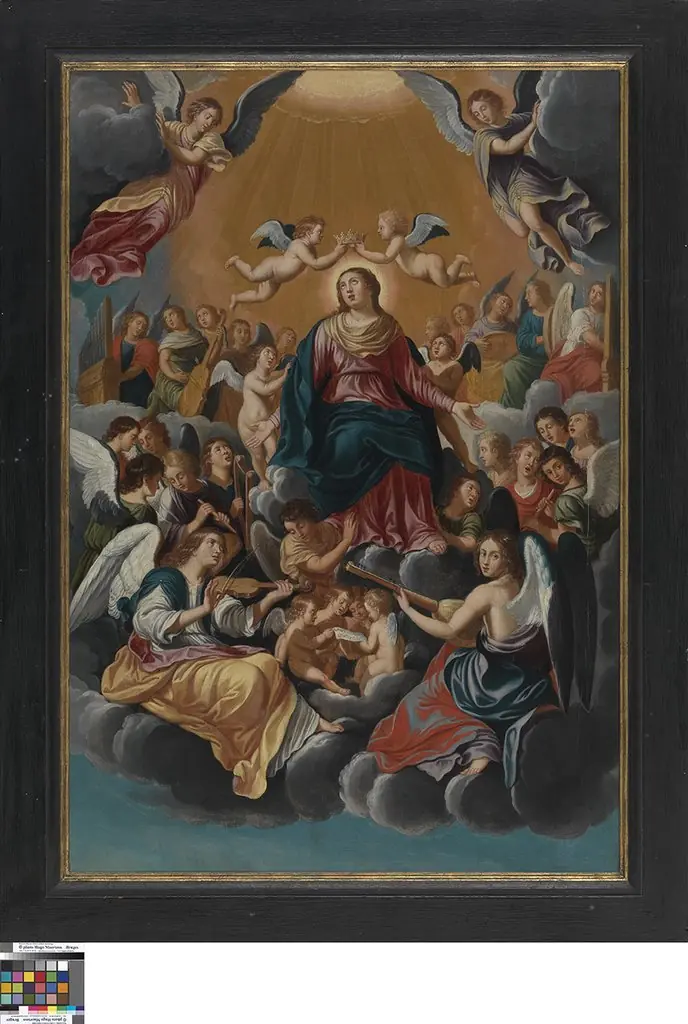 Kroning van Maria
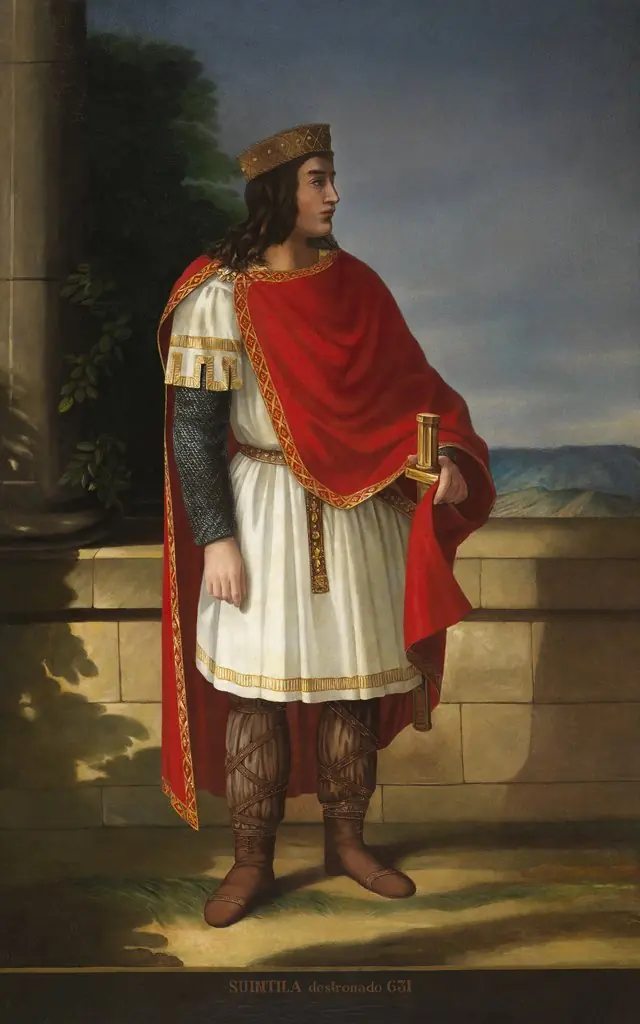 Wittiza, visigothic's king
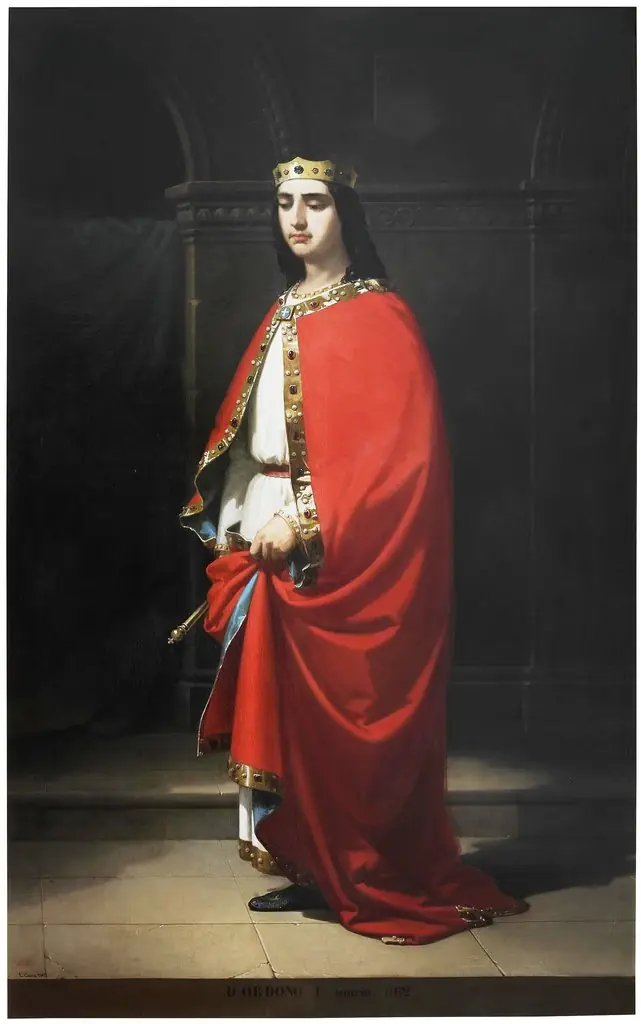 Ordoño I
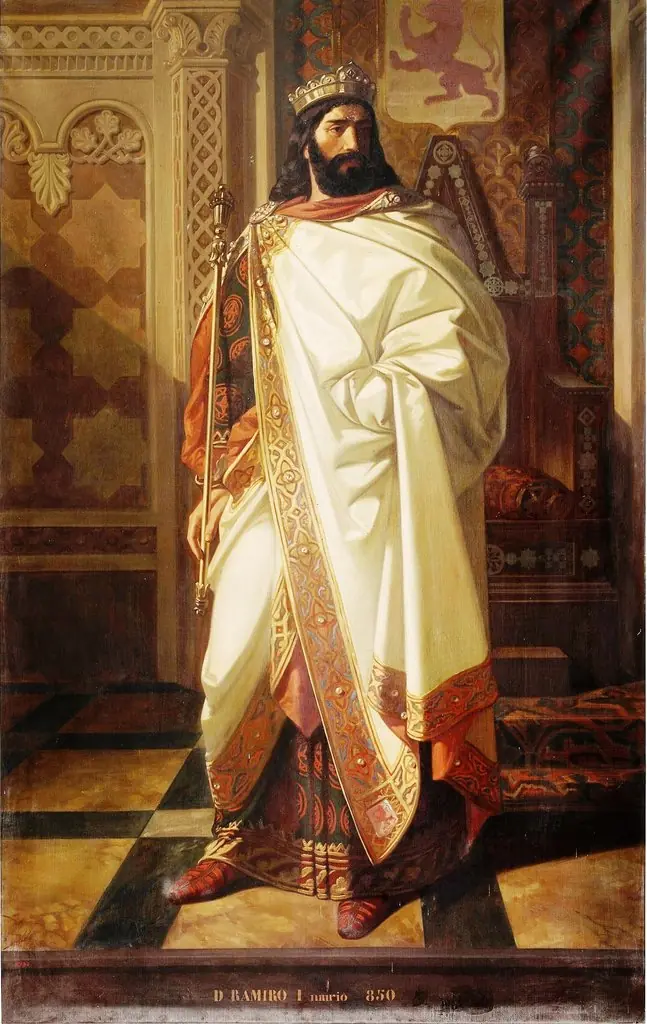 Ramiro I rey de Asturias
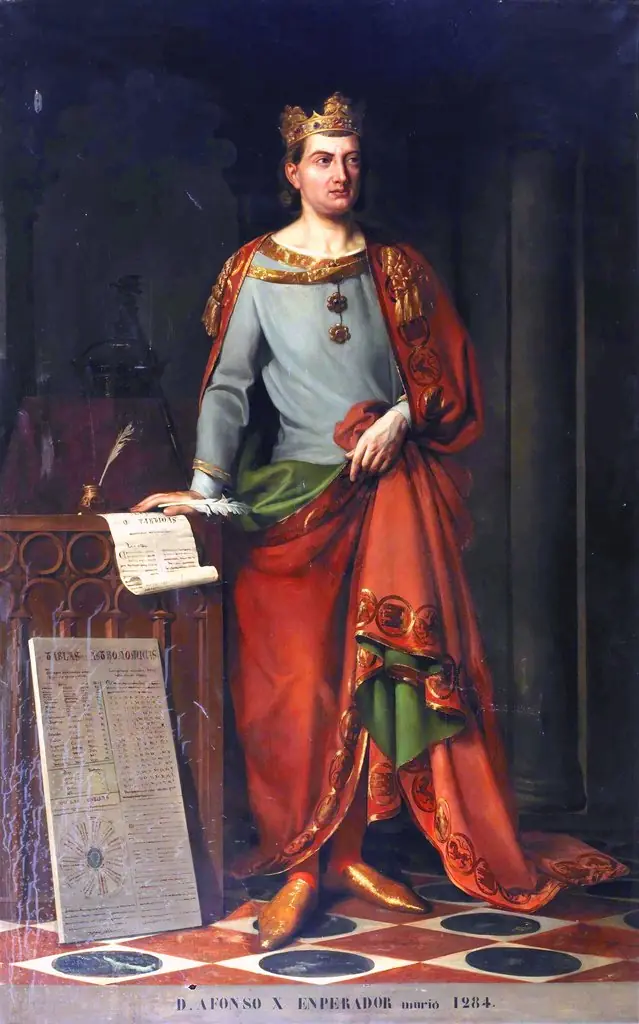 Alfonso X el Sabio
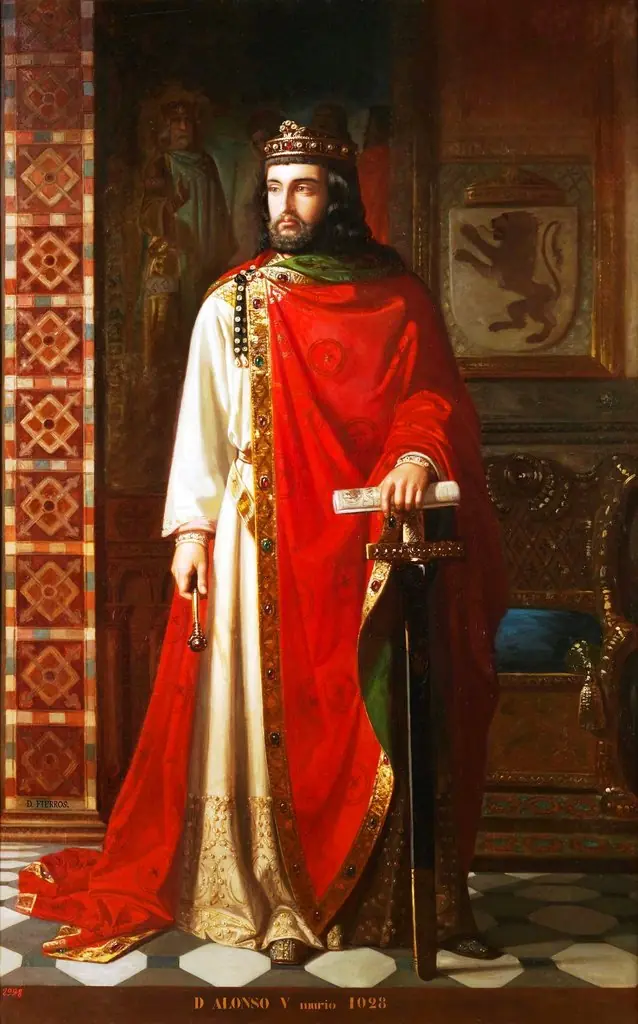 Alfonso V
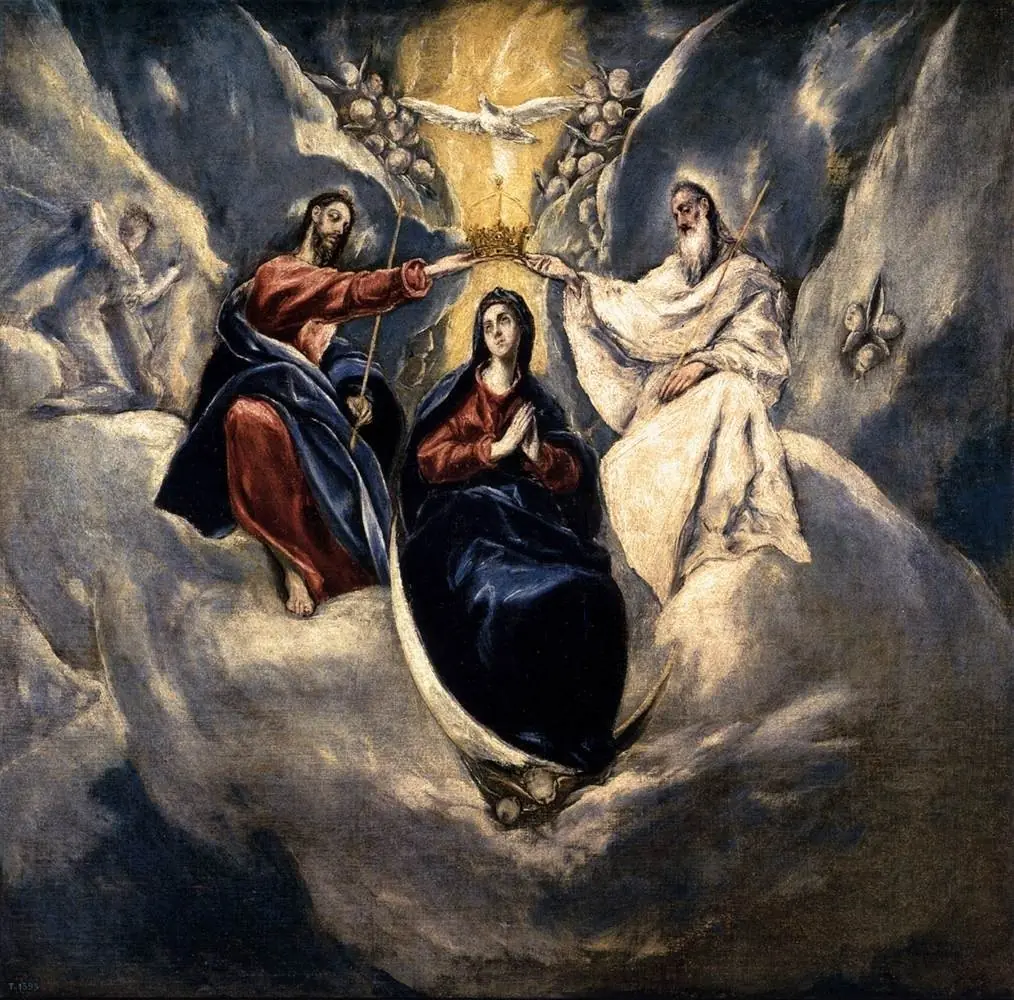 The Coronation of the Virgin
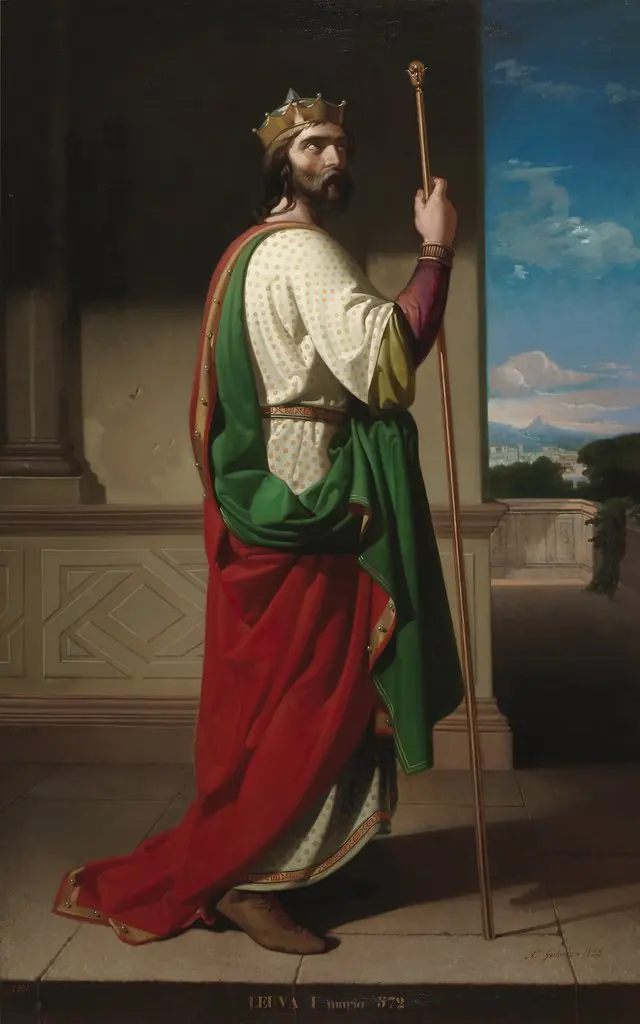 Liuva I
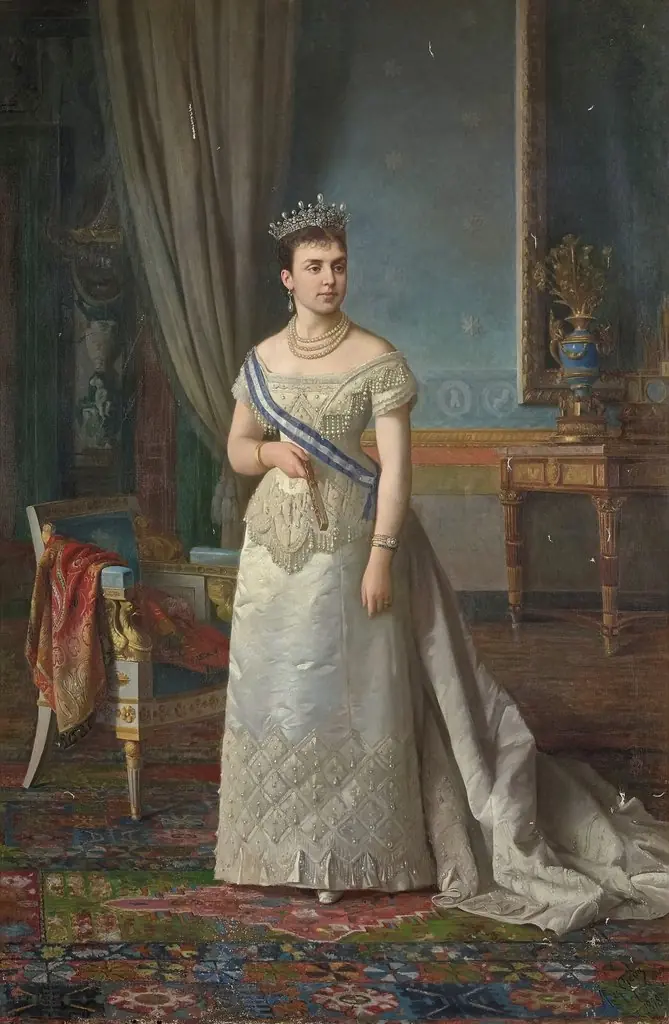 Maria de las Mercedes of Orléans
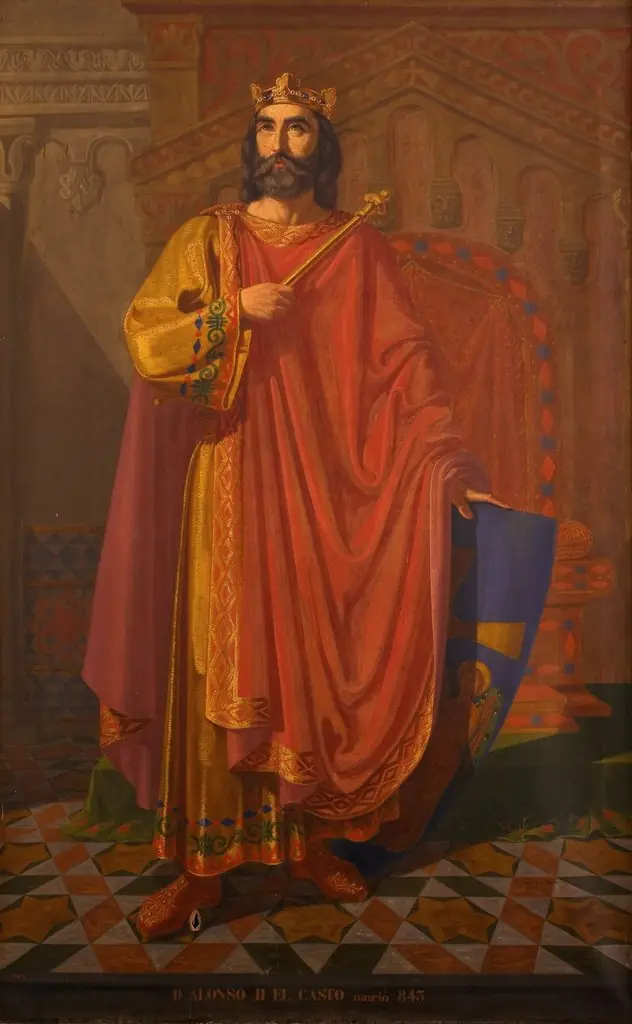 Alfonso II el Casto
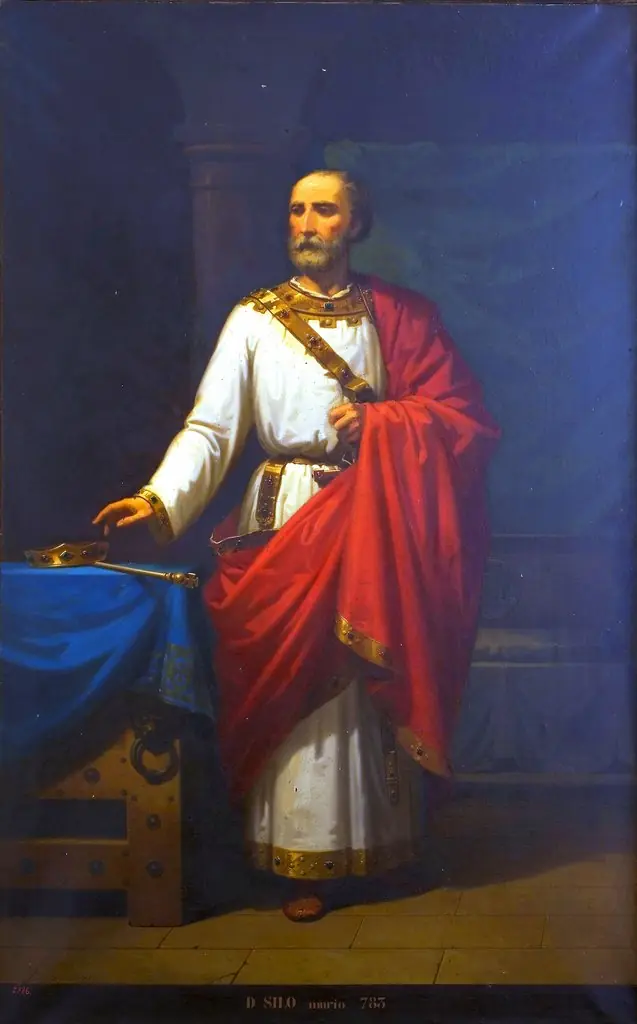 Silo
Silo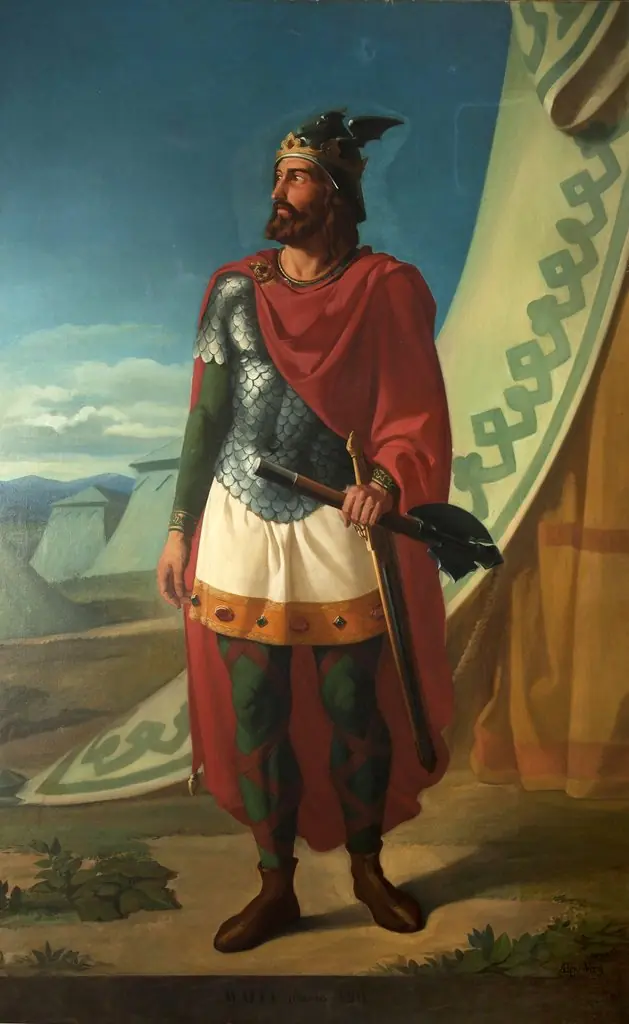 Walia
Walia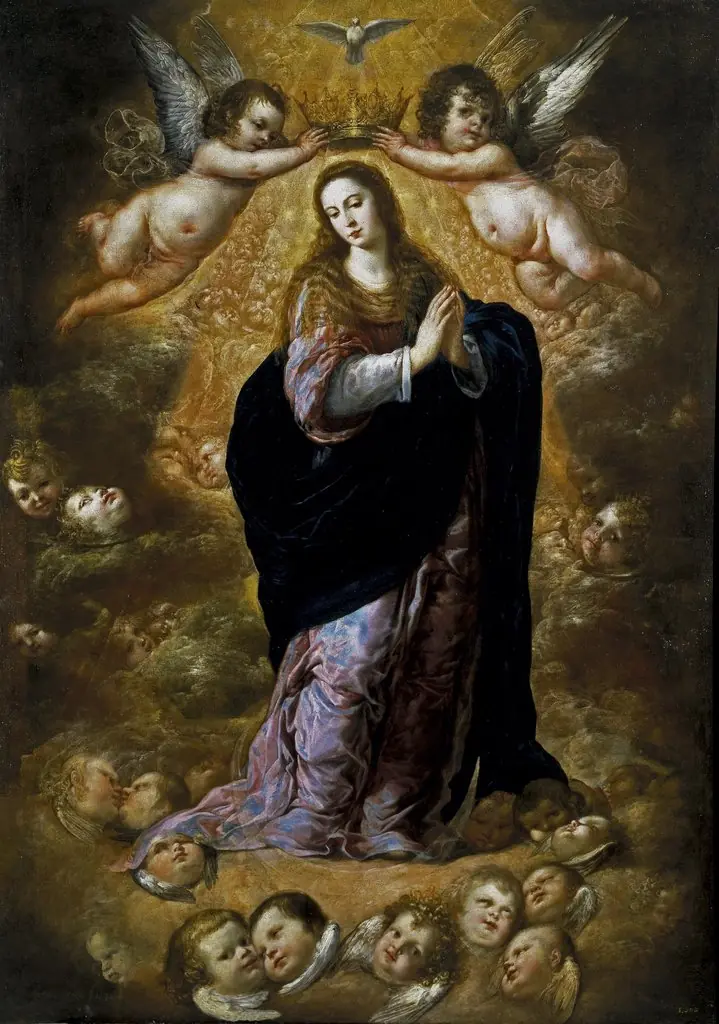 The Immaculate Conception
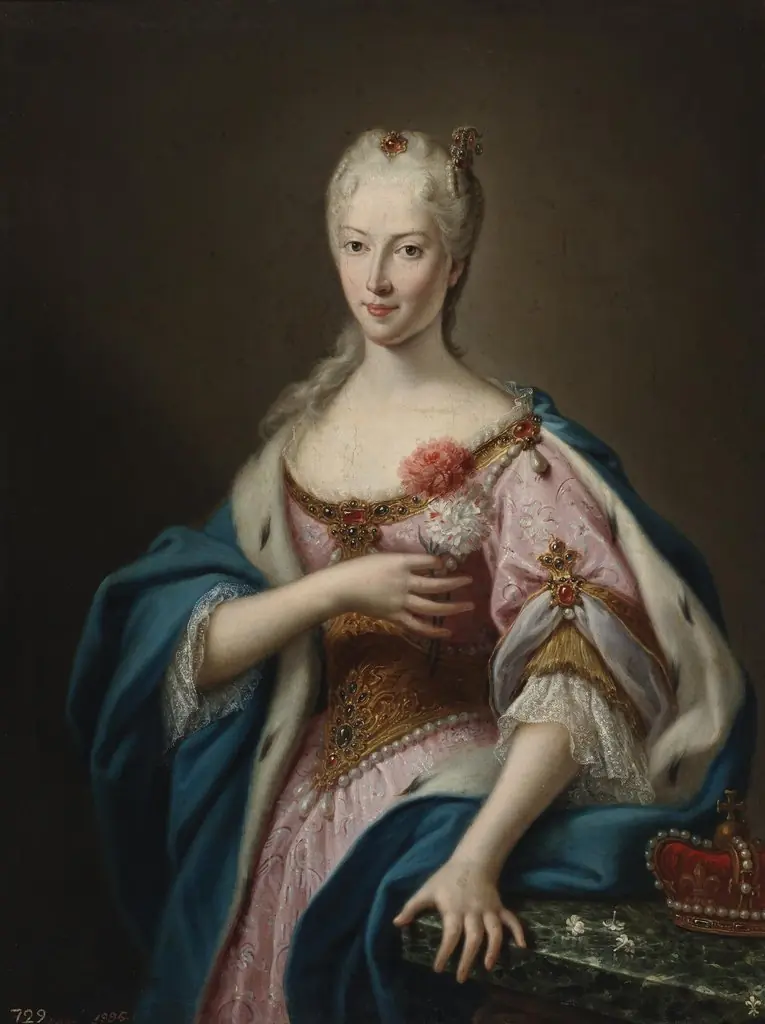 Clementina Sobiesky
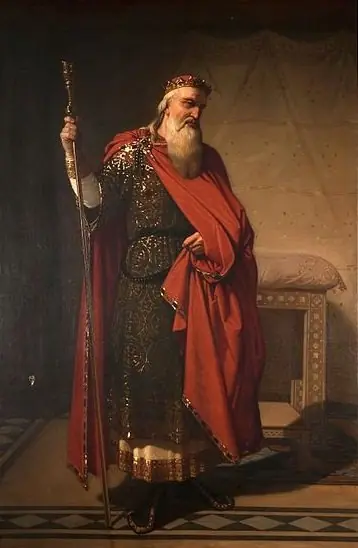 Chindasvinto
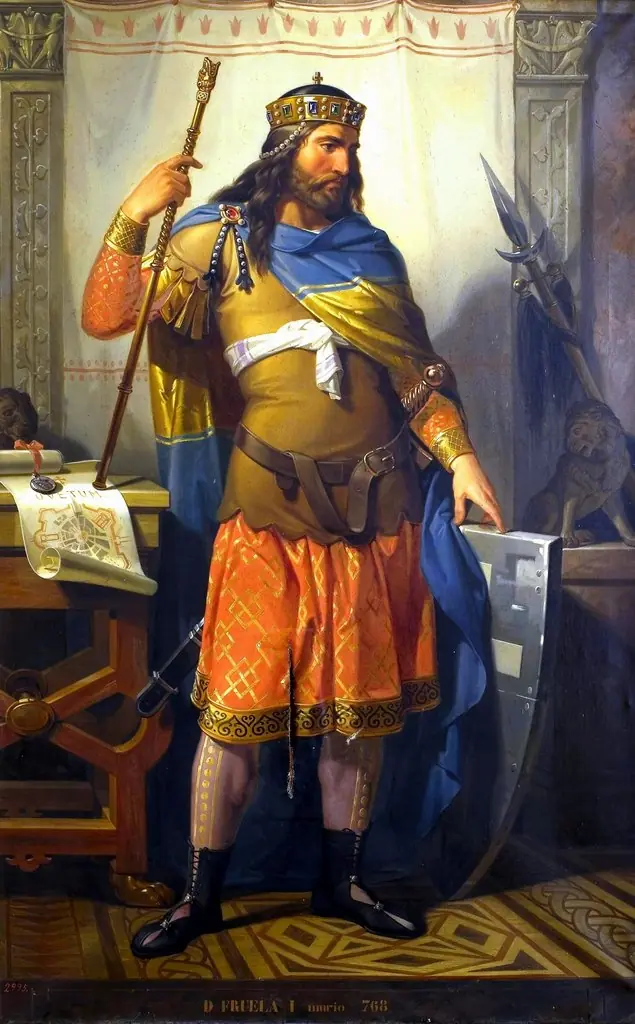 Fruela I
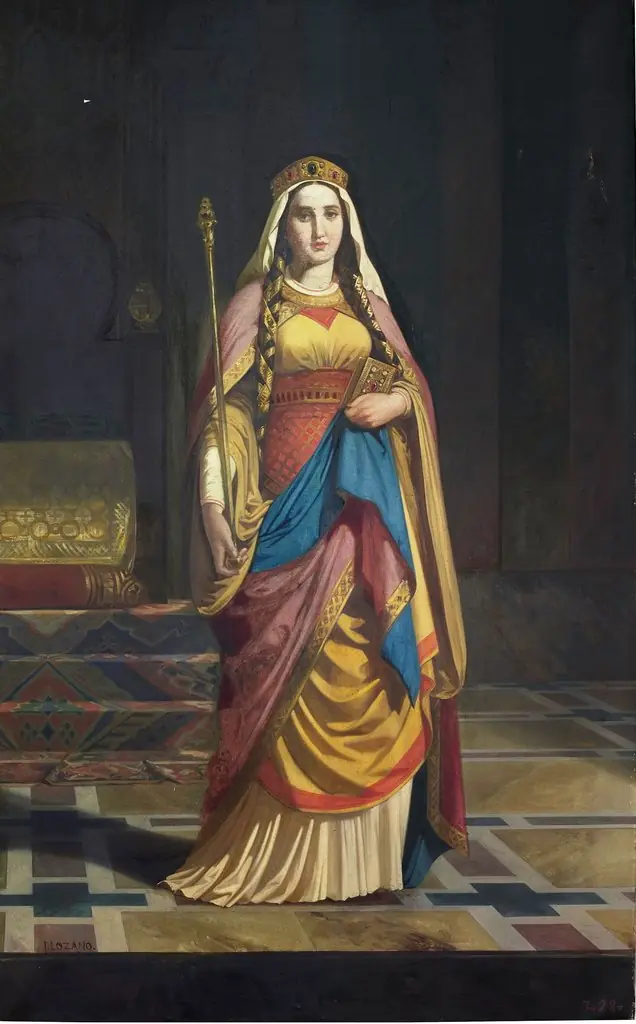 Usenda reina de Asturias
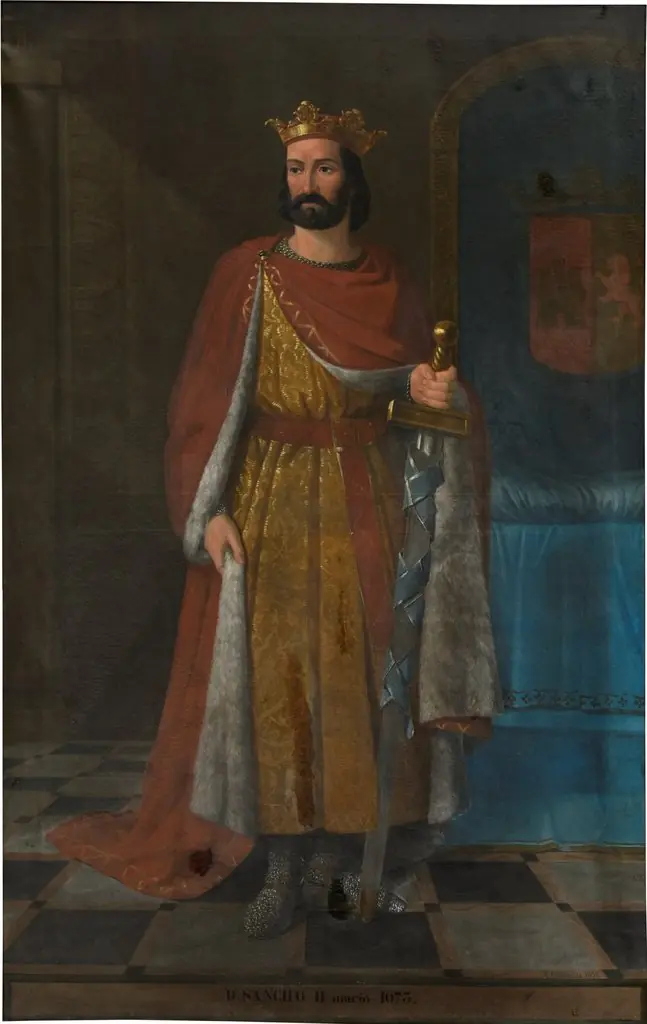 Sancho II
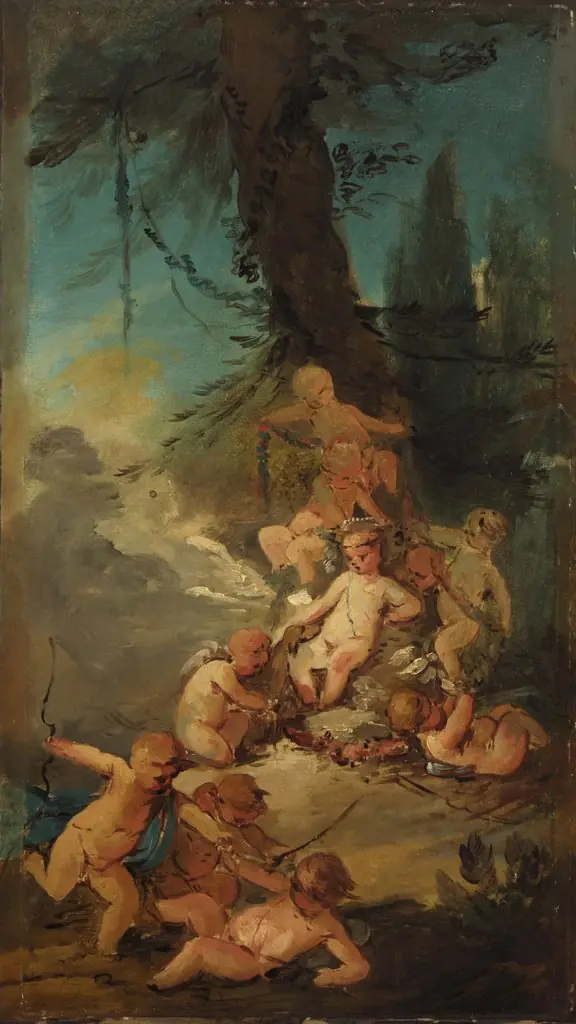 Crowning of Cupid
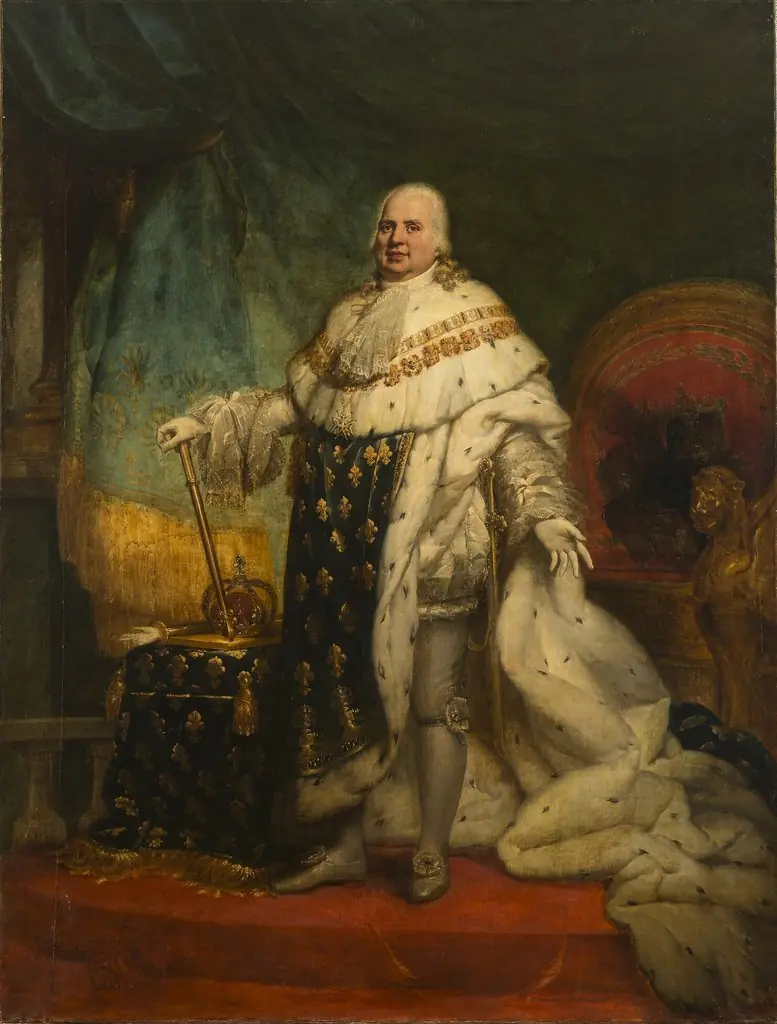 Louis XVIII of France in Coronation Robes
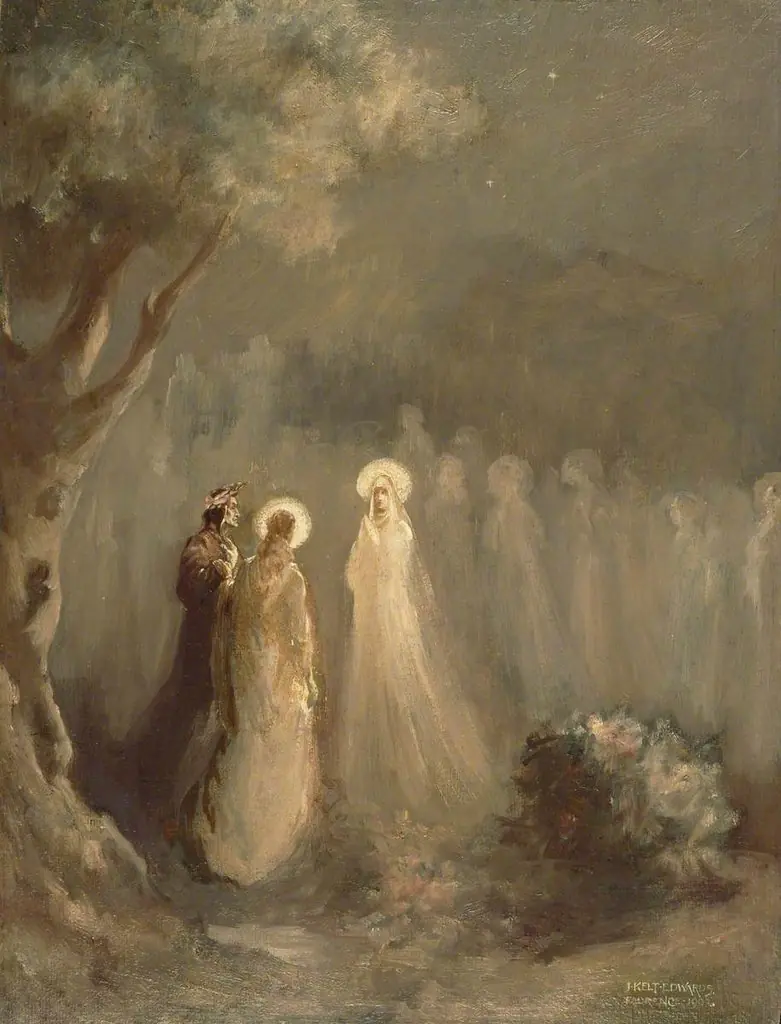 Illustration
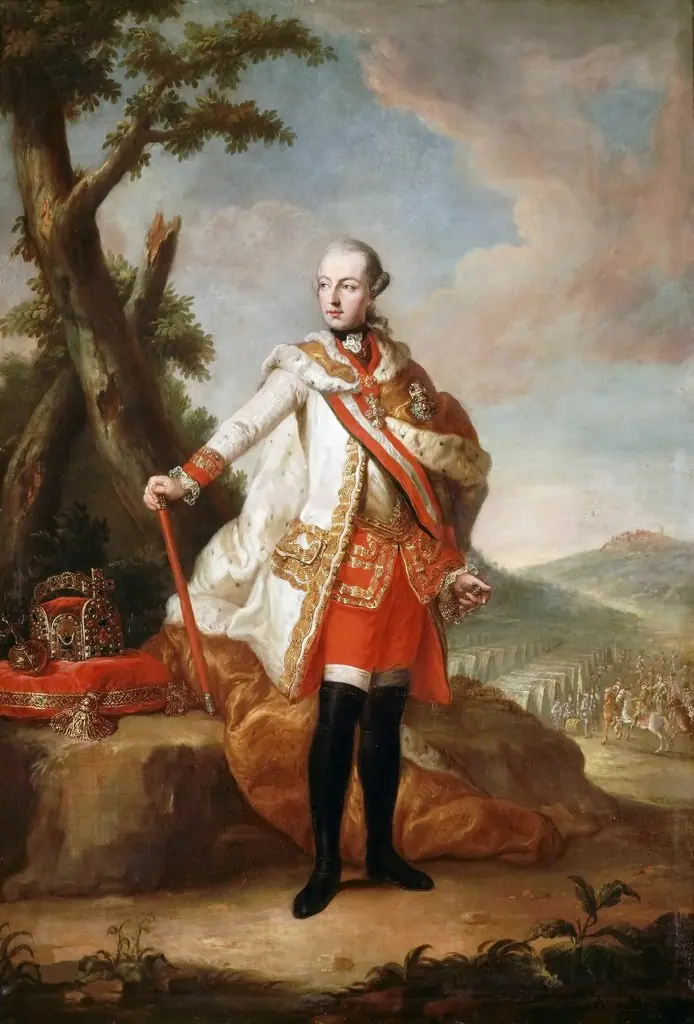 Joseph II, Emperor of Germany (1741-1790)
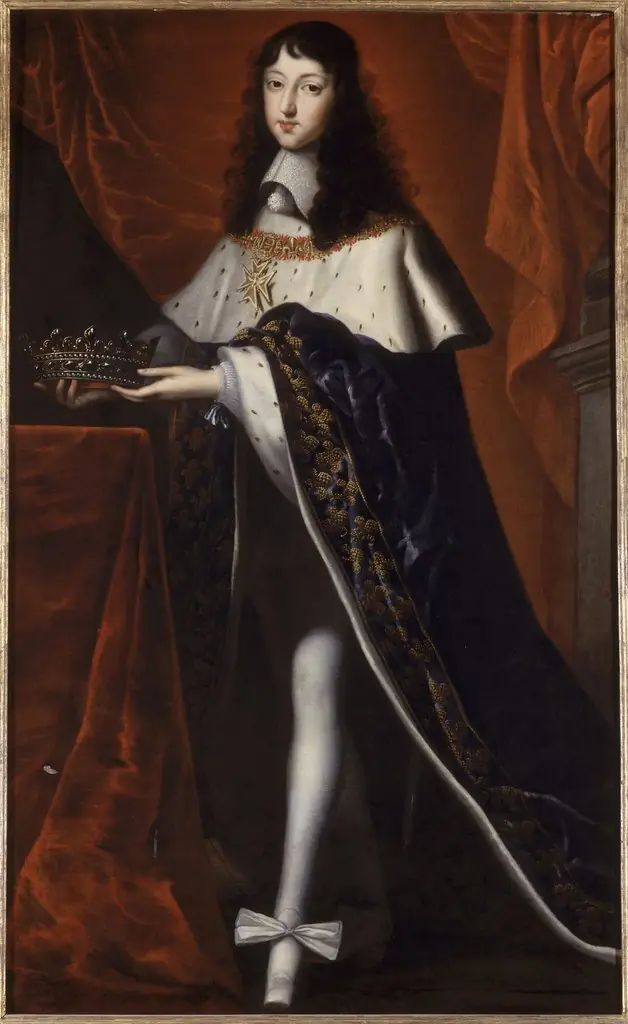 Philippe of France, Duke of Orleans
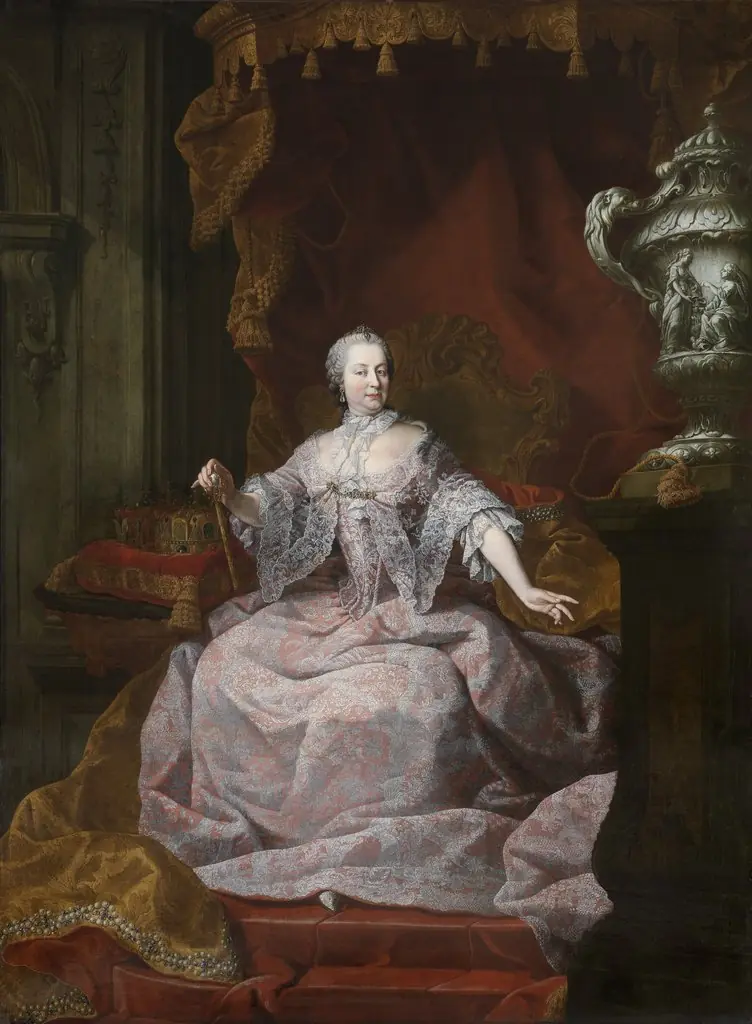 Portrait of Empress Maria Theresa
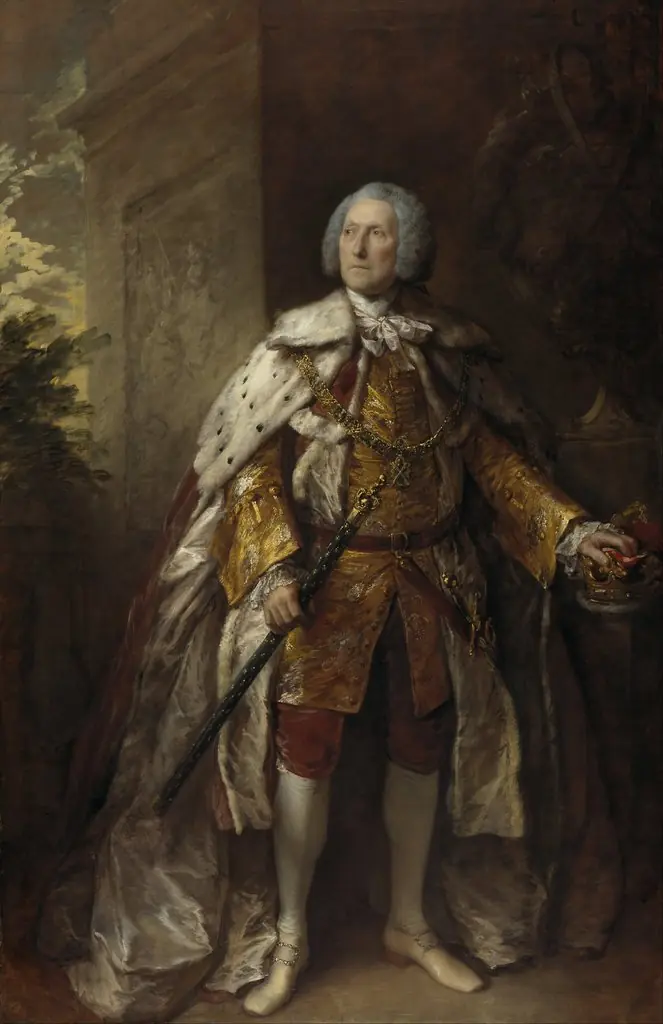 John Campbell, 4th Duke of Argyll
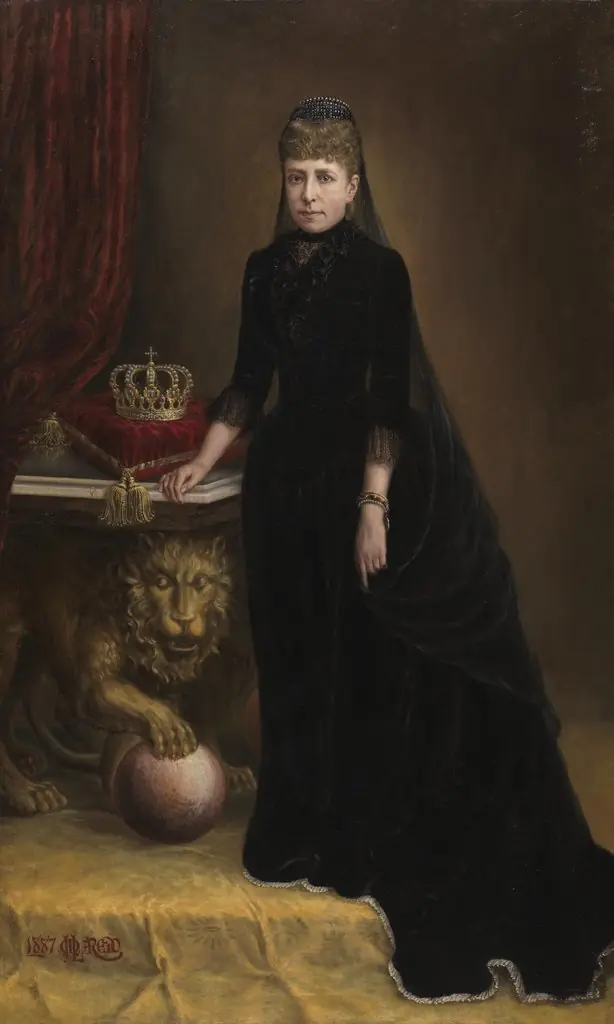 María Cristina de Habsburgo-Lorena
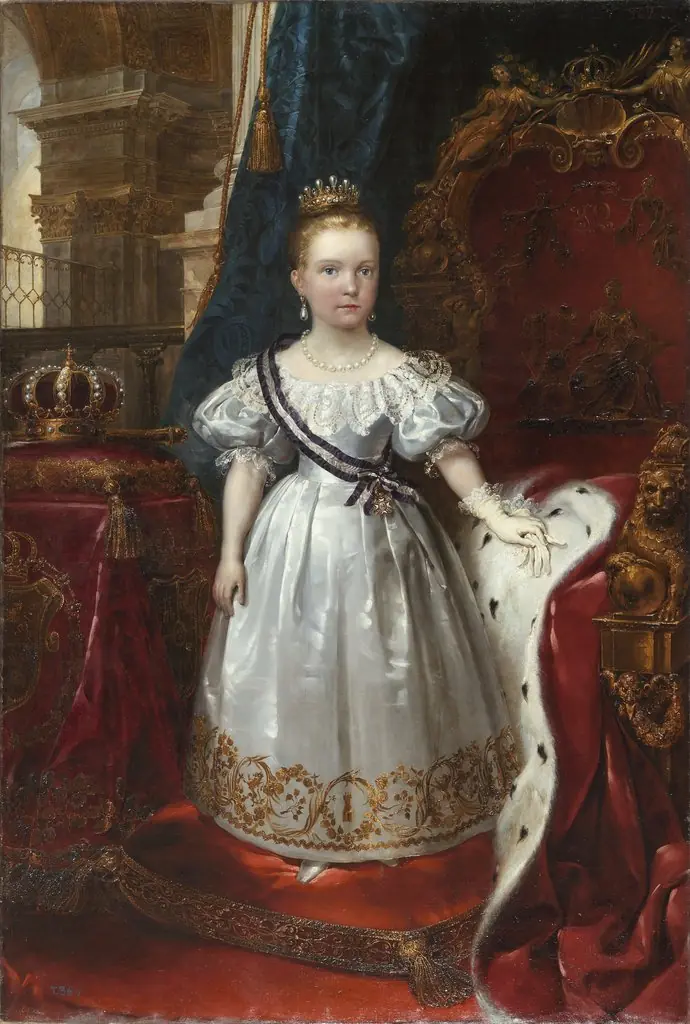 Isabel II, niña
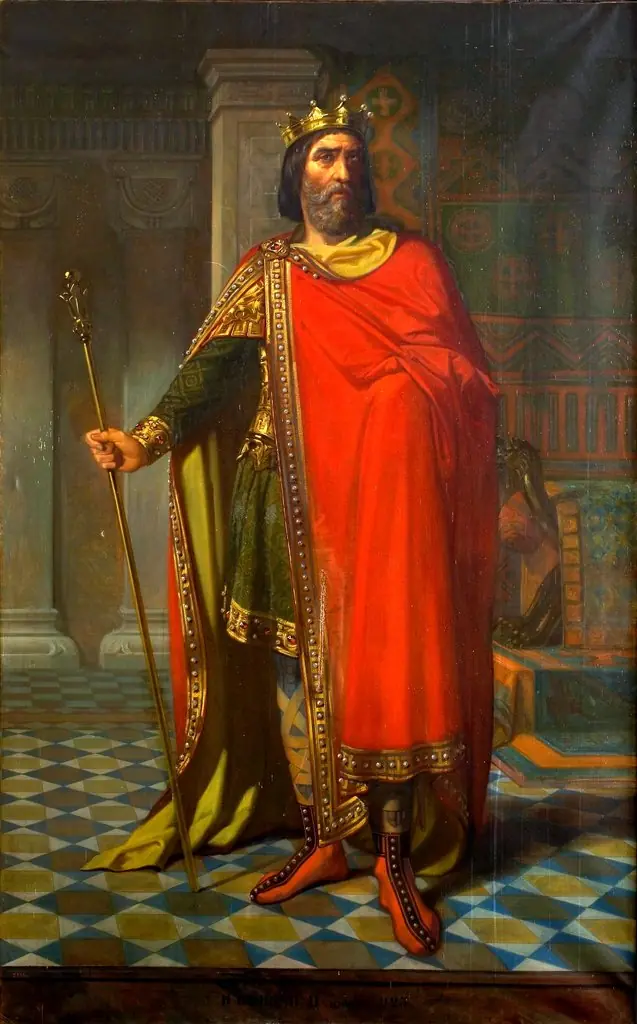 Ordoño II rey de León
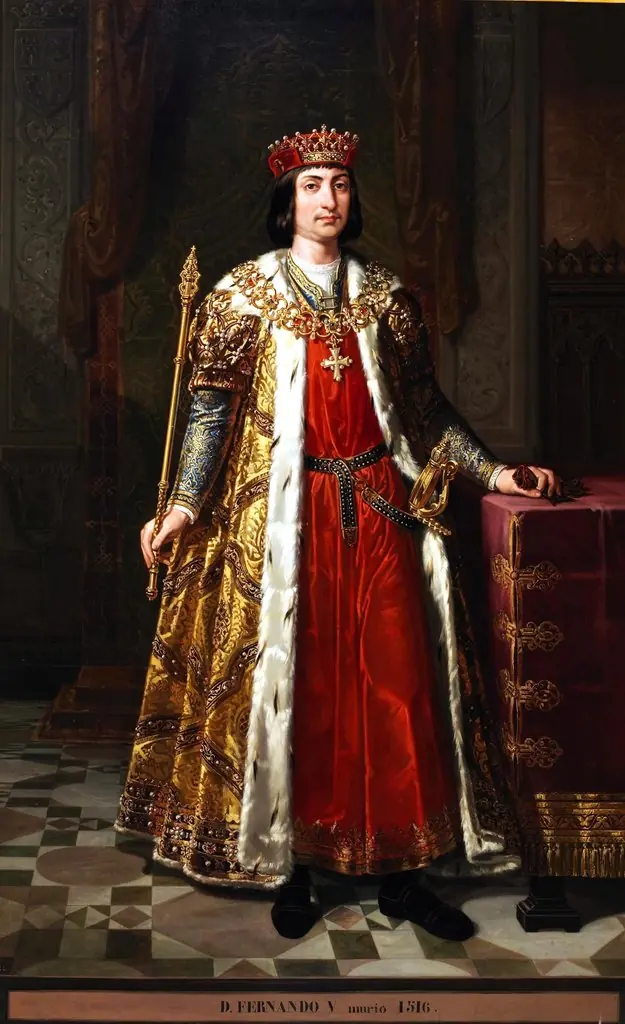 Fernando el Católico
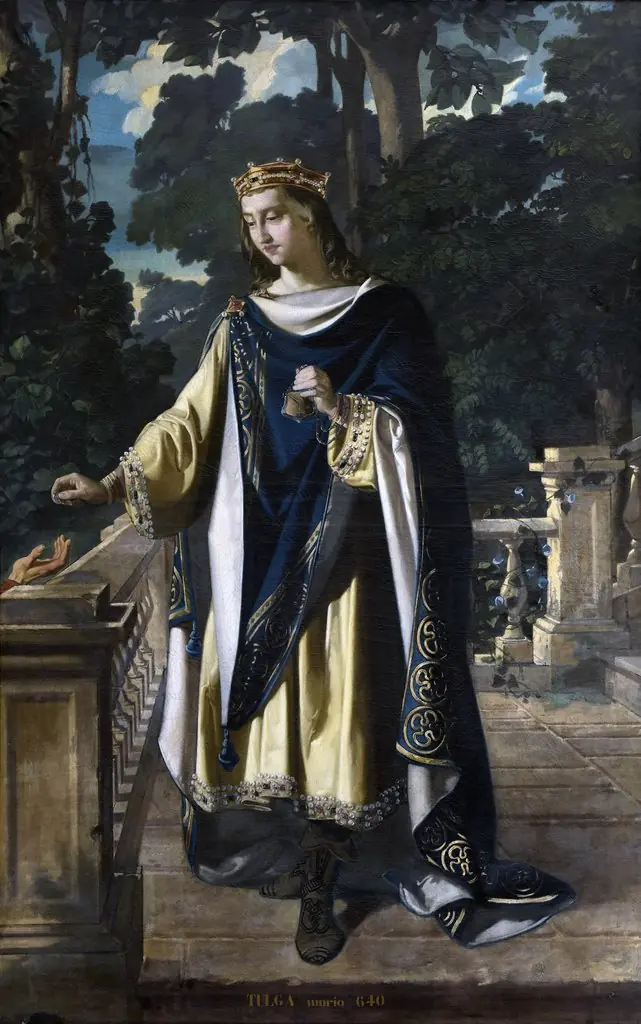 Tulga
Tulga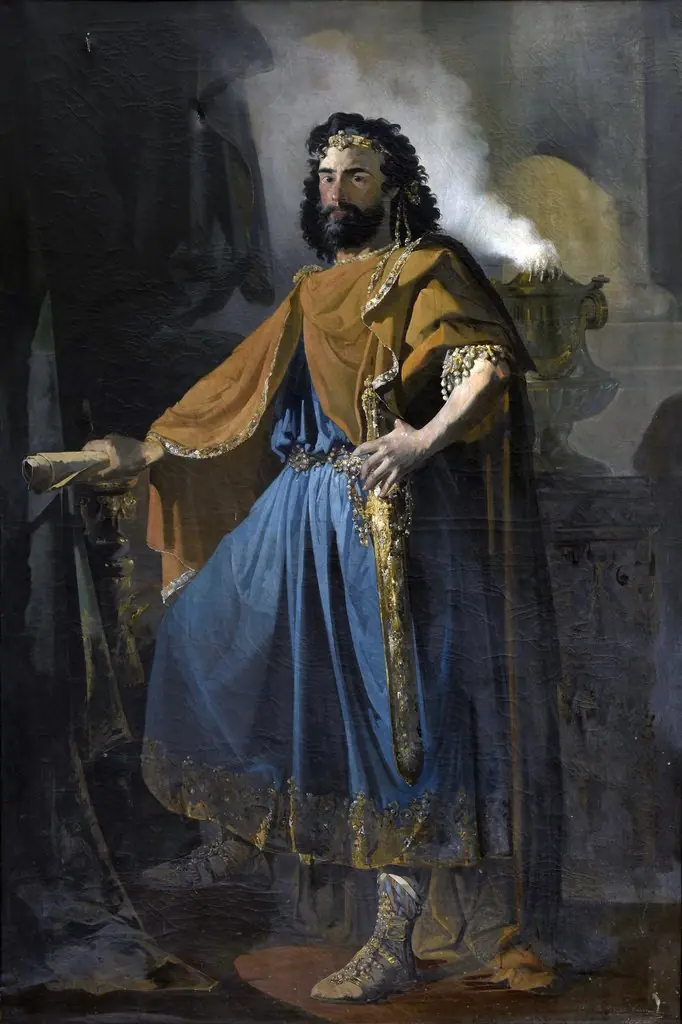 Eurico
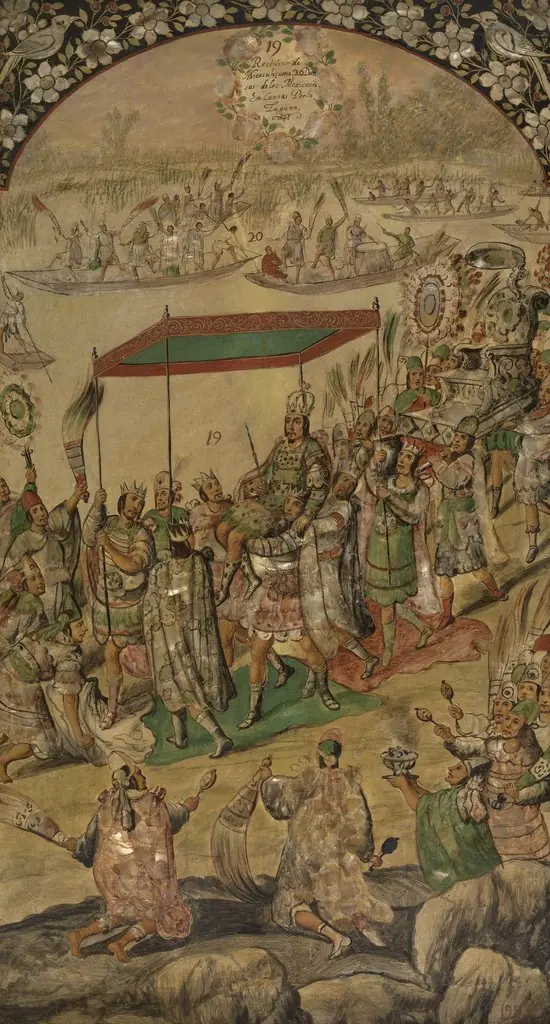 Conquest of Mexico. Reception of Moctezuma
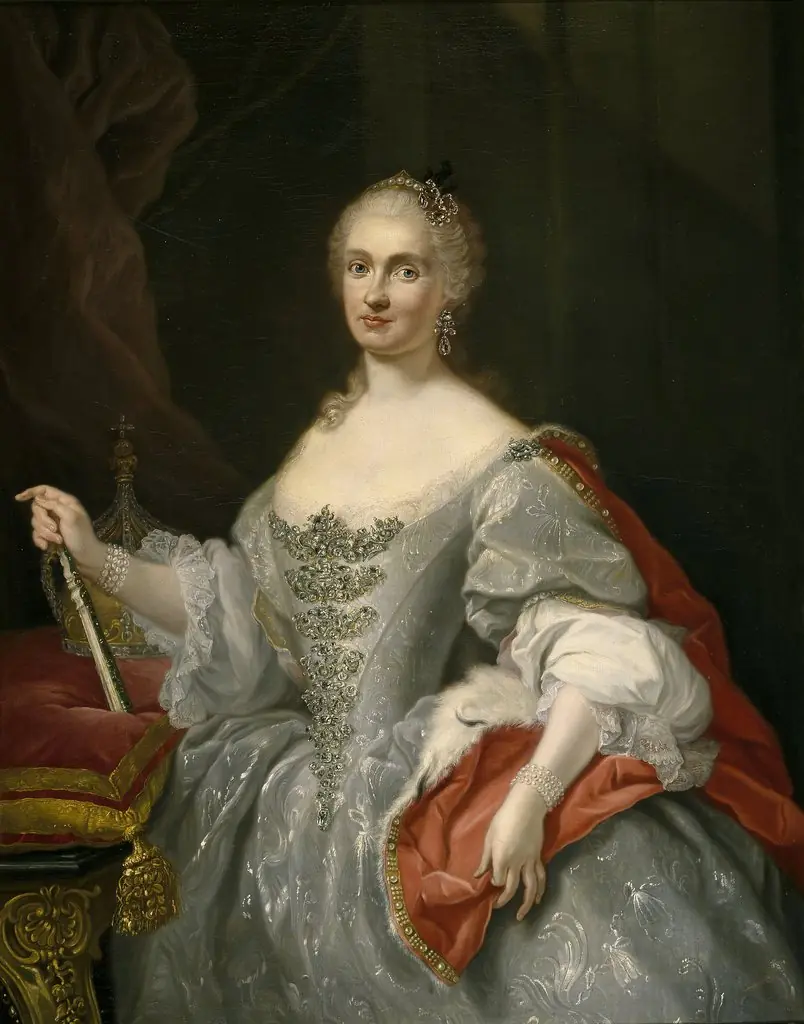 Queen Maria Amalia of Saxony
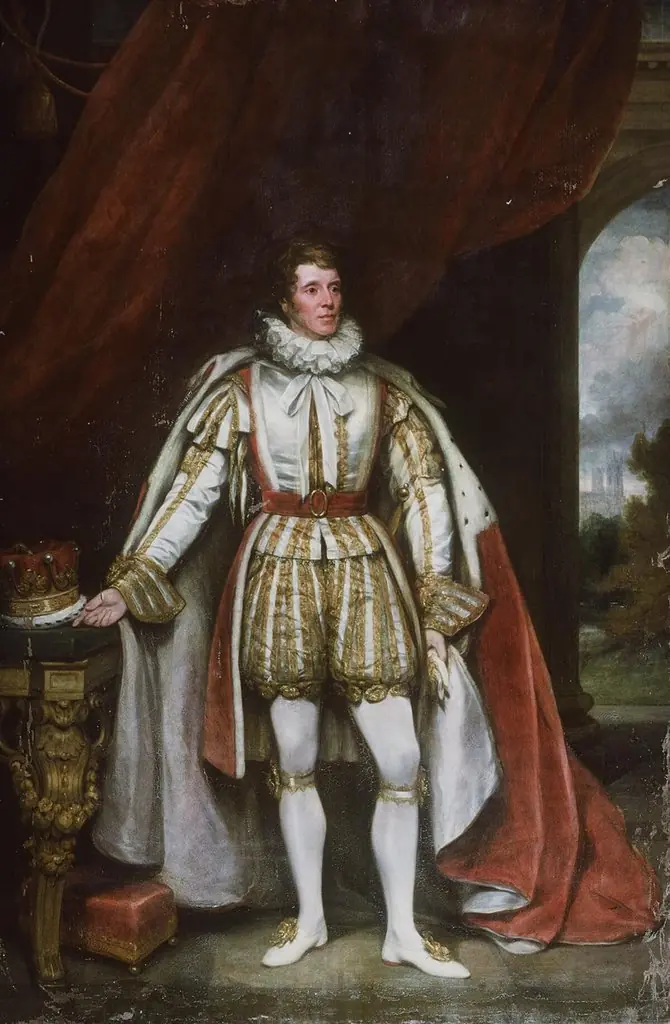 Henry Windham, 2nd Earl of Dunraven
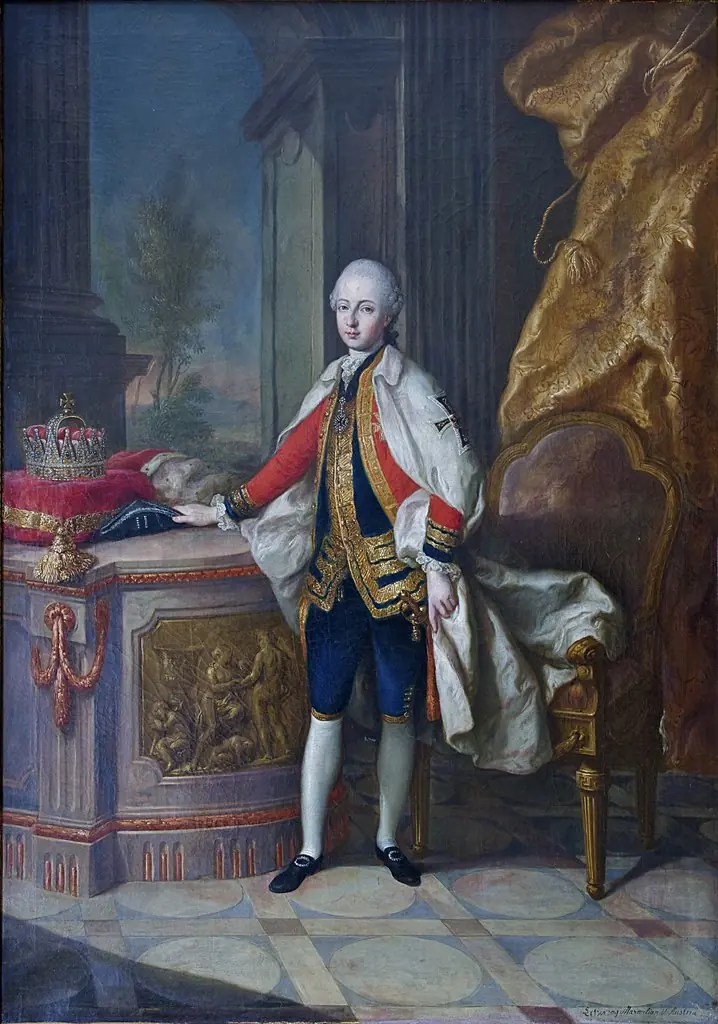 Maximilian, Archduke of Austria (1756-1801)
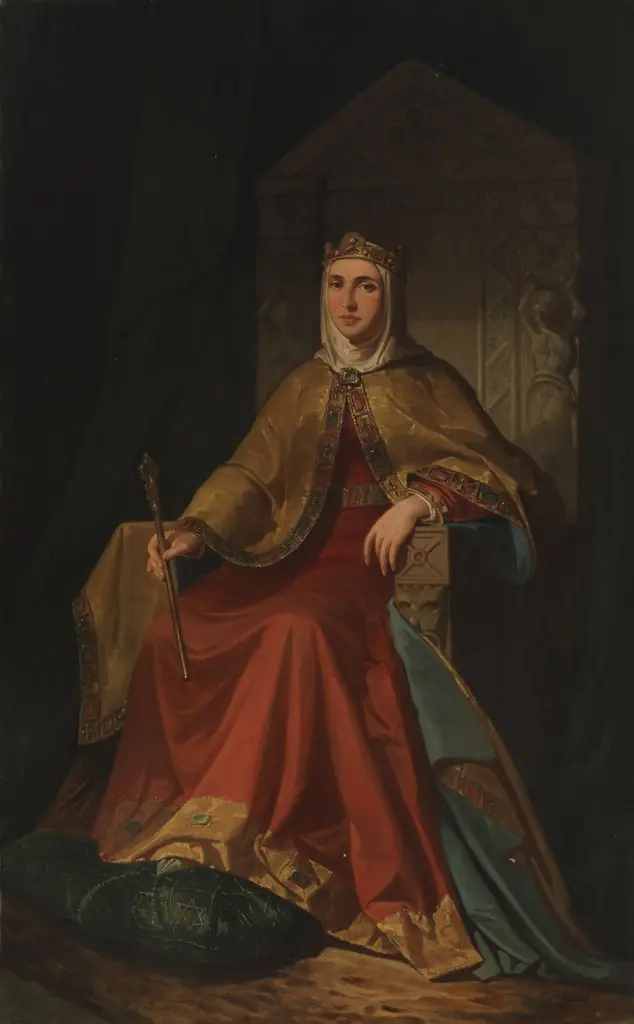 Sancha
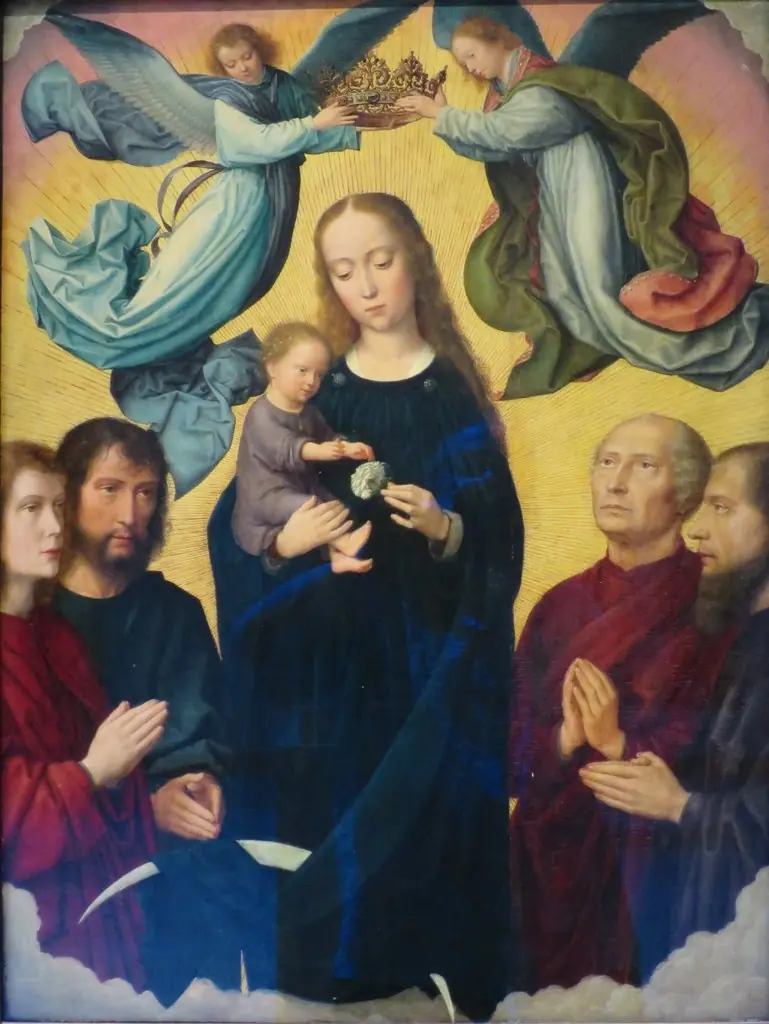 Coronation of the Virgin, Maria in Sole
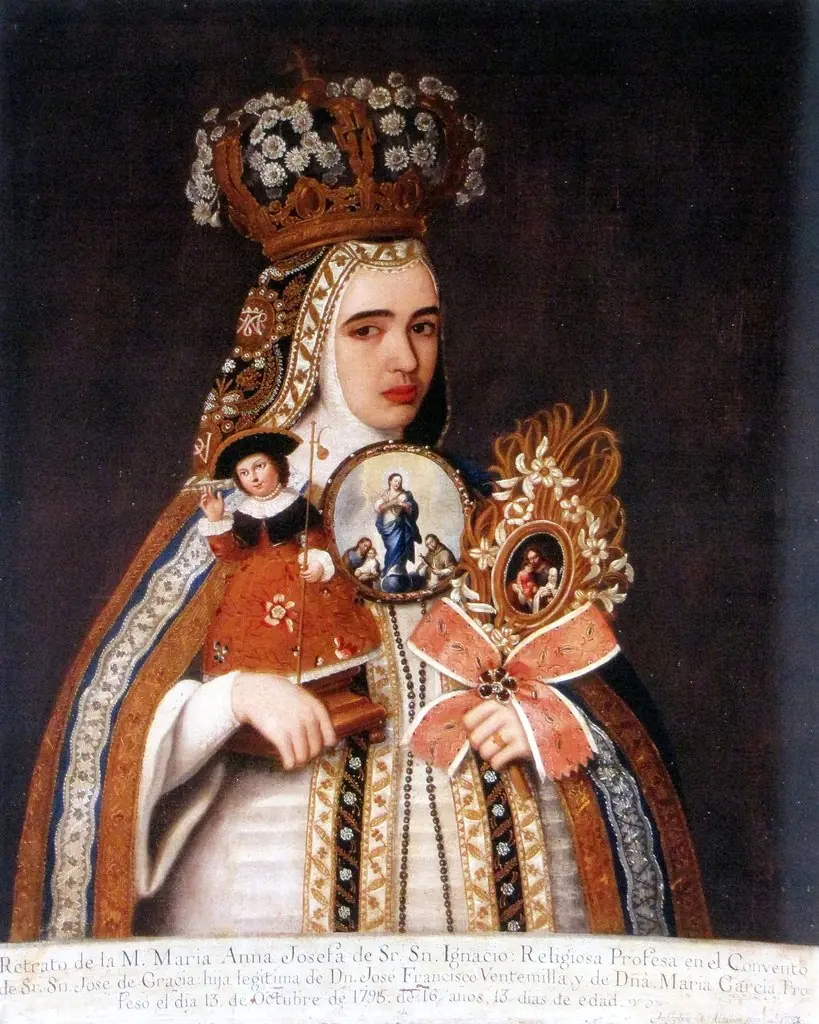 Votive Portrait of Sor M. María Anna Josefa de San Ignacio
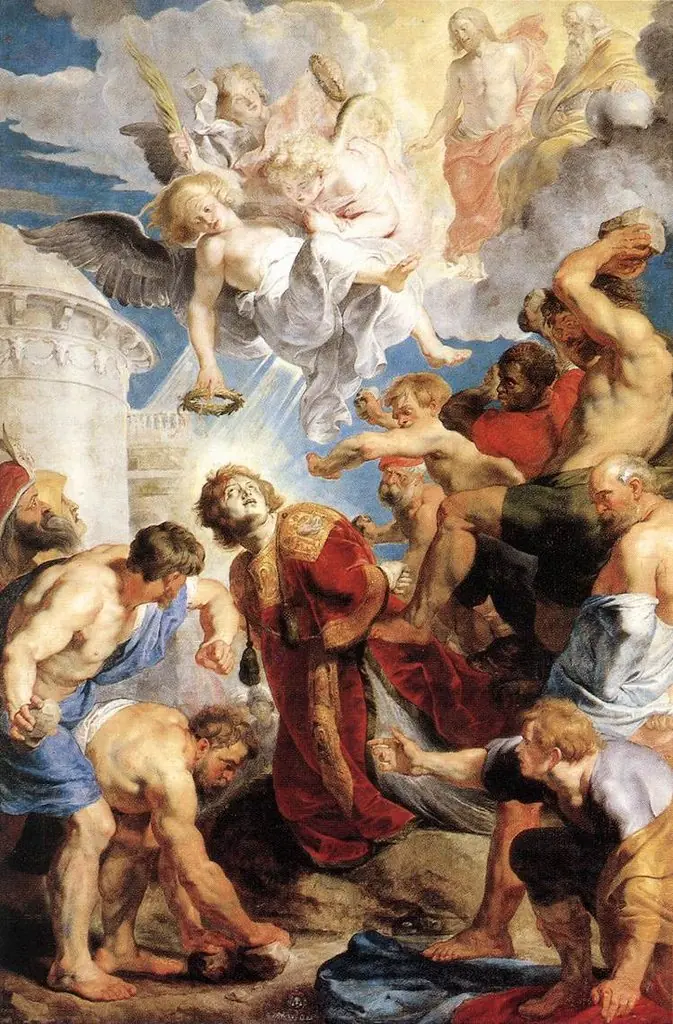 Martyrdom of Saint Stephen (central panel)
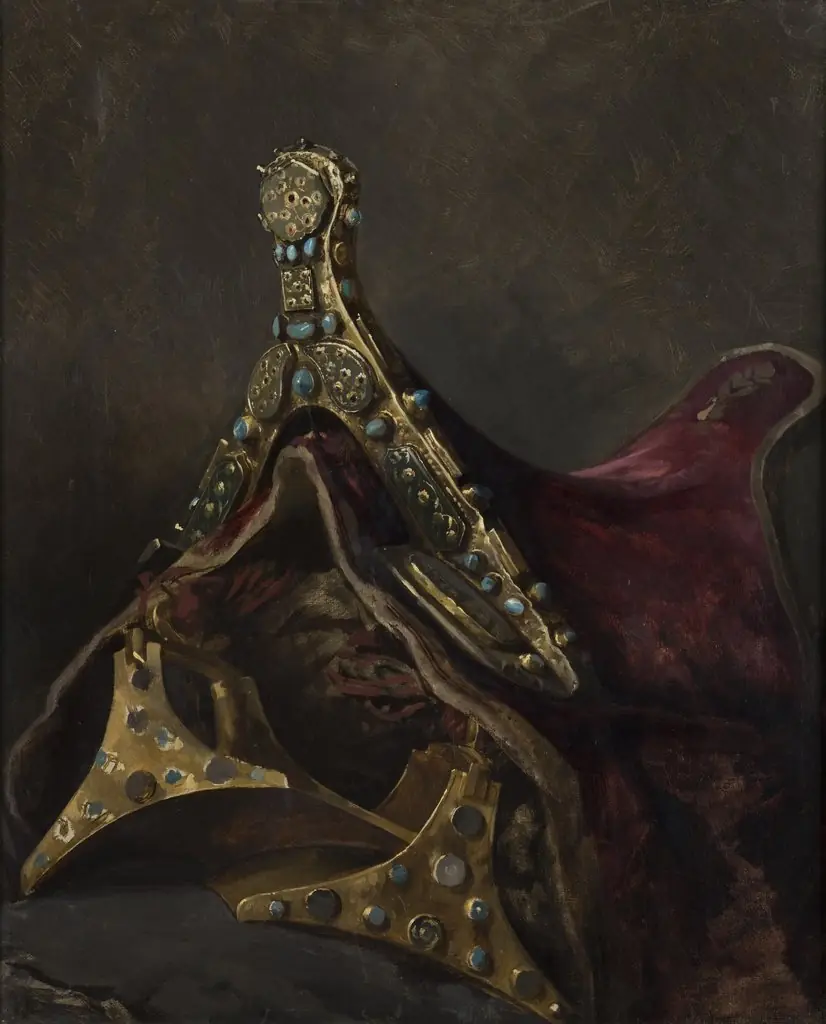 Study of Stirrups and a Saddle
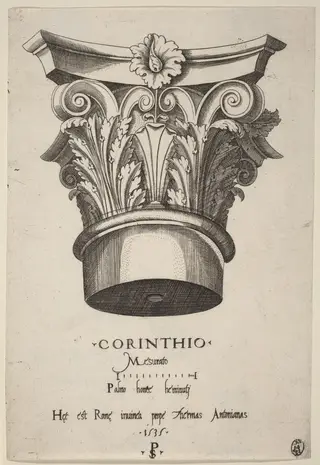 Capitals from the Baths of Antoninus, Rome
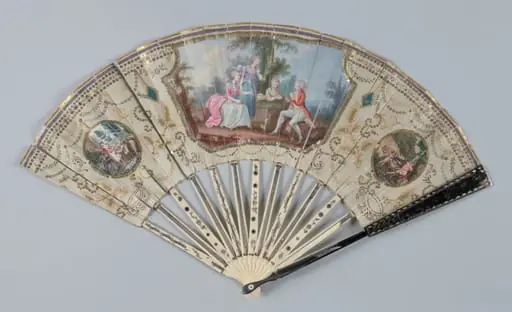 Eventail plié
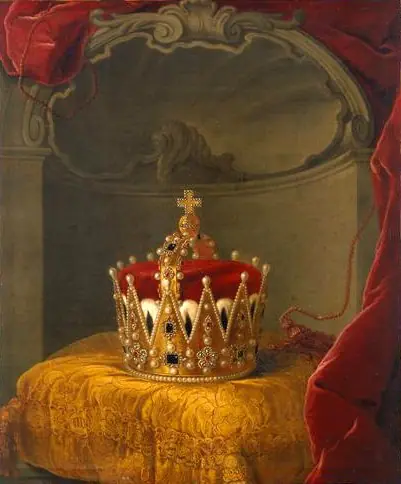 Picture of the baroque copy of the Austrian archiducal crown
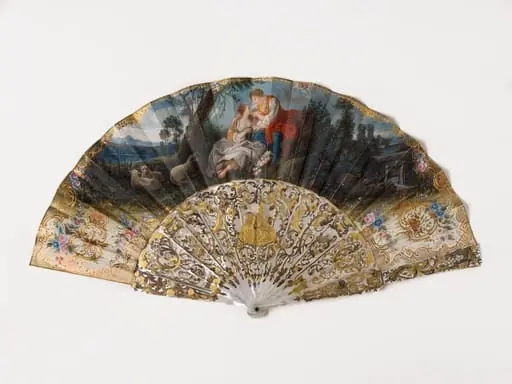 Eventail plié
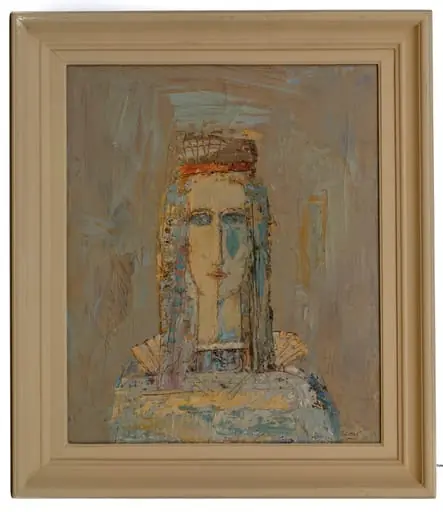 Portret de fată
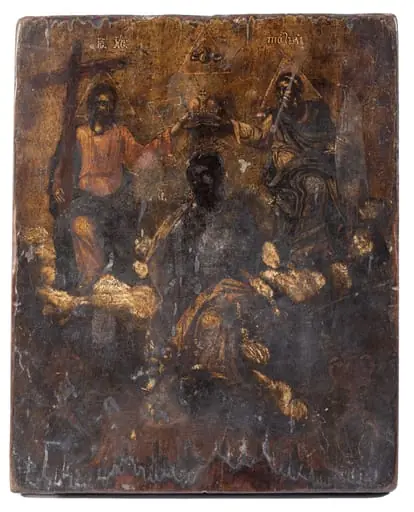 Încoronarea Fecioarei - reprezintă în centrul compoziției pe Fecioara Maria, în planul al doilea pe Iisus Hristos și Dumnezeu Tatăl ținând o coroană în mâini.
 Voievod
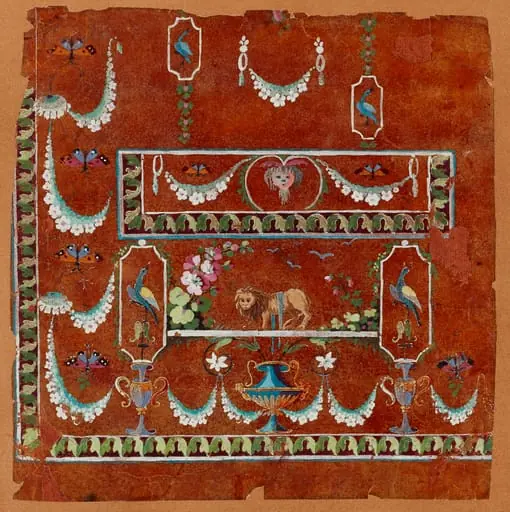 Gilet décor à grotesques, projets de broderies de gilet, XVIIIeme siècle
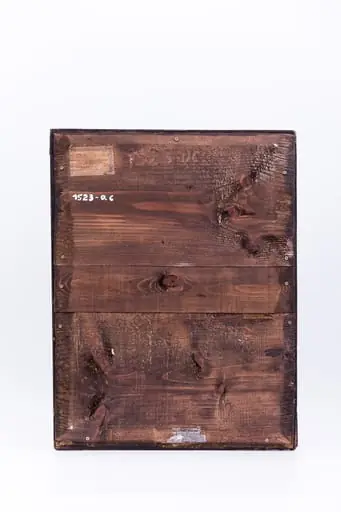 Icoana este deosebită, prin tematica iconografică abordată: Încoronarea Maicii Domnului. În centrul icoanei este Maica Domnului Împărăteasă, pe tron arhieresc, cu Pruncul iisus Hristos în brațe. Maica Domnului este îmbrăcată în veșmânt albastru bleumarin, iar Pruncul Iisus Hristos este înveșmântat cu alb-albastru. Pruncul Iisus ține în mână globul pământesc. În dreapta Maicii Domnului este Sfântul Mare Ierarh Nicolae făcător de minuni, îmbrăcat în veșminte arhirești, cu mantie roșie vermillon, mithră, cârjă mitropolitană. În stânga Maicii Domnului este Sfântul Mare Prooroc Ioan Botezătorul și Înaintemergătorul Domnului Iisus Hristos. Sfântul Ioan Botezătorul are și culoarea verde în combinația cromatică a veșmântului. Verdele este culoarea Sfântului Ioan. În registrul superior, sunt Sfinții Arhangheli Mihail și Gavriil, așezând coroana de Împărăteasă a Cerurilor pe capul Maicii Domnului. Aripile Sfinților Îngeri sunt galbene. Se remarcă mandorle de nouri albi-gri, în registrul superior. În registrul inferior, este un postament cărămiziu. Cromatica este armonioasă: roșu vermillon, orange, cărămiziu, galben chihlimbar, albastru ceruleum, cobalt, bleu-ciel, alb, negru, verde de China. Inscripția din româno-chirilică se traduce: IC XC MP Iisus Hristos Maica Domnului Sfântul Nicolae Sf Ioan Botezătorul Pocăiți-vă. Icoana este de Valea Sebeșului.
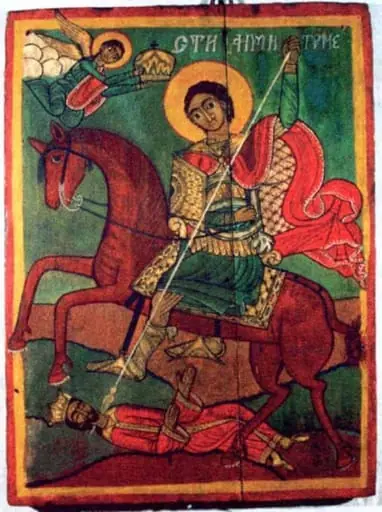 Sfântul Dimitrie
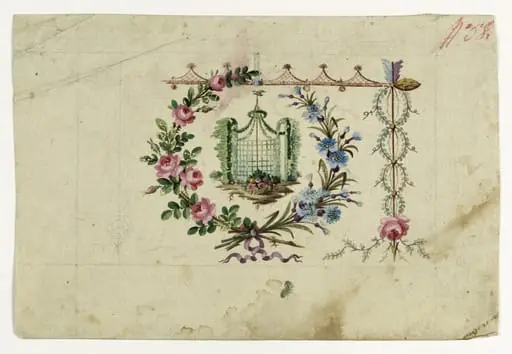 Kiosque entouré d'une guirlande, projets de broderies de gilet, XVIIIème siècle
 Peisaj
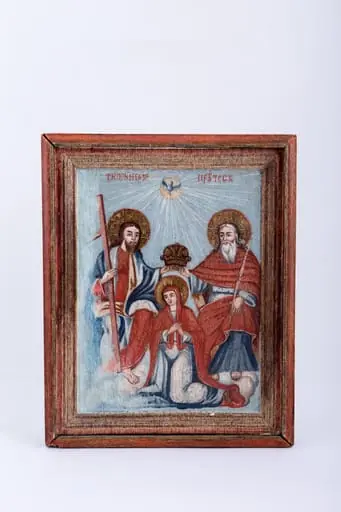 Maica Domnului este ridicată în timpul de rugăciune și ascultare, smerenie și primire de bunăvoie. Dumnezeu-Tatăl, Dumnezeu-Fiul și Maica Domnului sunt înveșmântați în roșu sângeriu, alb și albastru bleu-ciel. În registrul îndepărtat superior este cerul albastru, Dumnezeu-Fiul ține cu brațul drept Crucea, iar Maica Domnului are mâinile împreunate în cruce pe piept. Dumnezeu-Tatăl și Dumnezeu-Fiul așează împreună coroana de împărăteasă a Cerurilor pe capul Fecioarei Maria. Inscripția în chirilică se traduce Încoronarea Maicii Domnului. În registrul superior, este Sfântul Duh pogorându-se sub formă de porumbel alb, printr-un mănunchi de raze luminoase. Cromatica este luminoasă și armonioasă: roșu sângeriu, albastru bleu-ciel, alb, negru. Trăsăturile chipurilor sunt rafinat desenate. Inscripția în chirilică se traduce Încoronarea Maicii Domnului. Desenul, trăsăturile, veșmintele, drapajele sunt realizate într-o manieră pictural-barocă.
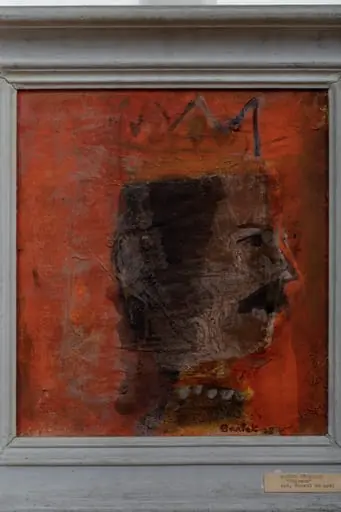 Voievod
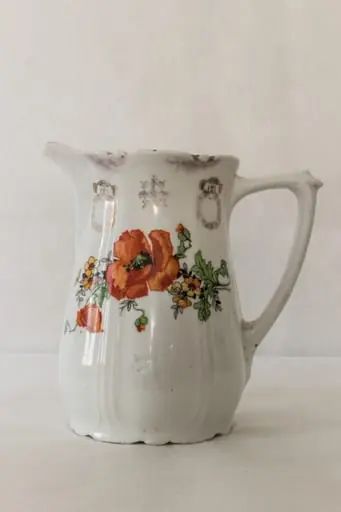 Vas cu corpul ușor bombat în partea centrală, prevăzut cu o toartă prinsă în două puncte și un cioc ușor alungit, smălțuit (glazurat) în exterior și interior, cu fine creneluri dispuse pe verticală, cu gura și fundul vălurite parțial. Este decorat pe suprafața exterioară cu două motive florale (buchete de maci și gălbenele), motive florale stilizate și elemente heraldice. Pe fundul vasului apare marca producătorului Kuno Steinmann, sub forma unei coroane regale (în care apar înscrise literele K.St.T.), un S deasupra și SILESIA sub coroană. Cromatică: alb, roșu, galben, portocaliu, verde, argintiu, negru.
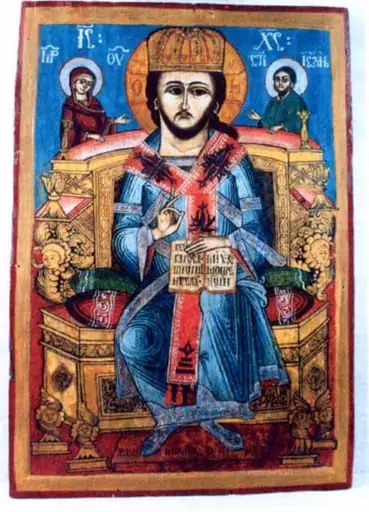 Hristos veșnic Arhiereu
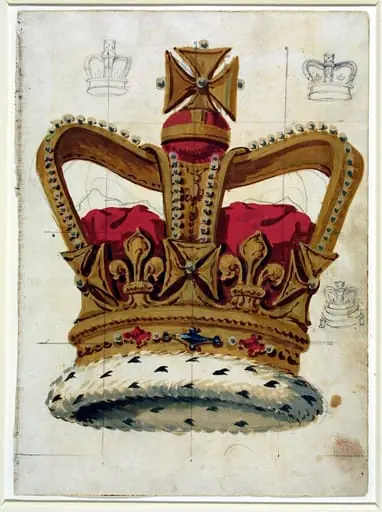 Design for an inn sign
Frequently asked questions
What is Crown?
Crown is a subject in art. family name
How many Crown works does Artifact World Gallery have?
Artifact World Gallery holds 183 public-domain Crown works, all free to view and download.
Who are the key Crown artists?
Key Crown artists in the collection include Titian, Paolo Veronese and Lorenzo Lotto.
Where can I see Crown works?
Crown works in the collection are held by Museo del Prado, Palace of Versailles and Hermitage Museum.