Subject
Book
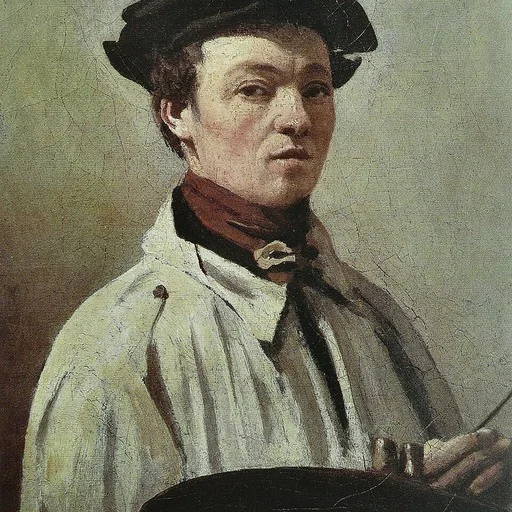
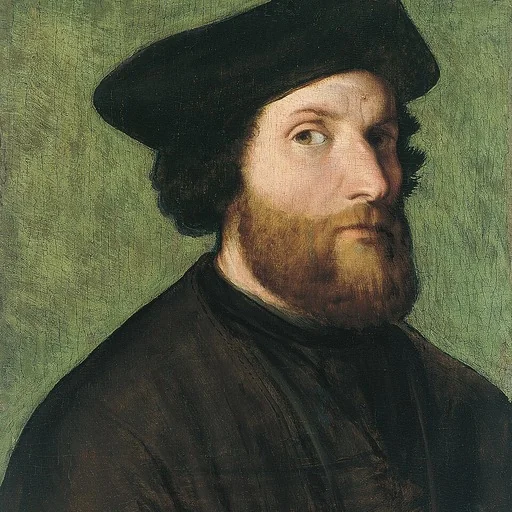
Book is a subject in art. The gallery holds 200 works in this subject in art, including works by Titian, Paolo Veronese and Jean Baptiste Camille Corot.
The book is one of the most enduring objects in Western art, present from the codices of late antiquity through to modern still life and portraiture. Long before it became a subject in its own right, the book was the very medium of art: the medieval illuminated manuscript fused text and image, decorating gospels and psalters with miniatures, gilded initials and intricate borders at a time when most owners could not read fluently. From this tradition the book entered painting as a charged symbol—of divine revelation, learning, social standing and the slow growth of literacy—carried by the Evangelists, Church Fathers and enthroned Madonnas of the Gothic and early Renaissance.
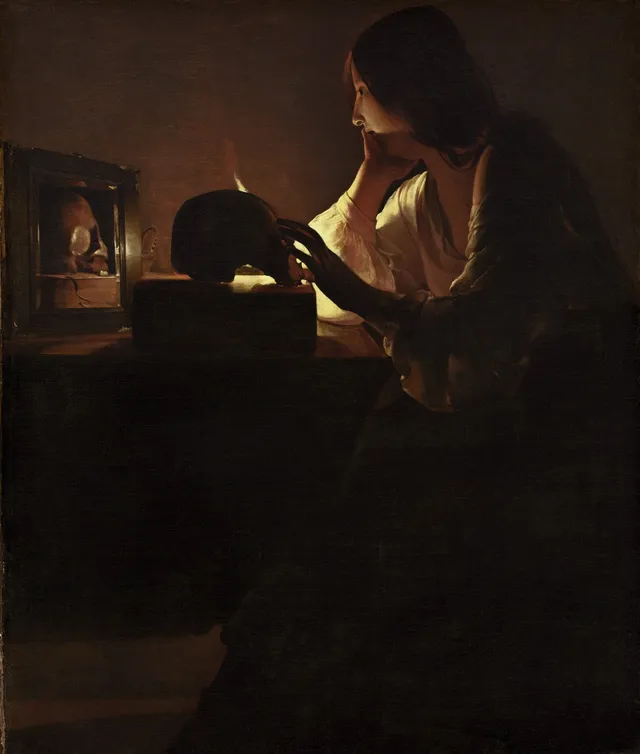
As an attribute, the open book signified authority and inspiration; a closed one, contained wisdom. Saints were identified by their texts, and the Virgin Annunciate was increasingly shown reading at the moment of Gabriel's arrival, casting Scripture as the vehicle of grace. The penitent Magdalen acquired the book as a sign of the contemplative life, most famously in Rogier van der Weyden's mid-fifteenth-century 'The Magdalen Reading.' In Georges de La Tour's candlelit 'The Repentant Magdalen' (c. 1635–40), the volume beneath the skull joins mirror and flame as a vanitas meditation on mortality and renunciation.
With the Dutch Golden Age the book turned domestic and psychological. Johannes Vermeer set a missal among chalice and crucifix in his 'Allegory of the Catholic Faith' (c. 1670–72), while across his oeuvre the absorbed reader of letters became an emblem of private interiority. Genre and portrait painters used books to denote education and virtue, as in Francis Wheatley's family groups and Seymour Joseph Guy's domestic conversation pieces.
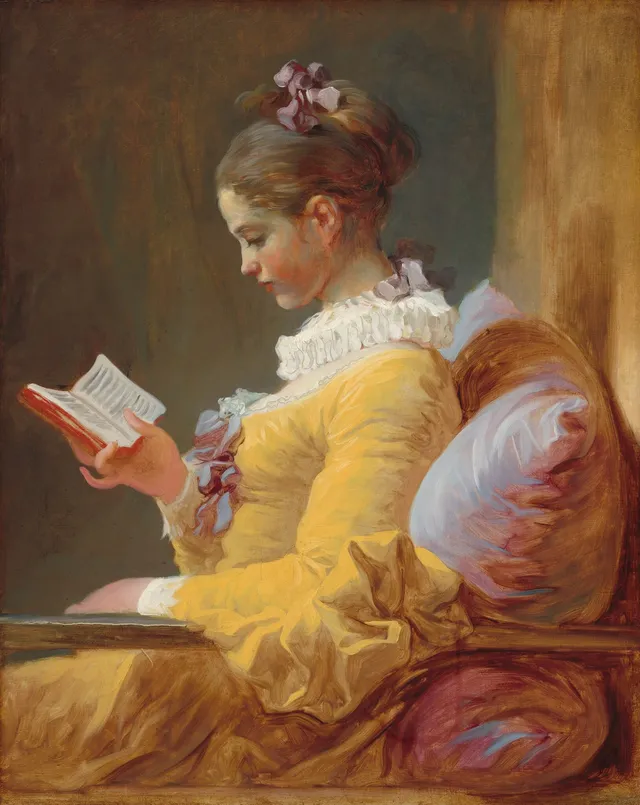
The Enlightenment recast reading as pleasure rather than duty. Jean-Honoré Fragonard's luminous 'Young Girl Reading' (c. 1770) presents absorption as quiet, sensuous delight—part of a wider iconography of women reading that paralleled rising female literacy. From devotional attribute to symbol of the inner life, the book remained a versatile motif, linking sacred art, vanitas, genre painting and the modern portrait of the thinking self.
Key artists
Iconography & meaning
The iconography of the book in art is extraordinarily rich, shaped by its material history and cultural functions. As a written work of substantial length created by one or more authors, distributed in forms including printed books, audiobooks, and electronic books, the book signifies multiple layers of meaning depending on context. The physical codex format, composed of many pages bound together and protected by a cover, became the dominant form after the wide adoption of the modern printing press, though earlier handwritten manuscripts held particular prestige. In religious contexts, the book evokes sacred scripture and divine authority, as seen in depictions of the Magdalen or allegories of faith. In portraiture, a book signals education, piety, or leisure, marking the sitter's social standing and intellectual pursuits. The act of reading, particularly by women, carries connotations of private contemplation and emerging literacy. Genre scenes featuring books, such as domestic interiors, often structure social hierarchies around access to knowledge and the gendered spaces of reading. The book's etymology, from Old English bōc possibly meaning beech, suggests the very materiality of early writing surfaces, grounding its symbolic power in tangible craft.
Across movements & periods
The treatment of the book in art evolved substantially across movements and periods, reflecting broader changes in technology, literacy, and social organization. Before the wide adoption of the modern printing press, codices were used to create handwritten manuscripts, and their representation carried connotations of rarity, expense, and monastic or scholarly labor. The transition from scroll to codex, which occurred between the 2nd and 4th centuries, represented a technological revolution that artists later referenced when depicting ancient or biblical subjects. The invention of printing around 1450 transformed the book from luxury item to increasingly accessible commodity, a shift reflected in the proliferation of books in domestic interiors from the Renaissance onward. The publishing industry has recently seen major changes due to new technologies, including ebooks and audiobooks, though these forms have yet to significantly penetrate traditional artistic representation. Across European art, the book's depiction tracked the expansion of literacy from clerical and aristocratic circles to the bourgeoisie, with Dutch Golden Age painting particularly celebrating the book as an element of prosperous household life. In later periods, awareness of the needs of people with print disabilities has led to a rise in accessible publishing formats such as braille printing and large-print editions, though these adaptations remain rarely depicted in fine art. The book's persistence as a subject even in an age of digital media suggests its continued symbolic resonance beyond its material form.
Legacy
The book's legacy in visual culture extends far beyond its representation in traditional media. With Google Books estimating in 2010 that roughly 130 million total unique books have been published, the book as an object and concept continues to command cultural attention even as digital forms proliferate. The reception of books has led to several social consequences, including censorship, and these tensions have in turn generated artistic responses. In contemporary practice, the book persists as a subject, though often now as a nostalgic or critical object rather than a transparent symbol of knowledge. The UNESCO designation of April 23 as World Book Day, established in 1995, institutionalizes the continued celebration of the book's cultural role. The collection's 740 works constitute a significant archive of how artists have mediated the book's meanings across centuries, preserving for contemporary viewers the evolving significance of this fundamental human tool. As electronic books and audiobooks expand the definition of what a book can be, the visual tradition of book representation faces the challenge and opportunity of engaging with immateriality, even as the bound codex retains its powerful aesthetic and affective presence.
Works
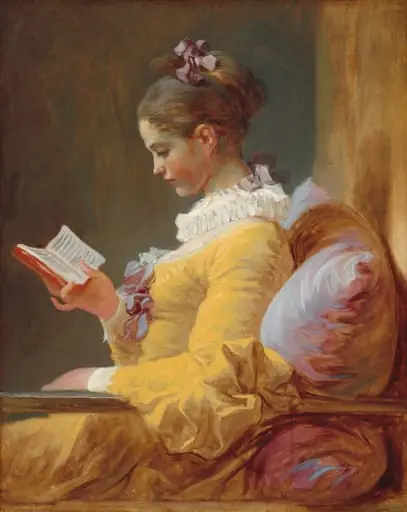 Young Girl Reading
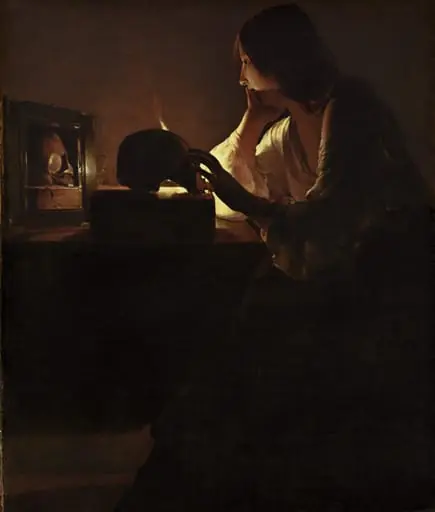 The Repentant Magdalen
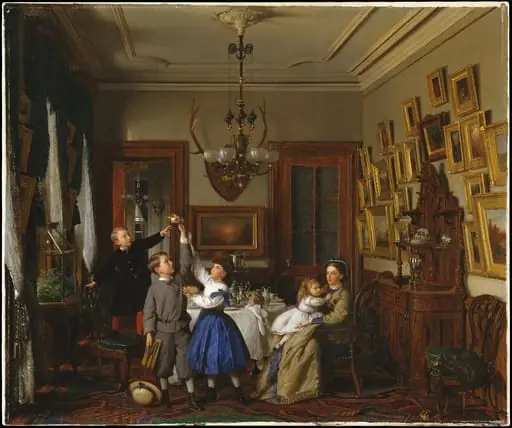 The Contest for the Bouquet: The Family of Robert Gordon in Their New York Dining-Room
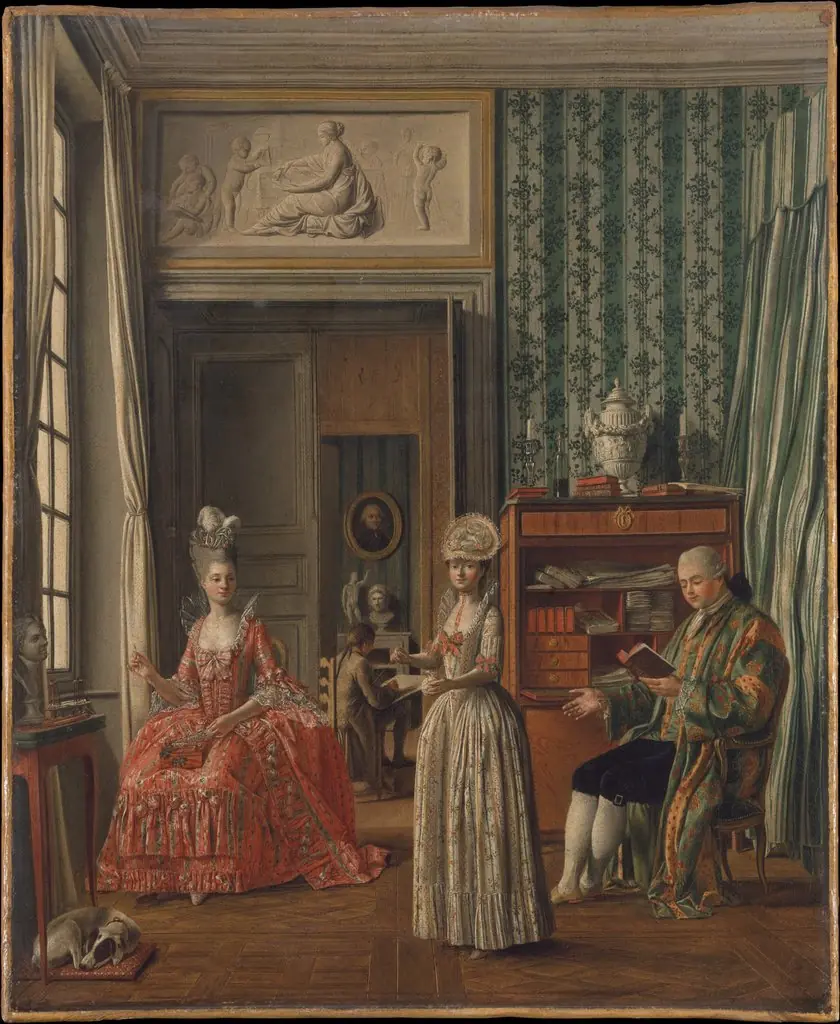 Domestic Scene
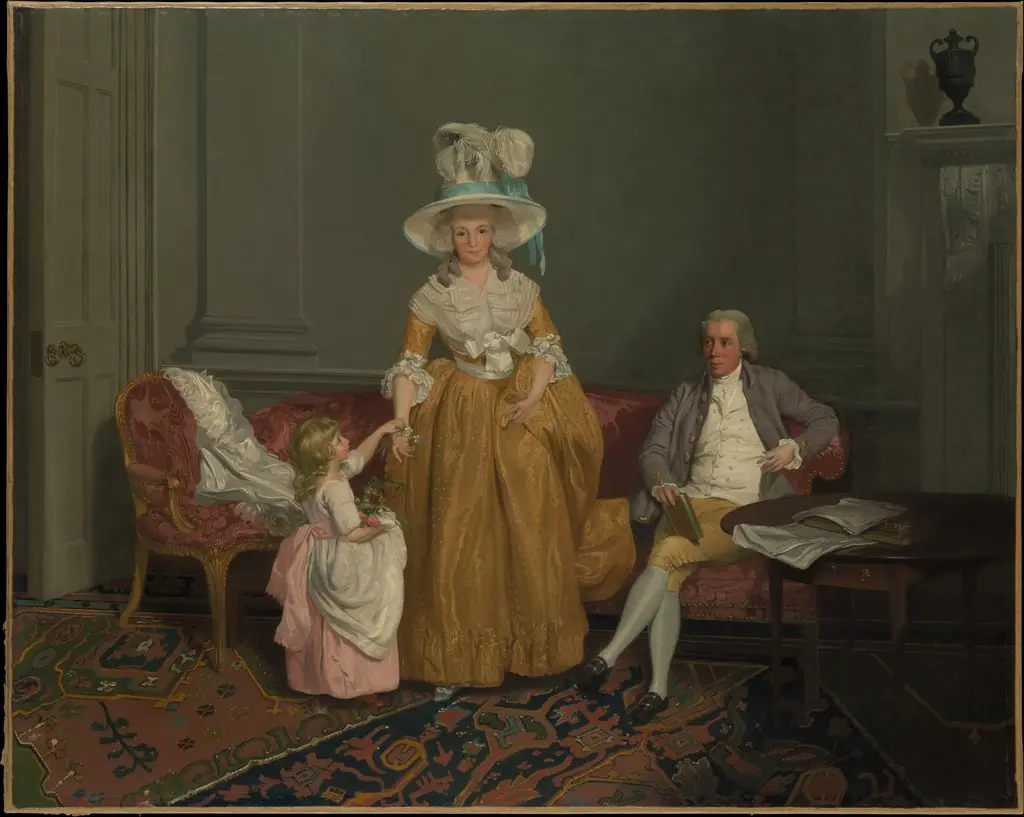 The Saithwaite Family
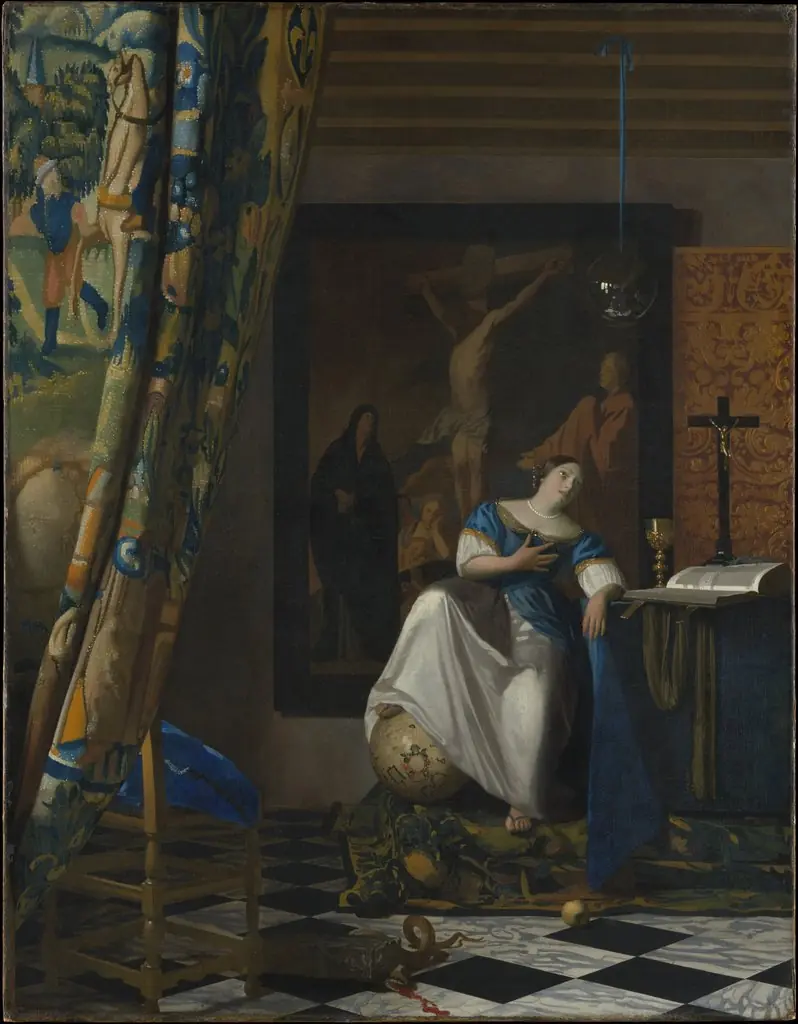 Allegory of the Catholic Faith
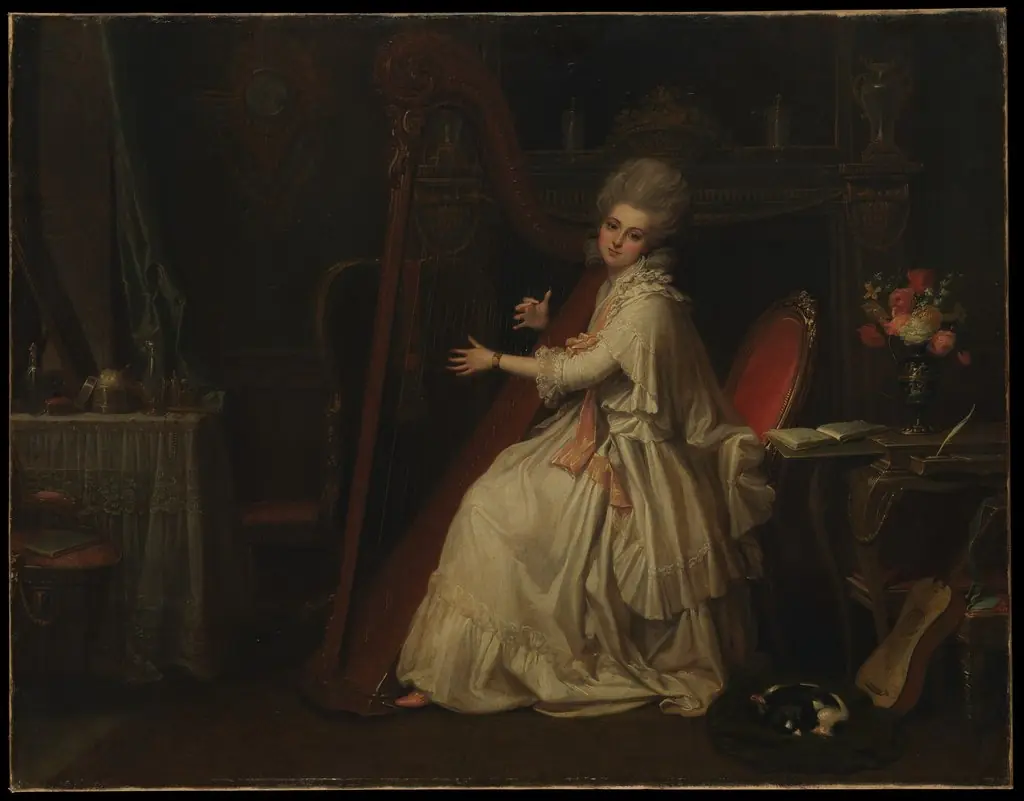 Portrait of Marianne Dorothy Harland (1759–1785), Later Mrs. William Dalrymple
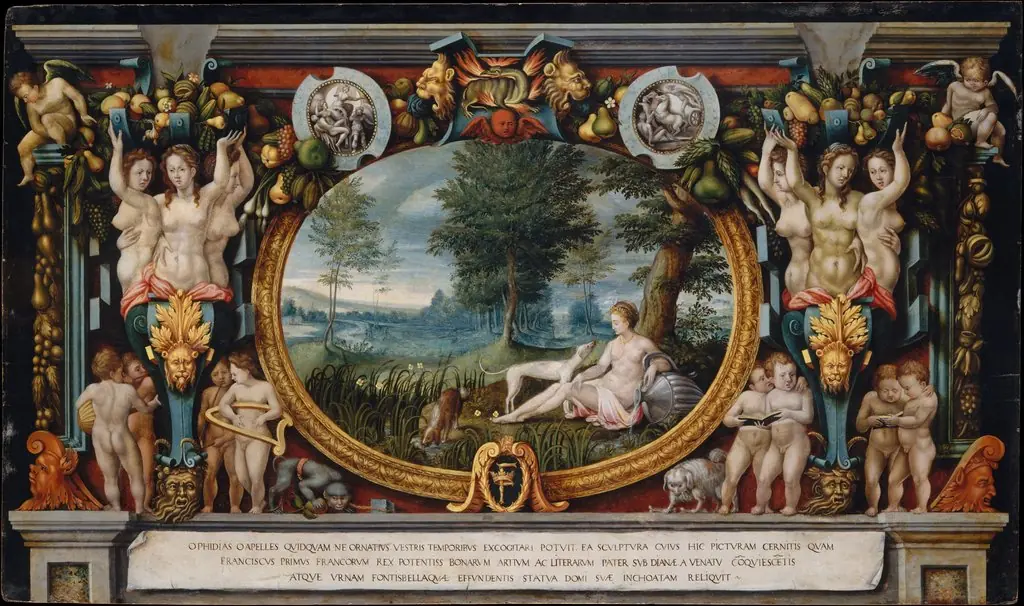 The Nymph of Fontainebleau
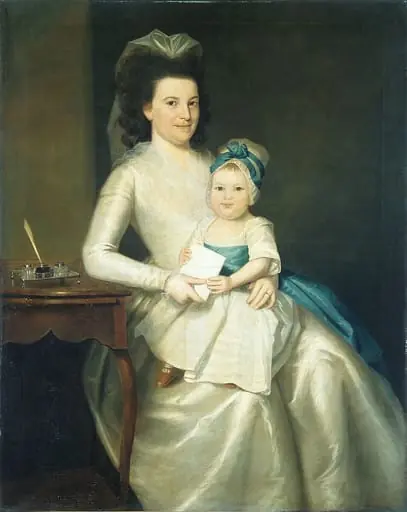 Lady Williams and Child
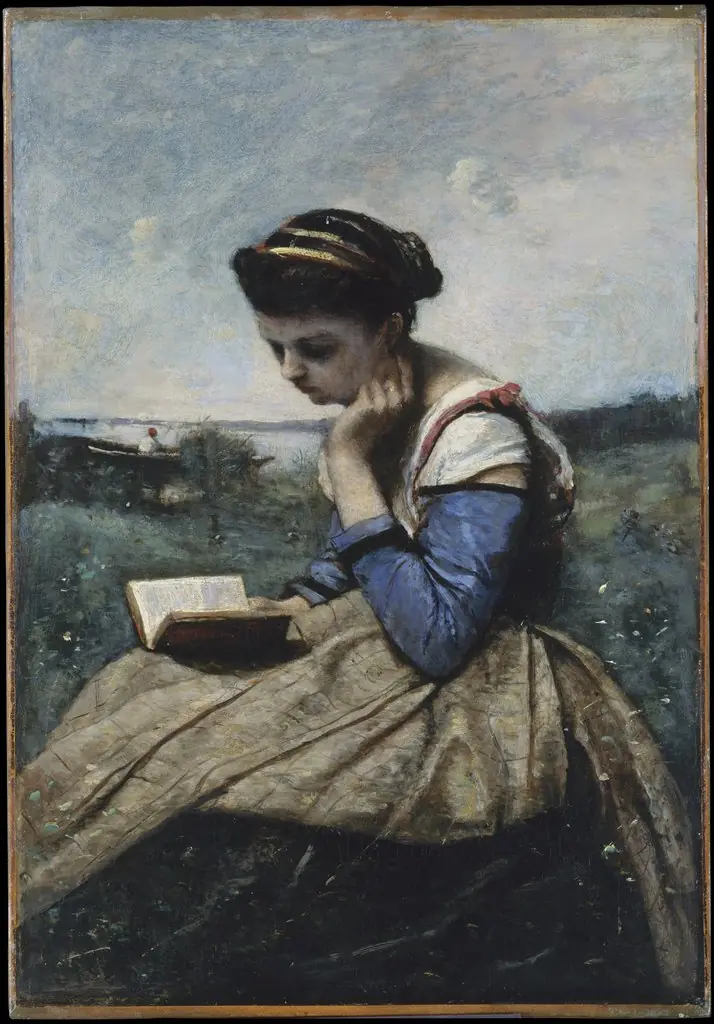 Femme Lisant
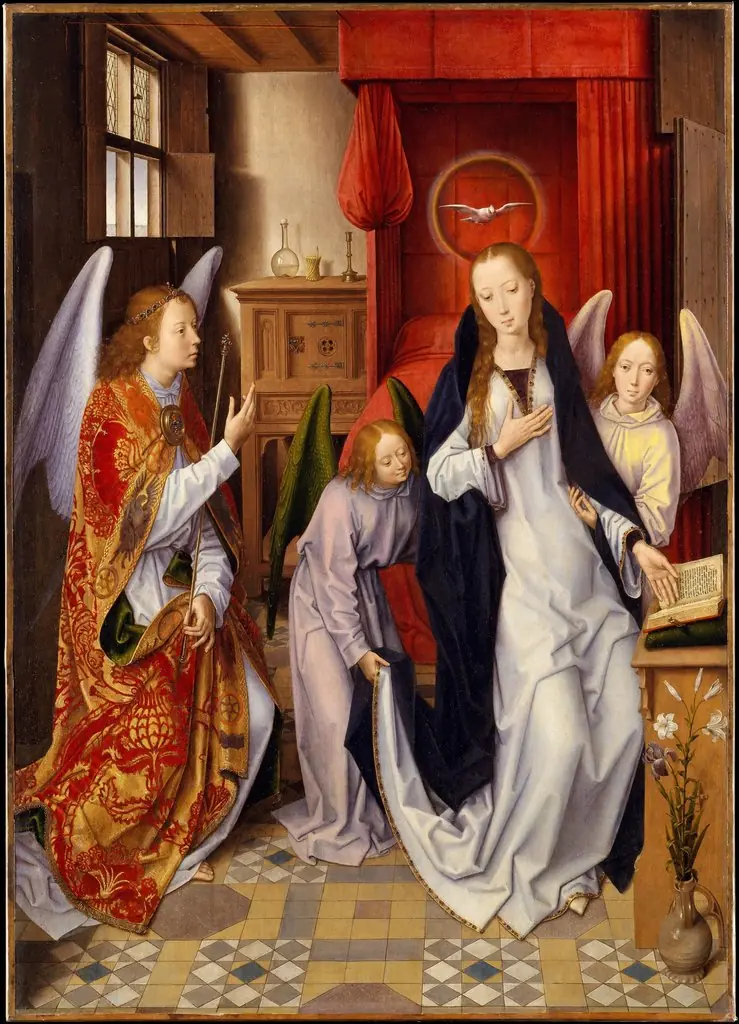 Annunciation
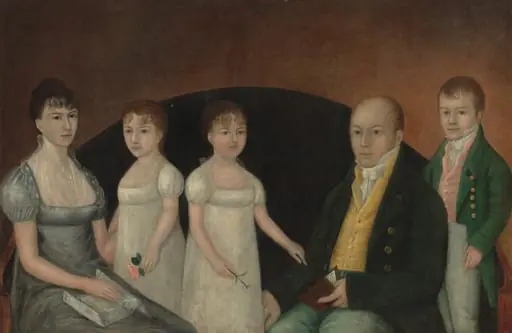 Family Group
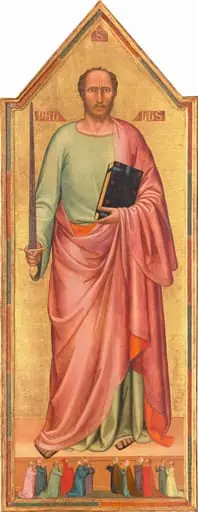 Saint Paul and a Group of Worshippers
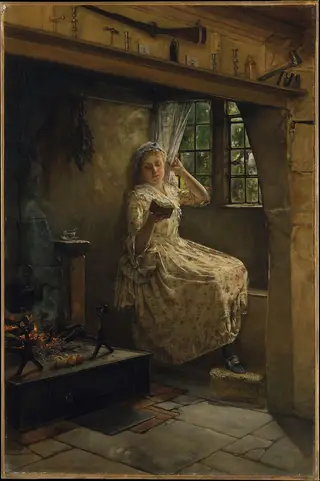 A Cosey Corner
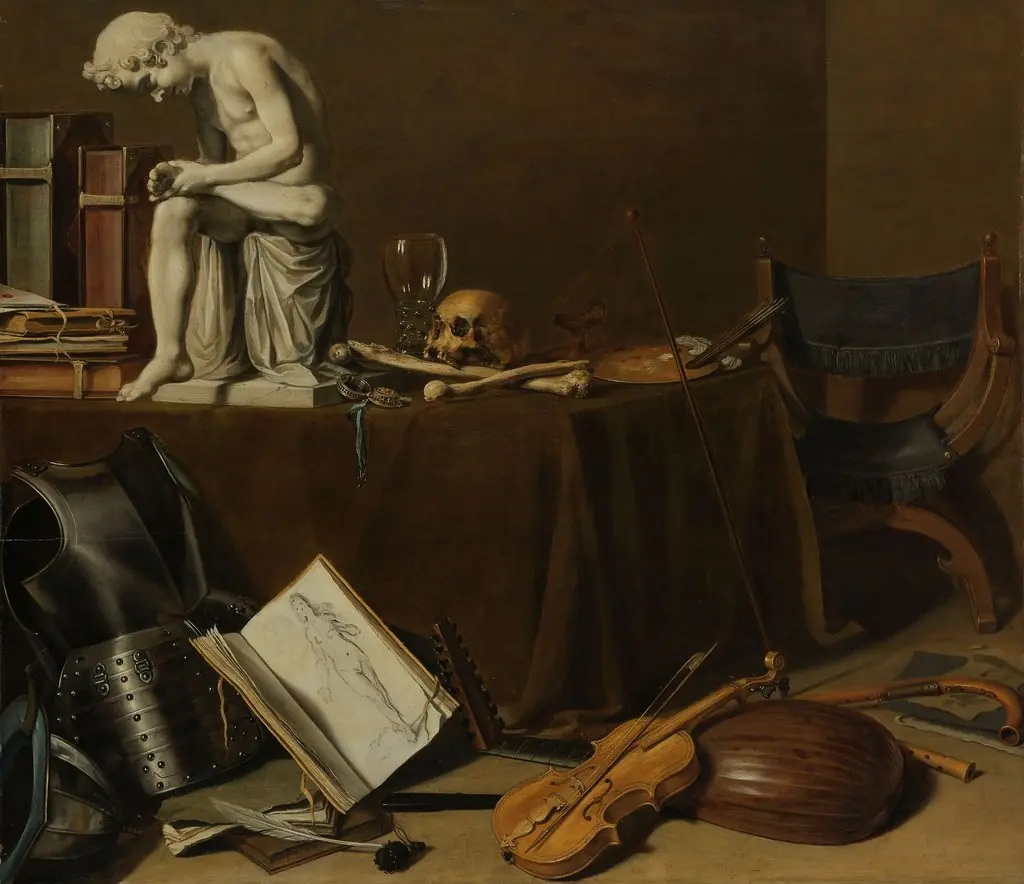 Vanitas Still Life with the Spinario
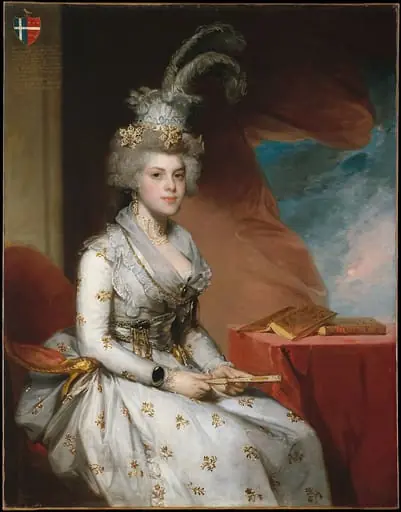 Matilda Stoughton de Jaudenes
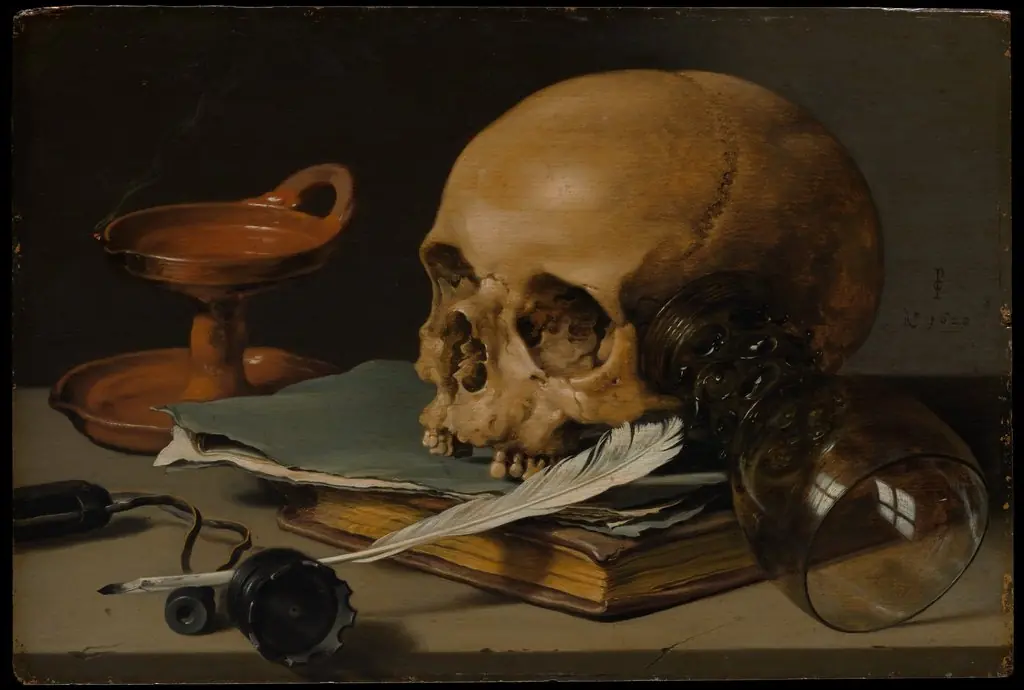 Still Life with a Skull and a Writing Quill
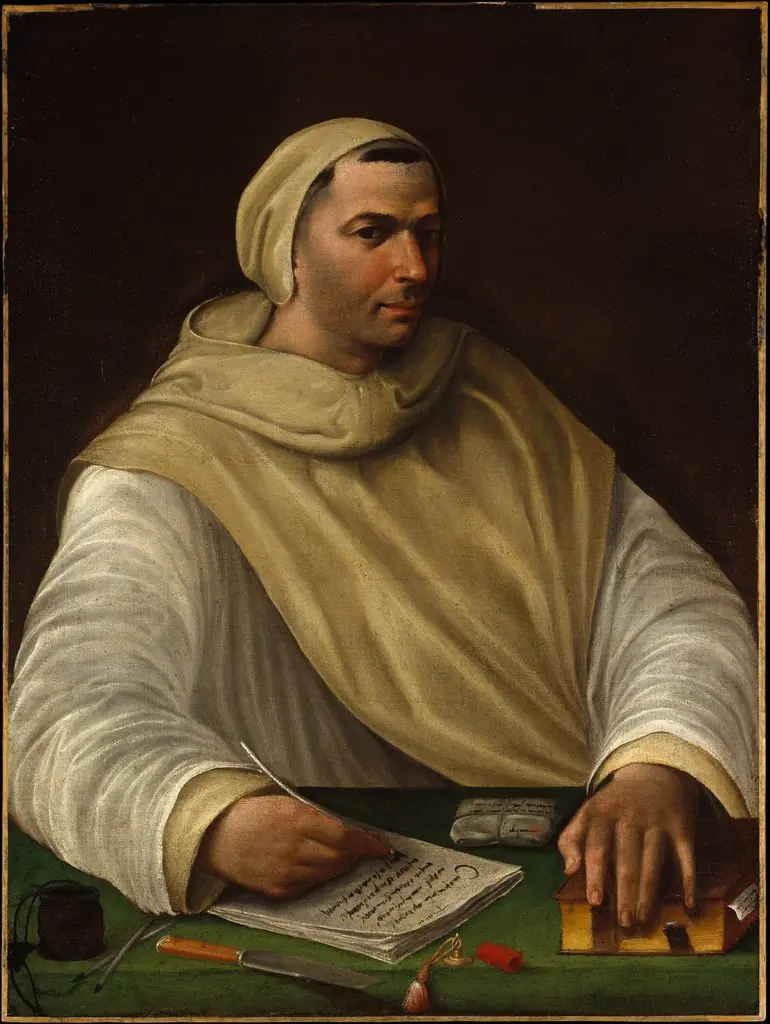 Portrait of an Olivetan Monk
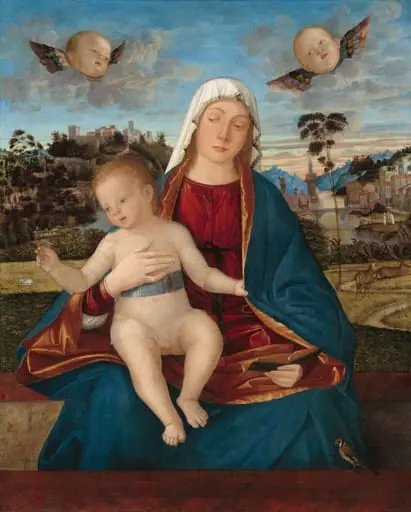 Madonna and Child
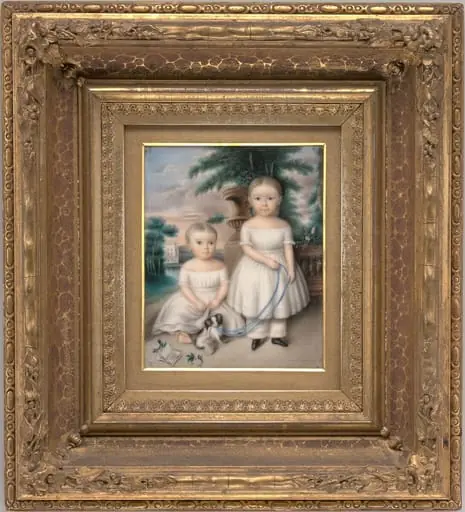 Watson Van Benthuysen II and Thomas Van Benthuysen
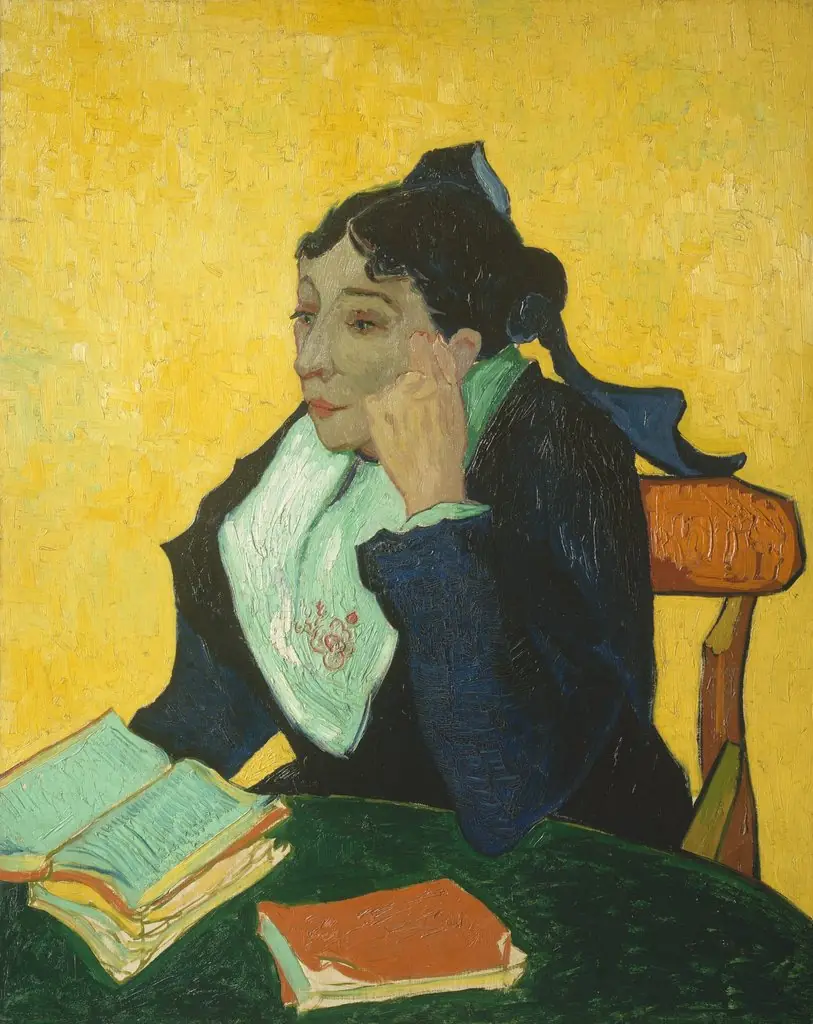 L'Arlésienne
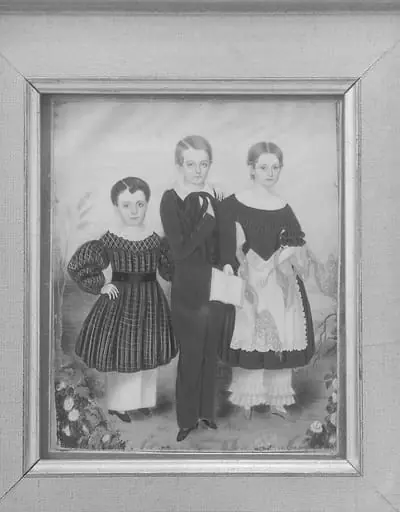 The Starbird Children
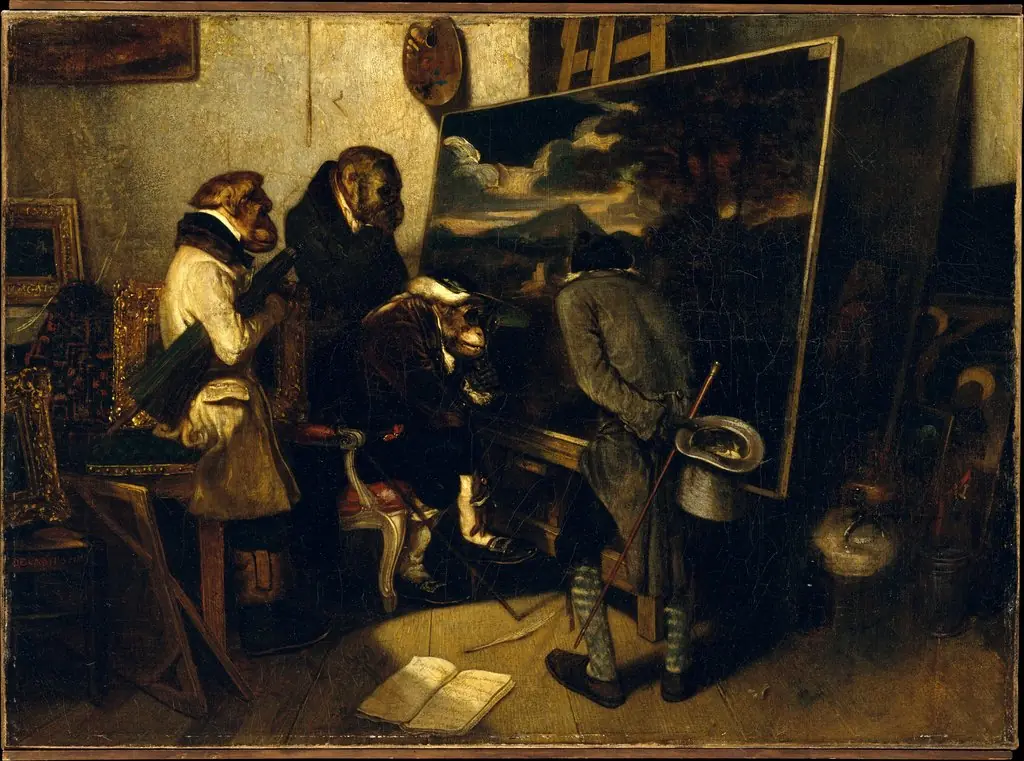 The Experts
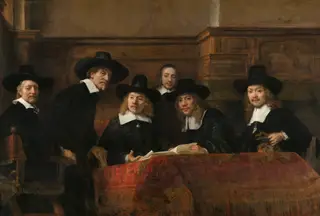 Syndics of the Drapers' Guild
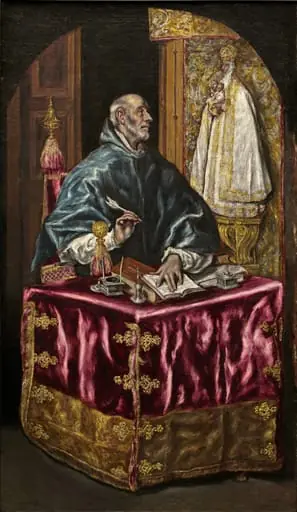 Saint Ildefonso
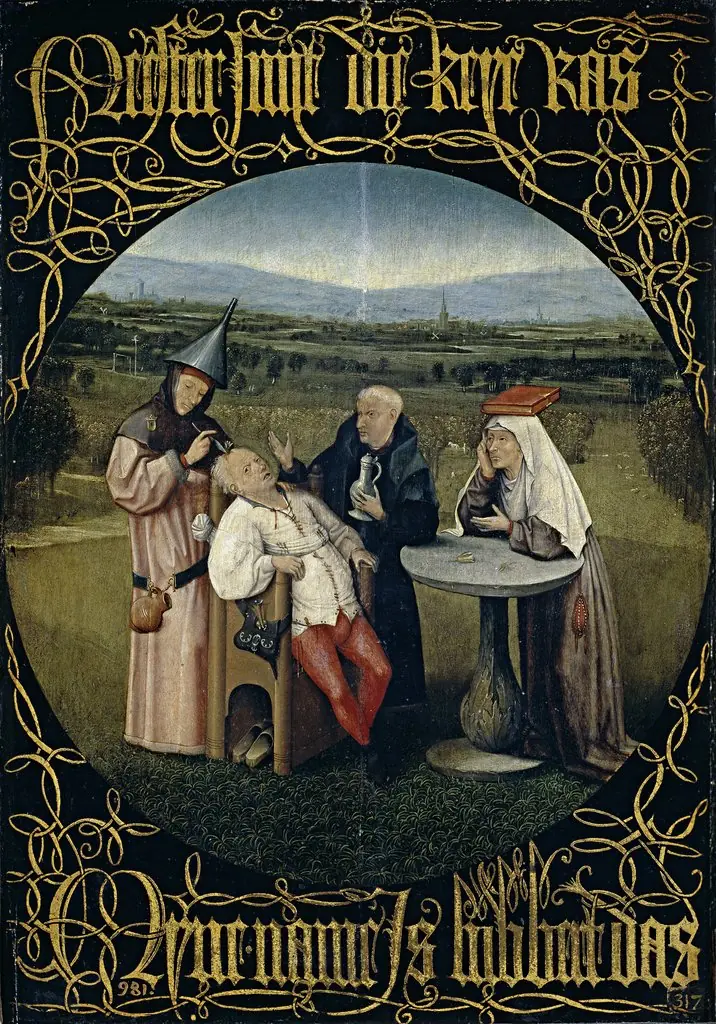 Cutting the Stone
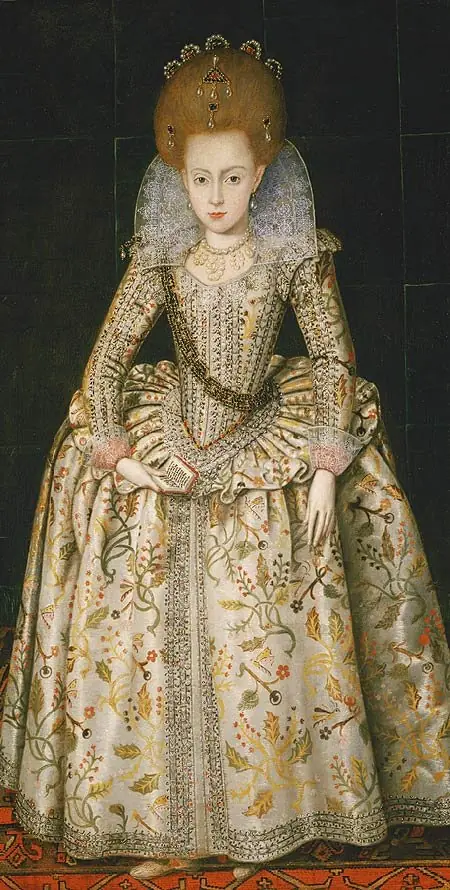 Princess Elizabeth (1596–1662), Later Queen of Bohemia
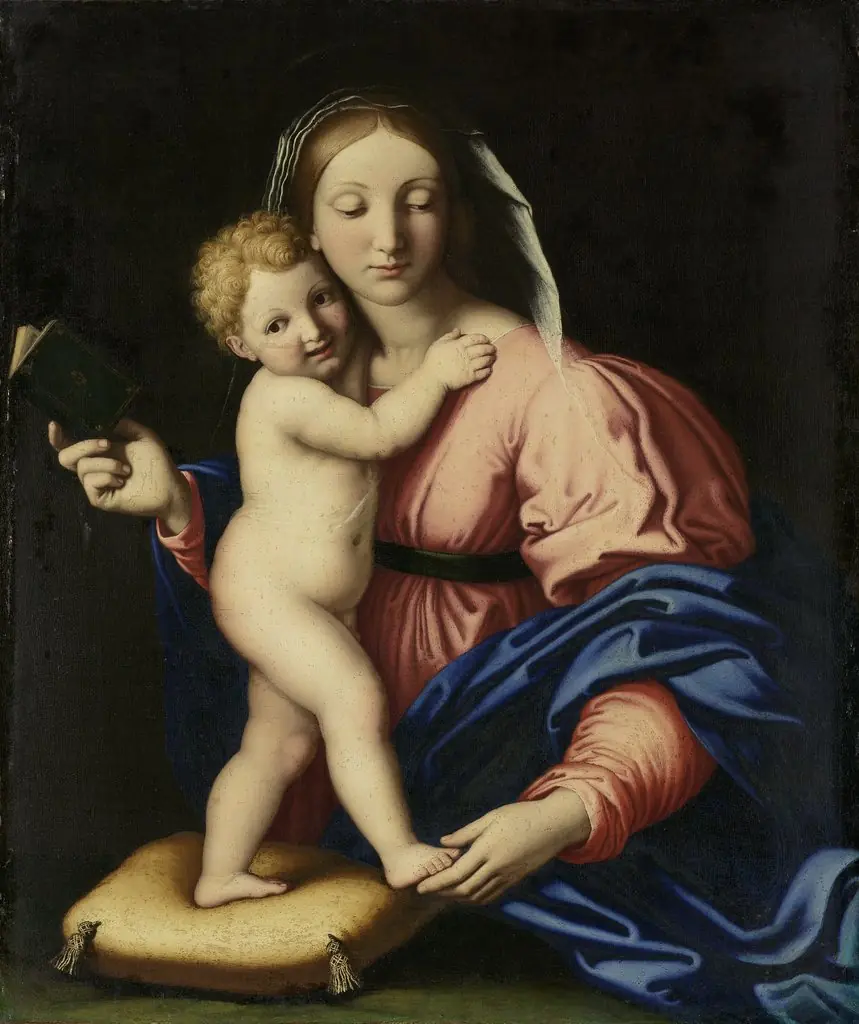 Virgin and Child
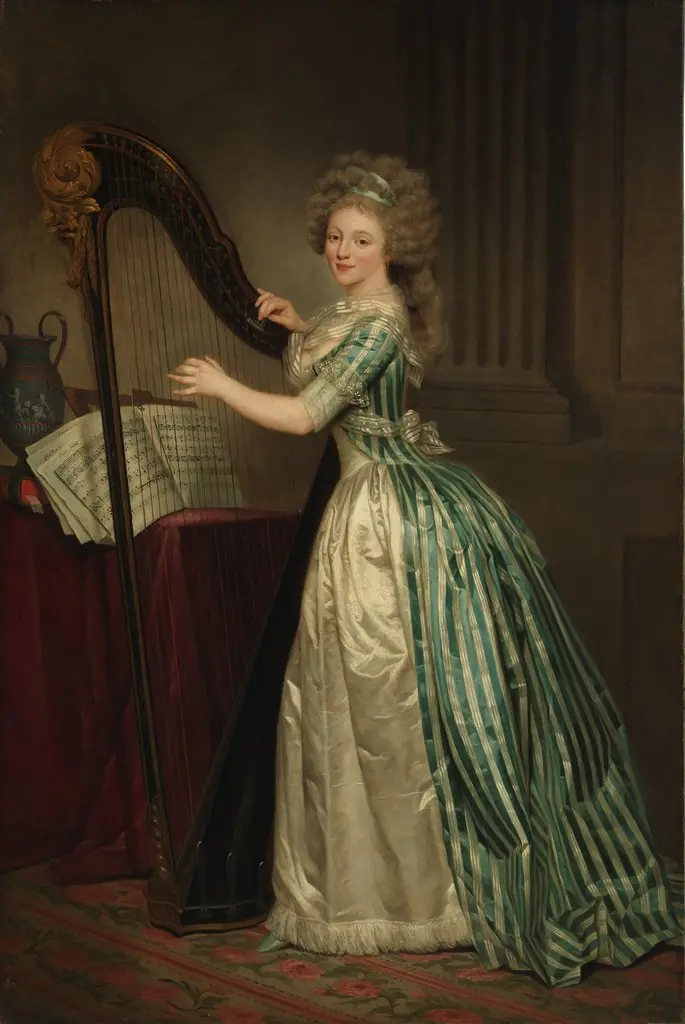 Self-Portrait with a Harp
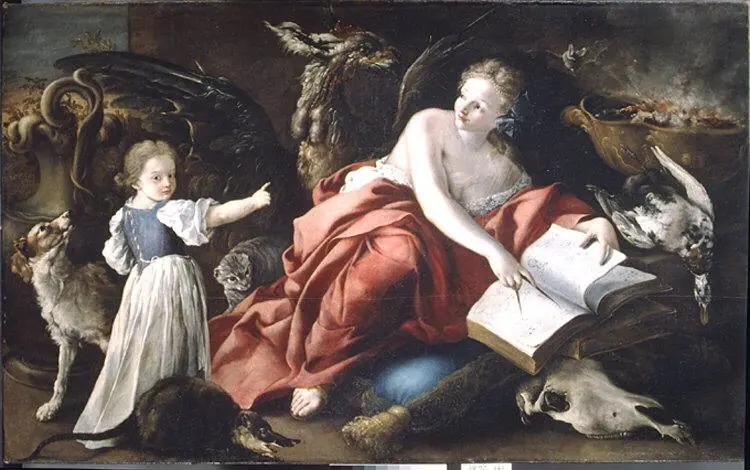 An Allegory
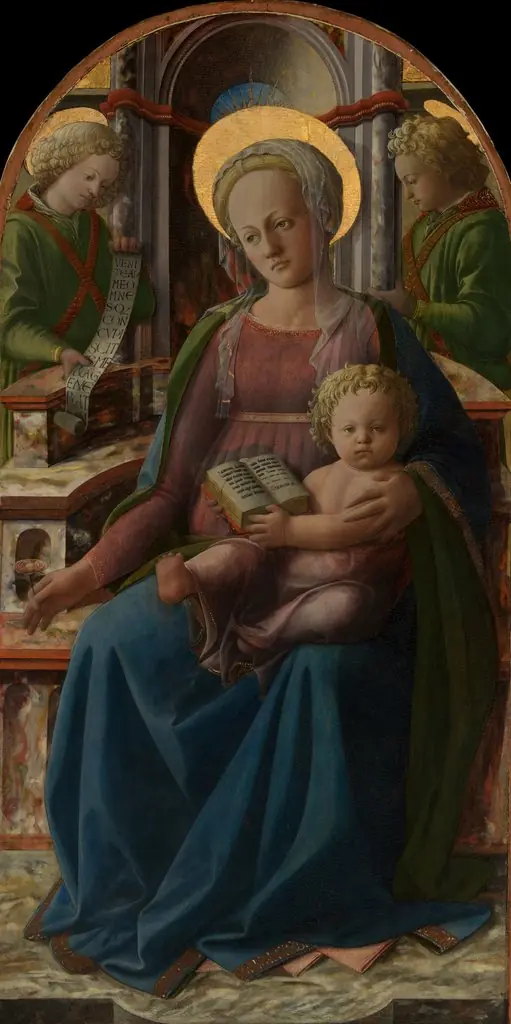 Madonna and Child Enthroned with Two Angels
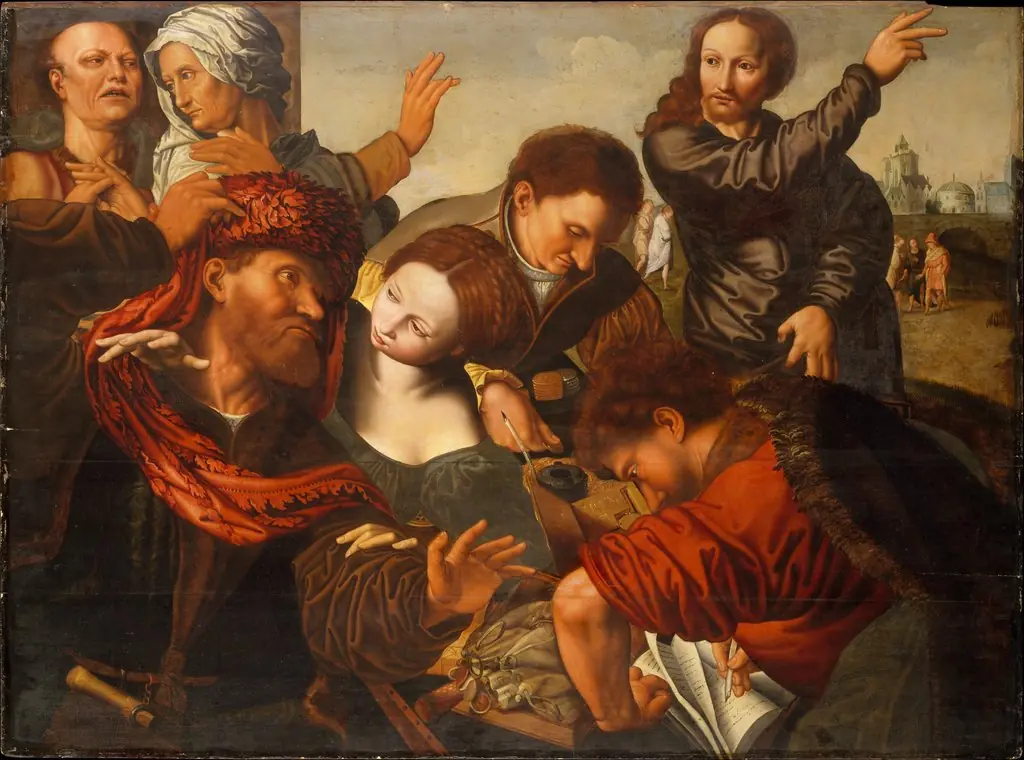 The Calling of Saint Matthew
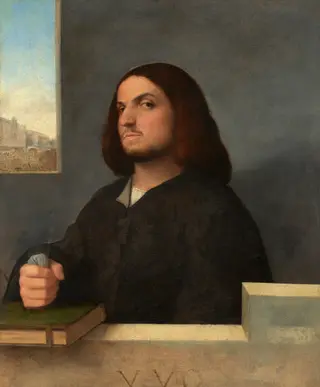 Portrait of a Venetian Gentleman
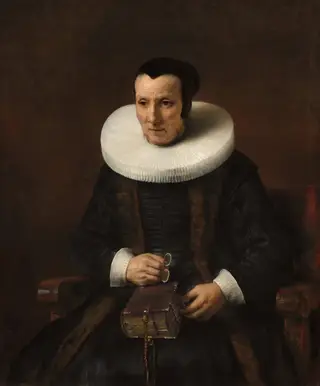 An Old Lady with a Book
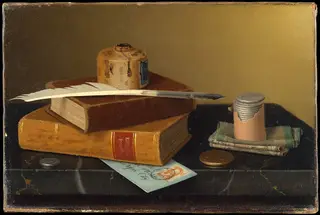 The Banker's Table
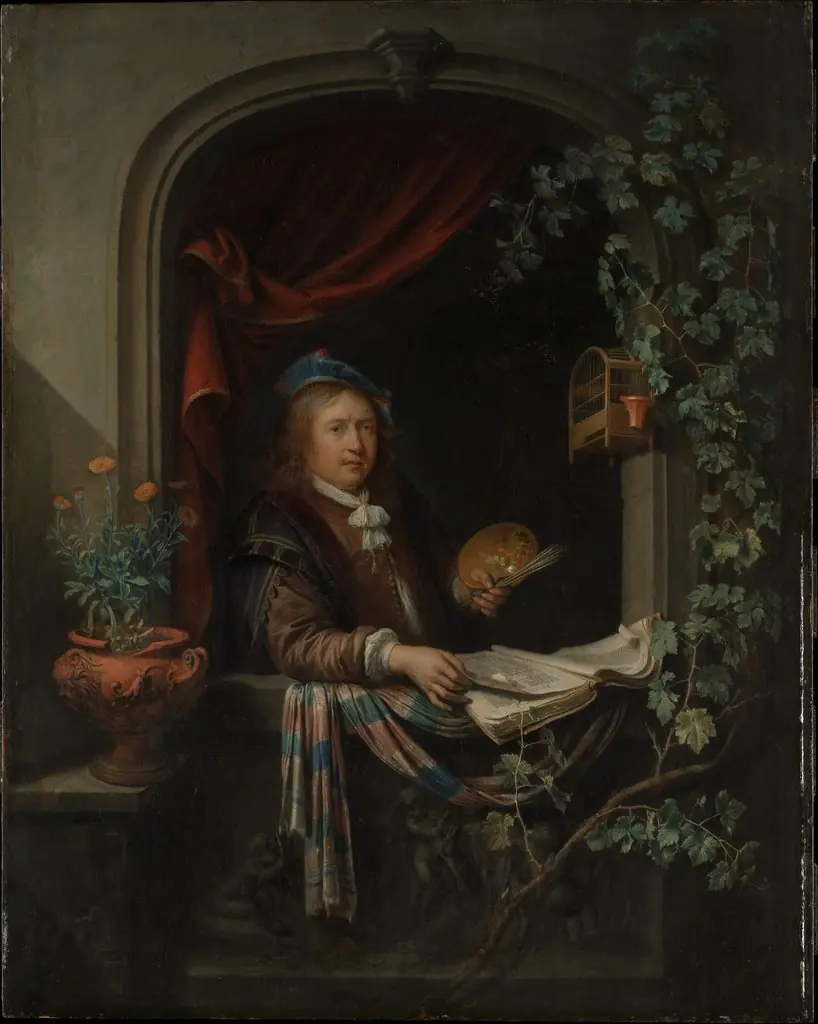 Self-Portrait
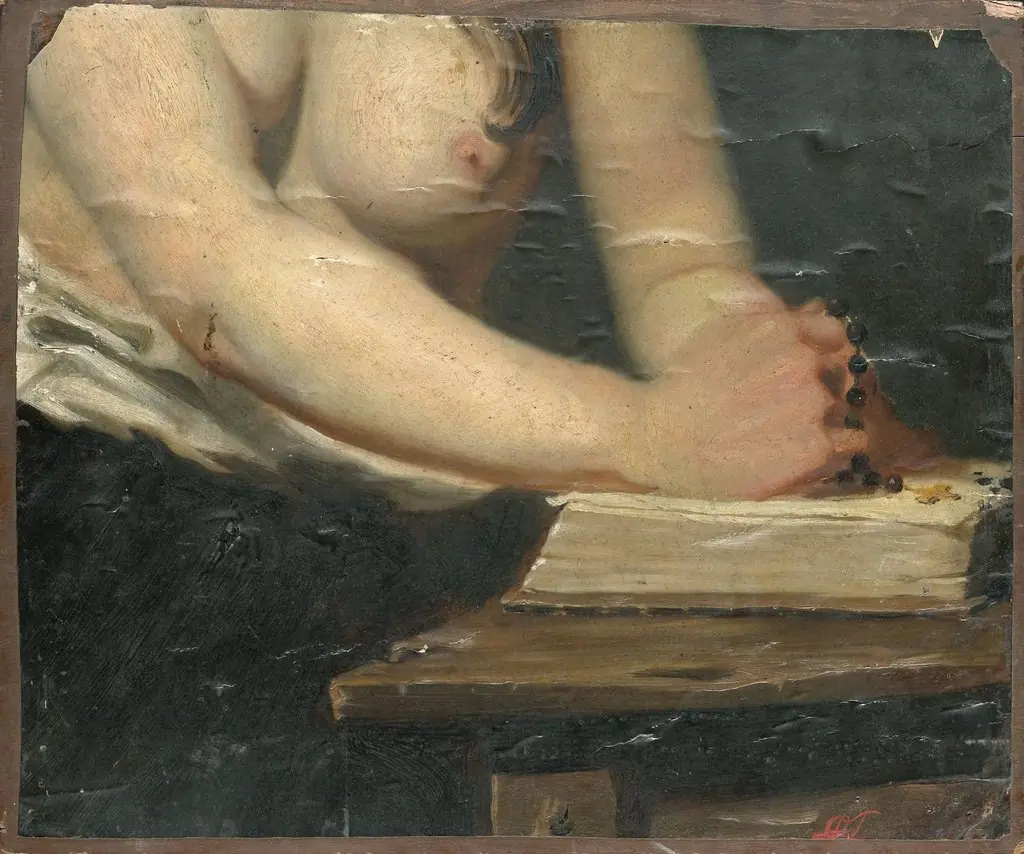 Mary Magdalene
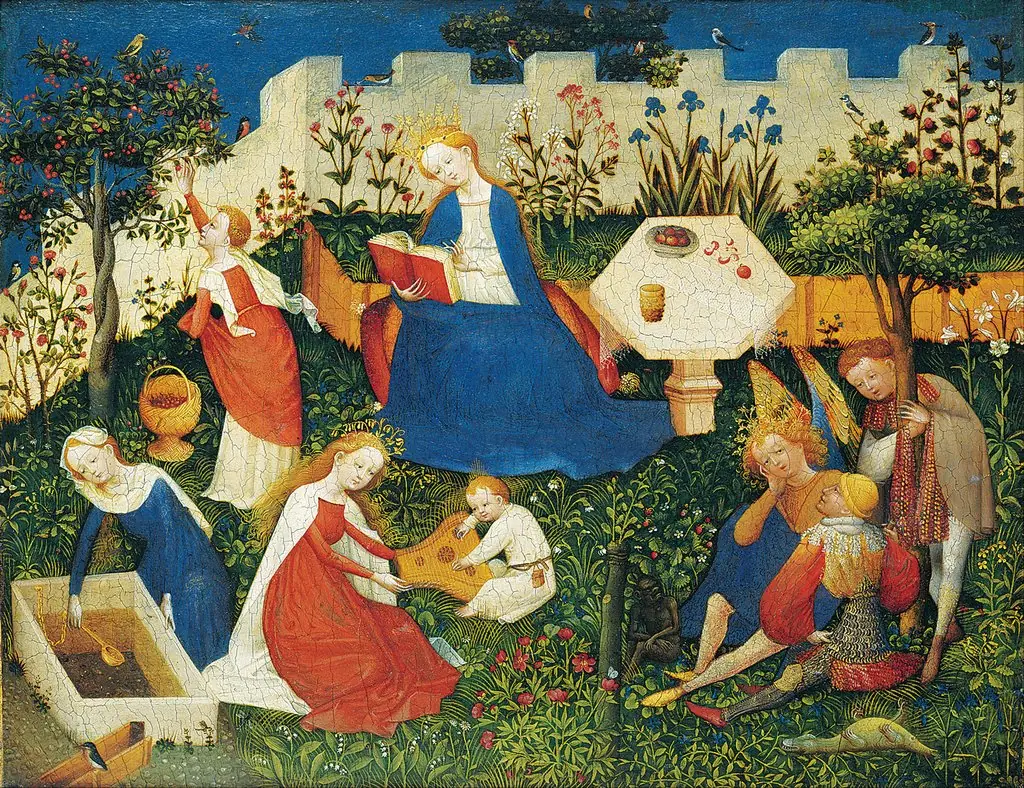 Paradiesgärtlein
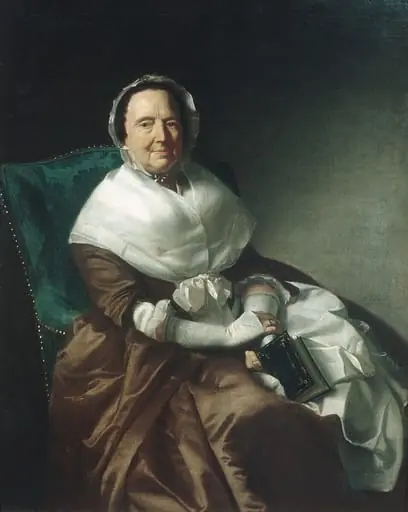 Mrs. Sylvanus Bourne
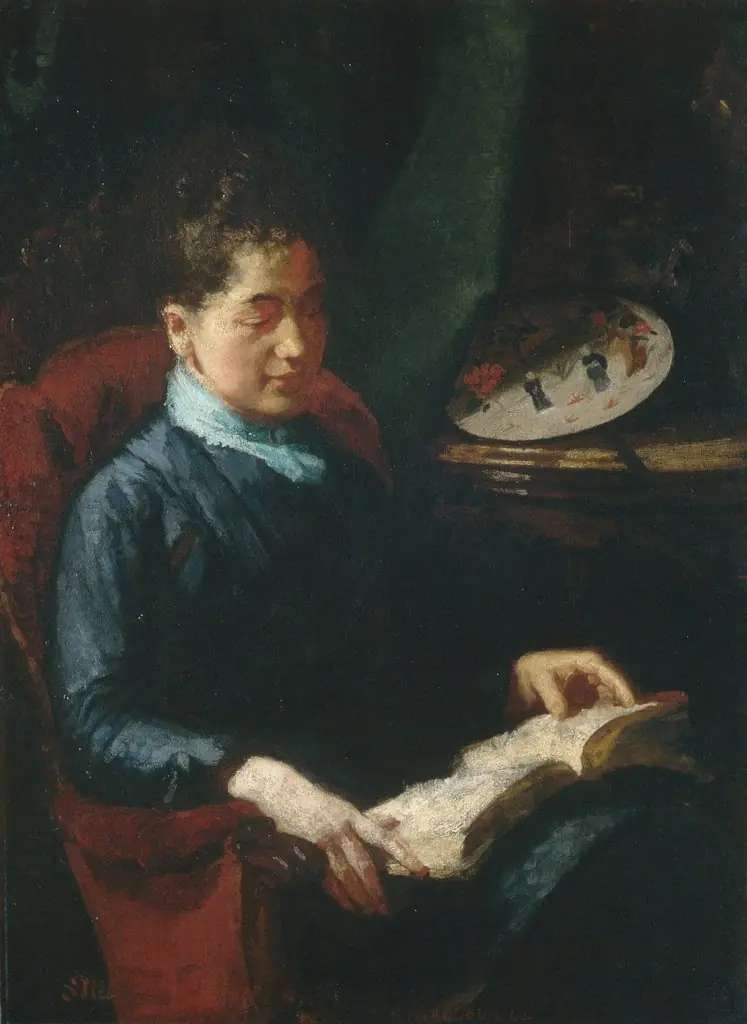 Woman Reading
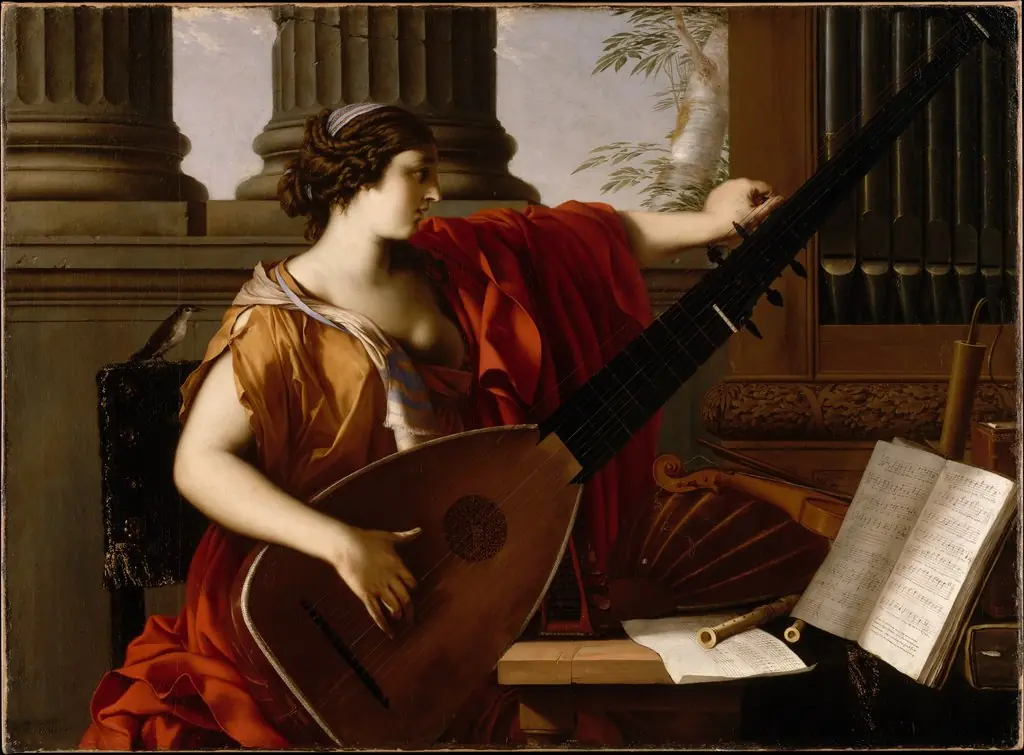 Allegory of Music
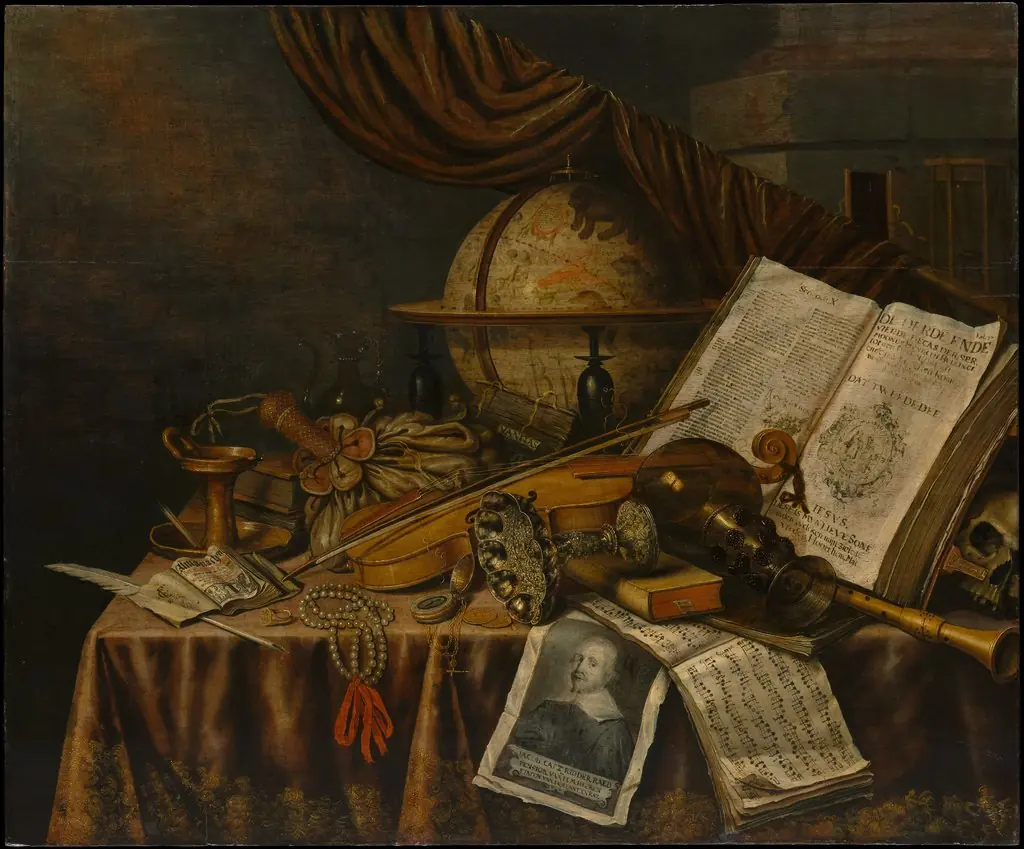 Vanitas Still Life
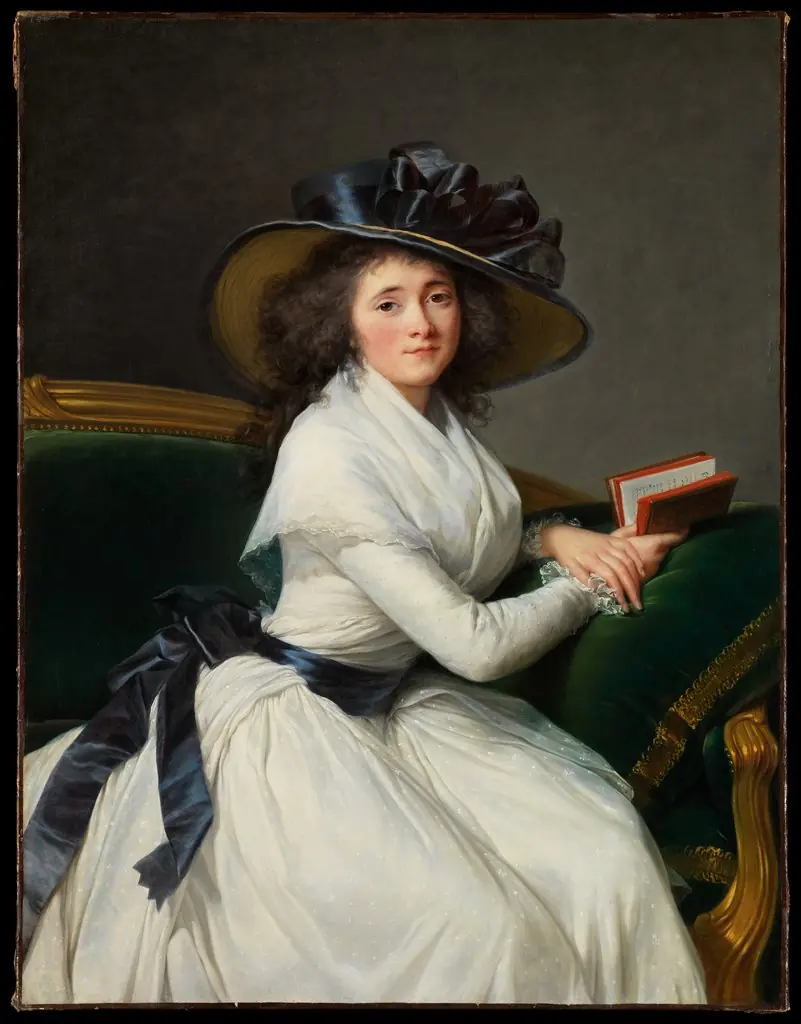 Comtesse de la Châtre (Marie Charlotte Louise Perrette Aglaé Bontemps, 1762–1848)
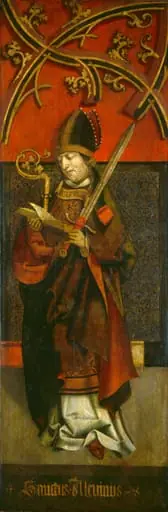 Saint Alcuin
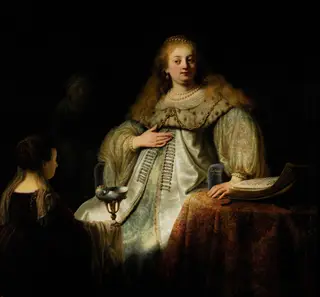 Judith at the Banquet of Holofernes
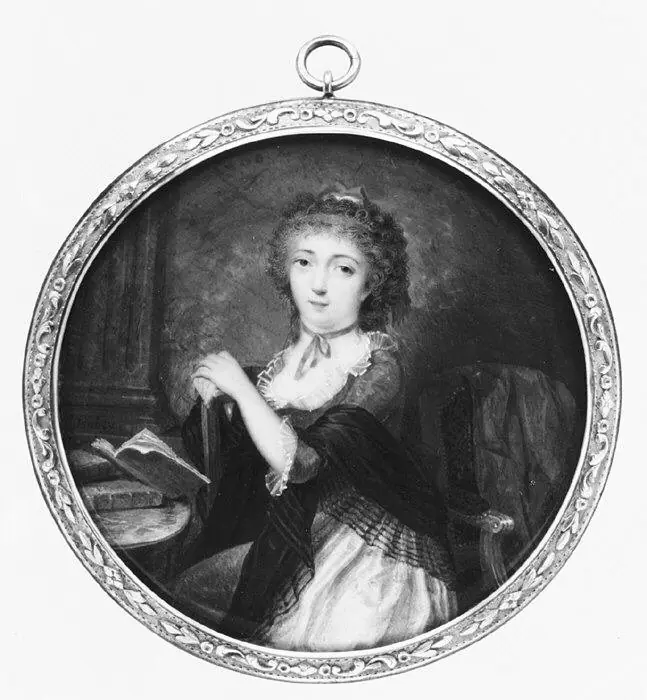 The Reader
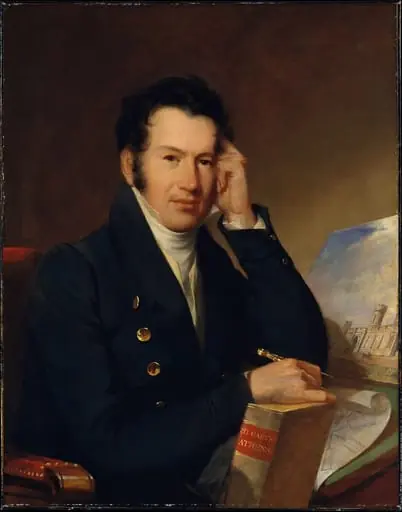 John Haviland
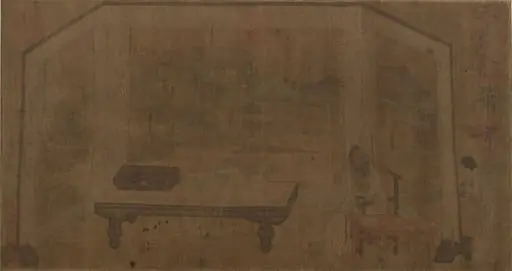 宋/明? 佚名 仿王齊翰 挑耳圖 卷|Library Scene
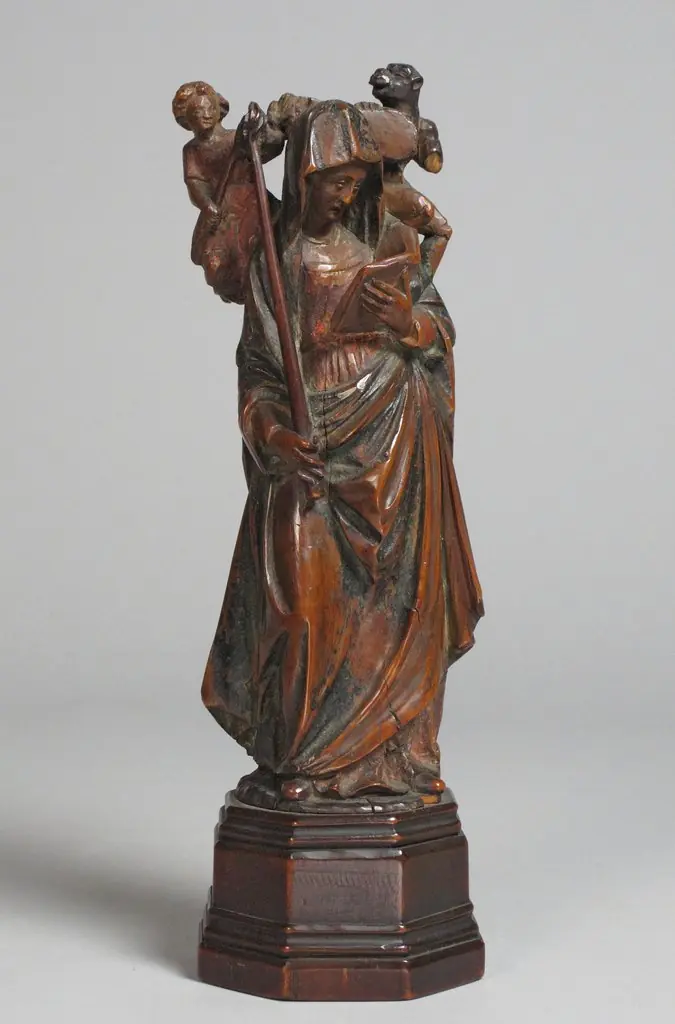 Saint Geneviève
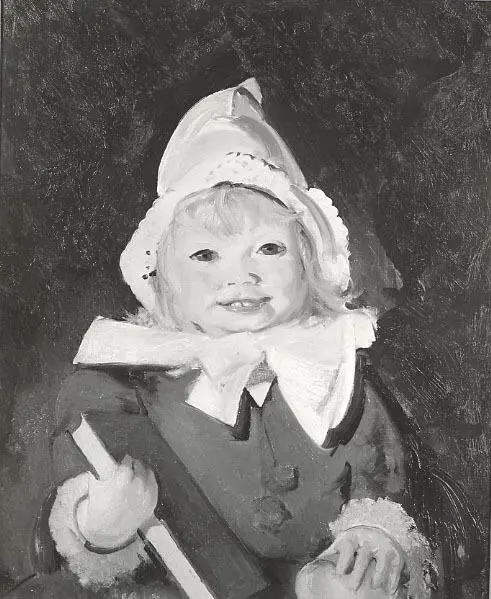 Jean with Blue Book and Apple
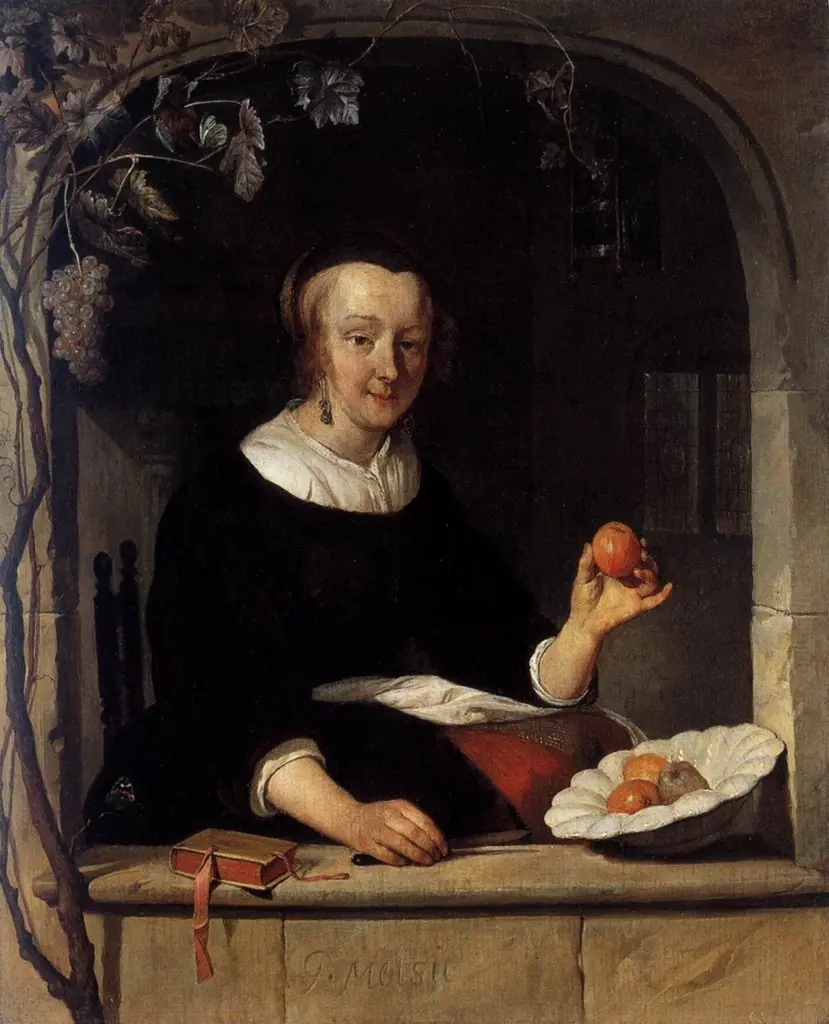 A Woman Seated at a Window
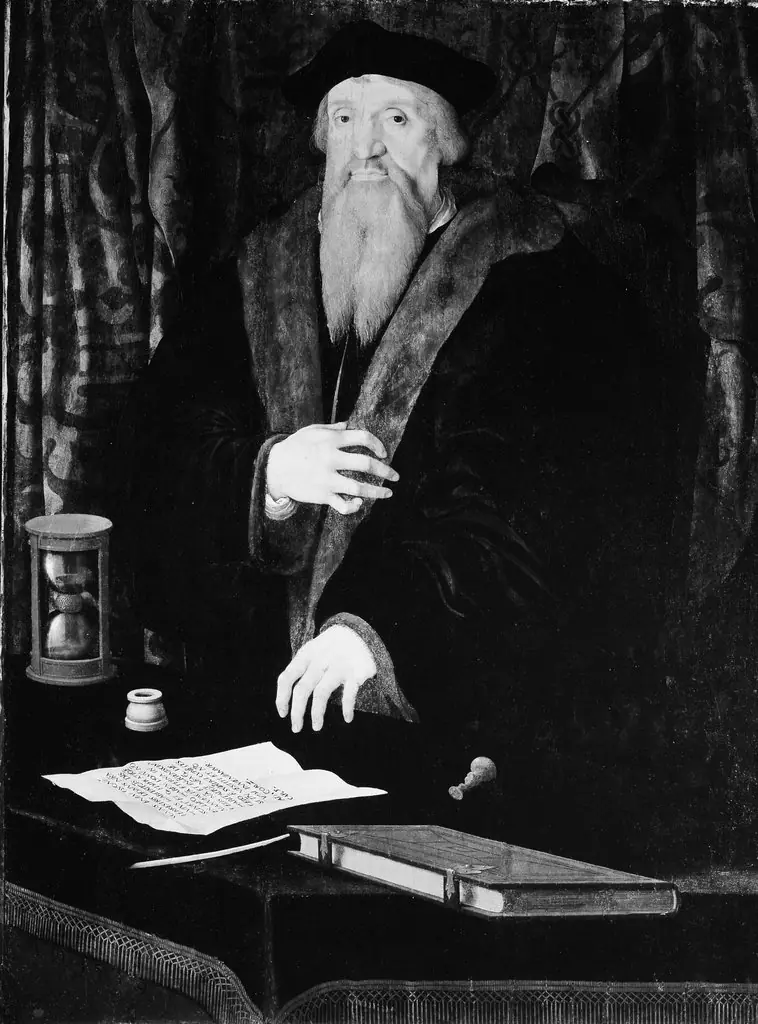 Portrait of a Man, Possibly Jean de Langeac (died 1541), Bishop of Limoges
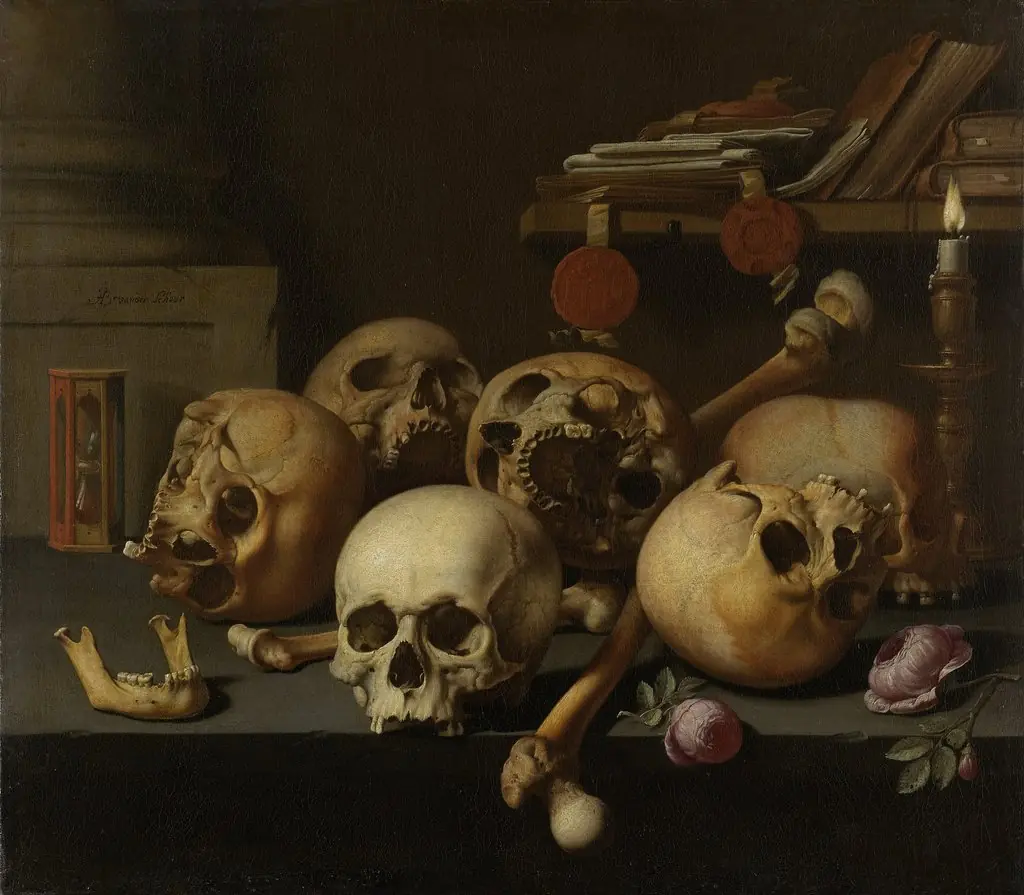 Vanits still life
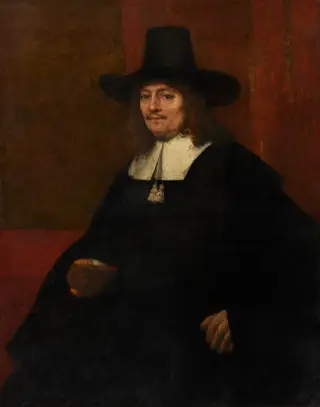 Portrait of a Man in a Tall Hat
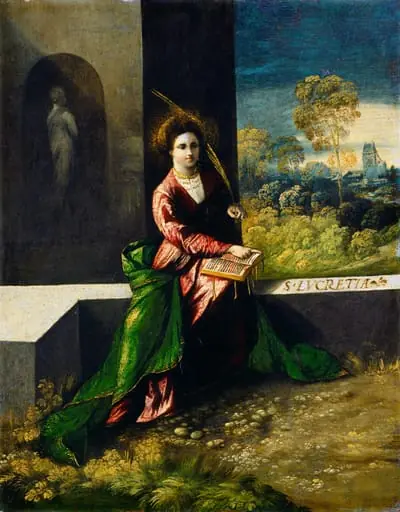 Saint Lucretia
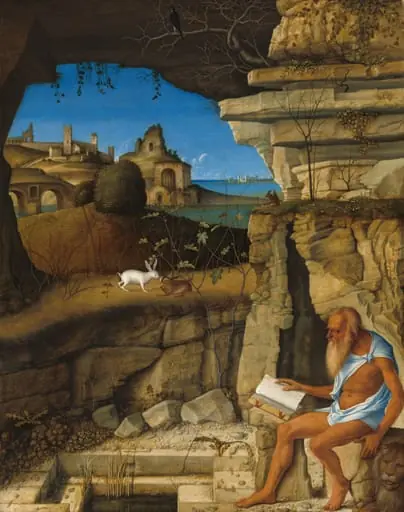 Saint Jerome Reading
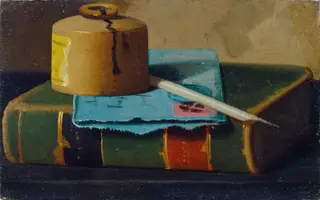 The Blue Envelope
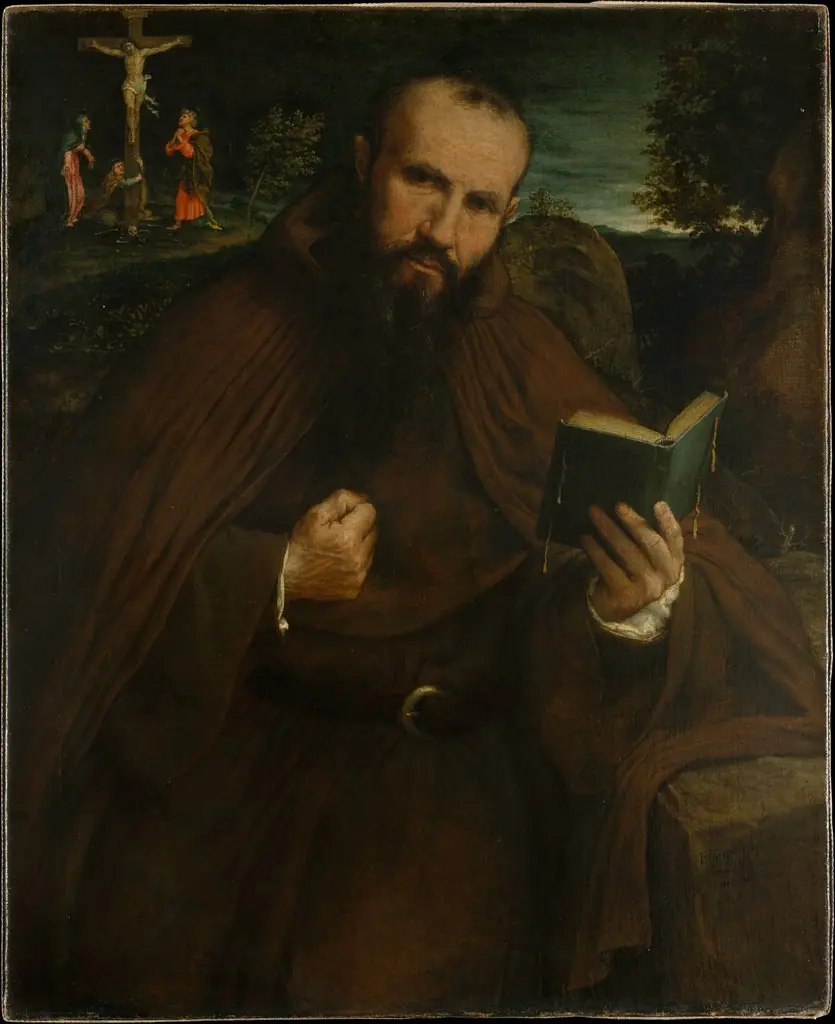 Brother Gregorio Belo of Vicenza
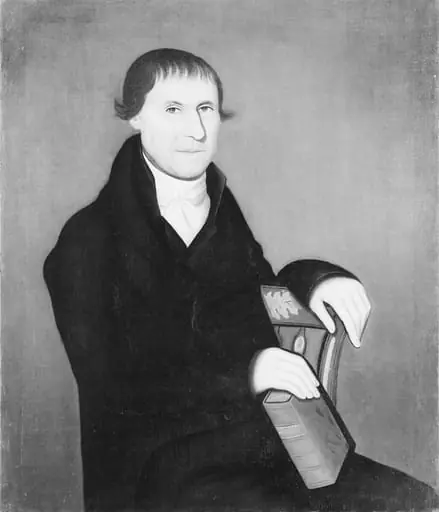 Philip Slade
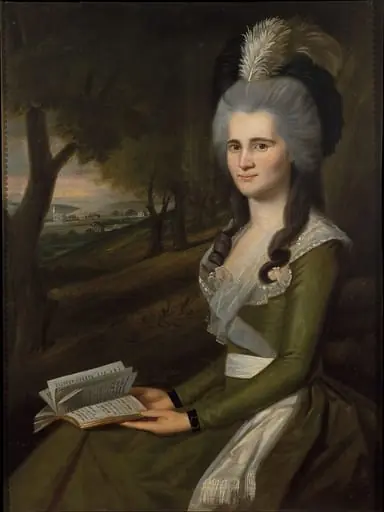 Esther Boardman
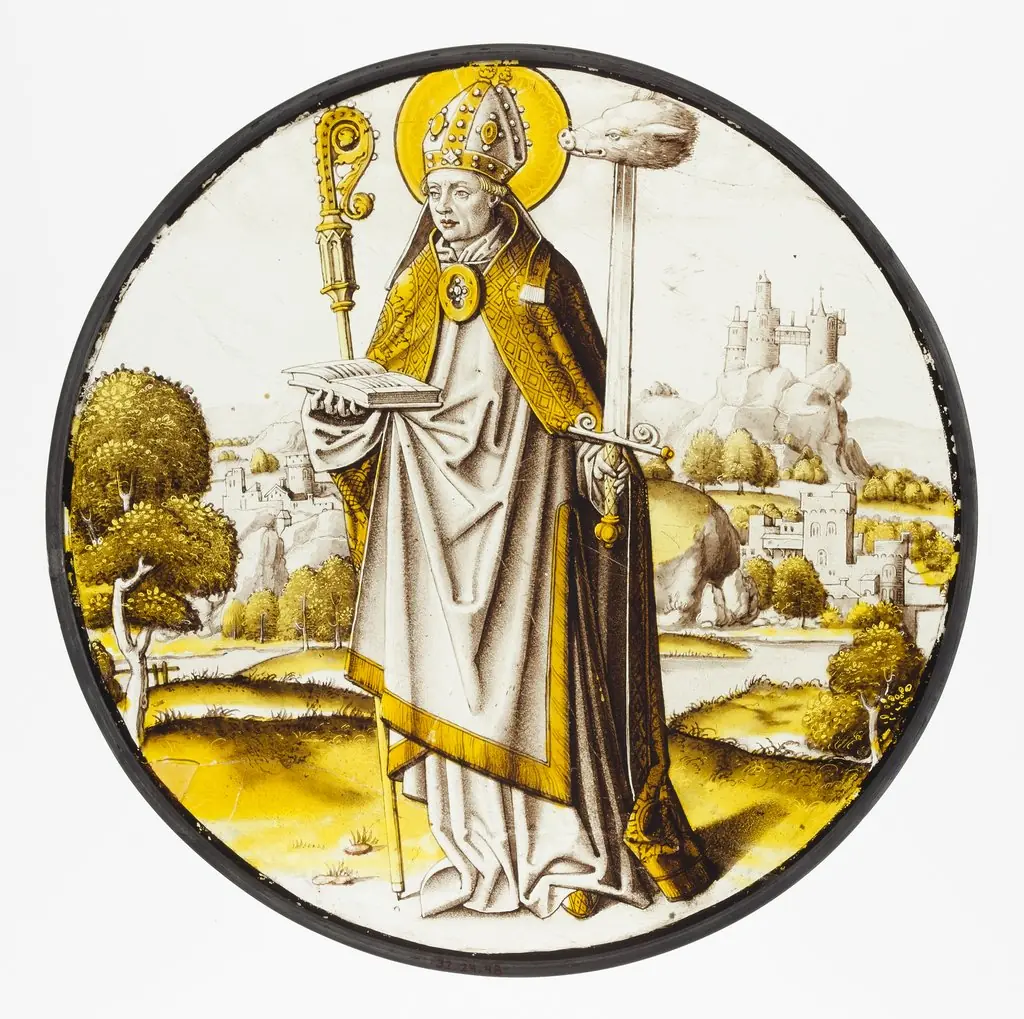 Roundel with Saint Lambrecht of Maastricht
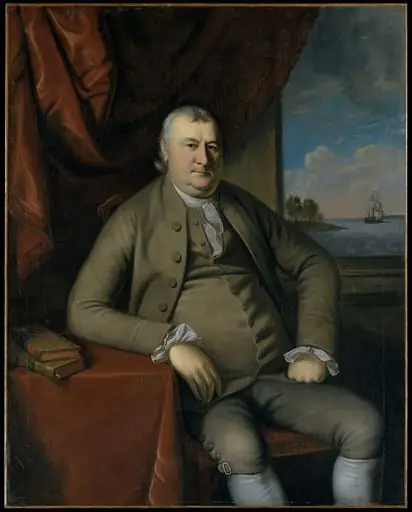 Samuel Mifflin
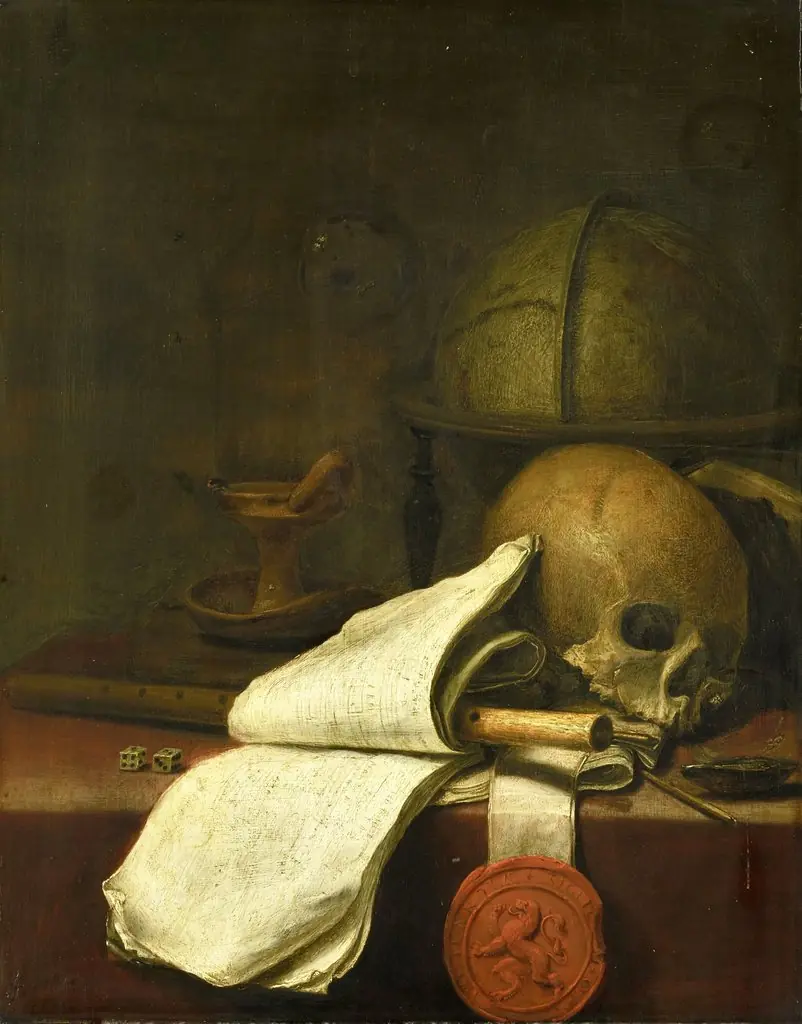 Vanitas still life
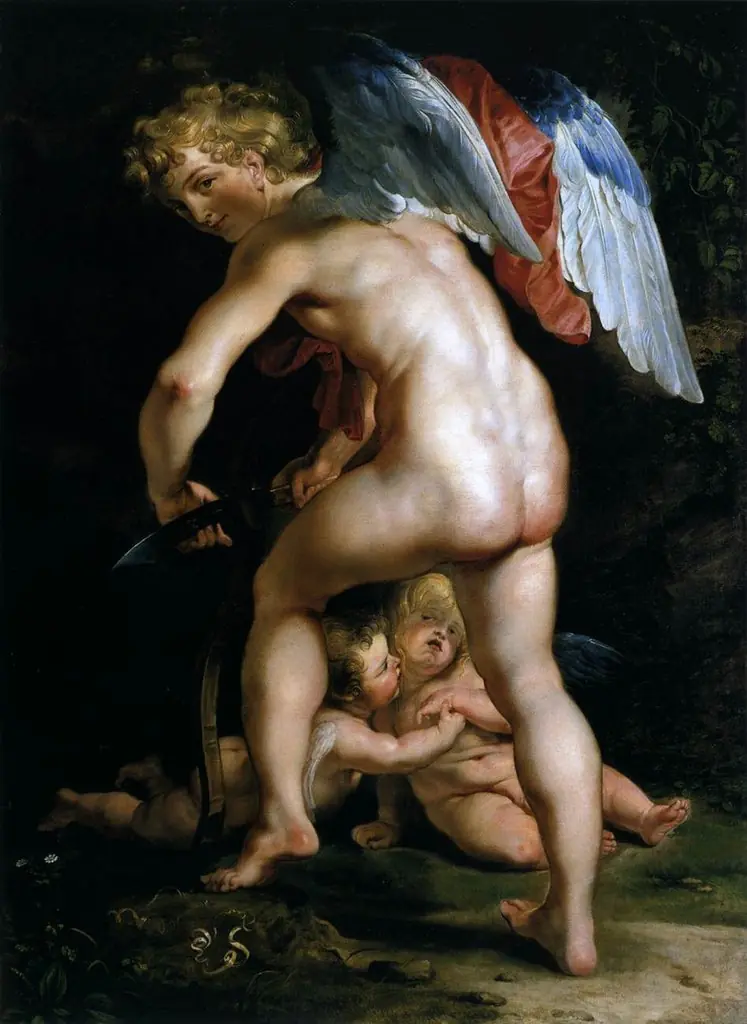 Cupid (Eros) Carves the Bow
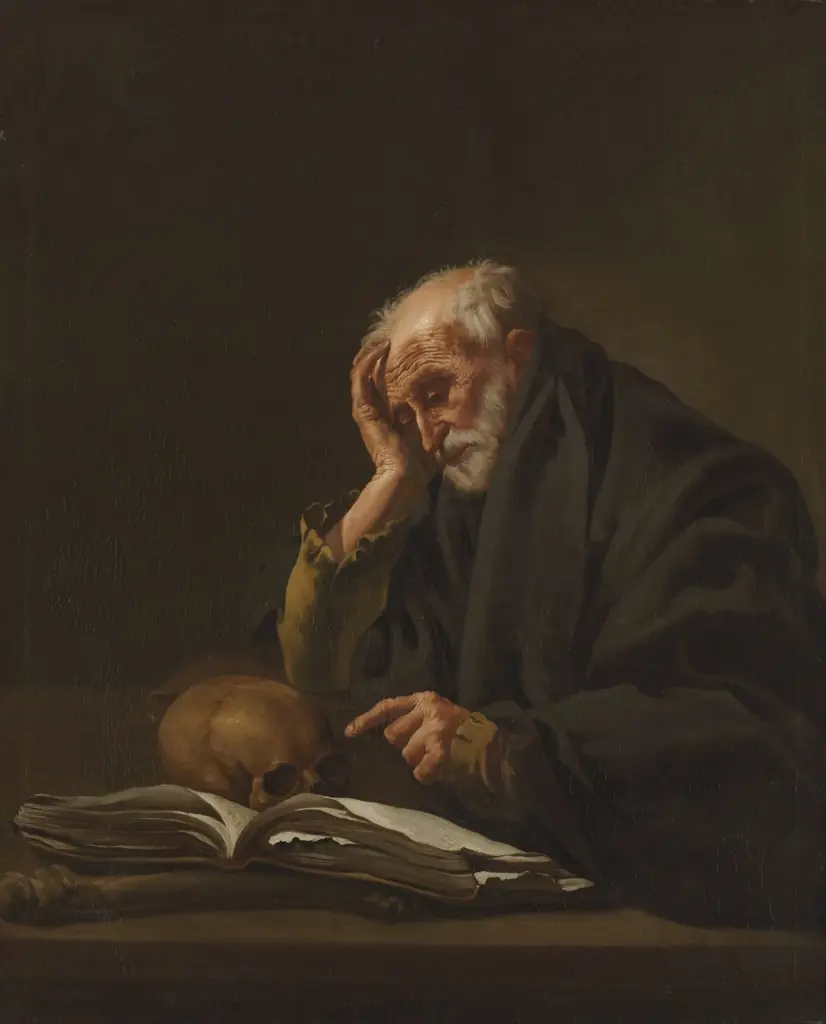 Saint Jerome
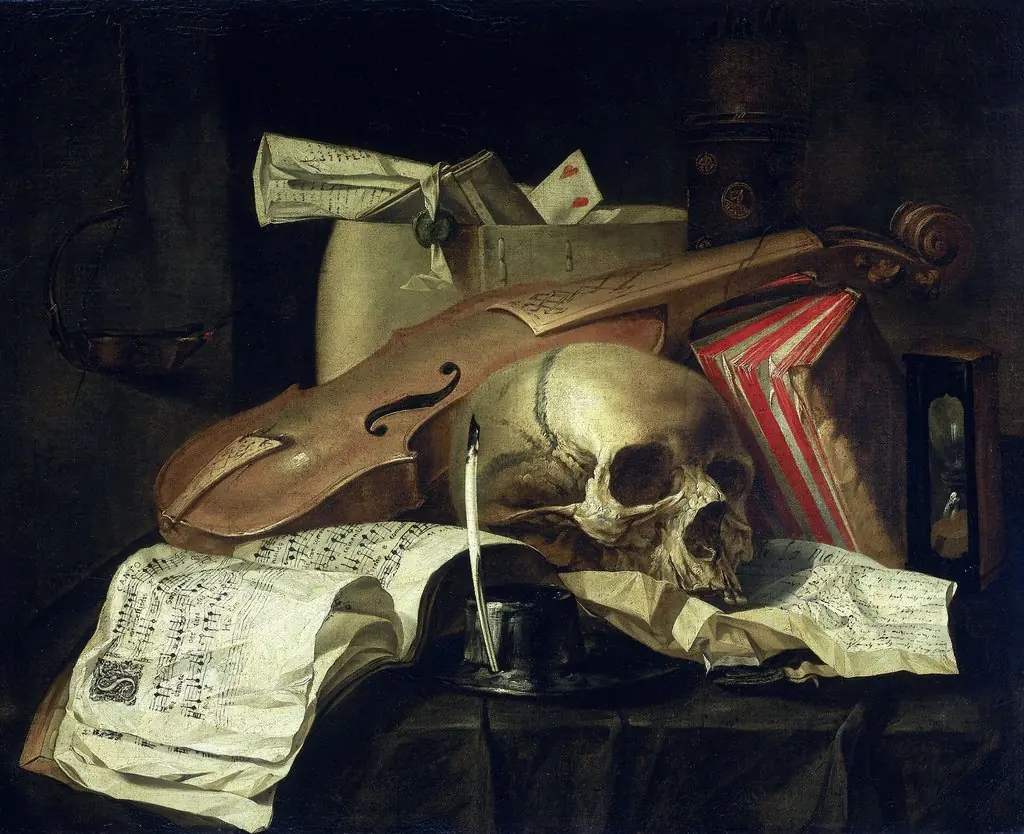 Vanitas still life
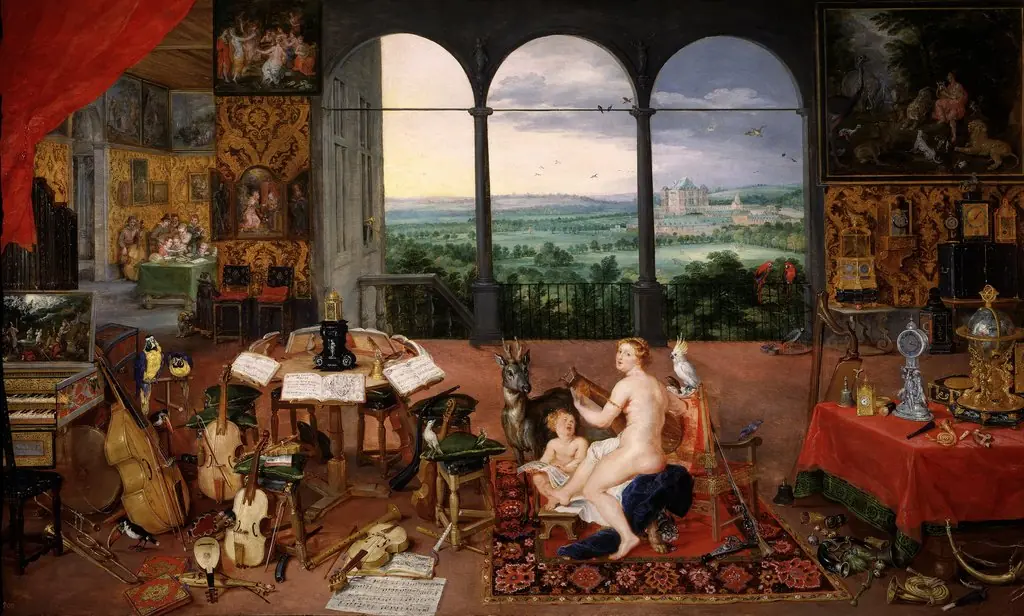 Hearing
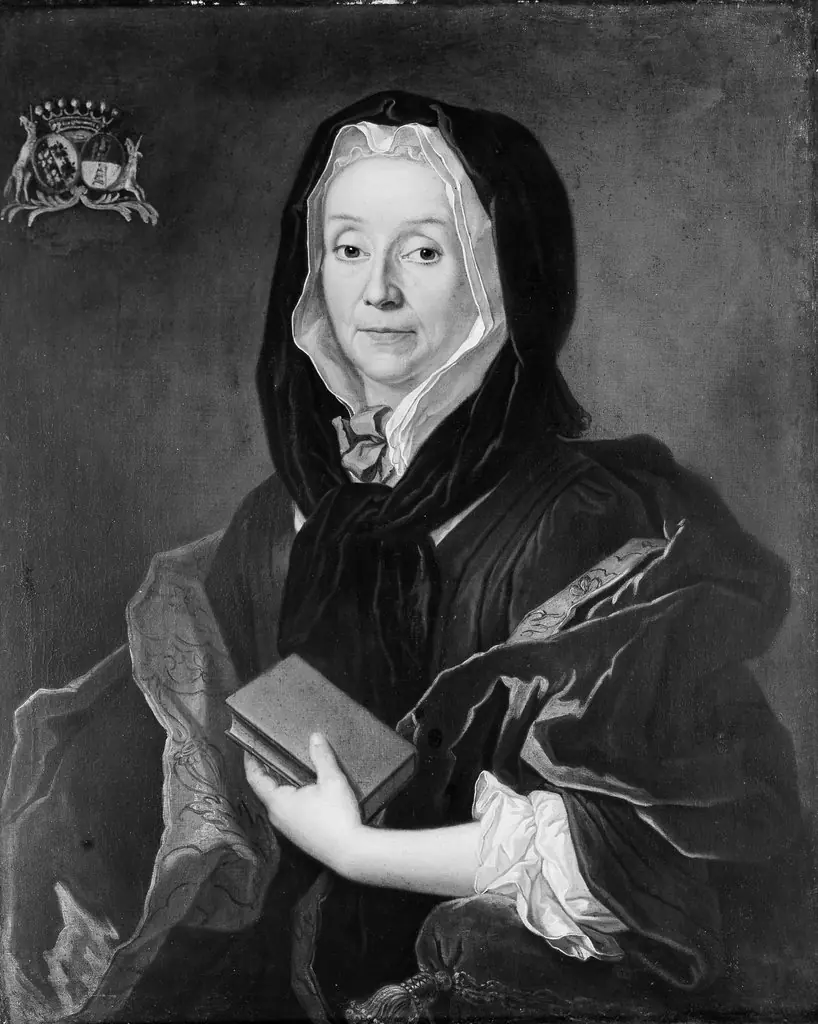 Portrait of a Woman Holding a Book
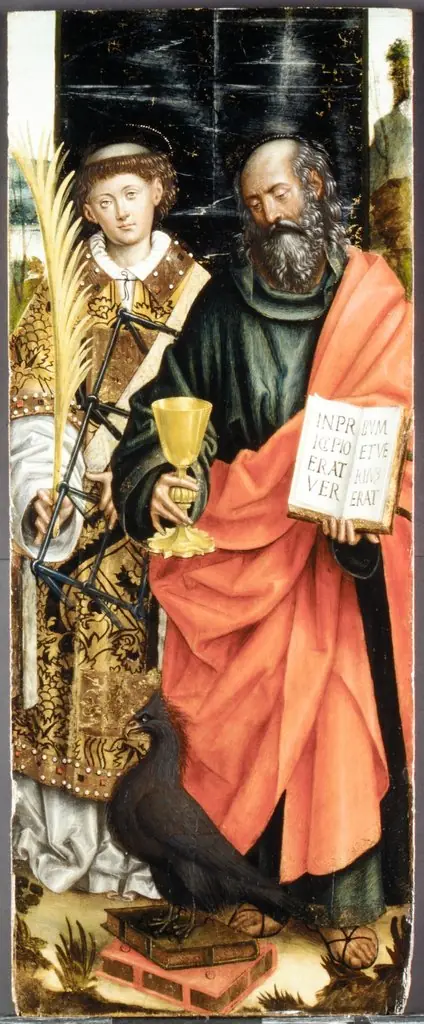 Saints John the Evangelist and Lawrence
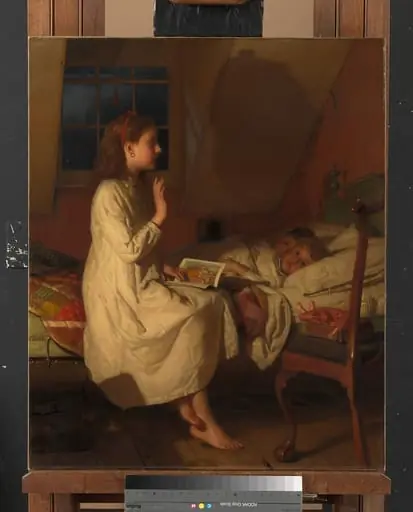 Story of Golden Locks
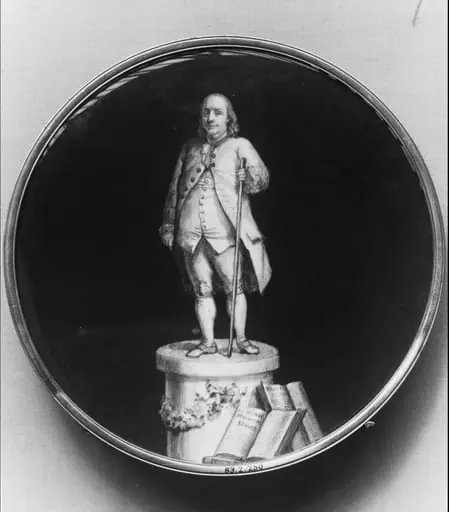 Portrait of Benjamin Franklin
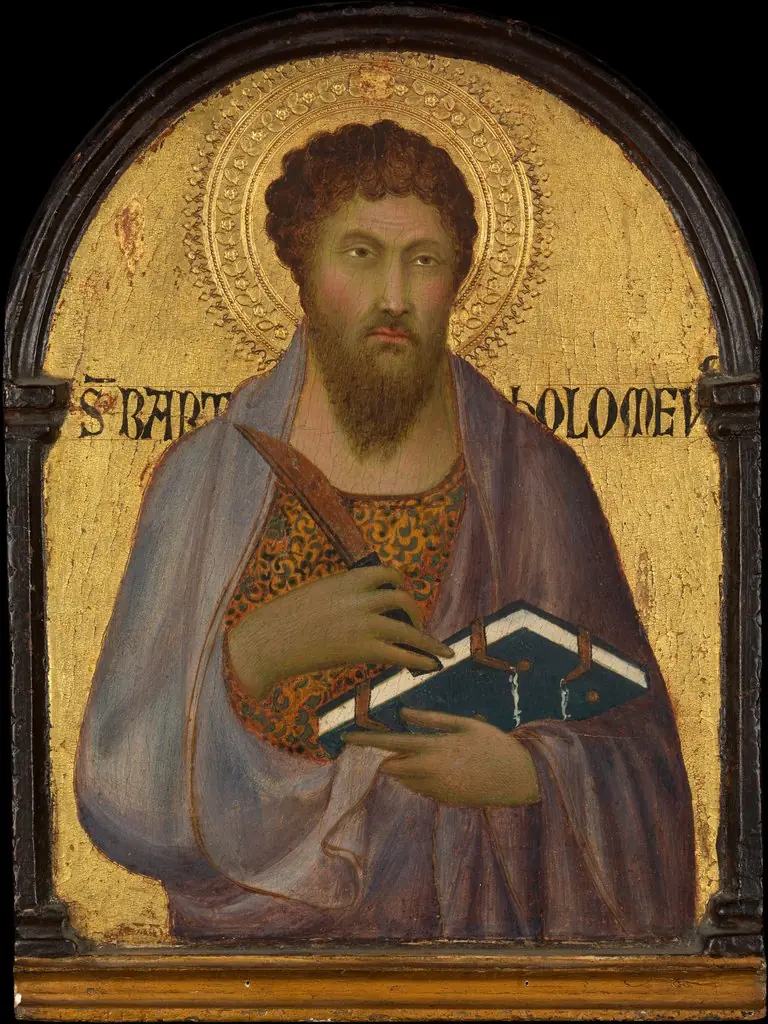 Saint Bartholomew
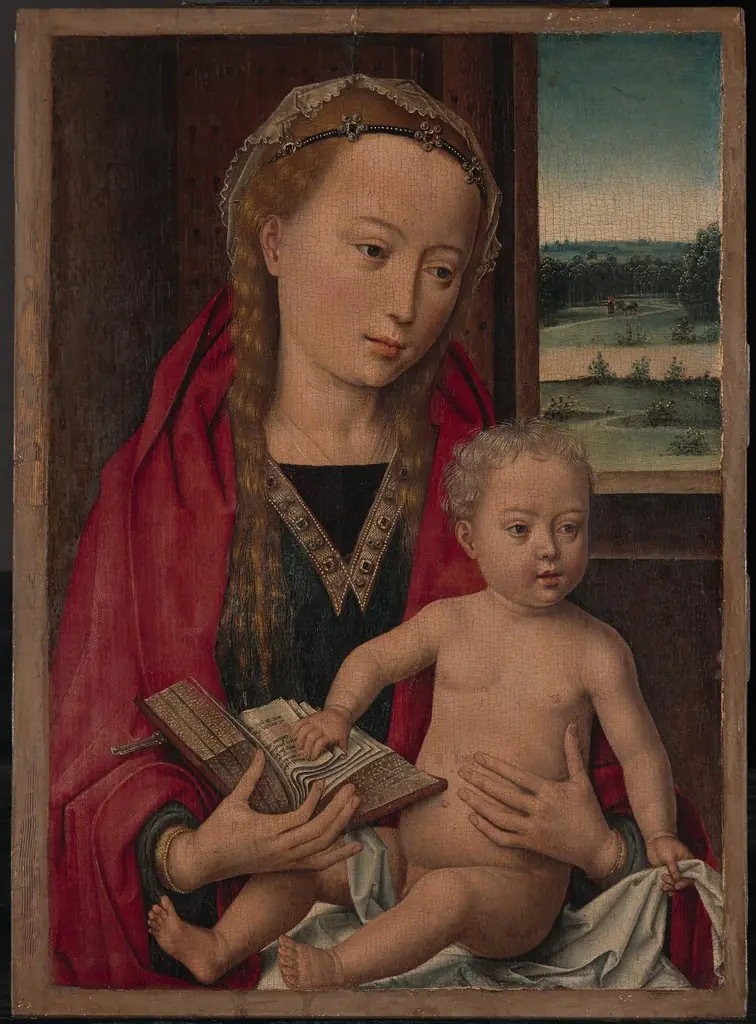 Virgin and Child
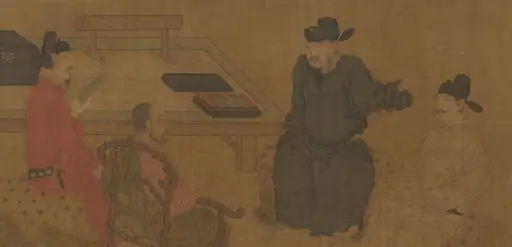 南宋 佚名 舊傳五代周文矩 琉璃堂人物圖 卷|Scholars of the Liuli Hall
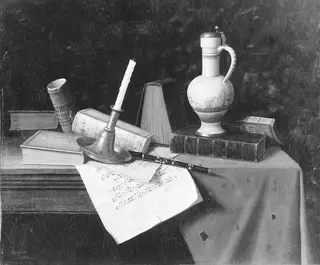 Still Life
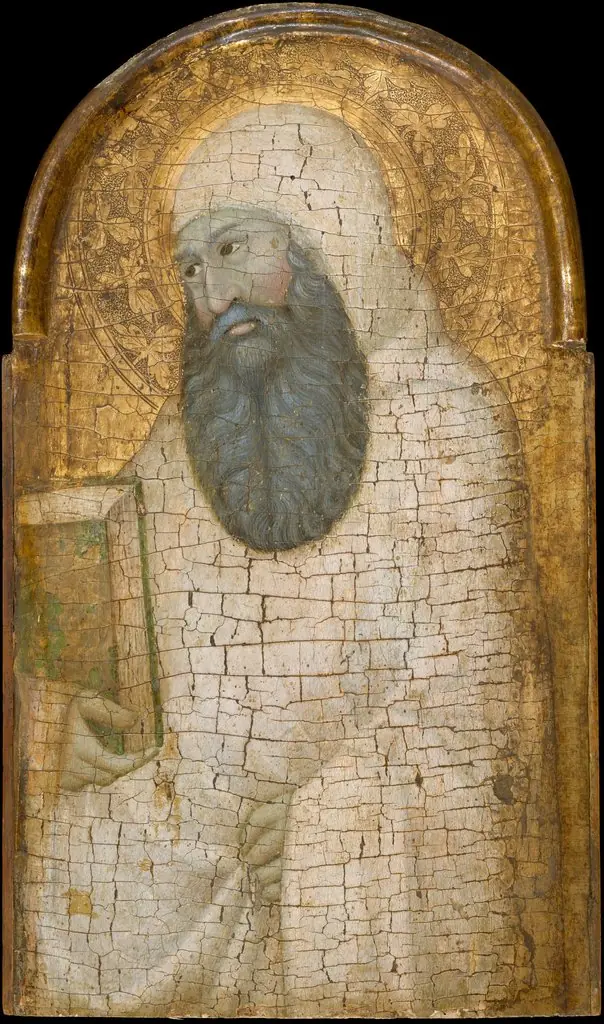 Saint Romuald
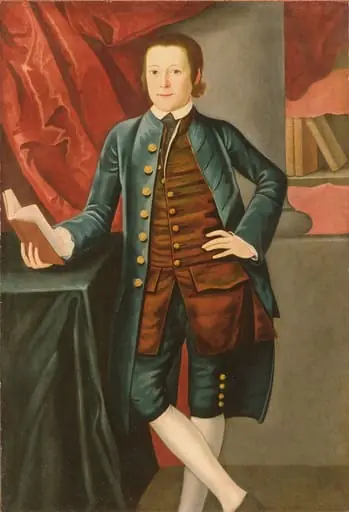 Boy of the Crossfield Family (Possibly Richard Crossfield)
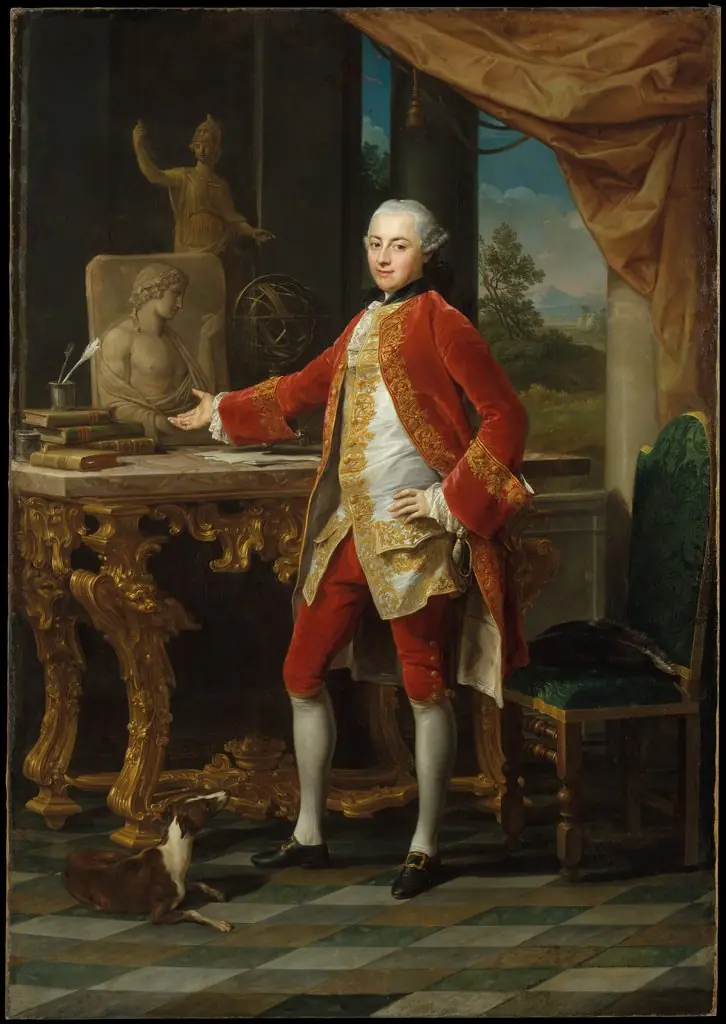 Portrait of a Young Man
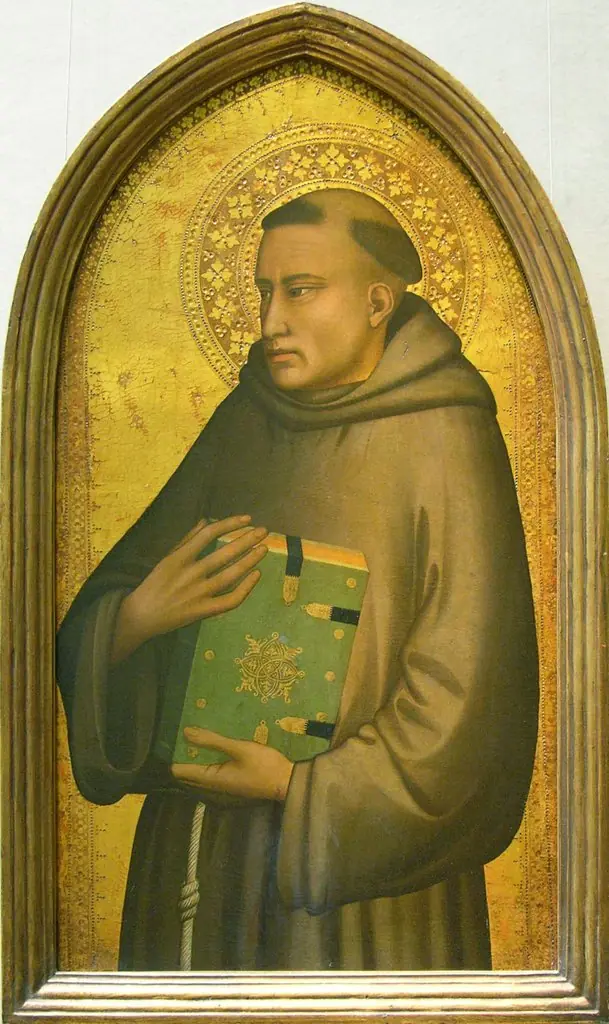 Saint Anthony of Padua
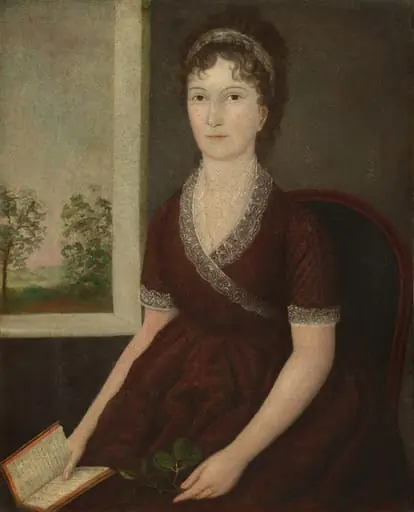 Sarah Ogden Gustin
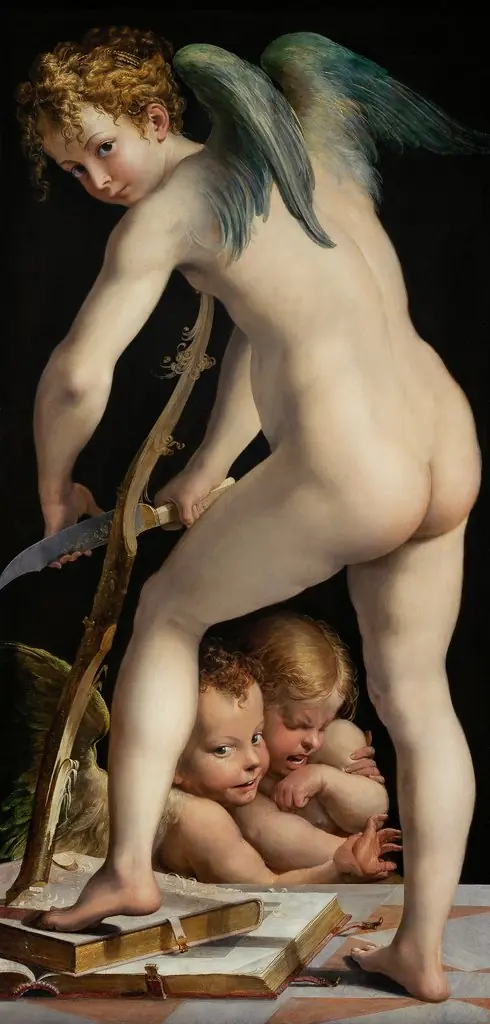 Cupid Making His Arch
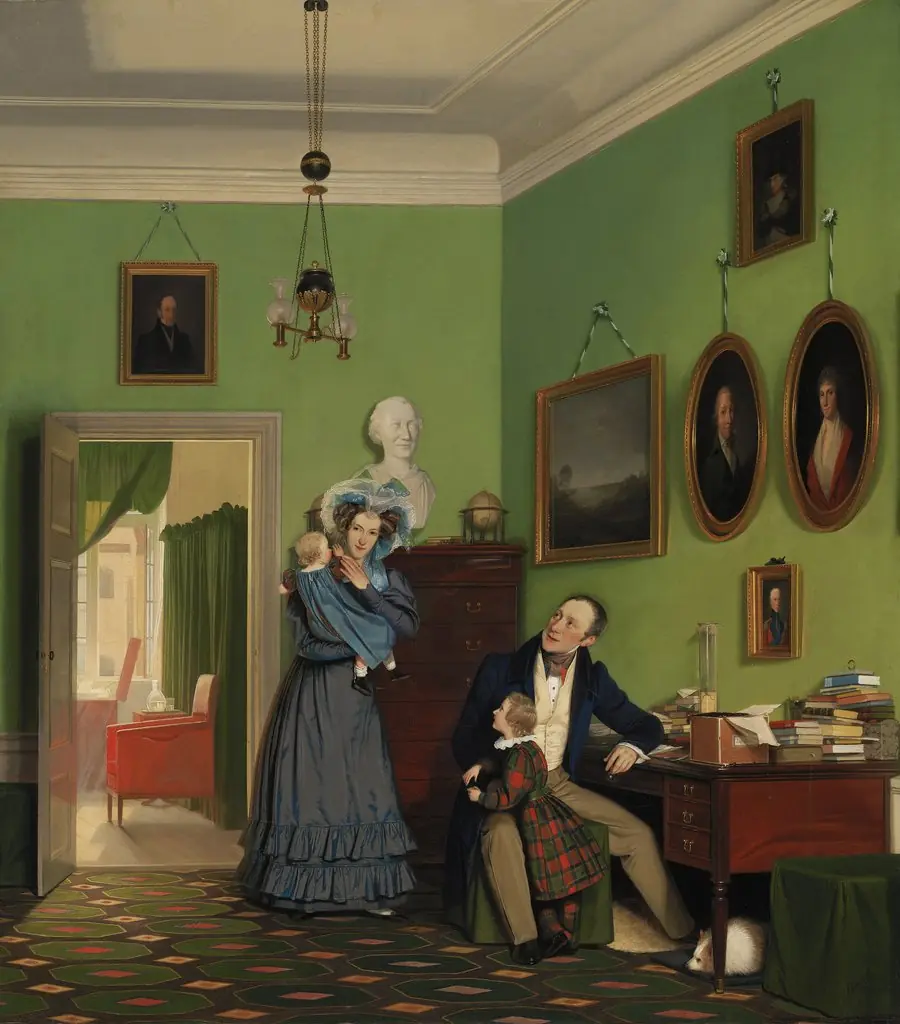 Familien Waagepetersen
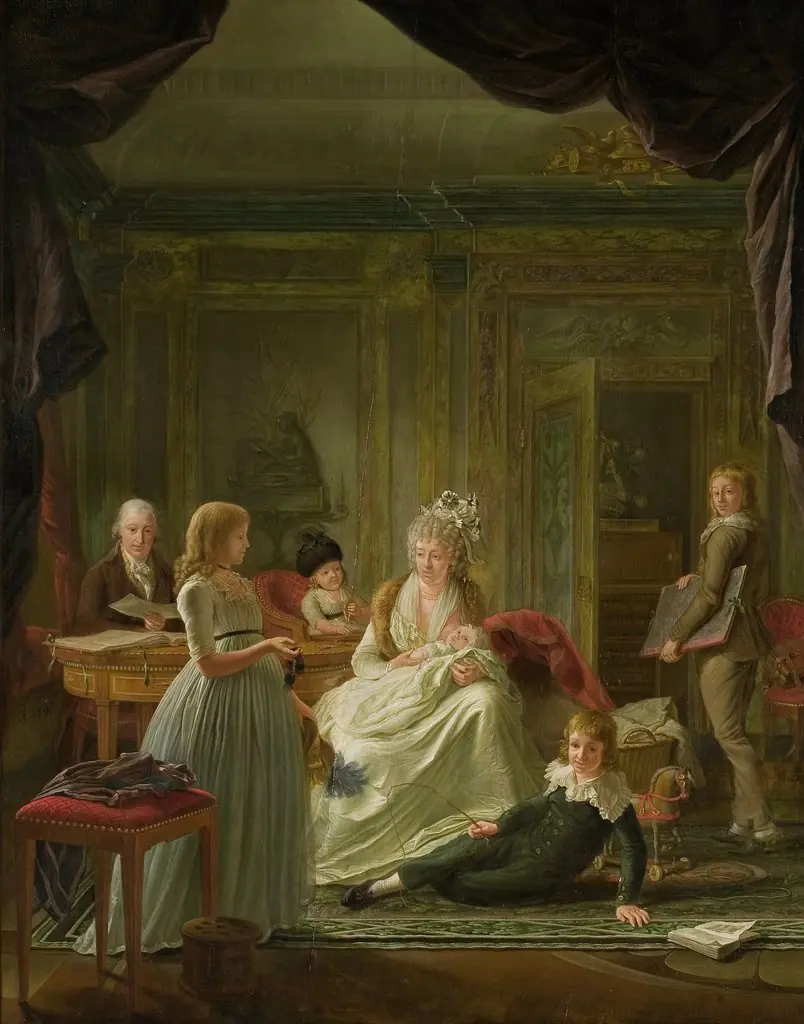 Portrait of Aernout van Beeftingh, his Wife Jacoba Maria Boon and their Children
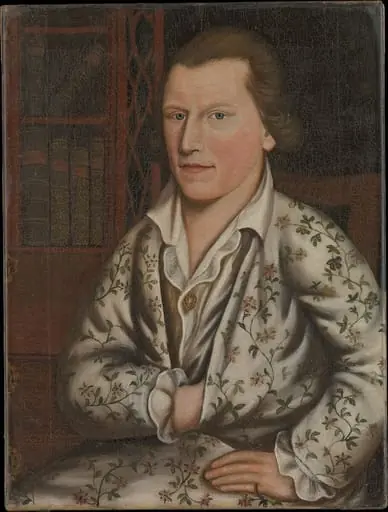 Portrait of William Duguid
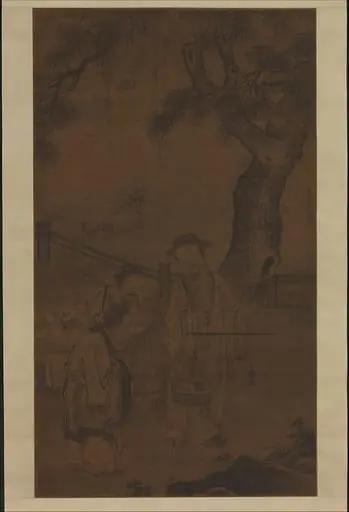 明 郭詡 稱書圖 軸|Weighing Books
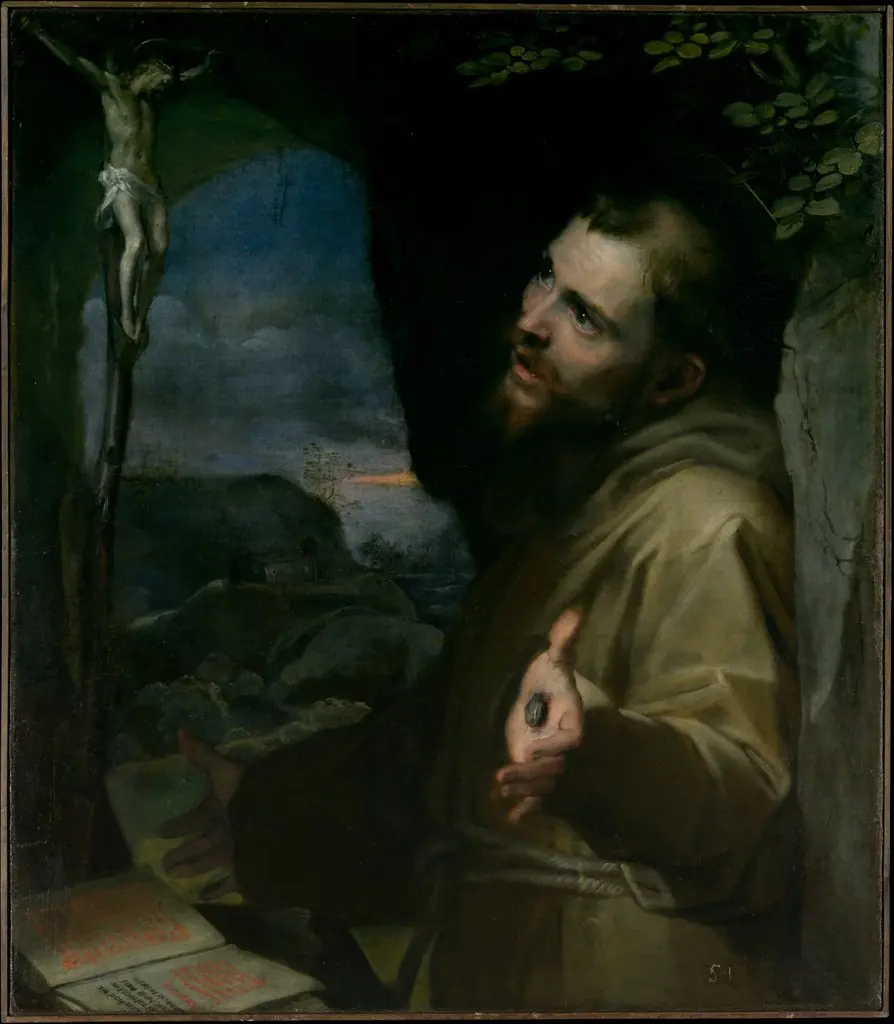 Saint Francis
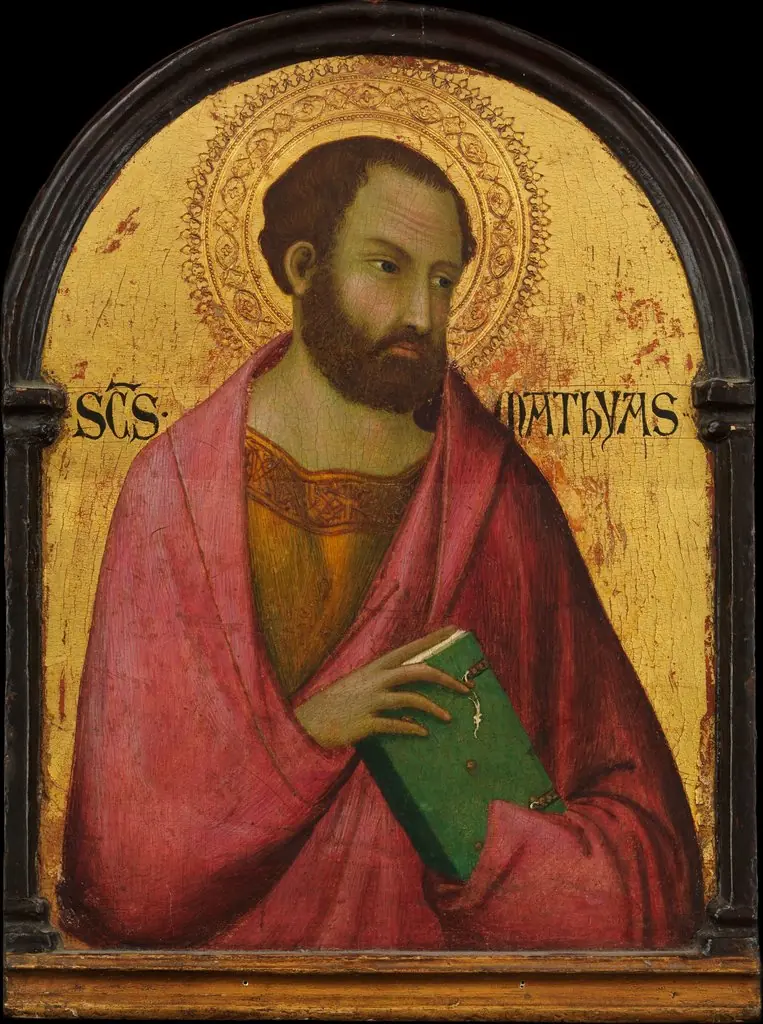 Saint Matthias
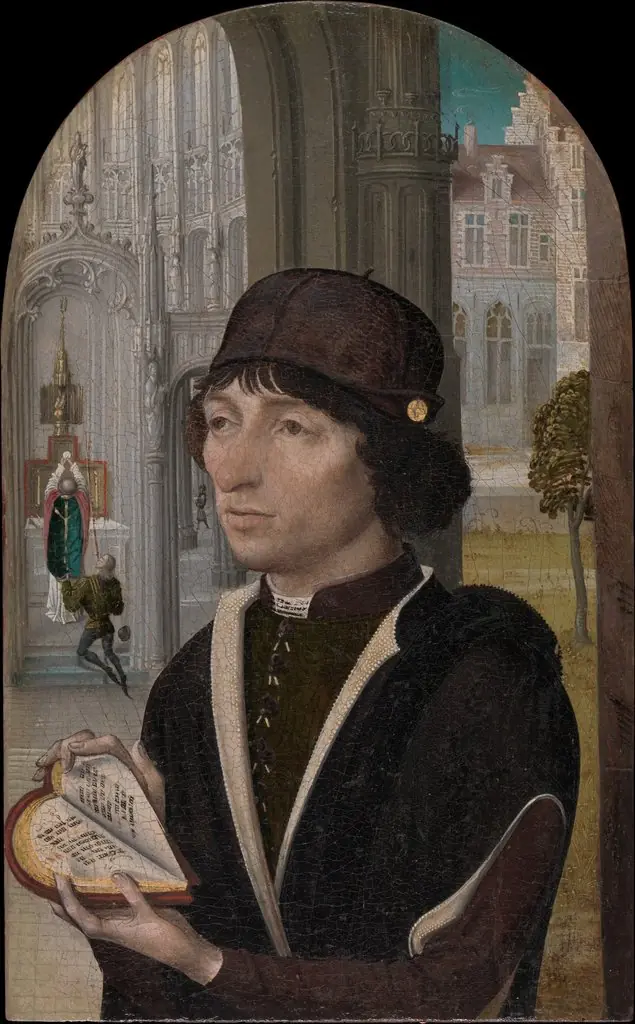 Young Man Holding a Book
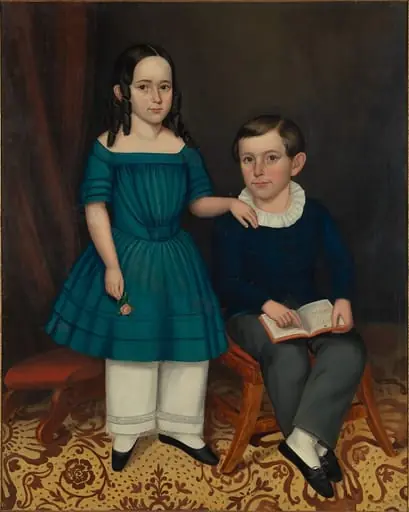 John and Louisa Stock
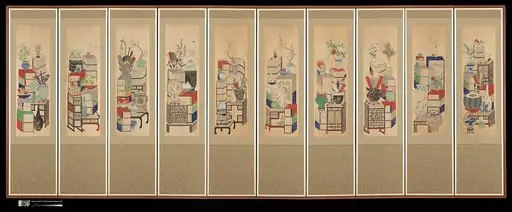 Untitled
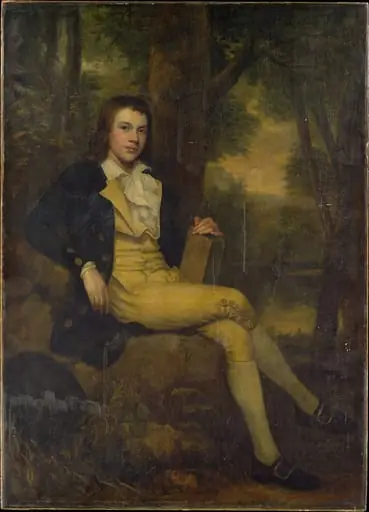 Master Rees Goring Thomas
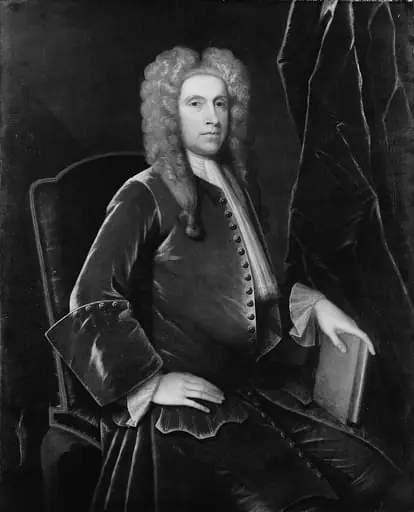 Portrait of a Man
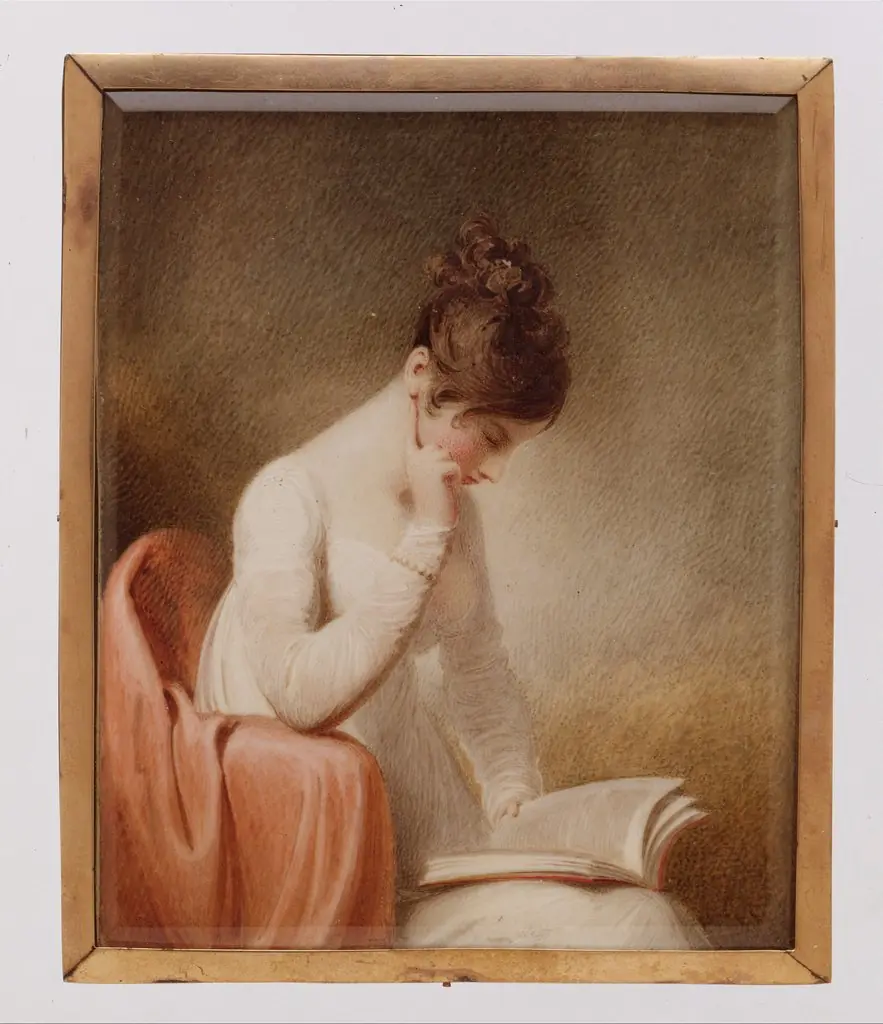 An Interesting Story (Miss Ray)
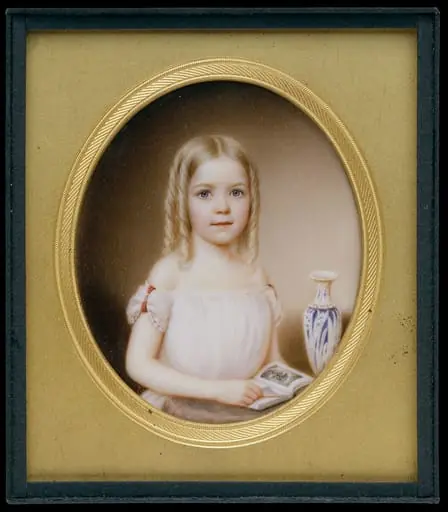 Kate Roselie Dodge
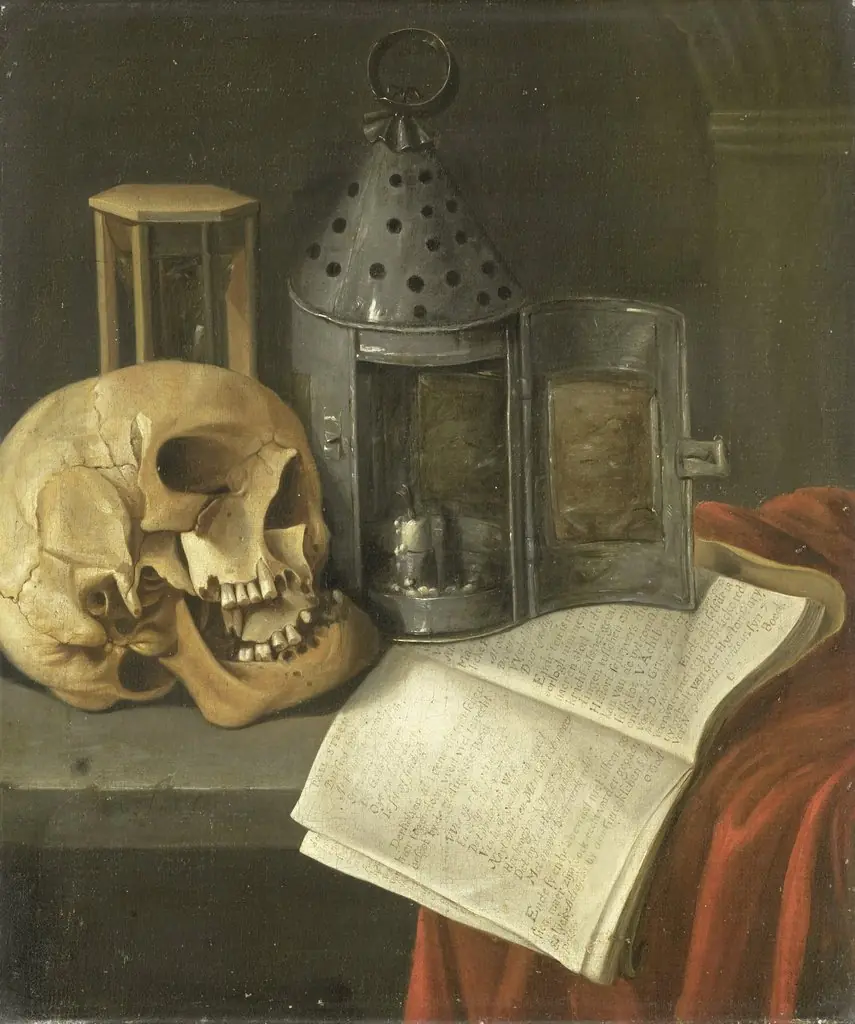 Vanitas Still Life
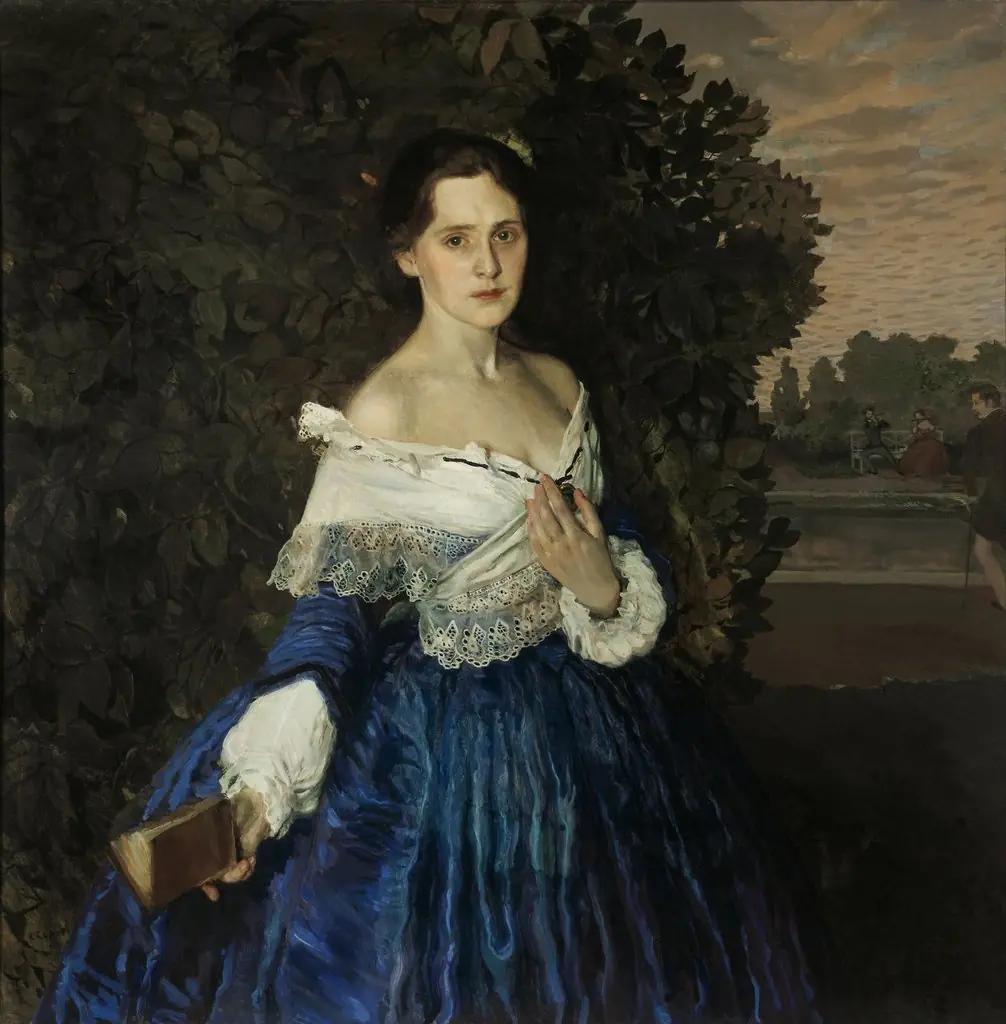 Lady in Blue
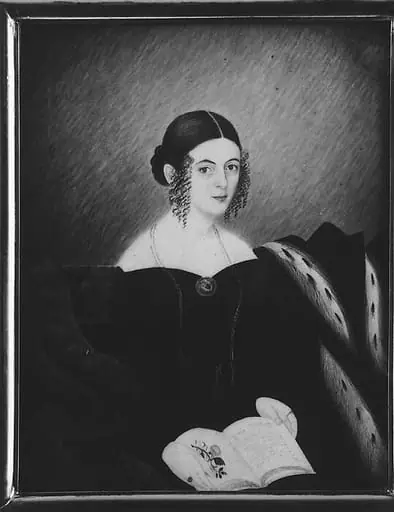 Portrait of a Lady
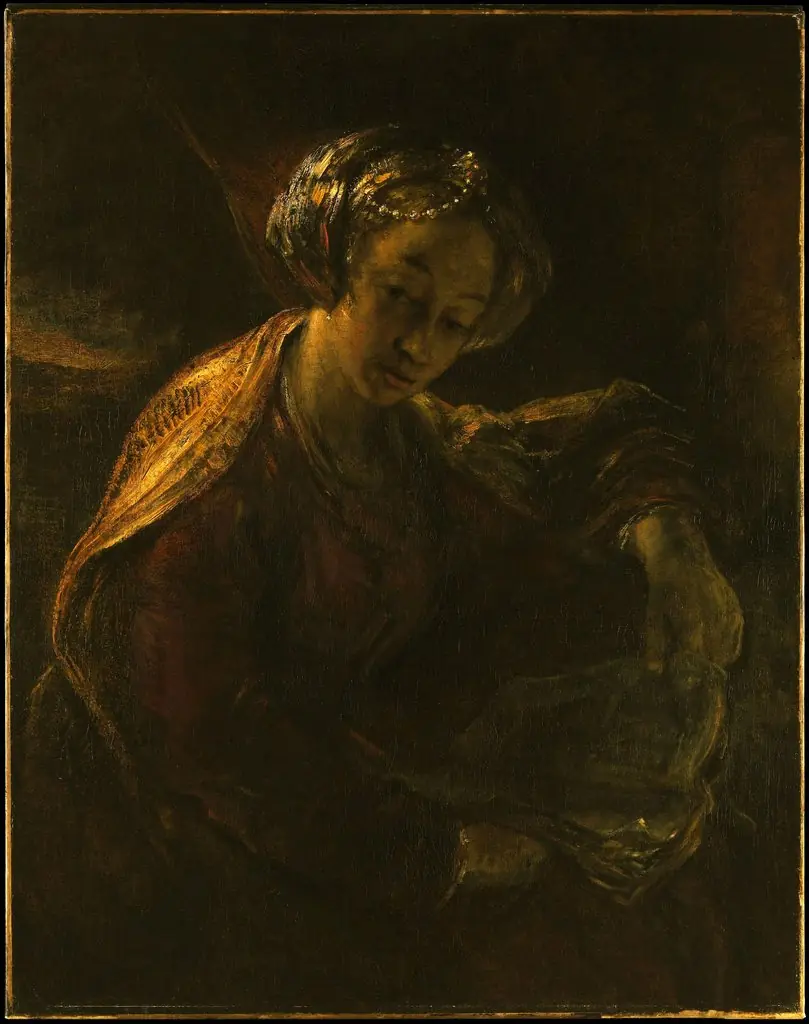 The Sibyl
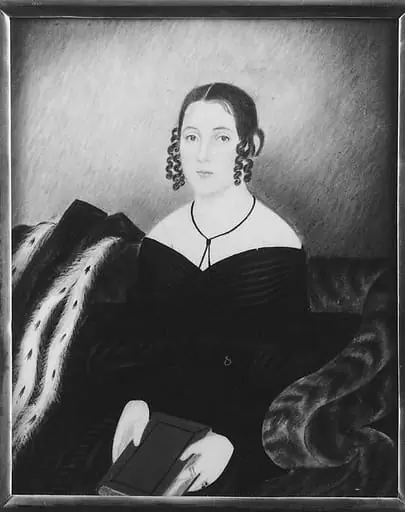 Portrait of a Lady
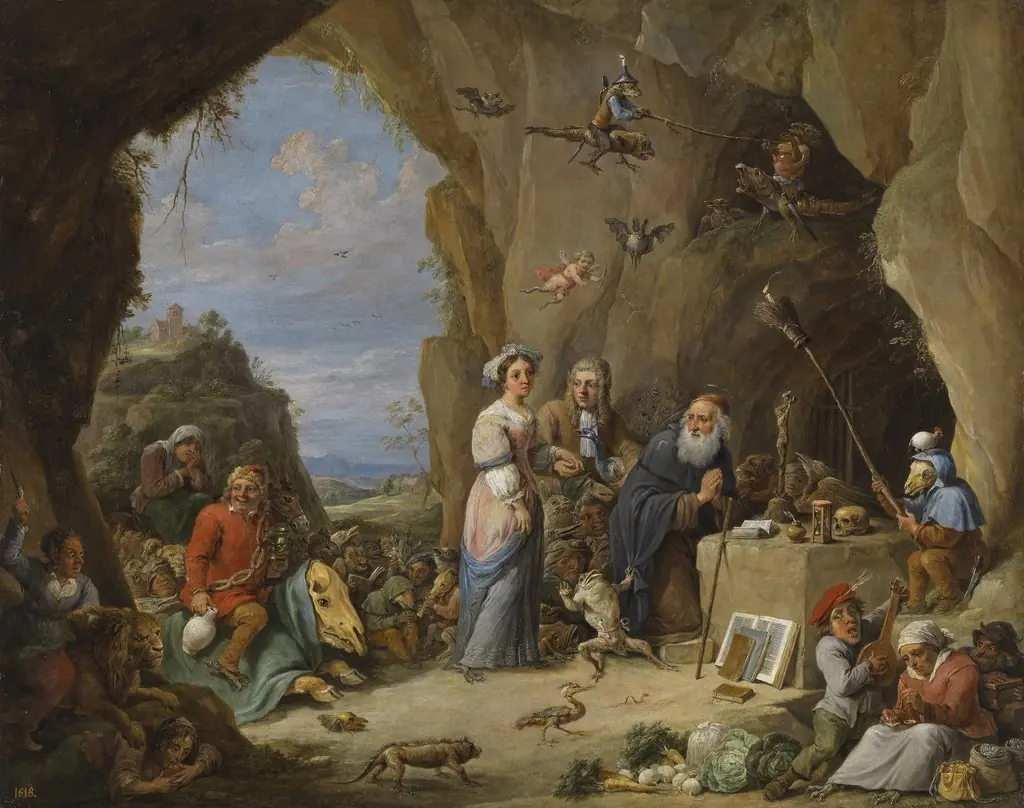 Temptation of St. Anthony
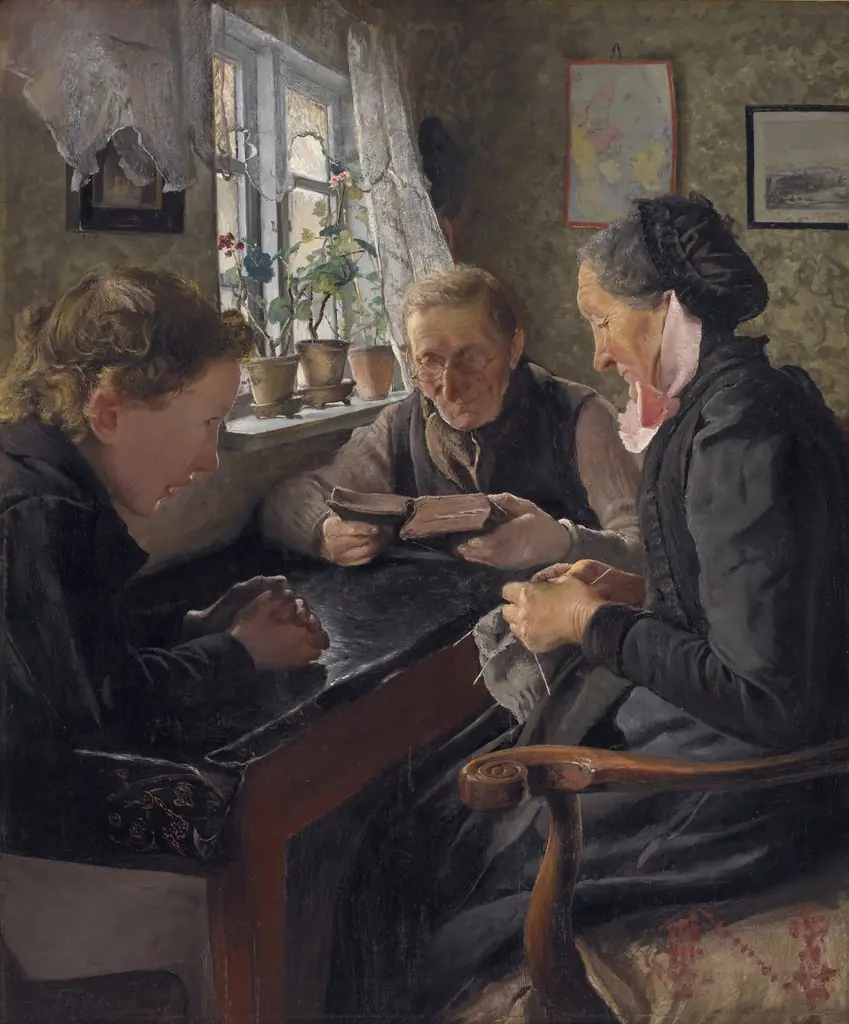 A Child Visiting his Grandparents on a Sunday
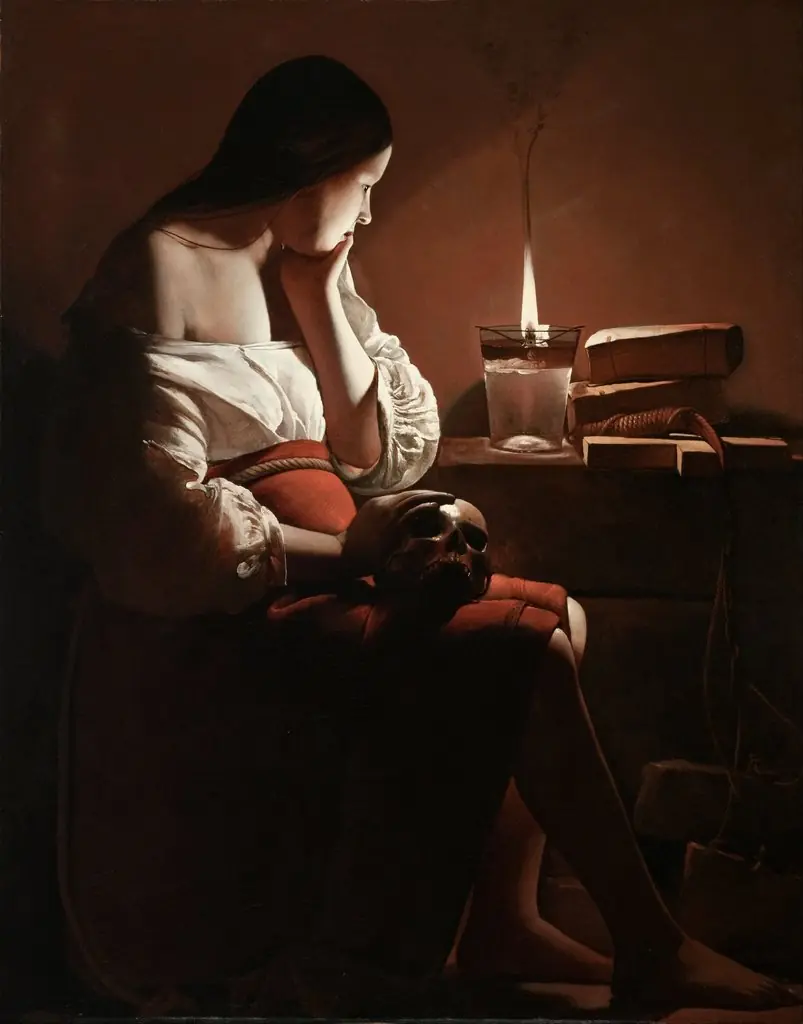 Magdalen with the Smoking Flame
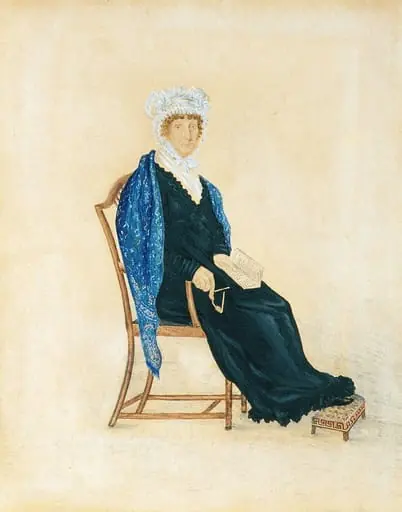 Portrait of Mrs. Crofts
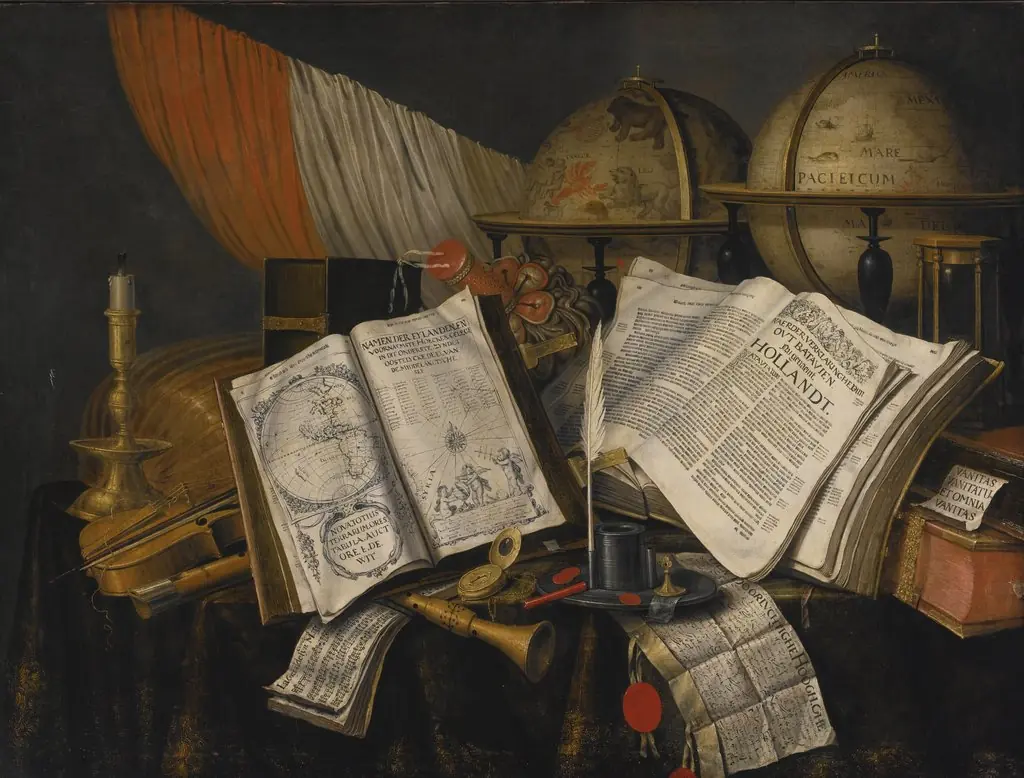 Vanitas Still Life with a Candlestick, Musical Instruments, Dutch Books, a Writing Set, an Astrological and a Terrestial Globe and an Hourglass, All on a Draped Table
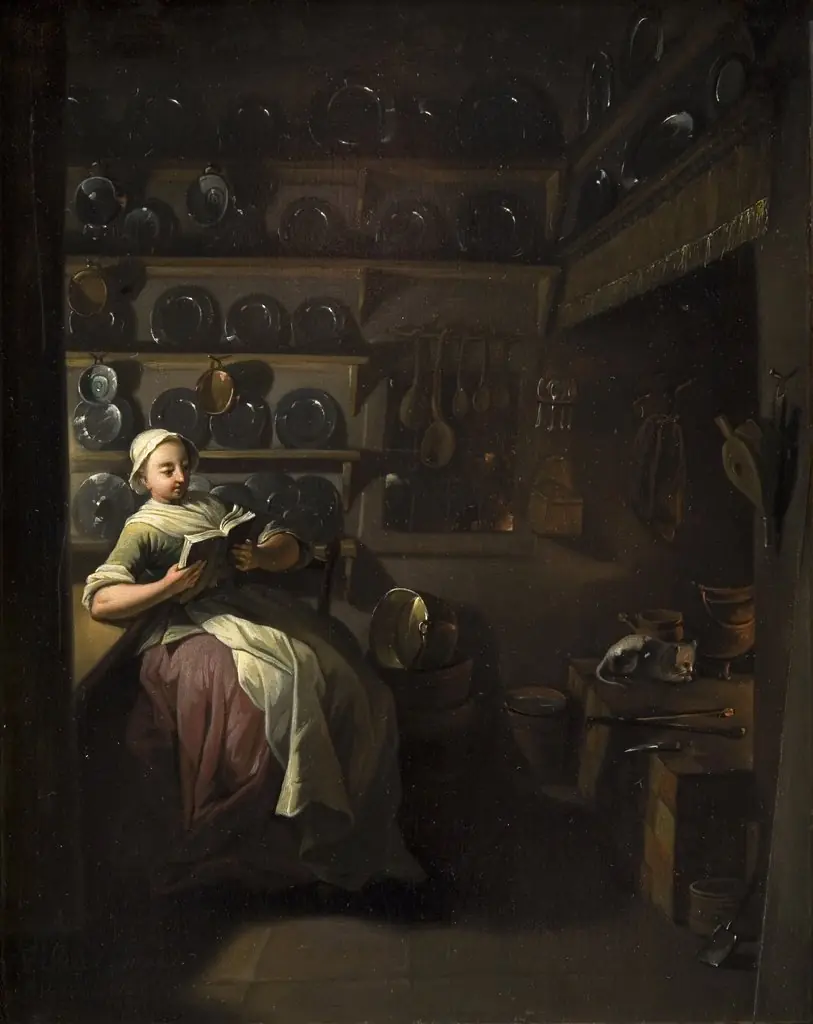 Kitchen Interior with a Girl Reading
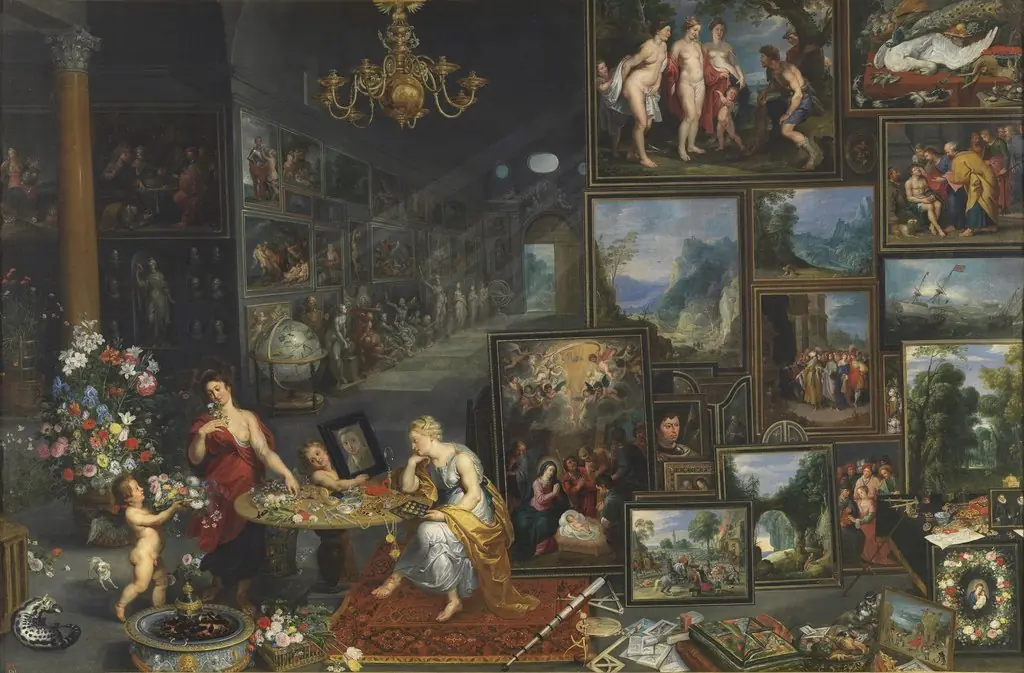 Allegory of Sight and Smell
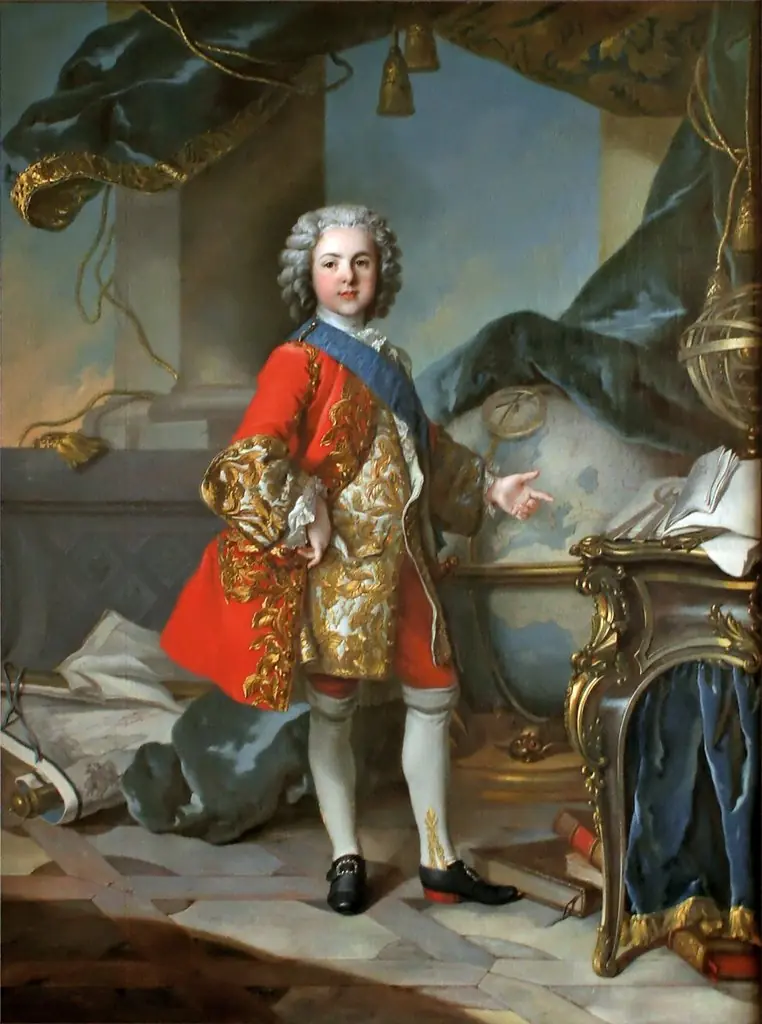 Portrait of Louis of France
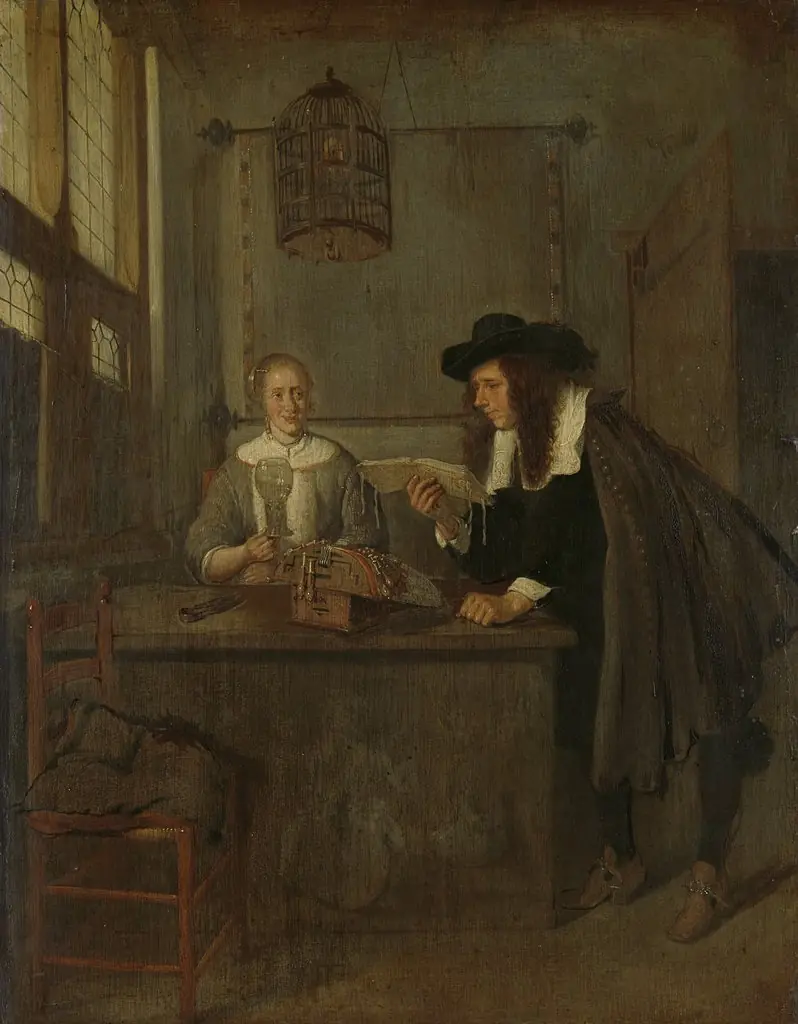 Reading aloud
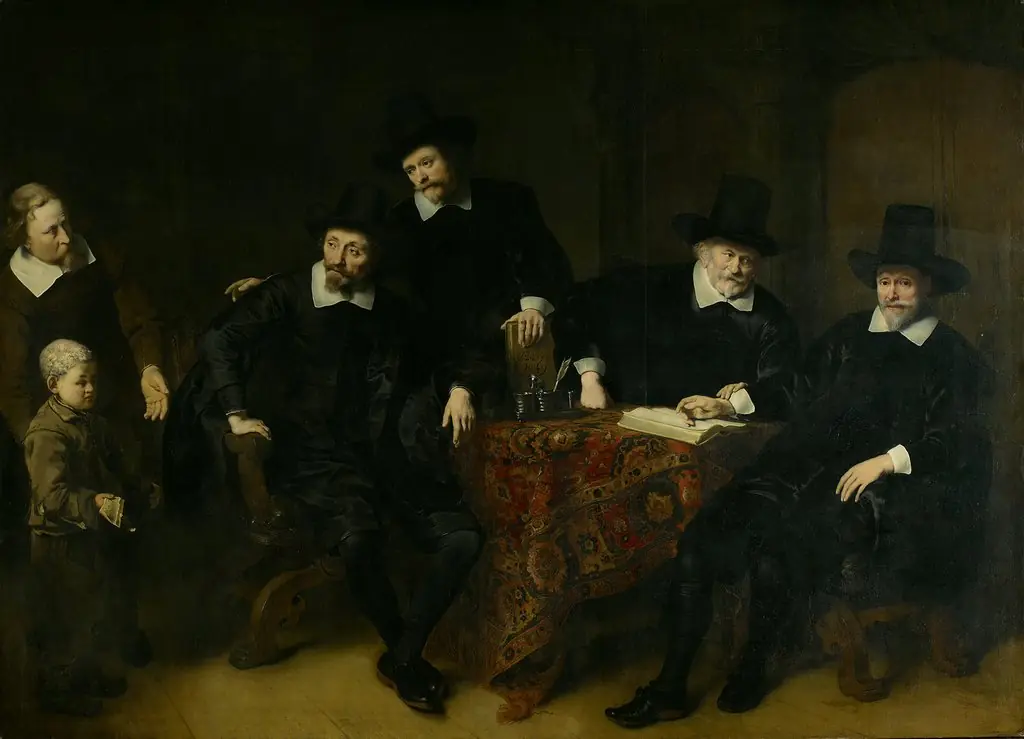 The Regents of the Leper's house in Amsterdam in 1649
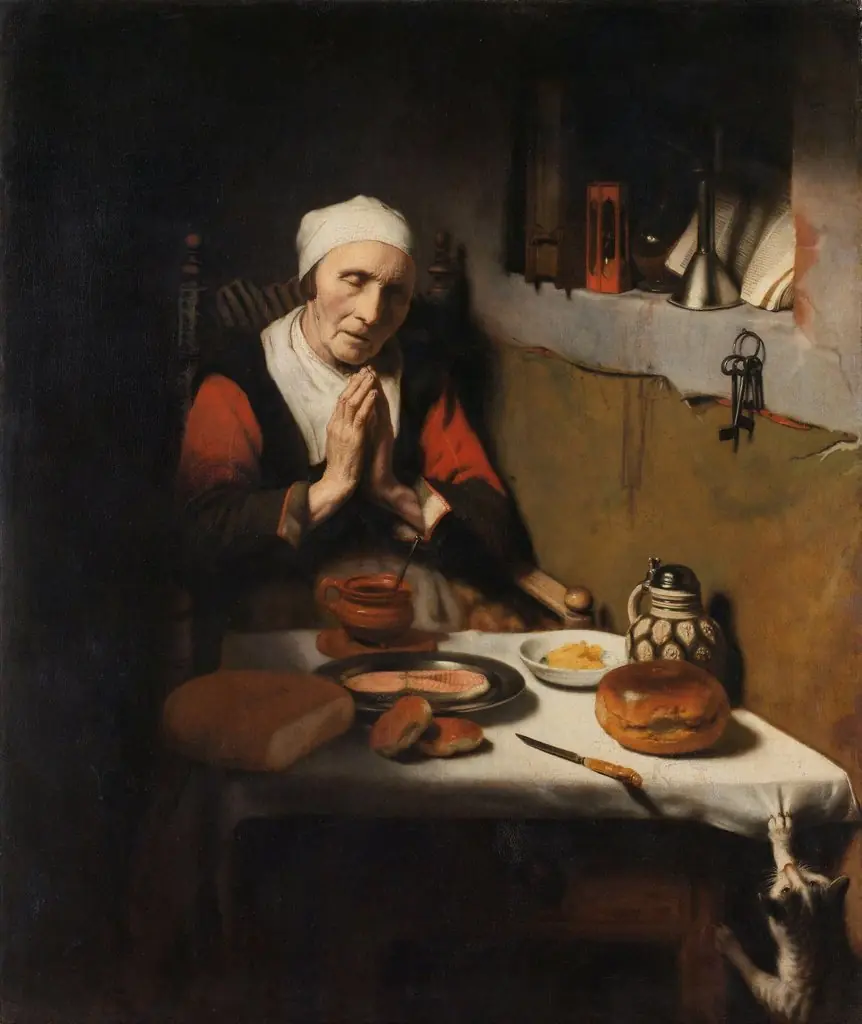 Old Woman Saying Grace, Known as ‘The Prayer without End’
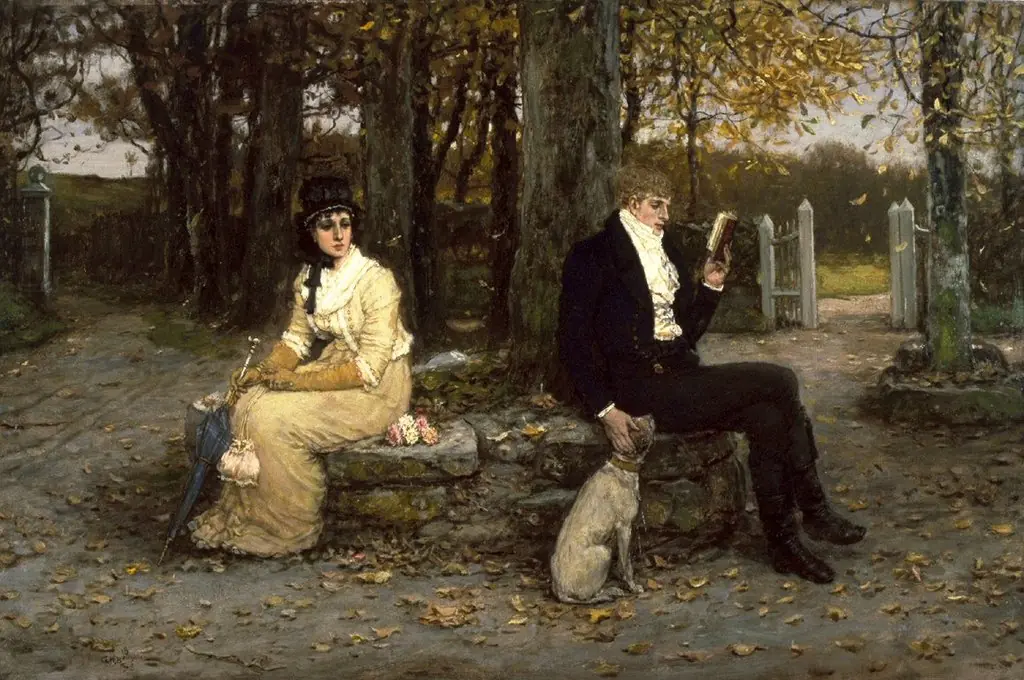 The Waning Honeymoon
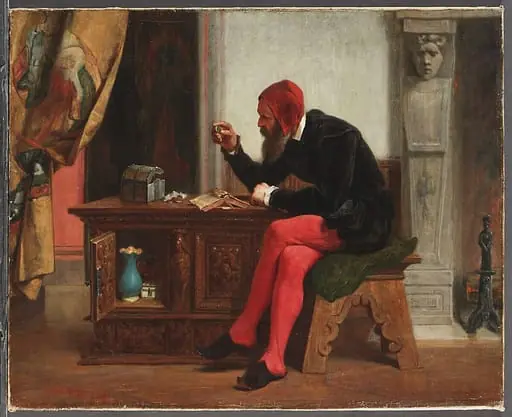 The Antiquary
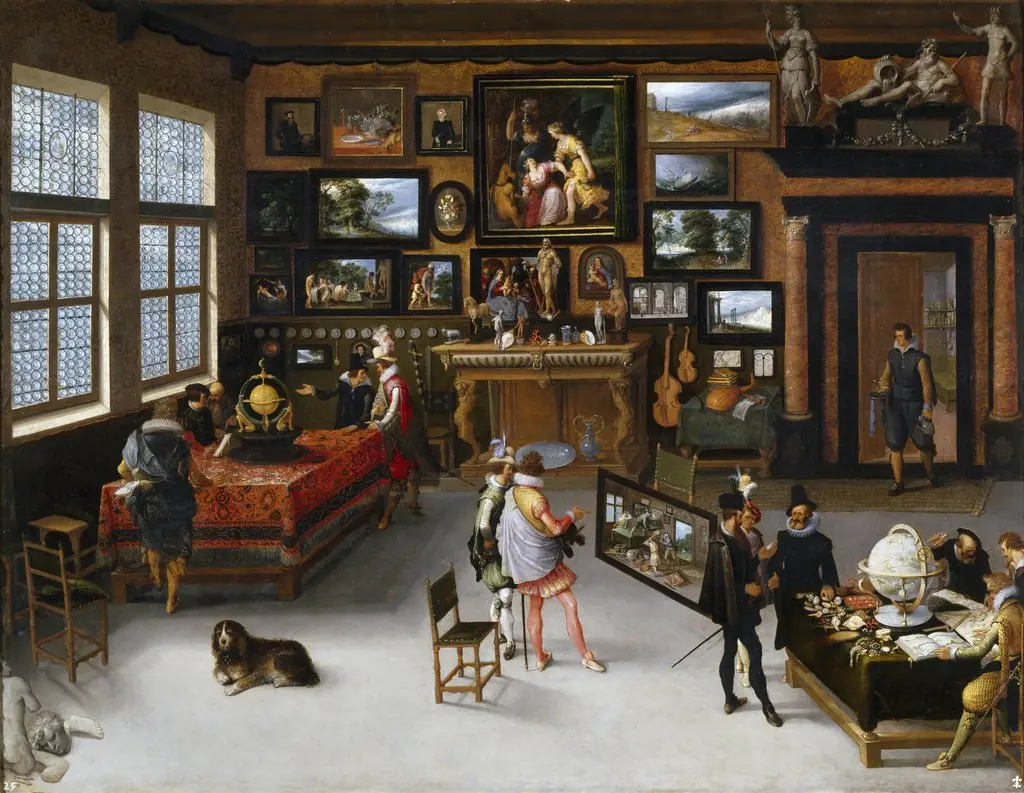 The Sciences and Arts
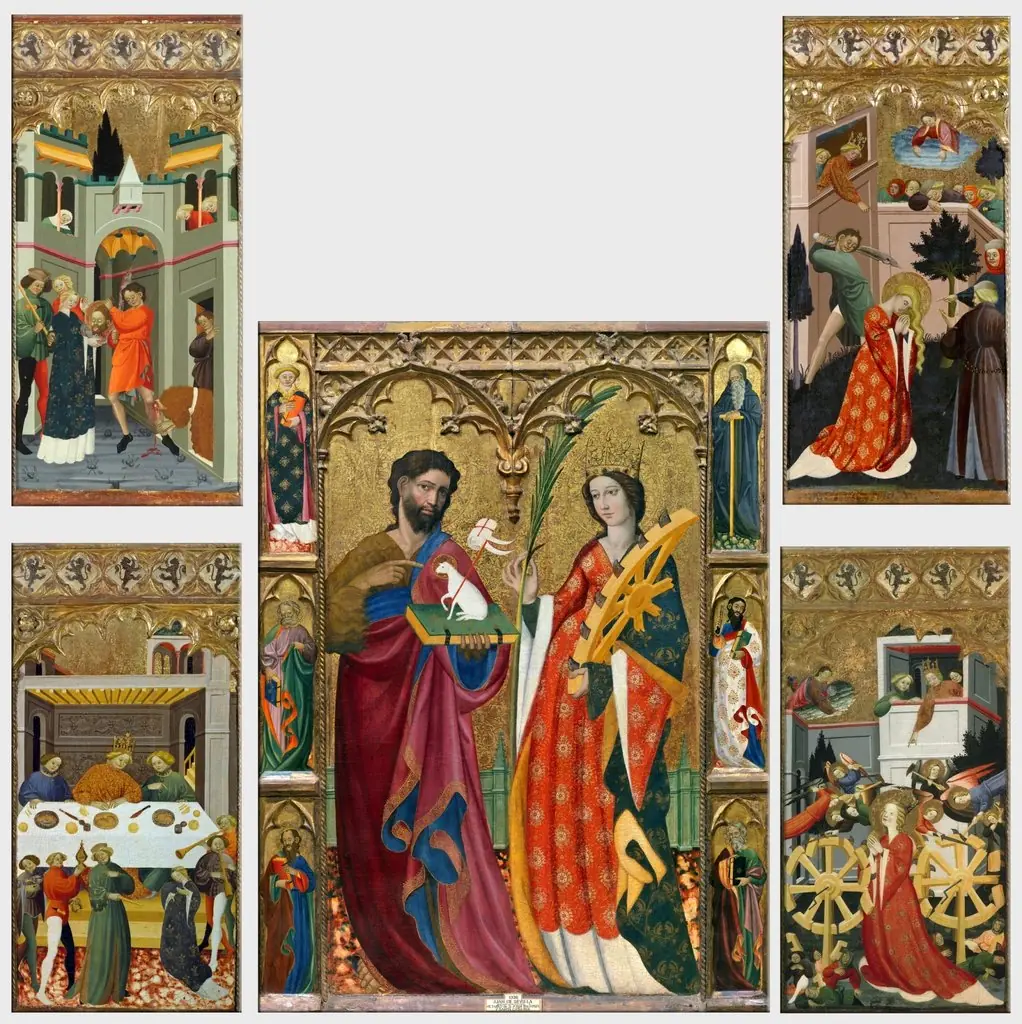 Saint John the Baptist and Saint Catherine Altar Piece
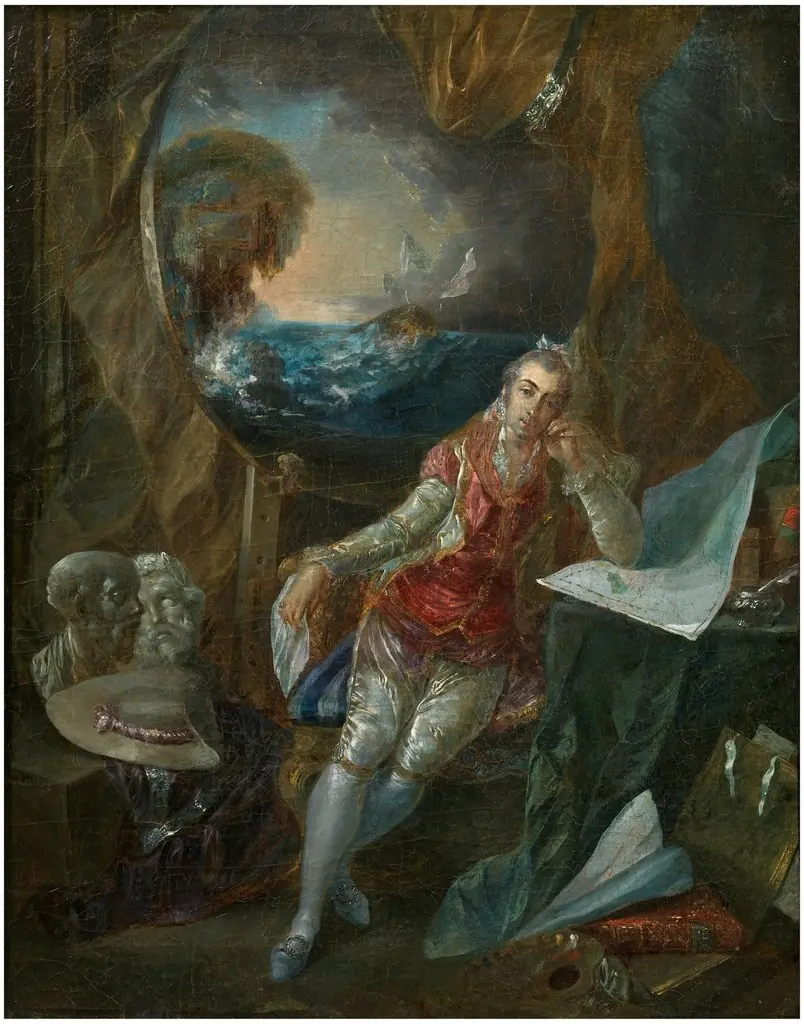 Self-portrait of the Artist in his Studio
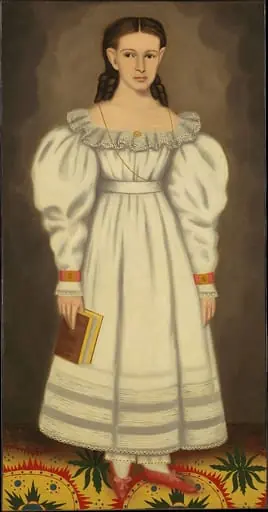 Girl of the Bangs-Phelps Family
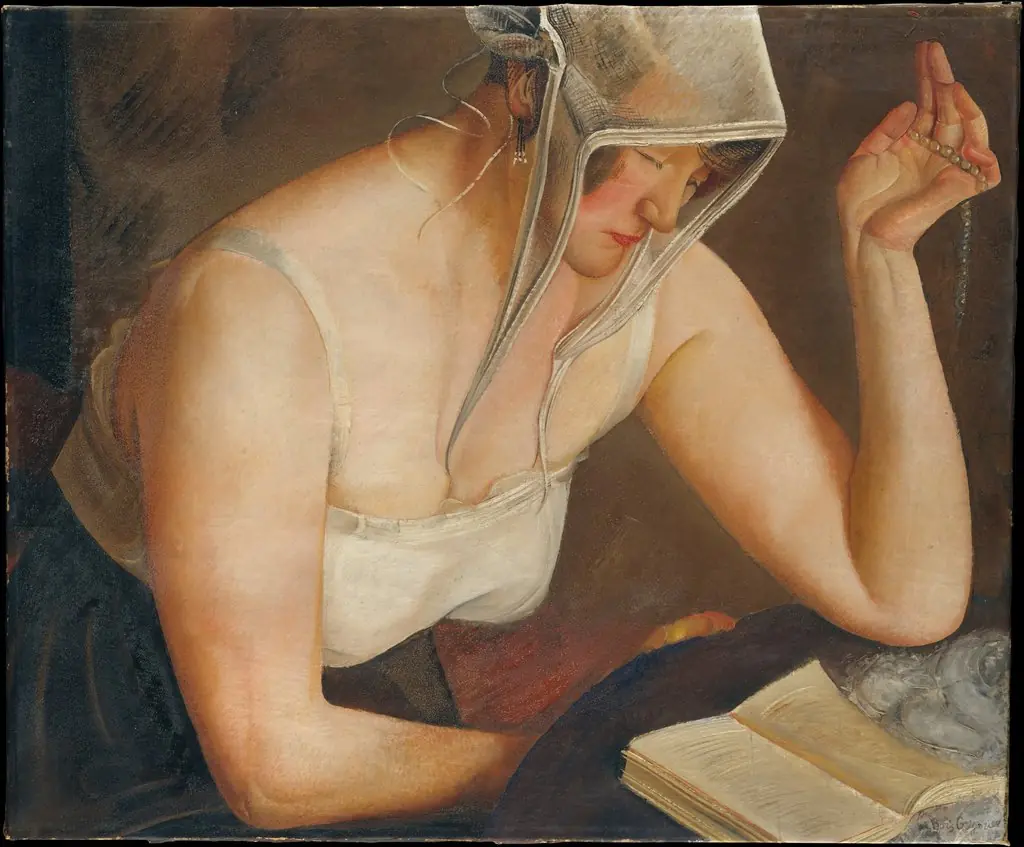 Woman Reading
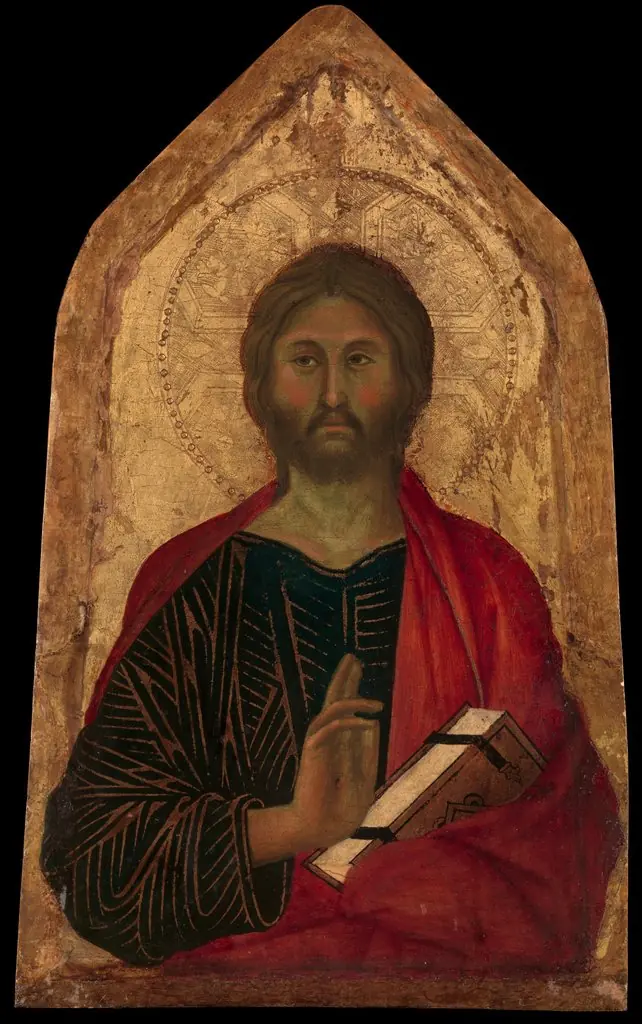 Christ Blessing
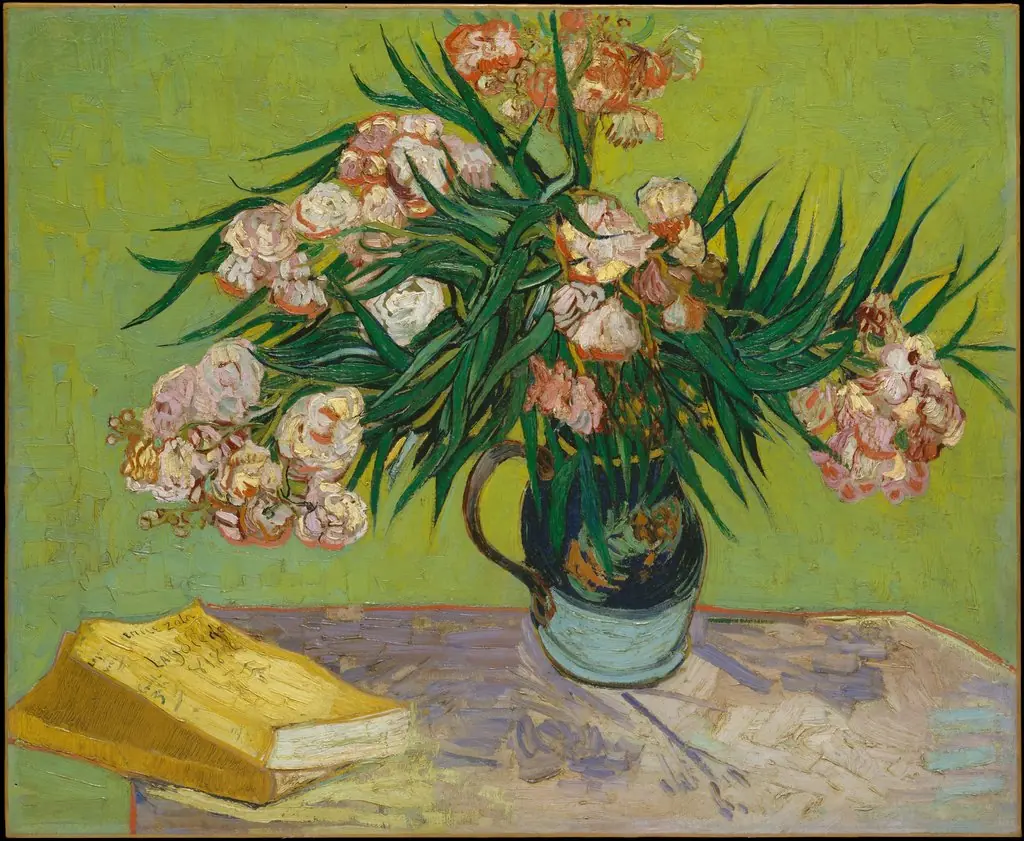 Oleanders
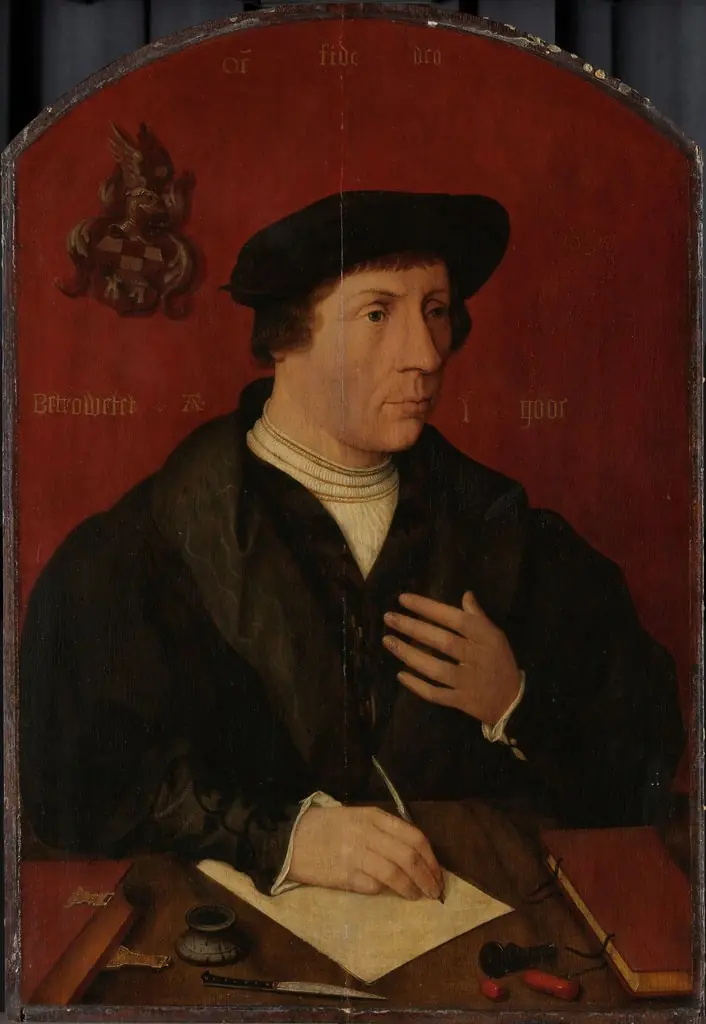 Portrait of a man
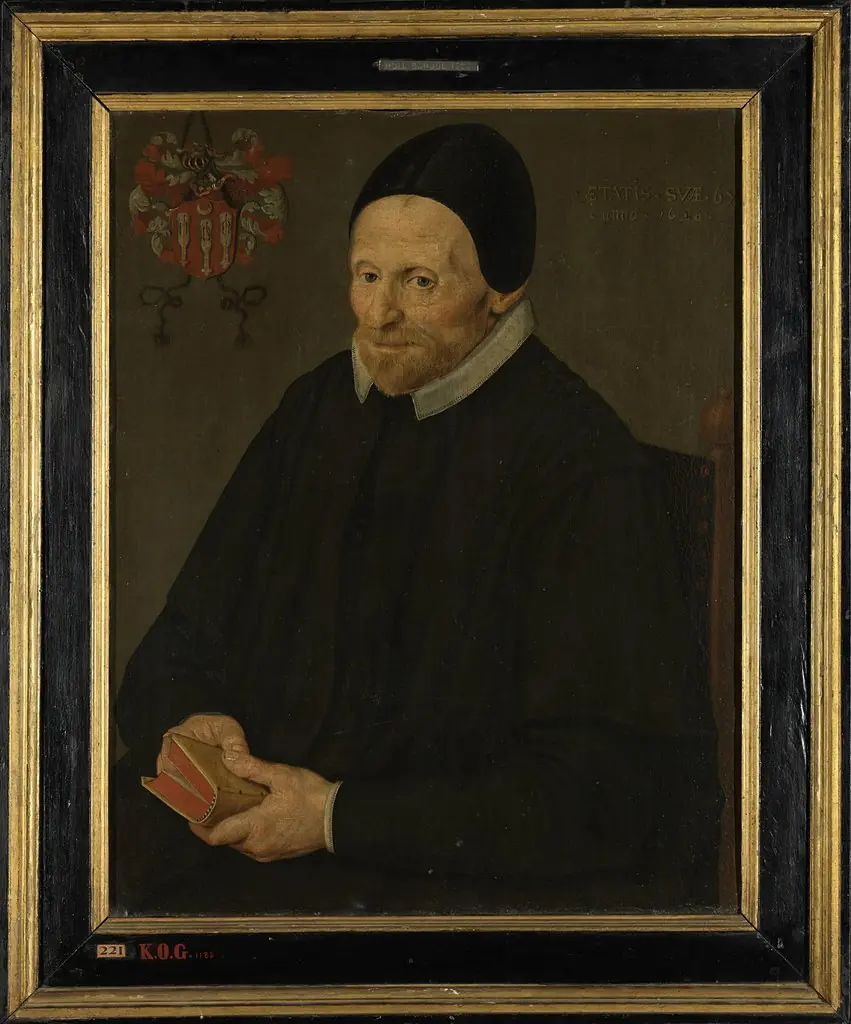 Portrait of Jacob Hendricksz van Swieten (1558-1626)
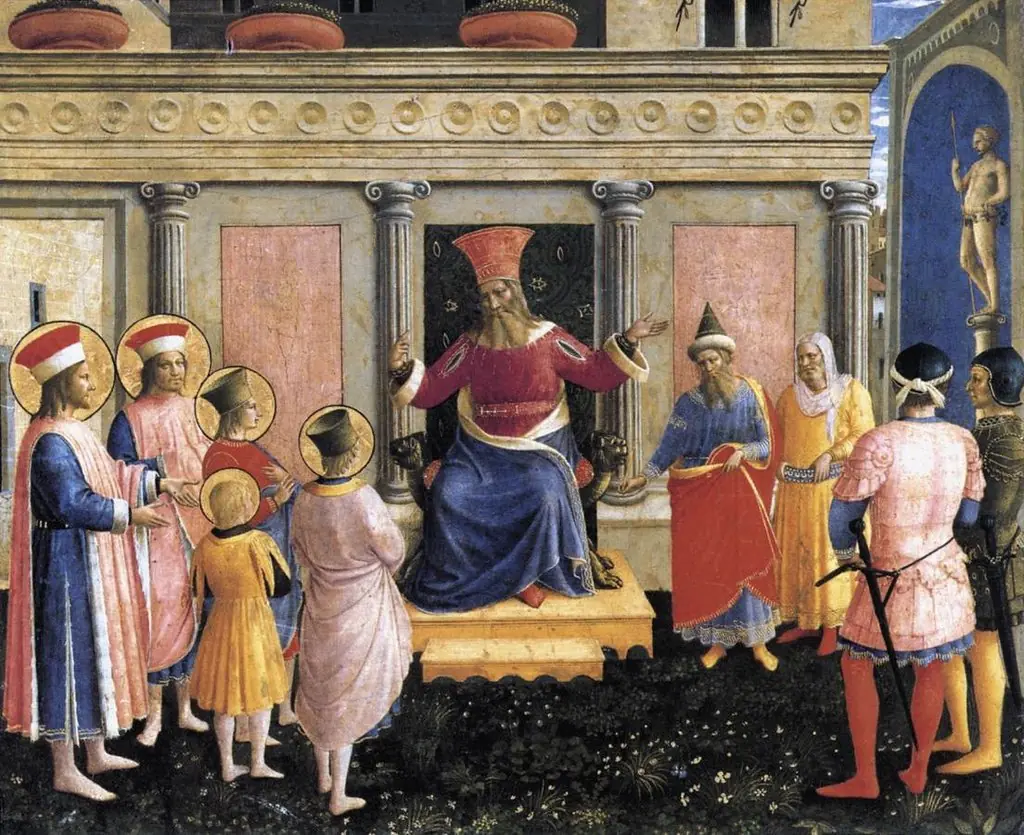 The Saints Cosmas and Damian with their Brothers before the Proconsul Lysias
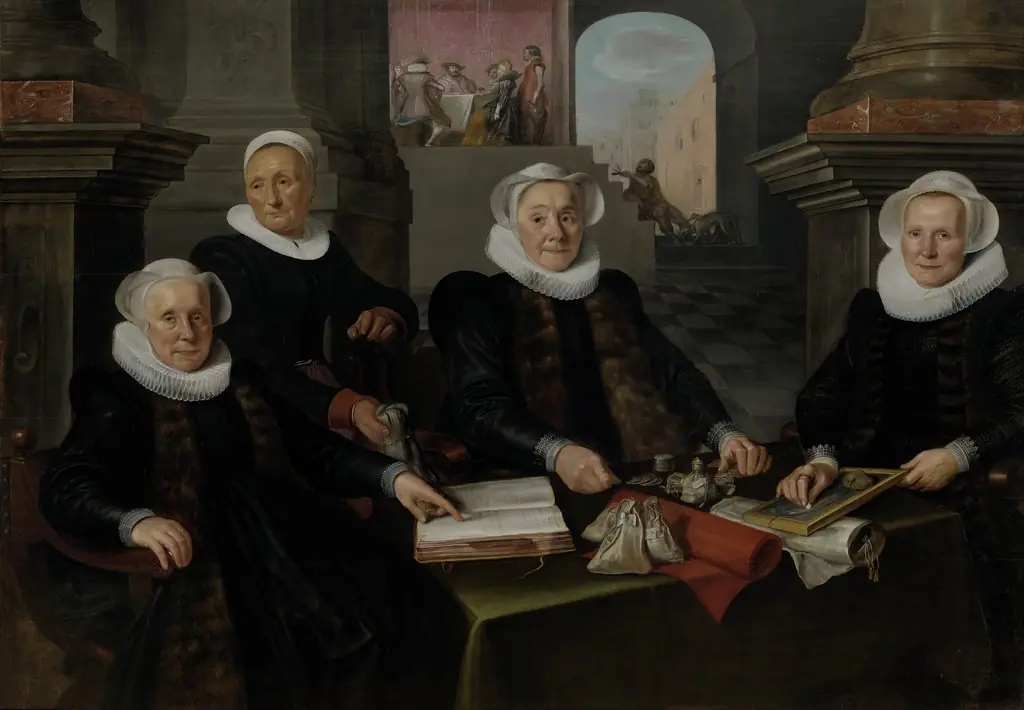 Three Regentesses and the ‘House Mother’ of the Amsterdam Lepers’ Asylum
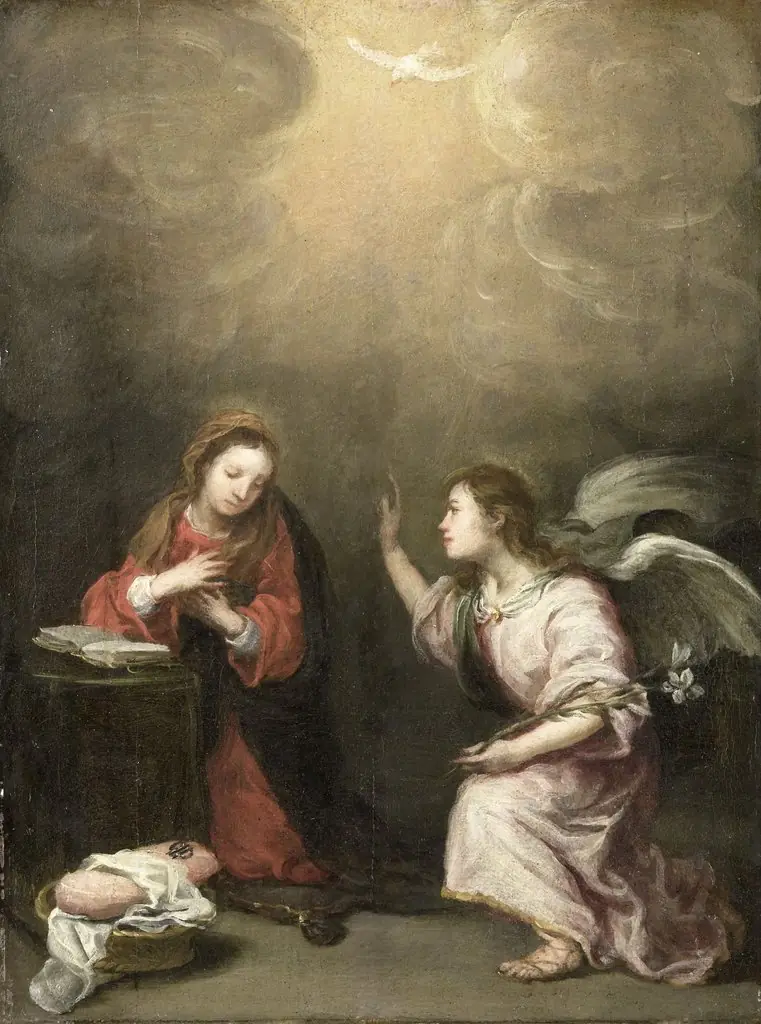 Annunciation to the Virgin
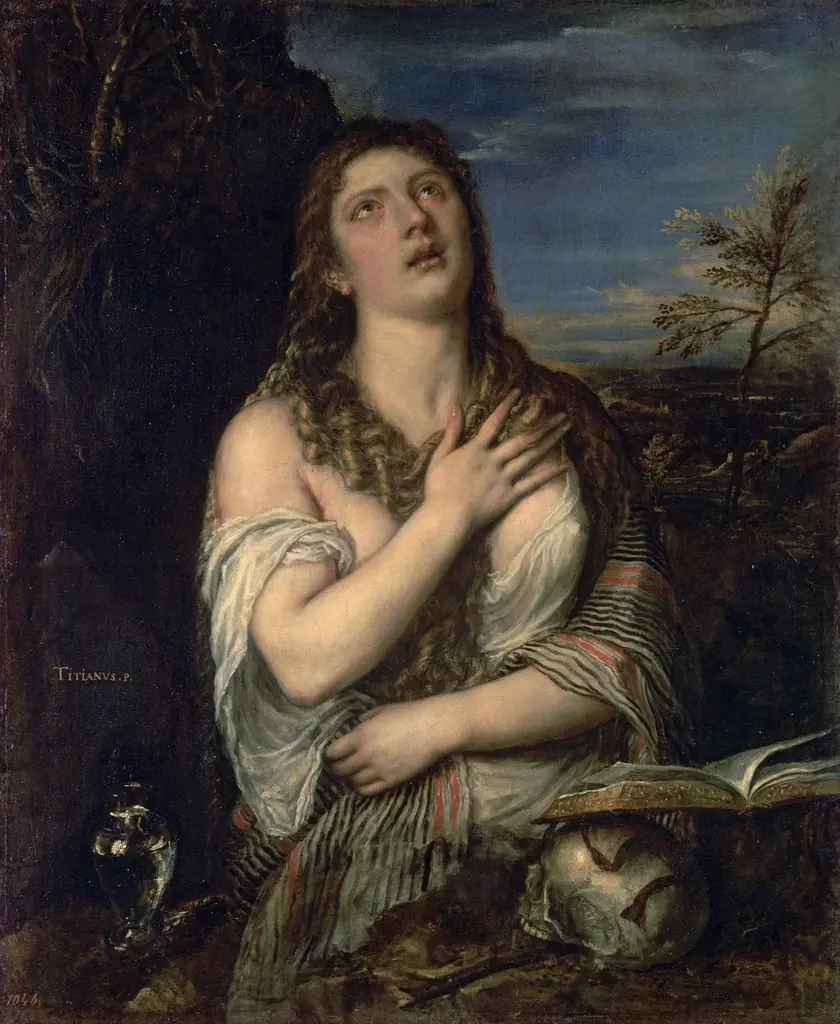 Penitent Magdalene
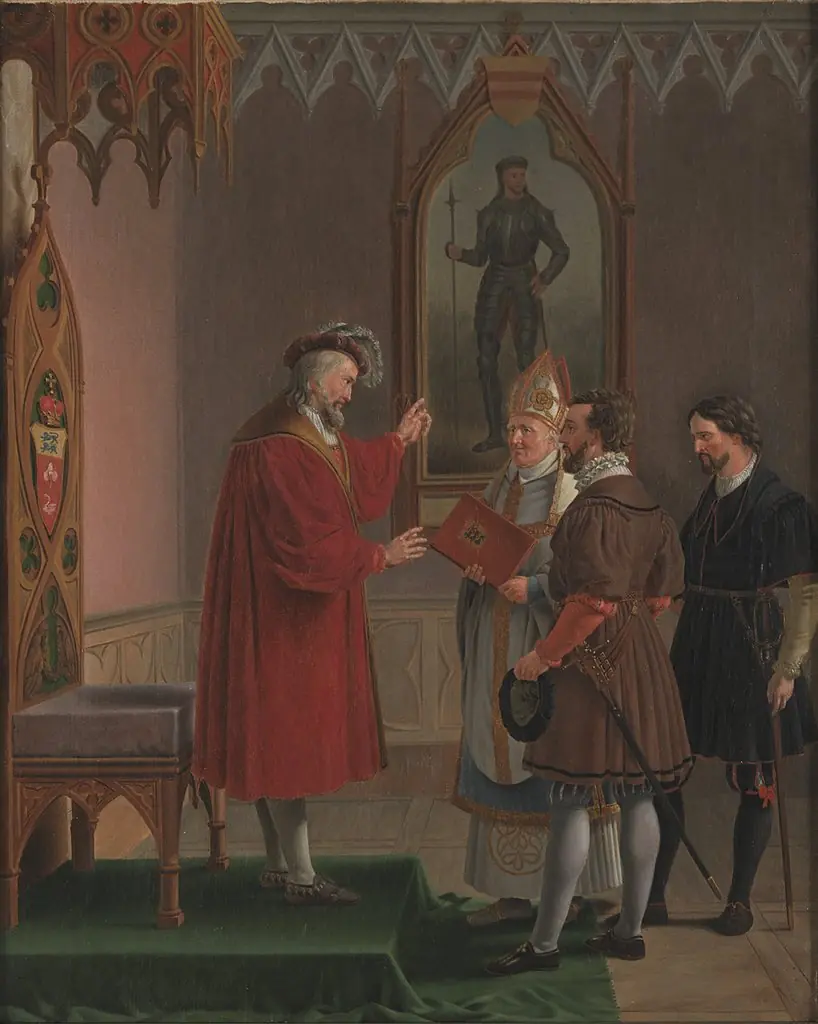 Adolf, Duke of Schleswig-Holstein, Declines the Offer to Accede to the Danish Throne. Copy after C. W. Eckersberg
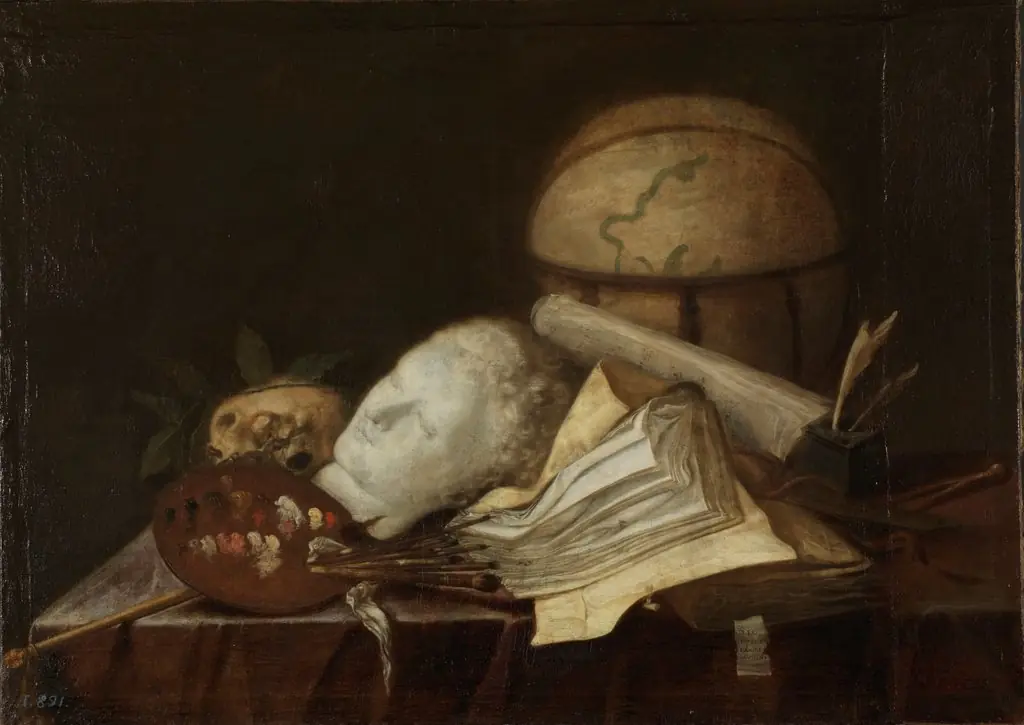 Allegory of the Arts and Sciences
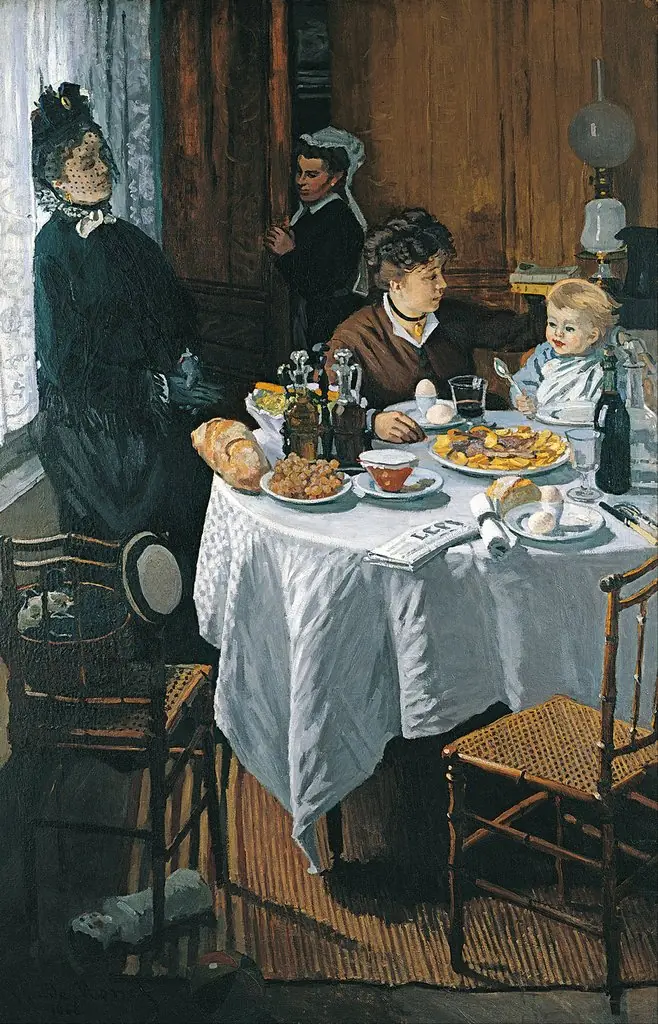 The Luncheon
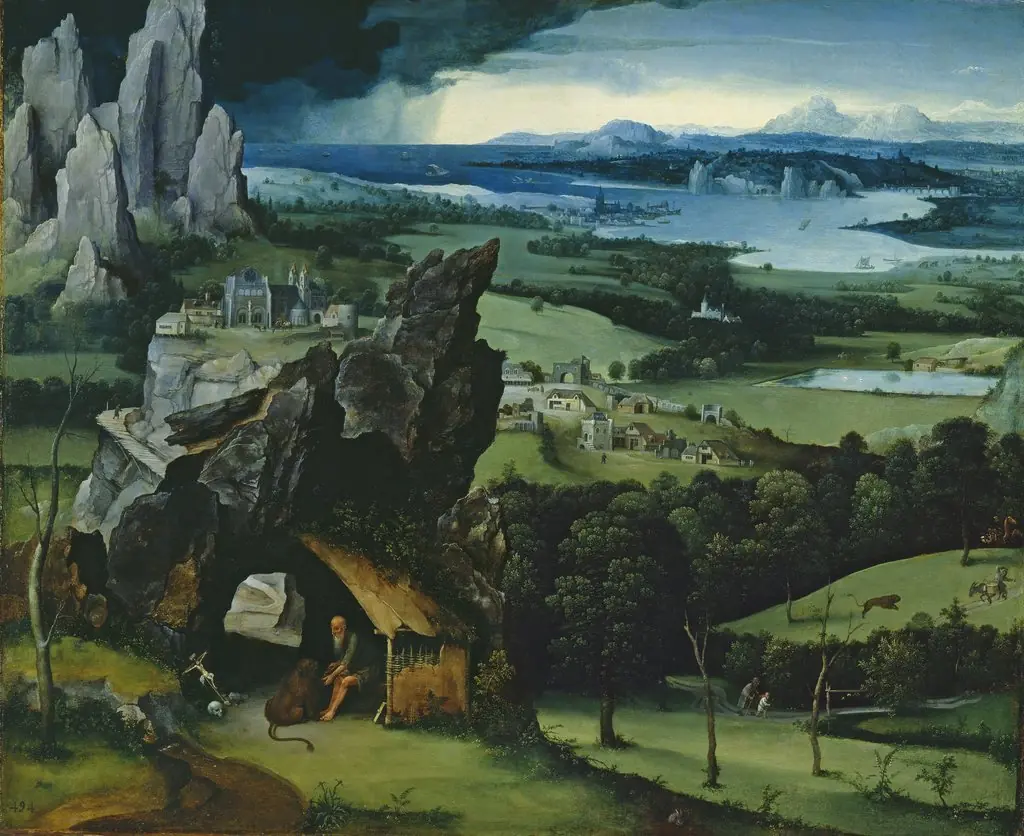 Landscape with St Jerome
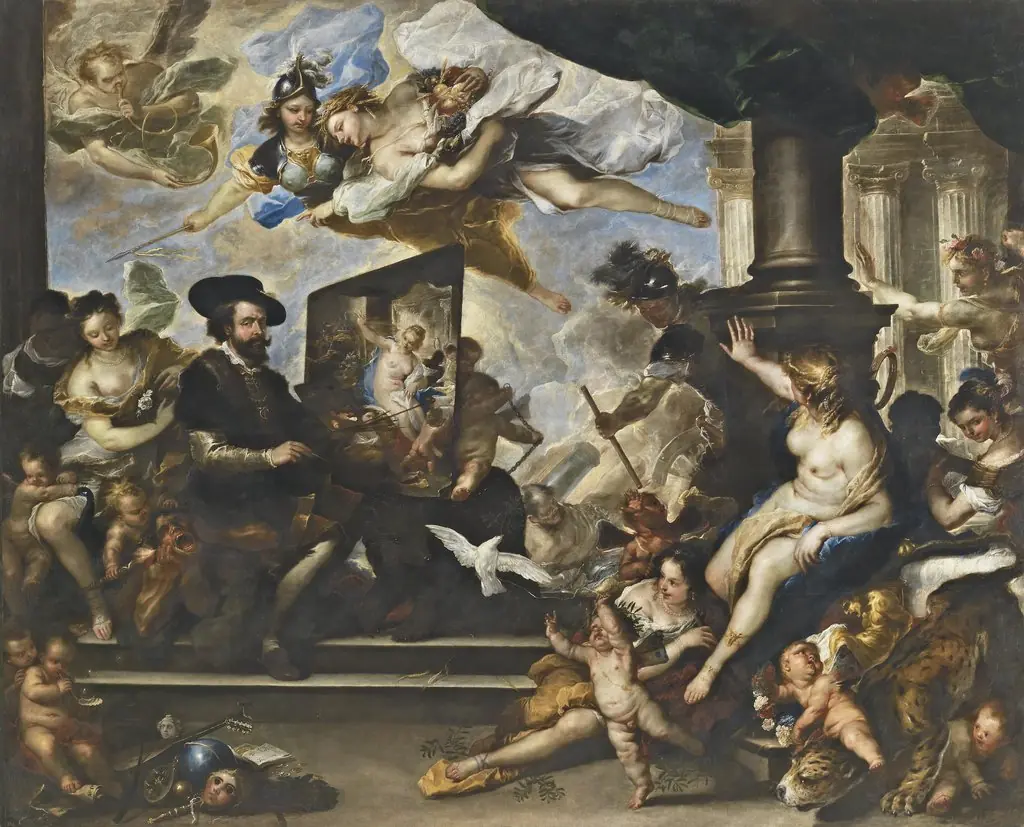 Rubens painting ‘The Allegory of Peace’
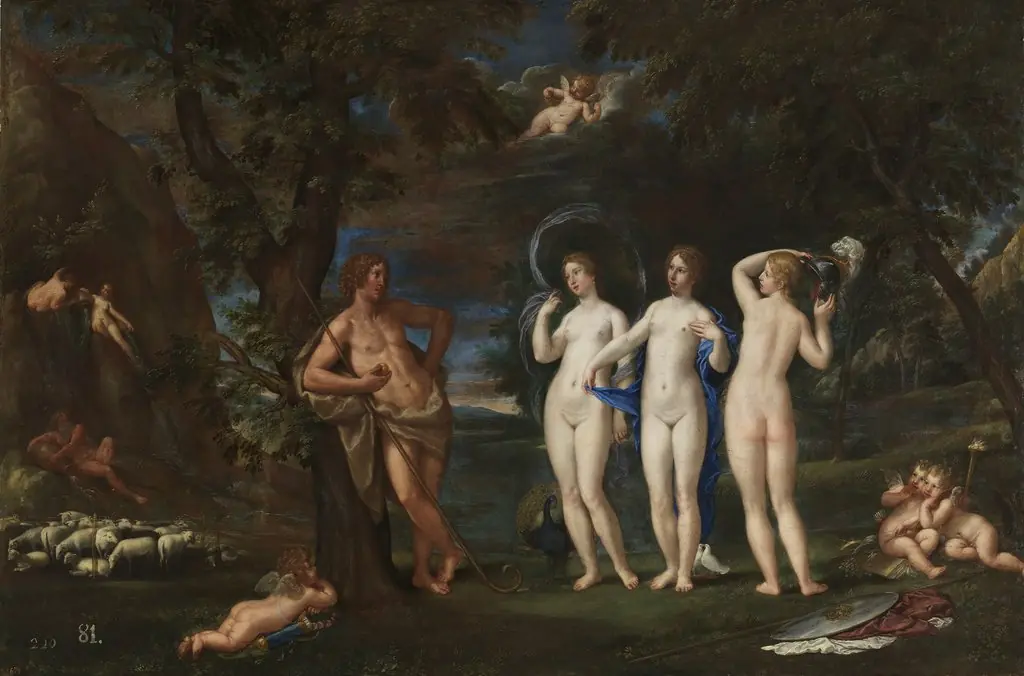 The judgement of Paris
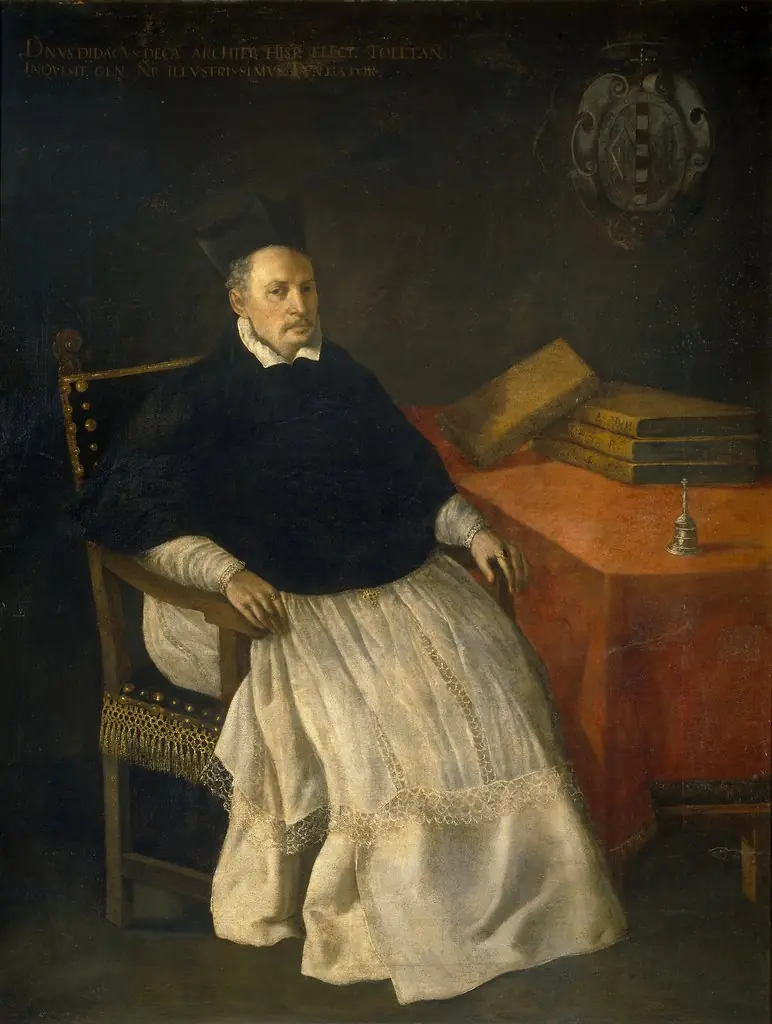 Fray Diego de Deza y Tavera arzobispo de Sevilla
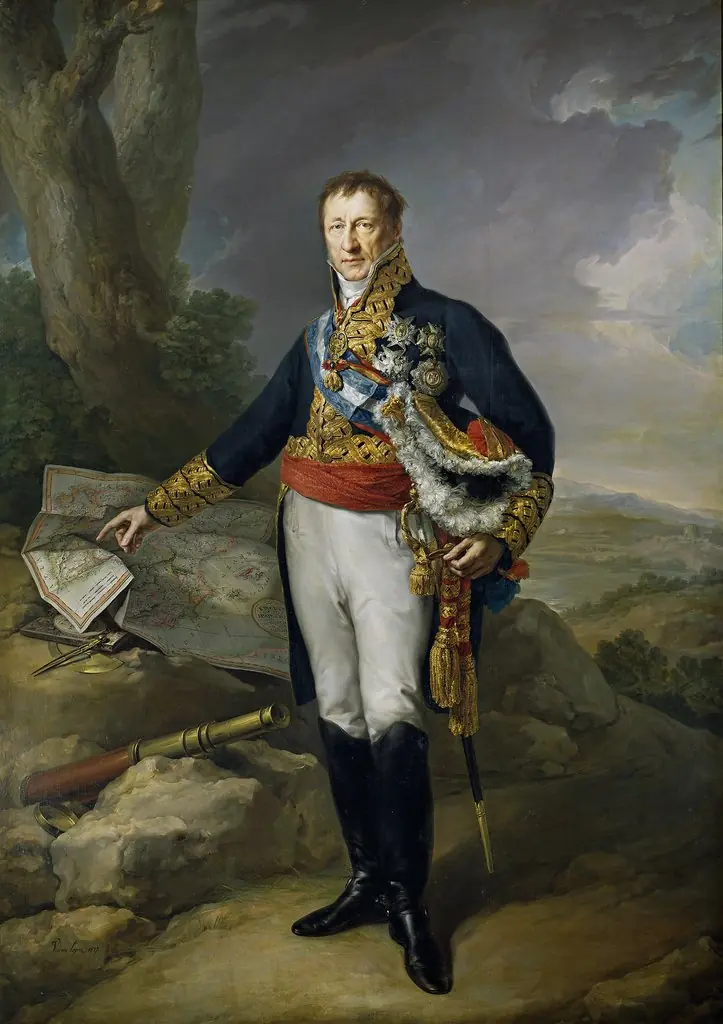 Pedro de Alcántara Álvarez de Toledo y Salm Salm, XIII duque del Infantado
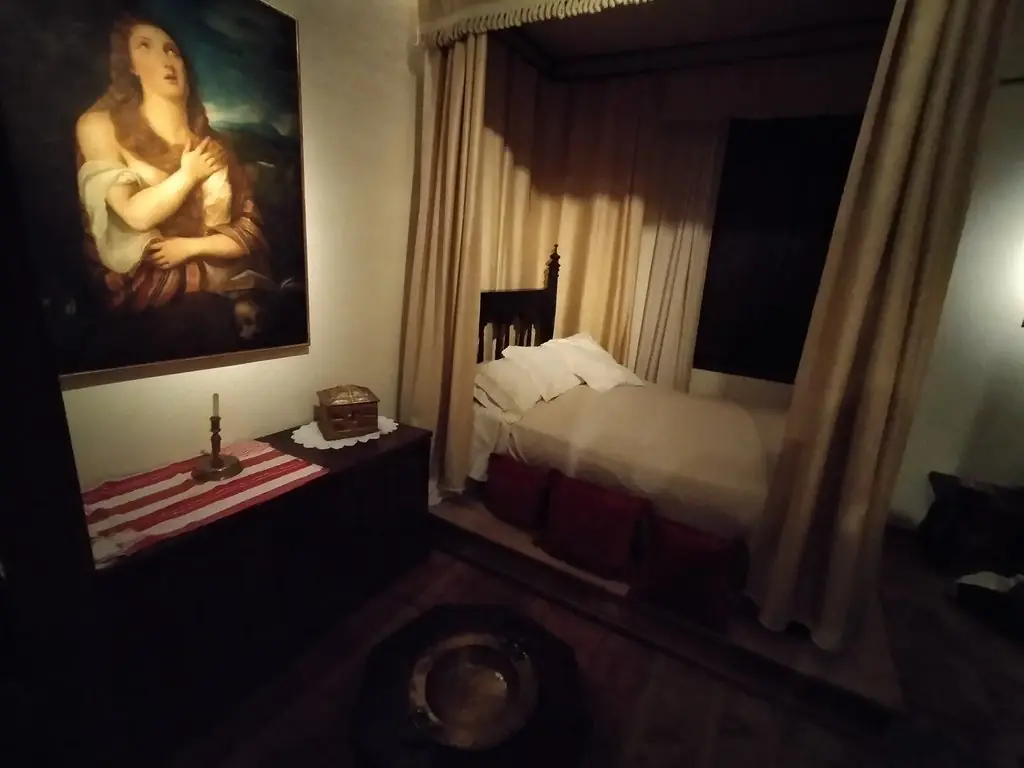 Penitent Magdalene
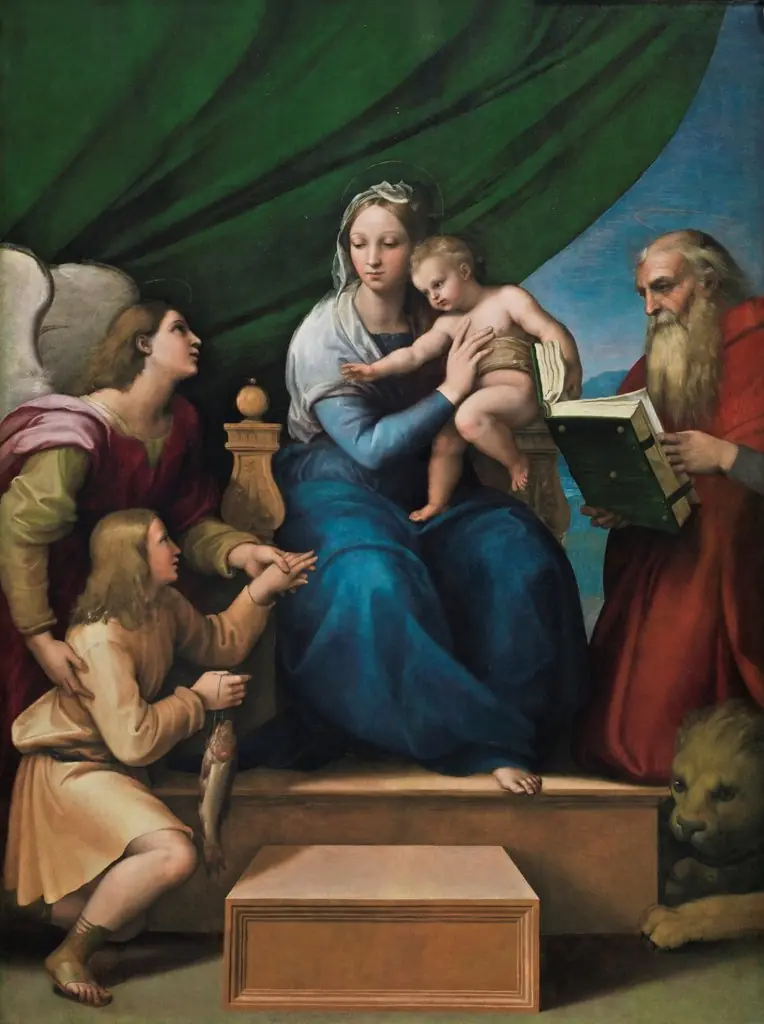 Madonna with the Fish
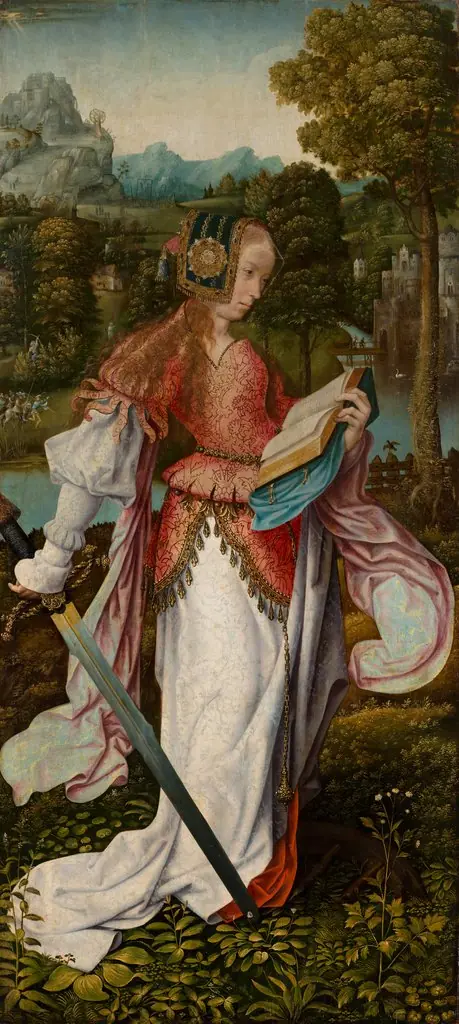 Saint Catherine
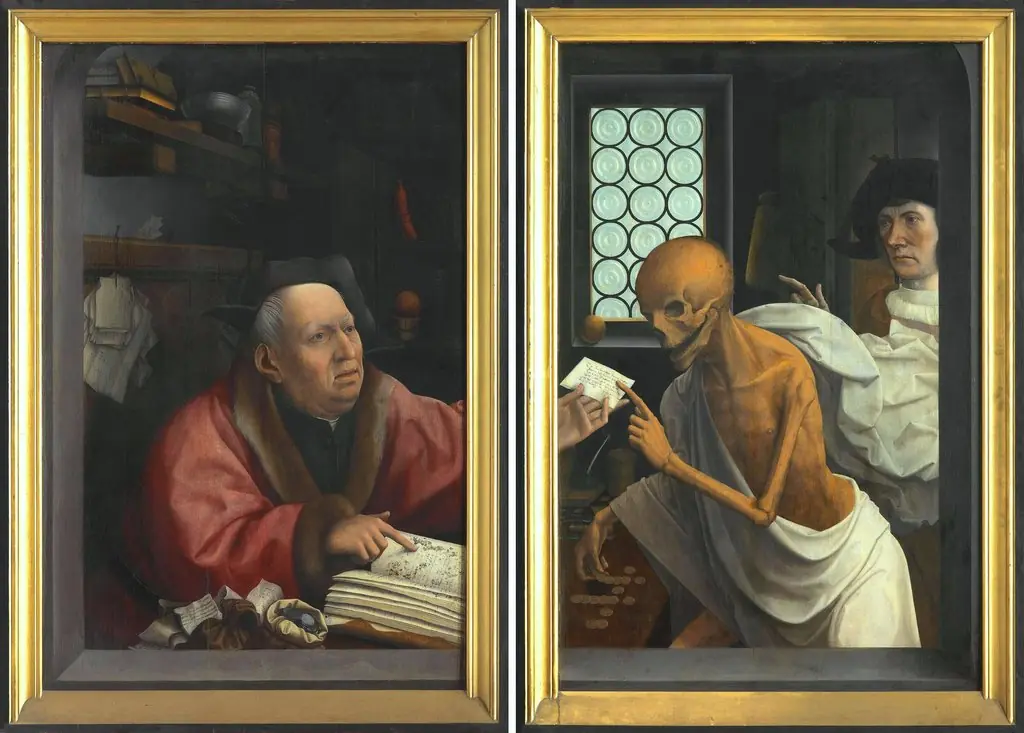 Death and the Miser (outer doors); St. Nicolas with donor and St. Godelieve with donor (inner doors)
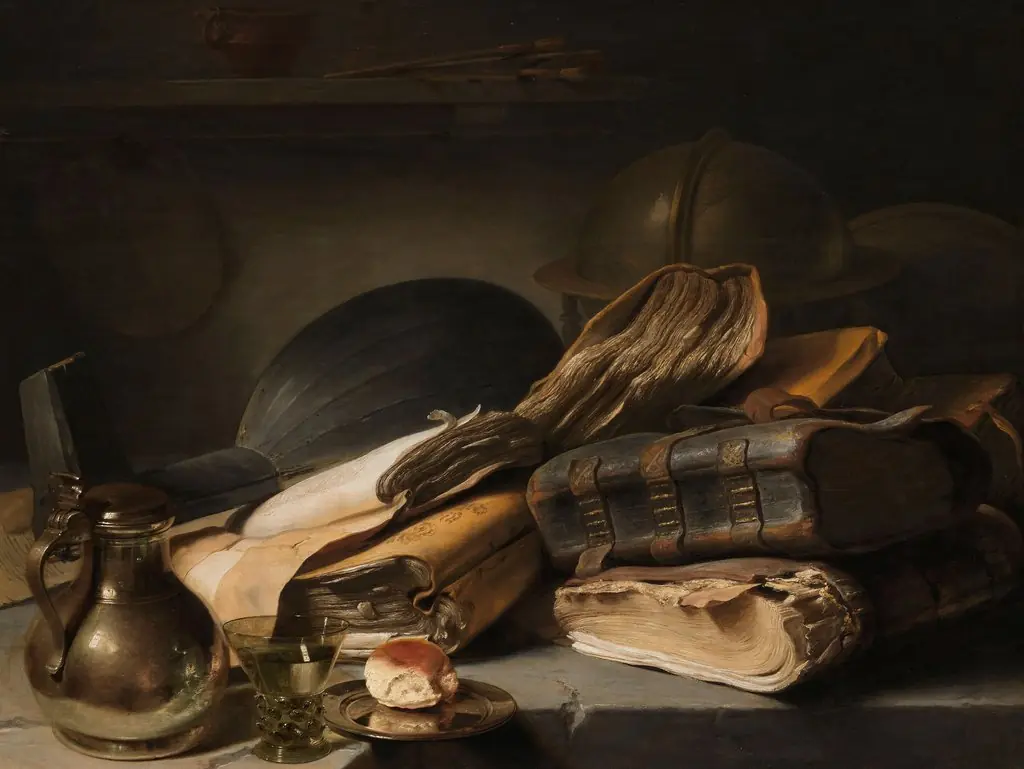 Still Life with Books
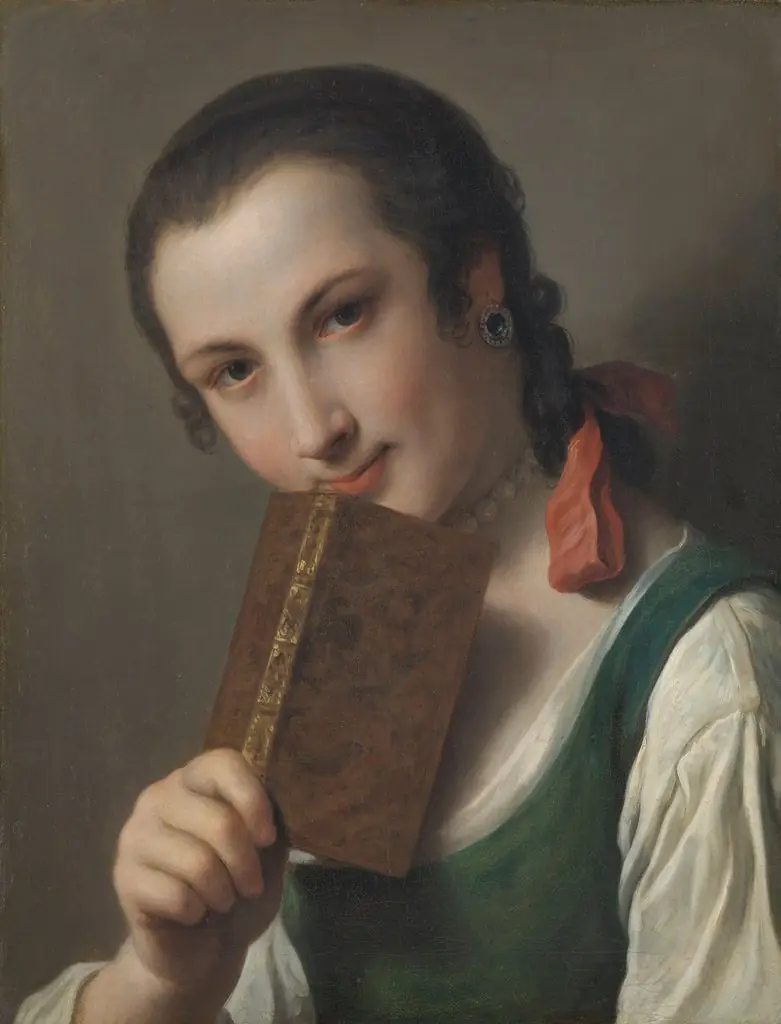 A Young Woman with a Book
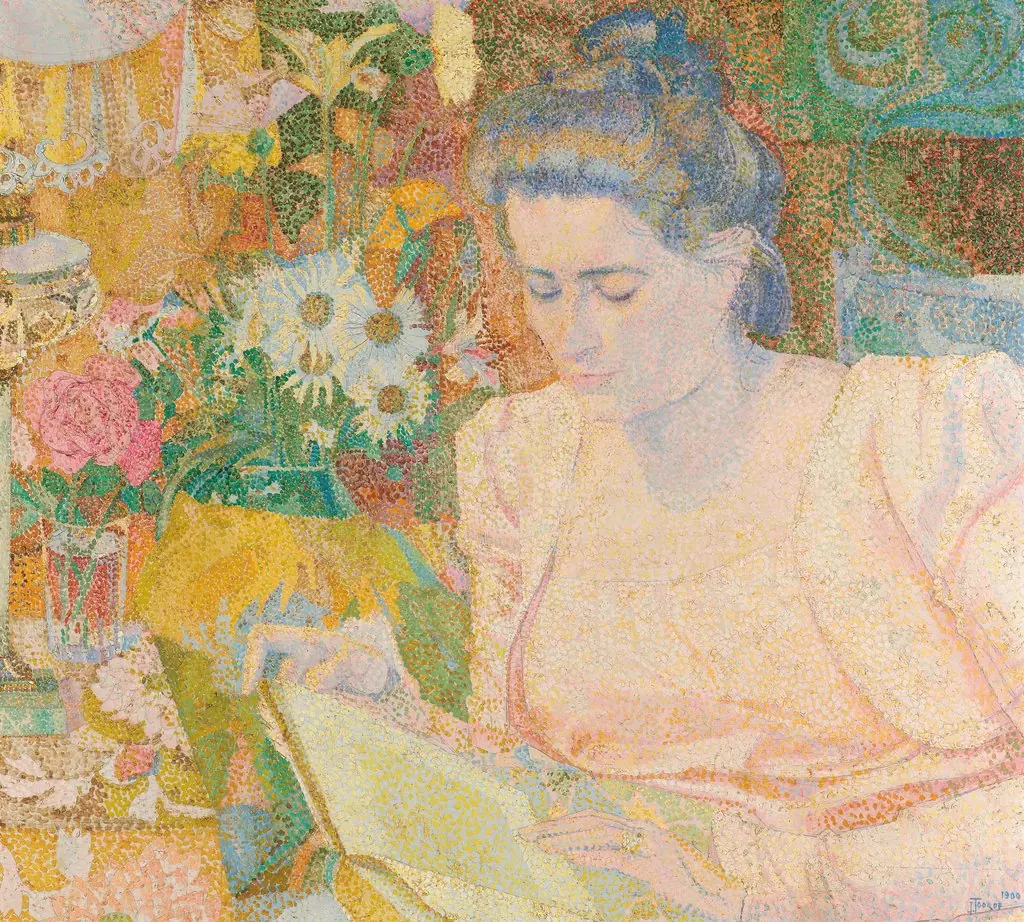 Portrait of Marie Jeanette de Lange
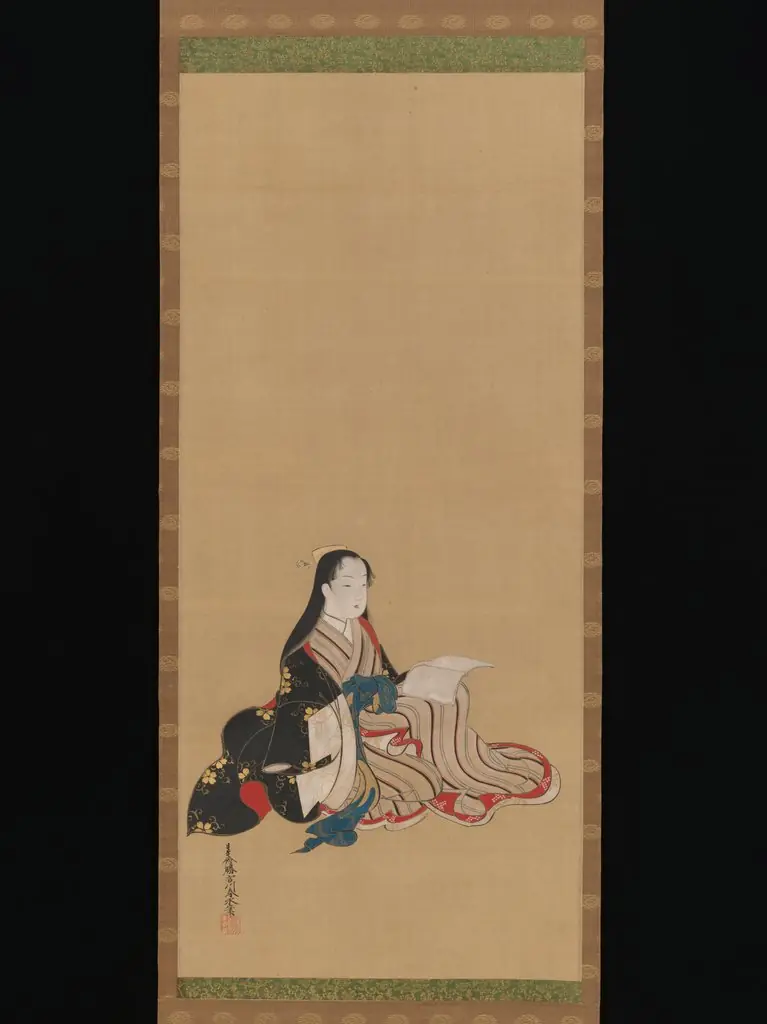 Young Woman with a Book
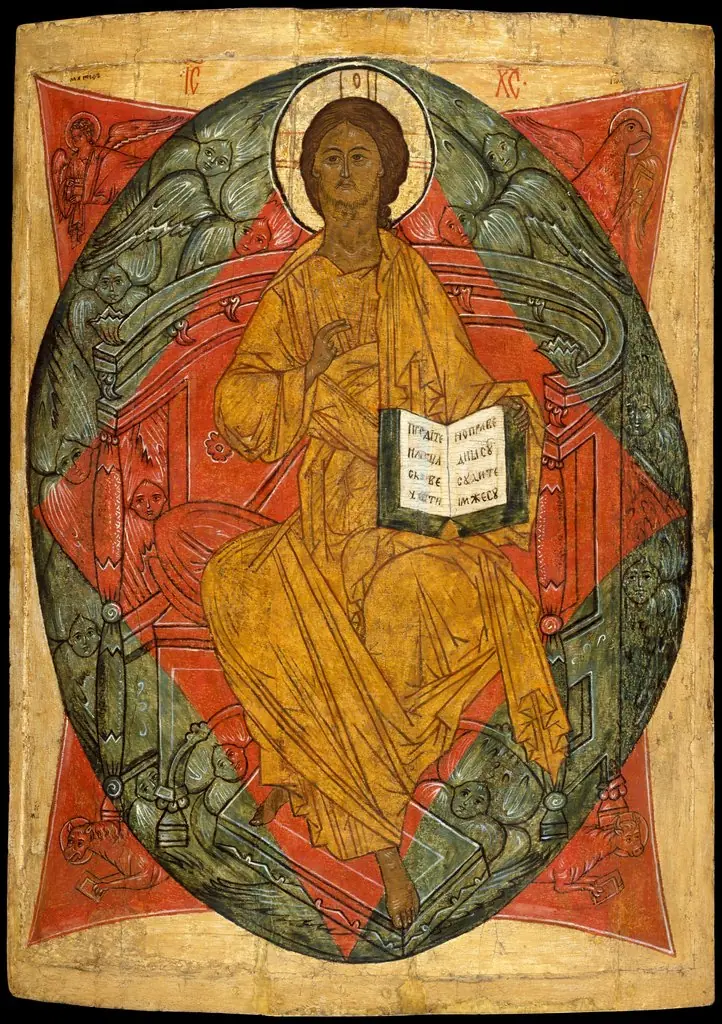 Christ in Glory
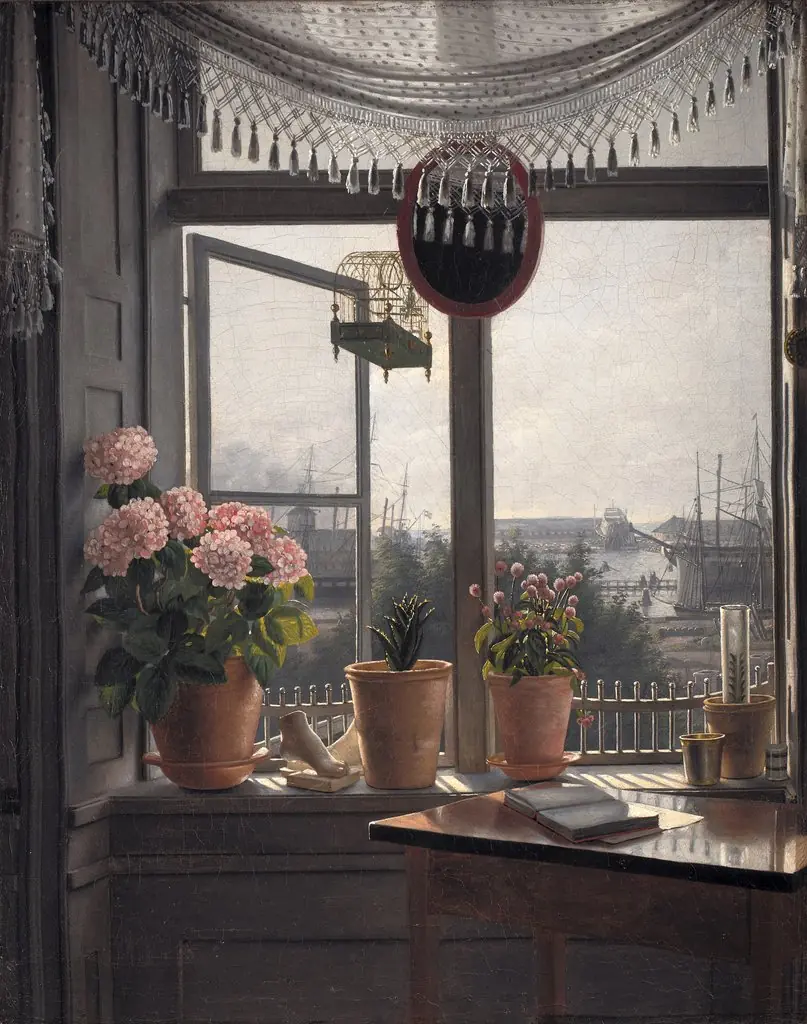 View from the Artist's Window
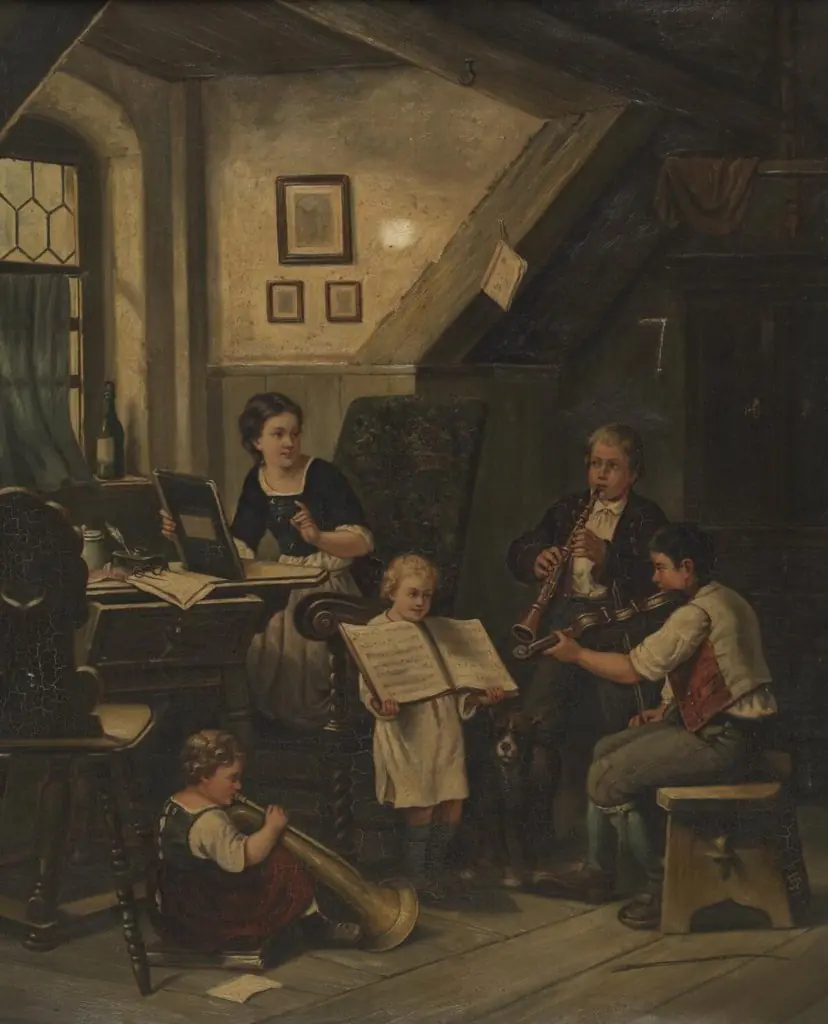 musical party
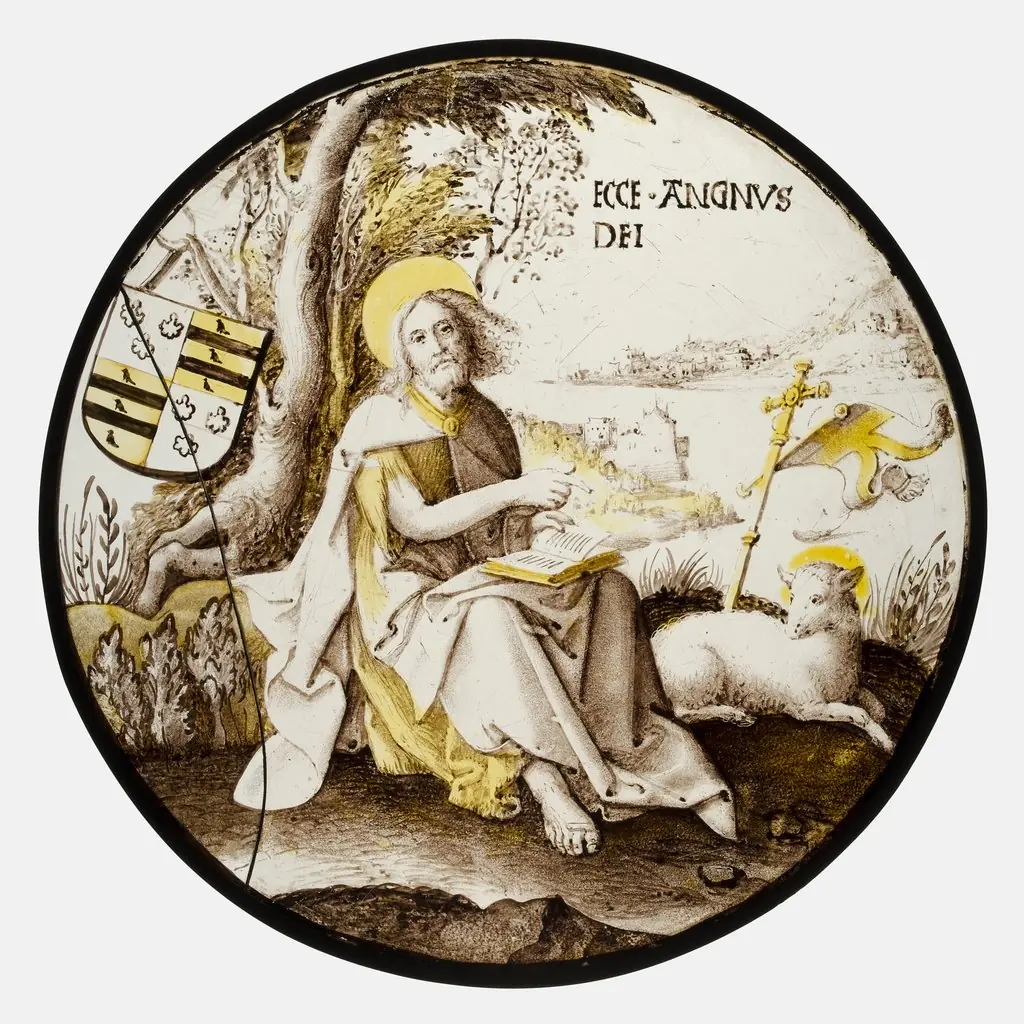 Roundel with Saint John the Baptist
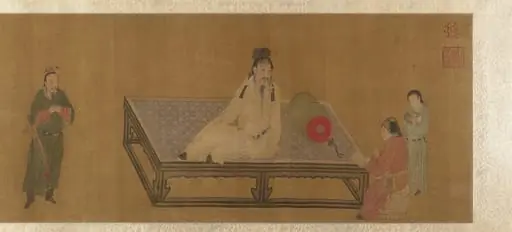 明/清 佚名 倣宋徽宗 明皇訓儲圖摹本 卷|Copy of Tang Ming Huang Instructing the Prince
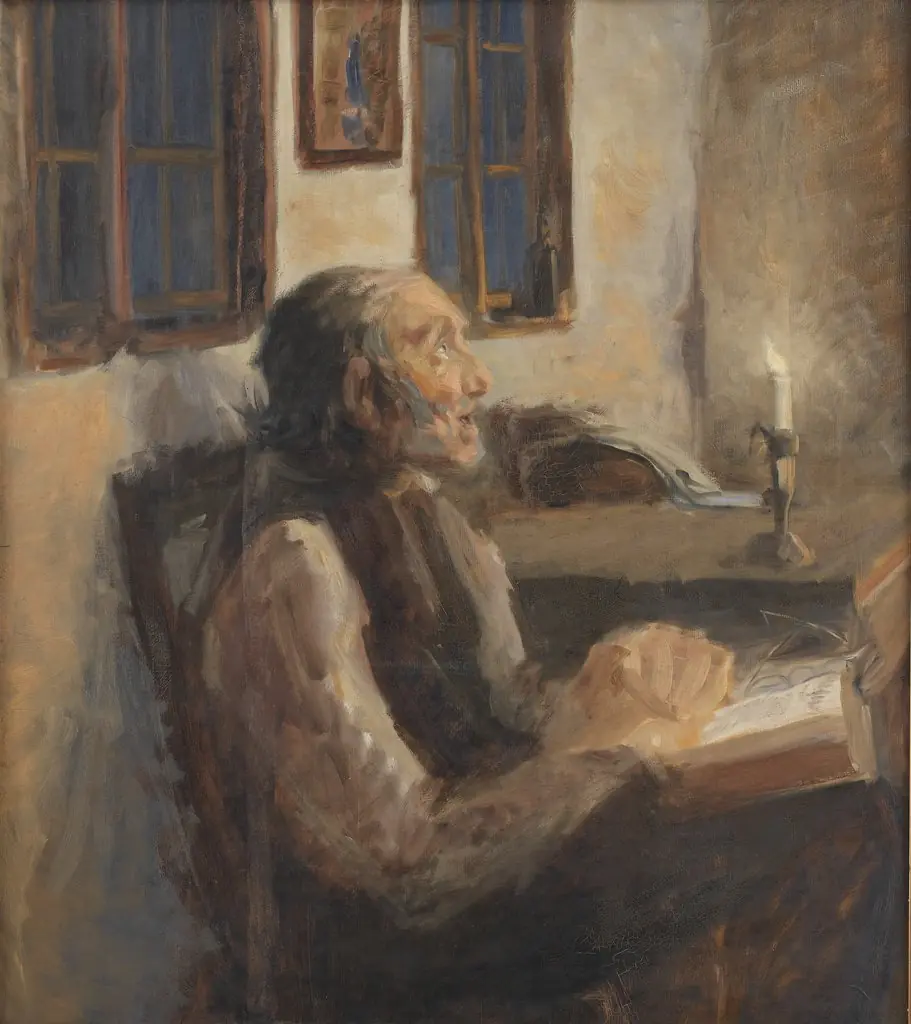 Den gamle mand ved spedelyset
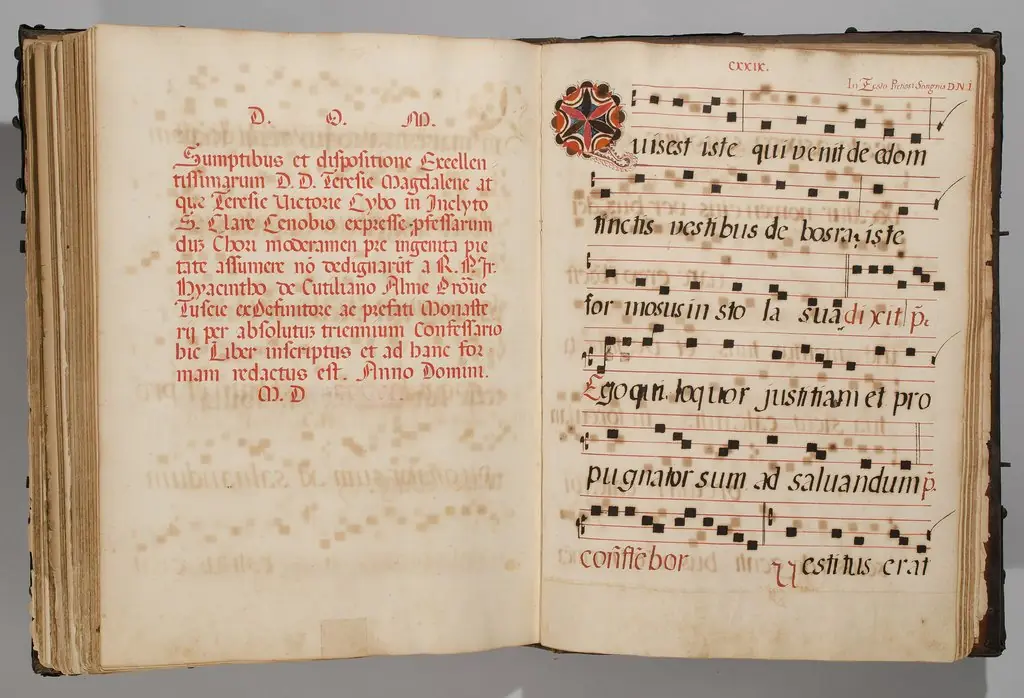 Antiphonary
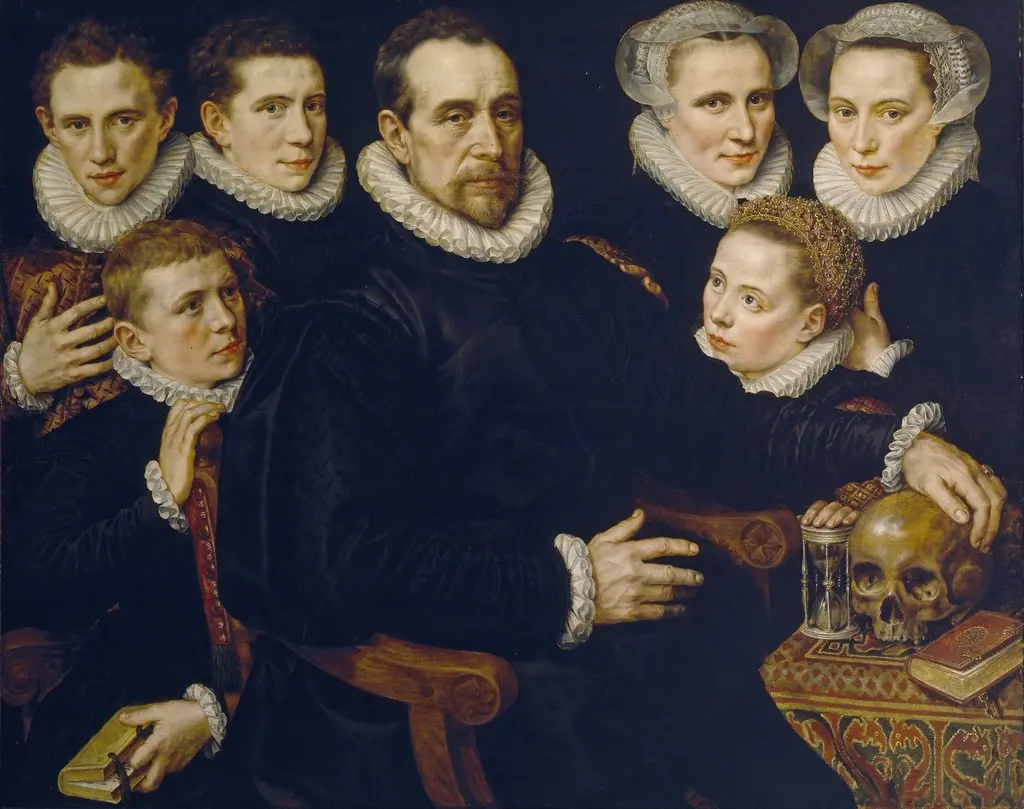 Family Portrait
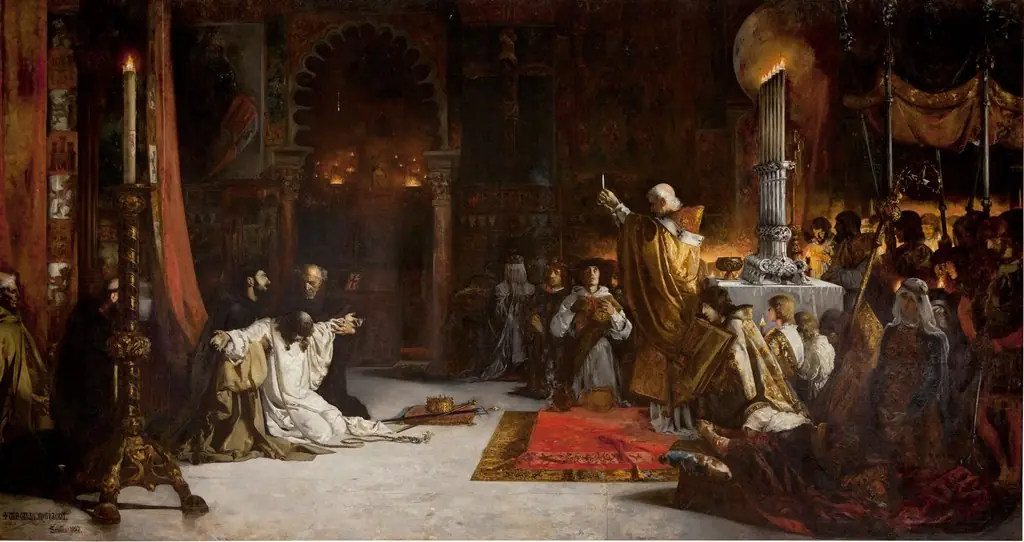 Las postrimerías de Fernando III el Santo
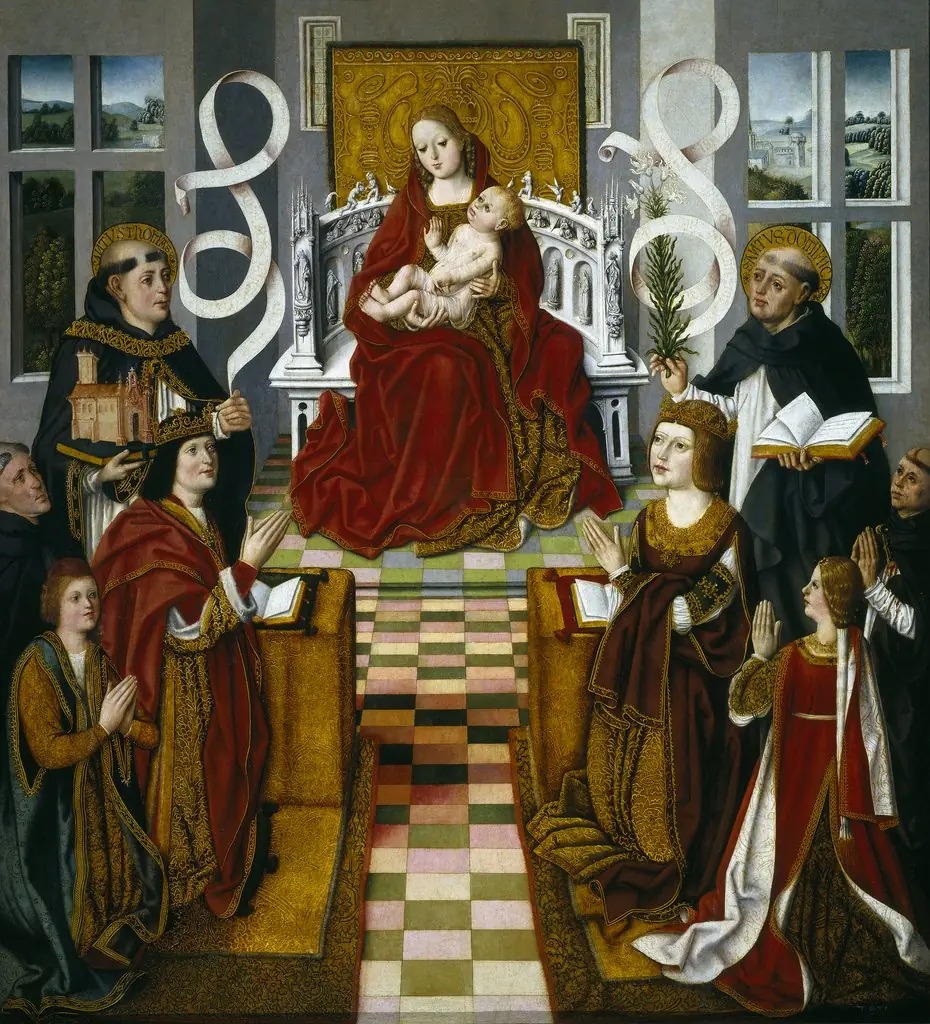 Madonna of the Catholic Monarchs
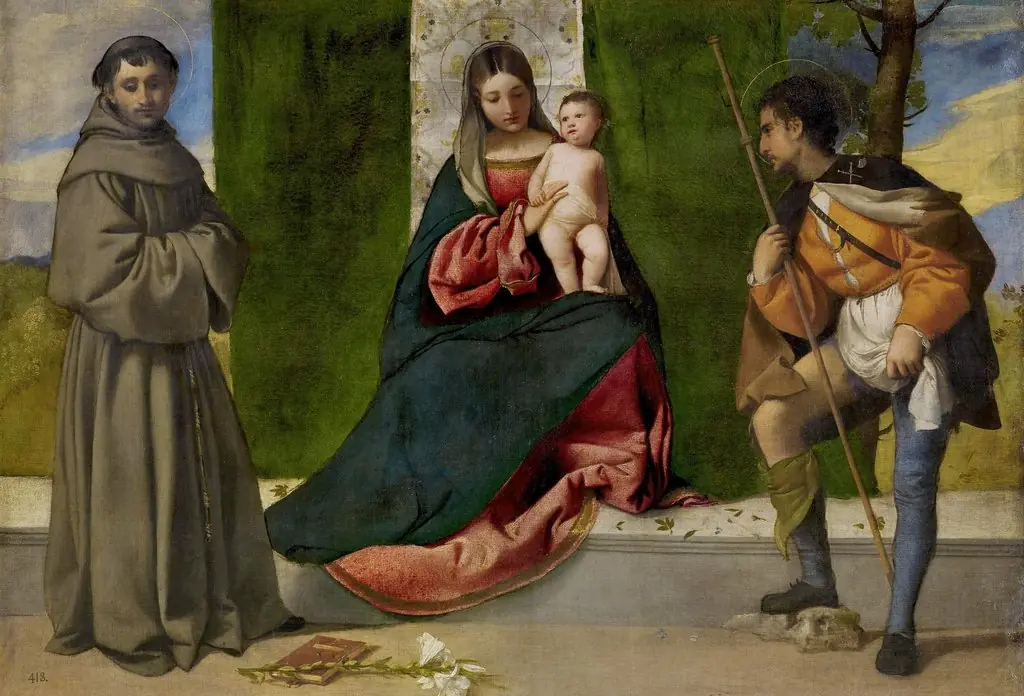 The Virgin and Child between Saint Anthony of Padua and Saint Roch
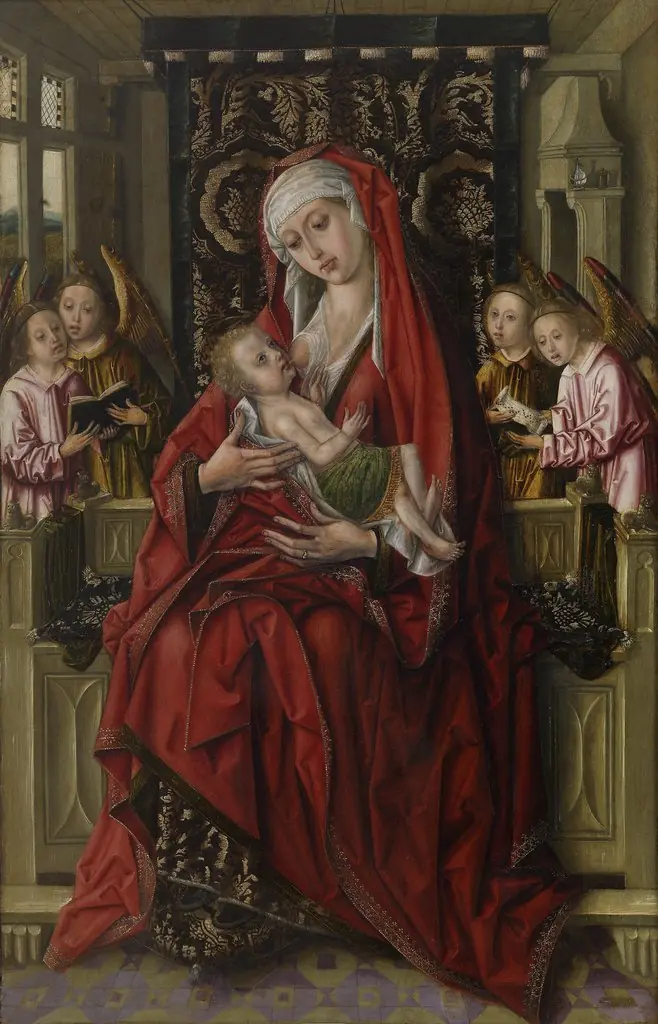 The Virgin Nursing the Child
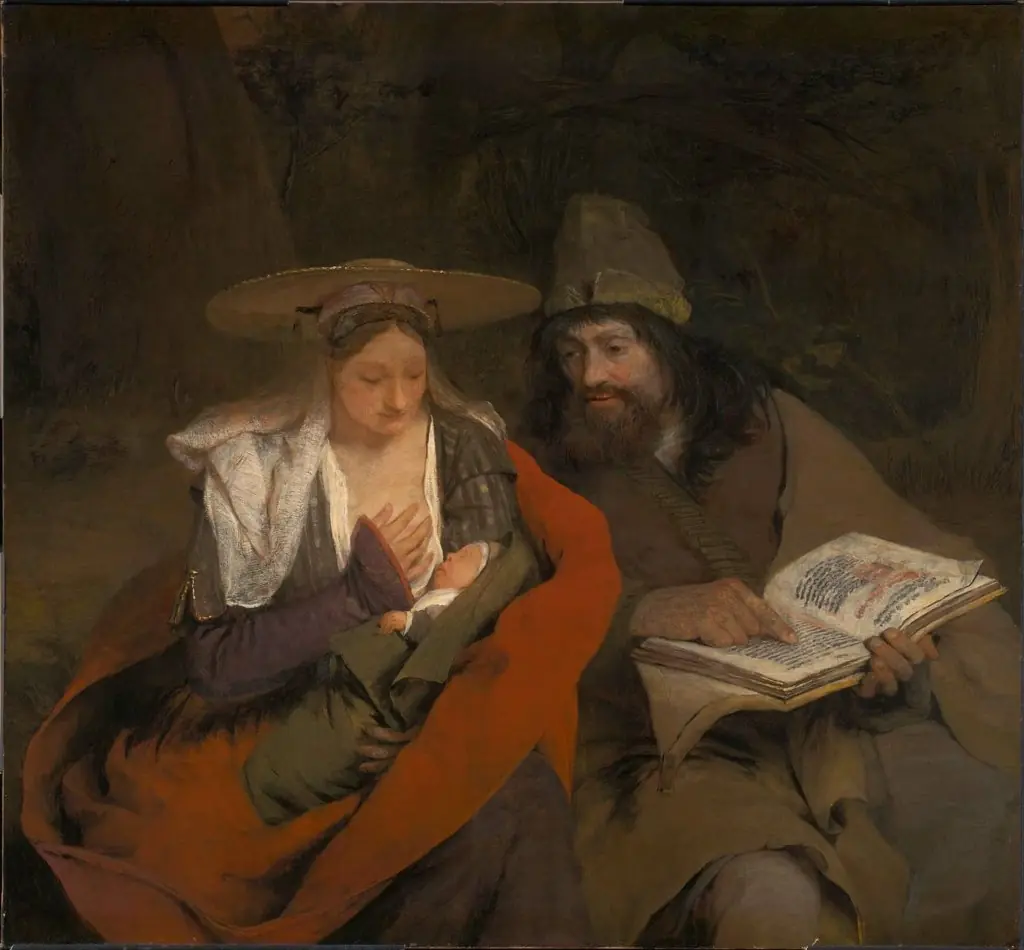 Rest on the Flight into Egypt
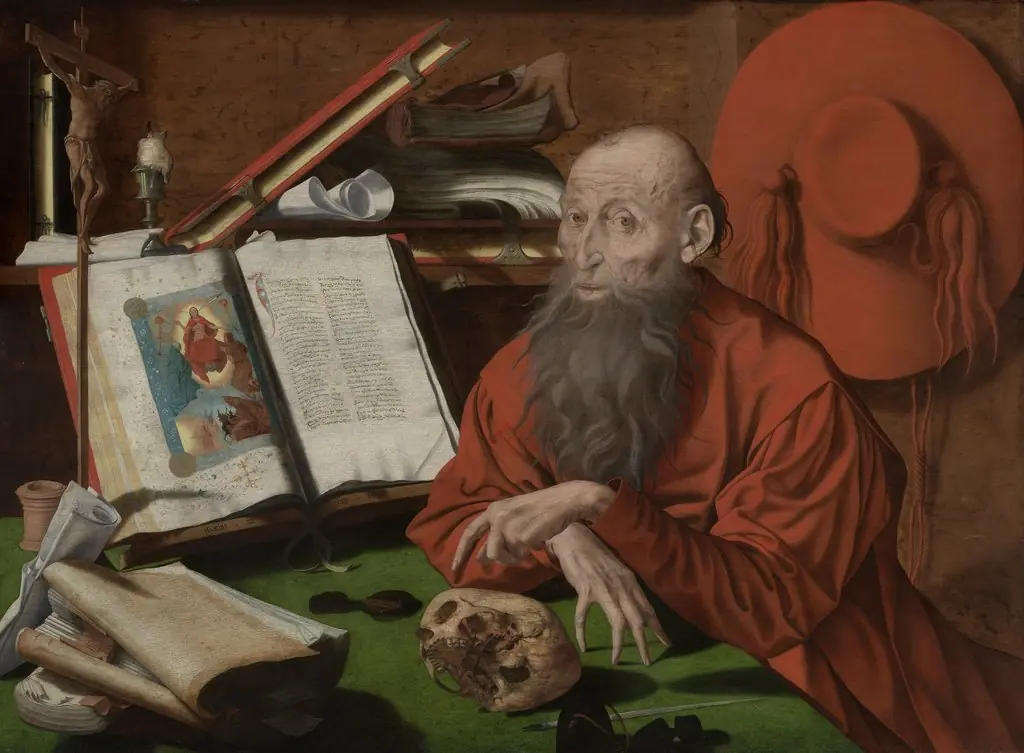 Saint Jerome in His Study
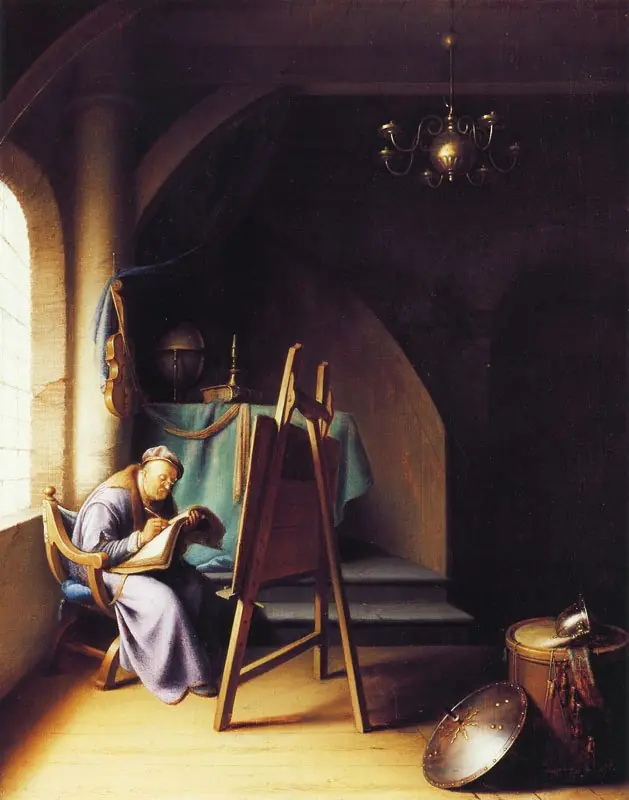 Man writing by an easel
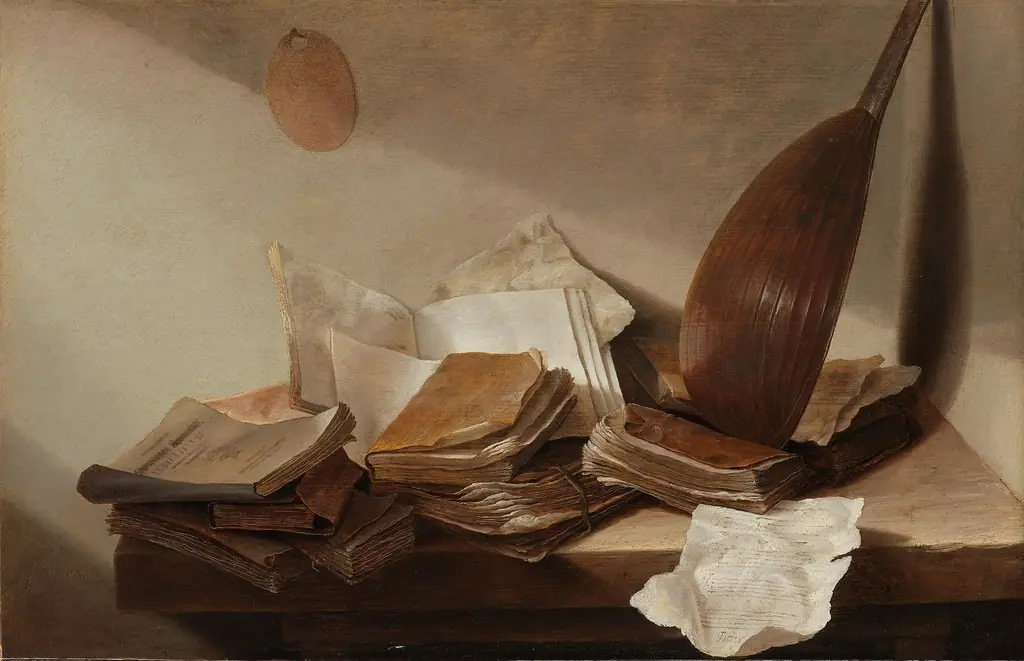 Still Life with Books
 The holy family at night
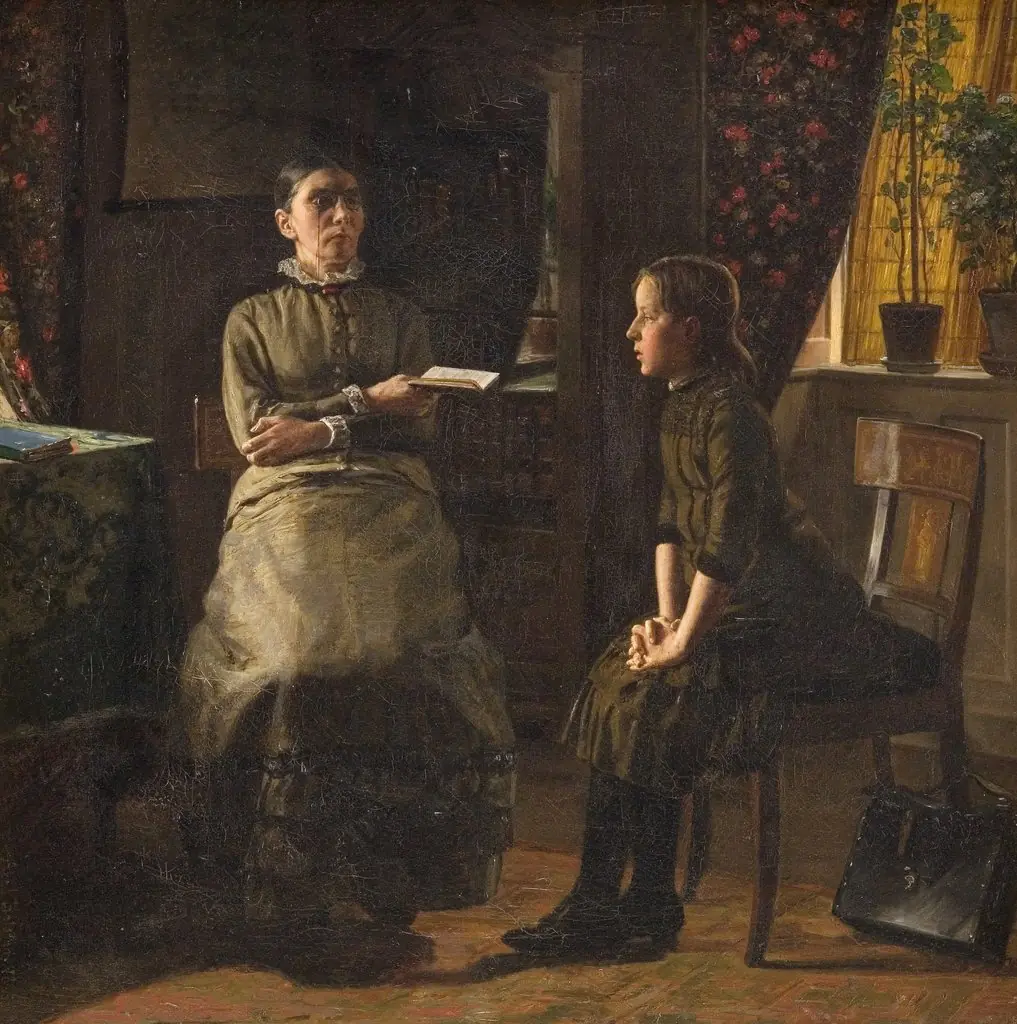 Lærerinde og elev
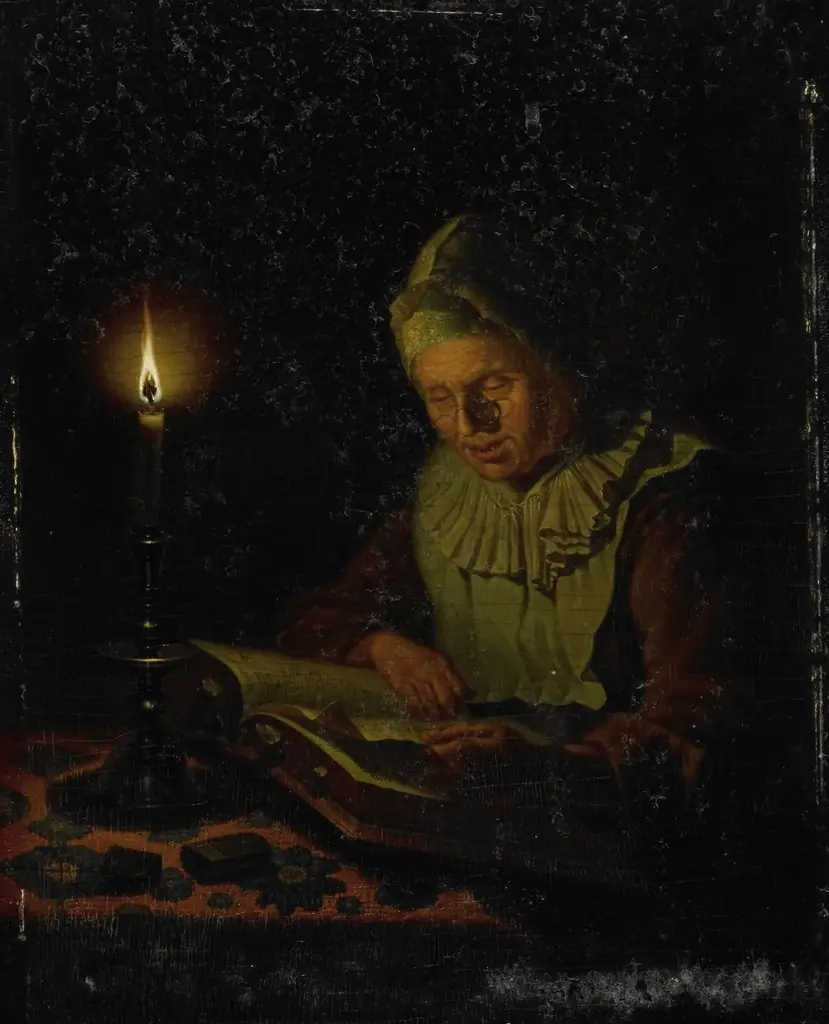 Old Woman Reading
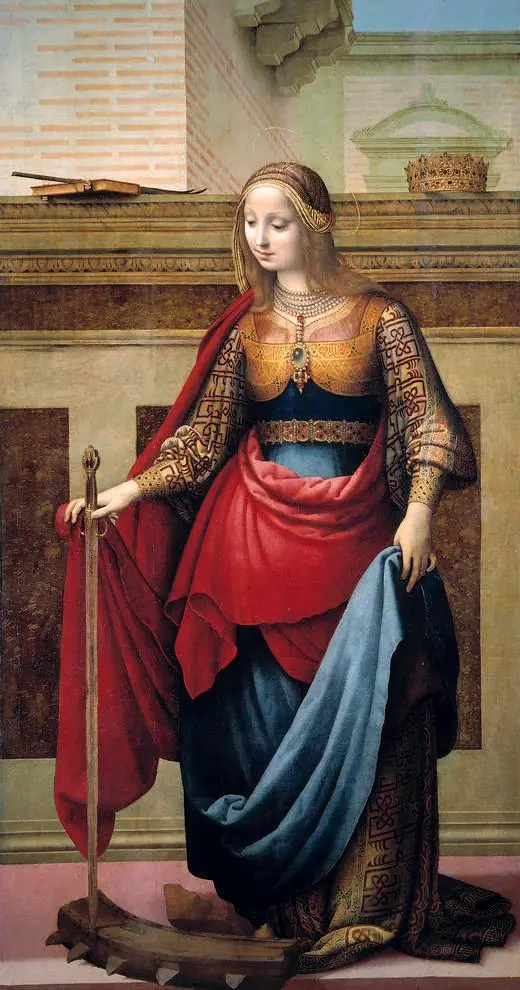 Saint Catherine
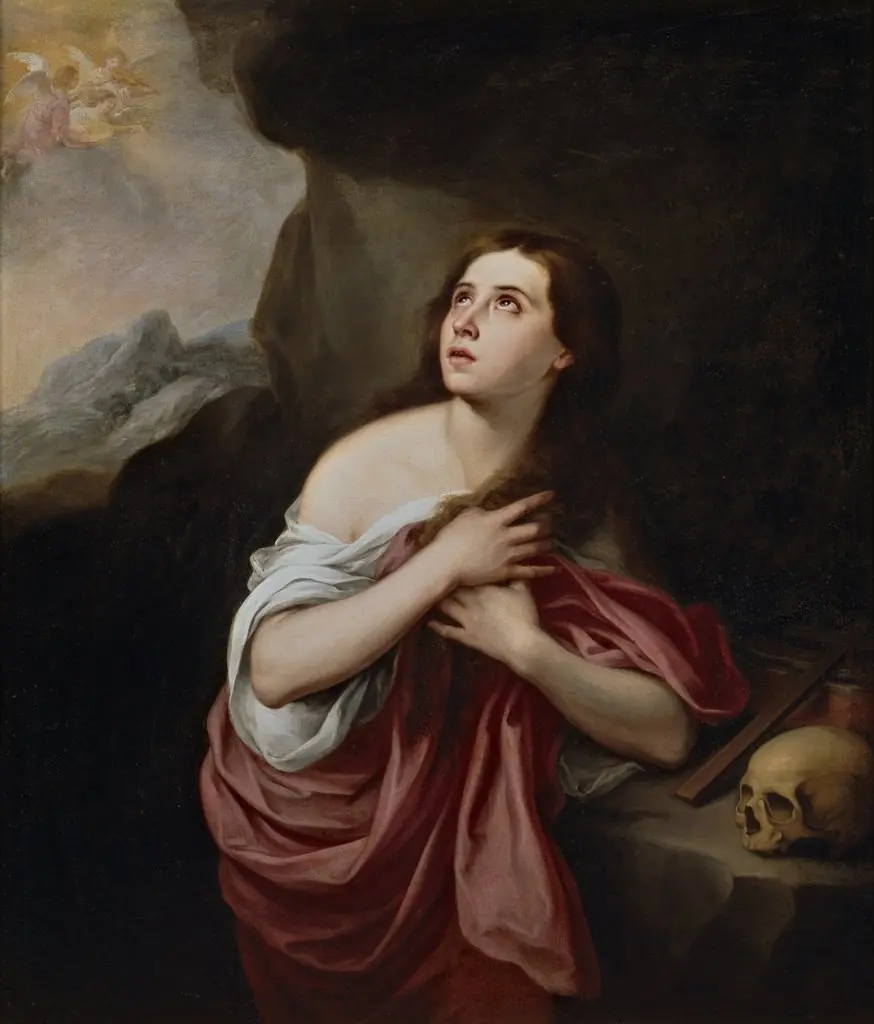 Penitent Magdalen
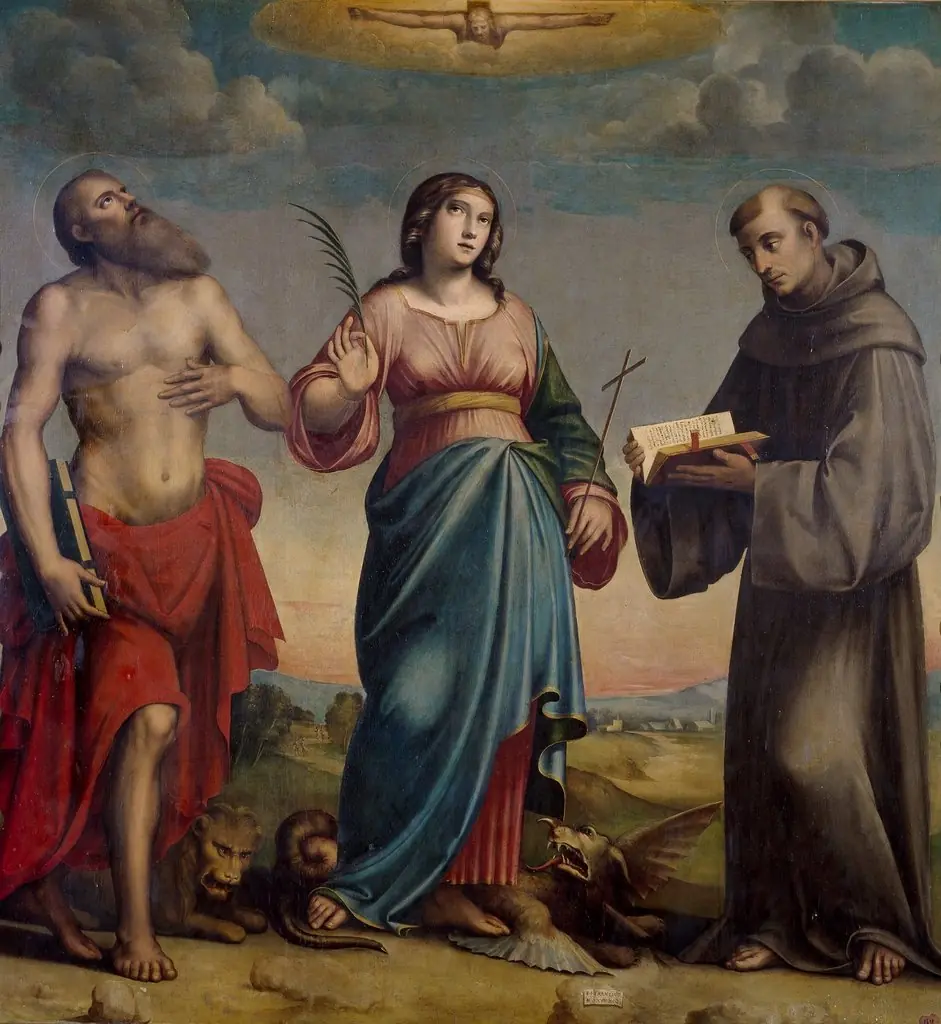 San Jerónimo, Santa Margarita y San Francisco
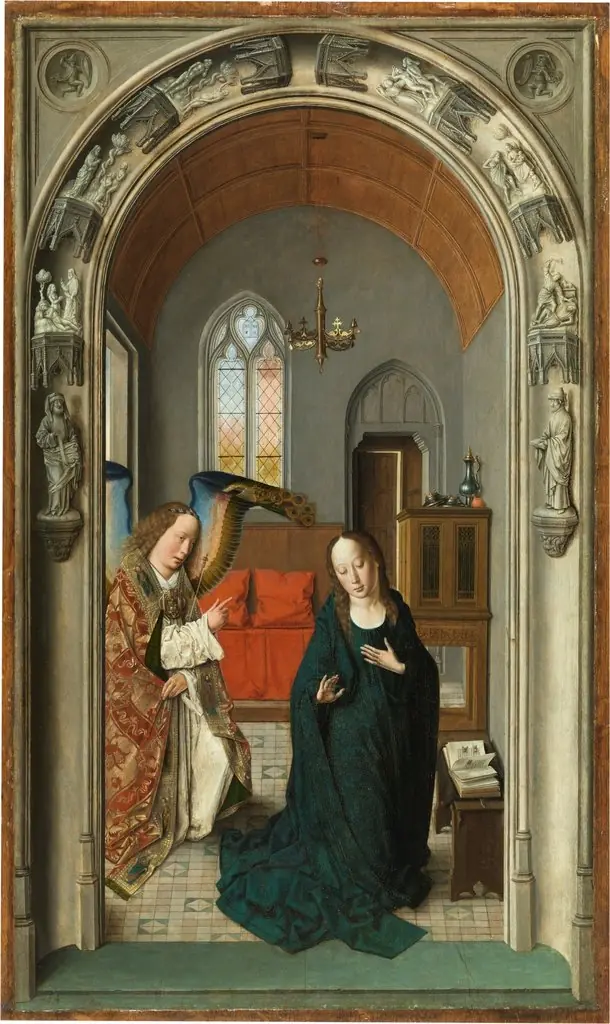 Annunciation
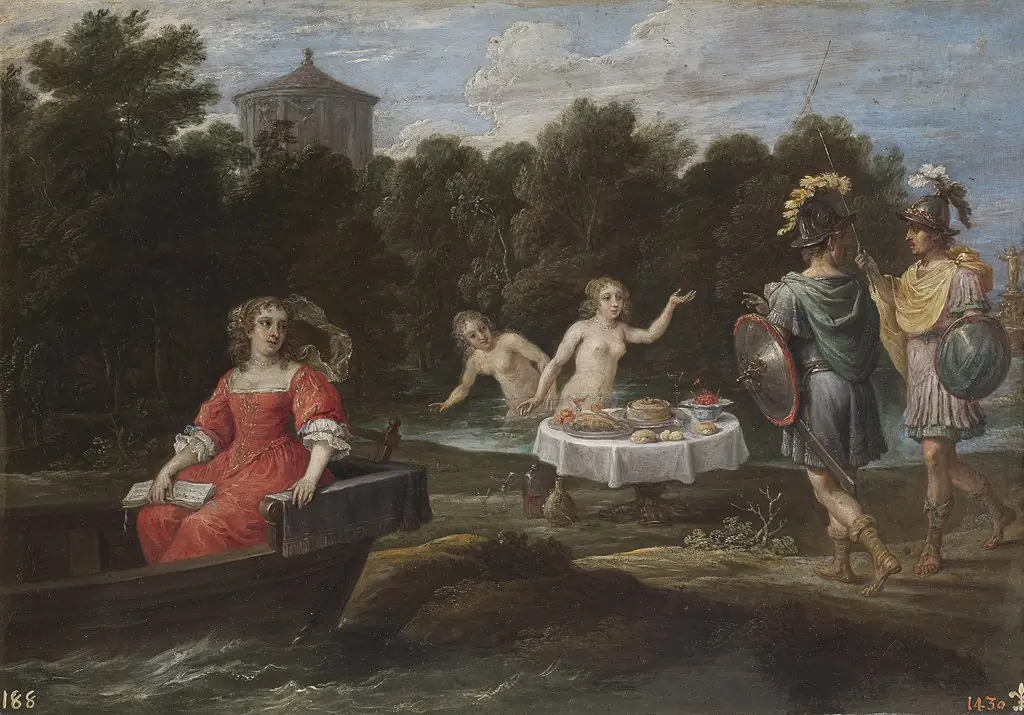 Carlos y Ubaldo en las islas Afortunadas
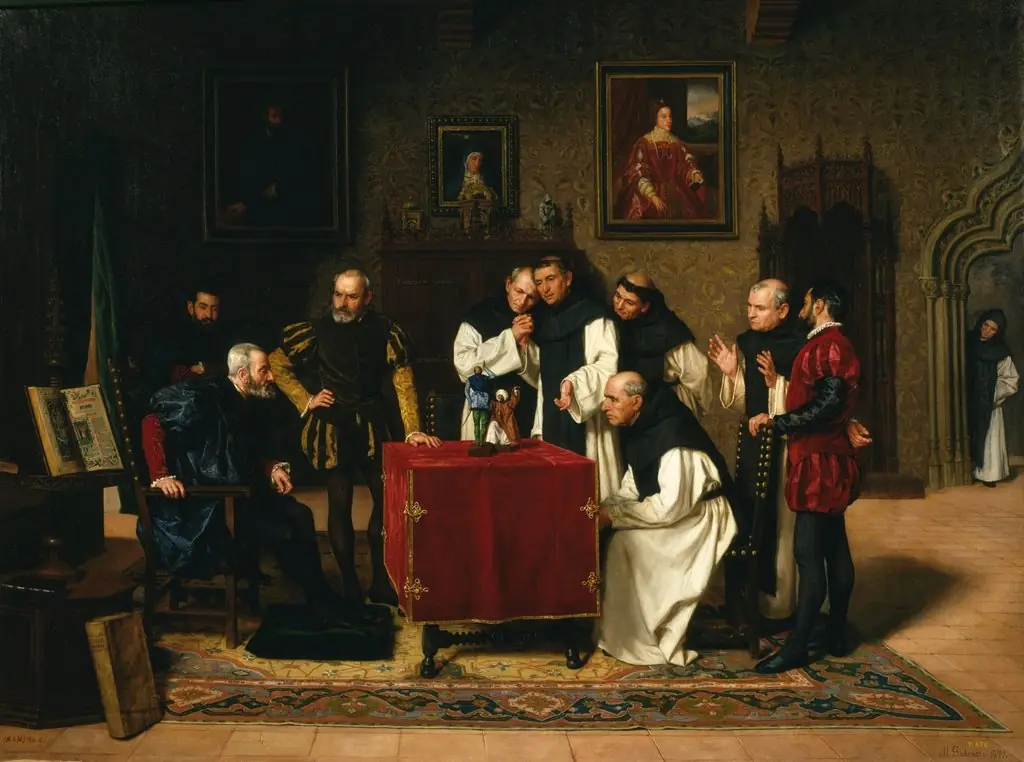 Charles V at Yuste
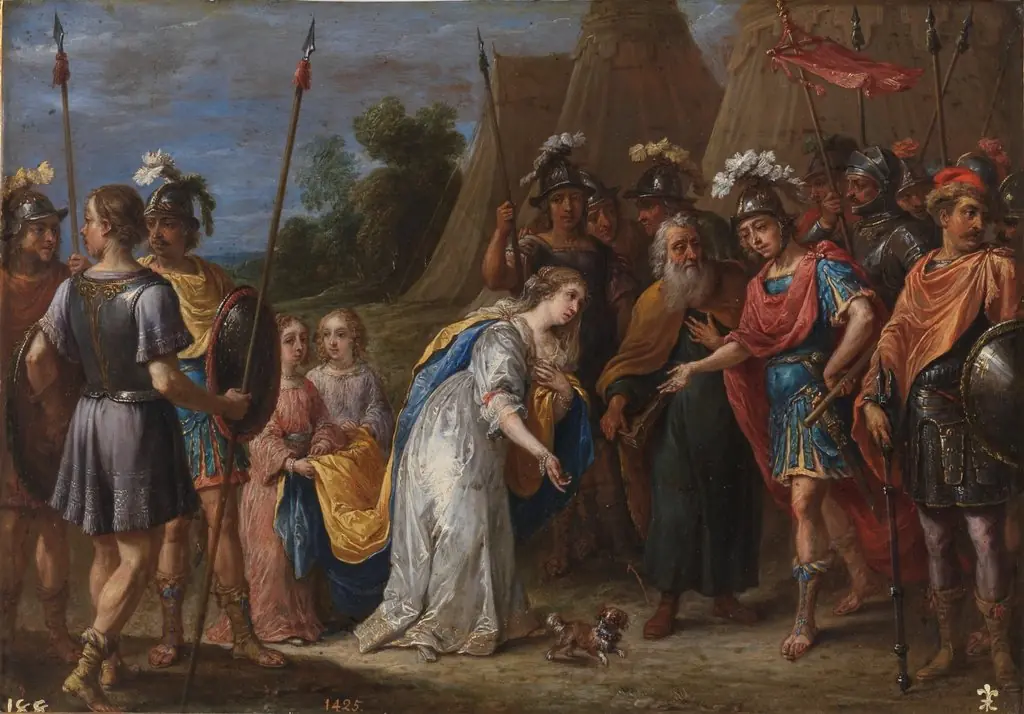 Armida ante Godofredo de Bouillon
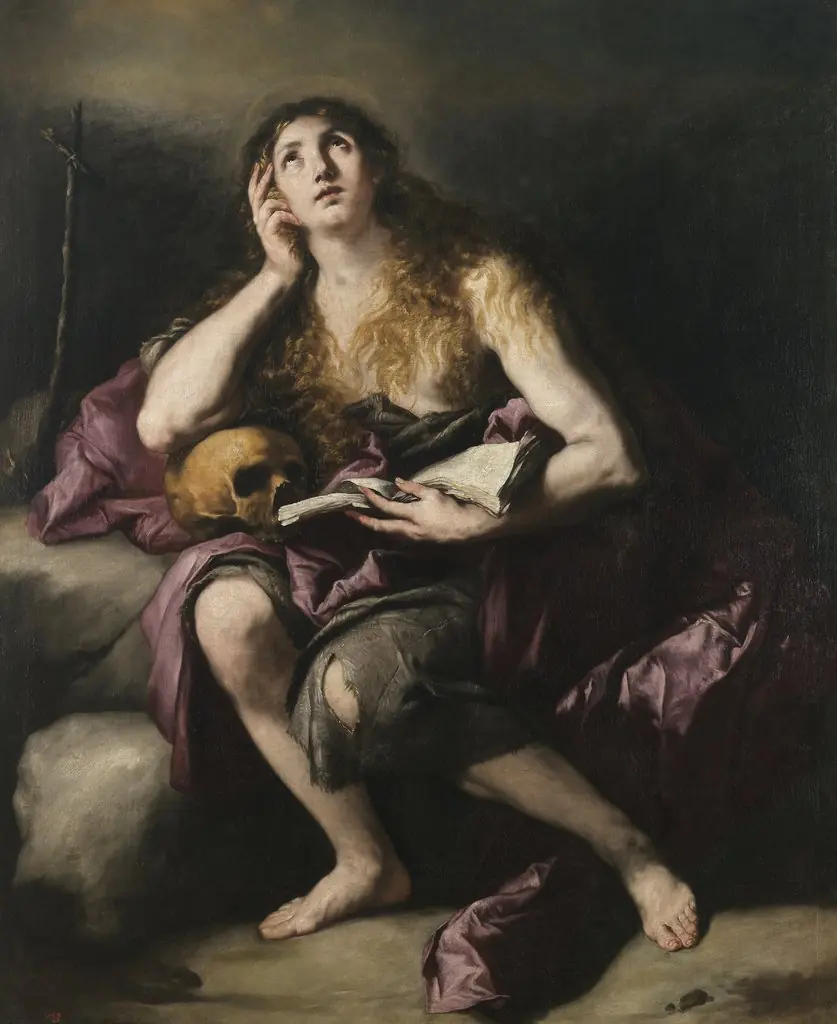 Penitent Mary Magdalene
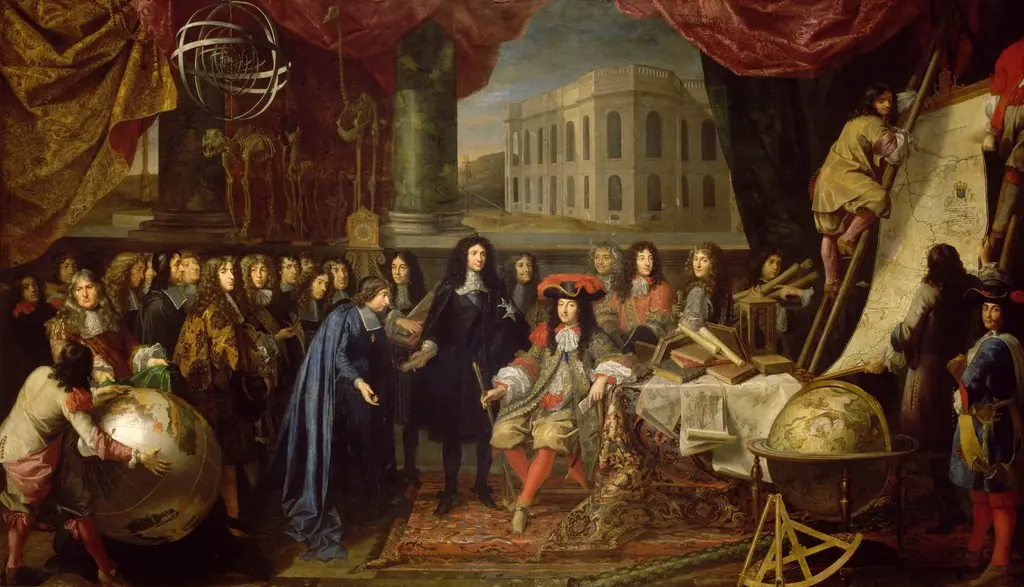 Establishment of the French Academy of Sciences and of Paris Observatory
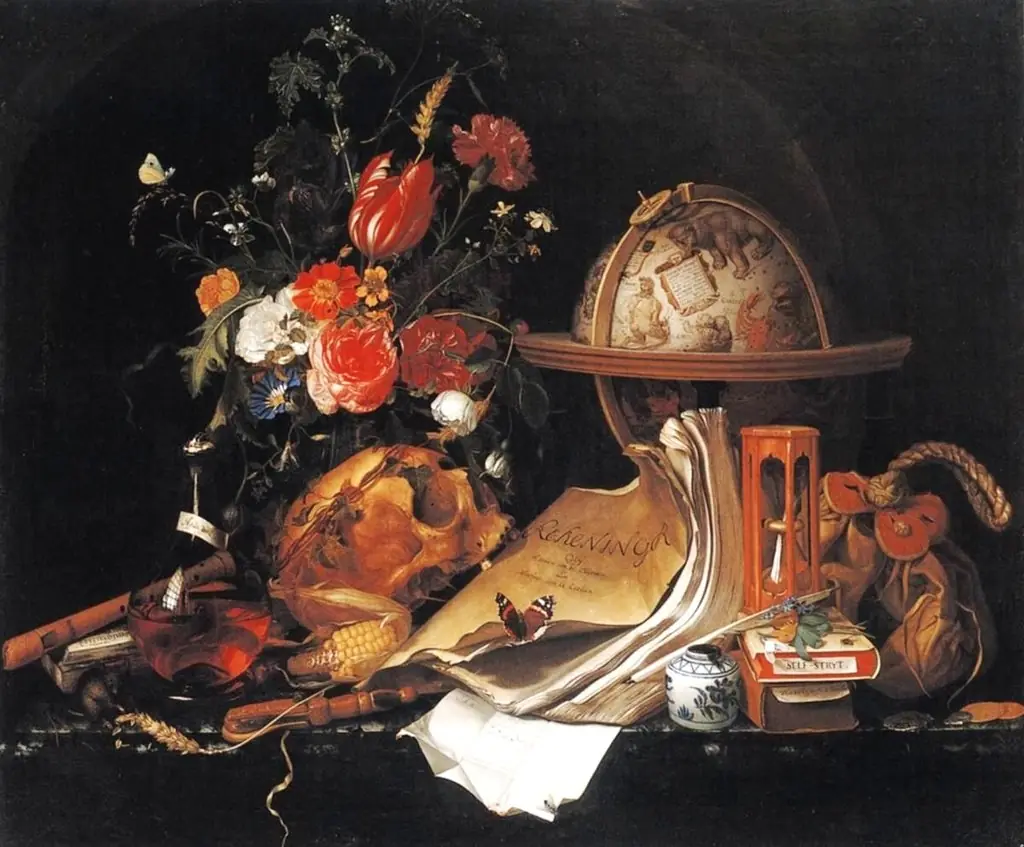 Vanitas still life
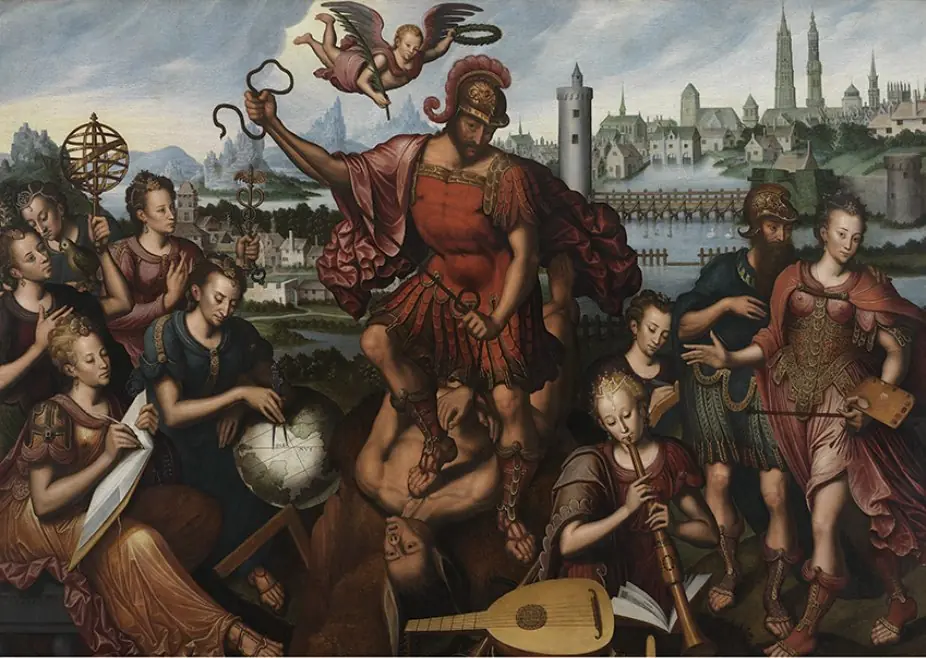 Mars, surrounded by the Arts and Sciences, conquers Ignorance
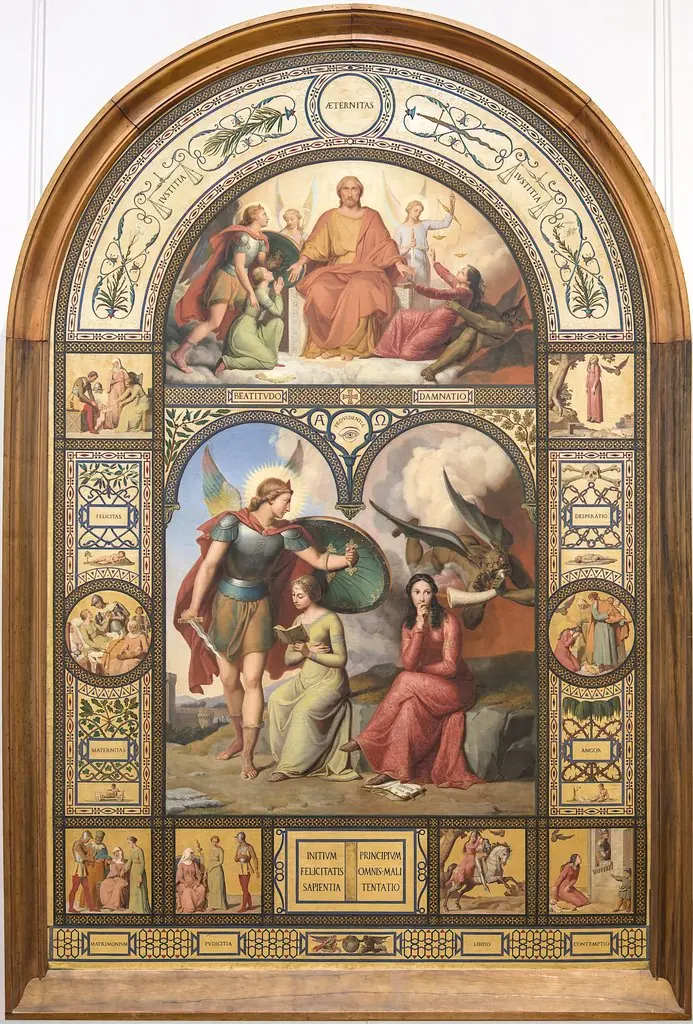 Good and Evil
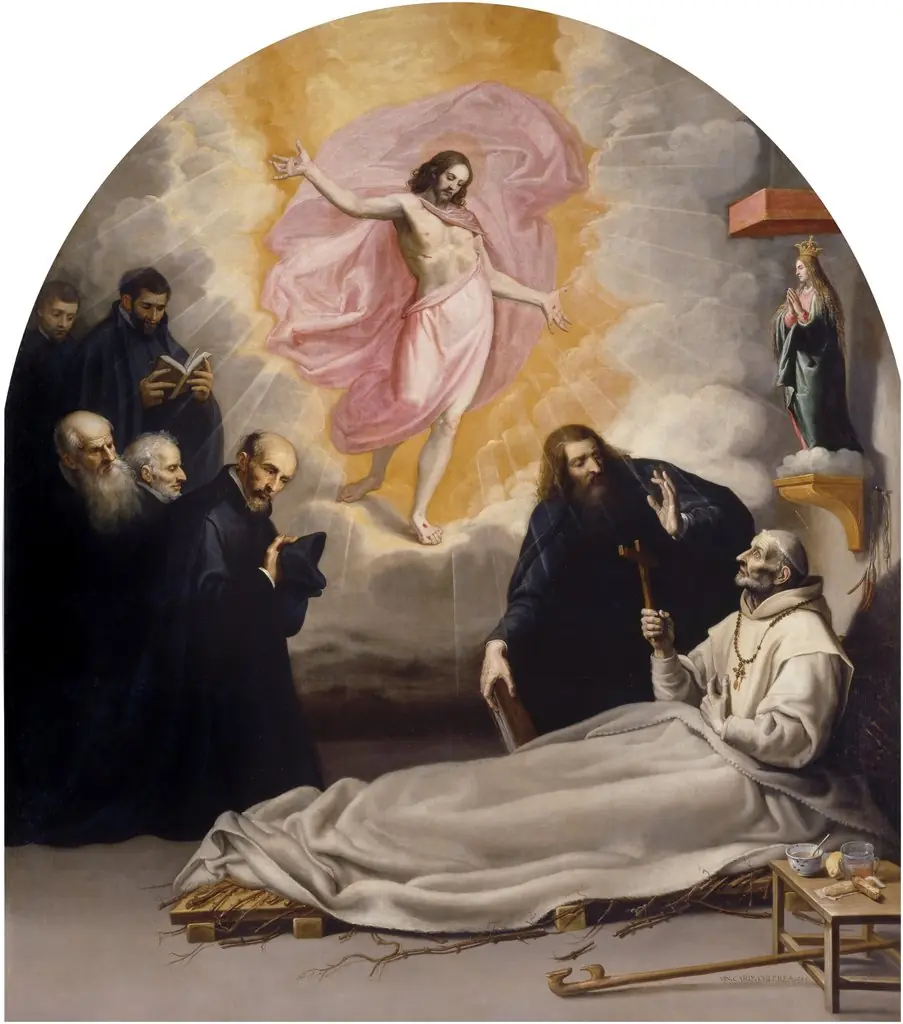 The Death of the Venerable Odón de Novara
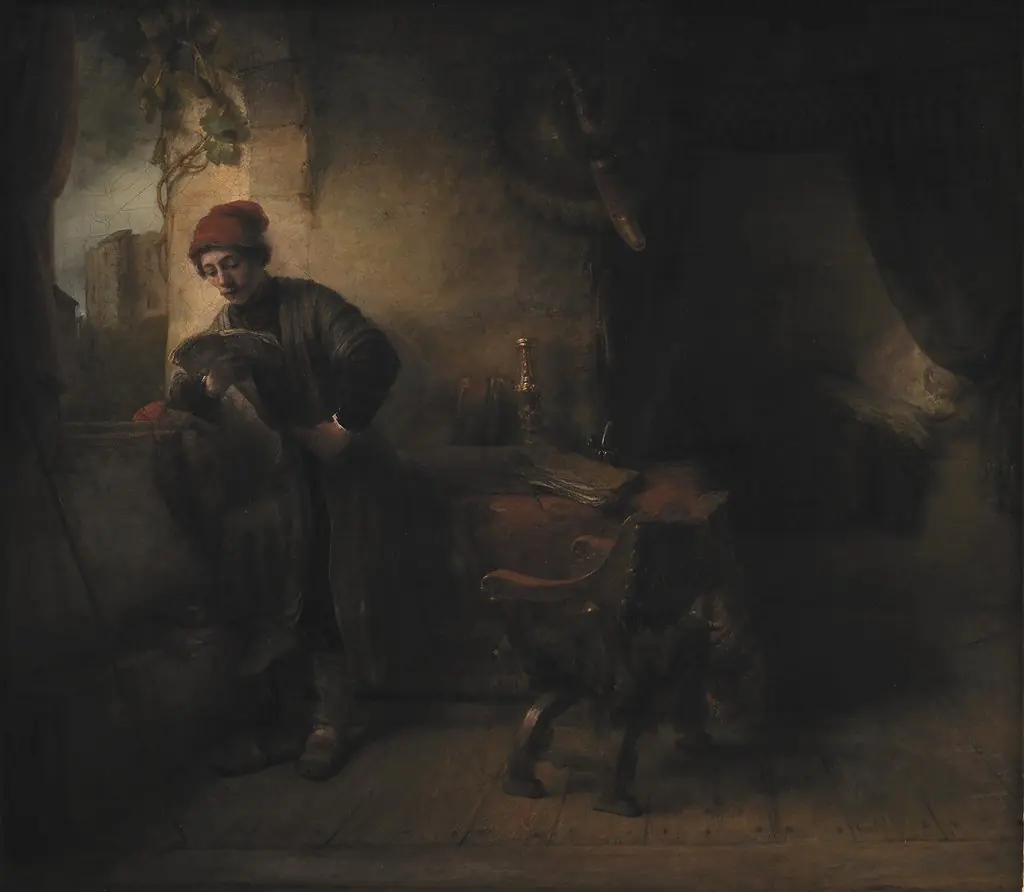 Standing Young Man at the Window in his Study Reading, known as"The Student"
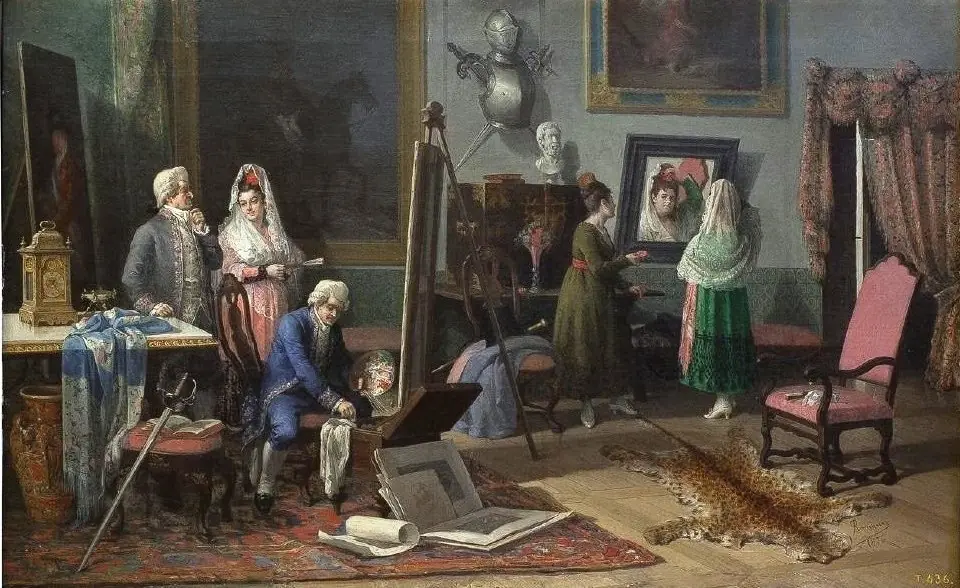 Antes de continuar el retrato
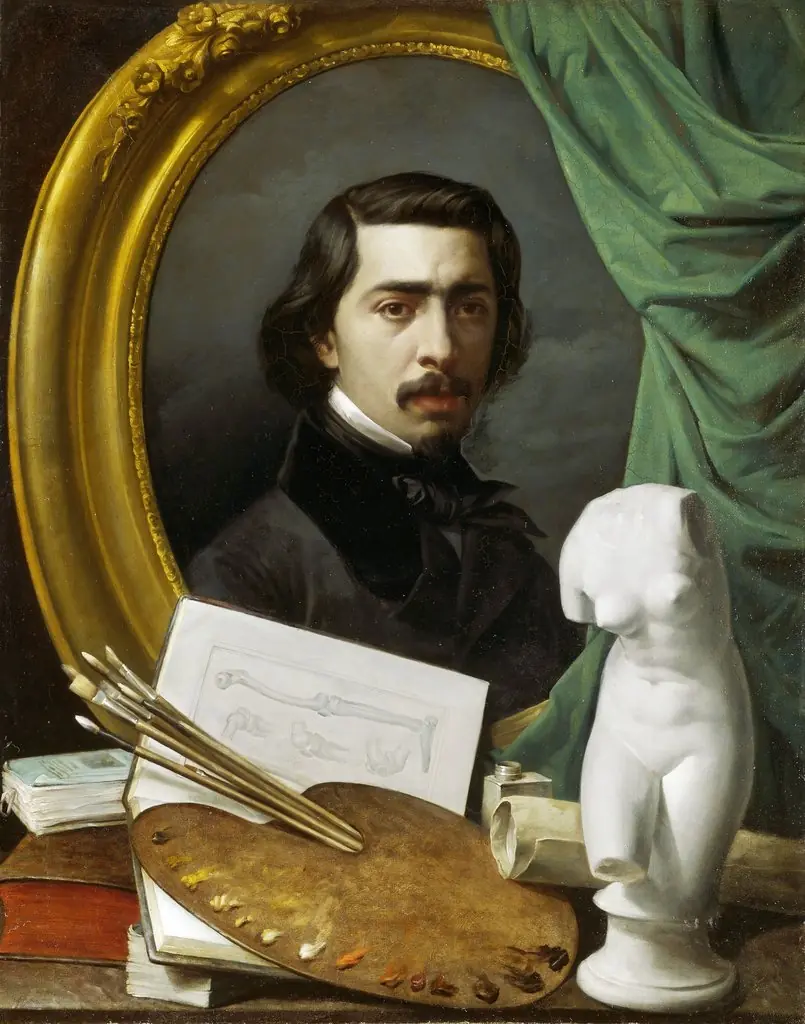 Self-portrait
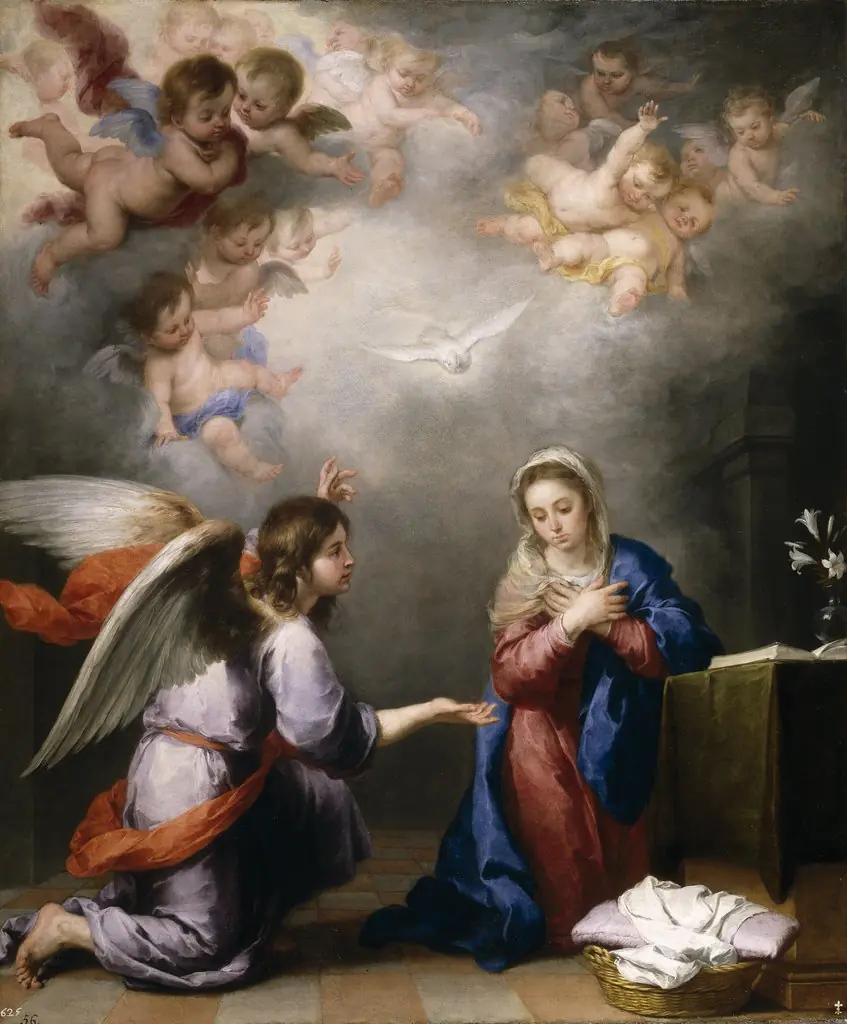 The Annunciation
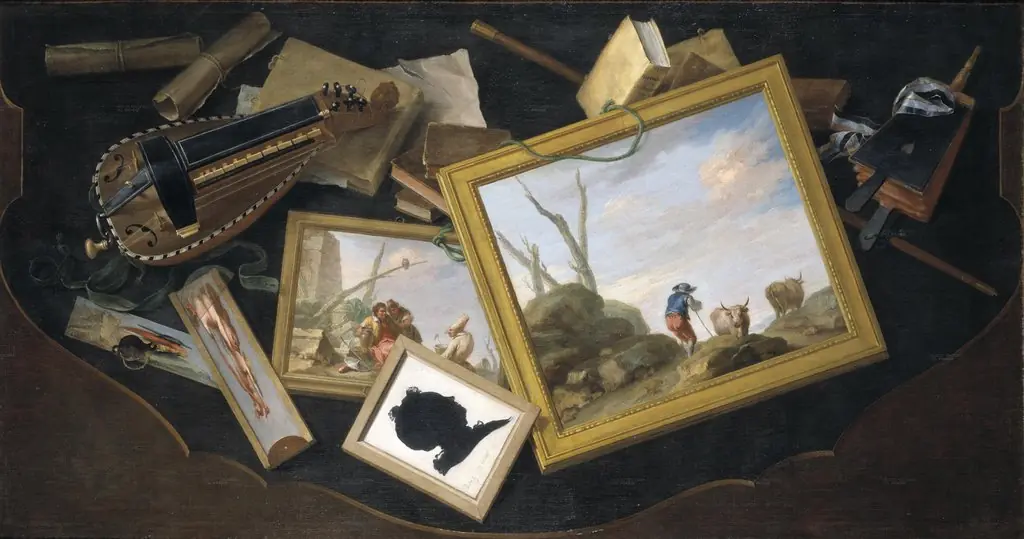 Trompe-l'œil of a Table in a Mess with Paintings, a Hurdy-Gurdy, Books and Other Objects
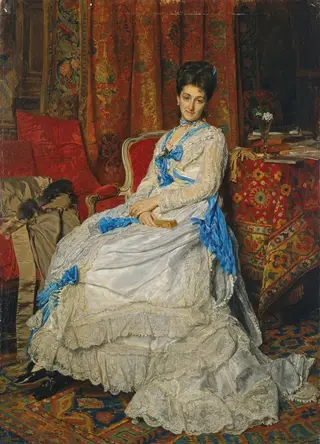 Josefa Manzanedo e Intentas de Mitjans, Second Marchioness of Manzanedo
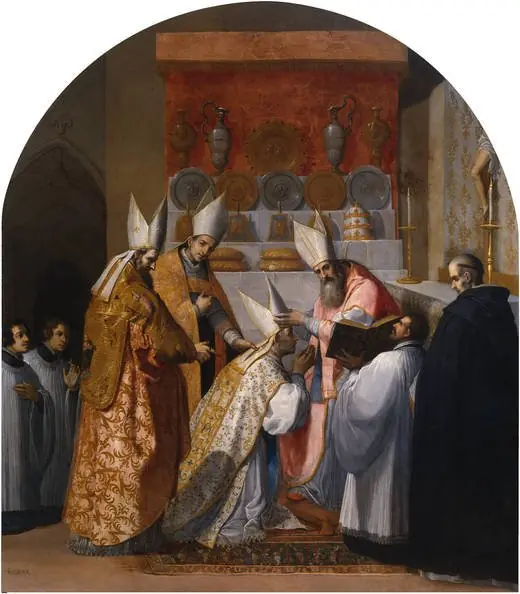 Pope Alexander III Consecrates Anthelm of Chignin as Bishop of Belley
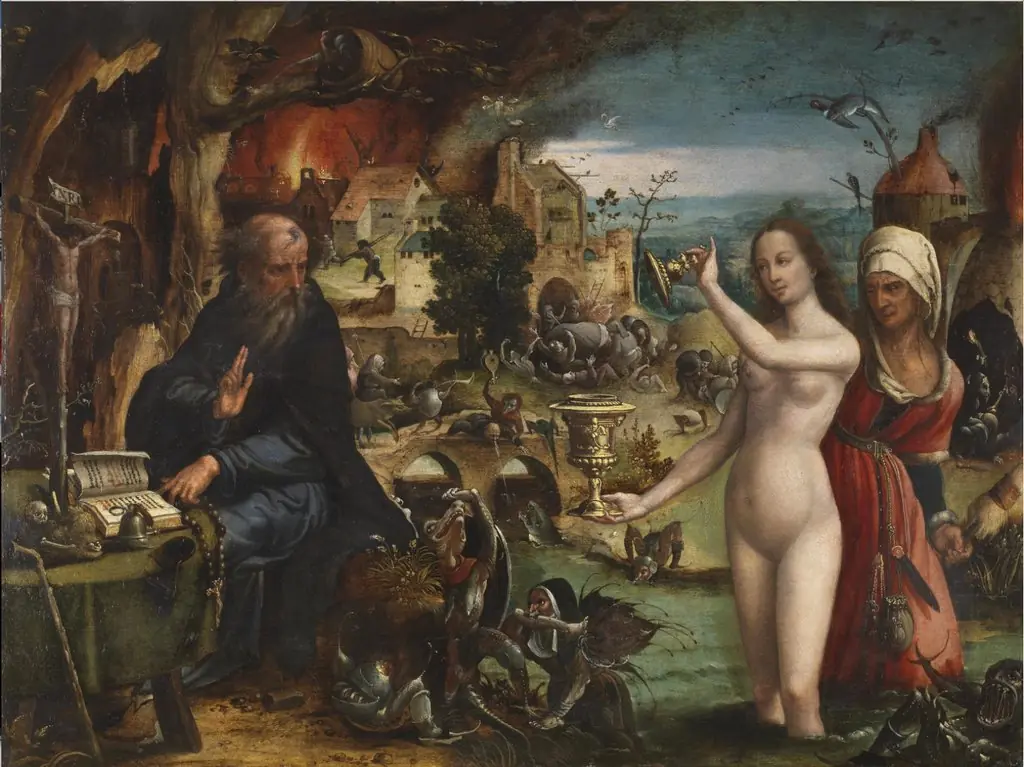 The Temptations of Saint Anthony Abbot
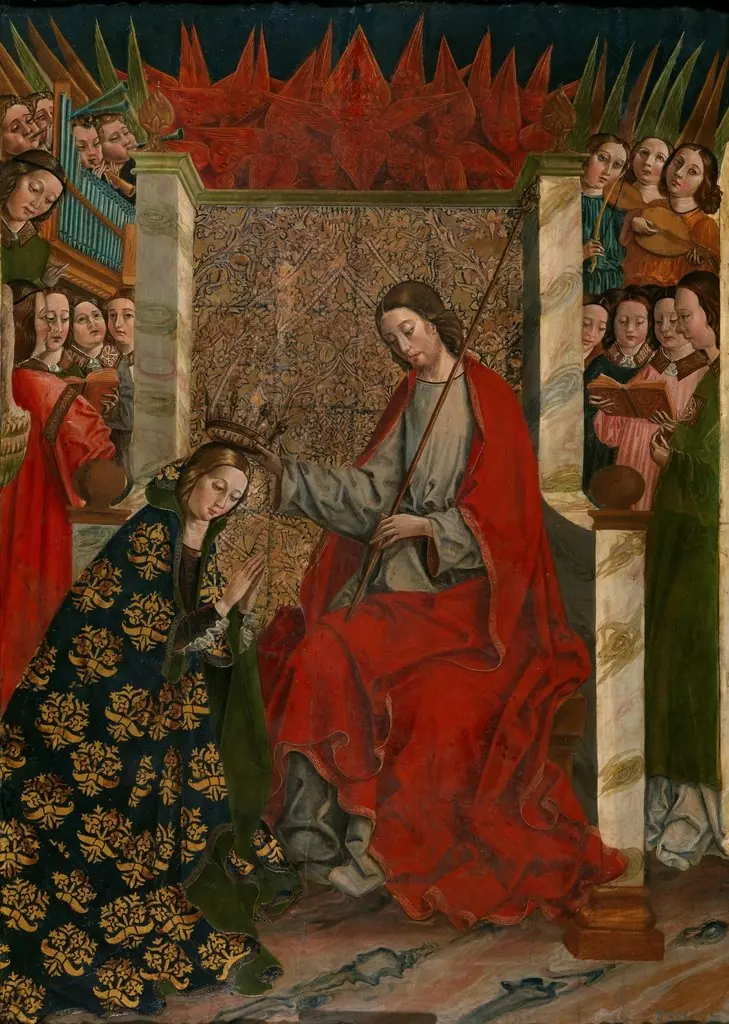 The Coronation of the Virgin
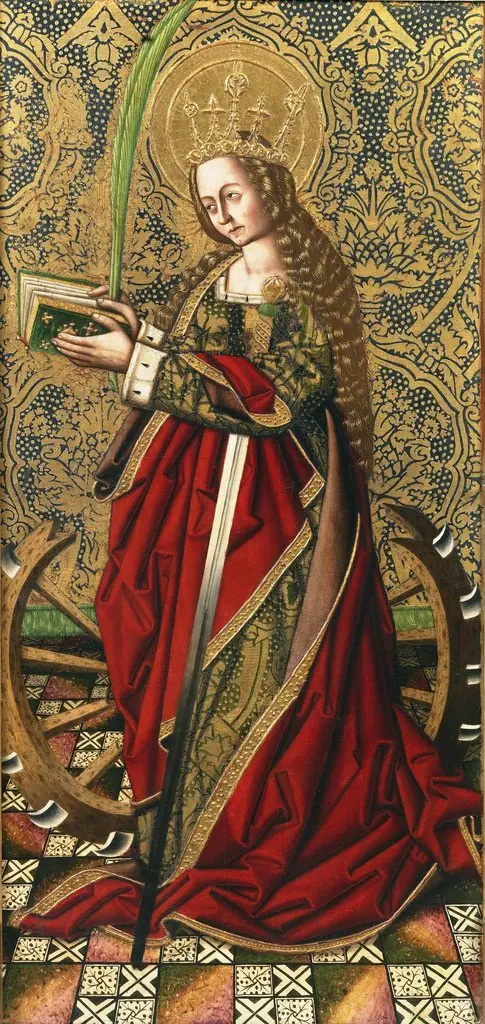 Saint Catherine
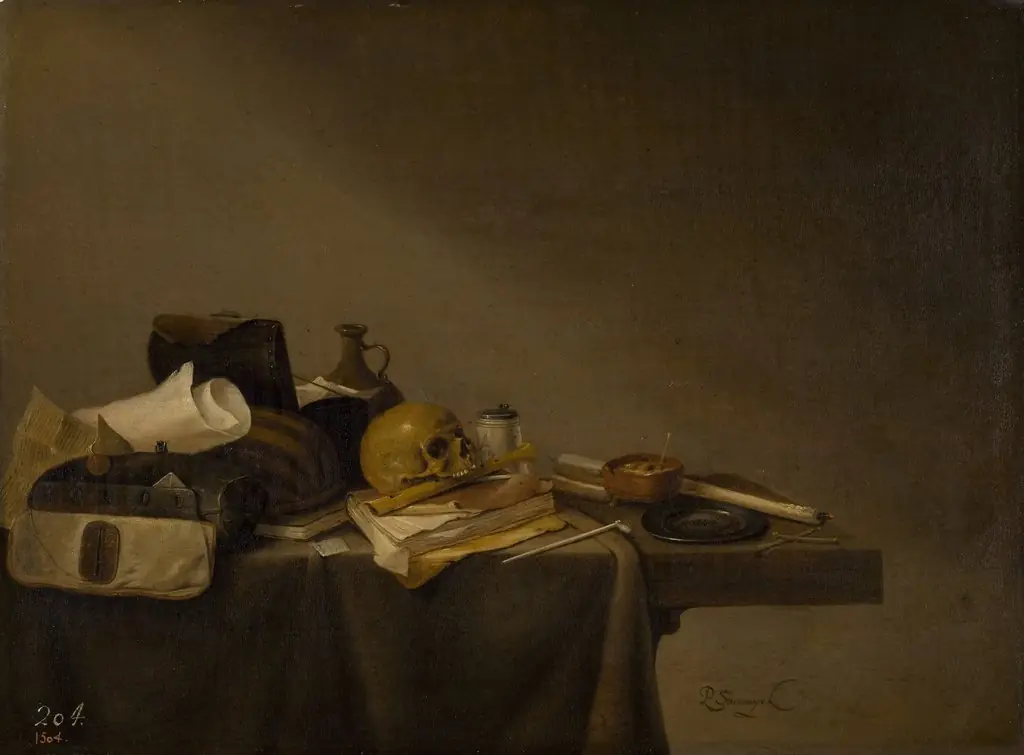 Emblem of Death
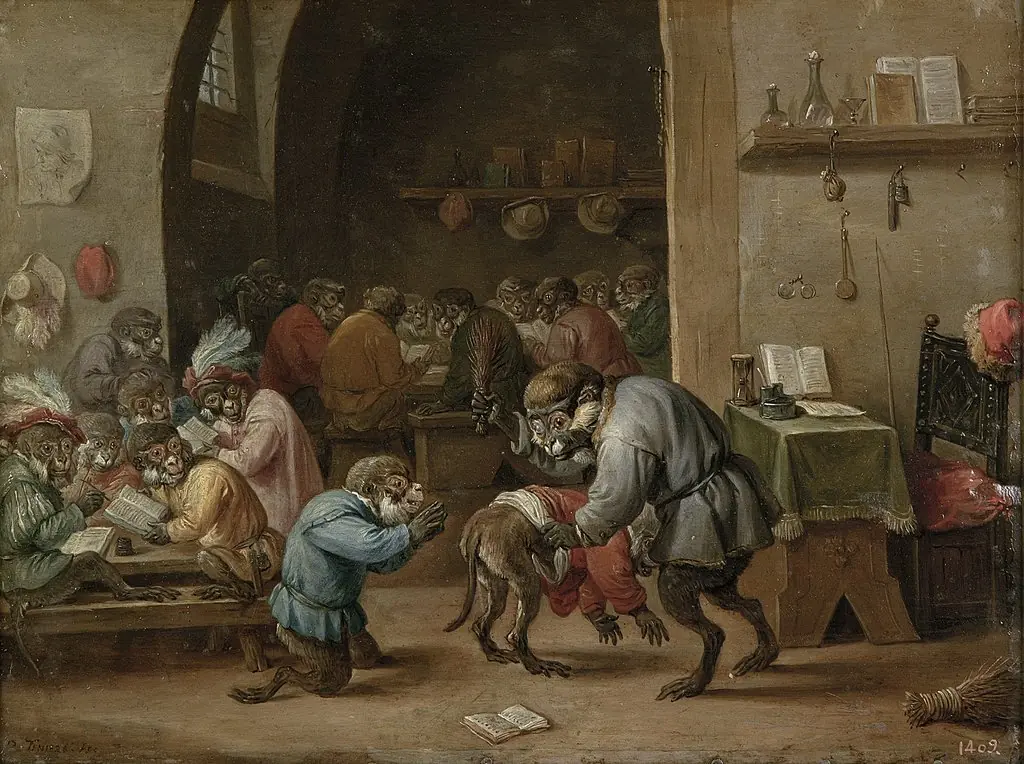 Monkeys in the school
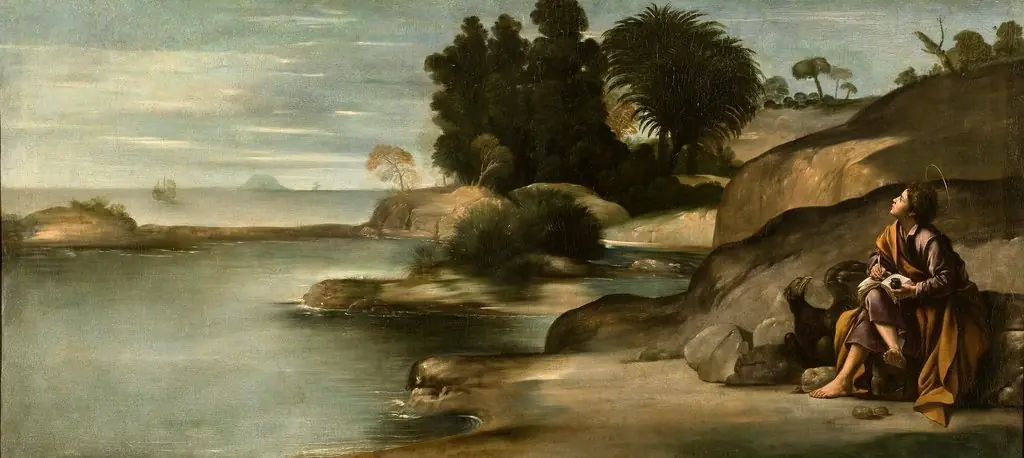 Saint John the Evangelist in Patmos
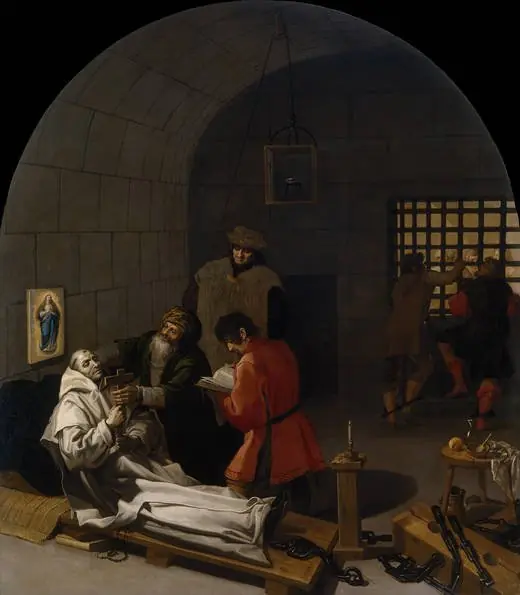 Landuino Dies in Jail
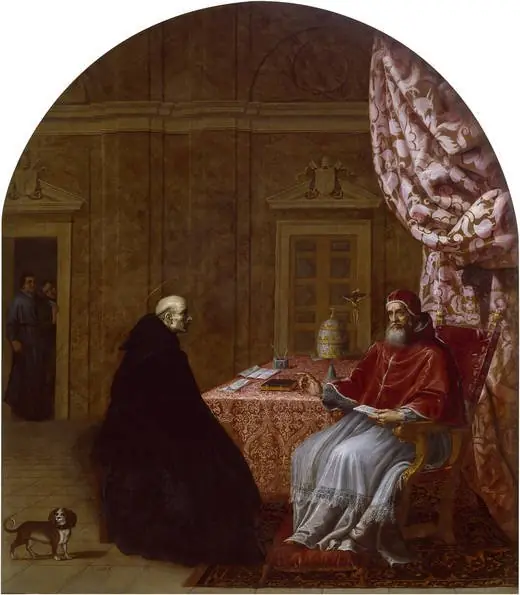 Urban II Deliberates with Saint Bruno
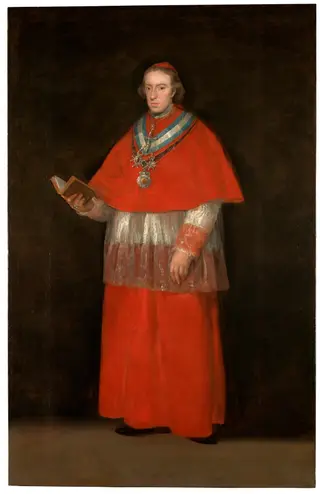 Cardinal Luis María de Borbón y Vallabriga
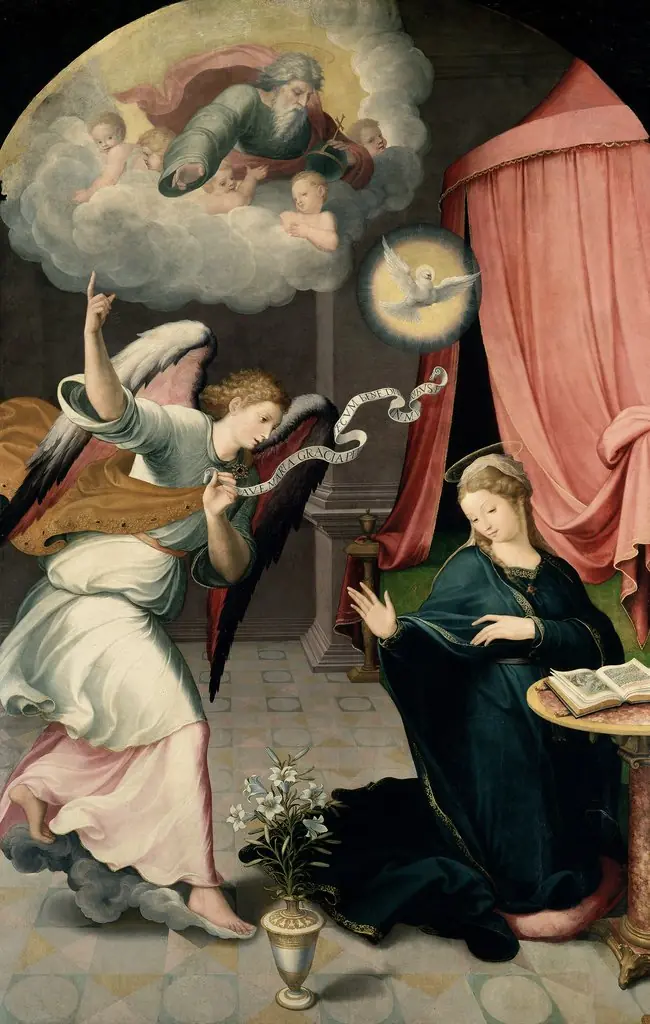 Altarpiece of the Annunciation
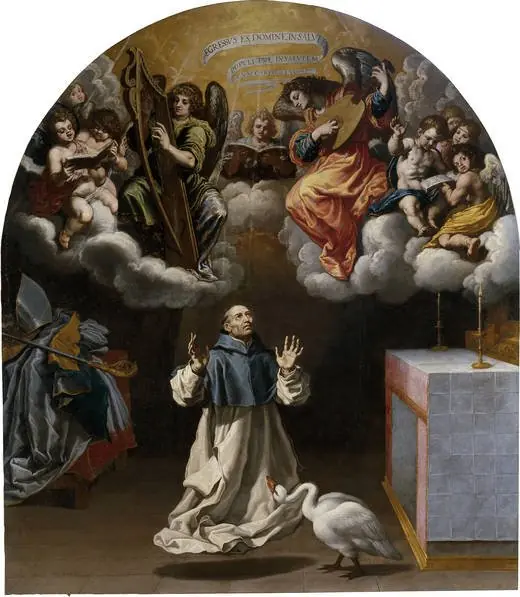 Musician Angels Appear to Saint Hugo of Lincoln
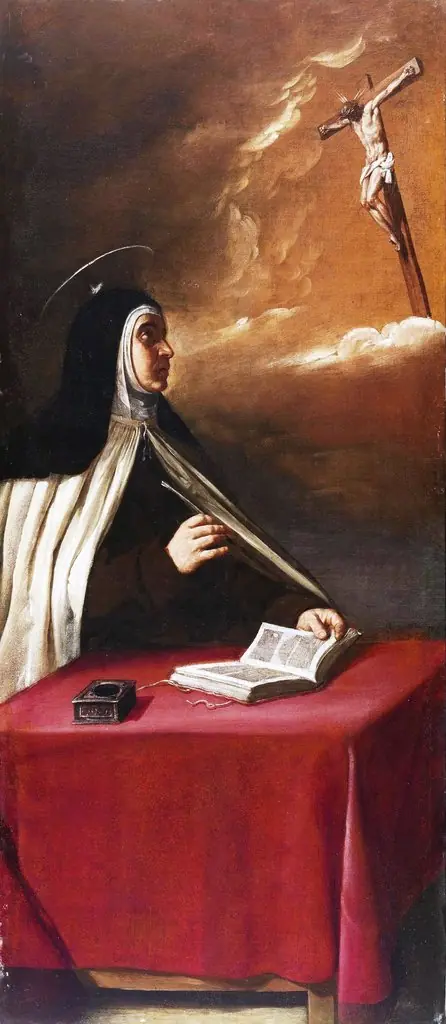 The crucified Christ appears to Saint Teresa of Avila
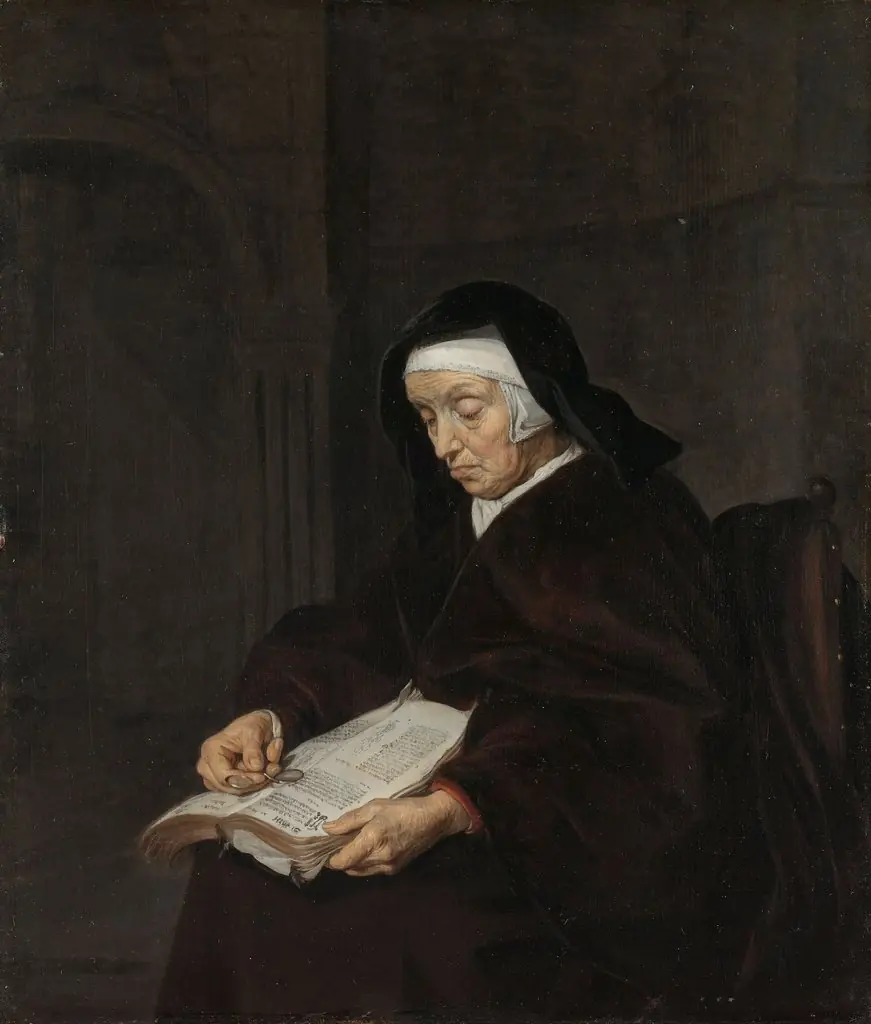 Old Woman Meditating
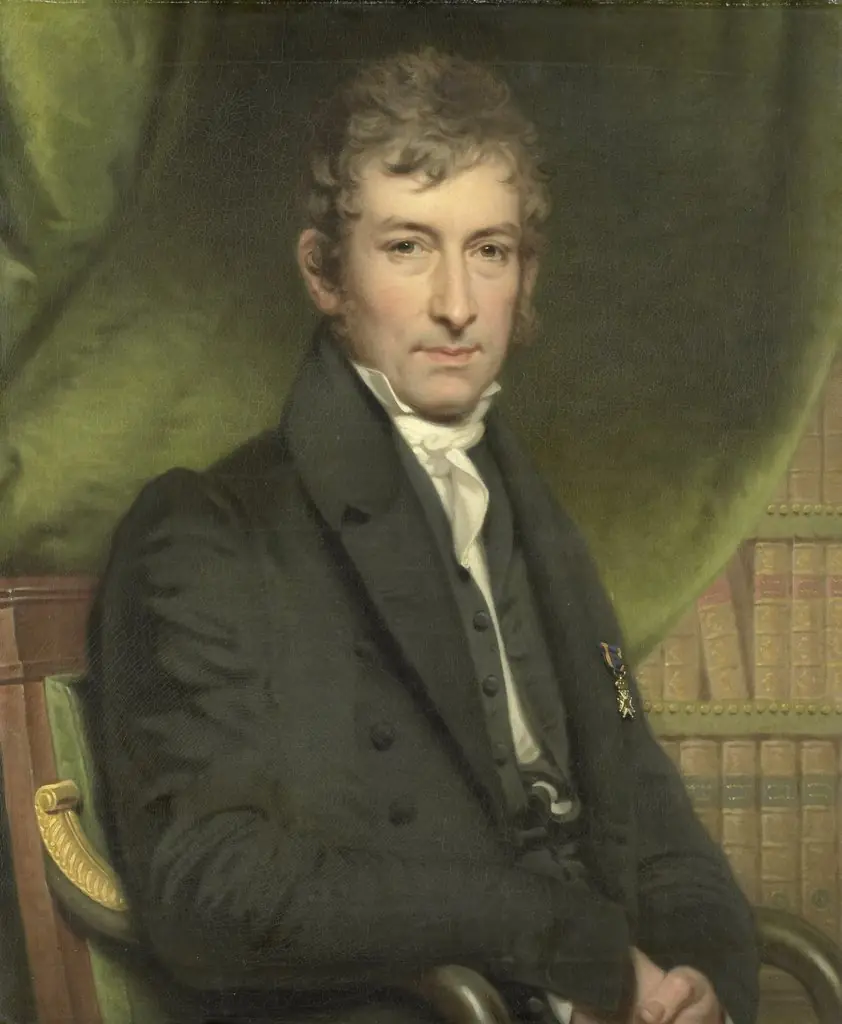 Portrait of Johan Fraser
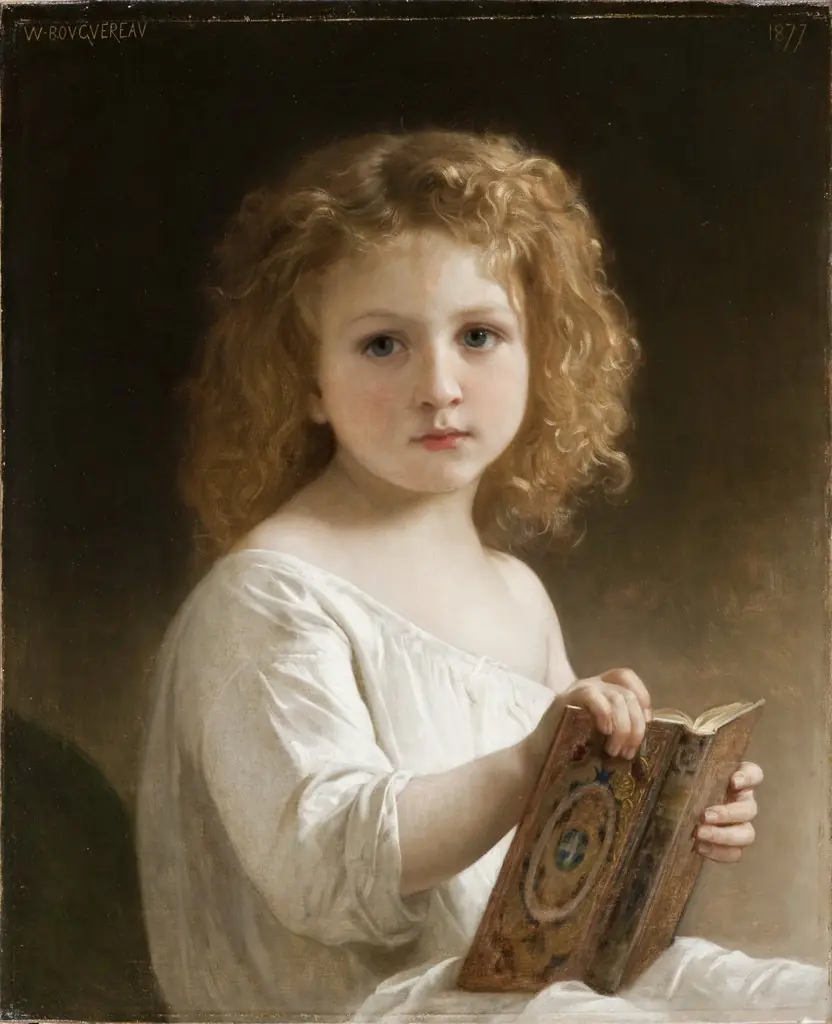 The Story Book
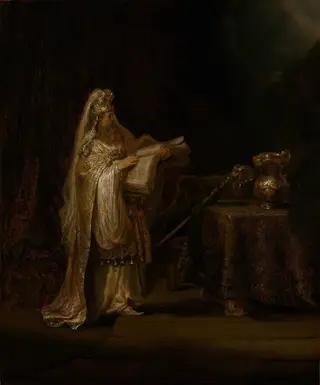 The Vision of Zacharias in the Temple
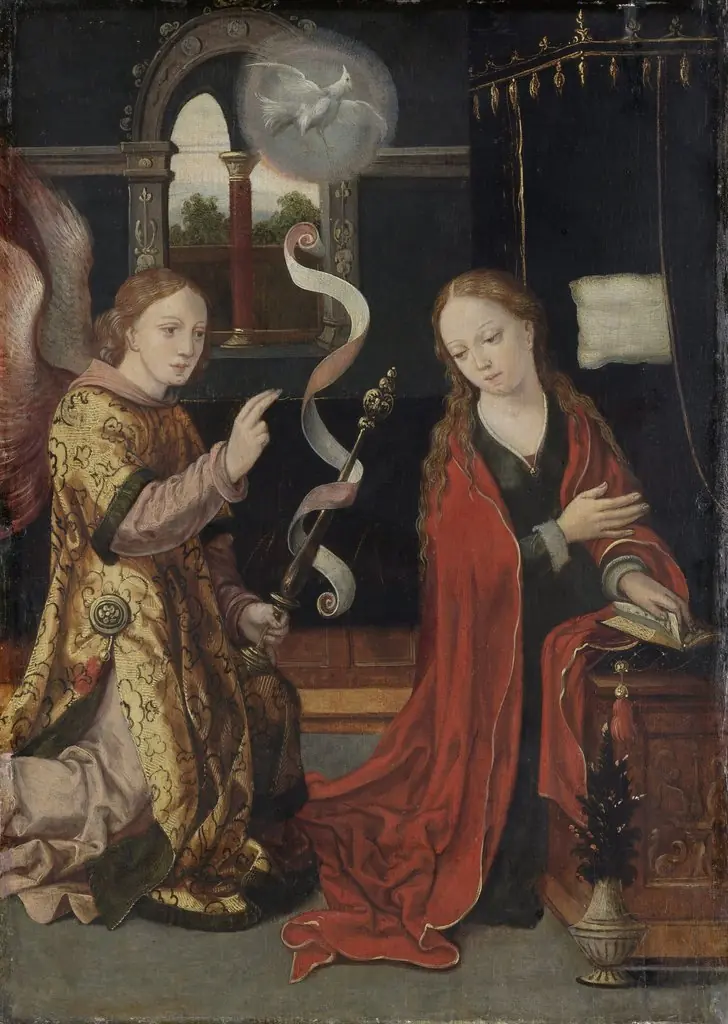 The Annunciation
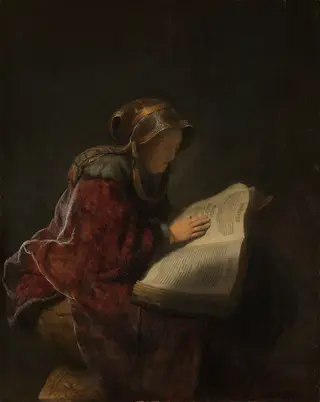 An Old Woman Reading, Probably the Prophetess Hannah
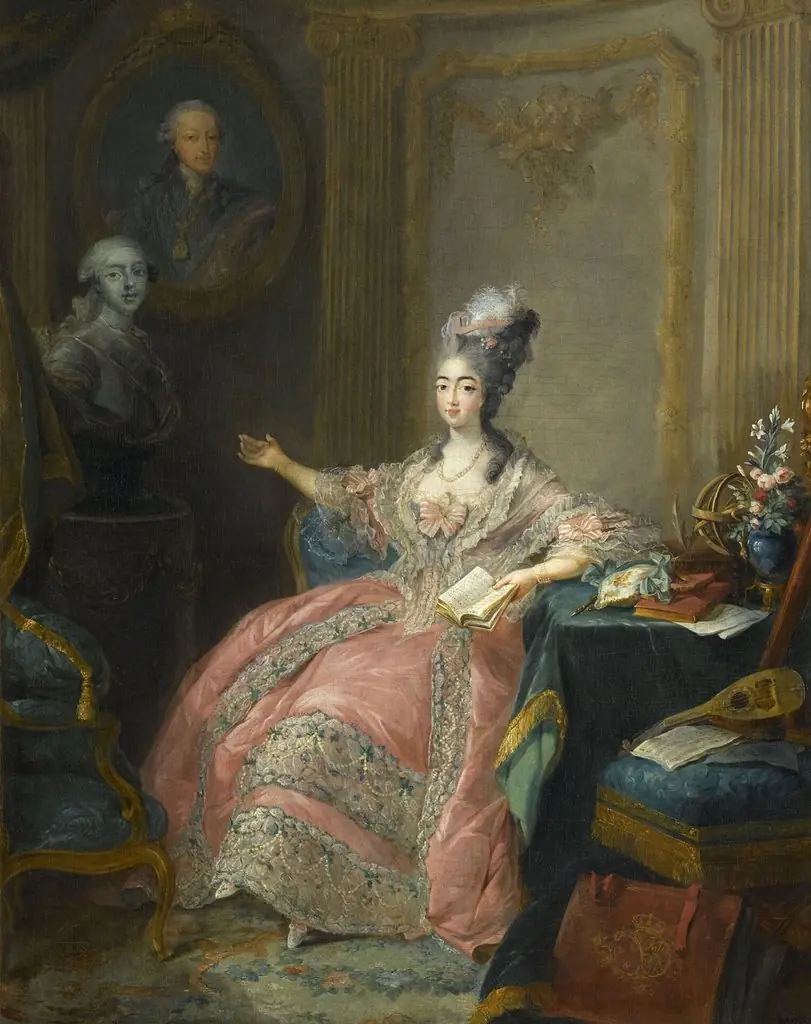 Marie-Joséphine-Louise de Savoie, Countess of Provence
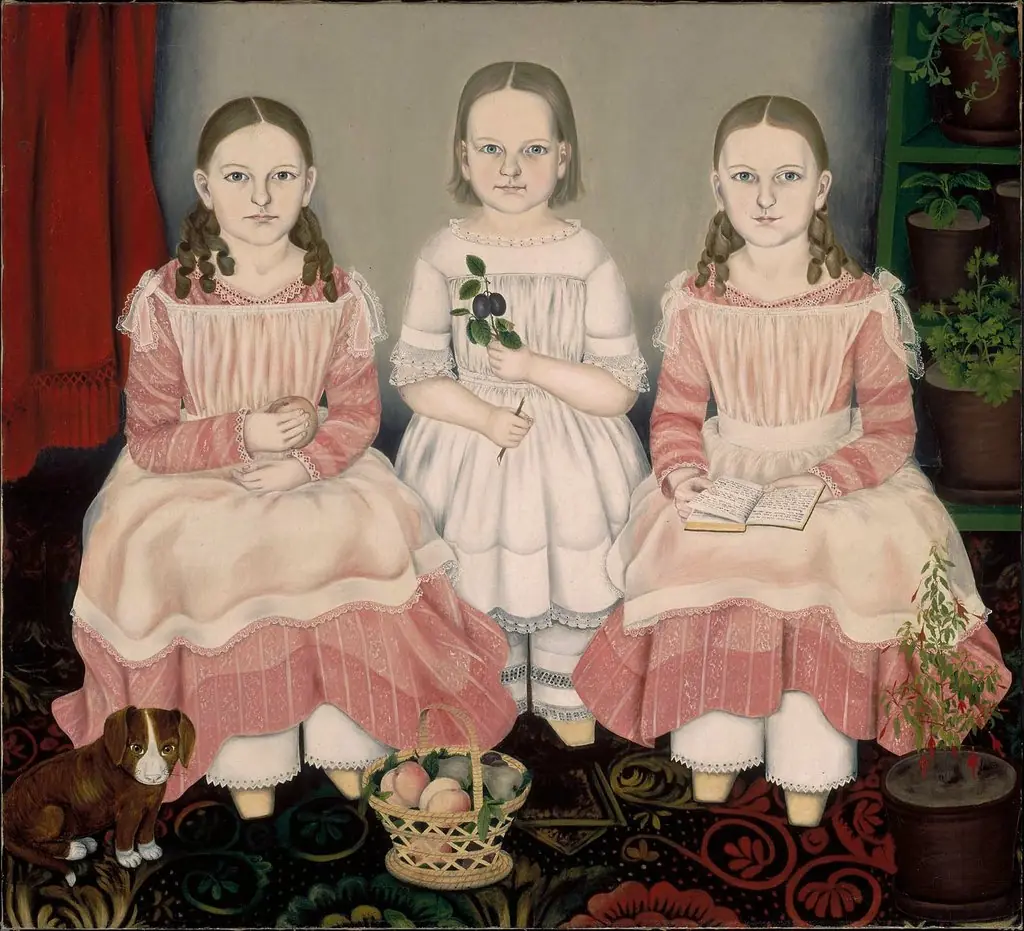 The Lincoln Children
Frequently asked questions
What is Book?
Book is a subject in art. A book is a written work of substantial length created by one or more authors.
How many Book works does Artifact World Gallery have?
Artifact World Gallery holds 200 public-domain Book works, all free to view and download.
Who are the key Book artists?
Key Book artists in the collection include Titian, Paolo Veronese and Jean Baptiste Camille Corot.
Where can I see Book works?
Book works in the collection are held by Museo del Prado, Metropolitan Museum of Art and Groeningemuseum.