Artwork
Sirene (Hippocampe)
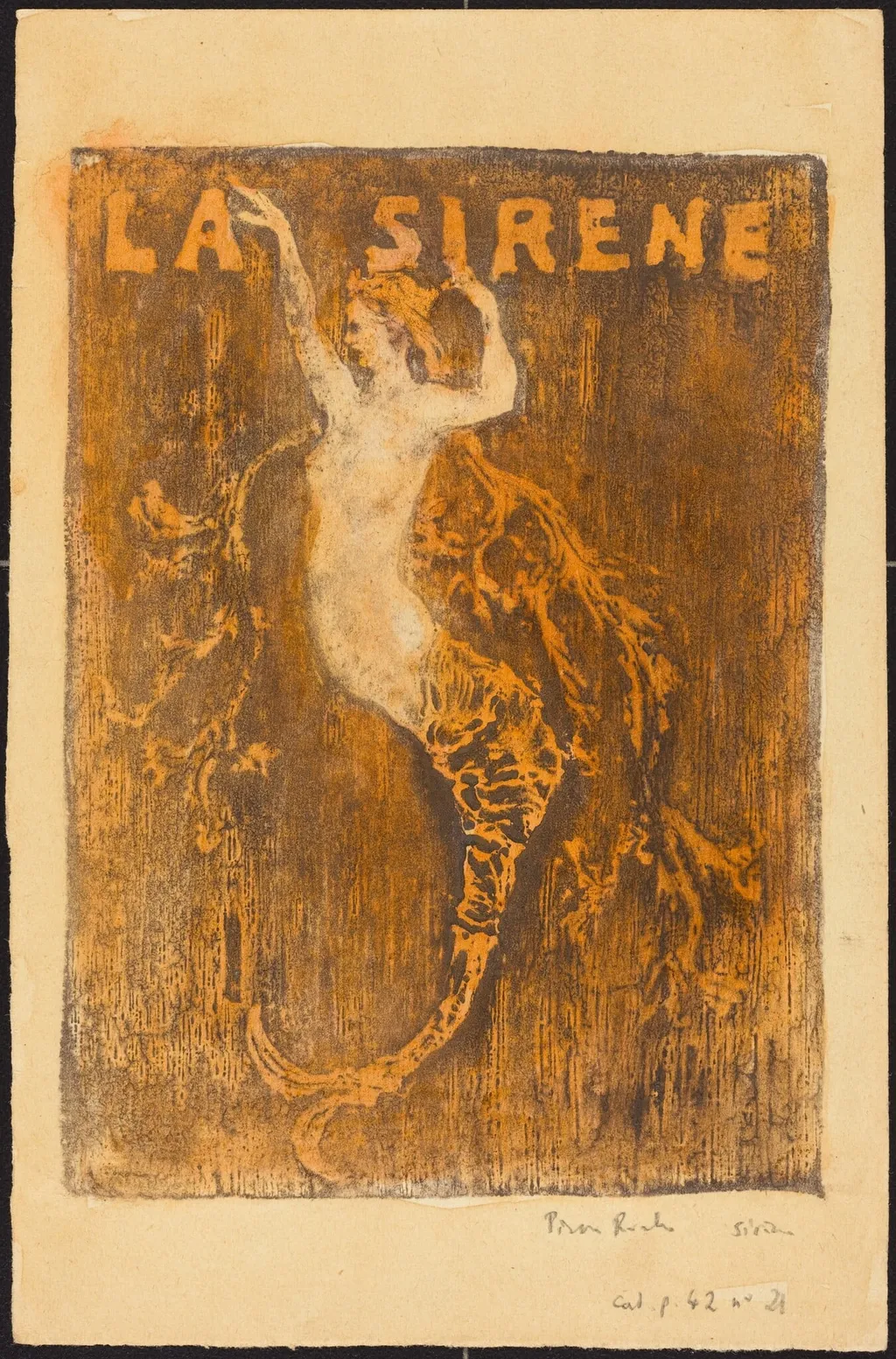
Sirene (Hippocampe) is a print by the Impressionist artist Pierre Roche. It dates from 1896 and is held in the collection of the National Gallery of Art.
About this work
Overview
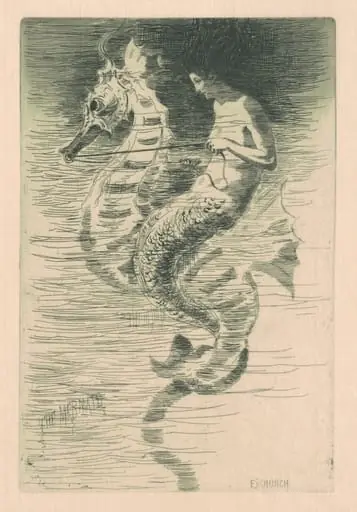
Sirene (Hippocampe) is a 1896 gypsograph print by French artist Pierre Roche, featuring a mermaid-like figure atop a seahorse, characterized by its textured, relief-style execution.
Subject & Meaning
The piece depicts a dynamic, mermaid-like figure (labeled 'LA SIRENE') with a fish tail and human upper body, posed in energetic, twisted motion atop a seahorse, evoking mythological and aquatic themes.
Technique & Style
Created using the gypsograph technique, the work exhibits a distinctive relief quality, with visible textures and rough edges, though its attribution to Impressionism may be misleading given the medium and style described.
History & Provenance
Pierre Roche, initially trained in medicine and chemistry, later studied art at Académie Julian and with Jules Dalou for sculpture, producing various works including fountains; specific provenance details for Sirene (Hippocampe) are not provided.
Context
While the piece's dynamic pose and emphasis on movement align with broader late 19th-century artistic interests, its gypsograph technique and relief style set it apart from contemporaneous Impressionist paintings, which focused on light and color in flat, two-dimensional compositions.
Legacy
The legacy of Sirene (Hippocampe) specifically is not detailed, but as part of Roche's diverse output, it reflects his exploration across mediums and themes, contributing to the broader artistic experimentation of his time.
Own this work as a print
Artist & collection
Artist
Pierre Roche (Paris, 2 August 1855 – Paris, 18 January 1922), pseudonym of Pierre Henry Ferdinand Massignon, was a French sculptor, painter, ceramist and medallist.

- The Dream
 Untitled
 La Fumée, puis la flamme
 Théâtre Libre: La Fumée, puis la Flamme
 Ilsee, Princesse de Tripoli
 Untitled
 The Mermaid
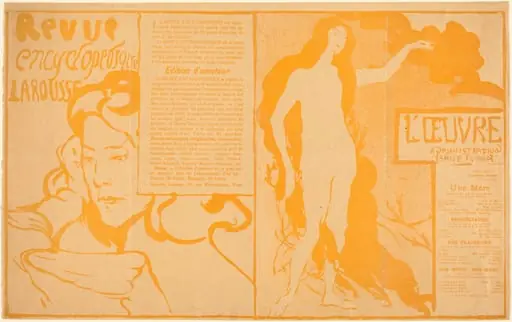 Une Mère; Brocéliande; Les Flaireurs; Des Mots! Des Mots!
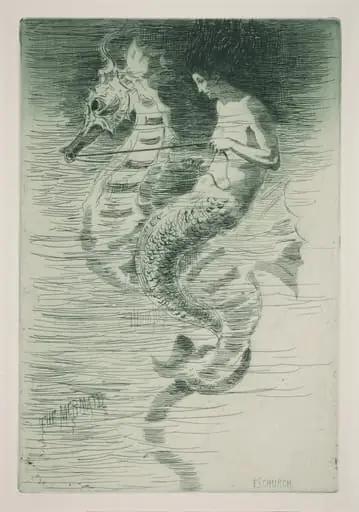 The Mermaid
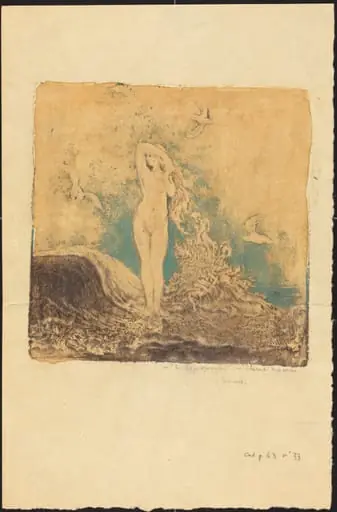 Aphrodite
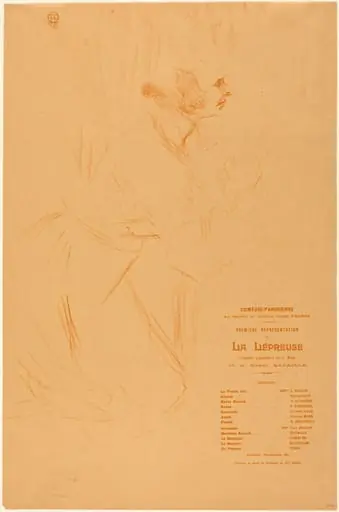 Program for "La lepreuse" (Programme pour "La lépreuse")
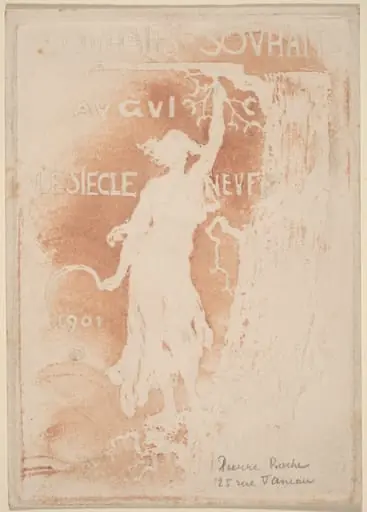 Souhaits Souhaits au Gui Le Siecle Neuf (Best Wishes for the New Century)