Artwork
Saint Iltud
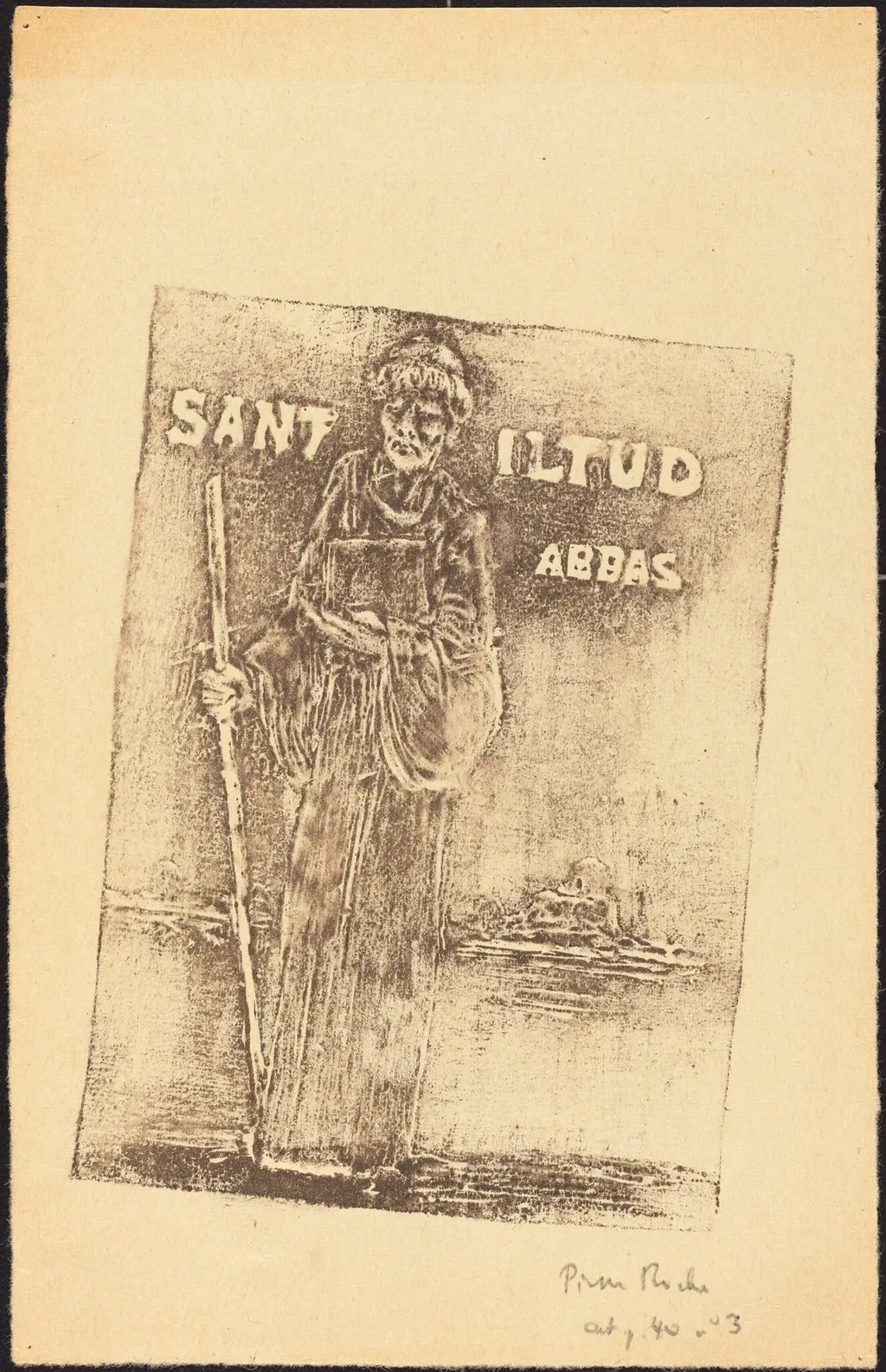
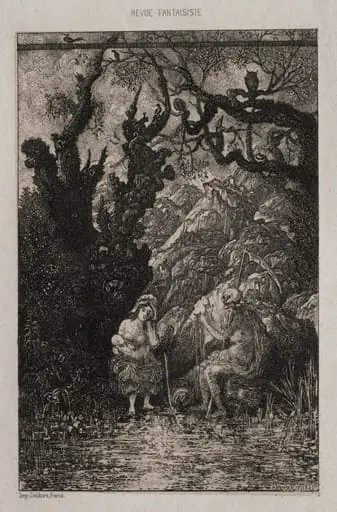
Saint Iltud is a print by the Impressionist artist Pierre Roche. It dates from 1888 and is held in the collection of the National Gallery of Art.
About this work
Overview
Saint Iltud is a 1888 print by French artist Pierre Roche, executed in the gypsograph process. Roche, who studied painting at the Académie Julian, produced this work during the early phase of his career, a period marked by regular participation in the Paris Salon. The piece belongs to his diverse output, which also encompassed sculpture, painting, and ceramic works.
Subject & Meaning
The image presents a solitary, solemn figure clothed in a long robe and holding a staff in the right hand. Rendered in muted sepia tones, the central figure stands against a darkened background that recedes through subtle shading. The serious expression and austere composition convey a contemplative, religious atmosphere typical of devotional portraiture.
Technique & Style
Created with the gypsograph method, the work reproduces a painted composition as a print, preserving the tonal range of the original. The sepia palette emphasizes chiaroscuro, while the simplified forms and restrained detail reflect Roche’s interest in rendering spiritual subjects with a calm, measured aesthetic rather than the fleeting brushwork of contemporary Impressionism.
History & Provenance
Saint Iltud was exhibited at the Paris Salon shortly after its completion, situating it within Roche’s early public reception. The print illustrates the artist’s engagement with religious iconography at a time when he was establishing his reputation across multiple media. Its provenance traces back to the Salon showing, marking it as an early documented example of his printmaking practice.
Own this work as a print
Artist & collection
Artist
Pierre Roche (Paris, 2 August 1855 – Paris, 18 January 1922), pseudonym of Pierre Henry Ferdinand Massignon, was a French sculptor, painter, ceramist and medallist.

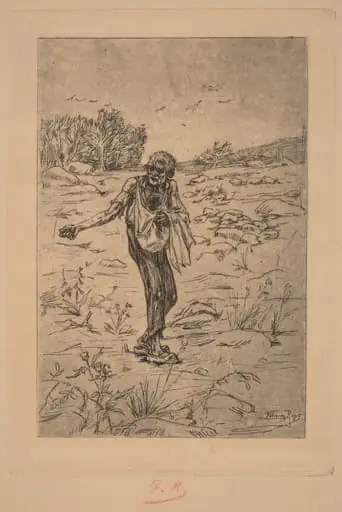 The Parable of the Sower (Le Semeur de Paraboles)
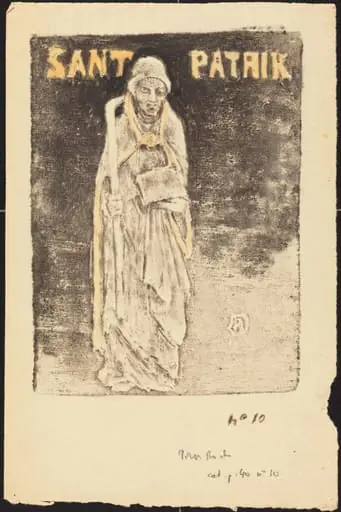 Saint Patrice
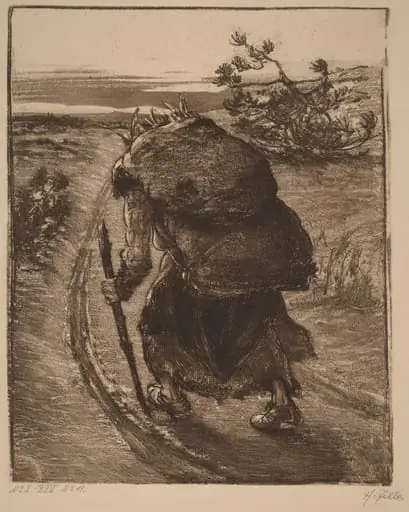 A Woman Carrying a Bundle of Sticks
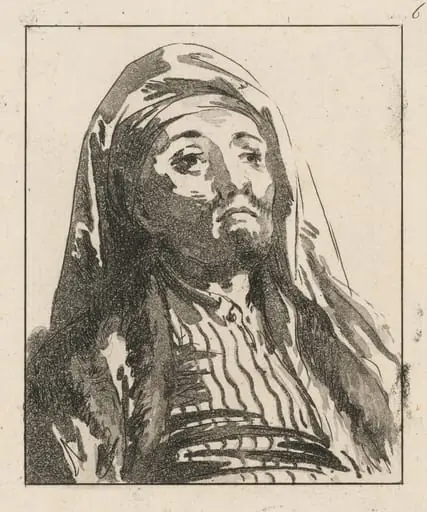 Head of a Man, Slightly Turned
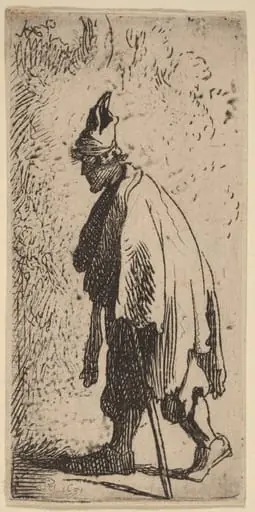 Beggar with a Stick, Walking to the Left
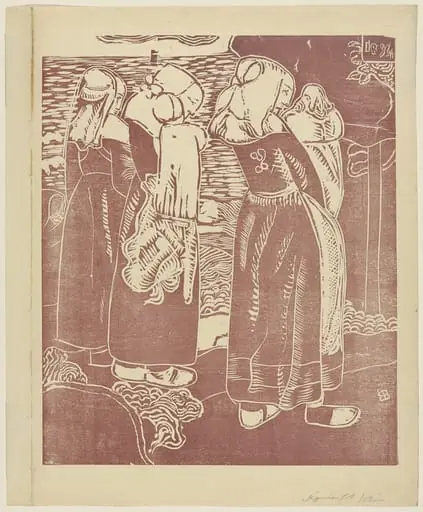 Untitled
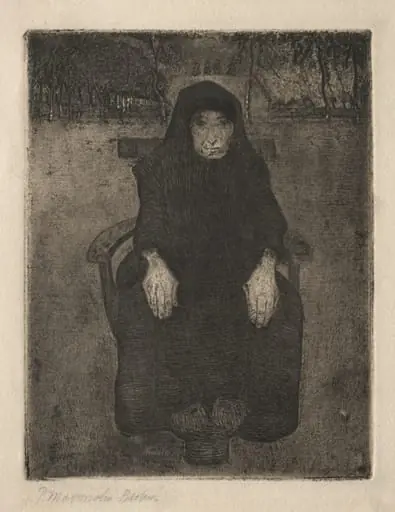 Seated Old Woman
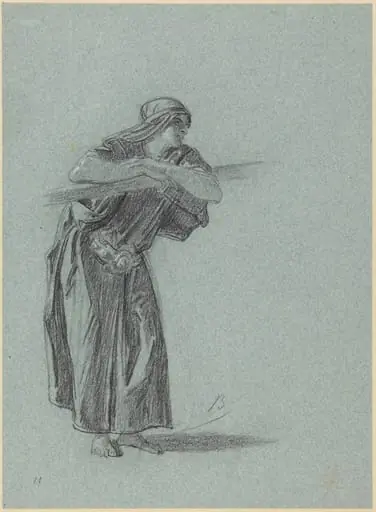 The Woman in the “Song of Songs”
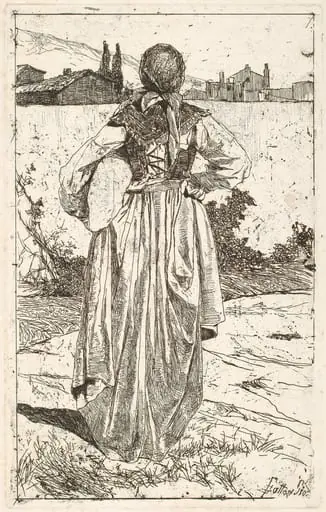 Woman of the Gabbro (Donna al gabbro)
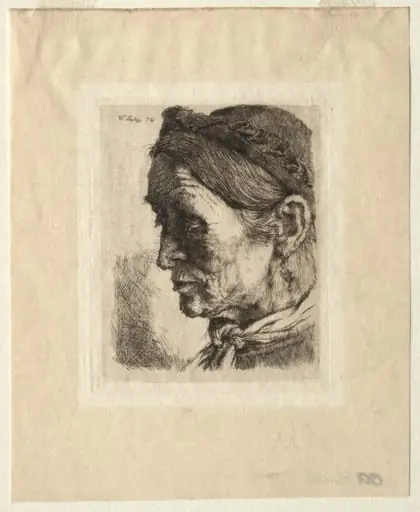 Head of a Peasant Woman
 Death and the Young Mother
- Saint Geldas