Artwork
Saint Elizabeth of Hungary
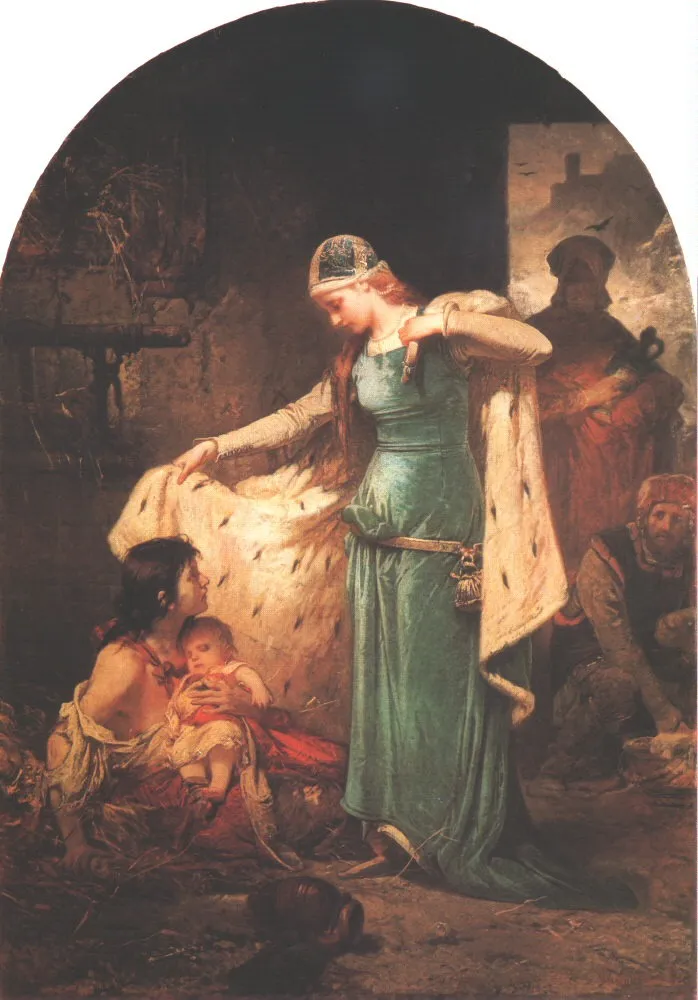
Saint Elizabeth of Hungary is an oil painting by the Naturalist artist Sándor Liezen-Mayer. It dates from 1892 and is held in the collection of the Hungarian National Gallery.
About this work
Overview
Painted in 1892 by Sándor Liezen-Mayer, a Hungarian artist active in Germany, this oil on canvas work portrays Saint Elizabeth of Hungary in a moment of charitable act. Executed in a naturalist style, the painting reflects 19th-century tendencies to render historical and religious subjects with psychological realism and careful attention to material detail, rather than idealized symbolism.
Subject & Meaning
The scene captures Saint Elizabeth, a 13th-century noblewoman known for her devotion to the poor, offering aid to a destitute woman and infant.
The scene captures Saint Elizabeth, a 13th-century noblewoman known for her devotion to the poor, offering aid to a destitute woman and infant. The ermine, a symbol of purity and nobility, rests beside her, reinforcing her spiritual status despite her renunciation of wealth. The composition emphasizes compassion through physical proximity and gaze, positioning her as both earthly benefactor and sacred figure.
Technique & Style
Liezen-Mayer employs chiaroscuro to isolate the central figures against a shadowed interior, enhancing emotional gravity. The green gown and white cloak contrast sharply with the muted stone backdrop, directing focus to the saint’s gesture. Textures of fabric, skin, and stone are rendered with subtle gradations, reflecting naturalist priorities: observed detail over theatrical embellishment.
History & Provenance
Completed in 1892, the painting entered the collection of the Hungarian National Gallery, where it remains today. Liezen-Mayer, trained in Munich and active in German academic circles, created this work during a period when Hungarian cultural institutions sought to affirm national identity through depictions of revered historical figures, particularly those with ties to the Árpád dynasty.
Context
In late 19th-century Europe, religious subjects were often reinterpreted through the lens of social realism. Liezen-Mayer’s depiction aligns with broader trends in Central European art that emphasized moral virtue in historical figures as a means of civic education. The choice of Saint Elizabeth, a Hungarian royal saint, resonated with national narratives of piety and sacrifice during a time of political upheaval.
Legacy
The painting endures as a representative example of Hungarian academic naturalism. While not widely exhibited beyond national collections, it continues to inform interpretations of religious iconography in 19th-century Hungarian art. Its quiet intensity and restrained drama distinguish it from more ornate contemporaneous religious works, offering a grounded vision of sanctity rooted in human empathy.
Artist & collection
Artist
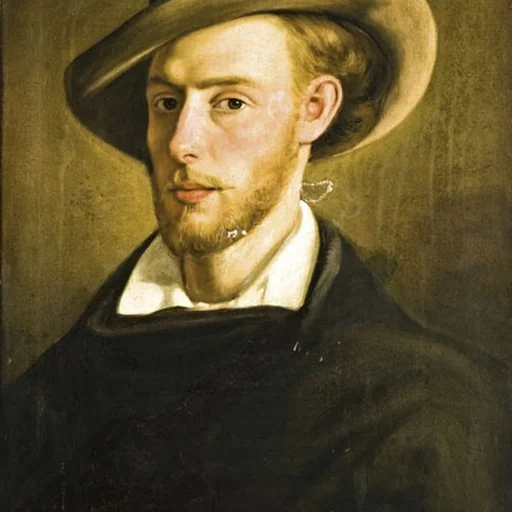
Sándor Liezen-Mayer or Alexander von Liezen-Mayer (24 January 1839 – 19 February 1898) was a Hungarian-born German illustrator and history painter.

- Femeie cu copil și un ostaș
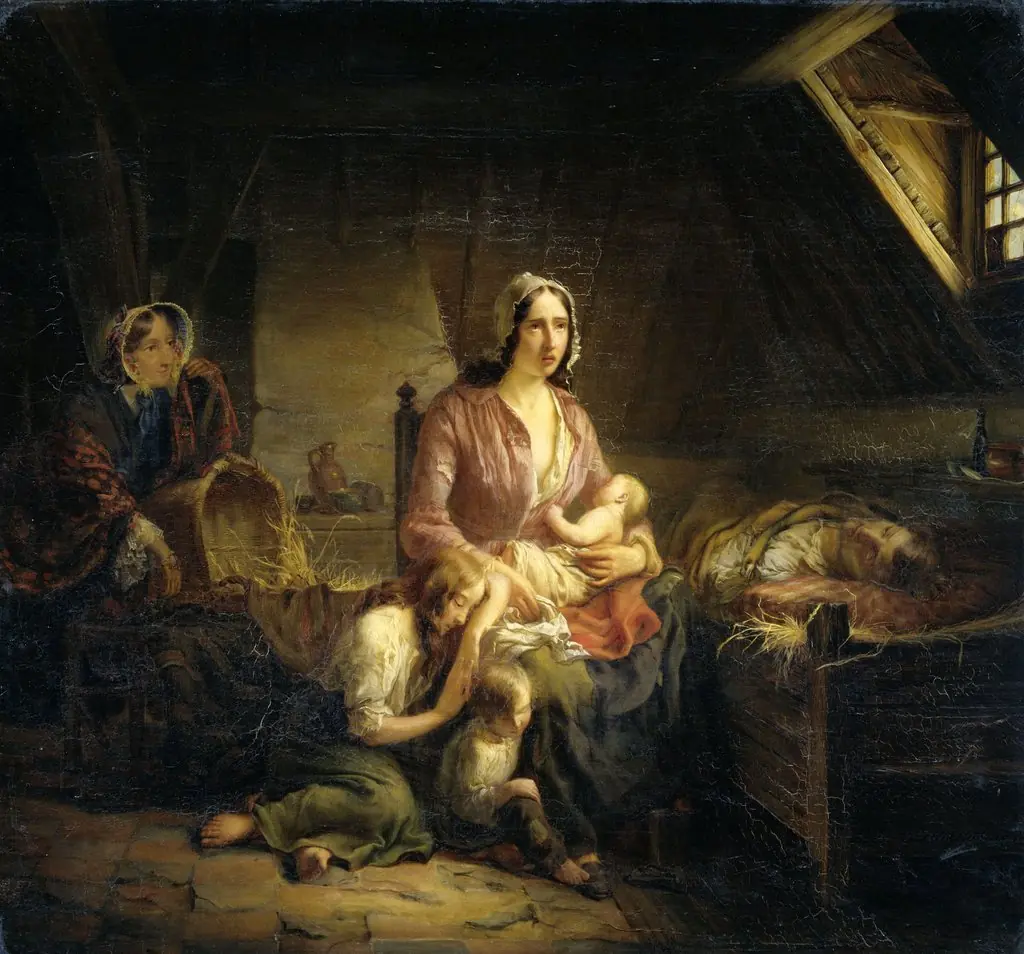 A Rich Lady Visits a Poor Family
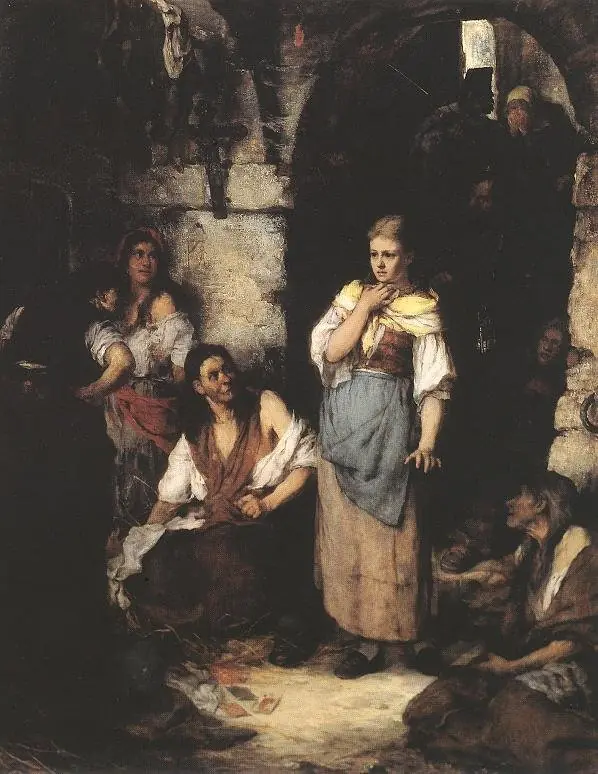 Women in the Prison
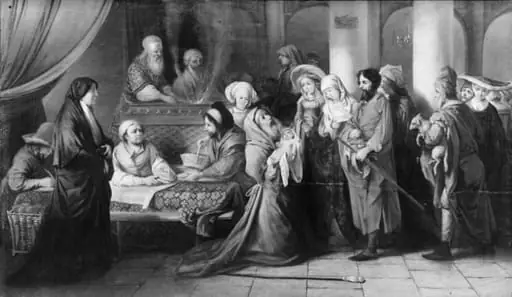 The Presentation at the Temple
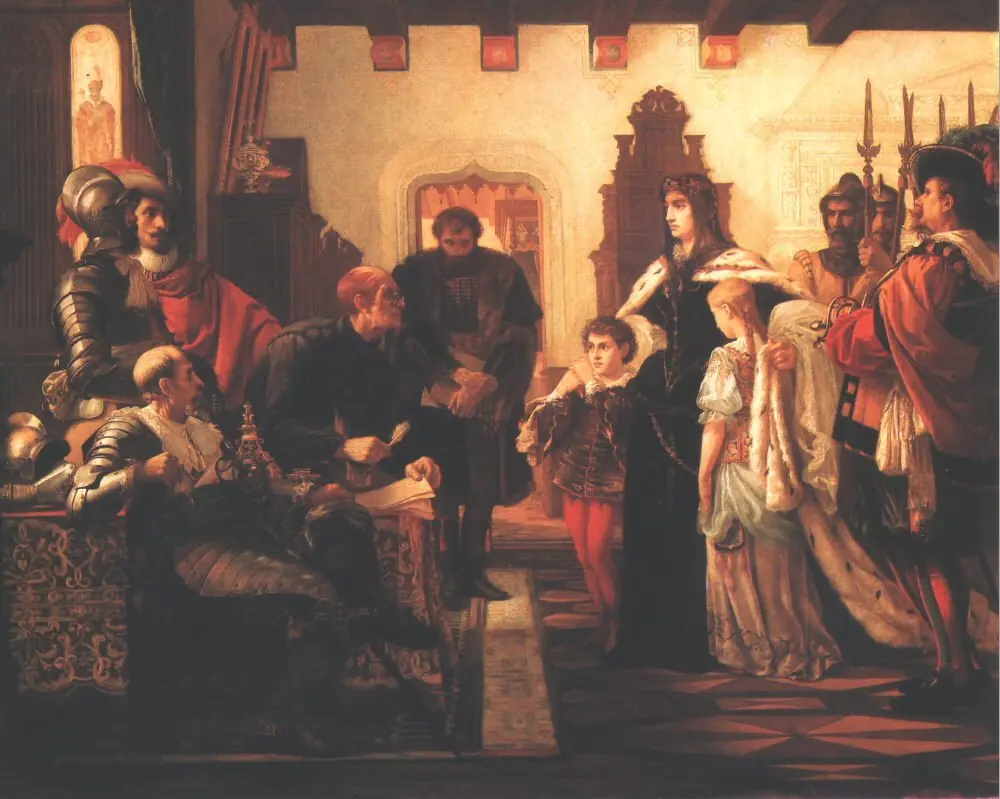 Ilona Zrínyi before the Investigating Judge
 La Siesta, Memory of Spain
 Soldier's Family Encamped
 Compoziție cu 5 personaje
 Offering to the fatherland by the Widow of Jacob van Artevelde
 Niels Ebbesen besøger en fattig kone på vej til Randers, morgenen efter grev Gerts død
 Jephta's Daughter Being Led to the Altar
 The jews in the Middle Ages