Artwork
Venus and Tannhäuser
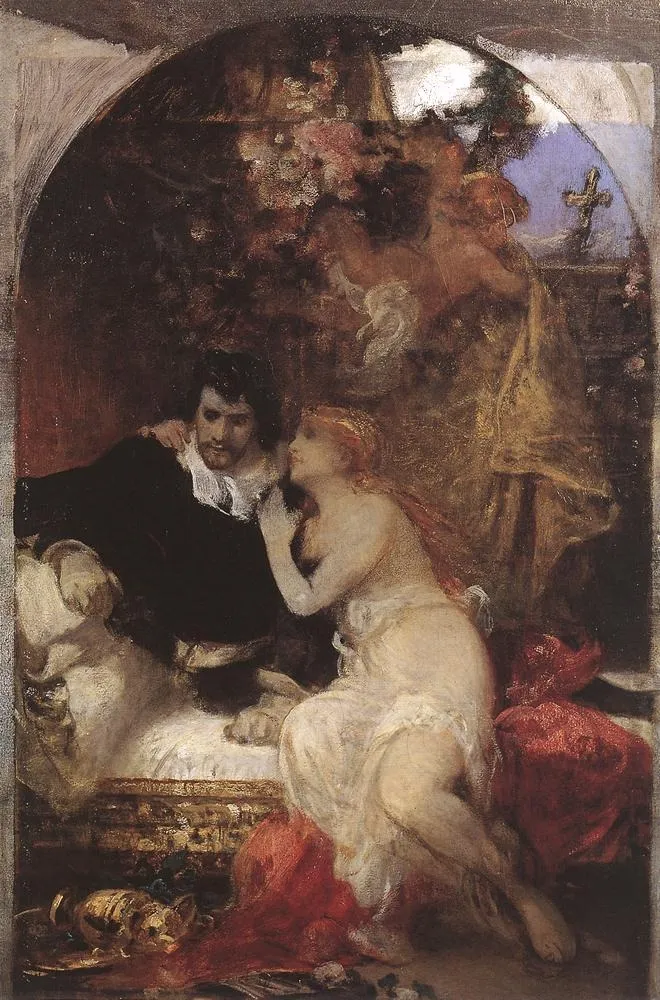
Venus and Tannhäuser is an oil painting by the Art Nouveau artist Sándor Liezen-Mayer. It dates from 1898 and is held in the collection of the Hungarian National Gallery.
About this work
Overview
Executed on canvas, it reflects his engagement with mythological themes and the decorative tendencies of Art Nouveau.
Sándor Liezen-Mayer’s 1898 oil painting Venus and Tannhäuser is a late work completed in the year of his death. Executed on canvas, it reflects his engagement with mythological themes and the decorative tendencies of Art Nouveau. The painting is part of the Hungarian National Gallery’s collection, representing Liezen-Mayer’s contribution to late 19th-century historical illustration in Central Europe.
Subject & Meaning
The painting illustrates the medieval legend of Tannhäuser, a knight who succumbs to the sensual allure of Venus in her mythical grotto. The woman, identified as Venus, reclines in a state of repose, while the man, Tannhäuser, stands beside her, his posture suggesting inner conflict. The distant cross and figure in the archway hint at the spiritual redemption he later seeks, framing the scene as a moment of moral transition.
Technique & Style
Liezen-Mayer employed oil paint to achieve rich textures and subtle tonal shifts, particularly in the contrast between Venus’s pale gown and Tannhäuser’s dark clothing. The flowing lines of the figures and the ornamental archway reflect Art Nouveau’s emphasis on organic form. The composition avoids dramatic action, favoring a quiet, intimate tension that underscores the psychological weight of the narrative.
History & Provenance
Created in 1898, the painting was among Liezen-Mayer’s final works before his death. It entered the Hungarian National Gallery’s collection shortly thereafter, likely through acquisition or donation by the artist’s estate. Its preservation in Hungary reflects the artist’s Hungarian origins despite his professional life in Germany, aligning the work with national cultural heritage efforts of the early 20th century.
Context
Liezen-Mayer worked during a period when historical and mythological subjects remained popular in academic art, even as modernist movements emerged. His choice of the Tannhäuser legend, popularized in Wagner’s opera, responded to contemporary interest in medieval romance and moral allegory. The painting’s stylistic leanings toward Art Nouveau place it within a broader European trend of blending narrative with decorative elegance.
Legacy
Though not widely exhibited beyond Hungary, Venus and Tannhäuser remains a significant example of Liezen-Mayer’s mature style and his engagement with literary myth. It illustrates the persistence of narrative painting in the late 19th century and offers insight into how Central European artists interpreted Germanic legends through a visual language that bridged tradition and modernity.
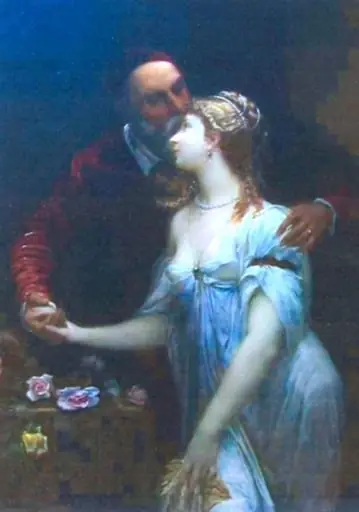
Artist & collection
Artist
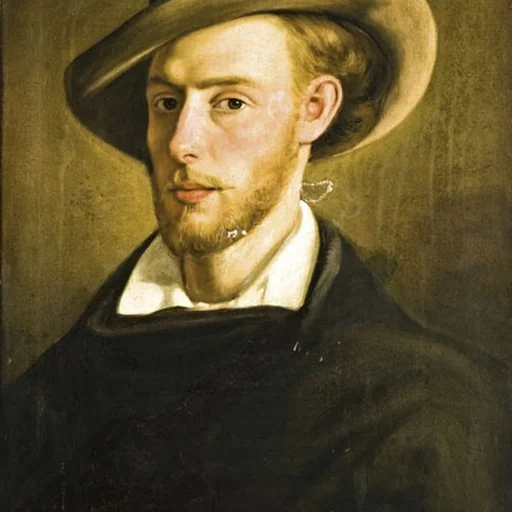
Sándor Liezen-Mayer or Alexander von Liezen-Mayer (24 January 1839 – 19 February 1898) was a Hungarian-born German illustrator and history painter.

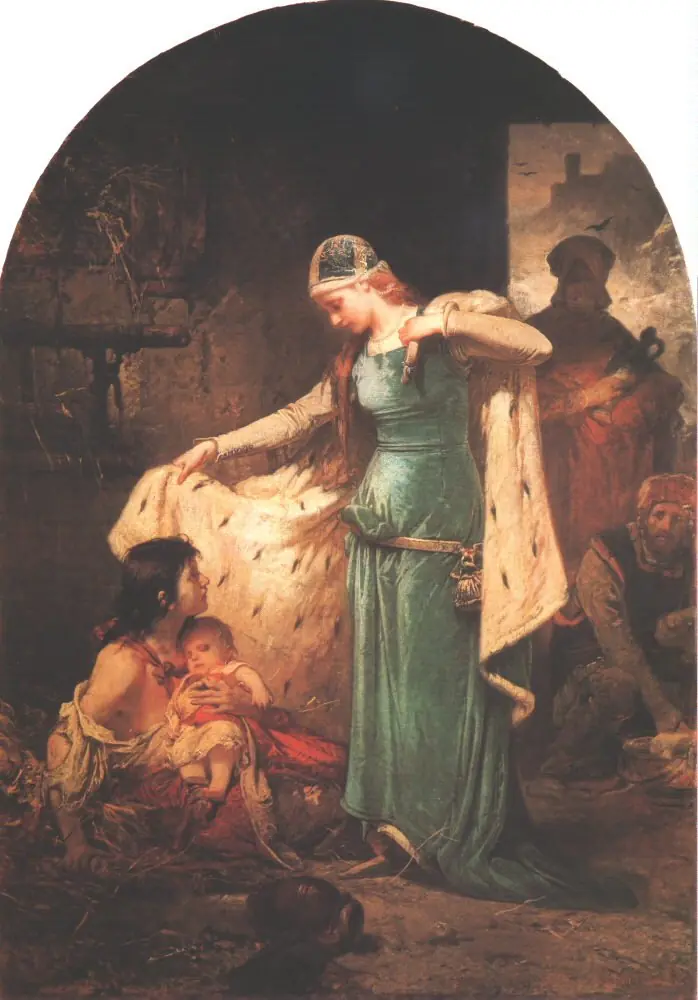
- Tizian și Lavinia
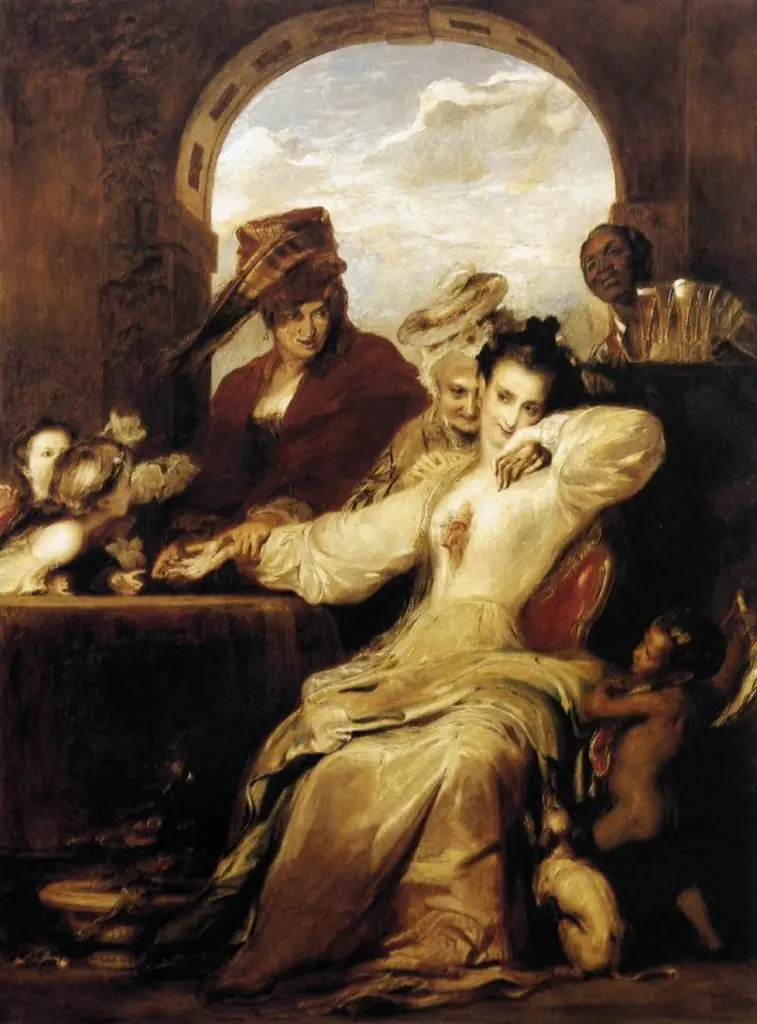 Josephine and the Fortune-teller
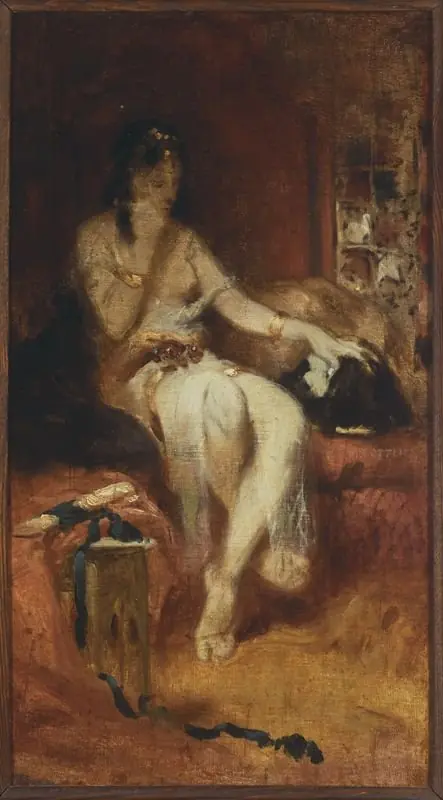 Judith with the head of Holofernes
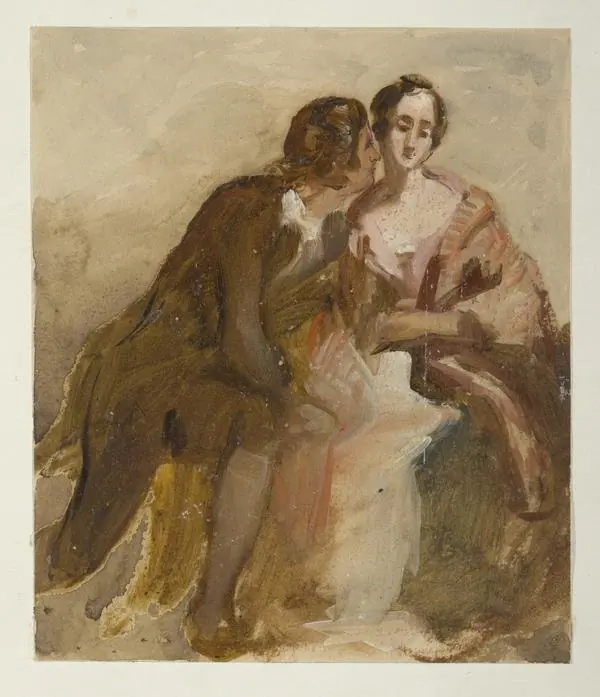 Burns and his Highland Mary
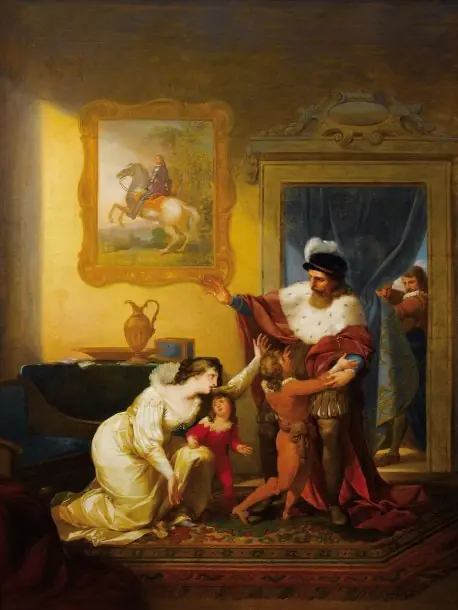 Appeal by Inês de Castro
 Samson and Delilah (Samson et Dalila)
 Paolo and Francesca (sketch for a mural in the Villa Carreggi)
 Continence of Scipio
 The Bride of Abydos
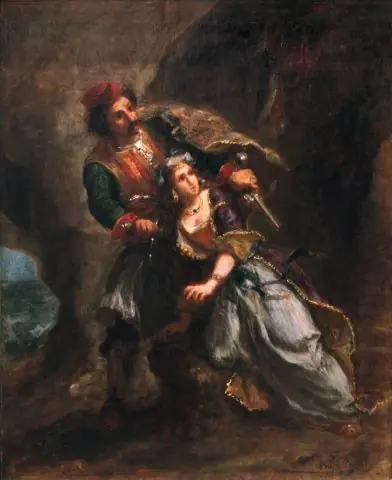 The Bride of Abydos
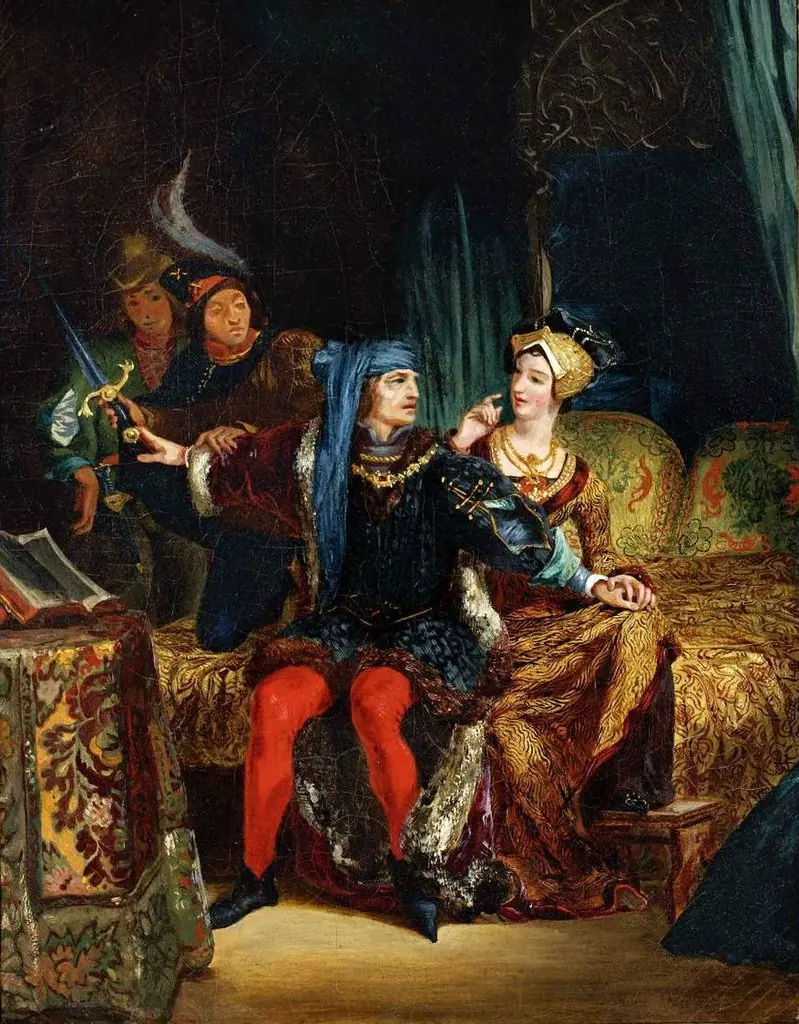 Charles VI et Odette de Champdivers
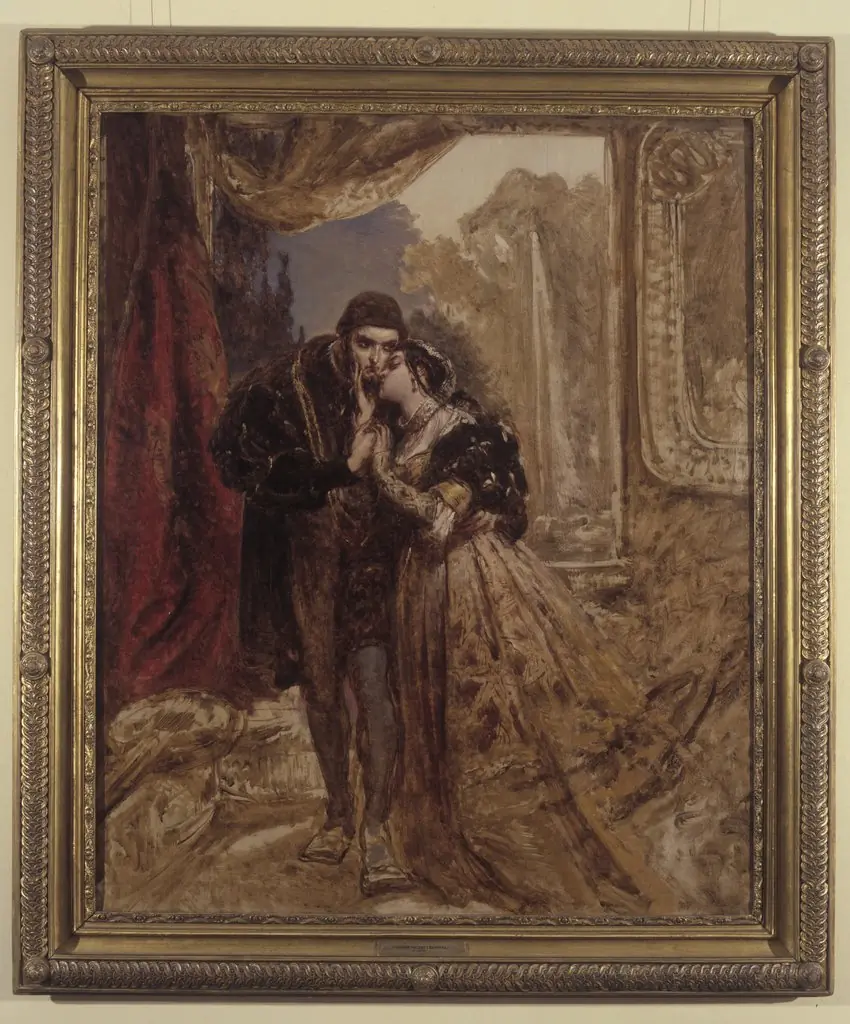 Sigismund Augustus and Barbara Radziwiłł