Artwork
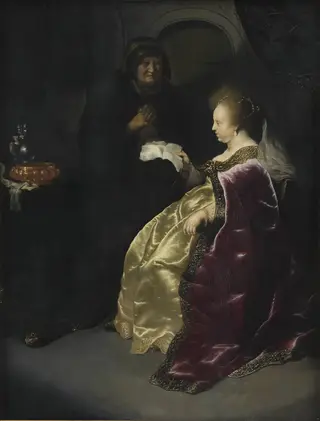
Esther reading Haman's Decree of the Extermination of the Jews
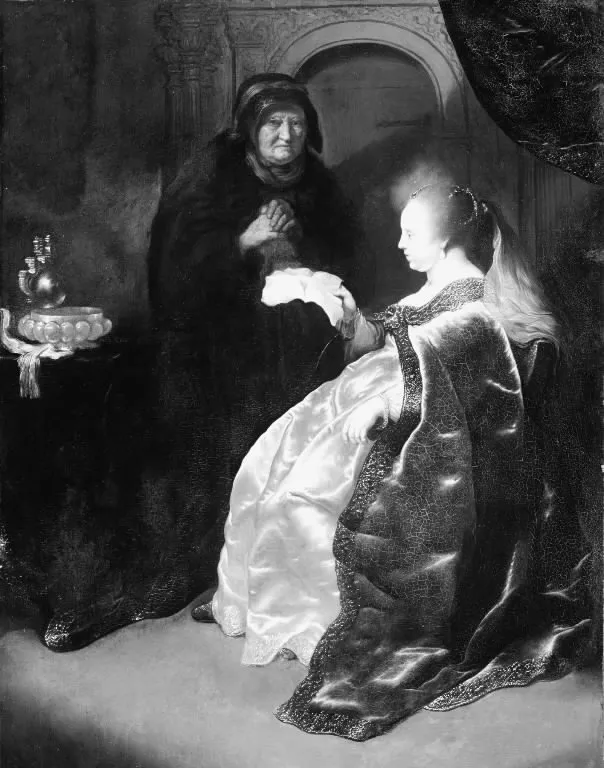
Esther reading Haman's Decree of the Extermination of the Jews is an unspecified painting by the Dutch Golden Age artist Salomon Koninck. It dates from 1650 and is held in the collection of the Statens Museum for Kunst.
About this work
Subject & Meaning
As a work of religious art, the composition focuses on the narrative tension of the queen confronting the written threat against her people.
Salomon Koninck's 1650 painting depicts the biblical figure Esther engaged in the act of reading a letter, identified as Haman's decree ordering the extermination of the Jews. The scene is set within a domestic context, featuring Esther accompanied by a domestic worker who observes the moment. As a work of religious art, the composition focuses on the narrative tension of the queen confronting the written threat against her people.
The visual narrative centers on the interaction between the reader, the document, and the attendant, capturing the gravity of the decree before its eventual reversal.
History & Provenance
The painting Esther reading Haman's Decree of the Extermination of the Jews was created by Salomon Koninck in 1650. Classified as a religious work, it depicts the biblical figure Esther reading a letter while accompanied by a domestic worker, and measures 74.7 cm in height by 57.3 cm in width. The work is held in the collection of the Statens Museum for Kunst.
While the creation date is established as 1650, the available sources do not detail the original commission, the identity of the first patron, or the chain of ownership leading to its current location, nor do they specify an inventory number or exhibition history.
Overview
Created circa 1650 by the Amsterdam‑born painter Salomon Koninck, this oil work portrays the biblical queen Esther in the act of reading a royal edict that threatens her people. Executed during the height of the Dutch Golden Age, the canvas now belongs to the Statens Museum for Kunst, where it forms part of the museum’s 17th‑century Dutch collection.
Technique & Style
Koninck employs a stark chiaroscuro, allowing the white of Esther’s dress to emerge from a darkened interior, while the surrounding figures recede into shadow. The limited palette and careful modeling of light create a dramatic focus on the central figure, a hallmark of the Rembrandt‑influenced circle to which Koninck belonged.
Artist & collection
Artist
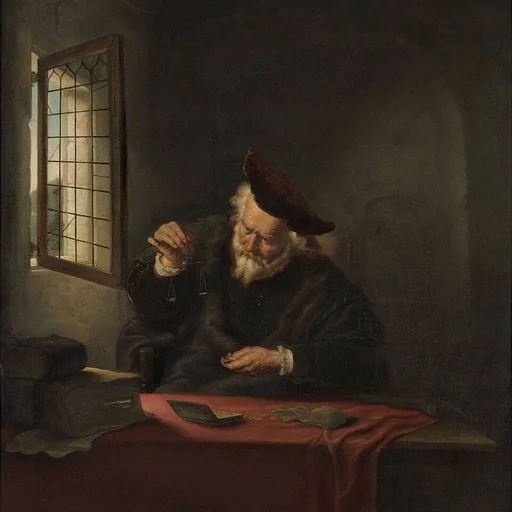
Salomon (de) Koninck (1609 – buried 8 August 1656) was a Dutch painter of genre scenes and portraits, and an engraver.

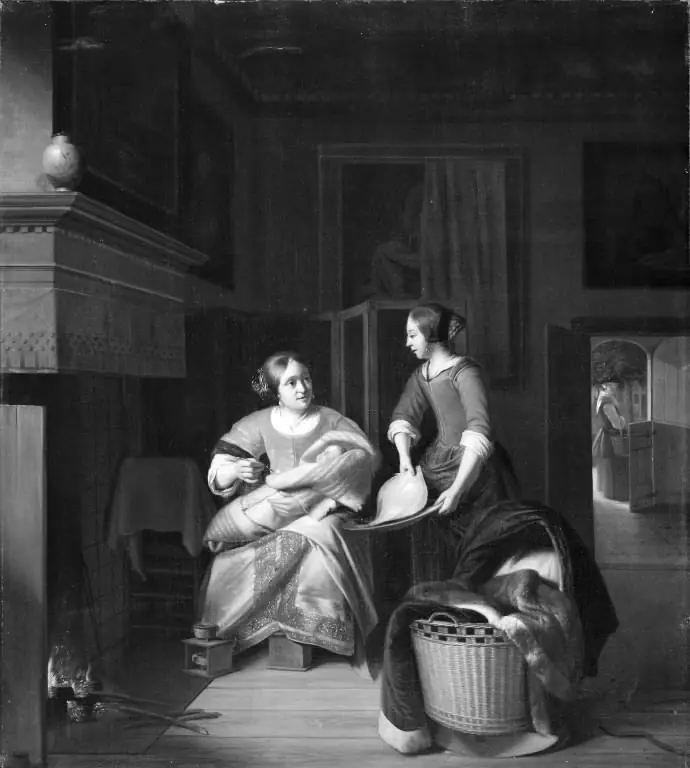 A Housewife Instructing her Maid
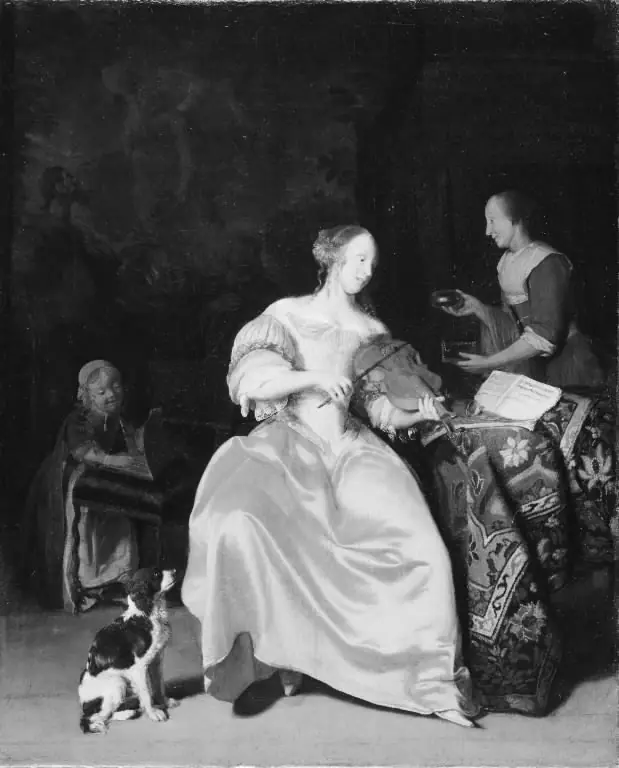 Young Woman playing the Violin
 A Girl and a Young Man
 A Girl and a Young Man
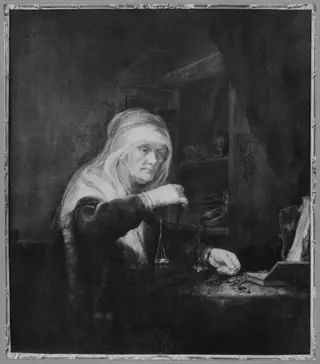 A Woman weighing Gold
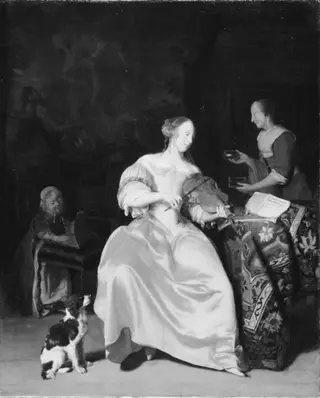 Young Woman playing the Violin
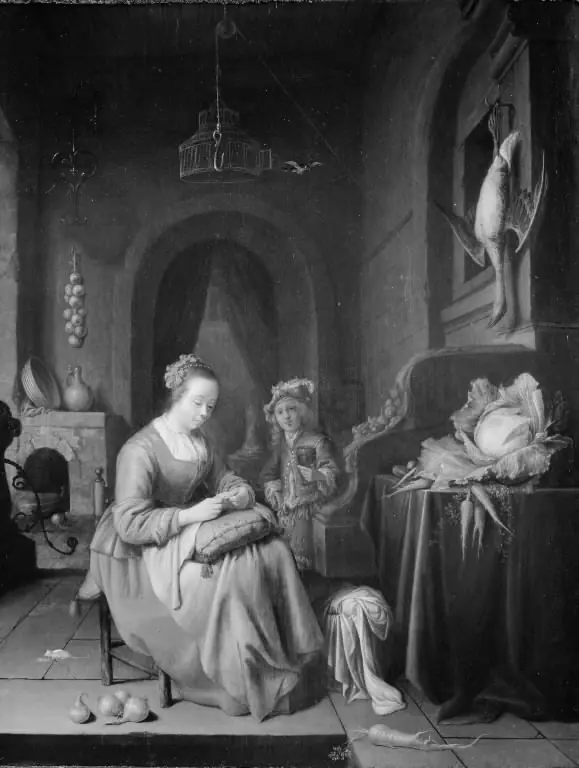 Domestic Scene
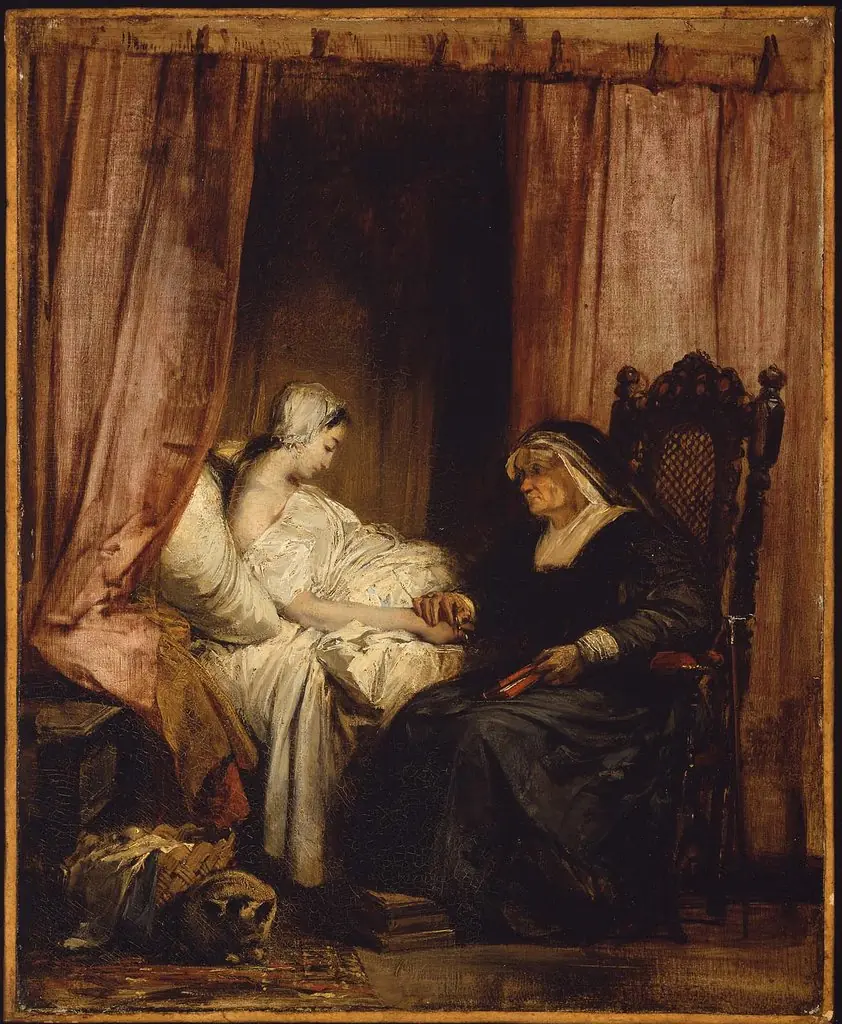 The Use of Tears
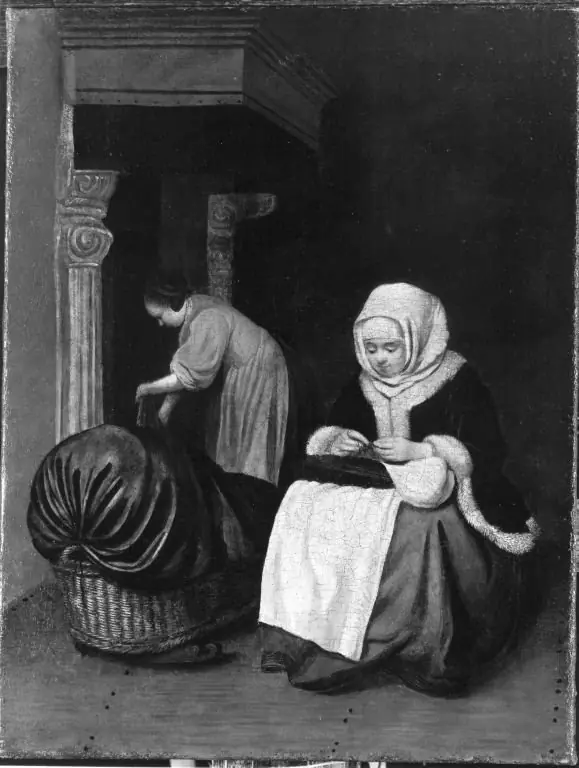 Woman sewing with Maid
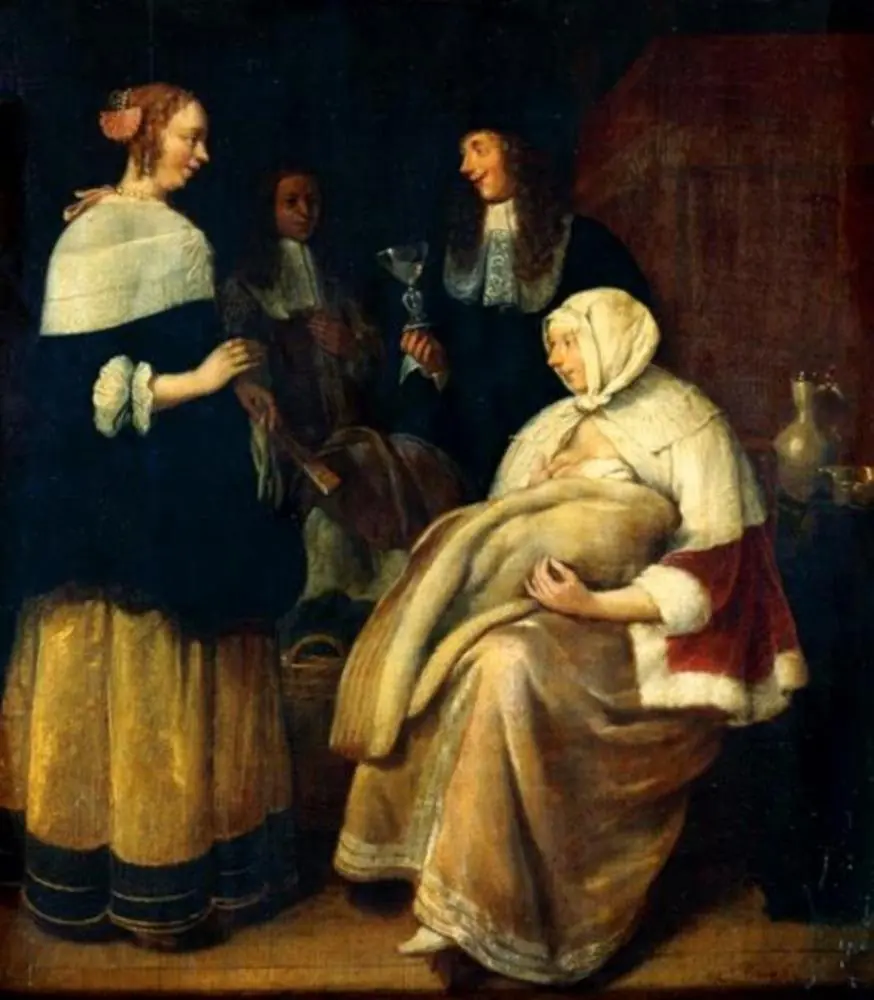 Visit to the nursery
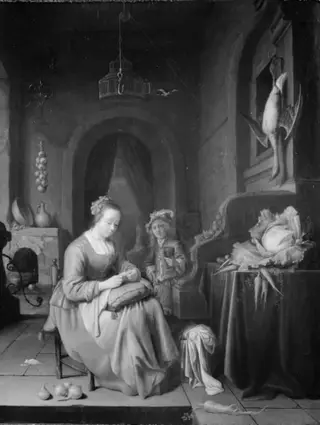 Domestic Scene
- Esther reading Haman's Decree of the Extermination of the Jews