Artwork
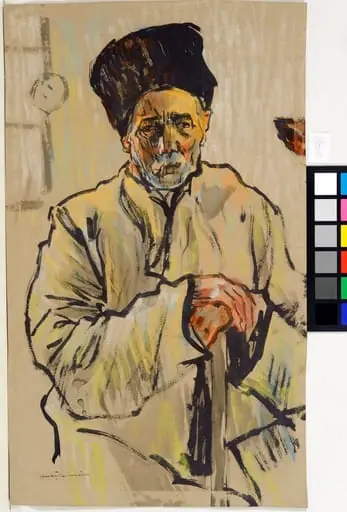
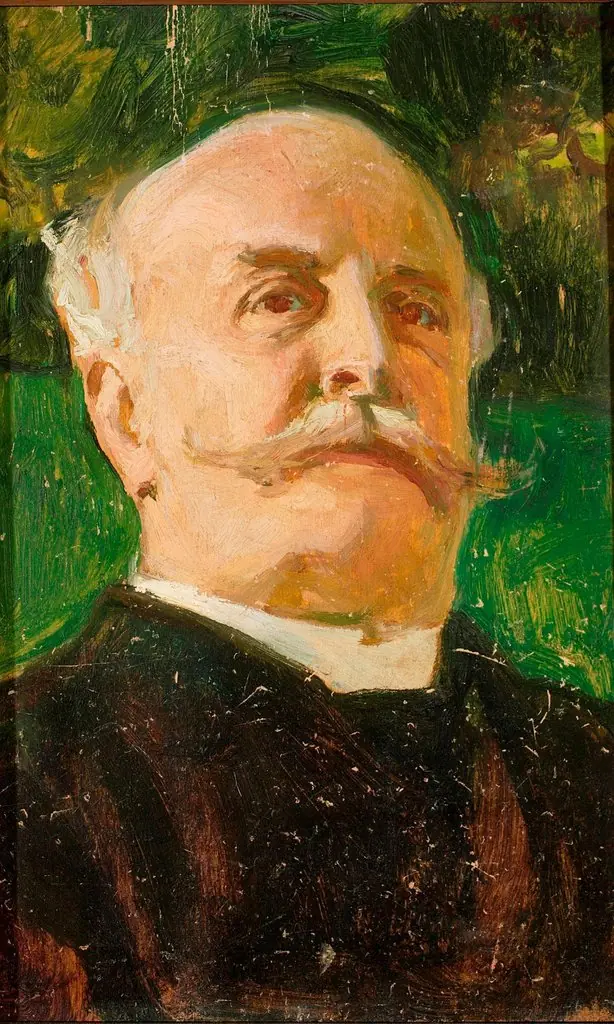
Portretul scriitorului Ion Dragoslav
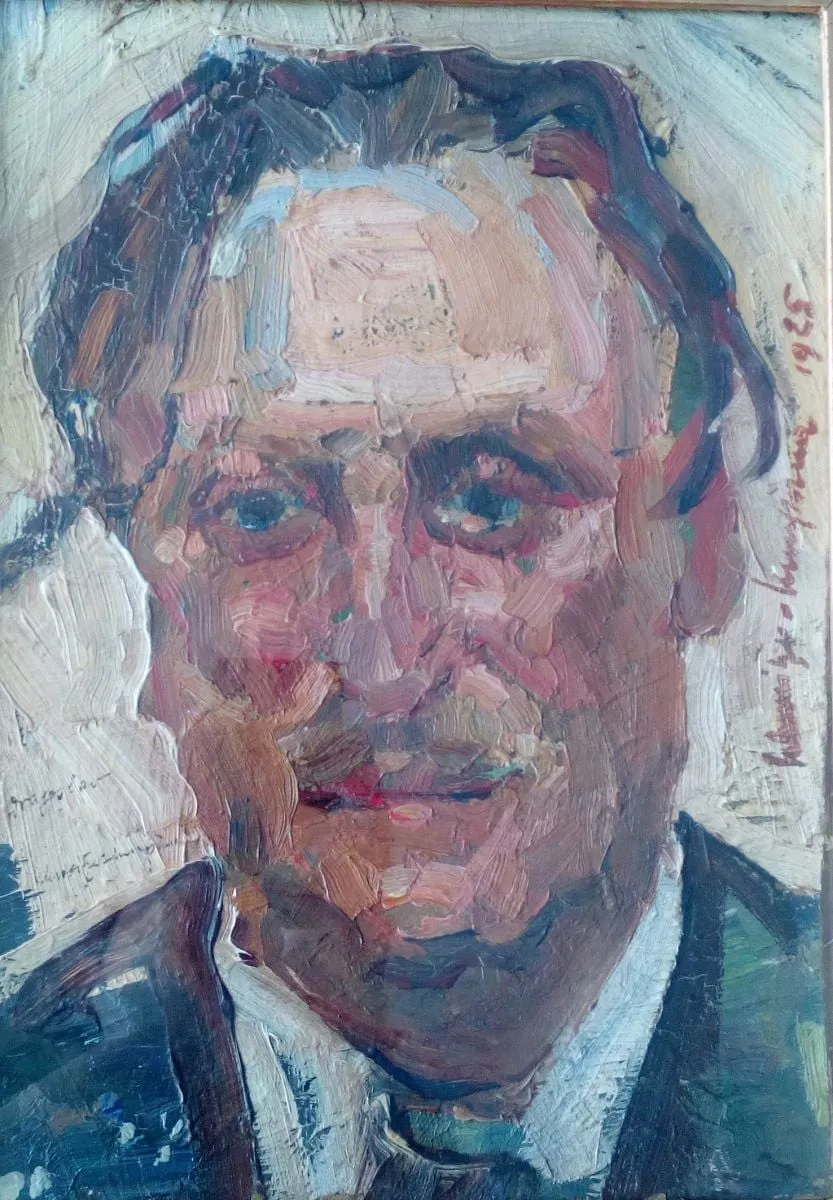
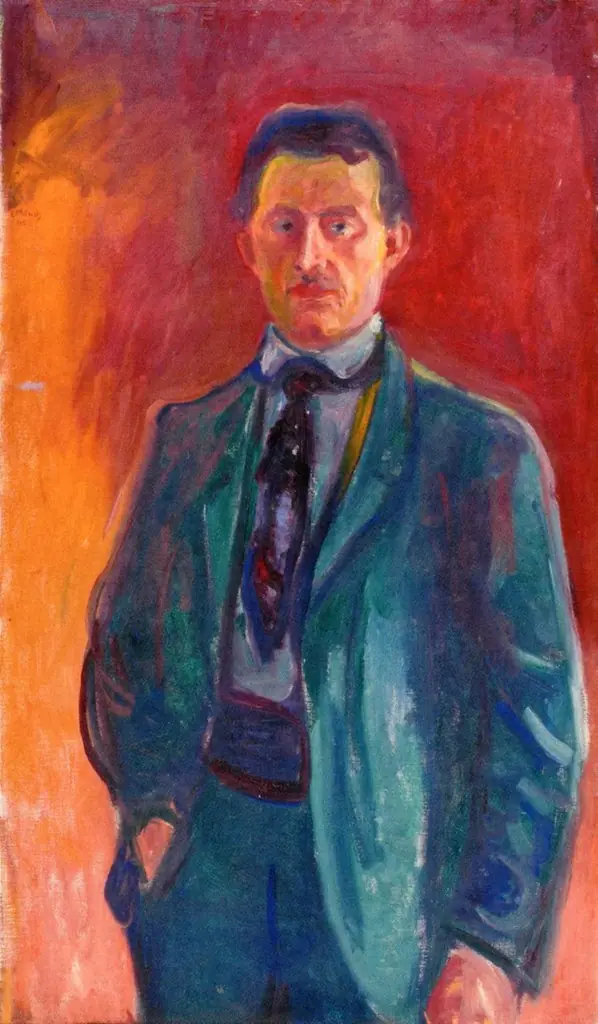
Portretul scriitorului Ion Dragoslav is a print by Rudolf Schweitzer-Cumpăna. It dates from 1936 and is held in the collection of the Ion Irimescu Art Museum.
About this work
Overview
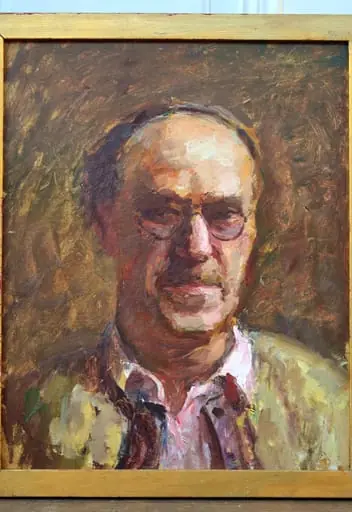
Painted around 1936 by Rudolf Schweitzer-Cumpăna, this portrait depicts the Romanian writer Ion Dragoslav. The work is part of the Museum of Ethnography’s collection. Unlike traditional formal portraits, it emphasizes texture and emotional presence over polished detail, using a direct, tactile application of paint to convey the subject’s character.
Subject & Meaning
Ion Dragoslav, a noted literary figure, is rendered in intimate close-up, his age and contemplative demeanor evident. The absence of contextual elements focuses attention on his facial expression and presence. The rough handling of paint suggests an unvarnished honesty, aligning the visual language with the writer’s intellectual and introspective reputation.
Technique & Style
Schweitzer-Cumpăna employed thick, uneven brushstrokes, layering pale pinks, whites, and blues to build the face’s form. The paint appears scraped and built up, creating a tactile surface. The background is left largely bare, heightening the immediacy of the subject. This approach prioritizes physicality and emotional resonance over idealized realism.
History & Provenance
The painting was completed in the mid-1930s and entered the Museum of Ethnography’s holdings shortly thereafter. Its preservation within this institution reflects its cultural significance in Romanian art of the period, though it was not widely exhibited outside national collections during the artist’s lifetime.
Context
Created during a time when Romanian artists were exploring expressive realism beyond academic conventions, the portrait aligns with broader regional trends favoring psychological depth over formal perfection. Schweitzer-Cumpăna’s technique echoes contemporary European movements that valued rawness and material presence in portraiture.
Legacy
The portrait remains a key example of interwar Romanian expressive portraiture. Its unpolished aesthetic influenced later generations seeking to capture inner life through physical texture rather than conventional beauty. It continues to be studied for its departure from traditional representation in Romanian art.
Artist & collection
Artist
Rudolf Schweitzer-Cumpăna was a Romanian painter. Born in Pitești into an ethnic German family, he finished high school in his native town before attending the Royal Academy of Arts at Berlin from 1904 to 1909, studying…