Artwork
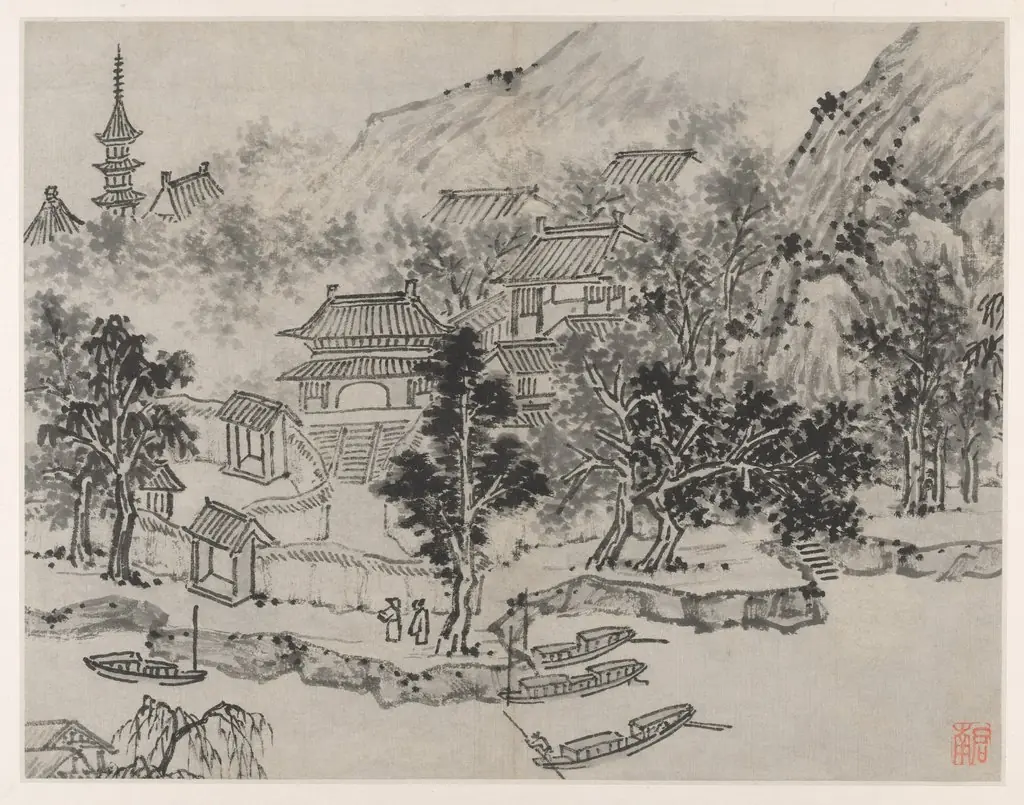
Distant View of Tiger Hill from the Canal Mooring, from Twelve Views of Tiger Hill, Suzhou
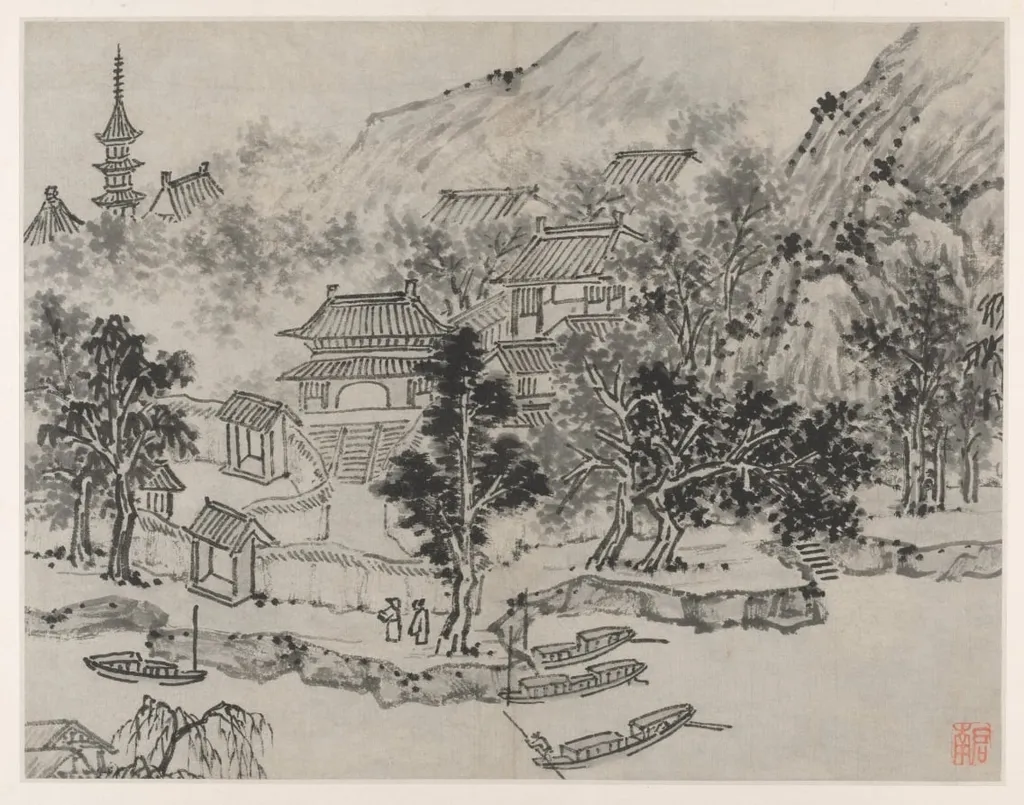
Distant View of Tiger Hill from the Canal Mooring, from Twelve Views of Tiger Hill, Suzhou is an unspecified painting by the Renaissance artist Shen Zhou. It dates from 1490 and is held in the collection of the Cleveland Museum of Art. This painting is one of twelve in a series depicting Tiger Hill, a historic landscape near Suzhou.
- Accession no.
- 1964.371.1
- Credit line
- Leonard C. Hanna Jr. Fund
About this work
Overview
Created by Shen Zhou, it captures a quiet moment along a canal, where a small boat is moored beside willow-lined banks.
This painting is one of twelve in a series depicting Tiger Hill, a historic landscape near Suzhou. Created by Shen Zhou, it captures a quiet moment along a canal, where a small boat is moored beside willow-lined banks. The distant silhouette of the hill rises gently, rendered in minimal ink washes.
The work is part of a sequence designed to guide the viewer through a leisurely journey from water to summit, reflecting the rhythm of a personal pilgrimage rather than a public spectacle.
Subject & Meaning
The scene presents Tiger Hill not as a monument but as a quiet presence in the landscape. The absence of human figures and the subdued tones suggest contemplation, aligning with the scholar-artist’s retreat from public life. The view from the canal implies arrival and anticipation, framing the hill as a destination reached through stillness. The composition invites introspection, echoing the Daoist ideal of harmony with nature rather than domination over it.
Technique & Style
Shen Zhou employed delicate ink washes with restrained brushwork, allowing the paper’s texture to suggest mist and atmosphere. Unlike other panels in the series that use faint color, this view is monochrome, emphasizing tonal gradation over hue. The edges of the hill dissolve softly into the background, creating a sense of depth without sharp definition. This approach reflects the Wu School’s preference for lyrical understatement over dramatic contrast.
History & Provenance
Painted in the late 15th century, the series was produced during Shen Zhou’s mature period, after he had chosen scholarly seclusion over official service. As a native of Suzhou, he drew from intimate knowledge of the local terrain. The Twelve Views were likely made for private circulation among literati, not public display. Their survival in collections across centuries attests to their resonance within elite cultural circles.
Context
Shen Zhou’s work emerged in a cultural milieu where literati painting valued personal expression over courtly grandeur. The Wu School, centered in Suzhou, emphasized poetic sensitivity and technical restraint, distinguishing itself from the more ornate styles of the imperial academy. This series reflects a broader trend among scholar-artists to transform travel into meditative experience, blending geography with inner reflection.
Legacy
The Twelve Views of Tiger Hill helped define the aesthetic of literati landscape painting in Ming China. Shen Zhou’s use of subtle ink modulation and quiet composition influenced later generations of artists who sought to convey emotion through restraint. His approach to depicting place as a sequence of quiet moments became a model for personal, rather than monumental, landscape representation.
Artist & collection
Artist
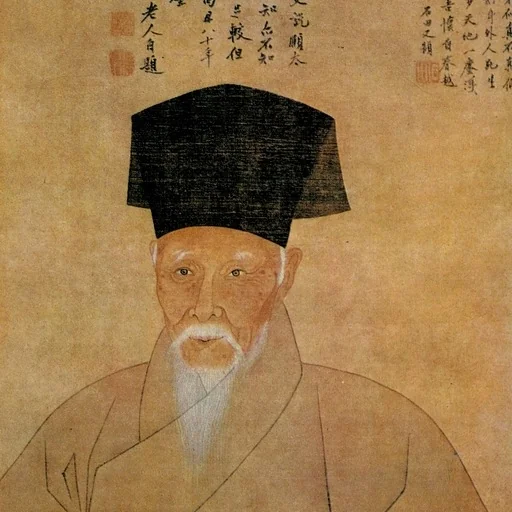
Shen Zhou spent his life in the Suzhou region of China, where his family’s money and connections mattered more than art, until it did.

 Untitled
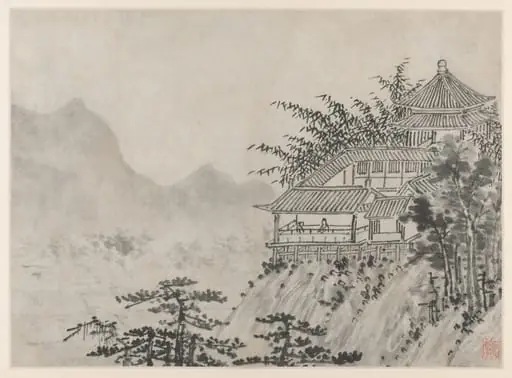
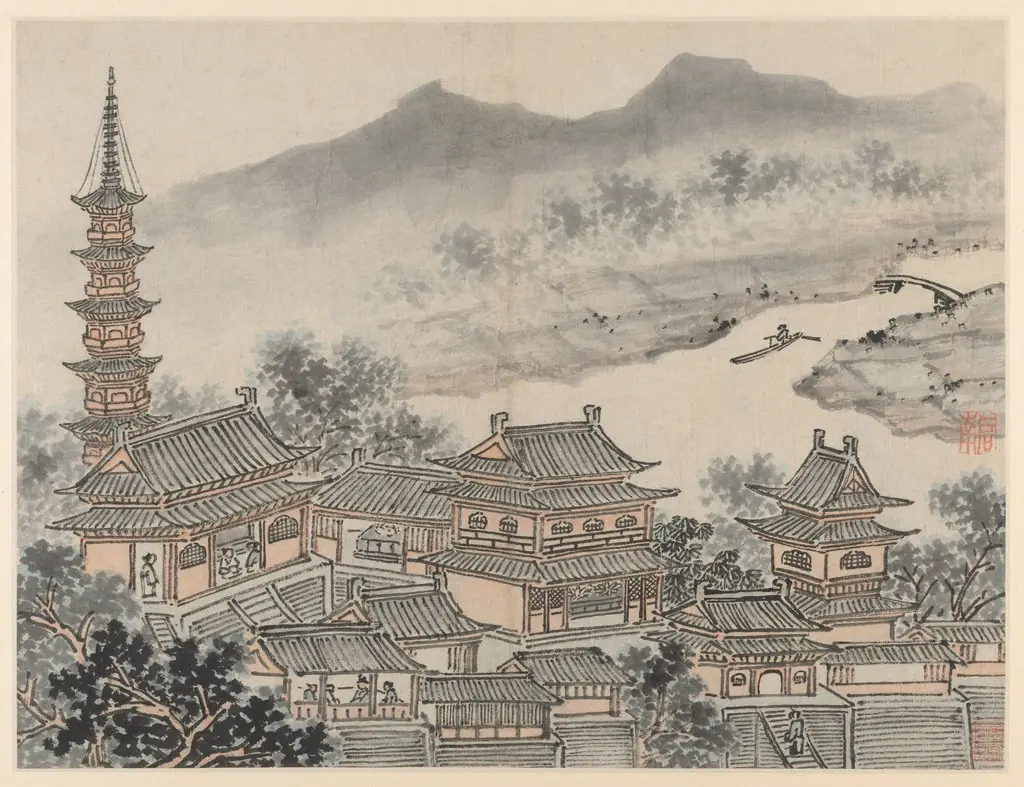 The Thousand Buddha Hall and the Pagoda of the "Cloudy Cliff" Monastery, from Twelve Views of Tiger Hill, Suzhou
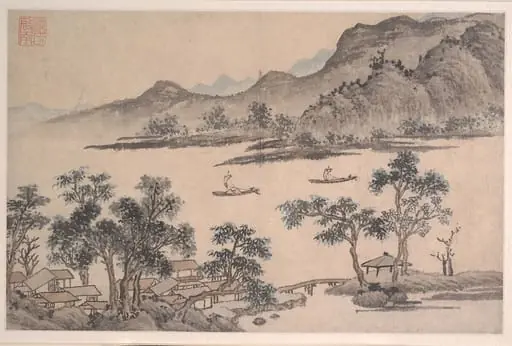 Untitled
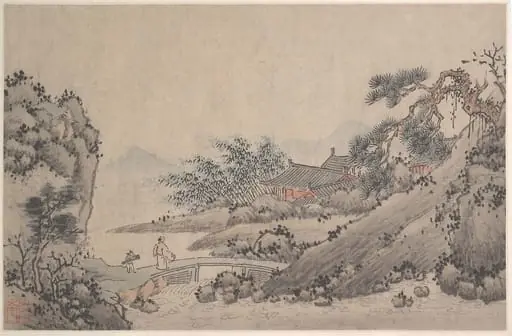 Untitled
 明 沈周 溪山秋色圖 卷|明 沈周 溪山秋色圖 卷明 楷書溪山秋色圖 引首|Autumn Colors among Streams and Mountains
 明 (倣)沈周 怡松圖 卷|Enjoying the Pines
 Distant View of Tiger Hill from the Canal Mooring, from Twelve Views of Tiger Hill, Suzhou
 The Enlightened Stone Retreat, from Twelve Views of Tiger Hill, Suzhou
- The Thousand Acres of Clouds, from Twelve Views of Tiger Hill, Suzhou
 Cloud-Climbing Pavilion, from Twelve Views of Tiger Hill, Suzhou
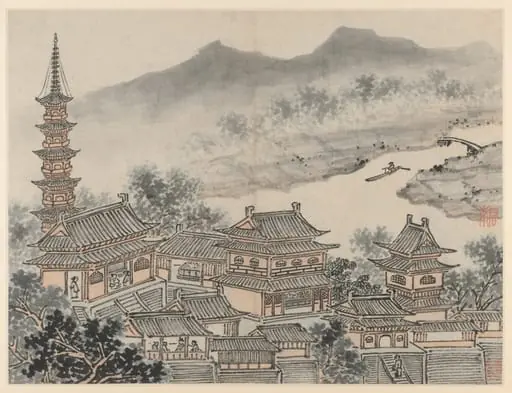 The Thousand Buddha Hall and the Pagoda of the "Cloudy Cliff" Monastery, from Twelve Views of Tiger Hill, Suzhou
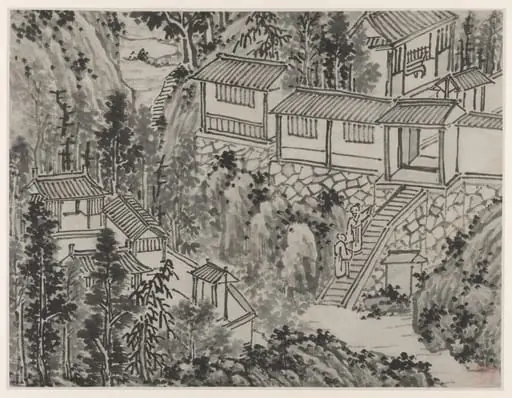 The Pine Retreat, from Twelve Views of Tiger Hill, Suzhou
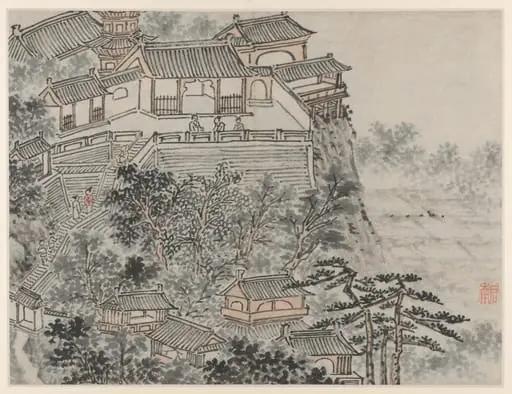 The Five Sages Terrace, from Twelve Views of Tiger Hill, Suzhou
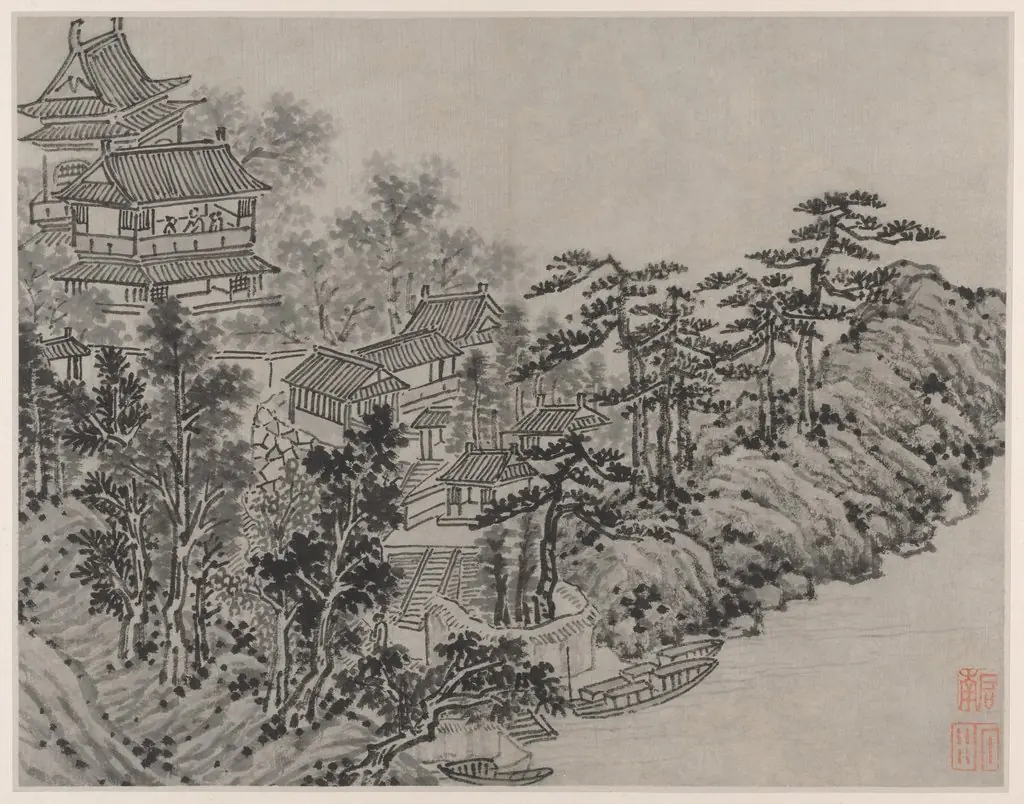 Cloud-Climbing Pavilion, from Twelve Views of Tiger Hill, Suzhou
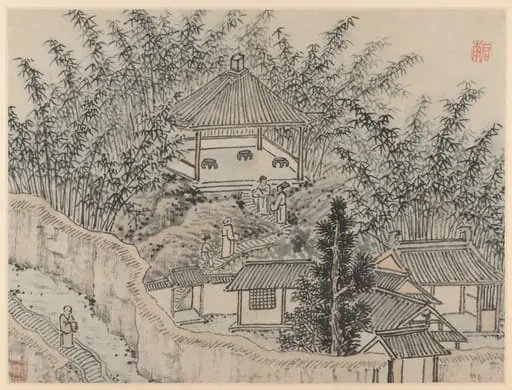 Bamboo Pavilion, Tiger Hill, from Twelve Views of Tiger Hill, Suzhou
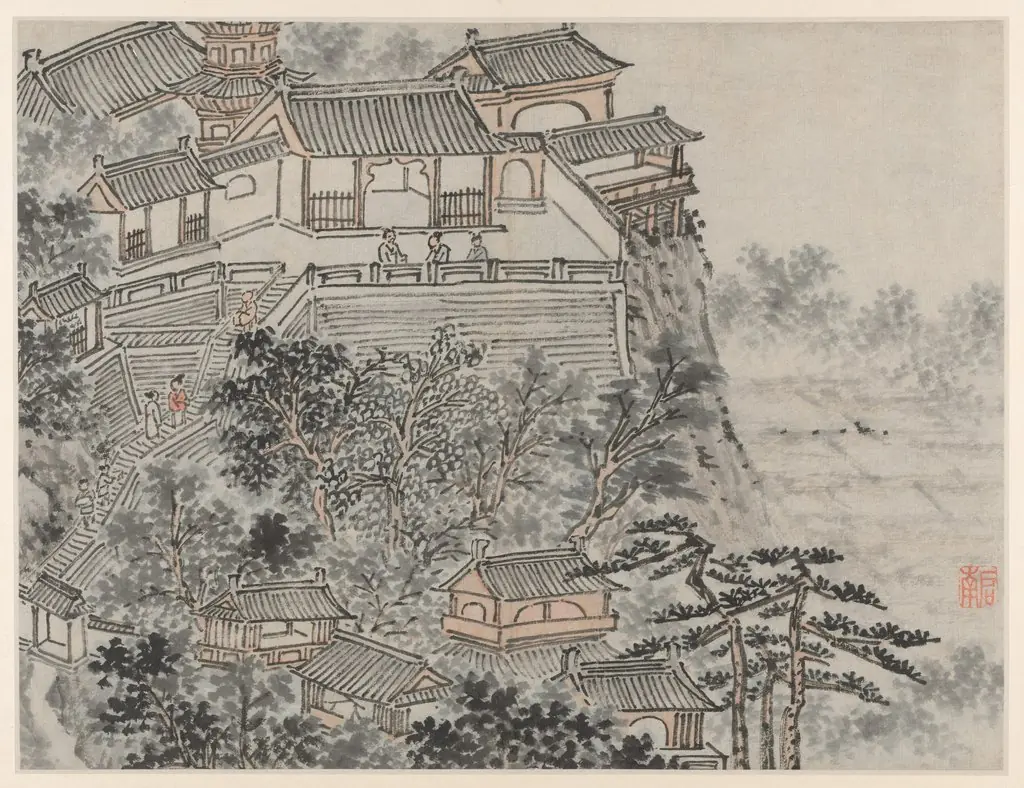 The Five Sages Terrace, from Twelve Views of Tiger Hill, Suzhou
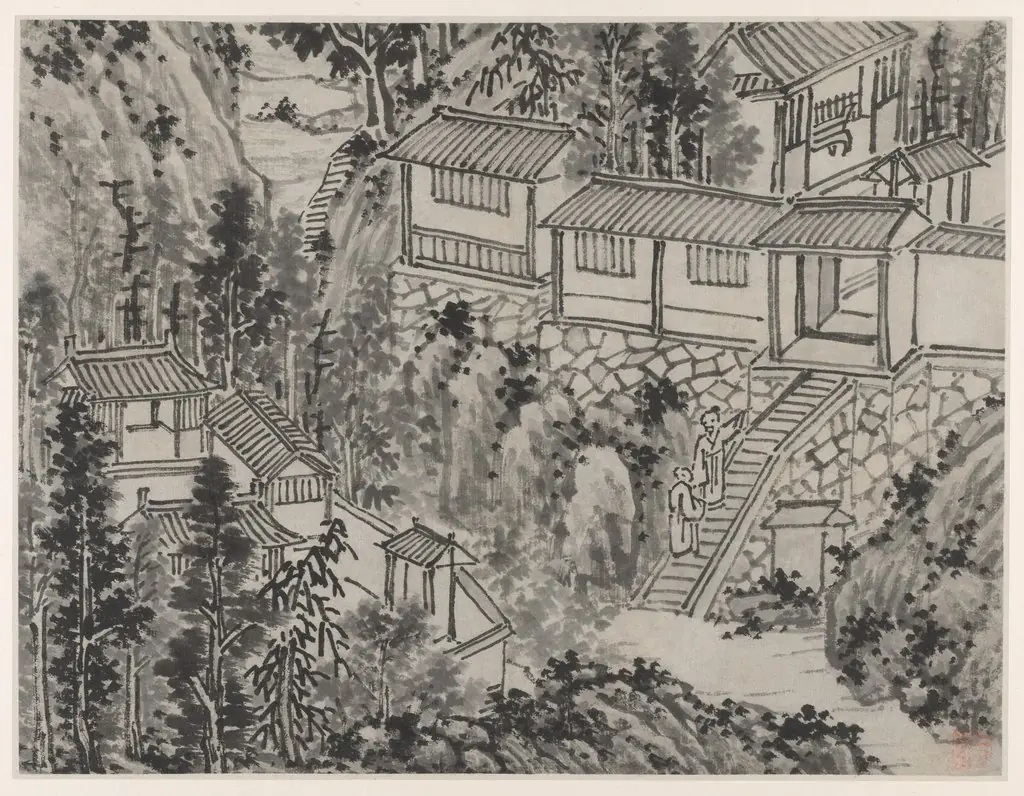 The Pine Retreat, from Twelve Views of Tiger Hill, Suzhou
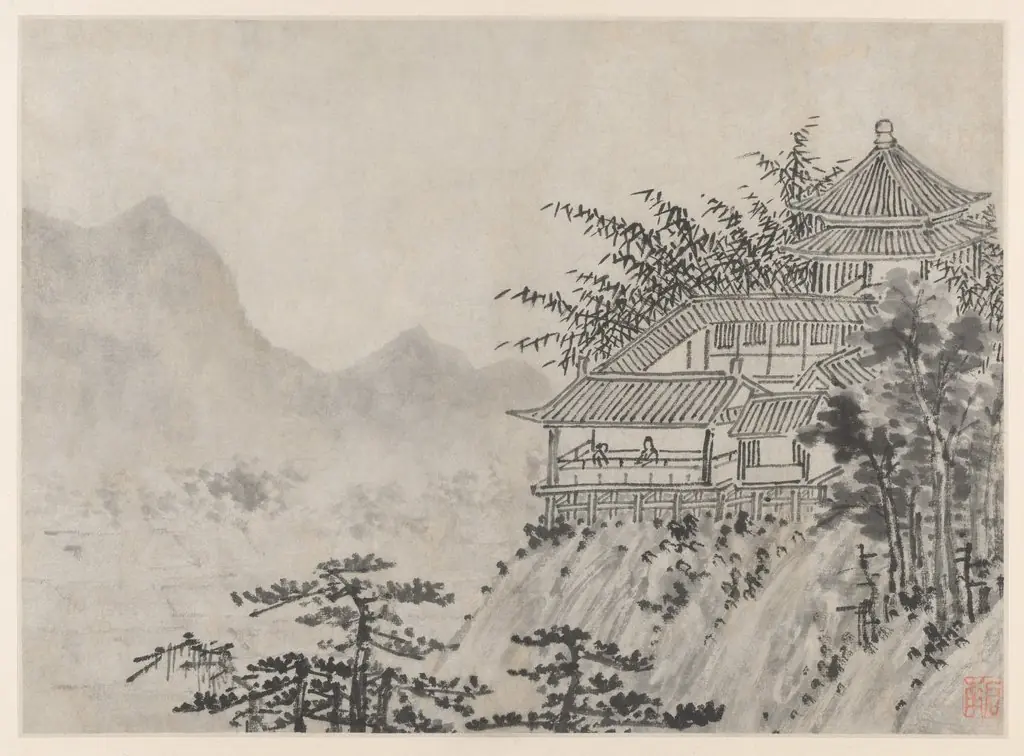 The Thousand Acres of Clouds, from Twelve Views of Tiger Hill, Suzhou