Artwork
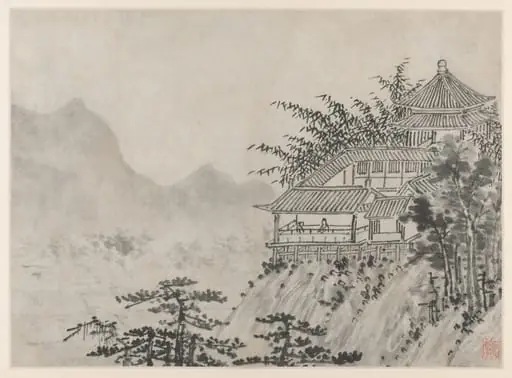
Bamboo Pavilion, Tiger Hill, from Twelve Views of Tiger Hill, Suzhou
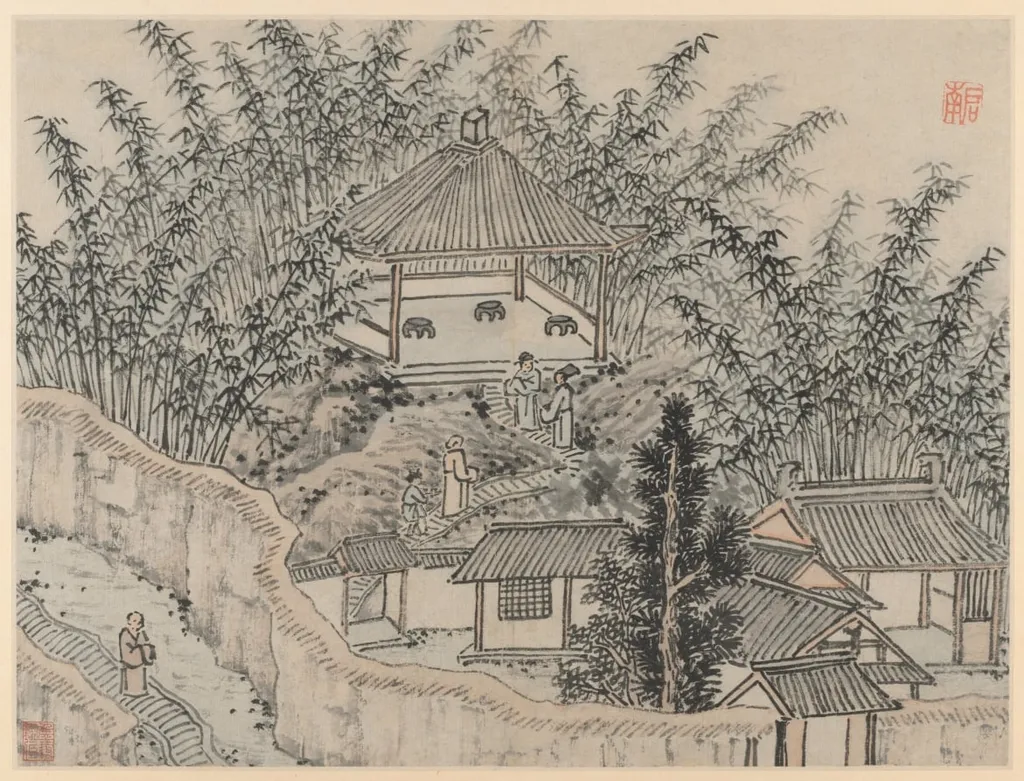
Bamboo Pavilion, Tiger Hill, from Twelve Views of Tiger Hill, Suzhou is an unspecified painting by the Renaissance artist Shen Zhou. It dates from 1490 and is held in the collection of the Cleveland Museum of Art. This painting is part of a series depicting Tiger Hill, a historic site near Suzhou.
- Accession no.
- 1964.371.11
- Credit line
- Leonard C. Hanna Jr. Fund
About this work
This painting shows a serene scene of a bamboo pavilion on Tiger Hill. The artist used subtle colors to depict the scene. Shen Zhou was a retired scholar who turned to painting in midlife, which is interesting because he didn't start painting until later in life.
You can learn more about Chinese landscapes like this one by looking at the work of artist: Shen Zhou (Chinese, 1427–1509)
Overview
This painting is part of a series depicting Tiger Hill, a historic site near Suzhou. It shows a tranquil bamboo pavilion, rendered in subtle colors.
Subject & Meaning
The scene is one of several that together recreate a visit to Tiger Hill, from arrival by boat to ascent to the Cloudy Cliff Monastery. The serene atmosphere evokes a sense of retreat and contemplation.
Technique & Style
The artist employed a range of subtle colors within a predominantly monochrome palette, characteristic of his mature style. This approach is typical of the Wu School of painting, which Shen Zhou is credited with founding.
History & Provenance
Shen Zhou, a native of Suzhou, was a member of a wealthy family and chose a life as a retired scholar rather than pursuing an official career. He began painting in midlife, eventually becoming a prominent figure in Chinese art.
Artist & collection
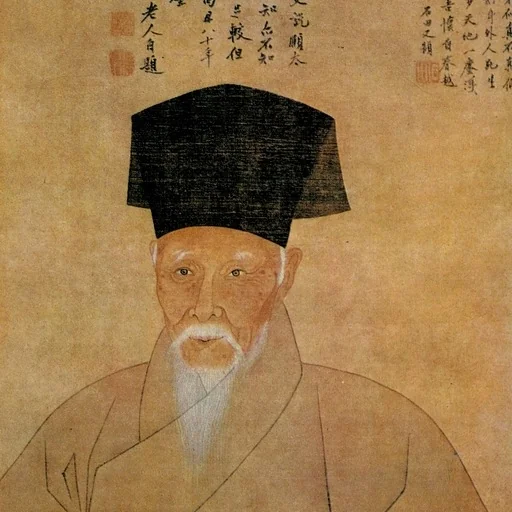
Artist
Shen Zhou spent his life in the Suzhou region of China, where his family’s money and connections mattered more than art, until it did.

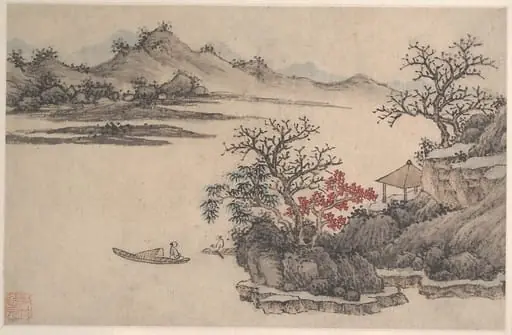 Untitled
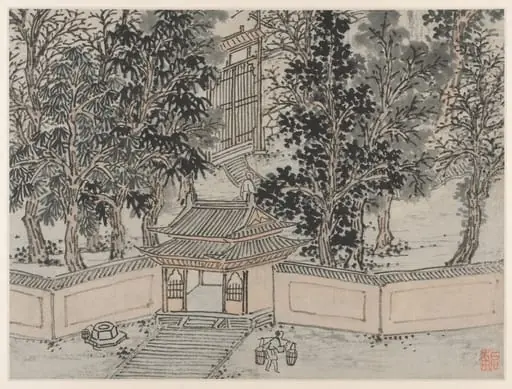
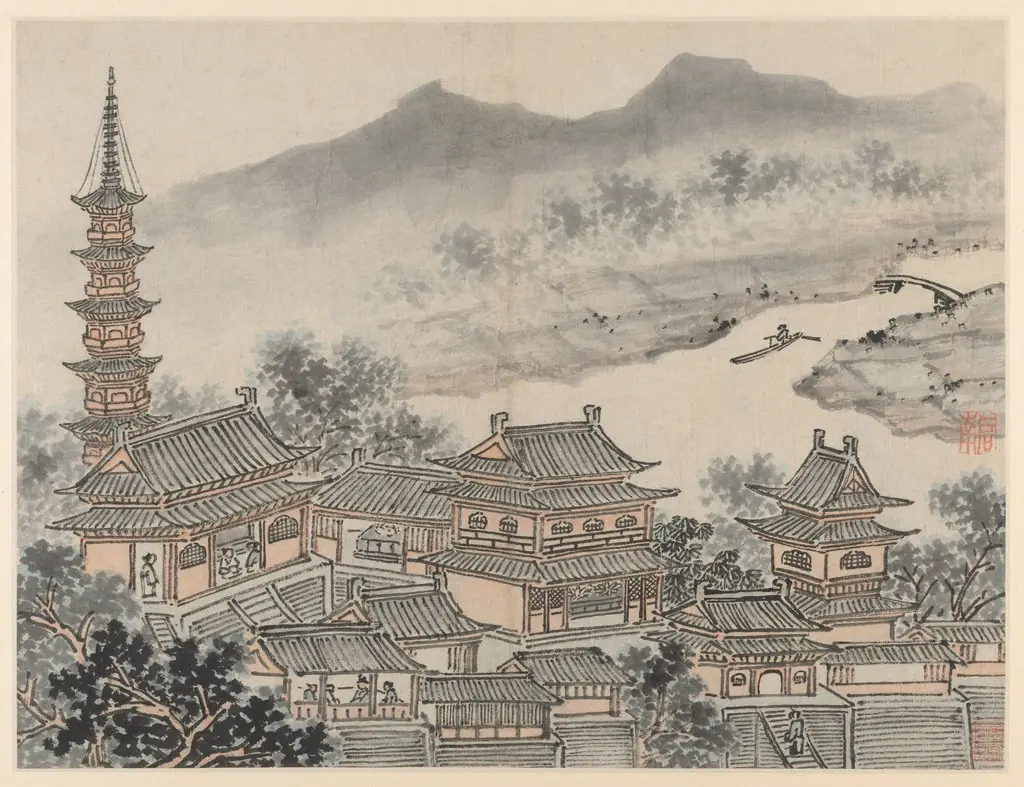 The Thousand Buddha Hall and the Pagoda of the "Cloudy Cliff" Monastery, from Twelve Views of Tiger Hill, Suzhou
 Untitled
 Untitled
 明 沈周 溪山秋色圖 卷|明 沈周 溪山秋色圖 卷明 楷書溪山秋色圖 引首|Autumn Colors among Streams and Mountains
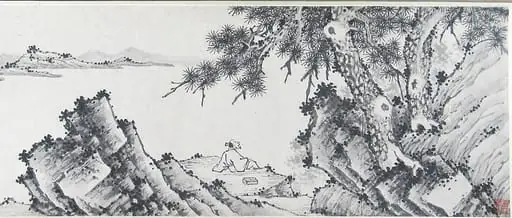 明 (倣)沈周 怡松圖 卷|Enjoying the Pines
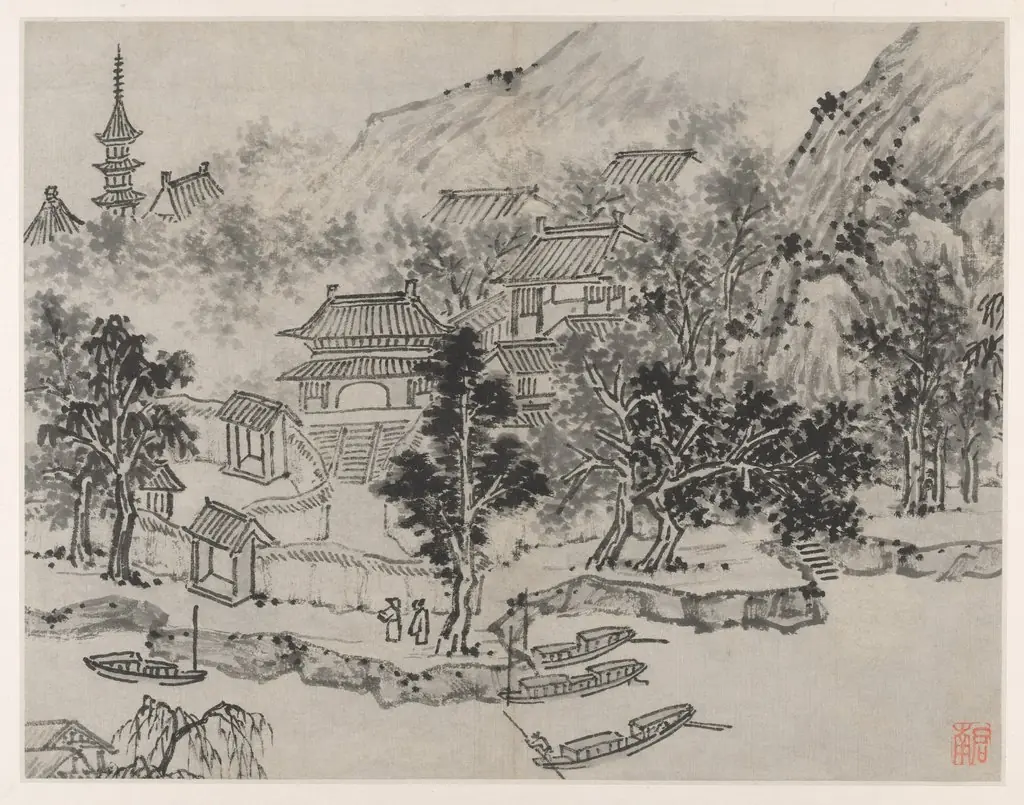 Distant View of Tiger Hill from the Canal Mooring, from Twelve Views of Tiger Hill, Suzhou
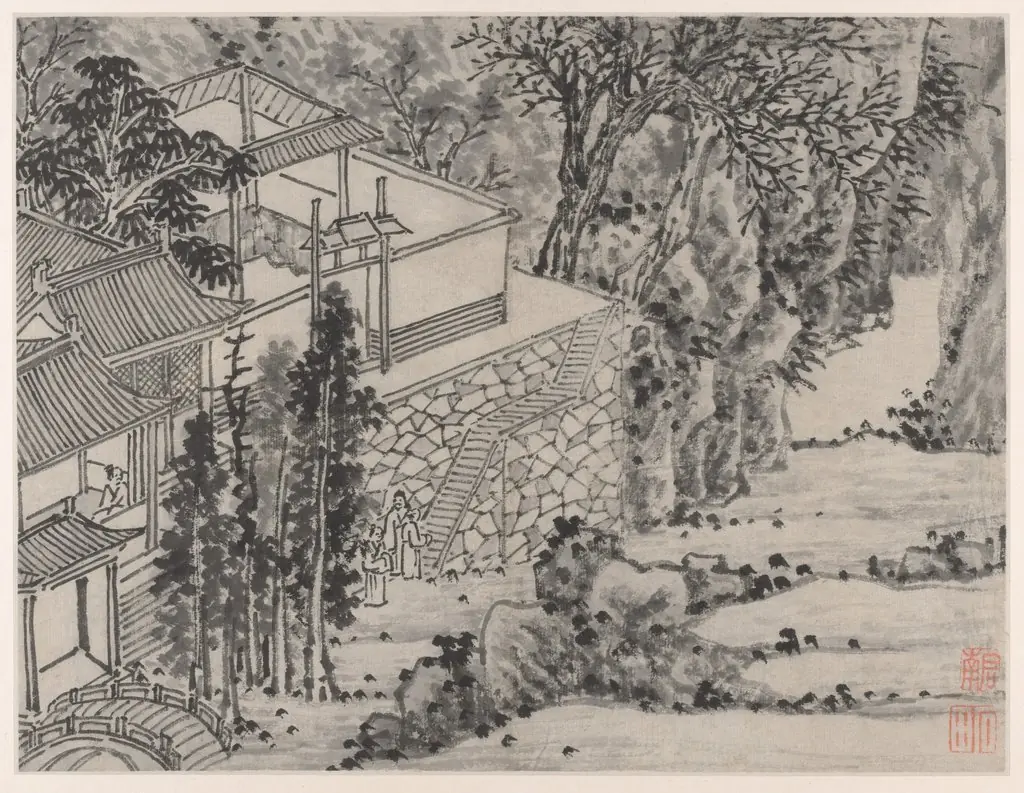 The Enlightened Stone Retreat, from Twelve Views of Tiger Hill, Suzhou
- Tiger-Flight Spring at the Back Gate, from Twelve Views of Tiger Hill, Suzhou
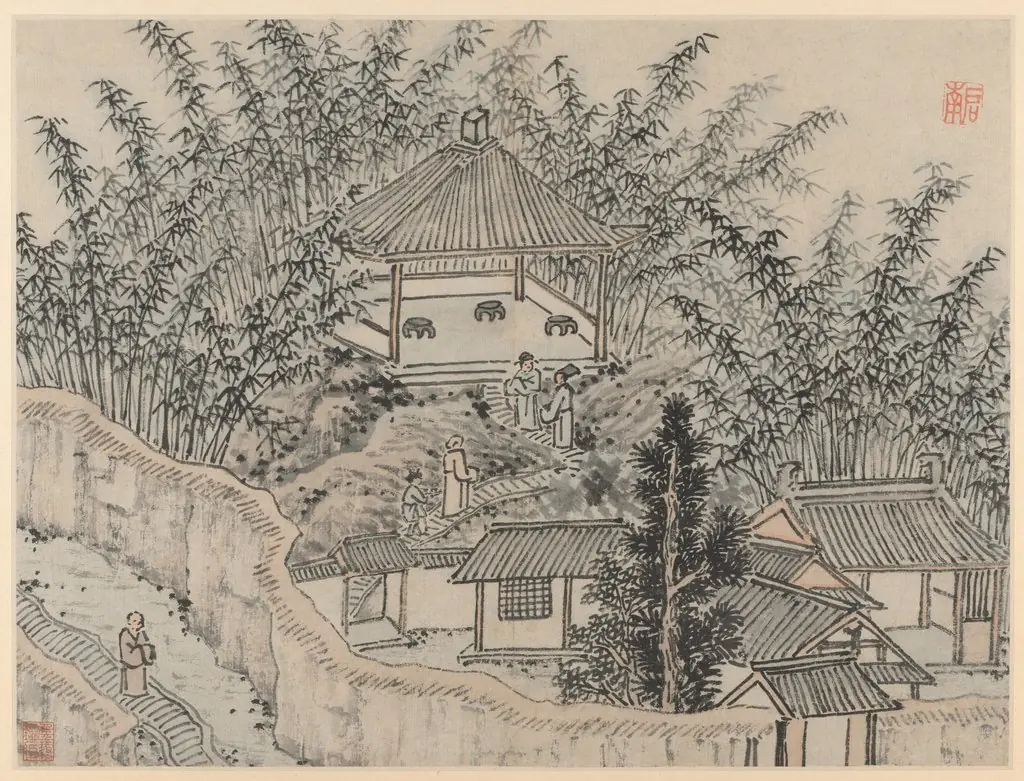 Bamboo Pavilion, Tiger Hill, from Twelve Views of Tiger Hill, Suzhou
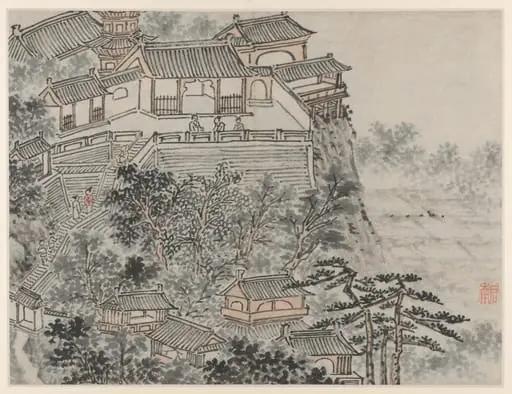 The Five Sages Terrace, from Twelve Views of Tiger Hill, Suzhou
 The Thousand Acres of Clouds, from Twelve Views of Tiger Hill, Suzhou
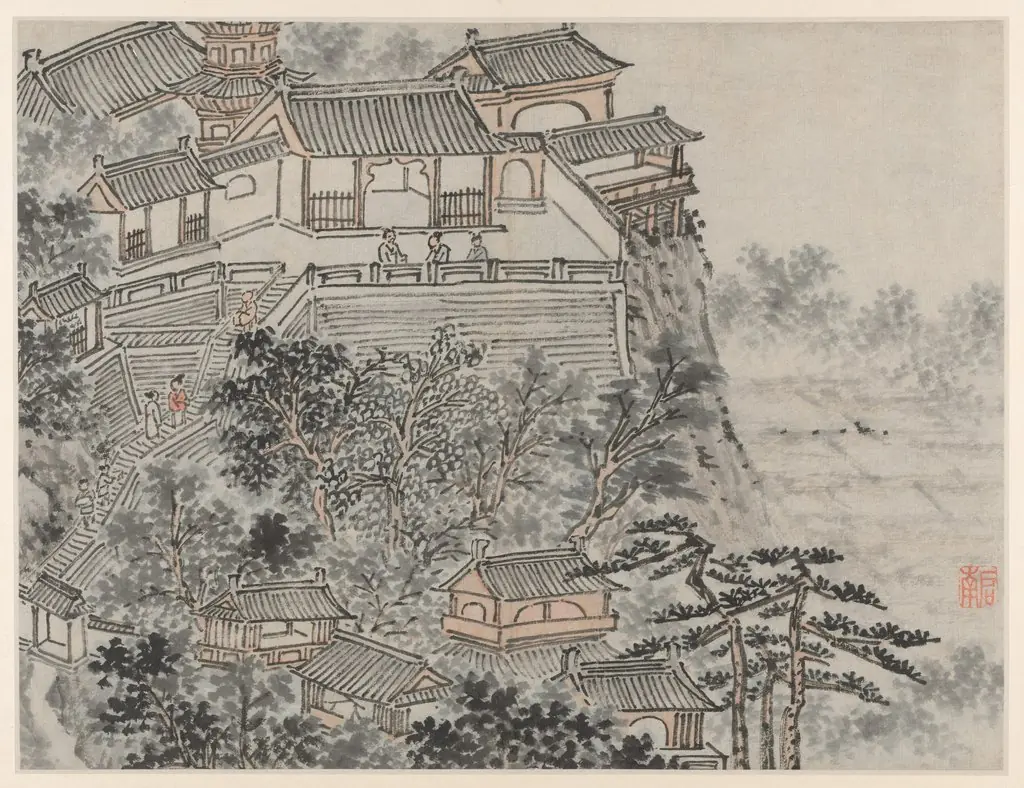 The Five Sages Terrace, from Twelve Views of Tiger Hill, Suzhou
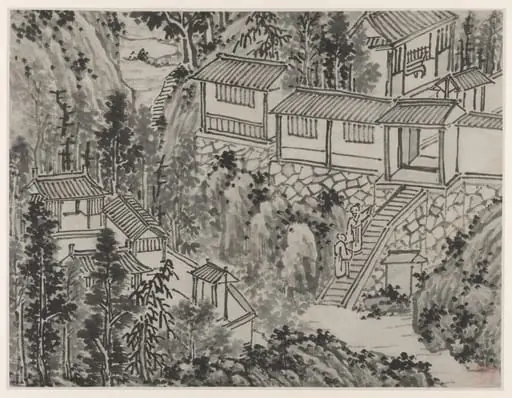 The Pine Retreat, from Twelve Views of Tiger Hill, Suzhou
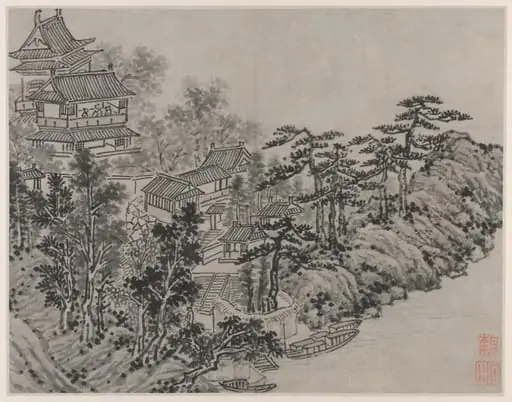 Cloud-Climbing Pavilion, from Twelve Views of Tiger Hill, Suzhou
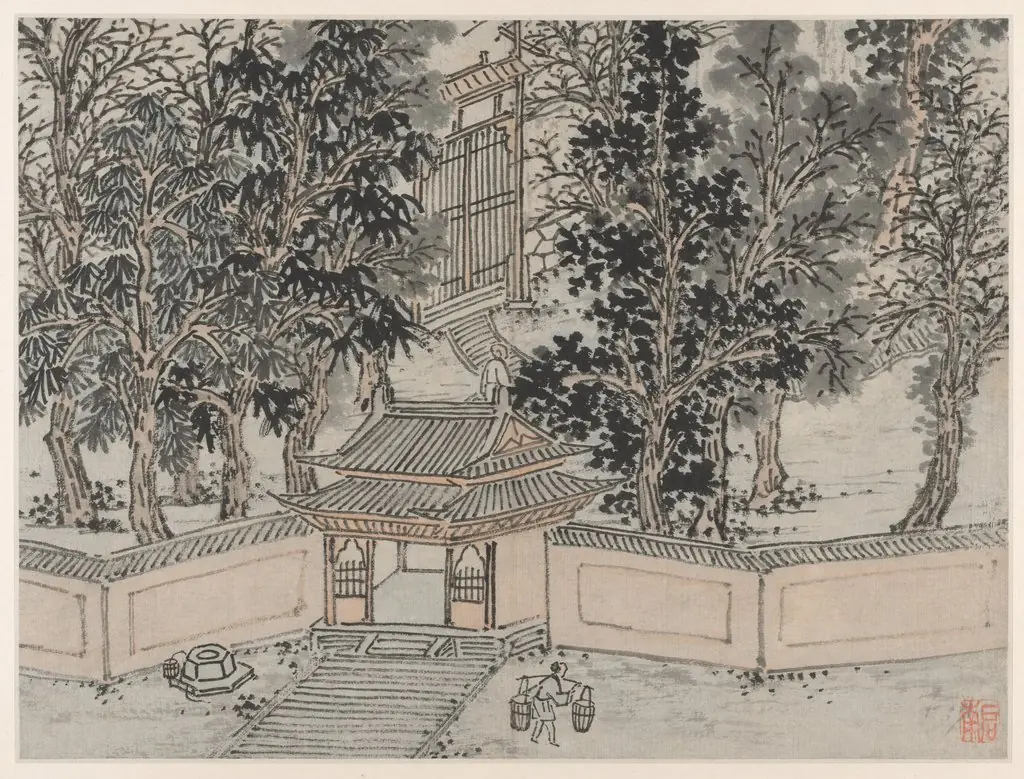 Tiger-Flight Spring at the Back Gate, from Twelve Views of Tiger Hill, Suzhou
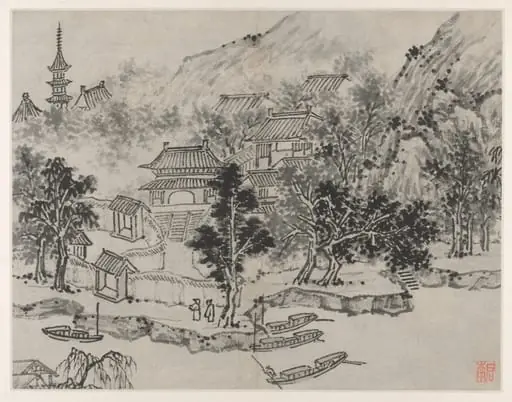 Distant View of Tiger Hill from the Canal Mooring, from Twelve Views of Tiger Hill, Suzhou
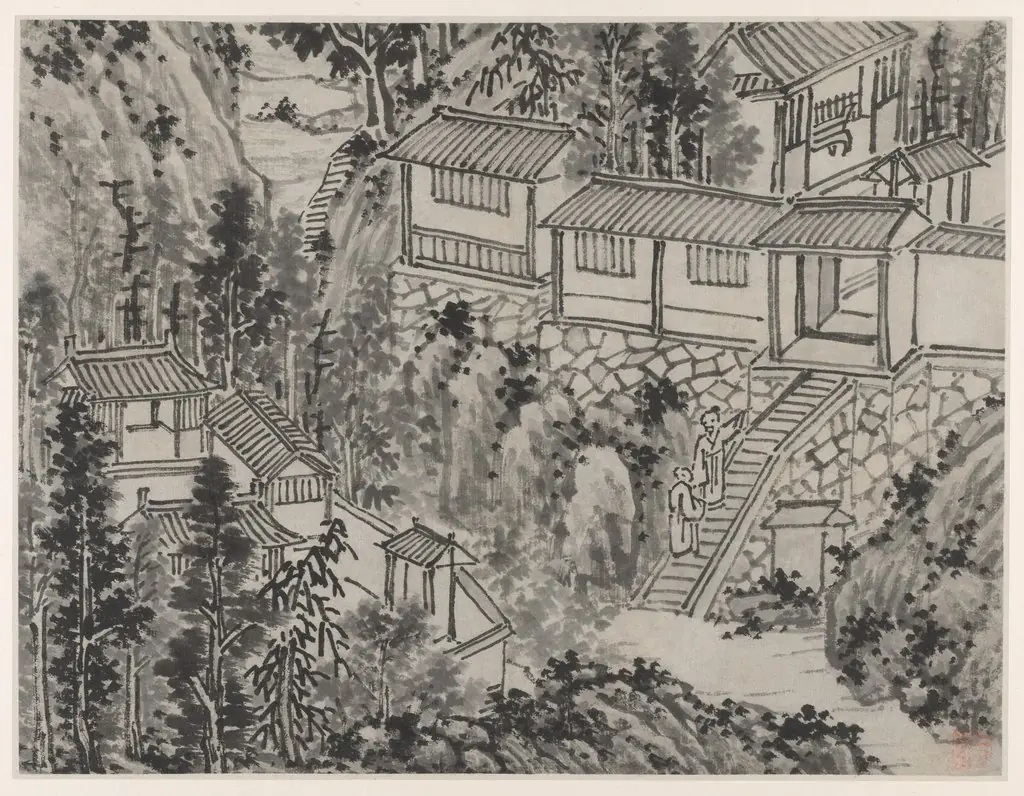 The Pine Retreat, from Twelve Views of Tiger Hill, Suzhou
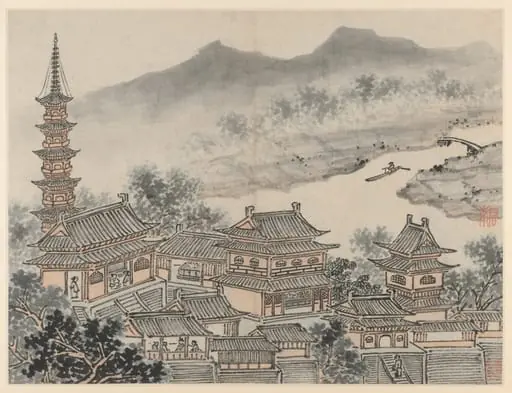 The Thousand Buddha Hall and the Pagoda of the "Cloudy Cliff" Monastery, from Twelve Views of Tiger Hill, Suzhou