Artwork
Merry Company
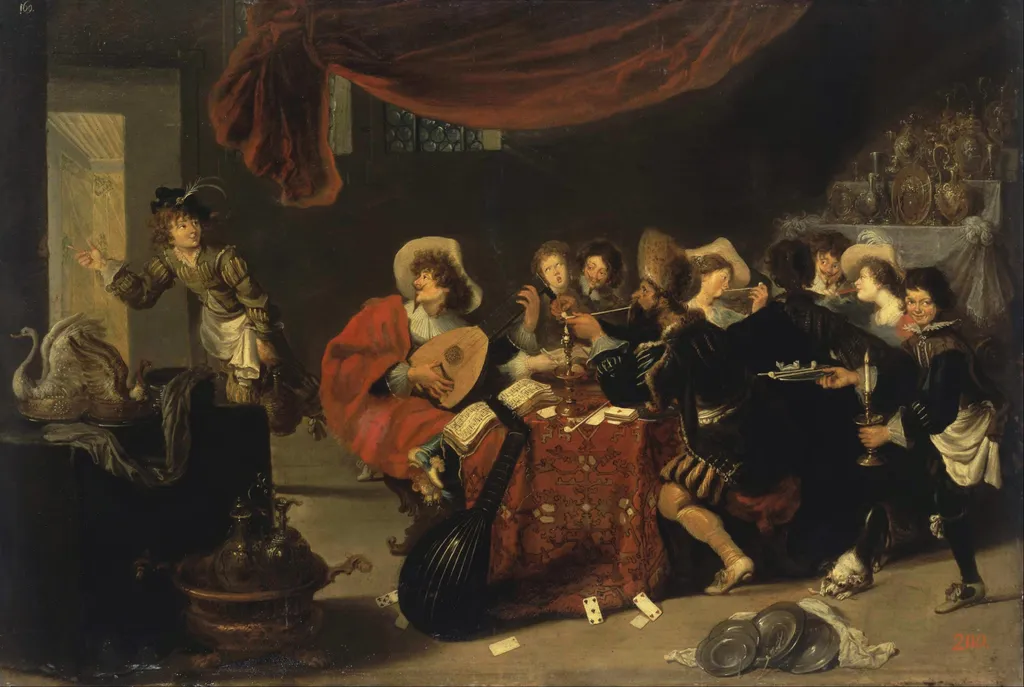
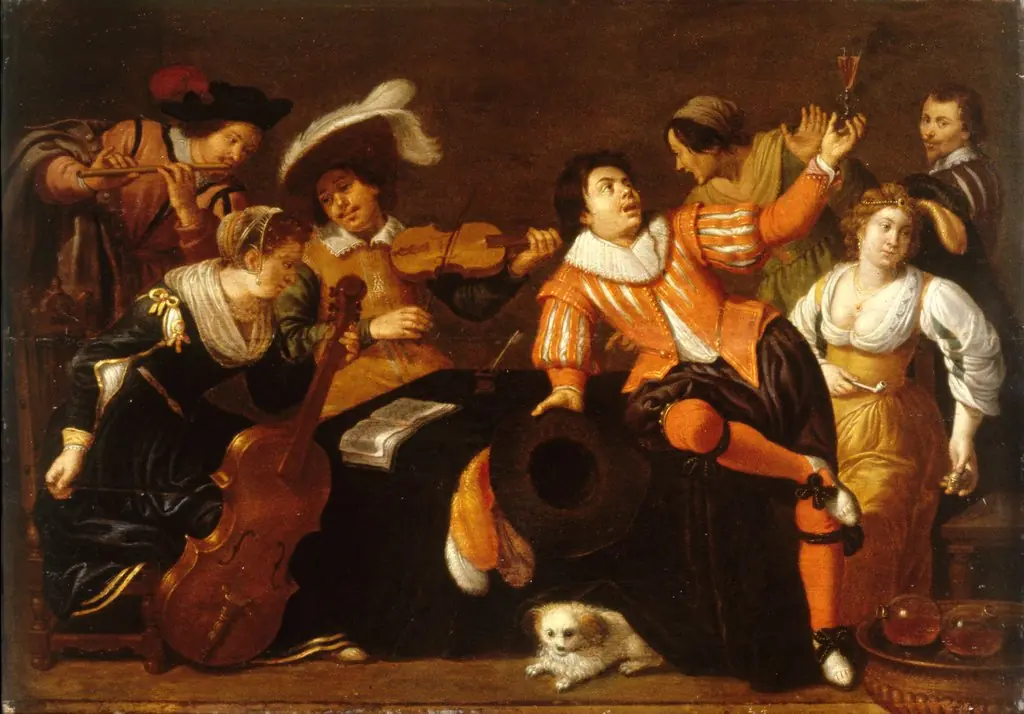
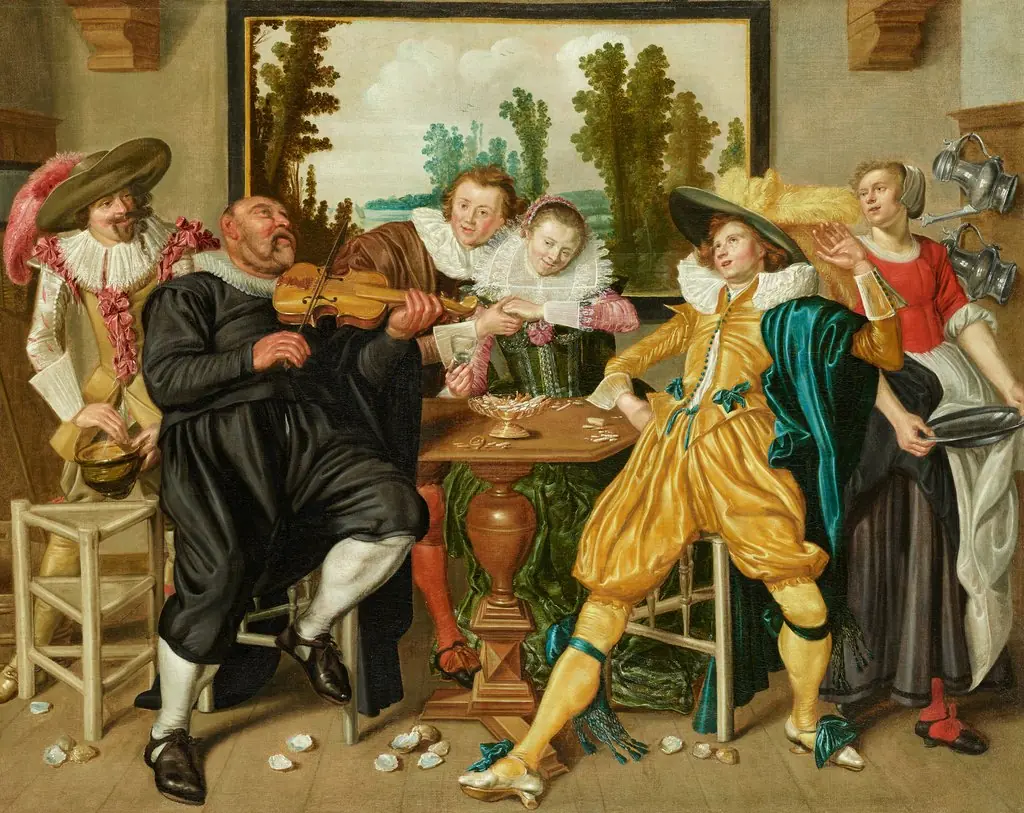
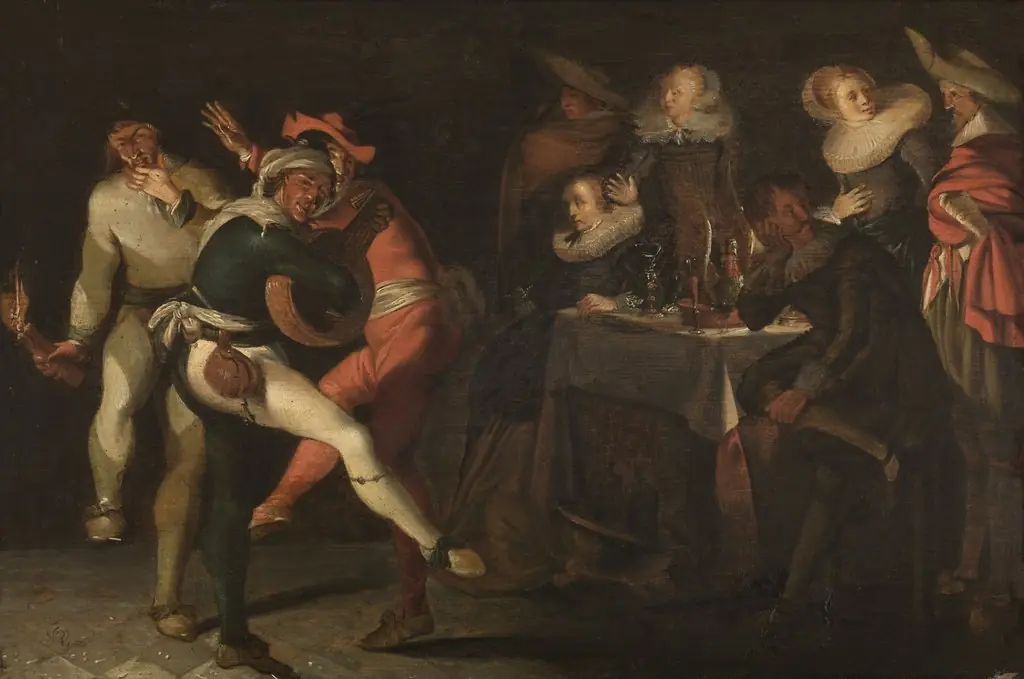
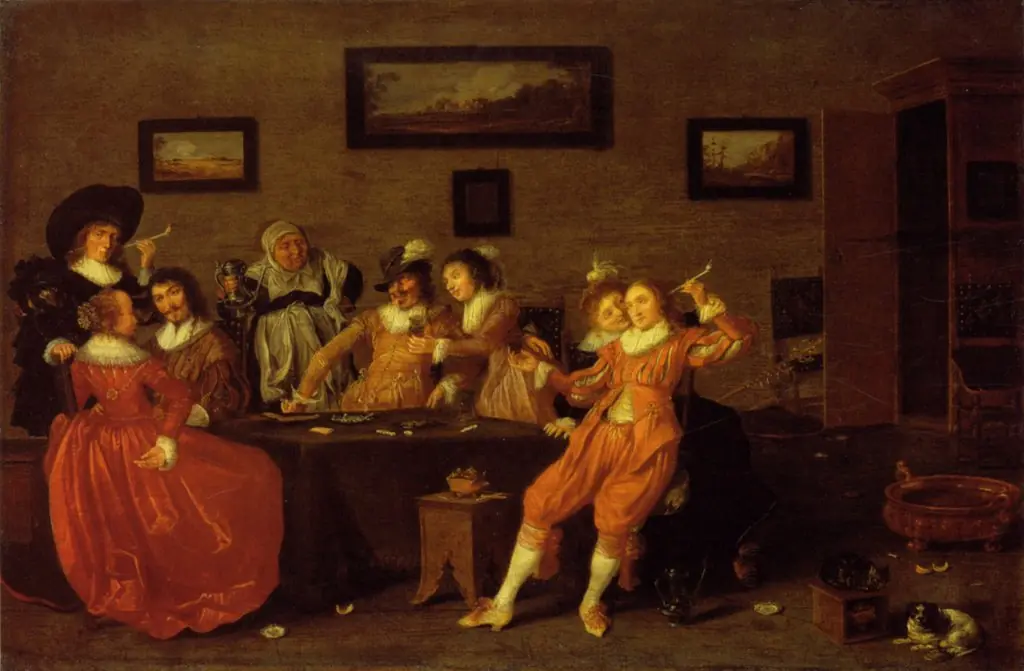
Merry Company is an oil painting by the Flemish Baroque painting artist Simon de Vos. It dates from 1631 and is held in the collection of the Hermitage Museum.
About this work
Subject & Meaning
Simon de Vos's Merry Company, created in 1631, is classified as a conversation piece that depicts a social gathering of men and women accompanied by a musician.
Simon de Vos's Merry Company, created in 1631, is classified as a conversation piece that depicts a social gathering of men and women accompanied by a musician. The work portrays figures engaged in leisurely interaction, a genre characteristic of Flemish painting from this period. While the specific symbolic meaning of the individual figures is not detailed in the available records, the composition represents a scene of domestic entertainment and sociability.
The painting currently resides in the Hermitage Museum, having been part of the collection of Catherine II of Russia.
Technique & Style
The work is an oil painting executed on a copper support, a medium favored in 17th-century Flemish practice for its smooth surface and luminous finish. The composition features a musician and a woman within a domestic interior, reflecting the conversation piece genre characteristic of the period. Rendered in 1631, the piece measures 45 centimeters in height by 67.5 centimeters in width, consistent with the dimensions recorded in the source.
The handling of oil paint on metal demonstrates meticulous layering and fine brushwork, contributing to the naturalistic rendering of figures and subtle play of light. Such formal qualities align with the stylistic conventions of Flemish genre scenes, where intimate gatherings are depicted with psychological nuance and textural precision.
Legacy
The Merry Company by Simon de Vos, painted on copper in 1631, influenced later artists who explored group portraiture and genre scenes. Its composition, depicting a musician and a woman in a domestic setting, contributed to the development of conversation pieces in 17th-century Flemish art. The work remained in the Hermitage Museum collection following its acquisition by Catherine II of Russia, preserving its legacy as a significant example of the genre.
Overview
Simon de Vos’s Merry Company (1631) is a small‑scale painting executed on copper, a material favoured for its smooth surface and durability in intimate works. The composition captures a convivial gathering of elegantly dressed figures, illuminated by a soft, directional light that models their faces and the surrounding interior. The work exemplifies the lively genre scenes popular among Flemish artists in the early seventeenth century.
History & Provenance
Created early in de Vos’s career, when he focused on cabinet‑size genre scenes, the painting later entered the collection of the State Hermitage Museum in Saint Petersburg. Its presence there reflects the 19th‑century Russian interest in acquiring Flemish Baroque works, and it remains a documented example of the artist’s transition before he turned to larger historical subjects under the influence of Rubens and van Dyck.
Own this work as a print
Artist & collection
Artist
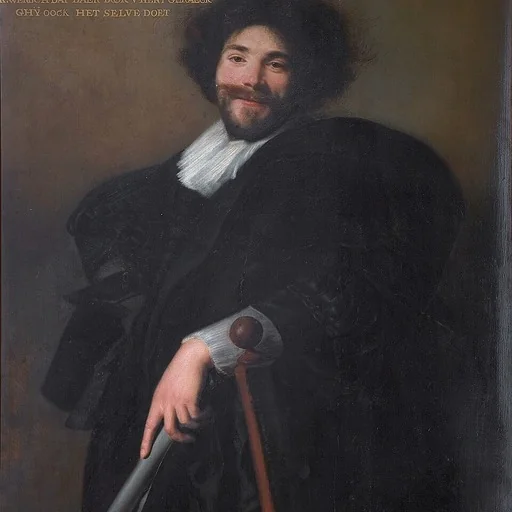
Simon de Vos (20 October 1603 – 15 October 1676) was a Flemish painter, draughtsman and art collector.