Artwork
Renderings of an Ivory Carving of Ariadne from the 6th Century and an Ivory Plaque from the 9th Century
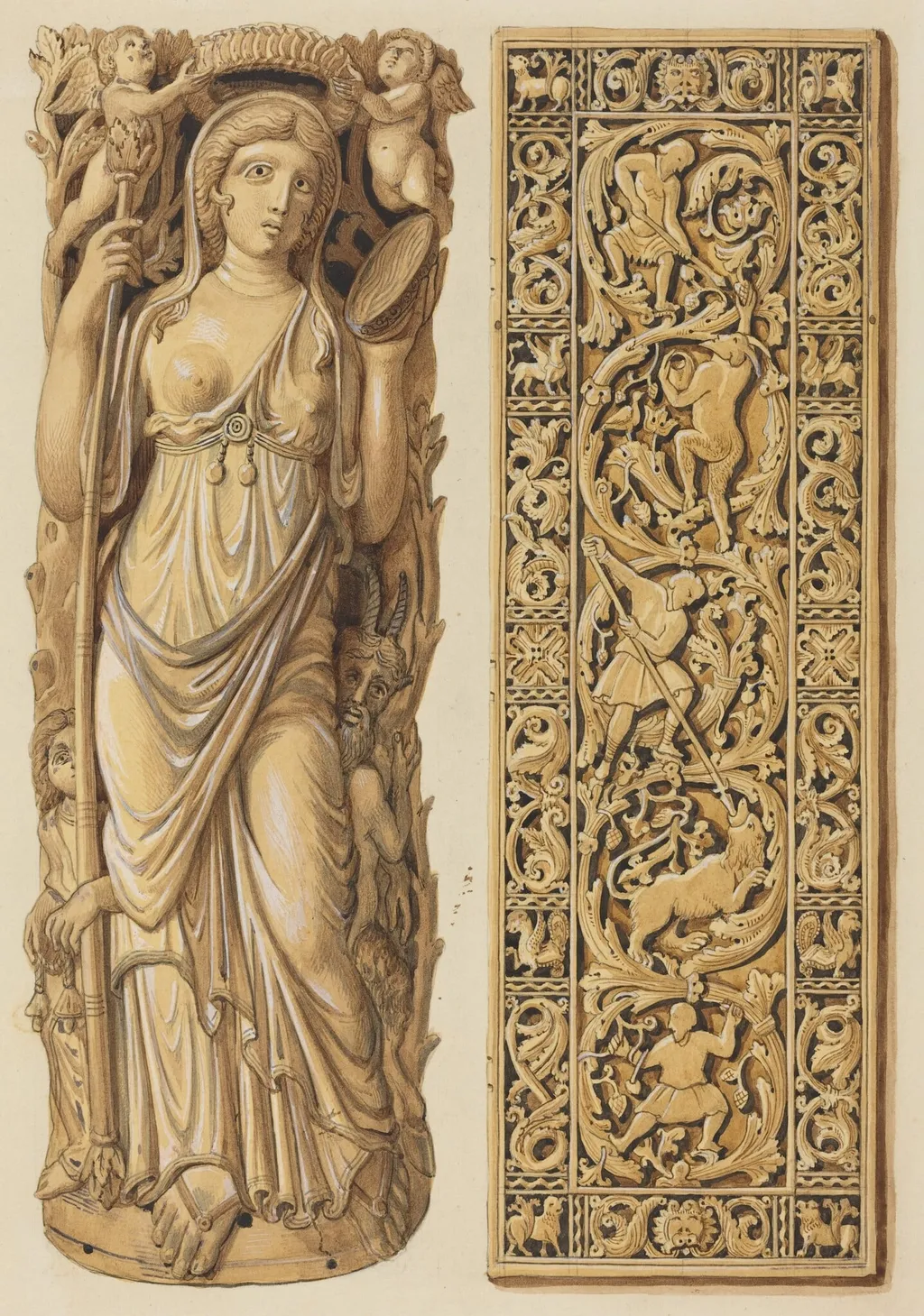
Renderings of an Ivory Carving of Ariadne from the 6th Century and an Ivory Plaque from the 9th Century is a graphite drawing by the Romanticist artist Herman Wilhelm Soltau. It dates from 1836 and is held in the collection of the National Gallery of Art.
- Inscription
- Inscribed:by later hand, lower right in brown ink: No 30; by later hand, lower right verso in graphite: 38
About this work
Overview
Soltau rendered both fragments in watercolor, graphite, and touches of white, preserving their original compositions for contemporary viewers.
Herman Wilhelm Soltau’s 1836 drawing records two historic ivory reliefs placed side by side on a sheet of heavy card. The left panel reproduces a sixth‑century carving of the mythic figure Ariadne, while the right panel copies a ninth‑century ivory plaque illustrating a bustling narrative scene. Soltau rendered both fragments in watercolor, graphite, and touches of white, preserving their original compositions for contemporary viewers.
Subject & Meaning
The earlier relief presents Ariadne, crowned with a leafy wreath, holding a staff and gazing serenely forward, embodying classical ideals of poise and divine favor. The later plaque fills its border with a crowded tableau of figures and animals engaged in various actions, suggesting a narrative episode, perhaps a biblical or courtly story, typical of medieval iconography that favored intricate storytelling.
Technique & Style
Soltau employed a combination of watercolor washes, graphite shading, and selective white highlights to convey the texture of ivory and the depth of the carvings. The drawing balances precise line work with soft tonal modulation, allowing the viewer to discern the differing stylistic vocabularies: the restrained classicism of the Ariadne figure versus the dense, animated composition of the ninth‑century plaque.
History & Provenance
Created in 1836, the drawing reflects the 19th‑century scholarly interest in antiquities and medieval art. While the original ivory pieces are now lost or held in separate collections, Soltau’s rendering survived in the archives of a German museum, documenting the appearance of both artifacts at a time when travel and photography were limited.
Context
The work belongs to the Romantic era’s fascination with the past, when artists and antiquarians sought to revive ancient myths and medieval narratives through careful study and reproduction. By juxtaposing a classical and a medieval object, Soltau illustrates the period’s comparative approach to art history, emphasizing continuity and contrast across centuries of visual culture.
Own this work as a print
Artist & collection

- A Bishop's Crozier
 Allegory of charity
 Ornament Panel: Griffins and Two Cupids Crossing Halberds
![The Triumph of Julius Caesar [no.7 and 8 plus 2 columns], by Andrea Andreani](https://artifactworldgallery.com/img/andrea-andreani--the-triumph-of-julius-caesar-no-7-and-8-plus-2-columns--75ccf1616a5609e2-w320.webp) The Triumph of Julius Caesar [no.7 and 8 plus 2 columns]
The Triumph of Julius Caesar [no.7 and 8 plus 2 columns] Cross Panel with Vine in Center and Tritons' Couple
 Memento Mori: Dives in Hell
 Estate (Summer or Ceres)
 Combats and Triumphs No. 3
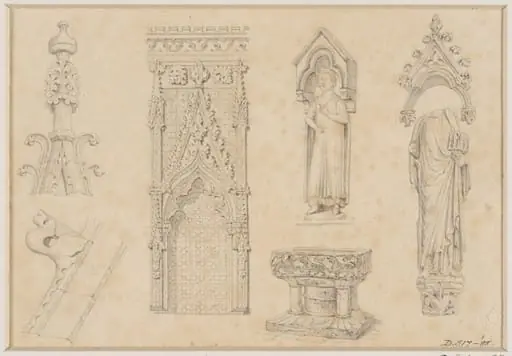 Topographical drawing
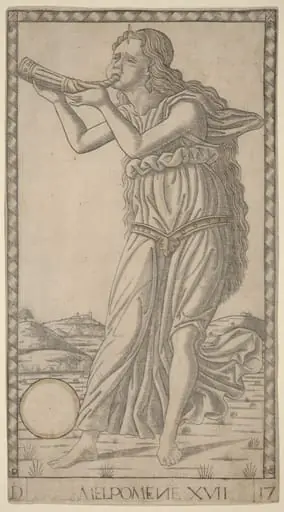 Melpomene
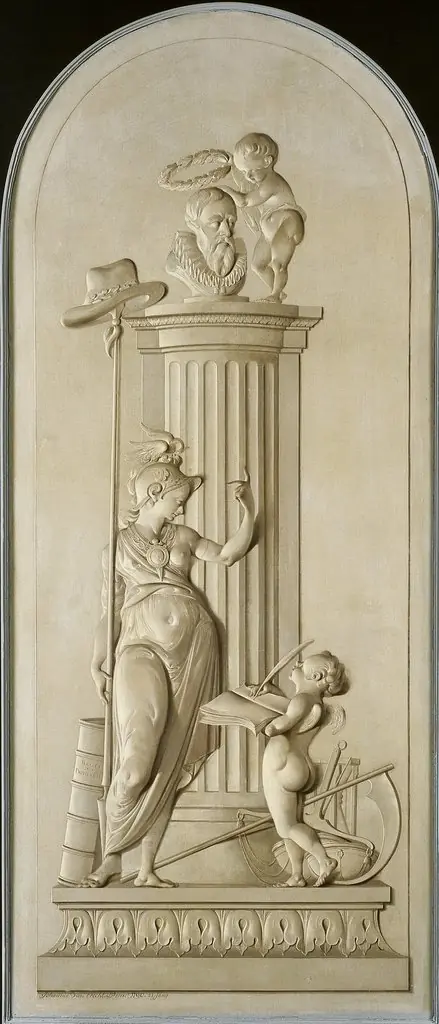 Allegory of Freedom
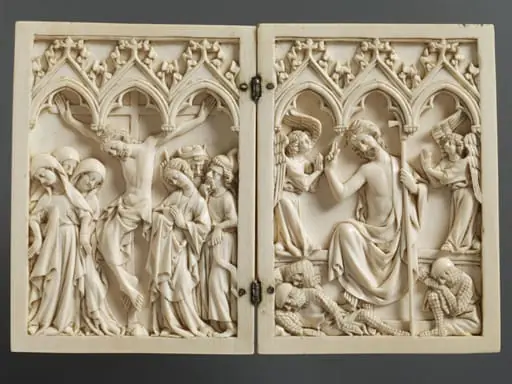 Diptych