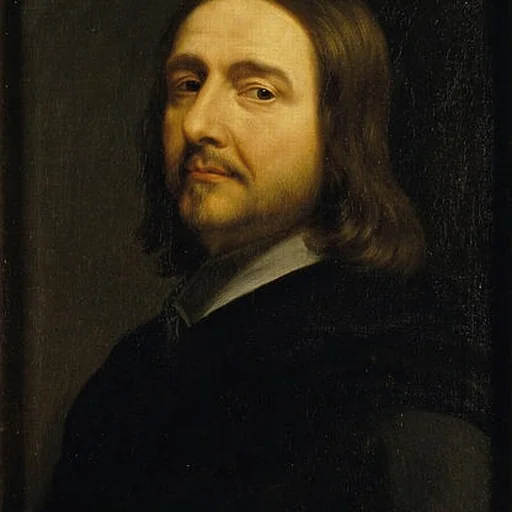
Movement
Classicist painting
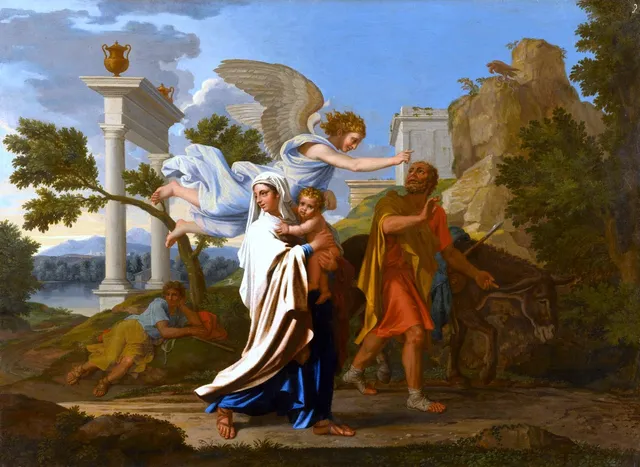
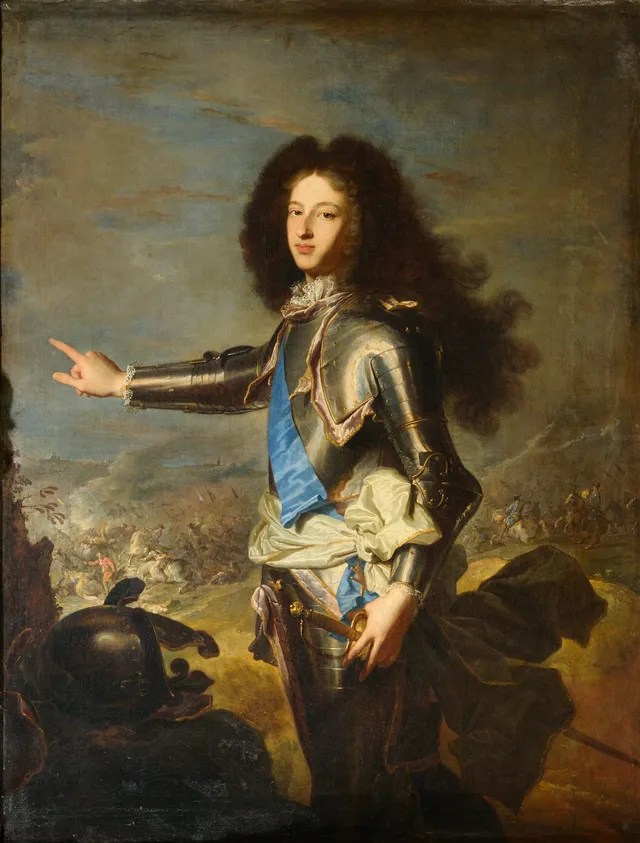
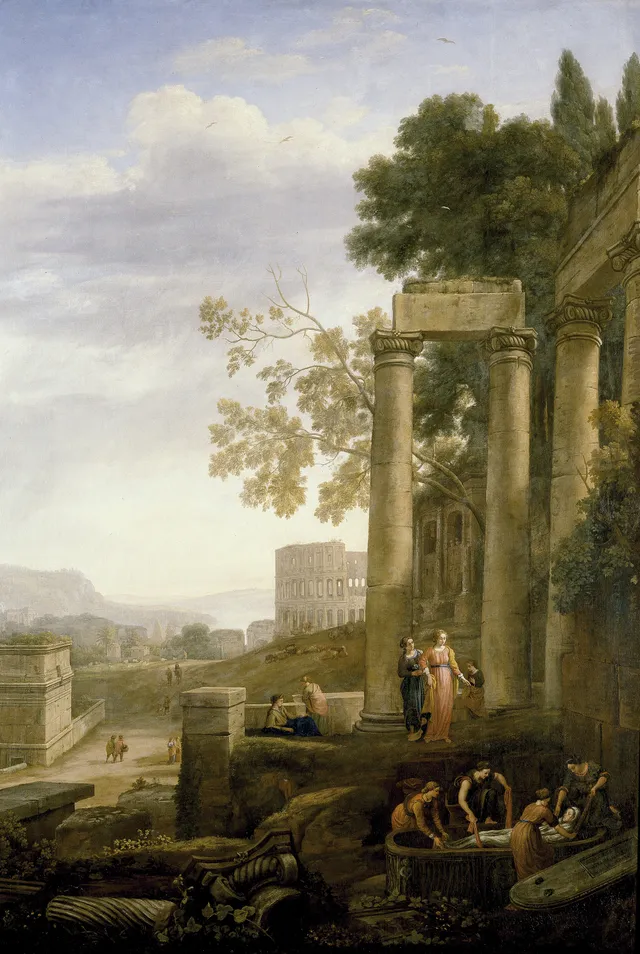
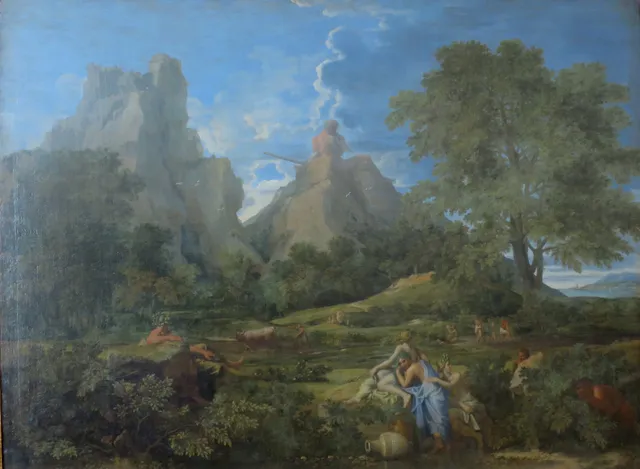
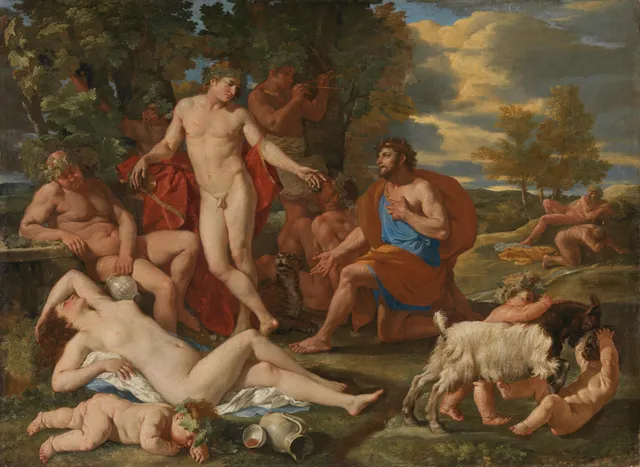
Classicist painting is an art movement of the 1660–1725 period. The gallery holds 15 works in this movement, including works by Philippe de Champaigne, Claude Lorrain and Nicolas Poussin. Browse Classicist painting paintings, portraits, pictures and artworks from the world's public-domain museum collections.
Classicism in painting is the disciplined, antiquity-revering style that crystallised in the seventeenth century, above all among French artists working in Rome and Paris. Rooted in a renewed worship of Greek and Roman art and the example of Raphael, it held that painting should construct an ideal, rational vision of human experience—one that instructs through nobility, order and truth. It emerged against the backdrop of the absolutist French monarchy: in 1648 the crown founded the Académie Royale de Peinture et de Sculpture, later directed by Charles Le Brun, which codified Classicist doctrine as official taste. Its intellectual model was the Bolognese academy of the Carracci, which had taken the ancient canon as the basis for training.
Classicist painting prizes clarity, balance and restraint. Compositions are lucid and frieze-like, gesture is legible, and emotion is controlled rather than theatrical. Drawing (disegno) outranks colour as the bearer of form, and nature is idealised rather than transcribed—landscapes are ordered by geometricised antique architecture and serene light, often staging an elevated religious, mythological or historical subject.
Nicolas Poussin (1594–1665) is the movement's founding figure; the early seventeenth century is sometimes called the "age of Poussin." Trained in geometry, anatomy and optics in pursuit of a "rational basis of beauty," he produced touchstones such as The Inspiration of the Poet (c. 1629–30, Louvre) and the Landscape with Polyphemus (1649, Hermitage), both represented in our collection alongside Midas and Bacchus and The Flight into Egypt. His friend Claude Lorrain perfected the idealised, light-filled classical landscape, seen here in the Landscape with the Burial of Saint Serapia. The French school around them includes Philippe de Champaigne, Laurent de La Hyre and Pierre Mignard.
Classicism's authority proved durable. The 1671 academic quarrel between the Poussinistes, who championed line, and the Rubénistes, who favoured colour, framed European debate for a century. In eighteenth-century Rome the idiom persisted in Pompeo Batoni's Grand Tour portraits and Jacob Philipp Hackert's measured landscapes. Above all, Classicism supplied the foundation for the Neoclassicism of Jacques-Louis David, while standing as the sober counterweight to the exuberant Baroque and, later, to Romanticism.
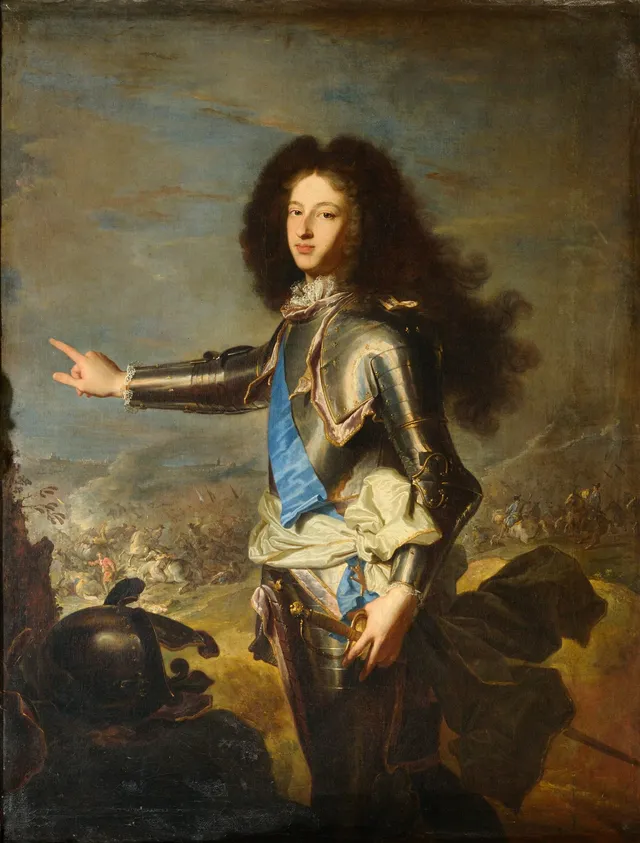
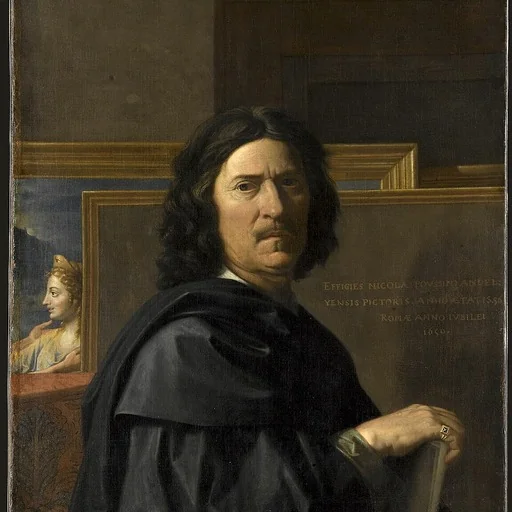
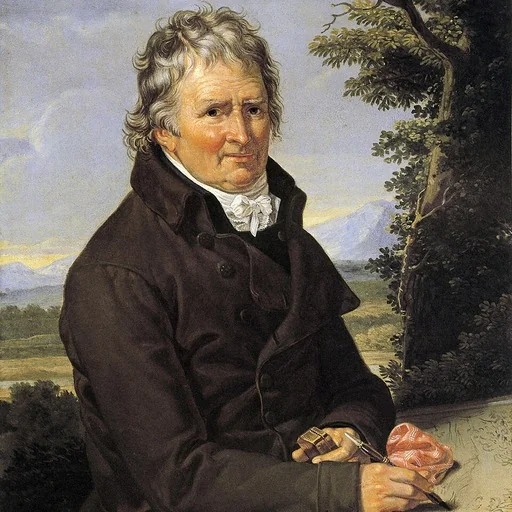
Key artists
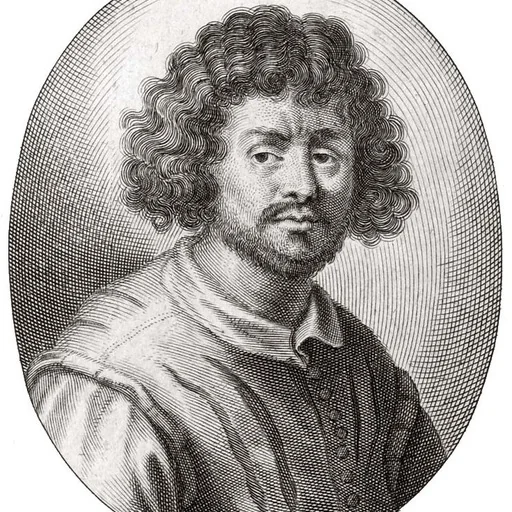
Works
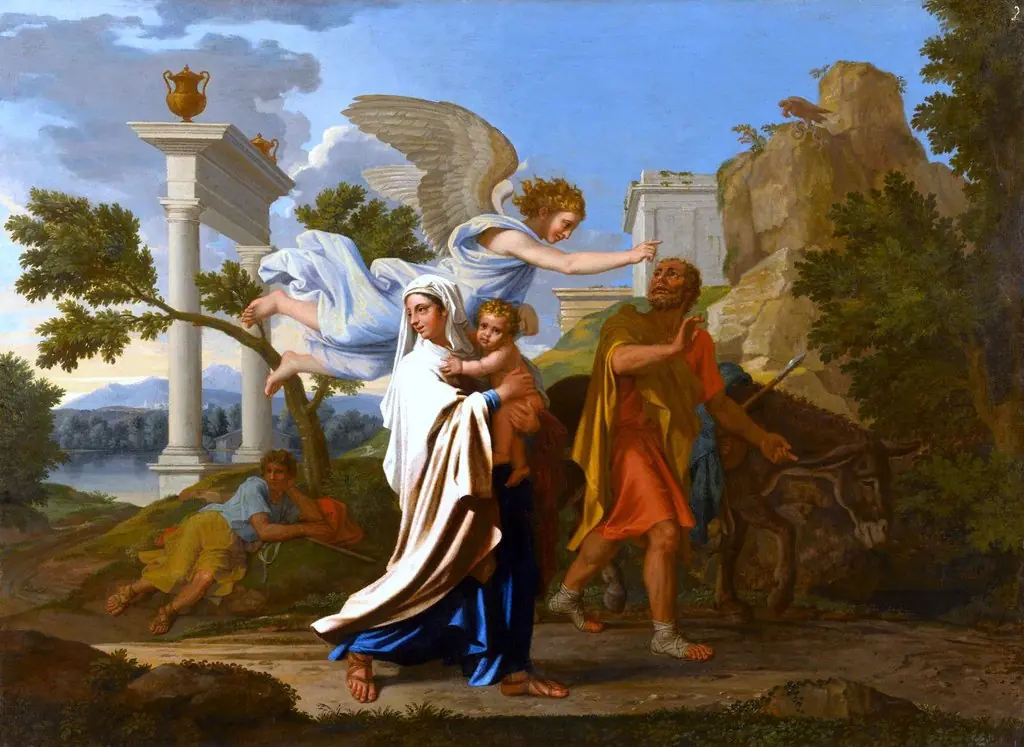 The Flight into Egypt
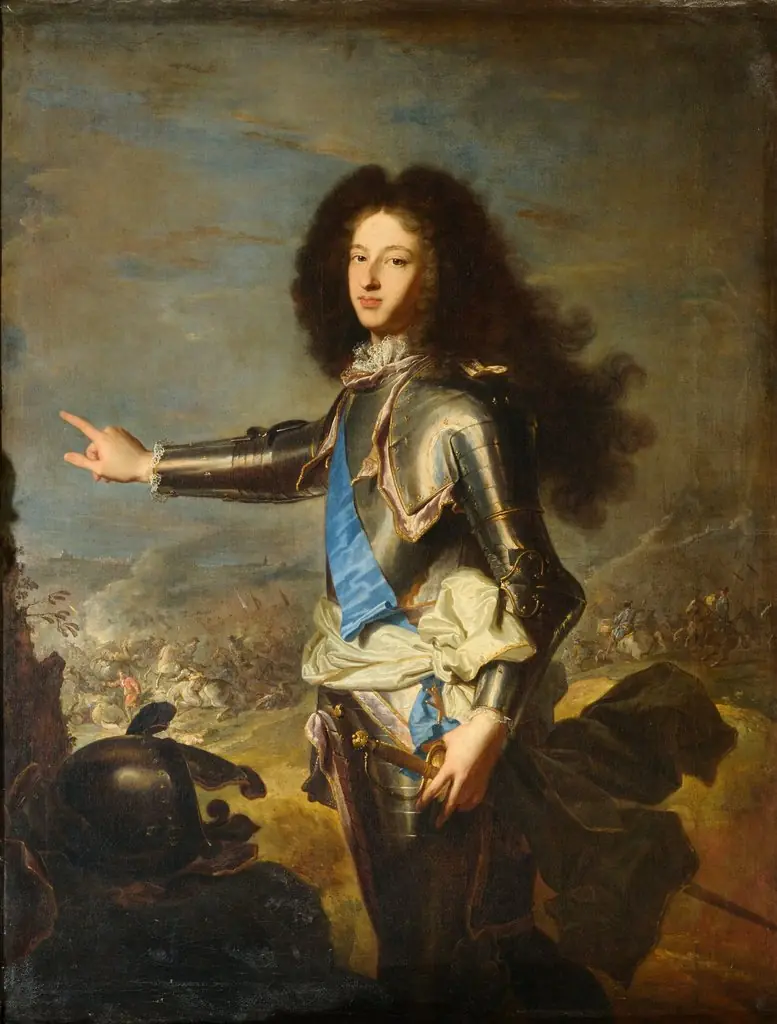 Louis de France, Duke of Burgundy
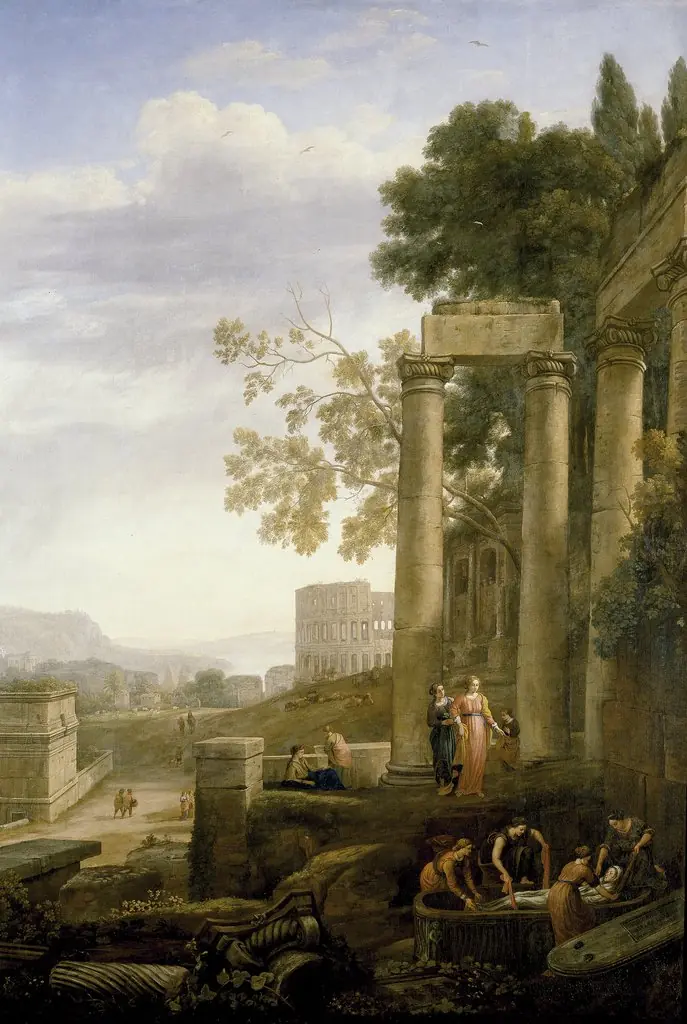 Landscape with the Burial of Saint Serapia
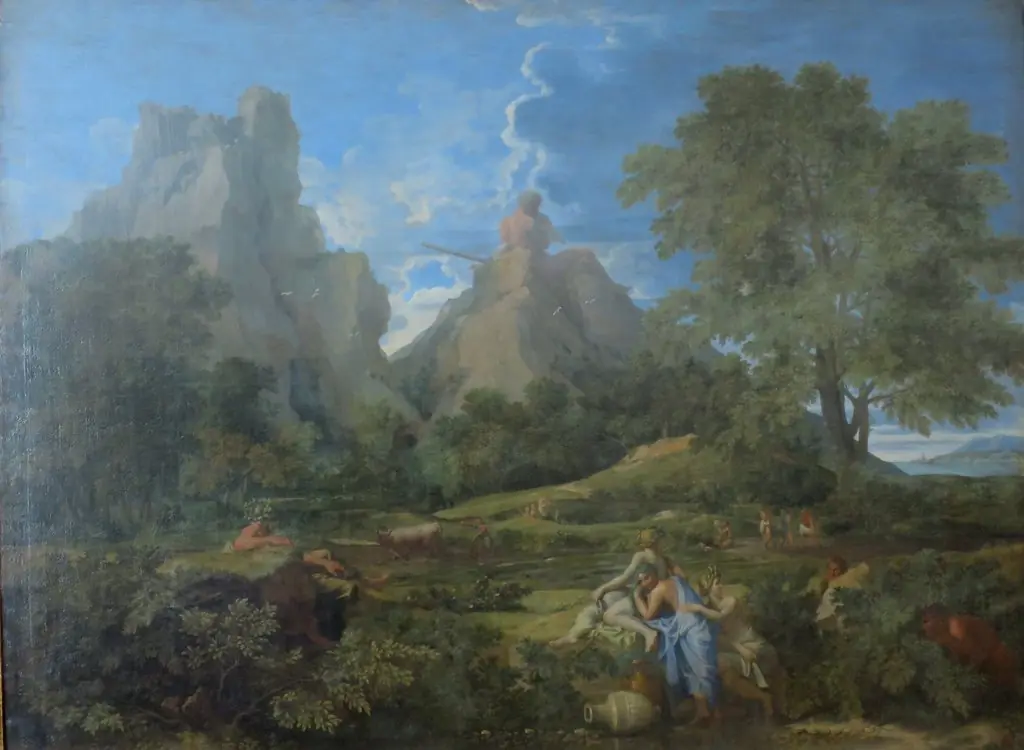 Landscape with Polyphemus
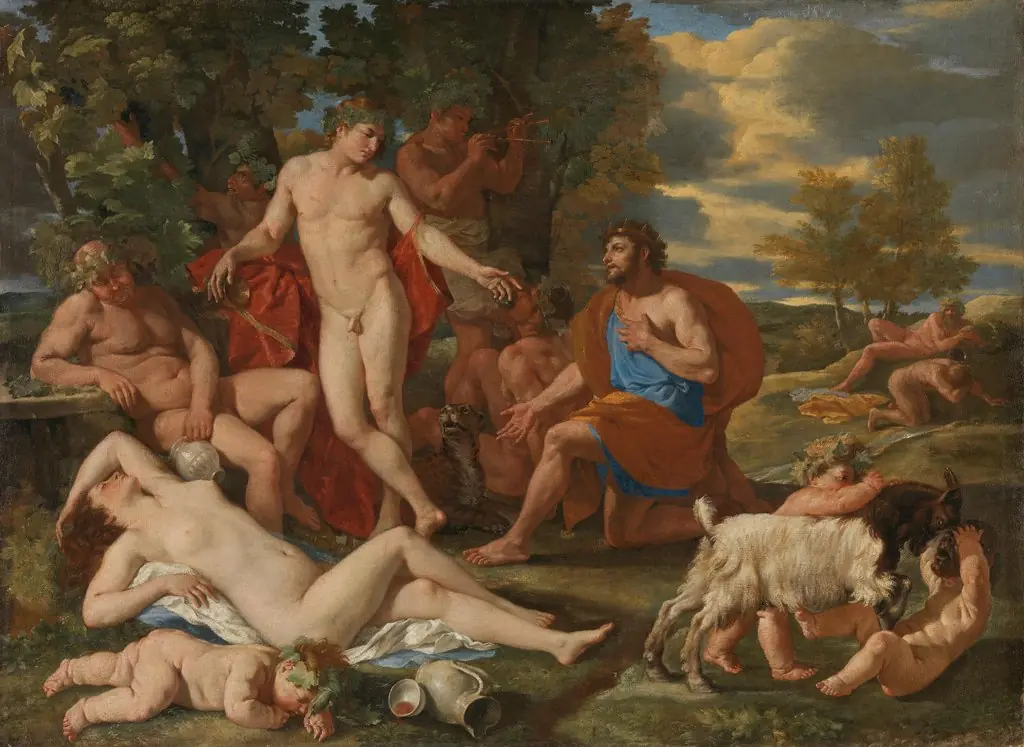 Midas and Bacchus
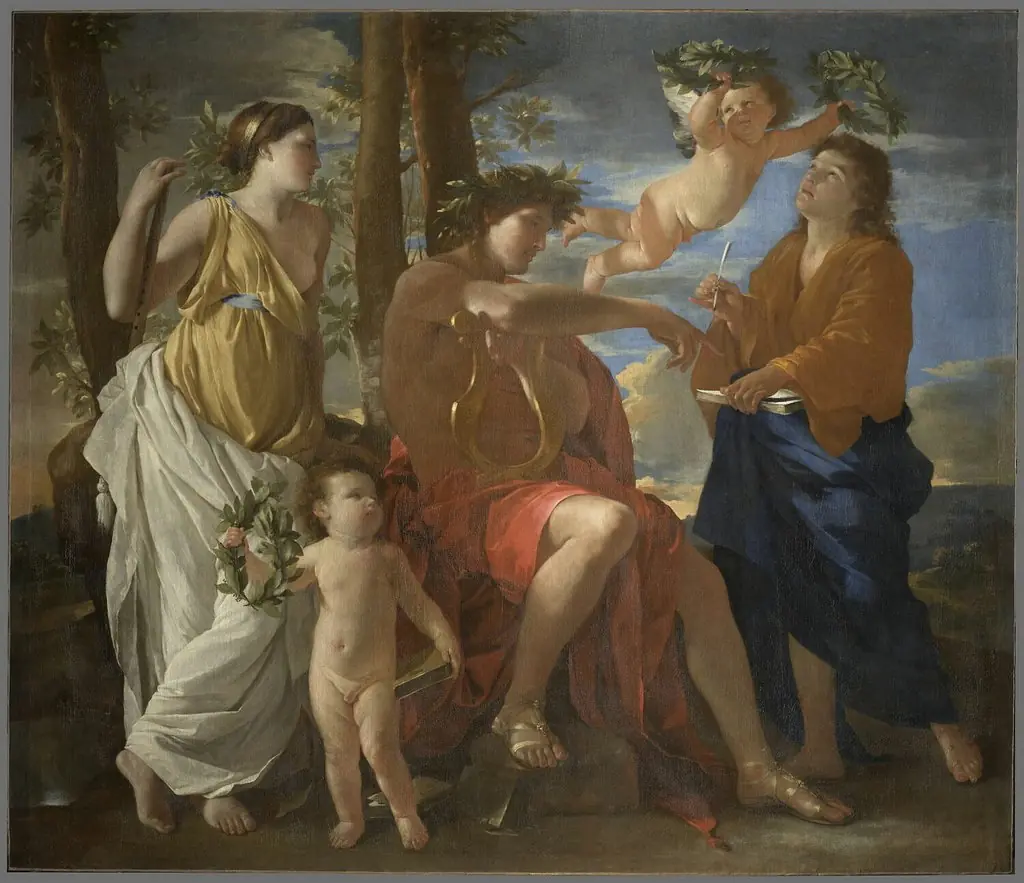 The Inspiration of the Poet
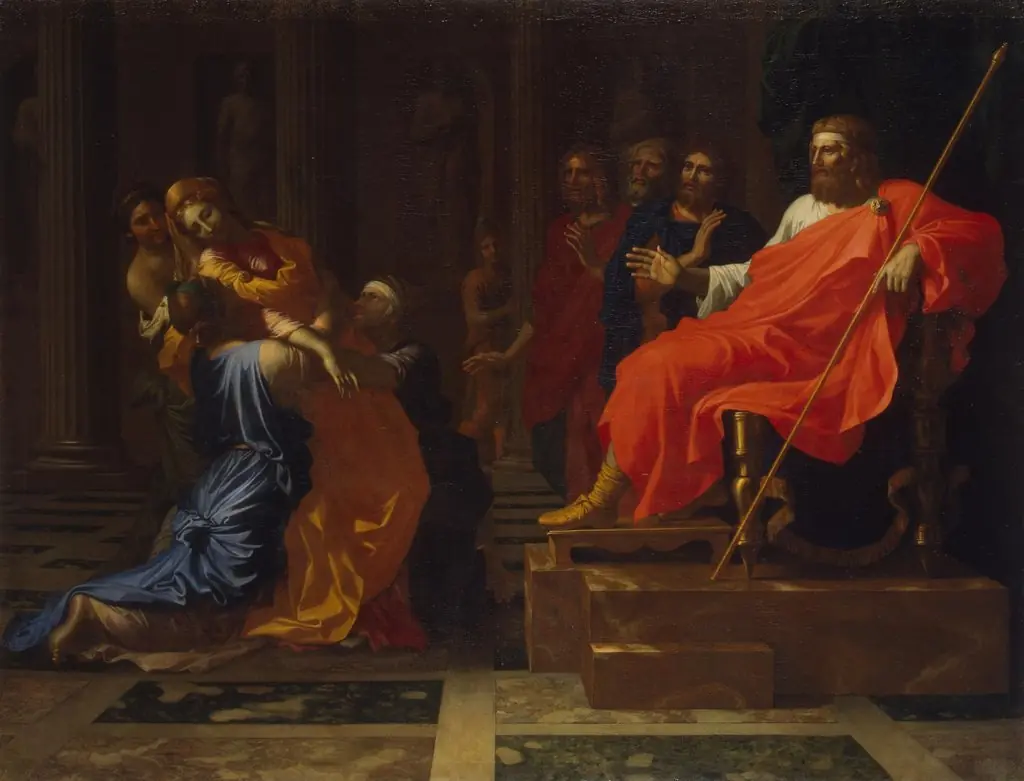 Esther before Ahasuerus
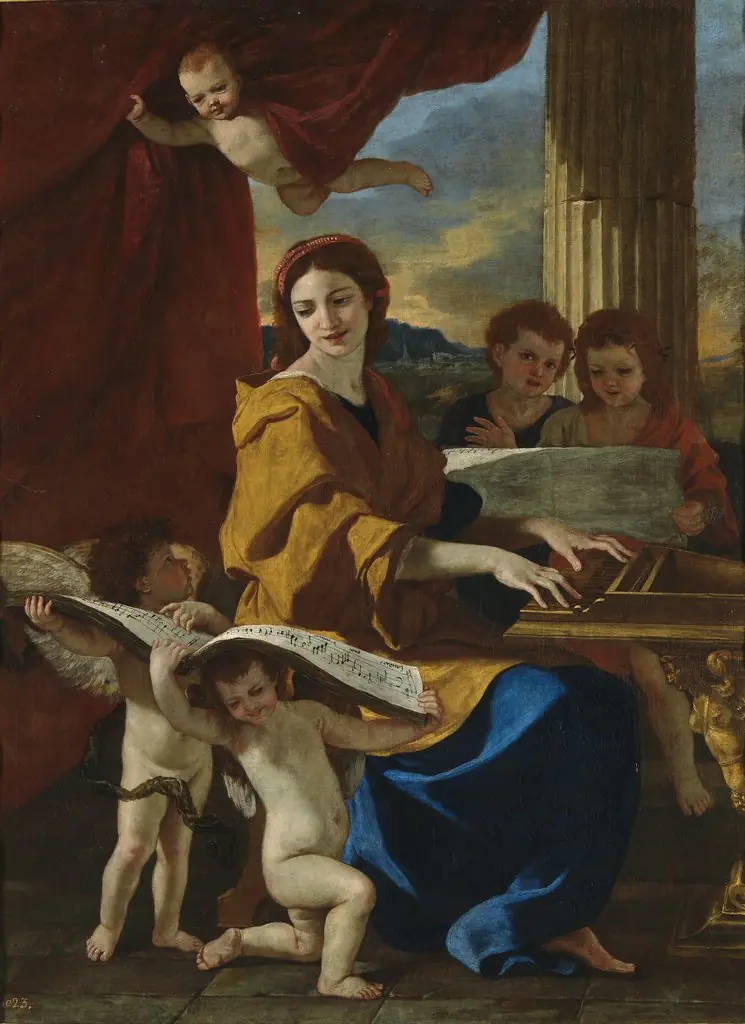 Saint Cecilia
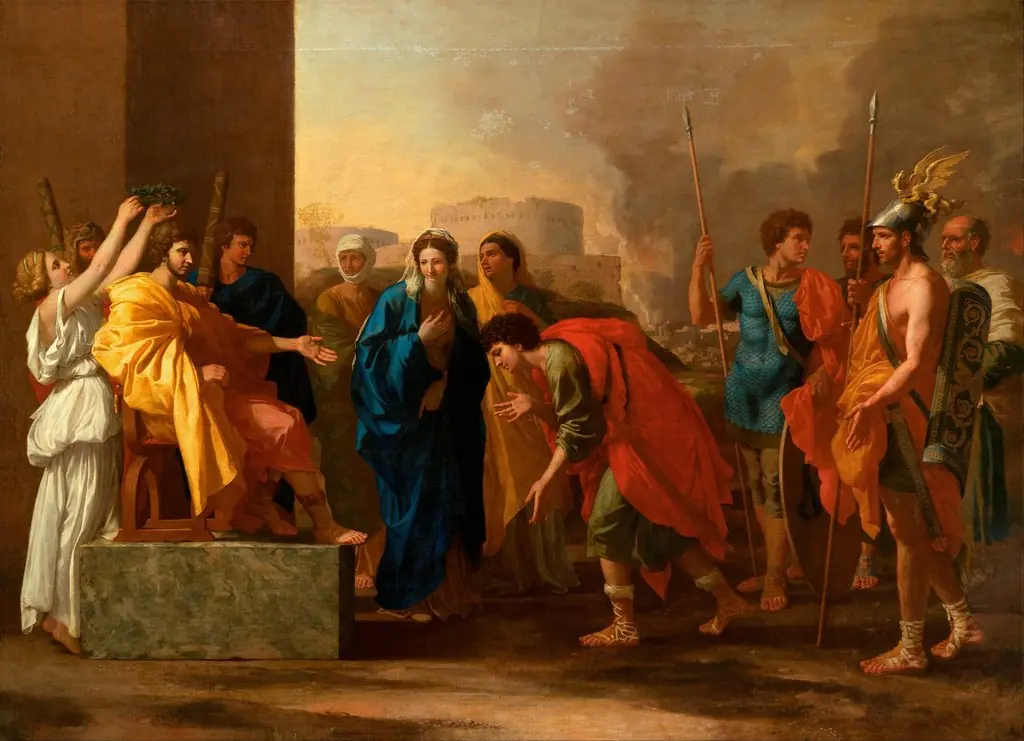 The Continence of Scipio
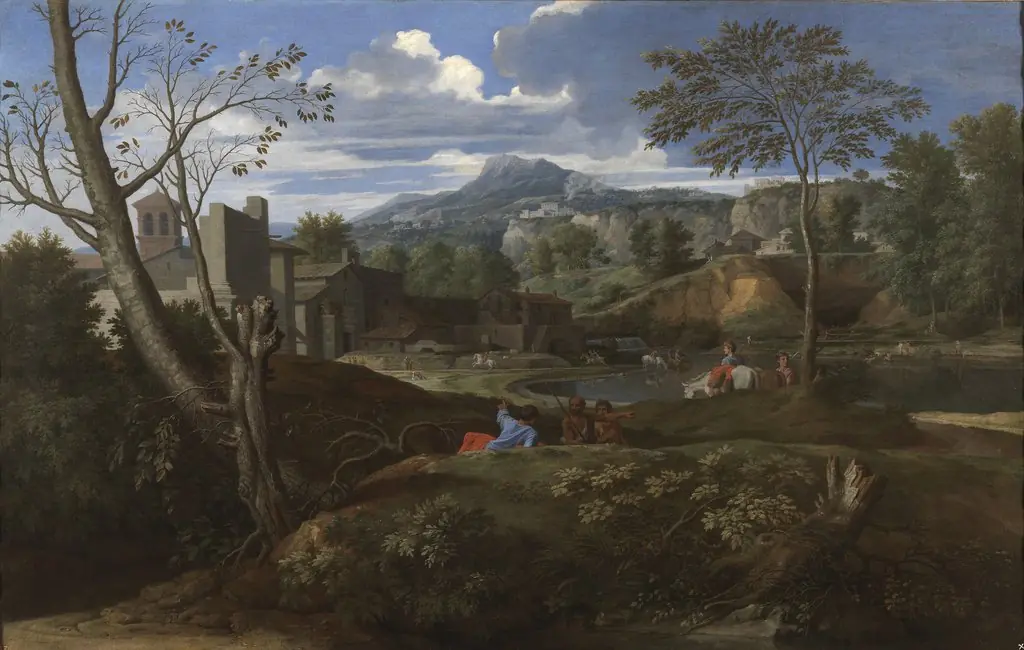 Ideal landscape
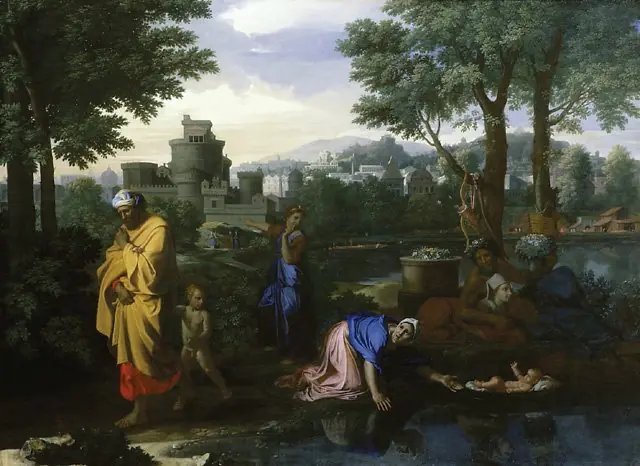 Moses exposed by the river
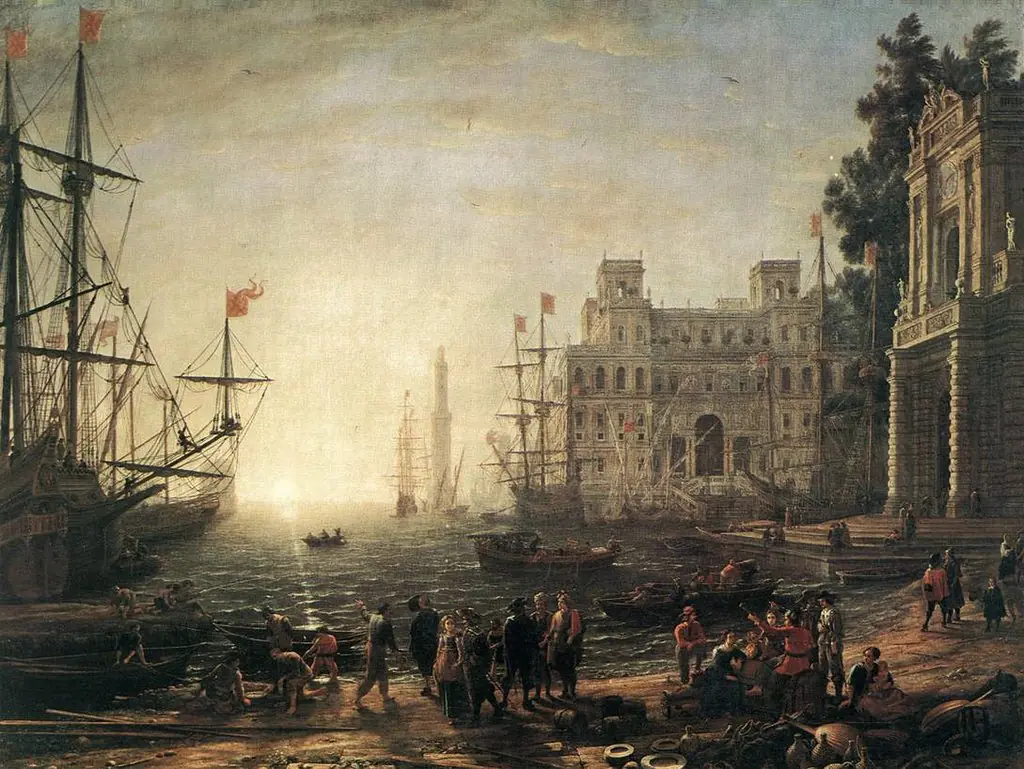 Port Scene with the Villa Medici
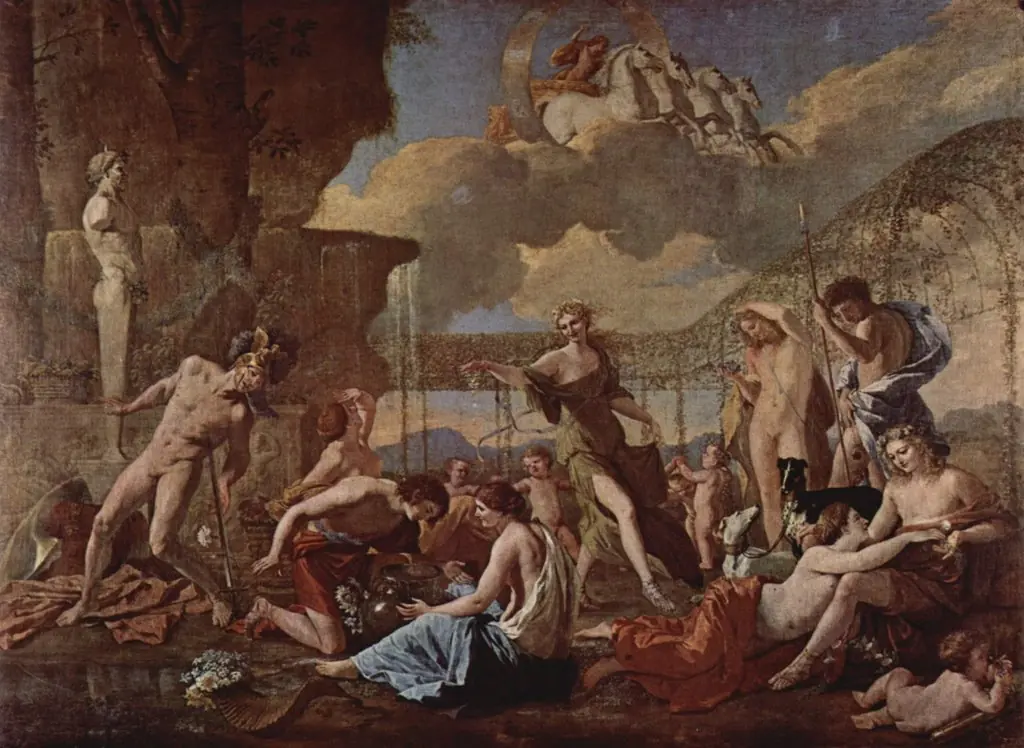 The Empire of Flora
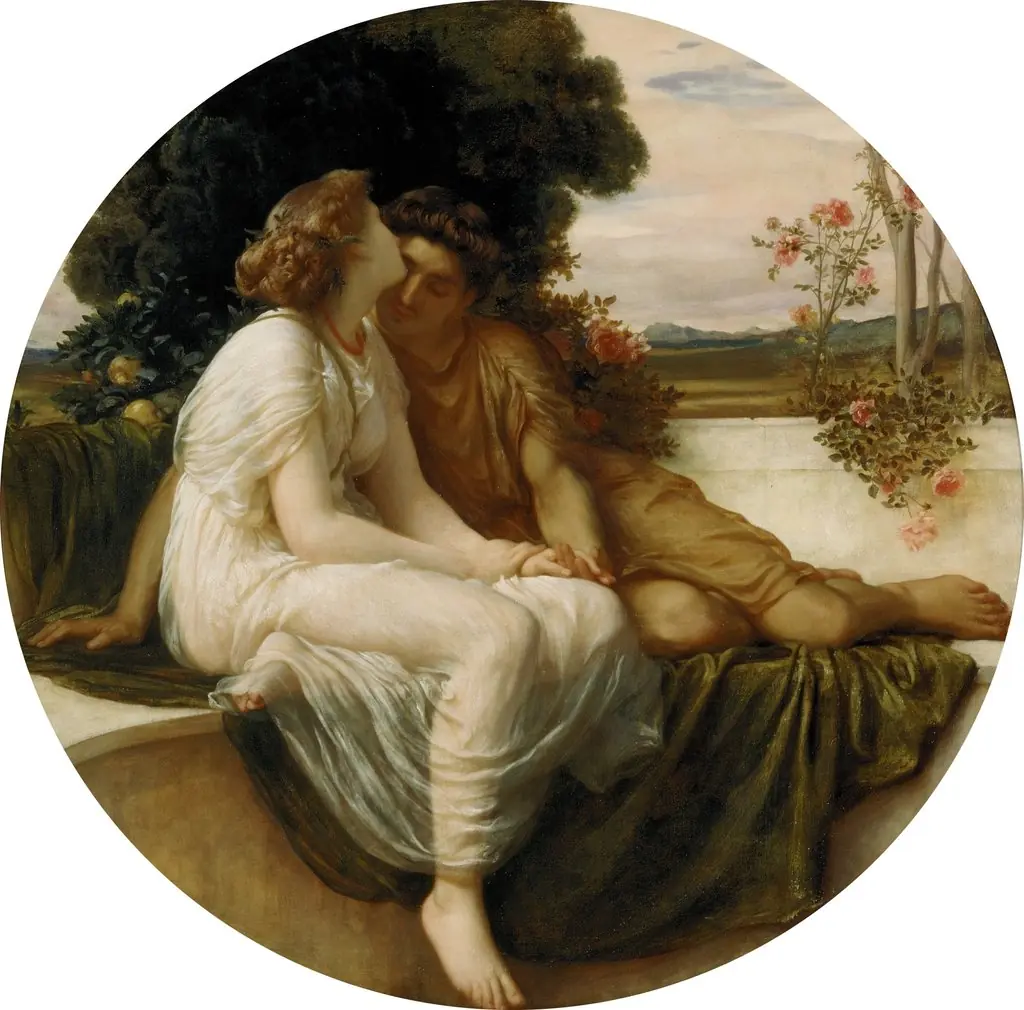 Acme and Septimius
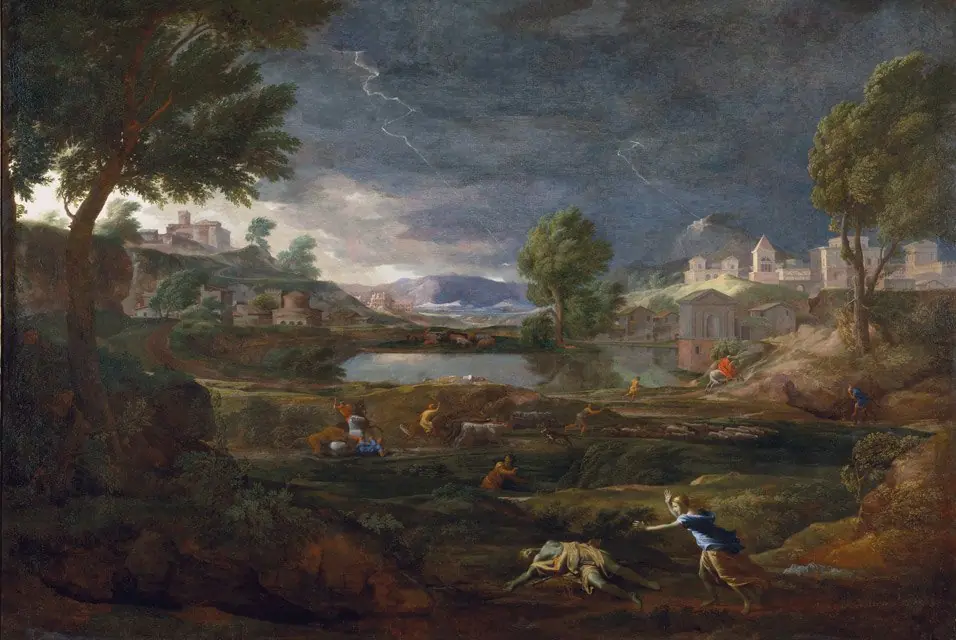 Landscape during a Thunderstorm with Pyramus and Thisbe
Frequently asked questions
What is Classicist painting?
Classicist painting is an art movement. A long tradition in European art that draws on the ideals and forms of ancient Greece and Rome — balance, harmony, clarity, and the ideal human figure.
How many Classicist painting works does Artifact World Gallery have?
Artifact World Gallery holds 15 public-domain Classicist painting works, all free to view and download.
Who are the key Classicist painting artists?
Key Classicist painting artists in the collection include Philippe de Champaigne, Claude Lorrain and Nicolas Poussin.
When did Classicist painting take place?
Classicist painting dates from 1660–1725.
Where can I see Classicist painting works?
Classicist painting works in the collection are held by Museo del Prado, Ashmolean Museum and Hermitage Museum.