Artwork
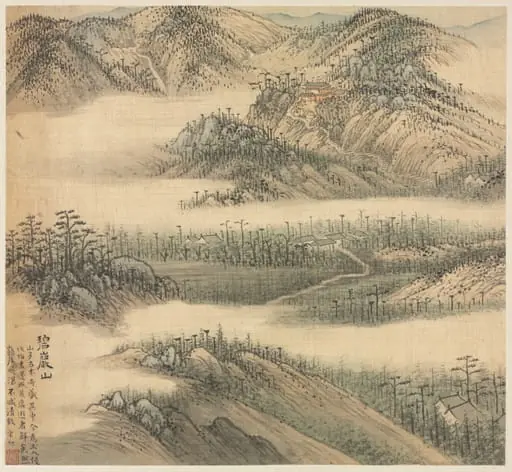
Mt. Daochang
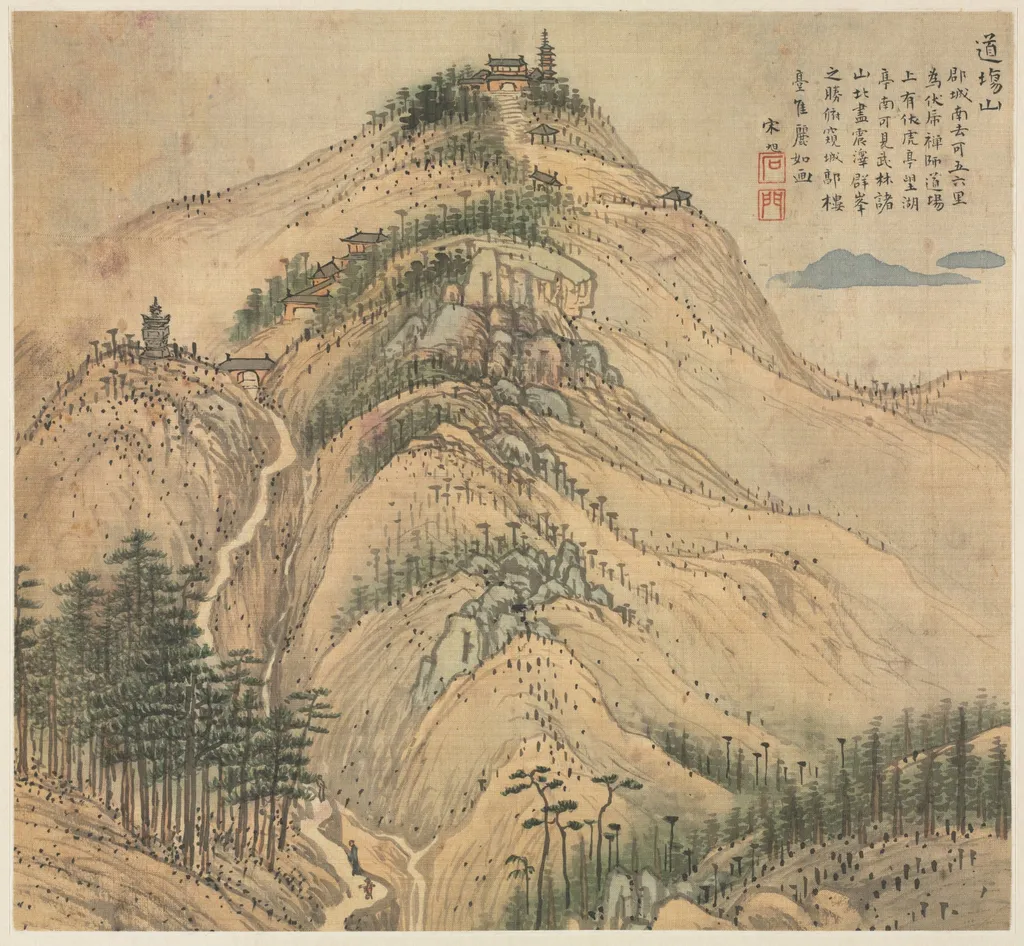
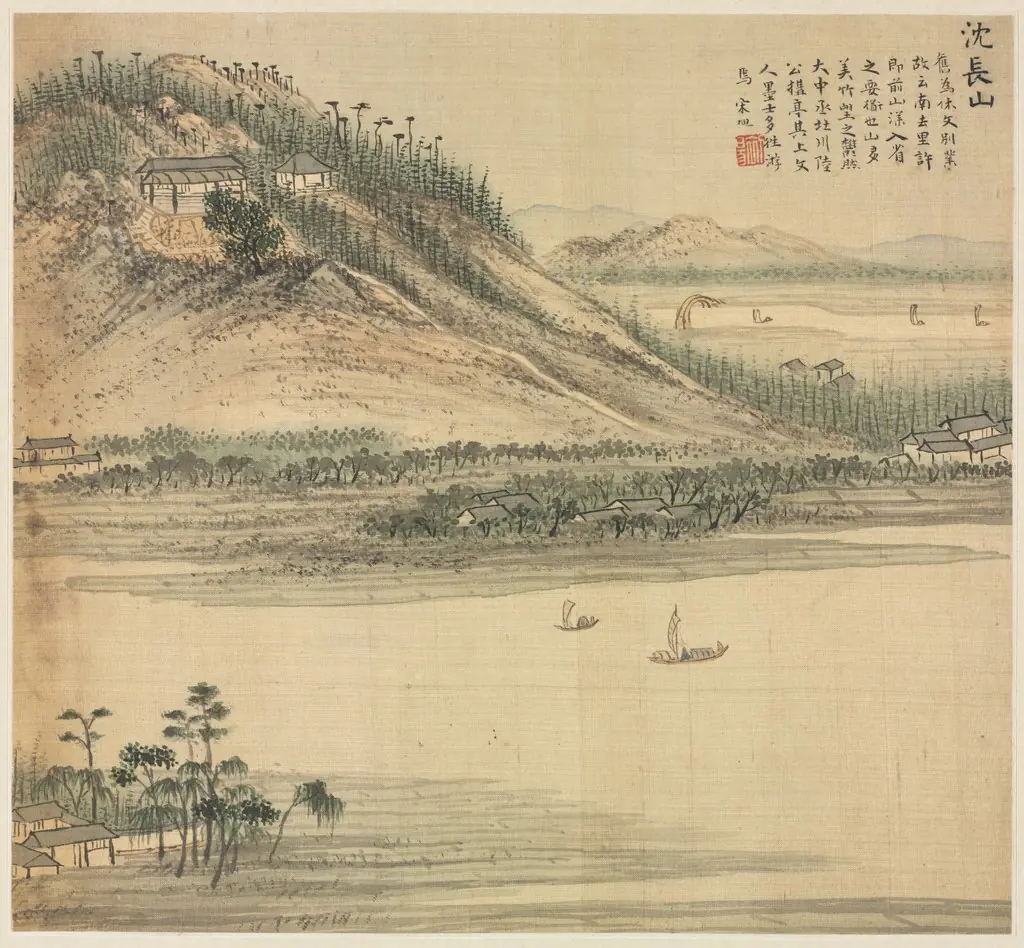
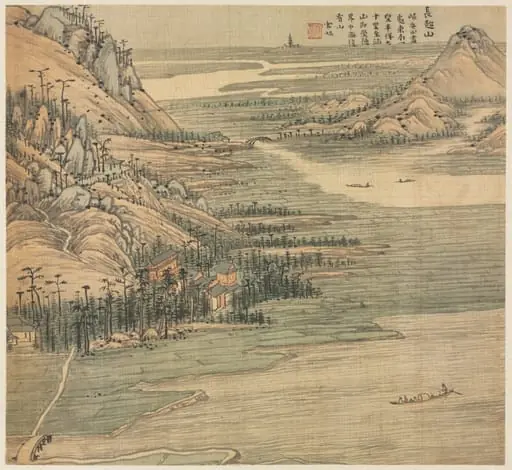
Mt. Daochang is an unspecified painting by the Renaissance artist Song Xu. It dates from 1588 and is held in the collection of the Cleveland Museum of Art. The hand‑scroll titled Mt.
- Accession no.
- 1998.78.13
About this work
Overview
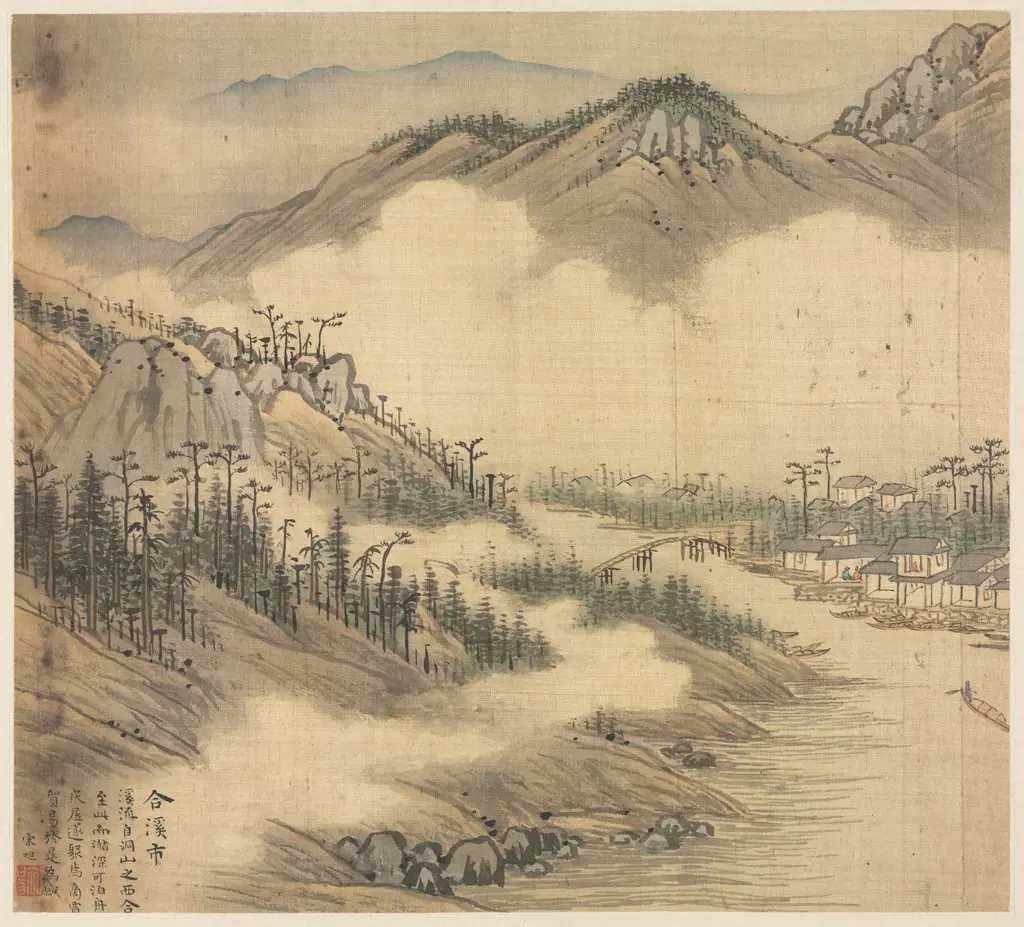
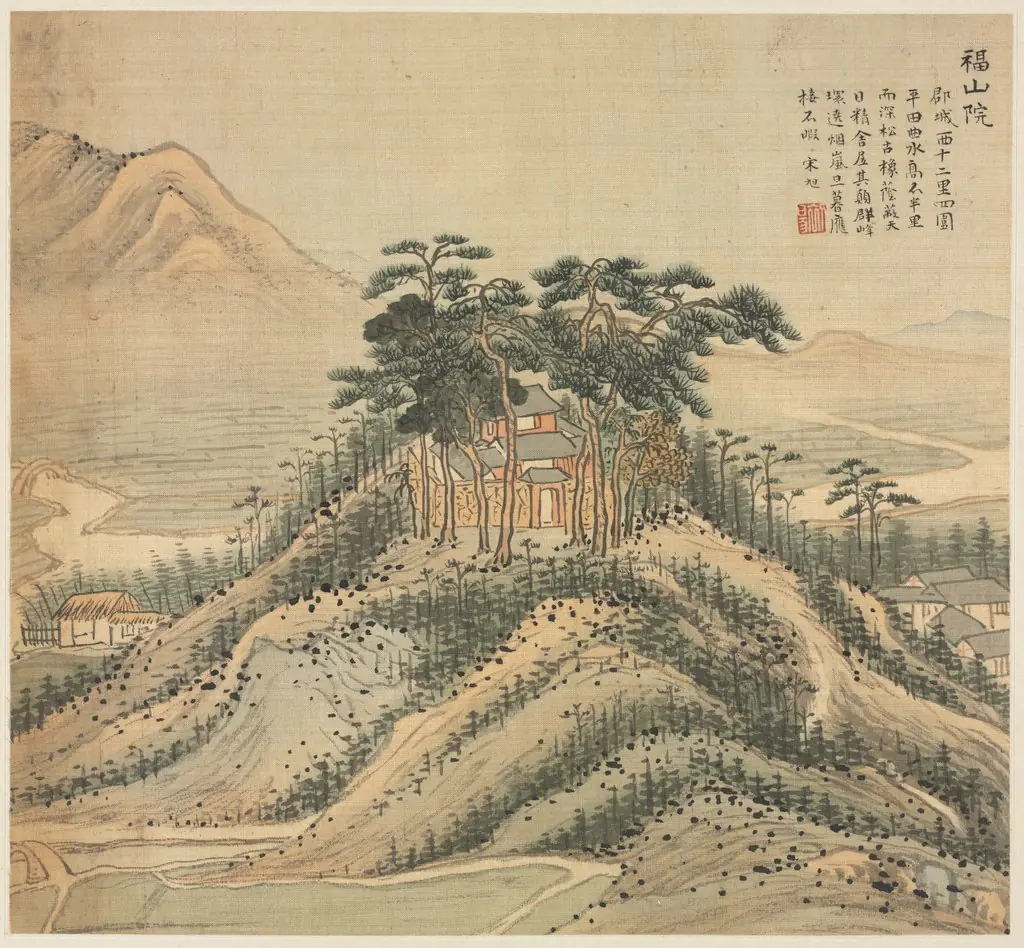
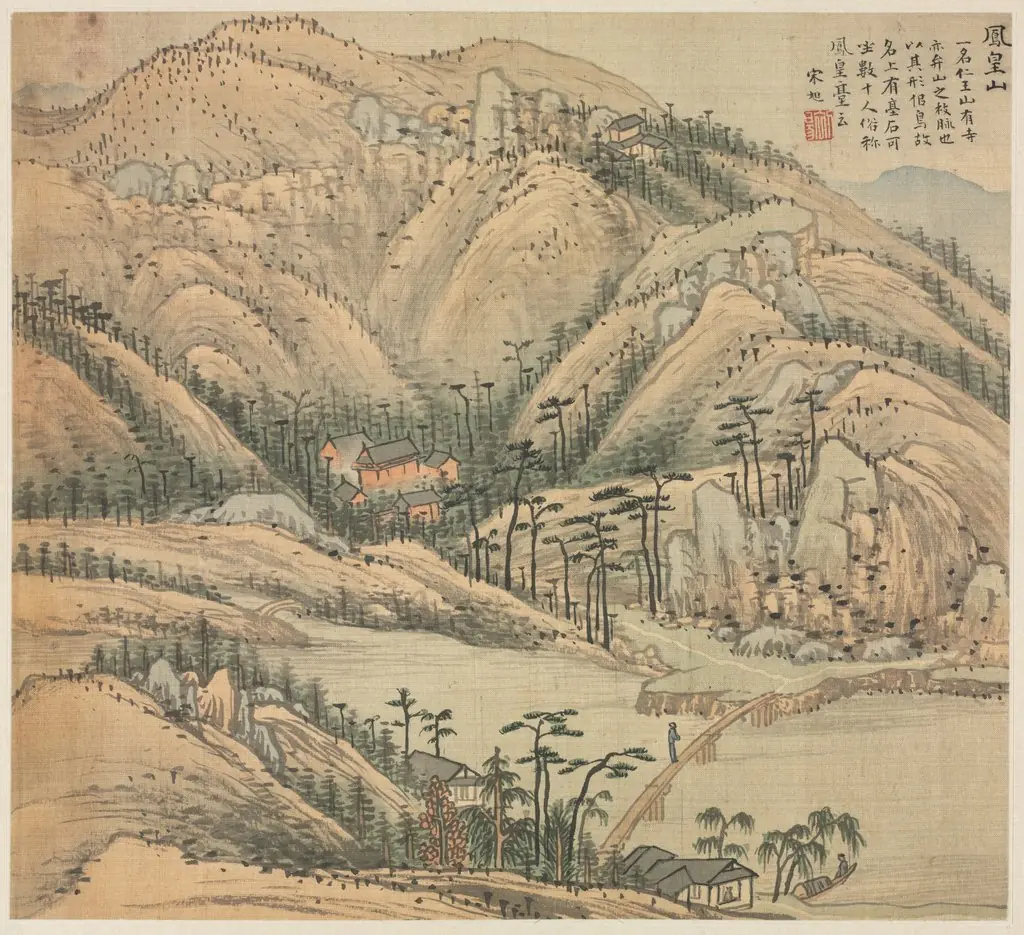
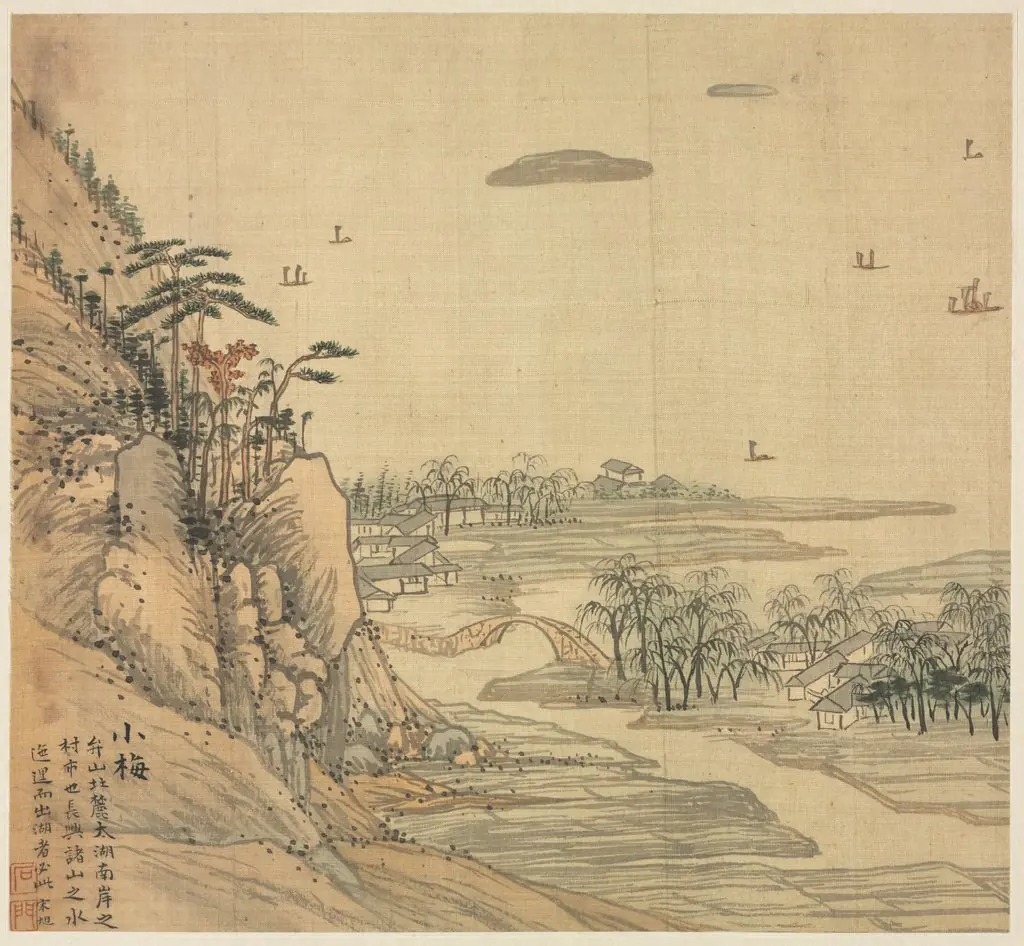
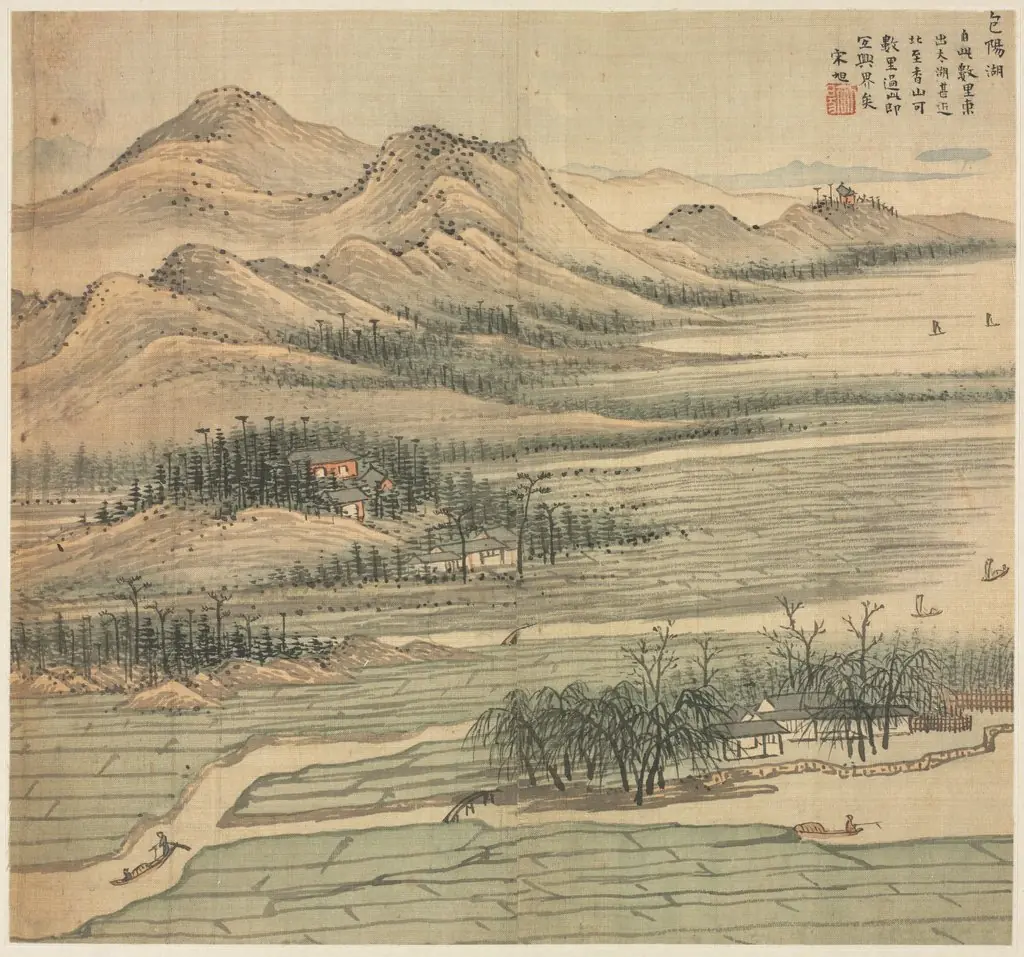
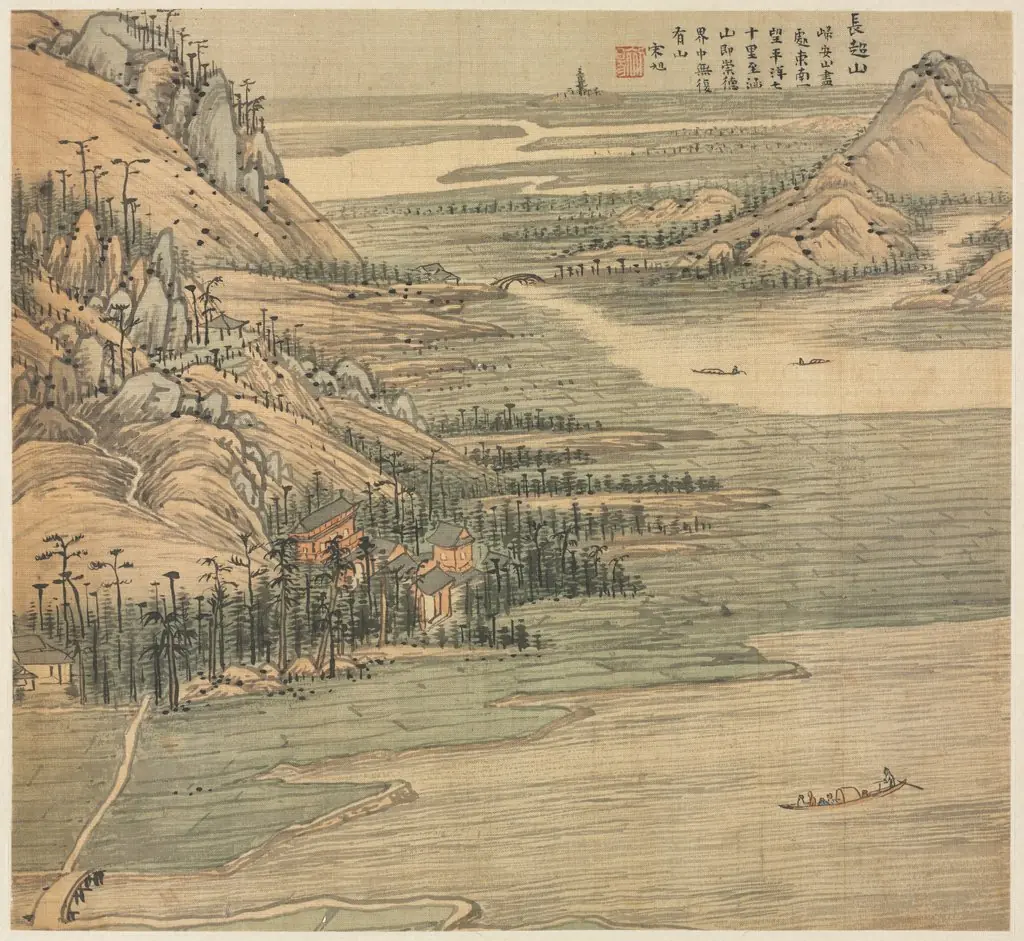
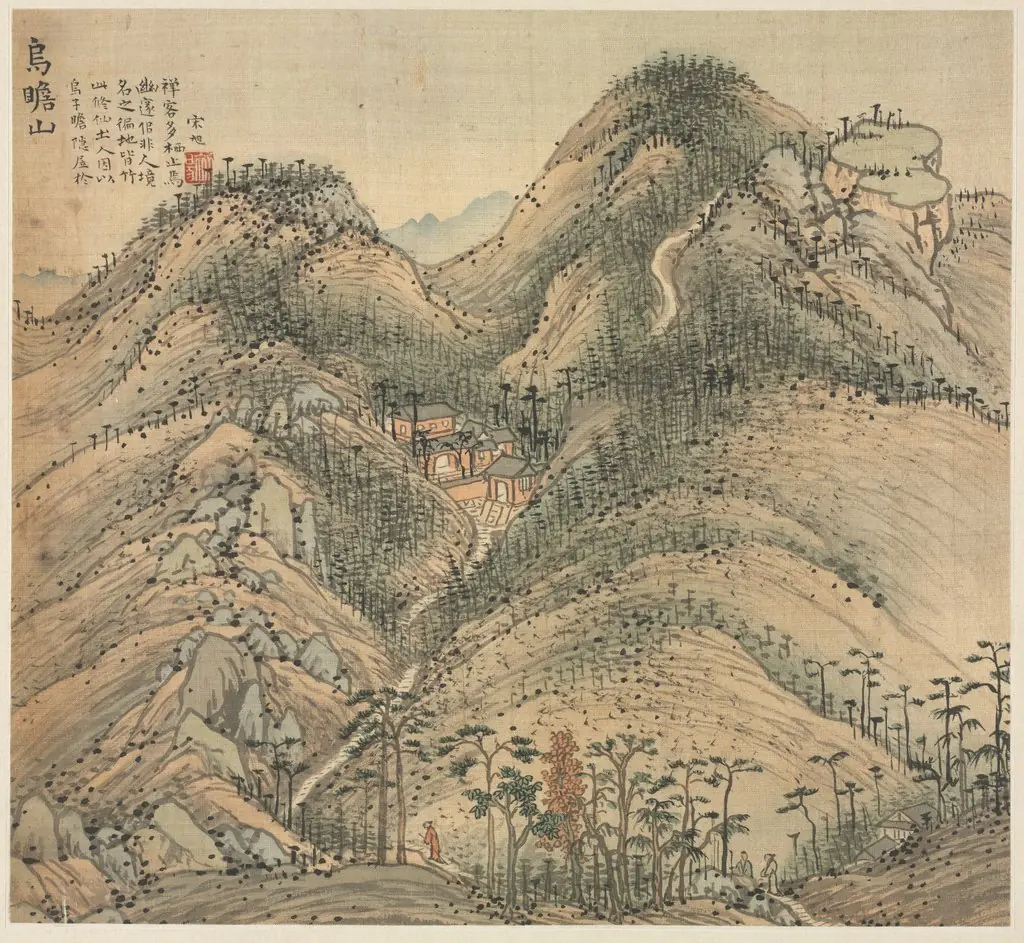
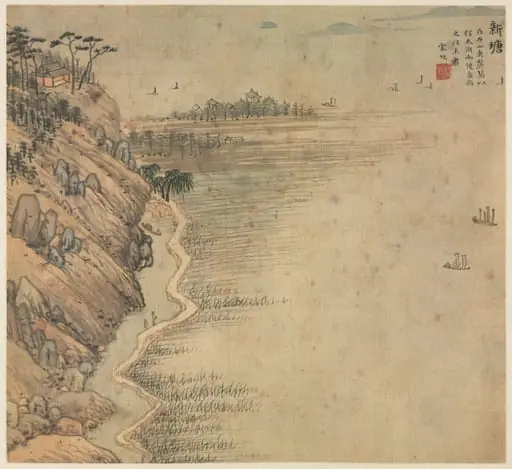
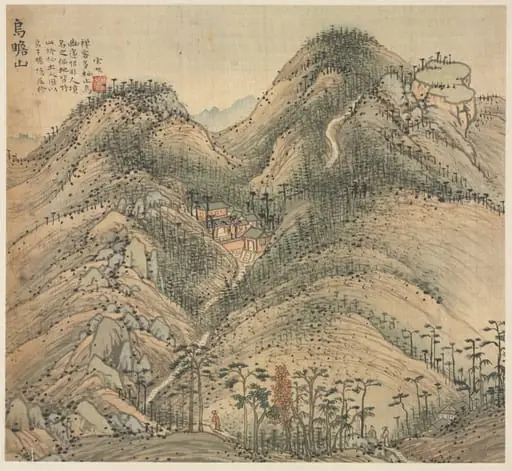
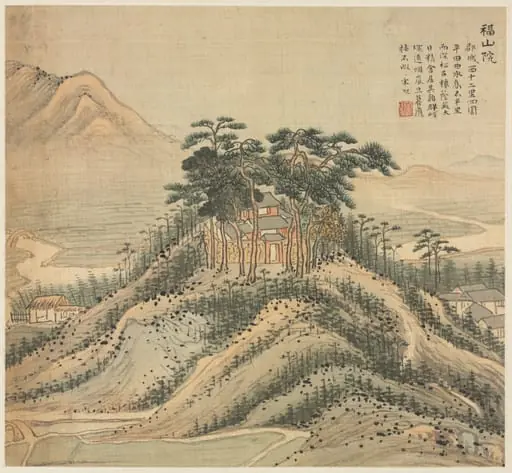
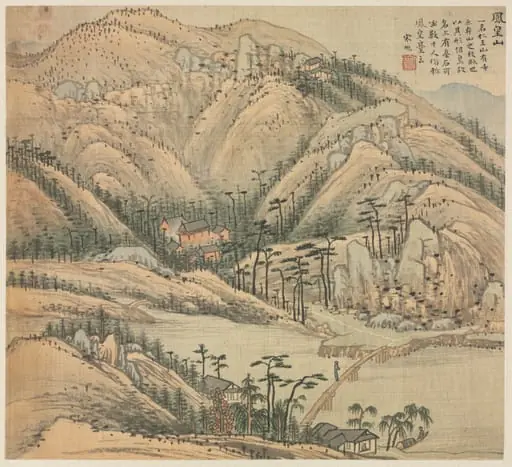
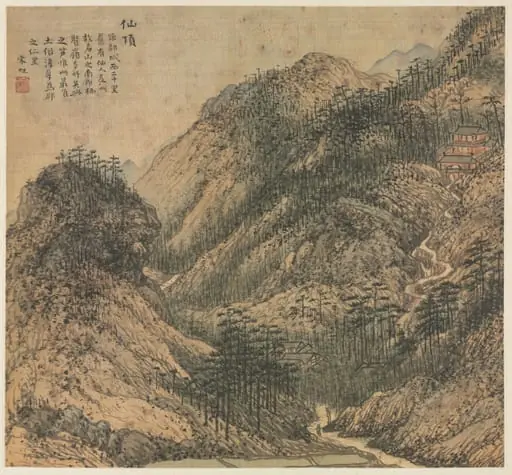
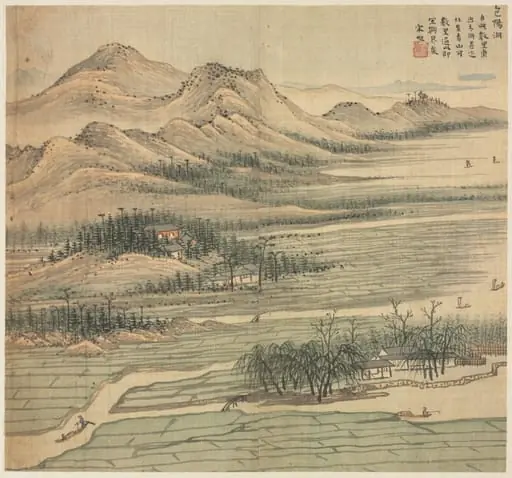
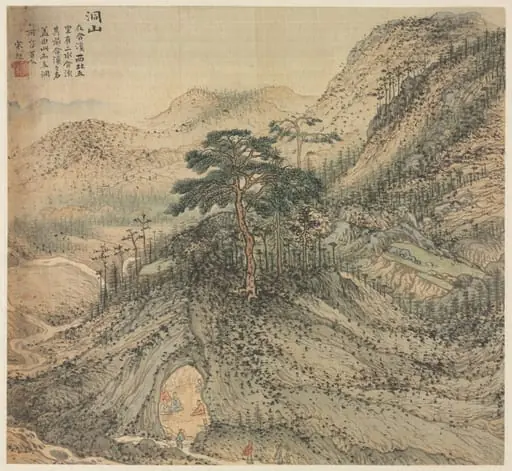
The hand‑scroll titled Mt. Daochang is one of a series of eighteen landscape scenes that document celebrated vistas around the historic city of Wuxing in southeastern China. Rendered in ink and color on paper, the work combines natural scenery with architectural elements, offering a panoramic view that includes distant hills, a lake, and the fortified city below.
Subject & Meaning
At its summit stand the pavilions associated with Chan Master Fuhu, a revered Buddhist figure of the tenth century, and the Wanghu Pavilion.
The composition centers on Mount Daochang, a hill situated roughly five to six li south of Wuxing’s prefectural seat. At its summit stand the pavilions associated with Chan Master Fuhu, a revered Buddhist figure of the tenth century, and the Wanghu Pavilion. The painting highlights the mountain’s spiritual significance while also situating it within a broader geographic context, showing Hangzhou’s mountains to the south and Lake Tai to the north.
Technique & Style
Song Xu employs the traditional Chinese literati approach, using delicate brushwork to delineate trees, rocks, and buildings. Atmospheric perspective is achieved through layered washes that recede into mist, while precise ink lines render the city walls, towers, and terraces with a cartographic exactness. Brief calligraphic annotations accompany each scene, reflecting the artist’s dual role as painter and chronicler.
History & Provenance
Although not a native of Wuxing, Song Xu traveled there to fulfill a commission that required him to visit and record each of the eighteen locations. His on‑site observations are evident in the detailed topographical notes that accompany the image. The scroll entered the collection of the Cleveland Museum of Art in the twentieth century, where it remains part of the Asian art holdings.
Context
The series belongs to a broader tradition of Chinese landscape albums that served both aesthetic and documentary purposes. By pairing visual representation with textual commentary, the works functioned as a kind of gazetteer, preserving the cultural memory of sites linked to historical figures, religious practice, and regional identity.
Own this work as a print
Artist & collection