Artwork
Xintang (Immortal's Peak)
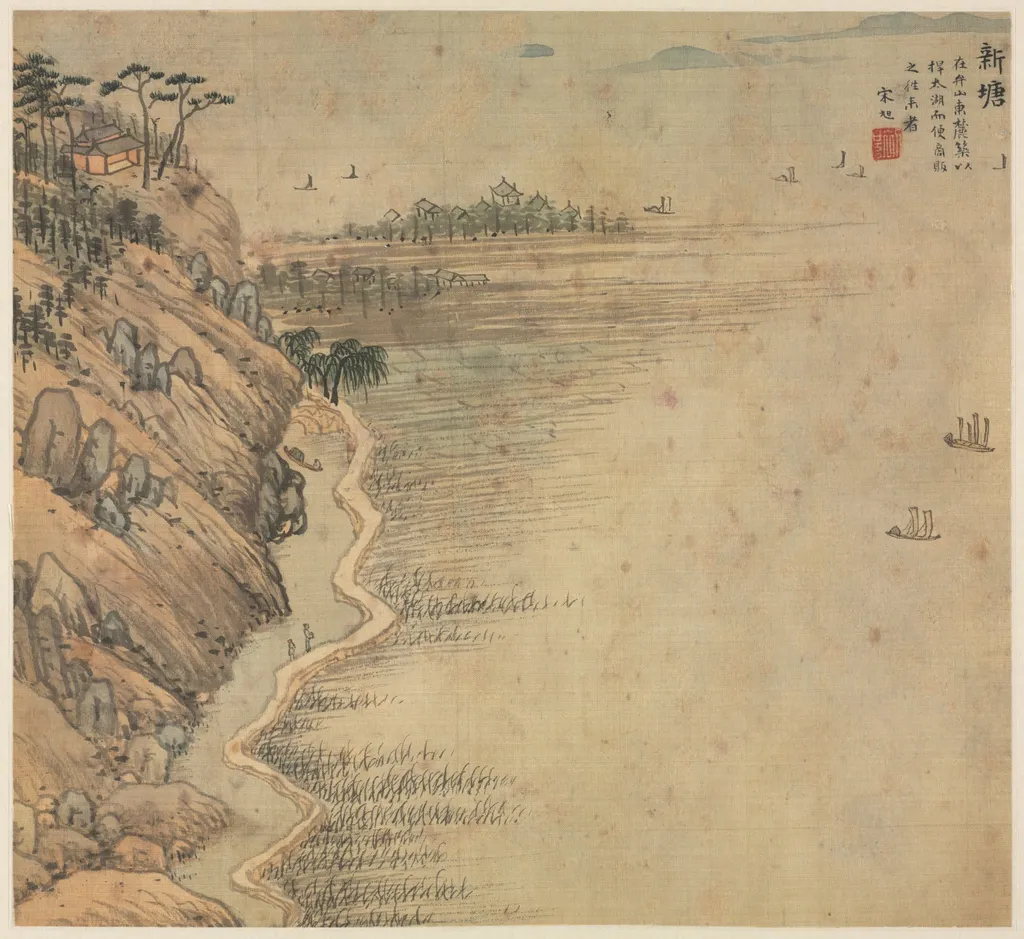
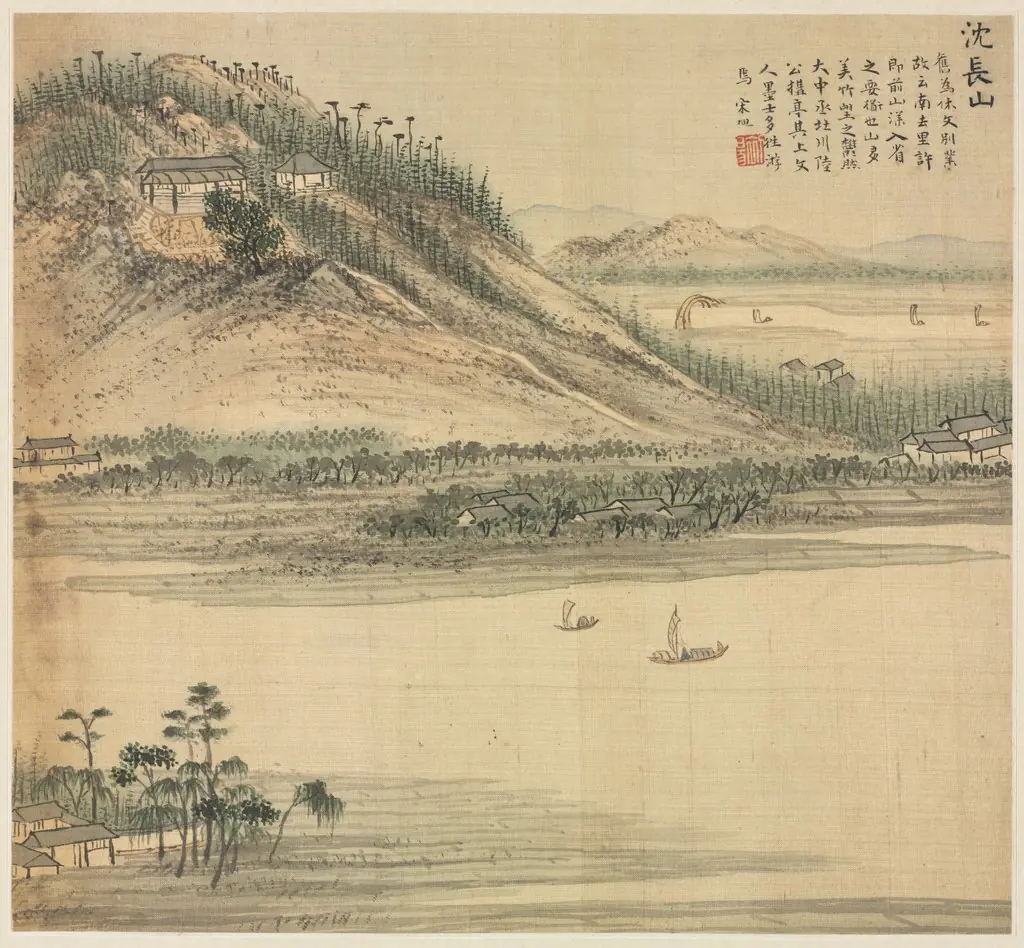
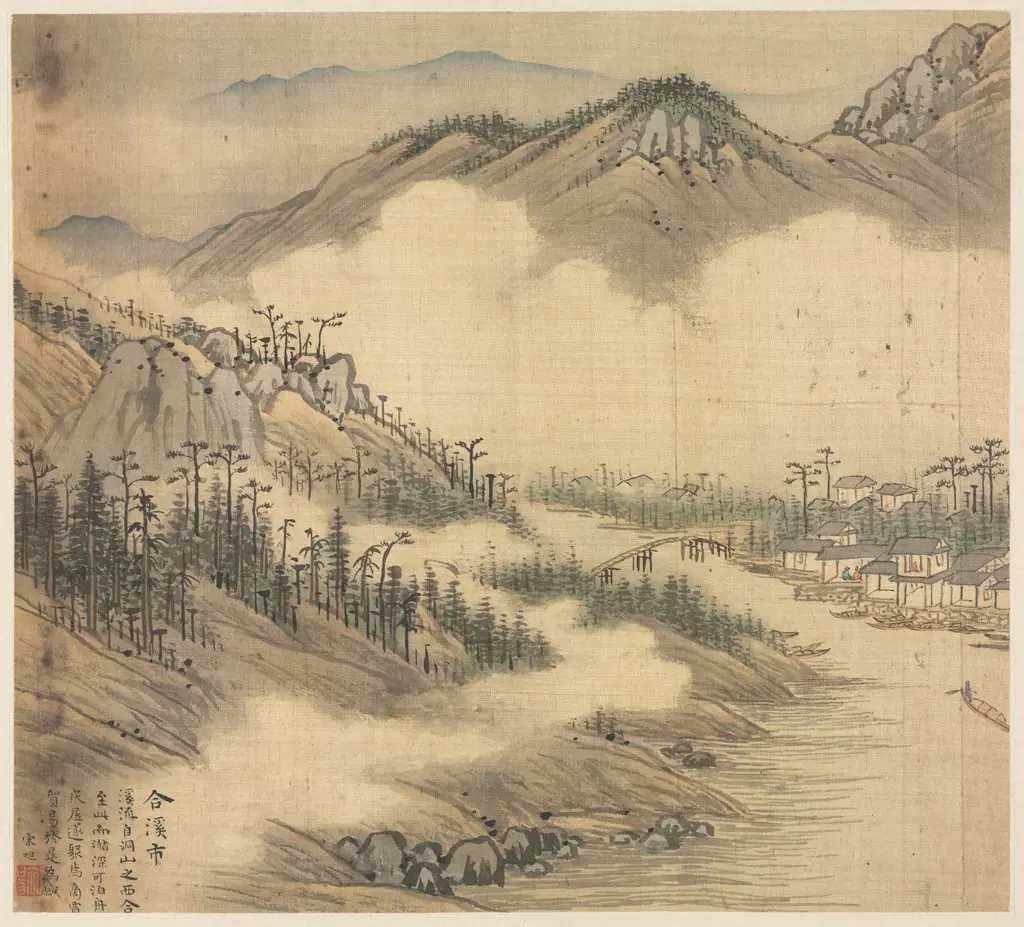
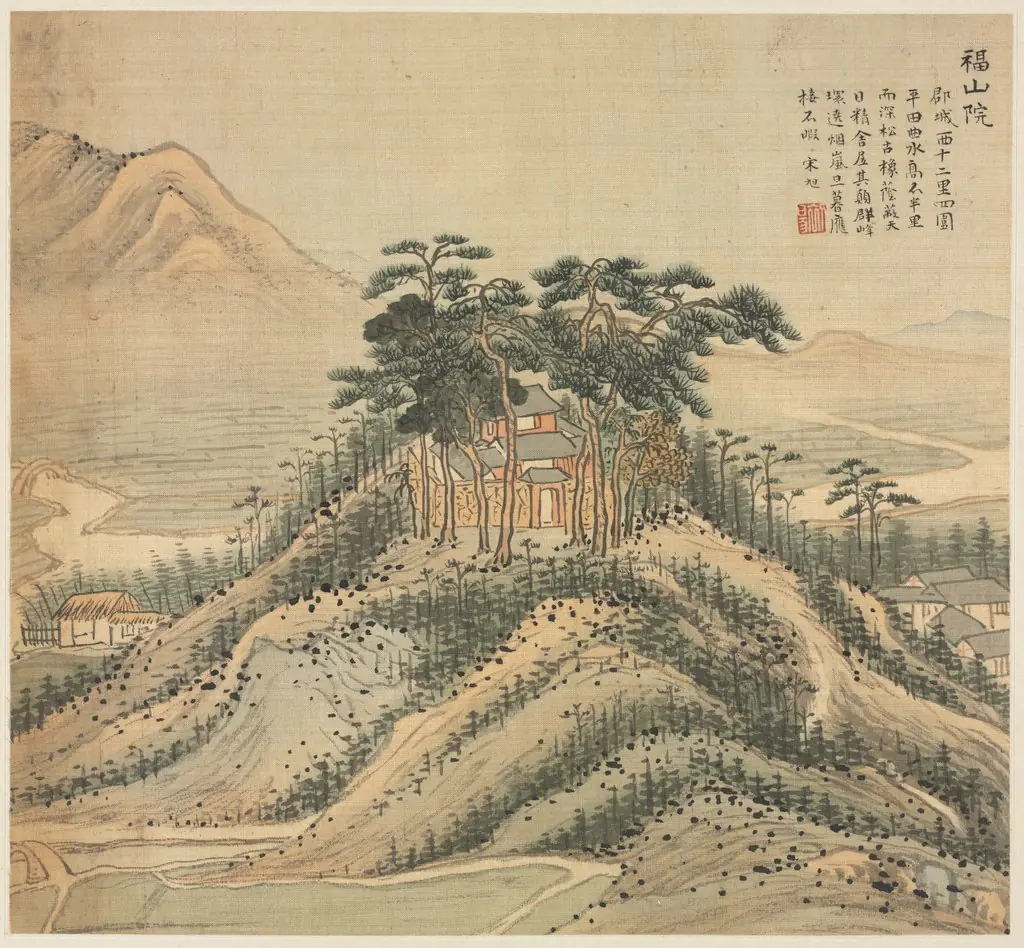
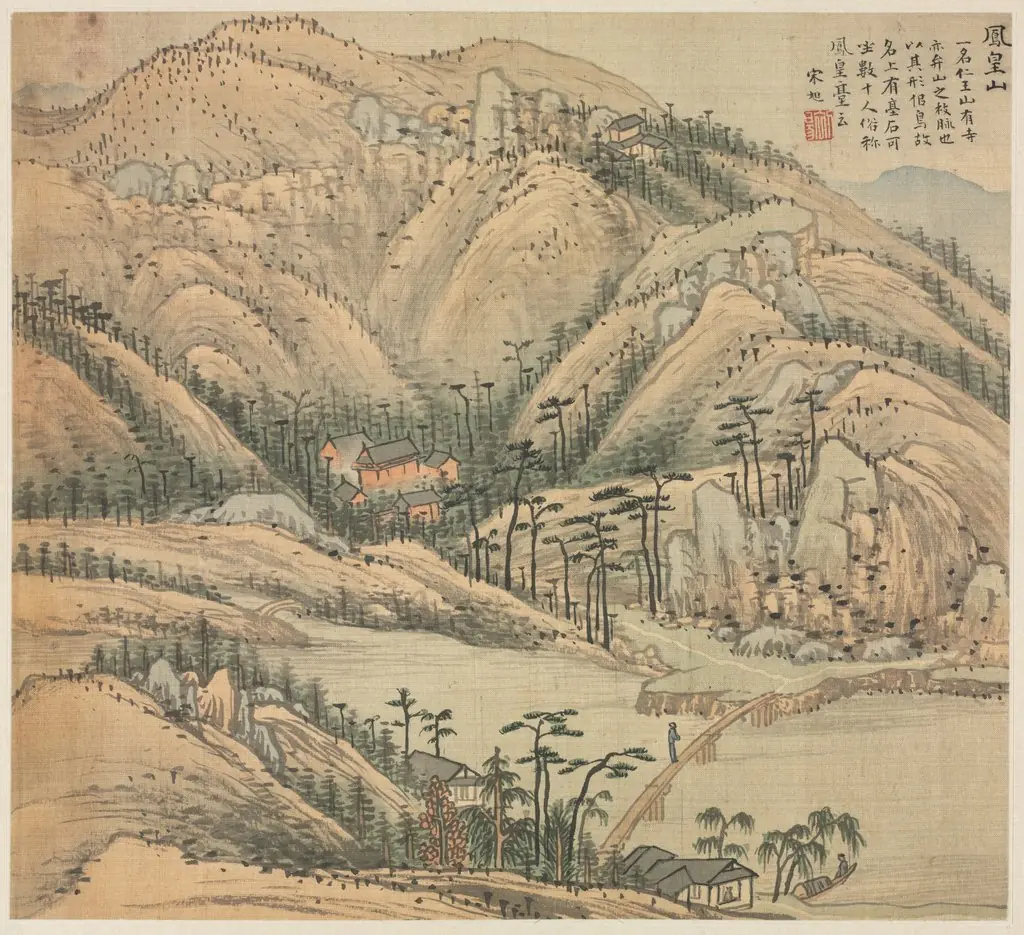
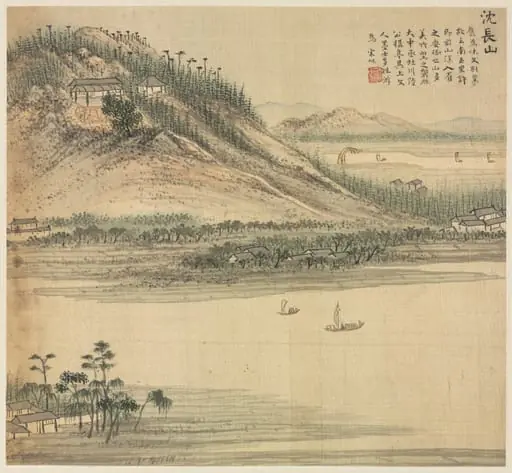
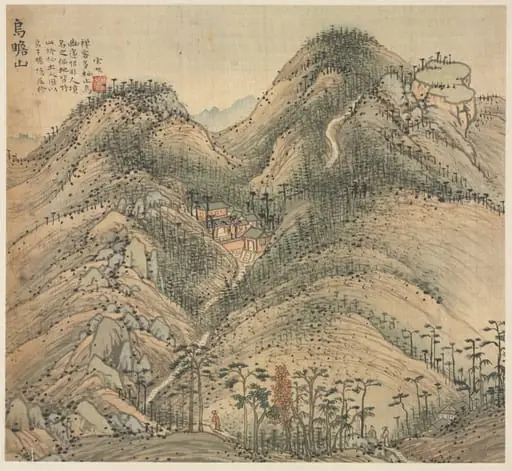
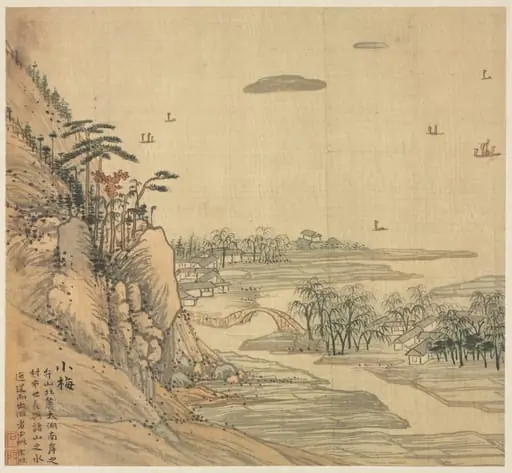
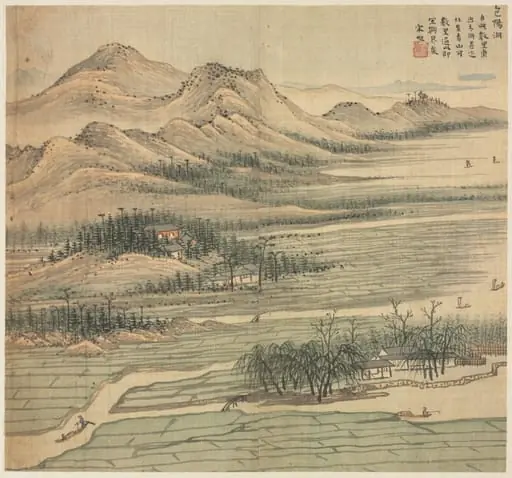
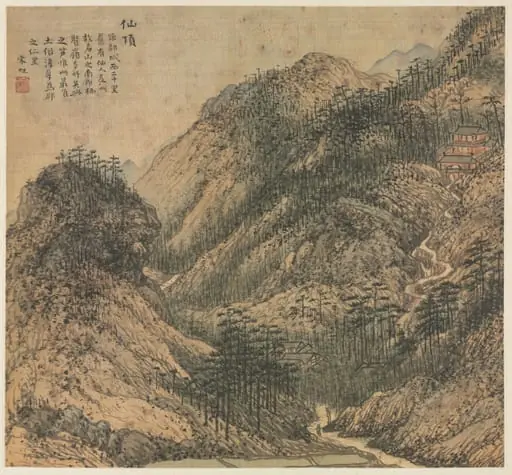
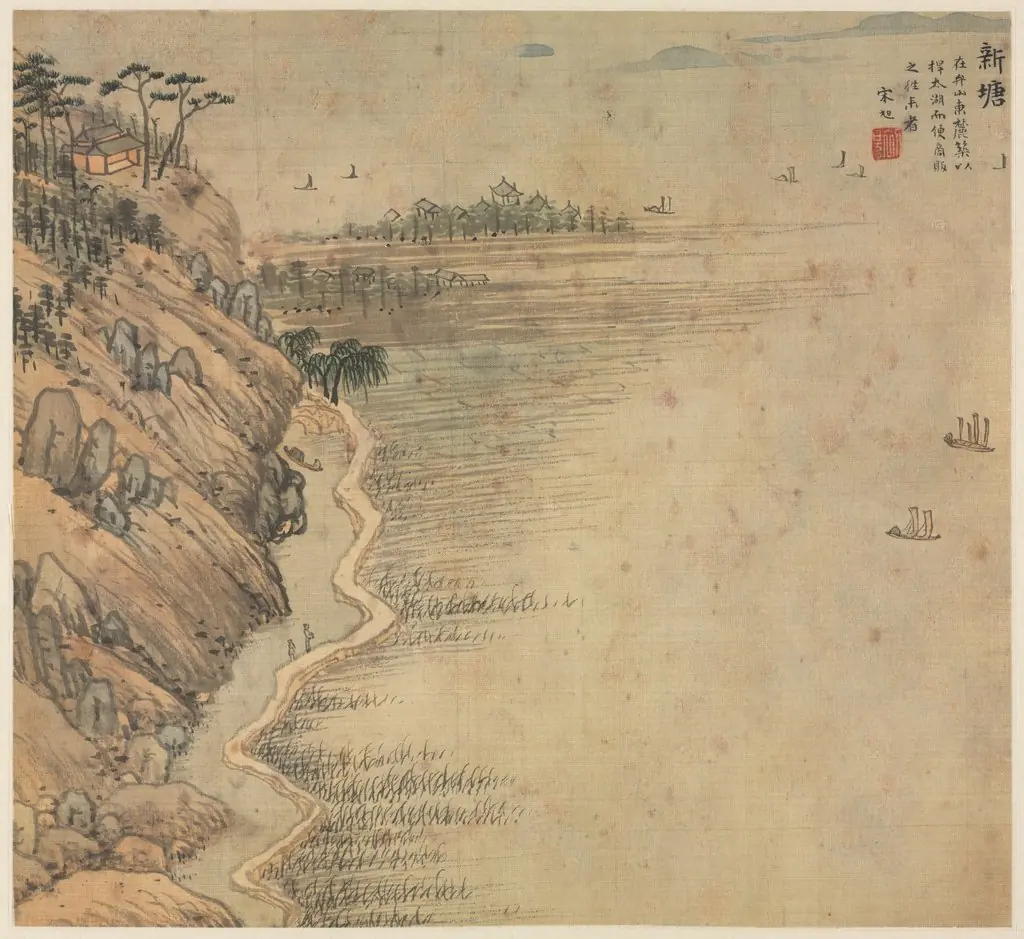
Xintang (Immortal's Peak) is an unspecified painting by the Renaissance artist Song Xu. It dates from 1588 and is held in the collection of the Cleveland Museum of Art.
- Accession no.
- 1998.78.1
About this work
The artist painted this scene around 1588, showing a peaceful Ming Dynasty spot near Jiaxing.
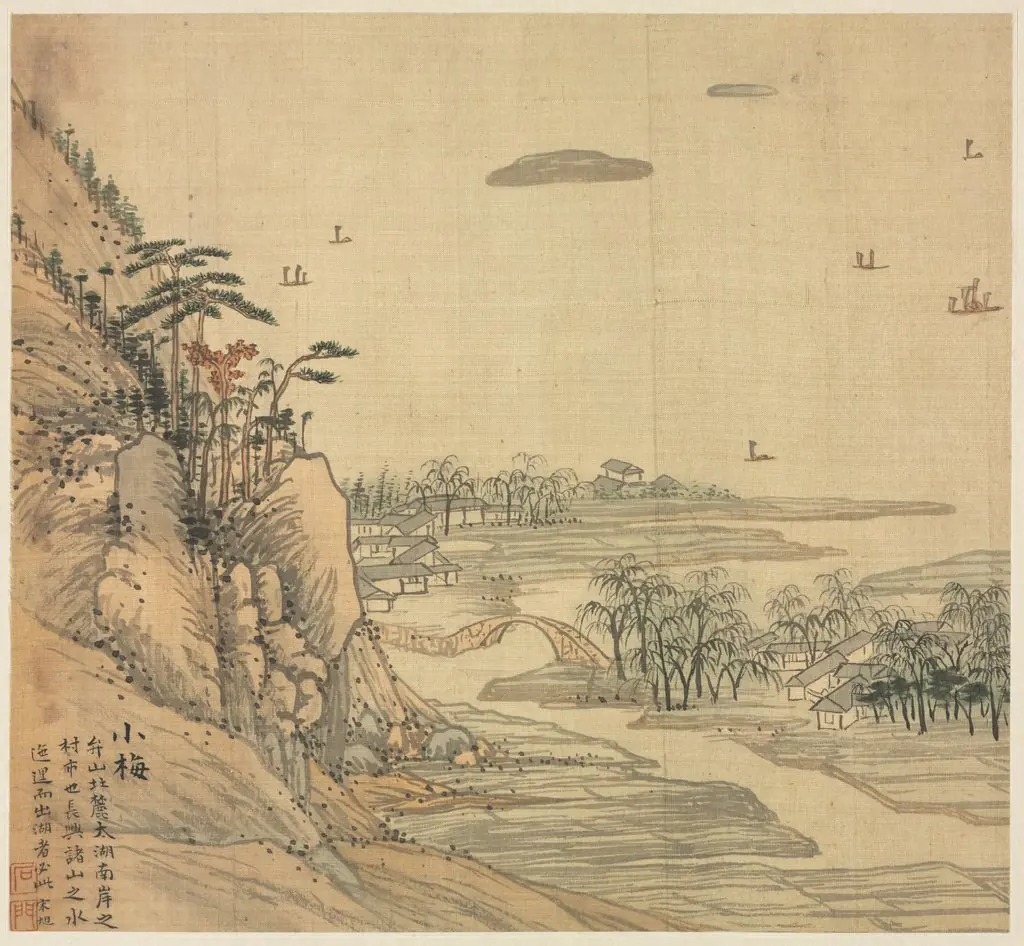
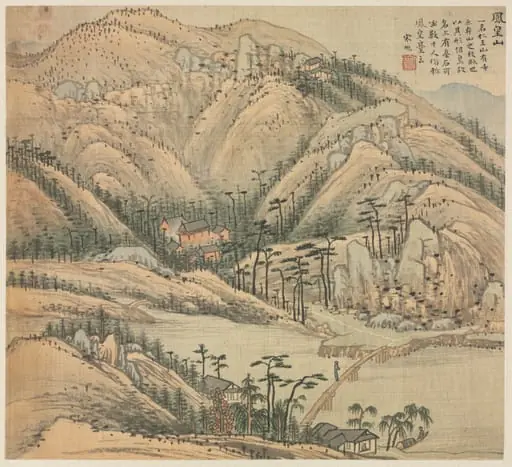
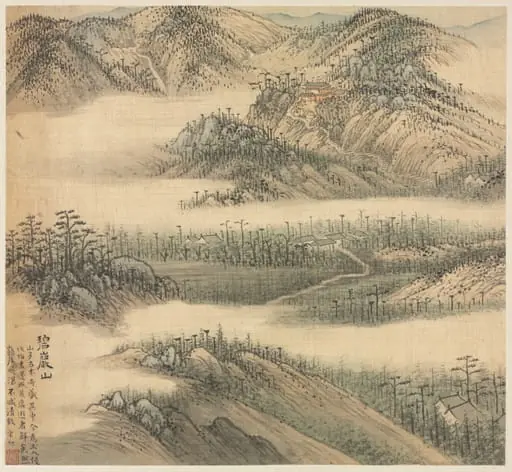
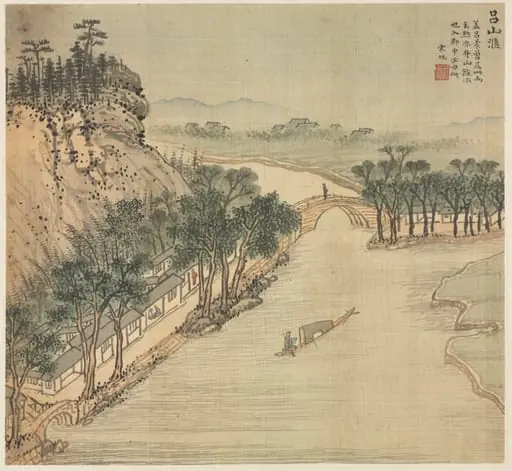
You see a calm lake with boats and distant mountains in soft ink wash. The artist painted this scene around 1588, showing a peaceful Ming Dynasty spot near Jiaxing. Tiny brushstrokes hint at rocks and trees without heavy lines.
Song Xu often traveled this river area and knew the scenery well. His album leaves like this one helped popularize local views in printed books back then.
Want more like this? Check out Song Xu (Chinese, 1525–c. 1606) to see how he blended travel scenes with quiet detail.
Overview
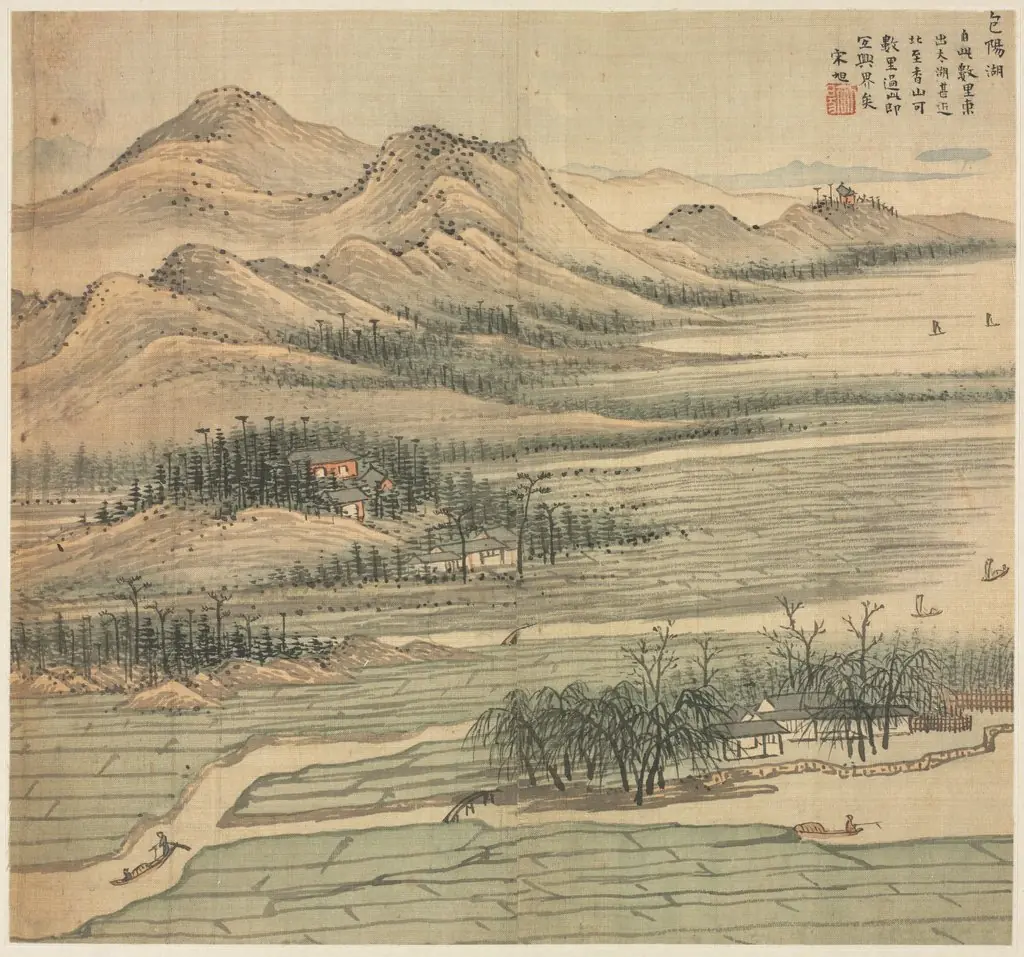
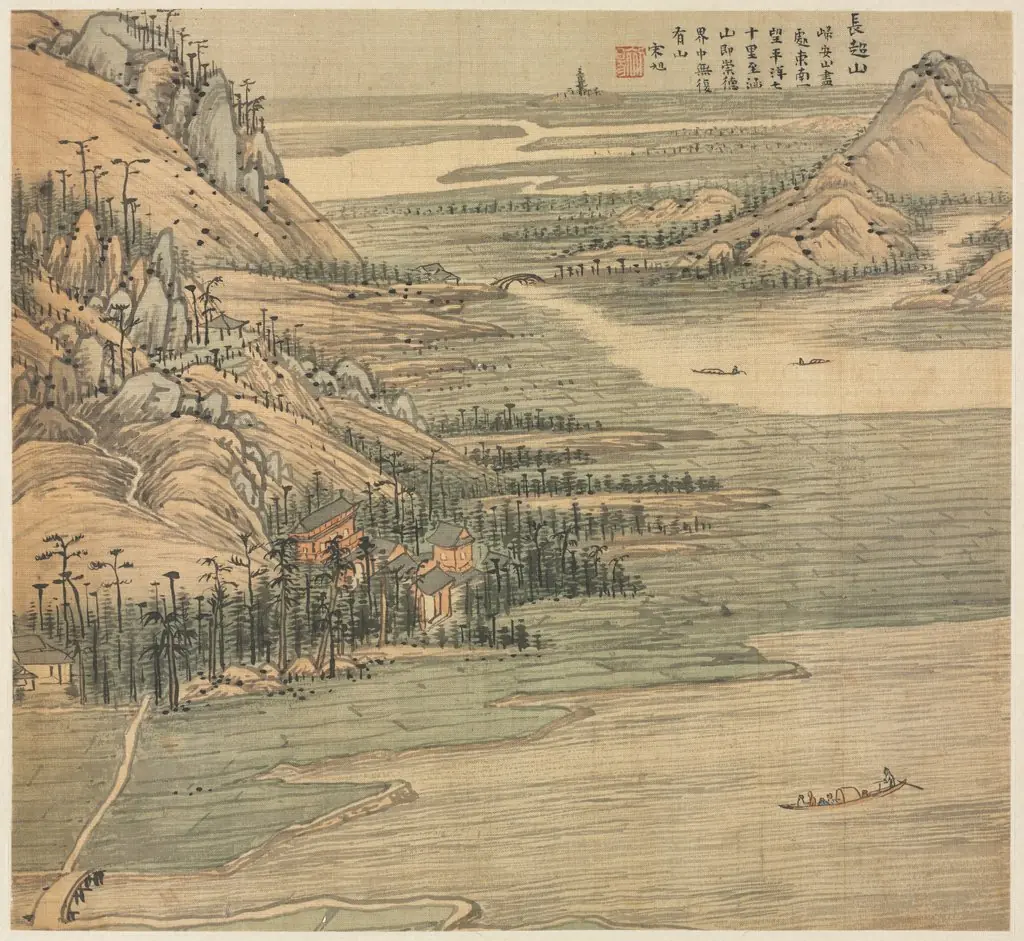
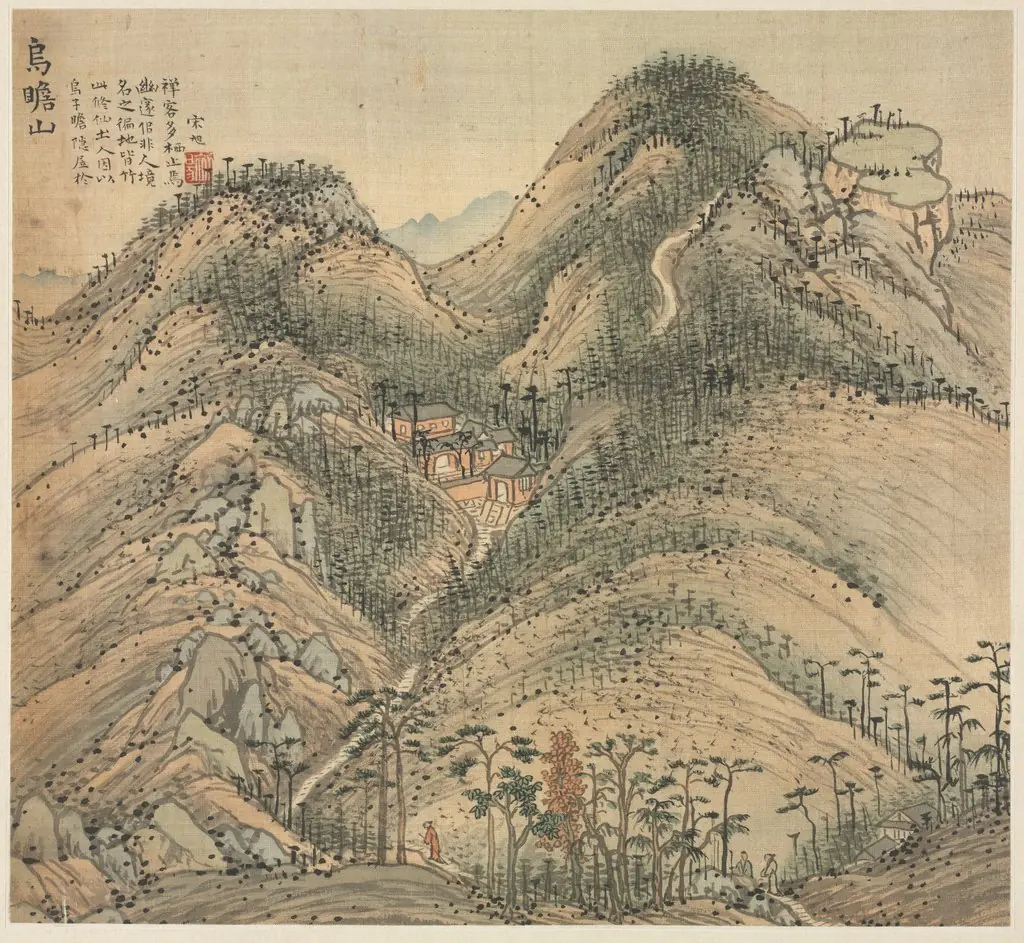
Xintang, also known as Immortal’s Peak, is a hand‑painted album leaf created circa 1588 by the Ming‑period artist Song Xu. Executed in ink wash on paper, the composition presents a tranquil lake scene with modest boats drifting before distant, mist‑softened mountains, embodying a serene moment in the lower Yangzi delta.
Subject & Meaning
The image captures a stretch of water near Jiaxing, flanked by the hills of the Lake Tai region in present‑day Huzhou. Minimalist brushwork suggests rocks and foliage, while the presence of small vessels hints at everyday river traffic, offering viewers a contemplative glimpse of the landscape’s quiet beauty.
Technique & Style
Song Xu employs a restrained ink wash technique, using light, layered strokes to render atmospheric depth. Fine, almost calligraphic lines delineate trees and cliffs, while broader washes suggest water and sky, creating a balanced interplay of detail and suggestion characteristic of late‑Ming literati painting.
History & Provenance
The leaf originates from an album that documented notable sites around Lake Tai, specifically the counties of Changxing and Wuxing (now Huzhou). Inscribed with brief locational notes, the pages likely served as commemorative souvenirs or portable guides for patrons interested in the region’s scenery.
Context
During the early sixteenth century, the proliferation of illustrated travel books spurred interest in topographical subjects. Artists such as Song Xu, who traveled frequently between Jiaxing, Songjiang, and the riverine routes, contributed to this trend by producing visual records that could be enjoyed by readers who could not visit the sites themselves.
Own this work as a print
Artist & collection