Artwork
Baoyang Lake
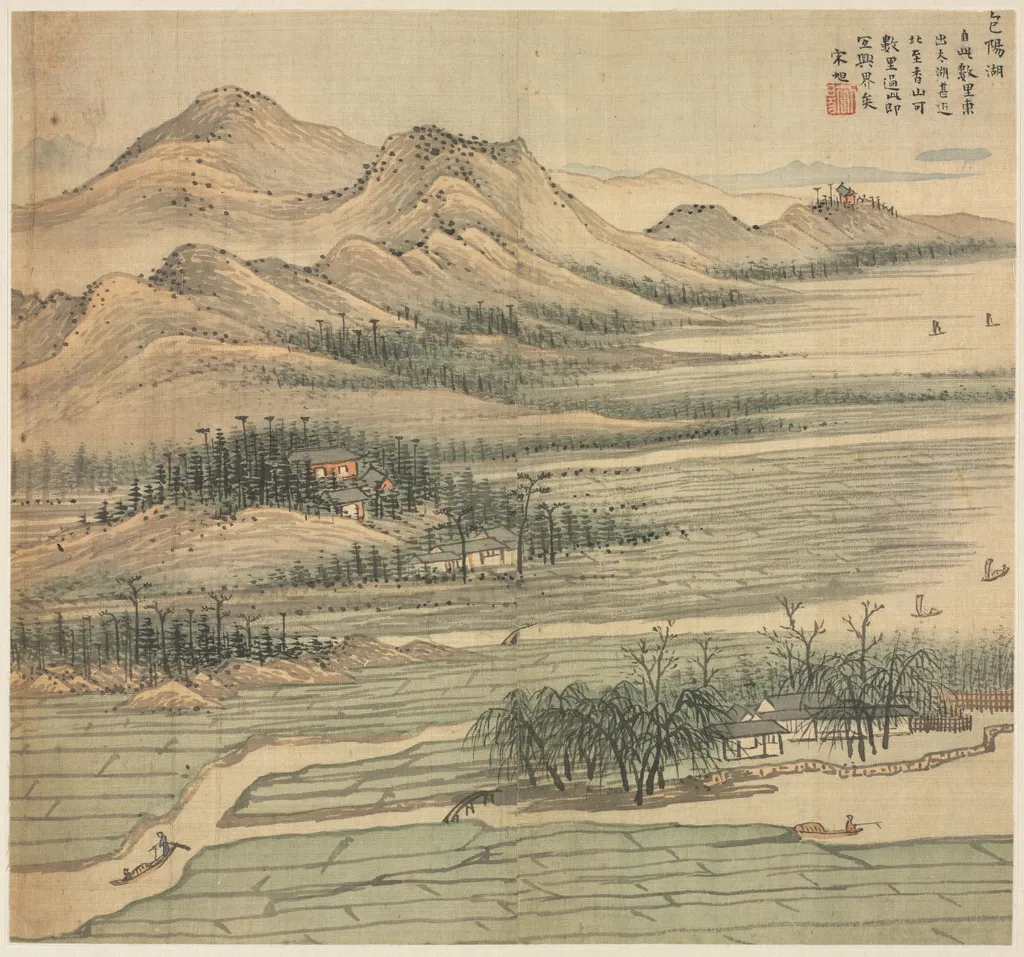
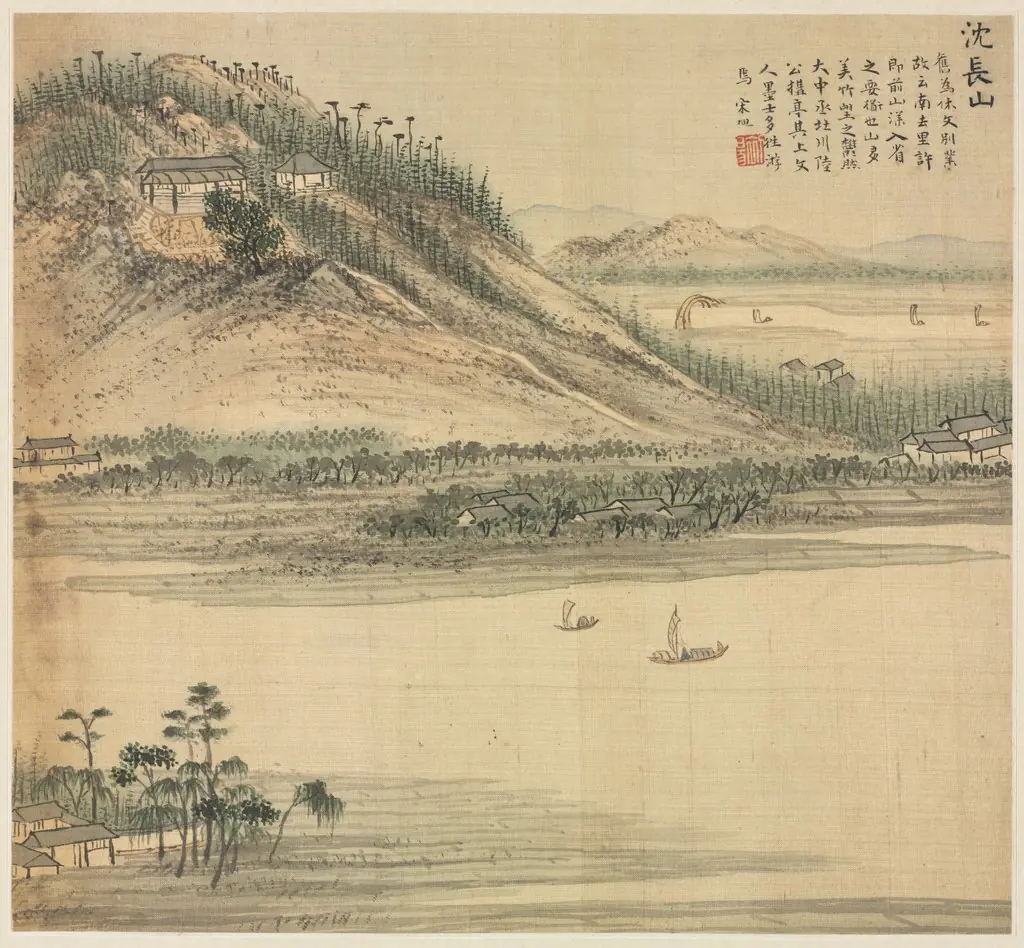
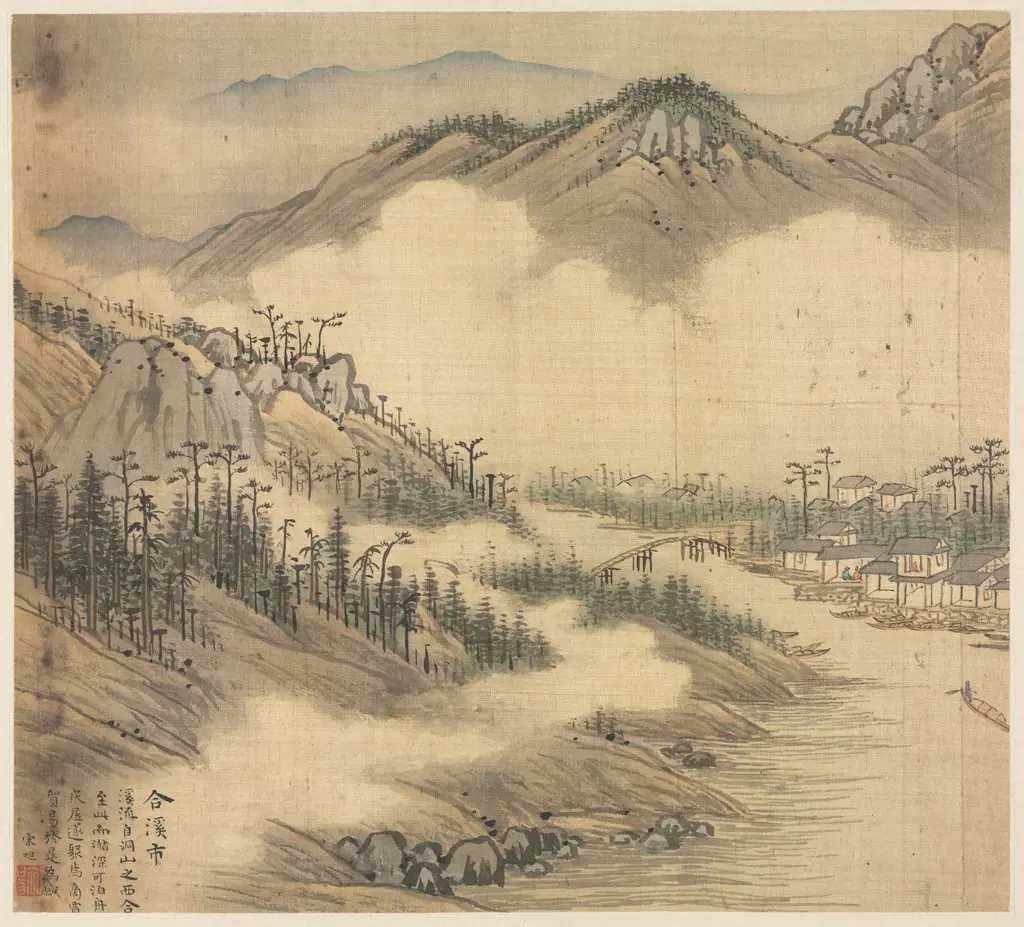
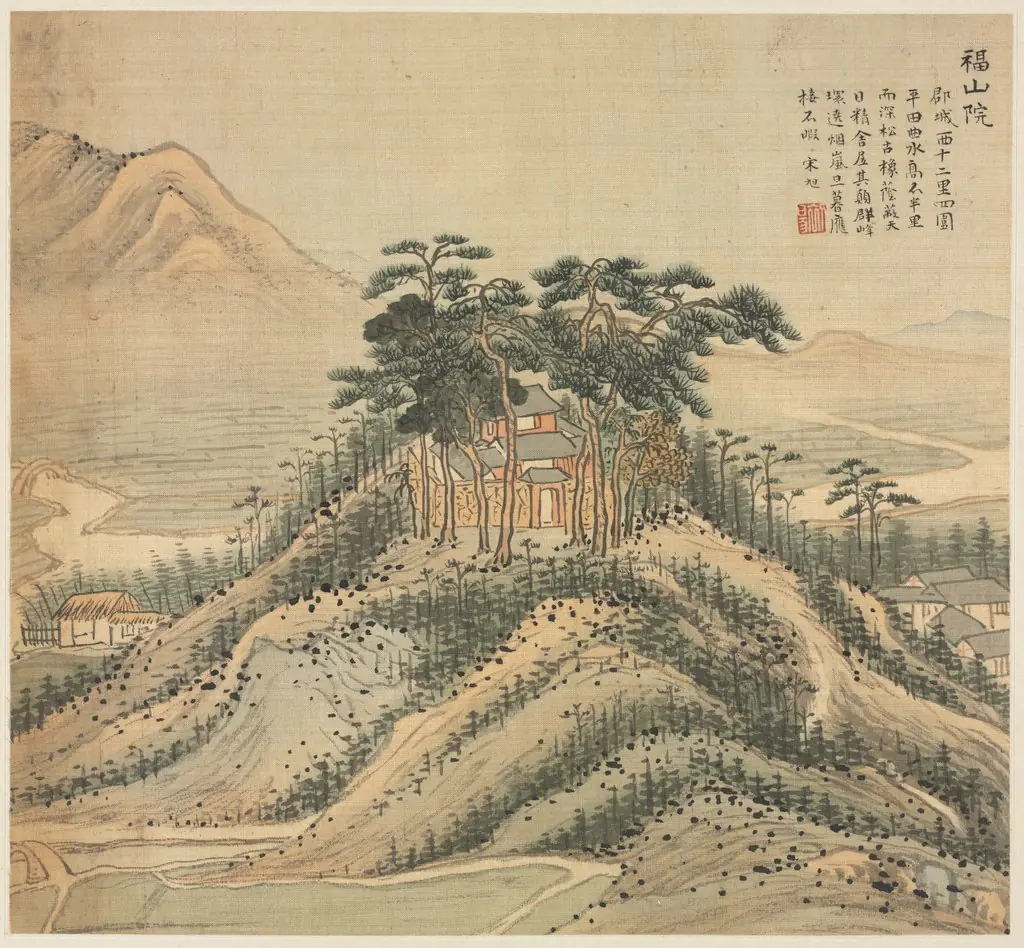
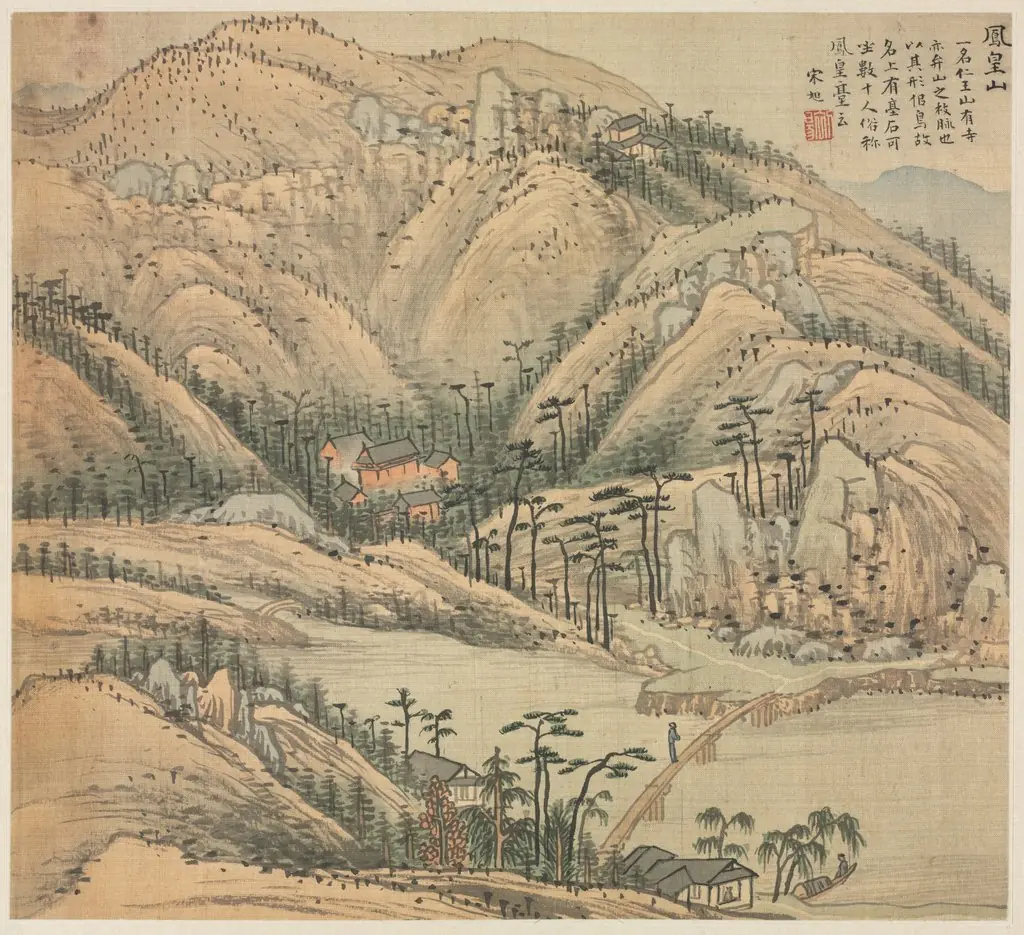
Baoyang Lake is an unspecified painting by the Chinese Orthodox School artist Song Xu. It dates from 1594 and is held in the collection of the Cleveland Museum of Art.
About this work
History & Provenance
The work, classified as a painting, entered the collection of the Cleveland Museum of Art, where it is cataloged under the accession number 1998.
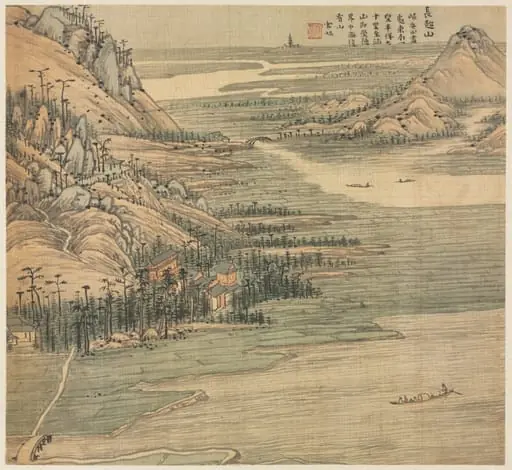
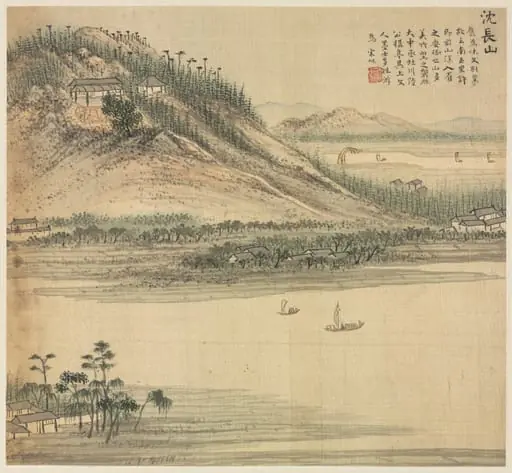
Created in 1588 by the Chinese artist Song Xu (active c. 1525–1606), Baoyang Lake was produced in Jiaxing. The work, classified as a painting, entered the collection of the Cleveland Museum of Art, where it is cataloged under the accession number 1998.78.14. While specific details regarding the original commission or intermediate ownership history prior to its museum acquisition are not provided in the available records, the piece is firmly dated to the late 16th century and depicts a landscape featuring boats, mountains, and trees.
Baoyang Lake is held by the Cleveland Museum of Art, where it is catalogued under accession number 1998.78.14. The painting entered the museum's collection as part of its holdings of Chinese art, and its current location is the Cleveland Museum of Art. According to available records, the work is associated with the museum's collection and remains in its custody. No detailed exhibition history is documented in the available sources.
Legacy
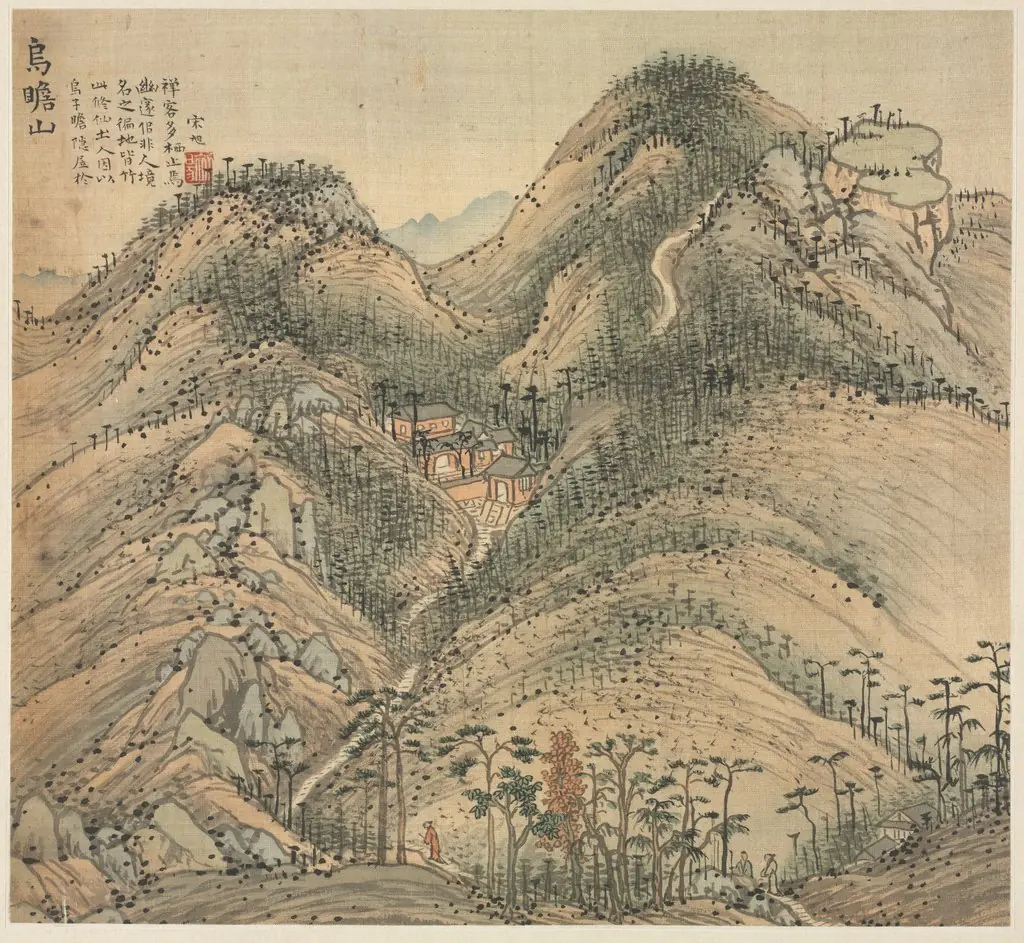
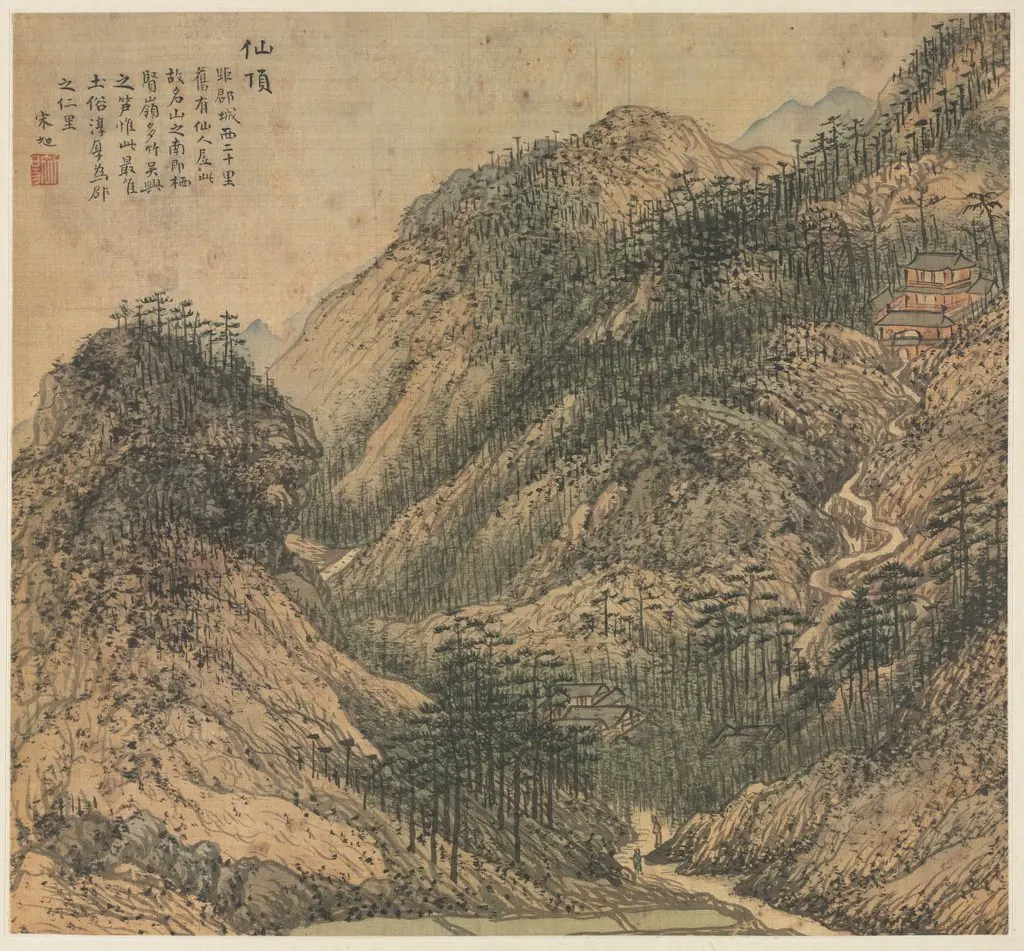
Baoyang Lake, a 1588 Ming‑dynasty landscape painting by Song Xu, entered the Cleveland Museum of Art collection and is catalogued as object 1998.78.14. The work portrays a boat on the lake surrounded by mountains, trees and distant peaks, reflecting the literati aesthetic of Jiaxing region. Its inclusion in a major Western museum helped introduce the style of Song Xu to broader scholarship, establishing the painting as a reference point for studies of late‑Ming landscape art.
The painting’s provenance and visual program have been cited in art‑historical surveys as exemplifying the synthesis of Chinese poetic imagery with formal composition, contributing to the reassessment of Song Xu’s place in the development of Chinese landscape painting.
Overview
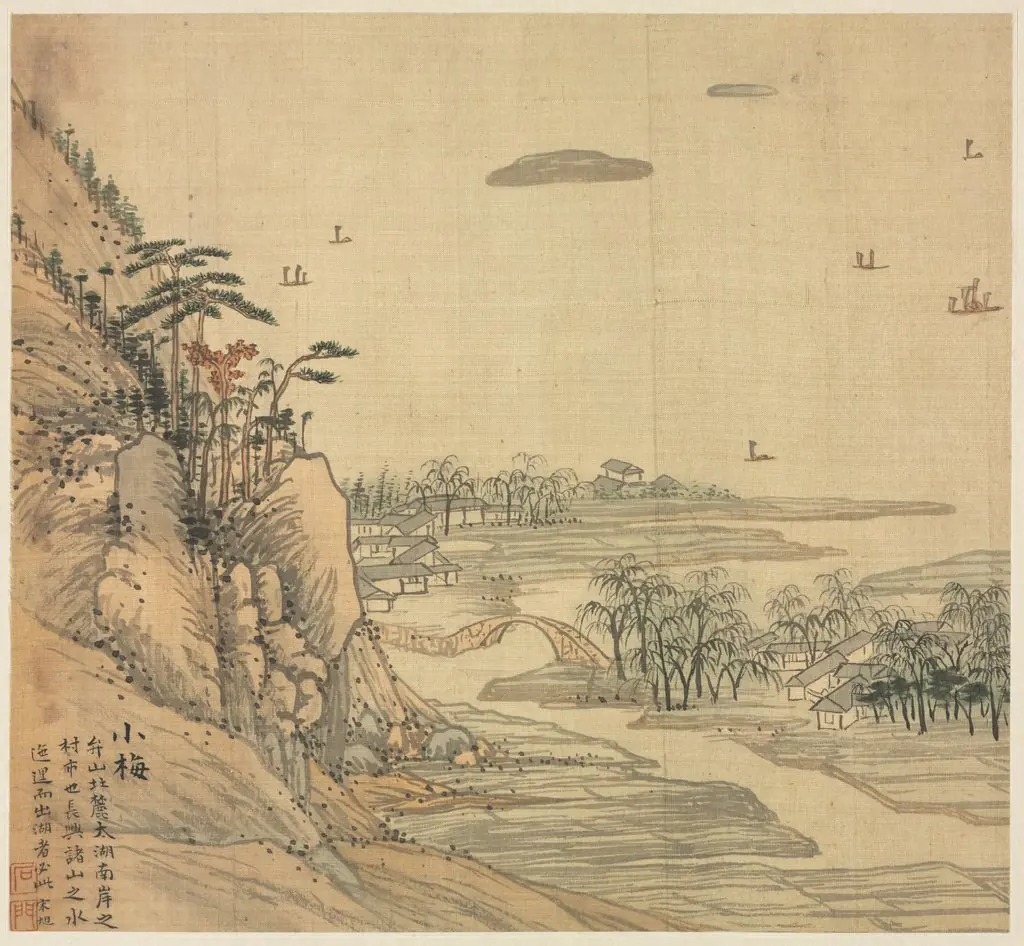
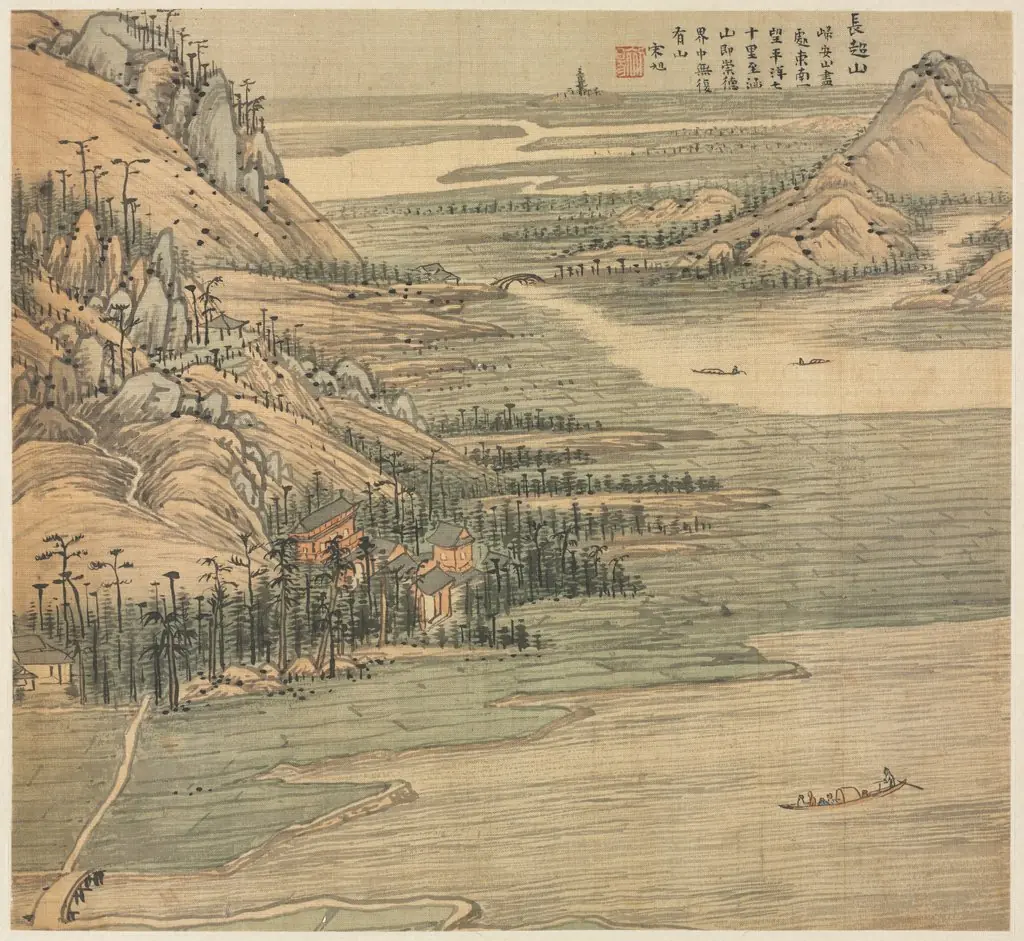
This painting, titled Baoyang Lake, was created by the artist Song Xu in 1594. It presents a serene and atmospheric landscape, characterized by a tranquil lake surrounded by rolling hills. A solitary boat is visible on the water, contributing to the overall sense of calm. The work is currently part of the collection at The Cleveland Museum of Art.
Subject & Meaning
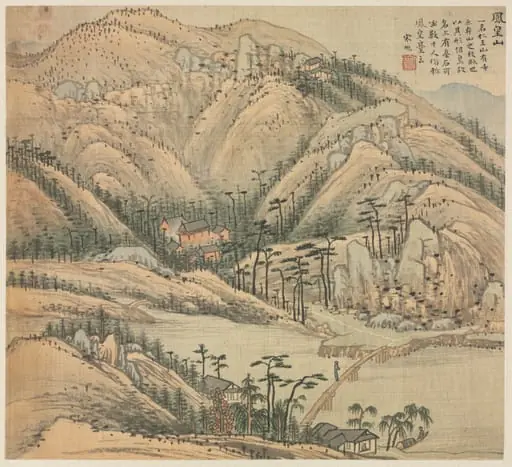
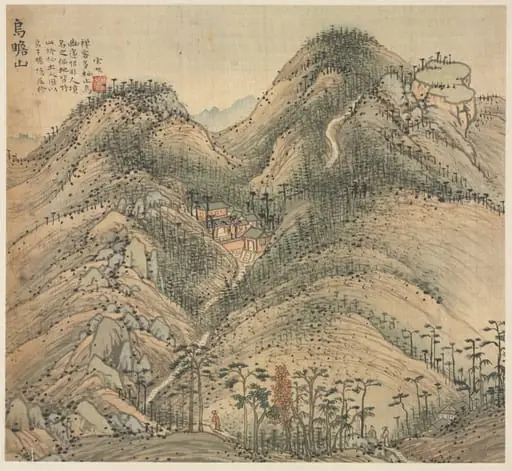
The composition centers on a placid lake, its surface reflecting a soft, misty atmosphere. Gently rolling hills, sparsely dotted with trees and a few small structures, recede into the distance, creating a sense of depth and tranquility. A single boat drifts quietly on the water, underscoring the painting's contemplative and peaceful mood. The pale sky and subtle cloud formations enhance the scene's serene quality.
Technique & Style
Song Xu employed delicate washes of color to render the expansive landscape, particularly to achieve a sense of atmospheric perspective. This technique allows distant hills to appear veiled in a soft haze, suggesting their recession into space. The artist utilized simple, clean lines for the depiction of trees and topographical features, contributing to the painting's overall clarity and its quiet, understated aesthetic.
Own this work as a print
Artist & collection